
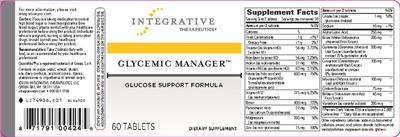
| Calories | 5 | |
| Total Carbohydrates | 1 g | <1% |
| Dietary Fiber | <1 g | 2% |
| Thiamine (as Thiamine Hydrochloride, Vitamin B1)Thiamin (Form: as Thiamine HCl) (Alt. Name: Vitamin B1) | 56 mg | 3,733% |
| Riboflavin (as Vitamin B2) | 56 mg | 3,294% |
| Niacin (as Niacinamide)Niacin (Form: as Niacinamide) | 37 mg | 185% |
| Vitamin B6 (as Pyridoxine Hydrochloride)Vitamin B6 (Form: as Pyridoxine HCl) | 63 mg | 3,150% |
| Folate (as as Quatrefolic brand (6S)-5-Methyltetrahydrofolate Glucosamine Salt)Folate (Form: as Quatrefolic brand (6S)-5-Methyltetrahydrofolate Glucosamine Salt) (Alt. Name: Folic Acid) | 600 mcg | 150% |
| Vitamin B12 (as Methylcobalamin)Vitamin B12 (Form: as Methylcobalamin) | 375 mcg | 6,250% |
| Biotin | 400 mcg | 133% |
| Pantothenic Acid (as Calcium D-Pantothenate)Pantothenic Acid (Form: as Calcium D-Pantothenate) | 37 mg | 370% |
| Magnesium (as as Magnesium Oxide)Magnesium (Form: as Magnesium Oxide) | 200 mg | 50% |
| Zinc (as Zinc Gluconate)Zinc (Form: as Zinc Gluconate) | 15 mg | 100% |
| Copper (as as Copper Gluconate Chelate)Copper (Form: as Copper Gluconate Chelate) | 1 mg | 50% |
| Sodium | 10 mg | <1% |
| Alpha Lipoic Acid | 250 mg | † |
| Bitter Melon (Momordica charantia) fruit extract | 200 mg | † |
| Gymnema (Gymnema sylvestre) leaf extract (as standardized to contain Gymnemic Acids)Gymnema (Gymnema sylvestre) leaf extract (Form: standardized to contain 25% Gymnemic Acids) PlantPart: leaf Genus: Gymnema Species: sylvestre | 200 mg | † |
| Cinnamon (Cinnamomum aromaticum) bark extract (as standardized to contain Flavonoids)Cinnamon (Cinnamomum aromaticum) bark extract (Form: standardized to contain 8% Flavonoids) PlantPart: bark Genus: Cinnamomum Species: aromaticum | 100 mg | † |
| Myricetin (Myrica cerifera) leaf and bark extract (as Myrica cerifera leaf and bark extract) | 100 mg | † |
| Choline Bitartrate | 75 mg | † |
| Bilberry (Vaccinium myrtillus) fruit extract | 40 mg | † |
| Vanadium (as Vanadyl Sulfate)Vanadium (Form: as Vanadyl Sulfate) | 200 mcg | † |
Other ingredients: Cellulose, Sodium Carboxymethyl Cellulose, Stearic Acid, Silicon Dioxide, Hydroxypropyl Methylcellulose, Magnesium Stearate, Glycerin
% Daily Values for: Adults and children 4 or more years of age.
Where this label comes from
An original label of the NIH's Dietary Supplement Label Database, entered there on 21 September 2017, shown here as it was entered. The NIH's record
General information
- Product name
- Glycemic Manager
- Brand
- Integrative Therapeutics
- Barcode (UPC)
- 8 71791 00424 5
- Net contents
- 60 Tablet(s)
- Market status
- Off market
- DSLD ID
- 76969
Classification
- Supplement form
- Tablet or Pill
- Product type
- Other Combinations
- Claim types on the label
- All Other, Structure/Function
- Intended for
- Vegetarian, Adult (18 - 50 Years), Gluten Free, Dairy Free, Sugar Free
Label statements
Precautions: Pregnant or Nursing or Prescription Medications: Caution: If you are taking medication to control high blood sugar or have hypoglycemia (low blood sugar), please consult with your healthcare professional before using this product. Individuals who are pregnant, nursing or taking prescription drugs, should consult your healthcare professional before using this product.
Directions: Recommendation: Take 2 tablets daily with food, or as recommended by your healthcare professional.
Formulation: Does NOT Contain: Contains no sugar, yeast, wheat, gluten, soy, dairy products, artificial colors, flavors, preservatives or ingredients of animal origin.
FDA Statement of Identity: Dietary Supplement
Brand information
Manufacturer: Integrative Therapeutics, LLC, Green Bay, WI, USA
More labels from Integrative Therapeutics
Labels only: each label is shown as printed on the bottle, with no grades, rankings or advice. A label in this database is not an endorsement of the product. Read the label on the bottle you buy: makers change their formulas. Reverse Age Lab is not affiliated with, or endorsed by, the National Institutes of Health or its Office of Dietary Supplements. The original labels come from the NIH’s public-domain data; the labels since are read by us. Search the Dietary Supplement Label Database.