Dietary Supplement Label Database (DSLD)
Maintained by Reverse Age Lab · About the database, The NIH stopped updating its Dietary Supplement Label Database (DSLD) in September 2025. This is its continuation: every original label plus every label since.
Searches product names, brands and every ingredient on the label.
Filters
18,296 labels found (7.8% of the database), showing the first 1,000
- On marketNet contents: 100 Tablet(s)Form: Tablet or PillDate entered: 12/2022
- On marketNet contents: 60 Tablet(s)Form: Tablet or PillDate entered: 12/2022
- On marketNet contents: 19.74 Ounce(s); 1.23 Pound(s)Form: PowderDate entered: 12/2022
- On marketNet contents: 30 Tablet(s)Form: Tablet or PillDate entered: 12/2022
- On marketNet contents: 30 Stick Pack(s); 165 Gram(s); 5.8 Ounce(s)Form: PowderDate entered: 11/2022
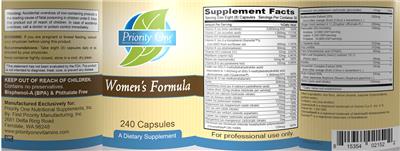
- On marketNet contents: 240 Capsule(s)Form: CapsuleDate entered: 11/2022
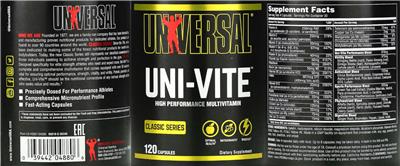
- On marketNet contents: 120 Capsule(s)Form: CapsuleDate entered: 11/2022
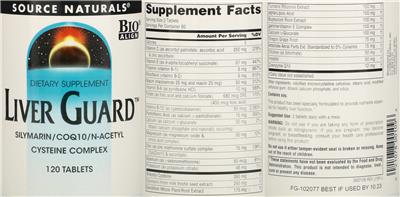
- On marketNet contents: 120 Tablet(s)Form: Tablet or PillDate entered: 11/2022
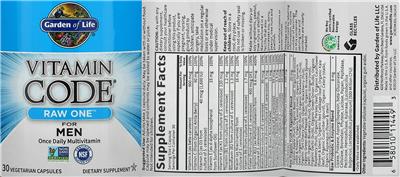
- On marketNet contents: 30 Vegetarian Capsule(s)Form: CapsuleDate entered: 11/2022
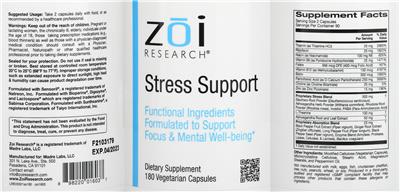
- On marketNet contents: 180 Vegetarian Capsule(s)Form: CapsuleDate entered: 11/2022
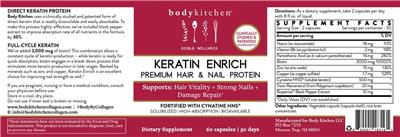
- On marketNet contents: 60 Capsule(s)Form: CapsuleDate entered: 11/2022
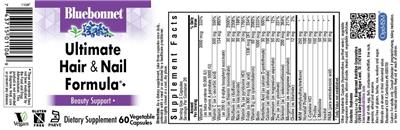
- On marketNet contents: 60 Vegetable Capsule(s)Form: CapsuleDate entered: 11/2022
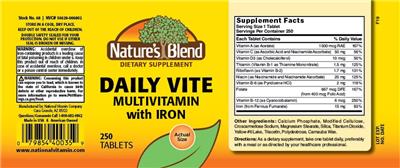
- On marketNet contents: 250 Tablet(s)Form: Tablet or PillDate entered: 11/2022
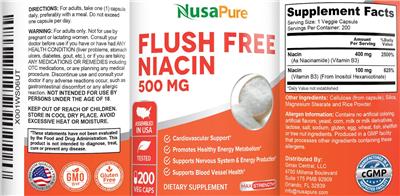
- On marketNet contents: 200 Veg Cap(s)Form: CapsuleDate entered: 11/2022
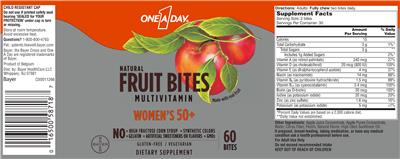
- On marketNet contents: 60 Bite(s)Form: Other (e.g. tea bag)Date entered: 11/2022
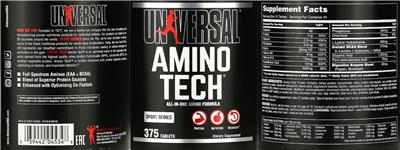
- On marketNet contents: 375 Tablet(s)Form: Tablet or PillDate entered: 10/2022
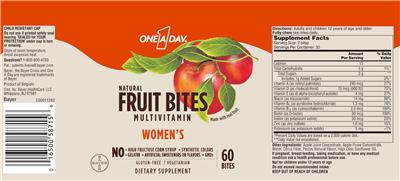
- On marketNet contents: 60 Bite(s)Form: Other (e.g. tea bag)Date entered: 10/2022
- On marketNet contents: 60 Capsule(s)Form: CapsuleDate entered: 10/2022
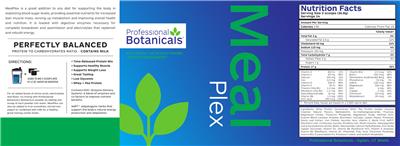
- On marketNet contents: 18 Ounce(s); 515 Gram(s)Form: PowderDate entered: 10/2022
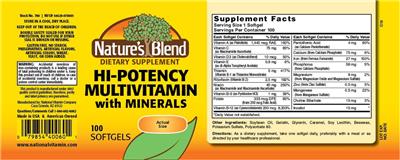
- On marketNet contents: 100 Softgel(s)Form: Softgel CapsuleDate entered: 10/2022




What this is
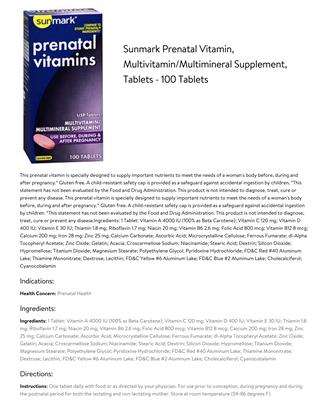
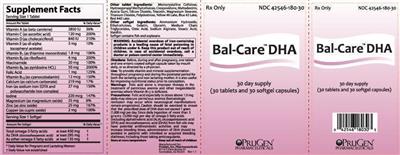
The Dietary Supplement Label Database holds the full text of dietary supplement labels sold in the United States: the Supplement Facts panel with every amount, unit and % Daily Value, blends with their total weight and order, other ingredients, serving size, the barcode and the form.
The NIH's Office of Dietary Supplements built the original and added its last labels on 25 September 2025. We carry it forward.
How it stays current
Every NIH label is kept as it was entered, with its NIH number, so links and citations still work. New labels come from the labels we read in our own product research, each marked with the date we read it and where. So far 19,792 labels have been added since the NIH stopped.
Who it is for
Researchers, dietitians, librarians, journalists and shoppers who need to know exactly what a label says. It is free, with no account.
Found a label that is wrong or missing? Tell us.
Labels only: each label is shown as printed on the bottle, with no grades, rankings or advice. A label in this database is not an endorsement of the product. Reverse Age Lab is not affiliated with, or endorsed by, the National Institutes of Health or its Office of Dietary Supplements. The original labels come from the NIH’s public-domain data; the labels since are read by us. The NIH's own site stays at dsld.od.nih.gov.