
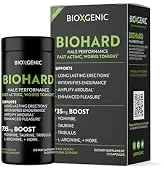
BioXgenic High Test Review
We don’t sell supplements. We help you make decisions and get the best price.
Lowest prices
We may earn a commission from some store links. How we choose.
We hold no current store prices for it yet: check the store.
- AmazonPrice at AmazonCheck price at Amazon (opens in a new tab)
Also at: BioXgenic. Some links earn us a commission; price comes first, and a commission only decides the order of prices within 2%. As an Amazon Associate we earn from qualifying purchases.
Study, Trial or Testing Result Summary
Members Only17 human studies · 14 improved
This product has 30 milligrams of zinc a day, a dose that worked in studies, plus a 2015 milligram proprietary blend whose contents and amounts are not disclosed, so the blend cannot be judged against any research. The zinc evidence for women is strongest for premenstrual symptoms. Two 2025 analyses pooling several placebo-controlled trials found zinc reduced physical and emotional premenstrual symptoms, including anger, anxiety and trouble sleeping [1][2]. In 60 young women, 30 milligrams of zinc daily for 12 weeks eased physical and psychological symptoms compared with placebo [3]. In 142 women, a higher zinc dose taken in the second half of each cycle for three months cut moderate to severe premenstrual syndrome and improved quality of life [4]. A trial using a much higher daily dose also reduced mood and physical symptoms [5]. After menopause, zinc vaginal inserts eased dryness and pain, but that was a different form from this capsule [6]. A small study found a lower zinc dose for two weeks did not change estrogen or progesterone levels. Animal and cell studies are never counted.
See all 17 studies →Hide the studies
- Pooling five randomized trials, young women with premenstrual syndrome taking zinc had significantly better physical and emotional symptoms than those on placebo, including less anger, anxiety and insomnia.A systematic review and meta-analysis examining the role of zinc supplementation in ameliorating physical and psychologi…
- Pooling four to five randomized trials, zinc supplements reduced total premenstrual symptom scores, emotional symptoms and physical symptoms in women of reproductive age, though trials were few and varied.Effect of zinc supplementation on premenstrual symptoms: A systematic review and meta-analysis.
- A review of 31 randomized trials of nutrition treatments for premenstrual syndrome in 3,254 women found zinc, vitamin B6 and calcium consistently improved psychological symptoms, though most studies had a high risk of bias.Effect of nutritional interventions on the psychological symptoms of premenstrual syndrome in women of reproductive age:…
- A review of 11 controlled trials in pre-menopausal women found three controlled studies suggesting zinc helps depressive symptoms, though better trials are needed.Increasing iron and zinc in pre-menopausal women and its effects on mood and cognition: a systematic review.
- A review of 36 randomized trials in women found zinc improved insulin resistance and blood fat balance in polycystic ovary syndrome and seemed to reduce period pain, with little known about endometriosis or after menopause.The Role of Zinc in Selected Female Reproductive System Disorders.
- In 142 women aged 20-35 with premenstrual syndrome, 50 mg of elemental zinc from zinc sulfate taken in the second half of each cycle for three months cut moderate to severe premenstrual syndrome from 9.5% to 2.6% and improved quality of life, while placebo did not.Effect of zinc sulfate supplementation on premenstrual syndrome and health-related quality of life: Clinical randomized …
- In 69 female university students with premenstrual syndrome, 220 mg of zinc daily for 24 weeks reduced anger, anxiety, depressed mood, bloating, headaches and other symptoms compared with placebo.The Effect of Zinc Supplementation on the Improvement of Premenstrual Symptoms in Female University Students: a Randomiz…
- In 60 young women with premenstrual syndrome, 30 mg of zinc gluconate for 12 weeks reduced physical and psychological symptoms and raised antioxidant capacity and a brain growth factor versus placebo, with no change in an inflammation marker.Effect of Zinc Supplementation on Physical and Psychological Symptoms, Biomarkers of Inflammation, Oxidative Stress, and…
- In 60 young women with premenstrual syndrome, 30 mg of zinc a day for 12 weeks improved the physical part of quality of life compared with placebo, but overall quality of life was not significantly different and sleep only marginally improved.Effect of zinc supplementation on quality of life and sleep quality in young women with premenstrual syndrome: a randomi…
- In 51 postmenopausal women, 50 mg of zinc a day for 8 weeks improved vitamin D3 status, and zinc levels were linked to lower leptin.Effectiveness of eight-week zinc supplementation on vitamin D3 status and leptin levels in a population of postmenopausa…
- In 51 postmenopausal women, 50 mg of zinc a day for 8 weeks raised folate and lowered homocysteine compared with placebo, while vitamin B12 changed the same in both groups.Effect of zinc supplementation on circulating concentrations of homocysteine, vitamin B12, and folate in a postmenopausa…
- In 51 postmenopausal women who started with low zinc, 8 weeks of zinc improved zinc status, and higher red blood cell zinc was linked to better antioxidant defenses.Erythrocyte Zn concentration and antioxidant response after supplementation with Zn in a postmenopausal population. A do…
- In a double-blind trial of 50 postmenopausal women, zinc-containing vaginal pessaries used nightly for 14 nights improved vaginal dryness, pain, burning and other genital symptoms more than placebo pessaries.Effect of zinc-containing pessaries on menopausal genitourinary syndrome, a double-blind randomised trial.
- In 48 postmenopausal women with type 2 diabetes, 40 mg of zinc daily for 12 weeks did not significantly change blood sugar, insulin resistance or HbA1c compared with placebo.Zinc transporter gene expression and glycemic control in post-menopausal women with Type 2 diabetes mellitus.
- In postmenopausal women in Indonesia and the Philippines, a milk drink fortified with calcium, vitamin D, magnesium and zinc over 4 months improved vitamin D status and lowered parathyroid hormone and bone turnover markers compared with placebo; the effect of zinc alone was not separated out.The effect of a fortified milk drink on vitamin D status and bone turnover in post-menopausal women from South East Asia…
- In 32 postmenopausal women, 15 mg of zinc sulfate daily for 2 weeks did not significantly change serum estrogen or progesterone compared with no treatment.The effect of low dose zinc supplementation to serum estrogen and progesterone levels in post-menopausal women.
- In a pilot study of 37 postmenopausal women with vaginal symptoms, a zinc-containing vaginal gel used daily for 2 weeks improved vaginal health scores and reduced dryness, burning and pain, with few side effects; there was no control group.Zinc-containing Vaginal Moisturizer Gel Improves Postmenopausal Vulvovaginal Symptoms: A Pilot Study.
Review Totals and Summary
Members Only688 reviews · 90% positive
Extensive customer reviews and qualitative feedback are currently being aggregated for this product. Check back soon for a detailed sentiment analysis.
Biohacker Summary
Members Only7 of 10 recommend it
Most of the panel recommends or uses zinc, and the main reasons are immune support, testosterone and male fertility, wound healing, and fixing a low level. Several say it helps most when someone is actually low, and one notes that extra zinc may not help testosterone much beyond that. Doses are given by a few: one takes 15 mg in the morning for longevity, one suggests 30 mg for men preparing for IVF for sperm health, and one uses a higher amount for one week before surgery and two weeks after for wound healing. One prefers zinc carnosine to support the gut lining, and another pairs zinc with vitamin C for fall and winter immunity. Nobody on the panel said they stopped taking it, and one panelist's latest stance was a warning tied to the surgery dosing.
See all 10 biohackers →Hide the biohackers
Dr. Eric Berg · Zinc · neutral
- Lists zinc as something that can help with balding, which is a sign of high DHT.
- States that zinc carnosine can greatly help with ulcerative colitis.
- Recommends zinc, noting it is part of building bone, and suggests it would be included in a trace mineral supplement.
- Discusses zinc and its connection to prostate health.
- Lists several signs that indicate a zinc deficiency, including red, dry, flaky skin, white spots on nails, diarrhea, acne, prolonged infection recovery, mouth ulcers, and difficulty seeing in the dark.
- Recommends zinc as a trace mineral, noting that modern farming practices deplete it from the soil, leading to low levels in crops.
- Notes that white spots on nails point to zinc deficiency, which is usually depleted by eating sugar and refined carbs.
- States that zinc greatly supports natural killer cells.
- Recommends Zinc for the shingles virus.
- States that zinc is needed to absorb magnesium.
Andrew Huberman · Zinc · uses
- Zinc carnosine to support and improve the lining of your gut.
- States that AG1 Pro contains zinc carnosine to support and improve the lining of the gut.
- Notes that AG1 Pro contains zinc carnosine to support and improve the lining of the gut.
- Zinc carnosine to support and improve the lining of your gut.
- Notes that AG1 Pro contains zinc carnosine to support and improve the lining of the gut.
- States that AG1 Pro contains zinc carnosine to support and improve the lining of the gut.
- Uses AG1 Pro, which contains zinc carnosine to support and improve the lining of the gut.
- States that AG1 Pro contains zinc carnosine to support and improve the lining of the gut, and he was already taking some of these ingredients separately.
- States that AG1 Pro includes zinc carnosine, which he was already taking separately, to support and improve the lining of the gut.
- Personally takes zinc carnosine, which is included in AG1 Pro to support and improve the lining of the gut.
Dr. Mark Hyman · Zinc · recommends
- Suggests that if kids' brains are malnourished and they don't have omega-3s, B vitamins, magnesium, or zinc, they won't be able to engage or function properly.
- Explains that zinc is important for the body's repair crew, helping to heal damaged tissue, and a deficiency can lead to cuts and wounds taking longer to heal.
- Gave a patient with psoriatic arthritis a little zinc, which contributed to significant improvement in her condition.
- Recommends ensuring adequate zinc intake on a regular basis for immune support, noting some data on zinc lozenges for early cold.
- Recommends correcting nutrient deficiencies with zinc.
- Recommends nutrient-dense foods rich in zinc, such as pumpkin seeds and oysters, to reduce inflammation.
- Used zinc as part of a protocol to rebuild the gut microbiome and heal the gut of a nine-year-old girl with severe behavioral issues.
- Notes that zinc supports immune health, helps wounds heal, and plays a key role in growth and tissue repair, and they measure it.
- Mentions zinc is needed for phase one liver functions and inflammation.
- Notes that birth control drains zinc.
Bryan Johnson · Zinc · uses
- Takes 15 mg of Zinc in the morning for longevity.
- Takes 15 mg of Zinc in the morning for longevity.
- Takes 15 mg of Zinc in the morning.
- Takes 15 mg of Zinc in the morning for longevity.
- Bryan Johnson's baseline measurements showed low zinc, which was easy to fix by adjusting her protocol and supplements.
- Recommends adequate Zinc for hair health, noting it is in the Blueprint stack.
Dr. Rhonda Patrick · Zinc · neutral
- Mentions that getting too little zinc may play a role in declining testosterone levels, and that zinc helps the body make testosterone.
- Notes that not getting enough zinc can affect testosterone, as zinc is very important for testosterone synthesis.
- Recommends men take a 30 milligram zinc supplement for sperm health when preparing for IVF.
- Discusses findings from a meta-analysis on zinc supplementation, noting it improved insulin resistance, inflammation, and oxidative stress in people with diabetes or prediabetes, and explains its biological role in the pancreas.
- Recommends nutrients like zinc for men to prioritize sperm mitochondrial health.
- Recommends Zinc, stating it is a critical mineral required for testosterone production and that supplementation corrects deficiency-related low testosterone.
- Recommends correcting deficiencies in zinc to directly increase total testosterone by up to 100+ ng/dL.
- Recommends focusing on zinc to optimize testosterone and hormone health generally, noting that it supports luteinizing hormone production, which stimulates testosterone synthesis and conversion to dihydrotestosterone.
- Recommends zinc as one of the most reliable natural supplements for boosting testosterone if one is deficient, noting it's part of the ZMA combination.
- Recommends increasing intake of zinc if one regularly drinks alcohol.
Ben Greenfield · Zinc · warns
- Ben Greenfield's formulation includes 30 grams of zinc a day, taken for one week before surgery and two weeks after, as it is an important cofactor for wound healing.
- Emphasizes that zinc sufficiency is crucial for immunity because the thymus-derived peptide thymulin, which trains lymphocytes, requires zinc to be active.
- Recommends adding zinc into one's stack because it is a co-factor for enzymes involved in testosterone synthesis and sperm maturation, and zinc deficiency is a reproducible cause of low sperm count.
- He mentions zinc as a supplement with real human data behind it for male fertility.
- Zinc may support both testosterone and sperm count.
- Warns that he was taking so much zinc without realizing it because it was in five different things he was taking, and he couldn't pinpoint the problem.
- Recommends supplementing with zinc if deficient, as multiple trials show significant symptom reduction of tinnitus in zinc-deficient individuals.
- Notes a new study indicating that zinc is a core dietary antioxidant closely associated with a reduced risk of accelerated biological aging.
- Recommends using hormone building blocks like zinc for hormone optimization.
- Advises taking the GI Repair Formula away from food for best results, unless zinc causes nausea.
Thomas DeLauer · Zinc · uses
- Adds zinc to their immunity duo because it helps them absorb vitamin C, considering the two together a fantastic combination for fall and winter.
- Recommends zinc, noting it is a cofactor for enzymes that build neurotransmitters, and deficiency can affect mood, happiness, and motivation.
- Mentions that more zinc could be beneficial for testosterone, but it's not working on the axis that most people need help with.
- Compares zinc content, noting salmon has under 1mg while oysters have 74mg per 100g, a 70x difference.
- Recommends keeping zinc levels topped off because it is a critical cofactor for over 300 enzymes and is important for immune cells, testosterone, and wound healing.
- Recommends 15 mg of supplemental zinc if oysters are not realistic, but emphasizes that food source zinc is better as it comes with natural cofactors like copper and selenium.
- Recommends getting zinc, along with vitamin D, magnesium, and calcium, from foods like sardines, as they are important for inflammatory pathways in the gut.
- Explains that zinc is a structural cofactor for an enzyme crucial in testosterone production, and a marginal deficiency is a reversible cause of suppressed testosterone. He recommends getting zinc through pumpkin seeds.
- Explains that zinc is a required cofactor for the 5-alpha reductase enzyme, which converts testosterone into its more potent form, DHT, and that zinc deficiency can impair this conversion.
- Recommends ensuring adequate zinc intake for skin healing and immune response, especially for heavy sweaters or those consuming high phytate foods.
Dave Asprey · Zinc · uses
- Developed a nonnano zinc sunscreen over five years, stating her skin is probably better now than it's ever been.
- Emphasizes the importance of having enough zinc before trying advanced longevity strategies like peptides.
- Suggests that zinc has better safety and protective data than meds for reducing cardio respiratory risk.
- Advises that if someone has a goal, they should probably do simple things like getting more zinc if it helps their goal before using peptides.
- Recommends zinc for muscle and bone formation, stating that without it, the body cannot effectively build muscle and bone even with exercise and protein intake.
- Dave Asprey mentions zinc as a supplement and cofactor that supports thyroid activation.
- Recommends zinc as a cofactor that can help thyroid function, especially with conversion issues.
- Argues that if you are lacking zinc, ESS60 will not work as well.
- Recommends adequate zinc for healthy DHT signaling.
- States that he genetically needs a ton of zinc for his mitochondria to work, and if he doesn't take enough, his mitochondria don't work.
Siim Land · Zinc · recommends
- States that deficiencies in nutrients such as zinc can impair normal immune regulation.
- Explains that zinc raises testosterone only if zinc status or testosterone levels are low, and can reduce the duration and severity of colds and flu, and lower blood sugar and lipids if zinc status is low.
- States that fixing zinc deficiency can double testosterone if low testosterone is due to zinc deficiency.
- States that zinc has strong evidence for increasing testosterone, but only if one has low zinc status.
- States that zinc deficiency is observed in children with premature graying of hair.
- Warns that supplementing 250 mg of zinc sulfate, which provides 55 to 60 mg of elemental zinc, is above the tolerable upper limit and can cause side effects like reduced copper absorption, anemia, immune dysfunction, GI stress, abdominal pain, diarrhea, and a metallic taste.
- States that zinc helps with immunity, wound healing, and testosterone levels, acknowledging its importance as a mineral and placing it in the 'good tier' despite not personally finding much value from it.
- Used to take zinc in the past but no longer does, as he has already tested most supplements.
- Recommends Zinc, acknowledging its importance as a mineral for immunity, wound healing, and testosterone levels, especially for those with low zinc.
- Discusses Zinc as a supplement.
Peter Attia · Zinc · recommends
- Suggests that zinc and magnesium could potentially help with vasodilation and sleep, particularly for women experiencing severe symptoms in the luteal phase.
- Discusses the AREDS formula, which initially included C and beta-carotene with zinc and copper, and later replaced beta-carotene with lutein and zeaxanthin, showing it could delay or reduce the conversion of mild to severe macular degeneration.
- Explains that for Wilson's syndrome, which can lead to liver failure, the treatment given to children is zinc, which is inexpensive and effective in outcompeting copper to prevent overload.
- Uses a new irrigant called ZinC and Gent because they are very worried about prosthetic infection.
- Discusses the AREDS formula, which includes C, E, beta-carotene, zinc, and copper, and later lutein and zeaxanthin instead of beta-carotene. Studies showed it could delay or reduce the conversion of mild to severe macular degeneration but had no effect on severe disease or preventing it in healthy individuals.
- Mentions that a survey of doctors showed they recommend Zinc for COVID-19, but notes there is no real evidence behind it.
- Mentions zinc pyrithione as a treatment protocol for dandruff, which addresses malassezia yeast overgrowth in the scalp.
RAL Summary
Members OnlyTier 2 for Hormone Balance for Women
Zinc at a full 30 milligram dose has consistent human trial support for easing premenstrual symptoms, including two pooled analyses, and 90% of 698 reviews are positive. The large undisclosed blend adds no evidence either way.
Where the evidence disagrees: 2 of the 17 human studies found no effect.
More Details
Members OnlyBody systems · Combine with · Possible side effects
Body systems: Endocrine system, Reproductive system, Nervous system
Combine with: Combine with a healthy diet and lifestyle.
Possible side effects: No major side effects reported.
Supplement Facts
Zinc 30 mg · Proprietary Blend 2015 mg
| Zinc | 30 mg | |
| Proprietary Blend | 2,015 mg | † |
Other ingredients: Gelatin, Stearic Acid, Magnesium Stearate, Microcrystalline Cellulose, Titanium Dioxide, Silica, FD&C Blue #1.
Directions: Directions: Take one (1) capsule three (3) times a day. For maximum effectiveness, this product should be used daily.
Barcode (UPC) 699439000325 · Label source: NIH label database · Report a label change
Other sizes and barcodes: 90 Capsule(s), UPC 6 99439 00040 0 (not checked yet)
Show entire label
More hormone balance for women products
Members OnlyThe highest ranked for the same goal
Read more
Our articles on this subject
- What Supplements and Vitamins Should Not Be Taken TogetherArticle · Sep 7, 2026
- Supplement Redundancy: How to Find the Ingredients You Are Taking Twice, and Why It MattersArticle · Oct 13, 2026
Graded November 18, 2026 by the Reverse Age Lab evidence engine, from human studies, real reviews and our biohacker panel. How we grade. Is this medical advice? No. Rala organizes the published evidence; go over any change with your doctor, especially if you take meds.
Privacy policyConsumer health dataAffiliate disclosureTermsBrand and legal noticesDo Not Sell or Share My Personal InformationCookie settings