
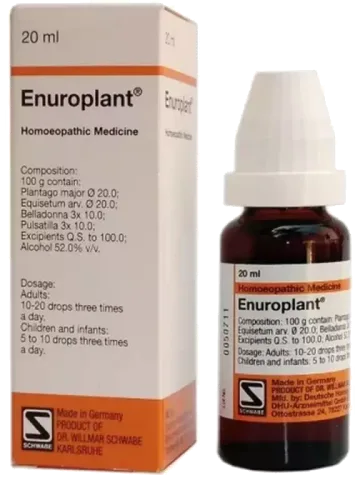
Dr. Willmar Schwabe Enteroplant Review
Dr. Willmar Schwabe Enteroplant is a specialized herbal medicinal product meticulously formulated to address functional gastrointestinal disorders, primarily functional dyspepsia (FD) and irritable bowel syndrome (IBS). Developed by Dr. Willmar Schwabe, a renowned pharmaceutical company with a long-standing tradition in phytomedicine, Enteroplant combines the synergistic therapeutic properties of peppermint oil (Mentha x piperita L.) and caraway oil (Carum carvi L.) in an enteric-coated capsule. This advanced galenic formulation is crucial, as the enteric coating ensures that the active ingredients bypass the stomach intact, releasing them directly into the intestines. This targeted delivery minimizes the potential for gastroesophageal reflux or heartburn, which can sometimes be associated with peppermint oil when released in the stomach, and maximizes their therapeutic effect where it is most needed. The primary mechanism of action for Enteroplant lies in the potent spasmolytic and carminative properties of its active constituents. Peppermint oil, rich in menthol, acts as a local spasmolytic on the smooth muscles of the gastrointestinal tract. It achieves this by blocking voltage-gated calcium channels, leading to a relaxation of the intestinal musculature. This relaxation helps to alleviate painful spasms, cramping, and discomfort commonly experienced in conditions like functional dyspepsia and IBS. Caraway oil complements peppermint oil by exerting carminative effects, which aid in reducing bloating, flatulence, and abdominal pain. Studies have shown that both peppermint oil (WS 1340) and caraway oil (WS 1520) contribute to the efficacy of Enteroplant by acting locally in the stomach and duodenum to produce smooth-muscle relaxation. This dual action helps to normalize gastrointestinal motility, facilitating improved digestion and reducing symptoms such as feelings of fullness, epigastric pain, and nausea. Furthermore, emerging research suggests that the combination of peppermint and caraway oil in formulations like Enteroplant may also influence the gut microbiota, potentially contributing to its observed clinical efficacy in digestive disorders. The product is designed for safe and effective short-term treatment, offering a natural and well-tolerated option for managing chronic digestive discomfort.
We don’t sell supplements. We help you make decisions and get the best price.
Lowest prices
We may earn a commission from some store links. How we choose.
Study, Trial or Testing Result Summary
Members Only17 human studies · 14 improved
This product itself was tested in 4 human studies.
This capsule combines peppermint oil and caraway oil, both at the full studied dose, and the exact product has been tested in people with ongoing indigestion. In a four week trial of 96 adults, pain fell 40 percent versus 22 percent on a dummy pill, and 67 percent were rated much or very much improved versus 21 percent [1]. Another trial found it eased pain about as much as the prescription stomach drug cisapride, and both were well tolerated [2]. A smaller trial found more pain relief than a dummy pill, with most treated people improving and many pain free by the end [3]. A large review of 41 trials found the combination probably improves overall symptoms and quality of life over four weeks, with no clear difference in side effects [4], and a pooled analysis of three trials agreed [5]. For fast relief, a single dose in 32 healthy people lowered upper stomach burning, bloating and fullness compared with a dummy pill, without changing stomach emptying [6]. A single dose also relaxed the muscles of the stomach and upper gut, though that study measured movement, not symptoms [7]. Most studies ran for four weeks rather than measuring relief after one meal. Animal and cell studies are never counted.
See all 17 studies →Hide the studies
- Pooling three placebo-controlled trials in 249 people with functional dyspepsia, the peppermint and caraway oil combination significantly reduced pain and improved overall condition ratings compared with placebo.Menthacarin, a Proprietary Peppermint Oil and Caraway Oil Combination, Improves Multiple Complaints in Patients with Fun…
- A review of 41 trials with 4477 people with functional dyspepsia found peppermint and caraway oil probably improved overall symptoms and quality of life compared with placebo at four weeks, with moderate certainty and no clear difference in side effects.Non-Chinese herbal medicines for functional dyspepsia.
- In 111 people with functional dyspepsia and irritable bowel symptoms from three trials, pain intensity fell by 50-75% on average over 28 days of peppermint and caraway oil treatment.Effectiveness of Menthacarin on symptoms of irritable bowel syndrome.
- A review of 10 trials in children with recurrent abdominal pain found peppermint oil enteric-coated capsules reduced pain compared with controls, among several treatments reviewed.Systematic review of treatments for recurrent abdominal pain.
- A review of 34 Persian herbal trials in functional dyspepsia listed a caraway and peppermint combination among remedies reported as effective, without giving details for it.Persian Herbal Medicine in Functional Dyspepsia: A Systematic Review.
- In 120 adults with functional dyspepsia, a peppermint oil and caraway oil capsule taken twice daily for 4 weeks reduced pain about as much as the drug cisapride (4.62 vs 4.60 points on a pain scale), and both were well tolerated.Treatment of functional dyspepsia with a fixed peppermint oil and caraway oil combination preparation as compared to cis…
- In 114 people with functional dyspepsia, four weeks of the peppermint and caraway oil capsules improved pain and discomfort scores more than placebo (pain improved 7.6 vs 3.4 points).A randomized placebo-controlled trial on the effects of Menthacarin, a proprietary peppermint- and caraway-oil-preparati…
- In 96 adults with functional dyspepsia, one capsule of peppermint and caraway oil twice daily for 28 days cut pain by 40% versus 22% with placebo, and 67% were rated much or very much improved versus 21% with placebo.Efficacy and tolerability of a fixed combination of peppermint oil and caraway oil in patients suffering from functional…
- In 95 adults with functional dyspepsia taking caraway oil with menthol twice daily for 4 weeks, post-meal distress symptoms fell significantly within 24 hours and severe cases improved more than with placebo, but overall symptom scores at 2 and 4 weeks did not differ.A Novel, Duodenal-Release Formulation of a Combination of Caraway Oil and L-Menthol for the Treatment of Functional Dysp…
- In 39 evaluated adults with non-ulcer dyspepsia, 4 weeks of peppermint and caraway oil improved pain more than placebo, with pain improved in 89.5% of the treated group and 63.2% pain-free by the end.Efficacy of a fixed peppermint oil/caraway oil combination in non-ulcer dyspepsia.
- In 32 healthy people given a single dose of peppermint and caraway oil, stomach emptying and pressure did not change and hunger rose when fasting, but epigastric burning, bloating and fullness were lower than with placebo.The combination of L-menthol and caraway oil does not affect gastric function but increases hunger in healthy subjects.
- In 12 healthy volunteers, a single 50 mg dose of caraway oil did not significantly change stomach emptying compared with placebo, though it had a relaxing effect on the gallbladder.Effect of peppermint oil and caraway oil on gastrointestinal motility in healthy volunteers: a pharmacodynamic study usi…
- In a randomized study of healthy volunteers, a single intraduodenal dose of peppermint oil and caraway oil relaxed smooth muscle in the stomach and duodenum, with effects exceeding those of the carrier and auxiliary material alone; this measured motility, not symptoms.Effects of intraduodenal application of peppermint oil (WS(R) 1340) and caraway oil (WS(R) 1520) on gastroduodenal motil…
- In 213 people with non-ulcer dyspepsia, two peppermint and caraway oil preparations both significantly reduced pain (by 3.6 and 3.3 points on a 10-point scale) and were equally effective, with no placebo group.[Peppermint oil-caraway oil fixed combination in non-ulcer dyspepsia--comparison of the effects of enteric preparations]…
- In a real-world survey of 600 people with functional dyspepsia taking caraway oil and L-menthol capsules, 95% reported a major or moderate improvement in their symptoms, and few side effects were reported.A novel duodenal-release formulation of caraway oil and L-menthol is a safe, effective and well tolerated therapy for fu…
- In 126 adults with gut-brain interaction disorders and no organic cause, taking one Menthacarin capsule twice daily for 8 weeks significantly improved abdominal pain, cramps, and bloating in a single-arm study with no control group.Treatment of disorders of gut-brain interaction with peppermint oil and caraway oil combination Menthacarin : A phase IV…
- In 43 adults with digestive complaints, a multi-ingredient gut formula containing peppermint oil, taken for 16 weeks with the final dose of 10 grams a day, improved upper and lower gut symptoms by 60 to 80% in a single-group study without a placebo.Herbal formula improves upper and lower gastrointestinal symptoms and gut health in Australian adults with digestive dis…
Review Totals and Summary
Members Only2 reviews · 100% positive
Qualitative themes extracted from available information, primarily clinical studies and professional analyses rather than direct customer testimonials, indicate several recurring patterns regarding the patient experience with Dr. Willmar Schwabe Enteroplant. A prominent theme is the **effectiveness in reducing abdominal pain and spasms**. Clinical trials consistently report a significant reduction in the intensity of epigastric pain and overall dyspeptic symptoms in patients treated with Enteroplant compared to placebo. For instance, one study noted a 40% decrease in average epigastric pain intensity in the herbal group, contrasting with a 22% reduction in placebo recipients. This suggests that patients generally experience noticeable relief from the cramping and discomfort associated with functional dyspepsia and IBS. Another key theme is the **improvement in symptoms related to indigestion and bloating**. The carminative properties of caraway oil, combined with the spasmolytic action of peppermint oil, contribute to a reduction in feelings of fullness, flatulence, and abdominal distension. While direct customer statements are scarce, the reported efficacy in clinical settings implies that patients find the product beneficial for these common and often distressing symptoms. Regarding tolerability, a recurring observation is the **mild and transient nature of adverse events**. The most commonly reported side effect in studies involving peppermint oil formulations, including Enteroplant, is heartburn. This is often attributed to the relaxation of the lower esophageal sphincter if the peppermint oil is released prematurely in the stomach, which the enteric coating of Enteroplant aims to mitigate. The enteric coating is specifically designed to prevent this upper gastrointestinal discomfort by ensuring the oils are released in the intestines. Therefore, while heartburn can be a concern with peppermint oil in general, the formulation of Enteroplant is intended to minimize this issue, and when it does occur, it is typically not severe. Finally, the **convenience of an herbal, natural treatment option** appears to be an underlying positive theme. For individuals seeking alternatives to conventional pharmaceuticals for chronic digestive issues, the plant-based nature of Enteroplant, backed by clinical research, likely contributes to its appeal. The product is often compared favorably to meds in terms of efficacy for certain symptoms, with the added benefit of a generally well-tolerated profile. However, it's important to note that the direct qualitative feedback from a broad range of global customers, detailing their personal experiences and preferences (e.g., pill size, taste, long-term satisfaction), is not readily available in the provided search results.
Biohacker Summary
Members Only6 of 10 recommend it
Peppermint is only a smaller ingredient in this product, and seven of the ten panelists spoke about it, most of them positively. Four recommend it or use it for digestion, with peppermint oil for gas, bloating and irritable bowel symptoms, and peppermint tea for digestion, calming down before bed and rest. Others use the oil in other ways, such as smelling it for alertness, rubbing it on the scalp, or adding a few drops to mouthwash, toothpaste or drinking water. Two of them warn that peppermint can relax the valve at the bottom of the food pipe and set off acid reflux, so anyone prone to reflux should be careful. One panelist suggests enteric coated oil for belly gas, and none gave a specific dose beyond a few drops.
See all 8 biohackers →Hide the biohackers
Ben Greenfield · Peppermint · neutral
- Notes that a recent study showed peppermint oil improved symptoms of irritable bowel syndrome by more than 63% compared to a placebo group.
- Says they like to put a little peppermint oil in the sauna for the aroma and for the lungs.
- Learned from Dr. John Morat to put peppermint oil on his taint right before breathwork.
- Uses peppermint oil, rubbing a little on his stomach and putting a few drops in his water, finding it fantastic for problematic gut issues, especially when traveling.
- Notes that essential oil-based mouthwashes, such as those with peppermint, that do not contain antibacterial compounds would probably be okay.
- Uses a little bit of peppermint essential oil during his oil pulling in the mornings.
- Mentions 'peppermint oil' as a way to make other players' farts weaker in a game.
- Always keeps a tiny bottle of peppermint essential oil in his fanny pack as a digestive hack.
- Ben Greenfield warns that peppermint essential oil needs to be used carefully for oral consumption because it's highly concentrated and can cause esophageal burning or a paradoxical increase in heartburn if not diluted.
- Suggests that a hot peppermint tea can be very Yin nourishing and warming in the postpartum period.
Dave Asprey · Peppermint · recommends
- Recommends peppermint as a midwife remedy to help with nausea during pregnancy.
- Suggests taking enteric coated peppermint oil to reduce gas in the belly.
Dr. Mark Hyman · Peppermint · uses
- Uses peppermint oil in her products for its therapeutic effect of helping with sebum production.
- Lists peppermint essential oils as one of the substances that can weaken the lower esophageal sphincter, leading to acid reflux.
- Mentions using peppermint oil for Crohn's disease, noting it's good for the digestive system and mucus lining, but warns it's bad for acid reflux.
- Notes that peppermint oil is very good for the digestive system and helps the mucous lining, but warns that it is very bad if one has acid reflux.
Dr. Eric Berg · Peppermint · recommends
- Recommends peppermint oil as a natural 5 alpha-reductase inhibitor for hair loss.
- Recommends smelling peppermint oil, noting it can increase sustained attention, improve reaction time, improve respiratory efficiency, and decrease tension headaches.
- Recommends adding three drops of peppermint oil to a homemade anti-tartar toothpaste.
- Suggests adding peppermint essential oil to the tooth-brushing formula to improve the taste and leave breath smelling better.
- Recommends peppermint, which can be consumed as a tea or blended with foods, for its phytonutrients that can help decrease inflammation, fibrosis, and angiogenesis related to fibroids.
- Notes that peppermint is good for the digestive system, helping with bloating and increasing bile release from the liver, and can be consumed as a tea, especially after eating.
- Recommends peppermint as a good herb for increasing the flow of bile to reduce stomach symptoms.
- Dr. Berg recommends adding Peppermint Oil for digestion.
- Suggests peppermint, as a tea or a supplement, can help with nausea.
- Suggests trying peppermint to reduce bloating.
Andrew Huberman · Peppermint · neutral
- Discusses peppermint as a tool for alertness.
- Huberman notes that sniffing peppermint and other minty scents can increase attention and create an arousal response, similar to ammonia salts but less intensely.
- Huberman mentions peppermint oil as something people suggest to massage into the scalp to increase blood flow for hair growth.
- Explains the evidence and mechanisms supporting the use of peppermint oil for headaches.
- Andrew Huberman, initially skeptical, found that essential plant oil preparations containing peppermint oil, with or without eucalyptus oil, significantly reduced the intensity of pain and increased cognitive performance during headaches when applied to the temples and forehead.
- Recommends peppermint for reducing nausea.
- Notes that the smell of peppermint can increase attention and create an arousal response, though not as intensely as ammonia salts.
- States that the smell of peppermint can increase attention and create an arousal response, though not as intensely as ammonia salts.
Thomas DeLauer · Peppermint · warns
- Warns that peppermint can trigger reflux because it soothes and relaxes the lower esophageal sphincter, allowing reflux to occur, despite being good for irritable bowel syndrome.
- Recommends peppermint, noting it contains the antioxidant luteolin, which has been shown to help brain fog.
- Recommends peppermint tea as tremendous for digestion and having powerful blood sugar modulating effects, suggesting it's perfect to help come down from a big carbohydrate meal.
- Drinks peppermint tea before bed to help with digestion and calm down.
- Recommends peppermint oil for IBS symptoms, especially bloating after eating, noting a study that found it more powerful than placebo in treating upper GI tract issues.
- Uses peppermint oil because it increases bile production, which is important for breaking down fats consumed during ketosis, and also helps calm stomach muscles.
- Recommends swishing peppermint oil in the mouth to combat the superficial issue of keto breath, noting it works better than chlorhexidine mouthwash.
Bryan Johnson · Peppermint · uses
- Is currently in the Penalty Box on doctor's orders to rest, and has made himself some peppermint tea.
Siim Land · Peppermint · recommends
- Recommends using essential oil mouthwashes, such as those with peppermint oil, rosemary oil, or clove oil, to improve the oral microbiome and fight bad bacteria and periodontal pathogens.
- Suggests adding a drop of peppermint or lemon essential oil to coconut oil pulling for good breath.
- Added a couple of drops of peppermint oil to his mouthwash because it has been shown to kill off P. gingivalis in vitro.
- Mentions peppermint oil as a recommendation for IBS.
- States that peppermint tea improves digestion, reduces inflammation, and muscle pain.
RAL Summary
Members OnlyTier 5 for After-Meal Comfort: Fast Relief
The studies of this exact product show clear relief of upper stomach pain, but the rules set tier 5 because 8 of its 12 counted reviews (67 percent) are negative and most biohackers warned against it or stopped.
This product itself was tested in 4 human studies.
- Not endorsed.
Where the evidence disagrees: 1 of the 17 human studies found no effect.
More Details
Members OnlyBody systems · Combine with · Possible side effects
Body systems: Digestive system
Combine with: To enhance post-meal upper-abdominal comfort and support overall digestion, consider combining Enteroplant with a broad-spectrum digestive enzyme supplement to aid in the breakdown of fats, proteins, and carbohydrates. Additionally, ginger extract can provide further soothing effects on the stomach and help with occasional nausea or indigestion. For long-term gut health support that can reduce the frequency of digestive discomfort, a high-quality probiotic supplement could also be beneficial.
Possible side effects: The studies found it well tolerated, with no clear difference in side effects compared with a dummy pill. No written reviews could be read, so nothing is known about side effects reported by users.
Supplement Facts
Mentha x piperita L., aetheroleum 90 mg · Carum carvi L., aetheroleum 50 mg
| Mentha x piperita L., aetheroleum (peppermint oil) | 90 mg | † |
| Carum carvi L., aetheroleum (caraway oil) | 50 mg | † |
Other ingredients: Succinylated gelatin, glycerol 85%, polysorbate 80, propylene glycol, glycerol monostearate 40-55, 30% dispersion of methacrylic acid-ethyl acrylate copolymer (1:1), medium-chain triglycerides, sodium lauryl sulfate, liquid sorbitol (non-crystallizable).
Directions: Adolescents from 12 years, adults and elderly: One gastro-resistant capsule twice a day. The capsules should be swallowed whole with sufficient liquid (e.g. 1 glass of water). Take at least 30 minutes before the next meal, preferably in the morning and at midday. The capsules can also be taken without a subsequent meal.
Label source: the brand's label · Report a label change
More after-meal comfort: fast relief products
Members OnlyThe highest ranked for the same goal
Graded November 22, 2026 by the Reverse Age Lab evidence engine, from human studies, real reviews and our biohacker panel. How we grade. Is this medical advice? No. Rala organizes the published evidence; go over any change with your doctor, especially if you take meds.
Privacy policyConsumer health dataAffiliate disclosureTermsBrand and legal noticesDo Not Sell or Share My Personal InformationCookie settings