
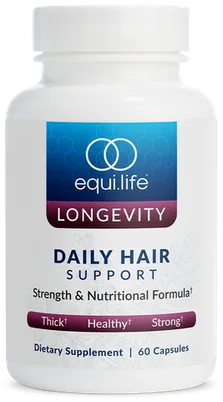
Equilife Daily Hair Support Review
We don’t sell supplements. We help you make decisions and get the best price.
Lowest prices
Lowest cost per month first, in stock, at 2 capsules a day. Checked Nov 19.
- EquiLowest$69.95 a bottle$69.95/moBuy at Equi (opens in a new tab)
- AmazonPrice at AmazonCheck price at Amazon (opens in a new tab)
Some store links earn us a commission.
Study, Trial or Testing Result Summary
Members Only164 human studies · 52 improved
2 of these 164 human studies gave the ingredient by drip or injection, not by mouth.
This is a hair formula, but two of its minerals have thyroid research behind them at the dose members are told to take, two servings a day. Selenium lowered thyroid antibodies and thyroid-stimulating hormone in people with Hashimoto thyroiditis across 21 trials [1]. In one trial, 83 micrograms daily for four months restored normal thyroid function in 31% of people, compared with 3% of controls [2]. Selenium did not help remission in Graves disease. Zinc added to meds raised active thyroid hormone, though the certainty was low [3]. Several small zinc trials found no change [4][5]. Copper showed no thyroid benefit when given in trials [6]. Ashwagandha helped a mildly underactive thyroid at 600 milligrams [7], but this product has only 125 milligrams. Turmeric worked at 1320 milligrams [8], and this product has only a trace amount. The high biotin dose does not help the thyroid, but it can falsely change thyroid blood test results [9][10]. Tell your doctor you take it before any thyroid test. Bamboo, horsetail, pygeum and saw palmetto have no human thyroid studies. Animal and cell studies are never counted.
See all 164 studies →Hide the studies
- A pooled analysis of 114 observational studies found lower zinc in thyroid cancer tissue, but it did not test zinc supplements and is about cancer rather than thyroid health.Serum and tissue zinc in epithelial malignancies: a meta-analysis.
- In a pooled analysis of 35 trials with 3,508 people with underactive thyroid, adding zinc to a med raised free triiodothyronine (low certainty), and zinc with magnesium and vitamin A raised free thyroxine (high certainty).Additional treatment strategies for hypothyroidism: a network meta-analysis.
- Pooling randomized trials in people with Hashimoto thyroiditis, selenium lowered thyroid-stimulating hormone (in those not on thyroid hormone replacement), thyroid antibodies and an oxidative stress marker, with no more side effects than control.Selenium Supplementation in Patients with Hashimoto Thyroiditis: A Systematic Review and Meta-Analysis of Randomized Cli…
- In 10 case-control studies with 2205 people, those with thyroid cancer had lower blood selenium than healthy people, but this does not test whether taking selenium helps.Relationship between Serum Levels of Selenium and Thyroid Cancer: A Systematic Review and Meta-Analysis.
- Pooling 17 trials with 1,911 people with autoimmune thyroid disease, selenium lowered thyroid peroxidase antibodies and free T3 compared with placebo, but did not change TSH or thyroglobulin antibodies.The correlation between selenium levels and autoimmune thyroid disease: a systematic review and meta-analysis.
- Across 23 placebo-controlled trials with 1706 adults, ashwagandha did not change thyroid stimulating hormone or T3 but modestly raised T4 levels.Hormonal Modulation with Withania somnifera: Systematic Review and Meta-Analysis of Randomized-controlled Trials.
- Across 21 randomized trials in 1610 people with Hashimoto thyroiditis, selenium lowered thyroid antibodies at 3 and 6 months and thyroid-stimulating hormone at 6 months, with selenomethionine working better than sodium selenite or selenium yeast.Clinical efficacy of selenium supplementation in patients with Hashimoto thyroiditis: A systematic review and meta-analy…
- Across eight studies of 1291 people, those with thyroid cancer had higher blood copper levels than healthy people, but no copper was given, so this shows an association only.The Association Between Serum Levels of Selenium, Copper, and Magnesium with Thyroid Cancer: a Meta-analysis.
- Across 7 trials with 342 Hashimoto's patients, selenium did not change thyroid antibodies at 3 months but lowered both thyroid peroxidase and thyroglobulin antibodies after 6 months.Clinical efficacy of selenium supplementation in patients with Hashimoto thyroiditis: A systematic review and meta-analy…
- A pooled analysis of 32 observational studies found people with underactive thyroid had lower blood zinc than healthy people, but it did not test zinc supplements.Trace Element Status and Hypothyroidism: A Systematic Review and Meta-analysis.
- A pooled analysis of 10 observational studies found blood zinc was not significantly lower in people with thyroid cancer than in healthy controls.Zinc Status and Occurrence of Thyroid Cancer: Systematic Review and Meta-Analysis.
- Pooling nine controlled trials in chronic autoimmune thyroiditis, selenium did not change TSH, quality of life or thyroid ultrasound compared with placebo in people not taking a med.Insufficient documentation for clinical efficacy of selenium supplementation in chronic autoimmune thyroiditis, based on…
- Pooling 16 controlled trials in chronic autoimmune thyroiditis, selenium lowered thyroid peroxidase antibodies at 3, 6 and 12 months in people on a med and at 3 months in untreated people, with more side effects reported.Selenium Supplementation Significantly Reduces Thyroid Autoantibody Levels in Patients with Chronic Autoimmune Thyroidit…
- In 23 trials in adults with autoimmune thyroiditis, selenium lowered thyroid antibodies and thyroid echogenicity but did not change thyroid-stimulating hormone and carried a higher risk of side effects, so the authors judged the evidence insufficient to justify its use.Insufficient evidence to support the clinical efficacy of selenium supplementation for patients with chronic autoimmune …
- In four randomized trials of people with Graves' orbitopathy (thyroid eye disease), selenium beat placebo at 6 and 12 months for eye disease activity and quality of life, with no difference in adverse effects.The efficacy and safety of selenium supplementation versus placebo in the treatment of Graves' orbitopathy: A systematic…
- In a pooled analysis of 10 trials in people with Hashimoto's thyroiditis and normal thyroid function, selenium lowered thyroid antibody levels more than placebo, over treatment of about 6 months.Effects of different supplements on Hashimoto's thyroiditis: a systematic review and network meta-analysis.
- This review of 7 trials with 612 Hashimoto's patients tested a herbal formula (Xiaoyao-san), not selenium; selenium yeast was only one comparison treatment, so it says little about selenium itself.Efficacy of Xiaoyao-san preparations in treating Hashimoto's thyroiditis: a meta-analysis and systematic review.
- In four trials with 463 people with Hashimoto thyroiditis (average 7.5 months), 200 mcg selenomethionine lowered thyroid antibodies versus placebo in several trials, but the trials were at unclear to high risk of bias so evidence was judged incomplete.Selenium supplementation for Hashimoto's thyroiditis.
- In a review of 4 trials of herbs for underactive thyroid, the one ashwagandha trial showed raised T3 and T4 and lower thyroid stimulating hormone versus placebo at 4 and 8 weeks.Achievements in Hypothyroidism Treatment with Herbal Medicine: A Systematic Review of Randomized Controlled Trials.
- A review of 11 studies found results on zinc and other supplements and thyroid cancer risk were inconsistent and inconclusive.Vitamin and mineral supplements and thyroid cancer: a systematic review.
- A review of 57 studies found observational links between zinc and iodine status, but randomized trials did not confirm this relationship.Micronutrients, iodine status and concentrations of thyroid hormones: a systematic review.
- A review of eight zinc supplementation studies and ten blood zinc studies found the evidence on whether zinc changes thyroid hormone levels inconclusive because results differed and came only from people with illness.Relation Between Zinc and Thyroid Hormones in Humans: a Systematic Review.
- A review of 13 trials in people with overweight or obesity found zinc raised free triiodothyronine, but this rested on one study in people with underactive thyroid and the overall effect on thyroid function could not be determined.The Effects of Zinc and Selenium Supplementation on Body Composition and Thyroid Function in Individuals with Overweight…
- A review of studies on trace elements and thyroid disease found few supplementation trials, but zinc supplementation lowered a marker of oxidative damage (malondialdehyde) in people with underactive thyroid.The Role of Selected Trace Elements in Oxidoreductive Homeostasis in Patients with Thyroid Diseases.
- A review of studies from 2015 to 2025 found that imbalances in trace elements including zinc were linked to changes in thyroid hormone levels and thyroid disease risk, but selenium and iron were the most consistently linked, and zinc was not tested as a supplement on its own.Trace elements in the internal environment and the hormone-producing capacity of the thyroid gland: a systematic review.
- In five cross-sectional studies, some found lower selenium in people with thyroid cancer and others found no difference, so the evidence is inconclusive and no selenium was given.Selenium and thyroid cancer: a systematic review.
- An overview of 6 systematic reviews covering 75 trials found selenium may lower thyroid antibodies at 3 and 6 months in autoimmune thyroiditis, but the certainty of evidence was low to very low.The Effects of Selenium Supplementation in the Treatment of Autoimmune Thyroiditis: An Overview of Systematic Reviews.
- In severely burned patients, intravenous trace element supplements including up to 4 mg of copper a day for 3 weeks were reported to be safe, improve recovery and normalize thyroid function, but copper was given with selenium and zinc and the abstract gives no patient numbers.Trace element requirements in critically ill burned patients.
- A review of 30 human studies reported reasonable benefit of ashwagandha root in subclinical underactive thyroid (1 study) and some studies noted raised T4 levels.Safety and clinical effectiveness of Withania Somnifera (Linn.) Dunal root in human ailments.
- A safety review of ashwagandha found human clinical studies showed no adverse effects on thyroid function or hormonal balance.A Systematic and Ethnobotanical Review of Ashwagandha's ( Withania Somnifera ) Teratogenic and Abortifacient Potentials.
- In pregnant women with thyroid antibodies, 200 mcg of selenomethionine daily during pregnancy and after birth reduced the rate of postpartum thyroid dysfunction (28.6% vs 48.6% with placebo) and permanent hypothyroidism.The influence of selenium supplementation on postpartum thyroid status in pregnant women with thyroid peroxidase autoant…
- In 491 older Danes followed for five years, selenium yeast at 100 to 300 mcg daily slightly lowered TSH and free T4 versus placebo, with no effect on free T3, and the authors do not recommend it for marginal deficiency.Does selenium supplementation affect thyroid function? Results from a randomized, controlled, double-blinded trial in a …
- In 430 people with newly diagnosed Graves' hyperthyroidism, 200 mcg of selenium daily for 24 to 30 months alongside standard drugs did not increase remission or improve quality of life compared with placebo.Selenium supplementation in individuals with newly diagnosed Graves' hyperthyroidism: a double-blind, multi-centre RCT.
- In 414 older Swedish adults low in selenium, 4 years of selenium yeast 200 mcg plus coenzyme Q10 raised free T3, lowered free T4 and limited the rise in TSH compared with placebo.Supplementation with selenium and coenzyme Q10 in an elderly Swedish population low in selenium - positive effects on th…
- In 368 healthy older UK adults, taking high-selenium yeast for 6 months raised blood selenium but did not change thyroid hormone levels compared with placebo.Randomized controlled trial of the effect of selenium supplementation on thyroid function in the elderly in the United K…
- In 324 Tibetan children with Kashin-Beck disease, selenium supplementation for 12 months did not change joint symptoms, growth or thyroid function compared with placebo once iodine deficiency was corrected.Selenium and iodine supplementation of rural Tibetan children affected by Kashin-Beck osteoarthropathy.
- In 230 pregnant women in the UK with mild iodine deficiency, 60 mcg of selenium daily until delivery did not lower thyroid antibodies more than placebo, though it tended to change thyroid function in women who had thyroid antibodies.Effect of low-dose selenium on thyroid autoimmunity and thyroid function in UK pregnant women with mild-to-moderate iodi…
- In 196 people with autoimmune thyroiditis and mild underactive thyroid, 83 mcg of selenomethionine daily for four months restored normal thyroid function in 31% of those taking it, compared with 3% of controls.Selenium supplementation could restore euthyroidism in subclinical hypothyroid patients with autoimmune thyroiditis.
- In 170 women with Hashimoto's thyroiditis, a 6-month course of selenomethionine reduced immune cell release of inflammatory cytokines and lowered C-reactive protein compared with placebo, with the strongest effect when combined with a med.Read the study on PubMed (21508145) →
- In 168 people with Hashimoto's thyroiditis and mildly raised thyroid-stimulating hormone, adding myo-inositol to selenium for six months lowered thyroid-stimulating hormone and thyroid antibodies and raised free thyroxine more than selenium alone.Myo-inositol plus selenium supplementation restores euthyroid state in Hashimoto's patients with subclinical hypothyroid…
- In 162 people having thyroid cancer surgery, a hyaluronate-based membrane placed in the surgical area did not reduce swallowing difficulty or neck wrinkles compared with no membrane over 6 months, though it was safe.Antiadhesive effect and safety of sodium hyaluronate-carboxymethyl cellulose membrane in thyroid surgery.
- In 135 menopausal women over 8 weeks, ashwagandha plus Shatavari was safe and normal hormone levels were maintained, with thyroid function checked for safety.Efficacy and safety of Shatavari root extract (Asparagus racemosus) for menopausal symptoms: a randomized, double-blind,…
- In 134 adults with autoimmune thyroiditis, 200 mcg of selenium yeast daily for 6 months lowered thyroid antibody levels, and antibodies fell in 52 of the 77 people who took it.[Effects of selenium supplementation on antibodies of autoimmune thyroiditis].
- In 103 people newly diagnosed with Graves' disease, adding selenium to methimazole for 6 months improved thyroid hormone and antibody measures more than methimazole alone.A pilot study on the beneficial effects of additional selenium supplementation to methimazole for treating patients with…
- In 102 adults with autoimmune thyroiditis, 200 mcg of selenium daily for 3 months lowered thyroid antibodies within the group, but the change was no greater than placebo or vitamin C.Effects of selenium and vitamin C on the serum level of antithyroid peroxidase antibody in patients with autoimmune thyr…
- In 100 older New Zealanders aged 60 to 80, 100 mcg of selenium daily for 3 months raised selenium and antioxidant enzyme levels but did not change thyroid hormone levels compared with placebo.Selenium and iodine supplementation: effect on thyroid function of older New Zealanders.
- In 100 adults taking 600 mg daily for 24 weeks, ashwagandha reduced weight and stress and was safe, with thyroid function tests measured for safety but no thyroid result stated.Efficacy and safety of Ashwagandha (Withania somnifera) root extract on stress and weight management in adults: a prospe…
- In 90 people with Hashimoto's thyroiditis, 6 months of selenious yeast tablets lowered thyroid antibodies and TSH compared with no treatment; the dose was not stated in the abstract.Effect of selenium on thyroid autoimmunity and regulatory T cells in patients with Hashimoto's thyroiditis: A prospectiv…
- In 88 women with autoimmune thyroiditis, 200 micrograms of selenium daily for 3 months cut thyroid antibody levels by about 26 percent, while placebo caused no change; lower doses of 100 micrograms gave weaker results.Selenium treatment in autoimmune thyroiditis: 9-month follow-up with variable doses.
- In 86 adults with underactive thyroid, 10 weeks of zinc combined with magnesium and vitamin A raised free thyroxine and lowered an inflammation marker (hs-CRP), while thyroid-stimulating hormone did not change significantly.Randomized Study of the Effects of Zinc, Vitamin A, and Magnesium Co-supplementation on Thyroid Function, Oxidative Stre…
- In 80 people with thyroid eye disease and dry eye, sodium hyaluronate eye drops for one month helped 67.7% and improved symptom scores and corneal staining, but vitamin A gel (compared head to head, no placebo) did better for tear stability and helped 91.2%.A clinical study of topical treatment for thyroid-associated ophthalmopathy with dry eye syndrome.
- In 80 healthy adults taking 600 mg daily for 8 weeks, ashwagandha caused no significant change in thyroid hormone levels and was safe.Safety of Ashwagandha Root Extract: A Randomized, Placebo-Controlled, study in Healthy Volunteers.
- In 77 adults with high cholesterol taking Brazil nut flour providing about 227 mcg of selenium daily for 90 days, total cholesterol fell, but this was not different from the placebo group, and thyroid health was not measured as an improvement.Intake of partially defatted Brazil nut flour reduces serum cholesterol in hypercholesterolemic patients--a randomized c…
- In 76 people with Hashimoto's thyroiditis and normal thyroid function, 6 months of L-selenomethionine 166 mcg daily did not differ from placebo on thyroid hormones, antibodies or ultrasound.Influence of short-term selenium supplementation on the natural course of Hashimoto's thyroiditis: clinical results of a…
- In 74 people having thyroid surgery, a 5 mL hyaluronate-based solution applied to the surgical area did not reduce adhesion symptoms compared with no solution over 6 months, though it was safe.Anti-adhesive effect and safety of sodium hyaluronate and sodium carboxymethyl cellulose solution in thyroid surgery.
- In 71 children and adolescents with autoimmune thyroiditis, 200 mcg of selenium daily for 6 months lowered one thyroid antibody more than placebo, but the other antibody did not differ significantly.l-selenomethionine supplementation in children and adolescents with autoimmune thyroiditis: A randomized double-blind pl…
- In 70 adults with autoimmune thyroiditis, 200 mcg of selenium daily for 3 months lowered thyroid antibody levels compared with placebo, while thyroid hormone levels did not change.Selenium supplementation in patients with autoimmune thyroiditis decreases thyroid peroxidase antibodies concentrations.
- In 70 people with untreated Graves' hyperthyroidism, 300 mcg of selenite daily for 24 weeks added to methimazole did not change response or relapse rates compared with placebo.Double-Blind, Placebo-Controlled, Randomized Trial of Selenium in Graves Hyperthyroidism.
- In 68 overweight or obese women with underactive thyroid, 12 weeks of zinc alone or with selenium raised some thyroid hormones (free T3, and free T4 with lower TSH when combined with selenium), but there were no significant differences between groups for most measures.Effects of Zinc and Selenium Supplementation on Thyroid Function in Overweight and Obese Hypothyroid Female Patients: A …
- In 68 people on hemodialysis, 200 mcg of selenium daily for 12 weeks lowered reverse T3 compared with placebo, but did not change free T3, free T4 or TSH.Effects of Selenium and/or N-Acetyl-Cysteine Supplementation on Nonthyroidal Illness Syndrome in Hemodialysis Patients: …
- In 62 very low birth weight infants, adding trace elements to fortified human milk raised zinc intake, but zinc deficiency was rare and the abstract reports no thyroid result.Nutrition of very low birth weight infants fed human milk with or without supplemental trace elements: a randomized cont…
- In 61 euthyroid women with thyroid antibodies, 200 mcg of selenite daily for 6 months raised selenium levels but did not change antibody levels, thyroid-stimulating hormone or quality of life compared with placebo.Selenite supplementation in euthyroid subjects with thyroid peroxidase antibodies.
- In 60 people with overt Graves disease, adding a combined L-carnitine and selenium supplement to methimazole brought antibody levels to normal sooner and lowered methimazole needs, but thyroid hormone levels did not differ from methimazole alone.Adding L-Carnitine and Selenium to Methimazole in Graves' Disease: A Prospective Randomized Trial on Thyroid Markers and…
- In 57 people with Hashimoto's thyroiditis who followed an anti-inflammatory diet, 1320 mg a day of curcumin for 12 weeks lowered thyroid antibody levels more than placebo, but thyroid hormone differences between groups were not significant after adjustment.The Combined Effects of an Anti-Inflammatory Diet and Curcumin Supplementation on Thyroid Function and Lipid Profile in …
- In 55 people with Graves' disease on methimazole, adding an antioxidant combination (not zinc itself) for 60 days helped them reach normal thyroid function faster, and red blood cell zinc levels differed between groups.The effect of antioxidant supplementation on superoxide dismutase activity, Cu and Zn levels, and total antioxidant stat…
- In 55 adults with thyroid autoimmunity, 200 mcg of selenomethionine daily for 6 months lowered thyroid antibody levels, while placebo did not.A randomized-controlled, double-blind study of the impact of selenium supplementation on thyroid autoimmunity and inflam…
- In 50 adults with mildly underactive thyroid taking 600 mg daily for 8 weeks, ashwagandha improved thyroid stimulating hormone, T3 and T4 levels significantly compared with placebo.Efficacy and Safety of Ashwagandha Root Extract in Subclinical Hypothyroid Patients: A Double-Blind, Randomized Placebo-…
- In 49 children with autoimmune thyroiditis, 12 months of sodium selenite at 100 or 200 mcg daily, added to a med, did not lower thyroid peroxidase antibodies.Selenium supplementation does not decrease thyroid peroxidase antibody concentration in children and adolescents with au…
- In 49 women with iron deficiency given a multi-nutrient supplement containing copper or placebo for 60 days, blood iron and ferritin improved, but the abstract reports no thyroid effect even though thyroid hormones were measured.[Effect of treatment with a food supplement (containing: selected sea fish cartilage, vitamin C, vitamin E, folic acid, …
- In 47 adults with autoimmune thyroiditis, 200 mcg of selenium daily lowered thyroid antibodies over 3 months, and antibodies rose again when selenium was stopped in the follow-up phase.Selenium in the treatment of autoimmune thyroiditis.
- In 45 women with thyroiditis in pregnancy, 83 mcg of selenium daily lowered thyroid autoantibodies compared with placebo, with antibodies rebounding in the placebo group after delivery.Selenium supplementation in the management of thyroid autoimmunity during pregnancy: results of the "SERENA study", a ra…
- In 45 people having thyroid surgery, a hyaluronic acid gel barrier did not change the main swallowing score at 1 month but led to smaller voice handicap increases and better neck movement than no barrier at 2 weeks to 1 month, with no safety problems.Post-thyroid surgery adhesion prevention using oxidized regenerated cellulose and hyaluronic acid: prospective, single-b…
- In 42 people with newly diagnosed Graves' hyperthyroidism, adding selenium and vitamin D to methimazole for 180 days lowered thyroid hormone levels faster and improved quality of life more than methimazole alone.Add-On Effect of Selenium and Vitamin D Combined Supplementation in Early Control of Graves' Disease Hyperthyroidism Dur…
- In 41 critically ill sepsis patients, selenium given for 2 weeks improved outcomes and restored selenium levels, but did not directly change free or total thyroid hormone levels compared with placebo.Selenium substitution has no direct effect on thyroid hormone metabolism in critically ill patients.
- In 40 children with autoimmune thyroid disease, 12 weeks of 25 mg daily elemental zinc did not change thyroid antibodies, thyroid tests or oxidative stress, but children given zinc needed no increase in a med dose, while the standard-therapy group did.Effect of daily zinc supplementation for 12 weeks on serum thyroid auto-antibody levels in children and adolescents with…
- In 40 critically ill septic patients, high-dose selenium for 3 days raised blood selenium and antioxidant enzyme levels but did not reduce oxidative damage, and thyroid test results were not reported as improved.Effect of selenium supplementation on biochemical markers and outcome in critically ill patients.
- In 40 people with Graves' disease and mild active eye involvement, a Mediterranean diet providing about 178 mcg of selenium daily for 24 weeks improved eye symptom scores compared with a free diet, but thyroid function did not differ between groups.Mediterranean diet, selenium and Graves' ophthalmopathy: a prospective, randomized, single-center study.
- In 40 adults with Hashimoto's thyroiditis, 200 mcg of selenium from enriched yeast for 60 days significantly lowered a blood marker of oxidative stress, but thyroid antibody and hormone levels did not change significantly compared with placebo.Effect of Selenomethionine- Enriched Yeast on Hypothyroidism Patients.
- In 40 healthy adults aged 50-70, taking 400 mg of ashwagandha root extract daily for 180 days caused no adverse changes in thyroid hormone levels, and the extract was well tolerated.Safety and Tolerability of Withania somnifera Root Extract in Healthy Male Participants: A Pilot Randomized, Double-Blin…
- In 36 people with autoimmune thyroiditis, 200 mcg of sodium selenite daily for 3 months did not lower thyroid antibodies or change immune cytokine patterns compared with placebo.No immunological benefit of selenium in consecutive patients with autoimmune thyroiditis.
- In a placebo-controlled trial of 36 elderly nursing home residents, selenium raised selenium levels and lowered thyroxine, while placebo changed nothing.Low selenium status in the elderly influences thyroid hormones.
- In 34 people with benign thyroid nodules, a combined spirulina, curcumin and Boswellia supplement over 12 weeks shrank nodules more than placebo (about 0.61 vs 0.18 square cm), though curcumin's effect alone cannot be separated.Treatment for benign thyroid nodules with a combination of natural extracts.
- In 31 critically ill trauma patients given selenium for 5 days, adding 13 mg zinc (with vitamin E) produced no additional change in thyroid hormones beyond selenium alone.Influence of selenium supplements on the post-traumatic alterations of the thyroid axis: a placebo-controlled trial.
- In 30 people with newly diagnosed Graves' disease who had enough selenium already, adding selenium to methimazole for 90 days did not improve control of hyperthyroidism compared with methimazole alone.Effects of selenium on short-term control of hyperthyroidism due to Graves' disease treated with methimazole: results of…
- In 30 people with mild Graves' orbitopathy, 100 mcg selenium taken twice daily for 6 months reduced eye disease activity compared with placebo.Oral selenium improved the disease activity in patients with mild Graves' orbitopathy.
- In 28 overweight or obese adults on a calorie-restricted diet, 8 weeks of 25 mg daily zinc gluconate plus selenium did not change thyroid function compared with placebo.The Effects of Zinc and Selenium Co-Supplementation on Resting Metabolic Rate, Thyroid Function, Physical Fitness, and F…
- In 25 people with inactive moderate to severe Graves' eye disease, 200 micrograms of selenium daily for six months widened the eyelid opening more than placebo, with no significant change in eye movement or quality of life.Selenium supplementation in inactive moderate to severe Graves' orbitopathy patients: a randomized controlled trial.
- In a single-dose study of 12 healthy adults, a zinc-bound form of liothyronine (50 mcg) produced a lower but longer-lasting rise in blood T3 than standard liothyronine, with no tested health outcome.Extended Absorption of Liothyronine from Poly-Zinc-Liothyronine: Results from a Phase 1, Double-Blind, Randomized, and C…
- In 11 healthy men on a high-selenium diet of 297 mcg daily for about 17 weeks, blood thyroid hormone T3 fell and TSH rose compared with the low-selenium diet, along with lower sperm motility.Effects of dietary selenium on sperm motility in healthy men.
- In a small placebo-controlled study of 10 people with bipolar disorder over 8 weeks, the three people taking ashwagandha had thyroxine (T4) rises while most placebo users saw T4 fall, so the thyroid effect is unclear and needs more study.Subtle changes in thyroid indices during a placebo-controlled study of an extract of Withania somnifera in persons with …
- In seven competitive cyclists, 22 mg of zinc daily for 30 days did not change thyroid hormone levels, although insulin rose later on.Plasma zinc, copper, and serum thyroid hormones and insulin levels after zinc supplementation followed by placebo in com…
- In 110 people with Down's syndrome given zinc for about a year, thyroxine was lower and thyroid-stimulating hormone higher than before treatment, so thyroid function did not improve.Thyroid function and plasma immunoglobulins in subjects with Down's syndrome (DS) during ontogenesis and zinc therapy.
- In 90 people with heart disease living at altitude, 6 months of sodium selenite with vitamin E raised blood selenium and lowered malondialdehyde, and 31 of 42 treated people (73.81%) returned to normal thyroid hormone levels; the dose was not stated.[Influence of oral sodium selenite and vitamin E on thyroid hormones in patients with cardiovascular disease at altitude…
- In 86 people with Hashimoto's thyroiditis, 200 mcg selenomethionine daily for 3 or 6 months did not change anti-TPO antibodies but did lower anti-thyroglobulin antibodies.Selenomethionine treatment in patients with autoimmune thyroiditis: a prospective, quasi-randomised trial.
- In 52 adults with low blood selenium given 10 to 40 micrograms of selenium daily for 20 weeks, thyroxine levels fell in the supplemented groups, but the drop differed from placebo only in the 10-microgram group.An estimation of selenium requirements for New Zealanders.
- In 52 schoolchildren in an iodine and selenium deficient area of Zaire, 50 mcg of selenium daily for 2 months lowered blood T4, free T4 and reverse T3 without changing T3 or TSH, so the effect on thyroid function was mixed.Effect of selenium supplementation on thyroid hormone metabolism in an iodine and selenium deficient population.
- In children with Down syndrome, zinc sulfate supplements restored plasma zinc, TSH and reverse T3 levels that had been abnormal, though the study duration was not stated.Modulation of the neuroendocrine system and immune functions by zinc supplementation in children with Down's syndrome.
- In 47 women with Hashimoto's thyroiditis and low vitamin D, those already taking 200 mcg daily of selenomethionine saw larger drops in thyroid antibodies when given vitamin D for 6 months than women not taking selenium, though thyroid hormone levels did not change.Selenomethionine potentiates the impact of vitamin D on thyroid autoimmunity in euthyroid women with Hashimoto's thyroid…
- In 46 head and neck cancer patients, nutritional counseling during radiotherapy was not shown to prevent underactive thyroid, and baseline thyroid-stimulating hormone and ferritin were the main predictors of it.The impact of nutritional counseling on thyroid disorders in head and neck cancer patients after (chemo)radiotherapy: re…
- In 44 newborns, selenium-enriched formula raised blood selenium over three months, but the abstract reports no thyroid result.Selenium status of New Zealand infants fed either a selenium supplemented or a standard formula.
- In 32 women taking 400 micrograms of selenium daily for 15 weeks while eating fish, blood arsenic rose with fish intake, and the link between arsenic and thyroid hormone balance changed with selenium, so the thyroid effect is unclear.Fish arsenic may influence human blood arsenic, selenium, and T4:T3 ratio.
- In Down syndrome children with low blood zinc, zinc sulfate supplementation for 6 months lowered TSH from about 4.0 to 2.6 mIU/mL, bringing it to levels similar to children with normal zinc.Zinc sulfate supplementation improves thyroid function in hypozincemic Down children.
- In 145 healthy adults taking 2000 mg a day of ashwagandha root extract for 12 weeks, thyroid blood values stayed within normal reference ranges, and the small changes seen were judged clinically insignificant.Safety and tolerability of Ashwagandha (Withania somnifera) root extract in healthy adults: a prospective, non-comparati…
- In 80 women with Hashimoto's thyroiditis, 200 mcg selenium daily for 6 months lowered anti-TPO antibodies by about 21% over the year, with no placebo group.Effects of 12 months treatment with L-selenomethionine on serum anti-TPO Levels in Patients with Hashimoto's thyroiditis…
- In 70 pregnant women in their second trimester taking 300 mg of ashwagandha root extract twice a day for 12 weeks, thyroid function showed no harmful effects compared with standard care alone.Efficacy and safety of Ashwagandha (Withania somnifera) root extract in pregnant women: a prospective, randomized, compa…
- In 40 hemodialysis patients, eating one Brazil nut daily for three months raised selenium, free thyroxine and triiodothyronine levels, though triiodothyronine did not return to normal.EFFECT OF SELENIUM SUPPLEMENTATION VIA BRAZIL NUT (BERTHOLLETIA EXCELSA, HBK) ON THYROID HORMONES LEVELS IN HEMODIALYSIS…
- In 28 healthy adults taking 200 mcg of selenomethionine daily for about 28 months, thyroid hormone levels showed no clinically significant change.Effects of selenomethionine supplementation on selenium status and thyroid hormone concentrations in healthy adults.
- In 23 children with early autoimmune thyroiditis, 50 micrograms of selenium daily for 3 months did not change thyroid antibodies, but 35 percent of children had their thyroid shrink by 30 percent or more.Effects of selenium supplementation in the early stage of autoimmune thyroiditis in childhood: an open-label pilot study…
- In 21 people with early autoimmune thyroiditis, six months of myo-inositol with selenium lowered TSH and thyroid antibody levels, with no placebo group.Myo-inositol and selenium reduce the risk of developing overt hypothyroidism in patients with autoimmune thyroiditis.
- In 18 healthy men taking 1000 mg a day of standardized ashwagandha root extract for 4 weeks, thyroid function showed no significant changes.Clinical safety and tolerability evaluation of Withania somnifera (L.) Dunal (Ashwagandha) root extract in healthy human…
- In 13 adults taking 10 mg of biotin daily for 8 days, thyroid blood test results were falsely altered on some testing platforms, peaking about 2 hours after a dose, which could lead to wrong a med dosing in people with thyroid cancer; biotin did not improve thyroid health.Biotin Interference in Assays for Thyroid Hormones, Thyrotropin and Thyroglobulin.
- In 10 sedentary young men, 4 weeks of oral zinc sulfate supplements prevented the drop in thyroid hormone levels that followed bicycle exercise, though zinc did not raise thyroid hormones at rest beyond the pre-supplement values.Effect of fatiguing bicycle exercise on thyroid hormone and testosterone levels in sedentary males supplemented with ora…
- In 10 people on hemodialysis, six months of oral sodium selenite raised free T3 and lowered TSH, with no placebo group.Thyroid function and plasma selenium in chronic uremic patients on hemodialysis treatment.
- In 6 healthy adults taking 10 mg of biotin daily for 7 days, 9 of 23 biotin-based lab tests gave distorted results, with none of the 14 tests without biotin affected; thyroid hormone levels themselves were not shown to change, so this is a lab accuracy problem rather than a thyroid benefit.Association of Biotin Ingestion With Performance of Hormone and Nonhormone Assays in Healthy Adults.
- In five people with a gene mutation affecting selenoprotein production, selenium supplements raised blood selenium but did not correct their abnormal thyroid function tests.Selenium supplementation fails to correct the selenoprotein synthesis defect in subjects with SBP2 gene mutations.
- In hypothyroid people taking a med, 15 days of Meriva curcumin supplementation did not change thyroid function tests compared with before supplementation, so the curcumin did not interfere with thyroid replacement.Read the study on PubMed (30070343) →
- In a large cohort of over 566,000 adults, dietary zinc intake was not clearly linked to thyroid cancer risk.The association between selenium and other micronutrients and thyroid cancer incidence in the NIH-AARP Diet and Health S…
- In a study of about 147,000 postmenopausal women followed for 16 years, total selenium intake from diet and supplements was not linked to thyroid cancer risk.Dietary selenium intake and thyroid cancer risk in postmenopausal women.
- In a hospital cohort of over 56,000 adults over 40, higher dietary copper intake was linked to lower risk of hypothyroidism.Interactions between Polygenetic Variants and Lifestyle Factors in Hypothyroidism: A Hospital-Based Cohort Study.
- In a large US survey of 6,402 adults, those with low dietary zinc intake had higher odds of new-onset hypothyroidism than those with high intake, and the combined effect with low selenium was stronger, especially in women and overweight adults.Interaction Between Dietary Selenium and Zinc Intakes on Hypothyroidism.
- In 2041 pregnant women at 12 weeks, those taking selenium, zinc and copper supplements were about 1.46 times less likely to have elevated thyroid peroxidase antibodies, though plasma selenium was negatively related to free thyroxine.Plasma mineral (selenium, zinc or copper) concentrations in the general pregnant population, adjusted for supplement int…
- In a large French cross-sectional study, higher selenium levels were linked to smaller thyroid volume and lower goiter risk in women, with no such link found in men.Association of selenium with thyroid volume and echostructure in 35- to 60-year-old French adults.
- In 608 people newly diagnosed with papillary thyroid cancer, urinary zinc levels were not reported as linked to tumor aggressiveness; men had higher zinc than women.Associations between essential microelements exposure and the aggressive clinicopathologic characteristics of papillary …
- In 550 women in Iran, about 6.5% had subclinical underactive thyroid, and this group had significantly different blood selenium levels from matched controls, with higher selenium linked to a higher occurrence of the condition.SUBCLINICAL HYPOTHYROIDISM PREVALENCE AND SELENIUM LEVELS IN WOMEN OF NORTH KHORASAN, IRAN: A CROSS-SECTIONAL STUDY.
- In 387 middle-aged and older adults, red blood cell zinc was only weakly and negatively related to total T4 thyroid hormone levels.Basal metabolic rate and thyroid hormones of late-middle-aged and older human subjects: the ZENITH study.
- In 387 healthy men aged about 77, higher selenium status was linked to better bone mineral density but not to thyroid hormone levels.Selenium Status Is Positively Associated with Bone Mineral Density in Healthy Aging European Men.
- In 328 manganese-exposed workers, higher blood copper was linked to higher thyroid-stimulating hormone and lower free thyroxine, and copper combined with arsenic or nickel changed these effects.Associations of metal mixtures with thyroid function and potential interactions with iodine status: results from a cross…
- In 323 thyroid patients in Berlin, blood zinc was lower than in healthy people but was not related to thyroid hormone levels, and many patients were low in selenium, which the authors suggest should be tested and possibly supplemented.Cross-sectional analysis of trace element status in thyroid disease.
- Thyroid autoimmunity was more common in women with breast cancer than in controls, and thyroid autoimmunity did not affect survival, though higher serum selenium was linked to worse relapse-free survival.Thyroid autoimmunity occurs more frequently in women with breast cancer compared to women with colorectal cancer and con…
- In 201 pregnant Dutch women, selenium intake was below the recommended amount for most, with 77.4% under 60 micrograms per day, and 61% also had inadequate iodine status; this survey involved no selenium supplement trial.Pregnant Dutch Women Have Inadequate Iodine Status and Selenium Intake.
- In 200 people, blood selenium levels were similar in those with and without thyroid nodules, so no link between selenium and nodules was found.Serum Selenium Levels in Euthyroid Nodular Thyroid Diseases.
- In 191 healthy adults taking standardized ashwagandha root extract for 12 months, thyroid function was monitored and the study reported no clinically significant safety problems.Safety of 12-Months Administration of Ashwagandha ( Withania somnifera ) Standardized Root Extract in Healthy Adults: A …
- In a case-control study of 90 women with hair thinning and 90 controls, thyroid function tests and serum and urine biotin levels did not differ between the groups.A comprehensive investigation of biochemical status in patients with telogen effluvium: Analysis of Hb, ferritin, vitami…
- In 105 Bulgarian adults with autoimmune thyroid disease and 40 healthy controls, blood selenium was significantly lower in those with overactive thyroid (69 µg/L) than in controls (84 µg/L), while euthyroid and underactive groups did not differ from controls.Serum selenium concentration in patients with autoimmune thyroid disease.
- In 141 people with vocal fold paralysis after lung, esophageal, or thyroid surgery, office-based hyaluronate injection improved most voice measures and quality of life in all three groups.Clinical and functional characteristics of lung surgery-related vocal fold palsy.
- In a retrospective review of 130 people having thyroid surgery, serum zinc levels did not differ significantly between those with papillary thyroid cancer and those with benign disease; copper was higher in the cancer group.Copper as ancillary diagnostic tool in preoperative evaluation of possible papillary thyroid carcinoma in patients with …
- Thyroid tissue from people with nodular goitre contained less copper than tissue from healthy autopsy thyroids.Determination of cadmium, cobalt, copper, iron, manganese, and zinc in thyroid glands of patients with diagnosed nodular…
- In 109 people with Hashimoto's thyroiditis, Graves' disease, or no thyroid disease, stressful life events were not different between groups, and some selenium-related proteins correlated with stress levels in the thyroid disease groups.Stress-Related Immune Response and Selenium Status in Autoimmune Thyroid Disease Patients.
- In 100 adults aged 25 to 60, those newly diagnosed with hypothyroidism had lower blood zinc and higher blood phosphorus than matched controls, and blood zinc was linked to hypothyroidism, though this was an association study.Determination of Serum Zinc and Phosphorus Levels in Patients with Hypothyroidism.
- In 98 women, obese women had lower blood zinc than lean women, but their thyroid hormone levels were normal and did not correlate with zinc levels.No association between zinc and thyroid activity in obese women.
- In 97 healthy New Zealand women aged 50 to 70, estimated selenium intake was about 50 micrograms per day, below the recommended 60 micrograms, with about half below the average requirement; this intake survey tested no thyroid outcome or supplement.Iodine and Selenium Intakes of Postmenopausal Women in New Zealand.
- In a small Egyptian case-control study of 90 people, serum selenium was measured alongside gut bacteria and thyroid hormones, but the abstract reports no selenium result and no selenium intervention was given.Gut microbiome Lactobacillus acidophilus and its relationship with thyroid nodules and thyroid hormonal profile.
- Women with newly diagnosed subclinical hypothyroidism had a higher copper to zinc ratio and a higher copper to magnesium ratio than healthy women.Association Between Low Circulating Omentin-1, Vitamin D, Antioxidants, and Trace Elements Imbalances in Women with Subc…
- In 84 children with congenital hypothyroidism, serum copper was strongly positively correlated with thyroid hormone levels, but selenium was not, so copper deficiency may be a risk in severely hypothyroid children.Positive correlation of thyroid hormones and serum copper in children with congenital hypothyroidism.
- In 67 adults with an overactive or underactive thyroid, blood zinc levels showed no clear link to thyroid activity.Free amino acids, copper, iron and zinc composition in sera of patients with thyrometabolic diseases.
- In a study of 50 people, serum zinc was lower in thyroid cancer patients than in controls both before and after surgery, while zinc was higher in thyroid tissue; this study did not give zinc and so does not show an effect of zinc on thyroid health.Changes in the Serum Levels of Trace Elements Before and After the Operation in Thyroid Cancer Patients.
- In 48 adults over 12 weeks, a personalized supplement plan that included zinc and other nutrients was associated with lower inflammation markers, and thyroid antibody levels fell by up to 22% in women, though the study had no control group.Personalized Supplementation Is Associated with Reduced Inflammatory Biomarkers: A 12-Week Observational Study.
- In a retrospective review of 45 Chinese adults admitted with thyrotoxic periodic paralysis, about one quarter had normal red blood cell zinc levels; this was not a zinc supplement study.Thyrotoxic periodic paralysis in a Chinese population.
- Women with thyroid gland disease had lower serum selenium levels than healthy controls, with the lowest levels in the hyperthyroid group.[Selenium concentration in serum of women with thyroid gland disease].
- In 20 children with phenylketonuria who were markedly low in zinc intake, zinc levels did not relate to slower growth, and thyroid hormone levels were normal.Evaluation of nutritional status and pathophysiology of growth retardation in patients with phenylketonuria.
- In 20 people with Graves orbitopathy who had bone decompression surgery, vision improved in compressive optic neuropathy cases and eye bulging decreased, with hyaluronic acid injection used later for eyelid retraction in some patients.Balanced (endoscopic medial and transcutaneous lateral) orbital decompression in Graves' orbitopathy.
- In 13 people with thyroid eye disease and upper eyelid retraction, a hyaluronic acid gel filler injection lowered eyelid retraction by about 2 mm at one month and by about 2.6 mm at one year, with mild lid lumpiness as the main complication.Hyaluronic acid gel injection for dysthyroid upper eyelid retraction in Asian patients.
- This study tested a zinc measurement kit and found red blood cell zinc was lower in Graves' disease than in silent thyroiditis, helping tell the two apart; it did not test any supplement.Measurement of red blood cell zinc concentration with Zn-test kit: discrimination between hyperthyroid Graves' disease a…
- In this study of children with Hashimoto's thyroiditis, blood zinc levels were significantly lower than in healthy controls; no zinc supplement was given, so this shows an association only.Oxidative stress markers, trace elements, and endocrine disrupting chemicals in children with Hashimoto's thyroiditis.
- In a 1977 study, people with overactive thyroid excreted more zinc in urine than healthy people, and the extra loss tracked with how severe the thyroid-driven metabolic response was; no supplement was tested.Zinc metabolism and thyroid status.
- People with severe selenium deficiency had higher free T4 levels, which fell with selenium supplementation, while free T3 and TSH were not affected.Thyroid hormone status in patients with severe selenium deficiency.
- In a large US national survey, higher blood copper was linked to higher free and total thyroxine levels, while iron showed mixed links to thyroid hormones depending on sex.Interacting effects of selected trace and toxic metals on thyroid function.
- In people with Hashimoto's disease receiving a hyaluronic acid filler, tissue biopsies showed less inflammatory infiltration over 150 days, with no alarming safety signals.Evaluation of the Safety of Neauvia Stimulate Injectable Product in Patients with Autoimmune Thyroid Diseases Based on H…
- In a case-control study of 547 people in Iran, those with papillary thyroid cancer had lower blood selenium (mean 94.9 µg/l) than people with benign thyroid nodules (121.6 µg/l) or healthy controls (134.3 µg/l), and higher cancer stages had lower selenium.Serum Selenium Level in Thyroid Cancer: A Case-Control Study.
- People with goiter had lower blood selenium and thyroid hormone levels than healthy controls, and the abstract does not report the effect of 6 months of selenium plus iodine supplementation.Effects of selenium supplementation on iodine and thyroid hormone status in a selected population with goitre in Pakista…
- In 50 children with biotinidase deficiency taking 5 to 20 mg of biotin daily, high biotin levels distorted thyroid stimulating hormone and other hormone blood tests run on one Roche assay system, so these lab results can mislead diagnosis, while removing the biotin from the sample corrected the error.Serum biotin interference: A troublemaker in hormone immunoassays.
- In 20 men with autoimmune thyroiditis and normal thyroid function, 6 months of 83 mcg daily selenium raised free thyroxine and improved sperm parameters, while the thyroid-stimulating hormone did not change significantly.Effects of Selenium Supplementation on Sperm Parameters and DNA-Fragmentation Rate in Patients with Chronic Autoimmune T…
- In 3 volunteers who each took a 10 mg biotin supplement, free thyroid hormone and total T3 tests read falsely high and thyroglobulin read falsely low 2 hours later on a Beckman analyzer, while TSH and total T4 were unaffected; this is a lab interference finding, not a thyroid benefit.Significant Interference of Biotin in Thyroid Function Tests Using Beckman Analyzer: How to Identify such Interferences?
- In a 16-rat animal study, a cross-linked hyaluronic acid gel sprayed around the thyroid after partial thyroid removal reduced surgical adhesions, scarring and inflammation over three weeks compared with no treatment. This was an animal study, not a human trial.A New Cross-Linked Hyaluronic Acid Gel for Preventing Adhesion After Thyroid Surgery: An Animal Study.
Review Totals and Summary
Members Only29 reviews · 95% positive
Extensive customer reviews and qualitative feedback are currently being aggregated for this product. Check back soon for a detailed sentiment analysis.
Biohacker Summary
Members Only9 of 10 recommend it
Zinc is the main ingredient, and nine of the ten panelists spoke about it, with most recommending or using it. They take it for immune support during illness, wound and tissue repair, gut lining support in the form of zinc carnosine, testosterone, sleep, mood, and as a base for longevity routines. Doses given were 15 mg each morning by one panelist, 30 mg by another for men preparing for IVF, and 30 grams a day in one surgery plan, taken for one week before and two weeks after. Panelists pair it with vitamin C, vitamin D, magnesium and selenium, and one warned that overshooting zinc can lead to a copper deficiency. Turmeric, ashwagandha and similar items are smaller ingredients in this product, and some panelists use turmeric or recommend ashwagandha, while one advises stopping turmeric before surgery.
See all 10 biohackers →Hide the biohackers
Dr. Eric Berg · Zinc · recommends
- Says zinc and vitamin C are the two things a person needs most while sick with an infection, so what they reach for matters.
- Names zinc as a cofactor needed for vitamin D to work, abundant in meat.
- Says zinc is one of the two nutrients you need most during a viral or bacterial illness, and that it is depleted by sugar and refined carbs.
- Poses the question of what would happen if someone consumed turmeric for 14 days, without stating a position or result.
- Lists zinc as something that can help with balding, which is a sign of high DHT.
- States that zinc carnosine can greatly help with ulcerative colitis.
- Recommends selenium for Hashimoto's, explaining it helps clean up excess hydrogen peroxide, aids in T4 to T3 conversion, and can lower TPO and thyroglobulin antibodies.
- Mentions interesting data suggesting copper regulates ferritin.
- Recommends zinc, noting it is part of building bone, and suggests it would be included in a trace mineral supplement.
- Discusses zinc and its connection to prostate health.
- Notes that sardines are rich in selenium, which binds with mercury.
- Lists several signs that indicate a zinc deficiency, including red, dry, flaky skin, white spots on nails, diarrhea, acne, prolonged infection recovery, mouth ulcers, and difficulty seeing in the dark.
- Recommends zinc as a trace mineral, noting that modern farming practices deplete it from the soil, leading to low levels in crops.
- Recommends selenium as a trace mineral, noting that modern farming practices deplete it from the soil, leading to low levels in crops.
Andrew Huberman · Zinc · uses
- Zinc carnosine to support and improve the lining of your gut.
- States that AG1 Pro contains zinc carnosine to support and improve the lining of the gut.
- Notes that AG1 Pro contains zinc carnosine to support and improve the lining of the gut.
- Zinc carnosine to support and improve the lining of your gut.
- Notes that AG1 Pro contains zinc carnosine to support and improve the lining of the gut.
- States that AG1 Pro contains zinc carnosine to support and improve the lining of the gut.
- Uses AG1 Pro, which contains zinc carnosine to support and improve the lining of the gut.
- States that AG1 Pro contains zinc carnosine to support and improve the lining of the gut, and he was already taking some of these ingredients separately.
- States that AG1 Pro includes zinc carnosine, which he was already taking separately, to support and improve the lining of the gut.
- Personally takes zinc carnosine, which is included in AG1 Pro to support and improve the lining of the gut.
- He shares science-based tools for modulating aggression, including supplementation with ashwagandha.
- Warns that while ashwagandha is a potent inhibitor of cortisol, chronic supplementation for longer than two weeks can disrupt other hormone and neurotransmitter pathways, so it should be used with a two-week break after two weeks of use.
- Recommends selenium for sperm health.
- Mentions biotin.
Dr. Mark Hyman · Zinc · recommends
- Suggests that if kids' brains are malnourished and they don't have omega-3s, B vitamins, magnesium, or zinc, they won't be able to engage or function properly.
- Included turmeric in their chicken dish as an anti-inflammatory power couple with ginger.
- Explains that zinc is important for the body's repair crew, helping to heal damaged tissue, and a deficiency can lead to cuts and wounds taking longer to heal.
- Likes working with Pique for healthy skin, specifically their Radiant Skin Duo, which combines BT Fountain (electrolytes, ceramides, hyaluronic acid) and Sun Goddess Matcha (antioxidants, L-theanine) to support hydration and skin barrier from the inside.
- Lists ashwagandha as an herb that can help lower anxiety or depression symptoms.
- Gave a patient with psoriatic arthritis a little zinc, which contributed to significant improvement in her condition.
- Mentions hyaluronic acid as a nice hydrating ingredient.
- Recommends ensuring adequate zinc intake on a regular basis for immune support, noting some data on zinc lozenges for early cold.
- Includes selenium in a formula he uses to support health during the winter season.
- Recommends correcting nutrient deficiencies with zinc.
- Recommends nutrient-dense foods rich in zinc, such as pumpkin seeds and oysters, to reduce inflammation.
- Recommends nutrient-dense foods rich in selenium, such as Brazil nuts and sardines, to reduce inflammation.
- Recommends turmeric as an anti-inflammatory powerhouse.
- Notes that if people have used something like turmeric for several thousand years as a remedy and an anti-inflammatory compound, it can't be wrong.
Bryan Johnson · Zinc · uses
- Takes 15 mg of Zinc in the morning for longevity.
- Considers hyaluronic acid essential for their routine, stating it retains moisture, giving the skin extra firmness and texture, and helps counteract the decrease in levels that occurs with age, leading to dehydrated skin.
- Takes 15 mg of Zinc in the morning for longevity.
- Takes 15 mg of Zinc in the morning.
- Takes 15 mg of Zinc in the morning for longevity.
- Takes 2 mg of Copper in the morning for longevity.
- Uses turmeric for its antioxidant, anti-inflammatory, and metabolic benefits, noting that black pepper boosts its power.
- Uses hyaluronic acid as part of his nighttime skincare routine.
- Drinks his Blueprint longevity mix with additional morning supplements, including ashwagandha.
- States that Blueprint Ashwagandha can be used to stabilize mood.
- Mentions biotin as an example of an ingredient that AG1 lists with a specific dose, but then contrasts it with other ingredients in proprietary blends where doses are not disclosed.
- Mentions that Ashwagandha is included in the LA Longevity Mix, which condenses his 100 daily pills into a drink.
- Bryan Johnson's baseline measurements showed low zinc, which was easy to fix by adjusting her protocol and supplements.
- Mentions ashwagandha as a potential therapy that could positively influence sperm health.
Dr. Rhonda Patrick · Zinc · neutral
- Mentions that getting too little zinc may play a role in declining testosterone levels, and that zinc helps the body make testosterone.
- Notes that not getting enough zinc can affect testosterone, as zinc is very important for testosterone synthesis.
- Recommends men take a 30 milligram zinc supplement for sperm health when preparing for IVF.
- Discusses findings from a meta-analysis on zinc supplementation, noting it improved insulin resistance, inflammation, and oxidative stress in people with diabetes or prediabetes, and explains its biological role in the pancreas.
- Likes adding turmeric to bone broth for flavor, warmth, and its anti-inflammatory compounds.
- Recommends nutrients like zinc for men to prioritize sperm mitochondrial health.
- Recommends Zinc, stating it is a critical mineral required for testosterone production and that supplementation corrects deficiency-related low testosterone.
- Recommends Ashwagandha supplementation, specifically standardized for withanolides (KSM-66 at 5% or Sensoril at 10%), to indirectly boost testosterone by reducing cortisol levels, and also to improve anxiety, stress resilience, and sleep quality.
- Recommends correcting deficiencies in zinc to directly increase total testosterone by up to 100+ ng/dL.
- Recommends focusing on zinc to optimize testosterone and hormone health generally, noting that it supports luteinizing hormone production, which stimulates testosterone synthesis and conversion to dihydrotestosterone.
- Recommends zinc as one of the most reliable natural supplements for boosting testosterone if one is deficient, noting it's part of the ZMA combination.
- Recommends ashwagandha, specifically patented extracts like Sensoril or KSM66 standardized to sufficient quantities of withanolides, for its indirect effect on testosterone by suppressing cortisol and stress response, which can be beneficial for anxious individuals and improve sleep.
- States that taking saw palmetto will not move the needle for inhibiting miniaturization mediated through androgens, which is the ultimate cause of hair loss.
- Advises avoiding biotin-containing supplements before a testosterone blood test as they can cross-detect with estrogens and confound results.
Ben Greenfield · Zinc · warns
- Ben Greenfield's formulation includes 30 grams of zinc a day, taken for one week before surgery and two weeks after, as it is an important cofactor for wound healing.
- Mentions that overshooting zinc can lead to a copper deficiency, highlighting the interplay between these elements.
- Advises patients to stop turmeric before surgery because it can act as a med or antiplatelet agent.
- States Saw Palmetto Extract is traditionally used to support healthy hair growth by working against the hormone that drives thinning.
- Recommends taking sufficient selenium to ensure free T3 levels are right, which is important for the reverse calcium transport system.
- Emphasizes that zinc sufficiency is crucial for immunity because the thymus-derived peptide thymulin, which trains lymphocytes, requires zinc to be active.
- Ashwagandha, taken as 120–1,000 mg for at least 6 weeks, with most studies providing a dose of 400–600 mg/d, can lower cortisol levels, improve sleep quality, and enhance cognitive resilience for athletes during challenging phases consisting of high-volume resistance training.
- Recommends adding zinc into one's stack because it is a co-factor for enzymes involved in testosterone synthesis and sperm maturation, and zinc deficiency is a reproducible cause of low sperm count.
- He mentions zinc as a supplement with real human data behind it for male fertility.
- Zinc may support both testosterone and sperm count.
- Says Formula IQ CopperIQ Serum has stayed in their routine to close out summer strong.
- Warns that he was taking so much zinc without realizing it because it was in five different things he was taking, and he couldn't pinpoint the problem.
- Recommends supplementing with zinc if deficient, as multiple trials show significant symptom reduction of tinnitus in zinc-deficient individuals.
- Notes that ashwagandha is an ingredient in MTE.
Thomas DeLauer · Zinc · uses
- Adds zinc to their immunity duo because it helps them absorb vitamin C, considering the two together a fantastic combination for fall and winter.
- Recommends ashwagandha, but only after establishing proper cortisol patterns, as it helps the testosterone-cortisol axis by removing cortisol-mediated suppression of testosterone.
- Recently started taking turmeric for their joints, specifically for knee issues, as it helps support recovery, especially after a workout.
- Mentions that Dose Daily contains turmeric, which contributes to its positive impact on liver enzyme levels.
- Recommends zinc, noting it is a cofactor for enzymes that build neurotransmitters, and deficiency can affect mood, happiness, and motivation.
- Recommends adding selenium to the diet, found in Brazil nuts (two or three a day), eggs, shellfish, and mushrooms, as the glutathione recycling process is very selenium dependent and it helps protect against feroptosis.
- Mentions that more zinc could be beneficial for testosterone, but it's not working on the axis that most people need help with.
- Recommends ashwagandha extract, noting a study where 57 overweight men over 40 saw a 14.7% increase in testosterone and an 18% increase in DHEA over 16 weeks, suggesting it removes the cortisol block suppressing the entire hormonal cascade.
- Compares zinc content, noting salmon has under 1mg while oysters have 74mg per 100g, a 70x difference.
- Recommends keeping zinc levels topped off because it is a critical cofactor for over 300 enzymes and is important for immune cells, testosterone, and wound healing.
- Recommends 15 mg of supplemental zinc if oysters are not realistic, but emphasizes that food source zinc is better as it comes with natural cofactors like copper and selenium.
- Mentions ashwagandha as part of a full testosterone protocol, supporting production through different pathways.
- Mentions a causal relationship found between selenium and obstructive sleep apnea.
- Recommends selenium as the number one thing for thyroid function, explaining that it is essential for the enzymes that convert T4 into T3 and protects the thyroid gland from oxidative damage, especially important for Hashimoto's.
Dave Asprey · Zinc · uses
- Developed a nonnano zinc sunscreen over five years, stating her skin is probably better now than it's ever been.
- Mentions Triquetra Health is developing a new hair product using only the active part of saw palmetto to block dihydrotestosterone without the usual side effects.
- Mentions that most places put in extra biotin for hair growth, suggesting it's not always necessary or beneficial.
- Emphasizes the importance of having enough zinc before trying advanced longevity strategies like peptides.
- Emphasizes the importance of having enough selenium before trying advanced longevity strategies like peptides.
- Emphasizes the importance of having enough copper before trying advanced longevity strategies like peptides.
- Suggests that zinc has better safety and protective data than meds for reducing cardio respiratory risk.
- Dave Asprey notes that ashwagandha, when taken as a real standardized extract at a real dose, genuinely lowers cortisol and shows effects on stress and sleep quality in randomized trials, but lacks polysomnography data.
- Uses bamboo as a material in Undrdog shirts, noting it is 31% of the fabric blend.
- Warns that too much selenium increases cancer risk, becomes a toxin, and gets sequestered in tumors.
- Explains that hyaluronic acid is gradually laid down through access points in the shaft for girth enhancement, using six syringes of filler per treatment. He notes that the body slowly absorbs it, and men usually need a top-off every 18 months to maintain their goal girth.
- Dave Asprey mentions that he will discuss copper in the episode.
- Dave Asprey discusses ashwagandha as part of an adaptogen trio that works together for stress response and human performance.
- Mentions ashwagandha as an adaptogen in MTE that helps blunt the cortisol spike.
Siim Land · Selenium · recommends
- States that deficiencies in nutrients such as selenium can impair normal immune regulation.
- Mentions that copper is a mineral necessary for making collagen.
- Recommends Ashwagandha for stress, sleep and performance, based primarily on human research, especially randomized controlled trials showing measurable benefits.
- Lists Ashwagandha as one of 15 supplements backed by human studies.
- Notes that Ashwagandha is one of several supplements with human evidence.
- States that deficiencies in nutrients such as zinc can impair normal immune regulation.
- Notes that red light therapy increases hyaluronic acid in the skin, which supports skin elasticity.
- Notes that the addition of 30 mg of hyaluronic acid provided some small additional benefits for skin health when combined with vitamin C and hydrolyzed collagen.
- States that selenium is one of many other nutrients needed for glutathione.
- States that ashwagandha, unless contaminated, is not going to raise liver enzymes.
- Stopped taking ashwagandha because it immediately caused a mouth sore.
- Explains that zinc raises testosterone only if zinc status or testosterone levels are low, and can reduce the duration and severity of colds and flu, and lower blood sugar and lipids if zinc status is low.
- States that ashwagandha consistently reduces stress and anxiety in randomized controlled trials.
- Notes that there are a few clinical trials on hyaluronic acid reducing skin wrinkles and dryness, but a smaller amount of studies compared to collagen.
Peter Attia · Zinc · recommends
- Suggests that zinc and magnesium could potentially help with vasodilation and sleep, particularly for women experiencing severe symptoms in the luteal phase.
- Peter reviews the evidence for select off-label medications and supplements commonly used for sleep, including glycine, magnesium, ashwagandha, and phosphatidylserine.
- Notes that several studies show patients taking selenium can reduce TPO levels and prolong the honeymoon period of Hashimoto's disease.
- Finds ashwagandha a little bit helpful for sleep, though notes it may not be for everyone.
- Finds ashwagandha "a little bit helpful" for sleep, but notes that it may not be for everyone.
- Peter Attia's brand, AVIA Skincare, incorporates Ayurvedic wisdom, including turmeric and other Eastern botanicals, for anti-inflammatory care.
- Warns that biotin, found in many supplements, can completely obscure findings and render a non-LCMS test for estradiol and testosterone irrelevant due to interference with ELISA-based assays.
- Finds ashwagandha a little bit helpful for sleep, but notes it may not be for everyone.
- States that the data for ashwagandha are weak.
- Discusses the current evidence for ashwagandha's effects on sleep, stress, and anxiety.
- Mentions ashwagandha as an evergreen shrub historically used in traditional Indian medicine for indications such as sleep, stress, and immune health.
- Discusses the AREDS formula, which initially included C and beta-carotene with zinc and copper, and later replaced beta-carotene with lutein and zeaxanthin, showing it could delay or reduce the conversion of mild to severe macular degeneration.
- Discusses the AREDS formula, which initially included C and beta-carotene with zinc and copper, and later replaced beta-carotene with lutein and zeaxanthin, showing it could delay or reduce the conversion of mild to severe macular degeneration.
- Mentions ashwagandha as something that can help with sleep in the setting of chronic stress and hypercortisolemia.
RAL Summary
Members OnlyTier 4 for Thyroid Health
Selenium and zinc at a full two-serving dose have human studies showing thyroid improvement, but with only 39 reviews this product cannot rank above emerging.
Take 4 servings a day (8 capsules) to match the dose that worked in the studies.
- Emerging: not enough evidence to rank higher yet.
Where the evidence disagrees: 75 of the 164 human studies found no effect.
More Details
Members OnlyBody systems · Combine with · Possible side effects
Body systems: Endocrine system, Immune system, Integumentary system
Combine with: Combine with a healthy diet and lifestyle.
Possible side effects: High-dose biotin can falsely change thyroid and other blood test results, which could lead to wrong medicine doses. Selenium caused no more side effects than control, and ashwagandha was well tolerated in trials.
Supplement Facts
Biotin 5000 mcg · Zinc 15 mg · Selenium 50 mcg
| Biotin | 5,000 mcg | |
| Zinc | 15 mg | |
| Selenium | 50 mcg | |
| Copper | 1 mg | |
| Bamboo stem extract | 35 mg | † |
| Horsetail whole plant | 300 mg | † |
| Hyaluronic acid | 4 mg | † |
| Pygeum bark extract | 100 mg | † |
| Saw palmetto fruit extract | 600 mg | † |
| Ashwagandha root and leaf extract (Sensoril®) | 125 mg | † |
| Turmeric root extract | 100 mg | † |
Other ingredients: Hydroxypropyl methylcellulose and rice hull extract.
Barcode (UPC) 810047580935 · Label source: Reverseagelab · Report a label change
Show entire label

More thyroid health products
Members OnlyThe highest ranked for the same goal
Read more
Our articles on this subject
- Supplement and Medication Interactions You Should KnowArticle · Oct 20, 2026
- Supplement Safe Upper Limits: How Much Is Too Much, Nutrient by Nutrient, and How to Check Your StackArticle · Oct 16, 2026
Graded November 23, 2026 by the Reverse Age Lab evidence engine, from human studies, real reviews and our biohacker panel. How we grade. Is this medical advice? No. Rala organizes the published evidence; go over any change with your doctor, especially if you take meds.
Privacy policyConsumer health dataAffiliate disclosureTermsBrand and legal noticesDo Not Sell or Share My Personal InformationCookie settings