
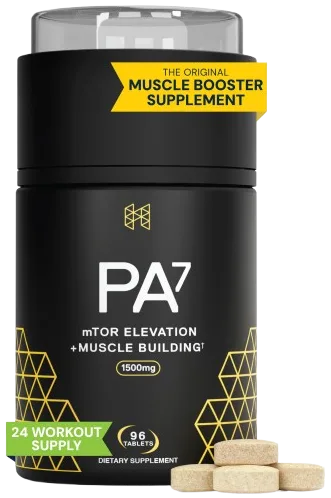
High Performance Nutrition PA(7) Phosphatidic Acid Review
HPN PA(7) Phosphatidic Acid is a top natural muscle builder designed to significantly enhance muscle mass and strength, offering a 30-day supply in each container. This advanced supplement is backed by rigorous clinical studies, demonstrating remarkable benefits for individuals seeking to optimize their physical performance and body composition. Research has shown that subjects using PA(7) experienced an impressive 200% increase in lean muscle mass, alongside a substantial 47% gain in bench press strength. Beyond muscle development, the supplement also contributes to improved nutrient utilization, with amino acid absorption increasing by as much as 66.7%, and ATP production rising by 18%, which is crucial for cellular energy and performance during workouts. The core mechanism of PA(7) revolves around its ability to increase mTOR activation. mTOR, or mammalian target of a med, is a critical regulator of muscle protein synthesis, a process essential for the growth and repair of skeletal muscle. Scientists have identified that supplying the body with Phosphatidic Acid (PA) can effectively trigger this vital receptor, leading to enhanced muscle building. A key advantage of HPN PA(7) is its safe approach to boosting mTOR activation. Unlike meds, which achieve mTOR activation by elevating testosterone levels and often come with undesirable health complications, PA(7) works at the cellular level within muscle tissues to promote growth without the associated side effects of steroidal compounds. This product is not only scientifically validated but also trusted by professionals. HPN PA(7) is certified Safe for Sport by the NSF, ensuring its purity and absence of banned substances, making it a legal and reliable choice for athletes competing across various professional sports leagues. For optimal results, the directions suggest a flexible dosage regimen: for light to moderate training, individuals can start with 2 tablets per day, taken immediately upon waking or 30 minutes to 1 hour before exercise, with the option to increase to the full dosage of 4 tablets daily if desired. For those engaged in intense training, the recommended dosage is 4 tablets of PA(7) on workout/training days (up to 6 days per week), taken 30 minutes to 1 hour before the session. The product comes in a tablet form, with a unit count of 96, providing 24 total servings per container, and is noted for its natural and Non-GMO material features, suitable for adults.
We don’t sell supplements. We help you make decisions and get the best price.
Lowest prices
We may earn a commission from some store links. How we choose.
We hold no current store prices for it yet: check the store.
- AmazonPrice at AmazonCheck price at Amazon (opens in a new tab)
Some links earn us a commission; price comes first, and a commission only decides the order of prices within 2%. As an Amazon Associate we earn from qualifying purchases.
Study, Trial or Testing Result Summary
Members Only32 human studies · 12 improved
Phosphatidic acid is present at 1500 milligrams a day, above the 750 milligram dose tested. Two small trials in men who lifted weights disagree. One found more lean mass, muscle size and leg press strength than placebo after 8 weeks [1], and the other found no extra gain in muscle thickness or strength [2]. Leucine reaches a full dose at the two daily servings members are told to take. Pooled studies in older adults with muscle loss found leucine-rich protein supplements improved strength, muscle mass and performance [3][4], though one of these was rated low quality [4]. Leucine on its own did no better than placebo in frail older adults doing strength training [5] or in midlife women [6], and a review found leucine helped only when paired with protein [7]. Potassium is listed, but the amount is not shown. Good trials found potassium did not build muscle or strength [8][9]. The ginseng and astragalus blend has no human studies for this goal. Animal and cell studies are never counted.
See all 32 studies →Hide the studies
- Across 49 trials of 1863 healthy adults doing resistance training for at least 6 weeks, protein supplements modestly increased strength, lean mass and muscle size compared with control; this was about protein generally, not leucine alone.A systematic review, meta-analysis and meta-regression of the effect of protein supplementation on resistance training-i…
- Across ten randomized trials and one prospective study of 1133 older adults with sarcopenia, leucine improved handgrip, limb muscle mass and walking speed compared with placebo, though the authors rated the evidence as low quality.Effects of Leucine Supplementation in Older Adults with Sarcopenia: A Meta-Analysis.
- Across six randomized trials of 699 older adults with sarcopenia, leucine-rich protein supplements improved muscle strength, mass and performance compared with control groups.Effects of leucine-rich protein supplements in older adults with sarcopenia: A systematic review and meta-analysis of ra…
- In three trials of 637 patients with sarcopenia, a whey protein, leucine and vitamin D combination increased limb muscle mass, but strength and function improved only when combined with an exercise program.Effects of Whey Protein, Leucine, and Vitamin D Supplementation in Patients with Sarcopenia: A Systematic Review and Met…
- A review of 45 mostly observational studies in older adults found the link between potassium and muscle mass, strength or sarcopenia was unclear because there were too few studies or the results were inconclusive.Minerals and Sarcopenia in Older Adults: An Updated Systematic Review.
- A systematic review of studies in adults aged 50 and over with sarcopenia found that essential amino acid supplements containing about 2.5 g of leucine showed some improvement in muscle mass and function, though nutrition study results overall were inconsistent and few in number.Prevalence of and interventions for sarcopenia in ageing adults: a systematic review. Report of the International Sarcop…
- A review of 23 studies found leucine or leucine-enriched protein (1.2 to 6 grams of leucine daily) was well tolerated and improved lean muscle mass in older people with sarcopenia, while strength results were mixed.Beneficial Effects of Leucine Supplementation on Criteria for Sarcopenia: A Systematic Review.
- A review of 15 systematic reviews in people aged 65 and older found leucine had a significant effect on muscle mass in elderly people with sarcopenia, though evidence quality was low to moderate.Nutritional interventions to improve muscle mass, muscle strength, and physical performance in older people: an umbrella…
- In a review of nine trials in healthy adults aged 50 and older, beef nutrients had an overall positive effect on wellbeing, but leucine specifically showed no effect.The potential role of beef and nutrients found in beef on outcomes of wellbeing in healthy adults 50 years of age and ol…
- A review of intervention studies in older adults with sarcopenia found leucine alone without exercise did not improve sarcopenia markers, but leucine paired with protein supplements was effective.Effect of supplementation with leucine alone, with other nutrients or with physical exercise in older people with sarcop…
- In 380 older adults with sarcopenia, a vitamin D and leucine-enriched whey protein supplement taken twice daily for 13 weeks did not improve handgrip strength more than control, but increased muscle mass by 0.17 kg more and improved the chair-stand test.Effects of a vitamin D and leucine-enriched whey protein nutritional supplement on measures of sarcopenia in older adult…
- In 244 men and women aged 50 and older, 3 months of potassium bicarbonate lowered bone turnover and calcium loss in urine but had no significant effect on muscle strength or function compared with placebo.Potassium Bicarbonate Supplementation Lowers Bone Turnover and Calcium Excretion in Older Men and Women: A Randomized Do…
- In 200 pre-frail and frail older adults doing resistance training for 16 weeks, leucine supplementation did not improve muscle mass or function compared with placebo.Supplement-based nutritional strategies to tackle frailty: A multifactorial, double-blind, randomized placebo-controlled…
- In 140 older hospitalized adults with sarcopenia, a leucine and vitamin D enriched whey protein formula twice daily for 4 to 8 weeks during rehabilitation improved gait speed, muscle mass, and physical performance more than a control formula.Improving rehabilitation in sarcopenia: a randomized-controlled trial utilizing a muscle-targeted food for special medic…
- In 130 sarcopenic elderly people, 12 weeks of whey protein, essential amino acids including 4 grams of leucine, and vitamin D alongside exercise increased fat-free mass and grip strength and lowered an inflammation marker compared with placebo plus exercise.Whey protein, amino acids, and vitamin D supplementation with physical activity increases fat-free mass and strength, fu…
- In 128 healthy adults aged 65 and older, 24 weeks of potassium bicarbonate did not improve muscle power, physical performance or muscle mass compared with placebo, though blood levels of a growth hormone marker (IGF-1) were higher.Independent effects of whey protein and alkali supplementation on muscle health in healthy older adults: factorial rando…
- In 96 people with Duchenne muscular dystrophy followed for one year, oral leucine at 0.2 grams per kilogram daily produced no lasting therapeutic benefit compared with placebo, and early differences were attributed to a drop in the placebo group.Clinical investigation in Duchenne muscular dystrophy: IV. Double-blind controlled trial of leucine.
- In older adults with sarcopenia, whey and leucine supplementation after resistance training did not differ from training alone at the end of 24 weeks, but after a further 24 weeks without training, muscle mass and grip strength stayed higher in the supplement group.De-Training Effects Following Leucine-Enriched Whey Protein Supplementation and Resistance Training in Older Adults with…
- In 60 adults aged about 80 with sarcopenia, a 2-month medical food containing 2.5 grams of leucine, omega-3 fats and a probiotic increased lean limb mass, balance, walking and grip strength compared with placebo.Effectiveness of a Novel Food Composed of Leucine, Omega-3 Fatty Acids and Probiotic Lactobacillus paracasei PS23 for th…
- In 36 untrained midlife women over 10 weeks of resistance training, 5 grams of daily leucine added no benefit to fat-free mass, strength or hormone levels compared with placebo.Efficacy of L-leucine Supplementation Coupled With Resistance Training in Untrained Midlife Women.
- In 28 resistance-trained young men, taking 750 mg of phosphatidic acid daily for 8 weeks with resistance training led to more lean body mass (+2.4 kg), larger muscle cross-section (+1.0 cm) and greater leg press strength (+51.9 kg) than placebo.Phosphatidic acid enhances mTOR signaling and resistance exercise induced hypertrophy.
- In 26 resistance-trained young men over 12 weeks, adding 1.5 grams of leucine twice daily to whey protein produced muscle and strength gains no different from adding HMB, and HMB was no more effective than leucine.Equivalent Hypertrophy and Strength Gains in β-Hydroxy-β-Methylbutyrate- or Leucine-supplemented Men.
- In 20 resistance-trained adults, adding leucine to carbohydrate drinks before and after leg squats did not reduce muscle damage markers or soreness over 72 hours and did not change squat performance compared with placebo.The effects of adding leucine to pre and postexercise carbohydrate beverages on acute muscle recovery from resistance tr…
- In 15 resistance-trained men, 750 mg of phosphatidic acid daily for 8 weeks of training did not change muscle thickness or strength more than placebo, though both groups improved.Effects of phosphatidic acid supplementation on muscle thickness and strength in resistance-trained men.
- In 12 male weight trainers, a single dose of potassium-magnesium aspartate taken before a resistance workout did not lower blood ammonia or improve bench press performance to failure compared with vitamin C.Effect of acute potassium-magnesium aspartate supplementation on ammonia concentrations during and after resistance trai…
- In 48 untrained adults doing supervised resistance training three times a week for 12 weeks, 2 grams of leucine from either whey or soy protein increased body weight, lean mass and leg strength, with no difference between the two protein sources.No Significant Differences in Muscle Growth and Strength Development When Consuming Soy and Whey Protein Supplements Mat…
- In 56 sarcopenic older adults, a whey and leucine supplement for 12 weeks did not change muscle mass or grip strength more than counselled protein intake, but it improved walking speed, especially in those under 75.Effects of adequate dietary protein with whey protein, leucine, and vitamin D supplementation on sarcopenia in older adu…
- In 392 adults with knee osteoarthritis, higher dietary potassium intake was linked to greater lower limb muscle strength over 24 months.Associations of Dietary Macroelements with Knee Joint Structures, Symptoms, Quality of Life, and Comorbid Conditions in …
- In 142 malnourished patients followed for 3 months, those taking a leucine-enriched supplement improved phase angle and rectus femoris muscle thickness more than those taking a standard supplement, though the study was observational and groups differed.Nutritional impact of leucine-enriched supplements: Evaluating protein type through artificial intelligence (AI)-augment…
- In 8 obese men with type 2 diabetes and 12 controls, a single 20-gram essential amino acid dose raised muscle protein synthesis similarly in both groups, but the diabetes group showed a blunted cell-signaling response, so the study does not show muscle loss is explained by impaired feeding response.Anabolic resistance does not explain sarcopenia in patients with type 2 diabetes mellitus, compared with healthy control…
- In nine men given testosterone for 12 weeks, muscle mass rose and muscle protein synthesis increased; this study tested testosterone, not leucine supplementation.Effect of testosterone on muscle mass and muscle protein synthesis.
- Six volunteers training intensely in a hot climate on a daily potassium intake of 100 mEq ended up with a mean potassium deficit of 517 mEq, mostly from sweating, while lean body mass rose.Pathophysiology of intense physical conditioning in a hot climate. I. Mechanisms of potassium depletion.
Review Totals and Summary
Members Only2,128 reviews · 93% positive
Customer feedback for HPN PA7 consistently highlights a strong sense of efficacy, with many users reporting tangible and rapid improvements in their physical performance and muscle development. A prominent theme is the noticeable boost in energy levels and muscle preservation, enabling individuals to approach their workouts with greater intensity and lift heavier weights. Users frequently express that the product "really works," leading to significantly accelerated muscle gains and a more pronounced "pump" during exercise. This immediate impact is often cited, with some customers observing a substantial change in their focus, strength, and pump as early as their third workout session, indicating a quick onset of benefits. The qualitative reviews emphasize a feeling of enhanced "power and size," with multiple testimonials stating that strength, power, and overall muscle dimensions are "flowing like no other product" they have previously encountered. This suggests that PA7 delivers a distinct and superior experience compared to other supplements, helping users achieve results they haven't seen before. Customers appreciate the product's ability to not only facilitate muscle growth but also contribute to muscle energy and retention, ensuring that gains are sustained and visible. The positive experiences are so compelling that many users feel compelled to share their results with training partners, indicating a high level of satisfaction and a belief in PA7's transformative potential for others in their fitness community. Furthermore, the feedback points to the product's role in achieving "fast results" and even assisting in "blocking fat cells," which contributes to a more comprehensive body transformation beyond just muscle gain. The overall sentiment is one of breaking through plateaus and experiencing a new level of progress in their fitness journeys, with users feeling stronger and seeing more visible changes in their physique. The consistent praise for increased strength, visible muscle growth, improved workout quality, and enhanced focus underscores PA7's reputation as a highly effective natural muscle booster that delivers on its promises, fostering a loyal customer base eager to recommend it to others seeking similar gains and a noticeable edge in their training. The product is perceived as a reliable tool for those looking to maximize their natural potential and achieve significant, measurable results in their strength and muscle-building endeavors.
Biohacker Summary
Members Only1 of 10 recommend it
Leucine, the main ingredient, gets a mostly positive response: six of the nine panelists who spoke on it recommend it, mainly because it is the key signal for building and keeping muscle. Doses came up twice: one gram in a capsule with a normal meal, especially for plant-based eaters, and two to three grams a day for muscle health, with about eight or nine grams a day as the optimal range, plus a blend of essential amino acids that is about 40% leucine. Some pair it with whey or other essential amino acids, and one noted that foods like beef, whey, milk and sardines already reach 2 to 3 grams per meal. Cautions came up too: one panelist warns that high levels may raise disease risk, one says there is no benefit if you already eat enough high-quality protein and that it tastes horrible, and another mentions a study hinting it could promote plaque buildup in blood vessels. Potassium is a smaller ingredient in this product, and the panel mostly recommends it for hydration and healthy blood pressure.
See all 10 biohackers →Hide the biohackers
Ben Greenfield · Leucine · recommends
- Describes leucine as the 'ignition' that turns on the signal for muscle protein synthesis, and that a sufficient dose is needed to hit the dose response and then have other essential amino acids to maintain the signal.
- Says he is drinking LMNT, which contains sodium, potassium, and magnesium, and states that he actually drinks this stuff.
- Recommends Celtic Sea Salt's new electrolyte drink 'Hydrate' for replenishing electrolytes and trace minerals lost through sweat, noting it contains 70 naturally occurring trace minerals, magnesium, taurine, and potassium, with no added sugar, artificial colors, or synthetic ingredients.
- States that leucine is the primary trigger for muscle protein synthesis and recommends an essential amino acid blend with about 40% leucine for maximum stimulation.
- Recommends pulsing with compounds like leucine for maintaining and building muscle and maximizing muscle protein synthesis.
- Uses AstraGin® as part of NAD Regen to improve absorption and gut balance.
- Recommends adding potassium sulfate to a Morasco cold plunge.
- Mentions that potassium can be helpful for blood pressure but also risky for people with kidney disease or other conditions prone to elevated potassium levels, advising consultation with a physician.
- Recommends Dileucine as a next-generation supplement for muscle recovery and protein synthesis, stating it delivers 86% more leucine to muscles and triggers 60% more protein synthesis than regular leucine, especially when paired with exercise.
- Dave Pascoe mixes up a concoction of different protein powders, leucine, and L-citrulline as a pre-workout drink.
- Discusses the role of leucine in boosting muscle protein synthesis on plant-based diets.
- Mixes leucine into a concoction of protein powders before his workout.
- Discusses a study that claimed escalating doses of leucine from animal-based protein could cause issues with monocytes and macrophages, potentially leading to atherosclerosis, but he refutes the generalizability of these findings to humans.
- Warns of potassium deficiency on a carnivore diet if a lot of octopus and salmon are not consumed.
Dr. Eric Berg · Leucine · recommends
- The amino acid leucine is important for muscle growth, but getting sufficient protein is just as essential for maintaining muscle mass.
- Criticizes the mainstream limit of 99 milligrams for potassium supplements, stating it's based on a weak 1972 study that incorrectly attributed problems to potassium chloride instead of a med.
- States that without potassium, one can experience insomnia and inability to sleep, describing it as a physiological tranquilizer that relaxes the body.
- Recommends potassium as an important electrolyte, noting that most people get less than half of the 4700 mg RDA.
- Describes the benefits of taking potassium every day for 14 days, including reduced blood pressure, disappearing muscle cramps, improved sleep and energy, smoother heart function, and reduced puffiness and fluid retention.
- States that people need more potassium than any other mineral, yet most people aren’t getting enough.
- Explains that potassium is essential for peristalsis, the pumping action through the colon, and without it, things can sit there, leading to constipation.
- Explains that the normal requirements for potassium are 4,700 mg every single day, and that very few people get half of that amount. They describe potassium's role in the sodium potassium pump, which is essential for cellular electricity, muscle contraction, and heart function. Deficiency can lead to tiredness, muscle cramps, heart palpitations, or rising blood pressure.
- Recommends increasing potassium to restore balance and support healthy blood pressure.
- States that potassium is the most important electrolyte and that most people are not getting enough of it, needing around 4,700 mg daily, or even more, to avoid issues like fatigue, muscle cramps, heart palpitations, high blood pressure, and fluid retention.
- Dr. Eric Berg states that potassium is essential for health, supporting healthy muscles, nerves, and heart function, but warns that getting too much, especially from supplements, can be dangerous.
- Mentions that animal protein provides leucine, an amino acid beneficial for muscle building.
- Recommends getting enough leucine, a key amino acid for muscle growth, to help prevent and correct muscle loss.
- Explains that leucine is an essential amino acid that signals muscles to grow, and its requirements increase with age, making it important for maintaining muscle after menopause.
Thomas DeLauer · Leucine · recommends
- Identifies leucine as the primary trigger for the mtorc1 pathway, which is the master switch for muscle protein synthesis, and recommends 2 to 3 grams per meal for those under 40, and 3 to 4 grams for those over 40.
- Recommends Element electrolytes, noting they are focused on sodium first, then potassium, then magnesium, helping with sending signals and hydrating tissue.
- Uses Element's cans which contain 100 milligram potassium, finding that electrolytes help his workout performance.
- Uses Element's 100 mg potassium cans first thing in the morning to prime his day and help with workout performance.
- Explains that leucine is important for muscle, with beef, whey, milk, and sardines clearing the 2-3g leucine threshold per meal, and that the threshold increases with age.
- States that leucine is what flips the switch for muscle protein synthesis, and that adding leucine and essential amino acids to a small dose of whey can match the effect of a full 25-gram dose of protein.
- Recommends Element's ready-to-drink sparkling electrolyte drinks as a low or zero-calorie soda replacement that provides 1,000 milligrams of sodium, 200 milligrams of potassium, and 60 milligrams of magnesium.
- Uses Element Electrolytes for about eight years, noting they contain 1000 mg sodium, 200 mg potassium, and 60 mg magnesium, and help curb appetite without adding many calories.
- Personally drinks Element's pink lemonade or sparkling drinks, which contain 1,000 mg sodium, 200 potassium, and 60 magnesium, to hydrate and feel satiated, curbing hunger without stopping the ghrelin response.
- Sometimes pivots to straight potassium supplementation when generally depleted.
- Uses Element ready-to-drinks as a perfect electrolyte blend to start his day, noting that they contain 500 mg of sodium, 100 mg of potassium, and 30 mg of magnesium, and are slightly carbonated.
- Mentions potassium as an important electrolyte but suggests there's another layer to performance beyond just focusing on it.
- States that potassium is important for hydration, skin repair, and fluid balance in the skin, and recommends countering sodium intake with potassium.
- Notes that leucine, an important amino acid for muscle growth, activates mTOR signaling after exercise, triggering the first step in building new muscle, and that leucine plus carbs together have the strongest signaling effect.
Dr. Rhonda Patrick · Leucine · recommends
- Notes that foods high in leucine are going to really support muscle protein synthesis.
- Recommends getting enough potassium, noting that most people get too much sodium and not enough potassium.
- Explains that Leucine is the critical signal driving robust activation of mTOR, which plays key roles in skeletal muscle growth by driving muscle protein synthesis and recovery, but also notes a study suggesting Leucine might activate mTOR in the vascular system, promoting plaque buildup.
- Highlights that leucine is an amino acid with strong signaling properties, stimulating the mTOR pathway and setting off the anabolic cascade for muscle protein synthesis.
- States that maintaining a high potassium intake is important for hypertension.
- Mentions that leucine, a branched-chain amino acid, and other essential amino acids may be partially protective against declines in muscle mass, but not entirely effective against strength declines.
- Discusses leucine as an amino acid that kick-starts the muscle-growth process, noting that 2 to 3 grams may be important for older individuals to kick-start that process, but does not recommend it as a supplement if consuming high-quality animal-based protein sources.
- Warns that leucine is extraordinarily bitter and requires food science to mask its taste. He also states that leucine supplementation should be a last resort, advocating for a food-first approach.
- Recommends getting enough potassium from veggies, bananas, and fruit because the body cares about the sodium-potassium ratio.
- Dr. Patrick states that her smoothie, containing avocado and banana, has around 5,800 milligrams of potassium, which meets the adequate intake requirement for maintaining normal blood pressure and decreasing the risk of kidney stones.
- Identifies leucine as a major activator of mTORC1, which is critical for muscle protein synthesis.
- Notes that leucine is the highest affinity amino acid sensor for mTORC1, explaining why branched-chain amino acids, particularly leucine, are used to enhance muscle growth or prevent degradation during exercise. He believes 5 grams during a workout is probably not harmful.
- Dr. Rhonda Patrick states that eating more potassium, not less sodium, is the key to healthy blood pressure.
Dr. Mark Hyman · Leucine · recommends
- Dr. Mark Hyman, agreeing with the guest, highlights leucine as a primary amino acid important for muscle protein synthesis.
- Warns that potassium bromate, a dough conditioner banned in the EU, UK, and Canada, is still allowed in U.S. bread.
- States that potassium plays a critical role in nerve signaling and muscle contraction, especially in the heart, and low levels can lead to dangerous irregular heart rhythms.
- Notes that meds flush out potassium.
- States that with potassium, water can fully cross the cell membrane and get inside where it's needed for intracellular hydration.
- Recommends using targeted electrolyte support, advising to look for products with meaningful amounts of sodium, potassium, and magnesium, low sugar content, and avoidance of artificial colors, flavors, and sweeteners.
- Warns that potassium bromate, a chemical dough conditioner, has been linked to cancer, oxidative stress, DNA damage, and reproductive harm in animal studies.
- Warns that electrolyte drinks, while marketed for hydration, are loaded with high-glycemic sugars, synthetic potassium salts, and artificial dyes that can trigger insulin resistance, blood sugar crashes, and inflammation.
- States that leucine is important for muscle health and is the rate-limiting amino acid for turning on the switch that starts muscle building.
- Recommends promoting potassium enriched low sodium salts as a great life hack, stating that changing the brand of salt used at home can reduce the risk of heart attack, stroke, or early death.
- Recommends leucine, an amino acid, for making muscle.
- Warns that if potassium is trailing high, it's not necessarily about needing a banana, but rather a systematic marker indicating acute or chronic fatigue, overtraining, or sympathetic overdrive.
- Notes that 96% of the US population does not meet the adequate intake for potassium, and that the ideal ratio of potassium to sodium should be 10 to 1, but it's currently the other way around. They explain that potassium plays an important role in regulating blood pressure.
- Highlights leucine as an essential amino acid that is nearly highest in protein sources and acts as a unique amino acid for metabolic signaling, like a switch that turns on muscle building.
Andrew Huberman · Leucine · recommends
- Suggests that adding free leucine, perhaps one gram in a capsule with a normal meal, can significantly boost protein synthetic response, especially for plant-based individuals.
- Uses Element, an electrolyte drink with sodium, magnesium, and potassium in correct ratios and no sugar, to ensure adequate hydration and electrolytes, especially when starting days fast or during physical exercise.
- Uses Element, which contains potassium in the correct ratios, to ensure proper hydration and electrolyte intake for brain and body function.
- Mentions potassium as an electrolyte.
- Uses Element, an electrolyte drink with sodium, magnesium, and potassium in correct ratios and no sugar, to ensure adequate hydration and electrolytes, drinking it first thing in the morning and during physical exercise.
- Uses Element, an electrolyte drink with sodium, magnesium, and potassium in correct ratios and no sugar, to ensure he is hydrated and has sufficient electrolytes. He drinks it first thing in the morning and during physical exercise, especially on hot days.
- Uses Element, an electrolyte drink with sodium, magnesium, and potassium but no sugar, to ensure adequate hydration and electrolytes, especially when waking up and during exercise.
- Suggests that leucine, because it triggers cellular growth by activating the mTOR pathway, is actually pro-aging, similar to growth hormone and testosterone, offering immediate benefits at the expense of long-term health.
- Uses LMNT, an electrolyte drink with sodium, magnesium, and potassium in correct ratios and no sugar, to ensure adequate hydration and electrolytes for brain and body function, especially when starting his day fast or during physical exercise.
- Uses Element, which contains potassium, for proper hydration and electrolyte balance.
- Ensures adequate intake of sodium, magnesium, and potassium, which are vital electrolytes for the functioning of all body cells, especially neurons, by drinking Element.
- Uses Element, an electrolyte drink with sodium, magnesium, and potassium, to ensure adequate hydration and electrolytes for optimal brain and body function, especially when waking up and during physical exercise.
- Andrew Huberman explains that leucine is an essential amino acid important for inducing muscle protein synthesis, and it is found in high levels in sources like whey protein, beef, chicken, and eggs.
- Discusses leucine.
Dave Asprey · Leucine · warns
- States that very low levels of leucine are probably promoting high levels of protection against aging and diseases, but also promoting frailty, and high levels of this amino acid could be a risk for developing a number of diseases.
- Explains that potassium helps open a gate, allowing creatine to slip through and cross the blood-brain barrier more effectively.
- Recommends having more potassium during a fast to increase mineral intake.
- States that people who are salt-sensitive hypertensives usually need more potassium.
- Explains why electrolytes, especially sodium, potassium, and magnesium, are foundational for recovery.
- States that potassium is a really important electrolyte for everyone, but the demand is significantly higher for people with nervous system, immune system, and endocrine system dysregulation.
- Recommends using potassium citrate, if tolerated, to raise urinary citrate and block crystal formation.
- Notes that the potassium in the Vineia blood flow hydration product is from coconut water.
- Mentions that atrial fibrillation has to do with mineral status, including potassium.
- Takes a lot of potassium.
- Recommends lots of potassium citrate to help remove oxalates from the body.
- Recommends ensuring enough Leucine, specifically two and a half grams, to activate muscle protein synthesis, otherwise consumed protein may not be effective.
- States that 2.5 grams of leucine are needed in a meal to activate mTOR and stimulate muscle synthesis.
- Recommends consuming leucine, which preserves body muscle and is found in higher amounts in animal foods.
Peter Attia · Leucine · recommends
- States that leucine is critical for muscle protein synthesis and recommends around 8 or 9 grams a day for optimal muscle health.
- States there is some evidence that increasing dietary potassium through potassium-rich foods like bananas and potatoes, rather than supplements, can lower blood pressure.
- Recommends two to three grams of leucine a day for muscle health, with optimal health probably around eight or nine grams.
- Recounts a story where a vegan doctor chastised him for suggesting ingesting five grams of leucine during a workout due to its negative effect on mTOR and potential link to cancer, which Peter Attia found amusing.
- Warns that there is no benefit to supplementing leucine specifically if one is already consuming enough high-quality protein, and notes that leucine tastes horrible.
- Mentions that estimations suggest two to three grams of Leucine in a meal will induce a rapid increase in circulating Leucine, stimulating muscle protein synthesis.
- Highlights that leucine content is an important factor in the anabolic response, and adding free leucine to casein can increase its anabolic effect.
- Recommends tracking amino acids and ensuring 2 to 4 grams per serving of leucine for muscle mass.
- Discusses experiments on Leucine and its effect on muscle protein turnover and fat metabolism.
- Mentions Leucine as one of the four signals that regulate mTOR, which is involved in protein synthesis.
- Explains that leucine binds to a protein called sestrin, which acts as its receptor, and the crystal structure shows how leucine is nestled in a small pocket, making it difficult to mimic its anabolic effects with other molecules.
- Suggests that phosphatidic acid, stored in the z-disk of skeletal muscle, is released in response to mechanical tension and stimulates mtor, making it a major regulator of mechanotransduction.
- Notes that evolutionary ancestors consumed much more potassium than modern humans and suggests adding it back to the diet, ideally through whole foods.
- Mentions taking magnesium and potassium in addition to salt for minerals and electrolytes.
Siim Land · Leucine · uses
- Despite high protein and whey intake, Siim Land's leucine levels remain low, hovering around 70, which he attributes to increased muscle mass and the body fighting infection.
- Lists potatoes and fruit as sources of Potassium.
- Notes that bananas have potassium but there are at least 8 other foods with more potassium than bananas.
- States that potassium is the most abundant intracellular cation that helps to maintain intracellular fluid volume and that without it, one greatly increases the risk of hypertension, cardiovascular disease, diabetes, and stroke.
- States that potassium lowers blood pressure.
- Travels with Upgraded Formulas' potassium, manganese, boron, and zinc, considering them fundamental minerals he is usually deficient in.
- Notes that potassium bromate is banned in the EU due to being a possible carcinogen, while it is allowed in the US as a whitening and raising agent in bread products.
- Mentions phosphatidic acid as a compound that increases mtor expression, the main master switch for muscle growth, and can be found in cabbage.
- States that leucine is associated with longevity, and most studies indicate that higher levels are important for longevity.
- Found that adding 198 MGS of potassium to his diet within 24 hours stopped his frequent urination, which had been occurring 30 to 50 times a day.
- Mentions that leucine, an essential amino acid, acts as a signal for muscle protein synthesis, though not as strong as resistance training.
- Siim Land, agreeing with the guest, states that 2.5 grams of Leucine per meal maximizes anabolic protein synthesis in the muscle, ensuring muscle tissue maintenance.
- Takes 1 gram of AstraGin from DoNotAge in the morning for longevity.
- Identifies leucine as an essential amino acid that is most responsible for increasing mTOR activation and muscle protein synthesis, linking it to protein intake, aging, and cancer.
Bryan Johnson · Potassium · recommends
- Recommends potassium at 200 to 400 mg daily for women during the luteal phase.
RAL Summary
Members OnlyTier 2 for Muscle and Strength
The rules placed this product in tier two because pooled studies show leucine-rich protein supplements improved muscle strength and mass [3][4], and most counted reviews are positive. The main ingredient, phosphatidic acid, has only two small trials that disagree [1][2].
Take 2 servings a day (6 capsules) to match the dose that worked in the studies.
Where the evidence disagrees: 12 of the 32 human studies found no effect.
More Details
Members OnlyBody systems · Combine with · Possible side effects
Body systems: Muscular system
Combine with: To further enhance muscle building alongside Phosphatidic Acid, consider stacking with creatine monohydrate to boost strength and power, and a high-quality whey protein or essential amino acid (EAA) supplement to provide the necessary building blocks for muscle repair and growth. Beta-alanine can also be beneficial for increasing muscular endurance and workout volume, while omega-3 fatty acids may aid in reducing inflammation and supporting overall recovery.
Possible side effects: No major side effects reported.
Supplement Facts
Potassium 0 mg · Total Carbohydrates 0 mg · Mediator ® 1500 mg
| Calories | 0 | 0% |
| Total Fat | 0 mg | 0% |
| Cholesterol | 0 mg | 0% |
| Sodium | 0 mg | 0% |
| Potassium | 0 mg | 0% |
| Total Carbohydrates | 0 mg | 0% |
| Mediator ® (containing Phosphatidic Acid) | 1,500 mg | † |
| L-Leucine | 1,400 mg | † |
| AstraGin™Panax Natoginseng and Astragalus Membranaceus (Root) | 100 mg | † |
Directions: For Light to Moderate Training; Take 3 capsules per day immediately upon waking or 30 minutes to 1 hour before exercise.
Label source: Tigerfitness · Report a label change
Show entire label
More muscle and strength products
Members OnlyThe highest ranked for the same goal
Read more
Our articles on this subject
- Collagen vs Protein Powder: What the Human Studies ShowArticle · Nov 21, 2026
- Thorne vs Pure Encapsulations: Label ComparisonArticle · Nov 22, 2026
Graded October 23, 2026 by the Reverse Age Lab evidence engine, from human studies, real reviews and our biohacker panel. How we grade. Is this medical advice? No. Rala organizes the published evidence; go over any change with your doctor, especially if you take meds.
Privacy policyConsumer health dataAffiliate disclosureTermsBrand and legal noticesDo Not Sell or Share My Personal InformationCookie settings