
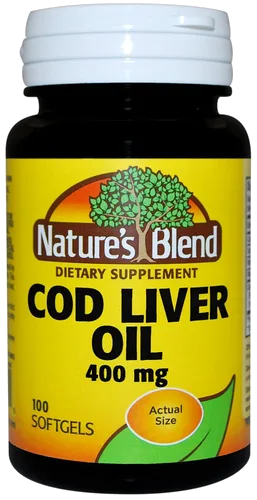
Nature Made Cod Liver Oil Review
We don’t sell supplements. We help you make decisions and get the best price.
Lowest prices
We may earn a commission from some store links. How we choose.
Finding the lowest prices at the stores now. This takes a few seconds.
Products with nearly the same formula (Matched on the main ingredients)
Study, Trial or Testing Result Summary
Members Only68 human studies · 15 improved
This product gives about 1590 milligrams of cod liver oil, 3750 units of vitamin A and 390 units of vitamin D a day. The studies did not test it directly, and their doses are not given here. Studies of the omega-3 fish oils in cod liver oil found no clear drop in protein in the urine in people with kidney conditions [1]. They also found no change in inflammation markers in kidney disease [2][3]. A review of many reviews found only low quality evidence of any kidney benefit [4]. For vitamin D, a large review of trials in chronic kidney disease found no fewer deaths and uncertain kidney effects [5]. It also did not prevent sudden kidney injury in very ill adults [6]. Another form did not change kidney filtering [7]. Calcium with vitamin D raised kidney stone risk in older women [8]. For vitamin A, low quality trials in children with kidney infection showed about half the risk of kidney scarring [9]. Antioxidant mixes that included vitamin A lowered urine protein in diabetic kidney disease but did not improve filtering [10]. In dialysis patients, high blood vitamin A was linked to anemia [11]. Animal and cell studies are never counted.
See all 68 studies →Hide the studies
- Across 39 trials of 15,627 cancer patients, retinoids lowered recurrence and improved clinical response, with benefit seen in renal cell carcinoma, but did not improve overall survival.Retinoids in cancer chemoprevention and therapy: Meta-analysis of randomized controlled trials.
- Across 128 trials with 11,270 adults with chronic kidney disease, vitamin D did not reduce the risk of death and its effects on kidney outcomes were uncertain, though it lowered parathyroid hormone and raised calcium.Vitamin D Therapy in Adults With CKD: A Systematic Review and Meta-analysis.
- In 14 studies of 4,345 adults with diabetic kidney disease, antioxidant supplements (vitamin A among others) lowered albuminuria but had no clear effect on kidney filtering rate.Antioxidant agents for delaying diabetic kidney disease progression: A systematic review and meta-analysis.
- Pooling 12 randomized trials of 487 people with chronic kidney disease, omega-3 fatty acid supplements did not significantly change blood levels of the inflammation markers CRP, IL-6 or TNF-alpha compared with placebo.Effects of Omega-3 Fatty Acids on Markers of Inflammation in Patients With Chronic Kidney Disease: A Controversial Issue…
- Pooling nine studies of 347 people with kidney-related conditions, omega-3 fatty acid supplements had no statistically significant effect on protein in the urine.Role of omega-3 fatty acids in reducing proteinuria: A systematic review and meta-analysis.
- In 4 trials with 305 people with moderate chronic kidney disease, 12 to 16 weeks of vitamin D improved blood vessel widening function, though this is a vascular rather than a direct kidney measure.Treating endothelial dysfunction with vitamin D in chronic kidney disease: a meta-analysis.
- In four trials of 248 children with kidney infection, vitamin A cut the risk of kidney damage on scans by about half compared with placebo over about 5 months, though study quality was low.The effect of vitamin A on renal damage following acute pyelonephritis in children: a meta-analysis of randomized contro…
- In three trials of adults with prediabetes, vitamin D lowered diabetes risk by 15%, and kidney stones did not differ significantly from placebo.Vitamin D and Risk for Type 2 Diabetes in People With Prediabetes : A Systematic Review and Meta-analysis of Individual …
- In genetic studies, naturally higher vitamin D levels were linked to an increased risk of kidney stone disease.Vitamin D and human health: evidence from Mendelian randomization studies.
- In a review of 77 trials of people with chronic kidney disease, trials of vitamin D therapy did not show a slowing of vascular calcification.Interventions To Attenuate Vascular Calcification Progression in Chronic Kidney Disease: A Systematic Review of Clinical…
- In patients with a rare low-calcium disorder, conventional treatment with calcium and activated vitamin D raised the rate of high urine calcium by 91%, and 75% of those on it had kidney or brain complications.Autosomal Dominant Hypocalcemia Type 1: A Systematic Review.
- A review of 10 studies found that low maternal vitamin A, folate and energy during pregnancy were linked to poorer kidney structure and function in children.The Relationship between Maternal Nutrition during Pregnancy and Offspring Kidney Structure and Function in Humans: A Sy…
- An umbrella review of 17 meta-analyses found vitamin D made no difference or even reduced the risk of kidney stones.Risk factors for nephrolithiasis formation: an umbrella review.
- A review of 17 prior reviews found only low to very low quality evidence of benefit from nutrition supplements including omega-3 on urine protein, kidney function and inflammation in chronic kidney disease, with no clear improvement in outcomes.Systematic Review of Nutrition Supplements in Chronic Kidney Diseases: A GRADE Approach.
- In a review of six studies of people with diabetic kidney disease, 50,000 IU of vitamin D per week for 8 weeks reduced protein in urine and creatinine.Effects of Vitamin D Supplementation in Diabetic Kidney Disease: A Systematic Review.
- In 36,282 postmenopausal women given calcium plus vitamin D for about 7 years, the risk of kidney stones rose by 17% compared with placebo.Calcium plus vitamin D supplementation and the risk of fractures.
- In 15,917 older adults given 2000 IU of vitamin D3 daily for about 5.3 years, vitamin D raised blood vitamin D and lowered parathyroid hormone more in people with lower kidney function, but heart and cancer outcomes did not differ by kidney function.Effects of Vitamin D3 Supplementation on Cardiovascular and Cancer Outcomes by eGFR in VITAL.
- In older adults given monthly high-dose vitamin D for about 4.3 years, kidney stones and high blood calcium did not differ from placebo.Vitamin D supplementation and risk of falling: outcomes from the randomized, placebo-controlled D-Health Trial.
- In 666 older adults given 2000 IU of vitamin D3 daily for 16 weeks, kidney function level did not change how much vitamin D lowered parathyroid hormone; only low starting vitamin D levels did.Clinical and biomarker modifiers of vitamin D treatment response: the Multi-Ethnic Study of Atherosclerosis.
- In 429 adults with stage 3 or 4 chronic kidney disease, 26 weeks of extended-release calcifediol did not significantly change kidney filtration rate even as vitamin D levels rose.Rationale for Raising Current Clinical Practice Guideline Target for Serum 25-Hydroxyvitamin D in Chronic Kidney Disease…
- In 369 people with rheumatoid arthritis given 50,000 IU weekly of an active vitamin D form or calcitriol for 6 weeks, both raised vitamin D levels and eased arthritis, but calcitriol caused high blood calcium; the abstract gives no kidney results.Efficacy and Safety of 22-Oxa-Calcitriol in Patients with Rheumatoid Arthritis: A Phase II Trial.
- In 229 people with heart failure and low vitamin D given 4,000 IU daily for one year, walking distance did not improve and heart function improved; kidney function was monitored for safety but no kidney results are given.Effects of Vitamin D on Cardiac Function in Patients With Chronic HF: The VINDICATE Study.
- In critically ill adults at high risk of acute kidney injury, oral calcifediol or calcitriol did not reduce kidney injury compared with placebo, though calcitriol changed immune-related gene activity.Randomized trial of activated vitamin D for acute kidney injury prevention in critically ill patients.
- In a placebo-controlled trial of 130 African American adults with low vitamin D, 100000 international units of vitamin D3 every 4 weeks for 12 weeks lowered one kidney and vascular marker and improved artery stiffness, while another kidney-related marker rose and kidney filtration did not clearly change.Vitamin D3 Repletion Improves Vascular Function, as Measured by Cardiorenal Biomarkers in a High-Risk African American C…
- In 128 people with chronic kidney disease, 2000 IU daily cholecalciferol for 6 months did not improve blood vessel function or inflammation; calcitriol 0.5 mcg daily did not either, though calcitriol lowered parathyroid hormone more.Cholecalciferol, Calcitriol, and Vascular Function in CKD: A Randomized, Double-Blind Trial.
- In 120 people with stage 3-4 kidney disease and vitamin D deficiency, two 300,000 IU cholecalciferol doses over 8 weeks improved blood vessel dilation compared with placebo over 16 weeks and lowered IL-6 inflammation markers.A Randomized Trial of Vitamin D Supplementation on Vascular Function in CKD.
- In adults with non-diabetic chronic kidney disease stage 3-4 and low vitamin D, high-dose cholecalciferol over 16 weeks did not produce a clear difference from placebo in blood markers of new blood vessel growth.Cholecalciferol supplementation and angiogenic markers in chronic kidney disease.
- In 80 children with kidney disease, 4000 international units of vitamin D3 daily for 6 months raised vitamin D levels to sufficiency in 74.4% of children, compared with 33.3% on 1000 international units, with no vitamin D toxicity or high calcium.Randomized trial of two maintenance doses of vitamin D in children with chronic kidney disease.
- In 88 adults with stage 3 to 4 kidney disease, 2 mcg daily of paricalcitol for 12 weeks improved blood vessel dilation compared with placebo, and the effect disappeared two weeks after stopping.Paricalcitol and endothelial function in chronic kidney disease trial.
- In adults with chronic kidney disease, calcifediol over 6 months lowered arterial stiffness with no clear difference from placebo, calcitriol had no effect, and parathyroid hormone fell.Randomized Controlled Trial for the Effect of Vitamin D Supplementation on Vascular Stiffness in CKD.
- In 67 critically ill adults with sepsis, a single intravenous 2 mcg calcitriol dose did not change urinary markers of kidney injury compared with placebo.Randomized controlled trial of calcitriol in severe sepsis.
- In 67 kidney transplant recipients, daily calcitriol 0.5 mcg for 12 months compared with placebo did not improve bone strength or bone density, and it raised blood calcium levels.Calcitriol supplementation after kidney transplantation: results of a double-blinded, randomized, placebo-controlled tri…
- In hemodialysis patients, cholecalciferol 25,000 IU every 2 weeks for 1 year lowered parathyroid hormone compared with placebo, with no added vascular calcification.Cholecalciferol in haemodialysis patients: a randomized, double-blind, proof-of-concept and safety study.
- In children with a med-sensitive nephrotic syndrome, vitamin D3 with calcium raised vitamin D levels but did not reduce relapses over 6 months, and 52% of treated children developed high urinary calcium.Read the study on PubMed (28725977) →
- In 24 people with chronic kidney disease, 8 weeks of 40,000 IU vitamin D3 weekly did not change blood levels of soluble klotho, a protein linked to kidney health, compared with placebo.Soluble α-klotho and its relation to kidney function and fibroblast growth factor-23.
- In 22 kidney transplant patients given 6 g of fish oil daily or placebo for 6 months, oxidative stress fell only in the placebo group, so fish oil reduced the benefit of transplantation on it, though cholesterol was lower with fish oil.Effect of omega-3 fatty acids on plasma level of 8-isoprostane in kidney transplant patients.
- In 21 kidney stone formers with low vitamin D, either 1,000 IU daily or 50,000 IU weekly for 6 weeks did not change urine calcium or stone-forming salt levels, though the higher weekly dose raised vitamin D more.Vitamin D Repletion in Kidney Stone Formers: A Randomized Controlled Trial.
- In hemodialysis patients with low vitamin D, cholecalciferol over 1 year normalized vitamin D levels but did not change parathyroid hormone or bone density compared with no treatment.Long-term cholecalciferol administration in hemodialysis patients: a single-center randomized pilot study.
- In healthy postmenopausal women taking 1200 mg calcium daily, 10,000 IU vitamin D3 daily for one year raised the odds of high urine calcium about 3.6 times compared with 600 IU, which could raise kidney stone risk.Safety of calcium and vitamin D supplements, a randomized controlled trial.
- In people with kidney disease on hemodialysis, 3 g of omega-3 daily for two months did not significantly change the inflammation markers CRP or IL-6 compared with placebo.Modulation of Inflammatory Indices by Omega-3 Fatty Acids Supplementation in Hemodialysis: A Clinical Trial Approach.
- In 2 weeks of 25 micrograms daily of 25-hydroxyvitamin D given to people with absorptive hypercalciuria, active vitamin D rose more sharply than in controls, suggesting greater activation of vitamin D in people with high urinary calcium.Vitamin D substrate-product relationship in idiopathic hypercalciuria.
- In 39 adults on dialysis, 200000 international units of vitamin D3 given monthly for 3 months raised vitamin D levels more than the same monthly amount of vitamin D2, with 84% of the vitamin D3 group reaching levels above 30 ng/mL.Vitamin D2 versus vitamin D3 supplementation in hemodialysis patients: a comparative pilot study.
- In 284 adults on hemodialysis with low vitamin D, calcifediol for 24 months compared with standard care did not clearly change death or heart outcomes; results were inconclusive.Calcifediol supplementation in adults on hemodialysis: a randomized controlled trial.
- In 90 children with chronic kidney disease, daily, weekly or monthly cholecalciferol for three months reached vitamin D sufficiency in 77.8% of children with similar results across schedules, and fibroblast growth factor 23 and klotho levels rose without toxicity.Determining the optimal cholecalciferol dosing regimen in children with CKD: a randomized controlled trial.
- In 60 adults on dialysis for kidney failure, taking omega-3 fatty acid capsules alongside usual care for six months raised blood levels of two proteins that protect against vessel calcification, compared with usual care alone. The study did not report a dose.Omega 3 fatty acids effect on the vascular calcification biomarkers fetuin A and osteoprotegerin in hemodialysis patient…
- In 45 people with chronic kidney disease and vitamin D deficiency, weekly cholecalciferol (50,000 units) for 3 months restored vitamin D levels in most and lowered parathyroid hormone, but parathyroid hormone returned to baseline by 6 months.Cholecalciferol supplementation in chronic kidney disease: restoration of vitamin D status and impact on parathyroid hor…
- In 23 people with itching from chronic kidney disease, a month of twice-daily topical vitamin D (calcipotriol) cream reduced itch scores and improved skin dryness compared with vehicle cream, with no significant side effects.Effect of topical vitamin D on chronic kidney disease-associated pruritus: An open-label pilot study.
- In 22 hemodialysis patients with low vitamin D, a high weekly cholecalciferol dose (70,000 units) raised vitamin D levels to the target in all patients by 9 weeks, with no high calcium episodes.The Efficacy and Safety of High-Dose Cholecalciferol Therapy in Hemodialysis Patients.
- In dialysis patients with low vitamin D, 8 weeks of cholecalciferol (50,000 units) improved blood vessel flow-mediated dilation, a measure of endothelial dysfunction, compared with before treatment.Effect of vitamin D supplementation on endothelial dysfunction in hemodialysis patients.
- In a large Korean national survey of adults with normal kidney function, severe vitamin D deficiency (below 10 ng/mL) was linked to about 2.4 times higher odds of renal hyperfiltration.Severe vitamin D deficiency is a risk factor for renal hyperfiltration.
- In 4,364 kidney biopsies, calcium deposits were found in about 10%; people with deposits had a slower decline in kidney function and lower risk of kidney failure, and vitamin D use was more common in one deposit type.Incidence and Importance of Calcium Deposition in Kidney Biopsy Specimens.
- In a large US national survey of adults with high blood pressure, vitamin D deficiency was more common among people with resistant hypertension, and chronic kidney disease was also linked to resistant hypertension.The association between vitamin D deficiency and the risk of resistant hypertension.
- In 1177 people with diabetes on hemodialysis followed for a median of about 4 years, low blood retinol levels were strongly linked to higher risk of death and sudden cardiac death.Impact of vitamin A on clinical outcomes in haemodialysis patients.
- In a cross-sectional study of 803 older Mexican adults, low vitamin A was linked to anemia driven by inflammation, not to kidney disease, which was a separate cause of anemia.Etiology of Anemia in Older Mexican Adults: The Role of Hepcidin, Vitamin A and Vitamin D.
- In a baseline study of 514 people with X-linked hypophosphatemia, kidney calcium deposits (nephrocalcinosis) were found in about one in four children and over one in three adults, and were linked to lower kidney function in children; the study did not test vitamin D as a treatment.Nephrocalcinosis and kidney function in children and adults with X-linked hypophosphatemia: baseline results from a larg…
- In a retrospective review of 513 people with chronic kidney disease in Pakistan, vitamin D deficiency was present in all participants and levels were lowest in the most advanced kidney disease stage.Relationship Between Chronic Kidney Disease Staging and Vitamin D Deficiency: A Retrospective Study.
- In a retrospective study of 352 people with kidney disease treated with cholecalciferol over an average of 2.4 years, those who raised vitamin D levels had stable or rising kidney filtration, while non-responders had declining kidney function heading toward kidney failure.Vitamin D resistance in chronic kidney disease (CKD).
- In 143 people across a range of kidney function, vitamin D breakdown changed as kidney function fell, and people taking cholecalciferol had higher levels of a vitamin D breakdown product without higher active vitamin D.The metabolism of 1,25(OH)2D3 in clinical and experimental kidney disease.
- In 106 kidney transplant recipients, those taking mycophenolate mofetil had significantly lower blood retinol, with gastrointestinal problems possibly reducing vitamin A absorption.Effect of clinical condition and mycophenolate mofetil on plasma retinol, α-tocopherol and β-carotene in renal transplan…
- In 58 women, certain organochlorine pesticides were linked to higher active vitamin D levels and one total pesticide measure was linked to lower kidney filtration, but overall the pesticides were not linked to vitamin D levels.Association between Organochlorine Pesticides and Vitamin D in Female Subjects.
- In 47 people on regular dialysis, higher blood vitamin A levels were linked to anemia, and the authors concluded that vitamin A supplements should not be given to dialysis patients.Hypervitaminosis A toxicity in regular hemodialysis patients.
- In 32 healthy people before and after donating a kidney, active vitamin D levels fell after donation while a dietary vitamin D form rose; no supplement was given.Vitamin D metabolism in living kidney donors before and after organ donation.
- In 27 people on dialysis with severe itching, taking 1000 mg of fish oil daily for 3 months lowered interleukin-6, improved skin moisture and eased itching, though C-reactive protein rose and kidney creatinine fell only slightly. This was an uncontrolled cohort without a placebo group.Omega-3 Fatty Acids Improve Chronic Kidney Disease-Associated Pruritus and Inflammation.
- In 22 people on hemodialysis, cholecalciferol at 70,000 IU weekly raised vitamin D levels to the target in a median of 7.5 weeks in 73% of patients, and was associated with lower parathyroid hormone and higher active vitamin D.Hemodialysis Patients May Benefit from Cholecalciferol Treatment Targeting High Level of 25(OH)D.
- In kidney cancer tumor tissue from 6 people, vitamin A concentration was the same as in healthy kidney tissue, while vitamin E was much higher in the tumors.[Content of vitamins E and A in tumor tissue in kidney cancer].
- In 4 people with chronic kidney failure taking etretinate for psoriasis, the parent drug reached higher peak blood levels than in 4 people without kidney failure, and its elimination time was about the same, so kidney failure raised drug exposure.Etretinate pharmacokinetics in chronic renal failure. A preliminary study in psoriasis patients.
- In a large cohort of people with chronic kidney disease, a lower vitamin D metabolic ratio was linked to higher death risk even after adjusting for kidney function, but not to progression to kidney failure once kidney function was accounted for.Vitamin D Metabolic Ratio and Risks of Death and CKD Progression.
- In 31 people with chronic kidney disease stage 3-4 and low vitamin D, two 300,000 IU cholecalciferol doses eight weeks apart improved blood vessel flow-mediated dilation by about 5.8%, with no placebo comparison in this phase.Vascular function and cholecalciferol supplementation in CKD: A self-controlled case series.
Review Totals and Summary
Members OnlyWhat buyers say
No written reviews read yet.
Biohacker Summary
Members Only0 of 10 recommend it
All ten panelists spoke about vitamin D, the main ingredient, and most of them recommend it or take it themselves, mainly for immune support, brain and mood, bone health, muscle, and general health or longevity. Several take vitamin D3, three of them say they take 5000 IU in the morning, and one aims for 10,000 IU a day in winter, with a few pairing it with K2 and magnesium. Many suggest testing blood levels, with targets ranging from 40 up to 100 ng per ml, and one panelist says there is little point in supplementing unless you are deficient. Because it is fat soluble, one panelist advises taking it with dietary fat and not alone with other supplements in the morning, and another takes it on days when he is not eating liver. Vitamin A, also listed as a main ingredient, got only passing mentions from a few panelists, mostly as a fat soluble vitamin found in liver, and no one reported stopping either one.
See all 10 biohackers →Hide the biohackers
Dr. Eric Berg · Vitamin D · warns
- Dr. Berg warns that the recommended daily intake for vitamin D is based on a massive error and that the actual necessary amount is closer to 8,895 IU, with millions remaining deficient.
- Recommends getting vitamin D levels tested to ensure they are between 50 and 70, as vitamin D is intimately involved in regulating prostate size.
- Recommends taking at least 10,000 IUs of vitamin D3 every single day in the winter, stating it is the most important vitamin to lower cancer risk.
- Recommends vitamin D to support the immune system, aiming for blood levels between 80 to 100 ng per ml.
- Recommends taking no less than 10,000 IU's of vitamin D3 for osteoporosis, alongside magnesium and K2.
- Recommends increasing vitamin D to restore balance and support healthy blood pressure.
- States that a lack of vitamin D can potentially cause achy bones or crashing mood.
- Notes that low vitamin A can lead to dry eyes, dry mouth, and night vision issues.
- States that vitamin D is intimately involved in the immune system and recommends taking at least 10,000 IUs each day.
- States that taking high doses of vitamin D3 for 14 days can improve mood, sleep, low back pain, skin issues, and blood pressure, as well as act as a natural anti-inflammatory and reduce susceptibility to sickness.
- Mentions that grass-fed liver has vitamin D.
- Mentions that grass-fed liver has the active form of vitamin A, called retinol, which is important for eyes, thyroid, immune system, and skin.
- Dr. Berg warns that synthetic vitamin A can cause problems, including competing with vitamin D, increasing the risk of birth defects during pregnancy, and increasing the risk of bone fractures, recommending food sources like egg yolks and cod liver oil instead.
- Mentions vitamin A deficiency as a possibility for dry mouth, but emphasizes that vitamin A doesn't work without zinc.
Dave Asprey · Vitamin D · uses
- Takes Vitamin DAKE from Suppgrade Labs.
- Suggests that vitamin D supports brain health, muscle function, and focus.
- Host Dave Asprey explains why correcting a vitamin D deficiency still makes sense for male fertility, even though supplementation did not improve overall semen parameters in a randomized trial.
- States that currently, he is only taking vitamin C and vitamin D.
- Recommends vitamin D, noting it's actually a hormone and that most people are deficient, even those who take it, because they don't take enough.
- States that most people on the spectrum are low in vitamin D and need more of it, mentioning his own product, Vitam DAKNE, which contains real vitamin A.
- Recommends real vitamin A for people on the spectrum, noting that many cannot convert plant vitamin A and need the good stuff he includes in his Vitam DAKNE product.
- Dave Asprey recommends Vitamin D3 with K2, explaining D3 is a hormone made from sunlight and K2 directs calcium into bones, not arteries, highlighting its low cost, widespread deficiency, and the ability to test its effectiveness.
- Recommends Vitamin D as one of the most important supplements for overall health.
- Takes Vitamin DAKE from Suppgrade Labs because D3, A, K2, and E work together.
- Takes Vitamin DAKE from Suppgrade Labs because D3, A, K2, and E work together.
- Mentions taking vitamin D in the morning, comparing it to the daily dosing of testosterone.
- Includes vitamin K2 as a critical ingredient in Vitamin DAKE, stating that the body needs the right fat soluble vitamins for thousands of reactions.
- Mentions Vitamin DAKE from Suppgrade Labs as a product that combines fat-soluble vitamins D, A, K, and E to work together.
Siim Land · Vitamin D · recommends
- Advises against taking vitamin D in the morning with other supplements because it is fat soluble and requires dietary fat for better absorption.
- Recommends taking Vitamin D with fat for better absorption.
- States that Vitamin D connects biology to light and that UVB reaching the skin enables its production.
- Lists liver and carrots as sources of Vitamin A.
- Thinks vitamin D has some of the strongest evidence and is worth considering.
- Notes that Vitamin K2 pairs well with vitamin D by regulating calcium and bone mineralization.
- Recommends taking vitamin D supplements with some fat to maximize its absorption, suggesting with food or a teaspoon of olive oil.
- Notes that taking vitamin D3 with a fat-containing meal resulted in 32% higher peak blood vitamin D levels.
- Recommends taking Vitamin D in the morning or at lunch with fat.
- Notes that Boron improves vitamin D.
- Recommends Vitamin D because microglia contain Vitamin D receptors, and Vitamin D helps keep the immune system properly regulated, with low levels associated with greater neuroinflammation and a higher risk of autoimmune conditions.
- States that the biggest evidence for multivitamin is that it improves cognition and enhances episodic memory in elderly people, who tend to have worse diets and are more likely to be deficient.
- Created Microvitamin, a supplement that bundled all the supplements he was taking, to help fund his a med trial.
- Places multivitamins in the 'good' tier, noting that while formulations vary and they don't reduce mortality risk, clinical trials show they can help with cognitive function in elderly people, though generally healthy individuals may not gain much.
Ben Greenfield · Vitamin D · recommends
- Notes that Vitamin D is actually a hormone and recommends patients aim for levels around 40 to 50, or even 60 for fracture healing, for optimal healing, as opposed to just above 20 which is considered normal.
- Notes that Vitamin A is a fat-soluble vitamin that supports healthy skin cell turnover.
- Mentions vitamin D as part of a bare-minimum protocol.
- Advises getting vitamin D levels between 60 and 100 nanograms per milliliter as a minimum step for overall health and to slow down heart disease.
- Has been taking Vitamin D3 K2 for over a decade.
- Notes that sunlight influences more than just vitamin D production.
- Recommends keeping vitamin D levels high, suggesting that a supplement is probably not a bad idea, especially given that many people are deficient due to spending most of their time indoors.
- Recommends getting enough vitamin D for blood pressure management.
- Recommends optimizing vitamin D levels to a serum score of around 50 to 80 nanograms per milliliter, as deficiency is linked to tinnitus volume and can assist with it.
- Recommends using hormone building blocks like vitamin D for hormone optimization.
- Notes that vitamin D deficiency is the most common deficiency.
- Recommends vitamin A derivatives like retinol for targeting wrinkles and laxity, as they work deeper without aggravating the surface.
- Advises people not to miss information about vitamin A or beta carotene, suggesting that the evidence against it was accidental and that these are synthetic analogs to what is in food.
- Warns that supplementing with huge doses of vitamin A while drinking alcohol on a regular basis without blood tests could create liver issues, despite alcohol being a vitamin A activator.
Dr. Mark Hyman · Vitamin D · recommends
- Recommends Vitamin D for health, stating that amazing things happen when patients' vitamin D statuses reach optimal levels.
- Mentions vitamin D as an existing biomarker that plays a role in mental health, which Function Health includes in their measurements.
- Notes that vitamin D plays a role in immune function.
- Mentions that vitamin A levels can be looked at to get a deep sense of what's happening with nutrient levels.
- Recommends checking vitamin D levels and states that if they had to pick one single intervention for immune health, vitamin D would be it.
- Dr. Hyman discusses vitamin D in relation to sun exposure patterns.
- States that vitamin D supplementation can help with oxidative stress.
- Mentions vitamin D as a key nutrient for supporting immune function.
- States that vitamin D is probably the single most important intervention for immune health, recommending levels of 45 to 70 and emphasizing testing to determine the right dose.
- Recommends taking 50,000 units of vitamin A for three to five days right at the onset of symptoms if one feels they might be getting sick.
- Notes that rickets, which causes terrible bone deformities, is caused by vitamin D deficiency.
- Notes that night blindness is caused by vitamin A deficiency.
- Notes that vitamin D is an important nutrient for brain performance and aging, and that many people have gaps in these nutrients.
- Mentions vitamin A as something that might be helpful for gut repair.
Thomas DeLauer · Vitamin D · uses
- Uses vitamin D3 in the fall and winter months when getting less sun, as it's important to supplement it then.
- Recommends taking a massive amount of vitamin D simultaneously with an early morning massive breakfast to help reset circadian rhythms and address hyperphagia.
- Recommends Vitamin D, stating that it has receptors throughout the brain and deficiency can quickly impact brain and mood.
- Takes supplemental vitamin D because he is skin sensitive and from northern latitudes, limiting his UV exposure.
- Recommends taking vitamin D on non-liver days to ensure both nutrients get proper receptor access.
- Takes Purity's liquid vitamin D3 with K2 because she is constantly inside during the day; D3 is for overall wellness and K2 helps the body absorb calcium properly.
- Recommends getting vitamin D, suggesting it can be obtained while walking.
- States that vitamin D is best obtained from the sun, but getting it from food definitely helps, and notes its role as a hormone influencing many cells.
- Recommends D3, suggesting a dose of 2000-4000 IU, and notes that MK-7 slowed bone loss over three years.
- Recommends vitamin D, especially for Hashimoto's, explaining that it drives T reg expansion to suppress autoimmune responses that attack the thyroid, and notes that vitamin D and selenium deficiencies often co-occur.
- Recommends vitamin A, obtainable from eggs, dairy, and liver, as a raw material for goblet cells to produce mucus.
- Recommends using a multivitamin to ensure adequate micronutrient intake, especially when wholesome food is less available.
- Advises checking multivitamins because many contain 100, 200, or 300% of the daily value of selenium, which can contribute to excessive intake.
- Recommends taking a multivitamin to ensure adequate intake of important cofactors like B vitamins, magnesium, iron, and zinc, which are essential for the signaling system to be operational.
Bryan Johnson · Vitamin D · uses
- Takes 5000 IU of Vitamin D3 in the morning for general health.
- Takes 5000 IU of Vitamin D3 in the morning for general health.
- Mentions that the sunlight assessment claims low vitamin D levels cause the immune system to misfire, and notes that their vitamin D has been measured.
- Takes 5000 IU of Vitamin D3 in the morning for longevity.
- He takes 5000 IU of Vitamin D3 in the morning for general health.
- Takes 5000 IU of Vitamin D3 in the morning for general health.
- Takes 5,000 IU of Vitamin D3 in the morning for longevity.
- Takes 5,000 IU of Vitamin D3 in the morning.
- Takes 5,000 IU of Vitamin D3 in the morning.
- He takes 5000 IU of Vitamin D3 in the morning for general health.
Dr. Rhonda Patrick · Vitamin D · neutral
- Vitamin D supplementation was linked to a 40% lower risk of dementia in an observational study of more than 12,000 older adults.
- Mentions that vitamin D also plays a role in maintaining muscle mass.
- Recommends ensuring adequate vitamin D intake for men's sperm health.
- Vitamin D and strength training alone did not, but adding them strengthened the effect on one clock, with the full combination slowing that measure by ~3.8 months.
- Lutein and zeaxanthin can also be obtained from certain multivitamins.
- Lutein and zeaxanthin can also be obtained from certain multivitamins.
- Recommends Vitamin D, noting it regulates over 5% of the genome, including genes involved in immune defense, neurotransmitter synthesis, and longevity, and correcting deficiency may slow epigenetic aging.
- Uses Vitamin D3 as an example of a supplement that an AI model could track to see its impact on other metrics like glucose levels.
- Recommends Vitamin D, explaining that it regulates over 5% of the genome, including genes involved in immune defense, neurotransmitter synthesis, and longevity.
- Combining omega-3s with vitamin D and exercise has an additive effect, translating to ~3 months of slowed biological aging.
- The effect got stronger when omega-3 was combined with vitamin D and resistance training, with the full stack delaying phenotypic aging by about 3.8 months.
- Choosing a multivitamin that includes lutein and zeaxanthin ensures you get meaningful amounts every day.
- Suggests avoiding a multivitamin if it contains biotin before a testosterone blood test to prevent confounding results.
- Multiple randomized controlled trials show older adults taking a standard multivitamin (like Centrum Silver) had measurable improvements in processing speed, cognition, and episodic memory.
Andrew Huberman · Vitamin D · neutral
- Notes that most people are probably deficient in vitamin D and benefit from supplementing, but there's no point in doing it unless you're deficient for most things.
- Takes 5,000 IU of Vitamin D3 in the morning for longevity.
- Takes 5000 IU of Vitamin D3 in the morning for general health.
- States that Vitamin D is one of the critical nutrients with the best evidence for cognitive function and reducing the risk of dementia.
- Takes 5000 IU of Vitamin D3 in the morning.
- He takes 5,000 IU of Vitamin D3 in the morning for overall health.
- Takes 5000 IU of Vitamin D3 in the morning.
- Takes 5,000 IU of Vitamin D3 in the morning for general health.
- Takes 5000 IU of Vitamin D3 every day for longevity.
- Takes a multivitamin every day for longevity.
- Takes 5,000 IU of Vitamin D3 in the morning.
- Found the Met RX Big 100 Bar to be 'magic' on the trail because it's a hunk of calories with protein and fortified with vitamins and minerals, despite being something they would never eat in normal life.
- Highlights Vitamin A as essential for vision and recommends it for supporting vision.
- Mentions that the process of converting light into electrical signals in the retina requires vitamin A, a fat-soluble vitamin, and carotenoids, which is why carrots are said to help vision.
Peter Attia · Vitamin D · uses
- Lists vitamin D as one of her staple supplements.
- Notes that several studies show patients taking vitamin D can reduce TPO levels and prolong the honeymoon period of Hashimoto's disease.
- States that in mouse studies, there was a combined effect of alpha ketoglutarate with vitamin D for both sexes.
- Notes that in mouse studies, there was a combined effect of alpha ketoglutarate with vitamin A for male mice.
- Uses vitamin D as an example of how people might dismiss its efficacy due to failed clinical trials that didn't adjust the dose or measure levels.
- In mouse studies, Peter Attia's team found a combined effect of AKG with Vitamin D for both sexes.
- In mouse studies, Peter Attia's team found a combined effect of AKG with Vitamin A for male mice.
- Suggests that supplementing with lots of vitamin D might help overcome the negative effects of phenytoin on bone health by improving calcium absorption, though he is unaware of studies on this.
- Recommends Vitamin D3 as one of the 'big three' micronutrients for bone health, suggesting a daily intake of 800 to 1,000 IU, which can be obtained through sunlight or supplementation.
- Suggests that supplementing with lots of vitamin D might overcome the negative effects of phenytoin on bone health by counteracting increased catabolism of vitamin D and subsequent decreased calcium absorption.
- Recommends vitamin D for people who tend to be vitamin D deficient, such as those living in Portland, Oregon.
- Mentions that a lot of the profound transformation of a cell into a sperm, specifically the making of a tail, is vitamin A driven.
- Discusses evaluating vitamin D, understanding deficiency, and optimal levels.
- Notes that antioxidants like vitamins A, C, and E have been looked at for cataract formation but have shown no effect.
RAL Summary
Members OnlyTier 4 for Kidney Health
Evidence is thin: only low quality trials of vitamin A in children with kidney infection showed a benefit [9], while studies of fish oil and vitamin D showed no clear kidney benefit [1][5]. With no reviews counted, it stays emerging.
- Emerging: not enough evidence to rank higher yet.
Where the evidence disagrees: 37 of the 68 human studies found no effect.
More Details
Members OnlyBody systems · Combine with · Possible side effects
Body systems: Urinary system, Immune system, Blood
Possible side effects: Calcium with vitamin D raised kidney stone risk, and very high vitamin D doses raised urine calcium. High vitamin A levels were linked to anemia in dialysis patients.
Supplement Facts
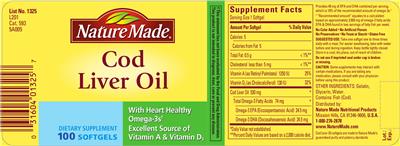
Vitamin A 1250 IU · Vitamin D3 130 IU · Cod Liver Oil 530 mg
| Calories | 5 | |
| Total Fat | 0.5 g | |
| Cholesterol | 5 mg | |
| Vitamin A | 1,250 IU | |
| Vitamin D3 | 130 IU | |
| Cod Liver Oil | 530 mg | † |
Other ingredients: Gelatin, Glycerin, Water.
Directions: Suggested use: Take one softgel one to three times daily with a meal. For easier swallowing, take with water before and during ingestion.
Barcode (UPC) 031604013257 · Label source: NIH label database · Report a label change
Show entire label

More kidney health products
Members OnlyThe highest ranked for the same goal
Read more
Our articles on this subject
Graded November 6, 2026 by the Reverse Age Lab evidence engine, from human studies, real reviews and our biohacker panel. How we grade. Is this medical advice? No. Rala organizes the published evidence; go over any change with your doctor, especially if you take meds.
Privacy policyConsumer health dataAffiliate disclosureTermsDo Not Sell or Share My Personal InformationCookie settings