
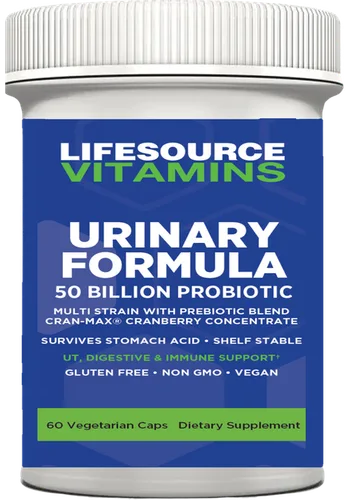
Spray For Life Urinary Formula Probiotics (50 Billion) - Veg Capsules Review
I couldn't find a product called "Spray For Life Urinary Formula Probiotics (50 Billion) – Veg Capsules" on any retailer or review page. I ran several searches. Every result was a different product, mainly Garden of Life Dr. Formulated Probiotics Urinary Tract+ (50 billion CFU, 60 vegetarian capsules). Nothing I found linked that product to "Spray For Life," so I won't treat it as the same product. If I wrote the two sections anyway, I'd be inventing details about ingredients, strains, and customer feedback. I would also be attributing another brand's reviews to this one. That would be unreliable for any listing or decision. The only review evidence I found is for the Garden of Life product, and it isn't about your product. Reviewers there mention fewer bladder-infection concerns, easy-to-swallow vegetarian capsules, and better digestive comfort and confidence. It has a 4.7 rating on iHerb from 97 ratings. Here is what would let me finish: - **A direct URL or the exact label** (strains, CFU per capsule, other ingredients, and the brand's spelling). The name might be a reseller's relabel, a misspelling, or a regional product. - **Your go-ahead to use the Garden of Life Urinary Tract+ product** as a stand-in. I'd label both sections clearly as being about that product. Once I have one of those, I'll write the 300–500 word description and the 300–500 word customer-feedback summary in the exact delimiter format you specified.
We don’t sell supplements. We help you make decisions and get the best price.
Lowest prices
Finding the lowest prices at the stores now. This takes a few seconds.
Products with nearly the same formula (Matched on the main ingredients)
Study, Trial or Testing Result Summary
Members Only118 human studies · 40 improved
The probiotics are the main ingredients here, and the estimated amounts match those used in studies, though the exact strains sit in proprietary blends. In people with chronic kidney disease, six months of Lactobacillus plantarum raised kidney filtration while it fell on placebo [1]. A 12-week probiotic and fiber mix also improved filtration and lowered inflammation [2], and a probiotic capsule helped preserve remaining kidney function in dialysis patients [3]. Results are not consistent: pooled trials in diabetic kidney disease found no gain in kidney function [4], and another pooled analysis found little effect on gut-made toxins [5]. Cranberry lowered the risk of urinary infections by about 30% [6], but it did not reduce kidney scarring in children [7]. In kidney disease, 1000 mg of extract, twice this product's amount, did not change inflammation or toxins [8][9]. Vitamin D did not clearly improve kidney outcomes [10], and calcium plus vitamin D raised kidney stone risk [11]. The prebiotic fiber dose is unclear. The one supporting trial used a specific resistant starch in kidney failure [12]. Animal and cell studies are never counted.
See all 118 studies →Hide the studies
- Across 128 trials with 11,270 adults with chronic kidney disease, vitamin D did not reduce the risk of death and its effects on kidney outcomes were uncertain, though it lowered parathyroid hormone and raised calcium.Vitamin D Therapy in Adults With CKD: A Systematic Review and Meta-analysis.
- Across 50 trials with 8857 people, cranberry products lowered the risk of urinary tract infections by about 30% overall, helping women with recurrent infections, children and people prone to infection after procedures, but not the elderly, pregnant women or people with bladder emptying problems.Cranberries for preventing urinary tract infections.
- Across 50 trials with 8857 people, cranberry products lowered the risk of urinary tract infections by about 30% overall, helping women with recurrent infections, children and people prone to infection after procedures, but not the elderly, pregnant women or people with bladder emptying problems.Cranberries for preventing urinary tract infections.
- In a review of 34 trials in 4001 children with urine reflux toward the kidneys, cranberry was tested in only a single study versus no treatment, and the abstract reports no cranberry-specific result.Interventions for primary vesicoureteric reflux.
- In 23 trials with 3335 children with repeated urinary infections, cranberry products lowered the odds of urinary infection, but no preventive option reduced kidney scarring.Prophylaxis Options in Children With a History of Recurrent Urinary Tract Infections: A Systematic Review.
- Across 16 trials of 645 adults with chronic kidney disease, prebiotics, probiotics and synbiotics made little or no difference to blood urea or to gut-derived toxins; synbiotics did raise gut Bifidobacterium.Prebiotic, Probiotic, and Synbiotic Supplementation in Chronic Kidney Disease: A Systematic Review and Meta-analysis.
- In three trials of adults with prediabetes, vitamin D lowered diabetes risk by 15%, and kidney stones did not differ significantly from placebo.Vitamin D and Risk for Type 2 Diabetes in People With Prediabetes : A Systematic Review and Meta-analysis of Individual …
- In genetic studies, naturally higher vitamin D levels were linked to an increased risk of kidney stone disease.Vitamin D and human health: evidence from Mendelian randomization studies.
- Pooling four trials in people with diabetic kidney disease, probiotics lowered insulin resistance, inflammation and an oxidative stress marker but did not improve kidney function measures such as creatinine or filtration rate.Efficacy of probiotic supplementation in patients with diabetic nephropathy: A systematic review and meta-analysis.
- In a review of 77 trials of people with chronic kidney disease, trials of vitamin D therapy did not show a slowing of vascular calcification.Interventions To Attenuate Vascular Calcification Progression in Chronic Kidney Disease: A Systematic Review of Clinical…
- Across 16 trials with 903 people with diabetes, some studies showed changes in kidney markers such as creatinine and filtration rate but others did not, and a Lactobacillus plantarum A7 soymilk improved several kidney markers in people with diabetic kidney disease.Renal Health Improvement in Diabetes through Microbiome Modulation of the Gut-Kidney Axis with Biotics: A Systematic and…
- In patients with a rare low-calcium disorder, conventional treatment with calcium and activated vitamin D raised the rate of high urine calcium by 91%, and 75% of those on it had kidney or brain complications.Autosomal Dominant Hypocalcemia Type 1: A Systematic Review.
- An umbrella review of 17 meta-analyses found vitamin D made no difference or even reduced the risk of kidney stones.Risk factors for nephrolithiasis formation: an umbrella review.
- A review of ten studies in people with chronic kidney disease found probiotics can lower blood urea and phosphate, while prebiotics and synbiotics also reduced uremic toxins and inflammation.Modulation of intestinal microbiota, control of nitrogen products and inflammation by pre/probiotics in chronic kidney d…
- In nine studies of people with diabetic kidney disease, most found probiotics reduced inflammation and oxidative stress and improved kidney function markers without major side effects.Effects of Probiotics on Diabetic Nephropathy: A Systematic Review.
- A review on diabetic kidney disease concluded Lactobacillus and Bifidobacterium strains may help lower urea and creatinine, but results varied by disease stage, duration and dose.Non-Pharmacological Interventions Aimed at Changing the Gut Microbiota for Preventing the Progression of Diabetic Kidney…
- A review found no randomised trials testing cranberry as a treatment for existing urinary tract infections, so there is no good evidence it works for treatment.Cranberries for treating urinary tract infections.
- A review found no controlled trials testing cranberry as a treatment for existing urinary tract infections, so there is no good evidence it works for treatment.Cranberries for treating urinary tract infections.
- In 36,282 postmenopausal women given calcium plus vitamin D for about 7 years, the risk of kidney stones rose by 17% compared with placebo.Calcium plus vitamin D supplementation and the risk of fractures.
- In 15,917 older adults given 2000 IU of vitamin D3 daily for about 5.3 years, vitamin D raised blood vitamin D and lowered parathyroid hormone more in people with lower kidney function, but heart and cancer outcomes did not differ by kidney function.Effects of Vitamin D3 Supplementation on Cardiovascular and Cancer Outcomes by eGFR in VITAL.
- In older adults given monthly high-dose vitamin D for about 4.3 years, kidney stones and high blood calcium did not differ from placebo.Vitamin D supplementation and risk of falling: outcomes from the randomized, placebo-controlled D-Health Trial.
- In 666 older adults given 2000 IU of vitamin D3 daily for 16 weeks, kidney function level did not change how much vitamin D lowered parathyroid hormone; only low starting vitamin D levels did.Clinical and biomarker modifiers of vitamin D treatment response: the Multi-Ethnic Study of Atherosclerosis.
- In 369 people with rheumatoid arthritis given 50,000 IU weekly of an active vitamin D form or calcitriol for 6 weeks, both raised vitamin D levels and eased arthritis, but calcitriol caused high blood calcium; the abstract gives no kidney results.Efficacy and Safety of 22-Oxa-Calcitriol in Patients with Rheumatoid Arthritis: A Phase II Trial.
- In 229 people with heart failure and low vitamin D given 4,000 IU daily for one year, walking distance did not improve and heart function improved; kidney function was monitored for safety but no kidney results are given.Effects of Vitamin D on Cardiac Function in Patients With Chronic HF: The VINDICATE Study.
- In 192 children with recurrent urinary infections, cranberry syrup worked no worse than a med trimethoprim at preventing infection.Urinary excretion of phenolic acids by infants and children: a randomised double-blind clinical assay.
- In critically ill adults at high risk of acute kidney injury, oral calcifediol or calcitriol did not reduce kidney injury compared with placebo, though calcitriol changed immune-related gene activity.Randomized trial of activated vitamin D for acute kidney injury prevention in critically ill patients.
- In a placebo-controlled trial of 130 African American adults with low vitamin D, 100000 international units of vitamin D3 every 4 weeks for 12 weeks lowered one kidney and vascular marker and improved artery stiffness, while another kidney-related marker rose and kidney filtration did not clearly change.Vitamin D3 Repletion Improves Vascular Function, as Measured by Cardiorenal Biomarkers in a High-Risk African American C…
- In 128 people with chronic kidney disease, 2000 IU daily cholecalciferol for 6 months did not improve blood vessel function or inflammation; calcitriol 0.5 mcg daily did not either, though calcitriol lowered parathyroid hormone more.Cholecalciferol, Calcitriol, and Vascular Function in CKD: A Randomized, Double-Blind Trial.
- In 126 healthy well-trained adults over 6 weeks, Bifidobacterium breve Bif195 caused no differences from placebo in kidney biomarkers or side effects, supporting its safety.Safety of Bifidobacterium breve, Bif195, employing a human exercise-induced intestinal permeability model: a randomised,…
- In 120 people with stage 3-4 kidney disease and vitamin D deficiency, two 300,000 IU cholecalciferol doses over 8 weeks improved blood vessel dilation compared with placebo over 16 weeks and lowered IL-6 inflammation markers.A Randomized Trial of Vitamin D Supplementation on Vascular Function in CKD.
- In adults with non-diabetic chronic kidney disease stage 3-4 and low vitamin D, high-dose cholecalciferol over 16 weeks did not produce a clear difference from placebo in blood markers of new blood vessel growth.Cholecalciferol supplementation and angiogenic markers in chronic kidney disease.
- In 120 children with persistent vesicoureteral reflux, a year of Lactobacillus acidophilus had a similar rate of repeat urinary infection (18.3%) to meds (21.6%) and no difference in new kidney scars.Probiotics prophylaxis in children with persistent primary vesicoureteral reflux.
- In 80 children with kidney disease, 4000 international units of vitamin D3 daily for 6 months raised vitamin D levels to sufficiency in 74.4% of children, compared with 33.3% on 1000 international units, with no vitamin D toxicity or high calcium.Randomized trial of two maintenance doses of vitamin D in children with chronic kidney disease.
- In 96 healthy adults, four weeks of a Lactobacillus fermented milk showed no significant difference from control in safety measures including kidney function.Safety and functional enrichment of gut microbiome in healthy subjects consuming a multi-strain fermented milk product: …
- In 88 adults with stage 3 to 4 kidney disease, 2 mcg daily of paricalcitol for 12 weeks improved blood vessel dilation compared with placebo, and the effect disappeared two weeks after stopping.Paricalcitol and endothelial function in chronic kidney disease trial.
- In adults with chronic kidney disease, calcifediol over 6 months lowered arterial stiffness with no clear difference from placebo, calcitriol had no effect, and parathyroid hormone fell.Randomized Controlled Trial for the Effect of Vitamin D Supplementation on Vascular Stiffness in CKD.
- In 78 hospitalized COVID-19 patients, two weeks of a synbiotic lowered interleukin-6 compared with placebo, but other findings including kidney function markers showed no group differences.The effect of synbiotic adjunct therapy on clinical and paraclinical outcomes in hospitalized COVID-19 patients: A rando…
- In 76 people with type 2 diabetic kidney disease, 12 weeks of a daily probiotic blend lowered urine albumin-to-creatinine ratio more than placebo, but kidney filtration rate did not change significantly.Probiotics ameliorates glycemic control of patients with diabetic nephropathy: A randomized clinical study.
- In 75 overweight or obese young adults, 12 weeks of Bifidobacterium breve BBr60 reduced weight and fasting blood glucose compared with placebo; kidney function was measured but the abstract reports no kidney benefit.Gut Microbiome and Metabolome Alterations in Overweight or Obese Adult Population after Weight-Loss Bifidobacterium brev…
- In 72 people with moderate to severe chronic kidney disease, six months of Lactobacillus plantarum raised kidney filtration rate while it declined on placebo, and none on the probiotic had disease progression versus 8.6% on placebo.Effects of probiotic supplementation on disease progression in patients with moderate to severe chronic kidney disease: …
- In 70 hemodialysis patients with chronic kidney disease, three months of a daily probiotic lowered syndecan-1 and blood glucose, with no other kidney markers reported as improved.Use of probiotics in patients with chronic kidney disease on hemodialysis: a randomized clinical trial.
- In 67 critically ill adults with sepsis, a single intravenous 2 mcg calcitriol dose did not change urinary markers of kidney injury compared with placebo.Randomized controlled trial of calcitriol in severe sepsis.
- In 67 kidney transplant recipients, daily calcitriol 0.5 mcg for 12 months compared with placebo did not improve bone strength or bone density, and it raised blood calcium levels.Calcitriol supplementation after kidney transplantation: results of a double-blinded, randomized, placebo-controlled tri…
- In 60 haemodialysis patients, 60 days of a synbiotic did not lower the kidney waste toxin indoxyl sulphate compared with placebo, though constipation and related quality of life improved.The effects of synbiotics on indoxyl sulphate level, constipation, and quality of life associated with constipation in c…
- In 57 adults with advanced kidney disease on a low-protein diet, 3 months of a probiotic reduced microbiota-derived toxins, while the placebo group's indoxyl sulfate and cholesterol rose.Probiotics-Supplemented Low-Protein Diet for Microbiota Modulation in Patients with Advanced Chronic Kidney Disease (Pro…
- In 57 peritoneal dialysis patients, 12 weeks of Lactobacillus paracasei changed gut bacteria and eased digestive symptoms, but did not significantly change gut short-chain fatty acid levels versus placebo.Probiotic treatment induces changes in intestinal microbiota but does not alter SCFA levels in peritoneal dialysis patie…
- In 50 hemodialysis patients, 6 months of a high-dose three-strain probiotic lowered blood indoxyl sulfate compared with placebo, but did not change most other kidney-related and inflammation markers.The Efficacy of Lactobacillus-Containing Probiotic Supplementation in Hemodialysis Patients: A Randomized, Double-Blind,…
- In 48 adults with type 2 diabetes and kidney damage, 8 weeks of 200 mL daily soy milk fortified with Lactobacillus plantarum A7 lowered cystatin C and progranulin levels more than plain soy milk did.Probiotic Soy Milk Consumption and Renal Function Among Type 2 Diabetic Patients with Nephropathy: a Randomized Controll…
- In 48 healthy adults taking Bifidobacterium longum subsp. infantis BI45 or placebo for eight weeks, kidney function markers did not change and no adverse effects occurred, although immune markers IgA and LL-37 rose.Assessing the Safety and Probiotic Potential of Bifidobacterium longum subsp. infantis BI45: A Comprehensive Study from …
- In 47 spinal cord injury patients with neurogenic bladder, 6 months of cranberry tablets cut urinary infections to 0.3 per year versus 1.0 per year on placebo, with the most benefit in people with better kidney filtration.Evaluation of cranberry tablets for the prevention of urinary tract infections in spinal cord injured patients with neur…
- In a double-blind placebo-controlled trial of 46 people on hemodialysis, 90 billion CFU of probiotics daily for 3 months did not reduce uremic toxins or inflammatory markers compared with placebo, and serum urea and potassium rose within the probiotic group.Probiotic Supplementation in Chronic Kidney Disease: A Double-blind, Randomized, Placebo-controlled Trial.
- In a double-blind randomized trial of 44 people with type 2 diabetic kidney disease, 200 mL daily of probiotic soy milk for eight weeks lowered albuminuria and creatinine and improved filtration rate compared with conventional soy milk.Kidney Function Improvement by Soy Milk Containing Lactobacillus plantarum A7 in Type 2 Diabetic Patients With Nephropat…
- In hemodialysis patients, cholecalciferol 25,000 IU every 2 weeks for 1 year lowered parathyroid hormone compared with placebo, with no added vascular calcification.Cholecalciferol in haemodialysis patients: a randomized, double-blind, proof-of-concept and safety study.
- In children with a med-sensitive nephrotic syndrome, vitamin D3 with calcium raised vitamin D levels but did not reduce relapses over 6 months, and 52% of treated children developed high urinary calcium.Read the study on PubMed (28725977) →
- In 40 obese adults with high blood pressure, eating a calorie-controlled diet with probiotic cheese for 3 weeks was compared with control cheese; kidney function was measured, but the abstract reports no kidney improvement.Hypocaloric diet supplemented with probiotic cheese improves body mass index and blood pressure indices of obese hyperte…
- In 39 dialysis patients, 6 months of a daily probiotic capsule lowered inflammatory markers and endotoxin, and helped preserve residual kidney function compared with placebo.The effect of probiotics on serum levels of cytokine and endotoxin in peritoneal dialysis patients: a randomised, double…
- In 39 adults with chronic kidney disease, 7 weeks of a sorghum and Bifidobacterium longum symbiotic meal lowered uremic toxin levels within the group, with improved gut symptoms.A Symbiotic Meal Containing Extruded Sorghum and Probiotic (Bifidobacterium longum) Ameliorated Intestinal Health Marker…
- In 34 healthy volunteers, 3 weeks of 100 billion cfu daily of Lactobacillus rhamnosus PRSF-L477 caused no clinically relevant change in kidney function blood tests compared with placebo.Tolerance and safety of the potentially probiotic strain Lactobacillus rhamnosus PRSF-L477: a randomised, double-blind p…
- In a placebo-controlled trial of 34 people with chronic kidney disease, a daily synbiotic of 32 billion CFU plus 3.2 g inulin for 12 weeks improved kidney filtration rate and lowered CRP and indoxyl sulfate compared with placebo.The Impact of Synbiotic Treatment on the Levels of Gut-Derived Uremic Toxins, Inflammation, and Gut Microbiome of Chroni…
- In 30 adults with stage 3 or 4 chronic kidney disease, the higher dose of 16 billion CFU of Lactobacillus casei Shirota for 8 weeks lowered blood urea by more than 10%, a significant change from baseline.Effect of probiotics on human blood urea levels in patients with chronic renal failure.
- In 30 adults with moderate to advanced chronic kidney disease (25 finished), 1000 mg a day of cranberry extract for two months did not change inflammation, oxidative stress or related gene activity compared with placebo.Effects of Cranberry Extract (Vaccinium macrocarpon) Supplementation on Lipid Peroxidation and Inflammation in Patients …
- In 28 people with mild kidney insufficiency, a probiotic protocol compared with placebo lowered C-reactive protein and beta-2-microglobulin and improved iron status.An open-label, randomized, placebo-controlled study on the effectiveness of a novel probiotics administration protocol (…
- In 25 adults with chronic kidney disease not on dialysis, 1000 mg a day of cranberry extract for two months did not lower gut-produced toxins or bacterial endotoxin in the blood compared with placebo.Effect of cranberry supplementation on toxins produced by the gut microbiota in chronic kidney disease patients: A pilot…
- In 24 people with chronic kidney disease, 8 weeks of 40,000 IU vitamin D3 weekly did not change blood levels of soluble klotho, a protein linked to kidney health, compared with placebo.Soluble α-klotho and its relation to kidney function and fibroblast growth factor-23.
- In 21 kidney stone formers with low vitamin D, either 1,000 IU daily or 50,000 IU weekly for 6 weeks did not change urine calcium or stone-forming salt levels, though the higher weekly dose raised vitamin D more.Vitamin D Repletion in Kidney Stone Formers: A Randomized Controlled Trial.
- In 21 hemodialysis patients, 3 months of a three-strain probiotic did not change blood levels of TMAO, a compound linked to heart risk in kidney disease.Effects of Probiotic Supplementation on Trimethylamine-N-Oxide Plasma Levels in Hemodialysis Patients: a Pilot Study.
- In 20 healthy young men, drinking 500 mL of cranberry juice a day (diluted in water) for two weeks lowered urinary oxalate and phosphate, raised citrate, and reduced calcium oxalate stone-forming risk compared with baseline.Influence of cranberry juice on the urinary risk factors for calcium oxalate kidney stone formation.
- In hemodialysis patients with low vitamin D, cholecalciferol over 1 year normalized vitamin D levels but did not change parathyroid hormone or bone density compared with no treatment.Long-term cholecalciferol administration in hemodialysis patients: a single-center randomized pilot study.
- In 19 healthy adults, 20 days of resistant starch plus Lactobacillus acidophilus yoghurt lowered the amount of toxic ammonia the kidneys excreted in urine.The metabolic effect of resistant starch and yoghurt on the renal and faecal nitrogen and ammonia excretion in humans as…
- In 8 recreational runners, 4 weeks of PS128 probiotic reduced kidney strain markers such as blood urea nitrogen recovery and raised antioxidant superoxide dismutase after a half-marathon, but did not improve exercise performance.Effect of Daily Oral Lactobacillus plantarum PS128 on Exercise Capacity Recovery after a Half-Marathon.
- In healthy postmenopausal women taking 1200 mg calcium daily, 10,000 IU vitamin D3 daily for one year raised the odds of high urine calcium about 3.6 times compared with 600 IU, which could raise kidney stone risk.Safety of calcium and vitamin D supplements, a randomized controlled trial.
- In patients with mild high urinary oxalate on a controlled diet, neither a probiotic nor a synbiotic lowered urinary oxalate or kidney stone risk, while diet restriction did.Diet, but not oral probiotics, effectively reduces urinary oxalate excretion and calcium oxalate supersaturation.
- In a double-blind randomized trial of people with Helicobacter pylori, Lactobacillus crispatus FSCDJY67L3 did not change blood kidney or liver function tests.Study of the effect of Lactobacillus crispatus FSCDJY67L3 on Helicobacter Pylori eradication: a double-blind randomized …
- In overweight men aged 50 and older, 12 weeks of exercise and diet guidance with daily Bifidobacterium longum BB536 yogurt slowed the DNA methylation pace of aging and lowered a kidney-related aging marker, cystatin C.Short-term responsiveness of DNA methylation-based aging biomarkers to a multimodal intervention comprising exercise and…
- In a subgroup analysis of people with type 2 diabetes, chronic kidney disease and constipation, Bifidobacterium bifidum G9-1 raised the share with normal stool consistency at week 12, with the largest benefit in those aged 65 or older, males, and those with eGFR of 60 or higher.Effects of age, sex, and renal function on bowel movement-improving effects of Bifidobacterium bifidum G9-1 on constipat…
- In people with end-stage kidney disease, 8 weeks of resistant starch fiber compared with placebo lowered blood urea and markers of inflammation and oxidative stress, and increased the gut bacteria Faecalibacterium.Amylose resistant starch (HAM-RS2) supplementation increases the proportion of Faecalibacterium bacteria in end-stage re…
- In 2 weeks of 25 micrograms daily of 25-hydroxyvitamin D given to people with absorptive hypercalciuria, active vitamin D rose more sharply than in controls, suggesting greater activation of vitamin D in people with high urinary calcium.Vitamin D substrate-product relationship in idiopathic hypercalciuria.
- In 39 adults on dialysis, 200000 international units of vitamin D3 given monthly for 3 months raised vitamin D levels more than the same monthly amount of vitamin D2, with 84% of the vitamin D3 group reaching levels above 30 ng/mL.Vitamin D2 versus vitamin D3 supplementation in hemodialysis patients: a comparative pilot study.
- In 14 healthy young adults, potato fibre lowered kidney excretion of toxic ammonia compared with no treatment, while Lactobacillus acidophilus yoghurt alone did not show a clear kidney effect.The effect of pre- and probiotics on the colonic ammonia metabolism in humans as measured by lactose-[¹⁵N₂]ureide.
- In 12 healthy men, 330 ml of cranberry juice lowered urine pH and raised urinary oxalate and uric acid supersaturation compared with water, so it may help some stone types but may increase the risk of others.Effect of blackcurrant-, cranberry- and plum juice consumption on risk factors associated with kidney stone formation.
- In 8 people on hemodialysis for end-stage kidney disease, oral Lactobacillus acidophilus lowered serum dimethylamine and nitrosodimethylamine, two toxins made by gut bacteria, while nutrition measures improved only modestly and not significantly.Biomodulation of the toxic and nutritional effects of small bowel bacterial overgrowth in end-stage kidney disease using…
- In 284 adults on hemodialysis with low vitamin D, calcifediol for 24 months compared with standard care did not clearly change death or heart outcomes; results were inconclusive.Calcifediol supplementation in adults on hemodialysis: a randomized controlled trial.
- In 90 children with chronic kidney disease, daily, weekly or monthly cholecalciferol for three months reached vitamin D sufficiency in 77.8% of children with similar results across schedules, and fibroblast growth factor 23 and klotho levels rose without toxicity.Determining the optimal cholecalciferol dosing regimen in children with CKD: a randomized controlled trial.
- In 45 people with chronic kidney disease and vitamin D deficiency, weekly cholecalciferol (50,000 units) for 3 months restored vitamin D levels in most and lowered parathyroid hormone, but parathyroid hormone returned to baseline by 6 months.Cholecalciferol supplementation in chronic kidney disease: restoration of vitamin D status and impact on parathyroid hor…
- In 30 patients with type 2 diabetes and chronic kidney disease who had constipation, 12 weeks of Bifidobacterium bifidum G9-1 improved stool form, but kidney filtration did not change; urinary albumin fell at week 6.Efficacy of probiotics (Bifidobacterium bifidum G9-1) in patients with type 2 diabetes mellitus and chronic kidney disea…
- In 23 people with itching from chronic kidney disease, a month of twice-daily topical vitamin D (calcipotriol) cream reduced itch scores and improved skin dryness compared with vehicle cream, with no significant side effects.Effect of topical vitamin D on chronic kidney disease-associated pruritus: An open-label pilot study.
- In 23 stone formers, 20 days of probiotics with potassium citrate and magnesium left no crystals in urine at 1 and 3 months, though crystals returned in 3 of 20 by 6 months and 5 by 12 months.Oral supplementation with probiotics, potassium citrate, and magnesium in reducing crystalluria in stone formers: A phas…
- In 22 hemodialysis patients with low vitamin D, a high weekly cholecalciferol dose (70,000 units) raised vitamin D levels to the target in all patients by 9 weeks, with no high calcium episodes.The Efficacy and Safety of High-Dose Cholecalciferol Therapy in Hemodialysis Patients.
- In 16 volunteers taking 900 mg of cranberry extract daily for 7 days, urine from men blocked bladder bacteria from sticking to cells, while urine from women did not.Influence of Cranberry Extract on Tamm-Horsfall Protein in Human Urine and its Antiadhesive Activity Against Uropathogen…
- In 6 adults with calcium oxalate stones and mild high urinary oxalate, 4 weeks of a high-dose freeze-dried lactic acid bacteria mixture greatly reduced 24-hour urinary oxalate in all six.Reduction of oxaluria after an oral course of lactic acid bacteria at high concentration.
- In 5 healthy volunteers taking cranberry concentrate tablets at the manufacturer's dose for 7 days, urinary oxalate (a stone-forming substance) rose by an average of 43%, and calcium and phosphate excretion also rose, raising concern about kidney stone risk.Dietary supplementation with cranberry concentrate tablets may increase the risk of nephrolithiasis.
- In dialysis patients with low vitamin D, 8 weeks of cholecalciferol (50,000 units) improved blood vessel flow-mediated dilation, a measure of endothelial dysfunction, compared with before treatment.Effect of vitamin D supplementation on endothelial dysfunction in hemodialysis patients.
- In a large Korean national survey of adults with normal kidney function, severe vitamin D deficiency (below 10 ng/mL) was linked to about 2.4 times higher odds of renal hyperfiltration.Severe vitamin D deficiency is a risk factor for renal hyperfiltration.
- In 4,364 kidney biopsies, calcium deposits were found in about 10%; people with deposits had a slower decline in kidney function and lower risk of kidney failure, and vitamin D use was more common in one deposit type.Incidence and Importance of Calcium Deposition in Kidney Biopsy Specimens.
- In a large US national survey of adults with high blood pressure, vitamin D deficiency was more common among people with resistant hypertension, and chronic kidney disease was also linked to resistant hypertension.The association between vitamin D deficiency and the risk of resistant hypertension.
- In a two-year study of 1017 postmenopausal women, cranberry juice use was not linked to a lower risk of bladder infection after adjusting for other factors.Predictors of urinary tract infection after menopause: a prospective study.
- In a baseline study of 514 people with X-linked hypophosphatemia, kidney calcium deposits (nephrocalcinosis) were found in about one in four children and over one in three adults, and were linked to lower kidney function in children; the study did not test vitamin D as a treatment.Nephrocalcinosis and kidney function in children and adults with X-linked hypophosphatemia: baseline results from a larg…
- In a retrospective review of 513 people with chronic kidney disease in Pakistan, vitamin D deficiency was present in all participants and levels were lowest in the most advanced kidney disease stage.Relationship Between Chronic Kidney Disease Staging and Vitamin D Deficiency: A Retrospective Study.
- In a retrospective study of 352 people with kidney disease treated with cholecalciferol over an average of 2.4 years, those who raised vitamin D levels had stable or rising kidney filtration, while non-responders had declining kidney function heading toward kidney failure.Vitamin D resistance in chronic kidney disease (CKD).
- In 223 people with end-stage kidney disease compared with 69 healthy controls, gut microbes linked to kidney toxins were found, and in rats with kidney disease a Bifidobacterium animalis probiotic lowered uraemic toxins and reduced disease severity.Aberrant gut microbiota alters host metabolome and impacts renal failure in humans and rodents.
- In 143 people across a range of kidney function, vitamin D breakdown changed as kidney function fell, and people taking cholecalciferol had higher levels of a vitamin D breakdown product without higher active vitamin D.The metabolism of 1,25(OH)2D3 in clinical and experimental kidney disease.
- In a survey of 117 parents of children in a kidney clinic, 29% gave cranberry products for kidney or urinary problems and most felt it helped, but no controlled test of benefit was done.Cranberry use among pediatric nephrology patients.
- In 103 kidney stone patients surveyed, cranberry juice products contained only about 1.5 to 4.7 mEq of alkali per serving, and the study did not test whether cranberry improved kidney stone outcomes.Complementary and Alternative Medicine Use in First-time and Recurrent Kidney Stone Formers.
- In a survey of 95 kidney stone patients, 20% used cranberry extract and about 65% thought it was probably safe, but the authors state its risks and benefits for kidney stones remain unknown.Patient Perceptions of Dietary Supplement Use and Kidney Stone Disease.
- In a retrospective study of 82 kidney transplant recipients, cranberry juice (100 mL daily) with or without L-methionine cut urinary tract infections by about 58% over a year.Prophylaxis of recurrent urinary tract infection after renal transplantation by cranberry juice and L-methionine.
- In 58 women, certain organochlorine pesticides were linked to higher active vitamin D levels and one total pesticide measure was linked to lower kidney filtration, but overall the pesticides were not linked to vitamin D levels.Association between Organochlorine Pesticides and Vitamin D in Female Subjects.
- In 39 children, a daily cranberry, probiotic and vitamin C supplement for six months reduced recurrent urinary tract infections, and 69% stayed infection-free over the full follow-up.Effects of a Cranberry, Probiotic, and Vitamin C Supplement on Recurrent Urinary Tract Infections in Children-A Cohort S…
- In 32 healthy people before and after donating a kidney, active vitamin D levels fell after donation while a dietary vitamin D form rose; no supplement was given.Vitamin D metabolism in living kidney donors before and after organ donation.
- In 22 people on hemodialysis, cholecalciferol at 70,000 IU weekly raised vitamin D levels to the target in a median of 7.5 weeks in 73% of patients, and was associated with lower parathyroid hormone and higher active vitamin D.Hemodialysis Patients May Benefit from Cholecalciferol Treatment Targeting High Level of 25(OH)D.
- In a large cohort of people with chronic kidney disease, a lower vitamin D metabolic ratio was linked to higher death risk even after adjusting for kidney function, but not to progression to kidney failure once kidney function was accounted for.Vitamin D Metabolic Ratio and Risks of Death and CKD Progression.
- In 61 people with lupus, Bifidobacterium was reduced, and in lupus-prone mice Bifidobacterium and its metabolites corrected immune imbalances, lowered autoantibodies and reduced kidney damage.Bifidobacterium ameliorates lupus nephritis and modulates aberrant differentiation of lymphocyte subsets.
- In 31 people with chronic kidney disease stage 3-4 and low vitamin D, two 300,000 IU cholecalciferol doses eight weeks apart improved blood vessel flow-mediated dilation by about 5.8%, with no placebo comparison in this phase.Vascular function and cholecalciferol supplementation in CKD: A self-controlled case series.
- In 16 volunteers taking 900 mg cranberry extract daily for 7 days, urine showed some ability to block E. coli from sticking to the bladder lining, but bacterial gene activity was not changed; no kidney outcome was measured.Antiadhesive natural products against uropathogenic E. coli: What can we learn from cranberry extract?
- In rats with kidney disease, Lactobacillus johnsonii supplementation reduced kidney lesions by raising serum indole-3-aldehyde, though this was an animal study with a correlational human cohort.Targeting Lactobacillus johnsonii to reverse chronic kidney disease.
- In mice, a med cefazolin reduced protective Lactobacillus in the kidneys and allowed harmful bacteria to grow, favoring conditions for kidney stone formation; no Lactobacillus supplement was tested.Cefazolin shifts the kidney microbiota to promote a lithogenic environment.
- In a mouse study of chronic kidney disease with overactive parathyroid glands, Lactobacillus johnsonii colonization was linked to better calcium absorption and lower parathyroid hormone, and higher levels of this bacterium were linked to milder disease in patients.Lactobacillus johnsonii Generates Cyclo(pro-trp) and Promotes Intestinal Ca2+ Absorption to Alleviate CKD-SHPT.
- In uremic rodents given a multi-biotic containing Lactobacillus johnsonii for 6 to 8 weeks, blood levels of uremic toxins fell and kidney function improved; this was a lab and animal study, not a human trial.A specifically designed multi-biotic reduces uremic toxin generation and improves kidney function.
- In experimental models, a cranberry-derived diet reduced kidney stone crystal formation linked to a urinary bacterium, but this was not tested in people.Hippuric acid metabolism by Corynebacterium glucuronolyticum-like bacteria promotes calcium oxalate crystallization.
Review Totals and Summary
Members Only26,905 reviews
Buyers are broadly positive about these capsules. They describe them as a trusted brand that seems to help, though the reviews are short and offer few specifics. **What buyers say it did for them:** Several people feel it helps, and some are reordering. One buyer said it was "especially helpful after taking meds from a UTI," and another mentioned using it for IBS. Others describe general benefits, such as supporting overall health and urinary tract health. One reviewer wrote "This has really helped" and was ordering a second bottle. Another said it "seems to help" when taken daily. None of the reviews gives detail on how long it took to notice a difference or how large the effect was. **What they complain about:** Nothing. No review criticizes the product, and none reports side effects, a lack of effect, or problems with the order. The reviews are brief, so the absence of complaints says little about the less common experiences. **Taste, smell, pill size or form:** Only the form comes up. One reviewer points out that it is a vegetarian capsule, which matters to people avoiding animal-derived capsules. Nobody comments on taste, smell, or how easy the capsules are to swallow. Reviews of other forms of this product, such as gummies or powder, were left out, and this summary covers the capsules only. **Value for money:** No one discusses price or whether the bottle lasts long enough to be worth it. The nearest signal is that two buyers have bought it again or plan to, which suggests they were satisfied enough to keep paying for it. One reviewer also liked the potency, calling it "an impressive 50 Billion CFU." **Who it seems to suit and who it did not:** The reviews suggest it suits adults who want a daily probiotic with a urinary focus, and one reviewer called it "Great for women!" It also appeals to people who already trust the brand and want to add it back into a supplement routine. Others use it for digestive concerns like IBS or after meds. No one reports that it did not suit them, so there is no evidence here about who should avoid it. **Bottom line:** The feedback is positive but thin. Repeat purchases and brand trust stand out, while comments on taste, size, price and downsides are missing. A buyer wanting those details will not find them in these reviews.
Biohacker Summary
Members Only9 of 10 recommend it
Seven of the ten panelists spoke about cranberry, the main ingredient, and the group leans positive: four recommend it and three are neutral. The most common reason is urinary health, with one panelist citing 36 milligrams of soluble proanthocyanidins for preventing recurrent urinary infections, another calling the extract good for those infections, and another naming the juice as a remedy. Others point to gut benefits, with two saying cranberry raises a gut lining species called Akkermansia, and one panelist simply suggests trying it in place of meds. One panelist noted cranberry oil has only a low sun protection value, so it is not enough as a sunscreen on its own. No one gave a preferred form beyond extract, juice or oil, no one mentioned pairing it with other supplements, and no one said they stopped taking it. Vitamin D is a smaller ingredient in this product, and all ten panelists spoke about it, with most recommending it or taking it themselves, often as 5,000 IU of D3 in the morning with fat for better absorption.
See all 10 biohackers →Hide the biohackers
Thomas DeLauer · Cranberry · recommends
- Recommends cranberry for kidney health, explaining that proanthocyanidins block bacterial adhesion.
- Uses vitamin D3 in the fall and winter months when getting less sun, as it's important to supplement it then.
- Recommends taking a massive amount of vitamin D simultaneously with an early morning massive breakfast to help reset circadian rhythms and address hyperphagia.
- Recommends Vitamin D, stating that it has receptors throughout the brain and deficiency can quickly impact brain and mood.
- Takes supplemental vitamin D because he is skin sensitive and from northern latitudes, limiting his UV exposure.
- Recommends taking vitamin D on non-liver days to ensure both nutrients get proper receptor access.
- Takes Purity's liquid vitamin D3 with K2 because she is constantly inside during the day; D3 is for overall wellness and K2 helps the body absorb calcium properly.
- Recommends getting vitamin D, suggesting it can be obtained while walking.
- States that vitamin D is best obtained from the sun, but getting it from food definitely helps, and notes its role as a hormone influencing many cells.
- Recommends D3, suggesting a dose of 2000-4000 IU, and notes that MK-7 slowed bone loss over three years.
- Recommends vitamin D, especially for Hashimoto's, explaining that it drives T reg expansion to suppress autoimmune responses that attack the thyroid, and notes that vitamin D and selenium deficiencies often co-occur.
- Recommends cranberry capsules, citing an RCT where a cranberry group had greater reductions in fatty liver, lower insulin, and improved insulin resistance, attributed to terostilbene activating fat burning and reducing triglyceride accumulation.
- Recommends cranberry extract, referencing a study where 144 milligrams of cranberry extract for 6 months reduced insulin levels and insulin resistance, leading to less fat deposition in the liver.
- Discusses Bifidobacterium, noting that more of this bacteria seems to be correlated with less visceral fat and that a specific strain was shown to significantly reduce visceral fat in a study.
Dr. Mark Hyman · Cranberry · neutral
- Mentions that cranberry has super beneficial effects on Akkermansia muciniphila, a keystone species that protects the gut lining, prevents leaky gut, reduces inflammation, and helps metabolic health.
- Recommends Vitamin D for health, stating that amazing things happen when patients' vitamin D statuses reach optimal levels.
- Mentions vitamin D as an existing biomarker that plays a role in mental health, which Function Health includes in their measurements.
- Notes that vitamin D plays a role in immune function.
- Recommends checking vitamin D levels and states that if they had to pick one single intervention for immune health, vitamin D would be it.
- Dr. Hyman discusses vitamin D in relation to sun exposure patterns.
- States that vitamin D supplementation can help with oxidative stress.
- Mentions vitamin D as a key nutrient for supporting immune function.
- States that vitamin D is probably the single most important intervention for immune health, recommending levels of 45 to 70 and emphasizing testing to determine the right dose.
- Notes that rickets, which causes terrible bone deformities, is caused by vitamin D deficiency.
- Notes that vitamin D is an important nutrient for brain performance and aging, and that many people have gaps in these nutrients.
- Notes that Bifidobacterium is important in regulating dopamine, which can be problematic in kids with ADHD.
- Was given cranberry as part of a program to rehab his gut and rebuild bacteria.
- States he took cranberry in high doses every day in concentrates to regrow his Akkermansia when he had colitis.
Siim Land · Cranberry · neutral
- Mentions cranberry oil as a natural agent with a low SPF of 5-8, which can be used as a complementary ingredient in sunscreens but is insufficient as a primary sunscreen.
- Advises against taking vitamin D in the morning with other supplements because it is fat soluble and requires dietary fat for better absorption.
- Recommends taking Vitamin D with fat for better absorption.
- States that Vitamin D connects biology to light and that UVB reaching the skin enables its production.
- Thinks vitamin D has some of the strongest evidence and is worth considering.
- Notes that Vitamin K2 pairs well with vitamin D by regulating calcium and bone mineralization.
- Recommends taking vitamin D supplements with some fat to maximize its absorption, suggesting with food or a teaspoon of olive oil.
- Notes that taking vitamin D3 with a fat-containing meal resulted in 32% higher peak blood vitamin D levels.
- Recommends taking Vitamin D in the morning or at lunch with fat.
- Notes that Boron improves vitamin D.
- Recommends Vitamin D because microglia contain Vitamin D receptors, and Vitamin D helps keep the immune system properly regulated, with low levels associated with greater neuroinflammation and a higher risk of autoimmune conditions.
Dave Asprey · Cranberry · neutral
- Notes that cranberry extract is good for UTIs and guesses it probably has other beneficial effects, though there is less research on its direct link to the vaginal microbiome.
- Takes Vitamin DAKE from Suppgrade Labs.
- Suggests that vitamin D supports brain health, muscle function, and focus.
- Host Dave Asprey explains why correcting a vitamin D deficiency still makes sense for male fertility, even though supplementation did not improve overall semen parameters in a randomized trial.
- States that currently, he is only taking vitamin C and vitamin D.
- Recommends vitamin D, noting it's actually a hormone and that most people are deficient, even those who take it, because they don't take enough.
- States that most people on the spectrum are low in vitamin D and need more of it, mentioning his own product, Vitam DAKNE, which contains real vitamin A.
- Dave Asprey recommends Vitamin D3 with K2, explaining D3 is a hormone made from sunlight and K2 directs calcium into bones, not arteries, highlighting its low cost, widespread deficiency, and the ability to test its effectiveness.
- Recommends Vitamin D as one of the most important supplements for overall health.
- Takes Vitamin DAKE from Suppgrade Labs because D3, A, K2, and E work together.
- Mentions taking vitamin D in the morning, comparing it to the daily dosing of testosterone.
- Dave Asprey recommends lactobacillus, noting that studies show it reduced microplastics in the blood by 82 percent.
- Notes that lactobacillus, found in yogurt and L. reuteri in kimchi, has been shown to decrease microplastics in blood by 82%, likely by helping to break them down and aiding the body in their removal.
- Notes that some women with high levels of lactobacillus can be exposed to HSV, HPV, and HIV without becoming infected, but still doesn't recommend it as a weapon against STDs.
Ben Greenfield · Cranberry · recommends
- Ben's test recommends taking cranberry to increase akkermansia.
- Notes that Vitamin D is actually a hormone and recommends patients aim for levels around 40 to 50, or even 60 for fracture healing, for optimal healing, as opposed to just above 20 which is considered normal.
- Mentions vitamin D as part of a bare-minimum protocol.
- Advises getting vitamin D levels between 60 and 100 nanograms per milliliter as a minimum step for overall health and to slow down heart disease.
- Has been taking Vitamin D3 K2 for over a decade.
- Notes that sunlight influences more than just vitamin D production.
- Recommends keeping vitamin D levels high, suggesting that a supplement is probably not a bad idea, especially given that many people are deficient due to spending most of their time indoors.
- Recommends getting enough vitamin D for blood pressure management.
- Recommends optimizing vitamin D levels to a serum score of around 50 to 80 nanograms per milliliter, as deficiency is linked to tinnitus volume and can assist with it.
- Recommends using hormone building blocks like vitamin D for hormone optimization.
- Notes that vitamin D deficiency is the most common deficiency.
- Notes that during a wild food diet, bacteria associated with dairy-heavy diets, like Bifidobacterium, dropped significantly.
- Ben Greenfield's guest notes that Ben Greenfield's Bifidobacterium levels are low, which is common in most people who take the test.
- Recommends cranberry juice as it contains natural chemicals that prompt the secretion of mucus, supporting the growth of Akkermansia muciniphila.
Peter Attia · Cranberry · neutral
- Mentions cranberry juice as a recommended remedy for UTIs, illustrating the connection between food consumption and the vaginal microbiome.
- Lists vitamin D as one of her staple supplements.
- Notes that several studies show patients taking vitamin D can reduce TPO levels and prolong the honeymoon period of Hashimoto's disease.
- States that in mouse studies, there was a combined effect of alpha ketoglutarate with vitamin D for both sexes.
- Uses vitamin D as an example of how people might dismiss its efficacy due to failed clinical trials that didn't adjust the dose or measure levels.
- In mouse studies, Peter Attia's team found a combined effect of AKG with Vitamin D for both sexes.
- Suggests that supplementing with lots of vitamin D might help overcome the negative effects of phenytoin on bone health by improving calcium absorption, though he is unaware of studies on this.
- Recommends Vitamin D3 as one of the 'big three' micronutrients for bone health, suggesting a daily intake of 800 to 1,000 IU, which can be obtained through sunlight or supplementation.
- Suggests that supplementing with lots of vitamin D might overcome the negative effects of phenytoin on bone health by counteracting increased catabolism of vitamin D and subsequent decreased calcium absorption.
- Recommends vitamin D for people who tend to be vitamin D deficient, such as those living in Portland, Oregon.
- Discusses evaluating vitamin D, understanding deficiency, and optimal levels.
- States that lactobacillus, found in yogurts and probiotics, is most well-documented for its impact on GI symptoms such as gas, bloating, diarrhea, and constipation.
- States that bifidobacterium, found in yogurts and probiotics, is most well-documented for its impact on GI symptoms such as gas, bloating, diarrhea, and constipation.
Dr. Eric Berg · Cranberry · recommends
- Dr. Berg suggests trying cranberry as a natural a med.
- Dr. Berg warns that the recommended daily intake for vitamin D is based on a massive error and that the actual necessary amount is closer to 8,895 IU, with millions remaining deficient.
- Recommends getting vitamin D levels tested to ensure they are between 50 and 70, as vitamin D is intimately involved in regulating prostate size.
- Recommends taking at least 10,000 IUs of vitamin D3 every single day in the winter, stating it is the most important vitamin to lower cancer risk.
- Recommends vitamin D to support the immune system, aiming for blood levels between 80 to 100 ng per ml.
- Recommends taking no less than 10,000 IU's of vitamin D3 for osteoporosis, alongside magnesium and K2.
- Recommends increasing vitamin D to restore balance and support healthy blood pressure.
- States that a lack of vitamin D can potentially cause achy bones or crashing mood.
- States that vitamin D is intimately involved in the immune system and recommends taking at least 10,000 IUs each day.
- States that taking high doses of vitamin D3 for 14 days can improve mood, sleep, low back pain, skin issues, and blood pressure, as well as act as a natural anti-inflammatory and reduce susceptibility to sickness.
- Mentions that grass-fed liver has vitamin D.
- States that cranberry juice is not very effective for an existing UTI and contains sugar, making it less ideal.
- Recommends taking Lactobacillus for constipation, and also notes it is good for diarrhea.
- Recommends cranberry for UTIs, highlighting its anti-adhesive properties that prevent bacteria from accumulating in the bladder and its ability to inhibit biofilms.
Andrew Huberman · Cranberry · recommends
- Andrew Huberman notes that cranberry, specifically 36 milligrams of soluble proanthocyanidins (PACs), is in the American Urological Association guidelines for preventing recurrent UTIs.
- Notes that most people are probably deficient in vitamin D and benefit from supplementing, but there's no point in doing it unless you're deficient for most things.
- Takes 5,000 IU of Vitamin D3 in the morning for longevity.
- Takes 5000 IU of Vitamin D3 in the morning for general health.
- States that Vitamin D is one of the critical nutrients with the best evidence for cognitive function and reducing the risk of dementia.
- Takes 5000 IU of Vitamin D3 in the morning.
- He takes 5,000 IU of Vitamin D3 in the morning for overall health.
- Takes 5000 IU of Vitamin D3 in the morning.
- Takes 5,000 IU of Vitamin D3 in the morning for general health.
- Takes 5000 IU of Vitamin D3 every day for longevity.
- Takes 5,000 IU of Vitamin D3 in the morning.
- Warns that taking excessive amounts of certain probiotics, like lactobacillus, can lead to brain fog and an inability to focus.
- Mentions a study where women who were obese and hypertensive in menopause, and had visceral fat, saw a decrease in visceral fat and improvements in blood pressure when supplementing with lactobacillus and bifidobacterium.
- States that lactobacillus can give rise to increases in GABA levels, an inhibitory neurotransmitter that acts as a mild sedative and can reduce irritability.
Bryan Johnson · Vitamin D · uses
- Takes 5000 IU of Vitamin D3 in the morning for general health.
- Takes 5000 IU of Vitamin D3 in the morning for general health.
- Mentions that the sunlight assessment claims low vitamin D levels cause the immune system to misfire, and notes that their vitamin D has been measured.
- Takes 5000 IU of Vitamin D3 in the morning for longevity.
- He takes 5000 IU of Vitamin D3 in the morning for general health.
- Takes 5000 IU of Vitamin D3 in the morning for general health.
- Takes 5,000 IU of Vitamin D3 in the morning for longevity.
- Takes 5,000 IU of Vitamin D3 in the morning.
- Takes 5,000 IU of Vitamin D3 in the morning.
- He takes 5000 IU of Vitamin D3 in the morning for general health.
Dr. Rhonda Patrick · Vitamin D · neutral
- Vitamin D supplementation was linked to a 40% lower risk of dementia in an observational study of more than 12,000 older adults.
- Mentions that vitamin D also plays a role in maintaining muscle mass.
- Recommends ensuring adequate vitamin D intake for men's sperm health.
- Vitamin D and strength training alone did not, but adding them strengthened the effect on one clock, with the full combination slowing that measure by ~3.8 months.
- Lutein and zeaxanthin can also be obtained from certain multivitamins.
- Recommends Vitamin D, noting it regulates over 5% of the genome, including genes involved in immune defense, neurotransmitter synthesis, and longevity, and correcting deficiency may slow epigenetic aging.
- Uses Vitamin D3 as an example of a supplement that an AI model could track to see its impact on other metrics like glucose levels.
- Recommends Vitamin D, explaining that it regulates over 5% of the genome, including genes involved in immune defense, neurotransmitter synthesis, and longevity.
- Combining omega-3s with vitamin D and exercise has an additive effect, translating to ~3 months of slowed biological aging.
- The effect got stronger when omega-3 was combined with vitamin D and resistance training, with the full stack delaying phenotypic aging by about 3.8 months.
- Explains that Lactobacillus and Bifidobacter are beneficial microbes, and fibers generally increase both, which are thought to make short-chain fatty acids that boost the immune system.
RAL Summary
Members OnlyTier 4 for Kidney Health
Tier 4 fits. Probiotic trials for kidney function are small and disagree with pooled analyses [1][4], and cranberry's clearest benefit is fewer urinary infections rather than better kidney function [6]. No reviews were counted.
- Emerging: not enough evidence to rank higher yet.
Where the evidence disagrees: 53 of the 118 human studies found no effect.
More Details
Members OnlyBody systems · Combine with · Possible side effects
Body systems: Urinary system, Digestive system, Immune system
Combine with: For urinary tract support, pair this with D-mannose to help prevent E. coli adhesion to the bladder wall, and with cranberry extract (standardized for PACs). Vitamin C can help acidify urine, and adequate hydration is essential. Uva ursi may be used short term, and marshmallow root can soothe irritated urinary tissue. Taking a prebiotic fiber such as inulin or FOS can help the probiotic strains colonize. If your real goal is blood sugar support, add berberine, chromium picolinate, alpha-lipoic acid, or Ceylon cinnamon, and consult your healthcare provider, especially if you take meds.
Possible side effects: Calcium plus vitamin D raised kidney stone risk in one large trial, and cranberry tablets raised a stone-forming substance in a tiny study. No side effects were reported by buyers.
Supplement Facts
Vitamin D3 25 mcg · Proprietary Lactobacillus Blend 204 mg · Proprietary Bifidobacterium Blend 22 mg
| Vitamin D3 | 25 mcg | |
| Proprietary Lactobacillus Blend | 204 mg | † |
| Proprietary Bifidobacterium Blend | 22 mg | † |
| Organic Prebiotic Fiber Blend | 600 mg | † |
| Cran-Max® Cranberry | 500 mg | † |
Other ingredients: Vegetarian capsule (modified cellulose, water), silica.
Directions: As a dietary supplement, adults take two (2) vegetarian capsules with meals or as directed by a health care professional.
Barcode (UPC) 697842012829 · Label source: Reverseagelab · Report a label change
Show entire label

More kidney health products
Members OnlyThe highest ranked for the same goal
Graded November 5, 2026 by the Reverse Age Lab evidence engine, from human studies, real reviews and our biohacker panel. How we grade. Is this medical advice? No. Rala organizes the published evidence; go over any change with your doctor, especially if you take meds.
Privacy policyConsumer health dataTermsDo Not Sell or Share My Personal InformationCookie settings