
Thorne D-1,000 Review
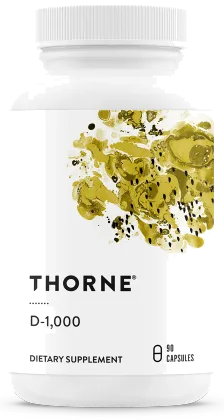
Thorne Vitamin D-1,000 is a capsule supplement that provides 1,000 IU of vitamin D3 per serving, with one capsule taken per serving and 90 servings per container. The page describes vitamin D as important for supporting healthy teeth, bones, and muscles, as well as cardiovascular and immune function. Thorne states that vitamin D3 is more potent and better absorbed than the D2 form, and that its vitamin D supplements contain no lactose and no preservatives. The product page notes that direct sunlight is a natural source of vitamin D, but many people, especially older adults, do not get enough from sunlight or diet. Listed benefits include supporting healthy teeth and bones, promoting lean muscle mass and muscle strength, enhancing the absorption and retention of calcium, supporting healthy brain function, and promoting cardiovascular health and immune function. The page says the formula avoids preservatives such as BHT, BHA, sodium benzoate, and sorbic acid. The page lists groups who may benefit: people who rarely go outdoors, live in northern latitudes, or have a darker skin tone; people with limited sun exposure from occupation, clothing, or indoor athletics; people who regularly wear sunscreen with an SPF greater than 8; older adults, since deficiency risk rises with age beginning at 50; people with bowel disease or a surgical procedure such as gastric bypass that reduces fat absorption; and people who are obese. It also states that the optimal amount of vitamin D varies from person to person, so supplementation should be individualized. Thorne describes the product as formulated with scientific rigor, with ingredients chosen for being clinically studied and tested through multiple rounds of quality control for purity, potency, and consistency. The page says the product has been third-party tested to verify that the contents match the label and to confirm it contains no unsafe levels of contaminants such as heavy metals, pesticides, and microorganisms. The FAQ section explains that Thorne tests each ingredient for identity, purity, and potency, and that the NSF Contents Certified mark indicates third-party testing against standards for quality, safety, and label claims when it appears. It explains that vitamin D3 is the same form the body produces from sunlight exposure, that it supports calcium and phosphorus absorption, and that it is generally considered the preferred form for maintaining vitamin D levels in the blood. The FAQ also addresses vitamin K2, describing vitamin D3 and K2 as working together, and advises consulting a health-care provider, especially for anyone taking meds. Warnings state the product is contraindicated for anyone with hypersensitivity to its ingredients, advise pregnant users to consult a health-care practitioner, and report no known adverse interactions at publication date. The page recommends having vitamin D levels tested to determine whether supplementation is appropriate.
We don’t sell supplements. We help you make decisions and get the best price.
Lowest prices
We may earn a commission from some store links. How we choose.
Finding the lowest prices at the stores now. This takes a few seconds.
Study, Trial or Testing Result Summary
Members Only52 human studies · 19 improved
The evidence on vitamin D for immune support is mixed. A 2019 pooled analysis of 25 trials with 11,321 people found vitamin D lowered the odds of a sudden respiratory infection by about 12 percent, with the biggest benefit in very deficient people taking daily or weekly doses [1]. A 2021 update found a much smaller benefit, about 3 percent lower risk and slightly shorter symptoms [2]. Several large placebo-controlled trials found no benefit. In 15,804 older adults, 2,000 international units daily for one year did not lower upper respiratory infections [3]. In 2,157 adults aged 70 or older, 2,000 international units daily for three years did not reduce infections [4]. Among 8,851 schoolchildren given weekly vitamin D for three years, tuberculosis and respiratory infections were not reduced [5]. In 408 adults with asthma, vitamin D did not reduce colds, and African American participants had more colds on it [6]. One capsule of this product gives 25 micrograms, below the 2,000 international unit daily amount used in several of these trials; the record lists 75 micrograms a day as the intake. Animal and cell studies are never counted.
See all 52 studies →Hide the studies
- Across 25 trials with 11,321 people of all ages, vitamin D supplements lowered the odds of a sudden respiratory infection by about 12%, with the biggest benefit in very deficient people and those taking daily or weekly doses rather than large single doses.Vitamin D supplementation to prevent acute respiratory infections: individual participant data meta-analysis.
- Across nine studies of 2,367 people, vitamin D deficiency was not overall linked to the immune response to flu vaccination, though protection rates for two strains were lower in deficient people.Does Vitamin D Deficiency Affect the Immunogenic Responses to Influenza Vaccination? A Systematic Review and Meta-Analys…
- Pooled randomized trials in adults found vitamin D supplements slightly reduced the risk of acute respiratory infections (3% lower) and shortened symptom duration by about 6%.Effect of micronutrient supplements on influenza and other respiratory tract infections among adults: a systematic revie…
- Across 22 supplementation studies in people with multiple sclerosis, vitamin D3 did not clearly reduce relapses or disability overall, but high doses did lower the yearly relapse rate while low doses did not.Vitamin D status, supplementation, and multiple sclerosis: a systematic review and meta-analysis.
- A review of 20 trials in healthy adults (8 on vitamin D) found micronutrients other than vitamin C, including vitamin D, may not prevent colds or reduce symptom severity.Zinc Supplementation Reduces Common Cold Duration among Healthy Adults: A Systematic Review of Randomized Controlled Tri…
- A review of 9 reviews found low vitamin D levels linked to higher risk of COVID-19 infection, but trials are still needed to confirm whether supplements help with severity or death.The role of vitamin D in prevention OF COVID-19 and its severity: an umbrella review.
- A review of the literature suggests vitamin D plays a role in innate immunity and that supplementation may help prevent or treat COVID-19, though this is a hypothesis.Vitamin D in SARS-CoV-2 infection.
- In a review of 14 diet trials in people with lupus, vitamin D was linked to better inflammation markers in most studies but not to better disease activity scores.Diet and Systemic Lupus Erythematosus (SLE): From Supplementation to Intervention.
- A review of 28 systematic reviews on diet and lupus looked at vitamin D among other nutrients but the abstract gives no clear result for vitamin D, and no specific dietary recommendations were established.The Interconnection Between Systemic Lupus Erythematosus and Diet: Unmet Needs, Available Evidence, and Guidance-A Patie…
- A guideline review of evidence made a conditional recommendation against vitamin D supplements for preventing eczema in children.Guidelines of care for the primary prevention of atopic dermatitis and awareness of comorbid conditions in pediatric ato…
- In 15,804 older adults, 2,000 IU of vitamin D3 daily did not significantly lower the risk of upper respiratory infection at 1 year compared with placebo.Effect of Daily Vitamin D Supplementation on Risk of Upper Respiratory Infection in Older Adults: A Randomized Controlle…
- In 8,851 schoolchildren in Mongolia, 14,000 IU of vitamin D3 weekly for 3 years did not lower tuberculosis infection (3.6% vs 3.3% with placebo), tuberculosis disease, or respiratory infection.Vitamin D Supplements for Prevention of Tuberculosis Infection and Disease.
- In 2157 adults aged 70 or older, 2000 IU of vitamin D3 daily for 3 years did not significantly reduce infection rates or improve blood pressure, physical performance, cognition, or fractures compared with placebo.Effect of Vitamin D Supplementation, Omega-3 Fatty Acid Supplementation, or a Strength-Training Exercise Program on Clin…
- In 881 pregnant women, 4,400 IU daily of vitamin D started at 10-18 weeks of pregnancy did not lower preeclampsia compared with 400 IU (8.08% vs 8.33%), though women with higher vitamin D blood levels had lower risk.Early pregnancy vitamin D status and risk of preeclampsia.
- In 597 Chinese infants revaccinated against tuberculosis, 3 months of daily vitamin A plus 500 IU vitamin D raised positive skin test response to 96.1% versus 89.7% in the control group.Enhancement of vitamin A combined vitamin D supplementation on immune response to Bacille Calmette-Guérin vaccine revacc…
- In 408 adults with mild to moderate asthma, vitamin D for 28 weeks did not reduce cold severity or frequency compared with placebo, and African American participants had more colds on vitamin D.Vitamin D Supplementation and the Risk of Colds in Patients with Asthma.
- In 275 adults with early COVID-19 given a 10-day multi-drug and supplement combination including vitamin D3, with or without famotidine, the treatment was safe and well tolerated, but there was no placebo group and the effect of vitamin D alone was not tested.Read the study on PubMed (41693032) →
- In 254 older adults with COVID-19, a single high dose of 400,000 IU vitamin D3 lowered deaths at 14 days compared with 50,000 IU (6% vs 11%), but the benefit was gone by 28 days.High-dose versus standard-dose vitamin D supplementation in older adults with COVID-19 (COVIT-TRIAL): A multicenter, ope…
- In 247 high school students, 2000 IU of vitamin D3 daily for 2 months did not lower overall influenza A (13.5% vs 12.1% on placebo), though a post hoc look showed fewer cases in the first month only.Effects of vitamin D supplements on influenza A illness during the 2009 H1N1 pandemic: a randomized controlled trial.
- In 245 breastfeeding mothers given 600 IU vitamin D2 plus 1800 IU vitamin A daily for 2 months, infant fever, respiratory infection, diarrhoea and eczema were not lower than with placebo; the effect of vitamin D alone cannot be separated.Impact of Maternal Daily Oral Low-Dose Vitamin A Supplementation on the Mother-Infant Pair: A Randomised Placebo-Control…
- In 228 health care workers, vitamin D2 raised blood vitamin D levels but did not change COVID-19 infection rates (50.5% vs 52.4%), symptoms, or inflammation markers compared with no treatment.Randomized trial of influence of vitamin D on the prevention and improvement of symptomatic COVID-19.
- In 120 children with acute Kawasaki disease, adding vitamin D to standard treatment brought fever down faster (27 vs 50 hours) and lowered inflammatory markers compared with standard treatment alone.Read the study on PubMed (40996174) →
- In 112 women with repeated implantation failure, vitamin D alone gave a 17.8% pregnancy rate versus 10.7% for control, and only the combination with vaginal probiotics (46.4%) significantly changed immune markers.The effect of vitamin D supplementation and vaginal probiotics on fertility in women with recurrent implantation failure…
- In 91 adults with cystic fibrosis given a large vitamin D3 dose during a lung flare-up then every other week for a year, there was no difference from placebo in time to next flare-up or death, lung function, or an infection-fighting protein.Vitamin D for the Immune System in Cystic Fibrosis (DISC): a double-blind, multicenter, randomized, placebo-controlled c…
- In 91 health care workers given 5000 or 2000 IU of vitamin D3 daily for 3 months, vitamin D intake was not linked to lower COVID-19 illness, though the higher dose group had only asymptomatic cases.Vitamin D Intake May Reduce SARS-CoV-2 Infection Morbidity in Health Care Workers.
- In 87 lung transplant recipients, 100,000 IU of vitamin D monthly for 2 years did not change chronic lung rejection, inflammation or other outcomes compared with placebo.High-dose vitamin D after lung transplantation: A randomized trial.
- In 82 adolescent swimmers, 12 weeks of vitamin D3 versus placebo did not change thymus activity markers, and these were not linked to respiratory infection severity or duration.Thymus Activity, Vitamin D, and Respiratory Infections in Adolescent Swimmers.
- In 53 people with multiple sclerosis, 48 weeks of vitamin D3 did not change immune cell CD25 or IL2RA gene activity compared with placebo, though some CD25 measures fell only in the placebo group.Vitamin D3 supplementation and the IL-2/IL-2R pathway in multiple sclerosis: Attenuation of progressive disturbances?
- In 40 adults with active rheumatoid arthritis, adding vitamin D to standard drugs for 3 months raised regulatory immune cell levels more than standard drugs alone, alongside lower disease activity scores.Vitamin D: does it help Tregs in active rheumatoid arthritis patients.
- In 40 postmenopausal women, 2 mcg a day of active vitamin D3 for 2 weeks slightly raised CD3 and CD8 T cell counts while 1 mcg a day changed nothing and CD4 cells were unchanged.The effect of 1,25(OH)2 vitamin D3 on CD4+/CD8+ subsets of T lymphocytes in postmenopausal women.
- In 39 women with early rheumatoid arthritis, a single 300,000 IU dose of vitamin D3 added to standard treatment improved general health over 3 months, but did not change immune cell subtypes or bone-cell precursors.Vitamin D and immunomodulation in early rheumatoid arthritis: A randomized double-blind placebo-controlled study.
- In 38 hemodialysis patients, 12 weeks of vitamin D3 normalized blood vitamin D levels but did not change monocyte counts, T helper cell frequencies, or inflammation markers compared with placebo.Influence of cholecalciferol supplementation in hemodialysis patients on monocyte subsets: a randomized, double-blind, p…
- In 38 people with relapsing multiple sclerosis, high-dose vitamin D3 (20,400 IU every other day) reduced sugar-chain branching on T and natural killer cells but mostly did not change immune cell numbers compared with low-dose.Effect of vitamin D supplementation on N-glycan branching and cellular immunophenotypes in MS.
- In 32 people given 2,000 IU of vitamin D daily for 10 weeks before a tetanus booster shot, antibody response was slightly higher than with placebo, while other immune measures were similar.Efficient tetanus toxoid immunization on vitamin D supplementation.
- In 28 healthy adults with an induced chemical skin rash, a single 200,000 IU dose of vitamin D3 reduced skin inflammation in all participants, with effects lasting 6 weeks.Vitamin D3 and deconvoluting a rash.
- In 22 hospitalized people with mild COVID-19 and heart disease, 10,000 IU of vitamin D3 daily reduced inflammatory markers and was linked to less severe illness, fewer hospital days, and lower death rate than placebo.Vitamin D3 supplementation in COVID-19 patients with cardiovascular disease and gut dysbiosis.
- In HIV-infected adults in a flu vaccine trial, taking vitamin D supplements did not improve the immune response to the vaccine.Vitamin D supplementation does not increase immunogenicity of seasonal influenza vaccine in HIV-infected adults.
- In a 3-month supplementation study of breastfeeding mothers and infants, higher maternal vitamin D status was linked to lower infant TNF levels and stronger infant immune cell responses to challenge, with some responses tied to the infant's own vitamin D.Maternal Vitamin D Status Correlates to Leukocyte Antigenic Responses in Breastfeeding Infants.
- Among 180 COVID-19 patients, those with vitamin D deficiency were hospitalized more often (41.3% vs 12.5%), and those given vitamin D3 recovered from hospital about 5 days sooner than deficient patients.Importance of Vitamin D3 in COVID-19 Patients.
- In 16 people with cystic fibrosis, 3 months of vitamin D2 or D3 was linked to lower T cell activation markers in a dose-dependent way compared with controls.Vitamin D treatment modulates immune activation in cystic fibrosis.
- In infertile women with low vitamin D, supplementation (23 tested before and after) lowered the ratio of Th1 to Th2 immune cells, and 11 of 23 (47.8%) reached sufficient vitamin D levels.Vitamin D Regulates Maternal T-Helper Cytokine Production in Infertile Women.
- In 18 older adults low in vitamin D, taking 6,400 IU of vitamin D3 daily for 14 weeks strengthened the skin immune response to a chickenpox virus antigen and reduced inflammatory cell build-up.Vitamin D3 replacement enhances antigen-specific immunity in older adults.
- In healthy young adults in Cape Town given high-dose vitamin D3 in winter, HIV-1 replication in blood cells fell, circulating white blood cells rose, and winter-associated anemia reversed.High-dose vitamin D3 reduces deficiency caused by low UVB exposure and limits HIV-1 replication in urban Southern Africa…
- In people with inflammatory bowel disease, 12 weeks of vitamin D was linked to lower disease activity and inflammation markers and shifts in immune responses to gut bacteria, with no control group.Multi-omics reveal vitamin D regulation of immune-gut microbiome interactions and tolerogenic pathways in inflammatory b…
- In 250 Nigerian children under five with respiratory infections compared with 250 without, blood vitamin D was slightly lower in those with infections and lowest in those with lower respiratory infections.Vitamin D and Acute Respiratory Infections in Children.
- In 414 severely ill COVID-19 patients, lower vitamin D3 blood levels on admission were linked to higher inflammation markers, longer stays, more ventilator days and death.Cholecalciferol level and its impact on COVID-19 patients.
- In 80 adults with dengue, lower blood vitamin D levels were linked to more severe disease, but no supplement was given.Association of systemic vitamin D on the course of dengue virus infection in adults: a single-centre dengue cohort study…
- In 16 children with vitamin D deficient rickets compared with 15 healthy children, low vitamin D went along with fewer T cells and more frequent infections; no supplement was tested.Lymphocyte subpopulations in children with vitamin D deficient rickets.
- In a large population study of adults in Catalonia, cholecalciferol was linked to slightly lower COVID-19 infection risk (4.0% vs 4.2%), and both forms were linked to better outcomes only in people reaching blood levels of 30 ng/ml or higher, while calcifediol overall did not reduce infection or death.Vitamin D supplementation and COVID-19 risk: a population-based, cohort study.
- In healthy German adults followed for 24 weeks after COVID-19 vaccination, antibody response did not differ by vitamin D blood level.Relationship between Vitamin D Status and Antibody Response to COVID-19 mRNA Vaccination in Healthy Adults.
- In 12 healthy volunteers, a nasal dose of 400 IU cholecalciferol did not produce detectable levels of the antimicrobial peptide hBD-2, while bacterial lysates did.Human β-defensin-2 induction in nasal mucosa after administration of bacterial lysates.
- In laboratory dishes, vitamin D changed activation markers on immune T-cells, but in 10 healthy people blood vitamin D levels were not significantly linked to those markers.Vitamin D modulates the expression of HLA-DR and CD38 after in vitro activation of T-cells.
Review Totals and Summary
Members Only7,755 reviews · 96% positive
Across the store pages, Thorne D-1,000 shows 709 ratings in total, and the themes below come from the five short written reviews readable on that page, plus the page's own AI-generated summary. Praise centres on quality and results. The page's summary says customers rate the product highly for its quality and for its effectiveness in raising blood levels of vitamin D, and it calls the product a top choice for vitamin D supplementation. Individual reviewers are Verified Buyers and are brief. Donna M. is very pleased and will learn more after her next checkup, when she will see whether the supplement corrects her vitamin D deficiency. Jewell W. is very satisfied with the Thorne vitamins she has bought and plans to remain a customer. Deanna H. simply calls it a great product. Michele K. calls it trustworthy, though her review heading mentions D-5000, a different strength sold on the same site, so that wording may reflect a mix-up. On form and ease of use, the page summary says reviewers appreciate the small, easy-to-swallow capsules and how simple the product is to use. It also reports noticeable improvements in mood, energy and overall health. Brandon S. fits this theme: he has taken it for years during the winter months and says it helps him keep a good attitude in bad weather. Complaints: none appear in the written text provided. The great majority of the 709 ratings are five stars, so the written themes come mainly from the favourable side. One-star and two-star ratings together number 23, but no visible written review explains them, so the reasons behind them cannot be determined from this page. The page's topic filters list size, results, quality, issues, feel, improvement, skin and price as popular subjects, but the visible excerpts do not expand on complaints about any of them. Price is therefore named as a topic without any specific comment on value. Who it suits: the feedback points to people who want to correct or guard against low vitamin D, especially those who take it through darker winter months, and to people who prefer a small capsule that is easy to swallow. Buyers also describe repeat or long-term use, which suggests satisfaction and consistency rather than a one-off purchase. Caveats: the written reviews are short and describe satisfaction, consistency of use and perceived quality rather than detailed clinical outcomes. The reviews shown are dated late October and early November 2026, so the visible feedback is recent, but it covers only a small share of the total rating count. Only the capsule product is covered here; the page showed no reviews of other forms such as gummies or powder, so none were included, and the D-5000 reference noted above was treated as a possible mix-up rather than as evidence about this strength.
Biohacker Summary
Members Only8 of 10 recommend it
Vitamin D is the main ingredient here, and all ten panelists spoke about it, with most recommending it or taking it themselves. They use it for immune support, brain and mood, bone health, muscle, and general health or longevity, and several say to get blood levels tested, with targets that range from 40 up to 100 nanograms per milliliter. Four of them take vitamin D3, often 5,000 IU in the morning, one suggests at least 10,000 IU daily in winter, and another takes it in fall and winter when sun is limited. Because it is fat soluble, one panelist says to take it with dietary fat, and three pair it with vitamin K2 or magnesium. One notes there is little point in supplementing unless you are deficient, and no one said they stopped; vitamin E, a smaller ingredient in this product, got only brief mentions.
See all 10 biohackers →Hide the biohackers
Dr. Eric Berg · Vitamin D · warns
- Dr. Berg warns that the recommended daily intake for vitamin D is based on a massive error and that the actual necessary amount is closer to 8,895 IU, with millions remaining deficient.
- Recommends getting vitamin D levels tested to ensure they are between 50 and 70, as vitamin D is intimately involved in regulating prostate size.
- Recommends taking at least 10,000 IUs of vitamin D3 every single day in the winter, stating it is the most important vitamin to lower cancer risk.
- Recommends vitamin D to support the immune system, aiming for blood levels between 80 to 100 ng per ml.
- Recommends taking no less than 10,000 IU's of vitamin D3 for osteoporosis, alongside magnesium and K2.
- Recommends increasing vitamin D to restore balance and support healthy blood pressure.
- States that a lack of vitamin D can potentially cause achy bones or crashing mood.
- States that vitamin D is intimately involved in the immune system and recommends taking at least 10,000 IUs each day.
- States that taking high doses of vitamin D3 for 14 days can improve mood, sleep, low back pain, skin issues, and blood pressure, as well as act as a natural anti-inflammatory and reduce susceptibility to sickness.
- Mentions that grass-fed liver has vitamin D.
- Mentions that grass-fed liver has vitamin E.
- Dr. Berg states that synthetic vitamin E may be acceptable for short-term use, but long-term use can contribute to oxidative stress.
- Warns against synthetic vitamin E (dl-alpha-tocopherol) for ongoing maintenance, citing a trial where it increased prostate cancer risk and explaining that it can become a free radical and starve out necessary protective forms of vitamin E.
- Recommends taking vitamin E to block the effects of grains.
Dave Asprey · Vitamin D · uses
- Takes Vitamin DAKE from Suppgrade Labs.
- Suggests that vitamin D supports brain health, muscle function, and focus.
- Host Dave Asprey explains why correcting a vitamin D deficiency still makes sense for male fertility, even though supplementation did not improve overall semen parameters in a randomized trial.
- States that currently, he is only taking vitamin C and vitamin D.
- Dave Asprey's kids get a little bit of vitamin E every day, which helps to stabilize the bad oils they get when eating at restaurants.
- Recommends vitamin D, noting it's actually a hormone and that most people are deficient, even those who take it, because they don't take enough.
- States that most people on the spectrum are low in vitamin D and need more of it, mentioning his own product, Vitam DAKNE, which contains real vitamin A.
- Dave Asprey recommends Vitamin D3 with K2, explaining D3 is a hormone made from sunlight and K2 directs calcium into bones, not arteries, highlighting its low cost, widespread deficiency, and the ability to test its effectiveness.
- Recommends Vitamin D as one of the most important supplements for overall health.
- Recommends Vitamin E as one of the most important supplements for overall health.
- Takes Vitamin DAKE from Suppgrade Labs because D3, A, K2, and E work together.
- Takes Vitamin DAKE from Suppgrade Labs because D3, A, K2, and E work together.
- Mentions taking vitamin D in the morning, comparing it to the daily dosing of testosterone.
- Includes vitamin K2 as a critical ingredient in Vitamin DAKE, stating that the body needs the right fat soluble vitamins for thousands of reactions.
Siim Land · Vitamin D · recommends
- Advises against taking vitamin D in the morning with other supplements because it is fat soluble and requires dietary fat for better absorption.
- Recommends taking Vitamin D with fat for better absorption.
- States that Vitamin D connects biology to light and that UVB reaching the skin enables its production.
- Thinks vitamin D has some of the strongest evidence and is worth considering.
- Notes that Vitamin K2 pairs well with vitamin D by regulating calcium and bone mineralization.
- Recommends taking vitamin D supplements with some fat to maximize its absorption, suggesting with food or a teaspoon of olive oil.
- Notes that taking vitamin D3 with a fat-containing meal resulted in 32% higher peak blood vitamin D levels.
- Recommends taking Vitamin D in the morning or at lunch with fat.
- Notes that Boron improves vitamin D.
- Recommends Vitamin D because microglia contain Vitamin D receptors, and Vitamin D helps keep the immune system properly regulated, with low levels associated with greater neuroinflammation and a higher risk of autoimmune conditions.
- Notes that oral vitamin E and C supplementation has been noted to increase the dose of UVB radiation from the sun needed to cause redness of the skin, suggesting increased resilience against sun damage. He also mentions a trial where a combination of slow-release vitamin C and vitamin E decreased the progression of carotid atherosclerosis in men.
- Mentions vitamin E in comparison to topical melatonin for oxidative defense, stating that melatonin would compete but is not as broadly validated clinically.
- States that the biggest evidence for multivitamin is that it improves cognition and enhances episodic memory in elderly people, who tend to have worse diets and are more likely to be deficient.
- Created Microvitamin, a supplement that bundled all the supplements he was taking, to help fund his a med trial.
Ben Greenfield · Vitamin E · neutral
- Mentions a recent study showing no significant increase in bleeding for patients on Vitamin E supplementation during open heart surgery, which was interesting for him to learn.
- Notes that Vitamin D is actually a hormone and recommends patients aim for levels around 40 to 50, or even 60 for fracture healing, for optimal healing, as opposed to just above 20 which is considered normal.
- Mentions vitamin D as part of a bare-minimum protocol.
- Advises getting vitamin D levels between 60 and 100 nanograms per milliliter as a minimum step for overall health and to slow down heart disease.
- Has been taking Vitamin D3 K2 for over a decade.
- Notes that sunlight influences more than just vitamin D production.
- Recommends keeping vitamin D levels high, suggesting that a supplement is probably not a bad idea, especially given that many people are deficient due to spending most of their time indoors.
- Recommends getting enough vitamin D for blood pressure management.
- Recommends optimizing vitamin D levels to a serum score of around 50 to 80 nanograms per milliliter, as deficiency is linked to tinnitus volume and can assist with it.
- Notes a new study indicating that vitamin E is a core dietary antioxidant closely associated with a reduced risk of accelerated biological aging.
- Recommends Xtendlife's Tocotrienols Vitamin E for cardiovascular, brain, and healthy aging support, noting that research points to tocotrienols over alpha-tocopherol.
- Recommends using hormone building blocks like vitamin D for hormone optimization.
- Notes that vitamin D deficiency is the most common deficiency.
- Recommends whole food vitamin E, explaining that typical supplements only provide alpha-tocopherol, while the whole food complex includes four tocopherols and four tocotrienols, often with selenium at the core.
Dr. Mark Hyman · Vitamin D · recommends
- Recommends Vitamin D for health, stating that amazing things happen when patients' vitamin D statuses reach optimal levels.
- Mentions vitamin D as an existing biomarker that plays a role in mental health, which Function Health includes in their measurements.
- Notes that vitamin D plays a role in immune function.
- Recommends checking vitamin D levels and states that if they had to pick one single intervention for immune health, vitamin D would be it.
- Dr. Hyman discusses vitamin D in relation to sun exposure patterns.
- States that vitamin D supplementation can help with oxidative stress.
- Mentions vitamin D as a key nutrient for supporting immune function.
- States that vitamin D is probably the single most important intervention for immune health, recommending levels of 45 to 70 and emphasizing testing to determine the right dose.
- Notes that rickets, which causes terrible bone deformities, is caused by vitamin D deficiency.
- Notes that vitamin D is an important nutrient for brain performance and aging, and that many people have gaps in these nutrients.
- Notes that patients who were very malnourished had extremely low vitamin E.
- Lists Vitamin E as important for cell protection and anti-aging.
- Recommends avoiding Vitamin E for at least a week before surgery because it can thin the blood.
- Notes that Vitamin E levels are low in Parkinson's patients.
Thomas DeLauer · Vitamin D · uses
- Uses vitamin D3 in the fall and winter months when getting less sun, as it's important to supplement it then.
- Recommends taking a massive amount of vitamin D simultaneously with an early morning massive breakfast to help reset circadian rhythms and address hyperphagia.
- Recommends Vitamin D, stating that it has receptors throughout the brain and deficiency can quickly impact brain and mood.
- Takes supplemental vitamin D because he is skin sensitive and from northern latitudes, limiting his UV exposure.
- Recommends taking vitamin D on non-liver days to ensure both nutrients get proper receptor access.
- Takes Purity's liquid vitamin D3 with K2 because she is constantly inside during the day; D3 is for overall wellness and K2 helps the body absorb calcium properly.
- Recommends getting vitamin D, suggesting it can be obtained while walking.
- States that vitamin D is best obtained from the sun, but getting it from food definitely helps, and notes its role as a hormone influencing many cells.
- Recommends D3, suggesting a dose of 2000-4000 IU, and notes that MK-7 slowed bone loss over three years.
- Mentions a causal link found between vitamin E and waking up in the middle of the night.
- Recommends vitamin D, especially for Hashimoto's, explaining that it drives T reg expansion to suppress autoimmune responses that attack the thyroid, and notes that vitamin D and selenium deficiencies often co-occur.
- Recommends using a multivitamin to ensure adequate micronutrient intake, especially when wholesome food is less available.
- Advises checking multivitamins because many contain 100, 200, or 300% of the daily value of selenium, which can contribute to excessive intake.
- Recommends vitamin E for protecting skin cell membranes, reducing oxidative stress, and preventing lipid damage, especially for those with high stress and low dietary intake.
Bryan Johnson · Vitamin D · uses
- Takes 5000 IU of Vitamin D3 in the morning for general health.
- Takes 5000 IU of Vitamin D3 in the morning for general health.
- Mentions that the sunlight assessment claims low vitamin D levels cause the immune system to misfire, and notes that their vitamin D has been measured.
- Takes 5000 IU of Vitamin D3 in the morning for longevity.
- He takes 5000 IU of Vitamin D3 in the morning for general health.
- Takes 5000 IU of Vitamin D3 in the morning for general health.
- Takes 5,000 IU of Vitamin D3 in the morning for longevity.
- Takes 5,000 IU of Vitamin D3 in the morning.
- Takes 5,000 IU of Vitamin D3 in the morning.
- He takes 5000 IU of Vitamin D3 in the morning for general health.
- Recommends adequate Vitamin E for hair health, noting it is in the Blueprint stack.
- Uses Vitamin E at 10 IU/ML in his custom topical hair formulation.
Dr. Rhonda Patrick · Vitamin D · neutral
- Vitamin D supplementation was linked to a 40% lower risk of dementia in an observational study of more than 12,000 older adults.
- Mentions that vitamin D also plays a role in maintaining muscle mass.
- Recommends ensuring adequate vitamin D intake for men's sperm health.
- Vitamin D and strength training alone did not, but adding them strengthened the effect on one clock, with the full combination slowing that measure by ~3.8 months.
- Lutein and zeaxanthin can also be obtained from certain multivitamins.
- Lutein and zeaxanthin can also be obtained from certain multivitamins.
- Recommends Vitamin D, noting it regulates over 5% of the genome, including genes involved in immune defense, neurotransmitter synthesis, and longevity, and correcting deficiency may slow epigenetic aging.
- Uses Vitamin D3 as an example of a supplement that an AI model could track to see its impact on other metrics like glucose levels.
- Recommends Vitamin D, explaining that it regulates over 5% of the genome, including genes involved in immune defense, neurotransmitter synthesis, and longevity.
- Combining omega-3s with vitamin D and exercise has an additive effect, translating to ~3 months of slowed biological aging.
- The effect got stronger when omega-3 was combined with vitamin D and resistance training, with the full stack delaying phenotypic aging by about 3.8 months.
- Choosing a multivitamin that includes lutein and zeaxanthin ensures you get meaningful amounts every day.
- Notes that ~60% of Americans are low in vitamin E.
- Suggests avoiding a multivitamin if it contains biotin before a testosterone blood test to prevent confounding results.
Andrew Huberman · Vitamin D · neutral
- Notes that most people are probably deficient in vitamin D and benefit from supplementing, but there's no point in doing it unless you're deficient for most things.
- Takes 5,000 IU of Vitamin D3 in the morning for longevity.
- Takes 5000 IU of Vitamin D3 in the morning for general health.
- States that Vitamin D is one of the critical nutrients with the best evidence for cognitive function and reducing the risk of dementia.
- Takes 5000 IU of Vitamin D3 in the morning.
- He takes 5,000 IU of Vitamin D3 in the morning for overall health.
- Takes 5000 IU of Vitamin D3 in the morning.
- Takes 5,000 IU of Vitamin D3 in the morning for general health.
- Takes 5000 IU of Vitamin D3 every day for longevity.
- Takes a multivitamin every day for longevity.
- Takes 5,000 IU of Vitamin D3 in the morning.
- Warns that high-dose supplementation of Vitamin E, when given to lung cancer patients, led to worse outcomes than control subjects, highlighting that it's not the same as ingesting it in food.
- Recommends Vitamin E as part of the AREDS2 supplementation for slowing the progression of dry macular degeneration.
- Mentions evidence suggesting that a combination of vitamin C and vitamin E can blunt hypertrophic adaptations because they are anti-inflammatory antioxidants.
Peter Attia · Vitamin D · uses
- Lists vitamin D as one of her staple supplements.
- Notes that several studies show patients taking vitamin D can reduce TPO levels and prolong the honeymoon period of Hashimoto's disease.
- States that in mouse studies, there was a combined effect of alpha ketoglutarate with vitamin D for both sexes.
- Uses vitamin D as an example of how people might dismiss its efficacy due to failed clinical trials that didn't adjust the dose or measure levels.
- In mouse studies, Peter Attia's team found a combined effect of AKG with Vitamin D for both sexes.
- Suggests that supplementing with lots of vitamin D might help overcome the negative effects of phenytoin on bone health by improving calcium absorption, though he is unaware of studies on this.
- Recommends Vitamin D3 as one of the 'big three' micronutrients for bone health, suggesting a daily intake of 800 to 1,000 IU, which can be obtained through sunlight or supplementation.
- Suggests that supplementing with lots of vitamin D might overcome the negative effects of phenytoin on bone health by counteracting increased catabolism of vitamin D and subsequent decreased calcium absorption.
- Recommends vitamin D for people who tend to be vitamin D deficient, such as those living in Portland, Oregon.
- Discusses evaluating vitamin D, understanding deficiency, and optimal levels.
- Notes that there are some downsides to Vitamin E, including cardiovascular longitudinal risk and prostate cancer, and that discussions are needed with patients, especially those with diabetes or cirrhosis, due to studies indicating increased all-cause mortality depending on the dose.
- Peter Attia, involved in the American Urological Association Peyronie's guidelines, stated that vitamin E is not indicated for Peyronie's disease and should not be given.
- States that American Urological Association guidelines advise against giving vitamin E for Peyronie's disease as it is not indicated.
- Suggests that taking vitamin E would almost assuredly not be required if one eats a balanced diet.
RAL Summary
Members OnlyTier 4 for Immune Health
The rules read 19 of 52 human studies showing improvement as 96 percent of people improving, but 21 studies found no effect and several large placebo-controlled trials found no benefit, so the evidence is mixed rather than a clear improvement. So it is graded Tier 4, lower than the rules alone gave.
- Emerging: not enough evidence to rank higher yet.
Where the evidence disagrees: 21 of the 52 human studies found no effect.
More Details
Members OnlyBody systems · Combine with · Possible side effects
Body systems: Immune system, Respiratory system, Skeletal system
Combine with: For blood sugar support, pair vitamin D3 with ingredients that have more direct evidence: berberine (often 500 mg two to three times daily with meals) for glucose and lipid metabolism, magnesium glycinate or citrate (200-400 mg) to support insulin sensitivity, chromium picolinate (200-600 mcg) for glucose handling, and alpha-lipoic acid (300-600 mg) for insulin sensitivity and oxidative stress. Omega-3 fish oil (EPA/DHA) can support cardiovascular and triglyceride health. For vitamin D itself, take it with a fat-containing meal and consider adding vitamin K2 (MK-7, 90-180 mcg) to help direct calcium to bone and away from soft tissues, plus magnesium as a cofactor for vitamin D activation. Check 25-hydroxyvitamin D levels to confirm the dose, and consult a healthcare provider before combining supplements with meds, since additive glucose-lowering effects can occur.
Possible side effects: No major side effects reported in the studies or readable reviews, though one asthma trial saw more colds among African American participants taking vitamin D.
Supplement Facts
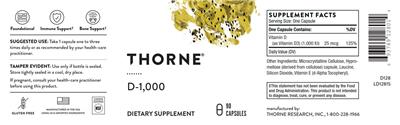
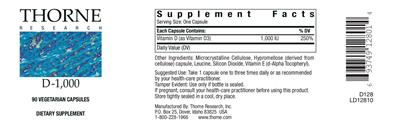
Vitamin D 25 mcg
| Vitamin D | 25 mcg |
Other ingredients: Microcrystalline Cellulose, Hypromellose, Leucine, Silicon Dioxide, Vitamin E.
Directions: Suggested use: Take 1 capsule one to three times daily or as recommended by your health-care practitioner.
Barcode (UPC) 693749128014 · Label source: NIH label database · Report a label change
Show entire label
More immune health products
Members OnlyThe highest ranked for the same goal
Read more
Our articles on this subject
- Vitamin D2 vs D3: Which Form Raises Your Vitamin D More?Article · Oct 31, 2026
- Peter Attia's Supplement List: What He Takes and What the Trials SayArticle · Sep 20, 2026
Graded November 5, 2026 by the Reverse Age Lab evidence engine, from human studies, real reviews and our biohacker panel. How we grade. Is this medical advice? No. Rala organizes the published evidence; go over any change with your doctor, especially if you take meds.
Privacy policyConsumer health dataAffiliate disclosureTermsDo Not Sell or Share My Personal InformationCookie settings