
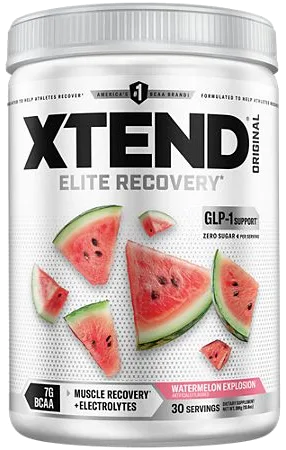
XTEND Original BCAA Review
The product listed on this page is Xtend The Original BCAA Muscle Recovery + Electrolytes in Watermelon Explosion flavor, sold as a 13.4 oz. powder containing 30 servings. The Product Info section introduces it with the text XTEND, THE ORIGINAL 7G BCAA, and MUSCLE RECOVERY + ELECTROLYTES, and a Read More link is available for further details, though the expanded text is not included in the scraped content. The specifications list the brand as XTEND, the form as powder, the flavor as Watermelon Explosion, and the serving size as 1 scoop. The page states there are 30 servings in the container and a product weight of 16 oz, and it is labelled Sugar Free. The price per serving is shown as $1.10 per serving. The product is offered as a one-time purchase at $32.99, and an auto delivery option is available at 30, 60, or 90 day intervals with a 15 percent discount shown as $28.04. Other flavors offered include Blue Raspberry Ice and Knockout Fruit Punch, with five more flavors listed behind a show-more link. The directions state that, as a dietary supplement, a person should mix 1 serving in 10 to 14 fluid ounces of water, adjusting for taste preference, and shake well. On training days, one serving should be consumed during exercise and one serving after exercise. On non-training days, two servings should be consumed throughout the day. The page says that for best results, two servings per day should be used. The warning section says the product is intended only for healthy adults aged 18 or older. It advises not to use the product if pregnant or nursing, and to consult a licensed, qualified healthcare professional before taking it, especially when taking medication or having a medical condition. It says to discontinue two weeks before surgery, to use only as directed, not to use if the safety seal is broken or missing, to store in a cool, dry place, and to keep out of reach of children. The page notes that the product is sold by weight rather than volume, that the density of the powder varies, and that significant settling may occur during shipping and handling. It also states that the servings indicated apply when measured exactly by weight. The Supplement Facts panel lists a serving size of 1 scoop with 30 servings per container. Each serving shows 0 calories, 0 grams of total carbohydrate, and 0 grams of total sugars including 0 grams of added sugars. It lists vitamin B6 at 0.64 mg (38% Daily Value), sodium at 220 mg (10%), potassium at 170 mg (4%), L-leucine at 3,500 mg, L-glutamine at 2,500 mg, L-isoleucine at 1,750 mg, and L-valine at 1,750 mg. The other ingredients are malic acid, artificial flavors, citric acid, sucralose, polydextrose, vegetable juice for color, acesulfame potassium, and beta carotene for color. A nutritionist verification badge indicates the content was updated January 15, 2026.
We don’t sell supplements. We help you make decisions and get the best price.
Lowest prices
We may earn a commission from some store links. How we choose.
We hold no current store prices for it yet: check the store.
- AmazonPrice at AmazonCheck price at Amazon (opens in a new tab)
Also at: The Vitamin Shoppe · Walmart · GNC. Some links earn us a commission; price comes first, and a commission only decides the order of prices within 2%. As an Amazon Associate we earn from qualifying purchases.
Products with nearly the same formula (Matched on the main ingredients)
Study, Trial or Testing Result Summary
Members Only144 human studies · 57 improved
4 of these 144 human studies gave the ingredient by drip, not by mouth.
This powder gives full studied amounts of leucine, isoleucine and valine, the three branched-chain amino acids. Leucine-rich protein supplements improved strength and muscle mass in older adults with muscle loss [1][2]. Leucine taken on its own mostly did not help. It added nothing to strength training in frail older adults [3] or in midlife women [4], and a review found leucine alone did not work while leucine with protein did [5]. For the three-amino-acid mix, results were mixed. It did not add muscle or strength in women doing strength training [6] or protect lean mass during dieting [7], and alone it did not build muscle in people with liver scarring [8]. One review linked it to better recovery and strength after resistance exercise, mainly in young men [9], and one small trial in older adults with kidney disease found a small lean mass gain [10]. Glutamine, at a dose not matched to studies, did not raise lean mass in athletes [11] or improve strength training results [12]. Potassium [13] and the small amount of vitamin B6 have no trial support for muscle building [14]. Animal and cell studies are never counted.
See all 144 studies →Hide the studies
- Across 49 trials of 1863 healthy adults doing resistance training for at least 6 weeks, protein supplements modestly increased strength, lean mass and muscle size compared with control; this was about protein generally, not leucine alone.A systematic review, meta-analysis and meta-regression of the effect of protein supplementation on resistance training-i…
- In 23 trials of 1525 people with cirrhosis, branched-chain amino acids alone did not increase muscle mass, but combined with exercise and protein they gave the largest gain in muscle mass.Exercise and nutrition interventions for sarcopenia in cirrhosis: a systematic review and network meta-analysis of rando…
- In 12 studies of 1225 people with cirrhosis, branched-chain amino acids improved muscle index and mid-arm muscle size from baseline but not handgrip strength, and study quality was limited.Effects of Branched-Chain Amino Acids on Parameters Evaluating Sarcopenia in Liver Cirrhosis: Systematic Review and Meta…
- Across ten randomized trials and one prospective study of 1133 older adults with sarcopenia, leucine improved handgrip, limb muscle mass and walking speed compared with placebo, though the authors rated the evidence as low quality.Effects of Leucine Supplementation in Older Adults with Sarcopenia: A Meta-Analysis.
- Across six randomized trials of 699 older adults with sarcopenia, leucine-rich protein supplements improved muscle strength, mass and performance compared with control groups.Effects of leucine-rich protein supplements in older adults with sarcopenia: A systematic review and meta-analysis of ra…
- In three trials of 637 patients with sarcopenia, a whey protein, leucine and vitamin D combination increased limb muscle mass, but strength and function improved only when combined with an exercise program.Effects of Whey Protein, Leucine, and Vitamin D Supplementation in Patients with Sarcopenia: A Systematic Review and Met…
- In 258 patients with short bowel syndrome across 13 trials, glutamine combined with growth hormone and a modified diet increased lean body mass by about 2 kg and body weight by about 2.4 kg, but fat mass did not change.Clinical evidence of growth hormone, glutamine and a modified diet for short bowel syndrome: meta-analysis of clinical t…
- Across 25 trials in adult athletes, glutamine had no effect on lean body mass, body fat percentage or aerobic performance, though it was linked to a small drop in body weight.The effect of glutamine supplementation on athletic performance, body composition, and immune function: A systematic rev…
- In 8 trials, branched-chain amino acids lowered a blood marker of muscle damage after hard exercise compared with placebo, but did not significantly change muscle soreness.Branched-chain amino acid supplementation and exercise-induced muscle damage in exercise recovery: A meta-analysis of ra…
- In 20 randomized trials in people with cirrhosis, branched-chain amino acids modestly increased muscle mass but had no effect on fat mass.Efficacy of branched chain amino acids supplementation in liver cirrhosis: A systematic review and meta-analysis.
- Across 30 trials in 1976 critically ill adults (12 on glutamine), only six trials measured muscle and none showed a clear benefit from glutamine, so the effect on muscle wasting remains uncertain.A systematic review to assess the impact of amino acids or their derivatives on skeletal muscle wasting in critically il…
- In 12 trials of 1337 older adults, branched-chain amino acids with vitamin D improved muscle mass and function in most trials, while the amino acids alone did not improve muscle health.The Role of Nutrition in the Treatment of Sarcopenia in Old Patients: From Restoration of Mitochondrial Activity to Impr…
- A review of 45 mostly observational studies in older adults found the link between potassium and muscle mass, strength or sarcopenia was unclear because there were too few studies or the results were inconclusive.Minerals and Sarcopenia in Older Adults: An Updated Systematic Review.
- A systematic review of studies in adults aged 50 and over with sarcopenia found that essential amino acid supplements containing about 2.5 g of leucine showed some improvement in muscle mass and function, though nutrition study results overall were inconsistent and few in number.Prevalence of and interventions for sarcopenia in ageing adults: a systematic review. Report of the International Sarcop…
- A review of 23 studies found leucine or leucine-enriched protein (1.2 to 6 grams of leucine daily) was well tolerated and improved lean muscle mass in older people with sarcopenia, while strength results were mixed.Beneficial Effects of Leucine Supplementation on Criteria for Sarcopenia: A Systematic Review.
- A review of 15 systematic reviews in people aged 65 and older found leucine had a significant effect on muscle mass in elderly people with sarcopenia, though evidence quality was low to moderate.Nutritional interventions to improve muscle mass, muscle strength, and physical performance in older people: an umbrella…
- In a review of nine trials in healthy adults aged 50 and older, beef nutrients had an overall positive effect on wellbeing, but leucine specifically showed no effect.The potential role of beef and nutrients found in beef on outcomes of wellbeing in healthy adults 50 years of age and ol…
- A review of intervention studies in older adults with sarcopenia found leucine alone without exercise did not improve sarcopenia markers, but leucine paired with protein supplements was effective.Effect of supplementation with leucine alone, with other nutrients or with physical exercise in older people with sarcop…
- In five trials of adults with short bowel syndrome, growth hormone with or without glutamine increased lean body mass by about 1.9 kg and weight by about 1.7 kg, but the benefits were short-lived and the evidence was judged inconclusive.Human growth hormone and glutamine for patients with short bowel syndrome.
- In six studies of adults doing strength exercise, glutamine alone did not change muscle strength between groups apart from less perceived weakness, while glutamine combined with other nutrients showed favorable results, but data were insufficient.[GLUTAMINE AS AN AID IN THE RECOVERY OF MUSCLE STRENGTH: SYSTEMATIC REVIEW OF LITERATURE].
- In cancer patients, a mix of HMB, arginine and glutamine raised lean body mass after 4 weeks in one study but not after 8 weeks in a larger study, so the evidence was not solid.A systematic review on the role of vitamins, minerals, proteins, and other supplements for the treatment of cachexia in …
- In a review of nine trials of hip and knee replacement patients, one paper reported that a mix of HMB, arginine and glutamine reduced muscle strength loss after knee replacement, though evidence overall was limited.What Is the Role of Nutritional Supplements in Support of Total Hip Replacement and Total Knee Replacement Surgeries? A …
- A review of trials in people with motor neuron disease found no benefit of branched-chain amino acids on survival, muscle strength or physical function.Amino acids for amyotrophic lateral sclerosis / motor neuron disease.
- This withdrawn review of trials in people with motor neuron disease found no benefit of branched-chain amino acids on survival, muscle strength or physical function.WITHDRAWN: Amino acids for amyotrophic lateral sclerosis / motor neuron disease.
- A review of 11 studies found branched-chain amino acids could reduce exercise muscle damage when damage was low to moderate, with high daily intake for over 10 days, but results varied widely between studies.Is Branched-Chain Amino Acids Supplementation an Efficient Nutritional Strategy to Alleviate Skeletal Muscle Damage? A S…
- A review of 19 articles found that 2-10 g a day of branched-chain amino acids, taken before and after hard resistance exercise, improved muscle recovery, perceived muscle damage and strength, mainly in young men.Intake of branched chain amino acids favors post-exercise muscle recovery and may improve muscle function: optimal dosag…
- In a review of 27 diet and exercise studies in people with cirrhosis, benefits for body composition were also seen with branched-chain amino acid supplements, though the largest gains came from combined diet and exercise.The Effect of Diet and Exercise Interventions on Body Composition in Liver Cirrhosis: A Systematic Review.
- In 472 advanced cancer patients given a mix of HMB, glutamine and arginine or a control mix for 8 weeks, lean body mass did not differ significantly, though there was a trend toward higher lean mass and only 37% finished the treatment.A randomized, double-blind, placebo-controlled trial of a beta-hydroxyl beta-methyl butyrate, glutamine, and arginine mi…
- In 380 older adults with sarcopenia, a vitamin D and leucine-enriched whey protein supplement taken twice daily for 13 weeks did not improve handgrip strength more than control, but increased muscle mass by 0.17 kg more and improved the chair-stand test.Effects of a vitamin D and leucine-enriched whey protein nutritional supplement on measures of sarcopenia in older adult…
- In 244 men and women aged 50 and older, 3 months of potassium bicarbonate lowered bone turnover and calcium loss in urine but had no significant effect on muscle strength or function compared with placebo.Potassium Bicarbonate Supplementation Lowers Bone Turnover and Calcium Excretion in Older Men and Women: A Randomized Do…
- In 200 pre-frail and frail older adults doing resistance training for 16 weeks, leucine supplementation did not improve muscle mass or function compared with placebo.Supplement-based nutritional strategies to tackle frailty: A multifactorial, double-blind, randomized placebo-controlled…
- In 150 people with cirrhosis, 30 grams a day of branched-chain amino acids for 12 months did not improve grip strength or muscle mass compared with whey protein.Branched-chain amino acid supplementation does not improve measures of sarcopenia in cirrhosis: results of a randomised …
- In 140 older hospitalized adults with sarcopenia, a leucine and vitamin D enriched whey protein formula twice daily for 4 to 8 weeks during rehabilitation improved gait speed, muscle mass, and physical performance more than a control formula.Improving rehabilitation in sarcopenia: a randomized-controlled trial utilizing a muscle-targeted food for special medic…
- In 132 overweight or obese adults on a calorie-cut diet, branched-chain amino acids at 0.1 g per kg body weight daily for 16 weeks (plus 8 weeks of maintenance) did not significantly preserve lean mass compared with control.Branched-Chain Amino Acid Supplementation Does Not Preserve Lean Mass or Affect Metabolic Profile in Adults with Overwei…
- In 130 sarcopenic elderly people, 12 weeks of whey protein, essential amino acids including 4 grams of leucine, and vitamin D alongside exercise increased fat-free mass and grip strength and lowered an inflammation marker compared with placebo plus exercise.Whey protein, amino acids, and vitamin D supplementation with physical activity increases fat-free mass and strength, fu…
- In 128 healthy adults aged 65 and older, 24 weeks of potassium bicarbonate did not improve muscle power, physical performance or muscle mass compared with placebo, though blood levels of a growth hormone marker (IGF-1) were higher.Independent effects of whey protein and alkali supplementation on muscle health in healthy older adults: factorial rando…
- In 96 people with Duchenne muscular dystrophy followed for one year, oral leucine at 0.2 grams per kilogram daily produced no lasting therapeutic benefit compared with placebo, and early differences were attributed to a drop in the placebo group.Clinical investigation in Duchenne muscular dystrophy: IV. Double-blind controlled trial of leucine.
- In 95 people with ALS, six months of branched-chain amino acids (including 8 g isoleucine daily) did not improve muscle strength or function compared with placebo, and lung function declined faster.A controlled trial of amino acid therapy in amyotrophic lateral sclerosis: I. Clinical, functional, and maximum isometri…
- In older adults with sarcopenia, whey and leucine supplementation after resistance training did not differ from training alone at the end of 24 weeks, but after a further 24 weeks without training, muscle mass and grip strength stayed higher in the supplement group.De-Training Effects Following Leucine-Enriched Whey Protein Supplementation and Resistance Training in Older Adults with…
- In 68 people with HIV-related weight loss (43 finished), 14 g of glutamine daily combined with HMB and arginine for 8 weeks led to a gain of about 2.55 kg of lean mass, while the placebo group lost about 0.7 kg.Nutritional treatment for acquired immunodeficiency virus-associated wasting using beta-hydroxy beta-methylbutyrate, glu…
- In 61 patients having abdominal cancer surgery, 7 g of glutamine daily with HMB and arginine for 3 days before and 7 days after surgery did not change muscle mass, handgrip strength or wound complications compared with placebo.Perioperative Nutritional Support With Beta-hydroxy-beta-methylbutyrate, Arginine, and Glutamine in Surgery for Abdomina…
- In 60 adults aged about 80 with sarcopenia, a 2-month medical food containing 2.5 grams of leucine, omega-3 fats and a probiotic increased lean limb mass, balance, walking and grip strength compared with placebo.Effectiveness of a Novel Food Composed of Leucine, Omega-3 Fatty Acids and Probiotic Lactobacillus paracasei PS23 for th…
- In 60 people with cirrhosis and muscle loss, 12 g daily of branched-chain amino acids for 6 months on top of exercise did not improve muscle mass or strength compared with placebo.Randomised clinical trial: effect of adding branched chain amino acids to exercise and standard-of-care on muscle mass i…
- In 55 older adults with kidney disease, 12 weeks of a leucine-rich amino acid mix (1.5 g isoleucine daily) increased lean muscle mass by 0.4 kg versus a 0.2 kg loss on placebo, with no change in strength.Anti-sarcopenic effect of leucine-enriched branched-chain amino acid supplementation among elderly chronic kidney diseas…
- In 54 COPD patients over 4 weeks of pulmonary rehabilitation, branched-chain amino acids did not add benefit to rehabilitation alone for muscle function or exercise capacity.Does branched-chain amino acid supplementation improve pulmonary rehabilitation effect in COPD?
- In 54 frail people with cirrhosis, 16 weeks of branched-chain amino acids (isoleucine dose not stated) compared with control increased skeletal muscle index and improved frailty scores.Branched-chain amino acids supplementation improves liver frailty index in frail compensated cirrhotic patients: a rando…
- In 50 boys with Duchenne muscular dystrophy, glutamine (0.6 g per kg daily) or creatine for 6 months did not significantly change muscle strength compared with placebo, though a small benefit could not be ruled out.CINRG randomized controlled trial of creatine and glutamine in Duchenne muscular dystrophy.
- In 49 older adults with minor trauma, a supplement of HMB with 14 g glutamine and 14 g arginine daily for 2 weeks did not change thigh muscle size or grip strength compared with a glutamine-containing control.Urinary Titin N-Fragment Evaluation in a Randomized Controlled Trial of Beta-Hydroxy-Beta-Methylbutyrate for Acute Mild …
- In 47 adults with inflammatory muscle disease over 12 weeks, branched-chain amino acids did not improve muscle strength scores compared with placebo but did produce a greater improvement in shoulder movement function.Branched chain amino acids in the treatment of polymyositis and dermatomyositis: a phase II/III, multi-centre, randomize…
- In 46 stroke patients doing two months of exercise, taking the leucine-enriched amino acid supplement with breakfast improved leg strength and balance and reduced body fat, with timing relative to exercise making no difference.The Effects of Timing of a Leucine-Enriched Amino Acid Supplement on Body Composition and Physical Function in Stroke Pa…
- In 45 older men, a single 6 gram drink of branched-chain amino acids raised muscle protein building for the first two hours after drinking, but the increase did not last to five hours, unlike milk protein.Branched-chain amino acid and branched-chain ketoacid ingestion increases muscle protein synthesis rates in vivo in olde…
- In 44 patients having surgery for head and neck cancer, enteral glutamine given within 4 weeks after surgery improved fat-free mass, serum albumin and quality of life compared with controls.Enteral glutamine supplementation in surgical patients with head and neck malignancy: A randomized controlled trial.
- Women aged 60 to 80 taking oral glutamine for 30 days had stronger knee muscles and lower markers of oxidative stress than before, with the largest gains in those who also exercised.L-Glutamine Supplementation Enhances Strength and Power of Knee Muscles and Improves Glycemia Control and Plasma Redox B…
- In 44 older adults having cardiac surgery, at least 2 weeks of a supplement with 7 g glutamine, HMB and arginine improved walking distance, strength and physical performance versus no supplement, but did not change muscle mass.Effects of preoperative beta-hydroxy-beta-methylbutyrate, arginine, and glutamine supplementation on cardiac surgery: A …
- In critically ill adults immobilized in intensive care for 4 weeks, the amount of glutamine and other individual amino acids in their feeding was not linked to how much muscle they lost.Is the amino acid pattern in medical nutrition therapy crucial for successfully attenuating muscle mass loss in adult IC…
- In 40 people with rheumatoid arthritis over 12 weeks, a mixture of HMB, glutamine and arginine did not reverse muscle wasting better than a placebo amino acid mix, though it caused fewer stomach complaints.Dietary treatment of rheumatoid cachexia with beta-hydroxy-beta-methylbutyrate, glutamine and arginine: a randomised con…
- In 40 critically ill patients, 10 days of 40 g daily branched-chain amino acids prevented thigh muscle thickness loss (0% vs 13% loss in controls) and lowered inflammation (IL-6).High leucine branched-chain amino acids supplementation ameliorates quadriceps femoris muscle thickness reduction and at…
- In 36 untrained midlife women over 10 weeks of resistance training, 5 grams of daily leucine added no benefit to fat-free mass, strength or hormone levels compared with placebo.Efficacy of L-leucine Supplementation Coupled With Resistance Training in Untrained Midlife Women.
- In 36 resistance-trained men over 10 weeks of training, taking 5 g daily of glutamine with whey and branched-chain amino acids did not increase lean mass; whey plus casein gave the largest gains.The effects of protein and amino acid supplementation on performance and training adaptations during ten weeks of resist…
- In 36 older adults with type 2 diabetes, 24 weeks of branched-chain amino acids (8 g daily, isoleucine dose not stated) did not change muscle mass compared with soy protein, while leg strength rose in the soy group and showed a trend upward in the amino acid group.Effects of Branched-Chain Amino Acids on Skeletal Muscle, Glycemic Control, and Neuropsychological Performance in Elderl…
- In 35 patients after surgery, five days of infusion with branched-chain amino acids (isoleucine dose not stated) prevented the muscle breakdown seen with glucose-only infusion, leaving patients in nitrogen balance and limiting weight loss.Infusion of the branched chain amino acids in postoperative patients. Anticatabolic properties.
- In 34 trained young adults doing resistance training for 8 weeks, hemp increased arm muscle thickness in women while soy increased it in men, so effects differed by sex.Effects of hemp supplementation during resistance training in trained young adults.
- In 32 people with cirrhosis and muscle loss, 12 weeks of branched-chain amino acids plus standard care increased muscle mass, with 83.3 percent of the amino acid group improving versus 46.7 percent on placebo.Adding Branched-Chain Amino Acids to an Enhanced Standard-of-Care Treatment Improves Muscle Mass of Cirrhotic Patients W…
- In a placebo-controlled trial of 31 young adults over 6 weeks of resistance training, glutamine at 0.9 g per kg lean mass per day did not improve strength, lean mass or muscle protein breakdown compared with placebo.Effect of glutamine supplementation combined with resistance training in young adults.
- People with chronic heart failure taking 8 grams per day of alanyl-glutamine with fish oil for 3 months gained lean body mass and reported better quality of life, but their muscle strength and exercise performance did not improve more than placebo.Supplementation of l-Alanyl-l-Glutamine and Fish Oil Improves Body Composition and Quality of Life in Patients With Chro…
- In 31 healthy adults aged 65-89 taking 14 g glutamine daily as part of an HMB/arginine/glutamine mix for six months, total lean body mass increased more than with placebo (p < 0.05).Oral Supplementation with Beta-Hydroxy-Beta-Methylbutyrate, Arginine, and Glutamine Improves Lean Body Mass in Healthy O…
- In 30 critically ill trauma patients, 17 days of intravenous alanyl-glutamine with growth hormone improved nitrogen balance, saving lean body mass, but worsened insulin sensitivity.Frequent intravenous pulses of growth hormone together with glutamine supplementation in prolonged critical illness afte…
- In 30 boys with Duchenne muscular dystrophy, 4 months of oral glutamine (0.5 g/kg daily) did not improve walking speed or muscle function over placebo, and fat-free mass rose less than with placebo.Lack of functional benefit with glutamine versus placebo in Duchenne muscular dystrophy: a randomized crossover trial.
- In 30 patients after gastric bypass, 8 weeks of an oral HMB, glutamine and arginine supplement did not preserve lean body mass better than no supplement.Nutritional effect of oral supplement enriched in beta-hydroxy-beta-methylbutyrate, glutamine and arginine on resting me…
- In 30 resistance-trained men, branched-chain amino acids with carbohydrate (1 g isoleucine daily) over three days of hard training did not reduce strength loss or soreness compared with carbohydrate alone.Post-exercise branched chain amino acid supplementation does not affect recovery markers following three consecutive hig…
- In 30 postmenopausal women doing 8 weeks of resistance training, 9 grams a day of branched-chain amino acids did not add to gains in muscle mass or strength compared with training plus placebo.Effects of branched-chain amino acid supplementation and resistance training in postmenopausal women.
- In 30 healthy adults, 4 weeks of saponin extract taken with whey protein and resistance training raised isoleucine absorption by 6.33% and grip strength by 5.2% versus 2.44% with placebo, but isoleucine itself was not the tested ingredient.Effects of Astragalus membranaceus and Panax notoginseng Saponins Extract on the Pharmacokinetics of Whey Protein Absorp…
- In 29 track and field athletes over 8 weeks, a creatine plus 4 g per day glutamine group gained more body mass and lean mass than placebo, but the glutamine effect cannot be separated from creatine.The effects of 8 weeks of creatine monohydrate and glutamine supplementation on body composition and performance measure…
- In 28 resistance-trained men over 8 weeks, a supplement of creatine, ribose and glutamine did not add to strength, endurance or body composition gains compared with placebo during resistance training.Effects of effervescent creatine, ribose, and glutamine supplementation on muscular strength, muscular endurance, and bo…
- In 27 malnourished dialysis patients over about four months per period, branched-chain amino acids (isoleucine dose not stated) did not raise lean body mass and lowered fat-free mass index compared with glycine.Glycine increases fat-free mass in malnourished haemodialysis patients: a randomized double-blind crossover trial.
- In 26 resistance-trained young men over 12 weeks, adding 1.5 grams of leucine twice daily to whey protein produced muscle and strength gains no different from adding HMB, and HMB was no more effective than leucine.Equivalent Hypertrophy and Strength Gains in β-Hydroxy-β-Methylbutyrate- or Leucine-supplemented Men.
- In 24 young women on 60 days of bed rest, a protein plus branched-chain amino acid supplement (7.2 g per day) prevented loss of heart muscle mass seen in the sedentary group, but heart chamber volume still shrank, and exercise worked better.Cardiac atrophy in women following bed rest.
- In 24 untrained young men, taking branched-chain amino acids after resistance training reduced muscle soreness at 48 hours and lowered blood markers of inflammation at 24 hours compared with placebo, while taking them before training did not match this effect.Effect of Timing of Branched-Chain Amino Acid Supplementation on Muscle Recovery after Resistance Training in Healthy Ma…
- In 24 dialysis patients, 12 weeks of a supplement containing branched-chain amino acids (isoleucine amount not stated) at 10 g daily increased thigh muscle thickness and fat-free mass percentage compared with placebo, and lowered inflammation and oxidative stress markers.The Combined Use of Hydroxymethylbutyrate and Branched-Chain Amino Acids to Counteract Uremic Sarcopenia.
- In 23 patients having knee replacement, taking the glutamine, arginine and beta-hydroxy-beta-methylbutyrate blend from 5 days before surgery to 28 days after kept quadriceps strength from falling as it did in the control group at 14 days after surgery.Effects of supplementation with a combination of β-hydroxy-β-methyl butyrate, L-arginine, and L-glutamine on postoperati…
- In 23 liver transplant patients over 30 days, an HMB formula containing 14 g per day of glutamine plus arginine improved grip strength and muscle mass compared with control, but glutamine was not tested alone.Effect of administration of β-hydroxy-β-methyl butyrate-enriched formula after liver transplantation: A pilot randomized…
- In 22 people with motor neuron disease, a daily mix of branched-chain amino acids including 8 g isoleucine for one year helped maintain limb muscle strength and walking ability compared with placebo.Pilot trial of branched-chain aminoacids in amyotrophic lateral sclerosis.
- In 20 resistance-trained adults, adding leucine to carbohydrate drinks before and after leg squats did not reduce muscle damage markers or soreness over 72 hours and did not change squat performance compared with placebo.The effects of adding leucine to pre and postexercise carbohydrate beverages on acute muscle recovery from resistance tr…
- In a 20-person pilot of patients with liver cancer taking lenvatinib, a beverage containing HMB, arginine and glutamine plus walking training did not significantly change muscle mass compared with the control group (96.5% vs 89.9% retained, p = 0.407).An open-label, randomized, controlled trial on the benefit of β-hydroxy-β-methyl butyrate, l-arginine, l-glutamine combi…
- In 18 people with rheumatic disease taking prednisolone, 12 weeks of branched-chain amino acids slowed the loss of plasma amino acids and reduced a muscle breakdown marker, and higher plasma isoleucine was linked to less thigh muscle atrophy.Amino Acid Profile in 18 Patients with Rheumatic Diseases Treated with Glucocorticoids and BCAAs.
- In 18 preterm infants, mixed amino acids given from birth on the first day of life improved nitrogen retention and prevented protein loss compared with glucose alone, but isoleucine was not tested on its own.Immediate commencement of amino acid supplementation in preterm infants: effect on serum amino acid concentrations and p…
- In 17 men over 65, taking an amino acid and carbohydrate drink after 12 weeks of knee strength training produced no more gain in muscle strength or thigh muscle size than the control group.Oral amino-acid provision does not affect muscle strength or size gains in older men.
- In 16 healthy adults over 72 hours after hard leg exercise, L-glutamine at 0.3 g per kg per day speeded recovery of knee muscle strength and reduced soreness compared with placebo.The Influence of Oral L-Glutamine Supplementation on Muscle Strength Recovery and Soreness Following Unilateral Knee Ext…
- In 16 resistance-trained athletes, a single dose of branched-chain amino acids (0.087 grams per kilogram of body weight) before a hard leg workout led to faster recovery of leg strength, jump height and soreness at 24 to 48 hours compared with placebo.The effects of acute branched-chain amino acid supplementation on recovery from a single bout of hypertrophy exercise in…
- In 12 male weight trainers, a single dose of potassium-magnesium aspartate taken before a resistance workout did not lower blood ammonia or improve bench press performance to failure compared with vitamin C.Effect of acute potassium-magnesium aspartate supplementation on ammonia concentrations during and after resistance trai…
- In 12 adolescents with type 1 diabetes, 3 months of glutamine (0.5 g/kg daily) plus exercise snacks did not produce a significant change in lean mass beyond the exercise effect, which reduced body fat in both groups.Can Short Bouts of Exercise ("Exercise Snacks") Improve Body Composition in Adolescents with Type 1 Diabetes? A Feasibil…
- In 12 young adults after a single resistance workout, a branched-chain amino acid drink (including 1.5 g isoleucine) increased whole-body leucine retention compared with a collagen drink, but it did not differ from a dileucine-based amino acid formula and did not reduce muscle breakdown markers.Dileucine-supplemented essential amino acids support whole-body anabolism after resistance exercise and serum-stimulated…
- In 8 short bowel patients, 4 weeks of high-dose growth hormone plus glutamine (28 g oral glutamine daily) did not change body weight, lean mass or fat mass compared with placebo.Effect of high-dose growth hormone and glutamine on body composition, urine creatinine excretion, fatty acid absorption,…
- In 8 resistance-trained men during a 4-week period of intense training, a high branched-chain amino acid supplement was linked to higher testosterone and lower cortisol and muscle damage markers than placebo.Amino acid supplements and recovery from high-intensity resistance training.
- In 7 men, drinking a branched-chain amino acid solution during and after one leg resistance workout boosted muscle growth signaling more than a placebo drink, though muscle growth itself was not measured.Branched-chain amino acids increase p70S6k phosphorylation in human skeletal muscle after resistance exercise.
- In a six-month trial in people with amyotrophic lateral sclerosis, L-threonine given with the active form of vitamin B6 did not improve muscle strength compared with placebo, and the number of people and the dose were not stated.Electrophysiologic endpoint measures in a multicenter ALS drug trial.
- In heart failure patients over 3 months, 10 grams a day of branched-chain amino acids added to a resistance exercise program did not improve body composition or function beyond exercise alone.Changes in body composition in heart failure patients after a resistance exercise program and branched chain amino acid …
- In 155 malnourished older adults, a branched-chain amino acid mixture for 2 months improved muscle mass, strength and performance in both groups, but beat diet advice only for cognition, mitochondrial energy production and oxidative stress.From mitochondria to healthy aging: The role of branched-chain amino acids treatment: MATeR a randomized study.
- In 57 people one month after sleeve gastrectomy, whey protein with branched-chain amino acids and vitamin D lost less lean mass and muscle strength than protein alone (3.8% vs 18.5% strength loss).Adding Branched-Chain Amino Acids and Vitamin D to Whey Protein Is More Effective than Protein Alone in Preserving Fat F…
- In 54 patients with subacute stroke, one month of branched-chain amino acid powder during rehabilitation produced greater gains in muscle mass index than matched controls who did not take it.The Effect of Branched Chain Amino Acid Supplementation on Stroke-Related Sarcopenia.
- In 48 untrained adults doing supervised resistance training three times a week for 12 weeks, 2 grams of leucine from either whey or soy protein increased body weight, lean mass and leg strength, with no difference between the two protein sources.No Significant Differences in Muscle Growth and Strength Development When Consuming Soy and Whey Protein Supplements Mat…
- In frail older adults in care homes, a 40-week program of group exercise plus branched-chain amino acids lowered a blood inflammation marker (TNF-alpha) more than other groups, with only slight changes in strength and other measures.Effect of Training-Detraining Phases of Multicomponent Exercises and BCAA Supplementation on Inflammatory Markers and Al…
- In 28 malnourished elderly dialysis patients, six months of branched-chain amino acids (isoleucine dose not stated) compared with placebo in a crossover design increased anthropometric measures of body size and raised blood albumin.Oral supplementation of branched-chain amino acid improves nutritional status in elderly patients on chronic haemodialys…
- In 20 young combat sport athletes, 5 g a day of branched-chain amino acids for 4 weeks raised muscle mass from 23.4 to 25.1 kg and improved a body cell health measure, while the control group did not change.[The efficiency of branched chain aminoacids (BCAA) in the nutrition of combat sport athletes].
- In 19 critically ill ventilated patients given 3 days of glutamine-supplemented feeding at 0.4 g per kg per day, protein breakdown fell but patients stayed in negative protein balance; only adding growth hormone and IGF-I produced net protein gain.Combined growth hormone/insulin-like growth factor I in addition to glutamine-supplemented TPN results in net protein an…
- In 18 trained cyclists, 10 weeks of a BCAA mix with 4 g valine daily did not change lean mass but improved sprint peak and mean power compared with placebo.Ten weeks of branched-chain amino acid supplementation improves select performance and immunological variables in traine…
- In 16 trekkers at high altitude over 21 days, taking 2.88 grams of isoleucine daily as part of branched-chain amino acids kept lean mass rising and reduced loss of leg power compared with placebo, though body mass still fell in both groups.Branched-chain amino acid supplementation during trekking at high altitude. The effects on loss of body mass, body compo…
- In 16 healthy young women during 60 days of bed rest, a high-protein diet with added branched-chain amino acids prevented the loss of insulin sensitivity seen with a standard diet, although lean body mass fell in both groups.High-protein diet with excess leucine prevents inactivity-induced insulin resistance in women.
- A single oral leucine-enriched branched-chain amino acid dose in 6 people with alcoholic cirrhosis and 8 controls reduced whole-body protein breakdown and reversed impaired muscle growth signaling, but muscle protein synthesis was not changed.Metabolic and molecular responses to leucine-enriched branched chain amino acid supplementation in the skeletal muscle o…
- In 8 patients with short bowel syndrome, 21 days of growth hormone, oral glutamine and a diet raised lean body mass and lowered body fat, but all patients developed swelling, so the gain likely reflected extra fluid and faded after stopping.Effect of growth hormone, glutamine, and diet on body composition in short bowel syndrome: a randomized, controlled stud…
- In a small study of patients on peritoneal dialysis, adding amino acids, mainly valine, to the dialysis fluid increased muscle protein synthesis during a single session compared with dextrose alone.Acute effects of peritoneal dialysis with dialysates containing dextrose or dextrose and amino acids on muscle protein t…
- In 56 sarcopenic older adults, a whey and leucine supplement for 12 weeks did not change muscle mass or grip strength more than counselled protein intake, but it improved walking speed, especially in those under 75.Effects of adequate dietary protein with whey protein, leucine, and vitamin D supplementation on sarcopenia in older adu…
- In 55 hospital inpatients with walking problems, twice-daily branched-chain amino acid jelly raised muscle mass by 4.3 percent while controls lost 2.2 percent, but daily living function did not differ between groups.The Effect of Branched Chain Amino Acids-Enriched Nutritional Supplements on Activities of Daily Living and Muscle Mass …
- People with newly diagnosed advanced lung cancer who took a beta-hydroxy-beta-methylbutyrate, arginine and glutamine supplement for 12 weeks did not keep more lean body mass than those who did not, and the trial was stopped early due to slow recruitment.Beta-hydroxy beta-methylbutyrate/arginine/glutamine (HMB/Arg/Gln) supplementation to improve the management of cachexia …
- In 33 adults with pre-sarcopenia or sarcopenia, 7.2 grams of branched-chain amino acids per day for five weeks improved muscle mass index, gait speed, and grip strength, but these gains faded after 12 weeks without the supplement.Effects of enriched branched-chain amino acid supplementation on sarcopenia.
- Patients with short bowel syndrome who took 30 grams of glutamine per day with growth hormone and tube feeding for 4 weeks absorbed nutrients better and gained body weight and lean mass, though there was no comparison group.Effect of growth hormone, glutamine, and enteral nutrition on intestinal adaptation in patients with short bowel syndrom…
- In a cross-sectional study of 68,002 UK adults aged about 64, vitamin B6 intake was measured against handgrip strength, but the abstract reports no association for vitamin B6 specifically.Associations between diet and handgrip strength: a cross-sectional study from UK Biobank.
- Among 4,336 older Chinese adults, higher dietary intake of branched-chain amino acids was linked to better grip strength and walking speed and lower risk of low muscle strength.Association between Branched-Chain Amino Acid Intake and Physical Function among Chinese Community-Dwelling Elderly Resi…
- In a national survey of 1,766 Japanese adults aged 60 and older, higher vitamin B6 intake was positively associated with higher skeletal muscle index in men.Nutrient and food group intakes and skeletal muscle index in the Japanese elderly: a cross-sectional analysis of the NHN…
- In older adults in Qingdao, China, higher dietary branched chain amino acid intake was linked to lower sarcopenia risk, and higher valine intake was linked to faster gait speed.Branched chain and other amino acid intakes are inversely associated with sarcopenia among community elders in Qingdao, …
- In a population study of 765 adults over 65, lower alanine aminotransferase levels were linked to frailty, disability, muscle loss and vitamin B6 (pyridoxine) deficiency, and to higher mortality; no vitamin B6 supplement was tested and the abstract gives no direct effect of vitamin B6 on muscle building.Low Alanine Aminotransferase Levels in the Elderly Population: Frailty, Disability, Sarcopenia, and Reduced Survival.
- In 516 gastric cancer patients, those given perioperative glutamine had a greater rise in psoas muscle size over three months after gastrectomy than matched patients who did not receive it.Perioperative Glutamine Supplementation May Restore Atrophy of Psoas Muscles in Gastric Adenocarcinoma Patients Undergoi…
- In 469 older Japanese adults, higher vitamin B6 intake (from food) was linked to better movement, balance and walking ability, but not to muscle strength.Relationships among Physical Activity, Physical Function, and Food Intake in Older Japanese Adults Living in Urban Areas…
- In 392 adults with knee osteoarthritis, higher dietary potassium intake was linked to greater lower limb muscle strength over 24 months.Associations of Dietary Macroelements with Knee Joint Structures, Symptoms, Quality of Life, and Comorbid Conditions in …
- In 300 Iranian older adults, a dietary pattern rich in vitamin B6 and other nutrients was linked to lower odds of sarcopenia, but vitamin B6 was not studied on its own.Patterns of Nutrient Intake in Relation to Sarcopenia and Its Components.
- In 300 older Iranian adults, dietary branched chain amino acid intake, including valine, was not significantly linked to sarcopenia or its components of muscle mass, grip strength, or gait speed.Association between dietary intake of branched-chain amino acids and sarcopenia and its components: a cross-sectional st…
- In 295 Brazilian older adults, inadequate vitamin B6 intake directly affected the diagnosis of sarcopenia.High Prevalence of Energy and Nutrients Inadequacy among Brazilian Older Adults.
- Among 227 community-dwelling older adults in Maastricht, those with sarcopenia (low muscle mass and strength) ate 10% to 18% less vitamin B6, folate, vitamin E, magnesium and omega-3 fats than those without it.Differences in Nutrient Intake and Biochemical Nutrient Status Between Sarcopenic and Nonsarcopenic Older Adults-Results…
- In 197 older adults with type 2 diabetes followed for about 14 months, vitamin B6 intake was not related to loss of muscle mass.Vitamin Intake and Loss of Muscle Mass in Older People with Type 2 Diabetes: A Prospective Study of the KAMOGAWA-DM Coho…
- In a cross-sectional study of 189 older adults, vitamin B6 status was linked to one or more measures of sarcopenia, but the abstract does not state the direction of the link.Systemic and Metabolic Signature of Sarcopenia in Community-Dwelling Older Adults.
- In 142 malnourished patients followed for 3 months, those taking a leucine-enriched supplement improved phase angle and rectus femoris muscle thickness more than those taking a standard supplement, though the study was observational and groups differed.Nutritional impact of leucine-enriched supplements: Evaluating protein type through artificial intelligence (AI)-augment…
- In a case-control study of 130 older adults, those with depression ate less vitamin B6 than controls, and inadequate intake of several nutrients was linked to weaker handgrip strength and poorer physical function.Inappropriate nutrients intake is associated with lower functional status and inferior quality of life in older adults w…
- In a study of 128 older women from Brazil and Italy, dietary intake of valine, leucine and isoleucine was linked to chair-stand performance only in the Italian women, so this observational link is not proof that valine builds muscle.Association between Dietary Habits and Physical Function in Brazilian and Italian Older Women.
- In a retrospective study of 112 women with anorexia nervosa, higher vitamin B6 levels in the blood predicted more symptoms of negative body image; no supplement was given and muscle building was not measured as an outcome.Muscle Mass and Vitamin B6 Are Linked to Negative Body Image in Women with Anorexia Nervosa: A Retrospective Study.
- In 82 adults with acromegaly and matched controls, vitamin B6 intake was correlated with sit-to-stand test performance, but the abstract does not clearly state which direction is beneficial.The relationships among nutrition, body composition, muscle strength and physical performance in patients with acromegal…
- In 72 patients eligible for stem cell transplant, sarcopenia was associated with inadequate vitamin B6 intake.Evaluation of nutritional risk factors in hematopoietic stem cell transplantation-eligible patients.
- In a case-control study of 66 COVID-19 survivors, an 8-week amino acid supplement that also contained vitamin B6 and B1 improved muscle mass, handgrip strength and walking performance compared with controls.Effects of a New Multicomponent Nutritional Supplement on Muscle Mass and Physical Performance in Adult and Old Patients…
- In 26 obese adults on an unsupplemented 1000-calorie diet for an average of 15 weeks, blood pyridoxine (vitamin B6) stayed in the normal range and arm muscle mass was maintained.Time-calorie displacement diet for weight control: a prospective evaluation of its adequacy for maintaining normal nutri…
- In 57 people with sarcopenia given exercise plus branched-chain amino acids, calcium and vitamin D for 12 weeks, noradrenaline rose, but the analysis was about neurotransmitter levels and did not test muscle gain against a control.Plasma levels of adrenaline, noradrenaline, dopamine, serotonin, and cortisol in sarcopenia: comparison with non-sarcope…
- In 58 children and young adults with combined methylmalonic acidemia and homocystinuria, a treatment combining vitamin B6 with vitamin B12, betaine, folic acid and carnitine improved muscle strength and tone, though most survivors still had neurological problems.[Outcomes of patients with combined methylmalonic acidemia and homocystinuria after treatment].
- In 8 obese men with type 2 diabetes and 12 controls, a single 20-gram essential amino acid dose raised muscle protein synthesis similarly in both groups, but the diabetes group showed a blunted cell-signaling response, so the study does not show muscle loss is explained by impaired feeding response.Anabolic resistance does not explain sarcopenia in patients with type 2 diabetes mellitus, compared with healthy control…
- In nine men given testosterone for 12 weeks, muscle mass rose and muscle protein synthesis increased; this study tested testosterone, not leucine supplementation.Effect of testosterone on muscle mass and muscle protein synthesis.
- Six volunteers training intensely in a hot climate on a daily potassium intake of 100 mEq ended up with a mean potassium deficit of 517 mEq, mostly from sweating, while lean body mass rose.Pathophysiology of intense physical conditioning in a hot climate. I. Mechanisms of potassium depletion.
- In aging mice, oral nicotinamide combined with pyridoxine (vitamin B6) restored muscle stem cells, speeded muscle repair and increased strength, and lower levels of these nutrients were linked to weaker muscle in 186 older people, but the combination has not yet been tested alone in people.Nicotinamide and pyridoxine stimulate muscle stem cell expansion and enhance regenerative capacity during aging.
Review Totals and Summary
Members Only2,694 reviews · 60% positive
"Scivation Xtend Original BCAA" has garnered approximately 2694 ratings across various retail platforms, with a strong majority of 73% of customers awarding it 4 or 5 stars. This suggests a generally positive reception among its user base. **What buyers say it did for them** Many users find this product beneficial for their active lifestyles. A key benefit highlighted is hydration, with customers calling it their "go-to hydration drink before, during and after a workout." Some even found it "Essential hydration for you and your family!" and noted it "kept him hydrated during a long, hot day" of outdoor activity. It's also praised for providing an energy boost without jitters, with one reviewer stating it "gives me an energy boost. Not like an energy drink." For recovery, some reported "Feeling better after starting it" and that it "made a big impact to my gym work," making it "excellent for before and after work out." **What they complain about** While many are satisfied, some complaints emerged. A significant concern for some long-time users is a "Decreased quality" due to formula changes. Reviewers noted that key ingredients like "citrulline malate disappeared" and there was "no electrolyte blend either," leading to the perception that it became an "ordinary, stupid set of BCAAs that are not felt at all." Taste is another area of contention; some found it had "Not the greatest after taste" or simply declared, "The taste does not taste well." For a few, the recovery benefits were only "mildly enhanced." **Taste or form** Taste feedback is quite varied. Many describe specific flavors as "knockout delicious," "tastes good," or "great flavor." Watermelon, for instance, is noted for tasting "fresh - not sugary and heavy like candy," almost like watermelon juice. Piña Colada and Fruit Punch are also favorites. However, as mentioned, some found the taste poor or disliked the aftertaste. The product comes in powder form, designed to be easily mixed, with users mentioning they "add to water" or their "water bottle." **Value for money** One reviewer explicitly praised the product for offering "Quality at a good price." However, the complaints about decreased quality and formula changes, particularly the removal of previously valued ingredients, implicitly suggest that some long-term users might now perceive a diminished value for money, especially if the price has not also decreased proportionally. **Who it seems to suit and who it did not** This BCAA supplement appears well-suited for active individuals, including those who work out regularly, needing support "before, during and after a workout." It's also recommended for anyone needing enhanced hydration, especially during "hot summer months when you're sweating" or during intense outdoor activities. Families looking for hydration solutions also found it useful. Conversely, it may not suit those who were loyal to the older formula containing citrulline malate and electrolytes, as they feel the current version is less effective. Individuals sensitive to certain flavors or aftertastes might also need to choose carefully.
Biohacker Summary
Members Only10 of 10 recommend it
Eight of the ten panelists recommend leucine, mainly because they see it as the key trigger for building and keeping muscle, though several say food protein matters just as much. Doses vary: one gives 2 to 3 grams per meal for people under 40 and 3 to 4 grams for those over 40, another suggests about 1 gram in a capsule with a meal, and another says 2 to 3 grams a day, with 8 or 9 grams possibly best. One panelist prefers an essential amino acid blend with about 40 percent leucine, and one says leucine supplements give no added benefit if you already eat enough high quality protein. One panelist uses leucine but notes his levels stay low, and one warns that very low levels may protect against aging while high levels could raise disease risk. Potassium is a smaller ingredient in this product, and most of the panel recommends getting enough of it, often through food or electrolyte drinks, with one caution against too much from supplements.
See all 10 biohackers →Hide the biohackers
Ben Greenfield · Leucine · recommends
- Describes leucine as the 'ignition' that turns on the signal for muscle protein synthesis, and that a sufficient dose is needed to hit the dose response and then have other essential amino acids to maintain the signal.
- Says he is drinking LMNT, which contains sodium, potassium, and magnesium, and states that he actually drinks this stuff.
- Recommends Celtic Sea Salt's new electrolyte drink 'Hydrate' for replenishing electrolytes and trace minerals lost through sweat, noting it contains 70 naturally occurring trace minerals, magnesium, taurine, and potassium, with no added sugar, artificial colors, or synthetic ingredients.
- States that leucine is the primary trigger for muscle protein synthesis and recommends an essential amino acid blend with about 40% leucine for maximum stimulation.
- Recommends pulsing with compounds like leucine for maintaining and building muscle and maximizing muscle protein synthesis.
- Recommends Vitamin B6 for the conversion of tryptophan to serotonin and then melatonin in the pineal gland.
- Recommends adding potassium sulfate to a Morasco cold plunge.
- Mentions glutamine as a supplement that provides glucose to the brain, supporting neurotransmitter functions, as suggested by a guest.
- Mentions that potassium can be helpful for blood pressure but also risky for people with kidney disease or other conditions prone to elevated potassium levels, advising consultation with a physician.
- Recommends taking about five grams of L-glutamine with each meal for around four to eight weeks to help heal a leaky gut.
- Recommends taking about 5 grams of glutamine powder with each meal as a simple way to reduce IBS issues.
- Recommends Dileucine as a next-generation supplement for muscle recovery and protein synthesis, stating it delivers 86% more leucine to muscles and triggers 60% more protein synthesis than regular leucine, especially when paired with exercise.
- Mentions that gut issues can be mitigated with L-Glutamine.
- Dave Pascoe mixes up a concoction of different protein powders, leucine, and L-citrulline as a pre-workout drink.
Dr. Eric Berg · Leucine · recommends
- The amino acid leucine is important for muscle growth, but getting sufficient protein is just as essential for maintaining muscle mass.
- Criticizes the mainstream limit of 99 milligrams for potassium supplements, stating it's based on a weak 1972 study that incorrectly attributed problems to potassium chloride instead of a med.
- States that without potassium, one can experience insomnia and inability to sleep, describing it as a physiological tranquilizer that relaxes the body.
- Recommends potassium as an important electrolyte, noting that most people get less than half of the 4700 mg RDA.
- States that cabbage, found in sauerkraut, is filled with glutamine, which is great for gut health and helping the microbe lining.
- Describes the benefits of taking potassium every day for 14 days, including reduced blood pressure, disappearing muscle cramps, improved sleep and energy, smoother heart function, and reduced puffiness and fluid retention.
- States that vitamin B6 is needed to absorb magnesium.
- States that people need more potassium than any other mineral, yet most people aren’t getting enough.
- Explains that potassium is essential for peristalsis, the pumping action through the colon, and without it, things can sit there, leading to constipation.
- Explains that the normal requirements for potassium are 4,700 mg every single day, and that very few people get half of that amount. They describe potassium's role in the sodium potassium pump, which is essential for cellular electricity, muscle contraction, and heart function. Deficiency can lead to tiredness, muscle cramps, heart palpitations, or rising blood pressure.
- Recommends increasing potassium to restore balance and support healthy blood pressure.
- States that potassium is the most important electrolyte and that most people are not getting enough of it, needing around 4,700 mg daily, or even more, to avoid issues like fatigue, muscle cramps, heart palpitations, high blood pressure, and fluid retention.
- Dr. Eric Berg states that potassium is essential for health, supporting healthy muscles, nerves, and heart function, but warns that getting too much, especially from supplements, can be dangerous.
- Mentions that animal protein provides leucine, an amino acid beneficial for muscle building.
Thomas DeLauer · Leucine · recommends
- Identifies leucine as the primary trigger for the mtorc1 pathway, which is the master switch for muscle protein synthesis, and recommends 2 to 3 grams per meal for those under 40, and 3 to 4 grams for those over 40.
- Recommends Element electrolytes, noting they are focused on sodium first, then potassium, then magnesium, helping with sending signals and hydrating tissue.
- Mentions a previous breakdown on how 5 grams of glutamine can double autophagy in the brain and reduce neuroinflammation.
- Uses Element's cans which contain 100 milligram potassium, finding that electrolytes help his workout performance.
- States that glutamine is the primary fuel source for intestinal cells, and its availability is crucial for the integrity of the gut barrier.
- Uses Element's 100 mg potassium cans first thing in the morning to prime his day and help with workout performance.
- Recommends supplementing with glutamine for a calming effect, especially when experiencing high stress, injury, illness, or increased training volume, as it acts as a precursor to GABA and helps the body produce more of it.
- Loads up on extra glutamine during muscle building phases.
- Recommends glutamine as one of the things that support the gut lining.
- Explains that leucine is important for muscle, with beef, whey, milk, and sardines clearing the 2-3g leucine threshold per meal, and that the threshold increases with age.
- States that leucine is what flips the switch for muscle protein synthesis, and that adding leucine and essential amino acids to a small dose of whey can match the effect of a full 25-gram dose of protein.
- Is familiar with glutamine being important for maintaining gut barrier function, though he has not done specific research on it in his lab.
- Recommends Glutamine as a great tool for gut cells when stressed or overworked, but advises not to take it every day.
- Recommends Element's ready-to-drink sparkling electrolyte drinks as a low or zero-calorie soda replacement that provides 1,000 milligrams of sodium, 200 milligrams of potassium, and 60 milligrams of magnesium.
Dr. Rhonda Patrick · Leucine · recommends
- Notes that foods high in leucine are going to really support muscle protein synthesis.
- Supplements with glutamine.
- Always packs Glutamine when traveling, taking a baseline of 5 g/day and increasing to 15-20 g/day when sleep-deprived or exposed to illness, as it is an important fuel source for immune function.
- Recommends getting enough potassium, noting that most people get too much sodium and not enough potassium.
- Warns that Glutamine has stimulating properties that increase arousal, interfering with sleep onset, and should be avoided too close to bedtime.
- Warns against taking glutamine at night for sleep because it is activating and can cause insomnia, citing examples of athletes who experienced this.
- Uses 5 grams of L-Glutamine to support gut-immune axis integrity and may reduce infection risk during travel.
- Says L-Glutamine has been added to their supplement stack recently, convinced by Dr. Rhonda Patrick on its benefits.
- Rhonda's current supplement routine includes Glutamine.
- Rhonda's regimen includes ~5.6g/day of L-glutamine with her morning coffee, upping it to 20g if she feels illness coming on.
- Lists glutamine as a supplement for enhancing exercise performance and recovery.
- Mentions that glutamine can transfer over to brain health, specifically post-concussion protocols, and that it came out as a pretty clear one in their published review on preventative and post-brain injury supplementation.
- Explains that Leucine is the critical signal driving robust activation of mTOR, which plays key roles in skeletal muscle growth by driving muscle protein synthesis and recovery, but also notes a study suggesting Leucine might activate mTOR in the vascular system, promoting plaque buildup.
- Highlights that leucine is an amino acid with strong signaling properties, stimulating the mTOR pathway and setting off the anabolic cascade for muscle protein synthesis.
Dr. Mark Hyman · Leucine · recommends
- Dr. Mark Hyman, agreeing with the guest, highlights leucine as a primary amino acid important for muscle protein synthesis.
- Warns that potassium bromate, a dough conditioner banned in the EU, UK, and Canada, is still allowed in U.S. bread.
- Mentions glutamine as something that might be helpful for gut repair.
- Optimized a child's nutrient status with vitamin B6, as the child had low B6 levels.
- States that potassium plays a critical role in nerve signaling and muscle contraction, especially in the heart, and low levels can lead to dangerous irregular heart rhythms.
- Notes that meds flush out potassium.
- Recommends L-glutamine to help with gut barrier repair and healing leaky gut.
- Recommends vitamin B6 with folate and B12 as supplements with strong evidence for PMS.
- Recommends glutamine to help repair the gut lining.
- States that with potassium, water can fully cross the cell membrane and get inside where it's needed for intracellular hydration.
- Believes that if functional testing is done to replete deficiencies like vitamin D and B12 before someone stops their medication, withdrawal symptoms can be completely eliminated.
- Recommends using targeted electrolyte support, advising to look for products with meaningful amounts of sodium, potassium, and magnesium, low sugar content, and avoidance of artificial colors, flavors, and sweeteners.
- Warns that potassium bromate, a chemical dough conditioner, has been linked to cancer, oxidative stress, DNA damage, and reproductive harm in animal studies.
- Recommends glutamine for targeted support in healing the gut and recalibrating the immune system.
Andrew Huberman · Leucine · recommends
- Suggests that adding free leucine, perhaps one gram in a capsule with a normal meal, can significantly boost protein synthetic response, especially for plant-based individuals.
- Uses Element, an electrolyte drink with sodium, magnesium, and potassium in correct ratios and no sugar, to ensure adequate hydration and electrolytes, especially when starting days fast or during physical exercise.
- Uses Element, which contains potassium in the correct ratios, to ensure proper hydration and electrolyte intake for brain and body function.
- Supplementing with L-glutamine may reduce sugar cravings, and anecdotally, it works.
- Discusses glutamine supplementation in relation to leaky gut and sugar cravings.
- Mentions potassium as an electrolyte.
- Takes L-glutamine daily at 5g, increasing to 15-20g in 5g increments when her son is sick, she is exposed, during season, or when traveling, because she believes it helps her not get sick.
- Uses Element, an electrolyte drink with sodium, magnesium, and potassium in correct ratios and no sugar, to ensure adequate hydration and electrolytes, drinking it first thing in the morning and during physical exercise.
- Uses Element, an electrolyte drink with sodium, magnesium, and potassium in correct ratios and no sugar, to ensure he is hydrated and has sufficient electrolytes. He drinks it first thing in the morning and during physical exercise, especially on hot days.
- Uses Element, an electrolyte drink with sodium, magnesium, and potassium but no sugar, to ensure adequate hydration and electrolytes, especially when waking up and during exercise.
- Suggests that leucine, because it triggers cellular growth by activating the mTOR pathway, is actually pro-aging, similar to growth hormone and testosterone, offering immediate benefits at the expense of long-term health.
- Uses LMNT, an electrolyte drink with sodium, magnesium, and potassium in correct ratios and no sugar, to ensure adequate hydration and electrolytes for brain and body function, especially when starting his day fast or during physical exercise.
- He highlights specific nutrients, including glutamine, and discusses their recommended doses and dietary sources for offsetting sugar cravings.
- Uses Element, which contains potassium, for proper hydration and electrolyte balance.
Dave Asprey · Leucine · warns
- States that very low levels of leucine are probably promoting high levels of protection against aging and diseases, but also promoting frailty, and high levels of this amino acid could be a risk for developing a number of diseases.
- Explains that potassium helps open a gate, allowing creatine to slip through and cross the blood-brain barrier more effectively.
- Asks what happens if you put glutamine in the skin, suggesting that manipulating amino acids in the skin and elsewhere is a fertile ground for more research.
- Recommends having more potassium during a fast to increase mineral intake.
- States that people who are salt-sensitive hypertensives usually need more potassium.
- Explains why electrolytes, especially sodium, potassium, and magnesium, are foundational for recovery.
- States that potassium is a really important electrolyte for everyone, but the demand is significantly higher for people with nervous system, immune system, and endocrine system dysregulation.
- Mentions Vitamin B6 as playing a role in methylation pathways.
- Recommends using potassium citrate, if tolerated, to raise urinary citrate and block crystal formation.
- Notes that the potassium in the Vineia blood flow hydration product is from coconut water.
- Mentions that atrial fibrillation has to do with mineral status, including potassium.
- Takes a lot of potassium.
- Recommends lots of potassium citrate to help remove oxalates from the body.
- Recommends L-glutamine to support the gut barrier.
Peter Attia · Leucine · recommends
- States that leucine is critical for muscle protein synthesis and recommends around 8 or 9 grams a day for optimal muscle health.
- States there is some evidence that increasing dietary potassium through potassium-rich foods like bananas and potatoes, rather than supplements, can lower blood pressure.
- Recommends two to three grams of leucine a day for muscle health, with optimal health probably around eight or nine grams.
- Recounts a story where a vegan doctor chastised him for suggesting ingesting five grams of leucine during a workout due to its negative effect on mTOR and potential link to cancer, which Peter Attia found amusing.
- Warns that there is no benefit to supplementing leucine specifically if one is already consuming enough high-quality protein, and notes that leucine tastes horrible.
- Mentions that estimations suggest two to three grams of Leucine in a meal will induce a rapid increase in circulating Leucine, stimulating muscle protein synthesis.
- Highlights that leucine content is an important factor in the anabolic response, and adding free leucine to casein can increase its anabolic effect.
- Recommends tracking amino acids and ensuring 2 to 4 grams per serving of leucine for muscle mass.
- Discusses experiments on Leucine and its effect on muscle protein turnover and fat metabolism.
- Mentions Leucine as one of the four signals that regulate mTOR, which is involved in protein synthesis.
- Explains that leucine binds to a protein called sestrin, which acts as its receptor, and the crystal structure shows how leucine is nestled in a small pocket, making it difficult to mimic its anabolic effects with other molecules.
- Notes that glutamine has been shown to increase the survival rate in ICU patients.
- Notes that evolutionary ancestors consumed much more potassium than modern humans and suggests adding it back to the diet, ideally through whole foods.
- Recommends glutamine as a nutrient the body needs to heal the gut.
Siim Land · Leucine · uses
- Despite high protein and whey intake, Siim Land's leucine levels remain low, hovering around 70, which he attributes to increased muscle mass and the body fighting infection.
- Lists potatoes and fruit as sources of Potassium.
- Notes that bananas have potassium but there are at least 8 other foods with more potassium than bananas.
- States that potassium is the most abundant intracellular cation that helps to maintain intracellular fluid volume and that without it, one greatly increases the risk of hypertension, cardiovascular disease, diabetes, and stroke.
- Mentions that glutamine is one of the main precursors needed for glutathione.
- States that glutamine is a good gut supplement that helps heal the gut lining, recommending it periodically for gut healing purposes.
- States that potassium lowers blood pressure.
- Recommends supplementing glutamine to address intestinal inflammation and permeability, as it maintains tight junctions and intestinal permeability, with a meta-analysis showing 30 grams a day for less than two weeks reduced intestinal permeability.
- Recommends Glutamine as a good supplement for gut healing purposes, particularly for healing the gut lining, but advises against regular daily use.
- Mentions glutamine as one of many different leaky gut protocols that can be used to help promote the healing of the gut.
- Takes L-glutamine for gut health, along with creatine.
- Travels with Upgraded Formulas' potassium, manganese, boron, and zinc, considering them fundamental minerals he is usually deficient in.
- Mentions that insufficient vitamin B6 can raise prolactin levels.
- Recommends B12 for vegans, noting it is a standard vitamin found in animal products.
Bryan Johnson · Potassium · recommends
- Recommends potassium at 200 to 400 mg daily for women during the luteal phase.
RAL Summary
Members OnlyTier 4 for Muscle and Strength
Studies support Vitamin B6, but only 58% of its 2394 reviews are positive. The final check notes: The rule's reasoning rests on vitamin B6, a trace nutrient at 0.64 mg, instead of the main ingredients, but the leucine, branched-chain amino acid and glutamine studies are mixed or negative and only 58% of reviews are positive, so tier 4 still stands.
- Emerging: not enough evidence to rank higher yet.
Where the evidence disagrees: 52 of the 144 human studies found no effect.
More Details
Members OnlyBody systems · Combine with · Possible side effects
Body systems: Muscular system
Combine with: To maximize muscle building alongside BCAAs, consider combining with a high-quality protein powder (like whey or casein) to ensure a complete amino acid profile for muscle protein synthesis. Creatine monohydrate is highly recommended for increasing strength, power, and muscle mass. Beta-alanine can help improve muscular endurance and reduce fatigue during intense workouts. Additionally, ensuring adequate intake of carbohydrates for energy and recovery, and essential micronutrients through a balanced diet or a multivitamin, will further support your muscle building goals.
Possible side effects: No major side effects reported in the studies; some reviewers dislike the taste or a chemical aftertaste of the newer formula.
Supplement Facts
Vitamin B6 0.64 MG · Potassium 170 MG · L-Leucine 3500 MG
| Calories | 0 | |
| Total Carbohydrate | 0 GM | |
| Total Sugars - Includes 0g Added Sugars | 0 GM | |
| Vitamin B6 (as pyridoxine hydrochloride) | 0.64 MG | 38% |
| Sodium (as sodium citrate, sodium chloride) | 220 MG | 10% |
| Potassium (as potassium chloride) | 170 MG | 4% |
| L-Leucine | 3,500 MG | |
| L-Glutamine | 2,500 MG | |
| L-Isoleucine | 1,750 MG | |
| L-Valine | 1,750 MG |
Other ingredients: Malic Acid, Artificial Flavors, Citric Acid, Sucralose, Polydextrose, Vegetable Juice (color), Acesulfame Potassium, Beta Carotene (color).
Directions: As a dietary supplement, mix 1 serving in 10-14 fl. oz. of water (adjust for taste preference) and shake well. On training days, consumer 1 serving during exercise and 1 serving after exercise. On non-training days, consume 2 servings throughout the day. For best results, use 2 servings per day.
Label source: The Vitamin Shoppe · Report a label change
Show entire label
More muscle and strength products
Members OnlyThe highest ranked for the same goal
Read more
Our articles on this subject
- Collagen vs Protein Powder: What the Human Studies ShowArticle · Nov 21, 2026
- Supplement Redundancy: How to Find the Ingredients You Are Taking Twice, and Why It MattersArticle · Oct 13, 2026
Graded October 26, 2026 by the Reverse Age Lab evidence engine, from human studies, real reviews and our biohacker panel. How we grade. Is this medical advice? No. Rala organizes the published evidence; go over any change with your doctor, especially if you take meds.
Privacy policyConsumer health dataAffiliate disclosureTermsBrand and legal noticesDo Not Sell or Share My Personal InformationCookie settings