
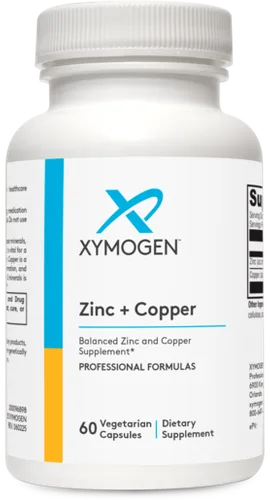
XYMOGEN Zinc + Copper Review
We don’t sell supplements. We help you make decisions and get the best price.
Lowest prices
We may earn a commission from some store links. How we choose.
Finding the lowest prices at the stores now. This takes a few seconds.
Products with nearly the same formula (Matched on the main ingredients)
Study, Trial or Testing Result Summary
Members Only21 human studies · 14 improved
Zinc, at the full studied dose of 30 mg a day, has the strongest support here, mainly for premenstrual syndrome. Two 2025 analyses pooling several placebo-controlled trials found zinc eased total, emotional and physical premenstrual symptoms, including anger, anxiety and insomnia [1][2]. In 60 young women, 30 mg of zinc daily for 12 weeks reduced physical and psychological symptoms compared with placebo [3]. In 142 women, a higher dose of 50 mg taken in the second half of each cycle for three months cut moderate to severe premenstrual syndrome sharply and improved quality of life [4]. A much higher dose over 24 weeks also reduced mood and physical symptoms in university students [5]. After menopause, zinc vaginal pessaries, not pills, eased dryness and pain [6]. Copper, at 2 mg, has very little human evidence for this goal. Blood copper was similar in women with and without premenstrual tension [7], a review found too little data to link copper to ovarian aging [8], and the other studies tested hormone therapy or copper coils, not copper supplements [9][10]. Animal and cell studies are never counted.
See all 21 studies →Hide the studies
- Pooling five randomized trials, young women with premenstrual syndrome taking zinc had significantly better physical and emotional symptoms than those on placebo, including less anger, anxiety and insomnia.A systematic review and meta-analysis examining the role of zinc supplementation in ameliorating physical and psychologi…
- Pooling four to five randomized trials, zinc supplements reduced total premenstrual symptom scores, emotional symptoms and physical symptoms in women of reproductive age, though trials were few and varied.Effect of zinc supplementation on premenstrual symptoms: A systematic review and meta-analysis.
- A review of 31 randomized trials of nutrition treatments for premenstrual syndrome in 3,254 women found zinc, vitamin B6 and calcium consistently improved psychological symptoms, though most studies had a high risk of bias.Effect of nutritional interventions on the psychological symptoms of premenstrual syndrome in women of reproductive age:…
- A review of 11 controlled trials in pre-menopausal women found three controlled studies suggesting zinc helps depressive symptoms, though better trials are needed.Increasing iron and zinc in pre-menopausal women and its effects on mood and cognition: a systematic review.
- A review of 36 randomized trials in women found zinc improved insulin resistance and blood fat balance in polycystic ovary syndrome and seemed to reduce period pain, with little known about endometriosis or after menopause.The Role of Zinc in Selected Female Reproductive System Disorders.
- A review of 26 mostly observational studies on nutrition and ovarian aging found only one study linking blood zinc and copper levels to ovarian reserve, so evidence for copper specifically is very limited and no firm conclusions could be drawn.Current Evidence on Associations of Nutritional Factors with Ovarian Reserve and Timing of Menopause: A Systematic Revie…
- In 142 women aged 20-35 with premenstrual syndrome, 50 mg of elemental zinc from zinc sulfate taken in the second half of each cycle for three months cut moderate to severe premenstrual syndrome from 9.5% to 2.6% and improved quality of life, while placebo did not.Effect of zinc sulfate supplementation on premenstrual syndrome and health-related quality of life: Clinical randomized …
- In 69 female university students with premenstrual syndrome, 220 mg of zinc daily for 24 weeks reduced anger, anxiety, depressed mood, bloating, headaches and other symptoms compared with placebo.The Effect of Zinc Supplementation on the Improvement of Premenstrual Symptoms in Female University Students: a Randomiz…
- In 60 young women with premenstrual syndrome, 30 mg of zinc gluconate for 12 weeks reduced physical and psychological symptoms and raised antioxidant capacity and a brain growth factor versus placebo, with no change in an inflammation marker.Effect of Zinc Supplementation on Physical and Psychological Symptoms, Biomarkers of Inflammation, Oxidative Stress, and…
- In 60 young women with premenstrual syndrome, 30 mg of zinc a day for 12 weeks improved the physical part of quality of life compared with placebo, but overall quality of life was not significantly different and sleep only marginally improved.Effect of zinc supplementation on quality of life and sleep quality in young women with premenstrual syndrome: a randomi…
- In 51 postmenopausal women, 50 mg of zinc a day for 8 weeks improved vitamin D3 status, and zinc levels were linked to lower leptin.Effectiveness of eight-week zinc supplementation on vitamin D3 status and leptin levels in a population of postmenopausa…
- In 51 postmenopausal women, 50 mg of zinc a day for 8 weeks raised folate and lowered homocysteine compared with placebo, while vitamin B12 changed the same in both groups.Effect of zinc supplementation on circulating concentrations of homocysteine, vitamin B12, and folate in a postmenopausa…
- In 51 postmenopausal women who started with low zinc, 8 weeks of zinc improved zinc status, and higher red blood cell zinc was linked to better antioxidant defenses.Erythrocyte Zn concentration and antioxidant response after supplementation with Zn in a postmenopausal population. A do…
- In a double-blind trial of 50 postmenopausal women, zinc-containing vaginal pessaries used nightly for 14 nights improved vaginal dryness, pain, burning and other genital symptoms more than placebo pessaries.Effect of zinc-containing pessaries on menopausal genitourinary syndrome, a double-blind randomised trial.
- In 48 postmenopausal women with type 2 diabetes, 40 mg of zinc daily for 12 weeks did not significantly change blood sugar, insulin resistance or HbA1c compared with placebo.Zinc transporter gene expression and glycemic control in post-menopausal women with Type 2 diabetes mellitus.
- In 45 postmenopausal women taking estrogen for 3 months, oral conjugated estrogen raised blood copper and free radical markers, while transdermal estradiol lowered free radical markers.Hepatic Effects of Estrogen on Plasma Distribution of Small Dense Low-Density Lipoprotein and Free Radical Production in…
- In postmenopausal women in Indonesia and the Philippines, a milk drink fortified with calcium, vitamin D, magnesium and zinc over 4 months improved vitamin D status and lowered parathyroid hormone and bone turnover markers compared with placebo; the effect of zinc alone was not separated out.The effect of a fortified milk drink on vitamin D status and bone turnover in post-menopausal women from South East Asia…
- In women using copper intrauterine devices, the amount of copper released was linked to lower estrogen and progesterone receptor levels in the uterine lining, and these changes were temporary, fading after a year of use.The effect of copper ions in vivo on specific hormonal endometrial receptors.
- In 32 postmenopausal women, 15 mg of zinc sulfate daily for 2 weeks did not significantly change serum estrogen or progesterone compared with no treatment.The effect of low dose zinc supplementation to serum estrogen and progesterone levels in post-menopausal women.
- In a pilot study of 37 postmenopausal women with vaginal symptoms, a zinc-containing vaginal gel used daily for 2 weeks improved vaginal health scores and reduced dryness, burning and pain, with few side effects; there was no control group.Zinc-containing Vaginal Moisturizer Gel Improves Postmenopausal Vulvovaginal Symptoms: A Pilot Study.
- Blood copper levels were similar in 40 women with premenstrual tension syndrome and 20 controls, while magnesium levels were lower in the syndrome group.Plasma copper, zinc and magnesium levels in patients with premenstrual tension syndrome.
Review Totals and Summary
Members Only1,200 reviews · 93% positive
Extensive customer reviews and qualitative feedback are currently being aggregated for this product. Check back soon for a detailed sentiment analysis.
Biohacker Summary
Members Only0 of 10 recommend it
Zinc is the main ingredient, and all ten panelists spoke about it, with most recommending it or saying they use it. They take it for immune support, testosterone and male fertility, wound healing, and gut lining support, and several say it helps most when someone is low in zinc. One panelist takes 15 mg in the morning for longevity, another suggests 30 mg for men preparing for IVF, and others pair it with vitamin C, magnesium, or copper. One panelist warns that taking too much zinc can lead to a copper deficiency, and another says zinc beats meds on safety data for cardio respiratory risk. Copper is a smaller ingredient in this product, and the panel mentions it mainly as a mineral to keep in balance with zinc, with one panelist taking 2 mg in the morning.
See all 10 biohackers →Hide the biohackers
Dr. Eric Berg · Zinc · recommends
- Recommends zinc as a trace mineral, noting that modern farming practices deplete it from the soil, leading to low levels in crops.
- Notes that white spots on nails point to zinc deficiency, which is usually depleted by eating sugar and refined carbs.
- States that zinc greatly supports natural killer cells.
- States that zinc is needed to absorb magnesium.
- Recommends ensuring sufficient zinc intake because the prostate needs enough zinc for the conversion from testosterone to DHT to be smooth and optimized.
- Identifies zinc as an essential mineral for building hair, and that deficiency in it leads to a high risk for hair loss.
- Recommends taking zinc carnosine for an ulcer or some type of gastric problem.
- Emphasizes the importance of zinc for decreasing viral replication and recommends taking 40 to 60 mg every single day.
- Notes that birth control pills deplete the body of zinc, which is needed for the brain to make serotonin.
- Added zinc to his creatine product because a deficiency in zinc might make creatine not work as well.
- Added copper to his creatine product because a deficiency in copper might make creatine not work as well.
- Mentions that grass-fed liver is loaded with copper.
- Warns that high amounts of copper can be toxic.
- Copper is essential for brain function, immune health, and connective tissue, but too much can become harmful.
Dr. Rhonda Patrick · Zinc · neutral
- Mentions that getting too little zinc may play a role in declining testosterone levels, and that zinc helps the body make testosterone.
- Notes that not getting enough zinc can affect testosterone, as zinc is very important for testosterone synthesis.
- Recommends men take a 30 milligram zinc supplement for sperm health when preparing for IVF.
- Discusses findings from a meta-analysis on zinc supplementation, noting it improved insulin resistance, inflammation, and oxidative stress in people with diabetes or prediabetes, and explains its biological role in the pancreas.
- Recommends nutrients like zinc for men to prioritize sperm mitochondrial health.
- Recommends Zinc, stating it is a critical mineral required for testosterone production and that supplementation corrects deficiency-related low testosterone.
- Recommends correcting deficiencies in zinc to directly increase total testosterone by up to 100+ ng/dL.
- Recommends focusing on zinc to optimize testosterone and hormone health generally, noting that it supports luteinizing hormone production, which stimulates testosterone synthesis and conversion to dihydrotestosterone.
- Recommends zinc as one of the most reliable natural supplements for boosting testosterone if one is deficient, noting it's part of the ZMA combination.
- Recommends increasing intake of zinc if one regularly drinks alcohol.
Andrew Huberman · Zinc · neutral
- Notes that AG1 Pro contains zinc carnosine to support and improve the lining of the gut.
- Zinc carnosine to support and improve the lining of your gut.
- Notes that AG1 Pro contains zinc carnosine to support and improve the lining of the gut.
- States that AG1 Pro contains zinc carnosine to support and improve the lining of the gut.
- Uses AG1 Pro, which contains zinc carnosine to support and improve the lining of the gut.
- States that AG1 Pro contains zinc carnosine to support and improve the lining of the gut, and he was already taking some of these ingredients separately.
- States that AG1 Pro includes zinc carnosine, which he was already taking separately, to support and improve the lining of the gut.
- Personally takes zinc carnosine, which is included in AG1 Pro to support and improve the lining of the gut.
- AG1 Pro has zinc carnosine to support and improve the lining of your gut. Some of these ingredients I personally was already taking separate from the AG1 formula.
- States that AG1 Pro contains zinc carnosine to support and improve the lining of your gut.
- Mentions that copper hits cytochrome 5 in the mitochondrial electron transport chain, contributing to energy production.
- Mentions that the copper IUD is different from progestin-laced IUDs, as it can cause really heavy bleeding for the first three cycles before attenuating.
- Warns that ingesting too much copper can induce an inflammatory response, leading to the opposite of the desired effect for skin aging, and advises against supplementing with excessive amounts.
- Clarifies that the copper IUD, which prevents pregnancy by creating an unfavorable environment for sperm rather than disrupting ovulation, will not extend perimenopause or menopause.
Ben Greenfield · Zinc · warns
- Ben Greenfield's formulation includes 30 grams of zinc a day, taken for one week before surgery and two weeks after, as it is an important cofactor for wound healing.
- Mentions that overshooting zinc can lead to a copper deficiency, highlighting the interplay between these elements.
- Emphasizes that zinc sufficiency is crucial for immunity because the thymus-derived peptide thymulin, which trains lymphocytes, requires zinc to be active.
- Recommends adding zinc into one's stack because it is a co-factor for enzymes involved in testosterone synthesis and sperm maturation, and zinc deficiency is a reproducible cause of low sperm count.
- He mentions zinc as a supplement with real human data behind it for male fertility.
- Zinc may support both testosterone and sperm count.
- Says Formula IQ CopperIQ Serum has stayed in their routine to close out summer strong.
- Warns that he was taking so much zinc without realizing it because it was in five different things he was taking, and he couldn't pinpoint the problem.
- Recommends supplementing with zinc if deficient, as multiple trials show significant symptom reduction of tinnitus in zinc-deficient individuals.
- Notes a new study indicating that zinc is a core dietary antioxidant closely associated with a reduced risk of accelerated biological aging.
- Recommends using hormone building blocks like zinc for hormone optimization.
- Explains that copper plays a role in helping the body use iron properly, mobilizing iron, supporting red blood cell formation, and playing an important role in oxygen delivery throughout the body.
- Copper is a trace mineral involved in mitochondrial energy production, iron metabolism, connective tissue formation, and the antioxidant enzyme copper-zinc superoxide dismutase (Cu/Zn SOD), which helps regulate oxidative stress.
- Advises taking the GI Repair Formula away from food for best results, unless zinc causes nausea.
Dr. Mark Hyman · Zinc · neutral
- Explains that zinc is important for the body's repair crew, helping to heal damaged tissue, and a deficiency can lead to cuts and wounds taking longer to heal.
- Gave a patient with psoriatic arthritis a little zinc, which contributed to significant improvement in her condition.
- Recommends ensuring adequate zinc intake on a regular basis for immune support, noting some data on zinc lozenges for early cold.
- Recommends correcting nutrient deficiencies with zinc.
- Recommends nutrient-dense foods rich in zinc, such as pumpkin seeds and oysters, to reduce inflammation.
- Used zinc as part of a protocol to rebuild the gut microbiome and heal the gut of a nine-year-old girl with severe behavioral issues.
- Notes that zinc supports immune health, helps wounds heal, and plays a key role in growth and tissue repair, and they measure it.
- Mentions zinc is needed for phase one liver functions and inflammation.
- Mentions copper is needed for superoxide dismutase.
- Notes that birth control drains zinc.
- Recommends zinc for immune system support and modulation.
- Mentions copper as a cofactor that helps feed the DAO enzyme, which is important for histamine breakdown.
- Notes that both high and low copper levels are common toxins seen in standard psychiatric practice, with high copper contributing to irritability associated with depression.
- Recommends copper for wound healing and includes it in supplements for patients before and after surgery.
Thomas DeLauer · Zinc · uses
- Adds zinc to their immunity duo because it helps them absorb vitamin C, considering the two together a fantastic combination for fall and winter.
- Recommends zinc, noting it is a cofactor for enzymes that build neurotransmitters, and deficiency can affect mood, happiness, and motivation.
- Mentions that more zinc could be beneficial for testosterone, but it's not working on the axis that most people need help with.
- Compares zinc content, noting salmon has under 1mg while oysters have 74mg per 100g, a 70x difference.
- Recommends keeping zinc levels topped off because it is a critical cofactor for over 300 enzymes and is important for immune cells, testosterone, and wound healing.
- Recommends 15 mg of supplemental zinc if oysters are not realistic, but emphasizes that food source zinc is better as it comes with natural cofactors like copper and selenium.
- Recommends getting zinc, along with vitamin D, magnesium, and calcium, from foods like sardines, as they are important for inflammatory pathways in the gut.
- Explains that zinc is a structural cofactor for an enzyme crucial in testosterone production, and a marginal deficiency is a reversible cause of suppressed testosterone. He recommends getting zinc through pumpkin seeds.
- Explains that zinc is a required cofactor for the 5-alpha reductase enzyme, which converts testosterone into its more potent form, DHT, and that zinc deficiency can impair this conversion.
- Recommends ensuring adequate zinc intake for skin healing and immune response, especially for heavy sweaters or those consuming high phytate foods.
- Recommends balancing zinc supplementation with copper, suggesting a 10 to 1 zinc to copper ratio to prevent zinc from lowering copper absorption.
- Advises that if supplementing with zinc, it must be paired with copper, ideally in an 8:1 or 10:1 zinc to copper ratio, to maintain mineral balance and prevent fatigue, low mood, and weakness from low copper.
- Recommends copper-rich foods to help with the overall energy process.
- Explains that high zinc intake can lead to copper deficiency because a protein called metallothionein, upregulated by zinc, binds to copper and prevents its absorption.
Dave Asprey · Zinc · uses
- Developed a nonnano zinc sunscreen over five years, stating her skin is probably better now than it's ever been.
- Emphasizes the importance of having enough zinc before trying advanced longevity strategies like peptides.
- Emphasizes the importance of having enough copper before trying advanced longevity strategies like peptides.
- Suggests that zinc has better safety and protective data than meds for reducing cardio respiratory risk.
- Dave Asprey mentions that he will discuss copper in the episode.
- Advises that if someone has a goal, they should probably do simple things like getting more zinc if it helps their goal before using peptides.
- Recommends zinc for muscle and bone formation, stating that without it, the body cannot effectively build muscle and bone even with exercise and protein intake.
- Dave Asprey mentions zinc as a supplement and cofactor that supports thyroid activation.
- Recommends zinc as a cofactor that can help thyroid function, especially with conversion issues.
- Argues that if you are lacking zinc, ESS60 will not work as well.
- Recommends Auro's copper tripeptide serum as an effective way to deliver copper topically to hair and skin, bypassing the trade-off between strong energy and aging markers.
- Recommends adequate zinc for healthy DHT signaling.
- States that he genetically needs a ton of zinc for his mitochondria to work, and if he doesn't take enough, his mitochondria don't work.
- Uses Aro copper tripeptide serum, specifically on his hair, and is noticing a color shift, with less gray than before. He also uses it for wrinkles and believes it helps with hair.
Siim Land · Zinc · recommends
- States that deficiencies in nutrients such as zinc can impair normal immune regulation.
- Mentions that copper is a mineral necessary for making collagen.
- Explains that zinc raises testosterone only if zinc status or testosterone levels are low, and can reduce the duration and severity of colds and flu, and lower blood sugar and lipids if zinc status is low.
- States that fixing zinc deficiency can double testosterone if low testosterone is due to zinc deficiency.
- States that zinc has strong evidence for increasing testosterone, but only if one has low zinc status.
- States that zinc deficiency is observed in children with premature graying of hair.
- Mentions that copper deficiency is found in children with premature graying of hair and that gray hair can be due to copper deficiency.
- Warns that supplementing 250 mg of zinc sulfate, which provides 55 to 60 mg of elemental zinc, is above the tolerable upper limit and can cause side effects like reduced copper absorption, anemia, immune dysfunction, GI stress, abdominal pain, diarrhea, and a metallic taste.
- Rates Copper peptide GHK four out of five, stating current evidence suggests topical application might have skin anti-aging effects, improving skin density, thickness, and reducing wrinkles, and also supports wound healing and hair growth.
- Recommends copper peptide GHK for skin anti-aging, stating it supercharges collagen production when paired with red LED light and has standalone benefits, improving collagen synthesis and reducing wrinkle volume and depth.
- States that zinc helps with immunity, wound healing, and testosterone levels, acknowledging its importance as a mineral and placing it in the 'good tier' despite not personally finding much value from it.
- States that topical copper peptide GHK works better than oral GHK for skin benefits.
- Explains that copper is important for hemoglobin status because ceruloplasmin, a copper-carrying protein, increases iron absorption and hemoglobin production, and that anemia could be due to copper deficiency rather than iron deficiency.
- States that Copper peptide GHK is a powerful skin anti-aging peptide that boosts collagen synthesis, supports wound healing, hair follicle growth, fibroblast growth, and improves skin wrinkles, and can be used topically.
Bryan Johnson · Zinc · uses
- Takes 15 mg of Zinc in the morning for longevity.
- Takes 15 mg of Zinc in the morning.
- Takes 15 mg of Zinc in the morning for longevity.
- Takes 2 mg of Copper in the morning for longevity.
- Bryan Johnson's baseline measurements showed low zinc, which was easy to fix by adjusting her protocol and supplements.
- Recommends adequate Zinc for hair health, noting it is in the Blueprint stack.
- Bryan uses a copper pillowcase as part of his curated sleep environment.
Peter Attia · Zinc · recommends
- Suggests that zinc and magnesium could potentially help with vasodilation and sleep, particularly for women experiencing severe symptoms in the luteal phase.
- Discusses the AREDS formula, which initially included C and beta-carotene with zinc and copper, and later replaced beta-carotene with lutein and zeaxanthin, showing it could delay or reduce the conversion of mild to severe macular degeneration.
- Discusses the AREDS formula, which initially included C and beta-carotene with zinc and copper, and later replaced beta-carotene with lutein and zeaxanthin, showing it could delay or reduce the conversion of mild to severe macular degeneration.
- Explains that for Wilson's syndrome, which can lead to liver failure, the treatment given to children is zinc, which is inexpensive and effective in outcompeting copper to prevent overload.
- Uses a new irrigant called ZinC and Gent because they are very worried about prosthetic infection.
- Discusses the AREDS formula, which includes C, E, beta-carotene, zinc, and copper, and later lutein and zeaxanthin instead of beta-carotene. Studies showed it could delay or reduce the conversion of mild to severe macular degeneration but had no effect on severe disease or preventing it in healthy individuals.
- Discusses the AREDS formula, which includes C, E, beta-carotene, zinc, and copper, and later lutein and zeaxanthin instead of beta-carotene. Studies showed it could delay or reduce the conversion of mild to severe macular degeneration but had no effect on severe disease or preventing it in healthy individuals.
- Mentions that a survey of doctors showed they recommend Zinc for COVID-19, but notes there is no real evidence behind it.
- Mentions zinc pyrithione as a treatment protocol for dandruff, which addresses malassezia yeast overgrowth in the scalp.
RAL Summary
Members OnlyTier 2 for Hormone Balance for Women
Two pooled analyses and several placebo-controlled trials show zinc at or near this product's 30 mg dose eases premenstrual symptoms, and 93 percent of 1200 reviews are positive, which meets the rules for tier 2.
Where the evidence disagrees: 4 of the 21 human studies found no effect.
More Details
Members OnlyBody systems · Combine with · Possible side effects
Body systems: Reproductive system, Endocrine system, Nervous system
Combine with: Combine with a healthy diet and lifestyle.
Possible side effects: No major side effects reported.
Supplement Facts
Zinc 30 mg · Copper 2 mg
| Zinc | 30 mg | |
| Copper | 2 mg |
Other ingredients: Capsule (hypromellose and water), microcrystalline cellulose, ascorbyl palmitate, hydroxypropyl cellulose, and silica.
Directions: Take 1 capsule daily, or use as directed by your healthcare professional.
Barcode (UPC) 722537513029 · Label source: Reverseagelab · Report a label change
Show entire label

More hormone balance for women products
Members OnlyThe highest ranked for the same goal
Read more
Our articles on this subject
- What Supplements and Vitamins Should Not Be Taken TogetherArticle · Sep 7, 2026
- Supplement Redundancy: How to Find the Ingredients You Are Taking Twice, and Why It MattersArticle · Oct 13, 2026
Graded November 10, 2026 by the Reverse Age Lab evidence engine, from human studies, real reviews and our biohacker panel. How we grade. Is this medical advice? No. Rala organizes the published evidence; go over any change with your doctor, especially if you take meds.
Privacy policyConsumer health dataAffiliate disclosureTermsDo Not Sell or Share My Personal InformationCookie settings