
Protein: benefits by goal, the dosage that worked, and the supplements ranked
What the 68 human studies of protein we graded show for each goal, the dose that worked, and the products that hold it. This page is educational, not medical advice.
Protein benefits, by goal: what the studies show
Members OnlyThe top 1 of 1 goals
| Goal | What the studies show | Studies | Dose that worked |
|---|---|---|---|
| Muscle and Strength | Improved in studies 68 studies, 23 showed an improvement, 19 found none, 16 pooled analyses | 68 | 1.5 g |
Protein supplements, ranked by the human studies
Members OnlyThe top 1 of 1
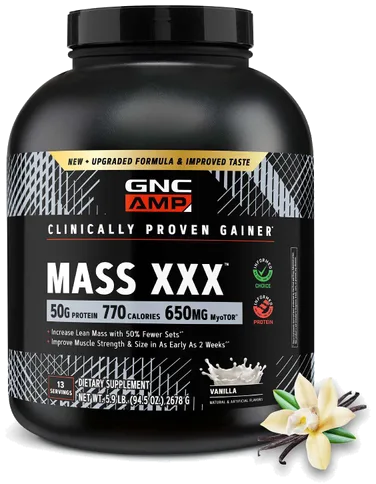
Protein dosage: how much per day
The dose that worked in the studies, and the upper limit
The studies taken by mouth that showed an improvement gave 1.5 to 45 g a day.
Biohacker panel
Members OnlyWhat our 10 biohackers say about protein
Read more
Our articles on protein
- Diet and Insulin Resistance: A Comprehensive GuideArticle · Sep 11, 2026
- Layne Norton's Supplement Stack, Reviewed: The Three-Item Core, What He Refuses to Take, and What the Evidence SupportsArticle · Oct 2, 2026
- Natural Ways to Lose Weight: A Science-Backed Holistic ApproachArticle · Jun 15, 2026
In the news
New studies of protein
Questions people ask
Members OnlyAnswered from the figures on this page
What is protein good for?
By the human studies we graded, protein shows an improvement for muscle and strength.
Protein for muscle and strength: what do the studies show?
In the human studies of protein we graded for muscle and strength: 68 studies, 23 showed an improvement, 19 found none, 16 pooled analyses. The dose that worked: 1.5 g a day.
How much protein per day?
The studies taken by mouth that showed an improvement used 1.5 to 45 g a day.
When should I take protein?
The label of the one protein product we graded says to take it in the morning and before or after exercise.
Can I take protein with my meds?
Some supplements can change how meds work or are absorbed. Members have every product checked against the meds in their Health Profile before it joins their protocol.
Educational, not medical advice. Figures come from the human studies on PubMed we have graded; a study counts for a form when it names the form it used. Updated as new studies arrive. How we grade →
Privacy policyConsumer health dataTermsDo Not Sell or Share My Personal InformationCookie settings