
AB American Biologics Ultra Hepa Trope II Review
Ultra Hepa Trope II is a liver performance nutrient supplement sold by AB American Biologics, listed in the Dietary Supplement Label Database with DSLD ID 203820. The label describes it as a vegetarian capsule product with a net content of 120 vegetarian capsules (4.23 oz, 120 grams). The suggested use is 4 capsules per day with meals, which equals one serving, and each container holds 30 servings. Each serving supplies Vitamin B6 as pyridoxine hydrochloride, magnesium as magnesium glycinate, and molybdenum as sodium molybdate, along with Siliphos milk thistle extract, alpha-lipoic acid, trimethylglycine, glutathione, NAC, glycine, glutamine, taurine, and dandelion root concentrate. The label states the product is free of gluten, yeast, wheat, corn, dairy, sugar, starch, and artificial coloring or flavoring, and it is classed for adults. The maker says the formula was designed to nutritionally support the body's renewal of liver tissue and was formulated by Parris M. Kidd, PhD. The product is manufactured in the USA exclusively for American Biologics in Chula Vista, California. The label carries the standard FDA disclaimer that the statements have not been evaluated by the Food and Drug Administration and that the product is not intended to diagnose, treat, cure or prevent any disease. Storage is in a cool, dry place, and the label advises keeping the product out of the reach of children. Pregnant or nursing mothers are told to consult a physician before use.
We don’t sell supplements. We help you make decisions and get the best price.
Lowest prices
We may earn a commission from some store links. How we choose.
Finding the lowest prices at the stores now. This takes a few seconds.
Study, Trial or Testing Result Summary
Members Only213 human studies · 91 improved
45 of these 213 human studies gave the ingredient by drip or injection, not by mouth.
Silymarin, the milk thistle extract in Siliphos, is the best-supported ingredient here at a full dose: a pooled analysis of 55 trials in people with liver injury found it lowered two main liver enzymes [1], and silybin with phosphatidylcholine and vitamin E improved liver enzymes and liver tissue in fatty liver over 12 months [2]. Older reviews found no change in deaths or liver tissue, though most of those trials were low quality [3]. N-acetylcysteine helps mainly in hospital care of serious liver failure [4], but 2400 milligrams a day by mouth did not improve fatty liver [5]. Taurine at 2 grams a day lowered liver enzymes after liver transplant [6]. Alpha-lipoic acid did not change liver enzymes in a pooled analysis of fatty liver trials [7]. Trimethylglycine lowered liver enzymes at 2 grams or more a day [8], but betaine alone did not in a pooled analysis [9]. Magnesium is below the studied dose and showed no clear liver benefit [10]. Glycine was studied at a dose based on body weight, far above this amount, and without a placebo group [11]. Dandelion was tested only inside a multi-herb formula [12]. Vitamin B6 alone did not help in cirrhosis [13]. Animal and cell studies are never counted.
See all 213 studies →Hide the studies
- Across 52 trials of 5121 people with severe alcohol-related hepatitis, adding N-acetylcysteine to meds improved 28-day survival compared with meds alone, though the certainty of the evidence was low to moderate.Pharmacological Strategies for the Management of Severe Alcohol-associated Hepatitis: A Systematic Review and Meta-Analy…
- Across 55 randomized trials with 3,545 patients with liver injury, silymarin lowered liver enzymes AST and ALT but not ALP, with larger effects at doses under 400 mg and treatment of 2 months or less.Are alterations needed in Silybum marianum (Silymarin) administration practices? A novel outlook and meta-analysis on ra…
- Across 24 trials of 1,825 people with advanced digestive system cancers, adding sodium cantharidinate with vitamin B6 injection to usual care improved treatment response and eased chemotherapy side effects, including liver toxicity and abnormal liver enzymes.Efficacy and safety of sodium cantharidinate and vitamin B6 injection for the treatment of digestive system neoplasms: a…
- Across 30 trials of 1,201 people with severe acute pancreatitis, glutamine lowered deaths, complications and hospital stay, and helped restore liver function, with higher serum albumin and lower inflammation (C-reactive protein) than conventional nutrition.Efficacy of Glutamine in Treating Severe Acute Pancreatitis: A Systematic Review and Meta-Analysis.
- In 18 randomized trials with 1,088 patients with alcoholic or hepatitis B or C liver disease, milk thistle did not significantly change overall death, liver complications or liver tissue findings, and the trials were mostly low quality.Milk thistle for alcoholic and/or hepatitis B or C virus liver diseases.
- In 13 randomized trials with 915 patients with alcoholic or hepatitis B or C liver disease, milk thistle did not significantly change overall death, liver complications or liver tissue findings, and the trials were mostly low quality.Milk thistle for alcoholic and/or hepatitis B or C virus liver diseases.
- In seven studies of 883 people with acute liver failure not caused by a med, those given N-acetylcysteine had better overall survival, transplant-free survival and post-transplant survival, and shorter hospital stays than controls.Read the study on PubMed (33654365) →
- In 8 randomized trials with 587 people with fatty liver disease, silymarin lowered liver enzymes AST and ALT more than control treatments.The therapeutic effect of silymarin in the treatment of nonalcoholic fatty disease: A meta-analysis (PRISMA) of randomiz…
- In 5 randomized trials with 549 adults, the berberine and silymarin combination produced no significant change in liver enzymes ALT or AST.Effects berberine-silymarin on liver enzymes: A systematic review and meta-analysis of randomized controlled trials.
- In 7 trials of 501 liver transplant patients, nutrition support including glutamine lowered the liver enzyme AST, infections and hospital stay, but did not change ALT, bilirubin, deaths or rejection.Peri-operative immunonutrition in patients undergoing liver transplantation: a meta-analysis of randomized controlled tr…
- In 4 placebo-controlled trials with 491 people with abnormal blood fats over about 3 months, the combination did not raise liver enzymes, so it looked safe for the liver, though it was studied mainly for cholesterol.The Effects of a Fixed Combination of Berberis aristata and Silybum marianum on Dyslipidaemia - A Meta-analysis and Syst…
- Across seven randomized trials of 414 people with fatty liver disease, alpha-lipoic acid did not change liver enzymes, blood fats, blood sugar measures or body measures compared with placebo.Effects of alpha-lipoic acid supplementation on patients with nonalcoholic fatty liver disease: a systematic review and …
- In five trials of 388 people having liver surgery, N-acetylcysteine lowered next-day lactate but did not change liver enzymes, clotting, hospital stay, transfusions or complications.Systematic review and meta-analysis of the effect of N-acetylcysteine on outcomes after liver resection.
- In two trials of 183 adults and 174 children with acute liver failure not caused by paracetamol, N-acetylcysteine had inconclusive effects on death and liver transplant compared with placebo, with low-certainty evidence.Read the study on PubMed (33294991) →
- In the one trial of 34 stem cell transplant patients testing glutamine against placebo, no one in either group developed liver vein blockage disease, so there was no evidence of benefit.Interventions for prophylaxis of hepatic veno-occlusive disease in people undergoing haematopoietic stem cell transplant…
- Across 78 randomized trials, magnesium supplementation (most trials used 300 mg or more daily) did not significantly change the liver enzymes ALT or AST, though it modestly improved blood sugar, cholesterol, blood pressure and interleukin-6.Comprehensive Effects of Magnesium Supplementation on Cardiometabolic Risk Factors: A Systematic Review and Dose-Respons…
- A pooled analysis of trials of betaine supplementation found no effect on liver enzymes (ALT, AST, and GGT), though it lowered homocysteine and raised total and LDL cholesterol.Effects of betaine supplementation on cardiovascular markers: A systematic review and Meta-analysis.
- In six studies of paracetamol poisoning, a two-bag acetylcysteine regimen protected the liver as well as the three-bag regimen while causing far fewer allergic-type and other side effects.Comparison of two-bag and three-bag acetylcysteine regimens in the treatment of paracetamol poisoning: a systematic revi…
- Pooling 12 trials of mostly people with liver or metabolic problems taking 0.5 to 6 grams of taurine daily for 15 days to 6 months, taurine lowered blood pressure, total cholesterol and triglycerides but did not change blood sugar, weight or HDL and LDL cholesterol.The effects of taurine supplementation on obesity, blood pressure and lipid profile: A meta-analysis of randomized contr…
- Across 34 studies of 19,580 people with a med overdose, N-acetylcysteine reduced liver damage and deaths, especially when started within 8 to 24 hours of the overdose.Read the study on PubMed (36034775) →
- In 13 randomized trials of medicinal herbs for hepatitis C with 818 people, silybin lowered AST and a liver enzyme called gamma-glutamyltranspeptidase in one trial, but there was no firm evidence supporting herbs overall.Medicinal herbs for hepatitis C virus infection: a Cochrane hepatobiliary systematic review of randomized trials.
- In 11 small, high-risk-of-bias trials of 700 people with paracetamol overdose, acetylcysteine appeared better than placebo and one small trial found lower death rates in fulminant liver failure, but the evidence was low quality.Read the study on PubMed (29473717) →
- A review of ten trials with 517 people with hepatitis C found no firm evidence that medicinal herbs work, though one short trial of a silybin preparation lowered two liver enzymes compared with placebo.Medicinal herbs for hepatitis C virus infection.
- In 13 studies of 506 people with mushroom amatoxin poisoning treated with N-acetylcysteine plus other therapies, 11% died and treatment appeared safe, though there was no comparison group.N-acetylcysteine as a treatment for amatoxin poisoning: a systematic review.
- Review found only one trial, in 173 people with liver failure not caused by paracetamol: survival at 3 weeks was similar with N-acetylcysteine or placebo, but survival without needing a transplant was higher with N-acetylcysteine, and evidence was too limited for firm conclusions.N-acetylcysteine for non-paracetamol drug-induced liver injury: a systematic review.
- A review of 25 case reports, case series and retrospective studies covering 140 children with drug-induced liver injury found that a combination including reduced glutathione was used in 31 children, but the evidence was too weak to show whether it works.Read the study on PubMed (36006605) →
- In 49 patients with a rare inherited B6-responsive seizure disorder treated with active vitamin B6, liver toxicity was the most common side effect, affecting 10 patients (20.4%), possibly linked to high doses.Effectiveness of Pyridoxal-5'-Phosphate in PNPO Deficiency: A Systematic Review.
- In a review of 16 studies, metadoxine (a compound of pyroglutamic acid and vitamin B6) improved liver function after chronic alcoholism in 4 of 5 studies and appeared safe.Pharmacology, Systematic Review and Recent Clinical Trials of Metadoxine.
- A review of 59 observational studies found evidence for vitamin B6 and fatty liver disease was inconsistent, though often suggesting a lower risk with higher B6, and certainty was very low.B vitamins and metabolic dysfunction-associated steatotic liver disease (MASLD): a systematic review of observational st…
- A review of 8 magnesium studies found that magnesium deficiency may raise the risk of alcohol-related liver injury, but there is not enough evidence to support magnesium supplements except in people who are truly deficient.The Role of Micronutrients in the Pathogenesis of Alcohol-Related Liver Disease.
- A review of seven trials in chronic viral hepatitis found silymarin probably lowers liver enzymes but does not appear to change viral load or liver tissue damage.Silymarin treatment of viral hepatitis: a systematic review.
- In 19 blinded trials, silymarin lowered AST in alcoholic liver disease and liver-related deaths in cirrhosis compared with placebo, but showed no clear benefit in viral hepatitis or toxic liver disease and no change in total deaths.An updated systematic review with meta-analysis for the clinical evidence of silymarin.
- This review of treatments for paracetamol poisoning included N-acetylcysteine among several treatments, but the abstract does not report its results on liver damage.Read the study on PubMed (19450343) →
- This overview of treatments for paracetamol poisoning covered acetylcysteine among six treatments, but the abstract gives no results for acetylcysteine and liver outcomes.Read the study on PubMed (26479248) →
- Review of three studies (two randomized trials) in people having part of the liver removed found no significant difference in overall complications with N-acetylcysteine, with more mild liver failure in one study and more delirium in another, so routine use is not supported.Current evidence for the use of N-acetylcysteine following liver resection.
- In 29,450 healthy adults in China who took vitamin C plus molybdenum or placebo daily for about 5 years, liver cancer deaths were not significantly different overall, though there was a borderline reduction in men.Chemoprevention of primary liver cancer: a randomized, double-blind trial in Linxian, China.
- In 370 tuberculosis patients taking silymarin or vitamin C alongside their treatment, silymarin did not prevent drug-related liver injury and under a stricter definition the risk of possible liver injury was higher.Preventive use of a hepatoprotectant against anti-tuberculosis drug-induced liver injury: A randomized controlled trial.
- In 216 patients starting chemotherapy for stomach or bowel cancer, magnesium isoglycyrrhizinate cut liver abnormalities to 10.5% versus 27.3% with glutathione.[Magnesium isoglycyrrhizinate prevention of chemotherapy-induced liver damage during initial treatment of patients with …
- In 214 cirrhosis patients with variceal bleeding, 72 hours of intravenous N-acetylcysteine plus standard care reduced ischemic hepatitis, kidney injury, and deaths from liver failure compared with standard care alone.Utility of N-acetylcysteine in ischemic hepatitis in cirrhotics with acute variceal bleed: a randomized controlled trial…
- In 212 prediabetic adults, 210 mg twice daily of silymarin for 6 months with a Mediterranean diet lowered HbA1c more than diet alone, and both groups showed less liver fibrosis.Lifestyle and silymarin: a fight against liver damage in NAFLD associated - prediabetic disease.
- In 206 people undergoing liver resection, adding N-acetylcysteine after surgery gave no liver benefit and was linked to significantly more delirium than standard care.Effect of N-acetylcysteine on liver recovery after resection: A randomized clinical trial.
- In paracetamol overdoses of up to 30 g, a shorter 12-hour acetylcysteine course protected the liver as well as the standard 20-hour course, with similar side effects.A non-inferiority randomised controlled trial of a shorter acetylcysteine regimen for paracetamol overdose - the SARPO t…
- In 200 men with treatment-resistant schizophrenia, 600 mg a day of vitamin B6 for 16 weeks lowered prolactin more than aripiprazole; liver function was monitored but no liver benefit or harm was reported in the abstract.Safety and Efficacy of High-Dose Vitamin B6 as an Adjunctive Treatment for Antipsychotic-Induced Hyperprolactinemia in M…
- In 191 people with fatty liver inflammation, 8 weeks of a betaine glucuronate combination product reduced liver fat by 25% and lowered liver enzymes, while placebo did not.Efficacy and safety of oral betaine glucuronate in non-alcoholic steatohepatitis. A double-blind, randomized, parallel-g…
- In 184 children with acute liver failure not caused by a med, intravenous N-acetylcysteine for up to 7 days did not improve 1-year survival and was linked to lower survival without liver transplant (35% vs 53% with placebo).Intravenous N-acetylcysteine in pediatric patients with nonacetaminophen acute liver failure: a placebo-controlled clini…
- In 179 people with fatty liver disease, taking silybin with phosphatidylcholine and vitamin E twice daily for 12 months improved liver enzymes, insulin resistance and liver tissue findings compared with placebo.Silybin combined with phosphatidylcholine and vitamin E in patients with nonalcoholic fatty liver disease: a randomized …
- In 173 cirrhosis patients with brain complications from liver disease, neomycin plus magnesium sulfate worked about as well as lactulose.Comparison between neomycin and lactulose in 173 patients with hepatic encephalopathy: a randomized clinical study.
- In 173 people with early-stage acute liver failure not caused by paracetamol, intravenous acetylcysteine given for 72 hours improved survival without transplant (40% vs 27% with placebo), but this benefit was not seen in patients with advanced coma.Read the study on PubMed (19524577) →
- In 170 people with cirrhosis, 140 mg silymarin three times daily for up to 2 years improved 4-year survival (58% vs 39% with placebo), with the benefit seen mainly in alcohol-related cirrhosis and in patients with milder disease.Randomized controlled trial of silymarin treatment in patients with cirrhosis of the liver.
- In 169 liver transplant recipients, 2 grams of taurine daily for 30 days led to greater drops in AST, bilirubin and INR than placebo, along with lower mortality and shorter intensive care and hospital stays.Could taurine supplementation improve graft functions after liver transplantation? A randomized clinical trial among liv…
- In 160 transplant patients at risk of liver toxicity, intravenous N-acetylcysteine at 100 mg/kg daily did not reduce liver toxicity compared with no treatment.A prospective randomized study using N-acetyl-L-cysteine for early liver toxicity after allogeneic hematopoietic stem ce…
- In 155 adults with obesity and metabolic syndrome, 3 months of a nutrient mix including betaine reduced liver fat score by 4% and liver stiffness by 7.8% compared with placebo.Use of a Micronutrient Cocktail to Improve Metabolic Dysfunction-Associated Steatotic Liver Disease (MASLD) in Adults wi…
- In 150 people receiving a liver transplant from a living donor, IV N-acetylcysteine lowered peak liver enzymes (AST and ALT) but did not reduce the combined rate of kidney injury or early graft dysfunction.Double-blind placebo-controlled randomized trial of N-acetylcysteine infusion following live donor liver transplantation…
- In a 36-week placebo-controlled trial of 146 adults at risk of fatty liver disease, a capsule combining milk thistle and Phyllanthus niruri lowered liver enzymes within groups, but the drop did not differ from placebo, and the product was safe and well tolerated.The activity of a herbal medicinal product of Phyllanthus niruri and Silybum marianum powdered extracts (Heptex®) in pat…
- In 144 people with chronic hepatitis B, a daily N-acetylcysteine injection for 45 days gave a 90% total effective rate versus 69% with placebo, with lower bilirubin and better clotting time; the abstract's stated dose appears to be a typo.[A multi-center clinical study of N-acetylcysteine on chronic hepatitis B].
- In 140 adults with fatty liver, six capsules daily of a multi-ingredient supplement including glutathione for 12 weeks reduced liver fat more than placebo (34 vs 20 dB/m drop).A new nutraceutical (Livogen Plus®) improves liver steatosis in adults with non-alcoholic fatty liver disease.
- In 140 liver transplant candidates, giving N-acetylcysteine to the donor during liver procurement improved graft survival at 12 months (90% vs 70% without it) and lowered postoperative complications (23% vs 51%).Use of N-acetylcysteine during liver procurement: a prospective randomized controlled study.
- In 121 adults with fatty liver disease, a combined herbal tablet containing silybin (six tablets daily for 24 weeks) did not significantly reduce liver fat compared with placebo, but it did significantly lower C-reactive protein, a marker of inflammation.Effects of Silybum marianum, Pueraria lobate, combined with Salvia miltiorrhiza tablets on non-alcoholic fatty liver dis…
- In 120 patients with severe burns, trauma or major surgery, glycine was given only as the placebo for 7 days while glutamine was the tested treatment; liver and kidney function did not differ between the groups, so this study does not show a liver benefit from glycine.[Analysis of the therapeutic effect and the safety of glutamine granules per os in patients with severe burns and trauma…
- In 118 alcoholic patients given 500 mg magnesium or placebo for 8 weeks, liver enzymes (GGT, AST, ALT) did not differ significantly overall, though AST was lower in magnesium takers who stuck with treatment.Magnesium treatment in alcoholics: a randomized clinical trial.
- In 111 liver cancer patients getting a artery-blocking treatment (TACE), IV N-acetylcysteine given around the procedure lowered the rate of post-embolization syndrome (fever and liver enzyme rise) to 24.6% versus 48.2% with placebo, but did not prevent later liver decompensation.N-Acetylcysteine Prevents Post-embolization Syndrome in Patients with Hepatocellular Carcinoma Following Transarterial C…
- In 105 people with acute clinical hepatitis, 140 mg of silymarin three times daily for four weeks, compared with placebo, resolved dark urine, jaundice and yellowing of the eye whites faster and lowered indirect bilirubin, but did not significantly lower liver enzymes.A randomized controlled trial to assess the safety and efficacy of silymarin on symptoms, signs and biomarkers of acute …
- In 102 people with partial bile duct blockage, 1800 mg per day of intravenous N-acetylcysteine with ciprofloxacin for 7 days lowered liver enzymes, alkaline phosphatase, and inflammation markers, while the placebo group did not improve.Potential benefits of combined N-acetylcysteine and ciprofloxacin therapy in partial biliary obstruction.
- In 102 adults with drug-induced liver injury from tuberculosis treatment, intravenous N-acetylcysteine did not speed liver enzyme recovery compared with placebo but shortened hospital stays, and 5 patients stopped the infusion due to side effects.A Randomized Controlled Trial of Intravenous N-Acetylcysteine in the Management of Anti-tuberculosis Drug-Induced Liver …
- In 100 liver transplant patients given intravenous N-acetylcysteine or placebo, the treatment did not improve liver or kidney outcomes or survival over one year.N-acetylcysteine does not prevent hepatorenal ischaemia-reperfusion injury in patients undergoing orthotopic liver trans…
- In 100 people with intermediate-stage liver cancer receiving embolization, intravenous acetylcysteine plus dexamethasone reduced post-procedure syndrome to 6% compared with 80% with placebo, and 94% avoided it.Efficacy of dexamethasone and N-acetylcysteine combination in preventing post-embolization syndrome after transarterial …
- In 99 adults with fatty liver disease and inflammation, 700 mg silymarin three times daily for 48 weeks did not significantly improve the main disease score compared with placebo (32.7% vs 26.0%), but it did produce significantly more fibrosis reduction on biopsy and stiffness measures.A Randomized Trial of Silymarin for the Treatment of Nonalcoholic Steatohepatitis.
- In 97 people with thalassemia major receiving desferrioxamine, silymarin taken for 9 months improved liver function tests compared with placebo, and also lowered serum ferritin, iron, and hepcidin.A randomized double-blind, placebo-controlled study of therapeutic effects of silymarin in β-thalassemia major patients …
- In 92 obese people with fatty liver given alpha-lipoic acid, myo-inositol, propolis or nothing extra for 8 weeks alongside weight-loss advice, liver enzymes fell in all groups and the control group did best on some measures, though about 2 people needed alpha-lipoic acid for one to gain a grade of fatty liver improvement versus control.Clinical effectiveness of α-lipoic acid, myo-inositol and propolis supplementation on metabolic profiles and liver funct…
- In 90 people with acid reflux, adding magnesium-containing mineral water to standard treatment for about a month improved symptoms and normalized liver function.Application of mineral waters in the complex treatment of patients with gastroesophageal reflux disease.
- In 90 people with fatty liver disease, six months of silybin with vitamin D and vitamin E improved metabolic markers, oxidative stress and liver disease markers more than in untreated patients, with the largest benefit in those who also had metabolic syndrome.Evaluation of the Effect Derived from Silybin with Vitamin D and Vitamin E Administration on Clinical, Metabolic, Endoth…
- In 90 people with fatty liver disease (NASH), 1200 mg N-acetylcysteine twice daily plus a med for 6 months reduced liver fat, fibrosis, and inflammatory markers more than vitamin E alone.New Approach Combination-Dosed Therapy for Nonalcoholic Steatohepatitis Versus Vitamin E: A Randomized Controlled Trial.
- In 87 people with fatty liver disease, drinking 400 ml of magnesium-containing mineral water daily for 12 months improved liver fat, gut barrier, inflammation and oxidative stress compared with diet alone.Beneficial Effects of Long-Lasting Bicarbonate-Sulfate-Calcium-Magnesium Water Intake on Metabolic Dysfunction-Associate…
- In 80 people with acute liver failure not caused by a med, a 72-hour IV N-acetylcysteine infusion was followed by mortality of 28% versus 53% with placebo.Read the study on PubMed (28611340) →
- In 78 people with sudden liver failure not caused by a med, N-acetylcysteine compared with placebo was linked to better survival without transplant, and lowered the inflammatory cytokine IL-17.Read the study on PubMed (23782487) →
- In 77 people with chronic hepatitis C, adding N-acetylcysteine to interferon alpha delayed relapse compared with interferon alone.Association of alpha-interferon and acetyl cysteine in patients with chronic C hepatitis.
- In 75 people with chronic hepatitis B, 8 grams per day of N-acetylcysteine added to standard injections for 28 days gave an 84% total effective rate, versus 72% with glutathione, and it lowered bilirubin more than glutathione did.[A clinical study of N-acetylcysteine treatment in chronic hepatitis B patients].
- In 74 patients after surgery receiving intravenous nutrition for 5 to 30 days, solutions with and without taurine had similar effects on liver function tests, though LDL cholesterol fell more with taurine.Phase IV prospective clinical study to evaluate the effect of taurine on liver function in postsurgical adult patients r…
- In 70 patients with severe alcoholic hepatitis, a multi-nutrient antioxidant mix including magnesium for 6 months did not improve survival versus placebo (52.8% vs 55.8%).Read the study on PubMed (17532088) →
- In three small pilot trials of 70 adults with fatty liver disease and high ALT, betaine at 2, 4, or 8 grams a day for 12 to 24 weeks reduced ALT and other liver injury markers, while 1 gram a day did not.Pilot trials of oral betaine in participants with metabolic dysfunction-associated steatotic liver disease and elevated …
- In 70 people with lung disease having heart bypass surgery, taking 900 mg per day of N-acetylcysteine for 7 days before surgery was linked to lower blood ammonia and lactate and better kidney and liver function afterward compared with no treatment.Assessment of Renal and Hepatic Tissue-Protective Effects of N-Acetylcysteine via Ammonia Metabolism: A Prospective Rand…
- In 60 heart surgery patients who finished the trial, about 30 days of a glutamine, arginine and HMB supplement lowered heart injury markers, organ failure score and hospital stay compared with placebo, but bilirubin was reported as higher in the supplement group (0.50 vs 0.40) and liver enzymes were not reported as different.Evaluation of the recovery after heart surgery following preoperative supplementation with a combination of beta-hydroxy…
- In 68 very low birth weight infants given glutamine-supplemented formula from day 3 to day 30, liver enzyme levels did not differ from controls, though sepsis was lower with glutamine.Enteral glutamine supplementation for very low birth weight infants decreases morbidity.
- In 65 liver transplant patients, 7 days of nutrition with alanyl-glutamine improved the liver enzyme AST and protein markers versus standard nutrition, reduced liver cell injury on tissue tests, and shortened hospital stay.Nutrition support with glutamine dipeptide in patients undergoing liver transplantation.
- In 64 people with moderate coronary artery disease, 300 mg of magnesium sulfate daily for 6 months lowered liver enzyme levels (SGOT and SGPT) compared with placebo, and liver tests suggested it was safe.Magnesium Sulfate Administration in Moderate Coronary Artery Disease Patients Improves Atherosclerotic Risk Factors: A D…
- In people with chronic hepatitis C treated with interferon and ribavirin for 12 months, a daily silybin, vitamin E and phospholipids complex lowered liver enzymes more than placebo and improved work ability, depression and anxiety scores.Silybin supplementation during HCV therapy with pegylated interferon-α plus ribavirin reduces depression and anxiety and…
- In 61 people with liver cirrhosis, 50 mg a day of pyridoxine for 12 weeks, alone or with glutathione, did not significantly change oxidative stress or antioxidant capacity compared with placebo.Impact of Glutathione and Vitamin B-6 in Cirrhosis Patients: A Randomized Controlled Trial and Follow-Up Study.
- In 60 high-risk heart procedure patients, a vitamin B6 metabolite reduced heart enzyme release and no safety issues were identified, but the abstract reports no liver benefit.Reduction of myocardial ischemic injury following coronary intervention (the MC-1 to Eliminate Necrosis and Damage trial…
- In 60 women with severe preeclampsia given magnesium sulfate, adding Danshen injection for 7 days lowered liver enzymes (ALT and AST) more than magnesium sulfate alone, but the effect of magnesium itself was not tested.Effect of Compound Danshen Injection Combined with Magnesium Sulfate on Oxidative Stress, TNF-α, NO, and Therapeutic Eff…
- In 60 adults with high blood pressure taking chlorthalidone, 16 weeks of potassium magnesium citrate did not change liver fat differently from potassium chloride, though it limited the rise in fasting blood sugar.Potassium Magnesium Citrate Is Superior to Potassium Chloride in Reversing Metabolic Side Effects of Chlorthalidone.
- In 60 people with type 2 diabetes and alcohol-related liver disease, 135 mg of silybin daily for 6 months lowered blood sugar and triglycerides compared with placebo and reduced a marker of lipid damage, while standard liver function tests did not change significantly.Silybin-beta-cyclodextrin in the treatment of patients with diabetes mellitus and alcoholic liver disease. Efficacy stud…
- In 60 women with gestational diabetes, 100 mg a day of alpha-lipoic acid for 8 weeks lowered fasting blood sugar and the liver enzymes gamma-glutamyltransferase and alanine transaminase, while other liver tests did not change.Reduction in maternal serum values of glucose and gamma-glutamyltransferase after supplementation with alpha-lipoic acid…
- In a randomized trial of 60 adults aged 60 or older starting tuberculosis drugs, adding N-acetylcysteine for 2 weeks reduced liver injury: 37.5% of those on drugs alone had liver toxicity versus none of those who also took N-acetylcysteine.Protective effect of N-acetylcysteine on antituberculosis drug-induced hepatotoxicity.
- In 60 adults with fatty liver disease, 2400 mg per day of oral N-acetylcysteine for 12 weeks plus lifestyle changes did not significantly improve oxidative stress, insulin resistance, liver fat, or fibrosis compared with lifestyle changes alone.Effect of high dose N-acetyl cysteine supplementation on markers of oxidative stress and insulin resistance in non-diabe…
- In 60 people with end-stage chronic liver disease undergoing liver transplant, intraoperative acetylcysteine did not improve blood flow or postoperative liver graft function compared with glucose placebo.Does N-acetylcysteine improve hemodynamics and graft function in liver transplantation?
- In a pilot study of 60 liver transplant patients, those given N-acetylcysteine had less liver injury, better liver function, and fewer early graft failures than those given glucose only.The efficacy of N-acetylcysteine as a hepatoprotective agent in liver transplantation.
- In 60 colon surgery patients, adding N-acetylcysteine for 48 hours to glutamine nutrition lowered ALT compared with control, but did not significantly change inflammation or oxidative stress markers; glutamine itself was not tested separately.Safety and efficacy of adding intravenous N-acetylcysteine to parenteral L-alanyl-L-glutamine in hospitalized patients u…
- In 59 people with thalassemia major taking standard iron chelation, 140 mg of silymarin three times a day for 3 months significantly improved liver alkaline phosphatase and red blood cell glutathione, but did not significantly change serum ferritin compared with placebo.Combined therapy of silymarin and desferrioxamine in patients with beta-thalassemia major: a randomized double-blind cli…
- In a 180-day double-blind trial of 59 sedentary adults with BMI up to 34.9, a nutraceutical supplement with silymarin was associated with a lower AST/ALT ratio, a marker linked to fatty liver disease, along with smaller waist measurements, compared with a version without silymarin.Novel nutraceutical supplements with yeast β-glucan, prebiotics, minerals, and Silybum marianum (silymarin) ameliorate o…
- In 57 people with severe alcoholic hepatitis, adding intravenous acetylcysteine to granulocyte colony-stimulating factor and standard therapy gave no added survival benefit over the same treatment without it at 90 days.Efficacy of Granulocyte Colony-Stimulating Factor and N-Acetylcysteine Therapies in Patients With Severe Alcoholic Hepat…
- In 56 people with intermediate-stage liver cancer receiving embolization, intravenous acetylcysteine for 48 hours lowered post-procedure syndrome to 32.1% compared with 64.3% for dexamethasone, with 67.9% of the acetylcysteine group avoiding it.Efficacy of N-acetylcysteine vs dexamethasone in preventing postembolization syndrome post-transarterial chemoembolizati…
- In 55 overweight or obese adults, a 12-week multi-ingredient supplement including 400 mg alpha-lipoic acid lowered weight, fat mass and liver markers (AST, ALT) more than placebo, but the effect cannot be attributed to alpha-lipoic acid alone.Novel Multi-Ingredient Supplement Facilitates Weight Loss and Improves Body Composition in Overweight and Obese Individu…
- In 55 people with fatty liver inflammation, 20 g of betaine daily for 12 months did not improve liver fat compared with placebo, though it may have protected against worsening, and it did not change fibrosis or inflammation scores.Betaine for nonalcoholic fatty liver disease: results of a randomized placebo-controlled trial.
- In 55 people with cystic fibrosis liver disease given taurine (30 mg per kg daily) for 1 year, taurine raised prealbumin but had no effect on liver blood tests, while the bile acid drug improved them.Ursodeoxycholic acid for liver disease associated with cystic fibrosis: a double-blind multicenter trial. The Italian Gr…
- In 53 people with alcohol use disorder, acetylcysteine added to usual care did not change treatment adherence, time to relapse or clinical improvement compared with placebo over nine weeks.A randomized, double-blind, placebo-controlled trial of N-acetylcysteine as an adjuvant treatment for alcohol use disord…
- In 51 young people with cystic fibrosis, 6 months of taurine plus a bile acid drug did not improve nutritional status; liver tests improved with the bile acid drug in those with chronic liver disease, with no taurine-specific benefit reported.Effect of a medium dose of ursodeoxycholic acid with or without taurine supplementation on the nutritional status of pat…
- In 50 breast cancer patients on doxorubicin, 420 mg per day of silymarin for 63 days led to less fatty liver on ultrasound and lower liver enzymes than placebo.Evaluation of oral silymarin formulation efficacy in prevention of doxorubicin induced hepatotoxicity in patients with n…
- In 50 obese people with fatty liver, 1200 mg a day of alpha-lipoic acid with vitamin E for 12 weeks lowered the inflammation marker IL-6 and raised adiponectin, but liver enzymes and liver fat did not differ from placebo.The effect of alpha-lipoic acid on inflammatory markers and body composition in obese patients with non-alcoholic fatty …
- In 50 people with fatty liver, 1200 mg a day of alpha-lipoic acid for 12 weeks improved insulin resistance, adiponectin and leptin, but liver enzymes and the degree of liver fat did not differ from placebo.Oral α-lipoic acid supplementation in patients with non-alcoholic fatty liver disease: effects on adipokines and liver h…
- In 50 people with fulminant liver failure from paracetamol overdose, intravenous acetylcysteine raised survival to 48% compared with 20% with dextrose, though liver function recovery was similar between groups.Intravenous acetylcysteine in paracetamol induced fulminant hepatic failure: a prospective controlled trial.
- In 49 long-term heavy drinkers, 6 weeks of oral magnesium lowered the liver enzymes ASAT, ALAT and GGT, while placebo produced no change.Oral magnesium supplementation improves metabolic variables and muscle strength in alcoholics.
- In 48 people with relapsing multiple sclerosis taking fingolimod for six months, adding silymarin lowered liver enzymes compared with placebo and reduced a marker of oxidative stress while raising antioxidant capacity.Antioxidative effects of silymarin on the reduction of liver complications of fingolimod in patients with relapsing-remi…
- In 45 people with a med overdose, a 12-hour modified N-acetylcysteine regimen and the standard 20-hour regimen did not differ in metabolism or most thiol markers, though the modified regimen raised plasma N-acetylcysteine and cysteine at 12 hours.Read the study on PubMed (33742775) →
- In 44 children with cystic fibrosis, oral glutathione at 65 mg per kg daily for 6 months improved weight, height, BMI and gut inflammation versus placebo, and the abstract says secondary outcomes including liver function tests improved significantly.Oral reduced L-glutathione improves growth in pediatric cystic fibrosis patients.
- In 42 adults with alcohol use disorder over 28 days, 2400 mg per day of N-acetylcysteine was safe and feasible and reduced drinks per drinking day compared with placebo at some time points, but other drinking and secondary outcomes showed no clear benefit.N acetylcysteine in the treatment of alcohol use disorder: a randomized, double-blind, placebo-controlled trial.
- In 41 children with attention deficit disorders given megavitamins including up to 600 mg of pyridoxine daily, 42% had liver enzyme levels above the upper limit, and the authors warned of possible liver toxicity.Effects of megavitamin therapy on children with attention deficit disorders.
- In 40 adults given one, two or three packets daily of a hydration drink containing vitamin B6 among other ingredients (or placebo) for 4 weeks, no meaningful adverse changes appeared in liver or other safety tests compared with placebo.Randomized Trial to Assess the Safety and Tolerability of Daily Intake of an Allulose Amino Acid-Based Hydration Beverag…
- In 40 people having a living donor liver transplant, magnesium given beforehand shortened the post-reperfusion syndrome and shifted immune signaling toward a Th2 pattern compared with saline.Effects of magnesium pretreatment on the levels of T helper cytokines and on the severity of reperfusion syndrome in pat…
- In 40 liver transplant patients, alpha-lipoic acid given to the graft and 600 mg intravenously reduced postreperfusion syndrome (2 of 9 cases were in the treated group versus 7 in controls) and lowered inflammation signals.α-lipoic acid reduces postreperfusion syndrome in human liver transplantation - a pilot study.
- In 40 people with alcohol-related liver disease, 300 mg a day of alpha-lipoic acid for six months made no difference versus placebo; improvements happened in those who cut down or stopped drinking regardless of treatment.Treatment of alcohol-related liver disease with thioctic acid: a six month randomised double-blind trial.
- In 40 adults having abdominal surgery, glutamine added to intravenous feeding for up to 7 days helped keep antioxidant (glutathione) and albumin levels higher than without it, but immune measures did not differ.Effects of glutamine supplementation on patients undergoing abdominal surgery.
- In 40 young adults with leukemia on chemotherapy, taurine lowered bilirubin and liver enzymes compared with placebo, along with lower oxidative stress markers.Effect of taurine on attenuating chemotherapy-induced adverse effects in acute lymphoblastic leukemia.
- In 38 obese women on a weight-loss diet, 3 grams of taurine daily for 8 weeks did not change liver enzymes compared with placebo, though cholesterol and inflammation markers improved.Effect of weight-loss diet combined with taurine supplementation on body composition and some biochemical markers in obe…
- In 34 people with chronic hepatitis C, 160 mg of milk thistle extract three times a week for 4 weeks lowered liver enzymes compared with no treatment, though it did not reduce the viral load.Does Silybum marianum play a role in the treatment of chronic hepatitis C?
- In 34 bone marrow transplant patients, intravenous glutamine preserved protein C and albumin levels better than a control amino acid mixture, suggesting protected liver function, though clotting markers did not change.Parenteral glutamine protects hepatic function during bone marrow transplantation.
- In 32 people with chronic hepatitis C who had failed interferon treatment, silymarin doses of 140 to 700 mg every 8 hours for 7 days were safe and well tolerated, but produced no clinically meaningful drop in liver enzymes or hepatitis C virus levels compared with placebo.Silymarin ascending multiple oral dosing phase I study in noncirrhotic patients with chronic hepatitis C.
- In 30 overweight adults with fatty liver disease, a Mediterranean diet with or without Realsil for 6 months improved body weight measures, and the Realsil group also had a drop in insulin resistance.Effects of Mediterranean diet supplemented with silybin-vitamin E-phospholipid complex in overweight patients with non-a…
- In 30 breast cancer patients on AC-T chemotherapy, 420 mg per day of silymarin for one month reduced liver fat grade within the group, but did not clearly beat placebo on ultrasound or on FibroScan and liver blood tests.Oral silymarin formulation efficacy in management of AC-T protocol induced hepatotoxicity in breast cancer patients: A r…
- In 30 middle-aged and older adults, taking oral L-glutamine at 0.5 grams per kilogram of body weight daily for 14 days caused no clinically significant liver test or ammonia changes, though small kidney filtration changes were seen.The safety of oral use of L-glutamine in middle-aged and elderly individuals.
- In 30 very low birth weight infants on intravenous nutrition, glutamine supplementation lowered liver enzyme (AST) and bilirubin levels, suggesting liver protection.Protective effect of parenteral glutamine supplementation on hepatic function in very low birth weight infants.
- In 30 premature infants given intravenous nutrition for 14 days, adding glutamine lowered liver enzymes (AST, GGT) and prevented the rise in alkaline phosphatase seen in controls.Glutamine supplementation in preterm infants receiving parenteral nutrition leads to an early improvement in liver funct…
- In 29 people with cirrhosis, low magnesium levels were linked to poorer thinking and attention test scores, but the abstract does not report the effect of magnesium treatment itself.Magnesium Deficiency and Minimal Hepatic Encephalopathy among Patients with Compensated Liver Cirrhosis.
- In 27 overweight, regularly exercising adults, 8 weeks of a green tea extract blend with 150 mg alpha-lipoic acid and quercetin improved fat burning during exercise and lowered LDL cholesterol, but no other significant effects were found, including on liver enzymes.The Impact of Decaffeinated Green Tea Extract on Fat Oxidation, Body Composition and Cardio-Metabolic Health in Overweig…
- In 27 obese people with prediabetes, betaine at 4950 mg twice daily for 12 weeks did not change liver fat compared with placebo and raised total cholesterol.Metabolic Effects of Betaine: A Randomized Clinical Trial of Betaine Supplementation in Prediabetes.
- In 24 adults with chronic hepatitis C, 12 weeks of milk thistle at 600 or 1200 mg per day did not change viral load, liver enzymes, or quality of life compared with placebo.Effects of Silybum marianum on serum hepatitis C virus RNA, alanine aminotransferase levels and well-being in patients w…
- In 24 people with chronic hepatitis C, 24 weeks of interferon with N-acetylcysteine and selenite gave no overall benefit over interferon alone, though 2 of 8 people in that group reached a complete response.Interferon/antioxidant combination therapy for chronic hepatitis C--a controlled pilot trial.
- In 24 adults with chronic hepatitis, 1.5 g of taurine daily for 2 months did not improve liver enzymes, while ursodeoxycholic acid did.Effects of ursodeoxycholic acid and taurine on serum liver enzymes and bile acids in chronic hepatitis.
- In 22 people with fatty liver disease, 16 weeks of L-carnitine with 150 mg magnesium lowered liver enzymes AST and ALT by about 20 to 25 percent, but these changes were not statistically significant.Hepatoprotective effect of combination of L-carnitine and magnesium-hydroxide in nonalcoholic fatty liver disease patien…
- In a 90-day pilot study of 22 young Brazilian adults, a nutraceutical blend that included silymarin was linked to lower AST/ALT ratio and alkaline phosphatase, along with reduced body measures and HbA1c, though the small pilot design limits conclusions.Nutraceutical composition (yeast β-glucan, prebiotics, minerals, and silymarin) predicts improvement of sleep quality an…
- In 22 patients having liver resection, perioperative glutamine lowered C-reactive protein on day 5 but did not change liver function tests.Effect of perioperative glutamine administration on C-reactive protein and liver function tests in patients undergoing h…
- In 22 people with cirrhosis and varices, 6 g of taurine daily for 4 weeks lowered portal vein pressure by about 12% versus a 2% rise on placebo, and 7 of 12 on taurine had a pressure drop over 10%.Randomised clinical study: the effects of oral taurine 6g/day vs placebo on portal hypertension.
- In 20 people with chronic active hepatitis, 240 mg of silybin twice daily for 7 days significantly lowered several liver function test values compared with placebo, while markers of lipid peroxidation and copper and zinc did not change.A pilot study on the liver protective effect of silybin-phosphatidylcholine complex (IdB1016) in chronic active hepatiti…
- In 20 adults with fatty liver inflammation, a 14-day low-calorie diet plus a specialized food containing alpha-lipoic acid lowered liver enzymes and fat mass more than the diet alone.[Efficacy of newly developed food for special dietary use in the diet of patients with non-alcoholic steatohepatitis].
- In 20 people withdrawing from alcohol over 40 days, a supplement containing glutamine lowered liver enzymes and bilirubin to the same degree as placebo.The use of a food supplementation with D-phenylalanine, L-glutamine and L-5-hydroxytriptophan in the alleviation of alco…
- In 20 premature infants given intravenous nutrition for 10 days, adding taurine at 10.8 mg per kg daily raised blood taurine but did not change liver function compared with no taurine.Effect of taurine supplementation on hepatic function during short-term parenteral nutrition in the premature infant.
- In 20 preterm infants given intravenous amino acid solutions for 1 week, the formula that included taurine and the general one gave similar liver function test results, though blood taurine levels differed.Comparison of a neonatal versus general-purpose amino acid formulation in preterm neonates.
- In 18 ovarian cancer patients on paclitaxel and cisplatin, 100 mg of magnesium isoglycyrrhizinate given for 4 days shortened how long paclitaxel stayed in the blood, but the improvement in liver function was not statistically significant.Increased elimination of paclitaxel by magnesium isoglycyrrhizinate in epithelial ovarian cancer patients treated with p…
- In 11 people with severe fulminant liver failure receiving N-acetylcysteine and 7 receiving placebo, the infusion did not produce clinically meaningful improvements in oxygen use or tissue hypoxia markers over the first 5 hours.The effect of N-acetylcysteine on oxygen transport and uptake in patients with fulminant hepatic failure.
- In 16 men with cardiovascular risk factors, sublingual glutathione lowered total and LDL cholesterol versus placebo but did not change blood vessel function or oxidative stress markers overall, and the abstract reports no liver-specific result.Medium-term effect of sublingual l-glutathione supplementation on flow-mediated dilation in subjects with cardiovascular…
- In 15 people with metabolic syndrome at risk of fatty liver, a combination supplement including vitamin B6 taken for 3 months alongside a Mediterranean diet improved blood fats and glucose versus diet alone, but the drops in liver enzymes (AST and ALT) were not statistically significant.Effect of MetioNac® in patients with metabolic syndrome who are at risk of metabolic dysfunction associated fatty liver …
- In 15 people with cirrhosis, a 20 gram oral glutamine load on placebo raised blood ammonia and slowed reaction time, while the drug ornithine-aspartate reduced these effects.Effect of L-ornithine-L-aspartate on patients with and without TIPS undergoing glutamine challenge: a double blind, plac…
- In 8 surgical patients, a glutamine and arginine enriched liquid feed for 3 days increased the liver's capacity to transport glutamine and arginine compared with a regular diet.Dietary modulation of amino acid transport in rat and human liver.
- In a small crossover trial of 4 patients with an inherited immune disorder, magnesium L-threonate for 12 weeks compared with placebo did not change the immune measures studied, and one patient on high-dose intravenous magnesium sulfate developed asymptomatic liver enzyme elevation that led to their removal from the study.A Double-Blind, Placebo-Controlled, Crossover Study of Magnesium Supplementation in Patients with XMEN Disease.
- In healthy adults aged 50-79 who ate lettuce enriched with iodine and molybdenum for 12 days, blood levels of the liver enzymes AST and ALT and of triglycerides went down compared with ordinary lettuce, and HDL cholesterol went up.Biofortification of Vegetables with Iodine and Molybdenum for Healthy Nutrition: A Controlled Trial.
- Patients with fatty liver inflammation who ate a low-calorie diet plus a specialized food containing alpha-lipoic acid for 14 days lost more weight and showed better cholesterol and liver enzyme levels than those on the diet alone.[Modification of dietary patterns in patients with non-alcoholic steatohepatitis].
- In 100 people with a med overdose and normal liver tests, a shortened 12-hour intravenous acetylcysteine course (250 mg per kg) caused no liver injury, the same as the standard 20-hour course, and all 96 followed-up patients were well at 14 days.Read the study on PubMed (30125376) →
- In 96 people with chronic hepatitis B, a multi-herb formula that included dandelion, taken for about five months, led to a total effective rate of 74.5% versus 24.4% with a control herb mixture, and more people had liver enzymes return to normal; dandelion's own effect cannot be separated from the other herbs.[Clinical study of 96 cases with chronic hepatitis B treated with jiedu yanggan gao by a double-blind method].
- In 41 hospitalized people with acute viral hepatitis, 600 mg per day of oral N-acetylcysteine did not shorten the time for liver enzymes or bilirubin to normalize or reduce hospital stay compared with placebo.N-acetyl cysteine therapy in acute viral hepatitis.
- In 38 obese women, those with low magnesium who took 450 mg of magnesium daily for 4 months had lower ALT liver enzyme levels than the control group, while the CRP inflammation marker only showed a trend down.Oral magnesium supplementation decreases alanine aminotransferase levels in obese women.
- In 38 people with paracetamol overdose, a shorter 12-hour intravenous N-acetylcysteine regimen showed no difference in liver enzymes or liver injury marker levels compared with the standard 20-hour regimen.MicroRNA from a 12-h versus 20-h acetylcysteine infusion for paracetamol overdose.
- In 24 people having liver surgery, a single 600 mg dose of alpha-lipoic acid taken 15 minutes before surgery lowered liver enzymes and liver cell injury compared with saline and raised liver ATP (cellular energy) levels.Reduction of ischemia reperfusion injury after liver resection and hepatic inflow occlusion by alpha-lipoic acid in huma…
- In 24 people with chronic hepatitis, 6 grams of taurine daily for 3 months lowered liver enzymes (ALT and AST), cholesterol, triglycerides and an oxidative stress marker.Dietary amino acid taurine ameliorates liver injury in chronic hepatitis patients.
- In 19 people undergoing liver transplant, high-dose N-acetylcysteine caused the new liver to release more amino acids and urea than controls, suggesting metabolic disturbance in the graft.Influence of N-acetylcysteine on hepatic amino acid metabolism in patients undergoing orthotopic liver transplantation.
- In 6 people with liver failure and 7 healthy people, the glycine-containing dipeptide glycyl-tyrosine was cleared and broken down as well in liver failure as in healthy people, but the study did not test whether it improves liver health.Utilization of tyrosine-containing dipeptides and N-acetyl-tyrosine in hepatic failure.
- In 12 children with non-Hodgkin lymphoma getting chemotherapy, 7 days of IV glutamine per course did not change liver or gut toxicity compared with courses without glutamine.Parenteral glutamine supplementation has no effect on chemotherapy-induced toxicity in children with non-Hodgkin lymphom…
- A single 200 mg dose of labeled glycine was used only as a tracer to measure protein turnover; people with cirrhosis showed higher protein synthesis and higher protein requirements than healthy controls, and glycine itself was not tested as a treatment.Elevated protein requirements in cirrhosis of the liver investigated by whole body protein turnover studies.
- In a single-group study of 409 people with a med poisoning, a 48-hour intravenous N-acetylcysteine protocol was given, and 18.1% developed severe liver injury (liver enzymes above 1000 IU/L); there was no comparison group.Read the study on PubMed (24708414) →
- In an open pilot of 85 people with fatty liver disease, a silybin, vitamin E and phospholipid complex improved insulin resistance and markers of liver fibrosis.[Effects of a new pharmacological complex (silybin + vitamin-E + phospholipids) on some markers of the metabolic syndrom…
- In 53 adults with fatty liver inflammation (NASH), taking N-acetylcysteine 1200 mg daily with a med for 48 weeks improved liver inflammation scores within that group, but no difference was found between treatment groups.Read the study on PubMed (31460584) →
- In 50 people with chronic hepatitis C treated for 20 weeks with a combination of antioxidants including lipoic acid, 48% improved on at least one liver measure, such as enzymes, viral load or biopsy score, with no major side effects; the study had no control group.Treatment of chronic hepatitis C virus infection via antioxidants: results of a phase I clinical trial.
- In 40 people with systemic sclerosis, a single 5-hour IV N-acetylcysteine infusion did not significantly raise liver blood flow overall, though it did increase it in a subgroup with low disease severity.N-acetylcysteine infusion improves hepatic perfusion in the early stages of systemic sclerosis.
- In an open trial without a control group, 28 women with fatty liver took Essentiale forte capsules, which contain vitamin B6 among other ingredients, for six months; liver size, liver enzymes and ultrasound signs of fat improved in many of them.[The effect of polyene phosphatidylcholine (Essentiale forte) in the treatment of liver steatosis and ultrasound finding…
- In 28 children with infantile spasms treated with high-dose pyridoxal phosphate plus low-dose ACTH, about half had transient rises in liver enzymes, and no serious side effects were reported.ACTH therapy for infantile spasms: a combination therapy with high-dose pyridoxal phosphate and low-dose ACTH.
- In 21 people with type 2 diabetes, controlled-release alpha-lipoic acid at 900 to 1,200 mg per day for 12 weeks was safe and did not change liver or kidney function, though it lowered blood fructosamine (a glucose marker).Pharmacokinetics, tolerability, and fructosamine-lowering effect of a novel, controlled-release formulation of alpha-lip…
- In 19 people with advanced cancer given high-dose a med with acetylcysteine rescue, one treatment caused transient grade 3 liver toxicity, and the regimen was otherwise tolerated.Read the study on PubMed (8630680) →
- In 19 adults with severe obesity, 2 weeks of dietary glycine at 100 mg/kg per day raised blood glycine and lowered triglycerides and liver enzymes (aminotransferases), with no change in body weight; the abstract reports no placebo group.Metabolic impact of dietary glycine supplementation in individuals with severe obesity.
- In children with biliary atresia, all patients received taurine alongside ursodeoxycholic acid; bilirubin and bile acid decreases were not statistically significant, and the study did not isolate taurine's effect.Effects of ursodeoxycholic acid treatment on essential fatty acid deficiency in patients with biliary atresia.
- In 12 infants with biliary atresia, 7 days of IV N-acetylcysteine after Kasai surgery did not bring bile acid levels down to target within 24 weeks, and clinical markers matched historical controls.A phase 2 trial of short-term intravenous N-acetylcysteine in biliary atresia after Kasai portoenterostomy.
- In 10 adults with fatty liver disease (NASH), betaine taken in two daily doses for 12 months improved liver enzymes and liver tissue scores on biopsy in an uncontrolled pilot study, with mild stomach side effects.Betaine, a promising new agent for patients with nonalcoholic steatohepatitis: results of a pilot study.
- In adults with short-bowel syndrome on long-term intravenous feeding, taurine supplementation raised plasma taurine and lowered the liver enzyme AST, but bile acid levels did not change.Taurine status and response to intravenous taurine supplementation in adults with short-bowel syndrome undergoing long-t…
- In 10 children with fatty liver from simple obesity, oral taurine raised liver CT readings and improved ALT levels, with benefit seen even in children who did not control their weight, though there was no control group.Effect of taurine on the fatty liver of children with simple obesity.
- In a pilot of 7 people with acute liver failure not caused by paracetamol, N-acetylcysteine given at presentation was followed by improved liver enzymes and clotting factors, and 4 of 7 recovered fully.N-acetylcysteine in acute hepatic failure (non-paracetamol-induced).
- In three people with advanced liver cancer and poor liver function, 2 g of silybin phosphatidylcholine daily for up to 12 weeks did not improve liver tests, which worsened in all three, and all three died within 23 to 69 days, possibly due to the supplement.A phase I dose-finding study of silybin phosphatidylcholine (milk thistle) in patients with advanced hepatocellular carc…
- In people with fatty liver inflammation (NASH), 12 months of silybin (Realsil) lowered a blood marker of fat damage and improved the disease score in the borderline group.Serum oxidative stress markers and lipidomic profile to detect NASH patients responsive to an antioxidant treatment: a p…
- In a single-group study of people with liver disease from short bowel syndrome, 10 grams of betaine per day for 3 months reduced liver fat on scan, but blood markers of liver damage and inflammation did not significantly improve.Betaine: a potential agent for the treatment of hepatopathy associated with short bowel syndrome.
- In a national survey of 9445 Chinese adults, mixtures of heavy metals in blood were linked to lower albumin and higher liver enzyme AST, and molybdenum was not singled out as a risk factor.Heavy metals and metalloids exposure and liver function in Chinese adults - A nationally representative cross-sectional …
- In 5205 US adults, higher urinary molybdenum was associated with a higher risk of fatty liver disease (MASLD).Biological ageing mediates the associations between urinary metals and metabolic dysfunction-associated steatotic liver …
- In 4771 community adults, higher plasma choline was linked to higher thyroid-stimulating hormone, with a stronger link in people with a high fatty liver index, while betaine was not linked.Lower Thyroid Function and Higher Plasma Choline: Effect Modification by Metabolic Dysfunction-Associated Steatotic Live…
- In 2092 US adults, higher urinary molybdenum was associated with a higher risk of fatty liver disease (NAFLD).Exposure to Environmental Pollutants and Nonalcoholic Fatty Liver Disease: A Cross-Sectional Study.
- In three retrospective groups of people with primary sclerosing cholangitis, low blood vitamin B6 was linked to shorter survival without liver transplant and to more liver decompensation; this shows an association, not that B6 treatment helps.Vitamin B6 predicts poor outcomes in geographically distinct populations with primary sclerosing cholangitis.
- In a large study of people with advanced hepatitis C, silymarin users had no better liver enzymes or viral load than nonusers, but reported fewer liver symptoms and somewhat better quality of life.Herbal product use by persons enrolled in the hepatitis C Antiviral Long-Term Treatment Against Cirrhosis (HALT-C) Trial…
- In 905 people with liver cancer, higher dietary choline from water-soluble sources was linked to lower all-cause death, while dietary betaine showed no link to liver cancer death.Dietary choline, rather than betaine intake, is associated with hepatocellular carcinoma mortality.
- In 866 people newly diagnosed with liver cancer, higher blood choline was linked to longer survival, especially those with inflammation, while betaine levels were not linked to survival.Serum choline is associated with hepatocellular carcinoma survival: a prospective cohort study.
- Blood glycine was higher in people with hepatitis B than in healthy people, and in laboratory and mouse studies glycine combined with interferon reduced hepatitis B virus DNA and surface antigen levels; human glycine supplementation was not tested in this abstract.Therapeutic inhibition of HBsAg and HBV cccDNA through a novel phased combination treatment: glycine and interferon-α.
- In 571 metal-exposed workers, higher blood molybdenum was linked to lower bilirubin levels, while higher blood iron was linked to higher bilirubin; the authors say these links need further study.Plasma metals and serum bilirubin levels in workers from manganese-exposed workers healthy cohort (MEWHC).
- In 373 people with a very large a med overdose, high-dose intravenous, standard intravenous, and oral N-acetylcysteine regimens showed no significant difference in the rate of liver injury.Read the study on PubMed (34581655) →
- In 126 people with cirrhosis, an abnormal response to a 10 gram oral glutamine test combined with mild brain dysfunction was linked to lower survival, with patients with both having about five times the risk of death.Prognostic value of altered oral glutamine challenge in patients with minimal hepatic encephalopathy.
- In a retrospective review of 102 children and adults with cancer receiving chemotherapy, those given N-acetylcysteine had liver enzyme levels fall earlier than those who did not receive it.Therapeutic effect of N-acetylcysteine on chemotherapy-induced liver injury.
- In a retrospective review of 100 people with rodenticide poisoning, those given N-acetylcysteine had lower mortality, lower peak liver enzymes, and shorter hospital stays than those who were not.N-acetyl cysteine in the management of rodenticide consumption - life saving?
- In 44 people with fatty liver disease and 20 controls, blood amino acids including glycine, serine and glutamate were altered, mainly in people with obesity, and a glutamate-serine-glycine index tracked liver disease severity.Altered amino acid concentrations in NAFLD: Impact of obesity and insulin resistance.
- In 48 people with a med overdose, delayed N-acetylcysteine treatment was linked to higher liver enzyme levels, suggesting early treatment is important.Read the study on PubMed (11007105) →
- In 40 adults with obesity undergoing bariatric surgery, liver tissue glycine was higher in patients with the more severe form of fatty liver disease (MASH) than in those with simple fatty liver (steatosis).Alterations in hepatic amino acid metabolism related to MASLD in individuals with obesity.
- Four people with a genetic variant reducing an antioxidant enzyme and a med-induced liver failure were all successfully treated with N-acetylcysteine.Read the study on PubMed (31769880) →
- In 9 children with liver veno-occlusive disease treated with intravenous N-acetylcysteine, all recovered and were discharged within 4 to 16 days, with no side effects reported.Treatment of hepatic veno-occlusive disease in children with N-acetylcysteine.
- People with viral hepatitis, chronic liver disease, gallbladder disease, or liver or pancreatic cancer had higher blood molybdenum levels than healthy controls, and levels fell during recovery from acute hepatitis.Serum molybdenum in diseases of the liver and biliary system.
- In a cohort of obese adolescents, a higher glutamate-serine-glycine index was linked to a twofold higher chance of fatty liver disease and correlated with liver enzyme levels.Glutamate-Serine-Glycine Index: A Novel Potential Biomarker in Pediatric Non-Alcoholic Fatty Liver Disease.
- In 153 people with chronic hepatitis, drinking mineral water at a spa with liver galvanization led to earlier relief of symptoms and lower liver enzyme levels, and the liver took up magnesium along with other mineral ions, though magnesium's effect was not tested on its own.[The combined treatment of patients with chronic persisting hepatitis at a health resort in Morshin].
- In 89 people with chronic liver disease, combined intravenous and oral thioctic acid (alpha-lipoic acid) produced considerable functional and tissue-level improvements, with the best results in alcohol-related liver disease; the abstract does not describe a placebo group.[A contribution to the treatment of chronic liver diseases (author's transl)].
- In 13 prostate cancer patients given very high doses of silybin-phytosome (2.5 to 20 g daily), the most common side effect was raised bilirubin, and one patient had a severe rise in ALT; 13 g daily was judged the dose to take forward.A phase I and pharmacokinetic study of silybin-phytosome in prostate cancer patients.
- All six people with acute liver failure not caused by a med returned to normal or near-normal liver function after 72 hours of oral N-acetylcysteine, with no side effects.Read the study on PubMed (37033589) →
- In laboratory and mouse studies of liver cancer, betaine reduced cancer stem-like cell traits by activating autophagy, and a patient cohort linked higher blood betaine to lower stemness markers.Betaine inhibits the stem cell-like properties of hepatocellular carcinoma by activating autophagy via SAM/m6A/YTHDF1-me…
- In mice with fatty liver disease, bariatric sleeve surgery improved liver health by boosting a methyl-donor pathway, and betaine supplementation restored the surgery's benefit; a small human biopsy and blood study supported this link.Bariatric surgery resolves MASH by enhancing MAT1A-dependent one-carbon metabolism.
- In mouse models of Niemann-Pick disease type C1, N-acetylcysteine partly reduced disease signs, but a short trial in patients showed no significant change in oxidative stress apart from a moderate improvement in one form of coenzyme Q10.Efficacy of N-acetylcysteine in phenotypic suppression of mouse models of Niemann-Pick disease, type C1.
Review Totals and Summary
Members OnlyWhat buyers say
Not available. I found no customer reviews for this product during the search, so I can't responsibly describe qualitative feedback themes.
Biohacker Summary
Members Only10 of 10 recommend it
The statements list no main ingredient for this product, only smaller ingredients, and magnesium drew the most comment, with all ten panelists mentioning it. Most of the panel recommends or uses it, mainly for sleep, but also for blood pressure, muscle function, workout performance and bone support; the forms named were glycinate, threonate (400 mg before bed) and electrolyte drinks, and one panelist pairs it with vitamins D3 and K2. Two panelists warned that labels can overstate how much real magnesium a supplement contains, and one said it does not fix waking in the night. Glycine, also a smaller ingredient in this product, is used by two panelists at 2 grams before bed for sleep, and others recommend it for longevity, gut repair and body fat, while glutathione, another smaller ingredient, got a few mentions for detox and post-surgery use. Nobody said they stopped taking any of these.}
See all 10 biohackers →Hide the biohackers
Dr. Mark Hyman · Magnesium · uses
- Recommends considering magnesium glycinate before bed for nervous system support, deeper sleep quality, and to help the body transition into rest, and states that they take it every night.
- Recommends Rosen Nutrition Liposomal Glutathione to support immunity through colder months, noting it helps maintain healthy immune cell function, supports natural detoxification, and neutralizes free radicals.
- Recommends Magnesium Breakthrough Advanced 10 from Bioptimizers for restful sleep, muscle recovery, stress resilience, and metabolic health, especially during stressful times of the year.
- Mentions that sulforaphane helps the body make glutathione, an amazing nutrient that helps the body get rid of toxins.
- Recommends magnesium because it is involved in over 600 reactions in the body and up to 80% of people may have low levels that never get flagged on a standard blood test.
- Recommends magnesium as a basic supplement during detoxification to support pathways, help with constipation, and provide electrolytes.
- Recommends Magnesium Breakthrough Advanced 10 from Biooptimizers, which contains 10 bioavailable forms and 550 mg of elemental magnesium, to support restful sleep, restorative sleep, muscle recovery, stress resilience, and metabolic health.
- Has recommended magnesium breakthrough from bioptimizers for years and now uses Magnesium Breakthrough Advanced 10 as part of his evening routine, especially during periods of travel, training, and higher stress, to support sleep, muscle recovery, and metabolic health.
- Recommends correcting nutrient deficiencies with magnesium.
- Recommends Magnesium Breakthrough Advance 10 from BiOptimizers, which has 10 bioavailable forms of magnesium and more elemental magnesium, as part of his evening routine for sleep, muscle recovery, and metabolic health.
- Has recommended Magnesium Breakthrough from Bio Optimizers for years and now uses Magnesium Breakthrough Advanced 10 as part of his evening routine, especially during periods of travel, training, and higher stress, to support sleep, muscle recovery, and metabolic health.
- Used a lot of intravenous glutathione to help him detoxify and recover from chronic fatigue.
- Recommends Magnesium Breakthrough Advance 10 from Bio Optimizers, which contains 10 bioavailable forms of magnesium, as it plays a critical role in sleep recovery, stress regulation, and muscle function, and has become part of his evening routine, especially during periods of travel, training, and higher stress.
- Mentions glutamine as something that might be helpful for gut repair.
Dave Asprey · Magnesium · neutral
- Mentions magnesium in the context of sleep but states that it doesn't address the core issue of waking up during the night.
- Suggests that magnesium may help slow aging, support cellular repair, and improve sleep.
- Recommends detoxing with glutathione.
- States that magnesium can affect how the body responds to a supplement.
- Has always recommended glutathione during pregnancy and would feel good taking it, even though he does not make a glutathione product.
- Recommends fixing sleep with 300mg of Magnesium 101 before bed if diet and exercise aren't melting stubborn belly fat.
- Dave Asprey explains that a 2017 study in rats found taurine pretreatment reduced several behavioral and biochemical effects of chronic unpredictable stress, but notes this does not show that taurine treats depression in humans.
- Discusses glutathione as part of a detox protocol for mold-related brain damage.
- Mentions that taurine, a common longevity molecule, affects the sense of smell, but they do not know why it works.
- Suggests taking glutathione during occasional drinking to lessen the negative effects of alcohol.
- Dave Asprey says his daily routine includes magnesium as part of a carefully developed combination for longevity.
- Recommends magnesium glycinate for sleep, stating that trials show it helps people fall asleep about 17 minutes faster and that he finds it incredibly effective.
- Recommends GlyNAC (glycine and NAC together) as very affordable amino acids that he would bet his coffee on if he had to choose just one thing for longevity, as they help the body make glutathione, the master antioxidant.
- Mentions magnesium glycinate as one of the five gut-friendly, extensively researched ingredients in Kill Switch that helps with natural sleep.
Siim Land · Glycine · recommends
- Suggests that a higher glycine to methionine ratio appears to preferentially target visceral fat and improve insulin sensitivity.
- Recommends pairing NAC with glycine to support antioxidant activity in your sleep.
- Believes glycine is the best longevity supplement and encourages viewers to learn more about its longevity benefits.
- States that Glycine can be a useful addition for some people for sleep.
- States that Magnesium can be a useful addition for some people for sleep.
- Increased his glycine supplementation to 10g a day, noting that it balances methionine and improves blood sugar and glycation.
- Personally uses glycine for its health benefits, including glutathione, blood sugar glycation, and potentially sleep, and notes that it appears to have some autophagy benefits by increasing autophagy through its role in methionine metabolism.
- Notes that glycine is one of the most important building blocks for collagen synthesis, making up 30% of collagen, and that 12g of glycine a day is needed for collagen turnover.
- Increased his glycine intake as part of an experimental amino acid strategy.
- Retweeted a study stating that 3 g of glycine before bed helped people fall asleep faster and reach deep sleep sooner.
- Takes around 3 to 5 grams of glycine before bed, often mixed with chamomile tea, as human trials have found it can improve subjective sleep quality and shorten the time to fall asleep and enter deep sleep.
- Recommends magnesium for sleep, especially deep sleep, and suggests trying better types like Threonate, Biscinate, or Torate, referencing a study where magnesium supplementation improved deep sleep.
- States that taurine supports normal muscle, nerve, and heart function, and supplement trials suggest benefits for some metabolic markers, exercise performance and blood pressure.
- Recommends Magnesium for blood pressure, migraines and deficiency, based primarily on human research, especially randomized controlled trials showing measurable benefits.
Dr. Eric Berg · Magnesium · neutral
- Dr. Eric Berg states that magnesium supports energy, muscle function, and sleep, and that most of it is stored inside cells, making deficiencies harder to detect with a standard blood test.
- Notes that magnesium could also be a factor in preventing muscle cramps.
- Recommends magnesium, specifically magnesium glycinate, stating it is key for D3 and K2 to work and is probably more important than calcium for building bone.
- Recommends increasing magnesium to restore balance and support healthy blood pressure.
- Dr. Eric Berg suggests that magnesium could help support deeper, more restful sleep.
- Recommends Magnesium Glycinate, noting that the combination of magnesium and glycine is helpful for connective tissue, sleep, and reducing stress.
- Recommends Glycine as a cofactor, especially for collagen.
- Recommends taking magnesium 90 minutes to 2 hours before bedtime to support better sleep.
- Suggests that magnesium glycinate can help support the missing 'break pads' on the nervous system, which contribute to constant pain.
- Taking 400 mg of magnesium glycinate daily may also help support brain health during menopause.
- Warns against magnesium oxide because it is poorly absorbed, with only about 4% absorption, and can cause diarrhea, despite being commonly used in research and supplements due to its low cost.
- Avocados contain glutathione.
- Dr. Berg lists pyridoxine hydrochloride as a synthetic vitamin to avoid.
- Recommends taking the active form of vitamin B6, pyridoxal-5-phosphate (P5P), for its benefits to the nervous system, including building the myelin sheath and protecting sensory nerve integrity.
Ben Greenfield · Glutathione · uses
- Will do glutathione for some patients after surgery.
- Uses magnesium during surgery because it is neuroprotective.
- Says he is drinking LMNT, which contains sodium, potassium, and magnesium, and states that he actually drinks this stuff.
- Mentions magnesium as part of a bare-minimum protocol.
- Advises getting red blood cell magnesium levels to the high end of the range as a minimum step for overall health and to slow down heart disease.
- Taurine on its own isn’t particularly impressive as an ergogenic aid, but when combined with caffeine, there are significant increases in power production.
- Recommends supplementing with magnesium threonate if one is low in magnesium, as it crosses the blood-brain barrier and is demonstrated to increase hippocampus plasticity, theoretically making one smarter and improving memories.
- Uses Magnesium Breakthrough from BIOptimizers as part of their daily stack, taking four capsules in the evening to support relaxation, recovery, and a good night of sleep.
- Recommends Celtic Sea Salt's new electrolyte drink "Hydrate" for replacing electrolytes and trace minerals lost through sweat, noting it contains 70 naturally occurring trace minerals, plus magnesium, taurine, and potassium.
- Had heart palpitations when he was really overdoing magnesium, not knowing what he was taking.
- Recommends taking magnesium as a co-factor to increase vitamin D absorption.
- Notes a new study indicating that magnesium is a core dietary antioxidant closely associated with a reduced risk of accelerated biological aging.
- Mentions Dr. James Di Nicolantonio's claim that glycine, at 5 to 6 grams, can help protect cell membranes against damage from oxidized oils, citing rodent studies.
- Was advised by a doctor to take 5 ml of liposomal glutathione daily for as long as he has a breath, and he agreed to take it daily. He notes that some people don't do well with oral glutathione due to sulfur sensitivities.
Dr. Rhonda Patrick · Magnesium · neutral
- Magnesium supplementation has lowered blood pressure in randomized controlled trials. An analysis of 34 trials involving over 2,000 participants found modest reductions in both systolic and diastolic pressure, with a median dose of 368 mg/day.
- Warns that some magnesium supplements make the dose look much larger than it really is and that labels can fool people.
- Mentions that taurine depletion is a concern raised in long-term animal studies regarding Beta Alanine, though not observed in human trials, and notes that one can supplement with taurine, which is a beneficial compound.
- Mentions magnesium as an important nutrient component for testosterone.
- Warns that some supplement companies mislead consumers by listing the total compound weight of magnesium citrate as the elemental magnesium dose, when the actual elemental magnesium content is much lower, potentially around 44-66 milligrams.
- Describes alpha-lipoic acid as a short-chain fatty acid produced in mitochondria and found in various foods. They highlight its role as a cofactor in mitochondrial energy production and biogenesis, its strong antioxidant capabilities, and its ability to regenerate vitamins C and E and glutathione. They also mention its anti-inflammatory effects, its role in chelating metal ions like iron and copper, and its ability to reduce advanced glycation end products, which is beneficial for people with diabetes.
- States there is not yet strong, consistent evidence that magnesium supplementation reliably improves sleep, noting that while some meta-analyses suggest it can improve sleep quality scores, sleep efficiency, and sleep duration, individual studies are inconsistent and several have found no meaningful effect.
- Discusses the truth about glutathione supplements.
- States that magnesium may help modestly lower blood pressure by playing an important role in regulating vascular tone and influencing calcium signaling, with studies showing a reduction in systolic and diastolic blood pressure by 2 mmHg at a dose of around 370 mg/day for about 3 months.
- Recommends considering magnesium to improve mood.
- Supplements with glutamine.
- Recommends Magnesium, stating that roughly half of Americans don’t get enough and it is a cofactor for over 300 biological processes, including DNA repair and energy production.
- Always packs Glutamine when traveling, taking a baseline of 5 g/day and increasing to 15-20 g/day when sleep-deprived or exposed to illness, as it is an important fuel source for immune function.
- Mentions that kale delivers magnesium, a micronutrient many diets fall short on.
Thomas DeLauer · Magnesium · uses
- Uses Element's cans which contain 30 milligram magnesium, finding that electrolytes help his workout performance.
- Explains that glycine is critical for collagen synthesis, which supports the intestinal wall, and deficiency can slow down the repair process.
- States that glutamine is the primary fuel source for intestinal cells, and its availability is crucial for the integrity of the gut barrier.
- Explains that the body needs roughly 10g more of glycine per day than a typical modern diet provides, and that this deficit can lead to issues with creatine production, connective tissue repair, and sleep. He recommends increasing glycine intake.
- Uses Element's 30 mg magnesium cans first thing in the morning to prime his day and help with workout performance.
- Recommends magnesium around the time one would normally break a fast to calm the brain and dull feelings of conditioned hunger.
- Recommends taurine, stating it raises the stress threshold, acts as a GABA and glycine receptor modulator, and protects neurons from stress, ultimately lowering cortisol release.
- Recommends supplementing with glutamine for a calming effect, especially when experiencing high stress, injury, illness, or increased training volume, as it acts as a precursor to GABA and helps the body produce more of it.
- Shifts towards glycine when cutting to keep their nervous system calm through the deficit.
- Loads up on extra glutamine during muscle building phases.
- Explains that glycine is a critical amino acid for glutathione production, and the body often has a significant shortage of it, with creatine synthesis consuming a large amount of available glycine.
- Recommends magnesium, noting it is a cofactor for enzymes that build neurotransmitters, and deficiency can affect mood, happiness, and motivation.
- Notes that modern agricultural practices have led to soils depleted of trace minerals like magnesium, resulting in widespread magnesium deficiency.
- Recommends glycine, either from supplements or food sources like bone broth, collagen peptides, and chicken skin, to help build up glutathione.
Andrew Huberman · Magnesium · neutral
- Discusses Magnesium Threonate as a tool for falling asleep.
- Dr. Gottfried looks at glutathione in nutritional testing, considering it an important lever.
- Takes 400 mg of Magnesium Threonate before bed for sleep.
- Takes 2 grams of Glycine before bed for sleep.
- Uses Element, an electrolyte drink with sodium, magnesium, and potassium in correct ratios and no sugar, to ensure adequate hydration and electrolytes, especially when starting days fast or during physical exercise.
- Takes 400 mg of Magnesium L-Threonate before bed for sleep.
- Confirms that magnesium is absolutely important for cognitive function, noting studies show those with lower magnesium intakes tend to perform less well on cognitive function tests, and it's related to brain changes over time and dementia risk.
- Takes 2 grams of Glycine before bed for sleep.
- Takes 400 mg of Double Wood Magnesium L-Threonate before bed for sleep.
- Takes 2 grams of Double Wood Glycine before bed for sleep.
- He takes 400 mg of Magnesium L-Threonate from Double Wood before bed for sleep.
- He takes 2 grams of Glycine before bed for sleep.
- Takes 400 mg of Double Wood Magnesium L-Threonate before bed for sleep.
- Takes 2 grams of Glycine before bed for sleep.
Bryan Johnson · Glycine · uses
- Takes 2 grams of Glycine before bed for sleep.
- Takes 400 mg of Magnesium Threonate before bed for sleep.
- Takes 2 grams of Glycine before bed for sleep.
- Takes 400 mg of Magnesium L-Threonate before bed for sleep.
- Takes 2 grams of Glycine before bed for sleep.
- Takes 400 mg of Magnesium Threonate before bed for sleep.
- He takes 2 g of Glycine before bed for sleep.
- He takes 400 mg of Double Wood Magnesium L-Threonate before bed for sleep.
- Takes 2 grams of Glycine before bed for sleep.
- Takes 400 mg of Magnesium L-Threonate before bed for sleep.
- Takes 2 grams of Glycine before bed for sleep.
- Takes 400 mg of Magnesium Threonate before bed for sleep.
- Takes 2 grams of Glycine before bed for sleep.
- Takes 400 mg of Magnesium L-Threonate before bed for sleep.
Peter Attia · Magnesium · neutral
- Peter reviews the evidence for select off-label medications and supplements commonly used for sleep, including glycine, magnesium, ashwagandha, and phosphatidylserine.
- Peter reviews the evidence for select off-label medications and supplements commonly used for sleep, including glycine, magnesium, ashwagandha, and phosphatidylserine.
- Suggests that zinc and magnesium could potentially help with vasodilation and sleep, particularly for women experiencing severe symptoms in the luteal phase.
- Peter discusses electrolytes and fiber and the ketogenic diet, specifically preventing magnesium loss.
- Mentions that they also see positive effects of glycine, among other things.
- Recommends magnesium as one of the 'big three' micronutrients for bone health, suggesting a daily intake of 300 to 500 milligrams as a minimum, and personally aims for about a gram of supplemental magnesium.
- Recommends magnesium for optimizing bone mineral density, suggesting a daily intake of 300 to 500 milligrams as a minimum, but personally aims for about a gram.
- Mentions that taurine supplementation in mice and other species appears to prolong life, referencing V.J. Adav's work, but notes that it is unclear if the same applies to humans.
- Mentions that taurine supplementation in mice and some other species appears to prolong life in VJ Addev's work, but it's unclear if the same applies to humans.
- Takes a hardline view that most people do not have adequate or optimal levels of magnesium, and suboptimal levels will impede the metabolism of vitamin D because magnesium is a cofactor in its enzymatic conversion.
- Takes a hardline view that most people do not have adequate or optimal levels of magnesium, and suboptimal levels will impede vitamin D metabolism because magnesium is a co-factor in the enzymatic conversion of vitamin D.
- Mentions that collagen tends to be rich in glycine, among other amino acids.
- Takes magnesium as a straightforward supplement.
- Mentions that magnesium intake is often super low and impactful on testosterone levels.
RAL Summary
Members OnlyTier 4 for Liver Health
Some human studies support ingredients such as milk thistle extract and N-acetylcysteine, but much of the evidence is mixed or comes from hospital settings, and there are no customer reviews, so the tier stays at emerging.
Take 4 servings a day (16 capsules) to match the dose that worked in the studies.
- Emerging: not enough evidence to rank higher yet.
Where the evidence disagrees: 84 of the 213 human studies found no effect.
More Details
Members OnlyBody systems · Combine with · Possible side effects
Body systems: Digestive system, Metabolic system
Combine with: For fast heartburn relief, pair with a true acid-neutralizing option such as calcium carbonate chewables or a sodium alginate/bicarbonate formula (e.g., Gaviscon-type), which forms a barrier against reflux. For longer-term esophageal and stomach lining comfort, consider DGL licorice, zinc-carnosine, or aloe vera juice. To support the liver focus of this product, milk thistle (silymarin), NAC, and B-complex vitamins are synergistic. Digestive bitters or betaine HCl should be used cautiously and generally avoided during active heartburn. Consult a healthcare professional if heartburn occurs frequently.
Possible side effects: Betaine raised total and bad cholesterol in some studies, and very high doses of vitamin B6 were linked to raised liver enzymes; no reviews were available to add more.
Supplement Facts
Vitamin B6 25 mg · Magnesium 50 mg · Molybdenum 100 mcg
| Vitamin B6 | 25 mg | |
| Magnesium | 50 mg | |
| Molybdenum | 100 mcg | |
| Siliphos | 240 mg | † |
| Alpha-Lipoic Acid | 300 mg | † |
| Trimethylglycine | 500 mg | † |
| Glutathione | 50 mg | † |
| NAC | 400 mg | † |
| Glycine | 100 mg | † |
| Glutamine | 200 mg | † |
| Taurine | 1,000 mg | † |
| Dandelion root concentrate | 100 mg | † |
Other ingredients: Hydroxypropyl Methylcellulose, Silicon Dioxide, Magnesium Stearate, Gum Acacia.
Directions: Recommended use: As an adult dietary supplement, take 4 capsules per day with meals, or as directed by a healthcare practitioner.
Barcode (UPC) 690290530129 · Label source: NIH label database · Report a label change
Show entire label
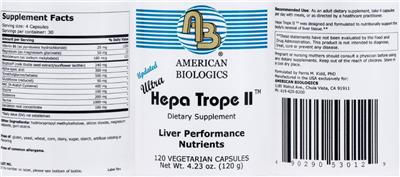

More liver health products
Members OnlyThe highest ranked for the same goal
Read more
Our articles on this subject
- Supplements for Stress and Anxiety Relief: What the Evidence SupportsArticle · Oct 26, 2026
- Supplement and Medication Interactions You Should KnowArticle · Oct 20, 2026
Graded November 6, 2026 by the Reverse Age Lab evidence engine, from human studies, real reviews and our biohacker panel. How we grade. Is this medical advice? No. Rala organizes the published evidence; go over any change with your doctor, especially if you take meds.
Privacy policyConsumer health dataAffiliate disclosureTermsDo Not Sell or Share My Personal InformationCookie settings