
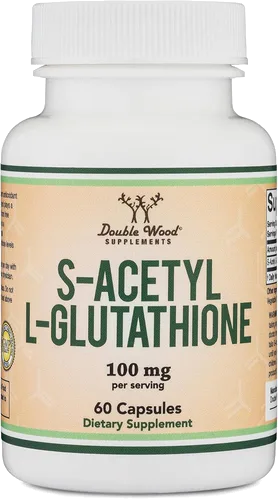
Adaptogen Research S-Acetyl L-Glutathione Plus Review
We don’t sell supplements. We help you make decisions and get the best price.
Lowest prices
We may earn a commission from some store links. How we choose.
We hold no current store prices for it yet: check the store.
- AmazonPrice at AmazonCheck price at Amazon (opens in a new tab)
Some links earn us a commission; price comes first, and a commission only decides the order of prices within 2%. As an Amazon Associate we earn from qualifying purchases.
Products with nearly the same formula (Matched on the main ingredients)
Study, Trial or Testing Result Summary
Members Only53 human studies · 29 improved
8 of these 53 human studies gave the ingredient by drip or injection, not by mouth.
No study here measured biological age directly, so this product has not been shown to reverse aging. The main support comes from markers of oxidative stress, a process tied to aging. N-acetylcysteine is at a full dose. In 120 men, 600 milligrams daily for 3 months raised antioxidant capacity and lowered oxidative stress compared with placebo [1]. In lead-exposed workers, 400 and 800 milligrams lowered fat oxidation in a dose-dependent way [2]. In older adults, glycine plus N-acetylcysteine improved mitochondrial function, inflammation and physical function, though that trial tested a combination [3]. Some trials found no change in oxidative stress [4][5]. S-acetyl glutathione is at a full dose, but no study tested this form itself. Oral glutathione at 250 or 1,000 milligrams for 6 months raised blood glutathione and improved its oxidized-to-protective balance, which faded after stopping [6]. A review found oral and skin glutathione improved skin and oxidative stress markers [7]. Vitamin B6 here is 10 milligrams, below the doses studied, and trials found it did not change DNA methylation [8] or DNA damage and oxidative stress markers [9]. Animal and cell studies are never counted.
See all 53 studies →Hide the studies
- A review of 194 studies found that topical and oral glutathione improved skin pigmentation, brightness, hydration and oxidative stress markers, while injections raised levels quickly but had short-lasting effects and safety concerns.Glutathione in Skin Aging and Tissue Regeneration: A Systematic Review of Molecular Mechanisms, Redox Modulation, and Bi…
- In 171 male lead-exposed workers, 12 weeks of N-acetylcysteine at 400 mg and 800 mg lowered lipid peroxidation in a dose-dependent way and raised vitamin E levels compared with untreated workers.Effect of treatment with N-acetylcysteine on non-enzymatic antioxidant reserves and lipid peroxidation in workers expose…
- In 154 patients having major chest surgery, adding intravenous N-acetylcysteine to amiodarone for 48 hours did not reduce atrial fibrillation or change inflammation and oxidative stress markers compared with placebo.Amiodarone with or without N-Acetylcysteine for the Prevention of Atrial Fibrillation after Thoracic Surgery: A Double-b…
- In 140 adults with pulmonary tuberculosis, N-acetylcysteine 1200 mg twice daily for 4 months raised glutathione and lowered an inflammatory signal (TNF-alpha), but slowed clearance of the bacteria from sputum.N-acetylcysteine modulates markers of oxidation, inflammation and infection in tuberculosis.
- In 120 stroke patients with high homocysteine, high-dose folic acid, methylcobalamin and vitamin B6 gave lower stroke scores than low-dose, though the reported oxidative stress marker results conflict with the authors' conclusion of improvement.Prognostic Impact of Serum Homocysteine-Lowering Therapy on Patients with Hemorrhagic Stroke and Its Influence on Nation…
- In 120 men with unexplained infertility, 600 mg of N-acetylcysteine daily for 3 months raised antioxidant capacity and lowered blood oxidative stress compared with placebo, and improved semen volume and motility.Effects of N-acetylcysteine on semen parameters and oxidative/antioxidant status.
- In 59 heart disease patients with high homocysteine, 3 months of pyridoxine 40 mg with folic acid and B12 lowered homocysteine but left the oxidative stress marker unchanged and only slightly reduced one inflammation marker.Plasma homocysteine and markers for oxidative stress and inflammation in patients with coronary artery disease--a prospe…
- In 82 middle-aged men, 1.8 g of N-acetylcysteine daily for 4 weeks lowered blood homocysteine by about 12% and lowered blood pressure compared with placebo, regardless of cholesterol or smoking status.Oral N-acetylcysteine reduces plasma homocysteine concentrations regardless of lipid or smoking status.
- In 81 people with HIV and low glutathione, 8 weeks of oral N-acetylcysteine raised whole blood and T cell glutathione compared with placebo, with minimal side effects.N-acetylcysteine replenishes glutathione in HIV infection.
- In 75 children with transfusion-dependent beta-thalassemia, N-acetylcysteine at 10 mg per kg daily for 3 months lowered oxidative stress and DNA damage and raised antioxidant capacity and pre-transfusion hemoglobin.N-Acetylcysteine supplementation reduces oxidative stress and DNA damage in children with β-thalassemia.
- In 75 breast cancer patients on paclitaxel, 12 weeks of N-acetylcysteine (1200 mg once or twice daily) reduced nerve damage symptoms and lowered the oxidative stress marker MDA compared with no supplement.Evaluation of the effect of N-acetylcysteine on the prevention and amelioration of paclitaxel-induced peripheral neuropa…
- In 63 people with early psychosis, 2700 mg of N-acetylcysteine daily for 6 months did not improve symptoms but improved processing speed and raised brain glutathione by 23% and blood cell glutathione by 19%.N-acetylcysteine in a Double-Blind Randomized Placebo-Controlled Trial: Toward Biomarker-Guided Treatment in Early Psych…
- In 62 people with transfusion-dependent thalassemia, 600 mg of N-acetylcysteine daily for 6 months shifted 29 blood fat features back toward healthy levels and improved heart rate variability.Correlation of plasma lipidomic profiles with cardiometabolic disease in transfusion-dependent thalassemia patients with…
- In 60 women with Sjögren's disease, 1,200 mg of N-acetylcysteine daily for 90 days did not improve dryness symptoms or change oxidative stress markers compared with placebo.Efficacy of N-acetylcysteine for treating dryness symptoms of Sjögren's disease: randomised placebo-controlled double-bl…
- In 54 healthy adults taking 250 or 1,000 mg of oral glutathione daily for 6 months, glutathione levels in blood rose and the oxidized-to-reduced glutathione ratio fell, and levels returned to baseline after a 1-month washout.Randomized controlled trial of oral glutathione supplementation on body stores of glutathione.
- In 53 inpatients with alcohol use disorder, N-acetylcysteine for 9 weeks did not improve treatment adherence, time to relapse or clinical outcomes compared with placebo.A randomized, double-blind, placebo-controlled trial of N-acetylcysteine as an adjuvant treatment for alcohol use disord…
- In 50 hemodialysis patients, 8 weeks of high-dose pyridoxine and thiamine did not change oxidative stress, inflammation or DNA damage markers compared with placebo.Effect of high-dose thiamine and pyridoxine on advanced glycation end products and other oxidative stress markers in hem…
- In 46 dialysis patients getting a med amikacin, N-acetylcysteine better protected hearing in higher frequencies than placebo at 4 weeks.Preventing amikacin related ototoxicity with N-acetylcysteine in patients undergoing peritoneal dialysis.
- In 45 patients with a med overdose, a shorter 12-hour N-acetylcysteine regimen raised antioxidant levels at 12 hours more than the standard regimen, but other markers did not differ between the two.Read the study on PubMed (33742775) →
- In 44 healthy postmenopausal women, 4 weeks of citrulline plus glutathione improved blood vessel dilation and lowered blood pressure reactions to cold stress compared with placebo, but no aging markers were measured.Combined Citrulline and Glutathione Supplementation Improves Endothelial Function and Blood Pressure Reactivity in Postm…
- In 40 people with schizophrenia or schizoaffective disorder taking 2400 mg daily of N-acetylcysteine for eight weeks, brain glutathione rose compared with placebo, glutamate showed only a trend toward lower levels, and no effects on symptoms or cognition were seen.N-Acetylcysteine effects on glutathione and glutamate in schizophrenia: A preliminary MRS study.
- In 35 bypass surgery patients, adding N-acetylcysteine to the heart-protecting solution preserved heart glutathione, lowered an inflammatory enzyme, and reduced white cells entering the heart during reperfusion compared with the solution alone.N-acetylcysteine as an additive to crystalloid cardioplegia increased oxidative stress capacity in CABG patients.
- In 33 patients having major abdominal surgery, N-acetylcysteine given from two days before surgery to five days after lowered a marker of oxidative damage and improved the balance of antioxidant to oxidized glutathione compared with control.Improved oxidative status in major abdominal surgery patients after N-acetyl cystein supplementation.
- In 33 adults with RYR1-related myopathy taking 2700 mg daily of N-acetylcysteine for six months, oxidative stress measured by urine isoprostane and six-minute walk distance did not improve compared with placebo.Randomized controlled trial of N-acetylcysteine therapy for RYR1-related myopathies.
- In 32 healthy adults, 6 months of a high-dose B vitamin supplement raised B6 and B12 and lowered homocysteine, with some links between B6 and brain metabolites but no significant change in the main brain measure.The Effect of a High-Dose Vitamin B Multivitamin Supplement on the Relationship between Brain Metabolism and Blood Bioma…
- In 30 smokers with mild to moderate COPD, 10 days of 600 mg N-acetylcysteine twice daily lowered reactive oxygen species in the blood but produced only a short-lived improvement in airway response to salbutamol.Erdosteine enhances airway response to salbutamol in patients with mild-to-moderate COPD.
- In 30 patients with organophosphate pesticide poisoning, 600 mg of N-acetylcysteine three times daily for 3 days lowered malondialdehyde, raised reduced glutathione, and reduced atropine requirements compared with usual care alone.N-acetylcysteine in Acute Organophosphorus Pesticide Poisoning: A Randomized, Clinical Trial.
- In 24 older adults, 16 weeks of GlyNAC, compared with an alanine placebo, corrected glutathione deficiency and oxidative stress, improved mitochondrial function and inflammation, and improved physical function and insulin resistance.Supplementing Glycine and N-Acetylcysteine (GlyNAC) in Older Adults Improves Glutathione Deficiency, Oxidative Stress, M…
- In 24 autistic children given weekly glutathione injections for 8 weeks, there were no differences in behavior or biologic measures compared with placebo.Glutathione, Vitamin C, and Cysteine Use in Autistic Children With Disruptive Behavior: A Double-Blind, Placebo-Controll…
- In 20 people with paranoid schizophrenia, 2000 mg of NAC daily for 60 days, compared with placebo, reduced negative and general symptom scores and improved working memory.[The double-blind randomized placebo-controlled trial of N-acetylcysteine use in schizophrenia: preliminary results].
- In 20 recreationally trained women, a single dose of N-acetylcysteine before exercise raised blood antioxidant thiols and blunted the exercise-induced rise in malondialdehyde only in women not using oral contraceptives, with no effect on cycling performance.Blood oxidative stress biomarkers in women: influence of oral contraception, exercise, and N-acetylcysteine.
- In 18 healthy adults, a single 90-minute infusion of an antioxidant combination containing N-acetylcysteine was safe and raised the blood's antioxidant capacity compared with saline.Safety and Pharmacokinetics of a Combined Antioxidant Therapy against Myocardial Reperfusion Injury: A Phase 1 Randomize…
- In a placebo-controlled trial of 15 climbers at high altitude, a daily antioxidant mix including N-acetylcysteine did not change endothelial microparticle levels or oxidative stress compared with placebo.Increased endothelial microparticles and oxidative stress at extreme altitude.
- In 13 people with mild COPD taking 1800 mg daily of N-acetylcysteine for four days in a crossover trial, blood glutathione rose but exercise tolerance did not improve compared with placebo.Oral N-acetylcysteine and exercise tolerance in mild chronic obstructive pulmonary disease.
- In 13 children with fatty liver disease and obesity, 600 or 1200 mg of NAC daily for 16 weeks, compared with placebo, lowered inflammation and oxidative stress markers, improved insulin resistance, and reduced liver enzymes and liver fat.Effect of N-acetyl cysteine in children with metabolic dysfunction-associated steatotic liver disease-A pilot study.
- In women with severe preeclampsia or HELLP syndrome, oral NAC compared with placebo did not change the time to delivery or maternal and neonatal outcomes, though it lowered plasma homocysteine.Oral N-acetylcysteine administration does not stabilise the process of established severe preeclampsia.
- In a placebo-controlled trial of adults undergoing lung resection, a preoperative N-acetylcysteine infusion raised plasma thiols but did not reduce inflammation or oxidative damage compared with placebo.Systemic inflammation and oxidative stress post-lung resection: Effect of pretreatment with N-acetylcysteine.
- In placebo-controlled trials of people with mild to moderate COVID-19, a mixture containing N-acetylcysteine with other metabolic activators shortened time to full recovery and improved blood markers of inflammation and antioxidant metabolism.Combined Metabolic Activators Accelerates Recovery in Mild-to-Moderate COVID-19.
- In a placebo-controlled trial of Alzheimer's patients over 12 weeks, a daily supplement combining N-acetyl-L-cysteine with three other compounds improved thinking and memory scores more than placebo.Combined metabolic activators improve cognitive functions in Alzheimer's disease patients: a randomised, double-blinded,…
- In 50 older adults, one year of daily B vitamins (including 50 mg B6) plus vitamin D lowered homocysteine but did not change DNA methylation in blood cells.Effect of 1 year B and D vitamin supplementation on LINE-1 repetitive element methylation in older subjects.
- In 16 heart patients with high homocysteine, 3 months of pyridoxine 40 mg with folic acid and B12 normalized total homocysteine but not the balance of homocysteine forms linked to oxidative stress.Vitamin supplementation normalizes total plasma homocysteine concentration but not plasma homocysteine redox status in p…
- In an open-label randomized trial of people poisoned by aluminum phosphide, those given N-acetylcysteine infusion had lower blood markers of lipid peroxidation, shorter hospital stays, and fewer intubations than controls, though mortality was not significantly different.Protective effects of N-acetylcysteine on aluminum phosphide-induced oxidative stress in acute human poisoning.
- In 28 advanced cancer patients, 10 days of intravenous N-acetylcysteine at 1800 mg per day reduced reactive oxygen levels and lowered the inflammatory markers IL-6 and TNF.Reactive oxygen species, antioxidant mechanisms and serum cytokine levels in cancer patients: impact of an antioxidant t…
- In 20 people with chronic kidney disease receiving intravenous iron, NAC reduced the acute rise in oxidative stress but did not prevent transient kidney tubular injury or proteinuria.Oxidative stress and renal injury with intravenous iron in patients with chronic kidney disease.
- In 13 adults with type 2 diabetes, two 2-week courses of oral N-acetylcysteine at two doses did not improve blood sugar control, insulin response or oxidative status.The antioxidant N-Acetylcysteine does not improve glucose tolerance or β-cell function in type 2 diabetes.
- In 11 people with sickle cell disease, 6 weeks of oral N-acetylcysteine at 1200 or 2400 mg daily raised whole blood glutathione and lowered markers of cell damage and advanced glycation end-products.N-acetylcysteine reduces oxidative stress in sickle cell patients.
- In 8 older adults taking GlyNAC for 24 weeks without a placebo group, glutathione deficiency, oxidative stress, mitochondrial dysfunction and inflammation improved, along with insulin resistance, cognition and strength; benefits declined after stopping for 12 weeks.Glycine and N-acetylcysteine (GlyNAC) supplementation in older adults improves glutathione deficiency, oxidative stress,…
- In boys with childhood cerebral adrenoleukodystrophy receiving high-dose NAC (280 mg/kg/day) with transplant, antioxidant markers HO-1 and ferritin rose compared with baseline, but this was an uncontrolled study.Mechanisms of Antioxidant Induction with High-Dose N-Acetylcysteine in Childhood Cerebral Adrenoleukodystrophy.
- In 32 adults aged 59 to 79, higher vitamin B6 intake, mainly from supplements, was linked to greater gray matter volume in several brain regions, while global brain volume was not related to intake.Greater intake of vitamins B6 and B12 spares gray matter in healthy elderly: a voxel-based morphometry study.
- In people with idiopathic pulmonary fibrosis, those with short telomeres had worse outcomes when treated with immunosuppressive drugs, including a regimen that contained N-acetylcysteine, so this does not show that N-acetylcysteine itself helps.Telomere Length and Use of Immunosuppressive Medications in Idiopathic Pulmonary Fibrosis.
- In a mouse and cell study, a combination of nicotinamide and pyridoxine, a form of vitamin B6, boosted muscle stem cells, speeded muscle repair and improved muscle strength during recovery and in aging; a cohort of 186 older adults showed that lower levels of these nutrients were linked to less muscle mass and slower walking speed.Nicotinamide and pyridoxine stimulate muscle stem cell expansion and enhance regenerative capacity during aging.
- In 14 healthy volunteers taking part in a one-week crossover test, a formula containing 1 mg vitamin B6 with vitamin C, citrus bioflavonoids and coenzyme Q10 did not reduce a measure of oxidative stress, while formulas without B6 combined with antioxidant vitamins did.Bioavailability and antioxidant activity of some food supplements in men and women using the D-Roms test as a marker of …
- In a small uncontrolled pilot of 10 patients with prolonged low platelets after stem cell transplant, N-acetylcysteine produced an overall response in 7 of 10, and in laboratory tests it improved the function of bone marrow stem cells from these patients.N-acetyl-L-cysteine improves mesenchymal stem cell function in prolonged isolated thrombocytopenia post-allotransplant.
Review Totals and Summary
Members Only3,600 reviews · 93% positive
Extensive customer reviews and qualitative feedback are currently being aggregated for this product. Check back soon for a detailed sentiment analysis.
Biohacker Summary
Members Only8 of 10 recommend it
On the main ingredient, cysteine mostly in the form of N-acetylcysteine, the panel leans positive: four recommend it, three use it or have used it, and a few stay neutral, with two giving cautions. Panelists take it mainly to support the body's own glutathione, the body's main antioxidant, and for detox, oxidative stress, inflammation, and managing air pollution exposure, and one said it helped lower his mercury levels. Only one gave a dose, 600 to 2400 mg per day depending on how severe the problem is, and one suggested pairing it with glycine so both building blocks of glutathione are covered. One warned that too much can cause inflammation in people with sulfur metabolism issues, and one advised avoiding it during pregnancy. Glutathione is a smaller ingredient in this product, and panelists who like it prefer liposomal forms for better absorption, though one said some people with sulfur sensitivities do not do well with it by mouth.
See all 10 biohackers →Hide the biohackers
Thomas DeLauer · Cysteine · recommends
- Recommends taking N-acetylcysteine to cover both glycine and cysteine for glutathione production, hitting detoxification from two directions.
- Recommends N-acetylcysteine (NAC) as a precursor to glutathione, noting that a study showed it increased glutathione and reduced fasting glucose, insulin resistance, and inflammation.
- Recommends Row Nutrition's liposomal glutathione for detoxification due to its significantly better absorption compared to standard forms.
- Recommends nano glutathione from Purity Health, noting its liposomal delivery makes it up to 800 times more absorbable.
- Explains that activating the glutathione pathway tells the body to make more endogenously, which is a better approach than oral supplementation due to bioavailability issues.
- Recommends taking N-acetylcysteine (NAC) alongside creatine and glycine, as it stacks well and supports glutathione production.
- States that glutathione, like creatine, is a raw material and not a signaling compound, and he has never seen evidence of withdrawal syndromes with it.
- Takes N-acetylcysteine (NAC) because it significantly helped his chronic sinusitis by loosening mucus. He also notes its involvement in glutathione production and mentions studies on its effect on hair pulling due to stress.
- Recommends N-acetylcysteine (NAC) for whole-body detoxification, explaining it's the rate-limiting precursor for glutathione, a master antioxidant, and directly scavenges oxidative stress, reduces fatigue, and is used in emergency rooms for a med overdose.
- Recommends N-acetylcysteine for hair graying, stating it is a precursor to glutathione and can help with oxidative stress directly linked with the follicle and stem cells.
- Recommends ensuring adequate vitamin B6 intake, as it is a required cofactor for cells to use absorbed magnesium and improves central nervous system relaxation when combined with magnesium.
- Recommends glutathione, noting there is good evidence it might help remove some of the toxic load or the stress that comes from it.
- Recommends vitamin B6 to support GABA production and find balance for mental clarity.
- Uses 300 to 600 mg of N-acetylcysteine when his cortisol or inflammatory state is high to help with glutathione production and build antioxidant defenses.
Dr. Mark Hyman · Cysteine · uses
- States he was giving all his patients N-acetylcysteine for COVID-19, which he later learned blocked von Willebrand factor, preventing micro clots.
- Personally uses a protocol involving intravenous phosphatidylcholine, glutathione, and other antioxidants and carnitine for chronic issues like mold, chronic fatigue, toxins, brain health issues, cognitive decline, and Parkinson's.
- Recommends liposomal glutathione to support immunity through colder months, as it helps maintain healthy immune cell function, supports natural detoxification pathways, and neutralizes free radicals.
- Recommends Rosen Nutrition Liposomal Glutathione to support immunity through colder months, noting it helps maintain healthy immune cell function, supports natural detoxification, and neutralizes free radicals.
- Mentions that sulforaphane helps the body make glutathione, an amazing nutrient that helps the body get rid of toxins.
- Used a lot of intravenous glutathione to help him detoxify and recover from chronic fatigue.
- Optimized a child's nutrient status with vitamin B6, as the child had low B6 levels.
- Recommends glutathione for COVID-19, stating that he published the first article on its benefits in April 2020 and none of his patients died from COVID-19 while blocking the inflammatory pathway with it.
- Uses N-acetylcysteine to break open bacterial biofilms, allowing antimicrobials to be more effective.
- Leans on glutathione, in oral, liposomal, IV, or nebulized forms, as an important molecule for detoxification, especially for neurologic symptoms during a Herxheimer reaction.
- Recommends vitamin B6 with folate and B12 as supplements with strong evidence for PMS.
- States that cabbage family vegetables and onions induce glutathione, the master antioxidant in the cells, and help support detoxification.
- Uses Roe's liposomal glutathione because it's designed to help the body absorb and use it, supporting detoxification and protecting cells from damage.
- Believes that if functional testing is done to replete deficiencies like vitamin D and B12 before someone stops their medication, withdrawal symptoms can be completely eliminated.
Siim Land · Cysteine · neutral
- Mentions that cysteine is one of the main precursors needed for glutathione.
- Notes that glycine helps to make glutathione, the master antioxidant.
- Mentions that glutathione is called the master antioxidant, but it is secondary to melatonin and vitamin D.
- States that glutathione is one of the main antioxidant shields against aging and oxidative stress.
- States that glutathione has no effects on skin anti-aging.
- Notes that glutathione is often called the master antioxidant, but its regulation by melatonin is highlighted.
- Notes that cysteine can decrease homocysteine.
- Does not use injectable glutathione and warns that large quantities of supplements like glutathione taken intravenously can often have harmful effects if taken in large doses without necessity.
- Discusses injectible glutathione, mentioning its role as a powerful antioxidant but also the lack of strong evidence for its widespread use in healthy individuals.
- Mentions that glycine helps to produce glutathione, which is the body's master antioxidant.
- Mentions that sulfur supports the production of glutathione, a powerful antioxidant often used in skincare for whitening the skin and reducing hyperpigmentation, as well as counteracting wrinkles by lowering oxidative stress.
- States that glutathione is good in some situations like infection or disease, but otherwise it's 'okay', and warns that large doses of antioxidants might cause more harm.
- States that N-acetylcysteine is very important as a glutathione precursor to help support biotransformation, detox, and elimination.
- Used to experiment with N-Acetyl Cysteine (NAC) but now pulses it, being careful with sulfur-based supplements.
Dave Asprey · Cysteine · warns
- Dave Asprey warns that taking too much N-acetylcysteine (NAC) can cause problems for individuals with sulfur metabolism issues, leading to inflammation and negative tissue remodeling.
- Mentions glutathione in the context of a compounding pharmacist getting into trouble, emphasizing that individual incidents don't reflect on all compounding pharmacists.
- Recommends detoxing with glutathione.
- Has always recommended glutathione during pregnancy and would feel good taking it, even though he does not make a glutathione product.
- Discusses glutathione as part of a detox protocol for mold-related brain damage.
- Suggests taking glutathione during occasional drinking to lessen the negative effects of alcohol.
- Dave Asprey warns that swallowing glutathione pills is ineffective because it's digested, and suggests giving the body raw materials like glycine and NAC to make it instead, which is also cheaper.
- Emphasizes the importance of healthy glutathione in the liver for getting toxins out, even if one eats and breathes no toxins.
- Recommends glutathione as the body's master antioxidant, which helps the liver process toxins and cells defend against oxidative stress, especially when mycotoxins are present.
- Explains why glutathione is known as the body’s master antioxidant and why it plays a critical role in cellular defense, mitochondrial energy, immune regulation, and liver detoxification, and how it helps protect cells from daily stress.
- Dave discusses a 2011 University of Texas study showing that oral and liposomal glutathione are completely broken down into raw amino acids before absorption, meaning none of it reaches the bloodstream as glutathione.
- Recommends pairing vitamin C with N-acetylcysteine (NAC) to increase glutathione, a master antioxidant in the brain that recycles vitamin C.
- States that if he had to pick three raw materials that matter most for aging, cysteine would be one of them, as it helps make glutathione.
- Mentions Vitamin B6 as playing a role in methylation pathways.
Andrew Huberman · Cysteine · recommends
- Mentions N-acetylcysteine for endometriosis or chronic inflammatory disease.
- Dr. Gottfried looks at glutathione in nutritional testing, considering it an important lever.
- Mentions that sulforaphane has been shown in human studies to powerfully increase glutathione in both plasma and the brain through the NRF2 pathway, activating a powerful antioxidant pathway.
- Supplements with N-Acetyl Cysteine to support glutathione production and detoxification.
- Supplemented with N-acetylcysteine to support glutathione production and detoxification, which helped reduce his mercury levels.
- Reduced his mercury levels by supplementing with N-Acetyl Cysteine (NAC), which can support glutathione production and detoxification.
- Supplements with NAC (N-acetylcysteine) to support glutathione production and detoxification, which helped reduce his mercury levels.
- Supplements with N-acetylcysteine (NAC) to support glutathione production and detoxification, which helped reduce his mercury levels.
- Was advised to supplement with NAC (N-acetylcysteine) to support glutathione production and detoxification, which helped reduce his mercury levels.
- Supplements with N-Acetyl Cysteine to support glutathione production and detoxification.
- Mentions N-Acetylcysteine (NAC) as a tool for detoxification.
- Supplements with NAC (N-acetyl cysteine) to support glutathione production and detoxification, which helped reduce his mercury levels.
- States that glutathione helps Phase 2 liver detoxification, and they use a lot of it intravenously.
- Does not supplement B6 due to evidence that overs-supplementing vitamin B, especially B6, is problematic because of peripheral nerve damage.
Ben Greenfield · Cysteine · neutral
- A new study found that lowering cysteine in the diet of mice significantly increased calorie burning and weight loss, matching the metabolic effects of cold exposure.
- Will do glutathione for some patients after surgery.
- Was advised by a doctor to take 5 ml of liposomal glutathione daily for as long as he has a breath, and he agreed to take it daily. He notes that some people don't do well with oral glutathione due to sulfur sensitivities.
- Mentions Dr. Patel developed transdermal glutathione, and later a transdermal GHK copper peptide, using similar technology for better absorption.
- Recommends glutathione to provocate mold, as part of a triple mold combination strategy.
- Describes glutathione as the master antioxidant, noting that our needs for it triple as we age.
- N-acetylcysteine was mentioned in a study as a biofilm disruptor that can improve microbial access and affect outcomes in SIBO and methane-dominant cases.
- Warns that using high-dose antioxidants like glutathione directly before or after a hyperbaric session is not a great idea, as it could impair some of the effects by reducing reactive oxygen species.
- Recommends taking glutathione or NAC with AHCC, as they synergize well due to AHCC's liver benefits.
- Notes that 10X Health System's methylene blue tablets plus light stack supports energy and recovery at the cellular level by powering antioxidant pathways with N-acetylcysteine (NAC).
- Ben Greenfield's guest was taking glutathione in a very unique topical form as part of their protocol.
- Recommends Vitamin B6 for the conversion of tryptophan to serotonin and then melatonin in the pineal gland.
- Recommends N-acetylcysteine (NAC) as a supplement that supports the body's own glutathione production and has been studied for air pollution.
- Uses a transdermal glutathione spray called Gluteril, doing eight sprays in the morning and eight sprays in the evening while in India, which is four times his normal dose, for its antioxidant effects on mitigating air pollution damage.
Dr. Eric Berg · Cysteine · recommends
- Recommends N-acetylcysteine (NAC) to significantly reduce glutamate spikes, suggesting a dose of 600-2400 mg per day depending on the severity of the problem.
- States that vitamin B6 is needed to absorb magnesium.
- Avocados contain glutathione.
- Dr. Berg lists pyridoxine hydrochloride as a synthetic vitamin to avoid.
- Recommends taking the active form of vitamin B6, pyridoxal-5-phosphate (P5P), for its benefits to the nervous system, including building the myelin sheath and protecting sensory nerve integrity.
- Notes that Vitamin B6 is intimately involved in the nervous system and may be behind sciatica and carpal tunnel syndrome.
- States that high vitamin B6 levels can be linked to peripheral neuropathy.
- Notes that nutritional yeast is naturally rich in glutathione, which is one of the most powerful antioxidants in the body, helping to detoxify heavy metals and protect against free radical damage and oxidation.
- Mentions vitamin B6 as a required cofactor for Vitamin D to be properly absorbed and used by the body.
- States that Vitamin D needs K2, magnesium, zinc, B6, boron, and even vitamin A to do its job, emphasizing that vitamins rarely work alone.
- Recommends P5P as the active form of vitamin B6, advising against pyridoxine HCl which is inactive and may not convert properly due to genetic issues.
- Explains that glycine is needed to make glutathione, the antioxidant in the liver that helps break down toxins, and a deficiency in glycine can affect the body's capacity to detoxify.
- Describes glutathione as one of the most powerful compounds in the liver, acting as protection and a bodyguard, and states that having enough of it is key to neutralizing poisons.
- Warns that unconverted vitamin B6 can accumulate in the body and affect the nervous system, worsening nerve pain, especially if the liver is sluggish, bile is insufficient, or glutathione is low. He advises not to exceed 50 mg per day.
Bryan Johnson · Cysteine · recommends
- Suggests that N-acetylcysteine could be helpful for managing reactive oxygen species if exposed to high air pollution.
- Mentions glutathione as a possible injection or vitamin drip, but does not take a personal stance on it.
- Suggests that glutathione could be really helpful for picking up reactive oxygen species and managing them when exposed to high air quality.
- Advises avoiding N-Acetyl-Cysteine during pregnancy.
- Bryan Johnson uses L-Glutathione Reduced, a tripeptide antioxidant that helps neutralize free radicals, and supports immune health.
Peter Attia · Cysteine · neutral
- States that cysteine goes to part of creatinine or glutathione.
Dr. Rhonda Patrick · Cysteine · uses
- Is taking N-Acetylcysteine (NAC) because it is a great antioxidant, packed with antioxidants, and recycles the glutathione peroxidase system, which is helpful in dealing with oxidative stress.
- Discusses the truth about glutathione supplements.
- Mentions that Nrf2 up-regulates glutathione, which is the brain and body's primary and most potent antioxidant.
- Sulforaphane also boosts glutathione, your brain’s most powerful antioxidant, far surpassing vitamin C or E.
- Discusses that while alcohol depletes glutathione, and some animal studies suggest boosting glutathione could help mitigate hangover effects, human clinical evidence for liposomal glutathione remains sparse and largely speculative.
- Discusses liposomal glutathione in relation to hangovers.
- Explains that when neurons use lactate as an energy source, it spares glucose, which can then be used to make precursors for glutathione, a powerful antioxidant system in the brain, beneficial for normal brain aging and traumatic brain injury.
- Describes glutathione as the body's most predominant detoxification mechanism and a potent endogenous antioxidant, present at high levels in areas like the macula of the eye.
- Notes that sulforaphane is excreted in the urine as conjugates with glutathione, one of the main antioxidant peptides in the body.
- Agrees with Rhonda that studies have shown N-acetylcysteine (NAC) can allow tumors to grow faster, citing research on metastatic melanoma and lung cancer.
- Dr. Patrick states that people with a specific gene polymorphism in the NPF3 gene, which affects vitamin B6 levels, may need to increase their dietary intake of B6 and/or supplement with vitamin B6.
- Dr. Patrick mentions glutathione as a natural antioxidant compound produced by the body.
- Vitamin B6 can suppress the production of Advanced Glycation End products.
- Dr. Patrick mentions that heat shock proteins increase endogenous antioxidants in the body, such as glutathione, to prevent protein oxidation.
RAL Summary
Members OnlyTier 2 for Healthy Aging
Tier 1 needs a controlled trial showing biological age reversed, but no N-acetylcysteine study here measured biological age; the trials show improved oxidative stress and other aging markers, which supports tier 2 with 3600 reviews at 93% positive. So it is graded Tier 2, lower than the rules alone gave.
Where the evidence disagrees: 16 of the 53 human studies found no effect.
More Details
Members OnlyBody systems · Combine with · Possible side effects
Body systems: Immune system, Cardiovascular system, Muscular system, Skin, Metabolic system
Combine with: Combine with a healthy diet and lifestyle.
Possible side effects: In a tuberculosis trial, high-dose N-acetylcysteine slowed clearance of the bacteria from sputum, and a review noted safety concerns with glutathione injections, which this product does not use. No other major side effects were reported.
Supplement Facts
Vitamin B-6 10 mg · N-Acetyl-Cysteine 1 g · S-Acetyl Glutathione 200 mg
| Vitamin B-6 | 10 mg | † |
| N-Acetyl-Cysteine | 1 g | † |
| S-Acetyl Glutathione | 200 mg | † |
Other ingredients: Microcrystalline Cellulose, Vegetable Stearate, Silicon Dioxide.
Directions: Recommended Use: As a dietary supplement, take two capsules per day, or as directed by your health care practitioner.
Barcode (UPC) 612524953450 · Label source: NIH label database · Report a label change
Show entire label
More healthy aging products
Members OnlyThe highest ranked for the same goal
Read more
Our articles on this subject
- Healthy Aging Tips: A Science-Backed Guide to Living Better for LongerArticle · Mar 17, 2026
- NAD Anti-Aging Supplements: Benefits, Evidence, and How to ChooseArticle · Jun 15, 2026
Graded November 18, 2026 by the Reverse Age Lab evidence engine, from human studies, real reviews and our biohacker panel. How we grade. Is this medical advice? No. Rala organizes the published evidence; go over any change with your doctor, especially if you take meds.
Privacy policyConsumer health dataAffiliate disclosureTermsBrand and legal noticesDo Not Sell or Share My Personal InformationCookie settings