
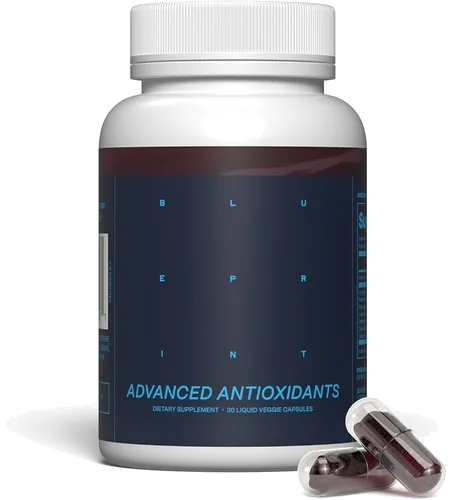
Blueprint Bryan Johnson Advanced Antioxidants Review
Advanced Antioxidants from Blueprint Bryan Johnson is presented as a daily defense from oxidative stress, with 7 fat-soluble longevity nutrients for cellular anti-aging support. The page describes one capsule for eye, heart, bone and skin health. The product is listed in three areas of benefit: eye health, heart health and cell defense. Under eye health the page says it supports eye health, promotes healthy retinal function and supports recovery against bright light. Under heart health it says it supports cardiovascular function, helps maintain arterial integrity and supports healthy aging. Under cell defense it says it supports healthy antioxidant activity, helps protect cells from oxidative stress and promotes healthy cellular aging. The page lists seven fat-soluble nutrients including lutein, zeaxanthin, lycopene, astaxanthin, vitamin K1 and vitamin K2 in the forms K2-MK4 and K2-MK7. It states that lutein and zeaxanthin promote antioxidant defense, and that astaxanthin and lycopene help protect against oxidative stress. The capsules are delivered in MCT oil, which the page says helps protect nutrients through digestion and better absorption. The page says the doses are precision doses backed by research, with no pixie dusting, and that the product is third-party tested for purity and heavy metals. Each container holds 30 servings, with one veggie capsule per serving. The directions say to take 1 capsule daily with food, and Bryan's recommendation is to take it every morning with Longevity Mix and Essential Capsules. The page labels the product vegan, non-dairy and gluten free. The ingredient panel lists Vitamin K1 as phytonadione at 1500 mcg, lycopene at 15 mg, astaxanthin from microalgae Haematococcus pluvialis at 12 mg, lutein from marigold flower extract at 10 mg, vitamin K2 MK4 at 5 mg, zeaxanthin from marigold flower extract at 2 mg and vitamin K2 MK7 at 600 mcg. The page also shows a 90-day supply of 90 servings and a 30-day supply of 30 servings, with autoship savings of 15 percent and 5 percent respectively. The page links to a certificate of analysis for third-party test results. The product is a capsule, not a powder or gummy, and the page title is Advanced Antioxidants.
We don’t sell supplements. We help you make decisions and get the best price.
Lowest prices
We may earn a commission from some store links. How we choose.
Finding the lowest prices at the stores now. This takes a few seconds.
Products with nearly the same formula (Matched on the main ingredients)
Study, Trial or Testing Result Summary
Members Only117 human studies · 75 improved
No study of this product or its ingredients showed biological age turned back. The strongest support comes from lycopene, at a full dose here. In 126 healthy men, 15 mg daily for 8 weeks raised antioxidant enzymes and cut DNA damage in white blood cells compared with placebo [1]. A 12 mg dose lowered DNA damage in older women [2], but a 3 week trial in 105 men found no change [3]. Astaxanthin, also at a full dose, lowered an oxidative damage marker and one inflammation signal in pooled trials [4] and improved skin moisture and elasticity [5]. Other pooled results called its antioxidant effect unclear [6], and a one year trial found no change [7]. Lutein at 10 mg lowered fat damage and sugar-damaged proteins over 32 weeks [8], though a trial in 175 men found no change [9]. The 2 mg of zeaxanthin is below the 12 mg lutein and zeaxanthin mixes that helped memory and skin [10][11]. Vitamin K1 is backed only by diet surveys linking it to longer telomeres and slower aging, which do not prove cause [12][13]. Vitamin K2 was tested only as a skin cream, not a pill [14]. Animal and cell studies are never counted.
See all 117 studies →Hide the studies
- In 21 trials with 1,626 women with endometriosis testing many antioxidants including astaxanthin, supplements reduced some pain types and blood malondialdehyde but not overall pain or pregnancy rate.The effects of antioxidant supplementation on pain, oxidative stress markers, and clinical pregnancy rate in women with …
- Across twelve placebo-controlled trials with 380 people, astaxanthin lowered an oxidative stress marker (malondialdehyde) and interleukin-6 in type 2 diabetes, but did not significantly change C-reactive protein or tumor necrosis factor-alpha.Astaxanthin supplementation mildly reduced oxidative stress and inflammation biomarkers: a systematic review and meta-an…
- Pooling nine trials, astaxanthin lowered oxidative damage markers compared with starting levels, but the difference versus control groups was only borderline, so the authors called the antioxidant effect in humans unclear.Effects of Astaxanthin Supplementation on Oxidative Stress.
- Pooling nine placebo-controlled trials of oral astaxanthin, skin moisture and elasticity improved compared with placebo, but wrinkle depth did not significantly decrease.Systematic Review and Meta-Analysis on the Effects of Astaxanthin on Human Skin Ageing.
- In pooled trials of women having fertility treatment, astaxanthin raised egg maturation rate and antioxidant capacity in follicular fluid, but other pregnancy and oxidative stress measures did not change significantly.Effect of astaxanthin supplementation on female fertility and reproductive outcomes: a systematic review and meta-analys…
- Pooling four trials in women with polycystic ovary syndrome, astaxanthin raised total antioxidant capacity in follicular fluid and moderately improved egg quality, but did not consistently change other oxidative stress markers, fertilization or pregnancy rates.Exploring the benefits of astaxanthin as a functional food ingredient: Its effects on oxidative stress and reproductive …
- Pooled studies found astaxanthin added to frozen human sperm improved viability, shape and some movement measures after thawing, but not total motility or DNA damage, and the evidence was limited by small studies and varied results.Effects of astaxanthin supplementation on human sperm quality during the freeze thaw process: a systematic review and me…
- In three human trials of astaxanthin for male infertility, no semen measures improved significantly compared with placebo, though animal studies showed benefits.A systematic review and meta-analysis of astaxanthin efficacy in male infertility: evidence from clinical and preclinica…
- Across 24 placebo-controlled trials, astaxanthin lowered muscle damage markers after exercise (creatine kinase, lactate dehydrogenase) but did not improve maximal oxygen uptake, time-trial performance or power output.The Effects of Astaxanthin Supplementation on Exercise Recovery Biomarkers and Exercise Performance: A Systematic Review…
- A review of 13 mostly observational nutrition studies in 5043 older adults found higher blood lycopene linked to better thinking ability, but lycopene was not tested as a supplement and no age reversal was shown for it.Contribution of Biological Age-Predictive Biomarkers to Nutrition Research: A Systematic Review of the Current Evidence …
- A review of ten observational studies found three of four linked higher lycopene to maintained thinking ability, but none showed protection against dementia, so evidence was insufficient.Lycopene and cognitive function.
- A review of 96 trials and prospective studies of nutrients and DNA damage found lycopene among the nutrients linked to protective effects against DNA damage, with no lycopene-specific results given.Protective Effects of Micronutrient Supplements, Phytochemicals and Phytochemical-Rich Beverages and Foods Against DNA D…
- A review of eleven clinical studies, mostly small and in healthy Japanese women, found that astaxanthin at about 3 to 6 mg a day often improved skin texture, wrinkles and moisture and protected against UV skin damage.Effects of Astaxanthin Supplementation on Skin Health: A Systematic Review of Clinical Studies.
- A review of fifteen human studies found astaxanthin consistently lowered inflammation signals and oxidative stress measures while raising antioxidant capacity.The Role of Astaxanthin as an Antioxidant and Anti-Inflammatory Agent in Human Health: A Systematic Review.
- A review of 20 records found a protective trend for carotenoid intake against glaucoma and better visual performance with higher macular pigment, but the strongest neuroprotection was seen for lutein.Carotenoids in the Management of Glaucoma: A Systematic Review of the Evidence.
- A review of 18 studies found lutein and zeaxanthin protected retinal blood vessel cells in diabetic eye disease, and early trials showed higher blood and macular levels with some visual benefit.A Systematic Review of Carotenoids in the Management of Diabetic Retinopathy.
- In 175 healthy men, 15 mg of lutein a day for three months raised blood lutein but did not change markers of oxidative stress or the resistance of LDL cholesterol to oxidation compared with placebo.No significant effects of lutein, lycopene or beta-carotene supplementation on biological markers of oxidative stress an…
- In 149 healthy adults, 12 weeks of a tomato extract containing 15 mg lycopene reduced sunburn redness and the rise in inflammatory signals after UVB light compared with placebo, though the minimal sunburn dose did not differ.Tomato Phytonutrients Balance UV Response: Results from a Double-Blind, Randomized, Placebo-Controlled Study.
- In 126 healthy men, 15 mg of lycopene daily for 8 weeks raised antioxidant enzyme activity and reduced DNA damage in white blood cells compared with placebo, and lowered inflammation marker hs-CRP within that group.Effects of lycopene supplementation on oxidative stress and markers of endothelial function in healthy men.
- In 117 adults with central obesity, 10 mg of lutein a day for 32 weeks lowered cholesterol, LDL cholesterol, a lipid oxidation marker (malonaldehyde) and several advanced glycation end products compared with placebo.Effect of lutein supplementation on blood lipids and advanced glycation end products in adults with central obesity: a d…
- In 105 African American men, 30 mg of lycopene daily for 21 days raised lycopene levels in blood and prostate but did not change measured DNA oxidation or fat oxidation markers.Antioxidant effects of lycopene in African American men with prostate cancer or benign prostate hyperplasia: a randomize…
- In 90 women with type 2 diabetes, 8 mg of astaxanthin daily for 8 weeks, alone or with exercise training, improved antioxidant defenses and lowered inflammation, with the best results when combined with exercise, but blood sugar and HbA1c did not change with astaxanthin alone.Redox-sensitive miRNAs and Humanin could mediate effects of exercise and astaxanthin on oxidative stress and inflammatio…
- In 81 people with COPD, eating five or more fruit and vegetable portions daily for 12 weeks raised blood zeaxanthin but did not change markers of oxidative stress or inflammation.Effect of fruit and vegetable intake on oxidative stress and inflammation in COPD: a randomised controlled trial.
- In 80 healthy adults aged 60 and over, a daily mix of bacopa, lycopene, astaxanthin and vitamin B12 for 8 weeks improved executive function and word fluency compared with placebo.Improvement of Executive Function after Short-Term Administration of an Antioxidants Mix Containing Bacopa, Lycopene, As…
- In 80 men with low sperm counts, 16 mg of astaxanthin daily for 3 months did not change semen quality, sperm DNA damage or sperm mitochondrial function compared with placebo.Effect of the oral intake of astaxanthin on semen parameters in patients with oligo-astheno-teratozoospermia: a randomiz…
- In 80 people with heart failure, 20 mg of astaxanthin daily for 8 weeks raised antioxidant capacity and lowered a marker of cell damage (malondialdehyde) and uric acid more than placebo, and breathlessness and fatigue improved.Impact of astaxanthin on oxidative markers, uric acid, and clinical symptoms in heart failure: a randomized clinical tri…
- In 77 healthy adults aged 40 and over, 30 mg of purified lycopene daily for 8 weeks reduced DNA damage and urinary 8-OHdG, while lower doses and other fat oxidation markers showed no clear change.A dose-response study on the effects of purified lycopene supplementation on biomarkers of oxidative stress.
- In 74 professional athletes, a 30-day vitamin-mineral complex containing 4.5 mg of lutein raised blood antioxidants and superoxide dismutase activity and lowered 8-isoprostane, with no such changes in the placebo group.[Metabolic estimation of efficiency of vitamin and mineral complexes in qualified athletes].
- In 65 healthy volunteers, 12 weeks of a lycopene-rich tomato extract fully blocked UV-triggered rises in genes linked to oxidative stress and skin photoaging compared with placebo.Molecular evidence that oral supplementation with lycopene or lutein protects human skin against ultraviolet radiation: …
- In 64 healthy nonsmoking men, eating 8 instead of 2 servings of vegetables and fruit a day for 4 weeks raised blood lutein but did not change DNA damage, lipid oxidation or antioxidant capacity.No differences in DNA damage and antioxidant capacity between intervention groups of healthy, nonsmoking men receiving 2…
- In 61 kidney transplant recipients, 12 mg of astaxanthin daily for one year did not change artery stiffness, oxidative stress or inflammation compared with placebo.Astaxanthin has no effect on arterial stiffness, oxidative stress, or inflammation in renal transplant recipients: a ran…
- In 60 women over 35 with poor ovarian response, 12 mg a day of astaxanthin for 8 weeks raised blood antioxidant capacity, lowered markers of oxidative damage and inflammation, and increased the number of eggs retrieved and high-quality embryos compared with placebo.Astaxanthin improves assisted reproductive technology outcomes in poor ovarian responders through alleviating oxidative …
- In 58 women with polycystic ovary syndrome, 12 mg a day of astaxanthin for 60 days lowered cell stress markers in ovarian cells and raised antioxidant capacity in follicle fluid compared with placebo.Astaxanthin treatment ameliorates ER stress in polycystic ovary syndrome patients: a randomized clinical trial.
- In 58 women with polycystic ovary syndrome, 12 mg of astaxanthin daily for 8 weeks lowered blood sugar, insulin resistance, bad cholesterol and an oxidative stress marker and raised antioxidant capacity compared with placebo.Astaxanthin supplementation impact on insulin resistance, lipid profile, blood pressure, and oxidative stress in polycys…
- In 55 healthy adults aged 45-60, a multi-ingredient plant extract drink that included lycopene taken for 12 weeks improved skin hydration, elasticity, water loss and skin tone compared with placebo.A new product of multi-plant extracts improved skin photoaging: An oral intake in vivo study.
- In 51 healthy people aged 65 and older, 13.3 mg of lycopene daily for 12 weeks raised blood and LDL lycopene levels but did not make LDL cholesterol more resistant to oxidation.Lipoprotein carotenoid profiles and the susceptibility of low density lipoprotein to oxidative modification in healthy e…
- In 50 infertile women with advanced endometriosis, 6 mg a day of astaxanthin for 12 weeks lowered blood markers of oxidative damage and inflammation and improved egg numbers and high-quality embryos compared with placebo.Astaxanthin ameliorates inflammation, oxidative stress, and reproductive outcomes in endometriosis patients undergoing a…
- In 50 women with polyendocrine metabolic ovarian syndrome (44 finished), 12 mg of astaxanthin daily for 6 weeks increased cell self-cleaning activity in ovarian cells, reduced cell death and raised mature egg yield compared with placebo, while pregnancy rates did not differ significantly.Autophagy activation in granulosa cells as a mechanism of astaxanthin action: evidence from a pilot randomised trial in …
- In 48 adults with gum inflammation, a lycopene and green tea supplement over 45 days increased saliva uric acid, an antioxidant, alongside gum treatment; this trial did not measure aging.Efficacy of antioxidants therapy on progression of periodontal disease - A randomized control trial.
- In 48 older adults, 10 mg of lutein plus 2 mg of zeaxanthin daily for one year increased connectivity between brain networks, opposite to the expected youth-like pattern, with no change in default mode network integrity.The effects of lutein and zeaxanthin on resting state functional connectivity in older Caucasian adults: a randomized co…
- In 45 college badminton players, 4 weeks of hyperbaric oxygen plus lycopene lowered oxidative stress and inflammation markers after hard training versus no treatment, and gave higher catalase and lower IL-6 and creatine kinase than oxygen therapy alone.Effects of Hyperbaric Oxygen Combined with Lycopene on Oxidative Stress and Inflammation in Collegiate Badminton Players…
- In 45 adults with overweight or obesity, one avocado a day for 5 weeks raised plasma lutein by 68.7% and lowered oxidized LDL by 8.8%, more than the comparison diets.A Moderate-Fat Diet with One Avocado per Day Increases Plasma Antioxidants and Decreases the Oxidation of Small, Dense L…
- In 44 infertile men with low sperm counts, 25 mg of lycopene daily for 12 weeks increased total sperm count and antioxidant capacity compared with placebo.The effects of lycopene supplement on the spermatogram and seminal oxidative stress in infertile men: A randomized, doub…
- In 44 healthy adults with sun-aged skin, 2 mg of astaxanthin plus 3 g of collagen daily for 12 weeks improved facial skin elasticity and moisture barrier compared with placebo, but did not change UV-induced DNA damage.Supplementating with dietary astaxanthin combined with collagen hydrolysate improves facial elasticity and decreases mat…
- In 44 people with type 2 diabetes, 8 mg of astaxanthin daily for 8 weeks lowered blood levels of an oxidative stress marker and an inflammation marker compared with placebo, and lowered a diabetes-linked gene regulator.The antioxidant and anti-inflammatory effects of astaxanthin supplementation on the expression of miR-146a and miR-126 i…
- In 44 women with polycystic ovary syndrome, 6 mg of astaxanthin daily for 8 weeks lowered blood inflammation markers and improved egg retrieval outcomes compared with placebo, though oxidative stress markers in follicular fluid and pregnancy rates did not differ.Astaxanthin treatment decreases pro-inflammatory cytokines and improves reproductive outcomes in patients with polycysti…
- In 44 older adults, 12 mg daily of lutein and zeaxanthin for a year appeared to buffer decline on a verbal learning task and increased brain activation compared with placebo.Lutein and Zeaxanthin Influence Brain Function in Older Adults: A Randomized Controlled Trial.
- In 43 healthy adults, a 14-day antioxidant supplement including lutein and zeaxanthin largely restored retinal blood flow responses disrupted by an inflammatory challenge versus placebo.Antioxidative capacity of a dietary supplement on retinal hemodynamic function in a human lipopolysaccharide (LPS) model…
- In 42 adults with gum disease, 15 mg of lycopene daily for two months with standard cleaning gave greater reductions in gum pocket depth and attachment loss than placebo, though the oxidative stress marker change was not statistically significant.The effect of systemic lycopene supplementation on non-surgical periodontal therapy outcomes: A clinical trial.
- In 40 male Marines on 24 days of cold-weather training, an antioxidant mix containing lycopene did not reduce oxidative stress overall compared with placebo, though some men with low starting antioxidant status may have benefited.Oxidative stress in humans training in a cold, moderate altitude environment and their response to a phytochemical antio…
- In 40 young soccer players, astaxanthin for 90 days improved an antioxidant enzyme activity and thiol content versus placebo, but other oxidative stress markers changed with training regardless of treatment.Effect of astaxanthin supplementation on paraoxonase 1 activities and oxidative stress status in young soccer players.
- In 40 infertile men after varicocele surgery, 6 mg a day of astaxanthin for 3 months improved sperm movement, raised antioxidant defenses and lowered inflammatory signals in semen compared with placebo.The effect of astaxanthin after varicocele surgery on antioxidant status and semen quality in infertile men: A triple-bl…
- In 40 healthy adults aged 50 to 70, 12 mg of lutein a day, alone or with green tea extract, for 16 weeks raised blood lutein but did not change antioxidant status or lipid oxidation.Supplementation with lutein or lutein plus green tea extracts does not change oxidative stress in adequately nourished o…
- In 37 postmenopausal women aged 50 to 70, 12 mg of lycopene daily for 8 weeks lowered DNA damage in white blood cells compared with baseline, while the placebo group showed no change.Modification of lymphocyte DNA damage by carotenoid supplementation in postmenopausal women.
- In 35 people with type 2 diabetes, 10 mg of lycopene daily for about two months, compared with placebo, raised the body's total antioxidant capacity relative to a fat-damage marker.Physiological dose of lycopene suppressed oxidative stress and enhanced serum levels of immunoglobulin M in patients wit…
- In 34 adults aged 35-65, astaxanthin taken for 8 weeks as a comparison to rose hip powder improved crow's-feet wrinkles, skin moisture and elasticity, with no placebo group.The effectiveness of a standardized rose hip powder, containing seeds and shells of Rosa canina, on cell longevity, skin…
- In 32 elite young male soccer players given astaxanthin or placebo for 90 days, astaxanthin reduced exercise-induced free radical production and muscle enzyme release, though some oxidative markers did not change.Effect of astaxanthin supplementation on muscle damage and oxidative stress markers in elite young soccer players.
- In 32 well-trained male cyclists, 20 mg of astaxanthin daily for 4 weeks raised blood astaxanthin but did not change heart muscle protein release, antioxidant capacity or inflammation compared with placebo.Effect of antioxidant supplementation on exercise-induced cardiac troponin release in cyclists: a randomized trial.
- In 32 adults aged 60-70 with signs of oxidative stress, 7 mg a day of astaxanthin for a month lowered oxidized LDL and malonic dialdehyde, with the chocolate formulation working best.Markers of Hypoxia and Oxidative Stress in Aging Volunteers Ingesting Lycosomal Formulation of Dark Chocolate Containing…
- In 32 adults aged 65 and older, eating four gold kiwifruit daily for 4 weeks, compared with two bananas, raised blood lutein and vitamin C and reduced blood lipid peroxidation, though it did not significantly reduce overall cold-type infections.Consumption of gold kiwifruit reduces severity and duration of selected upper respiratory tract infection symptoms and i…
- In 31 healthy volunteers, three weeks of a carotenoid mix providing 4.5 mg of lycopene daily with fish oil reduced the oxidative stress that fish oil alone caused, shown by lower LDL oxidation and less urinary DNA damage.Dietary supplementation with a natural carotenoid mixture decreases oxidative stress.
- In 31 women who finished a 12-week trial, a zeaxanthin-based oral supplement, alone or with a topical serum, improved skin hydration and reduced wrinkle count and severity compared with placebo.Zeaxanthin-based dietary supplement and topical serum improve hydration and reduce wrinkle count in female subjects.
- In 30 women aged 35-60, a 0.05% vitamin K2 (MK-7) cream applied twice daily for 8 weeks to one side of the face and neck improved wrinkle roughness, elasticity and sagging more than placebo cream on the other side.Topical Menaquinone‑7 (Vitamin K2, MK-7) as a Mitochondrial Bioenergetic Activator for Skin Anti-Aging: Mechanistic Evid…
- In 27 overweight adults, astaxanthin for 12 weeks lowered oxidative stress markers and raised total antioxidant capacity compared with placebo, and also lowered LDL cholesterol.Positive effects of astaxanthin on lipid profiles and oxidative stress in overweight subjects.
- In 26 men with newly diagnosed prostate cancer, taking 30 mg of lycopene from tomato extract for 3 weeks before surgery was linked to smaller tumors and less cancer spread than in men who took no supplement.Effects of lycopene supplementation in patients with localized prostate cancer.
- In 26 healthy young volunteers, 26 days of a tomato drink providing 5.7 mg of lycopene lowered immune-cell production of a key inflammation signal by about 34% compared with placebo, while other measures showed no significant change.Effect of a tomato-based drink on markers of inflammation, immunomodulation, and oxidative stress.
- In 25 healthy adults, eating a high-fat meal with processed tomato reduced fat-damage oxidation and the rise in an inflammation marker seen after the meal compared with a non-tomato meal.Protective activity of processed tomato products on postprandial oxidation and inflammation: a clinical trial in healthy…
- In 24 healthy volunteers, four weeks of astaxanthin plus sesamin improved recovery from mental fatigue and reduced the rise in an oxidative stress marker during tasks compared with placebo.Effects of Dietary Supplementation of Astaxanthin and Sesamin on Daily Fatigue: A Randomized, Double-Blind, Placebo-Cont…
- In 24 adults with metabolic syndrome, 4 weeks of eggs with spinach in a plant-based diet lowered a blood marker of oxidative damage (malondialdehyde) versus egg substitute but did not change inflammation markers.The Effects of Eggs in a Plant-Based Diet on Oxidative Stress and Inflammation in Metabolic Syndrome.
- In 20 people with exercise-induced asthma, 30 mg of lycopene daily for one week protected 11 of them from breathing drops after exercise, versus placebo.Reduction of exercise-induced asthma oxidative stress by lycopene, a natural antioxidant.
- In 20 women, eating tomato paste providing 16 mg lycopene daily for 12 weeks reduced UV-induced mitochondrial DNA damage in skin compared with olive oil alone.Tomato paste rich in lycopene protects against cutaneous photodamage in humans in vivo: a randomized controlled trial.
- In 20 people with resistant mouth lichen planus, pure lycopene over 8 weeks lowered a blood marker of lipid damage more than prednisolone, though symptom relief was similar between the two treatments.Serum 8-isoprostane levels in patients with resistant oral lichen planus before and after treatment with lycopene: a ran…
- In 19 healthy adults, one week of each tomato product raised serum lycopene and lowered a fat-damage marker, while protein and DNA damage changes were not statistically significant.Bioavailability and in vivo antioxidant properties of lycopene from tomato products and their possible role in the preve…
- In 16 people with chronic gum disease, adding lycopene microparticles placed locally in the gums to standard cleaning lowered a marker of protein damage from oxidative stress more than cleaning alone.Lycopene solid lipid microparticles with enhanced effect on gingival crevicular fluid protein carbonyl as a biomarker of…
- In a small pilot of 16 adults, 12 mg daily of lutein and zeaxanthin for 12 days, with or without omega-3 supplements, did not change oxidative stress markers and omega-3 did not add a consistent benefit to lutein absorption.The Relative Bioavailability of Lutein and Zeaxanthin in the Presence of Omega-3 Supplements and Their Effect on Oxidati…
- In 16 healthy women drinking 600 mL of blood orange juice daily for 21 days, blood zeaxanthin rose and their white blood cells resisted oxidative DNA damage better, while other oxidative stress markers did not change.Effects of blood orange juice intake on antioxidant bioavailability and on different markers related to oxidative stress…
- In 15 male firefighters, 12 mg a day of astaxanthin for 4 weeks lessened some exercise-related inflammation and raised the ventilatory anaerobic threshold, but did not change fasting oxidative stress markers, blood fats or fire-ground test performance.Impact of astaxanthin supplementation on markers of cardiometabolic health and tactical performance among firefighters.
- In 14 active young men, 6 mg a day of astaxanthin for 4 weeks raised blood glutathione by about 7% versus placebo but did not change other oxidative stress markers or fat burning during exercise.Astaxanthin Supplementation Increases Glutathione Concentrations but Does Not Impact Fat Oxidation During Exercise in Ac…
- Over 5 days, 7 mg of lycopene in enriched olive oil raised urinary antioxidant capacity in young, middle-aged and elderly adults more than plain olive oil or sunflower oil did.A lycopene-enriched virgin olive oil enhances antioxidant status in humans.
- In a placebo-controlled trial of postmenopausal women, a daily drink combining lycopene with soy isoflavones, vitamin C, vitamin E and fish oil reduced facial wrinkle depth over long-term use, with more new skin collagen.Wrinkle reduction in post-menopausal women consuming a novel oral supplement: a double-blind placebo-controlled randomiz…
- In endurance runners, four weeks of a tomato supplement compared with placebo reduced a muscle damage marker after a hard run but did not reduce inflammation or oxidative stress.Effect of 4-Week Ingestion of Tomato-Based Carotenoids on Exercise-Induced Inflammation, Muscle Damage, and Oxidative St…
- In a small crossover pilot, four weeks of lycopene-enriched ice cream lowered inflammatory oxidative damage in the blood compared with control ice cream and reduced skin surface changes linked to acne risk.Systemic and skin-targeting beneficial effects of lycopene-enriched ice cream: A pilot study.
- In women with polycystic ovary syndrome, 8 mg a day of astaxanthin for 40 days raised blood antioxidant levels and mature egg and high-quality embryo rates versus placebo, but did not change some oxidative damage markers or pregnancy rates.Randomized controlled trial of astaxanthin impacts on antioxidant status and assisted reproductive technology outcomes i…
- Young male taekwondo athletes taking 12 mg of astaxanthin daily for 4 weeks showed less muscle damage and had higher antioxidant enzyme activity than those on placebo, but most burnout measures did not change and the overall oxidative stress interaction was not significant.Effects of 28-day astaxanthin supplementation on psychological fatigue and biochemical markers in taekwondo athletes: a …
- In a placebo-controlled trial, oral and topical lutein and zeaxanthin improved skin protection against sunlight and skin lipid peroxidation, with the combined oral and topical route giving the greatest benefit.Beneficial long-term effects of combined oral/topical antioxidant treatment with the carotenoids lutein and zeaxanthin o…
- In older adults taking 12 mg of lutein plus zeaxanthin daily for one year, brain signal strength on a visual test improved compared with placebo, and people with higher eye pigment levels showed stronger brain responses at baseline.Dietary Carotenoids Lutein and Zeaxanthin Change Brain Activation in Older Adult Participants: A Randomized, Double-Mask…
- In 39 heavy smokers given 5, 20 or 40 mg of astaxanthin daily for 3 weeks (alongside 39 non-smokers), markers of oxidative damage fell and antioxidant markers rose compared with baseline, with no placebo group.Protective effects of Haematococcus astaxanthin on oxidative stress in healthy smokers.
- In 39 volunteers, taking an antioxidant supplement containing 3 to 6 mg lycopene daily for 12 weeks increased skin thickness and density and improved skin roughness and scaling compared with placebo.Antioxidant supplements improve parameters related to skin structure in humans.
- In 26 healthy men doing resistance training for 10 weeks, eating foods rich in astaxanthin, beta-carotene and resveratrol increased leg strength and resting oxygen use, which did not happen in the control group.Astaxanthin-, β-Carotene-, and Resveratrol-Rich Foods Support Resistance Training-Induced Adaptation.
- In 25 healthy people taking an oral antioxidant complex containing lycopene for 7 weeks, skin resistance to UV damage improved and lipid peroxidation levels in the skin fell.Immediate effects of UV radiation on the skin: modification by an antioxidant complex containing carotenoids.
- In 23 overweight or obese adults taking 5 mg or 20 mg of astaxanthin daily for 3 weeks, oxidative damage markers fell by about 35% to 65% and antioxidant markers rose compared with baseline, with no placebo group.Effects of astaxanthin on oxidative stress in overweight and obese adults.
- In 15 untrained adults, five weeks of daily tomato juice providing 15 mg of lycopene lowered a marker of oxidative DNA damage after hard exercise.Tomato juice intake suppressed serum concentration of 8-oxodG after extensive physical activity.
- In 15 people with Eales' disease taking a daily antioxidant capsule containing 3.2 mg lutein for 3 months, blood markers of oxidative damage fell and platelet membrane fluidity improved, compared with 12 healthy controls.Antioxidant supplementation improves platelet membrane fluidity in idiopathic retinal periphlebitis (Eales' disease).
- In 10 healthy women, three weeks of tomato puree providing 16.5 mg of lycopene daily raised plasma lycopene and reduced lymphocyte DNA damage from hydrogen peroxide by 33 to 42 percent compared with a tomato-free diet.Does tomato consumption effectively increase the resistance of lymphocyte DNA to oxidative damage?
- A lycopene gel applied to the skin for 12 weeks improved skin hydration and elasticity and reduced redness, melanin and sebum compared with a placebo gel.Topical lycopene emulgel significantly improves biophysical parameters of human skin.
- In people given astaxanthin, the amount of amyloid beta in red blood cells and oxidative stress markers went down, while amyloid levels were found to rise with age.Amyloid β levels in human red blood cells.
- In 98 healthy men aged 20 to 75, five weeks of 15 mg lycopene with other carotenoids did not change immune status, which was driven mainly by age.Immune status is more affected by age than by carotenoid depletion-repletion in healthy human subjects.
- In 66 healthy women aged 35 to 55, a 12-week multi-ingredient supplement that contained 45 mg per day of lycopene raised total antioxidant capacity of plasma and superoxide dismutase activity in red blood cells, with only slight changes in oxidative stress markers. Telomere length did not change.Enhanced antioxidant capacity and anti-ageing biomarkers after diet micronutrient supplementation.
- In 50 women taking a tomato-derived lycopene capsule for 12 weeks, skin barrier function, wrinkles, tone, pores and firmness improved, though there was no control group.Beauty from within: Improvement of skin health and appearance with Lycomato a tomato-derived oral supplement.
- In 35 cataract surgery patients, 6 mg a day of astaxanthin for 2 weeks raised the eye fluid's ability to neutralize superoxide and lowered total hydroperoxides.Effects of astaxanthin on antioxidation in human aqueous humor.
- In an open study of 30 adults with skin ageing signs, 12 weeks of a food supplement containing lutein and other antioxidants increased skin protection against sunlight, lowered a skin oxidative stress marker, and improved skin radiance, elasticity and moisture.Prospective Evaluation of the Efficacy of a Food Supplement in Increasing Photoprotection and Improving Selective Marker…
- In 19,280 US adults, higher dietary intake of carotenoids including zeaxanthin was associated with lower biological age acceleration, but zeaxanthin was not studied on its own and the study cannot prove cause and effect.Associations between dietary carotenoid and biological age acceleration: insights from NHANES 2009-2018.
- In 5860 older adults in a Mediterranean diet trial followed for about 5.6 years, those with the highest dietary vitamin K1 intake had a 29% lower risk of developing cataracts than those with the lowest intake.Association of Dietary Vitamin K1 Intake With the Incidence of Cataract Surgery in an Adult Mediterranean Population: A …
- In a national survey of 4692 adults aged 20 and older, people who ate more vitamin K in their diet had less accelerated biological aging, though this is an association and does not prove cause.The Association between Dietary Nutrient Intake and Acceleration of Aging: Evidence from NHANES.
- In a national survey of 3754 adults, higher dietary vitamin K intake was linked to longer telomeres, the protective caps on chromosomes, though this is an association only.Association between dietary vitamin K and telomere length: Based on NHANES 2001 to 2002.
- In nearly 3,000 middle-aged adults, a diet rich in carotenoids, including zeaxanthin, was associated with higher cognitive test scores 13 years later.Carotenoid-rich dietary patterns during midlife and subsequent cognitive function.
- In a large study of adults aged 35 to 74, people with lower blood levels of zeaxanthin and related antioxidants were more likely to be frail, with the link strongest for cognitive frailty after adjusting for other factors.Antioxidants linked with physical, cognitive and psychological frailty: Analysis of candidate biomarkers and markers der…
- In 912 premenopausal women, higher dietary intake of lutein plus zeaxanthin was linked to lower urinary markers of oxidative stress, but this cross-sectional study cannot show cause and effect.Oxidative stress in relation to diet and physical activity among premenopausal women.
- In 619 older women followed for five years, blood levels of lycopene were not clearly linked to inflammation marker IL-6 or to death, while other carotenoids and selenium were.Serum antioxidants, inflammation, and total mortality in older women.
- In 512 postmenopausal women, blood lutein and zeaxanthin were linked to lower markers of oxidative stress, while dietary carotenoids were not, so the evidence is mixed and cross-sectional.Association of dietary and plasma carotenoids with urinary F2-isoprostanes.
- In 207 breast cancer survivors, higher total carotenoid levels in the blood were linked to lower oxidative damage markers, but carotenoids from diet, including lycopene, were not clearly linked.Plasma and dietary carotenoids are associated with reduced oxidative stress in women previously treated for breast cance…
- In 118 Korean children, overweight children had lower blood lycopene and higher fat oxidation than normal-weight children, but no supplement was given and no aging benefit was tested.Plasma levels of leptin are associated with the plasma levels of LDL conjugated dienes in children.
- In a study of 60 adults, higher blood lycopene was linked to arterial stiffness, but this was not tested as a supplement, and lycopene did not show a benefit for thinking skills.Vascular Roads to a Healthier Brain: Lutein Moderates the Influence of Arterial Stiffness on Cognitive Function.
- In 21 Alzheimer's patients and 16 healthy older adults, six months of a carotenoid supplement did not reduce an oxidized fat marker, which was higher in patients and linked to worse cognition.Phospholipid oxidation and carotenoid supplementation in Alzheimer's disease patients.
- In 36 women aged 32 to 65, an 8-week facial cream containing lycopene and melatonin produced statistically significant changes in skin measures, though the abstract does not state the direction of the changes.Lycopene and Melatonin: Antioxidant Compounds in Cosmetic Formulations.
- In 35 women with metabolic syndrome eating a Mediterranean-style diet for 12 weeks, blood lutein rose and oxidized LDL cholesterol fell by 12%, with higher lutein linked to lower oxidized LDL, but no lutein supplement was given.A Mediterranean-style low-glycemic-load diet increases plasma carotenoids and decreases LDL oxidation in women with meta…
- In laboratory tests on post-mortem human eye tissue and in solution, macular carotenoids including lutein quenched singlet oxygen, with a 1:1:1 mixture of meso-zeaxanthin, zeaxanthin and lutein quenching more than the individual carotenoids.Studies on the singlet oxygen scavenging mechanism of human macular pigment.
Review Totals and Summary
Members Only350 reviews · 90% positive
Buyers rate Blueprint Advanced Antioxidants highly: about 350 ratings across the stores that sell it, and every review with stars gave 4 or 5. Most praise the quality and the clean formula, with some mention of the price. **What buyers say it did for them:** Reviewers describe few measurable effects. They talk more about confidence in what they are taking. One says, "I feel like I'm giving my body the extra nutrients it needs," and another calls it "One of my favourite Blueprint supplements." One reviewer has bought it again since their second order. None of the reviews describes a specific health change, so expect reassurance rather than reported results. **What they complain about:** There are almost no complaints. The only criticism is cost, and the same reviewer accepts it. Nobody reports side effects, problems with the capsule, or disappointment with the product. **Taste, smell, pill size and form:** Taste comes up, which is a little unusual for a capsule. One reviewer says "It tastes really good," and another says "Fresh and great flavor." One reviewer likes the "deep red color" of the capsule and sees it as a sign of good ingredients. Another says the capsule is delivered in MCT oil. The reviews say nothing about capsule size or how easy it is to swallow. (Reviews of other forms of this product were left out. This summary covers the capsules only.) **Value for money:** One reviewer calls it "on the expensive side" but believes the testing for cleanliness justifies the price. Another says it has "so much supplement value." Overall, buyers see the price as fair for the quality, though nobody calls it cheap. **Who it seems to suit and who it did not:** It seems to suit people who want several antioxidants in one capsule and care about purity. One reviewer likes that "lutein, zeaxanthin, lycopene, and astaxanthin are all combined into one capsule." People with food sensitivities may be interested too. One reviewer with "extreme" sensitivities values the lack of "unnecessary fillers," and another says "No fillers, all i need." Several reviewers also trust the Blueprint brand and call the product "Elite" and "real quality." No reviewer says it did not suit them. Anyone who wants proof of specific results, or who is on a tight budget, will find little to go on here.
Biohacker Summary
Members Only9 of 10 recommend it
The main ingredients here are astaxanthin, zeaxanthin and lycopene, and the panel leans positive on astaxanthin most of all. Of the five who spoke about astaxanthin, three recommend it or use it, mainly for eye health and to reduce oxidative stress, one is neutral and notes it has human evidence, and one has stopped after trying it, while another says they love it and could not live without it despite weaker anti-aging numbers. On zeaxanthin, three panelists spoke: one recommends getting it from real food or an eye formula, another recommends 4 milligrams especially for heavy screen users to filter blue light, and one is neutral but says it may be among the best backed carotenoids for brain and eye health. Only one or two spoke on lycopene, with one recommending it for skin and one neutral, citing tomato data on lung health. Vitamin K is a smaller ingredient in this product, and most of the panel takes or recommends vitamin K2, often 90 to 100 micrograms in the morning or paired with vitamin D, for bone and calcium health.
See all 10 biohackers →Hide the biohackers
Dr. Eric Berg · Zeaxanthin · neutral
- Notes that eggs contain zeaxanthin, which can help the retina and improve night vision.
- Discusses foods that contain Vitamin K2.
- Recommends taking 40 to 45 milligrams of vitamin K2 daily for osteoporosis, citing a study from Japan with great results.
- Mentions that easy bruising can result from a lack of vitamin K1.
- Mentions that grass-fed liver has vitamin K2.
- Notes that eggs contain lutein, which can help the retina and improve night vision.
- Recommends getting plenty of vitamin K2 to support joint and metabolic health.
- Recommends vitamin K2 to keep calcium in control and protect against calcium buildup in joints and arteries, which is important for osteoarthritis.
- States that butter is loaded with vitamin K2, which is essential for making teeth strong and keeping calcium out of soft tissues like arteries.
- Recommends Vitamin K2 for arthritis, stating it removes calcium buildup and calcification from joints, decreases inflammation in cartilage, and helps remodel or rebuild cartilage.
- Recommends taking 100 mcg of vitamin K2 when supplementing with 6000–10,000 IU of vitamin D3 daily, as it works closely with vitamin D and higher vitamin D intake can increase the need for it.
- Recommends taking vitamin K2 as a co-factor whenever taking vitamin D3.
- Mentions that egg yolks provide zeaxanthin, a carotenoid that accumulates in the retina and helps support eye health.
- Mentions that egg yolks provide lutein, a carotenoid that accumulates in the retina and helps support eye health.
Dr. Mark Hyman · Astaxanthin · recommends
- Mentions astaxanthin as a carotenoid that helps reduce oxidative stress.
- Mentions astaxanthin as a carotenoid that helps reduce oxidative stress.
- Mentions lycopene as important for skin health.
- Takes 100 mcg of Vitamin K2 in the morning for general health.
- Takes 100 mcg of Vitamin K2 in the morning.
- Takes 90 mcg of Vitamin K2 in the morning for overall health.
- States that zeaxanthin, a carotenoid, is concentrated in the macula and protects the eye from blue light and also protects the retina and brain.
- States that green leafy vegetables are great sources of vitamin K.
- States that lutein, a carotenoid, is concentrated in the macula and protects the eye from blue light and also protects the retina and brain.
- Lists Vitamin K as important for bone health.
- Takes 90 mcg of Vitamin K2 in the morning.
- Takes 100 mcg of Vitamin K2 in the morning.
- Takes 90 mcg of Vitamin K2 in the morning for general health.
- Recommends lycopene for male fertility, noting it acts as an antioxidant.
Thomas DeLauer · Lycopene · neutral
- States that lycopene in tomatoes has strong cohort data on respiration and overall lung health.
- Highlights zeaxanthin as showing the strongest association with lower sleep disorder risk and recommends a dose of 4 mg, especially for those with high screen exposure, as it filters blue light at the retina level.
- Highlights lutein as showing the strongest association with lower sleep disorder risk and recommends a dose of 20 mg, especially for those with high screen exposure, as it filters blue light at the retina level.
- Recommends using a multivitamin to ensure adequate micronutrient intake, especially when wholesome food is less available.
- Notes that grass-fed butter provides more Vitamin K2, which plays a role in directing calcium towards bones instead of arteries, contributing to bone health.
- Advises checking multivitamins because many contain 100, 200, or 300% of the daily value of selenium, which can contribute to excessive intake.
- Believes Astaxanthin is probably one of the only simple over-the-counter supplements that has made a dent in how their joints feel, and notes that it needs to be preloaded for a week or two.
- Believes astaxanthin is super underrated, noting that people take it as an internal sunscreen because it reduces oxidative stress at the skin level, darkens the skin, and significantly prevents sunburn.
- Recommends taking astaxanthin with collagen and vitamin C for a compounded effect, noting it's great for the skin and should be taken an hour or so after a workout to avoid blunting antioxidant effects.
- Recommends Vitamin K2 for bone density, stating it must be taken with D3.
- Recommends taking a multivitamin to ensure adequate intake of important cofactors like B vitamins, magnesium, iron, and zinc, which are essential for the signaling system to be operational.
- Recommends zeaxanthin, found in eggs, as a carotenoid that accumulates in the brain and functions as an antioxidant, protecting neurons from inflammatory and oxidative damage.
- Recommends lutein, found in eggs, as a carotenoid that accumulates in the brain and functions as an antioxidant, protecting neurons from inflammatory and oxidative damage.
- Recommends a multivitamin stack, specifically Fyhealth, for those who are fasting, as it helps ensure adequate nutrition when calorie and food intake are reduced.
Siim Land · Astaxanthin · neutral
- Notes that Astaxanthin is one of several supplements with human evidence.
- Notes that Vitamin K2 helps activate proteins involved in bone mineralization and calcium regulation.
- Mentions that prunes contain vitamin K, which is a factor in their ability to help with bone density.
- Recommends Vitamin K2 for bone health and calcium metabolism, based primarily on human research, especially randomized controlled trials showing measurable benefits.
- Lists Vitamin K2 as one of 15 supplements backed by human studies.
- Lists leafy greens as a source of Vitamin K1.
- Thinks vitamin K2 has some of the strongest evidence and is worth considering.
- Notes that Vitamin K2 pairs well with vitamin D by regulating calcium and bone mineralization.
- Notes that Lutein is one of several supplements with human evidence.
- Supplementing lutein and zeaxanthin 5-20 mg/day improves macular pigment optical density (MPOD), a marker of eye health, in people with healthy eyes.
- Supplementing lutein and zeaxanthin 5-20 mg/day improves macular pigment optical density (MPOD), a marker of eye health, in people with healthy eyes.
- Astaxanthin is a carotenoid found in salmon and algae that can protect the skin against UV damage. Two systematic reviews of clinical trials have shown that astaxanthin supplementation improves skin elasticity, skin moisture, and photoaging.
- Recommends pairing magnesium with vitamin K2, as it ensures that calcium mobilized by active vitamin D ends up in bones and teeth rather than arterial walls.
- He takes 100 mcg of Vitamin K2 in the morning for general health.
Ben Greenfield · Astaxanthin · uses
- States that Astaxanthin has been beaten out in terms of numbers for anti-aging efficacy, but they still love it and couldn't live without it.
- Discusses vitamin K2, specifically the menaquinone forms, as crucial for arterial health and notes that it breaks down into MK-4 and MK-7.
- Explains that gut bacteria liberate K from the diet or make the K needed, and that poor absorption of vitamin K due to bacterial imbalances is linked to heart disease.
- Recommends taking vitamin K complex as a co-factor to increase vitamin D absorption.
- Lists vitamin D3 and K2 for the immune system as a recommended intervention on the True Age test.
- Recommends adequate intake of vitamin K for bone strength.
- Takes 90 mcg of Vitamin K2 in the morning.
- Takes 100 mcg of Vitamin K2 in the morning for longevity.
- He takes 100 mcg of Vitamin K2 in the morning for general health.
- Takes 100 mcg of Vitamin K2 in the morning for longevity.
- Takes 90 mcg of Vitamin K2 in the morning.
- Takes astaxanthin for her skin.
- Ben Greenfield's guest was taking zeaxanthin as part of their protocol.
- Ben Greenfield's guest was taking lutein as part of their protocol.
Dr. Rhonda Patrick · Zeaxanthin · neutral
- Zeaxanthin may be among the most evidence-backed carotenoids for longevity. It accumulates in the brain, where higher levels are associated with greater crystallized intelligence, and supplementation can improve some measures of cognitive function. Evidence also suggests it may slow progression to advanced macular degeneration in high-risk individuals.
- Lutein and zeaxanthin can also be obtained from certain multivitamins.
- Lutein may be among the most evidence-backed carotenoids for longevity. It accumulates in the brain, where higher levels are associated with greater crystallized intelligence, and supplementation can improve some measures of cognitive function. Evidence also suggests it may slow progression to advanced macular degeneration in high-risk individuals.
- Consumes lutein through kale, noting its accumulation in the retina and brain for visual and cognitive function, and that avocado increases its absorption.
- Mentions that kale delivers vitamin K, a micronutrient many diets fall short on.
- Notes that lutein, a carotenoid found in kale, builds up in the retina and brain, helping to protect against macular degeneration and is linked to faster cognitive processing and better fluid intelligence.
- Zeaxanthin may improve cognition, even in younger adults. It accumulates in the retina, where it helps neutralize light-driven oxidative damage linked to macular degeneration risk, and also accumulates in the brain, where higher blood levels are associated with better fluid and crystallized intelligence.
- Lutein may improve cognition, even in younger adults. It accumulates in the retina, where it helps neutralize light-driven oxidative damage linked to macular degeneration risk, and also accumulates in the brain, where higher blood levels are associated with better fluid and crystallized intelligence.
- Rhonda takes 100 mcg of Vitamin K2 (MK-7) daily for general health.
- Zeaxanthin directly supports both vision and cognition in ways we can measure. Clinical trials show that supplementing it reduces risk of age-related macular degeneration and protects retinal function.
- Choosing a multivitamin that includes lutein and zeaxanthin ensures you get meaningful amounts every day.
- Lutein directly supports both vision and cognition in ways we can measure. Clinical trials show that supplementing it reduces risk of age-related macular degeneration and protects retinal function.
- Rhonda includes Vitamin K2 in her supplement routine.
- Takes Vitamin K2 at night.
Dave Asprey · Zeaxanthin · recommends
- Recommends getting nutrients like zeaxanthin from real food or Vision 101 for eyesight.
- Recommends taking vitamin K2 with vitamin D to keep calcium in the bones, and suggests kids also take it for stronger bones.
- Recommends Vitamin K2, stating it supports healthy calcium metabolism.
- Recommends adding vitamin K2 to vitamin D supplementation.
- Mentions that natto is a good source of vitamin K2, which is probably its primary benefit.
- Dave Asprey discusses the overlooked link between the microbiome and vitamin K2 production, and its role in bone density.
- Realized that you have to have K2, and that's why vitamin D exists, for the right ratios of all the fat solubles.
- Has done their best to teach people to always take vitamin K2 with vitamin D3, as it is a critical ingredient for avoiding cardiovascular disease and is affordable and powerful.
- Recommends getting nutrients like lutein from real food or Vision 101 for eyesight.
- Dave Asprey states that he takes astaxanthin to help prevent sunburn.
- Natto also has a substantial dose of vitamin K2, which is hard to get in food.
- Recommends vitamin K2, stating it activates proteins that help move calcium into bones and teeth and reduces calcium deposition in soft tissue like arteries, and suggests getting it from foods like grass-fed dairy and egg yolks or a targeted supplement.
- Introduces vitamin K2 as important for directing calcium once it is in circulation.
- States that astaxanthin has great data for both men and women regarding fertility and the future health of a baby, and that he personally takes 12 milligrams every day.
Peter Attia · Astaxanthin · stopped
- Has tried astaxanthin in the past as part of his personal longevity regimen.
- Mentions that there is mixed, weak evidence suggesting lutein and zeaxanthin might be protective for cataract, as they are also antioxidants.
- Discusses Astaxanthin, noting it's available over the counter and alleged to have various health benefits, though he cannot assess the strength of the evidence. He mentions it's used to turn farm-grown salmon pink.
- States that astaxanthin, an over-the-counter food dye, also showed a significant lifespan-extending effect in male mice, but not in females, in a recently submitted paper.
- Takes 100 mcg of Vitamin K2 in the morning to maintain levels.
Andrew Huberman · Astaxanthin · recommends
- Discusses astaxanthin as a supplement for maintaining long-term eye health.
- Takes 90 mcg of Vitamin K2 in the morning for longevity.
- Takes 90 mcg of Vitamin K2 in the morning.
- He takes 90 mcg of Vitamin K2 in the morning for overall health.
- Takes 100 mcg of Vitamin K2 in the morning.
- Takes 90 mcg of Vitamin K2 in the morning for general health.
- Takes 100 mcg of Vitamin K2 every day for longevity.
- He takes 90 mcg of Vitamin K2 every morning.
- He takes 100 mcg of Vitamin K2 in the morning for general health.
- He takes 100 mcg of Vitamin K2 in the morning.
- Describes astaxanthin as an interesting compound that seems to increase ocular blood flow and has also been shown to have positive effects on skin elasticity, moisture, and quality.
- Discusses lutein as a supplement for maintaining long-term eye health.
- Notes that supplementing with lutein can help offset some detrimental effects of age-related macular degeneration, but only for individuals with moderate to severe conditions, as studies did not show significant improvement for those with normal vision or low-degree degeneration.
- Notes that many people are deficient in fat-soluble vitamins, particularly vitamin K2.
Bryan Johnson · Astaxanthin · uses
- Mentions astaxanthin as an ingredient in his 'bag of goodies', indicating he uses it.
- Takes 90 mcg of Vitamin K2 in the morning for general health.
- Takes 100 mcg of Vitamin K2 in the morning for longevity.
- He takes 100 mcg of Vitamin K2 in the morning for general health.
- Takes 100 mcg of Vitamin K2 in the morning for longevity.
- Takes 90 mcg of Vitamin K2 in the morning.
- Takes 100 mcg of Vitamin K2 in the morning.
- Takes 100 mcg of Vitamin K2 in the morning.
- Takes 90 mcg of Vitamin K2 in the morning for longevity.
- Takes 100 mcg of Vitamin K2 in the morning.
- He takes 100 mcg of Vitamin K2 in the morning.
- Stopped taking lutein because it caused his skin to turn a little yellow after taking 20 milligrams a day for about a year.
RAL Summary
Members OnlyTier 2 for Healthy Aging
Placebo-controlled human trials of lycopene and astaxanthin at doses this product meets show less DNA and oxidative damage, an improvement in aging markers, and 90% of 350 reviews are positive, which meets tier 2.
Where the evidence disagrees: 17 of the 117 human studies found no effect.
More Details
Members OnlyBody systems · Combine with · Possible side effects
Body systems: Skin, Eyes, Immune system, Cardiovascular system, Nervous system
Combine with: For bone health, pair this with the nutrients that actually drive bone mineralization: vitamin D3 (1,000-2,000 IU daily, adjusted to blood levels) to support calcium absorption, vitamin K2 (MK-7, 90-180 mcg) to direct calcium into bone, magnesium (glycinate or citrate, 200-400 mg), and calcium from diet or a supplement if intake is low (roughly 1,000-1,200 mg total daily). Collagen peptides and boron may add support, and resistance training and adequate protein are important. Keep the antioxidants for general oxidative stress support, and talk to a clinician about high-dose vitamin E, especially if taking meds.
Possible side effects: No major side effects reported.
Supplement Facts
Vitamin K1 1500 mcg · Lycopene 15 mg · Astaxanthin 12 mg
| Vitamin K1 | 1,500 mcg | |
| Lycopene | 15 mg | † |
| Astaxanthin | 12 mg | † |
| Lutein | 10 mg | † |
| Vitamin K2 MK4 | 5 mg | † |
| Zeaxanthin | 2 mg | † |
| Vitamin K2 MK7 | 600 mcg | † |
Other ingredients: MCT Oil (from coconut), hypromellose (veggie capsule) and candelilla wax.
Barcode (UPC) 810184651949 · Label source: Reverseagelab · Report a label change
Show entire label

More healthy aging products
Members OnlyThe highest ranked for the same goal
Read more
Our articles on this subject
- Healthy Aging Tips: A Science-Backed Guide to Living Better for LongerArticle · Mar 17, 2026
- NAD Anti-Aging Supplements: Benefits, Evidence, and How to ChooseArticle · Jun 15, 2026
Graded November 7, 2026 by the Reverse Age Lab evidence engine, from human studies, real reviews and our biohacker panel. How we grade. Is this medical advice? No. Rala organizes the published evidence; go over any change with your doctor, especially if you take meds.
Privacy policyConsumer health dataAffiliate disclosureTermsDo Not Sell or Share My Personal InformationCookie settings