
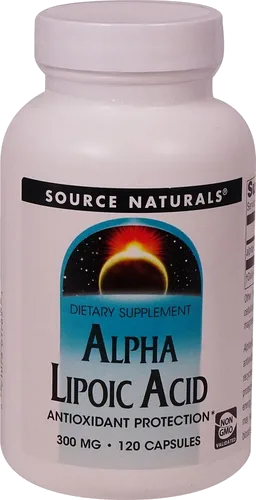
BRI Nutrition Alpha Lipoic Acid Review
BRI Nutrition Alpha Lipoic Acid (ALA) is a dietary supplement sold in two main forms. One is a 250 mg vegetable-cellulose capsule, offered in a 240-count bottle. The other is a 300 mg liquid softgel, offered in a 60-count bottle. BRI markets it as a "universal antioxidant" for free-radical defense, healthy blood sugar levels, and nerve function. The softgel is promoted as easier to swallow and as supporting absorption. I could not retrieve the full label, so check the current Supplement Facts panel and any added ingredients before buying. Alpha lipoic acid is a sulfur-containing, 8-carbon fatty acid. The body makes small amounts in the mitochondria. There it acts as a cofactor for enzyme complexes, including pyruvate dehydrogenase and alpha-ketoglutarate dehydrogenase. These enzymes turn glucose and other substrates into ATP, so ALA is part of normal cellular energy metabolism. Taken as a supplement, ALA and its reduced form, dihydrolipoic acid (DHLA), form a redox couple. This couple does the following: - It scavenges reactive oxygen species such as hydroxyl radicals and hypochlorous acid. - It chelates transition metals such as iron and copper, which limits metal-driven oxidative reactions. - It helps regenerate other antioxidants, including vitamins C and E, and it helps restore intracellular glutathione. - It may activate the Nrf2 pathway, which raises the expression of the body's own antioxidant enzymes. - It dampens NF-κB inflammatory signaling. ALA is unusual because it dissolves in both water and fat. That lets it work in both the aqueous and membrane compartments of cells. On blood sugar, ALA may improve insulin signaling. It can promote GLUT4 glucose-transporter translocation and activate AMPK in muscle. For nerve health, the evidence is strongest for intravenous ALA in diabetic neuropathy. Oral doses of 600 mg a day have been studied, and the results are more modest. The mechanism is thought to be reduced oxidative stress in nerve tissue and better nerve blood flow. Absorption of ALA is limited. It has a short half-life, and bioavailability is best on an empty stomach, because food lowers absorption. Many users take it 30 minutes before meals. A 250–300 mg serving is a moderate dose. Safety notes: - Possible side effects include nausea, stomach upset, and rash. - ALA can lower blood sugar, so people on meds should consult a clinician. - ALA may affect thyroid hormone levels. - Pregnant or nursing women and people on medication should consult a clinician before use. - Supplements are not intended to diagnose, treat, or cure disease.
We don’t sell supplements. We help you make decisions and get the best price.
Lowest prices
We may earn a commission from some store links. How we choose.
Finding the lowest prices at the stores now. This takes a few seconds.
Study, Trial or Testing Result Summary
Members Only46 human studies · 33 improved
4 of these 46 human studies gave alpha lipoic acid by drip, not by mouth.
This product gives 250 mg of alpha lipoic acid a day, above the lowest dose that worked in studies. Results for blood sugar are mixed. In 57 adults with type 2 diabetes, 300 mg a day for 8 weeks lowered fasting blood sugar and insulin resistance compared with placebo [1]. In pregnant women with gestational diabetes, 100 mg a day [2] and 300 mg a day [3] for 8 weeks lowered fasting blood sugar. In 80 critically ill patients, 900 mg a day for 10 days lowered blood sugar and prevented a rise in insulin resistance [4]. However, the two largest and longest trials found no benefit. In 467 people with type 2 diabetes, 600 mg a day for 2 years did not change long-term blood sugar [5]. In 151 people with metabolic syndrome, 600 mg a day for one year did not change blood sugar or insulin, though it modestly lowered blood fatty acids [6]. Short trials suggest a possible benefit, but longer and larger trials do not confirm it. Animal and cell studies are never counted.
See all 46 studies →Hide the studies
- A pooled review of 884 trials of 27 micronutrients in about 884,000 people found moderate- to high-quality evidence that alpha-lipoic acid, among others, reduced heart disease risk factors, though no alpha-lipoic acid specific numbers were given.Micronutrient Supplementation to Reduce Cardiovascular Risk.
- A review of 50 double-masked trials of supplements in type 2 diabetes, including alpha-lipoic acid, found positive effects on insulin resistance and heart risk factors, but gave no alpha-lipoic acid specific results.Nutritional supplementation for type 2 diabetes: a systematic review.
- A review of 25 publications, including five randomized trials and three open-label studies, found 600 mg a day for at least 3 weeks helped diabetic nerve damage, with some benefit on weight and insulin sensitivity.A Case for Alpha-Lipoic Acid as an Alternative Treatment for Diabetic Polyneuropathy.
- A review of 17 randomized trials in adults taking alpha-lipoic acid for at least one month found little consistent benefit on blood cholesterol and triglycerides.Evaluating the Lipid-Lowering Effects of α-lipoic Acid Supplementation: A Systematic Review.
- In 467 people with type 2 diabetes, 600 mg a day of alpha-lipoic acid for 2 years did not prevent diabetic macular edema compared with placebo, and blood sugar (HbA1c) stayed constant.Alpha-lipoic acid for the prevention of diabetic macular edema.
- In 236 people with diabetic nerve damage, 1800 mg a day of alpha-lipoic acid for 12 weeks improved symptoms in 73% versus 18% on placebo, and blood sugar (HbA1c) fell further.[Efficacy and safety of high-dose α-lipoic acid in the treatment of diabetic polyneuropathy].
- In 155 postmenopausal women with metabolic syndrome, six months of inositol plus alpha-lipoic acid cut insulin resistance by over 20% in 66.7% of the treated group and lowered triglycerides and waist size versus placebo.Combination of inositol and alpha lipoic acid in metabolic syndrome-affected women: a randomized placebo-controlled tria…
- In 151 people with metabolic syndrome, 600 mg a day of alpha-lipoic acid for one year modestly lowered blood fatty acids but did not change blood sugar, insulin, or inflammation markers.The effect of lipoic acid and vitamin E therapies in individuals with the metabolic syndrome.
- In 123 men with type 2 diabetes and erectile dysfunction, 3 months of a combination of alpha lipoic acid, grape and ginkgo lowered fasting blood glucose and insulin resistance, alone or with avanafil.Evaluation of the Effect on Sexual Performance of a Nutraceutical Combination Containing Alpha Lipoic Acid, Vitis vinife…
- In 120 people with type 2 diabetic nerve disease on short-term intensive insulin, 2 weeks of alpha lipoic acid lowered fasting glucose like the comparison treatment but gave better inflammation and adiponectin results than the comparison.[Effect of alpha-lipoic acid combined with transient intensive insulin therapy on adipokine level in patients with type …
- In 97 overweight or obese women on a calorie-restricted diet for 10 weeks, 300 mg daily of alpha lipoic acid increased weight loss, but glucose improvements did not differ between groups.Effects of α-lipoic acid and eicosapentaenoic acid in overweight and obese women during weight loss.
- In 90 older adults with type 2 diabetes and acute stroke, alpha-lipoic acid given for 3 weeks alongside usual care lowered blood sugar, blood lipids and insulin resistance and reduced oxidative stress more than vitamin C alone.α-Lipoic acid treatment of aged type 2 diabetes mellitus complicated with acute cerebral infarction.
- In 82 adults with type 2 diabetes and nerve damage affecting the heart, adding alpha-lipoic acid to standard treatment improved the heart's diastolic (filling) function and electrical properties more effectively.[Structural and functional condition of the left ventricle in patients with type 2 diabetes mellitus complicated with di…
- In a placebo-controlled trial of 80 critically ill patients, 900 mg of alpha-lipoic acid daily for 10 days lowered blood sugar and prevented the rise in insulin resistance seen with placebo.The Beneficial Effects of α-Lipoic Acid in Critically Ill Patients: A Prospective, Randomized, Double-Blind, Placebo-Con…
- In 76 men with type 2 diabetes and erectile dysfunction, 600 mg of alpha-lipoic acid with alprostadil given daily for 2 weeks improved blood vessel function and had fewer side effects than oral a med.Study on the clinical value of alprostadil combined with α-lipoic acid in treatment of type 2 diabetes mellitus patients…
- In 73 overweight women on a weight loss diet for 10 weeks, adding 0.3 g daily of alpha-lipoic acid did not change irisin levels beyond the effect of weight loss alone.Circulating irisin and glucose metabolism in overweight/obese women: effects of α-lipoic acid and eicosapentaenoic acid.
- In 61 adults with HIV-related fat loss, 48 weeks of lipoic acid with n-acetylcysteine improved a breath-test measure of mitochondrial function, but fat distribution and lipid levels did not change significantly.Effect of antioxidants on mitochondrial function in HIV-1-related lipoatrophy: a pilot study.
- In 60 adults with impaired fasting glucose, a daily 600 mg alpha-lipoic acid infusion for 3 weeks improved blood vessel dilation and lowered a blood marker of oxidative stress, while the untreated group showed no change.α-lipoic acid can improve endothelial dysfunction in subjects with impaired fasting glucose.
- In 60 pregnant women with gestational diabetes, 100 mg of alpha-lipoic acid daily for 8 weeks lowered fasting blood sugar and insulin resistance in the treated group, along with lower oxidative stress markers.Elevation of the adiponectin/leptin ratio in women with gestational diabetes mellitus after supplementation with alpha-l…
- In a placebo-controlled trial of 60 pregnant women with gestational diabetes, 300 mg of alpha-lipoic acid daily for 8 weeks lowered fasting blood sugar and improved several antioxidant measures.Alpha-lipoic acid supplementation effects on serum values of some oxidative stress biomarkers in women with gestational …
- In 60 people with diabetes on dialysis, 600 mg a day of lipoic acid for six months lowered inflammation, a marker of oxidative damage, and HbA1c and improved blood counts compared with the control group.Alpha-lipoic acid improved anemia, erythropoietin resistance, maintained glycemic control, and reduced cardiovascular ri…
- In a placebo-controlled trial of 57 adults with type 2 diabetes, 300 mg of alpha-lipoic acid daily for 8 weeks significantly lowered fasting blood sugar and insulin resistance compared with placebo.Effect of alpha-lipoic acid on blood glucose, insulin resistance and glutathione peroxidase of type 2 diabetic patients.
- In 56 non-obese adults, a daily blend of 10 supplements including 600 mg of lipoic acid for 24 weeks did not change blood sugar, insulin, or cardiovascular measures compared with the control group.Multiple dietary supplements do not affect metabolic and cardio-vascular health.
- In 51 people with type 1 diabetes, 600 mg a day of lipoic acid for five weeks reduced platelet reactivity, a clotting measure, compared with placebo.Effect of α-lipoic acid on platelet reactivity in type 1 diabetic patients.
- In 50 people with fatty liver disease, 1200 mg daily of alpha-lipoic acid for 12 weeks lowered insulin and leptin and raised adiponectin and an insulin sensitivity index compared with placebo, but liver fat did not differ significantly between groups.Oral α-lipoic acid supplementation in patients with non-alcoholic fatty liver disease: effects on adipokines and liver h…
- In 42 adults with impaired glucose tolerance, a single 300 mg dose of alpha-lipoic acid before a glucose drink reduced the blood vessel dysfunction caused by the sugar spike compared with placebo.The antioxidant alpha-lipoic acid improves endothelial dysfunction induced by acute hyperglycaemia during OGTT in impair…
- In 30 adults with type 2 diabetes, 21 days of daily 600 mg alpha-lipoic acid given intravenously improved blood vessel dilation in response to acetylcholine, while the placebo group showed no change.Alpha-lipoic acid improves vascular endothelial function in patients with type 2 diabetes: a placebo-controlled randomiz…
- In 30 children and teens with type 1 diabetes, 600 mg a day of lipoic acid added to insulin for four months improved heart pumping function and lowered oxidative stress and inflammation compared with insulin alone.Alpha-lipoic acid improves subclinical left ventricular dysfunction in asymptomatic patients with type 1 diabetes.
- In 24 healthy volunteers, a single 600 mg dose of thioctic acid did not change blood sugar or insulin levels or interact with glibenclamide or a med.Read the study on PubMed (10594485) →
- In 24 obese adults with impaired glucose tolerance, 1 gram of alpha-lipoic acid daily for 12 weeks did not improve blood sugar regulation, and alone it increased LDL cholesterol oxidation, while combined with exercise this effect was prevented.Effect of α-lipoic acid and exercise training on cardiovascular disease risk in obesity with impaired glucose tolerance.
- In 22 obese adults with impaired glucose tolerance, two weeks of 600 mg lipoic acid given by IV daily improved insulin sensitivity by 41% and lowered blood fats, oxidation markers and inflammatory markers.Amelioration of lipid abnormalities by α-lipoic acid through antioxidative and anti-inflammatory effects.
- In a placebo-controlled crossover pilot of 12 prediabetic adults, 600 mg of alpha-lipoic acid daily for 30 days reduced fasting insulin and insulin resistance compared with placebo, but blood sugar and blood lipids did not change.Metabolic effects of α-lipoic acid supplementation in pre-diabetics: a randomized, placebo-controlled pilot study.
- In adults with fatty liver inflammation (NASH), a diet plan plus a specialized food containing lipoic acid for 14 days lowered cholesterol and an insulin resistance index more than diet alone.[Modification of dietary patterns in patients with non-alcoholic steatohepatitis].
- In 59 adults with polycystic kidney disease, 1.6 g of alpha-lipoic acid daily for 6 months lowered blood sugar, insulin and insulin resistance, C-reactive protein and uric acid compared with a control group, and improved mental test scores.α-lipoic acid in patients with autosomal dominant polycystic kidney disease.
- In 20 adults with type 2 diabetes and nerve damage, lipoic acid taken for four months along with usual meds eased nerve symptoms, and the benefit appeared larger in those with better blood sugar control; the abstract does not clearly report a blood sugar lowering effect.Alpha lipoic acid and glycaemic control in diabetic neuropathies at type 2 diabetes treatment.
- In a small pilot study of 17 adults with diabetic nerve damage, 1200 mg of lipoic acid taken daily for 6 weeks shortened the time for blood flow in tiny finger vessels to peak after a brief blockage, a sign of better blood flow reserve; resting blood flow and blood sugar control did not change.Effects of alpha-lipoic acid on microcirculation in patients with peripheral diabetic neuropathy.
- In 112 people with type 2 diabetes and a prior heart attack, 4 months of alpha lipoic acid lowered inflammation markers (CRP, IL-6, TNF-alpha); blood sugar was not reported.Alpha-Lipoic Acid as a Means of Influence on Systemic Inflammation in Type 2 Diabetes Mellitus Patients with Prior Myoca…
- In 72 people with painful diabetic nerve damage, 600 mg a day of lipoic acid for 40 days reduced nerve symptoms and triglycerides and improved quality of life, with no control group.Effect of α-lipoic acid on symptoms and quality of life in patients with painful diabetic neuropathy.
- In 61 Korean adults with diabetic nerve damage in the feet and legs, 600 mg daily of thioctic acid for 8 weeks improved symptoms such as pain, burning and numbness in 71.4% of patients, with no change in blood sugar or HbA1c.Clinical experience with thioctacid (thioctic acid) in the treatment of distal symmetric polyneuropathy in Korean diabet…
- In 46 adults with type 1 diabetes and nerve damage affecting the heart and blood vessel reflexes, 600 mg of lipoic acid daily for about 60 days (first 10 days by IV) improved heart rate and blood pressure reflex scores and raised blood antioxidant levels, while a comparison group did not improve.Alpha-lipoic acid in the treatment of autonomic diabetic neuropathy (controlled, randomized, open-label study).
- In 26 adults with type 2 diabetes and nerve damage, 600 mg of alpha-lipoic acid daily for 3 months lowered average blood glucose without a control group.Effects of 3-month treatment with the antioxidant alpha-lipoic acid in diabetic peripheral neuropathy.
- In 13 healthy men with diet-induced high triglycerides and 11 postmenopausal women with type 2 diabetes, alpha-lipoic acid treatment improved blood vessel dilation and reduced oxidative stress from neutrophils, with no placebo group.Prevention and treatment of macroangiopathy: focusing on oxidative stress.
- In 21 adults with type 2 diabetes, up to 1200 mg daily of controlled-release alpha-lipoic acid for 12 weeks was well tolerated and lowered plasma fructosamine, a measure of average blood sugar over recent weeks, from 313 to 283 micromol/L in 15 patients who were analysed.Pharmacokinetics, tolerability, and fructosamine-lowering effect of a novel, controlled-release formulation of alpha-lip…
- In 18 people with schizophrenia, 500 mg of alpha-lipoic acid daily for 3 months lowered fasting blood sugar and raised adiponectin, without a control group.Effects of Alpha-Lipoic Acid Supplementation on Plasma Adiponectin Levels and Some Metabolic Risk Factors in Patients wi…
- In 9 men with type 1 diabetes, four weeks of benfotiamine combined with slow-release lipoic acid normalised several blood markers of damage-causing pathways, but blood sugar measures did not change.Oral benfotiamine plus alpha-lipoic acid normalises complication-causing pathways in type 1 diabetes.
- In a small uncontrolled case series of 7 people with schizophrenia gaining weight on antipsychotic drugs, lipoic acid taken for 12 weeks was linked to lower total cholesterol and a weak, non-significant trend toward better insulin resistance.A preliminary investigation of alpha-lipoic acid treatment of antipsychotic drug-induced weight gain in patients with sc…
Review Totals and Summary
Members Only59 reviews
My search returned little verbatim review text. The Amazon Singapore listing for the 250 mg capsules showed no customer reviews. The feedback summarized here comes mainly from review-analysis data on the 300 mg softgel, which has hundreds of Amazon reviews. It is a thin sample, and I have not verified individual comments. The most common praise concerns the softgel format: reviewers repeatedly say it is easy to swallow and seems to absorb well, and they contrast it with larger, dry capsules or tablets. Many reviewers say they bought it as a general antioxidant for overall wellness. A smaller group buys it for blood sugar support or nerve comfort, such as tingling or neuropathy-type discomfort. Those users often describe gradual benefits over weeks, not immediate relief. Customers also like the clear labeling, the moderate 300 mg dose, and the value of the bottle. Some reviewers say they trust the brand because they already use other BRI products, such as its phytoceramides. Complaints are fewer and less consistent. Some users report stomach upset or nausea, especially when they take it with food or on a sensitive stomach. A few say they noticed no effect, which is common for antioxidant supplements, where benefits are subtle. Others mention the sulfur-like smell that ALA products can have. Authenticity is the main caveat. ReviewMeta's analysis flagged about 31% of the 422 Amazon reviews as unnatural and adjusted the rating down. Incentivized reviews also appear in the mix. The enthusiastic feedback should therefore be read with some caution. Overall, the picture is a well-tolerated, easy-to-swallow ALA that most users find satisfactory. Its benefits are modest and slow, and some users report minor digestive complaints.
Biohacker Summary
Members Only7 of 10 recommend it
Eight of the ten panelists spoke about alpha-lipoic acid, and most of them recommend or use it, mainly as an antioxidant for energy production in the cells, nerve health, blood sugar and insulin control, and recycling other antioxidants such as glutathione and vitamins C and E. One panelist suggested 600 mg a day for ringing in the ears, another mentioned the same amount taken with food to help smell return after a viral infection while calling the effect not strong, and one named 100 mg once a day for brain health. It was paired with benfotiamine for nerve problems, with fish oil at breakfast, and with L-carnitine for mitochondrial health, and one panelist takes a Pure Encapsulations product. Cautions came from two directions: one panelist advises against daily use and suggests it only on days of intense exertion so the body's own antioxidant production is not blunted, and another noted it may trigger migraines in sensitive people when combined with sulfur-rich foods like eggs. One panelist stopped taking it for longevity because he saw too little evidence, and two others stayed neutral.
See all 9 biohackers →Hide the biohackers
Dr. Eric Berg · Alpha-Lipoic Acid · recommends
- Recommends alpha-lipoic acid, usually taken with benfotiamine, to help with peripheral neuropathy, suggesting four doses through the day.
- Recommends taking alpha-lipoic acid to block the effects of grains.
- Recommends alpha-lipoic acid as a nutrient that helps support nerve health and cardiovascular function for natural tinnitus relief.
- Recommends alpha-lipoic acid, a powerful antioxidant, and suggests taking 600 mg a day to help reduce ringing in the ear.
- Recommends alpha-lipoic acid as a powerful antioxidant that can help with peripheral neuropathy, support mitochondrial function, and improve insulin sensitivity.
- Recommends Alpha-lipoic acid to fix burning feet pain at the root.
- Mentions that alpha-lipoic acid can help with associated peripheral neuropathy.
- Recommends alpha-lipoic acid to reduce advanced glycated end products (AGEs), which can help with advanced visual problems, rigid lenses, diabetes complications, and cataracts.
- Recommends alpha-lipoic acid as a slightly better combination with berberine to correct damage from excess sugar on the nervous system.
- Recommends taking alpha-lipoic acid to block the effects of grains.
Dr. Rhonda Patrick · Alpha-Lipoic Acid · neutral
- Describes alpha-lipoic acid as a short-chain fatty acid produced in mitochondria and found in various foods. They highlight its role as a cofactor in mitochondrial energy production and biogenesis, its strong antioxidant capabilities, and its ability to regenerate vitamins C and E and glutathione. They also mention its anti-inflammatory effects, its role in chelating metal ions like iron and copper, and its ability to reduce advanced glycation end products, which is beneficial for people with diabetes.
- Discusses ideal dosing for alpha-lipoic acid.
- Rhonda's current supplement routine includes Alpha-lipoic acid.
- Dr. Patrick takes alpha-lipoic acid by Pure Encapsulations.
- And then with breakfast, I take about 1 gram of fish oil, alpha-lipoic acid.
- Alpha-lipoic acid is a cofactor in mitochondrial energy production and biogenesis, with strong antioxidant capabilities that help regenerate vitamins C and E and glutathione. It also has anti-inflammatory effects, chelates metal ions, and reduces advanced glycation end products, which is beneficial for people with diabetes.
- States that alpha-lipoic acid reduces body fat in overweight or obese people, independent of dietary or physical activity changes.
- Alpha-lipoic acid reversed brain aging in rats.
Thomas DeLauer · Alpha-Lipoic Acid · recommends
- Recommends alpha-lipoic acid as a runner-up for detoxification, stating it recycles glutathione and helps with vitamin C and E simultaneously, acting as a broad-spectrum antioxidant recycler, and he increases his intake when training hard and feeling run down.
- Recommends alpha-lipoic acid to help regenerate glutathione after it's been used, keeping the system efficient.
- Recommends alpha-lipoic acid as a powerful antioxidant for mitochondrial dysfunction.
- Recommends alpha-lipoic acid as a good antioxidant to combat gut damage.
- Recommends adding alpha-lipoic acid on carb cycling days to help with precursors that might improve carbohydrate utilization.
- Recommends alpha-lipoic acid (ALA) to support glutathione production and modulate inflammation, suggesting that one can play around with the dose as not too much is usually needed.
- Recommends taking 300 to 600 milligrams of alpha-lipoic acid on days with a lot of cardio to counteract oxidative stress.
- Recommends alpha-lipoic acid as a powerful antioxidant to protect fatty acid utilization within the brain.
Andrew Huberman · Alpha-Lipoic Acid · neutral
- Mentions that their mentor's lab studied the combination of L-carnitine and alpha-lipoic acid for improving mitochondrial health, leading to a supplement called Juvenon.
- Mentions that there are papers published about alpha-lipoic acid accelerating the recovery of smell, and he used it successfully, but notes that the data is not overwhelming.
- Mentions some data suggesting that 600 milligrams of alpha-lipoic acid (ALA) taken daily with food can help accelerate the return of smell after a viral infection, though notes it's not a super robust effect.
Siim Land · Alpha-Lipoic Acid · uses
- Included alpha-lipoic acid in a multi-ingredient study for mitochondrial dysfunction, noting its role as an antioxidant and co-factor in the electron transport chain.
- Mentions alpha-lipoic acid as an example of a supplement that, when combined with other sulfur-rich foods like eggs, could lead to migraines for sensitive individuals.
Dave Asprey · Alpha-Lipoic Acid · recommends
- Dave Asprey and his guests reveal how alpha-lipoic acid can outperform bulk vegetables, upgrade mitochondria, metabolism, and protect the brain, and can boost neuroplasticity, brain optimization, and human performance.
- Mentions that GL Perfect contains alpha-lipoic acid.
- Mentions that alpha-lipoic acid might push pathways related to mitochondrial biogenesis.
- Mentions alpha-lipoic acid as something people interested in longevity have heard of on the show.
- States he uses alpha-lipoic acid.
Dr. Mark Hyman · Alpha-Lipoic Acid · recommends
- Recommends alpha-lipoic acid for oxidative stress and to help lower sugar for insulin resistance.
- States that alpha-lipoic acid can stimulate osteoblasts, which helps with bone building, especially for those with a genetic predisposition to low bone density.
- Personally takes alpha-lipoic acid as part of strengthening his system against COVID-19.
- Uses alpha-lipoic acid as a supplement to help the body rid itself of metals.
- Dr. Hyman recommends alpha-lipoic acid, stating it is a close second to glutathione in importance for protecting cells, energy production, and blood sugar control, and that we often become depleted.
Ben Greenfield · Alpha-Lipoic Acid · recommends
- Recommends layering in alpha-lipoic acid to support antioxidant stores, especially for those with high oxidative loads.
- Recommends taking Alpha-lipoic acid after swimming in chlorine to mitigate damage.
- States that alpha-lipoic acid helps shut down brain inflammation and can assist strength, power, and speed athletes, but he does not take it daily.
- Ben recommends Alpha-lipoic-acid, 100mg once a day, suggesting 1-2 servings of NutraRev per day for brain health.
- Acknowledges alpha-lipoic acid as a potent antioxidant for mitochondrial/energy benefits, but advises against daily use, suggesting it only on days of intense physical exertion to avoid blunting the body's natural antioxidant production.
- Recommends 100mg of Alpha-lipoic-acid once a day, suggesting 1-2 servings of NutraRev per day.
- Recommends combining methylene blue with Alpha-lipoic acid, which aids in energy metabolism and boasts antioxidant properties, to enhance mitochondrial health.
- Mentions that Alpha-lipoic acid is a popular longevity molecule that people are using.
- Ben asks if alpha-lipoic acid in UriZen is to protect kidney tissue from oxidative damage.
- Brendon's HPX Optimized blend includes alpha-lipoic acid.
Peter Attia · Alpha-Lipoic Acid · stopped
- Used to take Alpha-lipoic acid for longevity but stopped because he didn't see enough evidence.
RAL Summary
Members OnlyTier 4 for Blood Sugar
The ineffective grade misreads mixed evidence: several placebo-controlled trials found lower blood sugar while the two largest, longest trials found no change, so the studies disagree rather than show it does not work. So it is graded Tier 4, as the studies disagree.
- Emerging: not enough evidence to rank higher yet.
Where the evidence disagrees: 7 of the 46 human studies found no effect.
More Details
Members OnlyBody systems · Combine with · Possible side effects
Body systems: Endocrine system, Metabolism
Combine with: For blood sugar and metabolic support, ALA pairs well with berberine, chromium picolinate, magnesium, and cinnamon extract, which complement its effects on insulin sensitivity and glucose uptake. Benfotiamine and B-complex vitamins (especially B12 and methylfolate) are useful for nerve health, and acetyl-L-carnitine works synergistically with ALA for mitochondrial function and neuropathy. If cholesterol is the real goal, add bergamot extract, plant sterols, soluble fiber (psyllium), omega-3 fish oil, or citrus bergamot, and consider CoQ10 if taking meds. Take ALA on an empty stomach for best absorption, and monitor blood sugar if on meds since it can enhance glucose-lowering effects.
Possible side effects: No major side effects reported.
Supplement Facts
Alpha Lipoic Acid 250 mg
| Alpha Lipoic Acid | 250 mg | † |
Other ingredients: Plant Cellulose, Vegetable Magnesium Stearate.
Directions: Suggested Use: As a dietary supplement, take one (1) capsule daily. For best results, take with a meal and 8oz of water or as directed by your health care professional.
Label source: NIH label database · Report a label change
Show entire label
More blood sugar products
Members OnlyThe highest ranked for the same goal
Read more
Our articles on this subject
- How to Lower Blood Sugar Naturally: A Comprehensive GuideArticle · Sep 9, 2026
- Intermittent Fasting: What the Human Trials Show for Weight, Blood Sugar and AgingArticle · Oct 29, 2026
Graded November 8, 2026 by the Reverse Age Lab evidence engine, from human studies, real reviews and our biohacker panel. How we grade. Is this medical advice? No. Rala organizes the published evidence; go over any change with your doctor, especially if you take meds.
Privacy policyConsumer health dataAffiliate disclosureTermsDo Not Sell or Share My Personal InformationCookie settings