
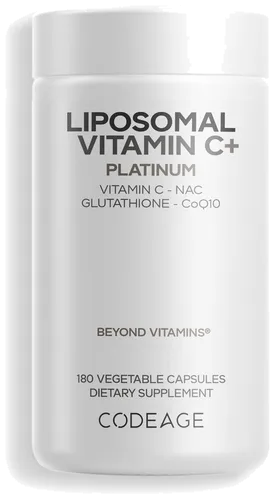
Codeage Liposomal Vitamin C+ Platinum Review
Codeage Liposomal Vitamin C+ Platinum is a capsule supplement made with a liposomal delivery blend. The capsule shell is hypromellose, and the label lists phospholipids from non GMO sunflower lecithin, including phosphatidylcholine, plus microcrystalline cellulose. A serving is 3 capsules, and each container holds 60 servings. Per serving the label prints vitamin C 1000 mg, zinc 15 mg, copper 1 mg, glutathione 100 mg, NAC (N acetyl L cysteine) 50 mg, resveratrol from the root of Polygonum cuspidatum 50 mg, alpha lipoic acid 50 mg, quercetin dihydrate 50 mg, citrus bioflavonoids complex 30 mg, hesperidin 30 mg, Kaneka Ubiquinol CoQ10 25 mg, rutin 25 mg, rosehip fruit extract 25 mg and elderberry fruit powder 25 mg. Buyers most often say the capsules are easy to swallow, leave no aftertaste and fit into a daily routine. Many also mention that they are gentle on the stomach.
We don’t sell supplements. We help you make decisions and get the best price.
Lowest prices
We hold no current store prices for it yet: check the store.
- AmazonPrice at AmazonCheck price at Amazon (opens in a new tab)
Some store links earn us a commission.
Study, Trial or Testing Result Summary
Members Only266 human studies · 136 improved
14 of these 266 human studies gave the ingredient by drip, injection or inhaler, not by mouth.
Two main ingredients come at full studied doses. Vitamin C did not lower cold rates in the general public, though colds were about half as common in marathon runners, skiers and soldiers, and colds were 8% shorter in adults and 14% shorter in children [1]. At 1 gram or more daily, colds were 15% less severe [2]. Several reviews concluded it does not prevent colds [3]. Zinc has stronger support. In young children it cut deaths from any cause by 16% [4]. In adults it may shorten colds by about 2.4 days but does little to prevent them [5]. Resveratrol is at a full dose, but its evidence is thin and mostly from combination products [6][7]. Copper and coenzyme Q10 reach studied doses only at two servings a day. Copper helped mainly in very ill or malnourished people [8], and coenzyme Q10 lowered inflammation in small trials [9]. Glutathione is below its studied dose [10]. N-acetylcysteine [11], alpha lipoic acid [12], quercetin [13] and rosehip [14] are present only in trace amounts. Elderberry may shorten colds and flu [15], but its dose here is unclear. Hesperidin showed no immune benefit in its one human trial [16]. Animal and cell studies are never counted.
See all 266 studies →Hide the studies
- Across 28 trials of 237,068 children under 5, zinc supplementation cut the risk of death from any cause by 16%, with larger drops at 10 mg or more per day and lower deaths from pneumonia and infection.Effect of zinc supplementation on mortality in under 5-year children: a systematic review and meta-analysis of randomize…
- Pooling eight studies of 20,503 people with COVID-19, those given N-acetylcysteine had lower death rates and lower inflammation markers than the comparison group, though few studies were included.N-acetylcysteine reduces severity and mortality in COVID-19 patients: A systematic review and meta-analysis.
- Across 30 trials with 11,350 people, taking vitamin C every day did not meaningfully lower the chance of catching a cold, though it shortened colds by 8% in adults and 13.6% in children, and halved colds in people under heavy physical stress; starting it after symptoms began did not help.Vitamin C for preventing and treating the common cold.
- Across 29 placebo-controlled trials with 11,306 people taking at least 0.2 g of vitamin C daily, colds were not less common in the general public but were about half as common in marathon runners, skiers and soldiers, and colds lasted 8% shorter in adults and 14% shorter in children.Vitamin C for preventing and treating the common cold.
- Across 34 trials with 8526 children and adults, zinc made little or no difference to catching a cold but may have shortened colds by about 2.4 days when used as treatment, with more mild side effects.Zinc for prevention and treatment of the common cold.
- In 113 studies with 7014 patients with immune-related skin diseases, blood copper was higher in people with psoriasis, atopic dermatitis and alopecia areata than in healthy people; no supplement was tested.Trace Elements and Risk of Immune-Mediated Skin Disease: A Systematic Review and Meta-analysis.
- In six trials of 5,193 children aged 2 to 59 months, daily zinc lowered pneumonia incidence by 13%, though the evidence was rated low quality and there was no effect with looser pneumonia definitions.Zinc supplementation for the prevention of pneumonia in children aged 2 months to 59 months.
- Across 37 trials of 4905 critically ill adults, combinations containing copper ranked best for shorter ICU stay and fewer infections, but the differences were not statistically clear and the evidence was too uncertain to support use.Antioxidant micronutrient supplements for adult critically ill patients: A bayesian multiple treatment comparisons meta-…
- Across 35 trials of 1,995 adults, zinc supplements lowered inflammation markers (CRP) and neutrophils and raised CD4 immune cells, with no effect on white blood cells, lymphocytes, monocytes or CD3.Zinc supplementation and immune factors in adults: a systematic review and meta-analysis of randomized clinical trials.
- In 9 trials with 1,322 critically ill patients, vitamin C did not significantly reduce deaths, infections, or time in intensive care or on a ventilator, though high-dose intravenous vitamin C alone showed a possible trend toward fewer deaths.Vitamin C Administration to the Critically Ill: A Systematic Review and Meta-Analysis.
- Across 11 studies of 1262 people, those with lupus had higher blood copper than healthy people; this compared levels and did not test copper as a supplement.Essential Trace Element Status in Systemic Lupus Erythematosus: a Meta-analysis Based on Case-Control Studies.
- Across 10 studies of 546 visceral leishmaniasis patients and 535 controls, patients had higher blood copper levels; no copper was given as a supplement.Serum Levels of Vitamins and Trace Elements in Patients with Visceral Leishmaniasis: a Systematic Review and Meta-analys…
- A review of nine trials with 255 people with cystic fibrosis found no clear clinical benefit from nebulized or oral thiol drugs, including one trial of inhaled glutathione, so it says little about immune support.Nebulized and oral thiol derivatives for pulmonary disease in cystic fibrosis.
- An earlier review of eight trials with 234 people with cystic fibrosis found no clear clinical benefit from nebulized or oral thiol drugs, including one inhaled glutathione trial.Nebulized and oral thiol derivatives for pulmonary disease in cystic fibrosis.
- Pooling three placebo-controlled trials of 199 adults with common colds, zinc acetate lozenges shortened colds by about 2.7 to 2.9 days compared with an average of 7 days.Zinc acetate lozenges for treating the common cold: an individual patient data meta-analysis.
- Pooling randomized trials with 180 people in total, elderberry supplements substantially reduced upper respiratory symptoms, with a large average effect.Black elderberry (Sambucus nigra) supplementation effectively treats upper respiratory symptoms: A meta-analysis of rand…
- A review of eight systematic reviews covering 31 randomized trials concluded that taking vitamin C does not prevent people from catching a common cold.Does vitamin C prevent the common cold?
- Pooling seven randomized trials from four systematic reviews, vitamin C taken during a cold had minimal or no effect on how long the cold lasted or on days at home or out of work.What are the effects of vitamin C on the duration and severity of the common cold?
- In a pooled analysis of randomized trials in adults, vitamin C slightly lowered the risk of respiratory infections by 4% and shortened symptoms by 9%, with a stronger prevention effect in men and in middle-income countries.Effect of micronutrient supplements on influenza and other respiratory tract infections among adults: a systematic revie…
- In 10 placebo-controlled trials of healthy people taking at least 1 g of vitamin C daily, cold severity was 15% lower than with placebo, with a clear benefit on severe symptoms but not on mild ones.Vitamin C reduces the severity of common colds: a meta-analysis.
- In children with pneumonia, zinc may have slightly shortened hospital stays but did not speed recovery time, and no nutritional supplement could be recommended for routine treatment.A systematic review and meta-analysis on nutritional and dietary interventions for the treatment of acute respiratory in…
- In 13 studies of undernourished children, oral nutritional supplements (not zinc alone) lowered upper respiratory infection by 39% compared with dietary counseling alone.Effect of Oral Nutritional Supplementation on Health-Related Outcomes and Nutritional Biomarkers in Children and Adolesc…
- In a review of 11 studies on vaginal yeast infection, one trial of 68 women found zinc lowered 90-day reinfection (28.6% vs 48.5%) but not significantly, and trials were too few to support routine use.Zinc-based therapies for prevention and treatment of vulvovaginal candidiasis: a systematic review and meta-analysis.
- Pooling 6 trials of adults with colds, zinc lozenges did not significantly reduce the chance of having cold symptoms at 7 days.A meta-analysis of zinc salts lozenges and the common cold.
- In 35 studies of children, higher copper levels were linked to asthma but not to other allergic diseases, and copper was lower in atopic dermatitis; this was exposure, not supplementation.Exposure to Heavy Metals and Allergic Outcomes in Children: a Systematic Review and Meta-analysis.
- Pooling 20 studies of exercise, N-acetylcysteine lowered IL-6, oxidative stress, lactate and muscle soreness and raised glutathione, but did not change TNF-alpha or creatine kinase.The impact of N-acetylcysteine on lactate, biomarkers of oxidative stress, immune response, and muscle damage: A systema…
- Across 14 studies in healthy adults, flavonoid supplements (0.2 to 1.2 g a day, including quercetin) cut upper respiratory infection rates by 33% compared with control, while blood immune markers differed only trivially.Effect of Flavonoids on Upper Respiratory Tract Infections and Immune Function: A Systematic Review and Meta-Analysis.
- In a review of 31 studies of children aged 5 to 19 on many infection treatments, zinc appeared to help with diarrhea and speed recovery from urinary infections, but most results could not be pooled.Interventions for High-Burden Infectious Diseases in Children and Adolescents: A Meta-analysis.
- Five small, low-quality trials with 2,655 children and adults gave vitamin C at 125 mg to 2 g daily, and the evidence was too weak to tell whether it prevents or treats pneumonia.Vitamin C supplementation for prevention and treatment of pneumonia.
- In 51 studies of 1288 people, only 25% of quercetin studies reported better exercise performance, and the only immune changes found (some anti-inflammatory effects) were with anthocyanins, not quercetin.Does Flavonoid Consumption Improve Exercise Performance? Is It Related to Changes in the Immune System and Inflammatory …
- In 30 trials, high-dose vitamin C did not prevent colds but modestly shortened cold symptoms by about 8 to 9%, with larger doses seeming to help more when started after symptoms began.Vitamin C for preventing and treating the common cold.
- In 12 trials of military personnel, students in crowded housing, and marathon runners, five small short trials found 45 to 91% fewer colds and three found 80 to 100% fewer cases of pneumonia with vitamin C.Vitamin C supplementation and respiratory infections: a systematic review.
- This broad review of common cold treatments included vitamin C among many options but the abstract gives no results specific to vitamin C.Common cold.
- This broad review of common cold treatments included vitamin C among many options but the abstract gives no results specific to vitamin C.Common cold.
- Across 16 randomized trials, 44% showed that vitamin C changed how well immune cells called neutrophils worked, but the studies varied widely in people and doses.Vitamin C and Neutrophil Function: Findings from Randomized Controlled Trials.
- A review of 39 randomized trials of eight supplements, including vitamin C, in healthy people under stress found some signs of benefit but too many gaps to draw firm conclusions about immune protection.Select Dietary Supplement Ingredients for Preserving and Protecting the Immune System in Healthy Individuals: A Systemat…
- A review of 13 studies in healthy adults found alternative vitamin C forms often raised white blood cell vitamin C and were better tolerated, with one study showing fewer colds, but more research is needed to confirm immune benefits.Enhanced Vitamin C Delivery: A Systematic Literature Review Assessing the Efficacy and Safety of Alternative Supplement …
- In healthy adults, zinc did not prevent colds but may have shortened colds by about 2.25 days when given alone.Zinc Supplementation Reduces Common Cold Duration among Healthy Adults: A Systematic Review of Randomized Controlled Tri…
- This review of 49 studies on atopic dermatitis found the evidence too limited to say what role copper plays, with benefit shown only for vitamin D and links to selenium and zinc.Micronutrients in Atopic Dermatitis: A Systematic Review.
- This review of 29 articles on leishmaniasis found higher copper levels in patients, and only zinc supplementation was shown to help wound healing, so copper supplementation was not shown to help.Leishmaniasis and Trace Element Alterations: a Systematic Review.
- A review of 49 articles on nutrition found that resveratrol, among many other nutrients, can lower blood markers of inflammation and oxidative stress.[Effect of nutrition on human inflammatory and oxidative stress markers].
- A review of 18 mostly lab and animal studies found resveratrol changed gut microbes and gene activity in ways linked to immune response, with few human data.Benefits and Implications of Resveratrol Supplementation on Microbiota Modulations: A Systematic Review of the Literatur…
- A review of 32 lab, animal and human studies found resveratrol may reduce inflammation and oxidative stress and modulate immune response in rheumatoid arthritis, but human studies were limited.A comprehensive insight into effects of resveratrol on molecular mechanism in rheumatoid arthritis: A literature systema…
- A review of 20 cell and mouse studies and 12 studies in people with multiple sclerosis found lipoic acid reduced immune cell activity and inflammation in the lab and animals, and people had stable disability scores, better walking and few side effects.Role of lipoic acid in multiple sclerosis.
- A review of 58 human studies on flavonoids and immune function found only quercetin had been tested as a supplement and said more evidence is needed to know whether it helps immunity.Flavonoids and immune function in human: a systematic review.
- A review of 48 trials and 10 observational studies on supplements for hay fever found promising evidence for isoquercitrin and for a vitamin D3, quercetin and Perilla mix, though the evidence quality was limited.Health supplements for allergic rhinitis: A mixed-methods systematic review.
- A review of lab and clinical studies on rheumatoid arthritis described quercetin as blocking an inflammation-linked enzyme and restoring immune cell balance, calling it a promising candidate, but no pooled human results were given.Mechanistic role of quercetin as inhibitor for adenosine deaminase enzyme in rheumatoid arthritis: systematic review.
- A review of nutritional supplements including coenzyme Q10 in rheumatoid arthritis discussed their potential to modulate gut bacteria and inflammation, but the abstract gives no numbers for coenzyme Q10 specifically.Modulating inflammation and oxidative stress in rheumatoid arthritis: a systematic review of nutraceutical interventions…
- A review of 105 mostly preclinical studies on sepsis noted small trials where coenzyme Q10 shortened vasopressor use and improved organ failure scores, but no large trial has shown a survival benefit.Mitochondrial dysfunction in sepsis: nutritional strategies for restoring bioenergetic homeostasis.
- A review of lab, animal and human studies found promising signs that elderberry extract may help with influenza, but stronger human trials are needed before recommending it.A systematic review on the sambuci fructus effect and efficacy profiles.
- Across five randomized trials, elderberry may not lower the chance of catching a cold but may shorten and ease colds and flu, though the evidence is uncertain and showed no sign of immune overstimulation.Elderberry for prevention and treatment of viral respiratory illnesses: a systematic review.
- In 2482 young children in a Delhi slum, daily zinc (10 to 20 mg) for four months did not change overall lower respiratory infections but lowered the incidence of pneumonia compared with placebo.Effect of routine zinc supplementation on pneumonia in children aged 6 months to 3 years: randomised controlled trial in…
- In 1524 working volunteers, 10 grams of vitamin C taken during the first 2.5 days of a cold did not ease cold symptoms compared with placebo, though fewer men had two or more colds, an effect not seen in women.A trial of ascorbic acid in the treatment of the common cold.
- In 1,444 army recruits taking 6,000 mg of vitamin C daily for 30 days, the risk of getting a common cold was 0.80 times that of those taking placebo.Vitamin C supplementation reduces the odds of developing a common cold in Republic of Korea Army recruits: randomised co…
- In 1002 adults aged 18 to 85 taking 500 or 1000 mg quercetin daily for 12 weeks, upper respiratory infection rates did not differ from placebo, though fit people aged 40 and over taking 1000 mg had fewer sick days and milder illness.Quercetin supplementation and upper respiratory tract infection: A randomized community clinical trial.
- In 868 Navajo schoolchildren given vitamin C or placebo, there was no difference in how many got ill (133 vs 129), number of illness episodes, or illness length, though blood vitamin C levels were higher.Vitamin C and acute illness in Navajo schoolchildren.
- In 855 Peruvian children aged 6 months to 15 years, daily zinc cut diarrhea illness by 23% but had no significant effect on respiratory infections.Zinc and iron supplementation and malaria, diarrhea, and respiratory infections in children in the Peruvian Amazon.
- In 826 Indonesian preschool children given 10 mg zinc daily for 4 months, days with upper respiratory infection fell 12 percent (not significant), and 20 percent after vitamin A was given.Zinc combined with vitamin A reduces upper respiratory tract infection morbidity in a randomised trial in preschool chil…
- In 826 Indonesian children aged 2 to 5, 10 mg of zinc daily for four months increased a cellular immune signal (interferon gamma) and changed salivary antibody response in younger and underweight children after vitamin A.Effect of zinc and vitamin A supplementation on immune responses in Indonesian pre-schoolers.
- In a randomized trial of 688 adult women, 1 gram of vitamin C daily produced a small reduction in chest colds but no effect on simple colds.A randomized controlled trial of vitamin C in the prevention and amelioration of the common cold.
- In 674 marine recruits given 2 grams of vitamin C or placebo daily for eight weeks, colds were no less common or shorter, though the vitamin C group rated their colds as less severe.Vitamin C prophylaxis in marine recruits.
- In 612 Tanzanian children aged 6 to 60 months, 10 mg of zinc daily for about 8 months did not reduce malaria episodes compared with placebo, though it corrected low blood zinc.Effect of supplementation with zinc and other micronutrients on malaria in Tanzanian children: a randomised trial.
- In 609 children aged 6 to 35 months, 10 mg of elemental zinc daily for 6 months reduced lower respiratory infection episodes by about 45% compared with control.Zinc supplementation reduces the incidence of acute lower respiratory infections in infants and preschool children: a do…
- In 595 critically ill surgical patients, early antioxidant supplementation with vitamin C and vitamin E did not significantly reduce lung complications compared with standard care, but it reduced multiple organ failure and shortened time on the ventilator and in intensive care.Randomized, prospective trial of antioxidant supplementation in critically ill surgical patients.
- In about 550 adults with colds, zinc gluconate lozenges (13.3 mg) shortened illness from 3.5 to 2.5 days in induced rhinovirus colds but had no effect on natural colds, and zinc acetate had no effect on either.Effect of treatment with zinc gluconate or zinc acetate on experimental and natural colds.
- In 400 women after cesarean section, 1000 mg a day of rosehip fruit capsules for 20 days significantly lowered urinary tract infection rates compared with placebo, though cystitis rates did not differ.The effect of Rosa (L. Rosa canina) on the incidence of urinary tract infection in the puerperium: A randomized placebo-…
- In 384 elderly nursing home residents, 400 mg of zinc daily for 60 days before influenza vaccination raised blood zinc levels but did not increase the antibody response to the vaccine compared with vaccine alone.Effect of zinc or zinc plus arginine supplementation on antibody titre and lymphocyte subsets after influenza vaccinatio…
- In 324 women after caesarean section, a copper-oxide wound dressing cut surgical site infections within 30 days to 18.2% versus 29.7% with a normal dressing.The impact of copper impregnated wound dressings on surgical site infection following caesarean section: a double blind …
- In 312 air travellers, elderberry extract did not significantly change the number of colds but cut total cold days roughly in half (57 vs 117) and lowered symptom scores compared with placebo.Elderberry Supplementation Reduces Cold Duration and Symptoms in Air-Travellers: A Randomized, Double-Blind Placebo-Cont…
- In a 5-year double-blind trial of older Japanese adults, 500 mg of vitamin C daily cut the number of people with three or more colds, compared with 50 mg daily, but did not shorten or lessen the colds.Effect of vitamin C on common cold: randomized controlled trial.
- In 298 children with repeated respiratory infections, 4 months of a multi-ingredient elderberry supplement led to fewer and shorter infections than standard care alone.Primary care experience on Stimunex® gocce in children with recurrent respiratory infections: a real-world study during …
- In 275 people with early COVID-19, a 10-day combination therapy including vitamin C was safe and well tolerated, but the study did not test whether it improved immune health.Read the study on PubMed (41693032) →
- In 262 mostly older adults, 1200 mg daily of N-acetylcysteine for 6 months cut flu-like episodes and symptom severity, and only 25% of those infected with flu virus became sick versus 79% on placebo.Attenuation of influenza-like symptomatology and improvement of cell-mediated immunity with long-term N-acetylcysteine t…
- In 252 Ugandan children with sickle cell anemia, 10 mg of zinc daily for 12 months did not reduce severe or invasive infections compared with placebo, and many children stayed zinc deficient.Zinc for infection prevention in children with sickle cell anemia: a randomized double-blind placebo-controlled trial.
- In children with recurrent respiratory infections, a chewable pleuran-based supplement with vitamin D and zinc taken for 3 months led to fewer infections than placebo.Novel Chewable Pleuran-Based Supplement Decreases Respiratory Tract Infections in Children: A Randomised Controlled Tria…
- In 230 children with partly controlled asthma, a pleuran and vitamin C capsule for 24 weeks versus vitamin C alone improved asthma control in under-12s and lowered respiratory infections in those 12 and older; vitamin C was not tested on its own against placebo.Beneficial effects of pleuran on asthma control and respiratory tract-infection frequency in children with perennial ast…
- In 202 dialysis patients given a multinutrient drink containing coenzyme Q10 for 12 weeks, fatigue did not change, but herpes virus 7 levels in saliva and some heart rhythm measures improved compared with placebo.Effects of nutritional supplementation on fatigue, and autonomic and immune dysfunction in patients with end-stage renal…
- In 194 matched COVID-19 patients, an herbal granule formula that contains quercetin among other compounds shortened lung lesion and viral clearance time and lowered inflammation markers, but quercetin was not tested alone.Yindan Jiedu granules exhibit anti-inflammatory effect in patients with novel Coronavirus disease (COVID-19) by suppress…
- In 191 adults with COVID-19, adding zinc to a med did not improve recovery within 28 days, mechanical ventilation, or death compared with a med alone.Read the study on PubMed (33247380) →
- In 311 National Institutes of Health employees taking 3 g of ascorbic acid daily for nine months (with extra doses at cold onset), the vitamin had at best a minor effect on the duration and severity of colds, and the results could be explained by a break in blinding.Ascorbic acid for the common cold. A prophylactic and therapeutic trial.
- In a double-blind study of 95 identical twin pairs over 100 days, vitamin C shortened cold episodes by about 19% but had no other significant effect compared with placebo.Vitamin C and the common cold: using identical twins as controls.
- In 180 preterm neonates with late-onset sepsis, 1.4 mg/kg of elemental zinc daily for 10 days plus meds improved sepsis scores and lowered C-reactive protein and procalcitonin more than meds plus placebo.Zinc Supplementation in Preterm Neonates with Late-Onset Sepsis: Is It Beneficial?
- In 175 children with recurrent respiratory infections, a pleuran and vitamin C syrup over 12 months left 36% free of infections versus 21% on vitamin C only, so the benefit is attributed to pleuran rather than vitamin C.Immunomodulatory effect of pleuran (β-glucan from Pleurotus ostreatus) in children with recurrent respiratory tract infe…
- In 160 stem cell transplant patients, N-acetylcysteine at 100 mg per kg daily increased acute graft-versus-host disease compared with no N-acetylcysteine, showing an immune-stimulating effect.N-acetyl-L-cysteine increases acute graft-versus-host disease and promotes T-cell-mediated immunity in vitro.
- In 146 growth-stunted Vietnamese children aged 4 to 36 months, 10 mg of zinc daily for 5 months, compared with placebo, reduced diarrhea episodes about threefold and respiratory infections about 2.5-fold (the respiratory result was not statistically significant).Zinc supplementation increases growth and circulating insulin-like growth factor I (IGF-I) in growth-retarded Vietnamese…
- In 140 adults with tuberculosis, 2400 mg daily of N-acetylcysteine for 4 months raised glutathione and lowered TNF-alpha, but slowed clearance of the bacteria from sputum.N-acetylcysteine modulates markers of oxidation, inflammation and infection in tuberculosis.
- In 138 healthy male marathon runners, rutoside (600-1200 mg a day) plus digestive enzymes taken for 1 week before and 2 weeks after the race did not reduce inflammation or upper respiratory illness, which affected 50.0% on the supplement and 51.5% on placebo.Rutoside and Hydrolytic Enzymes Do Not Attenuate Marathon-Induced Inflammation.
- In a double-blind trial of 136 older adults in Rome, 25 mg of zinc daily increased some cell-mediated immune cell counts compared with placebo.The effect of zinc and vitamin A supplementation on immune response in an older population.
- In a double-blind trial of 130 volunteers with common cold, zinc gluconate lozenges (4.5 mg zinc each) taken for up to 10 days did not shorten or lessen colds compared with placebo lozenges.Zinc gluconate lozenges for common cold. A double-blind clinical trial.
- In 121 people with COPD, 1.2 g daily of N-acetylcysteine for half a year raised regulatory T cells and lowered the Th17/Treg ratio versus placebo (this publication was later retracted).N-Acetylcysteine Improves Inflammatory Response in COPD Patients by Regulating Th17/Treg Balance through Hypoxia Inducib…
- In 120 stroke patients with swallowing difficulty, vitamin C stimulation added to routine swallowing training improved swallowing tests, nutrition markers and antibody levels compared with routine training alone.Effects of vitamin C stimulation on rehabilitation of dysphagia after stroke: a randomized trial.
- In 120 women taking 500 or 1000 mg quercetin daily for 12 weeks, blood quercetin rose but natural killer cell activity, immune cell function and inflammation markers did not change compared with placebo.A 12-week supplementation with quercetin does not affect natural killer cell activity, granulocyte oxidative burst activ…
- In 120 heart attack patients randomized to coenzyme Q10 or no supplement, heart function recovered significantly better at 1 and 3 months, and mouse experiments showed less inflammatory macrophage activity.Coenzyme Q10 mitigates macrophage mediated inflammation in heart following myocardial infarction via the NLRP3/IL1β path…
- In 110 people taking elderberry extract with lutein and zeaxanthin daily for 20 days, dry eye scores improved but immune status scores were not significantly different from placebo.Effect of Dietary Supplementation with Lutein, Zeaxanthin, and Elderberries on Dry Eye Disease (DED) and Immunity: A Ran…
- In 106 children aged 2 to 24 months with severe lower chest infections, 20 mg of zinc daily for 5 days did not shorten time to recovery or hospital stay compared with placebo.Zinc supplementation in severe acute lower respiratory tract infection in children: a triple-blind randomized placebo co…
- In 102 people with autoimmune thyroiditis, 500 mg of vitamin C daily for 3 months lowered thyroid antibody levels within the group, but the difference from placebo was not significant.Effects of selenium and vitamin C on the serum level of antithyroid peroxidase antibody in patients with autoimmune thyr…
- In an exploratory analysis of 100 gastrointestinal cancer surgery patients, an immune-boosting feeding formula that contained vitamin C along with other nutrients was linked to fewer complications than standard feeding. Vitamin C's effect cannot be separated from the other nutrients.Plasma proteomic profiles reveal immune modulation by immunonutrition in GI cancer.
- In 100 infants with infant hepatitis syndrome who all received reduced glutathione, adding a spleen peptide drug gave higher immune cell counts (CD3+, CD4+) and better liver tests than glutathione alone, so the benefit is attributed to the added drug, not glutathione.Clinical effect of spleen aminopeptide on improving liver function damage and immune function in children with infant he…
- In 98 adults with mild to moderate coronavirus illness, 1000 mg of vitamin C daily for 14 days had no effect on symptom progression or quality of life compared with placebo.A Pilot of a Randomized Control Trial of Melatonin and Vitamin C for Mild-to-Moderate COVID-19.
- In 98 children with pneumonia, N-acetylcysteine gave faster symptom recovery, lower CRP and procalcitonin, and higher immunoglobulin levels than the comparison treatment, ambroxol.Effects of N-Acetylcysteine combined with Ambroxol Hydrochloride on clinical symptoms, CRP, and PCT in children with pne…
- In young children with lower respiratory infections in a zinc-poor area, 10 mg of zinc gluconate daily for 60 days reduced the number of severe infections and shortened recovery time compared with placebo.The efficacy of zinc supplementation in young children with acute lower respiratory infections: a randomized double-blin…
- In adults with HIV and low zinc, 90 mg of elemental zinc daily for 24 weeks lowered one immune activation marker compared with placebo, but did not consistently change other inflammation or gut markers.Zinc Supplementation, Inflammation, and Gut Integrity Markers in HIV Infection: A Randomized Placebo-Controlled Trial.
- In 93 healthy adults, a single 500 mg dose of calcium ascorbate improved some immune measures compared with ascorbic acid, while the 250 mg dose showed no difference.Comparative Effectiveness of Ascorbic Acid vs. Calcium Ascorbate Ingestion on Pharmacokinetic Profiles and Immune Biomar…
- In 89 people with severe alcohol-related hepatitis, zinc was given as part of a combined treatment with anakinra and pentoxifylline, and cytokine levels changed over 180 days but did not return to normal; the study cannot separate zinc's own effect.Longitudinal assessment of the circulating cytokine profile of severe alcohol-associated hepatitis.
- In 89 Guatemalan infants aged 6 to 9 months, 10 mg of zinc daily for 7 months reduced diarrhea incidence by 22% compared with placebo, but did not change respiratory infections.Impact of zinc supplementation on morbidity from diarrhea and respiratory infections among rural Guatemalan children.
- In 88 people with mild-to-moderate ulcerative colitis, 200 mg of coenzyme Q10 daily for 8 weeks lowered IL-17 and NF-kB activity and raised IL-10 and the antimicrobial peptide LL-37 compared with placebo (this publication was later retracted).A randomized controlled trial on the coloprotective effect of coenzyme Q10 on immune-inflammatory cytokines, oxidative s…
- In 87 emergency room patients with influenza, elderberry extract for 5 days did not shorten or ease illness compared with placebo.Elderberry Extract Outpatient Influenza Treatment for Emergency Room Patients Ages 5 and Above: a Randomized, Double-Bli…
- In 82 children with recurrent respiratory infections, 20 days of an inhaled resveratrol and β-glucan solution cut days with nasal symptoms, cough, fever, medication use, doctor visits and school absence compared with saline.Resveratrol plus carboxymethyl-β-glucan in children with recurrent respiratory infections: a preliminary and real-life e…
- In 82 preschool children with recurrent wheezing, 12 weeks of a resveratrol and β-glucan nasal spray did not significantly cut days with respiratory symptoms versus placebo (15.0 vs 20.4 days), though results leaned in its favor.A pilot randomized controlled trial evaluating a resveratrol/β-glucan nasal spray for preventing respiratory symptoms in…
- In 81 hospitalized children with asthma, adding zinc supplementation and teach-back education to routine care was linked to better symptom control and medication adherence one month after discharge, though zinc's effect could not be separated from the education.Teach back educational model combined with zinc supplementation improves clinical symptoms and immunity in children with…
- In 80 healthy adults with a new common cold, zinc gluconate nasal gel used four times daily until symptoms resolved (up to 10 days) shortened cold duration to a median of 4.3 days versus 6 days with placebo.Effect of zincum gluconicum nasal gel on the duration and symptom severity of the common cold in otherwise healthy adult…
- In 79 critically ill sepsis patients, 5 days of IV vitamin C did not change days free of organ support versus placebo, though it lowered one inflammation marker.Ascorbate for Organ Dysfunction in Critically Ill Patients With Sepsis: The Phase 2b ASTER Trial.
- In 77 adults with common colds, zinc gluconate nasal spray and zinc orotate lozenges for 7 days did not shorten or lessen colds compared with placebo, and the nasal spray caused olfactory pain in some people.Ineffectiveness of zinc gluconate nasal spray and zinc orotate lozenges in common-cold treatment: a double-blind, placeb…
- In 77 people with chronic hepatitis C, adding N-acetyl cysteine to interferon delayed relapse compared with interferon alone, with no side effects reported.Association of alpha-interferon and acetyl cysteine in patients with chronic C hepatitis.
- In 67 pregnant women with intrauterine infection and impending preterm birth, intravenous N-acetylcysteine led to fewer newborns with two or more major complications (21% vs 47% on placebo).Antenatal N-acetylcysteine to improve outcomes of premature infants with intra-amniotic infection and inflammation (Trip…
- In 65 Bangladeshi children aged 3 to 24 months with acute diarrhoea, 20 mg of zinc daily for 2 weeks, followed by 8 weeks of home monitoring, led to fewer later diarrhoea and respiratory illness episodes than multivitamin syrup alone.Impact of zinc supplementation on subsequent growth and morbidity in Bangladeshi children with acute diarrhoea.
- In 63 overweight adults eating cod or salmon for 8 weeks, blood copper changes were similar to the control group; copper was not the tested intervention.Effect of high intake of cod or salmon on serum total neopterin concentration: a randomised clinical trial.
- In 63 ultramarathon runners taking 1000 mg quercetin daily for 3 weeks before and 2 weeks after a 160-km race, illness rates and immune cell and saliva antibody drops did not differ from placebo.Post-160-km race illness rates and decreases in granulocyte respiratory burst and salivary IgA output are not countered …
- In 60 children prone to recurrent respiratory infections, a daily orange juice providing 70 mg of vitamin C was associated with a drop in infection episodes from about 6.75 to 2.62 per child.Beneficial therapeutic effects of vitamin C on recurrent respiratory tract infections in children: preliminary data.
- In 60 people with visceral leishmaniasis, adding N-acetylcysteine did not change the cure rate over 180 days, but it raised an immune signalling protein (sCD40L) that was linked to lower IL-10 and smaller spleen size.Use of N-acetylcysteine as treatment adjuvant regulates immune response in visceral leishmaniasis: Pilot clinical trial …
- In 60 people with hepatitis C on interferon and ribavirin, 12 months of resveratrol 19.8 mg with other supplements lowered C-reactive protein, viral load and liver enzyme and improved sleep and mood scores versus placebo.Resveratrol in Hepatitis C Patients Treated with Pegylated-Interferon-α-2b and Ribavirin Reduces Sleep Disturbance.
- In 60 burn patients, 300 mg of coenzyme Q10 daily for 10 days did not change inflammation or oxidative stress markers versus placebo, though albumin rose.Coenzyme Q10 supplementation in burn patients: a double-blind placebo-controlled randomized clinical trial.
- In 60 children with sepsis given a combination tablet containing rutin, bromelain and trypsin for 14-21 days alongside meds, fever subsided sooner (3 vs 4 days) and less circulatory support was needed (2 vs 3 days) than with placebo; rutin was not tested on its own.Efficacy and safety of phlogenzym--a protease formulation, in sepsis in children.
- In 60 adults with influenza symptoms, taking 15 ml of elderberry syrup four times a day for 5 days relieved symptoms about 4 days earlier than placebo and reduced the need for rescue medication.Randomized study of the efficacy and safety of oral elderberry extract in the treatment of influenza A and B virus infec…
- Personalized supplements containing selenium, zinc and vitamin D did not reduce the number or severity of upper respiratory infections compared with placebo.Individualized Supplementation of Immunoactive Micronutrients and Severity of Upper Respiratory Infection Symptoms-A Ran…
- In 59 people with transfusion-dependent thalassemia, 600 mg of N-acetylcysteine daily for six months cut serious adverse events such as infection or worsening disease to 3.3% versus 24.1% on placebo.N-acetylcysteine Restored Heart Rate Variability and Prevented Serious Adverse Events in Transfusion-dependent Thalassem…
- In 57 preschool children given vitamin C with probiotics daily for 6 months, respiratory tract infections were about one-third less frequent than with placebo.Probiotics and vitamin C for the prevention of respiratory tract infections in children attending preschool: a randomise…
- In 56 women with vaginitis and controls, copper in vaginal fluid varied inconsistently across infection types; this was an exploratory measurement, not a copper treatment.Cervicovaginal zinc and copper profiles across vaginitis phenotypes and hydrogel assignment: an exploratory pilot study.
- In 54 healthy adults taking oral glutathione for 6 months, body glutathione levels rose and oxidative stress fell, and natural killer cell activity more than doubled versus placebo at 3 months on the high dose of 1,000 mg a day.Randomized controlled trial of oral glutathione supplementation on body stores of glutathione.
- In 53 people with diabetic foot bone infection, 600 mg of N-acetyl cysteine twice daily for 2 weeks alongside meds lowered infection and inflammation markers (ESR and CRP) faster than meds alone.Efficacy Of N-Acetyl-Cysteine as Adjuvant Therapy for Diabetic Foot Osteomyelitis: An Open-Label Randomized Controlled T…
- In 52 people with cystic fibrosis and Pseudomonas infection, 3-month placebo-controlled periods of oral N-acetylcysteine showed no overall benefit, though those with low lung function improved their peak flow, FVC and FEV1; nasal ciliary activity was unchanged.N-acetylcysteine in cystic fibrosis and Pseudomonas aeruginosa infection: clinical score, spirometry and ciliary motilit…
- In 50 older or metabolically at-risk adults, 560 mg of quercetin glycoside daily for 4 weeks before a COVID-19 booster did not change antibody or T-cell responses or vaccine reactions compared with placebo.Immune Preconditioning with Oral Quercetin Supplement and COVID-19 mRNA Vaccine Responses: A Randomized, Double-Blind, P…
- In 48 overweight or obese women, 10 weeks of a mixed supplement including 1000 mg quercetin did not change blood inflammation markers or cytokines, but increased activity of antiviral gene pathways and reduced inflammatory phagocytosis-related pathways compared with placebo.A Mixed Flavonoid-Fish Oil Supplement Induces Immune-Enhancing and Anti-Inflammatory Transcriptomic Changes in Adult Obe…
- In 48 people with relapsing multiple sclerosis, 500 mg of coenzyme Q10 daily for 12 weeks lowered TNF-alpha, IL-6 and MMP-9 compared with placebo, without changing IL-4 or TGF-beta.Coenzyme Q10 supplementation ameliorates inflammatory markers in patients with multiple sclerosis: a double blind, place…
- In 45 adults with knee osteoarthritis, 8 weeks of a bromelain, trypsin and rutoside tablet combination raised the anti-inflammatory marker interleukin-10 and lowered a cartilage breakdown marker compared with placebo, with better knee pain and symptom scores.Oral enzyme combination therapy reduces systemic inflammation, urinary CTXII and pain in knee osteoarthritis: a proof-of…
- In 44 patients receiving stem cell transplants for myeloma or lymphoma, vitamin C did not speed neutrophil recovery or shorten hospital stays compared with placebo, though bacteremia was lower in the vitamin C group (not statistically significant).No Effect of Vitamin C Administration on Neutrophil Recovery in Autologous Stem Cell Transplantation for Myeloma or Lymp…
- In 41 severely burned patients given intravenous copper (2.5 to 3.1 mg daily) with selenium and zinc for 8 to 21 days, pneumonia occurred in 33% versus 80% on placebo.Reduction of nosocomial pneumonia after major burns by trace element supplementation: aggregation of two randomised tria…
- In 40 healthy young adults with low vitamin C, 500 mg twice daily for 4 weeks reduced markers of inflammation and a bacterial product in the blood, and changed gut bacteria linked to better mental vitality.Gut microbiota links vitamin C supplementation to enhanced mental vitality in healthy young adults with suboptimal vitam…
- In 40 Air Force Academy cadets taking 15 mg of zinc gluconate daily for seven months, self-reported symptom-free episodes were significantly higher than with placebo, but doctor-diagnosed upper respiratory infections did not differ.Use of zinc supplements to reduce upper respiratory infections in United States Air Force Academy cadets.
- In 40 postmenopausal women with high cholesterol, 3 mg of copper daily for 12 weeks lowered immune cell proliferation, suggesting a possible suppressive effect on immune function.The effects of chromium and copper supplementation on mitogen-stimulated T cell proliferation in hypercholesterolaemic p…
- In 40 trained male cyclists, 1000 mg of quercetin daily for 3 weeks before, during and 2 weeks after 3 days of heavy cycling did not change exercise-related immune measures but cut upper respiratory infections in the 2 weeks after (1 of 20 versus 9 of 20 on placebo).Quercetin reduces illness but not immune perturbations after intensive exercise.
- In 40 children aged 5-12 with allergic asthma and rhinitis, 6 months of a multi-ingredient supplement including quercetin improved asthma and nasal symptom control versus placebo and shifted immune cell responses in lab tests, though quercetin's own effect cannot be separated.Exploratory pilot trial of a multicomponent immunonutritional supplement in children with allergic asthma and rhinitis: …
- This trial gave mothers zinc, not copper, and found no negative effect on copper status; it does not test copper for immune support.Maternal zinc supplementation improves hepatitis B antibody responses in infants but decreases plasma zinc level.
- In 39 trained cyclists, 2 weeks of 1000 mg quercetin plus 120 mg EGCG daily lowered inflammatory markers CRP and IL-6 after 3 days of heavy exercise compared with placebo and increased an immune cell activity measure.Effects of quercetin and EGCG on mitochondrial biogenesis and immunity.
- In 38 children and adolescents with acute leukemia, 2 mg/kg of zinc daily for 60 days, compared with placebo, reduced the number of infection episodes and improved weight gain.Zinc supplementation in children and adolescents with acute leukemia.
- In 38 people with Alzheimer's disease, up to 2 g daily of resveratrol for 52 weeks lowered a brain fluid inflammatory marker (MMP9), changed immune signals and slowed decline in memory test scores versus placebo.Resveratrol regulates neuro-inflammation and induces adaptive immunity in Alzheimer's disease.
- In 35 healthy older men, taking a multivitamin and mineral for at least six months did not change blood copper levels, though it limited the decline in immune cell oxygen use.Multivitamin/Multimineral Supplementation Prevents or Reverses Decline in Vitamin Biomarkers and Cellular Energy Metabol…
- In 33 people with HIV not responding to standard treatment, 900 mg a day of alpha-lipoic acid for 6 months raised blood glutathione and improved white blood cell response to stimulation compared with placebo, but did not change viral load or CD4 count.Restoration of blood total glutathione status and lymphocyte function following alpha-lipoic acid supplementation in pat…
- In 32 people on peritoneal dialysis, 1200 mg of oral N-acetylcysteine daily for 8 weeks significantly lowered inflammatory markers such as IL-6, CRP and TNF-alpha compared with placebo.Effect of oral N-acetylcysteine treatment on immune system in continuous ambulatory peritoneal dialysis patients.
- In 32 heart attack patients, 600 mg of N-acetylcysteine three times daily for 3 days lowered CRP, MPO and galectin-3 levels more than standard care alone.Effect of Oral N-Acetylcysteine Supplementation on the Immunity System in Patients with Acute Myocardial Infarction.
- In 32 healthy adults, a grape drink taken with a high-fat meal led to lower urinary oxidative stress (F2-isoprostane) than placebo, with the strongest protection in the morning; this was not a pure resveratrol dose.Circadian Modulation of the Antioxidant Effect of Grape Consumption: A Randomized Controlled Trial.
- In 31 adults receiving stem cell transplants, high-dose vitamin C raised blood vitamin C levels, but reductions in graft-versus-host disease and mouth sores were not statistically significant compared with placebo.High-dose vitamin C supplementation in patients undergoing allogeneic hematopoietic stem cell transplantation: A pilot r…
- In 30 critically ill patients, high-dose N-acetylcysteine given over 4 days improved neutrophil phagocytosis but reduced the neutrophil respiratory burst compared with a low-dose control group.N-acetylcysteine reduces respiratory burst but augments neutrophil phagocytosis in intensive care unit patients.
- In a small placebo-controlled pilot trial, young children with cow's milk allergy who took a multicomponent supplement containing quercetin for 6 months gained more weight and height than those given placebo, and their immune cells showed a shift toward tolerance.Immunonutritional effects elicited by a novel multicomponent food supplement in children with cow's milk allergy: result…
- In 30 male volleyball players, 120 mg of coenzyme Q10 daily with Phlebodium decumanum for 4 weeks gave the most favorable immune and stress profile (lower interleukin 6 and cortisol) compared with placebo.[Effect of phlebodium decumanum and coenzyme Q10 on sports performance in professional volleyball players].
- In 28 men with low vitamin C status, 1000 mg of vitamin C daily for eight weeks led to fewer colds than placebo (7 vs 11 men reporting colds), though the change in physical activity was not statistically significant.Vitamin C supplementation slightly improves physical activity levels and reduces cold incidence in men with marginal vit…
- In 28 people recovering from COVID-19, a single 1000 mg dose of vitamin C reduced one type of immune-related reactive oxygen species by 45% but did not raise nitric oxide levels.A Plant-Based Dietary Supplement Exhibits Significant Effects on Markers of Oxidative Stress, Inflammation, and Immune R…
- A single 500 mg dose of liposomal vitamin C raised blood and white cell vitamin C levels more than placebo and more than regular vitamin C in 27 adults, though immune function itself was not measured.Liposomal delivery enhances absorption of vitamin C into plasma and leukocytes: a double-blind, placebo-controlled, rand…
- In 25 overweight or obese adults, 12 weeks of resveratrol (80 mg daily) plus green tea compound did not change fat cell size but lowered activity of fat-tissue genes tied to inflammation, oxidative stress and immune defense versus placebo.The effects of polyphenol supplementation on adipose tissue morphology and gene expression in overweight and obese human…
- In 25 adults with moderate-to-severe kidney disease, 1200 mg a day of coenzyme Q10 for 6 weeks lowered the inflammation markers IL-13 and C-reactive protein and an oxidative stress marker compared with placebo, and changed immune and stress response genes.A Pilot Trial of Nicotinamide Riboside and Coenzyme Q10 on Inflammation and Oxidative Stress in CKD.
- In 24 patients receiving stem cell transplants for myeloma or lymphoma, high-dose vitamin C (20 g daily for 10 days, then 500 mg twice daily until day 100) was linked to rising natural killer and CD3 immune cell counts from day 30 to day 100 and fewer infections, compared with standard care alone.Effect of vitamin C on immune reconstitution after bone marrow transplantation.
- In 24 healthy men in a crossover study, taking 292 mg of hesperidin daily or drinking 500 mL of orange juice for 4 weeks did not change immune cell counts, natural killer cell activity, neutrophil ROS production or cytokine production compared with placebo.Orange juice and its major polyphenol hesperidin consumption do not induce immunomodulation in healthy well-nourished hu…
- In 24 adolescent male soccer players, 300 mg of coenzyme Q10 daily for 14 days preserved CD4 immune cell counts (790 vs 680 per microliter on placebo) and immunoglobulin levels, and lowered oxidative stress and interleukin 6 during intensive training.Practical Nutritional Strategies to Attenuate Physiological Stress in Adolescent Soccer Players: A Comparative Trial of …
- In 21 patients with major burns, 14 to 21 days of intravenous copper, selenium and zinc led to fewer infections (median 2 versus 4) and fewer lung infections than placebo, with better antioxidant status and wound healing.Trace element supplementation after major burns modulates antioxidant status and clinical course by way of increased tis…
- In 20 children having surgery, ascorbate before premedication did not change neutrophil mobility during anaesthesia or surgery, and no infections occurred.Neutrophil mobility during anaesthesia in children. A trial of ascorbate premedication.
- In 20 people with major burns, early supplements of copper, selenium and zinc for 8 days were linked to fewer lung infections (1.9 vs 3.1 infections per patient) and a shorter hospital stay.Trace element supplementation modulates pulmonary infection rates after major burns: a double-blind, placebo-controlled …
- In a crossover trial of 20 adults with a cardiovascular risk profile, 150 mg of quercetin daily for 6 weeks did not produce reproducible changes in monocyte gene expression compared with placebo; the few gene changes found were very small.Quercetin supplementation and its effect on human monocyte gene expression profiles in vivo.
- In a crossover trial of 20 runners, a single 1000 mg quercetin-based chew taken before a 2-hour run raised blood quercetin strongly but did not reduce exercise-induced inflammation or immune changes compared with placebo.The acute effect of ingesting a quercetin-based supplement on exercise-induced inflammation and immune changes in runner…
- In 18 elite kendo athletes, 300 mg of coenzyme Q10 daily for 20 days might limit the rise in inflammation-related monocytes during hard training, but the difference between groups was not significant and no lymphocyte differences were seen.Coenzyme Q10 supplementation downregulates the increase of monocytes expressing toll-like receptor 4 in response to 6-da…
- In 17 adults with type 2 diabetes and metabolic syndrome, 30 mg of elemental zinc daily for 8 weeks increased the share of monocytes carrying the cancer-fighting TNF-alpha protein on their surface, compared with placebo.Zinc supplementation improves anticancer activity of monocytes in type-2 diabetic patients with metabolic syndrome.
- In 15 healthy men given a single 1000 mg dose, a calcium ascorbate product with metabolites raised vitamin C levels inside white blood cells more than plain vitamin C after 24 hours, though blood plasma levels did not differ.Vitamin C metabolites, independent of smoking status, significantly enhance leukocyte, but not plasma ascorbate concentr…
- In 12 adults who exercised for about two hours in heat, 1500 mg of vitamin C daily for 12 days lowered the stress hormone cortisol after exercise, but did not change salivary antibody levels or cold-like symptoms compared with placebo.Vitamin C supplementation and salivary immune function following exercise-heat stress.
- In a pilot study of 10 healthy volunteers, a single 5 g oral dose of resveratrol raised blood levels of the inflammatory signal TNF-alpha 24 hours later and boosted its release by immune cells, while the anti-inflammatory signal IL-10 was reduced.Resveratrol enhances TNF-α production in human monocytes upon bacterial stimulation.
- In five male runners taking 25 mg zinc twice daily for 6 days, zinc blocked the exercise-induced rise in reactive oxygen species from neutrophils, while placebo did not.Exercise-induced changes in immune function: effects of zinc supplementation.
- In a small feasibility trial of nursing home residents aged 65 and older given iron for 30 days after a flu shot, immune response did not clearly improve, apart from a change in serum transferrin; the abstract does not report vitamin C dosing.Testing the feasibility and initial effects of iron and vitamin C to enhance nursing home residents' immune status follo…
- In healthy adults aged 55 and older, a 12-week multivitamin and mineral supplement raised blood vitamin C and zinc levels but did not change measured immune function compared with placebo.The Effect of a Multivitamin and Mineral Supplement on Immune Function in Healthy Older Adults: A Double-Blind, Randomiz…
- In older adults, a 30-day course of a multi-ingredient supplement that also contained vitamin C lowered inflammatory blood markers and improved lymphocyte levels, though they did not reach the levels seen in younger people; the vitamin C dose was not stated.Use of Nutraceuticals in Elderly to Fight Inflammation and Immuno-Senescence: A Randomized Case-Control Study.
- In a small preliminary trial, preschoolers with frequent chest infections and wheezing who used a nasal spray containing vitamin C with other ingredients for 3 months had fewer infections and used fewer wheezing medications than children given standard therapy alone. Vitamin C's effect cannot be separated from the other ingredients.Managing children with frequent respiratory infections and associated wheezing: a preliminary randomized study with a ne…
- In a randomized trial of ultramarathon runners and sedentary controls, taking 600 mg of vitamin C daily was linked to fewer upper airway infection symptoms in the two weeks after a race than placebo, with 33% of supplement takers developing symptoms versus 68% of placebo takers among runners.Vitamin C supplementation reduces the incidence of postrace symptoms of upper-respiratory-tract infection in ultramarath…
- In children with heart disease getting a flu shot, those also given zinc had a significant drop in a blood inflammation marker at 28 days, and fewer reported malaise than those given the vaccine alone.Zinc supplementation and TNF-α levels in vaccinated cardiac patients.
- Zinc gluconate lozenges (23 mg elemental zinc every 2 hours) did not significantly shorten colds compared with placebo, caused nausea and altered taste in half of takers, and produced only a small, not clinically meaningful reduction in symptom severity.Failure of zinc gluconate in treatment of acute upper respiratory tract infections.
- In splenectomized children and adults with thalassemia major given pneumococcal vaccines, zinc syrup (1.5 mg per kg daily, up to 50 mg) over about 12 weeks did not change pneumococcal antibody levels compared with placebo.Pneumococcal vaccination for splenectomized patients with thalassemia major in Indonesia.
- In a seven-month crossover trial in long-term care patients on ventilators, bedding and textiles containing copper oxide, compared with regular textiles, were linked to fewer infection-related events, fever days, and a med use.Reduction of health care-associated infection indicators by copper oxide-impregnated textiles: Crossover, double-blind c…
- In people with type 2 diabetes taking liposomal glutathione for three months, immune cells treated with a med in the lab controlled mycobacterial infection better and made more immune-signaling proteins (IFN-gamma, TNF-alpha, IL-2).Read the study on PubMed (33966361) →
- In people with mild-to-moderate COVID-19, a mix of glutathione and NAD precursors shortened time to symptom-free recovery (6.6 vs 9.3 days in phase 2; 5.7 vs 9.2 days in phase 3) versus placebo, but it was not glutathione alone.Combined Metabolic Activators Accelerates Recovery in Mild-to-Moderate COVID-19.
- In hospitalized adults with HIV and tuberculosis, adding N-acetylcysteine to TB treatment raised blood antioxidant levels and lowered lipid peroxidation by day 60 compared with controls.Adjunct N-Acetylcysteine Treatment in Hospitalized Patients With HIV-Associated Tuberculosis Dampens the Oxidative Stres…
- In older adults with low vitamin D, adding 600 mg of N-acetylcysteine daily to vitamin D for 8 weeks lowered a cell aging marker (p16) more than vitamin D alone, but did not change blood inflammation markers.Co-administration of vitamin D and N-acetylcysteine to modulate immunosenescence in older adults with vitamin D deficien…
- In a placebo-controlled trial of HIV-positive people, 800 mg of N-acetylcysteine daily for 4 months slowed the fall in CD4 cell counts and lowered TNF-alpha, but did not change neutrophil free radical production.Effect of N-acetylcysteine(NAC) treatment on HIV-1 infection: a double-blind placebo-controlled trial.
- In healthy people, red wine enriched with resveratrol reduced the rise in oxidized LDL cholesterol after a fast-food meal and changed expression of inflammation and oxidative stress genes.Changes in LDL Oxidative Status and Oxidative and Inflammatory Gene Expression after Red Wine Intake in Healthy People: …
- In healthy Japanese adults, 1000 mg of resveratrol daily for 28 days increased certain protective immune cells and slightly lowered inflammatory signaling proteins in the blood.The Repeated Administration of Resveratrol Has Measurable Effects on Circulating T-Cell Subsets in Humans.
- After 8 weeks of a supplement combining glutathione precursors and polydatin, a resveratrol precursor, antioxidant thiol levels and vitamins C, E and A rose and a neopterin inflammation marker fell, with stronger effects than the glutathione-only supplement.Antioxidant Activity with Increased Endogenous Levels of Vitamin C, E and A Following Dietary Supplementation with a Com…
- During an influenza B outbreak in a farming community, 93.3% of people taking elderberry extract improved within 2 days versus 6 days for the placebo group, with nearly 90% fully cured in 2 to 3 days.Inhibition of several strains of influenza virus in vitro and reduction of symptoms by an elderberry extract (Sambucus n…
- In two trials of 8-9 year old children (172 and 642) given 1000 mg vitamin C daily, cold duration and severity seemed lower but cold incidence stayed the same or rose, and the total sick days were fewer only in the smaller pilot study.Vitamin C as a preventive medicine against common colds in children.
- In 356 young adults with hepatitis A, those given quercetin along with other drugs during the acute phase, in addition to standard care, showed better clinical and immune test results, though the quercetin effect could not be separated from the other drugs.[The immunocorrective therapy of patients with viral hepatitis A living under the adverse conditions of an industrial re…
- In 134 dysentery patients given injected quercetin and vitamin E for 7 days versus 154 on routine treatment, clinical signs normalized faster and immune balance was restored better.[The efficacy of quercetin and tocopherol acetate in treating patients with Flexner's dysentery].
- In 254 intensive care patients, a probiotic with rose-hip could not be shown to prevent infections as well as a med decontamination (31% vs 24% infection rate, not a significant difference), and the study did not isolate rosehip's effect.Read the study on PubMed (20721536) →
- In about 210 students (three groups of about 70) taking 1 gram daily for 15 weeks, the D-isoascorbic acid group had 34% fewer colds than the other two groups, which included the L-ascorbic acid group, so regular vitamin C showed no clear benefit.L-Ascorbic acid and D-isoascorbic acid in a common cold survey.
- In 140 pre- and post-menopausal women, a multi-ingredient supplement including rose hip extract taken for 8 weeks improved vaginal dryness, minor infections, candida presence and oxidative stress compared with standard management alone, but rosehip's own effect cannot be separated.Prevention of vaginal dryness in perimenopausal women. Supplementation with Lady Prelox®.
- In 39 non-allergic preschool children with wheezing, a 7-day nasal resveratrol and β-glucan solution at the start of a cold reduced wheezing days, episodes, hospital visits and a med use compared with saline.Effects of Nasal Solution Incorporating Resveratrol and Carboxymethyl-Β-Glucan in Preschool Non-Atopic Children with Whe…
- In 36 elite male swimmers, 14 days of coenzyme Q10 prevented the rise in inflammatory markers seen after heavy training in the control and pre-cooling groups.The Impact of Pre-Cooling and CoQ10 Supplementation on Mediators of Inflammatory Cytokines in Elite Swimmers.
- In 32 adults with sickle cell disease, taking 50 to 75 mg of elemental zinc daily for about 3 years was linked to fewer bacterial infections, fewer hospital stays, and fewer pain crises compared with zinc-deficient and zinc-sufficient groups that did not receive zinc.Effect of zinc supplementation on incidence of infections and hospital admissions in sickle cell disease (SCD).
- In 32 malnourished infants recovering from marasmus, 2 mg/kg of elemental zinc daily for 60 days improved weight gain and reduced infections compared with placebo, with fewer infections (3 of 16 vs 10 of 16).Controlled trial of zinc supplementation during recovery from malnutrition: effects on growth and immune function.
- In 30 junior swimmers, 60 mg of coenzyme Q10 daily for 4 weeks lowered basophil white blood cell levels (0.66% to 0.50%) and the authors reported immune-regulating effects compared with diet alone.[Immunomodulating effects of using L-carnitine and coenzyme Q10 in the nutrition of junior athletes].
- In 27 infants recovering from severe malnutrition, copper sulphate at 80 mcg per kg daily raised blood copper, and the placebo group had significantly more severe lower respiratory infections.Controlled trial of copper supplementation during the recovery from marasmus.
- In 8 healthy men, a 10-week low-zinc diet (4.6 mg a day) reduced immune cell proliferation, which stayed reduced after 5 weeks of 9.1 mg zinc a day, while immune cell numbers and several other immune measures did not change.Immune functions are maintained in healthy men with low zinc intake.
- In a large double-blind trial, 1 g of vitamin C daily gave a small, non-significant reduction in colds, but more people stayed illness-free and vitamin takers had about 30% fewer days of disability from illness than placebo takers.Vitamin C and the common cold: a double-blind trial.
- In older adults, 500 mg of vitamin C injected daily for one month improved T-lymphocyte response and skin test reaction compared with placebo, but did not change antibody levels.Effect of vitamin C supplements on cell-mediated immunity in old people.
- In a 1976 controlled study, ascorbic acid combined with dibasole was reported to prevent influenza and other acute respiratory illness compared with a glucose-receiving control group; the abstract gives no doses or sample size.[Nonspecific methods of prophylaxis of influenza and other acute respiratory diseases with dibasole and ascorbic acid].
- In hypertensive men with type 2 diabetes, one year of daily resveratrol-enriched grape extract (8 mg) lowered IL-6 and reduced inflammatory cytokine and microRNA activity in immune cells compared with placebo.One-year supplementation with a grape extract containing resveratrol modulates inflammatory-related microRNAs and cytoki…
- In a human trial of three groups given coenzyme Q10, vitamin B6, or both, blood levels of IgG antibodies and T4 helper immune cells rose, but the abstract gives no sample size, dose, or duration.The activities of coenzyme Q10 and vitamin B6 for immune responses.
- In 71 hospitalized adults with COVID-19, 90 mg of zinc acetate daily for 14 days added to standard care was linked to less disease progression (5.7% vs 23.5%) and faster recovery than standard care alone.Zinc adjuvant treatment in SARS-CoV-2: A randomized clinical trial.
- In 60 children with sickle cell disease given 10 to 30 mg of zinc sulfate daily by age for 12 months, infections and hospital visits fell and blood antioxidant activity rose, though there was no placebo group.Zinc level and its impact on the phenotype of sickle cell disease.
- In 53 healthy adults who drank an elderberry fruit infusion for 4 weeks, blood levels of inflammatory signals such as interleukin-6 fell by about 20%, and complement proteins also decreased, though there was no comparison group.Sambucus ebulus (Elderberry) Fruits Modulate Inflammation and Complement System Activity in Humans.
- In 52 adults with treated HIV, 45 or 90 mg of zinc gluconate daily for 16 weeks raised blood zinc levels and lowered inflammation markers in about half to 60% of participants, though there was no placebo group.Brief Report: Zinc Supplementation and Inflammation in Treated HIV.
- In 50 people with chronic hepatitis C taking a multi-antioxidant combination that included lipoic acid for 20 weeks, about 48% improved on at least one measure such as liver enzymes, viral load or liver biopsy. There was no control group.Treatment of chronic hepatitis C virus infection via antioxidants: results of a phase I clinical trial.
- In 40 people with psoriasis and metabolic syndrome, adding a multi-ingredient supplement that contains lipoic acid to etanercept for 3 months improved HDL cholesterol and triglycerides. The abstract did not report any immune measure.Efficacy of food supplement to improve metabolic syndrome parameters in patients affected by moderate to severe psoriasi…
- In a small feasibility study of people with a new common cold, 250 mg of vitamin C daily for 5 days was used only as the comparison arm against a warm humidified air treatment, and the abstract reports no benefit from vitamin C itself.Randomised controlled trial of rhinothermy for treatment of the common cold: a feasibility study.
- In 12 healthy adults taking liposomal glutathione at 500 or 1000 mg per day for 4 weeks, blood glutathione rose by up to 40 percent, natural killer cell activity rose up to 400 percent by 2 weeks, and a marker of oxidative stress fell by 35 percent; the study had no placebo group and was small.Oral supplementation with liposomal glutathione elevates body stores of glutathione and markers of immune function.
- In 11 healthy men, a diet with 0.38 mg copper daily for 42 days reduced immune cell growth responses, and 2.49 mg daily for 24 days stopped further decline but did not restore them.Effects of low-copper diets on human immune response.
- Cancer patients on personalized diets with added functional foods, including garlic, onion, and turmeric, had higher albumin and lower clotting marker levels, and one group also showed reduced markers of oxidative stress; the diets were not compared against a placebo and quercetin was not dosed separately.Read the study on PubMed (26333154) →
- In a large U.S. survey of 33,590 adults, higher vitamin C intake was linked to lower blood cell counts and inflammation scores, with similar patterns in people without viral infections.Individual and joint associations of vitamin C intake and physical activity with inflammation and mortality in chronical…
- In U.S. adults aged 45 and older followed for about 17 years, the third quartile of blood vitamin C was linked to lower influenza and pneumonia death, but the highest quartile was not significant.Serum antioxidant status and mortality from influenza and pneumonia in US adults.
- In a cohort of 1975 middle-aged and older Finnish men followed for about 19 years, higher serum copper was linked to a higher risk of hospitalization for infection.Serum copper-to-zinc-ratio and risk of incident infection in men: the Kuopio Ischaemic Heart Disease Risk Factor Study.
- In 1695 children and teens in a US national survey, a higher blood ratio of copper to zinc was linked to a greater risk of respiratory tract infection.Association between serum copper-zinc ratio and respiratory tract infection in children and adolescents.
- In a study of 433 women followed for a year, those with the highest dietary vitamin C intake were less likely to have a persistent human papillomavirus infection than those with the lowest intake.Dietary intake and risk of persistent human papillomavirus (HPV) infection: the Ludwig-McGill HPV Natural History Study.
- In 395 Japanese municipal workers, certain dietary patterns such as the Mediterranean and vegetarian patterns were linked to higher zinc intake; immune effects were not measured.[Identification of dietary patterns and their relationship with zinc intake in male and female workers].
- In a study of 300 mothers and infants, higher copper intake from food during pregnancy was linked to a lower risk of several allergic outcomes in infants at age 1, including wheeze and eczema.Associations between maternal antioxidant intakes in pregnancy and infant allergic outcomes.
- In a cross-sectional survey of 252 Saudi adults, higher dietary zinc intake was linked to a better immune status score, though this cannot show that zinc causes the improvement.The relation between dietary zinc and immune status in saudi adults.
- In a case-control study of 225 people, copper was measured in patients with lupus and healthy controls, but the abstract reports no significant copper difference.Trace Elements Associated with Systemic Lupus Erythematosus and Insulin Resistance.
- In 152 pregnant women with COVID-19 in Iraq, serum copper and other minerals varied between mild and severe infection groups, and an AI model was used to explore links to pregnancy outcomes.Predicting perinatal outcomes in women affected by COVID-19: An artificial intelligence (AI) approach.
- In 149 people with chronic liver disease, lower blood zinc went with higher inflammation markers, and in lab experiments zinc protected liver immune cells from bacterial products.Pretreatment with zinc protects Kupffer cells following administration of microbial products.
- In 141 severely injured hospital patients, most had low zinc on admission, and those still low in zinc at two weeks had more infections.Analysis of serum zinc level in patients with severe trauma.
- Children and teenagers with simple obesity ate on average only 65% of the recommended vitamin C intake from food, according to 3-day food records.Nutrition and Immune System in Children with Simple Obesity.
- In 70 hospitalized COVID-19 patients, many had low vitamin C levels, and lower serum levels showed only a weak link to illness severity; no supplement was tested.Low Levels of Serum and Intracellular Vitamin C in Hospitalized COVID-19 Patients.
- In 50 children with cancer, plasma zinc fell 11 percent over 6 months of treatment, and zinc deficiency at 6 months was linked to more severe diarrhea over 4 years.Zinc deficiency and its association with treatment-related toxicity in children with cancer.
- In 37 patients with skin infections called phlegmons, those given zinc tablets after low serum zinc was found had no further lesions for more than 10 months, though the study was uncontrolled.Serum zinc levels in patients with phlegmons as a marker of the severity of infection and the potential of zinc suppleme…
- In 16 people with IgA deficiency, blood plasma zinc was adequate, but red blood cell zinc was low in most, especially children.Proposal to Screen for Zinc and Selenium in Patients with IgA Deficiency.
- In a retrospective case series of 10 adults with coronavirus disease 2019 who received intravenous N-acetylcysteine, the treatment showed no benefit, and symptom severity scores rose by day seven.Intravenous N-Acetylcysteine in Management of COVID-19: A Case Series.
- In hospital records of patients with upper respiratory tract infection, adding vitamin C injection to Xiyanping injection did not improve cure rates compared with Xiyanping alone.[Analysis of actual effects of combining xiyanping injection with vitamin C injection in treatment of upper respiratory …
- Young vegetarians and vegans had more zinc deficiency than omnivores, and this deficiency was linked to lower interleukin-2 production and weaker immune function.Reduced interleukin-2 production and increased CREMα protein expression in vegetarians and vegans due to zinc deficiency…
- In 23 young and 31 elderly adults, about 6 days of oral zinc supplementation in zinc-deficient seniors improved zinc status, reversed overexpression of the CREM alpha protein and restored interleukin-2 production toward young-adult levels.Short-term zinc supplementation of zinc-deficient seniors counteracts CREMα - mediated IL-2 suppression.
- In 19 hemodialysis patients given influenza vaccine, 4 weeks of zinc acetate (60 mg elemental zinc daily) did not increase antibody responsiveness to the vaccine.Influenza vaccination in chronic hemodialysis patients. The effect of zinc supplementation.
- In 19 healthy older adults, moderate zinc supplementation reduced spontaneous inflammatory cytokine release and improved T cell response to stimulation.Zinc supplementation in the elderly reduces spontaneous inflammatory cytokine release and restores T cell functions.
- In 6 patients with acrodermatitis enteropathica, low zinc levels were linked to weaker T and B cell responses, and these normalized when zinc levels recovered with supplementation.Abnormal immune responses during hypozincaemia in acrodermatitis enteropathica.
- In four children with Menkes disease, copper histidine injections improved skin and hair changes, muscle tone, development, weight gain and immunity over an average follow-up of about 14 months.Menkes disease and response to copper histidine: An Indian case series.
- In volunteers with experimentally produced colds, zinc gluconate removed the drop in choice reaction time seen during the cold.Effects of zinc gluconate and nedocromil sodium on performance deficits produced by the common cold.
- In a first-in-human phase I trial in healthy men, sodium copper chlorophyllin was well tolerated up to 3000 mg and reached blood levels above 5 μM, and it caused biphasic immune changes, with no clear immune benefit shown in people.First-in-human clinical trial of high-dose sodium copper chlorophyllin: Pharmacology and efficacy as a dual immunomodula…
- In this laboratory study of immune cells from patients with brain tumors, resveratrol activated a mitochondrial protein called NDUFA9, which restored energy function in natural killer immune cells and enhanced their ability to attack glioblastoma cells; no human dosing outcome was reported.Correcting Mitochondrial Complex I Defect in Tumor-Associated Natural Killer Cells Potentiates Immunotherapy for Gliobla…
- In lab and mouse experiments, quercetin reduced production of the inflammatory signal TNF-alpha through a protein called Slpi, and oral quercetin raised Slpi levels; this was not tested as a treatment in people.Secretory leukoprotease inhibitor is required for efficient quercetin-mediated suppression of TNFα secretion.
- In laboratory and animal experiments, a senolytic combination of a med plus quercetin removed virus-induced senescent cells and reduced inflammation in SARS-CoV-2-infected hamsters and mice; this was not a human study of quercetin alone.Virus-induced senescence is a driver and therapeutic target in COVID-19.
- In a laboratory study of human immune cells exposed to asbestos fibers, glycosylated hesperidin at 10 micromolar reversed some asbestos-caused changes in T helper cells; this was not tested in people.Ingredients such as trehalose and hesperidin taken as supplements or foods reverse alterations in human T cells, reducin…
- In aging mice, long-term low-dose resveratrol in drinking water reversed many age-related immune changes, lowered the inflammatory cytokine profile in old mice, and reduced a marker of oxidative DNA damage.Chronic resveratrol intake reverses pro-inflammatory cytokine profile and oxidative DNA damage in ageing hybrid mice.
- In rats with sepsis, resveratrol treatment reduced oxidative DNA damage in blood immune cells compared with untreated septic rats.Protective effects of resveratrol on sepsis-induced DNA damage in the lymphocytes of rats.
- In mice with breast cancer, low, non-toxic doses of resveratrol reduced spread to the lungs by blocking immune cells that suppress anti-tumor responses.Inhibition of breast cancer metastasis by resveratrol-mediated inactivation of tumor-evoked regulatory B cells.
- In rats with severe bleeding, resveratrol treatment reduced the rise in circulating inflammatory signals and immune activation caused by the injury.Alteration of cytokine profile following hemorrhagic shock.
- In mice with intestinal reperfusion injury, exosomes from stem cells pre-treated with resveratrol reduced inflammatory signals and shifted immune cells toward an anti-inflammatory state more than untreated exosomes.Resveratrol primed adipose stem cell-derived exosomes alleviate intestinal ischemia reperfusion injury by regulating mac…
- In rats given hesperidin for 15 days before endotoxin exposure, endotoxemia, inflammatory cytokines and oxidative stress were reduced; no human participants were studied.Hesperidin prevents lipopolysaccharide-induced endotoxicity in rats.
- In infected rabbits, hesperidin methyl chalcone, a citrus flavonoid derivative, reduced granuloma formation and lowered inflammatory signals over 10 weeks; no human participants were studied.Hesperidin methyl chalcone alleviates spinal tuberculosis in New Zealand white rabbits by suppressing immune responses.
- In laboratory and mouse tests, a Petasites japonicus extract slowed malaria parasite growth and reduced platelet clumping linked to the infection; no human participants were studied.Petasites japonicus extract exerts anti-malarial effects by inhibiting platelet activation.
- In mice infected with Helicobacter pylori, Cudrania tricuspidata leaf extract, which contains rutin, reduced inflammatory cytokines and stomach inflammation over 6 weeks; no human participants were studied.Protective Effects of Cudrania tricuspidata Against Helicobacter pylori-Induced Inflammation in C57BL/6 Mice.
- A rutin-containing hydrogel dressing reduced inflammatory markers in macrophage cells and sped wound healing in mice; no human participants were studied.Chitosan/rutin multifunctional hydrogel with tunable adhesion, anti-inflammatory and antibacterial properties for skin w…
- In rats with adjuvant-induced arthritis, hesperidin at 80 or 160 mg/kg by mouth reduced paw swelling and lowered inflammatory messengers from joint lining cells while raising the anti-inflammatory cytokine IL-10. This was an animal study, not a human trial.Hesperidin suppresses adjuvant arthritis in rats by inhibiting synoviocyte activity.
- In rats, hesperidin at 100 or 200 mg/kg or in a 0.5% diet changed intestinal and lymph node immune cell populations and raised interferon-gamma production, but did not change antibody levels. This was an animal study, not a human trial.Influence of Hesperidin on the Systemic and Intestinal Rat Immune Response.
- In trained rats, a diet with 0.5% hesperidin plus cocoa for 6 weeks prevented some training-related changes in immune cells and raised immunoglobulin levels, but the authors attributed most of the effect to the cocoa. This was an animal study, not a human trial.Influence of Diets Enriched with Flavonoids (Cocoa and Hesperidin) on the Systemic Immunity of Intensively Trained and E…
- In intensively trained rats, 5 weeks of hesperidin supplementation did not prevent exercise-related immune changes but increased gut antibody (IgA) production. This was an animal study, not a human trial.Rat Mucosal Immunity following an Intensive Chronic Training and an Exhausting Exercise: Effect of Hesperidin Supplement…
- In mice with joint inflammation caused by titanium dioxide particles, a 100 mg/kg injection of hesperidin methyl chalcone reduced swelling, pain, oxidative stress, and inflammatory cytokines. This was an animal study, not a human trial.Hesperidin Methyl Chalcone Reduces the Arthritis Caused by TiO2 in Mice: Targeting Inflammation, Oxidative Stress, Cytok…
Review Totals and Summary
Members Only78 reviews · 98% positive
Buyers are warm about this one. Across the stores that sell it, it carries about 78 ratings, and the comments are positive from start to finish. **What buyers say it did for them:** Most people describe it as daily immune support and a source of antioxidants. One buyer wrote that it "helps me with energy and immunity." Another said, "I feel helps keep me healthy!" A reviewer who gets colds often and has low energy takes it for those reasons. Several people say they like having glutathione, NAC and CoQ10 alongside the vitamin C, and one called it "a real powerhouse of a supplement." **What they complain about:** The reviews raise no complaints. No one reports stomach trouble, a bad taste or trouble with the capsules. **Taste, smell, pill size and form:** This is the most repeated theme. Buyers say the capsules are easy to swallow and that they leave no aftertaste. One wrote, "They have no flavor or taste." Another said the vegetable capsules are "a great size and easy to take daily." Several say it is gentle on the stomach, and one mentions no heartburn. The liposomal form is something buyers like to point out, and one said it gives them confidence about absorption. **Value for money:** Price is hardly discussed. One buyer likes "the generous amount" in each dose, referring to the 1000 mg of vitamin C. Another says they will buy it again. **Who it seems to suit and who it did not:** It seems to suit people who want a daily vitamin C with added antioxidants in a capsule that is easy to swallow. People with a sensitive stomach are among those who report no upset. A few say it fits easily into a daily routine. Buyers who are prone to colds or feel low on energy also speak well of it. No reviewer says it did not suit them, so there is nothing to report on who should look elsewhere.
Biohacker Summary
Members Only9 of 10 recommend it
Zinc drew comments from all ten on the panel, and most recommend or use it, with only one staying neutral and one raising a caution. They take it for immune support during illness, wound and tissue healing, gut lining support in the form of zinc carnosine, testosterone and sperm health, sleep, and longevity. Doses came up a few times: one panelist takes 15 mg each morning, another suggests 30 mg for men preparing for IVF, and a third uses a short course around surgery for wound healing. Pairings mentioned were vitamin C for immunity, magnesium for sleep, and copper, with one panelist warning that too much zinc can lead to a copper shortage. Vitamin C is a smaller ingredient in this product, and several panelists recommend it for collagen and skin.
See all 10 biohackers →Hide the biohackers
Dr. Eric Berg · Zinc · recommends
- Says zinc and vitamin C are the two things a person needs most while sick with an infection, so what they reach for matters.
- Names zinc as a cofactor needed for vitamin D to work, abundant in meat.
- Says zinc is one of the two nutrients you need most during a viral or bacterial illness, and that it is depleted by sugar and refined carbs.
- Says vitamin C and zinc are the two things a person needs most while sick with an infection, so what they reach for matters.
- Says vitamin C is one of the two nutrients you need most during an illness, and that it is depleted by sugar and refined carbs.
- Lists zinc as something that can help with balding, which is a sign of high DHT.
- States that zinc carnosine can greatly help with ulcerative colitis.
- Mentions interesting data suggesting copper regulates ferritin.
- Recommends zinc, noting it is part of building bone, and suggests it would be included in a trace mineral supplement.
- Discusses zinc and its connection to prostate health.
- Citrus fruits are recommended as a food to increase nitric oxide.
- Mentions that resveratrol is something people were told to drink wine for, but clarifies that the amount needed is impractical to obtain from wine.
- Lists several signs that indicate a zinc deficiency, including red, dry, flaky skin, white spots on nails, diarrhea, acne, prolonged infection recovery, mouth ulcers, and difficulty seeing in the dark.
- Recommends zinc as a trace mineral, noting that modern farming practices deplete it from the soil, leading to low levels in crops.
Andrew Huberman · Zinc · uses
- Zinc carnosine to support and improve the lining of your gut.
- States that AG1 Pro contains zinc carnosine to support and improve the lining of the gut.
- Notes that AG1 Pro contains zinc carnosine to support and improve the lining of the gut.
- Zinc carnosine to support and improve the lining of your gut.
- Notes that AG1 Pro contains zinc carnosine to support and improve the lining of the gut.
- States that AG1 Pro contains zinc carnosine to support and improve the lining of the gut.
- Uses AG1 Pro, which contains zinc carnosine to support and improve the lining of the gut.
- States that AG1 Pro contains zinc carnosine to support and improve the lining of the gut, and he was already taking some of these ingredients separately.
- States that AG1 Pro includes zinc carnosine, which he was already taking separately, to support and improve the lining of the gut.
- Personally takes zinc carnosine, which is included in AG1 Pro to support and improve the lining of the gut.
- Dr. Gottfried looks at glutathione in nutritional testing, considering it an important lever.
- Personally takes Omega-3 and Coenzyme Q10 every day, noting they are known to support cardiovascular health, cellular health and energy, and brain health.
- Takes a multivitamin every day for longevity.
- Personally takes coenzyme Q10 every day, noting it supports cardiovascular health, cellular health, energy, and brain health.
Dr. Mark Hyman · Zinc · recommends
- Suggests that if kids' brains are malnourished and they don't have omega-3s, B vitamins, magnesium, or zinc, they won't be able to engage or function properly.
- Personally uses a protocol involving intravenous phosphatidylcholine, glutathione, and other antioxidants and carnitine for chronic issues like mold, chronic fatigue, toxins, brain health issues, cognitive decline, and Parkinson's.
- Recommends liposomal glutathione to support immunity through colder months, as it helps maintain healthy immune cell function, supports natural detoxification pathways, and neutralizes free radicals.
- Explains that zinc is important for the body's repair crew, helping to heal damaged tissue, and a deficiency can lead to cuts and wounds taking longer to heal.
- Recommends Rosen Nutrition Liposomal Glutathione to support immunity through colder months, noting it helps maintain healthy immune cell function, supports natural detoxification, and neutralizes free radicals.
- Mentions that sulforaphane helps the body make glutathione, an amazing nutrient that helps the body get rid of toxins.
- Recommends vitamin C as a basic supplement during detoxification to help with inflammation and detoxification.
- Gave a patient with psoriatic arthritis a little zinc, which contributed to significant improvement in her condition.
- Dr. Hyman mentions vitamin C as an advanced therapy for skin repair.
- Mentions topical vitamin C as an antioxidant that can help skin with aging.
- Mentions that what they do when a cold comes on is not just vitamin C.
- Recommends ensuring adequate zinc intake on a regular basis for immune support, noting some data on zinc lozenges for early cold.
- Recommends ensuring adequate vitamin C intake on a regular basis for immune support, stating it's important for healthy immune function despite mixed data on its effectiveness for colds.
- Mentions that vitamin C was the very first vitamin discovered, isolated, and synthesized in 1932, and its deficiency caused scurvy.
Bryan Johnson · Zinc · uses
- Takes 15 mg of Zinc in the morning for longevity.
- Takes 15 mg of Zinc in the morning for longevity.
- Takes 15 mg of Zinc in the morning.
- Takes 15 mg of Zinc in the morning for longevity.
- Takes 2 mg of Copper in the morning for longevity.
- Used to take Resveratrol for longevity but stopped due to lack of clear benefits.
- Mentions glutathione as a possible injection or vitamin drip, but does not take a personal stance on it.
- Suggests that glutathione could be really helpful for picking up reactive oxygen species and managing them when exposed to high air quality.
- Uses Vitamin C as an example of how it would be great if people knew that when they took it, it had a measurable amount and wasn't polluted, which is what Brian ensures with his products.
- Applies vitamin C after showering.
- Mentions extra virgin olive oil is better than resveratrol.
- Bryan Johnson's baseline measurements showed low zinc, which was easy to fix by adjusting her protocol and supplements.
- Mentions resveratrol as less powerful than Premium Extra Virgin Olive Oil.
- Takes 250 milligrams of Vitamin C.
Dr. Rhonda Patrick · Zinc · neutral
- Mentions that getting too little zinc may play a role in declining testosterone levels, and that zinc helps the body make testosterone.
- Notes that scientists discovered vitamin C as the nutrient for scurvy.
- Notes that not getting enough zinc can affect testosterone, as zinc is very important for testosterone synthesis.
- Recommends men take a 30 milligram zinc supplement for sperm health when preparing for IVF.
- Lutein and zeaxanthin can also be obtained from certain multivitamins.
- Discusses findings from a meta-analysis on zinc supplementation, noting it improved insulin resistance, inflammation, and oxidative stress in people with diabetes or prediabetes, and explains its biological role in the pancreas.
- Discusses the truth about glutathione supplements.
- Recommends nutrients like zinc for men to prioritize sperm mitochondrial health.
- Recommends nutrients like vitamin C for men to prioritize sperm mitochondrial health.
- Rhonda takes 500 mg of Resveratrol daily for longevity.
- Dr. Rhonda Patrick's daughter chugs an Emergency fizzy drink in the morning to ensure she gets some vitamin C and micronutrients before school.
- States that resveratrol was not only unhelpful but actually blocked some of the benefit of Nicotinamide Riboside in a peripheral artery disease trial, calling it 'science fiction'.
- Choosing a multivitamin that includes lutein and zeaxanthin ensures you get meaningful amounts every day.
- Mentions that Nrf2 up-regulates glutathione, which is the brain and body's primary and most potent antioxidant.
Ben Greenfield · Zinc · warns
- Ben Greenfield's formulation includes 30 grams of zinc a day, taken for one week before surgery and two weeks after, as it is an important cofactor for wound healing.
- Mentions that coenzyme Q10 can nurture mitochondria.
- Mentions that overshooting zinc can lead to a copper deficiency, highlighting the interplay between these elements.
- Will do glutathione for some patients after surgery.
- States that vitamin C is extremely important for collagen turnover and cites orthopedic data showing that 500 mg to 1 g of vitamin C can reduce the rate of complex regional pain in total knee replacements and wrist fractures.
- Mentions vitamin C as part of a bare-minimum protocol.
- Emphasizes that zinc sufficiency is crucial for immunity because the thymus-derived peptide thymulin, which trains lymphocytes, requires zinc to be active.
- Mentions resveratrol as a known agent for mitochondrial biogenesis.
- Notes that while vitamin C has significant value, the optimal dose is a vexed question, and high doses might not always be beneficial, potentially blunting the hormetic effects of exercise.
- Recommends adding zinc into one's stack because it is a co-factor for enzymes involved in testosterone synthesis and sperm maturation, and zinc deficiency is a reproducible cause of low sperm count.
- He mentions zinc as a supplement with real human data behind it for male fertility.
- Zinc may support both testosterone and sperm count.
- Says Formula IQ CopperIQ Serum has stayed in their routine to close out summer strong.
- Notes that IV vitamin C has been used for decades for cancer patients with almost no standardization and that he receives many questions about its effectiveness and combination with chemo.
Thomas DeLauer · Zinc · uses
- Adds zinc to their immunity duo because it helps them absorb vitamin C, considering the two together a fantastic combination for fall and winter.
- Recommends considering vitamin C as a mast cell stabilizer.
- Recommends considering quercetin as a mast cell stabilizer.
- Recommends whole food vitamin C, found in kiwi fruit, citrus, and bell peppers, to help clear uric acid by competing at kidney transporters, preventing reabsorption.
- Recommends quercetin from food sources like capers and red onions, stating it inhibits the xanthine oxidase enzyme that produces uric acid.
- Recommends taking vitamin C along with collagen about an hour before a workout for connective tissue benefits.
- Uses vitamin C as part of their immunity duo, stating it is important for boosting the immune system, especially during cold and flu season.
- Recommends zinc, noting it is a cofactor for enzymes that build neurotransmitters, and deficiency can affect mood, happiness, and motivation.
- Recommends consuming vitamin C to aid in NADPH recycling, which is necessary for glutathione to be reused after neutralizing oxidative stress.
- Mentions that more zinc could be beneficial for testosterone, but it's not working on the axis that most people need help with.
- Takes Purity's liquid liposomal vitamin C for immune support and overall wellness, finding it easy to add to water, juice, or take straight up due to its good taste.
- Describes quercetin as 'unreal' and notes its high presence in apples and onions, stating it stabilizes mast cells to release less histamine.
- Recommends Row Nutrition's liposomal glutathione for detoxification due to its significantly better absorption compared to standard forms.
- Compares zinc content, noting salmon has under 1mg while oysters have 74mg per 100g, a 70x difference.
Dave Asprey · Zinc · uses
- Developed a nonnano zinc sunscreen over five years, stating her skin is probably better now than it's ever been.
- Mentions glutathione in the context of a compounding pharmacist getting into trouble, emphasizing that individual incidents don't reflect on all compounding pharmacists.
- Recounts a doctor telling him in his 20s that vitamin C would kill him.
- Recommends detoxing with glutathione.
- Recommends taking vitamin C for better skin health.
- States that currently, he is only taking vitamin C and vitamin D.
- Has always recommended glutathione during pregnancy and would feel good taking it, even though he does not make a glutathione product.
- Discusses glutathione as part of a detox protocol for mold-related brain damage.
- Suggests taking glutathione during occasional drinking to lessen the negative effects of alcohol.
- Emphasizes the importance of having enough zinc before trying advanced longevity strategies like peptides.
- Recommends Vinia, stating that one capsule has the same piceid resveratrol as 1,000 red grapes, and it supports the activity of sirtuins and works as an antioxidant.
- Emphasizes the importance of having enough copper before trying advanced longevity strategies like peptides.
- Suggests that zinc has better safety and protective data than meds for reducing cardio respiratory risk.
- States he takes 300 mg of Coenzyme Q10 every day for 20 years because it is necessary for mitochondria to function and is important for longevity, noting that meds lower it.
Siim Land · Zinc · recommends
- States that deficiencies in nutrients such as zinc can impair normal immune regulation.
- Notes that Resveratrol showed no significant lifespan extension at the doses tested in mouse studies.
- Discusses Vitamin C as one of the most important vitamins for staying healthy and aging well, supporting collagen synthesis, skin health, immunity, antioxidant defense, and tissue repair. They also mention that a deficiency could contribute to atherosclerosis and scarring of blood vessels.
- Recommends taking vitamin C with collagen to support joint collagen synthesis.
- States that vitamin C is needed for initiating collagen synthesis and that higher vitamin C intake appears to increase vitamin C content in the skin.
- Mentions that copper is a mineral necessary for making collagen.
- Lists sauerkraut and fruit as sources of Vitamin C.
- Mentions quercetin as a phytochemical that has been shown to stimulate GLP-1 expression directly, and also increase glucose uptake and insulin sensitivity.
- Notes that Vitamin C is one of several supplements with human evidence.
- Is skeptical about most supplements and states that resveratrol has already been shown to not be effective.
- Notes that glycine helps to make glutathione, the master antioxidant.
- Notes that researchers found vitamin C alleviates ferro-aging, a process of iron overload and lipid peroxidation that drives aging, and that it directly inhibited ACSL4, a protein driving ferro-aging.
- States that Vitamin C has a central role in aging and longevity, and that in monkeys, oral vitamin C slowed ovarian aging during a 3.3-year study.
- States that vitamin C is one of the most important vitamins for staying healthy and aging well, and that intakes of 200 to 400 mg a day from food or supplements largely saturates plasma and neutrophils in most healthy adults. He also recommends spreading out the vitamin C across the day to avoid oversaturation.
Peter Attia · Zinc · recommends
- Suggests that zinc and magnesium could potentially help with vasodilation and sleep, particularly for women experiencing severe symptoms in the luteal phase.
- Uses resveratrol extending mammalian life as an example of something complicated that can be effectively disproved through repeated randomized controlled experiments.
- Is completely convinced that resveratrol has zero benefit whatsoever and is an absolutely useless molecule, calling it a "fiasco" and a "debacle."
- States that it was clear to him by about 2010 that resveratrol was not going to work for aging, and it probably slowed down investor interest in the field.
- Recommends vitamin C as an important molecule for skin, noting its role as a precursor for collagen synthesis, a powerful antioxidant, and a regulator of complexion for even skin tone.
- Tried a vitamin C serum mixed with ferulic acid but stopped using it because she hated the smell. She notes that topical application of vitamin C far exceeds the levels achievable by ingestion for skin benefits.
- Quercetin, a bioactive flavonoid present in red wine, can impair alcohol metabolism.
- States that Resveratrol is 'garbage' and that there's no reason to believe it affects the biology of aging or acts as a longevity drug, citing a famous experiment where it only extended lifespan in mice on a poisonous diet by preventing liver expansion.
- States there is no reason to believe resveratrol affects the biology of aging or is a longevity drug, despite its continued popularity and sales, and recounts a famous experiment where its supposed lifespan extension in mice was due to preventing a bizarre phenomenon caused by a toxic diet.
- Discusses the AREDS formula, which initially included C and beta-carotene with zinc and copper, and later replaced beta-carotene with lutein and zeaxanthin, showing it could delay or reduce the conversion of mild to severe macular degeneration.
- States that vitamin C deficiency is associated with an elevated risk of cataract, but supplementation to supranormal levels has not been shown to protect against cataract formation.
- Discusses the AREDS formula, which initially included C and beta-carotene with zinc and copper, and later replaced beta-carotene with lutein and zeaxanthin, showing it could delay or reduce the conversion of mild to severe macular degeneration.
- Mentions the elimination of scurvy through the work of James Lind and the eventual understanding that it was due to vitamin C, initially thought to be just citrus.
- States that Resveratrol is "absolute nonsense" and that there is "evidence of absence" for its benefits, particularly for longevity. He explains that early studies were misinterpreted and later rigorous studies showed no difference in lifespan for mice given Resveratrol.
RAL Summary
Members OnlyTier 3 for Immune Health
Of its 88 reviews, 95% are positive. Zinc at a full dose has human study support for immune defense, including fewer child deaths [4] and shorter colds [5], which meets the tier 3 standard.
Take 2 servings a day (6 capsules) to match the dose that worked in the studies.
Where the evidence disagrees: 75 of the 266 human studies found no effect.
More Details
Members OnlyBody systems · Combine with · Possible side effects
Body systems: Immune system, Respiratory system
Combine with: Vitamin E is often paired with vitamin C because the two work in the same antioxidant cycle, and vitamin C helps restore vitamin E after it is used. Selenium is often paired with glutathione because the enzymes that use glutathione depend on it. Vitamin D is often paired with these because it acts on immune cells along a related route. Bromelain is often paired with quercetin because it helps its absorption.
Possible side effects: Zinc trials reported more mild side effects. In one trial, a higher copper dose of 3 mg daily lowered immune cell growth. Reviewers report no stomach upset or other problems.
Supplement Facts
Vitamin C 1000 mg · Zinc 15 mg · Copper 1 mg
| Vitamin C | 1,000 mg | |
| Zinc | 15 mg | |
| Copper | 1 mg | |
| L-Glutathione | 100 mg | † |
| N-Acetyl-L-Cysteine (NAC) | 50 mg | † |
| Resveratrol (Polygonum cuspidatum; Root) | 50 mg | † |
| Alpha Lipoic Acid | 50 mg | † |
| Quercetin Dihydrate | 50 mg | † |
| Citrus Bioflavonoids Complex | 30 mg | † |
| Hesperidin | 30 mg | † |
| Kaneka Ubiquinol® Coenzyme Q10 (CoQ10) | 25 mg | † |
| Rutin | 25 mg | † |
| Rosehip Extract (Fruit) | 25 mg | † |
| Elderberry Powder (Fruit) | 25 mg | † |
Other ingredients: Hypromellose Capsule, Codeage Helix Liposomal Delivery (providing phospholipids from non-GMO sunflower lecithin, including phosphatidylcholine), Microcrystalline Cellulose.
Barcode (UPC) 850068815883 · Label source: Codeage · Report a label change
Show entire label

More immune health products
Members OnlyThe highest ranked for the same goal
Read more
Our articles on this subject
- What Supplements and Vitamins Should Not Be Taken TogetherArticle · Sep 7, 2026
- Supplement Redundancy: How to Find the Ingredients You Are Taking Twice, and Why It MattersArticle · Oct 13, 2026
Graded November 24, 2026 by the Reverse Age Lab evidence engine, from human studies, real reviews and our biohacker panel. How we grade. Is this medical advice? No. Rala organizes the published evidence; go over any change with your doctor, especially if you take meds.
Privacy policyConsumer health dataAffiliate disclosureTermsBrand and legal noticesDo Not Sell or Share My Personal InformationCookie settings