
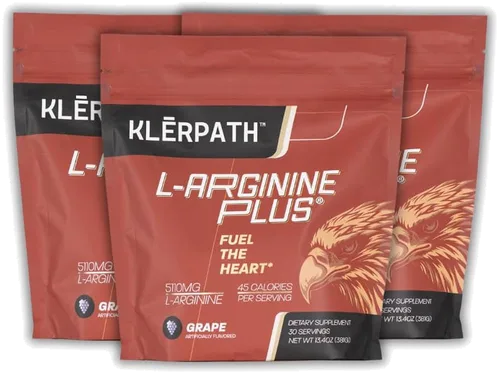
Elements of Health Care L-Arginine Plus Grape Review
The Elements of Health Care L-Arginine Plus Grape is a powder dietary supplement listed in the Dietary Supplement Label Database under DSLD ID 239623, with a bar code of 8 52433 00601 8 and a net content of 13.4 ounces (380 grams). The label places the product in the Other Combinations product type and classifies its supplement form as powder. The listed dietary claims are Nutrient, All Other and Structure/Function, and the intended target group is adults aged 18 to 50 years. The product is labeled gluten free and made in the USA in a GMP compliant facility. The serving size is 12.7 grams, with 30 servings per container. Each serving supplies 35 calories and 4 grams of total carbohydrates. The vitamin and mineral content includes 60 mg of vitamin C as ascorbic acid (100% Daily Value), 2,500 IU of vitamin D3 (625% DV), 20 mcg of vitamin K (25% DV), 2 mg of vitamin B6 as pyridoxine hydrochloride (100% DV), 400 mcg of folate as folic acid (100% DV), 6 mcg of vitamin B12 as cyanocobalamin (100% DV), and 20 mg of magnesium (5% DV). The active components listed are 5,110 mg of L-arginine, 1,010 mg of L-citrulline, 100 mg of red wine extract, 50 mg of AstraGin, and a proprietary blend of 72 trace minerals at 100 mg. Daily Values are not established for these non-vitamin components. The label statements describe the formula as enhanced with AstraGin and as a new and improved formula now containing 5110 mg of L-arginine. Each scoop is stated to provide 5,110 mg of L-arginine and 1,010 mg of L-citrulline. The label also describes the product as a cardio health formula and nitric oxide booster. Directions say to mix one scoop of L-Arginine Plus powder with 4 to 8 ounces of water, stir to dissolve, and note that cold water may take longer to dissolve. The label advises taking the product between meals or on an empty stomach. The precautions state to consult a health care provider before use if pregnant, nursing, taking meds, or having a known serious medical condition. Storage instructions say to keep the product in a cool dry place. The FDA disclaimer states that the statements have not been evaluated by the Food and Drug Administration and that the product is not intended to diagnose, treat, cure or prevent any disease. The page cites NIH as the brand information source, dated December 2020, with the date entered into DSLD as 26 December 2020. The page does not show a retail price, customer ratings, or written reviews.
We don’t sell supplements. We help you make decisions and get the best price.
Lowest prices
We may earn a commission from some store links. How we choose.
We found no store selling it right now.
Study, Trial or Testing Result Summary
Members Only350 human studies · 194 improved
60 of these 350 human studies gave the ingredient by drip or injection, not by mouth.
The main ingredient, L-arginine, is at a full dose, but its results for blood flow are mixed. The largest trial, in 133 people with leg artery disease, found 3 grams daily for 6 months did not improve vessel widening, and walking improved less than with placebo [1]. Small short trials found better arm artery widening after a single 6 gram dose [2] and after 16 grams daily for 2 weeks in adults over 70 [3]. In 19 older adults, 4 days of use worsened small vessel function [4]. Citrulline reaches a full dose at two servings a day, and a review of 8 trials found it improved vessel widening but not overall artery stiffness [5]. Folate is at a full dose. One trial found 400 micrograms daily improved vessel widening [6], while another found only the 5 milligram dose helped [7]. Red wine extract is at a studied dose, and pooled trials of resveratrol found better vessel widening [8]. Vitamin C, vitamin K, vitamin B6 and magnesium are below the doses studied. AstraGin has only been tested indirectly, through an injected notoginseng extract given in hospital [9]. The 72 trace mineral blend has no studies. Animal and cell studies are never counted.
See all 350 studies →Hide the studies
- Across 17 randomized trials of 889 adults, oral magnesium supplementation significantly increased nitric oxide levels and lowered inflammatory markers like C-reactive protein compared with placebo.Effect of Magnesium Supplementation on Inflammatory Parameters: A Meta-Analysis of Randomized Controlled Trials.
- In seven controlled trials with 872 patients having heart artery procedures or bypass surgery, vitamin C given by vein lowered peak troponin by about 43% and peak CK-MB by about 14% and reduced oxidative stress markers.Vitamin C may reduce troponin and CKMB levels after PCI and CABG: a meta-analysis.
- Across 12 trials of 665 adults, oral magnesium supplementation reduced carotid artery wall thickness and improved blood vessel dilation at doses above 400 mg per day, though it had no overall effect on arterial stiffness or blood pressure.The effects of oral magnesium supplements on vascular and endothelial function: an updated systematic review and meta-an…
- Across seven placebo-controlled trials of 547 adults taking cholecalciferol (1000 IU daily to 120,000 IU monthly) for 2 to 12 months, artery stiffness measures did not improve compared with placebo.Effect of cholecalciferol supplementation on arterial stiffness: a systematic review and meta-analysis.
- Across 10 trials of 504 women with polycystic ovary syndrome, vitamin E supplementation alone or combined with omega-3 or magnesium significantly increased nitric oxide levels and reduced C-reactive protein and cholesterol compared with placebo.A meta-analysis of effects of vitamin E supplementation alone and in combination with omega-3 or magnesium on polycystic…
- Across four trials of 305 people with moderate chronic kidney disease treated for 12 to 16 weeks, vitamin D (mostly paricalcitol) improved blood vessel widening function, though results varied a lot between studies.Treating endothelial dysfunction with vitamin D in chronic kidney disease: a meta-analysis.
- Across 8 randomized trials of 176 middle-aged and older adults, L-citrulline improved blood vessel widening (flow-mediated dilation) but not overall arterial stiffness, though it lowered one arm-to-ankle stiffness measure; watermelon had no significant effect.Effects of L-citrulline supplementation and watermelon intake on arterial stiffness and endothelial function in middle-a…
- In 162 stroke patients given B6 25 mg with folic acid and B12 for about 3.9 years, artery wall thickness and blood vessel dilation did not differ from placebo, though pooled short-term trials showed better dilation.The effect of long-term homocysteine-lowering on carotid intima-media thickness and flow-mediated vasodilation in stroke…
- In six studies of 160 people with sleep apnea, antioxidant treatments including vitamin C improved blood vessel dilation by about 2.16 percentage points and reduced oxidative stress, but vitamin C was not analyzed separately.Antioxidant therapies for obstructive sleep apnea: A systematic review and meta-analysis.
- Across 28 randomized trials in people with metabolic syndrome and related conditions, resveratrol raised blood vessel dilation (flow-mediated dilatation) but did not change systolic or diastolic blood pressure.The Effects of Resveratrol Supplementation on Endothelial Function and Blood Pressures Among Patients with Metabolic Syn…
- Pooling 37 human studies, red wine polyphenols lowered systolic blood pressure by 2.6 mmHg (3.7 mmHg with pure resveratrol) but did not change diastolic pressure or flow-mediated dilation of the arm artery.Fine wine or sour grapes? A systematic review and meta-analysis of the impact of red wine polyphenols on vascular health…
- Across 19 controlled trials in adults, grape seed extract lowered diastolic blood pressure by 2.2 mmHg and heart rate by 1.25 beats per minute, but did not significantly change blood vessel dilation or systolic blood pressure.The effect of grape (Vitis vinifera) seed extract supplementation on flow-mediated dilation, blood pressure, and heart r…
- Pooling 17 randomized trials, resveratrol improved blood vessel dilation by 1.43% and lowered an artery-inflammation marker (ICAM-1), while other markers did not change.Resveratrol supplementation efficiently improves endothelial health: A systematic review and meta-analysis of randomized…
- Pooling ten randomized trials in people with or at risk of heart disease, resveratrol lowered an inflammation marker (TNF-alpha) at 15 mg a day in people at risk, but did not change IL-6 and showed limited benefit in people with confirmed disease.Resveratrol as an Anti-inflammatory Agent in Coronary Artery Disease: A Systematic Review, Meta-Analysis and Meta-Regres…
- A review of 10 systematic reviews covering 6409 people found contrasting results for vitamin C on blood vessel function, with no overall effect on arterial stiffness and only limited benefit in some subgroups.Limited evidence for a beneficial effect of vitamin C supplementation on biomarkers of cardiovascular diseases: an umbre…
- In eight trials with 1185 patients, vitamin C given by vein before a heart artery procedure reduced heart injury markers, oxidative stress and inflammation, while improvements in heart pumping function were inconclusive.Vitamin C for Cardiac Protection during Percutaneous Coronary Intervention: A Systematic Review of Randomized Controlled…
- In 12 trials of 360 postmenopausal women lasting 4 to 8 weeks, citrulline often lowered blood pressure, but results for arterial stiffness were mixed and only 2 of 4 studies showed better blood vessel dilation.Citrulline supplementation in postmenopausal women: a systematic review of vascular, muscular, and metabolic effects.
- A review of randomized trials in people with diabetes or metabolic syndrome found vitamin C, mostly 1,000 mg daily for 4 weeks to 12 months, lowered cholesterol and inflammation and was consistent with better endothelial function and blood flow.Vitamin C intake potentially lowers total cholesterol to improve endothelial function in diabetic patients at increased …
- Of 29 trials in adults, only 8 reported improvements in blood vessel function or inflammation markers (two of them only temporarily) and 21 showed none, so vitamin D was not shown to help.Impact of vitamin D supplementation on endothelial and inflammatory markers in adults: A systematic review.
- In a review of four trials in people with lupus, three found vitamin D improved disease activity, inflammation, fatigue and blood vessel function, while one found no improvement in disease activity.Effect of vitamin D supplementation on patients with systemic lupus erythematosus: a systematic review.
- In a review of 19 studies of diet and artery stiffness in children and teens, only two intervention studies, including one of vitamin D and omega-3, found protective effects, and overall findings were inconsistent.Dietary Intake and Arterial Stiffness in Children and Adolescents: A Systematic Review.
- A review of nine randomized trials found vitamin K did not consistently prevent worsening of artery calcification, plaque buildup or artery stiffness, though there may be some benefit in people who already had calcification.Vitamin K Supplementation for the Prevention of Cardiovascular Disease: Where Is the Evidence? A Systematic Review of Co…
- A review of 22 reports found that fruit and vegetable concentrate supplements raised blood folate and antioxidant vitamins and lowered homocysteine, with promising but limited signs of better blood vessel function.Health effects of mixed fruit and vegetable concentrates: a systematic review of the clinical interventions.
- A review of 27 studies in people with migraine with aura found no clear blood vessel lining problem; one study showed lower brain artery response to L-arginine in migraine patients.Endothelial function in migraine with aura - a systematic review.
- A review of 25 studies in pregnant women (plus animal studies) found L-arginine lowered blood pressure, reduced pre-eclampsia, and improved blood flow between placenta and fetus in growth-restricted pregnancies compared with controls.L-Arginine supplementation in pregnancy: a systematic review of maternal and fetal outcomes.
- A review of 19 trials in heart failure found that supplements including L-arginine improved the heart's pumping ability (ejection fraction), but no blood flow result for L-arginine alone was given.Dietary strategies and nutritional supplements in the management of heart failure: a systematic review.
- This review found that evidence for citrulline improving blood vessel dilation and muscle blood flow is scarce and inconsistent, though some studies showed better exercise performance.Effects of Citrulline Supplementation on Exercise Performance in Humans: A Review of the Current Literature.
- A review in people with metabolic syndrome found some trials suggested better blood vessel function with resveratrol and other polyphenols, while antioxidant and anti-inflammatory effects were often not significant.Effects of dietary polyphenols on metabolic syndrome features in humans: a systematic review.
- A review of 49 clinical trials found polyphenols including red grape resveratrol could affect blood pressure, endothelial function and inflammation, but the trials were small, short and of weak methodology.Dietary polyphenols for atherosclerosis: A comprehensive review and future perspectives.
- A review of studies on menopausal heart and metabolic changes reported resveratrol lowered blood pressure and improved blood vessel function, though long-term effectiveness needs more research.The Effects of Resveratrol on Menopausal Cardio-metabolic Changes: A Systematic Review.
- In 1537 pregnant women with low vitamin D, 1600 IU daily of vitamin D3 for two months raised HDL cholesterol and lowered an inflammation marker more than 400 IU daily, with the benefits mainly in women with gestational diabetes or obesity.Vitamin D supplementation for cardiometabolic risk markers in pregnant women based on the gestational diabetes mellitus …
- In 340 adults at risk of type 2 diabetes, 100,000 IU of vitamin D2 or D3 monthly for 4 months lowered artery stiffness (pulse wave velocity) by about 0.7 m/s versus placebo, with no effect on blood sugar control.Effects of vitamin D2 or D3 supplementation on glycaemic control and cardiometabolic risk among people at risk of type 2…
- In 244 healthy postmenopausal women, 180 mcg of vitamin K2 (MK-7) daily for three years reduced artery stiffness compared with placebo, especially in women with high stiffness at the start, but did not change inflammation or blood vessel lining markers.Menaquinone-7 supplementation improves arterial stiffness in healthy postmenopausal women. A double-blind randomised cli…
- In 225 vitamin D-deficient overweight or obese children, 1000 or 2000 IU daily of vitamin D3 for 6 months did not change blood vessel function or stiffness compared with 600 IU, but the 1000 IU dose lowered blood pressure and the 2000 IU dose lowered fasting glucose and improved insulin sensitivity.Effect of vitamin D3 supplementation on vascular and metabolic health of vitamin D-deficient overweight and obese childr…
- In 200 people with high blood pressure and low vitamin D, 2800 IU of vitamin D3 daily for 8 weeks did not change blood vessel damage markers compared with placebo, except in a subgroup with very low vitamin D.Effects of Vitamin D3 on asymmetric- and symmetric dimethylarginine in arterial hypertension.
- In 194 pregnant women with high blood pressure, combining a daily multivitamin with intravenous magnesium sulfate for two weeks improved placental blood flow and blood clotting function more than magnesium sulfate alone.Effects of multivitamin combined with magnesium sulfate versus magnesium sulfate alone on hemodynamics, coagulation, and…
- In 165 women with low vitamin K status, 180 mcg of MK-7 daily for one year reduced vascular stiffness in post-menopausal women versus placebo, and those with high stiffness also had lower arm blood pressure and better artery distensibility.Effects of One-Year Menaquinone-7 Supplementation on Vascular Stiffness and Blood Pressure in Post-Menopausal Women.
- In 164 overweight or slightly obese older adults, taking 450 mg daily of magnesium citrate, oxide, or sulfate for 24 weeks did not change arterial stiffness or blood pressure compared with placebo.Effects of Magnesium Citrate, Magnesium Oxide, and Magnesium Sulfate Supplementation on Arterial Stiffness: A Randomized…
- In 159 adults with advanced kidney disease, 400 mcg of vitamin K2 daily for a year did not change artery stiffness, blood pressure or other vascular measures compared with placebo.Vitamin K Supplementation to Improve Vascular Stiffness in CKD: The K4Kidneys Randomized Controlled Trial.
- In 158 healthy siblings of patients with early artery disease, 2 years of B6 250 mg with folic acid lowered blood pressure but did not improve blood vessel dilation or artery stiffness.Long-term homocysteine-lowering treatment with folic acid plus pyridoxine is associated with decreased blood pressure bu…
- In 158 healthy siblings of patients with early artery disease, 2 years of B6 250 mg with folic acid lowered urinary albumin by about 20% but did not change blood markers of vessel function or inflammation.Homocysteine-lowering treatment with folic acid plus vitamin B6 lowers urinary albumin excretion but not plasma markers …
- In 156 hospitalized patients experiencing cardiac arrest, receiving 10 g of intravenous magnesium over 24 hours did not improve the return of spontaneous blood circulation or survival compared with placebo.Randomised trial of magnesium in in-hospital cardiac arrest. Duke Internal Medicine Housestaff.
- In 163 hypertensive obese adults with sleep apnea, vitamin D3 combined with a med improved metabolic markers, heart rate and heart rate variability over 16 weeks, while vitamin D3 alone was not reported to have a clear benefit on blood vessel function.Unveiling the benefits of Vitamin D3 with SGLT-2 inhibitors for hypertensive obese obstructive sleep apnea patients.
- In 133 people with leg artery disease, 3 g of L-arginine daily for 6 months did not improve blood vessel widening and walking distance improved less than with placebo (11.5% versus 28.3%).L-arginine supplementation in peripheral arterial disease: no benefit and possible harm.
- In 128 adults with chronic kidney disease and low vitamin D, six months of daily cholecalciferol (2000 IU) or calcitriol did not improve blood vessel widening compared with the start of the study or with each other.Cholecalciferol, Calcitriol, and Vascular Function in CKD: A Randomized, Double-Blind Trial.
- In patients with coronary artery disease, 5 mg of folic acid daily for 6 weeks improved blood vessel dilation, but 400 mcg daily did not.High- but not low-dose folic acid improves endothelial function in coronary artery disease.
- In 127 people with type 2 diabetes and moderate kidney disease, 0.25 mcg of calcitriol daily for 48 weeks did not improve artery stiffness compared with placebo.Effect of calcitriol treatment on arterial stiffness in people with type 2 diabetes and stage 3 chronic kidney disease.
- In 125 postmenopausal women, 150 mg of resveratrol daily (75 mg twice daily) for 12 months, compared with placebo in a crossover design, improved blood flow speed in the brain's middle artery, brain blood vessel responsiveness, cognition and insulin measures.Long-term effects of resveratrol on cognition, cerebrovascular function and cardio-metabolic markers in postmenopausal w…
- In 124 children with type 1 diabetes, B6 100 mg daily for 8 weeks raised blood vessel dilation from about 3.5% to 8.3%, with no change in the placebo group.Folate and vitamin B6 rapidly normalize endothelial dysfunction in children with type 1 diabetes mellitus.
- In 123 healthy volunteers, 8 weeks of B6 50 mg with folic acid and B12 lowered homocysteine but did not change blood markers of vessel lining damage.The effect of homocysteine reduction by B-vitamin supplementation on markers of endothelial dysfunction.
- In 120 adults with moderate-to-severe kidney disease and low vitamin D, two 300,000 IU doses of cholecalciferol 8 weeks apart improved blood vessel dilation by 5.49 percentage points more than placebo at 16 weeks, and also improved arterial stiffness and an inflammation marker.A Randomized Trial of Vitamin D Supplementation on Vascular Function in CKD.
- In 120 stroke patients with high homocysteine, high-dose B vitamins including B6 versus low-dose gave lower stroke scores, but the reported oxidative stress and vessel markers (MDA and ET-1 higher, antioxidant enzymes lower) were worse in the high-dose group despite the authors' conclusion of benefit.Prognostic Impact of Serum Homocysteine-Lowering Therapy on Patients with Hemorrhagic Stroke and Its Influence on Nation…
- In 115 pregnant women with preeclampsia, oral citrulline did not prolong pregnancy compared with placebo, and it was linked to higher systolic blood pressure and liver enzymes at delivery.Oral citrulline supplementation in pregnancies with preeclampsia: a multicenter, randomized, double-blind clinical trial…
- In 105 cardiac arrest patients with persistent irregular heart rhythms, a single intravenous dose of 2 to 4 g of magnesium sulphate did not significantly improve the return of spontaneous blood circulation or survival to hospital discharge compared with placebo.A randomised trial to investigate the efficacy of magnesium sulphate for refractory ventricular fibrillation.
- In 103 pregnant women with severe high blood pressure, adding low molecular weight heparin sodium to magnesium sulfate for 7 days significantly increased nitric oxide levels and improved blood vessel function compared with magnesium sulfate alone.Clinical Effect of Low Molecular Weight Heparin Sodium Combined with Magnesium Sulfate in the Treatment of Patients with…
- In 100 people with type 2 diabetes, 5000 IU of vitamin D daily for 12 weeks raised blood vitamin D levels but did not improve blood vessel dilation, arterial stiffness, or inflammation and oxidative stress markers compared with placebo.Randomized controlled trial of vitamin D supplement on endothelial function in patients with type 2 diabetes.
- In 100 people with pre-dialysis kidney failure, 5 mg of folic acid daily for 12 weeks lowered homocysteine but did not improve blood vessel function compared with placebo.Does folic acid decrease plasma homocysteine and improve endothelial function in patients with predialysis renal failure…
- In 100 patients with pregnancy-induced hypertension, adding labetalol to nifedipine and magnesium sulfate improved blood pressure control, blood coagulation, and vascular endothelial function more than nifedipine and magnesium sulfate alone.Effects of Nifedipine and Labetalol Combined with Magnesium Sulfate on Blood Pressure Control, Blood Coagulation Functio…
- In 96 hemodialysis patients with stiff arteries, 375 mcg of MK-7 daily for 24 weeks did not change artery stiffness overall versus standard care, but it lowered stiffness and its progression in patients with diabetes.Effect of Menaquinone-7 Supplementation on Arterial Stiffness in Chronic Hemodialysis Patients: A Multicenter Randomized…
- In 96 patients with pregnancy-induced hypertension, combining nimodipine with magnesium sulfate reduced blood pressure and vascular endothelial damage more than magnesium sulfate alone.Clinical Effect of Nimodipine Combined with Magnesium Sulfate on Pregnancy-Induced Hypertension Syndrome.
- In 93 overweight or obese adults with low vitamin D, 50,000 units of ergocalciferol weekly for 8 weeks did not improve endothelial-dependent blood vessel dilation compared with placebo.Effect of Vitamin D on Endothelial Function: A Randomized, Double-Blind, Placebo-Controlled Trial.
- In 93 people with mild to moderate kidney disease, a combined strategy including B6 100 mg, folic acid, B12, a med and vitamin E had no overall effect on a blood marker of vessel function over 2 years.Randomized placebo-controlled trial assessing a treatment strategy consisting of pravastatin, vitamin E, and homocystein…
- In 90 patients with aneurysmal subarachnoid hemorrhage, an infusion of 500 mg daily of magnesium sulphate for 21 days lowered the incidence of cerebral vasospasm and cerebral blood flow velocity more effectively than milrinone.[Effect of magnesium sulphate and milrinone on cerebral vasospasm after aneurysmal subarachnoid hemorrhage: a randomized…
- In 89 men with heart disease, 5 mg of folic acid plus vitamin B12 daily for 8 weeks improved blood vessel dilation from 2.5% to 4.0%, while placebo did not.Improved vascular endothelial function after oral B vitamins: An effect mediated through reduced concentrations of free …
- In 87 preterm infants born to mothers given antenatal magnesium sulfate or saline placebo, magnesium sulfate did not consistently improve neonatal systemic blood flow in the first 24 hours.Randomized controlled trial of magnesium sulfate in women at risk of preterm delivery-neonatal cardiovascular effects.
- In 86 patients with mild to moderate ulcerative colitis, a single 300,000 IU vitamin D3 injection did not change serum ADMA, a marker that inhibits nitric oxide, compared with placebo over 90 days.The Effect of Vitamin D on Serum Asymmetric Dimethylarginine in Patients with Mild to Moderate Ulcerative Colitis.
- In 82 children, folic acid raised blood folate and lowered homocysteine but did not improve adiponectin, and blood vessel function was not shown to improve with folic acid.Adiponectin relates to smooth muscle function and folate in obese children.
- In 80 older people with vascular disease, 100 mcg of vitamin K2 daily for 6 months did not improve blood vessel function or other vascular measures compared with placebo.Effect of Vitamin K on Vascular Health and Physical Function in Older People with Vascular Disease--A Randomised Control…
- In 80 healthy young adults, drinking 100 mL of red wine daily for 3 weeks increased circulating endothelial progenitor cells and improved blood vessel dilation, while water, beer, and vodka did not.Intake of red wine increases the number and functional capacity of circulating endothelial progenitor cells by enhancing…
- In 80 postmenopausal women, resveratrol for 14 weeks raised brain blood vessel responsiveness by 17% compared with placebo and improved verbal memory and overall cognitive performance.Effects of Resveratrol on Cognitive Performance, Mood and Cerebrovascular Function in Post-Menopausal Women; A 14-Week R…
- In 80 people with high blood pressure, 400 mg of resveratrol daily for 6 months on top of usual treatment reduced left atrial size and improved heart relaxation and fibrosis markers compared with usual treatment alone, but arterial stiffness did not differ clearly between groups.Effects of resveratrol supplementation on cardiac remodeling in hypertensive patients: a randomized controlled clinical …
- In 75 patients with coronary artery disease, four months of folic acid improved blood vessel dilation from 3.2% to 5.2% versus placebo, but adding vitamins C and E did not significantly improve it.Effect of folic acid and antioxidant vitamins on endothelial dysfunction in patients with coronary artery disease.
- In 74 older adults with type 2 diabetes and arterial calcification, taking 350 mg daily of magnesium citrate for 6 months did not reduce arterial stiffness compared with placebo.Magnesium supplementation did not reduce serum calciprotein crystallization and arterial stiffness in individuals with t…
- In 74 middle-aged men with metabolic syndrome, 16 weeks of resveratrol had no effect on blood pressure or inflammation compared with placebo, and the high dose raised total and LDL cholesterol.No Beneficial Effects of Resveratrol on the Metabolic Syndrome: A Randomized Placebo-Controlled Clinical Trial.
- In 73 people with chronic heart failure and low vitamin D, taking 4000 units daily for 6 months did not improve blood vessel function compared with placebo, though walking distance and symptoms improved.Effect of vitamin D on endothelial and ventricular function in chronic heart failure patients: A prospective, randomized…
- In 46 people with high cholesterol, a single 2 g dose of ascorbic acid lengthened the duration of forearm reactive blood flow after two hours versus placebo but did not raise peak flow.Effect of ascorbic acid on forearm reactive hyperaemia in patients with hypercholesterolaemia.
- In 70 healthy young adults exposed to simulated night train noise, vitamin C improved blood vessel dilation in women but not in men.Acute Exposure to Simulated Nocturnal Train Noise Leads to Impaired Sleep Quality and Endothelial Dysfunction in Young H…
- In 67 patients experiencing out-of-hospital cardiac arrest, a single 5 g dose of magnesium sulfate did not improve the return of spontaneous circulation or survival compared to placebo.Magnesium in cardiac arrest (the magic trial).
- In 67 men at high heart risk, dealcoholized red wine taken daily for 4 weeks lowered systolic and diastolic blood pressure and raised plasma nitric oxide compared with gin.Dealcoholized red wine decreases systolic and diastolic blood pressure and increases plasma nitric oxide: short communic…
- In 66 overweight diabetic patients with heart disease, 12 weeks of vitamin K (90 mcg) combined with vitamin D and calcium twice daily reduced the thickness of the left carotid artery wall and inflammation versus placebo, though the authors say the thickness result could be chance.The effects of vitamin D, K and calcium co-supplementation on carotid intima-media thickness and metabolic status in ove…
- In 64 dialysis patients, 3000 IU of cholecalciferol daily for 6 months did not improve 24-hour blood pressure, arterial stiffness, or heart function compared with placebo.Cardiovascular effects of cholecalciferol treatment in dialysis patients--a randomized controlled trial.
- In 60 patients with heart disease and high homocysteine, 3 months of folic acid, vitamin B6 and B12 lowered homocysteine but did not change levels of asymmetric dimethylarginine, a blocker of nitric oxide that affects blood flow.Hyperhomocysteinaemia is not associated with increased levels of asymmetric dimethylarginine in patients with ischaemic …
- In 60 overweight patients with type 2 diabetes and heart disease, 5 mg of folate daily for 12 weeks reduced artery wall thickness and raised nitric oxide compared with placebo.The Effects of Folate Supplementation on Carotid Intima-Media Thickness and Metabolic Status in Patients with Metabolic …
- In 60 people with cirrhosis and high portal pressure, adding 5-methyltetrahydrofolate to propranolol for 90 days lowered portal vein pressure more than propranolol with placebo (20% vs 12.5% drop), with no difference in liver blood flow.5-MTHF enhances the portal pressure reduction achieved with propranolol in patients with cirrhosis: A randomized placebo…
- In 60 women with polycystic ovary syndrome, taking 250 mg of magnesium plus 400 mg of vitamin E daily for 12 weeks increased plasma nitric oxide and antioxidant capacity while reducing inflammation.The Effects of Magnesium and Vitamin E Co-Supplementation on Hormonal Status and Biomarkers of Inflammation and Oxidativ…
- In 60 pregnant women with severe preeclampsia, intravenous magnesium sulfate significantly reduced the middle cerebral artery pulsatility index and cerebral perfusion pressure while maintaining cerebral blood flow over 6 hours, similar to labetalol.Evaluation of intravenous infusion of labetalol versus magnesium sulfate on cerebral hemodynamics of preeclampsia patien…
- In 60 healthy young adults, 28 days of resveratrol gave mixed results: diastolic blood pressure rose by day 28, fatigue ratings were lower, and cognitive benefits were limited.The effects of chronic trans-resveratrol supplementation on aspects of cognitive function, mood, sleep, health and cereb…
- In 57 overweight African American adults, vitamin D3 at about 2000 units daily for 16 weeks improved blood vessel dilation, while placebo produced no change.Vitamin D3 supplementation for 16 weeks improves flow-mediated dilation in overweight African-American adults.
- In 56 people with coronary artery disease, 7 weeks of low-dose folic acid (400 mcg a day) improved nitric oxide-driven blood vessel widening and lowered vessel oxidative stress, and the 5 mg dose gave no added benefit.Global improvement of vascular function and redox state with low-dose folic acid: implications for folate therapy in pat…
- In 53 obese children and teens, 5 mg of folic acid a day for 8 weeks did not improve blood vessel widening compared with placebo, even though it raised folate and lowered homocysteine.Folic acid does not improve endothelial function in obese children and adolescents.
- In 53 men with stable coronary artery disease, taking 15 millimoles of oral magnesium twice daily for 6 months improved left ventricular ejection fraction and maximal oxygen uptake compared to placebo.Oral magnesium therapy, exercise heart rate, exercise tolerance, and myocardial function in coronary artery disease pati…
- In 52 overweight and obese older adults taking 350 mg of magnesium daily for 24 weeks, there was no improvement in brachial artery flow-mediated vasodilation or microvascular endothelial function compared with placebo.Effects of long-term magnesium supplementation on endothelial function and cardiometabolic risk markers: A randomized co…
- In 50 people with heart disease, 6 weeks of 5 mg folic acid daily improved blood vessel widening but did not change blood markers of endothelial cell damage compared with placebo.Short-term high-dose folic acid does not alter markers of endothelial cell damage in patients with coronary heart diseas…
- In 50 people with metabolic syndrome, one month of 5 mg folic acid plus vitamin B12 improved blood vessel function and lowered insulin and homocysteine compared with placebo.Insulin resistance and endothelial function are improved after folate and vitamin B12 therapy in patients with metabolic…
- In 50 adults with stable coronary artery disease, taking oral magnesium daily for 6 months improved blood vessel function and exercise tolerance compared with placebo.Oral magnesium therapy improves endothelial function in patients with coronary artery disease.
- In 50 trained cyclists taking citrulline with or without quercetin twice daily for 28 days, nitric oxide metabolites rose over time but no group differed from placebo in nitric oxide or antioxidant markers.Effects of Quercetin and Citrulline on Nitric Oxide Metabolites and Antioxidant Biomarkers in Trained Cyclists.
- In 50 adults with type 2 diabetes, 100 mg resveratrol daily for 12 weeks reduced arterial stiffness and oxidative stress more than placebo.Resveratrol Ameliorates Arterial Stiffness Assessed by Cardio-Ankle Vascular Index in Patients With Type 2 Diabetes Mell…
- In 48 overweight or obese children aged 6 to 17, a six-month combination supplement containing vitamin D with curcumin, resveratrol, zinc, magnesium and selenium improved blood flow measures of vessel function, with some group differences versus placebo, though vitamin D could not be isolated as the cause.Supportive treatment of vascular dysfunction in pediatric subjects with obesity: the OBELIX study.
- In 48 healthy adults, 30 days of resveratrol did not improve endothelial function or sympathetic nerve activity, while energy restriction lowered noradrenaline.Comparison of Resveratrol Supplementation and Energy Restriction Effects on Sympathetic Nervous System Activity and Vasc…
- In 48 healthy adults aged 55 to 65, 30 days of resveratrol raised circulating SIRT1 and lowered noradrenaline, similar to energy restriction, with no clear blood vessel improvement reported and no placebo group.Sirtuin 1 and Vascular Function in Healthy Women and Men: A Randomized Clinical Trial Comparing the Effects of Energy Re…
- In 47 people ascending to high altitude, taking oral magnesium citrate significantly increased blood flow velocity in the middle cerebral artery compared to placebo.Effect of magnesium, high altitude and acute mountain sickness on blood flow velocity in the middle cerebral artery.
- In 46 people with coronary artery disease, 500 mg of vitamin C daily for 30 days improved blood vessel widening in the arm artery (about 8.6% to 9.0% vs unchanged with placebo), and a single 2 g dose also helped.Long-term ascorbic acid administration reverses endothelial vasomotor dysfunction in patients with coronary artery disea…
- In 45 adults, 12 weeks of eating about 8 portions of fruit and vegetables daily raised blood folate but did not change markers of vascular health compared with usual diet.Effect of increasing fruit and vegetable intake by dietary intervention on nutritional biomarkers and attitudes to dieta…
- In 45 hypercholesterolaemic postmenopausal women, 6 weeks of red wine or dealcoholised red wine did not improve arterial stiffness or nitric oxide levels compared with water, although dealcoholised red wine lowered arterial stiffness within the group.The effect of chronic consumption of red wine polyphenols on vascular function in postmenopausal women.
- In 45 overweight or slightly obese adults, 150 mg of resveratrol daily for 4 weeks did not change heart-related blood markers compared with placebo.Resveratrol does not influence metabolic risk markers related to cardiovascular health in overweight and slightly obese …
- In a placebo-controlled trial of 45 overweight adults, 150 mg of trans-resveratrol daily for 4 weeks did not change blood vessel function in the fasting or after-meal state compared with placebo.Trans-Resveratrol Supplementation and Endothelial Function during the Fasting and Postprandial Phase: A Randomized Place…
- In obese adolescents followed for 12 weeks, a lifestyle program with vitamin D supplementation reduced carotid artery wall thickening more than lifestyle alone, while carotid stiffness changes were similar between groups.Vitamin D Supplementation on Carotid Remodeling and Stiffness in Obese Adolescents.
- A single intravenous infusion of active folate did not change blood vessel function in 22 heart failure patients or 22 controls, although it lowered a blood marker that limits nitric oxide.Acute effects of 5-methyltetrahydrofolate on endothelial function and asymmetric dimethylarginine in patients with chron…
- In 44 adults over 65 with vitamin B12 deficiency, 5 mg of folate plus vitamin B12 daily for 8 weeks improved blood flow reserve in the heart compared with placebo.Folic Acid and vitamin B12 supplementation improves coronary flow reserve in elderly subjects with vitamin B12 deficienc…
- In 42 people with kidney disease, a one-time vitamin C infusion produced only a non-significant trend toward better artery dilation in the placebo group; the trial's main test was a different drug (rilonacept), not vitamin C.IL-1 Inhibition and Vascular Function in CKD.
- In 41 obese postmenopausal women over 8 weeks, citrulline alone or with vibration training lowered blood pressures and raised nitric oxide metabolites, and the combination also reduced wave reflection (augmentation index) compared with citrulline alone.Combined whole-body vibration training and l-citrulline supplementation improves pressure wave reflection in obese postm…
- In 40 vitamin K-deficient kidney transplant recipients, 360 mcg of vitamin K2 daily for 12 weeks prevented worsening of artery stiffness compared with placebo, though it did not change blood calcification tendency.Effect of vitamin K supplementation on serum calcification propensity and arterial stiffness in vitamin K-deficient kidn…
- In 40 patients with stable coronary artery disease, 24 months of 40 mg vitamin B6 daily did not change coronary blood flow or blood vessel response, while folic acid plus B12 increased basal and adenosine-induced coronary blood flow.Coronary blood flow in patients with stable coronary artery disease treated long term with folic acid and vitamin B12.
- In 40 young men, 8 weeks of a vitamin capsule containing 0.6 mg folic acid lowered homocysteine but did not improve blood vessel widening compared with placebo.Hyperhomocysteinemia and endothelial function in young subjects: effects of vitamin supplementation.
- In 40 adults recovering from a heart attack, 10 mg of folic acid daily for 6 weeks improved blood vessel dilation compared with placebo, regardless of homocysteine level.Effect of folic acid on endothelial function following acute myocardial infarction.
- In 40 adults undergoing eye tumor surgery, intraoperative magnesium sulphate successfully induced controlled hypotension and reduced choroidal blood flow by 24% to provide good surgical conditions, comparable to sodium nitroprusside.Controlled hypotension in adults undergoing choroidal melanoma resection: comparison between the efficacy of nitroprussi…
- In 40 adults with migraine without aura taking 600 mg of oral magnesium citrate daily for 3 months, cortical blood flow in several brain regions increased significantly and migraine attacks decreased compared with placebo.The effects of magnesium prophylaxis in migraine without aura.
- In 40 patients undergoing heart surgery, an injection of 50 mg per kilogram of magnesium sulfate relaxed smooth vascular muscles and reduced vascular resistance and arterial pressure.[Comparison of vascular effects of magnesium sulfate and nicardipine during extracorporeal circulation].
- In 40 children having heart surgery, 5 doses of oral citrulline raised blood citrulline and arginine, but blood pressure and pulmonary hypertension (3 of 20 vs 6 of 20 on placebo) did not differ significantly.Nitric oxide precursors and congenital heart surgery: a randomized controlled trial of oral citrulline.
- In 40 adults with high blood pressure, a single 6 g dose of citrulline malate combined with treadmill exercise increased the post-exercise blood pressure drop and left no non-responders for several measures.Inter-Individual Responses to Citrulline Malate Oral Supplementation on Post-Exercise Hypotension in Hypertensives: A 24…
- In 40 patients after a heart attack, 10 mg of resveratrol daily for 3 months improved heart relaxation and blood vessel function and lowered LDL cholesterol compared with placebo.Cardioprotection by resveratrol: A human clinical trial in patients with stable coronary artery disease.
- In 39 people with high blood pressure, 500 mg of vitamin C daily for one month did not improve blood vessel widening compared with placebo.Effect of ascorbic acid treatment on conduit vessel endothelial dysfunction in patients with hypertension.
- In 39 people with heart failure, 4 grams of vitamin C daily for 4 weeks improved a blood vessel measure but worsened muscle energy handling during exercise.Chronic oral ascorbic acid therapy worsens skeletal muscle metabolism in patients with chronic heart failure.
- In 39 hemodialysis patients, increasing dialysate magnesium levels for 4 weeks significantly improved arterial stiffness and reduced systolic blood pressure and pulse pressure.Consequences of Supraphysiological Dialysate Magnesium on Arterial Stiffness, Hemodynamic Profile, and Endothelial Funct…
- In 36 kidney transplant recipients with high homocysteine, 6 months of daily B6 (50 mg) with folic acid and B12 lowered homocysteine and improved blood vessel dilation compared with placebo.Treatment of hyperhomocysteinemia and endothelial dysfunction in renal transplant recipients with B vitamins in the Chin…
- In 36 children and teens with type 1 diabetes, 8 weeks of 5 mg daily folic acid improved blood vessel widening compared with placebo, and the change was not explained by homocysteine.Folic acid improves endothelial function in children and adolescents with type 1 diabetes.
- In 36 patients with pre-hypertension or mild hypertension taking a supplement containing a nitric oxide donor, magnesium, and vitamins for 16 weeks, morning blood pressure and evening systolic blood pressure decreased significantly compared with placebo.Is it Possible to Significantly Modify Blood Pressure with a Combined Nutraceutical on Top of a Healthy Diet? The Result…
- In 36 pregnant women with chronic high blood pressure, 6 g of L-citrulline a day for 8 weeks raised blood levels of citrulline and arginine but did not change blood pressure or uterine artery blood flow compared with placebo.CHronic hypERtension and L-citRulline studY (CHERRY): an Early-Phase Randomised Controlled Trial in Pregnancy.
- In 36 overweight men, a daily mix of antioxidant foods and supplements including resveratrol for 5 weeks raised adiponectin by 7 percent and was linked to better blood vessel function in omics analysis, but C-reactive protein did not change compared with placebo.An antiinflammatory dietary mix modulates inflammation and oxidative and metabolic stress in overweight men: a nutrigeno…
- In 36 adults with pre-hypertension, 300 mg per day of grape seed extract in a juice for 6 weeks lowered systolic pressure by about 5.6 percent and diastolic pressure by about 4.7 percent compared with placebo, and blood pressure returned to baseline after stopping.Effects of grape seed extract beverage on blood pressure and metabolic indices in individuals with pre-hypertension: a r…
- In a crossover trial of 36 older adults with type 2 diabetes, single doses of 75, 150, or 300 mg of trans-resveratrol increased blood vessel responsiveness in brain arteries compared with placebo, with the 75 mg dose giving the largest gain.Low dose resveratrol improves cerebrovascular function in type 2 diabetes mellitus.
- In 36 adults with type 2 diabetes, a single 75 mg dose of resveratrol improved how well blood flow in the brain rose during mental tasks, compared with placebo, and boosted performance on a multi-tasking test.Acute Resveratrol Consumption Improves Neurovascular Coupling Capacity in Adults with Type 2 Diabetes Mellitus.
- In 35 people with high blood pressure, a single 6 g dose of L-arginine improved artery widening in the arm (from 1.7% to 5.9%) 1.5 hours later, while placebo did not.Oral L-arginine improves endothelial dysfunction in patients with essential hypertension.
- A single intravenous vitamin C infusion lowered elevated blood flow in the brain in people with Fabry disease and in healthy controls, though the placebo group responded more slowly.Ascorbate decreases Fabry cerebral hyperperfusion suggesting a reactive oxygen species abnormality: an arterial spin tag…
- In 26 healthy men and 8 men with peripheral artery disease, vitamin C infused into the arm during reperfusion after ischemia prevented the loss of blood vessel widening seen with placebo.Intra-arterial vitamin C prevents endothelial dysfunction caused by ischemia-reperfusion.
- In 34 people with type 2 diabetes and low vitamin D, a single large dose of vitamin D2 improved blood vessel dilation by 2.3 percentage points over 8 weeks compared with placebo.Vitamin D improves endothelial function in patients with Type 2 diabetes mellitus and low vitamin D levels.
- In 34 people with diabetic kidney disease, 12 weeks of 80 mg pyridoxine plus 800 mg lipoic acid daily lowered systolic blood pressure, oxidative stress and urinary albumin and raised nitric oxide compared with placebo, but did not change diastolic blood pressure or endothelin-1.Effects of combined lipoic acid and pyridoxine on albuminuria, advanced glycation end-products, and blood pressure in di…
- In 34 adults with metabolic syndrome, Longevinex improved blood vessel dilation during 3 months of use, which returned to baseline after stopping, with no effect on blood pressure.Modified resveratrol Longevinex improves endothelial function in adults with metabolic syndrome receiving standard treat…
- In 33 patients with coronary artery disease, 5 mg of folic acid daily for 6 weeks improved blood vessel widening compared with placebo, and the improvement occurred within hours, largely independent of homocysteine lowering.Folic acid improves endothelial function in coronary artery disease via mechanisms largely independent of homocysteine l…
- In 32 adults with type 2 diabetes, 600 mg a day of grape seed extract for 4 weeks lowered an inflammation marker and raised a blood antioxidant compared with placebo, but did not change blood vessel function.Effects of grape seed extract in Type 2 diabetic subjects at high cardiovascular risk: a double blind randomized placebo…
- In 31 people with leg artery disease, vitamin C given before maximal walking prevented the drop in artery widening and the rise in oxidative stress seen after exercise in those given saline.Vitamin C prevents endothelial dysfunction induced by acute exercise in patients with intermittent claudication.
- In 31 heart transplant recipients, 100 mg per day of vitamin B6 for 10 weeks improved brachial artery flow-mediated dilation, while placebo and folate did not.Pyridoxine improves endothelial function in cardiac transplant recipients.
- In 30 adults with type 2 diabetes, 500 mg of vitamin C daily for 4 weeks lowered blood pressure and reduced arterial stiffness, while placebo had no effect.Ascorbic acid reduces blood pressure and arterial stiffness in type 2 diabetes.
- In 30 overweight adults with high cholesterol, 500 mg of vitamin C taken daily with vitamin E for 6 weeks did not significantly improve blood vessel widening compared with placebo.Oats, antioxidants and endothelial function in overweight, dyslipidemic adults.
- In 30 heart surgery patients on heart-lung bypass, one intravenous vitamin C dose given during rewarming reduced a rise in reactive oxygen molecules and improved red blood cell flexibility compared with placebo.Vitamin C supplementation attenuates oxidative stress and improves erythrocyte deformability in cardiac surgery with car…
- In 30 older men and women, 4 weeks of eating more vitamin K-rich leafy greens lowered a bone protein (undercarboxylated osteocalcin) but did not change blood pressure, artery stiffness, blood sugar or blood fats.Association between Circulating Osteocalcin and Cardiometabolic Risk Factors following a 4-Week Leafy Green Vitamin K-Ri…
- In 30 people infected with the AIDS virus on antiretroviral therapy, 5 mg a day of folinic acid for 4 weeks improved blood vessel response after a blocked blood flow test compared with placebo.Short-term folinic acid supplementation improves vascular reactivity in HIV-infected individuals: a randomized trial.
- In 30 obese hypertensive and lean normotensive adults, 3 weeks of a usual diet supplemented with magnesium, potassium, and fiber did not significantly lower blood pressure or improve small artery elasticity compared to the usual diet alone.DASH lowers blood pressure in obese hypertensives beyond potassium, magnesium and fibre.
- In 30 patients with normotensive glaucoma, taking 300 mg of oral magnesium citrate daily for 1 month improved visual field indices but did not change ocular blood flow.The effect of oral magnesium therapy on visual field and ocular blood flow in normotensive glaucoma.
- In 30 healthy young adults, a single 3 g dose of L-arginine did not enhance artery widening or exercise performance compared with placebo around resistance exercise.Endothelial, Cardiovascular, and Performance Responses to L-Arginine Intake and Resistance Exercise.
- In 30 young male athletes, a single dose of 8 g L-citrulline-malate with 3 g L-arginine did not change biceps muscle blood flow, muscle size or muscle pump compared with placebo.New perspectives for investigating muscular perfusion response after dietary supplement intake: an exploratory, randomiz…
- In 30 men with coronary heart disease, a single 600 mg dose of red grape polyphenol extract improved blood vessel dilation peaking at 60 minutes, compared with water.Polyphenolic compounds from red grapes acutely improve endothelial function in patients with coronary heart disease.
- In 30 women with polycystic ovary syndrome, 1,500 mg resveratrol daily for 3 months lowered testosterone and improved insulin sensitivity compared with placebo.Effects of Resveratrol on Polycystic Ovary Syndrome: A Double-blind, Randomized, Placebo-controlled Trial.
- In 29 salt-resistant adults on a high-salt diet for 7 days, local infusion of ascorbic acid restored skin blood vessel dilation that the high-salt diet had reduced.Apocynin and Tempol ameliorate dietary sodium-induced declines in cutaneous microvascular function in salt-resistant hum…
- In 28 newborns with severe persistent pulmonary hypertension treated for 24 hours, nebulized magnesium sulfate at 1024 mg per hour improved oxygenation and mean arterial blood pressure more than intravenous magnesium sulfate.Nebulized Magnesium Sulfate for Treatment of Persistent Pulmonary Hypertension of Newborn: A Pilot Randomized Controlled…
- In 28 obese adults, 6 weeks of 75 mg daily trans-resveratrol increased brachial flow-mediated dilatation by 23% compared with placebo, with no change in blood pressure or arterial compliance.Chronic resveratrol consumption improves brachial flow-mediated dilatation in healthy obese adults.
- In a placebo-controlled crossover trial of 28 adults with kidney disease and diabetes, 6 weeks of 400 mg daily resveratrol improved blood vessel dilation compared with placebo, without changing blood pressure or blood sugar control.Effect of Resveratrol on Endothelial Function in Patients with CKD and Diabetes: A Randomized Controlled Trial.
- In 26 obese adolescents taking 4000 IU of vitamin D daily for 3 months alongside a lifestyle program, small blood vessel responsiveness improved, while large artery function did not change.Effect of vitamin D supplementation on microvascular reactivity in obese adolescents: A randomized controlled trial.
- In 25 newborns with persistent pulmonary hypertension, intravenous magnesium sulfate produced a similar initial response rate to inhaled nitric oxide, though fewer infants recovered when switched to magnesium sulfate after nitric oxide failed.Inhaled nitric oxide and intravenous magnesium sulphate for the treatment of persistent pulmonary hypertension of the ne…
- In 25 older adults, 6 g of L-citrulline a day for 2 weeks raised leg blood flow during exercise by about 11% in men but not in women, and the effect in men disappeared after adjusting for baseline diastolic blood pressure.Does l-citrulline supplementation improve exercise blood flow in older adults?
- In 25 postmenopausal women with high blood pressure, 10 g of L-citrulline a day for 4 weeks improved blood vessel dilation and lowered aortic diastolic and mean blood pressure compared with placebo.Effects of L-Citrulline Supplementation on Endothelial Function and Blood Pressure in Hypertensive Postmenopausal Women.
- In 25 trained young men, eight days of a citrulline and glutathione blend (2 grams of citrulline) raised blood flow in the arm 30 minutes after exercise compared with placebo and increased blood citrulline and arginine levels; the abstract does not report the treadmill endurance results.The effects of L-Citrulline and Glutathione on Endurance performance in young adult trained males.
- A single intravenous 1,000 mg dose of vitamin C improved arm blood vessel widening in people with type 1 diabetes and in regular smokers, compared with saline, in a study of 24 people where uric acid was the main test.Uric acid restores endothelial function in patients with type 1 diabetes and regular smokers.
- In 24 healthy young adults, a single dose of Nitrosigine (1.5 g) or citrulline malate (8 g) raised blood vessel dilation by 31% and 34% an hour later, compared with a 2% drop on placebo.Acute effects of Nitrosigine® and citrulline malate on vasodilation in young adults.
- In 24 healthy adults aged 60 to 70, one month of a daily drink with 6 grams of citrulline and nitrate lowered mean blood pressure by 3.3 mmHg and raised maximal cycling power by 5.2% versus placebo, but did not change other vascular measures or knee exercise performance.Effect of chronic nitrate and citrulline supplementation on vascular function and exercise performance in older individu…
- In 24 healthy young adults, 6 g of citrulline plus nitrate daily for 2 months with exercise training increased knee muscle strength more than placebo, but did not improve blood vessel function or aerobic performance.Synergetic Effect of NO Precursor Supplementation and Exercise Training.
- In 24 hypertensive postmenopausal women, 10 g of L-citrulline daily for 4 weeks improved blood vessel function in the leg, and adding slow low-intensity resistance training for 8 weeks further increased leg muscle mass and leg strength compared with placebo plus training.Combined L-Citrulline Supplementation and Slow Velocity Low-Intensity Resistance Training Improves Leg Endothelial Funct…
- In a crossover trial of 24 treated hypertensive adults, a single 300 mg dose of trans-resveratrol improved blood vessel dilation in women but not in men, with no change in blood pressure.Beneficial effects of acute trans-resveratrol supplementation in treated hypertensive patients with endothelial dysfunct…
- In 24 adults with mild dyslipidemia, 1500 mg per day of a Chardonnay grape marc-rich blend for 3 weeks lowered after-meal triglyceride levels compared with the seed extract-rich blend, while the seed extract-rich blend lowered systolic pressure but also lowered good cholesterol (HDL) compared with the other arms.Chardonnay grape marc/grape seed extract blends improve postprandial triglycerides and/or HDL cholesterol concentrations…
- In 23 adults, a single dose of 250 mg resveratrol taken with 20 mg piperine increased blood flow in the frontal brain during tasks more than placebo or resveratrol alone, while cognitive performance, mood and blood pressure were not affected.Effects of resveratrol alone or in combination with piperine on cerebral blood flow parameters and cognitive performance…
- In older adults, 6 weeks of 5 mg daily folic acid improved nitric oxide-dependent blood vessel dilation compared with placebo, while younger adults showed no change.Folic acid supplementation improves microvascular function in older adults through nitric oxide-dependent mechanisms.
- In 22 patients with preeclampsia, a 6 g intravenous dose of magnesium sulfate significantly dilated blood vessels in the retina and improved retinal blood flow waveforms compared to placebo.The effect of magnesium sulfate on maternal retinal blood flow in preeclampsia: a randomized placebo-controlled study.
- In 22 people, a single 6 gram dose of citrulline taken 1 or 2 hours before exercise did not improve exercise performance or blood vessel flow compared with placebo.The effect of l-citrulline and watermelon juice supplementation on anaerobic and aerobic exercise performance.
- In 22 postmenopausal women, 10 g of L-citrulline daily for 4 weeks reduced the rise in aortic systolic pressure and pressure waves triggered by muscle fatigue compared with placebo.L-Citrulline supplementation attenuates aortic pressure and pressure waves during metaboreflex activation in postmenopau…
- In 22 healthy adults, single oral doses of resveratrol of 250 and 500 mg increased blood flow in the frontal brain during cognitive tasks compared with placebo, without changing cognitive performance.Effects of resveratrol on cerebral blood flow variables and cognitive performance in humans: a double-blind, placebo-con…
- In a double-blind trial of 21 obese children aged 8 to 12, 500 mg of vitamin C daily for 45 days lowered mean blood pressure and restored forearm blood vessel dilation during mental stress, while placebo did not.Vitamin C restores blood pressure and vasodilator response during mental stress in obese children.
- In 21 healthy postmenopausal women, 100% watermelon juice for 4 weeks did not change blood vessel function or blood pressure compared with placebo juice.Daily 100% watermelon juice consumption and vascular function among postmenopausal women: A randomized controlled trial.
- In 20 young adults with normal kidney function, a single 600,000 IU vitamin D3 injection had no effect on blood pressure, pulse rate, or blood vessel function, while a high-phosphate diet raised blood pressure.A Controlled Increase in Dietary Phosphate Elevates BP in Healthy Human Subjects.
- In 20 healthy young adults, taking 10 mg of folic acid daily for 2 weeks prevented the fall in blood vessel flexibility after a fatty meal and blocked the rise in a marker of oxidative damage, compared with placebo.Influence of folic acid on postprandial endothelial dysfunction.
- In 20 children with type 1 diabetes, folic acid doses of 0.5, 2, or 5 mg taken monthly did not improve blood vessel function compared with placebo after folate fortification of food.Folate fortification and supplementation do not provide vascular health benefits in type 1 diabetes.
- In 10 people with familial high cholesterol and 10 matched controls, the active folate form 5-methyltetrahydrofolate reversed the impaired blood vessel dilation seen in familial high cholesterol, while it had no effect in controls.5-methyltetrahydrofolate, the active form of folic acid, restores endothelial function in familial hypercholesterolemia.
- In 10 people with type 1 diabetes and 10 healthy people, an L-arginine infusion increased pulsing blood flow in the back of the eye and lowered blood pressure similarly in both groups.Nitric oxide and ocular blood flow in patients with IDDM.
- In 20 healthy volunteers, 15 days of moderate wine intake raised resveratrol in the blood and increased platelet nitric oxide production, and resveratrol at those levels boosted it further in the lab.Resveratrol, at concentrations attainable with moderate wine consumption, stimulates human platelet nitric oxide product…
- In 20 men, a single dose of grape seed extract lowered systolic and mean arterial blood pressure 2 hours after intake compared with placebo, with the drop in cardiac output in the obese men.Effects of Acute Grape Seed Extract Supplementation on Hemodynamics in Normal Body Weight and Obese Males.
- In 19 healthy adults, a single 2 g oral dose of vitamin C shortened the blood vessel dysfunction caused by smoking one cigarette, recovering to baseline levels faster than placebo.Oral administration of ascorbic acid attenuates endothelial dysfunction after short-term cigarette smoking.
- In 19 healthy adults, a single dose of 450 mg for men or 300 mg for women of an over-the-counter magnesium supplement did not produce a significant overall difference in blood vessel dilation over 2 hours compared with water.The Acute Effect of Magnesium Supplementation on Endothelial Function: A Randomized Cross-Over Pilot Study.
- In 19 healthy adults, taking an over-the-counter magnesium supplement for 1 week did not improve blood vessel dilation or blood pressure compared with their usual diet.The Effect of Magnesium Supplementation on Endothelial Function: A Randomised Cross-Over Pilot Study.
- In 19 older adults with diabetes or high blood pressure, 4 days of L-arginine worsened small blood vessel function in the fingers compared with placebo and did not help thinking skills.Arginine impairs endothelial and executive function in older subjects with cardiovascular risk.
- In 19 overweight adults with borderline high blood pressure, a single 270 mg dose of resveratrol raised blood vessel dilation from about 4.1 percent to 7.7 percent compared with placebo.Acute resveratrol supplementation improves flow-mediated dilatation in overweight/obese individuals with mildly elevated…
- In 18 people with metabolic syndrome, a single 1 g intravenous vitamin C infusion improved artery widening compared with placebo and counteracted the rise in an oxidative stress marker.Oxidative stress-mediated arterial dysfunction in patients with metabolic syndrome: Effect of ascorbic acid.
- In 18 young adults, 2000 IU of vitamin D daily for 4 weeks improved nitric oxide-driven blood vessel widening in African American participants.Four weeks of vitamin D supplementation improves nitric oxide-mediated microvascular function in college-aged African Am…
- In 18 heart attack patients with high homocysteine, four weeks of a folate, vitamin B12 and vitamin B6 combination did not change forearm blood flow compared with placebo.Endothelial dysfunction in patients with recent myocardial infarction and hyperhomocysteinaemia: effects of vitamin supp…
- In 18 healthy adults with mildly high homocysteine, taking 5 mg of folic acid daily for 6 weeks improved blood vessel dilation and lowered homocysteine compared with placebo.Oral folate enhances endothelial function in hyperhomocysteinaemic subjects.
- In 18 critically ill people with septic shock, 72 hours of intravenous L-arginine did not improve small blood vessel blood flow or organ function compared with an alanine control, despite raising nitric oxide production.A randomized-controlled trial of arginine infusion in severe sepsis on microcirculation and metabolism.
- In 18 abdominally obese men, adding 0.8 to 3.0 g of L-arginine to beetroot powder did not improve blood vessel flow-mediated dilation after a high-fat meal compared with meals without it.Effects of Beetroot Powder with or without L-Arginine on Postprandial Vascular Endothelial Function: Results of a Random…
- In 18 adults with hypertension and metabolic syndrome, 28 days of a combined polyphenol supplement containing grape seed and skin extract, green tea, resveratrol and other plant extracts lowered daytime diastolic pressure by about 4.4 mmHg compared with placebo, and raised urinary nitrate and nitrite.A combination of isolated phytochemicals and botanical extracts lowers diastolic blood pressure in a randomized controll…
- In 17 people with resistant high blood pressure and high cholesterol, 500 mg of vitamin C daily for 8 weeks did not change blood pressure, cholesterol or artery widening compared with placebo, while a med did.Read the study on PubMed (15609886) →
- In 17 adults with high homocystine, 8 weeks of 10 mg daily folic acid improved blood vessel widening compared with placebo (8.2% vs 6%).Folic acid improves arterial endothelial function in adults with hyperhomocystinemia.
- In healthy adults given intravenous L-arginine, the kidney blood flow drop caused by angiotensin II was not reduced compared with placebo, although L-arginine alone raised kidney blood flow.Exogenous L-arginine does not affect angiotensin II-induced renal vasoconstriction in man.
- In 17 healthy young adults, two weeks of daily watermelon juice, compared with a calorie-matched placebo drink, improved blood vessel widening and small-vessel blood flow during a blood sugar spike; the citrulline amount was not stated.Supplemental Watermelon Juice Attenuates Acute Hyperglycemia-Induced Macro-and Microvascular Dysfunction in Healthy Adul…
- In 16 healthy women, taking a lutein complex containing 500 mg of vitamin C daily for three weeks increased blood flow in the retina of the eye and lowered diastolic blood pressure compared with placebo, though the effects cannot be attributed to vitamin C alone because it was combined with other ingredients.Lutein Complex Supplementation Increases Ocular Blood Flow Biomarkers in Healthy Subjects.
- In 16 people with HIV, 4 weeks of 5 mg daily folinic acid improved blood vessel reactivity compared with placebo, similar to the effect of supervised aerobic exercise.Short-term folinic acid supplementation and aerobic exercise improve vascular reactivity in HIV-infected individuals.
- In 16 middle-aged and older adults with type 2 diabetes, 6 g of citrulline daily for 4 weeks improved blood vessel function and calf muscle strength compared with placebo.Citrulline Supplementation Improves Microvascular Function and Muscle Strength in Middle-Aged and Older Adults with Type…
- In 16 adults with type 2 diabetes, four weeks of 6 grams of citrulline daily improved blood vessel function, arterial stiffness, aortic blood pressure, and blood sugar compared with placebo, both fasting and during a blood sugar spike.Effects of L-Citrulline Supplementation on Endothelial Function, Arterial Stiffness, and Blood Glucose Level in the Fast…
- In 15 men, a single 6 g dose of L-arginine increased blood volume in the arm muscles during recovery from exercise but did not improve strength compared with placebo.Acute l-arginine supplementation increases muscle blood volume but not strength performance.
- In 15 middle-aged men with stiff arteries, seven days of 5.6 grams of citrulline daily reduced arterial stiffness compared with placebo, independent of blood pressure, which did not change.Short-term effects of L-citrulline supplementation on arterial stiffness in middle-aged men.
- In 15 hypertensive postmenopausal women, a single 6 g dose of L-citrulline blunted the rise in aortic systolic pressure during exercise combined with a cold stimulus compared with placebo.Acute Citrulline Blunts Aortic Systolic Pressure during Exercise and Sympathoactivation in Hypertensive Postmenopausal W…
- In 15 estrogen-deficient postmenopausal women, a single 250 mg dose of resveratrol improved resting blood vessel dilation compared with placebo, but did not enhance dilation after exercise.Effects of resveratrol or estradiol on postexercise endothelial function in estrogen-deficient postmenopausal women.
- In 14 overweight men, a single 3 g intravenous ascorbic acid infusion reduced oxidative damage and vascular remodeling markers during mental stress compared with placebo.Ascorbic acid inhibits vascular remodeling induced by mental stress in overweight/obese men.
- In a double-blind crossover trial of 14 people with heart artery disease, a single 30 mg dose of folic acid increased blood flow to damaged heart muscle areas during stress compared with placebo and slightly lowered blood pressure.High-dose folic acid acutely improves coronary vasodilator function in patients with coronary artery disease.
- In 14 patients recovering from brain hemorrhage, a 5 g intravenous bolus of magnesium sulfate slightly lowered blood pressure and systemic vascular resistance compared to saline placebo, but did not change brain blood flow velocity.Cerebral blood flow velocity response to magnesium sulfate in patients after subarachnoid hemorrhage.
- In 14 adults with mild to moderate high blood pressure taking 15 millimoles of magnesium pidolate daily for 6 months, there was no significant effect on resting blood pressure or forearm peripheral vascular resistance compared with placebo.Long-term magnesium supplementation in essential hypertension.
- In 14 healthy young men with a family history of metabolic syndrome or diabetes, taking 8.1 millimoles of magnesium-pidolate twice daily for 8 weeks had no effect on blood pressure, endothelial function, or arterial stiffness.Effects of magnesium supplements on blood pressure, endothelial function and metabolic parameters in healthy young men w…
- In 14 healthy male volunteers, an intravenous infusion of magnesium sulphate reduced platelet clumping, increased bleeding time by 48%, and caused a temporary drop in blood pressure compared to placebo.Magnesium inhibits platelet activity--an infusion study in healthy volunteers.
- In 13 kidney transplant recipients, a single 2,000 mg oral dose of vitamin C improved the widening of blood vessels in the arm after blood flow was increased, compared with placebo, measured 2 hours after dosing.Vitamin C improves endothelial dysfunction in renal allograft recipients.
- In 13 volunteers, one or two drinks of red wine, ethanol, or water did not change blood pressure; the artery widening seen after drinks was not greater with red wine than with ethanol alone, and red wine polyphenols did not change the effects of alcohol on the heart and nerves.Dose-related effects of red wine and alcohol on hemodynamics, sympathetic nerve activity, and arterial diameter.
- In 12 healthy young adults, intra-arterial vitamin C during a single session of forearm exercise in high oxygen blocked the drop in forearm blood flow only in the subgroup most affected by high oxygen, and had no effect in the other subgroups.Effect of vitamin C on hyperoxia-induced vasoconstriction in exercising skeletal muscle.
- In 12 pregnant patients with preeclampsia, a 6 g intravenous dose of magnesium sulfate significantly dilated smaller blood vessels in the brain and improved cerebral blood flow waveforms compared to placebo.Effect of magnesium sulfate on maternal brain blood flow in preeclampsia: a randomized, placebo-controlled study.
- In 12 healthy adults over 70, 8 g of L-arginine twice daily for 14 days improved brachial artery widening compared with placebo.Oral L-arginine improves endothelial function in healthy individuals older than 70 years.
- In 12 healthy lean adults during an insulin clamp, an infusion of L-arginine raised blood flow and glucose uptake compared with saline, while D-arginine had no effect.L-arginine but not D-arginine stimulates insulin-mediated glucose uptake.
- In 12 obese postmenopausal women with high blood pressure, 6 g per day of citrulline and arginine from watermelon for 6 weeks lowered arterial stiffness and aortic systolic pressure compared with placebo in this crossover trial.Effects of watermelon supplementation on arterial stiffness and wave reflection amplitude in postmenopausal women.
- In 12 healthy men, a single 6 g dose of L-citrulline raised exhaled nitric oxide about 19% versus placebo, but did not change breathing muscle oxygenation or breathing performance.Acute L-Citrulline Supplementation Increases Nitric Oxide Bioavailability but Not Inspiratory Muscle Oxygenation and Res…
- In 11 men sitting for 3 hours, taking 1 g plus 500 mg of vitamin C prevented the usual decline in artery flow-mediated dilation seen when sitting without it.Antioxidant vitamin C prevents decline in endothelial function during sitting.
- In 11 patients with well-regulated type 2 diabetes, taking 360 mg of magnesium daily for 8 weeks raised intracellular magnesium levels but had no effect on endothelial function, platelet reactivity, or diabetic control compared with placebo.[Magnesium supplementation to patients with type II diabetes].
- In a crossover study of 10 healthy adults, 2 g of oral vitamin C did not prevent the drop in endothelial-dependent blood vessel dilation caused by methionine-induced raised homocysteine.The effect on endothelial function of vitamin C during methionine induced hyperhomocysteinaemia.
- In 10 kidney transplant recipients taking cyclosporin A, 3 months of 5 mg daily folate lowered homocysteine but did not change blood vessel function or artery wall thickness compared with placebo.Folate supplementation fails to affect vascular function and carotid artery intima media thickness in cyclosporin A-trea…
- In 10 healthy men, 6 g per day of L-citrulline for 7 days lowered blood pressure and improved oxygen uptake speed and total work in a severe-intensity cycling test compared with placebo.l-Citrulline supplementation improves O2 uptake kinetics and high-intensity exercise performance in humans.
- In 10 men with elevated or stage 1 hypertension, 7 days of grape seed extract lowered resting diastolic and mean blood pressure compared with placebo.Effect of 7-day dietary supplementation with grape seed extract on cardiac autonomic and hemodynamic responses in elevat…
- In 10 sedentary adults with elevated blood pressure and overweight, a single dose and then 7 days of grape seed extract did not change blood pressure after exercise, but it lowered ambulatory systolic pressure and pressure during exercise, improved artery widening after exercise, and lowered resting pressure after 7 days, though a transient rise occurred 90 minutes after a dose at the end of that period.Effects of acute and short-term grape seed extract supplementation on blood pressure responses to exercise in individual…
- In 9 prehypertensive men, a single 300 mg dose of grape seed extract lowered blood pressure during exercise and increased flow-mediated dilation compared with placebo.Grape Seed Extract Supplementation Attenuates the Blood Pressure Response to Exercise in Prehypertensive Men.
- In 8 people with high blood pressure, vitamin C infused directly into an artery improved blood vessel widening, and 2 months of a med also improved it.Read the study on PubMed (12164090) →
- In 8 male smokers, 1 g of vitamin C daily for about 5 weeks did not improve blood vessel widening or clot-dissolving activity compared with placebo.Vitamin C has no effect on endothelium-dependent vasomotion and acute endogenous fibrinolysis in healthy smokers.
- In 8 healthy young men, a single 10 gram arginine drink taken with resistance exercise did not increase thigh muscle blood flow or muscle protein synthesis compared with a control drink.Bolus arginine supplementation affects neither muscle blood flow nor muscle protein synthesis in young men at rest or af…
- In 8 healthy men, a single 30 gram intravenous L-arginine dose lowered blood pressure and resistance in the blood vessels, while a single 6 gram dose given by vein or by mouth did not significantly change blood pressure.L-arginine-induced vasodilation in healthy humans: pharmacokinetic-pharmacodynamic relationship.
- Vitamin C applied to the skin after UV exposure, alone or combined with vitamin E and melatonin, did not significantly reduce sunburn redness or change skin blood flow.Effect of topical antioxidants on UV-induced erythema formation when administered after exposure.
- In healthy men, a single 2 g oral dose of vitamin C reduced arterial stiffness and clotting-cell aggregation compared with placebo, which showed no change.Oral vitamin C reduces arterial stiffness and platelet aggregation in humans.
- In a double-blind trial in people with heart failure, vitamin C lowered circulating apoptotic microparticles (signs of blood vessel cell death) compared with placebo, which had no effect.Vitamin C inhibits endothelial cell apoptosis in congestive heart failure.
- In people with heart failure from blocked heart arteries, infused vitamin C was tested alone and with L-arginine on nervous system control of blood vessels, but the abstract does not clearly report the effect of vitamin C alone.Influence of L-arginine and vitamin C on the autonomic nervous system in chronic heart failure secondary to ischemic car…
- In a randomized, double-blind crossover study of healthy men, a single 2 g intravenous dose of vitamin C given before a two-hour high-blood-sugar challenge prevented the rise in arterial stiffness and pulse wave reflection seen with placebo.Protective effects of ascorbic acid on arterial hemodynamics during acute hyperglycemia.
- A single 2 gram oral dose of vitamin C made skin blood vessels constrict more strongly to cold, which reduced skin blood flow.Oral vitamin C enhances the adrenergic vasoconstrictor response to local cooling in human skin.
- In a small randomized pilot in people with lupus and low vitamin D, half of those whose vitamin D levels were raised to the target range after 16 weeks had better blood vessel dilation, while none of those whose levels stayed low improved.A Pilot Study to Determine if Vitamin D Repletion Improves Endothelial Function in Lupus Patients.
- In pregnant women with premature contractions, 2 grams per hour of intravenous magnesium over 24 hours significantly increased red blood cell flexibility for microcirculation compared with placebo.Effect of magnesium on red blood cell deformability in pregnancy.
- In women with high blood pressure taking a thiazide a med, 600 mg daily of magnesium chelate for 6 months improved blood vessel dilation and lowered blood pressure compared with placebo.Oral magnesium supplementation improves endothelial function and attenuates subclinical atherosclerosis in thiazide-trea…
- A single 10 g oral dose of L-arginine taken with carbohydrate did not change blood glucose, insulin, forearm blood flow or blood pressure in healthy males, whether rested or after exercise.L-arginine ingestion after rest and exercise: effects on glucose disposal.
- In young heart transplant recipients with high blood pressure, oral L-arginine was reported to reverse blood vessel inner lining dysfunction and lower high blood pressure.Effect of oral L-arginine on oxidant stress, endothelial dysfunction, and systemic arterial pressure in young cardiac tr…
- In a double-blind crossover trial in people with primary Raynaud's phenomenon, 8 grams of L-arginine daily for 28 days did not change finger blood vessel dilation compared with placebo.Oral L-arginine supplementation and cutaneous vascular responses in patients with primary Raynaud's phenomenon.
- In resistance-trained men taking 2 grams of citrulline plus glutathione daily for 7 days, blood markers of nitric oxide production were higher 30 minutes after exercise than with placebo; the study also had rat and cell parts.Combined L-citrulline and glutathione supplementation increases the concentration of markers indicative of nitric oxide …
- In overweight and obese men, one week of grape seed extract lowered mean arterial blood pressure at rest and during exercise compared with placebo, along with reduced aortic stiffness.Effects of chronic dietary grape seed extract supplementation on aortic stiffness and hemodynamic responses in obese/ove…
- In a small crossover trial, 500 mg resveratrol twice daily for 4 weeks did not significantly lower blood pressure in people with pre-hypertension or stage 1 hypertension compared with placebo, although nitric oxide was higher.Preliminary, randomized, double-blinded, placebo-controlled cross-over study with resveratrol in hypertensive patients.
- In 127 Japanese adults with a metabolic syndrome component, a low-dose B vitamin drink for 2 months lowered homocysteine but did not change blood vessel dilation.Association between vitamin B group supplementation with changes in % flow-mediated dilatation and plasma homocysteine l…
- In 119 vitamin D deficient older adults, a single 100,000 IU injection lowered the augmentation index (a measure of arterial stiffness) over 8 weeks, but pulse wave velocity did not significantly change.The effect of vitamin D supplementation on arterial stiffness in an elderly community-based population.
- In vessels from 117 bypass surgery patients, 5-methyltetrahydrofolate, given in the lab or by infusion before surgery, improved blood vessel relaxation and reduced harmful superoxide.5-methyltetrahydrofolate rapidly improves endothelial function and decreases superoxide production in human vessels: eff…
- In 97 people with high blood pressure followed for two years, adding micronized resveratrol to standard meds brought average blood pressure into the normal range and lowered liver enzyme levels.The effect of resveratrol on hypertension: A clinical trial.
- In 85 pregnant women with hypertension or pre-eclampsia, magnesium sulfate therapy favorably modulated circulating blood markers of vascular endothelial function.Maternal plasma levels of endothelial dysfunction mediators including AM, CGRP, sICAM-1 and tHcy in pre-eclampsia.
- In 75 men with coronary artery disease, vitamin C infused into the forearm artery raised baseline forearm blood flow and acetylcholine-stimulated flow in those with high inflammation (CRP) but not those with low CRP.C-reactive protein levels determine systemic nitric oxide bioavailability in patients with coronary artery disease.
- In 55 people with heart disease risk factors, a 30 g L-arginine infusion raised brain artery blood flow speed by about 28%, with a greater response in those with prior stroke or mini-stroke (29%) than those without (21%).L-arginine-mediated vasoreactivity in patients with a risk of stroke.
- In 52 people with coronary artery disease, 5 mg of folic acid a day for 6 weeks improved blood vessel widening and lowered homocysteine by 19% in a crossover trial.Folate improves endothelial function in coronary artery disease: an effect mediated by reduction of intracellular supero…
- In 17 women with preeclampsia, magnesium sulfate therapy significantly increased maternal circulating levels of the vasodilator calcitonin gene-related peptide.Calcitonin gene- and parathyroid hormone-related peptides in preeclampsia: effects of magnesium sulfate.
- In 25 people with a hereditary small vessel disease and 24 controls, an L-arginine challenge caused a larger blood vessel widening response in the patients, which suggests impaired vessel lining function rather than a benefit.Enhanced L-arginine-induced vasoreactivity suggests endothelial dysfunction in CADASIL.
- In 46 people with coronary artery disease, a single 2 g dose of vitamin C improved blood vessel dilation within 2 hours in those with poor baseline function (2.0% to 9.7%), while placebo had no effect.Ascorbic acid reverses endothelial vasomotor dysfunction in patients with coronary artery disease.
- In 34 pregnant women with moderate to severe hypertension, magnesium sulfate alone was less effective than nitroglycerin at reducing blood pressure, umbilical artery resistance, and platelet aggregation.[Therapeutic effects of nitroglycerin on pregnancy induced hypertension].
- A single intra-arterial infusion of the active folate form, 5-methyltetrahydrofolate, restored blood vessel widening in 23 people with type 2 diabetes compared with 21 matched control subjects, with no effect in the controls.Impaired NO-dependent vasodilation in patients with Type II (non-insulin-dependent) diabetes mellitus is restored by acu…
- In 41 chronic migraine patients, an intravenous infusion of magnesium sulfate produced a short-lived widening of blood vessels and increased cortical blood volume.Cerebral reactivity in migraine patients measured with functional near-infrared spectroscopy.
- In 39 lean, obese, and metabolic syndrome adults, an acute infusion of ascorbic acid did not change how quickly or how much blood vessels widened during arm exercise.Exercise-mediated vasodilation in human obesity and metabolic syndrome: effect of acute ascorbic acid infusion.
- In 39 heart attack patients with slow blood flow after artery-opening procedures, adding a notoginseng extract (400 mg by injection and drip over 2 days) to standard tirofiban improved coronary blood flow more than tirofiban alone (55% vs 42% reached full flow), with no added bleeding; this study tested notoginseng extract, not AstraGin itself.[Effect of intracoronary injection with xuesaitong in treating post-PCI slow-reflow phenomenon in patients with ST-segme…
- In 29 pregnant women, a single intravenous infusion of 30 grams of L-arginine lowered blood pressure in both healthy and preeclamptic women, with a larger drop in those with preeclampsia; this was an arginine infusion, not citrulline.L-arginine infusion reduces blood pressure in preeclamptic women through nitric oxide release.
- In 27 adults with leg artery disease and high homocysteine, 10 mg of folate with vitamins B12 and B6 daily for 8 weeks lowered homocysteine but did not improve blood vessel dilation, while L-arginine did.ADMA and oxidative stress are responsible for endothelial dysfunction in hyperhomocyst(e)inemia: effects of L-arginine a…
- In 13 people with familial high cholesterol and 13 controls, the study found tetrahydrobiopterin restored blood vessel function in the forearm; the abstract does not report a benefit from L-arginine alone.Tetrahydrobiopterin restores endothelial function in hypercholesterolemia.
- In 14 people with high cholesterol and 11 with normal cholesterol, a single L-arginine infusion improved blood flow response in the forearm of the high-cholesterol group but not in the normal group.L-arginine improves endothelium-dependent vasodilation in hypercholesterolemic humans.
- In 23 healthy young men, intra-arterial vitamin C reversed the angiotensin II-related weakening of endothelium-dependent forearm blood vessel dilation, while vitamin C alone did not change it.Vitamin C improves attenuated angiotensin II-induced endothelium-dependent vasodilation in human forearm vessels.
- In 11 people with high cholesterol and 12 healthy controls, vitamin C infused directly into the arm improved blood vessel widening in response to methacholine in the people with high cholesterol, with no change in controls.Vitamin C improves endothelium-dependent vasodilation in forearm resistance vessels of humans with hypercholesterolemia.
- In 23 vitamin D-deficient adults given 300,000 IU by injection monthly for three months, blood vessel widening improved and lipid peroxidation markers fell, compared with a control group with normal vitamin D levels.Effect of vitamin D deficiency and replacement on endothelial function in asymptomatic subjects.
- In 23 people with early diabetic eye damage, 6 months of a medical food containing methylcobalamin and other vitamins increased blood flow in the retina and improved vision compared with baseline.Effects of Methylenetetrahydrofolate Reductase (MTHFR) Polymorphisms on Retinal Tissue Perfusion in Mild Diabetic Retino…
- In 10 people with type 2 diabetes, vitamin C infused into the arm artery improved the widening of forearm blood vessels in response to methacholine, while it had no effect in 10 non-diabetic controls.Vitamin C improves endothelium-dependent vasodilation in patients with non-insulin-dependent diabetes mellitus.
- In 10 chronic smokers, vitamin C infused into the arm artery markedly improved the widening of forearm blood vessels in response to acetylcholine, while it had no effect in 10 non-smoking controls.Antioxidant vitamin C improves endothelial dysfunction in chronic smokers.
- In 20 adults aged 70 and older with high homocysteine, a multivitamin with 6 mg vitamin B6 for 10 weeks did not improve blood vessel dilation compared with placebo.Effects of multivitamins and low-dose folic acid supplements on flow-mediated vasodilation and plasma homocysteine level…
- In 11 smokers, vitamin C restored heart muscle blood flow reserve that was reduced compared with 8 non-smokers, while it had no effect in the non-smokers.Coronary heart disease in smokers: vitamin C restores coronary microcirculatory function.
- In 11 people with postural tachycardia syndrome and 8 healthy controls, ascorbate given through the skin and through a vein increased blood flow in the skin and limbs and raised cardiac output by about 40% after infusion.Ascorbate improves circulation in postural tachycardia syndrome.
- In 19 peritoneal dialysis patients, 12 weeks of 15 mg daily methylfolate improved blood vessel dilation and lowered homocysteine by 30%, while the control group got worse.Improvement of endothelial function in uraemic patients on peritoneal dialysis: a possible role for 5-MTHF administratio…
- Arginine delivered through the skin did not change blood vessel widening in young Black or white women, so it did not explain the reduced skin blood vessel function seen in Black women.Contributions of endothelin-1 and l-arginine to blunted cutaneous microvascular function in young, black women.
- In 8 adults with Down's syndrome, who had weaker blood vessel function than 9 controls of similar age, vitamin C gave only a slight improvement in endothelium-dependent blood vessel widening that was not statistically significant; the dose and duration are not stated in the abstract.Endothelial cell function in patients with Down's syndrome.
- In 8 people with chest pain and normal coronary arteries, an infusion of arginine directly into the heart's artery increased blood flow in response to acetylcholine, while it had no effect in 8 control participants.Effects of L-arginine supplementation on endothelium-dependent coronary vasodilation in patients with angina pectoris an…
- In 15 overweight or obese men, a 3 gram intravenous vitamin C infusion increased blood vessel dilation 60 minutes after a mental stress task, although it did not change the response at 30 minutes.Mental stress induces endothelial dysfunction by AT1R-mediated redox imbalance in overweight/obese men.
- In 14 patients with essential hypertension, an infusion of vitamin C into the arm improved blood vessel widening in response to acetylcholine, while healthy controls showed no change.Vitamin C improves endothelium-dependent vasodilation by restoring nitric oxide activity in essential hypertension.
- In 12 elite basketball players, 14 days of grape seed extract compared with placebo improved blood vessel dilation and extended time to exhaustion during cycling tests.Effects of Grape Seed Extract Supplementation on Endothelial Function and Endurance Performance in Basketball Players.
- In 10 older adults with coronary artery disease, 330 mg resveratrol three times daily for three days improved blood vessel dilation in those who had bypass surgery but worsened it in those who had stent procedures.Acute resveratrol supplementation in coronary artery disease: towards patient stratification.
- In 9 healthy young students, an intra-arterial magnesium infusion significantly increased resting forearm blood flow and improved blood vessel dilation without changing systemic blood pressure.Magnesium infusion improves endothelium-dependent vasodilation in the human forearm.
- In healthy people, an infused antioxidant (vitamin C) fully restored the artery widening that high insulin had impaired over a 4-hour clamp, while vitamin C alone did not change artery widening in saline controls.Insulin causes endothelial dysfunction in humans: sites and mechanisms.
- In healthy people made temporarily hyperglycemic, vitamin C infused into the arm artery restored the blood vessel widening response to methacholine that hyperglycemia had reduced.Ascorbate restores endothelium-dependent vasodilation impaired by acute hyperglycemia in humans.
- In healthy men, infusing vitamin C into the forearm prevented angiotensin II from weakening the blood vessel dilation caused by a nitrate drug.Angiotensin II attenuates the vasodilating effect of a nitric oxide donor, glyceryl trinitrate: roles of superoxide and …
- In people with metabolic syndrome during high insulin levels, vitamin C improved the blood vessel dilation response to acetylcholine, though adding the drug infliximab did not further improve it.Tumor necrosis factor-alpha antagonism improves vasodilation during hyperinsulinemia in metabolic syndrome.
- In a small study of healthy young volunteers, a local forearm infusion of pyridoxine (vitamin B6) reduced nerve and blood pressure responses to squeezing exercise, while saline did not.Effect of P2 receptor blockade with pyridoxine on sympathetic response to exercise pressor reflex in humans.
- Pregnant women taking 360 mg daily of oral magnesium pyrrolidone carboxylic acid alongside ritodrine had decreased vessel resistance in the umbilical and fetal middle cerebral arteries compared to ritodrine plus placebo.Oral magnesium supplementation improves fetal circulation.
- In patients with a rare inherited mitochondrial disease (mitochondrial myopathy, encephalopathy, lactic acidosis and stroke-like episodes), two years of oral L-arginine brought blood vessel function, measured by flow-mediated dilation, back up to the level of controls.Endothelial dysfunction in MELAS improved by l-arginine supplementation.
- In 71 adults with chronic kidney disease and low vitamin D, a weekly 50,000 IU cholecalciferol dose for 12 weeks improved blood vessel flow-mediated dilation from 4.4% to 5.1% and lowered two endothelial stress markers.Vitamin D supplementation improves endothelial dysfunction in patients with non-dialysis chronic kidney disease.
- In a single-group study of 60 kidney transplant recipients, taking 360 mcg of vitamin K2 daily for 8 weeks was linked to a 14.2% drop in arterial stiffness, but without a control group the result cannot be compared with placebo.Vitamin K2 supplementation and arterial stiffness among renal transplant recipients-a single-arm, single-center clinical…
- In 49 adults, lower vitamin D was linked to higher nervous system stress hormone levels and stiffer arteries, but restoring vitamin D with a 200,000 IU dose did not significantly change the stress hormone level.Relationship between Vitamin D Status and Autonomic Nervous System Activity.
- In 40 hemodialysis patients, 3 weeks of folate 15 mg daily with methylcobalamin lowered ADMA levels and arterial stiffness more than folate alone, though the open-label design limits confidence.Randomized controlled trial of the effect of short-term coadministration of methylcobalamin and folate on serum ADMA con…
- In 35 healthy adults with low vitamin D, taking 2000 IU daily for 12 weeks lowered systolic and diastolic blood pressure and sharply reduced thrombospondin-1, a protein that suppresses nitric oxide.Vitamin D supplementation lowers thrombospondin-1 levels and blood pressure in healthy adults.
- In 31 adolescents with type 1 diabetes and low vitamin D, 12 to 24 weeks of 1000 or 2000 IU daily vitamin D3 improved vessel reactivity and lowered several urinary inflammatory markers, without a placebo group.Improvements in peripheral vascular function with vitamin D treatment in deficient adolescents with type 1 diabetes.
- In 29 healthy adults with high homocysteine, 10 mg of folic acid daily for one year lowered homocysteine and improved blood vessel dilation, with no control group.Long-term improvement in homocysteine levels and arterial endothelial function after 1-year folic acid supplementation.
- In 19 obese adolescents, 100,000 IU vitamin D3 given monthly for three months raised blood vitamin D levels but did not change blood vessel widening.Effect of vitamin D3 treatment on endothelial function in obese adolescents.
- In 18 young patients with peripheral artery disease and high homocysteine, one year of 250 mg vitamin B6 with folic acid lowered markers of endothelial injury (von Willebrand factor and thrombomodulin).Hyperhomocysteinaemia and endothelial dysfunction in young patients with peripheral arterial occlusive disease.
- In 16 pregnant women with preeclampsia, magnesium sulfate treatment significantly decreased systolic and diastolic blood pressure and malondialdehyde levels while increasing calcitonin gene-related peptide levels.Effects of magnesium sulfate on lipid peroxidation and blood pressure regulators in preeclampsia.
- In 15 healthy post-menopausal women, taking 7.5 mg of folic acid daily for one month raised blood vessel widening (endothelial function) by 37% compared with before supplementation, in a study without a placebo group.Endothelial function in post-menopausal women: effect of folic acid supplementation.
- In 15 dialysis patients, adding vitamin B12 injections to folate treatment for the last 2 weeks did not further improve blood vessel widening beyond what folate alone achieved.5-methyltetrahydrofolate restores endothelial function in uraemic patients on convective haemodialysis.
- In 15 healthy volunteers, a 45-minute intravenous infusion of magnesium sulphate doubled blood magnesium levels but had no effect on brain blood flow velocity or blood vessel reactivity.Effects of magnesium sulphate on cerebral haemodynamics in healthy volunteers: a transcranial Doppler study.
- In 11 children, an arginine infusion lowered blood pressure, and the drop was linked to higher levels of citrulline, consistent with more nitric oxide being made.L-arginine infusion lowers blood pressure in children.
- In a 4-week pilot in 10 healthy volunteers, a combination of five supplements including vitamin D3 improved endothelial function in people who started with impaired function and reduced arterial stiffness, though vitamin D was not tested alone.Oral nutraceutical intervention to improve endothelial function: Evidence from in vitro and pilot clinical studies.
- In 10 older adults with impaired glucose tolerance, 1 to 2 g a day of resveratrol for 4 weeks improved insulin sensitivity and lowered blood sugar after meals, while the blood vessel response showed only a non-significant trend toward improvement.Pilot study of resveratrol in older adults with impaired glucose tolerance.
- In an open-label study of 9 adolescents with type 1 diabetes, six weeks of combined vitamin C and vitamin E did not change endothelial function or related blood markers.Effect of Vitamins C and E on Endothelial Function in Type 1 Diabetes Mellitus.
- In 9 healthy adults aged about 68, 5 mg of folic acid daily for 6 weeks increased blood flow to the forearm and leg muscles during exercise, with no placebo group.Folic acid ingestion improves skeletal muscle blood flow during graded handgrip and plantar flexion exercise in aged hum…
- In obese adults, 2000 IU of vitamin D daily for 3 months raised nitric oxide and advanced oxidation protein products, while levels of IL-6, MCP-1, CX3CL1 and PACAP did not change.Impact of Vitamin D Supplementation on Inflammatory Markers' Levels in Obese Patients.
- In a population study of 4092 adults, a vitamin K status marker was linked to central obesity, diabetes, high cholesterol, and kidney impairment, but not to arterial stiffness or high blood pressure.Investigating the associations between uncarboxylated matrix gla protein as a proxy for vitamin K status and cardiovascu…
- In 2722 adults with mild to moderate kidney disease followed for 2 to 4 years, vitamin K status was not consistently linked to arterial stiffness.Association of Vitamin K Status with Arterial Calcification and Stiffness in Chronic Kidney Disease: The Chronic Renal I…
- In 1015 Moroccan adults with hypertension, 70.8% had vitamin D deficiency; the study reported an association between low vitamin D and hypertension but did not test vitamin D treatment.Impact evidence of the vitamin D status in hypertensive patients in Morocco.
- In 608 elderly people, higher blood levels of methylfolate and S-adenosylmethionine were linked to better blood vessel dilation, while homocysteine was not clearly linked.S-adenosylmethionine and 5-methyltetrahydrofolate are associated with endothelial function after controlling for confoun…
- In a study of 567 older adults, blood levels of folate and other B vitamins were not linked to arterial stiffness.B-vitamin levels and genetics of hyperhomocysteinemia are not associated with arterial stiffness.
- In 348 people with or without heart failure, higher levels of an inactive vitamin K marker were linked to stiffer arteries, and this marker was higher in heart failure patients than in people without heart failure.Read the study on PubMed (30580682) →
- In 281 people with coronary artery disease followed for about 4.5 years, poor blood vessel widening predicted later heart events, and vitamin C raised widening more in those who had events.Endothelial dysfunction, oxidative stress, and risk of cardiovascular events in patients with coronary artery disease.
- In 105 people with metabolic syndrome and 48 controls, lower vitamin D was linked to impaired endothelial function and was more pronounced in those with endothelial dysfunction.Hypovitaminosis D is Associated with Endothelial Dysfunction in Patients with Metabolic Syndrome.
- In a case-control study of 146 people, migraine patients had stiffer large arteries than matched controls, and their vitamin K2 marker was higher, which points to lower vitamin K2 status.Vitamin K2 Status and Arterial Stiffness Among Untreated Migraine Patients: A Case-Control Study.
- In 124 people with Alzheimer's or vascular dementia, higher vitamin B12 levels were linked to better brain blood flow, while higher homocysteine was linked to more white matter damage; this was a correlation study, not a supplement trial.Neurovascular Correlates of Cobalamin, Folate, and Homocysteine in Dementia.
- In a retrospective review of 110 pregnant women with hypertensive disorders managed with meds and magnesium sulfate for seizure prevention, pregnancy was prolonged under monitoring, without reporting specific blood flow changes from magnesium.Hypertensive disorders in pregnancy: analysis of 110 cases.
- In 101 people with advanced kidney disease, 69% had low vitamin D, and lower vitamin D was linked to stiffer arteries measured by augmentation index.Arterial stiffness and 25-hydroxyvitamin D levels in chronic kidney disease patients.
- In 100 adults with HIV, higher vitamin D levels were modestly linked to better brachial artery flow-mediated dilation, but not to carotid thickness, and lower levels were only slightly linked to coronary calcium.Vitamin D levels and markers of arterial dysfunction in HIV.
- In 100 postmenopausal women with metabolic syndrome, vitamin D levels were not related to endothelial function, arterial stiffness, or carotid thickness, though higher levels were weakly tied to lower mean blood pressure.Vitamin D and functional arterial parameters in postmenopausal women with metabolic syndrome.
- In 100 newly diagnosed hypertensive adults, those with low vitamin D (under 20 ng/ml) had stiffer arteries than those with normal levels, measured by pulse wave velocity and augmentation index.Association of vitamin D deficiency with arterial stiffness in newly diagnosed hypertension.
- In 96 dialysis patients followed for three years, low vitamin D levels were linked to adverse cardiovascular outcomes, and vitamin D levels were lower than in healthy controls.Pro- and anti-inflammatory factors, vascular stiffness and outcomes in chronic hemodialysis patients.
- In a study of 88 adolescents, those with low vitamin B12 had higher levels of an inhibitor of nitric oxide, higher carotid artery wall thickness, and signs of early blood vessel dysfunction compared with controls.Increased asymmetric dimethylarginine in vitamin B12 deficient adolescents.
- In a retrospective study of 79 people with narrowed or blocked carotid arteries, taking 30 mg of resveratrol daily for about 32 weeks was linked to better memory and thinking scores and improved blood flow to parts of the brain.Long-Term Resveratrol Intake for Cognitive and Cerebral Blood Flow Impairment in Carotid Artery Stenosis/Occlusion.
- In 74 African American adults, those on hemodialysis had far higher inactive vitamin K marker levels than controls, and higher levels were linked to stiffer arteries and poorer blood vessel function.Inactive Matrix Gla Protein, Arterial Stiffness, and Endothelial Function in African American Hemodialysis Patients.
- In a cross-sectional study of 70 people with systemic sclerosis, higher blood vitamin D levels were linked to less thickening of the carotid artery wall, a sign of vascular damage.Endothelial dysfunction and subclinical atheromatosis in patients with systemic sclerosis.
- In 66 people with type 2 diabetes, higher levels of an inactive vitamin K marker were linked to stiffer arteries, which suggests vitamin K deficiency may contribute to arterial stiffening.Inactive Matrix Gla-Protein and Arterial Stiffness in Type 2 Diabetes Mellitus.
- In 58 healthy men, a single vitamin C infusion improved artery widening only in middle-aged and older men with low testosterone, and had no effect in young men or older men with higher testosterone.Oxidative Stress and Inflammation Are Associated With Age-Related Endothelial Dysfunction in Men With Low Testosterone.
- In 57 kidney failure patients, low vitamin D (15 µg/L or less) was linked to poorer widening of the brachial artery in response to blood flow, a measure of endothelial function.Flow-mediated vasodilation in end-stage renal disease.
- In 53 preterm infants, prenatal exposure to magnesium sulfate was associated with significantly increased cerebral blood flow velocities during the first five days of life compared to unexposed infants.Effects of antenatal magnesium sulfate treatment on cerebral blood flow velocities in preterm neonates.
- In a retrospective study of 29 comatose cardiac arrest patients, 6 of 18 patients given verapamil and/or magnesium sulfate made a complete neurological recovery without significant blood pressure drops from magnesium, compared to 0 of 11 in the control group.Neurological recovery after cardiac arrest: clinical feasibility trial of calcium blockers.
- A single 0.9 gram dose of arginine improved blood vessel dilation in young, trained healthy men, but did not change it in older or less active men.L-arginine as dietary supplement for improving microvascular function.
- In 45 young adults (lean, obese, or with metabolic syndrome), vitamin C infused into the forearm artery increased blood flow responses to vessel-dilating drugs across all groups, with no control group on placebo.Microvascular function in younger adults with obesity and metabolic syndrome: role of oxidative stress.
- In 31 placebo-group patients with chronic kidney disease who later received two 300,000 IU cholecalciferol doses eight weeks apart, blood vessel widening improved by about 5.8 percent, with favorable changes in interleukin-6 and pulse wave velocity.Vascular function and cholecalciferol supplementation in CKD: A self-controlled case series.
- In 14 young and 14 older adults, a short vitamin C infusion raised forearm blood flow about 34% during continuous exercise in older adults only, and did not change the quick blood flow response to single muscle contractions in either group.Endothelium-dependent vasodilatation and exercise hyperaemia in ageing humans: impact of acute ascorbic acid administrat…
- In 28 children with inherited high cholesterol or type 1 diabetes, about 3 months of folic acid lowered homocysteine and C-reactive protein but did not change the blood vessel markers ADMA or oxidized LDL.Asymmetric dimethylarginine and the effect of folate substitution in children with familial hypercholesterolemia and dia…
- In 11 young habitual hookah smokers, a single vitamin C infusion raised blood vessel dilation at baseline and prevented the drop in dilation caused by 30 minutes of e-hookah vaping.Ascorbic Acid Prevents Vascular Endothelial Dysfunction Induced by Electronic Hookah (Waterpipe) Vaping.
- In 21 people with high homocysteine, folic acid supplementation for 6 weeks and 12 months lowered arginine and ADMA, a substance that blocks blood vessel relaxation, toward levels seen in healthy controls.Folic acid treatment reduces elevated plasma levels of asymmetric dimethylarginine in hyperhomocysteinaemic subjects.
- In 10 healthy young adults, adding vitamin C to acetylcholine during 4-6 days at 4300 meters altitude raised the blood flow response in the forearm by about 20%, partly restoring the response that altitude had reduced by about 30%.GLOBAL REACH 2018: intra-arterial vitamin C improves endothelial-dependent vasodilatory function in humans at high altit…
- A review of epidemiologic and trial research found that vitamin C may slightly improve blood vessel function and blood fats in some groups, especially those with low vitamin C levels, but there is little support for supplementing to reduce heart disease risk.Vitamin C and Heart Health: A Review Based on Findings from Epidemiologic Studies.
- Patients with brain bleeding who had lower vitamin D levels had more severe artery narrowing (vasospasm), and animal studies showed active vitamin D reduced this narrowing; human vitamin D supplementation has not been tested.Vitamin D-A New Perspective in Treatment of Cerebral Vasospasm.
- In people with a rare inherited mitochondrial disease, two years of oral arginine supplementation restored blood vessel function to control levels and reduced the frequency and severity of stroke-like episodes.MELAS and L-arginine therapy.
- In people with familial amyloid nerve disease, arginine given into the arm's artery caused blood vessels to widen as it did in control participants, although their nitric oxide production was lower and their blood flow was reduced at rest.Role of nitric oxide in the peripheral vessels of patients with familial amyloidotic polyneuropathy (FAP) type I.
Review Totals and Summary
Members Only27 reviews
Customers most often praise the taste and the perceived effect on blood pressure. Several buyers describe the grape flavor as pleasant and easy to drink. One Walmart reviewer said they had searched for years for an L-arginine that tastes good and works. Amazon reviewers are more measured about flavor. One compared the grape flavor to nostalgic Kool-Aid, and another called it passable but not bad. One reviewer also contrasted this red grape "Plus" with the blue "Complete" version, saying Complete has a slightly more chemical hint. Overall, the powder is described as tolerable to enjoyable, which matters because competing powders are often called hard to swallow. On results, buyers frequently say they use it for blood pressure, cholesterol and general circulation. Many were prompted by a doctor. One Amazon reviewer said their doctor suggested it to help lower blood pressure. A Walmart buyer who was told to take it for cholesterol said they would wait for blood work to see whether it helped. Others report steady energy through the day and better blood flow, with one saying it "works great." Some of these accounts are anecdotal and early. They often come after only days or weeks of use, and several reviewers are still waiting on lab results. Some reviewers also report a quick effect on a specific symptom within about three days. Shipping and product accuracy get brief positive mentions. One reviewer said delivery was quick and the product was as described. Negative feedback is thin. The Walmart page shows a small number of reviews, and a few are three-star. Those lower ratings come without a clear complaint in the text I saw. The recurring caveats are the artificial, Kool-Aid-like flavor and uncertainty about whether it works. One Amazon reviewer also noted that a similar competing canister looked nearly identical to this one in label wording, ingredients, potency and taste. That points to brand-clone confusion in this category. Reviewers also use varied listing names for this product, which suggests the listings are inconsistent across sellers. Ratings are broadly favorable on Walmart and Amazon. Walmart shows only 7 written reviews, so that sample is small. The Amazon listing is larger, with 1,415 ratings. I could only read a few reviews from each site, so these themes are not a full count of what buyers say. Some general L-arginine user reviews on WebMD also mention herpes flare-ups and heart-rhythm concerns. Those reviews are about L-arginine in general and not this product.
Biohacker Summary
Members Only10 of 10 recommend it
The main ingredient here is folate, and the panel's view of it is favorable but thin on details: of the eight who spoke on it, four recommend it and the other four are neutral. Those who recommend it point to methylfolate, an active form the body can use directly, and one suggests getting enough through a prenatal vitamin for women preparing for IVF. Others value folate for its role in cell energy, for preventing a birth defect of the spine, and for lowering homocysteine, while the neutral comments note that birth control pills deplete it and that it can change how the body responds to a supplement. Two panelists spoke about citrulline, which one recommends for muscle recovery and clearing ammonia during exercise and the other treats neutrally as a way to raise arginine; no one gave a dose for folate or citrulline, and no one reported stopping or voiced a caution about either. Vitamin D, magnesium, vitamin C and vitamin K are smaller ingredients in this product, and panelists commonly take or recommend them for sleep, bone and muscle health, or general health.
See all 10 biohackers →Hide the biohackers
Dr. Mark Hyman · Folate · neutral
- Notes that taking folate can lower homocysteine levels, which has shown health benefits and physical improvements in brain scans in clinical trials.
- Recommends considering magnesium glycinate before bed for nervous system support, deeper sleep quality, and to help the body transition into rest, and states that they take it every night.
- Recommends Vitamin D for health, stating that amazing things happen when patients' vitamin D statuses reach optimal levels.
- Recommends Magnesium Breakthrough Advanced 10 from Bioptimizers for restful sleep, muscle recovery, stress resilience, and metabolic health, especially during stressful times of the year.
- Mentions vitamin D as an existing biomarker that plays a role in mental health, which Function Health includes in their measurements.
- Notes that some people may need a little bit extra folate with a supplement.
- Notes that vitamin D plays a role in immune function.
- Recommends magnesium because it is involved in over 600 reactions in the body and up to 80% of people may have low levels that never get flagged on a standard blood test.
- Recommends magnesium as a basic supplement during detoxification to support pathways, help with constipation, and provide electrolytes.
- Recommends vitamin C as a basic supplement during detoxification to help with inflammation and detoxification.
- Recommends checking vitamin D levels and states that if they had to pick one single intervention for immune health, vitamin D would be it.
- Recommends Magnesium Breakthrough Advanced 10 from Biooptimizers, which contains 10 bioavailable forms and 550 mg of elemental magnesium, to support restful sleep, restorative sleep, muscle recovery, stress resilience, and metabolic health.
- Dr. Hyman discusses vitamin D in relation to sun exposure patterns.
- States that vitamin D supplementation can help with oxidative stress.
Dr. Eric Berg · Folate · neutral
- Notes that birth control pills deplete the body of folate, which is needed for the brain to make serotonin.
- Dr. Berg warns that the recommended daily intake for vitamin D is based on a massive error and that the actual necessary amount is closer to 8,895 IU, with millions remaining deficient.
- Recommends getting vitamin D levels tested to ensure they are between 50 and 70, as vitamin D is intimately involved in regulating prostate size.
- Discusses foods that contain Vitamin K2.
- Recommends taking at least 10,000 IUs of vitamin D3 every single day in the winter, stating it is the most important vitamin to lower cancer risk.
- Recommends vitamin D to support the immune system, aiming for blood levels between 80 to 100 ng per ml.
- Dr. Eric Berg states that magnesium supports energy, muscle function, and sleep, and that most of it is stored inside cells, making deficiencies harder to detect with a standard blood test.
- Notes that magnesium could also be a factor in preventing muscle cramps.
- Mentions that lemon is loaded with vitamin C, and when combined with coffee, vitamin C significantly increases the bioavailability of antioxidants in the coffee.
- Recommends taking no less than 10,000 IU's of vitamin D3 for osteoporosis, alongside magnesium and K2.
- Recommends increasing vitamin D to restore balance and support healthy blood pressure.
- Recommends taking 40 to 45 milligrams of vitamin K2 daily for osteoporosis, citing a study from Japan with great results.
- Recommends magnesium, specifically magnesium glycinate, stating it is key for D3 and K2 to work and is probably more important than calcium for building bone.
- Recommends increasing magnesium to restore balance and support healthy blood pressure.
Dave Asprey · Folate · neutral
- States that folate can affect how the body responds to a supplement.
- Takes Vitamin DAKE from Suppgrade Labs.
- Mentions magnesium in the context of sleep but states that it doesn't address the core issue of waking up during the night.
- Suggests that vitamin D supports brain health, muscle function, and focus.
- Suggests that magnesium may help slow aging, support cellular repair, and improve sleep.
- Recommends taking vitamin C for better skin health.
- States that magnesium can affect how the body responds to a supplement.
- Host Dave Asprey explains why correcting a vitamin D deficiency still makes sense for male fertility, even though supplementation did not improve overall semen parameters in a randomized trial.
- States that currently, he is only taking vitamin C and vitamin D.
- States that currently, he is only taking vitamin C and vitamin D.
- Recommends taking vitamin K2 with vitamin D to keep calcium in the bones, and suggests kids also take it for stronger bones.
- Recommends Vitamin K2, stating it supports healthy calcium metabolism.
- Uses Danger Coffee because it is third-party tested for mycotoxins and remineralized with 50+ trace minerals and electrolytes.
- Dave Asprey's company, Danger Coffee, adds essential trace minerals to the beans to provide sustained energy.
Ben Greenfield · Folate · recommends
- Recommends methylfolate as an active form of folate that the body can use directly without conversion.
- Uses magnesium during surgery because it is neuroprotective.
- States that vitamin C is extremely important for collagen turnover and cites orthopedic data showing that 500 mg to 1 g of vitamin C can reduce the rate of complex regional pain in total knee replacements and wrist fractures.
- Notes that Vitamin D is actually a hormone and recommends patients aim for levels around 40 to 50, or even 60 for fracture healing, for optimal healing, as opposed to just above 20 which is considered normal.
- Says he is drinking LMNT, which contains sodium, potassium, and magnesium, and states that he actually drinks this stuff.
- Mentions magnesium as part of a bare-minimum protocol.
- Advises getting red blood cell magnesium levels to the high end of the range as a minimum step for overall health and to slow down heart disease.
- Mentions vitamin C as part of a bare-minimum protocol.
- Mentions vitamin D as part of a bare-minimum protocol.
- Advises getting vitamin D levels between 60 and 100 nanograms per milliliter as a minimum step for overall health and to slow down heart disease.
- Discusses vitamin K2, specifically the menaquinone forms, as crucial for arterial health and notes that it breaks down into MK-4 and MK-7.
- Explains that gut bacteria liberate K from the diet or make the K needed, and that poor absorption of vitamin K due to bacterial imbalances is linked to heart disease.
- Notes that while vitamin C has significant value, the optimal dose is a vexed question, and high doses might not always be beneficial, potentially blunting the hormetic effects of exercise.
- States that modern diets are low on trace minerals due to processed foods and refined salt, and that these minerals are crucial for the body to process protein and amino acids.
Dr. Rhonda Patrick · Folate · recommends
- Recommends ensuring adequate methyl folate intake, ideally through a prenatal vitamin, for women preparing for IVF.
- Magnesium supplementation has lowered blood pressure in randomized controlled trials. An analysis of 34 trials involving over 2,000 participants found modest reductions in both systolic and diastolic pressure, with a median dose of 368 mg/day.
- Warns that some magnesium supplements make the dose look much larger than it really is and that labels can fool people.
- Vitamin D supplementation was linked to a 40% lower risk of dementia in an observational study of more than 12,000 older adults.
- Mentions that vitamin D also plays a role in maintaining muscle mass.
- Mentions magnesium as an important nutrient component for testosterone.
- Warns that some supplement companies mislead consumers by listing the total compound weight of magnesium citrate as the elemental magnesium dose, when the actual elemental magnesium content is much lower, potentially around 44-66 milligrams.
- Recommends ensuring adequate vitamin D intake for men's sperm health.
- Vitamin D and strength training alone did not, but adding them strengthened the effect on one clock, with the full combination slowing that measure by ~3.8 months.
- States there is not yet strong, consistent evidence that magnesium supplementation reliably improves sleep, noting that while some meta-analyses suggest it can improve sleep quality scores, sleep efficiency, and sleep duration, individual studies are inconsistent and several have found no meaningful effect.
- Lutein and zeaxanthin can also be obtained from certain multivitamins.
- Lutein and zeaxanthin can also be obtained from certain multivitamins.
- Lutein and zeaxanthin can also be obtained from certain multivitamins.
- States that magnesium may help modestly lower blood pressure by playing an important role in regulating vascular tone and influencing calcium signaling, with studies showing a reduction in systolic and diastolic blood pressure by 2 mmHg at a dose of around 370 mg/day for about 3 months.
Siim Land · Citrulline · neutral
- States that L-citrulline can raise arginine availability and support the conventional enzymatic pathway for nitric oxide production, which does not depend on mouth bacteria.
- Advises against taking vitamin D in the morning with other supplements because it is fat soluble and requires dietary fat for better absorption.
- Recommends taking Vitamin D with fat for better absorption.
- Recommends taking vitamin C with collagen to support joint collagen synthesis.
- States that Magnesium can be a useful addition for some people for sleep.
- States that Vitamin D connects biology to light and that UVB reaching the skin enables its production.
- States that vitamin C is needed for initiating collagen synthesis and that higher vitamin C intake appears to increase vitamin C content in the skin.
- Recommends magnesium for sleep, especially deep sleep, and suggests trying better types like Threonate, Biscinate, or Torate, referencing a study where magnesium supplementation improved deep sleep.
- Notes that Vitamin K2 helps activate proteins involved in bone mineralization and calcium regulation.
- Mentions that prunes contain vitamin K, which is a factor in their ability to help with bone density.
- Recommends Magnesium for blood pressure, migraines and deficiency, based primarily on human research, especially randomized controlled trials showing measurable benefits.
- Recommends Vitamin K2 for bone health and calcium metabolism, based primarily on human research, especially randomized controlled trials showing measurable benefits.
- Lists Magnesium as one of 15 supplements backed by human studies.
- Lists Vitamin K2 as one of 15 supplements backed by human studies.
Thomas DeLauer · Citrulline · recommends
- Explains that citrulline, found in watermelon, is converted to arginine, which feeds nitric oxide synthase, amplifying one of the contraction signals that drives glucose into muscle cells, and also helps clear ammonia during exercise, preserving muscle function and accelerating recovery.
- Uses Element's cans which contain 30 milligram magnesium, finding that electrolytes help his workout performance.
- Recommends taking vitamin C along with collagen about an hour before a workout for connective tissue benefits.
- Uses Element's 30 mg magnesium cans first thing in the morning to prime his day and help with workout performance.
- Recommends magnesium around the time one would normally break a fast to calm the brain and dull feelings of conditioned hunger.
- Uses vitamin C as part of their immunity duo, stating it is important for boosting the immune system, especially during cold and flu season.
- Uses vitamin D3 in the fall and winter months when getting less sun, as it's important to supplement it then.
- Recommends taking a massive amount of vitamin D simultaneously with an early morning massive breakfast to help reset circadian rhythms and address hyperphagia.
- Recommends Vitamin B12 for mental health and mood, explaining its role in myelination and neurotransmitter production. They specifically recommend a liposomal and micellar form of methylcobalamin B12 for better absorption and to avoid toxicity.
- Recommends magnesium, noting it is a cofactor for enzymes that build neurotransmitters, and deficiency can affect mood, happiness, and motivation.
- Recommends Vitamin D, stating that it has receptors throughout the brain and deficiency can quickly impact brain and mood.
- Notes that modern agricultural practices have led to soils depleted of trace minerals like magnesium, resulting in widespread magnesium deficiency.
- Takes supplemental vitamin D because he is skin sensitive and from northern latitudes, limiting his UV exposure.
- Recommends taking vitamin D on non-liver days to ensure both nutrients get proper receptor access.
Andrew Huberman · Folate · recommends
- States that B12, folate, and iron are essential to mitochondrial function and if deficient, mitochondria will not function properly, which is consistent with the mitochondrial theory of neuropsychiatric disorders.
- Discusses Magnesium Threonate as a tool for falling asleep.
- Notes that most people are probably deficient in vitamin D and benefit from supplementing, but there's no point in doing it unless you're deficient for most things.
- Takes 400 mg of Magnesium Threonate before bed for sleep.
- Takes 5,000 IU of Vitamin D3 in the morning for longevity.
- Takes 90 mcg of Vitamin K2 in the morning for longevity.
- Uses Element, an electrolyte drink with sodium, magnesium, and potassium in correct ratios and no sugar, to ensure adequate hydration and electrolytes, especially when starting days fast or during physical exercise.
- Takes 400 mg of Magnesium L-Threonate before bed for sleep.
- Confirms that magnesium is absolutely important for cognitive function, noting studies show those with lower magnesium intakes tend to perform less well on cognitive function tests, and it's related to brain changes over time and dementia risk.
- Takes 5000 IU of Vitamin D3 in the morning for general health.
- States that Vitamin D is one of the critical nutrients with the best evidence for cognitive function and reducing the risk of dementia.
- Takes 400 mg of Double Wood Magnesium L-Threonate before bed for sleep.
- Takes 5000 IU of Vitamin D3 in the morning.
- Takes 90 mcg of Vitamin K2 in the morning.
Peter Attia · Folate · recommends
- Highlights folate supplementation as a significant practical progress in nutrition science, which has radically reduced spinabifida.
- Peter reviews the evidence for select off-label medications and supplements commonly used for sleep, including glycine, magnesium, ashwagandha, and phosphatidylserine.
- Suggests that zinc and magnesium could potentially help with vasodilation and sleep, particularly for women experiencing severe symptoms in the luteal phase.
- Lists vitamin D as one of her staple supplements.
- Notes that several studies show patients taking vitamin D can reduce TPO levels and prolong the honeymoon period of Hashimoto's disease.
- Peter discusses electrolytes and fiber and the ketogenic diet, specifically preventing magnesium loss.
- States that in mouse studies, there was a combined effect of alpha ketoglutarate with vitamin D for both sexes.
- Uses vitamin D as an example of how people might dismiss its efficacy due to failed clinical trials that didn't adjust the dose or measure levels.
- In mouse studies, Peter Attia's team found a combined effect of AKG with Vitamin D for both sexes.
- Suggests that supplementing with lots of vitamin D might help overcome the negative effects of phenytoin on bone health by improving calcium absorption, though he is unaware of studies on this.
- Recommends magnesium as one of the 'big three' micronutrients for bone health, suggesting a daily intake of 300 to 500 milligrams as a minimum, and personally aims for about a gram of supplemental magnesium.
- Recommends Vitamin D3 as one of the 'big three' micronutrients for bone health, suggesting a daily intake of 800 to 1,000 IU, which can be obtained through sunlight or supplementation.
- Recommends magnesium for optimizing bone mineral density, suggesting a daily intake of 300 to 500 milligrams as a minimum, but personally aims for about a gram.
- Suggests that supplementing with lots of vitamin D might overcome the negative effects of phenytoin on bone health by counteracting increased catabolism of vitamin D and subsequent decreased calcium absorption.
Bryan Johnson · Vitamin K · uses
- Takes 90 mcg of Vitamin K2 in the morning for general health.
- Takes 5000 IU of Vitamin D3 in the morning for general health.
- Takes 400 mg of Magnesium Threonate before bed for sleep.
- Takes 5000 IU of Vitamin D3 in the morning for general health.
- Takes 400 mg of Magnesium L-Threonate before bed for sleep.
- Mentions that the sunlight assessment claims low vitamin D levels cause the immune system to misfire, and notes that their vitamin D has been measured.
- Takes 100 mcg of Vitamin K2 in the morning for longevity.
- Takes 5000 IU of Vitamin D3 in the morning for longevity.
- Takes 400 mg of Magnesium Threonate before bed for sleep.
- He takes 100 mcg of Vitamin K2 in the morning for general health.
- He takes 5000 IU of Vitamin D3 in the morning for general health.
- He takes 400 mg of Double Wood Magnesium L-Threonate before bed for sleep.
- Takes 5000 IU of Vitamin D3 in the morning for general health.
- Takes 400 mg of Magnesium L-Threonate before bed for sleep.
RAL Summary
Members OnlyTier 4 for Circulation
Tier 4 because the main ingredients have mixed study results: L-arginine trials disagree [PMID:17592080, PMID:12419572], while citrulline and folate show some benefit [PMID:41323997, PMID:17420345]. No reviews were counted to confirm the effect.
Take 2 servings a day to match the dose that worked in the studies.
- Emerging: not enough evidence to rank higher yet.
Where the evidence disagrees: 106 of the 350 human studies found no effect.
More Details
Members OnlyBody systems · Combine with · Possible side effects
Body systems: Cardiovascular system
Combine with: For circulatory support, L-Arginine pairs well with L-Citrulline, which raises arginine levels more effectively and sustains nitric oxide production. Beet root extract or other nitrate sources, CoQ10, magnesium, and omega-3 fish oil further support vascular function and healthy blood pressure. Vitamin C and additional polyphenols such as pycnogenol or resveratrol help protect nitric oxide from oxidation. For fast heartburn relief, a separate product is more appropriate, such as calcium carbonate, magnesium hydroxide, or an alginate (sodium alginate) formula. Take L-Arginine with food if it upsets the stomach, and consult a healthcare provider if you take meds, nitrates, or erectile dysfunction drugs, or have frequent heartburn.
Possible side effects: In one small study, a few days of L-arginine worsened small blood vessel function in older adults, and citrulline was linked to higher blood pressure in pregnant women with preeclampsia. Reviewers mainly mention an artificial, drink-mix-like flavor.
Supplement Facts
Total Carbohydrates 4 g · Vitamin C 60 mg · Vitamin D3 2500 IU
| Calories | 35 | |
| Total Carbohydrates | 4 g | |
| Vitamin C | 60 mg | |
| Vitamin D3 | 2,500 IU | |
| Vitamin K | 20 mcg | |
| Vitamin B6 | 2 mg | |
| Folate | 400 mcg | |
| Vitamin B12 | 6 mcg | |
| Magnesium | 20 mg | |
| L-Arginine | 5,110 mg | † |
| L-Citrulline | 1,010 mg | † |
| Red Wine extract | 100 mg | † |
| AstraGin | 50 mg | † |
| Proprietary Blend of 72 Trace Minerals | 100 mg | † |
Other ingredients: Citric Acid, Xylitol, SWETA, Calcium Silicate, Natural flavor, Natural colors.
Directions: Directions: Mix 1 scoop L-Arginine Plus powder with 4-8 oz water. Stir to dissolve. If water is very cold, mixture may take longer to dissolve. Take between meals or on an empty stomach.
Barcode (UPC) 852433006018 · Label source: NIH label database · Report a label change
Show entire label
More circulation products
Members OnlyThe highest ranked for the same goal
Read more
Our articles on this subject
- Folate vs Folic Acid: What the Studies Show About Each FormArticle · Oct 29, 2026
- Supplements for Focus and Mental ClarityArticle · Jun 16, 2026
Graded November 8, 2026 by the Reverse Age Lab evidence engine, from human studies, real reviews and our biohacker panel. How we grade. Is this medical advice? No. Rala organizes the published evidence; go over any change with your doctor, especially if you take meds.
Privacy policyConsumer health dataAffiliate disclosureTermsDo Not Sell or Share My Personal InformationCookie settings