
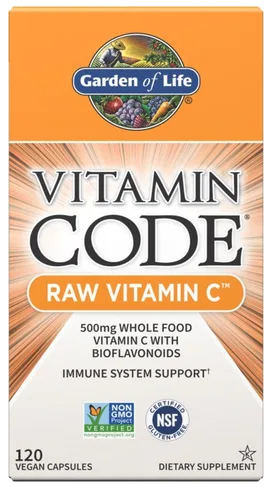
Garden of Life Vitamin Code Raw Vitamin C 500mg, 120 Capsules Review
Vitamin Code Raw Vitamin C is presented as a whole food nutrition supplement, specifically formulated to provide 500mg of vitamin C along with naturally occurring bioflavonoids. The page states that twenty-three organically grown fruits and vegetables add supporting antioxidants, vitamins, and nutrient cofactors. The product copy argues that people want their vitamins and minerals to come from food, and that a vitamin C supplement should come from whole food and avoid unwanted chemicals, binders, and fillers. The listed price is $17.59 and the item is shown as in stock. Subscription information states that customers can save 15% on their first subscription order, receive free shipping on their first four subscription orders, and receive 20% off after that. The page notes that subscriptions can be paused, skipped, or canceled anytime, with a customer-selected frequency and friendly reminders a few days before each order ships. The What's Inside section lists 500mg vitamin C with bioflavonoids, 23 powdered organically grown fruits and vegetables, and live probiotics and enzymes. The product page highlights immune system support, healthy heart, and healthy skin and eyes, and says live probiotics and enzymes support healthy digestion. The page describes the supplement as raw, meaning it is produced without high heat so nutrients keep their natural cofactors, along with live probiotics and enzymes. It states that the raw powders are delivered in capsules without binders, fillers, artificial flavors, sweeteners, or additives. Third-party certifications named on the page are Non-GMO Project Verified, NSF Certified Gluten Free, Certified Vegan, and Star K Kosher. Additional labels shown include No Dairy, No Soy, and Raw. The page also lists free US shipping on orders of $49.99 or more, fast 3-5 day US delivery, and a 60-day satisfaction guarantee. The item number shown on the page is P658010113816.
We don’t sell supplements. We help you make decisions and get the best price.
Lowest prices
We hold no current store prices for it yet: check the store.
- AmazonPrice at AmazonCheck price at Amazon (opens in a new tab)
Also at: Walmart · Vitacost · Swanson · Whole Foods
Some store links earn us a commission.
Study, Trial or Testing Result Summary
Members Only185 human studies · 93 improved
5 of these 185 human studies gave the ingredient by drip or injection, not by mouth.
The main ingredient is 500 mg of vitamin C, above the 200 mg used in studies. Across 29 placebo-controlled trials with 11,306 people, daily vitamin C did not make colds less common in the general public, but colds lasted 8% shorter in adults and 14% shorter in children, and colds were about halved in marathon runners, skiers and soldiers [1][2]. Pooled trials found 4% fewer respiratory infections and 9% shorter symptoms [3], and 1 gram or more daily made colds 15% less severe [4]. Army recruits on a very high dose had a slightly lower cold risk [5]. The fruit and vegetable blend is a mix of foods rather than a tested product; flavonoid supplements lowered respiratory infections in reviews [6][7], but fruit and vegetable juice powders did not change immune function in athletes [8][9]. The probiotic part is a small blend with enzymes, listing 500 million live bacteria of two strains. Probiotics in general cut upper respiratory infections by 24% in pooled trials [10], though a large review in children found no clear benefit [11]. Animal and cell studies are never counted.
See all 185 studies →Hide the studies
- In a pooled analysis of 19 trials with 11,576 children, probiotics ranked in the middle for preventing respiratory infections, and only high-dose vitamin D showed a clear reduction versus placebo.Comparative efficacy of nutritional supplements for the prevention of respiratory tract infections in children: a system…
- Across 30 trials with 11,350 people, taking vitamin C every day did not meaningfully lower the chance of catching a cold, though it shortened colds by 8% in adults and 13.6% in children, and halved colds in people under heavy physical stress; starting it after symptoms began did not help.Vitamin C for preventing and treating the common cold.
- Across 29 placebo-controlled trials with 11,306 people taking at least 0.2 g of vitamin C daily, colds were not less common in the general public but were about half as common in marathon runners, skiers and soldiers, and colds lasted 8% shorter in adults and 14% shorter in children.Vitamin C for preventing and treating the common cold.
- In 23 trials with 6,950 children, adults and older people, probiotics taken mostly for over three months lowered the number of people with upper respiratory infections (24% lower risk), shortened episodes by about 1.2 days, and cut a med use.Probiotics for preventing acute upper respiratory tract infections.
- In 18 trials with 6,851 adults and children, probiotics cut the odds of Clostridium difficile infection by about 65% with no increase in serious side effects, with multispecies probiotics working better than single-species ones.Microbial Preparations (Probiotics) for the Prevention of Clostridium difficile Infection in Adults and Children: An Ind…
- In 21 trials with 6,603 children and teenagers, only Lactobacillus casei rhamnosus lowered respiratory infection rates versus placebo, but overall the authors found a lack of evidence that probiotics reduce infections.Network meta-analysis of probiotics to prevent respiratory infections in children and adolescents.
- Across 20 randomized trials with 4,521 people, flavonoid supplements lowered the chance of catching a respiratory infection (19% lower risk) and shortened sick days compared with control, but blood markers of immune activity did not change.Flavonoid-containing supplements for preventing acute respiratory tract infections: A systematic review and meta-analysi…
- In 12 trials with 3,720 children, adults and older people, probiotics beat placebo for fewer people having upper respiratory infections, shorter episodes (about 1.9 days), less a med use and fewer school absences, though the evidence was low quality.Probiotics for preventing acute upper respiratory tract infections.
- Across 26 randomized trials with 1,891 people, probiotics improved gut barrier measures and lowered inflammation markers (CRP, TNF-alpha, IL-6) compared with controls.Probiotics fortify intestinal barrier function: a systematic review and meta-analysis of randomized trials.
- In 9 trials with 1,322 critically ill patients, vitamin C did not significantly reduce deaths, infections, or time in intensive care or on a ventilator, though high-dose intravenous vitamin C alone showed a possible trend toward fewer deaths.Vitamin C Administration to the Critically Ill: A Systematic Review and Meta-Analysis.
- In 8 trials with 1,158 young children with respiratory infections, Bifidobacterium shortened cough, Lactobacillus shortened illness, and combinations reduced cough, fever and a med use.Comparative efficacy and safety of probiotic for respiratory tract infections in children: a network meta-analysis.
- Across 8 trials with 1,083 intensive care patients, probiotics lowered the chance of ventilator-associated pneumonia, but the evidence was low quality and a sensitivity analysis showed no significant difference.Probiotics for preventing ventilator-associated pneumonia.
- Across 6 trials with 803 colorectal cancer surgery patients, probiotics reduced total postoperative infections and surgical site infections compared with placebo.Probiotics Used for Postoperative Infections in Patients Undergoing Colorectal Cancer Surgery.
- In 8 trials with 744 critically ill children, probiotics cut ventilator-associated pneumonia by about half but did not clearly reduce deaths, hospital stay or time on a ventilator.Probiotics for the prevention of ventilator-associated pneumonia and other outcomes in critically ill children: a system…
- A review of eight systematic reviews covering 31 randomized trials concluded that taking vitamin C does not prevent people from catching a common cold.Does vitamin C prevent the common cold?
- Pooling seven randomized trials from four systematic reviews, vitamin C taken during a cold had minimal or no effect on how long the cold lasted or on days at home or out of work.What are the effects of vitamin C on the duration and severity of the common cold?
- In a pooled analysis of randomized trials in adults, vitamin C slightly lowered the risk of respiratory infections by 4% and shortened symptoms by 9%, with a stronger prevention effect in men and in middle-income countries.Effect of micronutrient supplements on influenza and other respiratory tract infections among adults: a systematic revie…
- In 10 placebo-controlled trials of healthy people taking at least 1 g of vitamin C daily, cold severity was 15% lower than with placebo, with a clear benefit on severe symptoms but not on mild ones.Vitamin C reduces the severity of common colds: a meta-analysis.
- In 14 studies of healthy adults taking 0.2 to 1.2 g of flavonoids daily, upper respiratory infections were 33% less frequent than with control, while immune blood markers differed only trivially.Effect of Flavonoids on Upper Respiratory Tract Infections and Immune Function: A Systematic Review and Meta-Analysis.
- Across 10 studies in children, probiotics did not reduce urinary tract infection incidence or recurrence overall, with only a small benefit when added to meds.The efficacy of probiotics in prevention of urinary tract infection in children: A systematic review and meta-analysis.
- In a pooled analysis of trials in adults and children taking meds, those who also took probiotics had a lower risk of Clostridium difficile infection than those given placebo or nothing, with moderate-quality evidence.Read the study on PubMed (30027207) →
- Across 11 studies in children, probiotics slightly lowered the odds of getting or having recurrent urinary tract infection (odds ratio 0.94), though the evidence was not conclusive.Effect of Probiotics on Urinary Tract Infections in Children: A Systematic Review and Meta-Analysis.
- Across 32 trials, adding probiotics improved H. pylori eradication and urinary tract infection cure rates, but benefits for diarrheal and HIV infections were unclear.Role of probiotic as adjuvant in treating various infections: a systematic review and meta-analysis.
- Five small, low-quality trials with 2,655 children and adults gave vitamin C at 125 mg to 2 g daily, and the evidence was too weak to tell whether it prevents or treats pneumonia.Vitamin C supplementation for prevention and treatment of pneumonia.
- A review of 36 trials (about 2,600 people) found prebiotics, probiotics and synbiotics might lower a gut leakiness marker, but effects on other gut and immune markers were inconsistent and inflammation markers were mostly unchanged.The Effects of Prebiotic Dietary Fibers, Probiotics, and Synbiotics on Gut Permeability and Immunity: A Systematic Revie…
- In 24 studies with 1,680 active people and athletes, probiotics showed positive effects on respiratory infections, immune markers and gut symptoms, but some small studies found no benefit so results were inconclusive.Supplementation of Probiotics and Its Effects on Physically Active Individuals and Athletes: Systematic Review.
- A review of 12 recent trials with 1200 people found probiotics showed benefit for recurrent urinary infections, H. pylori treatment and respiratory infection symptoms, but certainty was low to moderate.A systematic review evaluating efficacy of probiotics in prevention and treatment of bacterial infections.
- In 30 trials, high-dose vitamin C did not prevent colds but modestly shortened cold symptoms by about 8 to 9%, with larger doses seeming to help more when started after symptoms began.Vitamin C for preventing and treating the common cold.
- In 12 trials of military personnel, students in crowded housing, and marathon runners, five small short trials found 45 to 91% fewer colds and three found 80 to 100% fewer cases of pneumonia with vitamin C.Vitamin C supplementation and respiratory infections: a systematic review.
- This broad review of common cold treatments included vitamin C among many options but the abstract gives no results specific to vitamin C.Common cold.
- This broad review of common cold treatments included vitamin C among many options but the abstract gives no results specific to vitamin C.Common cold.
- Across 16 randomized trials, 44% showed that vitamin C changed how well immune cells called neutrophils worked, but the studies varied widely in people and doses.Vitamin C and Neutrophil Function: Findings from Randomized Controlled Trials.
- A review of 39 randomized trials of eight supplements, including vitamin C, in healthy people under stress found some signs of benefit but too many gaps to draw firm conclusions about immune protection.Select Dietary Supplement Ingredients for Preserving and Protecting the Immune System in Healthy Individuals: A Systemat…
- A review of 13 studies in healthy adults found alternative vitamin C forms often raised white blood cell vitamin C and were better tolerated, with one study showing fewer colds, but more research is needed to confirm immune benefits.Enhanced Vitamin C Delivery: A Systematic Literature Review Assessing the Efficacy and Safety of Alternative Supplement …
- A review of 58 human studies found limited evidence on flavonoid-rich foods and immune function, with only quercetin studied as a supplement, so the role of flavonoids remained unclear.Flavonoids and immune function in human: a systematic review.
- A review of 14 trials in healthy children found probiotics modestly reduced upper respiratory infections and symptom severity, with no serious side effects reported.Probiotics for the prevention of pediatric upper respiratory tract infections: a systematic review.
- A review of 7 economic studies in hospitalized adults found probiotics looked cost-effective in 6 of 7 for preventing hospital infections, but certainty was very low.Probiotics in hospitalized adult patients: a systematic review of economic evaluations.
- A review of 43 controlled trials of vitamins, minerals, nutraceuticals and probiotics (4 probiotic trials) found possible immune benefits for some, including vitamins A and D, selenium and zinc, while probiotics may have some role.Enhancing immunity in viral infections, with special emphasis on COVID-19: A review.
- A systematic review of 13 studies found the evidence that probiotics prevent ear infections (otitis media) in children is limited and low quality, with no serious side effects reported.No evidence from a systematic review for the use of probiotics to prevent otitis media.
- A systematic review of five trials in healthy women of reproductive age found no conclusive evidence that probiotic capsules improved metabolic or immune health.The impact of probiotic supplementation on metabolic health in healthy women of reproductive age: a systematic review.
- A review of 3 small human trials and 6 animal or lab studies found that bifidobacteria lowered gum-disease bacteria and inflammatory signals and may help periodontal health, but more human studies are needed.Probiotic Bifidobacteria in Managing Periodontal Disease: A Systematic Review.
- In a review of 50 trials of nutritional treatments for children with acute respiratory infections, probiotic results were mixed and no supplement could be recommended for routine treatment.A systematic review and meta-analysis on nutritional and dietary interventions for the treatment of acute respiratory in…
- A review of 7 earlier reviews found multi-strain probiotics reduced oral Candida yeast counts, but the evidence was low to very low quality and varied widely, so probiotics should not yet be used alone.Efficacy of probiotics in the management of oral candidiasis: an umbrella review of systematic reviews and meta-analyses…
- In 2653 critically ill adults on ventilators, Lactobacillus rhamnosus GG twice daily did not reduce ventilator-associated pneumonia (21.9% vs 21.3% with placebo) or other infections, and caused more cases of the probiotic bacteria appearing in the body.Effect of Probiotics on Incident Ventilator-Associated Pneumonia in Critically Ill Patients: A Randomized Clinical Trial…
- In 1524 working volunteers, 10 grams of vitamin C taken during the first 2.5 days of a cold did not ease cold symptoms compared with placebo, though fewer men had two or more colds, an effect not seen in women.A trial of ascorbic acid in the treatment of the common cold.
- In 1,444 army recruits taking 6,000 mg of vitamin C daily for 30 days, the risk of getting a common cold was 0.80 times that of those taking placebo.Vitamin C supplementation reduces the odds of developing a common cold in Republic of Korea Army recruits: randomised co…
- In 961 women healthcare workers, 16 weeks of daily 112 ml yogurt with OLL1073R-1 did not reduce influenza incidence (7.5 percent versus 7.7 percent in controls) or significantly change natural killer cell activity.The effects of OLL1073R-1 yogurt intake on influenza incidence and immunological markers among women healthcare workers:…
- In 868 Navajo schoolchildren given vitamin C or placebo, there was no difference in how many got ill (133 vs 129), number of illness episodes, or illness length, though blood vitamin C levels were higher.Vitamin C and acute illness in Navajo schoolchildren.
- In a randomized trial of 688 adult women, 1 gram of vitamin C daily produced a small reduction in chest colds but no effect on simple colds.A randomized controlled trial of vitamin C in the prevention and amelioration of the common cold.
- In 674 marine recruits given 2 grams of vitamin C or placebo daily for eight weeks, colds were no less common or shorter, though the vitamin C group rated their colds as less severe.Vitamin C prophylaxis in marine recruits.
- In 595 critically ill surgical patients, early antioxidant supplementation with vitamin C and vitamin E did not significantly reduce lung complications compared with standard care, but it reduced multiple organ failure and shortened time on the ventilator and in intensive care.Randomized, prospective trial of antioxidant supplementation in critically ill surgical patients.
- In 585 preterm infants, daily Lactobacillus GG starting from the first feed did not significantly reduce urinary tract infections, bacterial sepsis or necrotizing enterocolitis compared with placebo.Probiotics feeding in prevention of urinary tract infection, bacterial sepsis and necrotizing enterocolitis in preterm i…
- In 567 healthy newborns given E. coli Nissle or placebo, infection rate, duration and severity did not differ after 24 months, though a short-term benefit appeared at four weeks in extra analyses.Potential Benefit of Probiotic E. Coli Nissle in Term Neonates.
- In a placebo-controlled trial of 422 children with asthma, taking a two-strain probiotic twice daily for eight weeks and then once daily for eight more weeks significantly reduced asthma flare-ups compared with placebo.The Probiotics in Pediatric Asthma Management (PROPAM) Study in the Primary Care Setting: A Randomized, Controlled, Doub…
- In 315 children, 2 weeks of a probiotic started when a household member was sick did not reduce respiratory infections, but shortened illness to about 5 days versus 7 days and lowered severity compared with control.Role of short-term use of L. acidophilus DDS-1 and B. lactis UABLA-12 in acute respiratory infections in children: a ran…
- In a 5-year double-blind trial of older Japanese adults, 500 mg of vitamin C daily cut the number of people with three or more colds, compared with 50 mg daily, but did not shorten or lessen the colds.Effect of vitamin C on common cold: randomized controlled trial.
- In a placebo-controlled trial of 290 healthy infants starting child care, six months of daily probiotics did not reduce days absent from care due to infections compared with placebo.Probiotics and Child Care Absence Due to Infections: A Randomized Controlled Trial.
- In 275 people with early COVID-19, a 10-day combination therapy including vitamin C was safe and well tolerated, but the study did not test whether it improved immune health.Read the study on PubMed (41693032) →
- In a placebo-controlled trial of 231 preschool children, long-term Lactobacillus rhamnosus GG intake reduced a med use and eased stomach complaints after meds, with reduced a med use still seen up to 3 years later.Read the study on PubMed (27111772) →
- In 230 children with partly controlled asthma, a pleuran and vitamin C capsule for 24 weeks versus vitamin C alone improved asthma control in under-12s and lowered respiratory infections in those 12 and older; vitamin C was not tested on its own against placebo.Beneficial effects of pleuran on asthma control and respiratory tract-infection frequency in children with perennial ast…
- In 192 symptomatic military conscripts followed for 90 to 150 days, a daily probiotic tablet did not reduce overall viral infections, though it lowered picornavirus detection after 3 months compared with placebo.Specific probiotics and virological findings in symptomatic conscripts attending military service in Finland.
- In 311 National Institutes of Health employees taking 3 g of ascorbic acid daily for nine months (with extra doses at cold onset), the vitamin had at best a minor effect on the duration and severity of colds, and the results could be explained by a break in blinding.Ascorbic acid for the common cold. A prophylactic and therapeutic trial.
- In a double-blind study of 95 identical twin pairs over 100 days, vitamin C shortened cold episodes by about 19% but had no other significant effect compared with placebo.Vitamin C and the common cold: using identical twins as controls.
- In 180 healthy pregnant women from week 28, probiotics led to fewer women with infections (8 vs 18) and infants had fewer infection days in the first month (4.7 vs 10.5), though the main outcome of infections in pregnancy showed only a trend.The Effect of Probiotics on Health in Pregnancy and Infants: A Randomized, Double-Blind, Placebo-Controlled Trial.
- In 175 children with recurrent respiratory infections, a pleuran and vitamin C syrup over 12 months left 36% free of infections versus 21% on vitamin C only, so the benefit is attributed to pleuran rather than vitamin C.Immunomodulatory effect of pleuran (β-glucan from Pleurotus ostreatus) in children with recurrent respiratory tract infe…
- In 174 premenopausal women with recurrent urinary tract infections, vaginal probiotics alone or combined with oral probiotics for 4 months reduced the number of infections compared with placebo, while oral probiotics alone did not show a significant reduction.Effectiveness of Prophylactic Oral and/or Vaginal Probiotic Supplementation in the Prevention of Recurrent Urinary Tract…
- In 171 adults with chronic constipation, a probiotic taken daily for 4 weeks improved stool consistency, but blood immune messenger levels did not differ from placebo.Probiotics Ameliorate Stool Consistency in Patients with Chronic Constipation: A Randomized, Double-Blind, Placebo-Contr…
- In 169 infants with cow's milk allergy, a synbiotic amino acid formula for 12 months did not change tolerance to cow's milk compared with the standard formula, though fewer infants in the synbiotic group were hospitalized for infections.Tolerance development in cow's milk-allergic infants receiving amino acid-based formula: A randomized controlled trial.
- In 151 children under 2 with atopic dermatitis and cow's milk allergy, a three-month probiotic gave more children a 30% or greater drop in eczema severity than placebo (odds ratio 2.56), though the benefit was not seen at nine months.The Effectiveness of Probiotic Lactobacillus rhamnosus and Lactobacillus casei Strains in Children with Atopic Dermatiti…
- In 135 adults having major abdominal surgery, perioperative VSL#3 probiotic did not reduce the 30-day rate of death, readmission or infection compared with placebo, and more probiotic patients were readmitted, mostly for dehydration.Randomized Trial of Perioperative Probiotics Among Patients Undergoing Major Abdominal Operation.
- In 128 children aged 28 days to 4 years with fever and upper respiratory infections, a daily probiotic mixture for 14 days shortened fever by about 2 days compared with placebo.Probiotics and Fever Duration in Children With Upper Respiratory Tract Infections: A Randomized Clinical Trial.
- In 126 children aged 12 to 48 months attending day care, 7 grams daily of milk fermented with a probiotic over 3 months led to fewer common infections than placebo, and immune markers in stool rose only in the probiotic group.Preventive Effect of Cow's Milk Fermented with Lactobacillus paracasei CBA L74 on Common Infectious Diseases in Children…
- In 120 stroke patients with swallowing difficulty, vitamin C stimulation added to routine swallowing training improved swallowing tests, nutrition markers and antibody levels compared with routine training alone.Effects of vitamin C stimulation on rehabilitation of dysphagia after stroke: a randomized trial.
- In 120 children with recurrent respiratory infections given a daily probiotic for 180 days, fever, cough, and respiratory infections were reduced compared with placebo, with no treatment-related side effects reported.Probiotic Supplementation Reduces RRTIs and Enhances Gut Microbial and Immunity in Children: A Randomized Controlled Tri…
- In a placebo-controlled trial of 120 children with recurrent respiratory infections, 10 billion CFU daily of two probiotic strains for 3 months improved clinical outcomes, with fewer and shorter respiratory episodes, and no adverse events were reported.Probiotic modulation of gut microbiota with Bifidobacterium animalis subsp. lactis XLTG11 and Lactobacillus plantarum CC…
- In 112 mechanically ventilated trauma patients, a four-probiotic formula given for 15 days lowered the rate of ventilator-associated pneumonia (11.9% vs 28.3%) and sepsis (6.8% vs 24.5%) compared with placebo.A four-probiotic preparation for ventilator-associated pneumonia in multi-trauma patients: results of a randomized clini…
- In 112 women with repeated failed embryo implantation and thin lining, vaginal probiotics alone did not significantly raise pregnancy rates over standard IVF (14.2% vs 10.7%), while combining them with vitamin D raised pregnancy to 46.4%.The effect of vitamin D supplementation and vaginal probiotics on fertility in women with recurrent implantation failure…
- In 109 adults taking Lactobacillus plantarum DR7 for 12 weeks, nasal symptoms lasted about 5 fewer days and upper respiratory infections were less frequent than with placebo, with improved immune and inflammation markers.Lactobacillus plantarum DR7 improved upper respiratory tract infections via enhancing immune and inflammatory parameters…
- In 106 adults with seasonal allergic rhinitis, a probiotic and prebiotic combination taken for 90 days reduced nasal symptom scores more than placebo and lowered IL-17, a pro-inflammatory marker.Probiotics combined with prebiotics alleviated seasonal allergic rhinitis by altering the composition and metabolic func…
- In 103 multi-trauma patients on mechanical ventilation, taking a four-probiotic blend for 15 days lowered surgical site infections from 46% to 24.5% compared with placebo over 30 days of follow-up.A Four-Probiotic Regime to Reduce Surgical Site Infections in Multi-Trauma Patients.
- In 102 people with autoimmune thyroiditis, 500 mg of vitamin C daily for 3 months lowered thyroid antibody levels within the group, but the difference from placebo was not significant.Effects of selenium and vitamin C on the serum level of antithyroid peroxidase antibody in patients with autoimmune thyr…
- In an exploratory analysis of 100 gastrointestinal cancer surgery patients, an immune-boosting feeding formula that contained vitamin C along with other nutrients was linked to fewer complications than standard feeding. Vitamin C's effect cannot be separated from the other nutrients.Plasma proteomic profiles reveal immune modulation by immunonutrition in GI cancer.
- In 100 women with high-risk HPV, intravaginal Lactobacillus crispatus chen-01 over six months lowered HPV viral load and improved HPV clearance compared with placebo, without notable side effects.Effectiveness of vaginal probiotics Lactobacillus crispatus chen-01 in women with high-risk HPV infection: a prospective…
- In 100 patients with liver cancer, a diet plan including probiotics and prebiotics, compared with routine diet care, increased gut bacteria diversity, shifted immune cells toward an anti-tumor profile, and lengthened survival.Dietary intervention reshapes gut microbiota and lipid metabolism to enhance anti-tumor immunity and prognosis in hepato…
- In 98 adults with mild to moderate coronavirus illness, 1000 mg of vitamin C daily for 14 days had no effect on symptom progression or quality of life compared with placebo.A Pilot of a Randomized Control Trial of Melatonin and Vitamin C for Mild-to-Moderate COVID-19.
- Giving probiotics to mothers did not change immune cell responses in their newborns' cord blood, although newborns who later developed IgE sensitization showed a stronger Th2-type response.Increased activation of GATA-3, IL-2 and IL-5 of cord blood mononuclear cells in infants with IgE sensitization.
- In 97 healthy adults, taking 10 billion CFU of BB536 daily for 4 weeks increased activation markers on a type of immune cell in the blood compared with placebo.The Potential Immunomodulatory Effect of Bifidobacterium longum subsp. longum BB536 on Healthy Adults through Plasmacyto…
- In 96 healthy middle-aged male office workers, daily fermented milk with Lactobacillus casei Shirota for 12 weeks cut upper respiratory infections to 22.4% versus 53.2% with control milk.Daily intake of fermented milk with Lactobacillus casei strain Shirota reduces the incidence and duration of upper respi…
- In 94 people with colds given troxerutin 50 mg plus zinc for 4 days, total symptom scores did not differ significantly from zinc alone, but runny nose scores were lower.Treatment of the common cold with troxerutin.
- In 94 adults with Helicobacter pylori infection taking standard a med therapy, adding Limosilactobacillus fermentum MN-LF23 for 6 weeks did not change inflammatory markers compared with placebo, though it improved digestive symptoms and constipation.Impact of supplementing Limosilactobacillus fermentum MN-LF23 on the eradication of Helicobacter pylori with 14-day stan…
- In 93 healthy adults, a single 500 mg dose of calcium ascorbate improved some immune measures compared with ascorbic acid, while the 250 mg dose showed no difference.Comparative Effectiveness of Ascorbic Acid vs. Calcium Ascorbate Ingestion on Pharmacokinetic Profiles and Immune Biomar…
- In 84 endurance athletes training through winter, daily Lactobacillus casei Shirota over 16 weeks reduced upper respiratory infection episodes compared with placebo (1.2 versus 2.1 episodes).Daily probiotic's (Lactobacillus casei Shirota) reduction of infection incidence in athletes.
- In 83 healthy adults taking 20 billion CFU per day of one of seven probiotic strains for 3 weeks, some strains raised blood IgG levels compared with placebo after an oral cholera vaccine, but the vaccine response overall was not changed.Effects of seven potential probiotic strains on specific immune responses in healthy adults: a double-blind, randomized,…
- In 83 healthy adults with mild constipation, taking 50 to 100 mg of freeze-dried Lactococcus cremoris FC improved bowel movements compared with placebo, and the 75 mg dose raised naive T cell counts in the blood.Effects of intake of Lactococcus cremoris subsp. cremoris FC on constipation symptoms and immune system in healthy parti…
- In 82 children with recurrent strep throat, a 90-day oral spray of two probiotic streptococci lowered episode number and duration, reduced a med days and school absences compared with placebo.Bacteriotherapy with Streptococcus salivarius 24SMB and Streptococcus oralis 89a oral spray for children with recurrent …
- In 80 ventilated full-term newborns in a neonatal intensive care unit, a twice-daily probiotic sachet (1 billion CFU each dose) until discharge was linked to fewer cases of ventilator-associated pneumonia (20% vs 47.5% without probiotics), with shorter ventilation and hospital stays.Assessment of the role of probiotics in prevention of ventilator-associated pneumonia in neonates.
- In 79 critically ill sepsis patients, 5 days of IV vitamin C did not change days free of organ support versus placebo, though it lowered one inflammation marker.Ascorbate for Organ Dysfunction in Critically Ill Patients With Sepsis: The Phase 2b ASTER Trial.
- In 78 hospitalized COVID-19 patients, a synbiotic capsule taken twice daily for 2 weeks lowered an inflammation marker more than placebo.The effect of synbiotic adjunct therapy on clinical and paraclinical outcomes in hospitalized COVID-19 patients: A rando…
- In 72 pregnant women taking at least 1 billion CFU of Bifidobacterium longum 1714 daily from mid-pregnancy to delivery, immune cell IL-10 responses did not differ from placebo.Impact of Bifidobacterium longum1714® on maternal cytokine response in peripheral blood mononuclear cells.
- In 71 healthy young adults, taking 0 to 100 billion CFU daily of two probiotic strains for 3 weeks did not significantly change immune cell activity or antibodies compared with placebo.Immunomodulating potential of supplementation with probiotics: a dose-response study in healthy young adults.
- In 70 critically ill adults receiving tube feeding, four probiotic strains given until ICU discharge did not change infections, gastrointestinal symptoms, or ventilation days compared with placebo, though prokinetic drug use was shorter.Effects of probiotic supplementation on infectious and gastrointestinal complications of critically ill patients: Random…
- In a placebo-controlled trial of 66 people recently discharged after a manic episode, 24 weeks of probiotics lowered the risk of psychiatric rehospitalization compared with placebo, with a larger benefit in people with higher inflammation.Adjunctive probiotic microorganisms to prevent rehospitalization in patients with acute mania: A randomized controlled t…
- In 66 gastric cancer patients receiving chemotherapy before surgery, perioperative probiotics led to fewer postoperative infections, faster recovery, shorter hospital stays, and lower inflammation markers than control.Effect of perioperative probiotic supplements on postoperative short-term outcomes in gastric cancer patients receiving …
- In 66 people with psoriatic arthritis of moderate activity, a multispecies probiotic taken for 12 weeks did not work better than placebo for reaching low disease activity or remission.Efficacy and safety of probiotic supplementation in PsA-a randomized controlled trial.
- In 65 healthy adults, a multi-strain probiotic taken for 12 weeks shortened cold symptoms and lowered the pro-inflammatory cytokine IFN-gamma compared with placebo.Clinical Efficacy of Probiotics for Relieving Cold Symptoms in Healthy Individuals: A Randomized, Double-Blind, Placebo-…
- In 65 women with bacterial vaginosis, a vaginal probiotic did not induce new antibodies against its bacterial strain, and pre-existing antibodies did not block colonization.Vaginal microbe-binding antibody interactions with a Lactobacillus crispatus live biotherapeutic following treatment for…
- In 61 elderly adults taking at least 90 million CFU daily of Lactobacillus bulgaricus 8481 for 6 months, immune inflammation fell and less mature T cells rose compared with placebo; effects faded after stopping.Oral supplementation with Lactobacillus delbrueckii subsp. bulgaricus 8481 enhances systemic immunity in elderly subject…
- In 60 children prone to recurrent respiratory infections, a daily orange juice providing 70 mg of vitamin C was associated with a drop in infection episodes from about 6.75 to 2.62 per child.Beneficial therapeutic effects of vitamin C on recurrent respiratory tract infections in children: preliminary data.
- In 60 patients having colorectal cancer surgery, taking intestinal probiotic tablets (2 g three times daily) around the operation raised blood levels of several immune markers, including immunoglobulins A, G and M, compared with standard bowel preparation with meds.[Effect of perioperative intestinal probiotics on intestinal flora and immune function in patients with colorectal cance…
- In 59 older denture wearers without symptoms, a 5-week daily multispecies probiotic placed on the denture lowered Candida colonization of the palate to 16.7 percent, compared with 92.0 percent in the placebo group.A multispecies probiotic reduces oral Candida colonization in denture wearers.
- In 57 preschool children given vitamin C with probiotics daily for 6 months, respiratory tract infections were about one-third less frequent than with placebo.Probiotics and vitamin C for the prevention of respiratory tract infections in children attending preschool: a randomise…
- In a placebo-controlled trial of 56 children and teens with type 1 diabetes, 6 months of a three-strain probiotic alongside insulin lowered fasting blood sugar and HbA1c and reduced several inflammatory signals compared with insulin alone.Adjuvant Probiotics of Lactobacillus salivarius subsp. salicinius AP-32, L. johnsonii MH-68, and Bifidobacterium animali…
- In 54 patients with liver disease, probiotics taken 14 days before liver surgery did not lower blood endotoxin or complications, and raised inflammatory signals after surgery compared with placebo.Influence of Probiotics Administration Before Liver Resection in Patients with Liver Disease: A Randomized Controlled Tr…
- In 52 colorectal cancer patients after surgery, six months of a six-strain probiotic lowered most inflammatory cytokines compared with their own starting levels, but not interferon-gamma, and no infections occurred in either group.A randomized double-blind placebo-controlled trial of probiotics in post-surgical colorectal cancer.
- In 52 unvaccinated adults who had recovered from COVID-19, a standard dose of a live microbial blend for 21 days raised antibody levels against the virus more than placebo, while a high dose did not, and immune cell responses changed only slightly.Live microbials to boost Anti-SARS-CoV-2 immunity clinical trial (Live BASIC trial): a triple-blind randomized controlle…
- In 51 older adults with increased gut permeability, 8 weeks of a polyphenol-rich diet lowered blood and stool calprotectin, a marker of gut and body inflammation, compared with a control diet.A (poly)phenol-rich diet reduces serum and faecal calprotectin in older adults with increased intestinal permeability: t…
- In 50 children aged 4 to 17 with moderate atopic dermatitis, a daily probiotic capsule (1 billion CFU) for 12 weeks lowered eczema severity scores more than placebo and reduced the days of topical a med use for flares.Read the study on PubMed (29117309) →
- In 50 healthy adults, probiotic lozenges taken for 4 weeks raised salivary IgA and beneficial oral bacteria and reduced plaque compared with placebo.Lozenges with probiotic strains enhance oral immune response and health.
- In 50 flu-vaccinated healthy older adults, an 8-week multistrain probiotic reduced the number of people with common infection symptoms and days with symptoms compared with placebo, and raised total antioxidant capacity.Effectiveness of Multistrain Probiotic Formulation on Common Infectious Disease Symptoms and Gut Microbiota Modulation i…
- In 50 women with repeated implantation failure, taking two probiotic tablets daily for 6 months compared with placebo lowered inflammatory cytokines such as TNF-alpha and IFN-gamma, raised IL-10 and IL-4, and gave a higher clinical pregnancy rate.The role of probiotics in restoring the Th1 to Th2 ratio in women experiencing recurrent implantation failure; a double-…
- In 48 overweight women over 10 weeks, a flavonoid and fish oil mix did not change blood inflammation or oxidative stress markers versus placebo, but did shift gene activity toward antiviral and anti-inflammatory pathways.A Mixed Flavonoid-Fish Oil Supplement Induces Immune-Enhancing and Anti-Inflammatory Transcriptomic Changes in Adult Obe…
- In 44 patients receiving stem cell transplants for myeloma or lymphoma, vitamin C did not speed neutrophil recovery or shorten hospital stays compared with placebo, though bacteremia was lower in the vitamin C group (not statistically significant).No Effect of Vitamin C Administration on Neutrophil Recovery in Autologous Stem Cell Transplantation for Myeloma or Lymp…
- In 41 adults with allergic rhinitis, a four-strain probiotic taken for 8 weeks improved nasal symptoms and quality of life compared with placebo, with gut bacteria shifting toward anti-inflammatory species.Clinical Efficacy of Probiotics for Allergic Rhinitis: Results of an Exploratory Randomized Controlled Trial.
- In 40 healthy young adults with low vitamin C, 500 mg twice daily for 4 weeks reduced markers of inflammation and a bacterial product in the blood, and changed gut bacteria linked to better mental vitality.Gut microbiota links vitamin C supplementation to enhanced mental vitality in healthy young adults with suboptimal vitam…
- In 40 children with pollen allergy-related nose symptoms and mild asthma, one sachet a day of a three-strain Bifidobacteria mixture for 4 weeks improved allergy symptoms and quality of life compared with placebo, while the placebo group got worse.Bifidobacterium mixture (B longum BB536, B infantis M-63, B breve M-16V) treatment in children with seasonal allergic rh…
- In 40 healthy men taking probiotic BB536 or AHCC for 12 days around a course of azithromycin, immune cell shifts were not significantly different from placebo.Modulation of T Regulatory and Dendritic Cell Phenotypes Following Ingestion of Bifidobacterium longum, AHCC® and Azithr…
- In 40 oral surgeons, 10 weeks of a probiotic formula lowered salivary cortisol and raised salivary IgA antibody levels compared with placebo, but did not change heart rate or blood pressure.The alteration of stress-related physiological parameters after probiotics administration in oral surgeons with differen…
- In 40 patients with substance-induced depression, a probiotic taken for 4 weeks produced no significant difference from placebo in mood, and immune changes such as IL-6 and interferon-gamma were not statistically significant.Effect of probiotic supplement on improvement of depressive symptoms in patients with substance-induced depressive disor…
- In a placebo-controlled pilot trial of 39 adults with fatty liver disease, a 6-month probiotic blend of 30 billion CFU daily did not significantly improve liver fat, fibrosis, or blood tests compared with placebo.The Effect of Probiotics (MCP® BCMC® Strains) on Hepatic Steatosis, Small Intestinal Mucosal Immune Function, and Intest…
- In 34 trained cyclists taking a fruit and vegetable juice powder with 230 mg of flavonoids daily for 17 days, inflammation, oxidative stress and immune cell function after hard exercise did not differ from control.Effects of a freeze-dried juice blend powder on exercise-induced inflammation, oxidative stress, and immune function in …
- In 34 healthy adults without oral hygiene, Lactobacillus brevis CD2 lozenges three times daily for 14 days prevented the rise in gum bleeding seen with placebo and lowered gum inflammation markers such as nitric oxide.Modulation of the host response by probiotic Lactobacillus brevis CD2 in experimental gingivitis.
- In 33 trained athletes taking 10 billion CFU daily for 12 weeks, fewer participants developed upper respiratory infection symptoms than on placebo (35% vs 79%).Probiotic Supplements Beneficially Affect Tryptophan-Kynurenine Metabolism and Reduce the Incidence of Upper Respiratory…
- In a pilot trial of 33 adults with a first mild to moderate Clostridium difficile infection, a 28-day probiotic capsule shortened diarrhoea duration (0 vs 1 day) and total diarrhoea days (3.5 vs 12) compared with placebo.A randomized controlled trial of probiotics for Clostridium difficile infection in adults (PICO).
- In 32 adults around age 70, taking a three-strain probiotic twice daily for 3 weeks raised an anti-inflammatory signal (interleukin-10) compared with placebo and kept the share of helper immune cells steady while placebo lowered it.Lactobacillus gasseri KS-13, Bifidobacterium bifidum G9-1, and Bifidobacterium longum MM-2 Ingestion Induces a Less Infl…
- In 31 adults receiving stem cell transplants, high-dose vitamin C raised blood vitamin C levels, but reductions in graft-versus-host disease and mouth sores were not statistically significant compared with placebo.High-dose vitamin C supplementation in patients undergoing allogeneic hematopoietic stem cell transplantation: A pilot r…
- In 30 healthy adults taking BB-12 for 4 weeks, most forms raised natural killer cell activity and reduced days with cold or flu, but adding BB-12 after yogurt fermentation had no effect.Consumption of Bifidobacterium animalis subsp. lactis BB-12 impacts upper respiratory tract infection and the function o…
- In 30 elite athletes, a probiotic containing Lactobacillus helveticus L10 for 14 weeks changed some antibody levels compared with placebo, with the placebo group showing lower IgA against certain lactic acid bacteria and some other immune measures moving in different directions.Lactobacillus helveticus Lafti L10 Supplementation Modulates Mucosal and Humoral Immunity in Elite Athletes: A Randomize…
- In 30 people with HIV whose immune count failed to rise despite viral suppression, two probiotic capsules daily (2 billion CFU total) for 3 months raised CD4 immune cell counts compared with placebo, and counts fell again after stopping.The effect of oral probiotics on CD4 count in patients with HIV infection undergoing treatment with ART who have had an …
- In 30 children with autism over 12 weeks, a multi-strain probiotic lowered one inflammatory signal (IFN-gamma) but raised IL-8 and MIP-1 beta, while an anti-inflammatory diet produced broader immune changes.Anti-Inflammatory Diet and Probiotic Supplementation as Strategies to Modulate Immune Dysregulation in Autism Spectrum D…
- In 28 men with low vitamin C status, 1000 mg of vitamin C daily for eight weeks led to fewer colds than placebo (7 vs 11 men reporting colds), though the change in physical activity was not statistically significant.Vitamin C supplementation slightly improves physical activity levels and reduces cold incidence in men with marginal vit…
- In 28 people recovering from COVID-19, a single 1000 mg dose of vitamin C reduced one type of immune-related reactive oxygen species by 45% but did not raise nitric oxide levels.A Plant-Based Dietary Supplement Exhibits Significant Effects on Markers of Oxidative Stress, Inflammation, and Immune R…
- A single 500 mg dose of liposomal vitamin C raised blood and white cell vitamin C levels more than placebo and more than regular vitamin C in 27 adults, though immune function itself was not measured.Liposomal delivery enhances absorption of vitamin C into plasma and leukocytes: a double-blind, placebo-controlled, rand…
- In 26 healthy adults, 300 g per day of yoghurt with two probiotic strains for 5 weeks increased the share of white blood cells that engulf germs, while other specific immune measures were unchanged compared with placebo.Lactobacillus acidophilus 74-2 and Bifidobacterium animalis subsp lactis DGCC 420 modulate unspecific cellular immune re…
- In 24 patients receiving stem cell transplants for myeloma or lymphoma, high-dose vitamin C (20 g daily for 10 days, then 500 mg twice daily until day 100) was linked to rising natural killer and CD3 immune cell counts from day 30 to day 100 and fewer infections, compared with standard care alone.Effect of vitamin C on immune reconstitution after bone marrow transplantation.
- In 22 patients with acute pancreatitis, a probiotic did not change infection rates or hospital stay compared with placebo, but blood endotoxin levels fell on days 7 and 10 in the probiotic group; the study was stopped early.[Probiotics in acute pancreatitis--a randomised, placebo-controlled, double-blind study].
- In 22 children with mild to moderate eczema, microencapsulated Lactobacillus plantarum IS-10506 taken twice daily for 12 weeks lowered eczema severity scores and inflammatory immune markers compared with placebo.Lactobacillus plantarum IS-10506 supplementation reduced SCORAD in children with atopic dermatitis.
- In 20 children having surgery, ascorbate before premedication did not change neutrophil mobility during anaesthesia or surgery, and no infections occurred.Neutrophil mobility during anaesthesia in children. A trial of ascorbate premedication.
- In 20 burn-injured children, probiotic supplementation given until wound closure was safe and did not change infection days or a med use compared with placebo, though wound healing time appeared shorter.Clinical safety and efficacy of probiotic administration following burn injury.
- In 20 adults with chronic gum disease, chewable probiotic tablets given alongside physical treatment, compared with placebo tablets over 3 months, increased salivary IgA and reduced gum pocket depth and bleeding, and lowered harmful bacteria such as Porphyromonas.Assessment of the Effectiveness of Probiotics-assisted Physical Interventions in the Management of Chronic Periodontitis…
- In 15 healthy men given a single 1000 mg dose, a calcium ascorbate product with metabolites raised vitamin C levels inside white blood cells more than plain vitamin C after 24 hours, though blood plasma levels did not differ.Vitamin C metabolites, independent of smoking status, significantly enhance leukocyte, but not plasma ascorbate concentr…
- In 12 adults who exercised for about two hours in heat, 1500 mg of vitamin C daily for 12 days lowered the stress hormone cortisol after exercise, but did not change salivary antibody levels or cold-like symptoms compared with placebo.Vitamin C supplementation and salivary immune function following exercise-heat stress.
- In nine elite swimmers who trained for 10 days with or without a fruit and vegetable juice (16 fl oz, 230 mg flavonoids) in a crossover design, the juice had no effect on inflammation, oxidative stress, immune function or metabolic profiles.Effects of a flavonoid-rich juice on inflammation, oxidative stress, and immunity in elite swimmers: a metabolomics-base…
- In a small feasibility trial of nursing home residents aged 65 and older given iron for 30 days after a flu shot, immune response did not clearly improve, apart from a change in serum transferrin; the abstract does not report vitamin C dosing.Testing the feasibility and initial effects of iron and vitamin C to enhance nursing home residents' immune status follo…
- In healthy adults aged 55 and older, a 12-week multivitamin and mineral supplement raised blood vitamin C and zinc levels but did not change measured immune function compared with placebo.The Effect of a Multivitamin and Mineral Supplement on Immune Function in Healthy Older Adults: A Double-Blind, Randomiz…
- In older adults, a 30-day course of a multi-ingredient supplement that also contained vitamin C lowered inflammatory blood markers and improved lymphocyte levels, though they did not reach the levels seen in younger people; the vitamin C dose was not stated.Use of Nutraceuticals in Elderly to Fight Inflammation and Immuno-Senescence: A Randomized Case-Control Study.
- In a small preliminary trial, preschoolers with frequent chest infections and wheezing who used a nasal spray containing vitamin C with other ingredients for 3 months had fewer infections and used fewer wheezing medications than children given standard therapy alone. Vitamin C's effect cannot be separated from the other ingredients.Managing children with frequent respiratory infections and associated wheezing: a preliminary randomized study with a ne…
- In a randomized trial of ultramarathon runners and sedentary controls, taking 600 mg of vitamin C daily was linked to fewer upper airway infection symptoms in the two weeks after a race than placebo, with 33% of supplement takers developing symptoms versus 68% of placebo takers among runners.Vitamin C supplementation reduces the incidence of postrace symptoms of upper-respiratory-tract infection in ultramarath…
- In infants at high risk for eczema, probiotic supplementation raised some fecal short-chain fatty acids and lowered some other metabolites compared with placebo, which may partly explain an earlier preventive effect on eczema.Probiotic supplementation influences faecal short chain fatty acids in infants at high risk for eczema.
- In a small pilot of healthy adults taking Bacillus subtilis DE111 for 4 weeks, blood cells responded to bacterial stimulation with more anti-inflammatory cell types, but blood inflammation markers and gut measures did not change compared with placebo.Examining the Gastrointestinal and Immunomodulatory Effects of the Novel Probiotic Bacillus subtilis DE111.
- In extremely premature infants, a daily probiotic mix of Bifidobacterium and Lacticaseibacillus strains sped up gut microbiome maturation and was linked to a less inflamed intestinal immune environment.Supplementation with a probiotic mixture accelerates gut microbiome maturation and reduces intestinal inflammation in ex…
- In children with persistent diarrhea, a high-dose multi-strain Bacillus spore probiotic (5 billion units per ampoule) over 5 days lowered blood inflammatory signals such as TNF-alpha, IL-17 and IL-23 compared with the control group, and shortened recovery.Read the study on PubMed (40826150) →
- In two trials of 8-9 year old children (172 and 642) given 1000 mg vitamin C daily, cold duration and severity seemed lower but cold incidence stayed the same or rose, and the total sick days were fewer only in the smaller pilot study.Vitamin C as a preventive medicine against common colds in children.
- In 362 healthy young adults over 72 days, natural or synthetic orange juice with 80 mg of vitamin C daily cut total cold symptoms by 14 to 21% compared with placebo.The effects of ascorbic acid and flavonoids on the occurrence of symptoms normally associated with the common cold.
- In about 210 students (three groups of about 70) taking 1 gram daily for 15 weeks, the D-isoascorbic acid group had 34% fewer colds than the other two groups, which included the L-ascorbic acid group, so regular vitamin C showed no clear benefit.L-Ascorbic acid and D-isoascorbic acid in a common cold survey.
- In 60 children having stomach or intestinal surgery, probiotics given around the operation lowered a blood inflammation marker but did not reduce wound infections compared with standard care alone.Probiotics as Prophylaxis for Postoperative Infections of Under-five Children Following Gastrointestinal Surgery.
- In 30 healthy older adults, 4 weeks of a drink with 13 billion Lactobacillus casei Shirota raised natural killer cell activity compared with skimmed milk control, with a trend toward a more anti-inflammatory cytokine balance.Immunomodulatory effects of a probiotic drink containing Lactobacillus casei Shirota in healthy older volunteers.
- In 29 infants in a St. Petersburg orphanage, a daily liquid probiotic with Enterococcus faecium L3 over three winter-spring months reduced average respiratory infections per child in the first month compared with controls.[PROBIOTICS, NUTRITIONAL STATUS AND RESISTANCE TO RESPIRATORY INFECTIONS IN INFANTS].
- In a large double-blind trial, 1 g of vitamin C daily gave a small, non-significant reduction in colds, but more people stayed illness-free and vitamin takers had about 30% fewer days of disability from illness than placebo takers.Vitamin C and the common cold: a double-blind trial.
- In older adults, 500 mg of vitamin C injected daily for one month improved T-lymphocyte response and skin test reaction compared with placebo, but did not change antibody levels.Effect of vitamin C supplements on cell-mediated immunity in old people.
- In a 1976 controlled study, ascorbic acid combined with dibasole was reported to prevent influenza and other acute respiratory illness compared with a glucose-receiving control group; the abstract gives no doses or sample size.[Nonspecific methods of prophylaxis of influenza and other acute respiratory diseases with dibasole and ascorbic acid].
- In 200 non-diabetic adults, eating probiotic yogurt daily for 12 weeks increased natural killer cell activity and an immune messenger (interferon-gamma) more than drinking milk did.Consumption of Dairy Yogurt Containing Lactobacillus paracasei ssp. paracasei, Bifidobacterium animalis ssp. lactis and …
- In an open-label trial of 150 critically ill children on ventilators, prophylactic probiotics given for up to 7 days lowered the rate of ventilator-associated pneumonia compared with no treatment, and no complications were observed.Probiotic prophylaxis to prevent ventilator associated pneumonia (VAP) in children on mechanical ventilation: an open-la…
- In a small feasibility study of people with a new common cold, 250 mg of vitamin C daily for 5 days was used only as the comparison arm against a warm humidified air treatment, and the abstract reports no benefit from vitamin C itself.Randomised controlled trial of rhinothermy for treatment of the common cold: a feasibility study.
- In 20 treated HIV-positive adults taking antiretroviral therapy, adding probiotics significantly lowered markers of immune activation and inflammation, bringing them close to levels in 11 HIV-negative controls.Probiotics Reduce Inflammation in Antiretroviral Treated, HIV-Infected Individuals: Results of the "Probio-HIV" Clinical…
- In a randomized open-label trial of people having colorectal cancer surgery, CBM588 given around the operation speeded recovery of bowel function, lowered infectious complications, and increased circulating T cells.Perioperative administration of CBM588 in colorectal cancer radical surgery: A single-center, randomized controlled tria…
- In a large U.S. survey of 33,590 adults, higher vitamin C intake was linked to lower blood cell counts and inflammation scores, with similar patterns in people without viral infections.Individual and joint associations of vitamin C intake and physical activity with inflammation and mortality in chronical…
- In U.S. adults aged 45 and older followed for about 17 years, the third quartile of blood vitamin C was linked to lower influenza and pneumonia death, but the highest quartile was not significant.Serum antioxidant status and mortality from influenza and pneumonia in US adults.
- In 888 children followed from 3 to 48 months, gut fungal composition varied with diet and probiotic use, but fungal differences were subtle in children who later developed islet autoimmunity or type 1 diabetes.Temporal changes in gastrointestinal fungi and the risk of autoimmunity during early childhood: the TEDDY study.
- In a study of 433 women followed for a year, those with the highest dietary vitamin C intake were less likely to have a persistent human papillomavirus infection than those with the lowest intake.Dietary intake and risk of persistent human papillomavirus (HPV) infection: the Ludwig-McGill HPV Natural History Study.
- Children and teenagers with simple obesity ate on average only 65% of the recommended vitamin C intake from food, according to 3-day food records.Nutrition and Immune System in Children with Simple Obesity.
- In 70 hospitalized COVID-19 patients, many had low vitamin C levels, and lower serum levels showed only a weak link to illness severity; no supplement was tested.Low Levels of Serum and Intracellular Vitamin C in Hospitalized COVID-19 Patients.
- In a retrospective review of 20 children with recurrent fever syndrome, 19 had fewer attacks after starting a two-lactobacillus probiotic, with median episodes falling from 3 to 1 over 3 months; there was no control group.Probiotic use in the prophylaxis of periodic fever, aphthous stomatitis, pharyngitis, and adenitis (PFAPA) syndrome: a r…
- In hospital records of patients with upper respiratory tract infection, adding vitamin C injection to Xiyanping injection did not improve cure rates compared with Xiyanping alone.[Analysis of actual effects of combining xiyanping injection with vitamin C injection in treatment of upper respiratory …
- In a preliminary report on children with HIV, oral Lactobacillus plantarum 299v colonized the gut and triggered a specific whole-body immune response after supplementation; the abstract gives no sample size, duration, dose, or placebo comparison.Probiotics and immune response.
- In mice, probiotics and their metabolite spermidine boosted interferon-producing immune cells and reduced hepatitis B virus, while a small human trial showed only a preliminary trend toward lower hepatitis B surface antigen.Probiotics and their metabolite spermidine enhance IFN-γ+CD4+ T cell immunity to inhibit hepatitis B virus.
Review Totals and Summary
Members Only15,332 reviews · 95% positive
Buyers rate this capsule vitamin C highly, with about 14,900 ratings across the stores, and most of the feedback is warm. The praise centers on its whole food formula, gentle digestion and trusted brand. Complaints are few and mostly about delivery rather than the product. **What buyers say it did for them:** Many people use it for immune support, and the store summaries say some also notice more energy. One buyer calls it "Great immune system support!" Reviewers also say it is easy on the stomach: "didn't cause any acidity issues. light on stomach and no after taste." **What they complain about:** The product itself draws very few complaints. The Swanson summaries mention a few customers with stomach upset, described as isolated cases. Other complaints concern shipping. One buyer received a bottle with a broken cap inside a sealed box: "Bottle cap was damaged inside of sealed box." Another said the parcel was left at the mailbox, not at the apartment door. The Walmart and Vitacost pages show a small share of 1 and 2 star ratings, but the text of those ratings is not shown. **Taste, smell, pill size and form:** Capsules are described as easy to swallow, with one reviewer saying they are "easy to swallow and the bottle is sturdy." The Walmart summary says they are smooth and glide down. Taste is described as mild and not lingering, and one buyer noticed no aftertaste. Reviews of other forms of this product were left out, and this summary covers the capsules only. **Value for money:** Value gets little comment. One buyer says the bottle is "good for 6 months," which fits the 120 count at two capsules a day. The Walmart summary says some reviewers find it reasonably priced for a high-quality supplement compared with similar brands. No reviewer calls it overpriced. **Whole food and brand trust:** This is the most common theme. Buyers like that it combines vitamin C with fruits, vegetables, probiotics and enzymes. One says they like "a whole food based supplement." Another reviewer praises it as "clean no fillers, safe made vitamins." Several are loyal to Garden of Life, and one says they have been "using this brand for many years." Store summaries add that the formula is plant-based and vegan, and that customers trust the plant sources. **Who it suits and who it did not:** It seems to suit people who want a food-based vitamin C rather than a plain synthetic one, who want something gentle on the stomach, and who already trust the brand. One buyer takes it alongside a liposomal vitamin C. It suited a few people less because of stomach upset, and shipping problems could affect any buyer. The written feedback is short, so anyone wanting detail on long-term results will find little here.
Biohacker Summary
Members Only10 of 10 recommend it
All ten panelists spoke about vitamin C, the main ingredient, and about half of them recommend it, mostly for collagen, skin, immune support and recovery. Several pair it with collagen, with one suggesting taking them together about an hour before a workout, and one taking an extra gram a day. Another panelist cited 500 mg to 1 g for pain after knee and wrist surgery, while also warning that high doses might blunt the benefits of exercise. Some on the panel favor whole food sources such as kiwi, citrus, bell peppers and sauerkraut, and one warns that generic multivitamins are often full of fillers and synthetics. One panelist stopped using a vitamin C serum because of its smell, and broccoli, a smaller ingredient in this product, was mentioned by several for sulforaphane and fiber.
See all 10 biohackers →Hide the biohackers
Dr. Eric Berg · Vitamin C · recommends
- Says vitamin C and zinc are the two things a person needs most while sick with an infection, so what they reach for matters.
- Says vitamin C is one of the two nutrients you need most during an illness, and that it is depleted by sugar and refined carbs.
- Warns against generic multivitamins, stating they are often full of fillers and synthetics.
- Mentions that bleeding or swollen gums point to vitamin C deficiency, and sugar competes with it directly, reducing absorption.
- Notes that one cup of raw organic sauerkraut contains 700 mg of vitamin C, which is 10 times the RDA and good for collagen.
- Recommends Vitamin C for shingles pain relief.
- Dr. Eric Berg recommends pairing broccoli with mustard seeds to boost beneficial plant compounds.
- Recommends beet tops as a low-carb, potassium-rich food.
- Mentions that lemon is loaded with vitamin C, and when combined with coffee, vitamin C significantly increases the bioavailability of antioxidants in the coffee.
- Dr. Berg states that Vitamin C helps fight biofilms and is essential for making collagen in gums, teeth, and capillaries.
- Recommends Vitamin C as a cofactor, especially for collagen.
- States that high doses of vitamin C, like 2 to 4 grams, can greatly reduce inflammation and support the immune system.
- Mentions that beet tops have 1,300 mg of potassium.
- Suggests pairing broccoli with mustard for better absorption.
Thomas DeLauer · Vitamin C · recommends
- Recommends considering vitamin C as a mast cell stabilizer.
- Recommends using a quarter cup of beet juice, swished in the mouth for about 5 seconds, to protect teeth by feeding beneficial bacteria that neutralize acid and prevent decay, plaque, and gingivitis.
- Recommends whole food vitamin C, found in kiwi fruit, citrus, and bell peppers, to help clear uric acid by competing at kidney transporters, preventing reabsorption.
- Recommends broccoli for its NRF2 and sulforaphane content, which has a huge beneficial effect, and diindolylmethane (DIM) that can help modulate estrogen metabolism for hair loss.
- Recommends taking vitamin C along with collagen about an hour before a workout for connective tissue benefits.
- Uses vitamin C as part of their immunity duo, stating it is important for boosting the immune system, especially during cold and flu season.
- Recommends eating steamed broccoli with brown mustard powder to activate sulforaphane, noting that 200g of cooked broccoli with one gram of mustard powder increased sulforaphane metabolites almost 5x, acting as a master switch for detox pathways.
- Recommends consuming vitamin C to aid in NADPH recycling, which is necessary for glutathione to be reused after neutralizing oxidative stress.
- Takes Purity's liquid liposomal vitamin C for immune support and overall wellness, finding it easy to add to water, juice, or take straight up due to its good taste.
- Compares the Vitamin C content of oranges (53mg) to guava (228mg), noting guava has 4x more.
- States that collagen synthesis is vitamin C dependent, in the context of glowing skin.
- Recommends Vitamin C for sleep, noting that intake in the range of 125 to 200 mg per day is associated with a lower risk of sleep disorders and sleep apnea, with the benefit plateauing beyond this range.
- Eats vegetables like broccoli, emphasizing chewing through its cellular structure rather than consuming just juices.
- Recommends broccoli sprouts for lung health, as sulforaphane activates Nrf2 and can be up to 100 times more potent than mature broccoli.
Dr. Rhonda Patrick · Vitamin C · neutral
- Notes that scientists discovered vitamin C as the nutrient for scurvy.
- States that sulforaphane, found in broccoli, activates enzymes that make plastic-associated chemicals water soluble for excretion.
- Lutein and zeaxanthin can also be obtained from certain multivitamins.
- Recommends nutrients like vitamin C for men to prioritize sperm mitochondrial health.
- Dr. Rhonda Patrick's daughter chugs an Emergency fizzy drink in the morning to ensure she gets some vitamin C and micronutrients before school.
- Broccoli sprout extracts increased excretion of airborne carcinogens like benzene by about 60% within 24 hours.
- Choosing a multivitamin that includes lutein and zeaxanthin ensures you get meaningful amounts every day.
- States that broccoli sprouts are a concentrated source of the sulforaphane precursor glucoraphanin and are one of the best sources for boosting cellular defenses.
- Sulforaphane, found in especially high amounts in broccoli sprouts, activates NRF2, which binds to toxins and makes them water-soluble for excretion.
- Notes that ~35% of Americans are low in vitamin C.
- Mentions that sulforaphane-rich broccoli sprout extracts boosted excretion of airborne carcinogens like benzene and acrolein by ~60% within just 24 hours.
- Recommends increasing vitamin C intake if concerned about skin aging, noting it is an essential cofactor for collagen synthesis.
- Recommends daily intake of sulforaphane-rich foods like broccoli, noting that human studies show it reduces oxidative DNA damage and boosts detoxification.
- Recommends broccoli sprouts as the best source of sulforaphane, containing about 100 times more of its precursor than mature broccoli, and suggests consuming 45 to 100 grams a day.
Siim Land · Vitamin C · neutral
- Discusses Vitamin C as one of the most important vitamins for staying healthy and aging well, supporting collagen synthesis, skin health, immunity, antioxidant defense, and tissue repair. They also mention that a deficiency could contribute to atherosclerosis and scarring of blood vessels.
- Recommends taking vitamin C with collagen to support joint collagen synthesis.
- States that vitamin C is needed for initiating collagen synthesis and that higher vitamin C intake appears to increase vitamin C content in the skin.
- Lists sauerkraut and fruit as sources of Vitamin C.
- States that broccoli is one of the boring foods from which he gets most of his fiber.
- Lists broccoli as a food high in spermidine, providing 3 mg per 100g, which he consumes for longevity.
- Notes that Vitamin C is one of several supplements with human evidence.
- Notes that researchers found vitamin C alleviates ferro-aging, a process of iron overload and lipid peroxidation that drives aging, and that it directly inhibited ACSL4, a protein driving ferro-aging.
- States that Vitamin C has a central role in aging and longevity, and that in monkeys, oral vitamin C slowed ovarian aging during a 3.3-year study.
- States that vitamin C is one of the most important vitamins for staying healthy and aging well, and that intakes of 200 to 400 mg a day from food or supplements largely saturates plasma and neutrophils in most healthy adults. He also recommends spreading out the vitamin C across the day to avoid oversaturation.
- Mentions vitamin C in comparison to topical melatonin for oxidative defense, stating that melatonin would compete but is not as broadly validated clinically.
- Was found to be vitamin C deficient by True Health and Mayo Clinic tests, and now addresses this by eating one extra kiwi fruit daily.
- Lists broccoli sprouts as a top food for sulforaphane, containing 30-100 mg/100g.
- Lists broccoli sprouts as a top food for sulforaphane, noting they contain 30-100 mg/100g.
Dave Asprey · Vitamin C · neutral
- Recounts a doctor telling him in his 20s that vitamin C would kill him.
- Recommends taking vitamin C for better skin health.
- States that currently, he is only taking vitamin C and vitamin D.
- Mentions that the guys from Broccolite talked about sulfation and make a broccoli extract with good data for raising glutathione inside of cells and the rate of glucuronidation.
- Dave Asprey reflects on how new research clarifies the mechanism behind IV vitamin C's anti-cancer effect, vindicating a decades-old idea that was dismissed for the wrong reasons.
- Notes that plain Vitamin C isn't enough and that most people never think to check for a specific ingredient that makes it work.
- Dave Asprey recommends taking maybe a gram of vitamin C a day in divided doses, noting that plasma levels peak around 250 milligrams twice a day.
- Recommends Qualia Vitamin C Plus, highlighting its combination of seven forms of vitamin C with 250 mg of citrus bioflavonoids, which helps with absorption and use for building collagen and a strong immune system.
- Warns that taking too much vitamin C can raise oxalate levels, emphasizing that everything has risk and reward.
- Recommends Vitamin C as the real biological fix for deep focus issues, explaining how the brain hoards it at levels 100 times higher than blood and how to bypass the blood-brain barrier.
- States that broccoli sprouts are a waste of time because many seeds don't make sulforaphane, and it's a 'crap shoot' whether they will.
- States that Ensure is like SlimFast but worse, and that its ingredients, including synthetic vitamins, guar gum, maltodextrin, high fructose corn syrup, and seed oils, are disgusting and should not be given to sick or well people.
- Eats some broccoli.
- Takes broccoli extracts because he hates broccoli but finds it extremely useful.
Ben Greenfield · Vitamin C · recommends
- States that vitamin C is extremely important for collagen turnover and cites orthopedic data showing that 500 mg to 1 g of vitamin C can reduce the rate of complex regional pain in total knee replacements and wrist fractures.
- Mentions vitamin C as part of a bare-minimum protocol.
- Notes that while vitamin C has significant value, the optimal dose is a vexed question, and high doses might not always be beneficial, potentially blunting the hormetic effects of exercise.
- Notes that IV vitamin C has been used for decades for cancer patients with almost no standardization and that he receives many questions about its effectiveness and combination with chemo.
- Recommends Vitamin C for skin repair post-tattoo.
- Warns that most broccoli supplements do not contain active sulforaphane, but rather glucoraphanin, which has variable conversion rates in the gut, meaning users might absorb almost nothing.
- Warns that not all broccoli seeds contain glucoraphanin to produce sulforaphane, citing an experience where most sources they tested did not.
- Notes that sodium nitrate is common in beet root extract.
- Does not agree that ascorbic acid is vitamin C, comparing it to calling chaff wheat, and notes that it is made from genetically modified cornstarch or corn syrup byproducts using solvents.
- Warns against ascorbic acid, stating that it does not cure scurvy and that the world has been led astray by the deception around it versus the whole food vitamin C complex.
- Warns against taking 1,000 mg of vitamin C immediately after a workout for individuals under 50, as it can dull the body's natural adaptation signal.
- Warns that using high-dose antioxidants like vitamin C directly before or after a hyperbaric session is not a great idea, as it could impair some of the effects by reducing reactive oxygen species.
- Warns that taking a whole bunch of antioxidants like vitamin C after a workout can suppress the body's inflammatory response, which is necessary for benefits like mitochondrial proliferation and satellite cell generation for new muscle.
- Recommends beet juice as a nitrate-rich food that converts into nitric oxide.
Dr. Mark Hyman · Vitamin C · recommends
- Recommends vitamin C as a basic supplement during detoxification to help with inflammation and detoxification.
- Dr. Hyman mentions vitamin C as an advanced therapy for skin repair.
- Mentions topical vitamin C as an antioxidant that can help skin with aging.
- Mentions that what they do when a cold comes on is not just vitamin C.
- Recommends ensuring adequate vitamin C intake on a regular basis for immune support, stating it's important for healthy immune function despite mixed data on its effectiveness for colds.
- Mentions that vitamin C was the very first vitamin discovered, isolated, and synthesized in 1932, and its deficiency caused scurvy.
- Recommends nutrient-dense foods rich in vitamin C, such as guavas and parsley, to reduce inflammation.
- Used intravenous vitamin C cocktails to help him detoxify and recover from chronic fatigue.
- Explains that they measure lipase, an enzyme that breaks down fats, and high lipase is more specific to the pancreas and an important marker of pancreatic inflammation, which can become chronic and cause permanent damage.
- States he was using broccoli seed extract to stimulate the NRF2 pathway and open up detox.
- Recommends vitamin C for immune system support and modulation.
- Relies on Big Bold Health's HTB Immune Energy Chews, which deliver 1000mg of sprouted Himalayan tardy buckwheat, along with vitamin C, D, magnesium, and zinc, to support immune balance, resilience, energy, and focus.
- Dr. Mark Hyman designed 'The World's Smartest Smoothie' using organic ingredients, including Organic Beet Juice.
- Recommends broccoli as a vegetable that contributes to fiber intake.
Andrew Huberman · Vitamin C · uses
- Takes a multivitamin every day for longevity.
- Recommends AG1, a vitamin, mineral, and probiotic drink, and notes that for a limited time, a subscription comes with additional supplements.
- Notes that broccoli sprouts have up to 100 times more sulfurophane than broccoli and activate glutathione in the brain.
- Takes an extra gram of vitamin C a day for its effects on immunity and potential synergy with collagen.
- Found the Met RX Big 100 Bar to be 'magic' on the trail because it's a hunk of calories with protein and fortified with vitamins and minerals, despite being something they would never eat in normal life.
- Mentions that broccoli is oddly a good source of protein.
- Started taking AG1 in 2012 and still takes it every single day to ensure he meets his quota for daily vitamins and minerals and to support gut health, which is critical for proper brain function, immune system, and neurotransmitter production.
- Has been taking AG1 daily since 2012 because it is the highest quality and most complete foundational nutritional supplement, ensuring he gets all necessary vitamins, minerals, and micronutrients for daily health.
- Has been drinking AG1 since 2012, finding it difficult to get enough vitamins, minerals, micronutrients, and adaptogens from diet alone. He finds that taking AG1 daily improves all aspects of his health, including physical and mental health, performance, recovery from exercise, and immune system strength, and also notices more mental clarity and energy.
- Recommends AG1 as the highest quality and most complete foundational nutritional supplement, containing vitamins, minerals, probiotics, prebiotics, and adaptogens to cover dietary gaps and support a demanding life.
- States that AG1 is the highest quality and most complete foundational nutritional supplement available, containing vitamins, minerals, probiotics, prebiotics, and adaptogens, and that he has been taking it daily since 2012, often twice a day, to bolster his energy, immune system, and gut microbiome.
- Huberman mentions that vitamin C seems to help with the absorption or utilization of collagen protein.
- Suggests using steamed broccoli from the freezer in a chocolate smoothie because it has very little taste.
- Mentions that many foundational supplements now include different lipases.
Peter Attia · Vitamin C · stopped
- Recommends vitamin C as an important molecule for skin, noting its role as a precursor for collagen synthesis, a powerful antioxidant, and a regulator of complexion for even skin tone.
- Recommends broccoli as a fibrous carbohydrate source, noting it is about one-third fiber.
- States that broccoli is about one-third fiber and is one of the foods he eats every day.
- Tried a vitamin C serum mixed with ferulic acid but stopped using it because she hated the smell. She notes that topical application of vitamin C far exceeds the levels achievable by ingestion for skin benefits.
- States that vitamin C deficiency is associated with an elevated risk of cataract, but supplementation to supranormal levels has not been shown to protect against cataract formation.
- Mentions the elimination of scurvy through the work of James Lind and the eventual understanding that it was due to vitamin C, initially thought to be just citrus.
- Consumes quite a bit of broccoli as a source of fiber.
- Mentions that broccoli has not been linked with any real increased or decreased risk for developing prostate cancer in decent follow-up studies.
- Notes that products in grape skin, broccoli, and tomato have not been linked with any real increased or decreased risk for developing prostate cancer.
- Includes quite a bit of broccoli as a source of fiber in his diet.
- Notes that while vitamin C deficiency is associated with an elevated risk of cataract, supplementation to supranormal levels has been conclusively shown not to protect against cataract formation.
- Mentions that a survey of doctors showed they recommend Vitamin C for COVID-19, but notes there is no real evidence behind it.
- Expresses skepticism about 'panacea treatments' for cancer, specifically mentioning a 'twenty thousand dollars of vitamin C' treatment, implying it's an example of something he's 'squirrely' about due to cost and unproven claims.
- Asks if vitamin C matters for immune function, suggesting a need for a definitive study.
Bryan Johnson · Vitamin C · neutral
- Uses Vitamin C as an example of how it would be great if people knew that when they took it, it had a measurable amount and wasn't polluted, which is what Brian ensures with his products.
- Eats beet hummus for breakfast.
- Uses broccoli and recommends letting it sit for 40 minutes after chopping before cooking to activate the enzyme myrosinase, which unlocks sulforaphane, a strong anti-cancer compound with potential sugar-lowering and detoxifying properties.
- Applies vitamin C after showering.
- Includes 250g of broccoli in his Super Veggie for antioxidants, bowel health, and fiber.
- Takes 250 milligrams of Vitamin C.
- Mentions broccoli as an ingredient in Bronco Max, which he uses.
- Includes over 300 grams of pureed broccoli in his daily 'Super Veggie' breakfast for its nutrient density.
- Bryan Johnson uses Vitamin C (Ascorbic Acid), an antioxidant-rich essential vitamin that supports immune function, and metabolic energy.
- Recommends Vitamin C for skin health, noting it's good to pair with collagen peptides and is included in the Blueprint stack.
- He uses Vitamin C, typically in a serum, in the morning for skin health.
- Uses broccoli in his Super Veggies.
RAL Summary
Members OnlyTier 3 for Immune Health
The grade rests on a small 60 mg probiotic and enzyme blend, while the main ingredient, 500 mg of vitamin C, does not prevent colds in most people and only modestly shortens and eases them. So it is graded Tier 3, lower than the rules alone gave.
Where the evidence disagrees: 51 of the 185 human studies found no effect.
More Details
Members OnlyBody systems · Combine with · Possible side effects
Body systems: Immune system, Respiratory system, Digestive system
Combine with: For immune support, vitamin C pairs well with zinc (15-30 mg), which supports immune cell function and may shorten cold duration, and with vitamin D3 plus K2 for immune modulation. Vitamin E (mixed tocopherols) helps regenerate oxidized vitamin C and boosts antioxidant synergy. For true respiratory support, consider adding N-acetylcysteine (NAC, 600 mg), which thins mucus and boosts glutathione, quercetin (which has an affinity for vitamin C and may help with airway inflammation and histamine response), magnesium for airway smooth muscle relaxation, and omega-3 fatty acids for inflammation balance. Elderberry or andrographis may be added during seasonal illness. Take vitamin C with food if it causes stomach upset, and consult a healthcare provider if you have chronic lung conditions, kidney stones, or take medications.
Possible side effects: A few buyers report stomach upset, described as isolated cases; most say it is easy on the stomach.
Supplement Facts
Vitamin C 500 mg · Raw Organic Fruit & Vegetable Blend , Organic Beet , Organic Broccoli , Organic Carrot , Organic Spinach , Organic Tomato , Organic Strawberry , Organic Tart Cherry , Organic Blackberry , Citrus Bioflavonoids, Organic Green Bell Pepper , Organic Brussels Sprout , Organic Blueberry , Organic Ginger , Organic Garlic , Organic Green Onion , Organic Raspberry , Organic Parsley , Organic Cauliflower , Organic Red Cabbage , Organic Kale , Organic Cucumber , Organic Celery , Organic Asparagus ) 720 mg · Raw Probiotic & Enzyme Blend ) 60 mg
| Vitamin C (from culture of Saccharomyces cerevisiae) | 500 mg | 556% |
| Raw Organic Fruit & Vegetable Blend (Organic Apple (fruit), Organic Beet (root), Organic Broccoli (stalk & flower), Organic Carrot (root), Organic Spinach (leaf), Organic Tomato (fruit), Organic Strawberry (fruit), Organic Tart Cherry (fruit), Organic Blackberry (fruit), Citrus Bioflavonoids, Organic Green Bell Pepper (fruit), Organic Brussels Sprout (leaf), Organic Blueberry (fruit), Organic Ginger (root), Organic Garlic (bulb), Organic Green Onion (bulb), Organic Raspberry (fruit), Organic Parsley (leaf), Organic Cauliflower (flower & stem), Organic Red Cabbage (leaf), Organic Kale (leaf), Organic Cucumber (gourd), Organic Celery (stalk), Organic Asparagus (flower & stem)) | 720 mg | |
| Raw Probiotic & Enzyme Blend (Lipase, Protease, Aspergillopepsin, beta-Glucanase, Cellulase, Bromelain, Phytase, Lactase, Papain, Peptidase, Pectinase, Hemicellulase, Xylanase, [Lactobacillus bulgaricus, Lactobacillus plantarum] (500 Million CFU)) | 60 mg |
Other ingredients: Vegetable cellulose (capsule), organic rice (hull).
Directions: Adults take 2 capsules daily. May be taken with or without food. Capsules may be opened and contents may be added to water or juice. Not intended for children.
Label source: Vitacost · Report a label change
Sizes and barcodes: 60 Vegan Capsule(s), UPC 6 58010 11381 6 (replaced by a newer label)
Show entire label

More immune health products
Members OnlyThe highest ranked for the same goal
Read more
Our articles on this subject
- AG1 vs Bloom: Which Greens Powder Fits Your Goal?Article · Nov 24, 2026
- How to Improve Gut Health Naturally: Fiber, Foods and the Probiotic Strains With Human TrialsArticle · Sep 15, 2026
Graded November 27, 2026 by the Reverse Age Lab evidence engine, from human studies, real reviews and our biohacker panel. How we grade. Is this medical advice? No. Rala organizes the published evidence; go over any change with your doctor, especially if you take meds.
Privacy policyConsumer health dataAffiliate disclosureTermsBrand and legal noticesDo Not Sell or Share My Personal InformationCookie settings