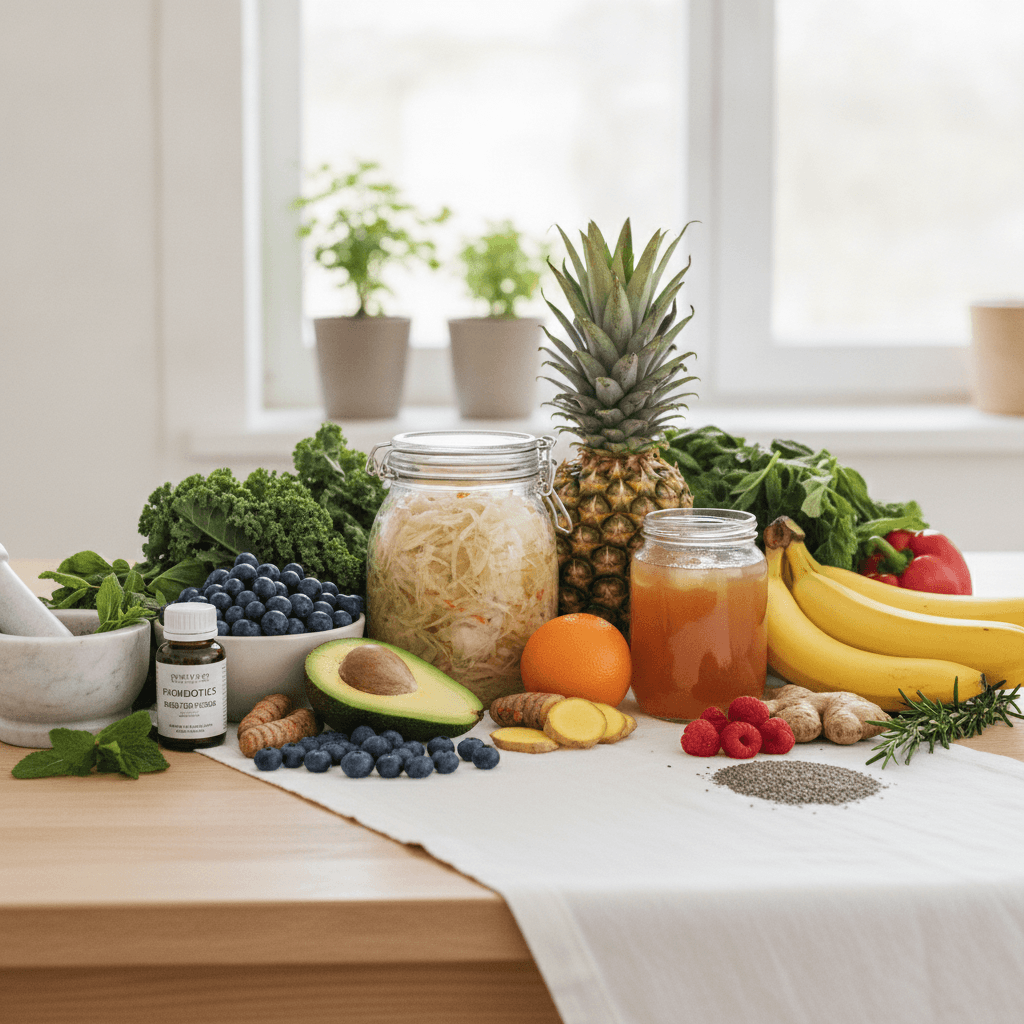
You can improve gut health naturally by adopting a diet rich in diverse fibers and fermented foods, while reducing processed items. Incorporate lifestyle changes such as consistent stress management, optimizing sleep quality, and engaging in regular physical activity. These strategies foster a balanced and diverse gut microbiome, which is essential for overall health and longevity.
Improving gut health naturally is a foundational pillar for enhancing overall well-being, supporting longevity, and optimizing biological age. A healthy gut, characterized by a diverse and balanced microbiome, plays a critical role in digestion, nutrient absorption, immune function, and even mood regulation. This guide will explore evidence-based strategies to naturally cultivate a thriving gut environment, focusing on dietary and lifestyle interventions, while acknowledging the role of targeted supplementation when appropriate.
As Robert DeuPree, Longevity Research Specialist & Health Optimization Advisor at Reverse Age Lab, emphasizes, our approach is centered on translating complex scientific findings into clear, actionable protocols. With over a decade of experience in human physiology and metabolic health, Robert and the Reverse Age Lab team ensure that all guidance, including strategies to improve gut health, aligns with the latest advancements in longevity science, offering practical, data-driven pathways to long-term vitality.
Understanding the Gut Microbiome: The Foundation of Health
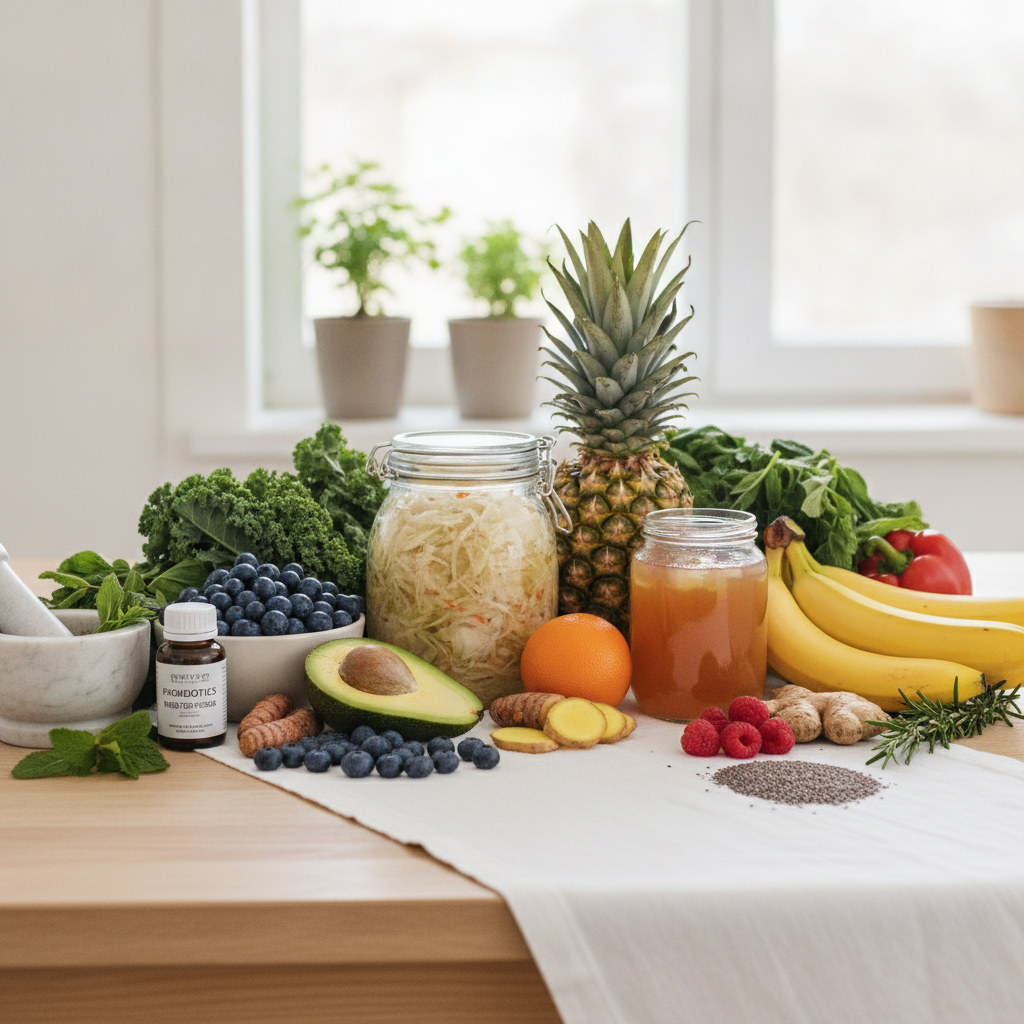
The human gut microbiome is a complex ecosystem of trillions of microorganisms, including bacteria, fungi, viruses, and other microbes, residing primarily in the digestive tract. This intricate community plays a pivotal role in numerous physiological processes, far beyond mere digestion. It is a critical component of overall health, directly influencing immune function, metabolic regulation, and even neurological processes.
Maintaining a balanced and diverse gut microbiome, often referred to as eubiosis, is essential for optimal healthspan and for mitigating the accelerated biological aging process. Conversely, an imbalance, or dysbiosis, is associated with a range of chronic conditions, highlighting why understanding how to improve gut health naturally is a primary focus for longevity seekers.
The Complex Interplay Between Gut and Body
The influence of gut health extends throughout the entire body through several well-established communication pathways. The gut-brain axis, for example, is a bidirectional biochemical signaling system that connects the central and enteric nervous systems, linking emotional and cognitive centers of the brain with peripheral intestinal functions. This connection means that gut imbalances can impact mood, cognitive function, and stress response, and vice-versa.
Furthermore, the gut microbiome trains and modulates the immune system. A significant portion of the body's immune cells reside in the gut, making gut health integral to defense against pathogens and prevention of autoimmune responses. Evidence from various human investigations indicates that a diverse gut microbiome can enhance immune resilience. The microbiome also plays a key role in metabolic health by influencing nutrient absorption, energy metabolism, and the regulation of blood glucose and lipid levels. Disruption of the gut microbiota can contribute to metabolic dysfunction, underscoring its broad impact on systemic health and longevity.
Dietary Strategies for Natural Gut Health Enhancement
Diet is arguably the most powerful lever for shaping the gut microbiome. What we consume directly impacts the types and ratios of microorganisms that flourish within our digestive system. Prioritizing nutrient-dense, whole foods and minimizing processed items is a fundamental step in how to improve gut health naturally.
Prioritizing Fiber-Rich Foods: Fueling Your Microbiome
Dietary fiber is indigestible by human enzymes but serves as a crucial food source for beneficial gut bacteria. These bacteria ferment fiber into short-chain fatty acids (SCFAs), such as butyrate, propionate, and acetate, which provide energy for colon cells, support gut barrier integrity, and exert systemic anti-inflammatory effects. Several observational studies consistently link higher fiber intake with a more diverse and healthy gut microbiome.
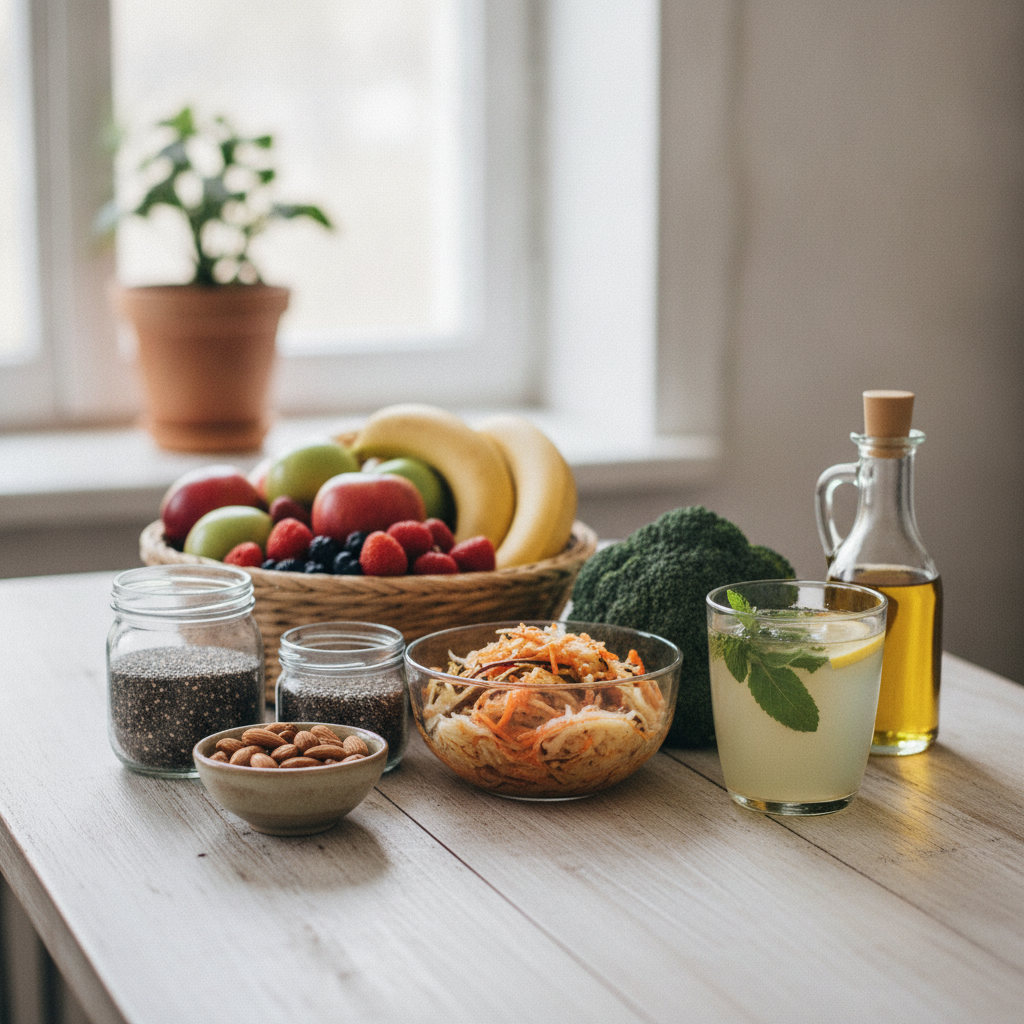
Excellent sources of prebiotic fiber include fruits (berries, apples, bananas), vegetables (garlic, onions, leeks, asparagus, broccoli), legumes (beans, lentils), and whole grains (oats, barley). Aiming for a varied intake from these categories ensures a broad spectrum of prebiotics to feed different beneficial bacterial strains. For instance, the average adult in the United States consumes significantly less fiber than the recommended 25-38 grams per day (Source: Dietary Guidelines for Americans, 2020).
Incorporating Fermented Foods and Probiotics: Live Cultures for a Healthy Gut
Fermented foods are a natural source of beneficial live microorganisms, often including various strains of probiotics. Regular consumption of foods like yogurt, kefir, sauerkraut, kimchi, tempeh, and kombucha can introduce diverse bacterial species into the gut. Multiple human intervention trials suggest that consistent intake of fermented foods can transiently enrich gut microbial diversity and improve digestive comfort for some individuals.
While fermented foods offer a broad spectrum of microbes and nutrients, targeted probiotic supplementation can be considered for specific health goals. Several randomized human trials support the use of specific probiotic strains for conditions like irritable bowel syndrome (IBS) symptoms, antibiotic-associated diarrhea, or to support immune function. However, the efficacy is strain-specific, and not all probiotics deliver the same benefits. For a deeper dive into their role, explore our guide on the role of probiotics in gut health and discover the 10 proven health benefits of probiotics.
Reducing Inflammatory Foods and Additives: Protecting Gut Integrity
Just as certain foods promote gut health, others can actively undermine it. Highly processed foods, refined sugars, artificial sweeteners, and excessive amounts of unhealthy fats (like trans fats and certain vegetable oils high in omega-6) can contribute to gut dysbiosis and inflammation. These foods often lack fiber and beneficial nutrients, while containing additives that may negatively impact the gut lining and microbial balance.
Several human observational studies indicate a correlation between high intake of processed foods and a less diverse gut microbiome, alongside increased markers of systemic inflammation. Limiting these items is a critical step in preserving the delicate balance of the gut ecosystem and supporting overall health. For example, sugary drinks and highly refined carbohydrates can promote the growth of less beneficial bacteria and contribute to gut permeability, sometimes referred to as 'leaky gut,' which can have widespread inflammatory effects.
The Role of Polyphenols and Omega-3 Fatty Acids
Polyphenols are plant compounds with antioxidant and anti-inflammatory properties. They are found in colorful fruits and vegetables, dark chocolate, green tea, and red wine. Many polyphenols are not fully absorbed in the small intestine and thus reach the colon, where they are metabolized by gut bacteria, further contributing to beneficial microbial activity. Preliminary human studies suggest that polyphenol-rich diets can increase the abundance of beneficial bacteria and enhance SCFA production.
Omega-3 fatty acids, particularly EPA and DHA found in fatty fish (salmon, mackerel, sardines), flaxseeds, and walnuts, are well-known for their anti-inflammatory effects. Emerging human research indicates that omega-3s can also modulate the gut microbiome, potentially increasing microbial diversity and reducing inflammation within the gut. Incorporating these healthy fats into your diet is another effective strategy for how to improve gut health naturally.
Lifestyle Interventions Beyond Diet: Holistic Gut Support
While diet forms the cornerstone of gut health, lifestyle factors exert a profound influence. Stress, sleep, and physical activity are intricately linked to the gut microbiome and digestive function. Addressing these areas holistically can significantly amplify efforts to improve gut health naturally.
Managing Stress for Gut Resilience: The Gut-Brain Connection
Chronic stress can significantly impact gut health through the gut-brain axis. It can alter gut motility, increase intestinal permeability (leading to a 'leaky gut'), and shift the composition of the gut microbiome, often favoring less beneficial species. Several human studies demonstrate that psychological stress can directly influence the gut's physical and microbial environment.
Implementing stress-reduction techniques is crucial. Practices such as mindfulness meditation, deep breathing exercises, yoga, spending time in nature, and adequate leisure activities can help regulate the nervous system and mitigate stress's detrimental effects on the gut. Prioritizing mental well-being is an often-underestimated aspect of how to improve gut health naturally.
Optimizing Sleep Quality: A Restorative Process for the Gut
Sleep deprivation and irregular sleep patterns (disrupting circadian rhythms) have been shown in human observational studies to negatively impact gut microbiome diversity and increase markers of inflammation. The gut microbiome itself follows a circadian rhythm, and disrupting this rhythm can impair its function and overall gut health.
Prioritizing 7-9 hours of quality sleep per night is vital. Establishing a consistent sleep schedule, creating a relaxing bedtime routine, ensuring a dark and cool sleep environment, and limiting screen time before bed are all effective sleep hygiene practices that indirectly support gut repair and balance. Data from the CDC indicates that more than one-third of American adults report not getting enough sleep on a regular basis (Source: CDC, 2016).
Regular Physical Activity and Gut Diversity
Regular exercise has been consistently linked to a more diverse and healthier gut microbiome in several human observational studies. Physical activity can enhance gut motility, improve blood flow to the digestive organs, and potentially increase the abundance of beneficial bacteria that produce SCFAs. The type and intensity of exercise may also play a role, with moderate, consistent activity generally being most beneficial.
Even modest increases in physical activity, such as a daily brisk walk for 30 minutes, can contribute positively to gut health. For individuals pursuing optimal performance and longevity, integrating a balanced exercise routine is a key component of a comprehensive gut health strategy.
Hydration and Mindful Eating Practices: Supporting Digestion and Absorption
Often overlooked, proper hydration and mindful eating habits are simple yet powerful strategies to support digestive function and contribute to a healthy gut environment. These practices directly impact the efficiency of nutrient processing and waste elimination.
The Importance of Adequate Water Intake
Water is essential for every bodily function, including digestion. It helps break down food, allows for efficient nutrient absorption, and keeps the digestive tract moving smoothly, preventing constipation. Dehydration can slow down digestion and impact the consistency of stool, potentially leading to discomfort and an altered gut environment. The average adult needs approximately 8-10 glasses of water per day, though individual needs vary based on activity level and climate (Source: Mayo Clinic, 2023).
Ensuring sufficient water intake throughout the day is a straightforward yet impactful way to support the physical mechanisms of digestion and excretion, which in turn benefits the gut microbiome. Plain water, herbal teas, and water-rich foods are excellent choices.
Mindful Eating and Digestive Efficiency
Mindful eating involves paying full attention to the experience of eating, including the flavors, textures, and sensations of hunger and fullness. Eating slowly and chewing food thoroughly are critical first steps in digestion, mechanically breaking down food and signaling the release of digestive enzymes and stomach acid. When food is not adequately broken down in the stomach, it can reach the lower gut undigested, potentially fermenting and causing discomfort or feeding less desirable bacteria.
Practicing mindful eating also helps reduce stress during meals, allowing the body to activate the 'rest and digest' parasympathetic nervous system. This enhances digestive efficiency and reduces the likelihood of digestive upset. Making mealtime a calm, focused experience is a simple yet profound way to improve gut health naturally.
Strategic Supplementation: When and What to Consider
At Reverse Age Lab, our core philosophy is to judge every product solely on published human research. We do not sell supplements ourselves, which removes any conflict of interest and allows us to provide truly unbiased, evidence-graded recommendations. While diet and lifestyle are primary, strategic supplementation can play a supportive role in how to improve gut health naturally, particularly when specific deficiencies or imbalances are identified.
Probiotics and Prebiotics: A Targeted Approach
As discussed, specific probiotic strains have demonstrated benefits in various human trials for conditions ranging from antibiotic-associated diarrhea to certain types of IBS. However, the benefits are often strain-specific, and a blanket approach to probiotic supplementation is not always effective. A personalized protocol considers individual symptoms, health goals, and sometimes even microbiome testing results to recommend appropriate strains and dosages. Evidence for broad-spectrum probiotic mixes without specific targeted strains is less compelling than for targeted, well-researched individual strains or combinations.
Prebiotic supplements, such as inulin, FOS (fructooligosaccharides), and GOS (galactooligosaccharides), can selectively feed beneficial gut bacteria. Several human studies show that these prebiotics can increase Bifidobacteria and Lactobacilli populations. However, for some sensitive individuals, high doses can cause bloating or gas, so starting with low doses and increasing gradually is advisable. These are best considered as an adjunct to a fiber-rich diet, not a replacement.
Digestive Enzymes and Stomach Acid Support
For individuals experiencing digestive discomfort related to inefficient food breakdown, digestive enzyme supplements (e.g., amylase, protease, lipase) or betaine HCl (to support stomach acid) might be considered. Small-scale human trials indicate that digestive enzymes can help alleviate symptoms like bloating and indigestion in some individuals, particularly those with pancreatic insufficiency or certain food intolerances. Similarly, preliminary human data suggests that betaine HCl can support protein digestion in individuals with low stomach acid, though this requires careful assessment by a healthcare professional.
These supplements aim to support the upper digestive processes, ensuring that food is adequately prepared before it reaches the lower gut, thereby reducing the burden on the microbiome and minimizing potential for fermentation of undigested food.
Gut Barrier Support Compounds
The integrity of the gut lining is crucial for preventing unwanted substances from entering the bloodstream. Compounds like L-glutamine, collagen, zinc, and butyrate have been investigated for their roles in maintaining a healthy gut barrier. Several human studies suggest L-glutamine can support intestinal barrier function, especially under conditions of stress or inflammation. Collagen, particularly from sources like bone broth, contains amino acids that may contribute to the repair and maintenance of the gut lining, though direct human trials on collagen's impact on gut barrier function are still emerging.
Zinc is an essential mineral with established roles in immune function and gut barrier integrity; human studies have shown that zinc supplementation can improve gut barrier function in deficiency states. Butyrate, a short-chain fatty acid, is produced by gut bacteria from fiber and can also be taken as a supplement. It serves as a primary fuel source for colonocytes and is strongly supported by human research for its role in maintaining gut health and reducing inflammation. As Robert DeuPree observes, "Based on working with numerous clients, the most common mistake is adopting a generic supplement stack without understanding individual needs. Our Rala AI builds a truly personalized protocol, ensuring supplements are matched to your unique profile and goals, cutting through the noise of what might work for someone else." This personalized approach is fundamental to our methodology.
Common Pitfalls and Misconceptions in Gut Health Optimization
Navigating the world of gut health can be complex, and several common mistakes can hinder progress. Avoiding these pitfalls is as important as implementing beneficial strategies when learning how to improve gut health naturally.
The "One-Size-Fits-All" Approach
The gut microbiome is highly individual, influenced by genetics, diet, lifestyle, geography, and early life exposures. What works for one person may not work for another. Relying on generic advice or copying someone else's supplement stack without understanding your own body's unique needs is rarely effective. This is precisely why Reverse Age Lab's patented AI, Rala, creates personalized daily protocols based on your specific goals and scientific evidence. The future of health optimization, as explored in our article on the future of AI in personalized longevity, lies in such tailored approaches.
Over-Reliance on Supplements Without Foundational Changes
Supplements are intended to supplement, not replace, a healthy diet and lifestyle. Expecting a pill to fix gut issues while continuing to consume inflammatory foods, experience chronic stress, or get inadequate sleep is a common misconception. Foundational changes in diet, stress management, and sleep are paramount. Supplements can then provide targeted support to accelerate or fine-tune progress.
Ignoring Individual Sensitivities
Some individuals may have specific food intolerances, allergies, or sensitivities (e.g., to FODMAPs, gluten, dairy) that significantly impact their gut health. Continuously consuming foods that trigger an inflammatory or adverse reaction, even if generally considered 'healthy,' will undermine any gut healing efforts. Paying attention to how your body reacts to different foods and working with a professional to identify and manage sensitivities is crucial.
Measuring and Monitoring Your Gut Health Progress
Assessing the effectiveness of your gut health strategies involves both subjective symptom tracking and, for some, objective lab markers. On a daily basis, pay attention to changes in digestion, bowel regularity, energy levels, skin health, and mood. These subjective indicators can provide valuable feedback on how your gut is responding to dietary and lifestyle modifications.
For a more detailed understanding, certain lab tests can offer insights into gut health. These might include comprehensive stool analyses to assess microbial diversity, inflammation markers, and digestive function. Blood tests can also reveal systemic inflammation or nutrient deficiencies that might be linked to gut issues. Reverse Age Lab's approach to personalized health involves integrating such data to build a truly optimized protocol, allowing you to measure progress and refine your journey towards lower biological age and enhanced vitality.
Conclusion: A Personalized Path to Gut Vitality
Achieving optimal gut health naturally is an achievable goal that profoundly impacts overall longevity and quality of life. It requires a multifaceted approach, prioritizing a diverse, fiber-rich diet, incorporating fermented foods, managing stress, optimizing sleep, and engaging in regular physical activity. While strategic supplementation can offer targeted support, it must always be backed by evidence and tailored to individual needs, rather than relying on generic advice.
Reverse Age Lab stands as a beacon for those seeking a science-backed, personalized path to health optimization. By cutting through supplement hype with evidence and building protocols around your unique body, we empower you to make informed decisions that genuinely improve your gut health and, by extension, your healthspan. The journey to a thriving gut is a continuous one, but with a scientific and personalized strategy, you can unlock profound benefits for your biological age and overall vitality.
Ready to Optimize Your Gut Health and Longevity?
Stop guessing and start optimizing with a personalized plan built just for you. Reverse Age Lab's AI, Rala, crafts an evidence-graded protocol for supplements, diet, and exercise to lower your biological age and enhance your healthspan.
Frequently Asked Questions
What are the most effective natural ways to improve gut health?
The most effective natural ways to improve gut health involve dietary changes like increasing fiber and fermented foods, reducing processed items, managing stress, ensuring adequate sleep, and engaging in regular physical activity. These holistic approaches foster a diverse and balanced gut microbiome, crucial for overall well-being.
How does diet impact gut health?
Diet profoundly impacts gut health by shaping the composition and function of the gut microbiome. A diet rich in diverse fibers and fermented foods feeds beneficial bacteria, while a diet high in processed foods and refined sugars can lead to dysbiosis and inflammation, negatively affecting gut integrity.
Can stress affect my gut health?
Yes, stress significantly affects gut health through the gut-brain axis. Chronic stress can alter gut motility, increase intestinal permeability, and shift the balance of gut bacteria, potentially leading to digestive issues and systemic inflammation. Managing stress through mindfulness and relaxation is vital for gut resilience.
Are probiotics and prebiotics necessary for gut health?
While a diet rich in diverse plant fibers and fermented foods provides natural prebiotics and probiotics, targeted supplementation can be beneficial for some individuals. Probiotics introduce specific beneficial bacteria, and prebiotics feed existing healthy microbes. Their necessity depends on individual needs and health goals, ideally guided by evidence-based protocols.
How long does it take to improve gut health naturally?
Improving gut health naturally is a gradual process that varies for each individual. Significant changes in the gut microbiome can often be observed within a few weeks to a few months of consistent dietary and lifestyle interventions. Long-term consistency is key for sustained benefits and optimal gut vitality.
Sources
Key Takeaways
Prioritize a diverse diet rich in fiber from fruits, vegetables, legumes, and whole grains to fuel beneficial gut bacteria.
Regularly consume fermented foods like yogurt, kefir, and sauerkraut to introduce live beneficial microorganisms to your gut.
Manage chronic stress through practices like mindfulness and ensure 7-9 hours of quality sleep nightly, as both significantly impact gut function.
Reduce intake of processed foods, refined sugars, and artificial additives, which can disrupt gut balance and promote inflammation.
Consider targeted supplementation with probiotics, prebiotics, or gut barrier support compounds only when backed by human research and tailored to individual needs.