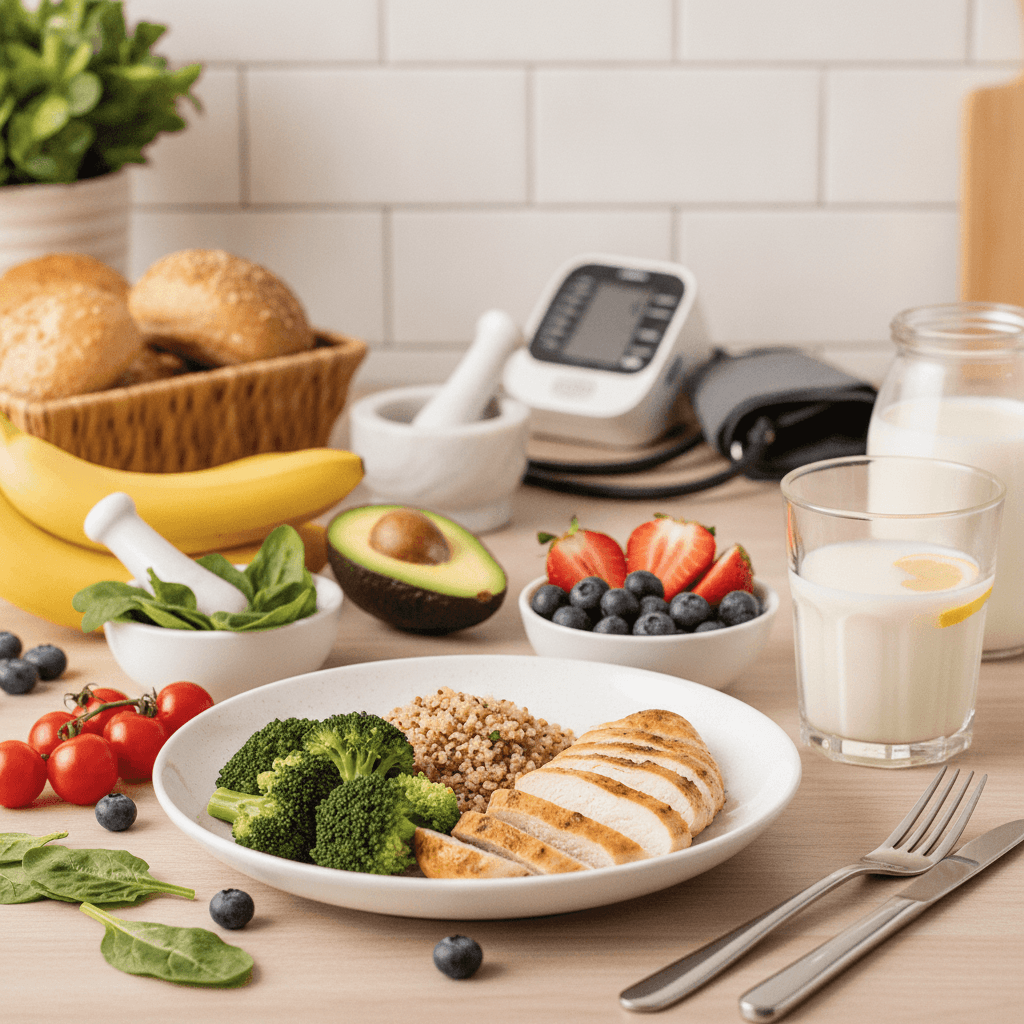
The DASH diet (Dietary Approaches to Stop Hypertension) is a well-researched eating plan designed to lower and control high blood pressure. It emphasizes consuming fruits, vegetables, whole grains, and lean proteins, while significantly reducing sodium, saturated fat, and cholesterol. This dietary pattern works by increasing intake of key minerals like potassium, magnesium, and calcium, which collectively support healthy blood pressure regulation.
Understanding the DASH Diet
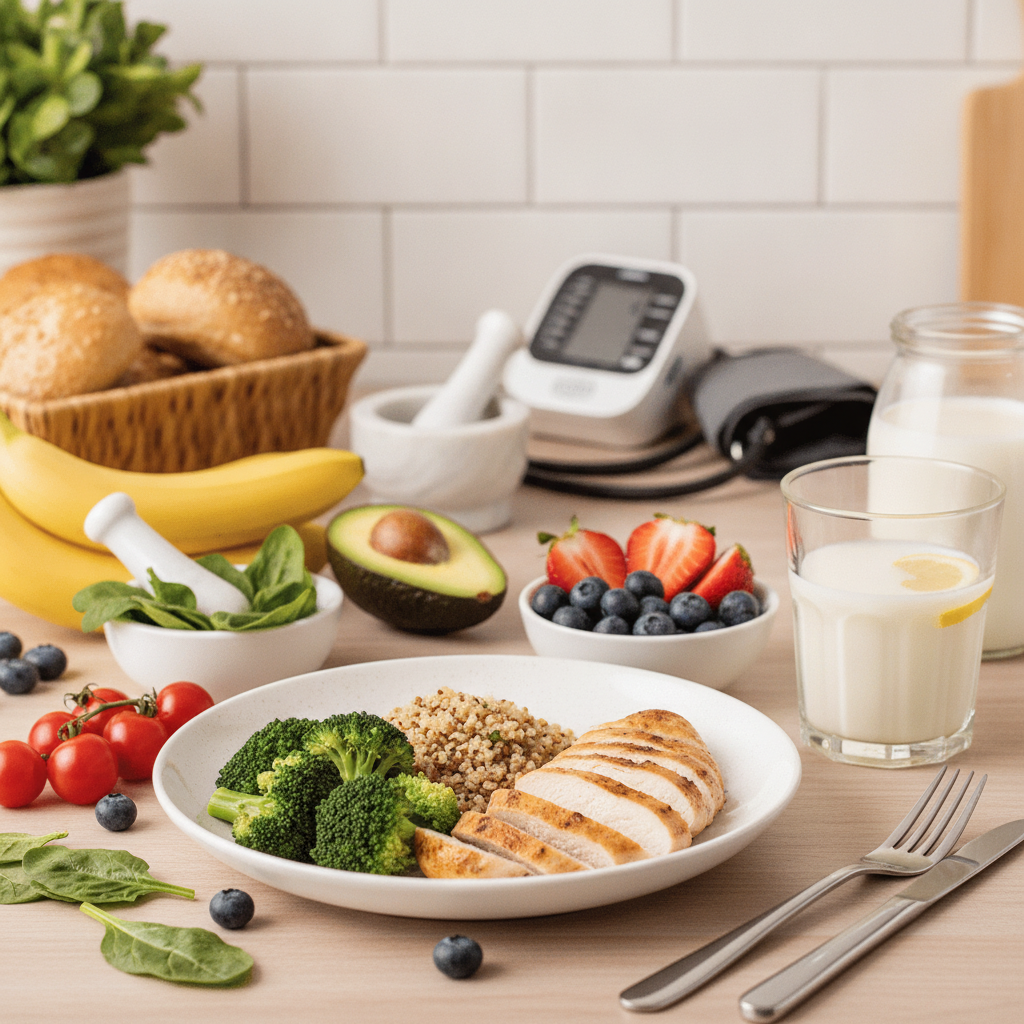
High blood pressure affects nearly half of all adults in the United States, representing a significant risk factor for heart disease and stroke (Source: Centers for Disease Control and Prevention, 2023). Addressing this condition effectively is paramount for long-term health and vitality. The DASH diet presents a well-researched, non-pharmacological approach to blood pressure management.
What is the DASH Diet and How Does It Work?
The DASH diet is a comprehensive eating pattern that focuses on specific food groups known to contribute to lower blood pressure. It is not a restrictive diet in the sense of eliminating entire food categories but rather emphasizes increased consumption of beneficial foods and reduced intake of detrimental ones. The core principle involves boosting potassium, magnesium, and calcium, while simultaneously cutting back on sodium.
These mineral adjustments are critical because potassium helps counteract the effects of sodium, magnesium supports blood vessel relaxation, and calcium plays a role in regulating muscle contraction, including that of the heart and blood vessels. Numerous controlled human trials support the idea that these combined dietary shifts lead to measurable reductions in both systolic and diastolic blood pressure readings. The evidence is robust, indicating a direct link between adherence to the DASH principles and improved cardiovascular markers.
The Scientific Basis of DASH
The effectiveness of the DASH diet has been extensively studied since its inception. Early randomized human trials demonstrated its ability to significantly lower blood pressure within weeks, often comparable to the effects of some antihypertensive medications. These foundational studies, and subsequent investigations, consistently show that the synergy of increased mineral intake and reduced sodium is key to its success.
The dietary patterns recommended by DASH also contribute to other markers of health, including improved cholesterol levels and reduced inflammation. This holistic benefit underscores why it is often recommended not just for hypertension, but also as a general heart-healthy eating plan. The evidence from multiple well-designed human trials firmly establishes the DASH diet as an effective strategy for managing and preventing hypertension, contributing to an overall strategy for lowering blood pressure naturally.
Key Components of the DASH Eating Plan
Understanding the specific food groups and their recommended daily servings is fundamental to successfully adopting the DASH diet. The plan is structured to provide a rich array of nutrients while controlling factors that negatively impact blood pressure.
Emphasis on Fruits and Vegetables
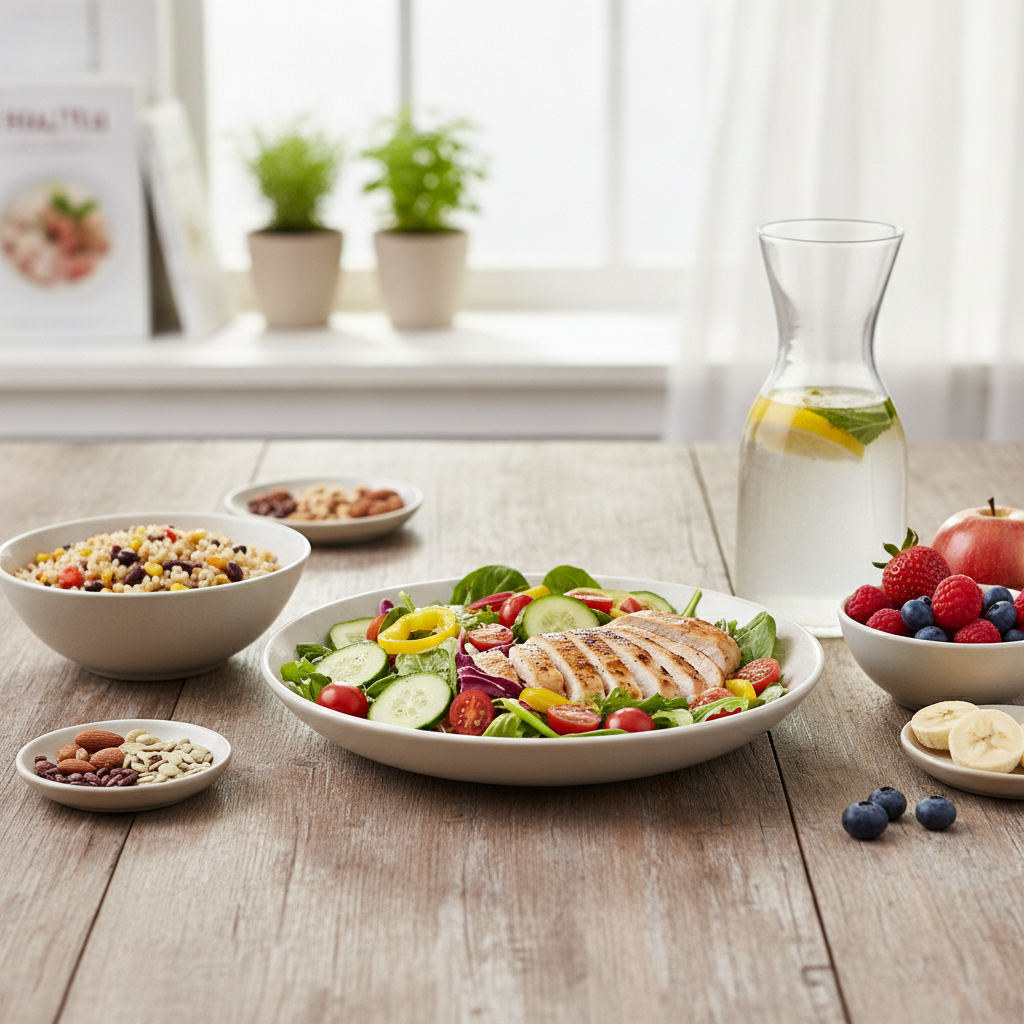
Fruits and vegetables are cornerstones of the DASH diet, providing essential vitamins, fiber, and crucial minerals like potassium and magnesium. A typical DASH plan recommends 4-5 servings of vegetables and 4-5 servings of fruits per day. Examples include leafy greens, broccoli, carrots, berries, apples, and bananas.
These foods are naturally low in sodium and rich in antioxidants, contributing to overall vascular health. The fiber content also aids in satiety and can help manage weight, which is another factor influencing blood pressure. Consuming a variety of colors ensures a broad spectrum of phytonutrients.
Whole Grains and Lean Proteins
Whole grains are recommended at 6-8 servings per day, providing fiber and complex carbohydrates for sustained energy. Opt for options like whole wheat bread, brown rice, oatmeal, and quinoa. These differ significantly from refined grains which often lack the beneficial fiber and nutrient profile.
Lean proteins are vital for muscle maintenance and satiety, with 6 or fewer servings per day. This includes poultry without skin, fish, and lean cuts of meat. Plant-based proteins like beans, lentils, and tofu are also highly encouraged, with 4-5 servings per week. Several human studies indicate that replacing red and processed meats with leaner options and plant-based proteins can further support cardiovascular health.
Low-Fat Dairy and Healthy Fats
Low-fat or fat-free dairy products are included for their calcium content, typically 2-3 servings per day. This can include milk, yogurt, and cheese. Calcium is a key mineral in blood pressure regulation, and dairy provides it in an easily absorbable form.
Healthy fats are incorporated in moderation, aiming for 2-3 servings per day. These come from sources like olive oil, avocado, nuts, and seeds. Nuts and seeds, in particular, offer magnesium, potassium, and fiber, with a recommendation of 4-5 servings per week. The evidence from human dietary intervention studies consistently highlights the benefits of unsaturated fats over saturated and trans fats for heart health.
Sodium Reduction: A Critical Factor
While the emphasis on nutrient-rich foods is important, the reduction of sodium intake is arguably the most impactful component of the DASH diet for blood pressure management. The standard DASH diet aims for no more than 2,300 milligrams (mg) of sodium per day, which is roughly equivalent to one teaspoon of salt. For even greater blood pressure reduction, a lower sodium version targets 1,500 mg per day.
Most dietary sodium comes from processed foods, restaurant meals, and packaged snacks, not from the salt shaker at home. Therefore, adhering to the DASH diet requires careful attention to food choices and preparation methods. Several human trials have shown that reducing sodium intake, especially in conjunction with increased potassium, has a profound effect on lowering blood pressure across diverse populations.
How Quickly Can the DASH Diet Lower Blood Pressure?
The speed at which the DASH diet can lower blood pressure is a common question. For many individuals, noticeable improvements can occur relatively quickly, often within a few weeks of consistent adherence. Early human trials demonstrated significant reductions in blood pressure within just two weeks of starting the diet, with continued improvements over several months.
The extent and rapidity of the reduction can vary based on several factors, including an individual's initial blood pressure levels, their adherence to the diet, and other lifestyle factors like physical activity and stress management. Some individuals with high baseline blood pressure may experience more dramatic initial drops. It is important to view the DASH diet as a long-term lifestyle change rather than a quick fix, with sustained benefits accumulating over time. For a holistic approach to health, consider how diet integrates with other elements of balanced health.
Is the DASH Diet Suitable for Everyone?
While the DASH diet is broadly beneficial for most adults, especially those with or at risk of high blood pressure, it may not be universally suitable without some modifications or professional guidance. For instance, individuals with specific kidney conditions may need to monitor their potassium intake carefully, as elevated potassium levels can be problematic. The evidence for this is well-established in clinical practice.
Pregnant or lactating women, individuals with other chronic diseases, or those on certain medications should consult with a healthcare provider or a registered dietitian before making significant dietary changes. This ensures the diet is tailored to their unique physiological needs and does not interact negatively with existing health conditions or treatments. Overall, the foundational principles of the DASH diet—eating more whole foods, fruits, and vegetables, and less processed food—are generally beneficial for the vast majority of the population.
DASH Diet vs. Other Heart-Healthy Diets
Many dietary approaches promote heart health, and while they often share common principles, their specific emphases can differ. Understanding these distinctions can help individuals choose the best approach for their goals.
DASH vs. Mediterranean Diet
Both the DASH and Mediterranean diets are highly recommended for cardiovascular health and share many similarities. Both emphasize fruits, vegetables, whole grains, lean proteins (especially fish), and healthy fats. Both approaches are supported by extensive human research showing benefits for blood pressure, cholesterol, and overall longevity.
The primary difference lies in their specific focus. The DASH diet is explicitly designed with a strong emphasis on sodium reduction and specific targets for potassium, magnesium, and calcium to directly address hypertension. The Mediterranean diet, while also low in sodium by nature of its whole-food focus, places a greater emphasis on olive oil as the primary fat source and often includes moderate wine consumption, though the latter is not universally recommended. For many, integrating elements of both diets can provide comprehensive benefits.
DASH vs. Low-Carb Diets
The comparison between DASH and low-carb diets (such as ketogenic or Atkins-style diets) is more distinct. The DASH diet is moderately high in carbohydrates, primarily from whole grains, fruits, and vegetables. Low-carb diets, by definition, severely restrict carbohydrate intake, often replacing it with higher amounts of fats and proteins.
While some human observational studies and smaller clinical trials suggest that certain low-carb diets can lead to weight loss and improvements in blood sugar and blood pressure for some individuals, the long-term effects and the balance of nutrients can differ significantly from DASH. The DASH diet has a longer and broader evidence base specifically for hypertension management. Individuals considering a low-carb approach for blood pressure should seek professional guidance to ensure nutritional adequacy and monitor cardiovascular markers, as the evidence for long-term cardiovascular benefits is not as extensive or universally positive as for the DASH diet.
Practical Strategies for Implementing the DASH Diet
Adopting a new eating pattern requires practical planning and consistent effort. These strategies can help make the transition to the DASH diet smoother and more sustainable.
Meal Planning and Preparation
Successful adherence to the DASH diet often begins with thoughtful meal planning. Dedicate time each week to plan your meals and snacks, focusing on incorporating the recommended servings of fruits, vegetables, whole grains, and lean proteins. Batch cooking can be incredibly helpful; preparing larger quantities of healthy staples like cooked grains, roasted vegetables, and grilled chicken can streamline daily meal assembly.
Creating a shopping list based on your meal plan will ensure you have all necessary ingredients and help avoid impulse purchases of processed foods. Experiment with new recipes that align with DASH principles to keep meals interesting and prevent dietary fatigue. There are numerous resources available with DASH-friendly recipes.
Reading Food Labels
To effectively manage sodium intake, becoming adept at reading food labels is crucial. Look for the 'Nutrition Facts' panel and pay close attention to the sodium content per serving. Aim for foods labeled 'low sodium' (140 mg or less per serving) or 'very low sodium' (35 mg or less per serving).
Also, check the ingredients list for hidden sources of sodium, such as monosodium glutamate (MSG), baking soda, baking powder, and sodium nitrate. Many human dietary studies demonstrate that reducing consumption of processed foods, which are often high in hidden sodium, is a key predictor of success in blood pressure reduction.
Eating Out on the DASH Diet
Dining out can be challenging but is manageable with the right approach. Many restaurants now offer nutritional information, which can be a valuable tool. Request modifications to your meal, such as sauces and dressings on the side, extra vegetables, and grilled or baked options instead of fried.
Ask for meals to be prepared with less salt or without added sodium. Choosing establishments that prioritize fresh ingredients can also make adherence easier. Planning ahead by reviewing menus online before you go can help you make informed, DASH-friendly choices.
Common Challenges and How to Overcome Them
Implementing any significant dietary change comes with its hurdles. Recognizing and preparing for these challenges can improve your chances of long-term success with the DASH diet.
Managing Sodium Cravings
Reducing sodium intake can initially lead to cravings for salty foods, as taste buds adapt. This transition period typically lasts a few weeks. To manage this, experiment with herbs, spices, lemon juice, and vinegar to add flavor to your meals without relying on salt. Garlic powder, onion powder, chili flakes, and a variety of dried herbs can transform dishes.
Several human intervention studies show that consistent reduction in sodium intake over time leads to a re-calibration of taste preferences, making highly salty foods less appealing. Stay patient and persistent; your palate will adjust.
Incorporating More Produce
Meeting the high daily serving recommendations for fruits and vegetables can feel daunting. Start by gradually increasing your intake. Add an extra serving of vegetables to dinner, have a piece of fruit with breakfast, or make a salad a regular part of your lunch. Smoothies are an excellent way to blend multiple servings of fruits and leafy greens.
Keeping pre-cut vegetables and fruit readily available for snacks can also make it easier to reach your targets. The evidence from human nutritional research consistently supports the health benefits of higher fruit and vegetable consumption, including for blood pressure.
Staying Consistent
Consistency is key for the DASH diet's efficacy. Life events, travel, and stress can disrupt routines. Develop strategies to stay on track, such as having healthy snacks on hand, packing meals when possible, and finding accountability partners. Tracking your food intake, even for a few days, can provide valuable insights into areas for improvement.
Remember that occasional deviations are normal; the goal is overall consistency rather than perfection. Recommit to your plan after a slip and focus on the long-term benefits for your health and longevity. The long-term adherence to healthy lifestyle patterns, as demonstrated in observational human studies, is what truly drives improvements in biological age and healthspan.
Integrating DASH with a Longevity Protocol
At Reverse Age Lab, our approach to health optimization and biological age reduction is holistic and personalized. While the DASH diet provides an excellent framework for managing high blood pressure, it's often one component within a broader, evidence-based protocol. Our patented AI, Rala, reviews human studies to build personalized daily protocols that include diet, exercise, and supplements, moving beyond generalized advice to what truly works for your unique body.
For individuals focused on longevity, integrating DASH principles means ensuring optimal nutrient intake to support cellular health, reduce oxidative stress, and maintain vascular integrity. For example, while DASH emphasizes potassium from food, a personalized protocol might identify additional nutritional support based on individual lab markers. Our methodology emphasizes cutting through hype with evidence, ensuring that every recommendation, whether dietary or supplemental, is backed by robust human research, not just marketing claims. We do not sell supplements, ensuring our advice is unbiased and centered solely on your health outcomes. This commitment to evidence-based personalization is at the core of our methodology and is critical for achieving measurable reductions in biological age.
For instance, the emphasis on whole, unprocessed foods in the DASH diet naturally aligns with longevity principles by reducing exposure to advanced glycation end products (AGEs) and inflammatory compounds found in processed foods, which contribute to accelerated aging. By providing a stable foundation of nutrient-dense foods, the DASH diet supports metabolic health, which is a key pillar of anti-aging strategies. Furthermore, the focus on diverse plant foods introduces a wide array of polyphenols and other bioactive compounds that have been extensively studied for their roles in cellular protection and healthy aging. This comprehensive dietary support, when combined with a data-driven approach to exercise and targeted supplementation, forms a powerful strategy for optimizing healthspan and truly reversing biological age. This is the future of personalized health, leveraging tools like AI in personalized longevity to deliver unparalleled results.
Conclusion
The DASH diet for high blood pressure is a scientifically validated, effective dietary intervention for managing and preventing hypertension. Its emphasis on whole foods, rich in fruits, vegetables, whole grains, and lean proteins, combined with a significant reduction in sodium, makes it a powerful tool for cardiovascular health. While it offers substantial benefits on its own, its integration into a comprehensive, personalized health and longevity protocol, such as those developed at Reverse Age Lab, can amplify its positive effects, contributing to a reduced biological age and an optimized healthspan. Adopting the DASH diet requires commitment and practical strategies, but the evidence from human trials consistently demonstrates its profound and lasting benefits for blood pressure control and overall well-being. By focusing on evidence-based dietary shifts, individuals can take proactive steps towards a healthier, longer life.
Ready to Personalize Your Health Journey?
Stop guessing with scattered advice and get a science-backed, personalized protocol for diet, supplements, and exercise. Discover what truly works for your body.
Frequently Asked Questions
What is the main goal of the DASH diet for high blood pressure?
The main goal of the DASH diet is to lower and control high blood pressure (hypertension) through dietary changes. It achieves this by emphasizing foods rich in potassium, magnesium, and calcium while significantly reducing sodium intake.
How does the DASH diet reduce blood pressure?
The DASH diet reduces blood pressure by increasing the intake of minerals like potassium, magnesium, and calcium, which help regulate blood pressure, and by substantially decreasing dietary sodium. This balance helps relax blood vessels and counteract sodium's effects.
Can the DASH diet help with weight loss?
While not explicitly a weight-loss diet, the DASH diet promotes eating whole, unprocessed foods that are naturally low in unhealthy fats and added sugars. This can lead to weight loss for many individuals, which in turn further supports blood pressure reduction and overall health.
What foods should I limit on the DASH diet?
On the DASH diet, you should limit foods high in sodium, saturated fat, cholesterol, and added sugars. This includes processed foods, fatty meats, full-fat dairy, sugary drinks, and sweets. Focus on fresh, whole ingredients to naturally reduce these components.
Is the DASH diet difficult to follow long-term?
Like any significant dietary change, the DASH diet requires commitment. However, it is designed to be flexible and adaptable, emphasizing whole food groups rather than strict eliminations. With meal planning, label reading, and creative cooking, it can be a sustainable long-term eating pattern.
Sources
Key Takeaways
The DASH diet effectively lowers high blood pressure by emphasizing nutrient-rich foods and reducing sodium intake.
It focuses on fruits, vegetables, whole grains, lean proteins, and low-fat dairy, providing essential minerals like potassium, magnesium, and calcium.
Significant blood pressure reductions can be observed within weeks of consistent adherence, with long-term benefits for cardiovascular health.
The DASH diet is a versatile, evidence-backed approach that can be integrated into broader longevity and health optimization protocols.
Successful implementation requires meal planning, careful label reading, and strategies to manage common challenges like sodium cravings.