
Melatonin vs Magnesium for Sleep: What the Studies Show
Melatonin is the hormone your body makes in the evening to signal night; in pooled trials it helped people fall asleep about 7 minutes sooner and sleep about 8 minutes longer. Magn...
Practical, evidence-based guides to supplements — what works, how to choose, when to take them, and how to build a stack that fits your goals.
Showing 20 articles

Melatonin is the hormone your body makes in the evening to signal night; in pooled trials it helped people fall asleep about 7 minutes sooner and sleep about 8 minutes longer. Magn...

We graded 7 Nature Made products and 10 Nature's Bounty products on the human studies of their ingredients at the doses on their labels. This page sets every one side by side, with...

Metamucil's powders and capsules are psyllium husk, the same fiber sold plain by other brands; the powder adds maltodextrin, flavor, a sweetener and color. Metamucil's Fiber Gummie...

Vitamin D2 (ergocalciferol) comes from plants, yeast and mushrooms; vitamin D3 (cholecalciferol) is the form your skin makes in sunlight and the form in fish and eggs. Both raise b...

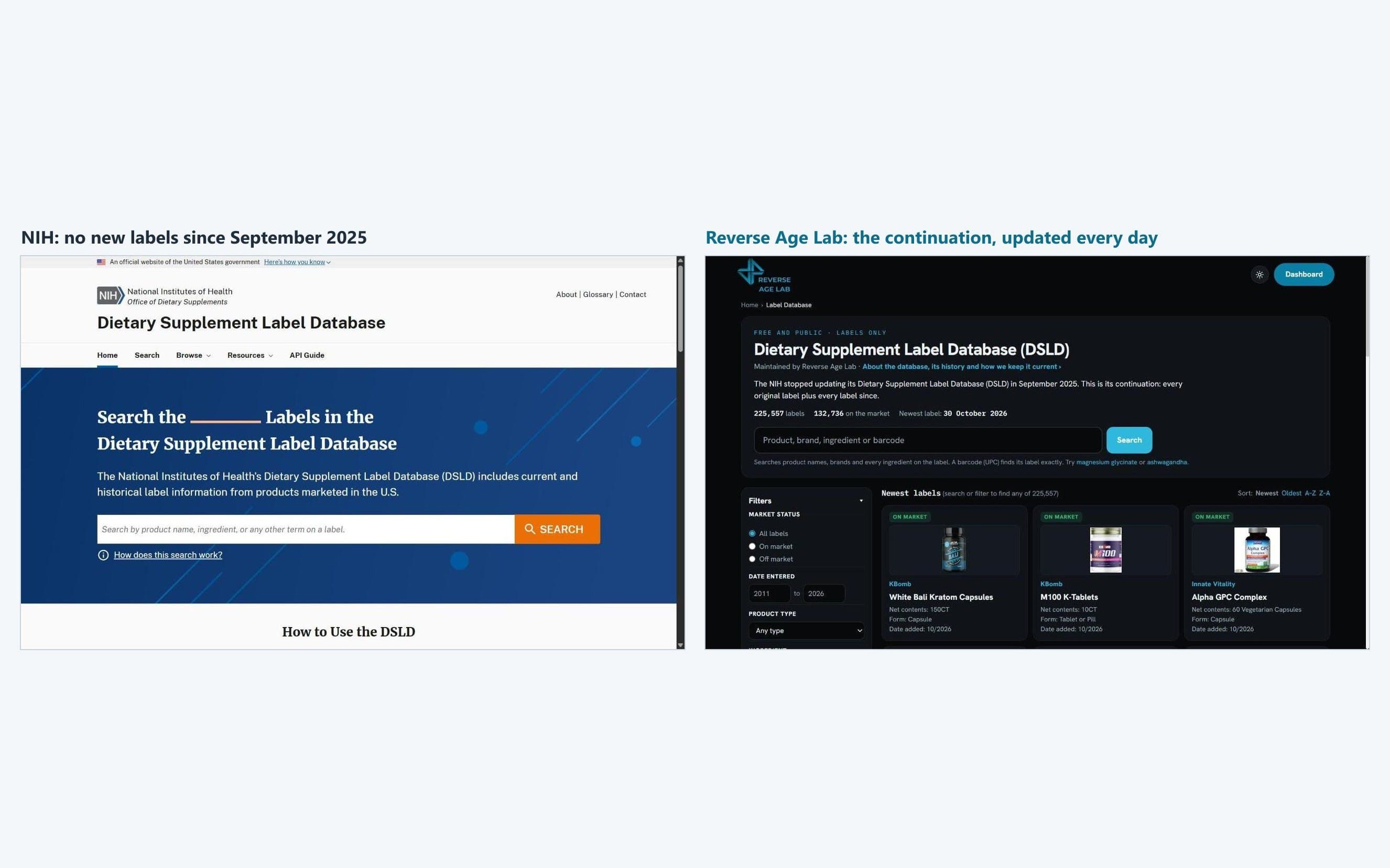
The NIH stopped updating its Dietary Supplement Label Database (DSLD) in September 2025. Reverse Age Lab's Dietary Supplement Label Database is the continuation: every original NIH...

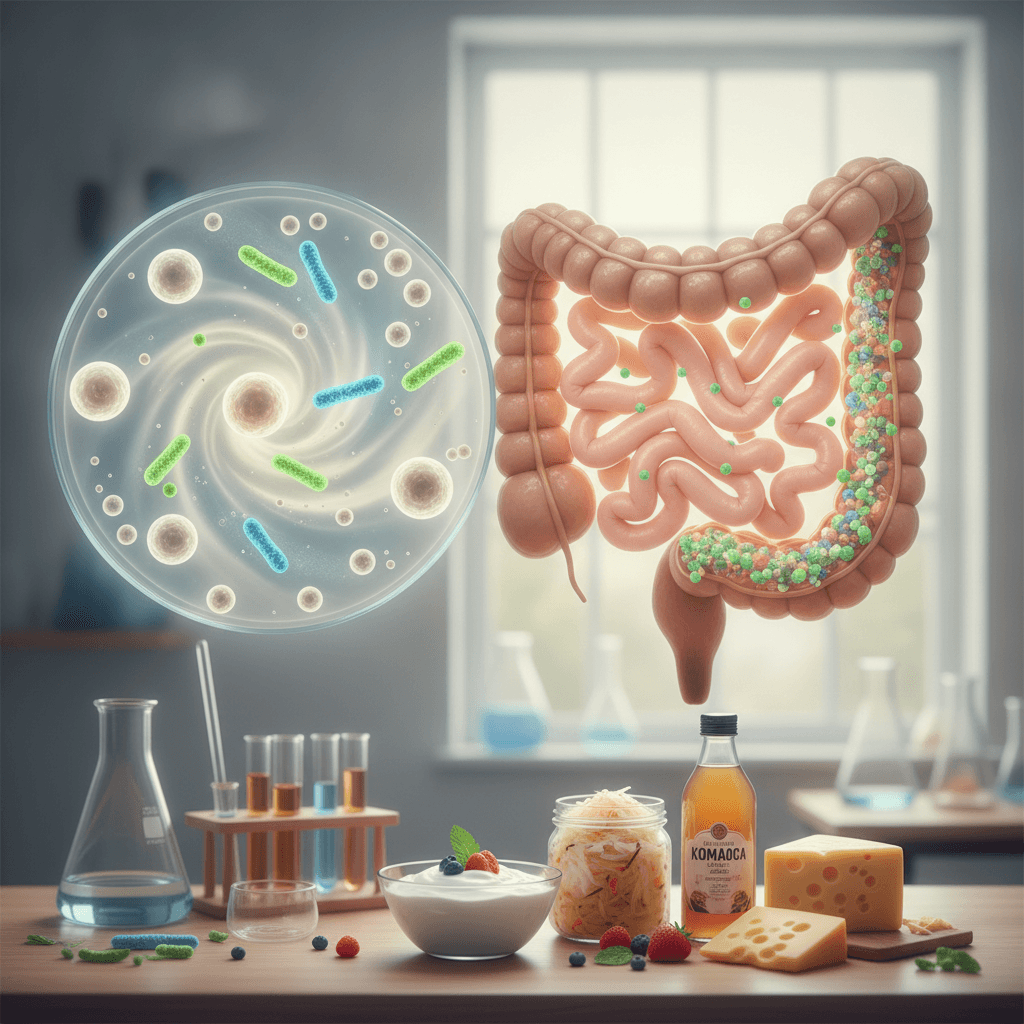
Probiotics are live microorganisms that benefit the person who takes them; prebiotics are fibers and other compounds that the good bacteria already in your gut feed on. In the huma...

Magnesium glycinate is magnesium bound to the amino acid glycine and is the form tested for sleep: 250 mg a day slightly eased poor sleep in a 2025 trial. Magnesium citrate dissolv...

Folate is the natural form of vitamin B9 in food, folic acid is the man-made form in most supplements and fortified foods, and methylfolate (5-MTHF) is the active form your blood c...

Some supplements are a waste of money and some are the cheapest useful things you can buy; the difference is rarely the price. This guide says where supplements clearly work, where...

Five supplement and medication pairs cause most of the trouble, and every one has a simple answer: a gap of a few hours, or a word with the prescriber. This guide lists them and th...

Every vitamin and mineral has a dose above which harm starts, and the popular products cross several of those lines on their own. This guide gives the safe upper limits nutrient by...

Most supplement stacks contain the same ingredient two or three times without their owner knowing. This guide explains where the overlaps hide, which five ingredients double up mos...

Most supplements get along; a dozen pairs do not, in four predictable ways. This guide covers supplement-to-supplement pairs only: which ones compete, which work against each other...

Evidence-based supplements proven to impact common longevity markers and health issues offer measurable benefits on cellular health, inflammation, and metabolic function.

Building a personalized supplement protocol involves a rigorous, data-driven approach that moves beyond generic recommendations to create a bespoke regimen, optimizing for unique h...

Evaluating whether a supplement is truly evidence-based or merely marketing hype requires a systematic, data-driven approach that scrutinizes scientific backing, product quality, a...

About half of adults get too little magnesium. Topping up has trial support for sleep, stress and blood pressure; glycinate is the gentle default form.

When is the best time to take vitamins? For most of them, with a meal you eat every day: A, D, E and K need some fat to absorb, B vitamins suit the morning and iron works best on i...

NAD precursors reliably raise NAD, but the anti-aging payoff is still early. What the human evidence supports, NMN versus NR, how to choose an NAD anti-aging supplement without get...

Probiotics support gut balance, but the benefits are strain-specific and often smaller than the marketing. What the evidence really supports, the food-first approach, and how to ch...