
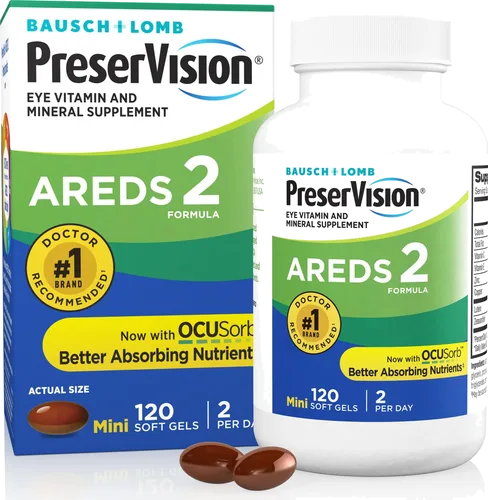
Generic4ME AREDS 2 Eye Vitamins Lutein Supplement 120 Softgels Review
PreserVision AREDS 2 Eye Vitamins Lutein Supplement is a softgel eye vitamin sold by Bausch plus Lomb and listed on Amazon as a 120 count bottle. The product is positioned for macular support and is described on the page as an eye vitamin with vitamins, a #1 eye doctor recommended brand, lutein and zeaxanthin, vitamin C and E, zinc and copper, in minigels for seniors. The page states that the formula includes lutein, zeaxanthin, zinc, copper, vitamin C, and vitamin E to match the nutrient formula recommended by the AMD experts at the National Eye Institute based on the Age Related Eye Disease Study 2, and that it is intended to help reduce the risk of moderate to advanced AMD progression. The listing describes PreserVision as the number one doctor recommended eye vitamin brand, based on twenty years of clinical studies conducted by the NEI, and says it includes lutein and zeaxanthin. It also states that PreserVision is the most studied eye vitamin brand, based on the AREDS and AREDS2 clinical studies. Bausch plus Lomb is presented as a company with a full line of ocular supplements that include lutein and zeaxanthin to promote eye health, and the page notes that since 1853 the company has focused on innovation and quality in eye care products, from contact lenses to lubricant eye drops. The product details list the brand as PreserVision, the flavor as unflavored, the primary supplement type as lutein, the item form as softgel, the diet type as gluten free, and the product benefit as eye health support. The age range is listed as adult, the container type as bottle, and the unit count as 120 count, with the page noting a total of 60 servings per container. The item weighs 159 grams and measures 2.63 by 2.63 by 4.47 inches. The page lists the special ingredient as lutein, the dose release method as immediate release, and the specific and recommended uses as eye health. The manufacturer is listed as Bausch plus Lomb with model number AB69762, and the UPC is listed as 324208697627. The item is sold and shipped by Amazon.com, has a list price of $40.99 and a current price of $30.99 with Subscribe and Save options, and is marked non-returnable due to food safety reasons. The page also shows a Best Sellers Rank of number one in Blended Vitamin and Mineral Supplements.
We don’t sell supplements. We help you make decisions and get the best price.
Lowest prices
We may earn a commission from some store links. How we choose.
In stock, lowest price first. Checked Nov 19.
- CVS$41.29 a bottle of 120 countThe store does not state the bottle size, so there is no cost per month.Buy at CVS (opens in a new tab)
- AmazonPrice at AmazonCheck price at Amazon (opens in a new tab)
Also at: Walmart · Walgreens. Some links earn us a commission; price comes first, and a commission only decides the order of prices within 2%. As an Amazon Associate we earn from qualifying purchases.
Products with nearly the same formula (Matched on the main ingredients)
Study, Trial or Testing Result Summary
Members Only143 human studies · 68 improved
5 of these 143 human studies gave the ingredient by drip or injection, not by mouth.
This formula follows the combination used in large eye disease trials. In 3,640 people with macular degeneration followed about 6.3 years, antioxidants plus zinc and copper cut the odds of advanced disease by 28% and of moderate vision loss by 27% compared with placebo [1]. A review of 26 trials agreed that such formulas probably slow progression to late disease [2]. Adding lutein and zeaxanthin did not significantly slow progression in the main analysis of a 5 year trial of 4,203 older adults [3]. Follow-up analyses suggested about a 10% lower risk [4][5]. Lutein and zeaxanthin raised protective pigment in the macula [6]. They also improved sharpness and contrast of vision in people with macular degeneration [7]. This product has 250 mg of vitamin C per serving, below the 500 mg used in the large trials [1]. It has 5 mg of lutein and 1 mg of zeaxanthin, below the 10 mg and 2 mg tested in the large trial [3]. However, 1 mg of zeaxanthin taken with lutein raised eye pigment over 12 months. Vitamin E taken on its own did not prevent macular degeneration or cataract [8][9]. Vitamin C taken on its own did not prevent macular degeneration either [8]. The combination showed no benefit for cataract. Animal and cell studies are never counted.
See all 143 studies →Hide the studies
- Across 13 trials with 85,321 people, vitamin E was linked to lower risk of late macular degeneration than multivitamins, but zinc and lutein/zeaxanthin ranked best for improving vision, not vitamin E.Efficacy of different nutrients in age-related macular degeneration: A systematic review and network meta-analysis.
- In five trials with 76,756 people, vitamin C taken for about 8 years in one trial of 14,236 men did not prevent age-related macular degeneration compared with placebo.Antioxidant vitamin and mineral supplements for preventing age-related macular degeneration.
- In four trials with 62,520 people, vitamin E or beta-carotene supplements did not lower or raise the risk of developing age-related macular degeneration.Antioxidant vitamin and mineral supplements for preventing age-related macular degeneration.
- In three trials with 23,099 people, vitamin E and beta-carotene supplements did not prevent or delay macular degeneration.Antioxidant vitamin and mineral supplements for preventing age-related macular degeneration.
- In 13 trials with 6,150 people with macular degeneration, the large AREDS trial found antioxidants plus zinc slowed progression to advanced disease over 6.3 years and reduced vision loss, while smaller short trials showed no effect.Antioxidant vitamin and mineral supplements for slowing the progression of age-related macular degeneration.
- Across 20 randomized trials of 938 people with age-related macular degeneration and 826 healthy people, lutein, zeaxanthin and meso-zeaxanthin supplements raised the density of protective pigment in the macula more than placebo.Lutein, Zeaxanthin and Meso-zeaxanthin Supplementation Associated with Macular Pigment Optical Density.
- In 8 randomized trials with 1,176 macular degeneration patients, lutein and zeaxanthin improved visual acuity and contrast sensitivity compared with placebo, with larger benefit at higher doses.Lutein and zeaxanthin supplementation and association with visual function in age-related macular degeneration.
- In 5 trials with 666 preterm infants, lutein and zeaxanthin probably reduced severe retinopathy of prematurity (stage 3 and above) but had little or no effect on retinopathy of any stage.Lutein and zeaxanthin for reducing morbidity and mortality in preterm infants.
- Pooling 3 randomized trials of 406 preterm babies, oral lutein and zeaxanthin did not reduce the rate of retinopathy of prematurity compared with placebo.Lutein supplementation and retinopathy of prematurity: a meta-analysis.
- In eight trials, mostly the large AREDS trial, antioxidants plus zinc reduced progression to advanced macular degeneration, while the other small trials gave inconsistent results.Antioxidant vitamin and mineral supplements for slowing the progression of age-related macular degeneration.
- Across 9 randomized trials covering 920 eyes (855 with age-related macular degeneration), lutein at 10 or 20 mg a day increased macular pigment density, visual acuity and contrast sensitivity, with larger effects at higher doses and longer treatment.Effects of lutein supplementation in age-related macular degeneration.
- In 26 trials with 11,952 people with macular degeneration, antioxidant vitamin and mineral supplements (the main formula included vitamin C, E, beta-carotene and zinc) probably slowed progression to late disease and reduced vision loss.Antioxidant vitamin and mineral supplements for slowing the progression of age-related macular degeneration.
- This review of observational studies found suggestive evidence that dietary vitamin C intake is linked to cataract risk, but it did not test supplements in trials.Smoking, dietary factors and major age-related eye disorders: an umbrella review of systematic reviews and meta-analyses…
- One trial in Finnish male smokers found no link between vitamin E (alpha-tocopherol) and macular degeneration.Antioxidant vitamin and mineral supplementation for preventing age-related macular degeneration.
- This review reports that diet studies link vitamins E and C, minerals and carotenoids to lower macular degeneration, but gives no trial results for vitamin E alone.[NUTRITIONAL COMPONENTS AND MACULAR DEGENERATION AGE-RELATED].
- A review found that the large AREDS trial of vitamins C, E, beta-carotene and zinc with copper reduced progression to advanced macular degeneration in people with intermediate disease or advanced disease in one eye.Lifestyle modification, nutritional and vitamins supplements for age-related macular degeneration.
- A review of 7 reviews, 7 trials and 13 other studies found that high dietary intake of nutrients including copper was linked to a lower risk of early macular degeneration progressing to late disease.What did we learn in 35 years of research on nutrition and supplements for age-related macular degeneration: a systemati…
- A review of 24 meta-analyses found that higher dietary lutein intake was linked to lower risk of age-related macular degeneration and age-related cataracts, among other outcomes.Green leafy vegetable and lutein intake and multiple health outcomes.
- A review of 20 records on glaucoma found that higher carotenoid intake showed a protective trend and higher macular pigment was largely linked to better visual performance in glaucoma eyes.Carotenoids in the Management of Glaucoma: A Systematic Review of the Evidence.
- A review of 18 studies on diabetic retinopathy found early trials where carotenoid supplements raised blood and macular pigment levels alongside better visual performance.A Systematic Review of Carotenoids in the Management of Diabetic Retinopathy.
- In 13 studies of children up to age 12, macular pigment density was more strongly linked to thinking skills than to vision, and the link with visual function remained unclear."Analysis of Macular Pigment Optical Density in Childhood: A Systematic Review".
- In 9 randomized trials on myopia, carotenoids including lutein modestly improved macular pigment and reduced visual fatigue, but there was no consistent reduction in myopia progression.Nutritional Supplementation for Myopia Prevention and Control: A Systematic Review of Randomized Controlled Trials.
- In 39,876 healthy women given 600 IU natural vitamin E every other day for about 9.7 years, cataract rates were no different from placebo (1159 vs 1217 cases).Vitamin E and age-related cataract in a randomized trial of women.
- In nearly 40,000 healthy women aged 45 or older, 600 IU of natural vitamin E every other day for 10 years did not change the risk of age-related macular degeneration compared with placebo (117 cases versus 128).Vitamin E and age-related macular degeneration in a randomized trial of women.
- In 11,545 male physicians aged 50 or older, 400 IU of vitamin E every other day for 8 years did not change the risk of cataract compared with placebo (579 versus 595 cases).Age-related cataract in a randomized trial of vitamins E and C in men.
- In two trials of 5,390 adults in rural China over 5 to 6 years, a multivitamin lowered nuclear cataract in older people and riboflavin/niacin did too, but the abstract reports no benefit for the ascorbic acid/molybdenum group.The Linxian cataract studies. Two nutrition intervention trials.
- In 4629 older adults followed about 6.3 years, vitamin C, vitamin E and beta carotene had no effect on cataract or visual acuity loss; zinc with copper was a separate randomization.A randomized, placebo-controlled, clinical trial of high-dose supplementation with vitamins C and E and beta carotene fo…
- In 4203 older adults at risk of advanced macular degeneration, adding 10 mg lutein and 2 mg zeaxanthin daily for a median of 5 years did not significantly reduce progression to advanced disease compared with placebo, though it may be a safer substitute for beta carotene.Lutein + zeaxanthin and omega-3 fatty acids for age-related macular degeneration: the Age-Related Eye Disease Study 2 (A…
- In 4203 older adults at risk of advanced macular degeneration, adding 10 mg lutein and 2 mg zeaxanthin daily to the standard eye vitamin formula modestly lowered the risk of advanced disease (about 10% lower), and the risk was about 18% lower than with beta carotene, in follow-up analyses.Secondary analyses of the effects of lutein/zeaxanthin on age-related macular degeneration progression: AREDS2 report No…
- In 4203 older adults at risk of macular degeneration, daily lutein 10 mg plus zeaxanthin 2 mg for about 4.7 years did not significantly change cataract surgery rates or vision loss, though people with the lowest dietary intake had fewer cataract surgeries.Lutein/zeaxanthin for the treatment of age-related cataract: AREDS2 randomized trial report no. 4.
- In 3,640 people aged 55 to 80 followed 6.3 years, antioxidants including 500 mg vitamin C plus zinc cut the odds of advanced macular degeneration and vision loss, while antioxidants alone did not reach statistical significance.A randomized, placebo-controlled, clinical trial of high-dose supplementation with vitamins C and E, beta carotene, and …
- In a further analysis of trial data from 1684 white older adults followed for about 5 years, common risk genes for macular degeneration did not change how people responded to lutein and zeaxanthin supplements.No CFH or ARMS2 Interaction with Omega-3 Fatty Acids, Low versus High Zinc, or β-Carotene versus Lutein and Zeaxanthin o…
- In people with geographic atrophy, antioxidants including 500 mg vitamin C slowed the spread toward the center of the macula (50.7 vs 72.9 micrometres per year) but did not change the overall area of atrophy.Oral Antioxidant and Lutein/Zeaxanthin Supplements Slow Geographic Atrophy Progression to the Fovea in Age-Related Macul…
- In 1193 healthy adults aged 55 to 80, 500 IU of vitamin E daily for four years did not prevent or slow early or late age-related macular degeneration compared with placebo.Vitamin E supplementation and macular degeneration: randomised controlled trial.
- Taking 500 IU of vitamin E daily for 4 years did not reduce the development or progression of age-related cataracts compared with placebo in people aged 55 to 80.Vitamin E supplementation and cataract: randomized controlled trial.
- In 1072 smoking men aged 50 to 69 taking 50 mg per day of alpha-tocopherol for a median of 6.6 years, retinal arteriole vascular changes were no less common than with placebo.Retinal vascular changes following supplementation with alpha-tocopherol or beta-carotene.
- In a retinitis pigmentosa trial from 1984 to 1992, vitamin E supplementation was linked to faster disease progression, so it should still be avoided.Natural history of retinitis pigmentosa based on genotype, vitamin A/E supplementation, and an electroretinogram biomark…
- In 601 adults with retinitis pigmentosa followed for 4 to 6 years, 400 IU per day of vitamin E was linked to faster decline in cone electroretinogram amplitude, with patients 42% more likely to have a 50% or greater drop than those not taking it.A randomized trial of vitamin A and vitamin E supplementation for retinitis pigmentosa.
- In 545 premature infants under 1501 grams, high vitamin E serum levels given to prevent eye damage did not reduce the rate of severe retinal scarring or other vision problems at one to two years compared with placebo.Vitamin E and retinopathy of prematurity. Follow-up at one year.
- In 433 adults with early macular degeneration, a supplement containing copper with lutein, zeaxanthin, vitamins and zinc gave about 4.8 letters better visual acuity than placebo after 36 months.Secondary outcomes in a clinical trial of carotenoids with coantioxidants versus placebo in early age-related macular de…
- In a trial of 303 people with eye fatigue given a lutein and plant extract blend for 45 days, a machine learning model predicted the best dose for each person, with 39 of 58 test subjects predicted to benefit most from the highest dose and 2 not expected to benefit.A Machine Learning Based Dose Prediction of Lutein Supplements for Individuals With Eye Fatigue.
- In a placebo-controlled trial of 287 premature infants, IV then oral tocopherol did not prevent retinopathy of prematurity, increased retinal hemorrhage, and in infants under 1 kg increased severe brain bleeding.Tocopherol efficacy and safety for preventing retinopathy of prematurity: a randomized, controlled, double-masked trial.
- Premature infants given early injected vitamin E (tocopherol) had more retinal bleeding (14.4%) than placebo controls (6.6%), and the bleeding was linked to higher blood tocopherol levels.Retinal hemorrhage in retinopathy of prematurity associated with tocopherol treatment.
- In 225 non-smoking adults with retinitis pigmentosa taking vitamin A, 12 mg of lutein daily for 4 years did not change the main visual field measure but slowed loss of side vision on one secondary test.Clinical trial of lutein in patients with retinitis pigmentosa receiving vitamin A.
- In 172 people with non-wet age-related macular degeneration, taking 10 mg lutein with 1 mg zeaxanthin and omega-3 fatty acids daily for 12 months increased macular pigment and improved best-corrected visual acuity compared with placebo.Long term effects of lutein, zeaxanthin and omega-3-LCPUFAs supplementation on optical density of macular pigment in AMD…
- In very low-birth-weight premature babies, all of whom got 100 mg/kg of vitamin E by mouth daily, extra vitamin E injections did not reduce severe retrolental fibroplasia (an eye disease of prematurity) compared with placebo injections.Retrolental fibroplasia and vitamin E in the preterm infant--comparison of oral versus intramuscular:oral administration…
- In 150 healthy adults aged 65 to 70, 13.7 grams of goji berry drink daily for 90 days raised plasma zeaxanthin by 26% and total antioxidant capacity by 57%. The placebo group developed macular thinning and drusen, while the goji group stayed stable. The dose of zeaxanthin itself was not reported.Goji berry effects on macular characteristics and plasma antioxidant levels.
- Over 12 months, people with non-wet age-related macular degeneration taking a daily capsule with 1 mg zeaxanthin and 10 mg lutein (or twice that dose) had higher blood levels of these carotenoids and higher macular pigment than placebo. The higher dose also improved blood fat profile.Macular xanthophylls and ω-3 long-chain polyunsaturated fatty acids in age-related macular degeneration: a randomized tr…
- In 120 healthy drivers, 20 mg lutein daily for 1 year raised macular pigment and serum lutein and improved contrast and glare sensitivity, especially at night, compared with placebo.Lutein supplementation improves visual performance in Chinese drivers: 1-year randomized, double-blind, placebo-controll…
- In 120 people with a parent who had neovascular age-related macular degeneration, 6 months of a lutein, zeaxanthin and omega-3 supplement did not change macular pigment compared with placebo, even though blood levels of lutein and zeaxanthin rose.Effect of Dietary Supplementation With Lutein, Zeaxanthin, and ω-3 on Macular Pigment: A Randomized Clinical Trial.
- In 114 preterm infants born at 32 weeks or earlier, daily lutein and zeaxanthin until discharge did not reduce the occurrence of retinopathy of prematurity compared with placebo.Lutein and zeaxanthin supplementation in preterm infants to prevent retinopathy of prematurity: a randomized controlled …
- In 110 adults, 20 days of daily 6 mg lutein, 1 mg zeaxanthin and 100 mg elderberry extract significantly reduced dry eye symptom scores compared with the start of the study.Effect of Dietary Supplementation with Lutein, Zeaxanthin, and Elderberries on Dry Eye Disease (DED) and Immunity: A Ran…
- In 109 adults with one wet macular degeneration eye, adding lutein, zeaxanthin, DHA, resveratrol and hydroxytyrosol to the standard AREDS formula for 12 months did not change visual acuity compared with the standard formula alone, though it raised blood lutein and zeaxanthin and lowered some inflammatory markers.A Randomized Study of Nutritional Supplementation in Patients with Unilateral Wet Age-Related Macular Degeneration.
- In 108 Chinese adults with early age-related macular degeneration, 10 mg zeaxanthin plus 10 mg lutein daily for 48 weeks raised blood levels and macular pigment compared with placebo.Serum and macular responses to multiple xanthophyll supplements in patients with early age-related macular degeneration.
- In 100 patients with chronic central serous chorioretinopathy, an antioxidant tablet containing lutein for 6 months improved best-corrected vision and reduced fluid under the retina by 28.6%, while the placebo group showed no meaningful change.A Multicenter Randomized Controlled Study of Antioxidant Supplementation with Lutein for Chronic Central Serous Choriore…
- In 92 healthy young adults, four months of zeaxanthin (20 mg daily) or a mixed zeaxanthin and lutein product improved visual processing speed compared with placebo, raising flicker fusion thresholds about 12% and shortening visual reaction time about 10%.A double-blind, placebo-controlled study on the effects of lutein and zeaxanthin on neural processing speed and efficien…
- In a small trial of people with macular degeneration, the medication group given oral vitamin C and vitamin E plus an injection had a 60% effective rate, lower than the 88.3% seen with acupuncture; vitamin E was not tested alone.[Observation on therapeutic effect of age-related macular degeneration treated with acupuncture].
- In 72 adults with early macular degeneration, 10 mg of lutein daily for a year raised macular pigment, and visual acuity held steady or improved in some patients compared with placebo, which declined.Lutein supplementation over a one-year period in early AMD might have a mild beneficial effect on visual acuity: the CLE…
- Over 1.5 years, twice-daily antioxidant capsules containing vitamin E helped keep distance vision stable in people with dry macular degeneration but did not improve the disease and increased cortical lens clouding in one eye.Multicenter ophthalmic and nutritional age-related macular degeneration study--part 2: antioxidant intervention and conc…
- In 70 people with early macular degeneration, 10 mg daily lutein for 1 year reduced a blood marker of complement system activation (sC5b-9), while placebo caused it to rise; no vision outcome was reported.Lutein supplementation leads to decreased soluble complement membrane attack complex sC5b-9 plasma levels.
- In 70 adults who used screens more than 6 hours a day, 6 months of lutein with zeaxanthin improved tear tests and eye recovery from light exposure compared with placebo, but self-reported eye strain and sleep did not differ.The effects of lutein/ zeaxanthin (Lute-gen®) on eye health, eye strain, sleep quality, and attention in high electronic…
- In 69 young healthy adults, a lutein and zeaxanthin supplement for four months raised macular pigment and speed of visual processing, while placebo produced no change.A randomized placebo-controlled study on the effects of lutein and zeaxanthin on visual processing speed in young health…
- In 67 adults with early age-related macular degeneration, three carotenoid supplements raised macular pigment over 3 years, and contrast sensitivity improved, with the meso-zeaxanthin blends giving the broadest gains.Sustained supplementation and monitored response with differing carotenoid formulations in early age-related macular deg…
- In 63 people with and without age-related macular degeneration, 2 mg of zeaxanthin daily with varying lutein and meso-zeaxanthin raised macular pigment at all measured spots over 8 weeks. Response was similar in both groups, except one formulation gave a larger gain at the outer edge in the eye disease group.Macular response to supplementation with differing xanthophyll formulations in subjects with and without age-related mac…
- In 31 adults with Alzheimer's disease and 31 age-matched controls, a macular carotenoid supplement with 10 mg lutein taken for 6 months raised macular pigment and improved contrast sensitivity, but did not change cognitive test scores.The impact of supplemental macular carotenoids in Alzheimer's disease: a randomized clinical trial.
- In 61 people with eye floaters, a daily formula containing 40 mg vitamin C plus other nutrients taken for 6 months reduced visual discomfort and floater size compared with placebo, which showed no significant change.Dietary Intervention With a Targeted Micronutrient Formulation Reduces the Visual Discomfort Associated With Vitreous De…
- In 60 children aged 5 to 12, gummies with 10 mg lutein and 2 mg zeaxanthin daily for 180 days improved focus, episodic memory and visuospatial working memory compared with placebo, and reduced eye strain and fatigue.Lutein and Zeaxanthin Supplementation Improves Dynamic Visual and Cognitive Performance in Children: A Randomized, Doubl…
- In 59 healthy young adults, taking macular carotenoids for one year raised macular pigment and improved contrast sensitivity compared with placebo.Contrast Sensitivity and Lateral Inhibition Are Enhanced With Macular Carotenoid Supplementation.
- In 59 young adults, 6 months of daily macular xanthophylls at 13 mg or 27 mg raised macular pigment and improved several memory and attention scores compared with placebo.Effects of macular xanthophyll supplementation on brain-derived neurotrophic factor, pro-inflammatory cytokines, and cog…
- In 56 people with early retinal drusen (16 took the PreserVision AREDS-2 softgel) over six months, the softgel did not significantly improve contrast sensitivity, visual acuity, dark adaptation or macular pigment, while a different liquid carotenoid supplement improved contrast sensitivity.Visual Function and Macular Carotenoid Changes in Eyes with Retinal Drusen-An Open Label Randomized Controlled Trial to …
- In 54 people with high myopia over 3 months, high-dose zeaxanthin from Lycium barbarum raised macular pigment more than high-dose lutein alone, while low-dose zeaxanthin did not differ significantly from low-dose lutein.Macular pigment optical density responses to different levels of zeaxanthin in patients with high myopia.
- In 52 people with early age-related macular degeneration, a blend with 2 mg zeaxanthin plus high-dose meso-zeaxanthin and lutein for 12 months raised macular pigment and improved contrast sensitivity at several spatial frequencies.Supplementation with three different macular carotenoid formulations in patients with early age-related macular degenera…
- In 50 people with senile cataracts given vitamin E or placebo for 30 days, vitamin E lowered lens oxidative damage markers and reduced the size of cortical cataract opacities compared with placebo.Protective function of alpha-tocopherol against the process of cataractogenesis in humans.
- In 50 smokers with dry skin, oral antioxidants including lutein lowered oxidative stress in the blood by 40%, and the lutein intake was linked to better overall vision.Protective effects of oral antioxidants on skin and eye function.
- In 49 women aged 60 to 80 taking 12 mg of lutein daily for 4 months, macular pigment density rose at one point on the retina compared with placebo, and blood lutein levels increased.The influence of supplemental lutein and docosahexaenoic acid on serum, lipoproteins, and macular pigmentation.
- In 45 people, 36 with type 1 diabetes, 1,800 IU of vitamin E a day for 4 months raised retinal blood flow in the diabetic group to the level of non-diabetic people, without changing blood sugar control.High-dose vitamin E supplementation normalizes retinal blood flow and creatinine clearance in patients with type 1 diabe…
- In 44 healthy adults, a daily tablet with 1.2 mg zeaxanthin plus meso-zeaxanthin and lutein raised blood levels of lutein and zeaxanthin and increased central macular pigment over 6 months, compared with placebo. No adverse clinical changes were found.Supplementation with all three macular carotenoids: response, stability, and safety.
- In 43 healthy people, 14 days of a multi-ingredient supplement containing lutein and zeaxanthin largely restored normal retinal blood flow response to oxygen after an inflammatory challenge, compared with placebo.Antioxidative capacity of a dietary supplement on retinal hemodynamic function in a human lipopolysaccharide (LPS) model…
- In 40 healthy older adults, eating one avocado a day for six months raised macular pigment density and blood lutein, while a potato or chickpea control did not raise macular pigment, and avocado eaters also improved memory and working memory.Avocado Consumption Increases Macular Pigment Density in Older Adults: A Randomized, Controlled Trial.
- In 40 adults with early-stage age-related macular degeneration, taking 8 mg epilutein with 2 mg lutein daily for 2 months raised macular pigment density more than 10 mg lutein alone did, though the lutein-only group's macular pigment fell at the first month and was lower at the end than at the start.Epilutein for Early-Stage Age-Related Macular Degeneration: A Randomized and Prospective Study.
- In 39 Japanese patients with one-eye macular degeneration, 20 mg of lutein daily for six months raised blood lutein, and macular pigment rose significantly only in the beeswax capsule group, so the eye benefit was not fully confirmed.Effects of Lutein Supplementation in Japanese Patients with Unilateral Age-Related Macular Degeneration: The Sakai Lutei…
- In 36 adults, a supplement with 10 mg lutein, 2 mg zeaxanthin and 10 mg meso-zeaxanthin taken for 6 months raised macular pigment and improved visual acuity and contrast sensitivity compared with placebo, while the lutein and zeaxanthin-only version did not improve these measures.The impact of macular pigment augmentation on visual performance using different carotenoid formulations.
- In 36 healthy Japanese volunteers taking one of two lutein and zeaxanthin supplements for up to 6 months, blood levels rose but macular pigment did not increase significantly on average, and responses varied between individuals.Changes in Macular Pigment Optical Density and Serum Lutein Concentration in Japanese Subjects Taking Two Different Lute…
- In 35 people with wet macular degeneration, vitamin E (200 mg a day) with omega-3 fats shortened vision recovery time after photodynamic therapy at 20 days but not at 40 or 60 days, and visual acuity did not differ between groups.[Photodynamic therapy for age related macular degeneration with and without antioxidants].
- In 32 cataract surgery patients, adding coenzyme Q10 and vitamin E drops to the front of the eye improved vision on days 1 and 7 after surgery and reduced corneal swelling compared with standard surgery.Application of Vitamin E + Coenzyme Q Therapy During FAKO + IOL Implantation.
- In 31 healthy people with an atypical macular pigment pattern, 8 weeks of 20 mg lutein plus 2 mg zeaxanthin daily did not significantly raise macular pigment at any measured spot.Macular carotenoid supplementation in subjects with atypical spatial profiles of macular pigment.
- In 31 adults with non-proliferative diabetic retinopathy, 10 mg daily of lutein for 36 weeks improved contrast sensitivity at low spatial frequency, with a slight gain in visual acuity, though the advantage over placebo was not statistically significant.Effect of lutein supplementation on visual function in nonproliferative diabetic retinopathy.
- In 30 people with wet macular degeneration over 6 months, adding micronutrients including lutein and zeaxanthin to anti-VEGF injections was associated with better visual acuity than anti-VEGF injections alone.Beneficial Effects of Micronutrient Supplementation in Restoring the Altered Microbiota and Gut-Retina Axis in Patients …
- In 28 healthy young adults, daily macular carotenoid supplements of about 7 to 27 mg for 12 weeks raised macular pigment compared with placebo, with the 13 mg dose giving the most benefit for the amount taken.Serum and retinal responses to three different doses of macular carotenoids over 12 weeks of supplementation.
- In 28 eyes of people with intermediate age-related macular degeneration, six months of a supplement containing 4 mg of zeaxanthin daily increased macular electrical response in the central retina, while placebo showed no change. Retinal and choroidal structure did not change.Effects of Macuprev® Supplementation in Age-Related Macular Degeneration: A Double-Blind Randomized Morpho-Functional St…
- In 27 people with early age-related macular degeneration, a daily antioxidant formula with 180 mg vitamin C taken for 12 months improved central retinal function, while untreated patients showed no change.Carotenoids and antioxidants in age-related maculopathy italian study: multifocal electroretinogram modifications after …
- In 27 healthy adults aged 45 to 65, eating 28 g of goji berries five times a week for 90 days raised macular pigment density and skin carotenoids, while a supplement providing 6 mg lutein and 4 mg zeaxanthin did not change macular pigment.Goji Berry Intake Increases Macular Pigment Optical Density in Healthy Adults: A Randomized Pilot Trial.
- In 25 people with age-related maculopathy, 6 mg of lutein with vitamins and minerals taken daily for 9 months did not change contrast sensitivity compared with placebo.Effect of lutein and antioxidant dietary supplementation on contrast sensitivity in age-related macular disease: a rando…
- In 20 healthy men taken to 4300 m altitude, a combination of vitamin C (500 mg four times daily), phosphate and bicarbonate improved dark adaptation and symptoms versus placebo, but other visual and thinking tests were the same.Beneficial effect of rightward hemoglobin-oxygen dissociation curve shift for short-term high-altitude adaptation.
- In 20 adults with non-exudative age-related macular degeneration, a kale extract providing 10 mg lutein and 3 mg zeaxanthin daily for 4 weeks raised blood xanthophylls and macular pigment compared with placebo oil.Age-related macular degeneration: Effects of a short-term intervention with an oleaginous kale extract--a pilot study.
- In 16 healthy women, three weeks of a lutein complex that included 2 mg of copper raised blood flow in the eye's retinal vessels and lowered diastolic blood pressure compared with placebo, but the copper effect alone could not be separated and the abstract reports no change in vision measures such as visual acuity.Lutein Complex Supplementation Increases Ocular Blood Flow Biomarkers in Healthy Subjects.
- In 13 participants doing two hours of close reading, a lutein, zeaxanthin and blackcurrant supplement for two weeks produced measurable differences in brain and eye signals of visual fatigue compared with placebo.The effect of lutein supplementation on visual fatigue: a psychophysiological analysis.
- In a small randomized study, taking 1600 IU of vitamin E daily for 4 months did not improve vision or reduce retinal swelling in people with uveitis-related macular edema.Vitamin E in the treatment of uveitis-associated macular edema.
- In people with senile cataracts, systemic vitamin E slowed some lens opacity changes in treated eyes, but overall it did no better than the control group for cataract progression or vision.Read the study on PubMed (2632449) →
- After 12 weeks, a supplement containing vitamin E, astaxanthin and grape juice extract did not produce group differences in self-reported eye health compared with placebo in adults with memory complaints.An Examination into the Effects of a Nutraceutical Supplement on Cognition, Stress, Eye Health, and Skin Satisfaction in…
- In this trial summary, people at high risk of advanced macular degeneration lowered their risk by about 25% with high-dose antioxidants and minerals including copper over about 6.3 years, with no cataract benefit.The age-related eye disease study: the results of the clinical trial.
- Taking lutein or zeaxanthin at 10 or 20 mg daily for 6 to 12 months raised macular pigment density by about 14 to 15 percent, with lutein deposited mainly in the center of the retina.Xanthophyll accumulation in the human retina during supplementation with lutein or zeaxanthin - the LUXEA (LUtein Xantho…
- In older adults, 12 months of 12 mg daily lutein and zeaxanthin compared with placebo improved the strength of the brain's visual processing signal at 5 and 10 Hz.Dietary Carotenoids Lutein and Zeaxanthin Change Brain Activation in Older Adult Participants: A Randomized, Double-Mask…
- In healthy adults who work at screens, 8 weeks of a daily capsule with 10 mg lutein, 2 mg zeaxanthin and 6 mg astaxanthin improved eye-hand coordination after screen work and raised macular pigment, but did not clearly improve smooth eye tracking.Effects of Astaxanthin, Lutein, and Zeaxanthin on Eye-Hand Coordination and Smooth-Pursuit Eye Movement after Visual Dis…
- In a small non-placebo comparison of people with dry macular degeneration, a polyvitamin containing vitamin E improved central vision in 43 of 75 people after 6 months but did not improve peripheral vision; vitamin E was not tested alone.Long term results of age-related macular degeneration therapy with prednisolone acetate--special refer to peripheral vis…
- Giving vitamin E to very premature infants from birth until their retinas matured raised blood levels and suppressed severe retrolental fibroplasia (abnormal retinal blood vessel growth).Vitamin E and retrolental fibroplasia: ultrastructural mechanism of clinical efficacy.
- Over five years, people with type 2 diabetes taking B vitamins, vitamin C and vitamin E alongside meds developed diabetic retinopathy more slowly and had lower oxidative stress markers than those on meds alone.The Amelioration of Detrimental Biochemical Anomalies by Supplementing B, C, and E Vitamins in Subjects with Type 2 Diab…
- In 30 people with glaucoma, taking 300 or 600 mg a day of vitamin E for 12 months was linked to slower changes in eye blood flow and visual field loss than in people not taking it.Clinical evaluation of the neuroprotective effect of alpha-tocopherol against glaucomatous damage.
- In 30 patients having eye surgery for a macular hole, a lutein and zeaxanthin dye used to stain the eye membrane during surgery was compared with a Brilliant Blue dye, and both groups had good results with visual acuity improving by about 30 percent overall.Vital dyes in macular hole surgery.
- In a small group of 24 premature infants with advanced eye disease, high-dose vitamin E was followed by fewer infants with legal blindness at one to two years (40% versus 71%) than in those not given it.Vitamin E supplementation and the retinopathy of prematurity.
- Over 24 weeks, PreserVision AREDS 2 gel caps containing 12 mg of lutein and zeaxanthin did not significantly change macular pigment density or contrast sensitivity, while a different supplement with higher carotenoid content raised macular pigment density.Efficacy of Commercially Available Nutritional Supplements: Analysis of Serum Uptake, Macular Pigment Optical Density an…
- In an open-label pilot of 40 adults with early dry macular degeneration, 90 days of a twice-daily capsule containing ZeaLutein improved self-reported vision scores, and the share with abnormal grid test results fell from 77.5% to 40%, with no side effects reported.An Open-Label Pilot Study on Macumax Supplementation for Dry-Type Age-Related Macular Degeneration.
- In 30 people with chronic simple glaucoma taking a combined DHA, vitamin E and B vitamin product for 90 days, visual field and retinal contrast sensitivity measures improved significantly.Fatty acid use in glaucomatous optic neuropathy treatment.
- In 26 retinitis pigmentosa patients with low zinc levels, zinc ion iontophoresis over 20 to 30 sessions improved vision in some eyes, with about 15% gaining more than three lines and some dark adaptation gains, while the remaining eyes changed little.[Primary study of iontophoresis of zinc ion in treatment of retinitis pigmentosa].
- In 19 adults, 12 with age-related macular degeneration and 7 controls, a 5-day course of AREDS-style supplements containing 400 IU vitamin E lowered one plasma oxidative stress marker (cystine), while other markers did not change and no vision outcome was measured.The short-term effects of antioxidant and zinc supplements on oxidative stress biomarker levels in plasma: a pilot inves…
- In 19 people with keratoconus, a riboflavin eye drop containing vitamin E plus brief UV-A treatment stopped the disease from progressing over 24 months, and vision improved.Transepithelial Corneal Cross-Linking With Vitamin E-Enhanced Riboflavin Solution and Abbreviated, Low-Dose UV-A: 24-Mon…
- In 16 healthy Japanese adults, a supplement with 20 mg lutein, 4 mg zeaxanthin and other antioxidants for 16 weeks increased macular pigment and skin carotenoid levels, with no serious side effects; the vitamin E dose was not stated.Effect of an antioxidant supplement containing high dose lutein and zeaxanthin on macular pigment and skin carotenoid le…
- In 10 people taking 6 mg of lutein daily for 40 days, macular pigment density increased in some participants and reached a plateau after about 30 days.[Objective determination of optical density of xanthophyll after supplementation of lutein].
- In eight people with macular telangiectasia type 2 taking 10 or 20 mg of zeaxanthin daily for two years, some reported subjective vision gains but no objective visual improvement was measured, and one person developed reversible crystals in the retina.MACULAR PIGMENT DISTRIBUTION RESPONSES TO HIGH-DOSE ZEAXANTHIN SUPPLEMENTATION IN PATIENTS WITH MACULAR TELANGIECTASIA T…
- In over 116,000 US nurses and health professionals followed for years, higher dietary vitamin E intake was not clearly linked to risk of primary open-angle glaucoma.Antioxidant intake and primary open-angle glaucoma: a prospective study.
- In a post hoc analysis of 8242 adults from two eye disease trials followed for a median of about 10 years, higher dietary copper intake (top two fifths versus bottom fifth) was associated with a lower risk of progressing to late macular degeneration.Dietary Nutrient Intake and Progression to Late Age-Related Macular Degeneration in the Age-Related Eye Disease Studies …
- Over 10 years of follow-up, people who had taken the AREDS2 supplement containing copper, zinc and lutein/zeaxanthin had late macular degeneration outcomes that this study did not link to copper, which was not tested separately; the study's comparisons were for lutein/zeaxanthin, beta carotene, omega-3 fatty acids and zinc dose.Long-term Outcomes of Adding Lutein/Zeaxanthin and ω-3 Fatty Acids to the AREDS Supplements on Age-Related Macular Degen…
- In 3115 adults followed for about 9.6 years, dietary lutein plus zeaxanthin intake was not significantly associated with cataract presence or development, although higher riboflavin and B12 intake were linked to fewer lens opacities.The Association of Dietary Lutein plus Zeaxanthin and B Vitamins with Cataracts in the Age-Related Eye Disease Study: AR…
- In a cross-sectional study of 848 adults aged 30 to 60, daily copper intake was estimated from a food questionnaire, but the abstract reports no copper-specific result; the only reported link was higher vitamin A intake with more early macular drusen, a risk marker for age-related macular degeneration.Precursors of age-related macular degeneration: associations with vitamin A and interaction with CFHY402H in the Inter99…
- In 828 healthy Irish adults aged 20 to 60, smokers had a relatively low dietary intake of vitamin C, but the study did not measure vision or test vitamin C supplementation.Diet and risk factors for age-related maculopathy.
- In 431 mother and child pairs, lutein and zeaxanthin intake during pregnancy, estimated from food questionnaires, was not linked to contrast vision or visual acuity in the children at age 11 to 12 years.Lutein and Zeaxanthin Intake during Pregnancy and Visual Function in Offspring at 11-12 Years of Age.
- In 400 adults aged 50 to 84 in Wisconsin, higher blood levels of alpha-tocopherol (vitamin E) were not consistently linked to less severe nuclear or cortical cataracts.Serum carotenoids and tocopherols and severity of nuclear and cortical opacities.
- In 254 adults with early macular degeneration followed for 7 years, higher dietary lutein and zeaxanthin intake was linked to more disease progression, the opposite of the expected direction, though the authors suggest people may have changed their diets after learning of their condition.Dietary lutein, zeaxanthin, and fats and the progression of age-related macular degeneration.
- In 241 mother and infant pairs, higher maternal intake of choline, lutein and zeaxanthin, and higher DHA status, were linked to several measures of infant brain activity, though not all links were in the same direction.Neuroprotective nutrients in pregnancy and infant brain function.
- In 215 adults in Mexico, higher blood levels of lutein and zeaxanthin were linked to more macular pigment, and more daily sunlight exposure was also linked to higher levels.Environmental and Nutritional Determinants of Macular Pigment in a Mexican Population.
- In 180 healthy adults, macular pigment density was not related to eye length, front chamber depth or back chamber depth, so these measurements do not need to be adjusted for in macular pigment studies.Macular pigment and ocular biometry.
- In 128 healthy Singapore adults, lower blood levels of lutein and zeaxanthin were associated with less favorable retinal blood vessel measurements, though this was an association study and not a supplement trial.Association of serum lutein and zeaxanthin with quantitative measures of retinal vascular parameters.
- In 98 healthy young adults tracked for 15 days with food logs, men who ate more zinc and performed better on a visual thinking test than women, but zinc was not separately linked to better vision performance, and the study does not isolate its effect.The impact of nutrition on visual cognitive performance in the nutrition, vision, and cognition in sport study.
- In 98 adults aged 45 and older, higher blood carotenoid levels and diets richer in lutein and zeaxanthin were linked to more macular pigment, and the lowest fruit and vegetable eaters had less.Diet and serum carotenoid concentrations affect macular pigment optical density in adults 45 years and older.
- In 88 extremely low birthweight premature babies who each received 25 mg of vitamin E by mouth, 53% developed retinopathy of prematurity and 19% went on to retrolental fibroplasia, and the authors judged that vitamin E's protective benefit is not proven.Retinopathy of prematurity in extremely low birthweight infants.
- Vitamin C was found in fresh tears from 42 people, but the study did not test any vitamin C supplement or measure vision outcomes.Is ascorbate in human tears from corneal leakage or from lacrimal secretion?
- In a survey of outdoor workers in Argentina, a corneal disease appeared only in the group with partly low blood vitamin C and no eye protection, though the study did not test vitamin C supplements.Climatic Droplet Keratopathy in Argentina: Involvement of Environmental Agents in Its Genesis Which Would Open the Prosp…
- Vitamin C levels in the eye's fluid were measured in glaucoma patients during surgery, and no race differences remained after adjustment, with no vitamin C supplement given.Tissue-Specific Antioxidant Capacity in Primary Open-Angle Glaucoma Patients.
- In patients with a detached retina, the fluid under the retina contained far more vitamin C than blood did, which suggests eye fluid moves into that space; no vision outcome or vitamin C intake was tested.Source of subretinal fluid on the basis of ascorbate analyses.
- In 20 people with progressive keratoconus, a corneal treatment using riboflavin with vitamin E TPGS kept best-corrected vision stable over one year, with no cases of progression, though this retrospective single-center study had no comparison group.Epi-off riboflavin with vitamin E TPGS (Ribocross®) cross-linking: one-year outcome.
- The authors report that six clinical trials showed vitamin E supplementation suppresses severe retinopathy of prematurity in premature infants, and they propose a mechanism involving spindle cells, though overall incidence was not changed.Vitamin E protects against retinopathy of prematurity through action on spindle cells.
- A review of the Age-related Eye Disease Study reported that high-dose zinc with vitamins C and E and beta-carotene helped some age-related macular damage but had virtually no effect on cataract progression.The age-related eye disease study (AREDS).
- In a small group of people with choroideremia, a 6 month daily 20 mg lutein supplement raised lutein levels and macular pigment but did not change central vision sensitivity.Macular pigment and lutein supplementation in choroideremia.
Review Totals and Summary
Members Only57,456 reviews · 93% positive
PreserVision AREDS 2 Eye Vitamins Lutein Supplement 120 Softgels has garnered significant attention, with approximately 57,456 ratings across various stores. A strong majority of customers, 82%, rate the product with 4 or 5 stars, indicating a generally positive reception. **What Buyers Say It Did For Them** Customers frequently report taking these softgels on the recommendation of their eye doctors or specialists. Many feel reassured by using a supplement specifically designed for eye health. Some users, particularly seniors, have reported consistent use over several years, noting that their vision has remained stable with "no further degradation." The product is often described as "reliable" and an "excellent product" for vision protection. *Quotes: "feels good knowing there is a supplement specifically for eye health." "her vision has remained unchanged, with no further degradation."* **What Buyers Complain About** While most feedback is positive, some customers have encountered issues. A notable complaint involves packaging, with one user struggling to open the bottle. More significantly, a few individuals experienced adverse reactions, such as "excruciating headaches," which they attributed to the zinc content. This suggests a potential sensitivity for some users. *Quotes: "Can't get it open." "gave me excruciating headaches."* **Taste, Smell, or Pill Size** Reviews for the softgel form of PreserVision AREDS 2 do not contain specific comments regarding the taste, smell, or size of the pills. **Value for Money** Many customers appreciate the product's affordability and accessibility. It is often found at competitive prices, especially at large retailers, and is consistently available. Buyers also value the option to purchase "larger amount bottles," which can offer better value and convenience, with some noting they "like the extra capsules I get with this purchase." *Quotes: "often at a price less than that of competitors." "you always have the larger amount bottles."* **Who It Seems to Suit and Who It Did Not** The softgels are widely recommended by eye doctors and retina specialists, particularly for individuals over 50 and seniors seeking to protect their vision. Many users take it daily as part of their eye health regimen. However, it did not suit at least one individual who experienced severe headaches, potentially due to a sensitivity to the zinc dosage. *Quotes: "Recommended by an eye Dr." "Vision protection for seniors."*
Biohacker Summary
Members Only9 of 10 recommend it
Zeaxanthin, the main ingredient, drew comments from seven of the ten panelists, and three of them recommend it outright while one more has a guest who takes it. They mainly value it for eye health, since it collects in the macula and filters blue light, and one panelist recommends it as part of the AREDS2 formula to slow dry macular degeneration. Others link it to better night vision, brain health, and lower sleep disorder risk. Doses are given only twice: 4 mg a day from one panelist, and 5 to 20 mg a day of lutein and zeaxanthin together from another, and one panelist prefers getting it from real food such as eggs. Zinc is a smaller ingredient in this product, and several panelists recommend it for immunity and hormone health, with one taking 15 mg each morning.
See all 10 biohackers →Hide the biohackers
Dr. Eric Berg · Zeaxanthin · neutral
- Notes that eggs contain zeaxanthin, which can help the retina and improve night vision.
- Lists zinc as something that can help with balding, which is a sign of high DHT.
- Dr. Berg states that Vitamin E helps maintain healthy skin, support cell repair, and protect against oxidative damage.
- States that zinc carnosine can greatly help with ulcerative colitis.
- Mentions interesting data suggesting copper regulates ferritin.
- Recommends zinc, noting it is part of building bone, and suggests it would be included in a trace mineral supplement.
- Discusses zinc and its connection to prostate health.
- Lists several signs that indicate a zinc deficiency, including red, dry, flaky skin, white spots on nails, diarrhea, acne, prolonged infection recovery, mouth ulcers, and difficulty seeing in the dark.
- Recommends zinc as a trace mineral, noting that modern farming practices deplete it from the soil, leading to low levels in crops.
- Warns against generic multivitamins, stating they are often full of fillers and synthetics.
- Warns against generic multivitamins, stating they are often full of fillers and synthetics.
- Notes that white spots on nails point to zinc deficiency, which is usually depleted by eating sugar and refined carbs.
- States that zinc greatly supports natural killer cells.
- Mentions that bleeding or swollen gums point to vitamin C deficiency, and sugar competes with it directly, reducing absorption.
Siim Land · Zeaxanthin · neutral
- Supplementing lutein and zeaxanthin 5-20 mg/day improves macular pigment optical density (MPOD), a marker of eye health, in people with healthy eyes.
- Discusses Vitamin C as one of the most important vitamins for staying healthy and aging well, supporting collagen synthesis, skin health, immunity, antioxidant defense, and tissue repair. They also mention that a deficiency could contribute to atherosclerosis and scarring of blood vessels.
- Recommends taking vitamin C with collagen to support joint collagen synthesis.
- States that vitamin C is needed for initiating collagen synthesis and that higher vitamin C intake appears to increase vitamin C content in the skin.
- Mentions that copper is a mineral necessary for making collagen.
- Lists sauerkraut and fruit as sources of Vitamin C.
- Notes that Vitamin C is one of several supplements with human evidence.
- Notes that Lutein is one of several supplements with human evidence.
- Supplementing lutein and zeaxanthin 5-20 mg/day improves macular pigment optical density (MPOD), a marker of eye health, in people with healthy eyes.
- States that deficiencies in nutrients such as zinc can impair normal immune regulation.
- Notes that researchers found vitamin C alleviates ferro-aging, a process of iron overload and lipid peroxidation that drives aging, and that it directly inhibited ACSL4, a protein driving ferro-aging.
- States that Vitamin C has a central role in aging and longevity, and that in monkeys, oral vitamin C slowed ovarian aging during a 3.3-year study.
- States that vitamin C is one of the most important vitamins for staying healthy and aging well, and that intakes of 200 to 400 mg a day from food or supplements largely saturates plasma and neutrophils in most healthy adults. He also recommends spreading out the vitamin C across the day to avoid oversaturation.
- Notes that oral vitamin E and C supplementation has been noted to increase the dose of UVB radiation from the sun needed to cause redness of the skin, suggesting increased resilience against sun damage. He also mentions a trial where a combination of slow-release vitamin C and vitamin E decreased the progression of carotid atherosclerosis in men.
Dr. Rhonda Patrick · Zeaxanthin · neutral
- Zeaxanthin may be among the most evidence-backed carotenoids for longevity. It accumulates in the brain, where higher levels are associated with greater crystallized intelligence, and supplementation can improve some measures of cognitive function. Evidence also suggests it may slow progression to advanced macular degeneration in high-risk individuals.
- Notes that scientists discovered vitamin C as the nutrient for scurvy.
- Mentions that getting too little zinc may play a role in declining testosterone levels, and that zinc helps the body make testosterone.
- Notes that not getting enough zinc can affect testosterone, as zinc is very important for testosterone synthesis.
- Recommends men take a 30 milligram zinc supplement for sperm health when preparing for IVF.
- Lutein and zeaxanthin can also be obtained from certain multivitamins.
- Lutein and zeaxanthin can also be obtained from certain multivitamins.
- Lutein may be among the most evidence-backed carotenoids for longevity. It accumulates in the brain, where higher levels are associated with greater crystallized intelligence, and supplementation can improve some measures of cognitive function. Evidence also suggests it may slow progression to advanced macular degeneration in high-risk individuals.
- Discusses findings from a meta-analysis on zinc supplementation, noting it improved insulin resistance, inflammation, and oxidative stress in people with diabetes or prediabetes, and explains its biological role in the pancreas.
- Consumes lutein through kale, noting its accumulation in the retina and brain for visual and cognitive function, and that avocado increases its absorption.
- Notes that lutein, a carotenoid found in kale, builds up in the retina and brain, helping to protect against macular degeneration and is linked to faster cognitive processing and better fluid intelligence.
- Zeaxanthin may improve cognition, even in younger adults. It accumulates in the retina, where it helps neutralize light-driven oxidative damage linked to macular degeneration risk, and also accumulates in the brain, where higher blood levels are associated with better fluid and crystallized intelligence.
- Lutein may improve cognition, even in younger adults. It accumulates in the retina, where it helps neutralize light-driven oxidative damage linked to macular degeneration risk, and also accumulates in the brain, where higher blood levels are associated with better fluid and crystallized intelligence.
- Recommends nutrients like vitamin C for men to prioritize sperm mitochondrial health.
Thomas DeLauer · Zeaxanthin · recommends
- Highlights zeaxanthin as showing the strongest association with lower sleep disorder risk and recommends a dose of 4 mg, especially for those with high screen exposure, as it filters blue light at the retina level.
- Recommends considering vitamin C as a mast cell stabilizer.
- Recommends whole food vitamin C, found in kiwi fruit, citrus, and bell peppers, to help clear uric acid by competing at kidney transporters, preventing reabsorption.
- Recommends taking vitamin C along with collagen about an hour before a workout for connective tissue benefits.
- Uses vitamin C as part of their immunity duo, stating it is important for boosting the immune system, especially during cold and flu season.
- Adds zinc to their immunity duo because it helps them absorb vitamin C, considering the two together a fantastic combination for fall and winter.
- Recommends zinc, noting it is a cofactor for enzymes that build neurotransmitters, and deficiency can affect mood, happiness, and motivation.
- Recommends consuming vitamin C to aid in NADPH recycling, which is necessary for glutathione to be reused after neutralizing oxidative stress.
- Mentions that more zinc could be beneficial for testosterone, but it's not working on the axis that most people need help with.
- Takes Purity's liquid liposomal vitamin C for immune support and overall wellness, finding it easy to add to water, juice, or take straight up due to its good taste.
- Compares the Vitamin C content of oranges (53mg) to guava (228mg), noting guava has 4x more.
- Compares zinc content, noting salmon has under 1mg while oysters have 74mg per 100g, a 70x difference.
- Recommends keeping zinc levels topped off because it is a critical cofactor for over 300 enzymes and is important for immune cells, testosterone, and wound healing.
- Recommends 15 mg of supplemental zinc if oysters are not realistic, but emphasizes that food source zinc is better as it comes with natural cofactors like copper and selenium.
Dave Asprey · Zeaxanthin · recommends
- Recommends getting nutrients like zeaxanthin from real food or Vision 101 for eyesight.
- Takes D3 with K2 through Vitamin DAKE from Suppgrade Labs.
- Recounts a doctor telling him in his 20s that vitamin C would kill him.
- Recommends taking vitamin C for better skin health.
- Dave Asprey's kids get a little bit of vitamin E every day, which helps to stabilize the bad oils they get when eating at restaurants.
- States that currently, he is only taking vitamin C and vitamin D.
- Developed a nonnano zinc sunscreen over five years, stating her skin is probably better now than it's ever been.
- Emphasizes the importance of having enough zinc before trying advanced longevity strategies like peptides.
- Emphasizes the importance of having enough copper before trying advanced longevity strategies like peptides.
- Suggests that zinc has better safety and protective data than meds for reducing cardio respiratory risk.
- Recommends Vitamin E as one of the most important supplements for overall health.
- Dave Asprey reflects on how new research clarifies the mechanism behind IV vitamin C's anti-cancer effect, vindicating a decades-old idea that was dismissed for the wrong reasons.
- Takes Vitamin DAKE from Suppgrade Labs because D3, A, K2, and E work together.
- Notes that plain Vitamin C isn't enough and that most people never think to check for a specific ingredient that makes it work.
Dr. Mark Hyman · Zeaxanthin · neutral
- States that zeaxanthin, a carotenoid, is concentrated in the macula and protects the eye from blue light and also protects the retina and brain.
- Suggests that if kids' brains are malnourished and they don't have omega-3s, B vitamins, magnesium, or zinc, they won't be able to engage or function properly.
- Explains that zinc is important for the body's repair crew, helping to heal damaged tissue, and a deficiency can lead to cuts and wounds taking longer to heal.
- Recommends vitamin C as a basic supplement during detoxification to help with inflammation and detoxification.
- Gave a patient with psoriatic arthritis a little zinc, which contributed to significant improvement in her condition.
- Dr. Hyman mentions vitamin C as an advanced therapy for skin repair.
- Mentions topical vitamin C as an antioxidant that can help skin with aging.
- Mentions that what they do when a cold comes on is not just vitamin C.
- Recommends ensuring adequate zinc intake on a regular basis for immune support, noting some data on zinc lozenges for early cold.
- Recommends ensuring adequate vitamin C intake on a regular basis for immune support, stating it's important for healthy immune function despite mixed data on its effectiveness for colds.
- Mentions that vitamin C was the very first vitamin discovered, isolated, and synthesized in 1932, and its deficiency caused scurvy.
- Recommends correcting nutrient deficiencies with zinc.
- Recommends nutrient-dense foods rich in zinc, such as pumpkin seeds and oysters, to reduce inflammation.
- Recommends nutrient-dense foods rich in vitamin C, such as guavas and parsley, to reduce inflammation.
Ben Greenfield · Zeaxanthin · uses
- Ben Greenfield's guest was taking zeaxanthin as part of their protocol.
- Mentions that overshooting zinc can lead to a copper deficiency, highlighting the interplay between these elements.
- Ben Greenfield's formulation includes 30 grams of zinc a day, taken for one week before surgery and two weeks after, as it is an important cofactor for wound healing.
- Mentions a recent study showing no significant increase in bleeding for patients on Vitamin E supplementation during open heart surgery, which was interesting for him to learn.
- States that vitamin C is extremely important for collagen turnover and cites orthopedic data showing that 500 mg to 1 g of vitamin C can reduce the rate of complex regional pain in total knee replacements and wrist fractures.
- Mentions vitamin C as part of a bare-minimum protocol.
- Emphasizes that zinc sufficiency is crucial for immunity because the thymus-derived peptide thymulin, which trains lymphocytes, requires zinc to be active.
- Notes that while vitamin C has significant value, the optimal dose is a vexed question, and high doses might not always be beneficial, potentially blunting the hormetic effects of exercise.
- Recommends adding zinc into one's stack because it is a co-factor for enzymes involved in testosterone synthesis and sperm maturation, and zinc deficiency is a reproducible cause of low sperm count.
- He mentions zinc as a supplement with real human data behind it for male fertility.
- Zinc may support both testosterone and sperm count.
- Says Formula IQ CopperIQ Serum has stayed in their routine to close out summer strong.
- Notes that IV vitamin C has been used for decades for cancer patients with almost no standardization and that he receives many questions about its effectiveness and combination with chemo.
- Warns that he was taking so much zinc without realizing it because it was in five different things he was taking, and he couldn't pinpoint the problem.
Andrew Huberman · Zeaxanthin · recommends
- Recommends zeaxanthin as part of the AREDS2 supplementation for slowing the progression of dry macular degeneration.
- Zinc carnosine to support and improve the lining of your gut.
- States that AG1 Pro contains zinc carnosine to support and improve the lining of the gut.
- Notes that AG1 Pro contains zinc carnosine to support and improve the lining of the gut.
- Zinc carnosine to support and improve the lining of your gut.
- Notes that AG1 Pro contains zinc carnosine to support and improve the lining of the gut.
- States that AG1 Pro contains zinc carnosine to support and improve the lining of the gut.
- Uses AG1 Pro, which contains zinc carnosine to support and improve the lining of the gut.
- States that AG1 Pro contains zinc carnosine to support and improve the lining of the gut, and he was already taking some of these ingredients separately.
- States that AG1 Pro includes zinc carnosine, which he was already taking separately, to support and improve the lining of the gut.
- Personally takes zinc carnosine, which is included in AG1 Pro to support and improve the lining of the gut.
- Takes a multivitamin every day for longevity.
- Takes a multivitamin every day for longevity.
- Recommends AG1, a vitamin, mineral, and probiotic drink, and notes that for a limited time, a subscription comes with additional supplements.
Bryan Johnson · Zinc · uses
- Takes 15 mg of Zinc in the morning for longevity.
- Takes 15 mg of Zinc in the morning for longevity.
- Takes 15 mg of Zinc in the morning.
- Takes 15 mg of Zinc in the morning for longevity.
- Takes 2 mg of Copper in the morning for longevity.
- Uses Vitamin C as an example of how it would be great if people knew that when they took it, it had a measurable amount and wasn't polluted, which is what Brian ensures with his products.
- Applies vitamin C after showering.
- Bryan Johnson's baseline measurements showed low zinc, which was easy to fix by adjusting her protocol and supplements.
- Takes 250 milligrams of Vitamin C.
- Stopped taking lutein because it caused his skin to turn a little yellow after taking 20 milligrams a day for about a year.
- Recommends adequate Zinc for hair health, noting it is in the Blueprint stack.
- Bryan uses a copper pillowcase as part of his curated sleep environment.
- Bryan Johnson uses Vitamin C (Ascorbic Acid), an antioxidant-rich essential vitamin that supports immune function, and metabolic energy.
- Recommends Vitamin C for skin health, noting it's good to pair with collagen peptides and is included in the Blueprint stack.
Peter Attia · Zinc · recommends
- Suggests that zinc and magnesium could potentially help with vasodilation and sleep, particularly for women experiencing severe symptoms in the luteal phase.
- Recommends vitamin C as an important molecule for skin, noting its role as a precursor for collagen synthesis, a powerful antioxidant, and a regulator of complexion for even skin tone.
- Tried a vitamin C serum mixed with ferulic acid but stopped using it because she hated the smell. She notes that topical application of vitamin C far exceeds the levels achievable by ingestion for skin benefits.
- Discusses the AREDS formula, which initially included C and beta-carotene with zinc and copper, and later replaced beta-carotene with lutein and zeaxanthin, showing it could delay or reduce the conversion of mild to severe macular degeneration.
- States that vitamin C deficiency is associated with an elevated risk of cataract, but supplementation to supranormal levels has not been shown to protect against cataract formation.
- Discusses the AREDS formula, which initially included C and beta-carotene with zinc and copper, and later replaced beta-carotene with lutein and zeaxanthin, showing it could delay or reduce the conversion of mild to severe macular degeneration.
- Mentions that there is mixed, weak evidence suggesting lutein and zeaxanthin might be protective for cataract, as they are also antioxidants.
- Mentions the elimination of scurvy through the work of James Lind and the eventual understanding that it was due to vitamin C, initially thought to be just citrus.
- Notes that there are some downsides to Vitamin E, including cardiovascular longitudinal risk and prostate cancer, and that discussions are needed with patients, especially those with diabetes or cirrhosis, due to studies indicating increased all-cause mortality depending on the dose.
- Explains that for Wilson's syndrome, which can lead to liver failure, the treatment given to children is zinc, which is inexpensive and effective in outcompeting copper to prevent overload.
- Peter Attia, involved in the American Urological Association Peyronie's guidelines, stated that vitamin E is not indicated for Peyronie's disease and should not be given.
- Uses a new irrigant called ZinC and Gent because they are very worried about prosthetic infection.
- States that American Urological Association guidelines advise against giving vitamin E for Peyronie's disease as it is not indicated.
- Discusses the AREDS formula, which includes C, E, beta-carotene, zinc, and copper, and later lutein and zeaxanthin instead of beta-carotene. Studies showed it could delay or reduce the conversion of mild to severe macular degeneration but had no effect on severe disease or preventing it in healthy individuals.
RAL Summary
Members OnlyTier 4 for Eye Health
Human trials support this combination for slowing macular degeneration. However, only 10 reviews were counted and just 40% were positive, so the evidence from users is too thin to rank it higher than tier 4.
- Emerging: not enough evidence to rank higher yet.
Where the evidence disagrees: 47 of the 143 human studies found no effect.
More Details
Members OnlyBody systems · Combine with · Possible side effects
Body systems: Eyes and vision
Combine with: To further support vision and eye health, consider combining this AREDS 2 formula with Omega-3 fatty acids, particularly those rich in DHA, which are vital for retinal function and may help with dry eyes. Astaxanthin, a potent antioxidant carotenoid, can also provide additional protection against oxidative stress in the eyes. Bilberry extract, known for its anthocyanins, may enhance night vision and reduce eye fatigue.
Possible side effects: In the studies, vitamin E alone may slightly raise the risk of late macular degeneration. Vitamin E was also linked to faster decline in an inherited retinal disease. Lutein and zeaxanthin did not significantly raise lung cancer risk, unlike beta-carotene.
Supplement Facts
Vitamin C 250 mg · Vitamin E 90 mg · Zinc 40 mg
| Calories | 5 | |
| Total Fat | 0.5 g | <1% |
| Vitamin C | 250 mg | 278% |
| Vitamin E | 90 mg | 600% |
| Zinc | 40 mg | 364% |
| Copper | 1 mg | 111% |
| Lutein | 5 mg | † |
| Zeaxanthin§ | 1 mg | † |
Other ingredients: Ascorbic acid, dl-alpha tocopheryl acetate, gelatin, glycerin, zinc oxide, marigold flower extract, medium chain triglycerides, carmine, zeaxanthin§, cupric oxide, titanium dioxide. §May be sourced from marigold flower or paprika fruit extract.
Label source: Amazon · Report a label change
Show entire label
More eye health products
Members OnlyThe highest ranked for the same goal
Read more
Our articles on this subject
Graded October 28, 2026 by the Reverse Age Lab evidence engine, from human studies, real reviews and our biohacker panel. How we grade. Is this medical advice? No. Rala organizes the published evidence; go over any change with your doctor, especially if you take meds.
Privacy policyConsumer health dataAffiliate disclosureTermsBrand and legal noticesDo Not Sell or Share My Personal InformationCookie settings