
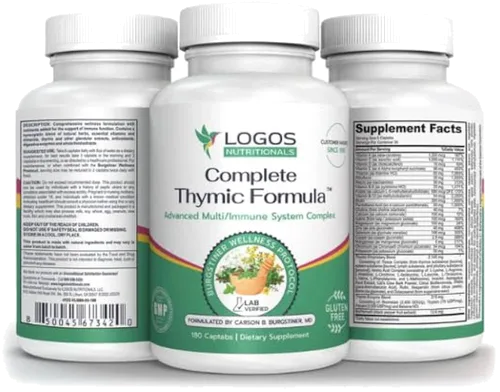
MBi Nutraceuticals Thymus Complex Review
This page presents MBi Nutraceuticals Thymus Complex Glandular Tissue Concentrate, sold as 180 capsules. The page heading in its description section reads Thyroid 120mg Glandular Tissue Concentrate, and the copy opens by saying it supports the thyroid gland, which the text describes as responsible for processes all over the body, from protein synthesis to metabolism and immunity. It states that Thyroid-120 provides complete nutrition for the thyroid gland, explaining that the thyroid is one of the endocrine glands that make hormones regulating physiological functions, including the thyroid hormones that regulate metabolism, energy level, and circulation. Under the heading Thymus Complex Provides a Comprehensive Blend of Immune-Enhancing Ingredients, the page says the ingredients boost the body's natural immune function and help maintain good health and prevent disease. It says Immune Plus assists in establishing the cellular immune system, activating the immune system, and making it more aggressive in defending against invading bacteria and viruses. A section on New Zealand freeze dried glandulars says these are protected by pH sensitive coatings that shield active biological components, hormones, enzymes, polypeptides, and other nutrients from gastric juices, HCL and pepsin. It notes Immune Plus is especially important for vegetarians or others lacking animal dietary protein. Another section says the product is used for glandular repair and maintenance and for hormonal imbalances, assisting blood formation, storage, circulation, filtration, and repair, improving the small intestine, and supporting cleansing and detoxification. It says Immune Plus helps the body fight stress, stabilize blood sugar patterns, increase fat mobilization, prevent cell breakdown, and reduce inflammation, and that it promotes growth and protein synthesis. The final section, Promotes Resistance, claims the product promotes resistance to disease and cancer, builds resistance in the respiratory tract, maintains healthy outer tissue layers, and keeps epithelial tissues from drying and degenerating. It says the product is effective in detoxifying small viruses, bacteria, certain fungal diseases, and heavy metal poisonings, and that its ingredients support bones, teeth, connective tissue, blood vessel walls, cartilage, joints, and intestinal walls. The page lists uses including preventing colds, hay fever, sore teeth and gums, muscle pain, poor healing, arthritis, rheumatism, cataracts, and eye infections. These are the page's own claims and have not been verified here. The page shows a price of $63.18 USD with shipping calculated at checkout, a SKU of MN-THYM, and stock status 2, with pickup available at the MHP Longmont Warehouse.
We don’t sell supplements. We help you make decisions and get the best price.
Lowest prices
We may earn a commission from some store links. How we choose.
Finding the lowest prices at the stores now. This takes a few seconds.
Study, Trial or Testing Result Summary
Members Only105 human studies · 39 improved
3 of these 105 human studies gave the ingredient by drip or injection, not by mouth.
Vitamin C is at a full studied dose here. Across 29 trials, at least 200 mg daily did not make colds less common in the general public, but colds were 8% shorter in adults and 14% shorter in children, and about half as common in marathon runners, skiers and soldiers [1]. A review of eight reviews concluded it does not prevent colds [2]. Zinc is also at a full dose. Large reviews found it did not prevent colds but may shorten them by about two days when taken once a cold starts [3][4]. Vitamin E is at a full dose. In older adults it improved some immune responses and vaccine reactions [5], but in nursing home residents it did not cut overall respiratory infections [6]. Copper is at a full dose, but its evidence is limited and mixed, with benefit mainly in deficient or severely ill people [7][8]. For vitamin A, the best evidence found no drop in illness or death [9]. The 460 mg proprietary blend lists no ingredient amounts, and no studies of it were given. Animal and cell studies are never counted.
See all 105 studies →Hide the studies
- In six trials of 27,351 children up to seven years old, vitamin A (with vitamin E added in two trials) did not clearly change how many upper respiratory infections they had; the evidence was low certainty and this was mainly a vitamin A review.Oral vitamin A supplements to prevent acute upper respiratory tract infections in children up to seven years of age.
- In 14 trials of 25,758 mother and infant pairs, high-dose vitamin A given after birth raised breast milk vitamin A but did not reduce illness or death in mothers or infants compared with placebo or no treatment.Vitamin A supplementation for postpartum women.
- Across 29 placebo-controlled trials with 11,306 people taking at least 0.2 g of vitamin C daily, colds were not less common in the general public but were about half as common in marathon runners, skiers and soldiers, and colds lasted 8% shorter in adults and 14% shorter in children.Vitamin C for preventing and treating the common cold.
- Across 34 trials with 8526 children and adults, zinc made little or no difference to catching a cold but may have shortened colds by about 2.4 days when used as treatment, with more mild side effects.Zinc for prevention and treatment of the common cold.
- In 37 trials of 4,905 critically ill adults, vitamin E alone and combined with selenium, zinc and copper showed no clear reduction in deaths or infections compared with placebo, and the evidence was very low certainty.Antioxidant micronutrient supplements for adult critically ill patients: A bayesian multiple treatment comparisons meta-…
- A review of eight systematic reviews covering 31 randomized trials concluded that taking vitamin C does not prevent people from catching a common cold.Does vitamin C prevent the common cold?
- In a pooled analysis of randomized trials in adults, vitamin C slightly lowered the risk of respiratory infections by 4% and shortened symptoms by 9%, with a stronger prevention effect in men and in middle-income countries.Effect of micronutrient supplements on influenza and other respiratory tract infections among adults: a systematic revie…
- In 10 placebo-controlled trials of healthy people taking at least 1 g of vitamin C daily, cold severity was 15% lower than with placebo, with a clear benefit on severe symptoms but not on mild ones.Vitamin C reduces the severity of common colds: a meta-analysis.
- In 30 studies of intensive care patients, vitamin E alone did not change deaths, ventilator time or side effects, but shortened intensive care stay by about 1.3 days after excluding highly varying studies; combining it with selenium showed no benefit.Efficacy and safety of selenium or vitamin E administration alone or in combination in ICU patients: A systematic review…
- In nine trials of older adults, micronutrient supplements improved immune function overall, and vitamin E had the largest effect on cellular immunity.Effects of micronutrient supplementation on immune function in older adults: a meta-analysis.
- Pooling 6 trials of adults with colds, zinc lozenges did not significantly reduce the chance of having cold symptoms at 7 days.A meta-analysis of zinc salts lozenges and the common cold.
- Five small, low-quality trials with 2,655 children and adults gave vitamin C at 125 mg to 2 g daily, and the evidence was too weak to tell whether it prevents or treats pneumonia.Vitamin C supplementation for prevention and treatment of pneumonia.
- A review of 39 randomized trials of eight supplements, including vitamin C, in healthy people under stress found some signs of benefit but too many gaps to draw firm conclusions about immune protection.Select Dietary Supplement Ingredients for Preserving and Protecting the Immune System in Healthy Individuals: A Systemat…
- A review of 13 studies in healthy adults found alternative vitamin C forms often raised white blood cell vitamin C and were better tolerated, with one study showing fewer colds, but more research is needed to confirm immune benefits.Enhanced Vitamin C Delivery: A Systematic Literature Review Assessing the Efficacy and Safety of Alternative Supplement …
- This review of vitamin E and genes in aging found contradictory results in older people, with some trials even suggesting harm to survival, possibly due to dose, form and genetic differences.Vitamin E-gene interactions in aging and inflammatory age-related diseases: implications for treatment. A systematic rev…
- A review of the research on nutrients and viral infections including coronavirus concluded that vitamin E, along with other nutrients, helps the immune system work properly, but few trials tested it directly and more trials are needed.Nutrients in prevention, treatment, and management of viral infections; special focus on Coronavirus.
- A review of 53 articles found that low levels of nutrients including vitamin E were linked to changes in immune measures, but only omega-3 fats, zinc and vitamin A had intervention studies confirming benefit.[Influence of nutrients on human immunity].
- In 50 studies of children with acute respiratory infections, results for vitamin E were mixed and no single supplement, including vitamin E, could be recommended for routine treatment.A systematic review and meta-analysis on nutritional and dietary interventions for the treatment of acute respiratory in…
- In one trial among 11 in a review of gastrointestinal surgery patients, wound dressings containing vitamin E and silicone reduced surgical site infection, pain, inflammation and hospital stay.Does micronutrient supplementation improve outcomes in adult gastrointestinal surgery patients? A systematic review.
- This review of common cold treatments covered zinc gel and lozenges among other options, but the abstract gives no results for zinc.Common cold.
- This review of common cold treatments covered zinc gel and lozenges among other options, but the abstract gives no results for zinc.Common cold.
- In healthy adults, zinc did not prevent colds but may have shortened colds by about 2.25 days when given alone.Zinc Supplementation Reduces Common Cold Duration among Healthy Adults: A Systematic Review of Randomized Controlled Tri…
- This review of 49 studies on atopic dermatitis found the evidence too limited to say what role copper plays, with benefit shown only for vitamin D and links to selenium and zinc.Micronutrients in Atopic Dermatitis: A Systematic Review.
- This review of 29 articles on leishmaniasis found higher copper levels in patients, and only zinc supplementation was shown to help wound healing, so copper supplementation was not shown to help.Leishmaniasis and Trace Element Alterations: a Systematic Review.
- In 29,133 male smokers aged 50 to 69 given 50 mg of vitamin E daily for about 6 years, vitamin E did not change overall pneumonia risk, though those who started smoking at 21 or older had a 35% lower risk.Vitamin E and beta-carotene supplementation and hospital-treated pneumonia incidence in male smokers.
- In 7,469 male smokers who started smoking at 21 or older, 50 mg of vitamin E daily for 5 to 8 years reduced pneumonia by 69% in lighter smokers who exercised, and by 14% (not significant) in heavier smokers or non-exercisers.Vitamin E administration may decrease the incidence of pneumonia in elderly males.
- In 4,048 healthy adults, a flu vaccine containing the vitamin E based adjuvant AS03 produced higher antibody levels than the same vaccine without it, and protection persisted to month 6 in adults aged 18 to 64.Long-term immunogenicity of an AS03-adjuvanted influenza A(H1N1)pdm09 vaccine in young and elderly adults: an observer-b…
- In 1,444 army recruits taking 6,000 mg of vitamin C daily for 30 days, the risk of getting a common cold was 0.80 times that of those taking placebo.Vitamin C supplementation reduces the odds of developing a common cold in Republic of Korea Army recruits: randomised co…
- In 977 Kenyan schoolchildren over about 11 months, a daily multivitamin and mineral tablet containing 8 mg of vitamin E lowered the intensity of schistosome worm reinfection compared with placebo, but had no significant effect on hookworm, roundworm or whipworm reinfection.Effects of multimicronutrient supplementation on helminth reinfection: a randomized, controlled trial in Kenyan schoolch…
- In 868 Navajo schoolchildren given vitamin C or placebo, there was no difference in how many got ill (133 vs 129), number of illness episodes, or illness length, though blood vitamin C levels were higher.Vitamin C and acute illness in Navajo schoolchildren.
- In 826 Indonesian preschool children given 10 mg zinc daily for 4 months, days with upper respiratory infection fell 12 percent (not significant), and 20 percent after vitamin A was given.Zinc combined with vitamin A reduces upper respiratory tract infection morbidity in a randomised trial in preschool chil…
- In a randomized trial of 688 adult women, 1 gram of vitamin C daily produced a small reduction in chest colds but no effect on simple colds.A randomized controlled trial of vitamin C in the prevention and amelioration of the common cold.
- In 674 marine recruits given 2 grams of vitamin C or placebo daily for eight weeks, colds were no less common or shorter, though the vitamin C group rated their colds as less severe.Vitamin C prophylaxis in marine recruits.
- In 617 nursing home residents aged 65 or older, taking 200 IU of vitamin E daily for one year did not significantly reduce overall respiratory infections, but fewer people on vitamin E caught at least one upper respiratory infection or common cold than on placebo.Vitamin E and respiratory tract infections in elderly nursing home residents: a randomized controlled trial.
- In 595 critically ill surgical patients, early antioxidant supplementation with vitamin C and vitamin E did not significantly reduce lung complications compared with standard care, but it reduced multiple organ failure and shortened time on the ventilator and in intensive care.Randomized, prospective trial of antioxidant supplementation in critically ill surgical patients.
- In 420 healthy adults, bird flu vaccines containing a vitamin E based adjuvant (11.86 mg of alpha-tocopherol in the AS03A version) met immune response targets, with lower vaccine doses needed when adjuvanted, and no vaccine-related serious side effects.Evaluation of a primary course of H9N2 vaccine with or without AS03 adjuvant in adults: A phase I/II randomized trial.
- In a 5-year double-blind trial of older Japanese adults, 500 mg of vitamin C daily cut the number of people with three or more colds, compared with 50 mg daily, but did not shorten or lessen the colds.Effect of vitamin C on common cold: randomized controlled trial.
- In 275 people with early COVID-19, a 10-day combination therapy including vitamin C was safe and well tolerated, but the study did not test whether it improved immune health.Read the study on PubMed (41693032) →
- In 311 National Institutes of Health employees taking 3 g of ascorbic acid daily for nine months (with extra doses at cold onset), the vitamin had at best a minor effect on the duration and severity of colds, and the results could be explained by a break in blinding.Ascorbic acid for the common cold. A prophylactic and therapeutic trial.
- In a double-blind study of 95 identical twin pairs over 100 days, vitamin C shortened cold episodes by about 19% but had no other significant effect compared with placebo.Vitamin C and the common cold: using identical twins as controls.
- In 185 children aged 6 to 35 months, vaccines with different amounts of a vitamin E-containing adjuvant all produced strong immune responses; the study did not test vitamin E on its own against a placebo, and the vitamin E amount was not stated.Immunogenicity and Safety of AS03-adjuvanted H5N1 Influenza Vaccine in Children 6-35 Months of Age: Results From a Phase…
- In 157 people with recurrent viral skin infections (warts, herpes), a nutrient blend containing vitamin E plus coenzyme Q10, selenium and methionine, added to standard treatment, healed lesions faster and reduced relapses compared with control groups.Coenzyme Q(10), vitamin E, selenium, and methionine in the treatment of chronic recurrent viral mucocutaneous infections…
- In 152 girls aged 5 to 12 with a first kidney infection, adding vitamin E to meds for 14 days lowered fever, urinary frequency, urgency, dribbling and incontinence compared with meds alone, though urine cultures and scan results did not differ.Vitamin E as adjuvant treatment for urinary tract infection in girls with acute pyelonephritis.
- In 127 Mexican children aged 5 to 15 months, vitamin A lowered norovirus GII infections and norovirus-linked diarrhea compared with placebo, but lengthened how long the virus was shed.Vitamin A supplementation has divergent effects on norovirus infections and clinical symptoms among Mexican children.
- In 120 stroke patients with swallowing difficulty, vitamin C stimulation added to routine swallowing training improved swallowing tests, nutrition markers and antibody levels compared with routine training alone.Effects of vitamin C stimulation on rehabilitation of dysphagia after stroke: a randomized trial.
- In 104 patients with Helicobacter pylori, adding 200 mg vitamin E and vitamin C to triple a med therapy lowered eradication of metronidazole-susceptible infections to 53% from 80% without the vitamins, and did not reduce stomach inflammation.Vitamin C and E supplements to lansoprazole-amoxicillin-metronidazole triple therapy may reduce the eradication rate of …
- In 101 patients having laparoscopic colorectal cancer surgery, applying vitamin E ointment under the incision lowered wound infections to 4% from 17.6% in the untreated group, with less pain, shorter hospital stays, and lower C-reactive protein and white blood cell counts.Effect of Subcutaneous Sterile Vitamin E Ointment on Incisional Surgical Site Infection after Elective Laparoscopic Colo…
- In 100 healthy older Dutch adults, 200 mg of vitamin E daily for 15 months did not change blood levels of the immune markers DHEA-S or neopterin compared with placebo, and did not reduce respiratory infection days.The effect of vitamin E supplementation on serum DHEA and neopterin levels in elderly subjects.
- In 98 adults with mild to moderate coronavirus illness, 1000 mg of vitamin C daily for 14 days had no effect on symptom progression or quality of life compared with placebo.A Pilot of a Randomized Control Trial of Melatonin and Vitamin C for Mild-to-Moderate COVID-19.
- In 91 power plant workers exposed to magnetic fields, 400 IU of vitamin E daily for 3 months lowered the inflammatory marker IL-6 compared with the control group, though it also raised good cholesterol.The Effects of Antioxidant Vitamins on Proinflammatory Cytokines and Some Biochemical Parameters of Power Plant Workers:…
- In 88 healthy adults aged 65 and older, taking 200 mg of vitamin E daily for about 4 months improved some measures of T-cell immunity, including skin test reactions and antibody responses to hepatitis B and tetanus vaccines, compared with placebo. Other doses showed smaller effects.Vitamin E supplementation and in vivo immune response in healthy elderly subjects. A randomized controlled trial.
- In 80 healthy adults with a new common cold, zinc gluconate nasal gel used four times daily until symptoms resolved (up to 10 days) shortened cold duration to a median of 4.3 days versus 6 days with placebo.Effect of zincum gluconicum nasal gel on the duration and symptom severity of the common cold in otherwise healthy adult…
- In 65 healthy children aged 7 to 13 who ate breakfast cereal fortified with vitamins including vitamin E for two months, immune function measures and upper respiratory infection rates did not differ between fortification groups.Ingestion of micronutrient fortified breakfast cereal has no influence on immune function in healthy children: a randomi…
- In 60 children prone to recurrent respiratory infections, a daily orange juice providing 70 mg of vitamin C was associated with a drop in infection episodes from about 6.75 to 2.62 per child.Beneficial therapeutic effects of vitamin C on recurrent respiratory tract infections in children: preliminary data.
- In 58 children with immunotolerant chronic hepatitis B, 100 mg of vitamin E daily for 3 months did not change liver enzymes or viral load compared with children who took no supplement.Efficacy of vitamin E in children with immunotolerant-phase chronic hepatitis B infection.
- In 49 HIV-positive adults, 800 IU of vitamin E plus 1000 mg of vitamin C daily for 3 months reduced markers of oxidative stress compared with placebo, but the viral load reduction was not statistically significant and infection counts were similar (9 vs 7).Effects of vitamin E and C supplementation on oxidative stress and viral load in HIV-infected subjects.
- In 40 Air Force Academy cadets taking 15 mg of zinc gluconate daily for seven months, self-reported symptom-free episodes were significantly higher than with placebo, but doctor-diagnosed upper respiratory infections did not differ.Use of zinc supplements to reduce upper respiratory infections in United States Air Force Academy cadets.
- In 38 triathletes, taking 800 IU of vitamin E daily for 2 months before the Kona Triathlon increased lipid peroxidation and post-race inflammation markers compared with placebo.Vitamin E and immunity after the Kona Triathlon World Championship.
- In 34 healthy young adults eating three eggs a day for 3 weeks, eggs enriched with omega-3 fats, selenium, vitamin E and lutein lowered a pro-inflammatory marker (IL-17A) compared with regular eggs.Consumption of Hen Eggs Enriched with n-3 Polyunsaturated Fatty Acids, Selenium, Vitamin E and Lutein Incites Anti-Infla…
- In 32 healthy older adults, 800 mg of vitamin E daily for 30 days improved some immune responses and reduced lipid peroxidation compared with placebo.Vitamin E supplementation enhances cell-mediated immunity in healthy elderly subjects.
- In 28 people recovering from COVID-19, a single 1000 mg dose of vitamin C reduced one type of immune-related reactive oxygen species by 45% but did not raise nitric oxide levels.A Plant-Based Dietary Supplement Exhibits Significant Effects on Markers of Oxidative Stress, Inflammation, and Immune R…
- In 24 patients receiving stem cell transplants for myeloma or lymphoma, high-dose vitamin C (20 g daily for 10 days, then 500 mg twice daily until day 100) was linked to rising natural killer and CD3 immune cell counts from day 30 to day 100 and fewer infections, compared with standard care alone.Effect of vitamin C on immune reconstitution after bone marrow transplantation.
- In 21 patients with major burns, 14 to 21 days of intravenous copper, selenium and zinc led to fewer infections (median 2 versus 4) and fewer lung infections than placebo, with better antioxidant status and wound healing.Trace element supplementation after major burns modulates antioxidant status and clinical course by way of increased tis…
- In 20 children having surgery, ascorbate before premedication did not change neutrophil mobility during anaesthesia or surgery, and no infections occurred.Neutrophil mobility during anaesthesia in children. A trial of ascorbate premedication.
- In 12 adults who exercised for about two hours in heat, 1500 mg of vitamin C daily for 12 days lowered the stress hormone cortisol after exercise, but did not change salivary antibody levels or cold-like symptoms compared with placebo.Vitamin C supplementation and salivary immune function following exercise-heat stress.
- In 5 male runners, 6 days of a zinc and copper supplement blocked the exercise-induced rise in neutrophil reactive oxygen species but did not prevent the drop in immune cell growth after a long run.Exercise-induced changes in immune function: effects of zinc supplementation.
- In healthy adults aged 55 and older, a 12-week multivitamin and mineral supplement raised blood vitamin C and zinc levels but did not change measured immune function compared with placebo.The Effect of a Multivitamin and Mineral Supplement on Immune Function in Healthy Older Adults: A Double-Blind, Randomiz…
- In older adults, a 30-day course of a multi-ingredient supplement that also contained vitamin C lowered inflammatory blood markers and improved lymphocyte levels, though they did not reach the levels seen in younger people; the vitamin C dose was not stated.Use of Nutraceuticals in Elderly to Fight Inflammation and Immuno-Senescence: A Randomized Case-Control Study.
- In a randomized trial of ultramarathon runners and sedentary controls, taking 600 mg of vitamin C daily was linked to fewer upper airway infection symptoms in the two weeks after a race than placebo, with 33% of supplement takers developing symptoms versus 68% of placebo takers among runners.Vitamin C supplementation reduces the incidence of postrace symptoms of upper-respiratory-tract infection in ultramarath…
- Over 2 years in institutionalized elders, a low-dose micronutrient supplement containing vitamin E, vitamin C and beta-carotene did not significantly reduce infections, while the trace mineral part did.Micronutrient supplementation and infection in institutionalized elders.
- In two trials of 8-9 year old children (172 and 642) given 1000 mg vitamin C daily, cold duration and severity seemed lower but cold incidence stayed the same or rose, and the total sick days were fewer only in the smaller pilot study.Vitamin C as a preventive medicine against common colds in children.
- In about 210 students (three groups of about 70) taking 1 gram daily for 15 weeks, the D-isoascorbic acid group had 34% fewer colds than the other two groups, which included the L-ascorbic acid group, so regular vitamin C showed no clear benefit.L-Ascorbic acid and D-isoascorbic acid in a common cold survey.
- In 80 patients with pulmonary tuberculosis, adding vitamin E to standard anti-TB treatment significantly raised immunoglobulin levels and T-cell counts compared with the control group receiving standard treatment alone.Immune boosting role of vitamin E against pulmonary tuberculosis.
- In 62 pregnant women with high blood pressure, a combined treatment that included vitamin E, alongside meds, delayed pregnancy complications and was linked to better outcomes than the control group, though the vitamin E dose was not stated and the study was not randomized.[Basic and metabolic therapy of hypertensive disease in pregnant women].
- In 27 infants recovering from severe malnutrition, copper sulphate at 80 mcg per kg daily raised blood copper, and the placebo group had significantly more severe lower respiratory infections.Controlled trial of copper supplementation during the recovery from marasmus.
- In 18 hemodialysis patients, dialysis using vitamin E-loaded dialyzers lowered an inflammation-linked enzyme activity and nitric oxide levels compared with standard low-flux dialysis and hemodiafiltration.Vitamin e-loaded membrane dialyzers reduce hemodialysis inflammaging.
- In 14 hemodialysis patients, using a vitamin E-coated dialyzer membrane reduced monocyte activation markers and increased T cell proliferation compared with standard membranes.Vitamin E-coated dialyzer membranes downregulate expression of monocyte adhesion and co-stimulatory molecules.
- In 8 healthy men, a 10-week low-zinc diet (4.6 mg a day) reduced immune cell proliferation, which stayed reduced after 5 weeks of 9.1 mg zinc a day, while immune cell numbers and several other immune measures did not change.Immune functions are maintained in healthy men with low zinc intake.
- In 5 growth-retarded children with sickle-cell disease, zinc, iron, folate and vitamin E supplements did not change growth rate or clinical course.Growth retardation in sickle-cell disease treated by nutritional support.
- In a large double-blind trial, 1 g of vitamin C daily gave a small, non-significant reduction in colds, but more people stayed illness-free and vitamin takers had about 30% fewer days of disability from illness than placebo takers.Vitamin C and the common cold: a double-blind trial.
- In older adults, 500 mg of vitamin C injected daily for one month improved T-lymphocyte response and skin test reaction compared with placebo, but did not change antibody levels.Effect of vitamin C supplements on cell-mediated immunity in old people.
- In 50 older Japanese adults given one H1N1 flu vaccine containing an adjuvant based on alpha-tocopherol (vitamin E), antibody responses met regulatory criteria at 21 days but fell by 6 months; this was a vaccine study, not a vitamin E supplement trial.Evaluation of immune response following one dose of an AS03A-adjuvanted H1N1 2009 pandemic influenza vaccine in Japanese…
- In a small feasibility study of people with a new common cold, 250 mg of vitamin C daily for 5 days was used only as the comparison arm against a warm humidified air treatment, and the abstract reports no benefit from vitamin C itself.Randomised controlled trial of rhinothermy for treatment of the common cold: a feasibility study.
- In 11 healthy men, a diet with 0.38 mg copper daily for 42 days reduced immune cell growth responses, and 2.49 mg daily for 24 days stopped further decline but did not restore them.Effects of low-copper diets on human immune response.
- In a cohort of 1975 middle-aged and older Finnish men followed for about 19 years, higher serum copper was linked to a higher risk of hospitalization for infection.Serum copper-to-zinc-ratio and risk of incident infection in men: the Kuopio Ischaemic Heart Disease Risk Factor Study.
- In a study of 433 women followed for a year, those with the highest dietary vitamin C intake were less likely to have a persistent human papillomavirus infection than those with the lowest intake.Dietary intake and risk of persistent human papillomavirus (HPV) infection: the Ludwig-McGill HPV Natural History Study.
- In 248 nursing home residents and health care workers given flu vaccine, higher blood vitamin E levels were linked to an intact antibody response, especially among the elderly.Immune response to influenza vaccine in healthy adults and the elderly: association with nutritional status.
- In 207 Nigerian children with fever, eating red palm oil, a source of vitamin A precursors, had little effect on malaria severity.Lack of influence of red palm oil on severity of malaria infection in pre-school Nigerian children.
- In a case-control study of 165 children with malaria, blood alpha-tocopherol (vitamin E) levels did not differ across malaria severity groups or healthy controls.Immunological and anti-oxidant profiles of malarial children in Abuja, Nigeria.
- After measles, preschool children had low vitamin A levels, frequent infections for about six months, and slower weight gain, although vitamin A therapy improved their eye lesions.Effect of measles on the nutritional status of preschool children.
- In 37 patients with skin infections called phlegmons, those given zinc tablets after low serum zinc was found had no further lesions for more than 10 months, though the study was uncontrolled.Serum zinc levels in patients with phlegmons as a marker of the severity of infection and the potential of zinc suppleme…
- In 23 institutionalized elderly people, those who did not respond to flu vaccination had lower vitamin E levels, along with lower cellular immune response, than responders.Relationship between the response to influenza vaccination and the nutritional status in institutionalized elderly subje…
- In hospital records of patients with upper respiratory tract infection, adding vitamin C injection to Xiyanping injection did not improve cure rates compared with Xiyanping alone.[Analysis of actual effects of combining xiyanping injection with vitamin C injection in treatment of upper respiratory …
- Children with kwashiorkor, a severe form of protein-energy malnutrition, had significantly lower plasma vitamin E levels alongside higher inflammatory markers than healthy children.Inflammatory mediators in children with protein-energy malnutrition.
- Young vegetarians and vegans had more zinc deficiency than omnivores, and this deficiency was linked to lower interleukin-2 production and weaker immune function.Reduced interleukin-2 production and increased CREMα protein expression in vegetarians and vegans due to zinc deficiency…
- In 35 adults with chronic immune thrombocytopenia who had failed meds or splenectomy, the meds all-trans retinoic acid raised platelet counts in 54% of patients, and this drug is not a standard vitamin A supplement.Efficacy of immunomodulatory therapy with all-trans retinoid acid in adult patients with chronic immune thrombocytopenia…
- In 19 hemodialysis patients given influenza vaccine, 4 weeks of zinc acetate (60 mg elemental zinc daily) did not increase antibody responsiveness to the vaccine.Influenza vaccination in chronic hemodialysis patients. The effect of zinc supplementation.
- In 19 healthy older adults, moderate zinc supplementation reduced spontaneous inflammatory cytokine release and improved T cell response to stimulation.Zinc supplementation in the elderly reduces spontaneous inflammatory cytokine release and restores T cell functions.
- In 6 patients with acrodermatitis enteropathica, low zinc levels were linked to weaker T and B cell responses, and these normalized when zinc levels recovered with supplementation.Abnormal immune responses during hypozincaemia in acrodermatitis enteropathica.
- In 5 patients with tropical sprue and low vitamin E, correcting the deficiency improved depressed T cell immune function and neuropathy.Vitamin E in intestinal fat malabsorption.
- In people with Sjogren's syndrome, 100,000 units of vitamin A daily for two weeks increased some immune cell killing activity but also raised a marker of fat damage in the blood.Effect of vitamin A treatment on immune reactivity and lipid peroxidation in patients with Sjögren's syndrome.
- In patients with recurrent infections, six weeks of 200 to 300 mg daily vitamin E improved clinical status and normalized blood vitamin E, while granulocyte bacteria-killing activity rose only slightly and metabolic activity changed inconsistently.The effect of vitamin E on granulocyte function in patients with recurrent infections.
- In volunteers with experimentally produced colds, zinc gluconate removed the drop in choice reaction time seen during the cold.Effects of zinc gluconate and nedocromil sodium on performance deficits produced by the common cold.
- In a first-in-human phase I trial in healthy men, sodium copper chlorophyllin was well tolerated up to 3000 mg and reached blood levels above 5 μM, and it caused biphasic immune changes, with no clear immune benefit shown in people.First-in-human clinical trial of high-dose sodium copper chlorophyllin: Pharmacology and efficacy as a dual immunomodula…
- In a rat study, giving 100 international units of vitamin E over 3 days increased thymus mass, boosted lymphocyte activity, and raised antibody levels and lysosomal enzyme activity in the blood compared with vitamin E-deficient rats.[Specific and nonspecific immunity indices in a varying vitamin E allowance in rats].
Review Totals and Summary
Members Only3 reviews · 68% positive
I could not find any customer reviews of MBi Thymus Complex on the pages I could reach. The only MBi review data was for an unrelated MBi product, colloidal silver. The themes below therefore come from Nutricology Thymus reviews on iHerb, a comparable glandular thymus supplement from a different brand, and should not be treated as MBi feedback. Reviewers there mostly praise a noticeable immune benefit. Many report feeling a difference within days, including better resistance to viral infections and quicker recovery from illness. Enthusiasm is strongest among people who see themselves as immune-vulnerable. These include older adults, people undergoing chemotherapy, and people with seasonal allergies or food sensitivities. Many buyers explain their purchase by saying the thymus shrinks with age or under stress. They treat the supplement as a way to counter that decline and repair the effects of stress. Some use it as a general tonic for energy and well-being. Reviewers also like the good quality, the fast delivery and the packaging. The reviews I saw did not show consistent complaints, though the negative share was small. Most feedback is anecdotal, and nothing in it shows the benefit is clinically proven. For MBi Thymus Complex specifically, I'd suggest checking Amazon or the manufacturer's own listing for real reviews before relying on this proxy.
Biohacker Summary
Members Only9 of 10 recommend it
The statements never name a main ingredient for this product, so the panel's views are spread across several smaller ingredients, and zinc and vitamin C drew the most comment. Zinc was the most discussed smaller ingredient in this product: most of the panel recommend or use it, citing testosterone, wound healing, mood, immune support and sleep, with doses of 15 milligrams in the morning for longevity and 30 milligrams for sperm health before IVF. One panelist warned that too much zinc can cause a copper shortfall, and one pairs it with vitamin C for immunity. Vitamin C, also a smaller ingredient in this product, was recommended by several for collagen, skin and joints, often taken with collagen, though one panelist stopped using a vitamin C serum because of its smell. Vitamin A, vitamin E and copper got only brief, mostly neutral mentions, and one panelist warned that generic multivitamins are often full of fillers and synthetics.
See all 10 biohackers →Hide the biohackers
Dr. Eric Berg · Vitamin A · neutral
- Mentions that the body relies on healthy fats to absorb essential vitamins like A, D, E, and K, which help support skin health, moisture, and normal cell function.
- Warns against generic multivitamins, stating they are often full of fillers and synthetics.
- Warns against generic multivitamins, stating they are often full of fillers and synthetics.
- Warns against generic multivitamins, stating they are often full of fillers and synthetics.
- Recommends zinc as a trace mineral, noting that modern farming practices deplete it from the soil, leading to low levels in crops.
- Mentions that bleeding or swollen gums point to vitamin C deficiency, and sugar competes with it directly, reducing absorption.
- Notes that white spots on nails point to zinc deficiency, which is usually depleted by eating sugar and refined carbs.
- States that zinc greatly supports natural killer cells.
- States that zinc is needed to absorb magnesium.
- Recommends ensuring sufficient zinc intake because the prostate needs enough zinc for the conversion from testosterone to DHT to be smooth and optimized.
- Mentions that lemon is loaded with vitamin C, and when combined with coffee, vitamin C significantly increases the bioavailability of antioxidants in the coffee.
- Identifies zinc as an essential mineral for building hair, and that deficiency in it leads to a high risk for hair loss.
- Dr. Berg states that Vitamin C helps fight biofilms and is essential for making collagen in gums, teeth, and capillaries.
- Notes that low vitamin A can lead to dry eyes, dry mouth, and night vision issues.
Dr. Rhonda Patrick · Zinc · neutral
- Mentions that getting too little zinc may play a role in declining testosterone levels, and that zinc helps the body make testosterone.
- Notes that not getting enough zinc can affect testosterone, as zinc is very important for testosterone synthesis.
- Recommends men take a 30 milligram zinc supplement for sperm health when preparing for IVF.
- Lutein and zeaxanthin can also be obtained from certain multivitamins.
- Lutein and zeaxanthin can also be obtained from certain multivitamins.
- Lutein and zeaxanthin can also be obtained from certain multivitamins.
- Discusses findings from a meta-analysis on zinc supplementation, noting it improved insulin resistance, inflammation, and oxidative stress in people with diabetes or prediabetes, and explains its biological role in the pancreas.
- Recommends nutrients like zinc for men to prioritize sperm mitochondrial health.
- Recommends nutrients like vitamin C for men to prioritize sperm mitochondrial health.
- Dr. Rhonda Patrick's daughter chugs an Emergency fizzy drink in the morning to ensure she gets some vitamin C and micronutrients before school.
- Choosing a multivitamin that includes lutein and zeaxanthin ensures you get meaningful amounts every day.
- Choosing a multivitamin that includes lutein and zeaxanthin ensures you get meaningful amounts every day.
- Choosing a multivitamin that includes lutein and zeaxanthin ensures you get meaningful amounts every day.
- Notes that ~60% of Americans are low in vitamin E.
Thomas DeLauer · Vitamin C · recommends
- Recommends whole food vitamin C, found in kiwi fruit, citrus, and bell peppers, to help clear uric acid by competing at kidney transporters, preventing reabsorption.
- Recommends taking vitamin C along with collagen about an hour before a workout for connective tissue benefits.
- Uses vitamin C as part of their immunity duo, stating it is important for boosting the immune system, especially during cold and flu season.
- Adds zinc to their immunity duo because it helps them absorb vitamin C, considering the two together a fantastic combination for fall and winter.
- Recommends zinc, noting it is a cofactor for enzymes that build neurotransmitters, and deficiency can affect mood, happiness, and motivation.
- Recommends consuming vitamin C to aid in NADPH recycling, which is necessary for glutathione to be reused after neutralizing oxidative stress.
- Mentions that more zinc could be beneficial for testosterone, but it's not working on the axis that most people need help with.
- Takes Purity's liquid liposomal vitamin C for immune support and overall wellness, finding it easy to add to water, juice, or take straight up due to its good taste.
- Compares the Vitamin C content of oranges (53mg) to guava (228mg), noting guava has 4x more.
- Compares zinc content, noting salmon has under 1mg while oysters have 74mg per 100g, a 70x difference.
- Recommends keeping zinc levels topped off because it is a critical cofactor for over 300 enzymes and is important for immune cells, testosterone, and wound healing.
- Recommends 15 mg of supplemental zinc if oysters are not realistic, but emphasizes that food source zinc is better as it comes with natural cofactors like copper and selenium.
- States that collagen synthesis is vitamin C dependent, in the context of glowing skin.
- Recommends Vitamin C for sleep, noting that intake in the range of 125 to 200 mg per day is associated with a lower risk of sleep disorders and sleep apnea, with the benefit plateauing beyond this range.
Andrew Huberman · Zinc · neutral
- Notes that AG1 Pro contains zinc carnosine to support and improve the lining of the gut.
- Zinc carnosine to support and improve the lining of your gut.
- Notes that AG1 Pro contains zinc carnosine to support and improve the lining of the gut.
- States that AG1 Pro contains zinc carnosine to support and improve the lining of the gut.
- Uses AG1 Pro, which contains zinc carnosine to support and improve the lining of the gut.
- States that AG1 Pro contains zinc carnosine to support and improve the lining of the gut, and he was already taking some of these ingredients separately.
- States that AG1 Pro includes zinc carnosine, which he was already taking separately, to support and improve the lining of the gut.
- Personally takes zinc carnosine, which is included in AG1 Pro to support and improve the lining of the gut.
- AG1 Pro has zinc carnosine to support and improve the lining of your gut. Some of these ingredients I personally was already taking separate from the AG1 formula.
- States that AG1 Pro contains zinc carnosine to support and improve the lining of your gut.
- Takes a multivitamin every day for longevity.
- Takes a multivitamin every day for longevity.
- Takes a multivitamin every day for longevity.
- Recommends AG1, a vitamin, mineral, and probiotic drink, and notes that for a limited time, a subscription comes with additional supplements.
Dave Asprey · Vitamin C · neutral
- Recounts a doctor telling him in his 20s that vitamin C would kill him.
- Recommends taking vitamin C for better skin health.
- States that currently, he is only taking vitamin C and vitamin D.
- Dave Asprey's kids get a little bit of vitamin E every day, which helps to stabilize the bad oils they get when eating at restaurants.
- Developed a nonnano zinc sunscreen over five years, stating her skin is probably better now than it's ever been.
- Emphasizes the importance of having enough zinc before trying advanced longevity strategies like peptides.
- Emphasizes the importance of having enough copper before trying advanced longevity strategies like peptides.
- Recommends real vitamin A for people on the spectrum, noting that many cannot convert plant vitamin A and need the good stuff he includes in his Vitam DAKNE product.
- Suggests that zinc has better safety and protective data than meds for reducing cardio respiratory risk.
- Recommends Vitamin E as one of the most important supplements for overall health.
- Dave Asprey reflects on how new research clarifies the mechanism behind IV vitamin C's anti-cancer effect, vindicating a decades-old idea that was dismissed for the wrong reasons.
- Takes Vitamin DAKE from Suppgrade Labs because D3, A, K2, and E work together.
- Takes Vitamin DAKE from Suppgrade Labs because D3, A, K2, and E work together.
- Notes that plain Vitamin C isn't enough and that most people never think to check for a specific ingredient that makes it work.
Ben Greenfield · Copper · neutral
- Mentions that overshooting zinc can lead to a copper deficiency, highlighting the interplay between these elements.
- Ben Greenfield's formulation includes 30 grams of zinc a day, taken for one week before surgery and two weeks after, as it is an important cofactor for wound healing.
- Mentions a recent study showing no significant increase in bleeding for patients on Vitamin E supplementation during open heart surgery, which was interesting for him to learn.
- States that vitamin C is extremely important for collagen turnover and cites orthopedic data showing that 500 mg to 1 g of vitamin C can reduce the rate of complex regional pain in total knee replacements and wrist fractures.
- Notes that Vitamin A is a fat-soluble vitamin that supports healthy skin cell turnover.
- Mentions vitamin C as part of a bare-minimum protocol.
- Emphasizes that zinc sufficiency is crucial for immunity because the thymus-derived peptide thymulin, which trains lymphocytes, requires zinc to be active.
- Notes that while vitamin C has significant value, the optimal dose is a vexed question, and high doses might not always be beneficial, potentially blunting the hormetic effects of exercise.
- Recommends adding zinc into one's stack because it is a co-factor for enzymes involved in testosterone synthesis and sperm maturation, and zinc deficiency is a reproducible cause of low sperm count.
- He mentions zinc as a supplement with real human data behind it for male fertility.
- Zinc may support both testosterone and sperm count.
- Says Formula IQ CopperIQ Serum has stayed in their routine to close out summer strong.
- Notes that IV vitamin C has been used for decades for cancer patients with almost no standardization and that he receives many questions about its effectiveness and combination with chemo.
- Warns that he was taking so much zinc without realizing it because it was in five different things he was taking, and he couldn't pinpoint the problem.
Dr. Mark Hyman · Zinc · neutral
- Explains that zinc is important for the body's repair crew, helping to heal damaged tissue, and a deficiency can lead to cuts and wounds taking longer to heal.
- Mentions that vitamin A levels can be looked at to get a deep sense of what's happening with nutrient levels.
- Recommends vitamin C as a basic supplement during detoxification to help with inflammation and detoxification.
- Gave a patient with psoriatic arthritis a little zinc, which contributed to significant improvement in her condition.
- Dr. Hyman mentions vitamin C as an advanced therapy for skin repair.
- Mentions topical vitamin C as an antioxidant that can help skin with aging.
- Mentions that what they do when a cold comes on is not just vitamin C.
- Recommends ensuring adequate zinc intake on a regular basis for immune support, noting some data on zinc lozenges for early cold.
- Recommends taking 50,000 units of vitamin A for three to five days right at the onset of symptoms if one feels they might be getting sick.
- Recommends ensuring adequate vitamin C intake on a regular basis for immune support, stating it's important for healthy immune function despite mixed data on its effectiveness for colds.
- Notes that night blindness is caused by vitamin A deficiency.
- Mentions that vitamin C was the very first vitamin discovered, isolated, and synthesized in 1932, and its deficiency caused scurvy.
- Recommends correcting nutrient deficiencies with zinc.
- Recommends nutrient-dense foods rich in zinc, such as pumpkin seeds and oysters, to reduce inflammation.
Siim Land · Vitamin C · recommends
- Recommends taking vitamin C with collagen to support joint collagen synthesis.
- States that vitamin C is needed for initiating collagen synthesis and that higher vitamin C intake appears to increase vitamin C content in the skin.
- Mentions that copper is a mineral necessary for making collagen.
- Lists sauerkraut and fruit as sources of Vitamin C.
- Lists liver and carrots as sources of Vitamin A.
- Notes that Vitamin C is one of several supplements with human evidence.
- States that deficiencies in nutrients such as zinc can impair normal immune regulation.
- Notes that researchers found vitamin C alleviates ferro-aging, a process of iron overload and lipid peroxidation that drives aging, and that it directly inhibited ACSL4, a protein driving ferro-aging.
- States that Vitamin C has a central role in aging and longevity, and that in monkeys, oral vitamin C slowed ovarian aging during a 3.3-year study.
- States that vitamin C is one of the most important vitamins for staying healthy and aging well, and that intakes of 200 to 400 mg a day from food or supplements largely saturates plasma and neutrophils in most healthy adults. He also recommends spreading out the vitamin C across the day to avoid oversaturation.
- Notes that oral vitamin E and C supplementation has been noted to increase the dose of UVB radiation from the sun needed to cause redness of the skin, suggesting increased resilience against sun damage. He also mentions a trial where a combination of slow-release vitamin C and vitamin E decreased the progression of carotid atherosclerosis in men.
- Mentions vitamin C in comparison to topical melatonin for oxidative defense, stating that melatonin would compete but is not as broadly validated clinically.
- Mentions vitamin E in comparison to topical melatonin for oxidative defense, stating that melatonin would compete but is not as broadly validated clinically.
- Was found to be vitamin C deficient by True Health and Mayo Clinic tests, and now addresses this by eating one extra kiwi fruit daily.
Bryan Johnson · Zinc · uses
- Takes 15 mg of Zinc in the morning for longevity.
- Takes 15 mg of Zinc in the morning.
- Takes 15 mg of Zinc in the morning for longevity.
- Takes 2 mg of Copper in the morning for longevity.
- Uses Vitamin C as an example of how it would be great if people knew that when they took it, it had a measurable amount and wasn't polluted, which is what Brian ensures with his products.
- Applies vitamin C after showering.
- Bryan Johnson's baseline measurements showed low zinc, which was easy to fix by adjusting her protocol and supplements.
- Takes 250 milligrams of Vitamin C.
- Recommends adequate Zinc for hair health, noting it is in the Blueprint stack.
- Bryan uses a copper pillowcase as part of his curated sleep environment.
- Recommends Vitamin C for skin health, noting it's good to pair with collagen peptides and is included in the Blueprint stack.
- Bryan Johnson takes Vitamin C daily as part of his Longevity Mix, which is an antioxidant-rich essential vitamin that supports immune function and metabolic energy.
- He uses Vitamin C, typically in a serum, in the morning for skin health.
- Recommends adequate Vitamin E for hair health, noting it is in the Blueprint stack.
Peter Attia · Zinc · recommends
- Suggests that zinc and magnesium could potentially help with vasodilation and sleep, particularly for women experiencing severe symptoms in the luteal phase.
- Notes that in mouse studies, there was a combined effect of alpha ketoglutarate with vitamin A for male mice.
- In mouse studies, Peter Attia's team found a combined effect of AKG with Vitamin A for male mice.
- Recommends vitamin C as an important molecule for skin, noting its role as a precursor for collagen synthesis, a powerful antioxidant, and a regulator of complexion for even skin tone.
- Tried a vitamin C serum mixed with ferulic acid but stopped using it because she hated the smell. She notes that topical application of vitamin C far exceeds the levels achievable by ingestion for skin benefits.
- Mentions that a lot of the profound transformation of a cell into a sperm, specifically the making of a tail, is vitamin A driven.
- Discusses the AREDS formula, which initially included C and beta-carotene with zinc and copper, and later replaced beta-carotene with lutein and zeaxanthin, showing it could delay or reduce the conversion of mild to severe macular degeneration.
- Notes that antioxidants like vitamins A, C, and E have been looked at for cataract formation but have shown no effect.
- States that vitamin C deficiency is associated with an elevated risk of cataract, but supplementation to supranormal levels has not been shown to protect against cataract formation.
- Discusses the AREDS formula, which initially included C and beta-carotene with zinc and copper, and later replaced beta-carotene with lutein and zeaxanthin, showing it could delay or reduce the conversion of mild to severe macular degeneration.
- Mentions the elimination of scurvy through the work of James Lind and the eventual understanding that it was due to vitamin C, initially thought to be just citrus.
- Notes that there are some downsides to Vitamin E, including cardiovascular longitudinal risk and prostate cancer, and that discussions are needed with patients, especially those with diabetes or cirrhosis, due to studies indicating increased all-cause mortality depending on the dose.
- Explains that for Wilson's syndrome, which can lead to liver failure, the treatment given to children is zinc, which is inexpensive and effective in outcompeting copper to prevent overload.
- Peter Attia, involved in the American Urological Association Peyronie's guidelines, stated that vitamin E is not indicated for Peyronie's disease and should not be given.
RAL Summary
Members OnlyTier 4 for Immune Health
The review counts and themes are not from MBi Thymus Complex: the only MBi review data found was for an unrelated colloidal silver product, and the themes come from a different brand's thymus supplement. Its reviews are set aside, so it is graded on its studies alone. Human studies support Vitamin C (10 of 33 human studies showed an improvement), but there are not yet enough reviews to confirm it (0).
- Emerging: not enough evidence to rank higher yet.
Where the evidence disagrees: 39 of the 105 human studies found no effect.
More Details
Members OnlyBody systems · Combine with · Possible side effects
Body systems: Immune system, Respiratory system
Combine with: For immune support, pair thymus extract with vitamin D3, vitamin C, zinc, and selenium, which support immune cell development and function. Elderberry, beta-glucans, or medicinal mushrooms (reishi, shiitake) can add immune modulation, and vitamin A and probiotics support mucosal immunity. If the real goal is thyroid support, consider a separate thyroid-specific formula with selenium, iodine (only if appropriate), zinc, iron if deficient, and L-tyrosine, with testing and guidance from a clinician first. Those with autoimmune conditions, such as Hashimoto's or Graves', should consult a healthcare provider before using glandular or immune-stimulating products.
Possible side effects: Zinc taken for colds brought more mild side effects in studies, and a very high dose of vitamin A raised a blood marker of fat damage. No product-specific side effects are known because no reviews of this product were found.
Supplement Facts
Vitamin A 2250 mcg · Vitamin C 250 mg · Vitamin E 75 mg
| Vitamin A | 2,250 mcg | |
| Vitamin C | 250 mg | |
| Vitamin E | 75 mg | |
| Zinc | 22 mg | |
| Copper | 2 mg | |
| Proprietary Blend | 460 mg | † |
Other ingredients: Rice Flour, Magnesium Stearate, Calcium Ascorbate, Silica, Herbal activated base.
Directions: Recommendation: Take two to four capsules per day following meals or as directed by your health care professional.
Label source: NIH label database · Report a label change
Show entire label
More immune health products
Members OnlyThe highest ranked for the same goal
Read more
Our articles on this subject
- What Supplements and Vitamins Should Not Be Taken TogetherArticle · Sep 7, 2026
- When Is the Best Time to Take Vitamins and Supplements?Article · Jun 15, 2026
Graded November 10, 2026 by the Reverse Age Lab evidence engine, from human studies, real reviews and our biohacker panel. How we grade. Is this medical advice? No. Rala organizes the published evidence; go over any change with your doctor, especially if you take meds.
Privacy policyConsumer health dataAffiliate disclosureTermsDo Not Sell or Share My Personal InformationCookie settings