
Nature Made Melatonin 3 mg With L-Theanine Review
We don’t sell supplements. We help you make decisions and get the best price.
Lowest prices
We may earn a commission from some store links. How we choose.
Finding the lowest prices at the stores now. This takes a few seconds.
Products with nearly the same formula (Matched on the main ingredients)
Study, Trial or Testing Result Summary
Members Only93 human studies · 59 improved
This product gives two ingredients at full studied doses. Melatonin at 3 mg is above the smallest dose that has worked in studies. In a review of 22 trials with 4,875 adults with insomnia, slow-release melatonin beat placebo, shortening time to fall asleep by about 5 to 6 minutes and raising sleep efficiency by about 2% [1]. In adults 55 and older, it shortened time to fall asleep over six months without losing effect [2], and 2 mg improved sleep quality and morning alertness in 26% of people versus 15% on placebo [3]. One review found clear benefit in children but no significant benefit in adults [4], so gains in adults are modest. L-theanine at 200 mg matches the dose that worked in studies. A pooled analysis of 19 trials found it modestly improved time to fall asleep, daytime tiredness and overall sleep quality [5], and 200 mg daily for four weeks reduced time to fall asleep and sleep disturbance in healthy adults [6]. Not every study agrees: an evening blend with 200 mg L-theanine did not improve sleep in healthy adults [7], and another blend trial in poor sleepers found no benefit [8]. Animal and cell studies are never counted.
See all 93 studies →Hide the studies
- In a review of 144 trials of 13,471 people with memory impairment, melatonin results for sleep were inconclusive, though lower doses may work better.Pharmacological and Non-Pharmacological Interventions to Improve Sleep in People with Cognitive Impairment: A Systematic…
- In 61 trials of 6,528 cancer patients and survivors, melatonin showed some insomnia benefit, but the evidence was less convincing than for cognitive behavioral therapy.Interventions for insomnia in cancer patients and survivors-a comprehensive systematic review and meta-analysis.
- In 22 trials of 4,875 adults with insomnia, prolonged-release melatonin beat placebo, shortening time to fall asleep by about 5 to 6 minutes and raising sleep efficiency by about 2%.Efficacy of melatonin and ramelteon for the acute and long-term management of insomnia disorder in adults: A systematic …
- A review of 29 trials of 1,913 hospitalized patients compared insomnia drugs including melatonin receptor agonists, but the abstract gives no specific melatonin result.Insomnia among hospitalized inpatients: A systematic review and network meta-analysis.
- Pooling 19 randomized trials with 897 people, L-theanine modestly improved self-reported time to fall asleep, daytime dysfunction and overall sleep quality compared with control.The effects of L-theanine consumption on sleep outcomes: A systematic review and meta-analysis.
- In seven trials of 387 children and adolescents with trouble falling asleep, melatonin beat placebo, shortening time to fall asleep by about 0.36 hours and adding about 0.38 hours of sleep.Efficacy and safety of melatonin for sleep onset insomnia in children and adolescents: a meta-analysis of randomized con…
- In six trials of 322 adults (average age about 64) stopping meds over 4 to 10 weeks, melatonin did not help them stop and its effect on sleep quality was inconsistent.Read the study on PubMed (26547856) →
- In 17 studies of 284 people, melatonin cut time to fall asleep by 4 minutes, raised sleep efficiency by 2.2% and lengthened sleep by 12.8 minutes compared with placebo.Effects of exogenous melatonin on sleep: a meta-analysis.
- In four studies of 238 children with autism, melatonin shortened time to fall asleep, reduced night awakenings and lengthened total sleep compared with controls.Efficacy of Melatonin for Insomnia in Children with Autism Spectrum Disorder: A Meta-analysis.
- Across 24 placebo-controlled trials in chronic insomnia, melatonin helped children and adolescents fall asleep faster and sleep longer, but did not significantly improve sleep in adults.Efficacy of melatonin for chronic insomnia: Systematic reviews and meta-analyses.
- In a pooled analysis of 15 studies in healthy children, melatonin and light therapy were more effective than psychological interventions for time to fall asleep, but study methods varied widely.Non-pharmacological and melatonin interventions for pediatric sleep initiation and maintenance problems: A systematic re…
- A review of 13 trials with 550 people found L-theanine at 50-900 mg a day, with 200-450 mg seeming best, improved sleep latency, efficiency and perceived sleep satisfaction.Examining the effect of L-theanine on sleep: a systematic review of dietary supplementation trials.
- In 6 crossover trials of 95 older adults with insomnia, melatonin at 0.5 to 6 mg shortened time to fall asleep in 4 studies and improved other sleep measures in 3, but self-rated sleep quality did not improve.Melatonin in elderly patients with insomnia. A systematic review.
- In children with ADHD, L-theanine showed a poor response in reducing time to fall asleep and increasing total sleep time, but did increase sleep efficiency.To sleep or not to sleep: a systematic review of the literature of pharmacological treatments of insomnia in children an…
- In this review of children with ADHD and insomnia, the one L-theanine trial reported improvements in time to fall asleep and total sleep duration, and it was well tolerated.Safety, Tolerability and Efficacy of Drugs for Treating Behavioural Insomnia in Children with Attention-Deficit/Hyperact…
- This review of drug treatments for children with ADHD, including L-theanine, reported that most treatments except atomoxetine affected sleep quality, without separating out L-theanine's effect.Association between sleep pattern and pharmacological treatment in children with attention deficit disorder with hyperac…
- In this review of supplements for ADHD, L-theanine improved sleep efficiency but not other sleep measures.Efficiency of Different Supplements in Alleviating Symptoms of ADHD with or Without the Use of Stimulants: A Systematic …
- In four studies of adults with primary insomnia trying to stop meds or hypnotics, 64% to 78% of people taking melatonin fully stopped their medication, compared with 0% to 25% on placebo.Read the study on PubMed (32409111) →
- In six studies of people with cancer, oral melatonin at 3 to 20 mg for 10 days to four months improved sleep quality and insomnia in four studies, while two studies found no significant improvement in sleep quality.The effect of melatonin on sleep quality and insomnia in patients with cancer: a systematic review study.
- In a review of 15 reviews of alternative insomnia treatments in adults, melatonin reduced both self-reported and measured time to fall asleep, though overall study quality was low.Complementary and alternative treatments for insomnia disorder: a systematic umbrella review.
- In adults with primary insomnia, prolonged release melatonin over 6 months reduced time to fall asleep in people aged 55 and older compared with placebo, with no loss of benefit over time and mostly mild side effects, while people under 55 with low melatonin levels did not benefit.Nightly treatment of primary insomnia with prolonged release melatonin for 6 months: a randomized placebo controlled tri…
- In 354 adults aged 55 to 80 with insomnia, 3 weeks of 2 mg prolonged release melatonin versus placebo improved sleep quality and morning alertness in 26% versus 15% of people and shortened time to fall asleep by about 24 minutes versus 13 minutes.Efficacy of prolonged release melatonin in insomnia patients aged 55-80 years: quality of sleep and next-day alertness o…
- In 312 adults with insomnia, 10 days of a combined melatonin and diphenhydramine capsule worked better than either drug alone, while 3 mg melatonin by itself was less effective and caused fewer side effects.[Comparative study of the clinical efficacy and safety of the fixed dose combination Levroso Long with Melaxen and Diphe…
- In 170 adults aged 55 and older with primary insomnia, 3 weeks of 2 mg prolonged release melatonin versus placebo improved sleep quality and morning alertness, with no rebound insomnia or withdrawal symptoms after stopping.Prolonged-release melatonin improves sleep quality and morning alertness in insomnia patients aged 55 years and older an…
- In 160 children aged 4 to 10 with autism and sleep problems, 12 weeks of controlled-release melatonin improved sleep measures compared with placebo, and adding cognitive behavioural therapy gave a trend toward better results.Controlled-release melatonin, singly and combined with cognitive behavioural therapy, for persistent insomnia in childre…
- In elderly institutionalized people, drinking melatonin-enriched night-time milk for 8 weeks did not clearly change sleep quality beyond seasonal effects, but daytime and evening activity rose in one crossover period.Effect of melatonin-rich night-time milk on sleep and activity in elderly institutionalized subjects.
- In 125 children and adolescents with autism who had not improved with behavioral help, prolonged-release melatonin (2 mg raised to 5 mg) for 13 weeks increased nightly sleep by about 32 minutes and shortened time to fall asleep more than placebo, with 68.9 percent of the melatonin group reaching a meaningful response.Efficacy and Safety of Pediatric Prolonged-Release Melatonin for Insomnia in Children With Autism Spectrum Disorder.
- In 110 children aged 6 to 12 with chronic trouble falling asleep, 4 weeks of 5 mg melatonin given in the early evening versus placebo advanced sleep onset by about 42 minutes and reduced time to fall asleep by 25 minutes, with greater benefit in children whose body clock timing was later before treatment.Prediction of melatonin efficacy by pretreatment dim light melatonin onset in children with idiopathic chronic sleep ons…
- In 105 medication-free children aged 6 to 12 with ADHD and chronic sleep onset insomnia, 4 weeks of melatonin (3 or 6 mg by body weight) made sleep start about 27 minutes earlier and increased total sleep time, compared with placebo, but did not change behavior, cognition, or quality of life.Effect of melatonin on sleep, behavior, and cognition in ADHD and chronic sleep-onset insomnia.
- In 103 healthy adults taking an evening blend with 200 mg L-theanine for two weeks, sleep did not improve versus placebo; only the morning adaptogen group improved.Modulating stress and sleep through a multi-compound dietary supplement: a randomized, double-blind, placebo-controlled …
- In 100 stressed adults taking a combination product containing L-theanine for 28 days, daytime dysfunction from sleepiness improved, reaching significance by day 56, though sleep was only an exploratory outcome.Effect of a Combination of Magnesium, B Vitamins, Rhodiola, and Green Tea (L-Theanine) on Chronically Stressed Healthy I…
- In 98 boys aged 8-12 with ADHD, 400 mg of L-theanine daily for 6 weeks improved measured sleep percentage and sleep efficiency compared with placebo, while time to fall asleep was unchanged.The effects of L-theanine (Suntheanine®) on objective sleep quality in boys with attention deficit hyperactivity disorde…
- In 97 middle-aged adults with primary insomnia, 3 mg of fast-release melatonin taken for four weeks improved some measured sleep parameters, such as total sleep time and early morning waking, but did not change self-rated insomnia or sleepiness compared with placebo.Efficacy of melatonin for sleep disturbance in middle-aged primary insomnia: a double-blind, randomised clinical trial.
- In 74 adults with gum disease and primary insomnia, 10 mg of melatonin taken nightly for 2 months along with deep gum cleaning led to lower insomnia scores and lower salivary TNF-alpha levels than placebo over 6 months.Is dietary melatonin supplementation a viable adjunctive therapy for chronic periodontitis?-A randomized controlled clin…
- In 72 children aged 6 to 12 with anxiety disorders and insomnia, melatonin improved sleep habits more than placebo over six weeks, and it worked about as well as clonidine with no rise in side effects.Efficacy of clonidine and melatonin for treating insomnia in anxious children: a randomized comparison.
- In 64 adults with poor sleep, a blend of L-theanine, lemon balm, valerian and saffron taken for 6 weeks did not improve measured or self-reported sleep more than placebo.Effect of a nutraceutical combination on sleep quality among people with impaired sleep: a randomised, placebo-controlle…
- In 60 healthy children aged 7 to 12 with sleep problems, one month of 3 mg melatonin nightly improved sleep onset, sleep maintenance, sleep duration and daytime performance more than placebo, with no side effects reported.The effect of treatment with melatonin on primary school aged children with difficulty in initiation and maintenance of …
- In patients with schizophrenia or bipolar disorder tapering off long-term meds, prolonged-release melatonin improved self-reported sleep quality compared with placebo, though it did not change objectively measured sleep efficiency in a smaller subgroup.Read the study on PubMed (27107670) →
- In 50 children with neurodevelopmental disabilities and treatment-resistant delayed sleep phase, a controlled-release melatonin dose of about 5 mg, adjusted upward as needed, improved total night sleep and time to fall asleep by about 30 minutes compared with placebo, and reduced family stress.A randomized, placebo-controlled trial of controlled release melatonin treatment of delayed sleep phase syndrome and imp…
- In 49 people with intellectual disability and chronic insomnia, 4 weeks of 5 mg melatonin (2.5 mg for children under 6) versus placebo shortened time to fall asleep, reduced night wakings, and increased total sleep time.Melatonin decreases daytime challenging behaviour in persons with intellectual disability and chronic insomnia.
- In 46 adults with generalized anxiety disorder, 450-900 mg of L-theanine for 8 weeks did not beat placebo on insomnia severity overall, but people on L-theanine reported higher sleep satisfaction and those with milder insomnia did better.L-theanine in the adjunctive treatment of generalized anxiety disorder: A double-blind, randomised, placebo-controlled t…
- In 40 adults with sleep discomfort, a Lactium and L-theanine supplement for 8 weeks showed no difference in sleep questionnaire scores versus placebo, but sleep diaries showed fewer night wakings and earlier bedtimes.Dietary supplementation with Lactium and L-theanine alleviates sleep disturbance in adults: a double-blind, randomized, …
- In 40 adults with schizophrenia and insomnia taking antipsychotics, a flexible melatonin dose of 3 to 12 mg per night (most often 3 mg) added for about 15 days improved sleep quality, depth and duration, reduced night waking and time to fall asleep, and improved mood compared with placebo, without morning hangover.Melatonin in schizophrenic outpatients with insomnia: a double-blind, placebo-controlled study.
- In 40 adults aged 55 and older with primary insomnia, 3 weeks of 2 mg prolonged-release melatonin shortened time to fall asleep by 9 minutes versus placebo, improved daytime alertness, and about half of users reported better sleep quality compared with 15% on placebo.The effect of prolonged-release melatonin on sleep measures and psychomotor performance in elderly patients with insomni…
- In 39 adults with poor sleep, a four-week blend containing L-theanine and a milk-protein hydrolysate improved overall sleep quality scores and sleep duration compared with placebo, but only sleep duration and sleep efficiency held up in both analysis methods.Effect of Alpha-S1-Casein Tryptic Hydrolysate and L-Theanine on Poor Sleep Quality: A Double Blind, Randomized Placebo-C…
- In 38 women aged 55 and older with insomnia, 6 weeks of 2 mg melatonin improved sleep quality scores within the melatonin group, but there was no significant difference in sleep quality compared with placebo, and no effects were found on arterial stiffness or mitochondrial DNA.Melatonin Supplementation for Six Weeks Had No Effect on Arterial Stiffness and Mitochondrial DNA in Women Aged 55 Years…
- In 34 people taking meds for insomnia, 6 weeks of 2 mg controlled-release melatonin helped 14 of 18 stop the drug, versus 4 of 16 on placebo, and sleep quality scores were higher.Read the study on PubMed (10665894) →
- In 32 women with jaw pain, 5 mg of melatonin nightly for four weeks improved sleep quality compared with placebo, alongside reduced pain.Analgesic and sedative effects of melatonin in temporomandibular disorders: a double-blind, randomized, parallel-group, …
- In a placebo-controlled crossover trial of 30 healthy adults, 200 mg of L-theanine per day for four weeks reduced sleep latency, sleep disturbance, and meds use compared with placebo.Effects of L-Theanine Administration on Stress-Related Symptoms and Cognitive Functions in Healthy Adults: A Randomized …
- In 30 healthy adults with moderate stress, 400 mg per day of L-theanine for 28 days reduced perceived stress and light sleep and lowered total time asleep compared with placebo, while improving reaction time on a attention test.Safety and Efficacy of AlphaWave® L-Theanine Supplementation for 28 Days in Healthy Adults with Moderate Stress: A Rando…
- In 30 young women with painful periods, a chamomile and L-theanine drink taken for five days around menstruation reduced daytime dysfunction compared with baseline, but the abstract does not report a sleep quality result against the control drink.Effects of chamomile and -theanine beverage on menstrual pain, menstrual symptoms, mood, and sleep quality in young wome…
- In 30 adults over 50 with or without poor sleep, a 0.3 mg melatonin dose taken 30 minutes before bed for one week restored sleep efficiency to normal and raised night melatonin levels, while placebo had no effect in controls; higher doses also helped sleep but caused lower body temperature.Melatonin treatment for age-related insomnia.
- In 27 stimulant-treated children with ADHD and trouble falling asleep, 30 days of 5 mg melatonin reduced time to fall asleep by about 16 minutes more than placebo, and combined sleep hygiene with melatonin was well tolerated.Sleep hygiene and melatonin treatment for children and adolescents with ADHD and initial insomnia.
- In 26 healthy older adults, 1 mg of melatonin nightly for four weeks improved morning restedness, sleep latency after waking at night, and a verbal learning test compared with placebo.Cognitive effects of exogenous melatonin administration in elderly persons: a pilot study.
- In 21 people with advanced cancer and insomnia, prolonged-release melatonin improved self-reported insomnia severity compared with placebo over about one week, though the small group size means this needs confirmation.Temazepam or Melatonin Versus Placebo for the Treatment of Insomnia in Advanced Cancer: A Three-Arm, Double-Blind, Phase…
- In 20 people with intellectual disability and insomnia, one week of 0.3 mg melatonin taken 30 minutes before bed restored sleep efficiency compared with placebo, and a lower 0.1 mg dose also improved sleep.Brief report: melatonin facilitates sleep in individuals with mental retardation and insomnia.
- In 19 patients with chronic schizophrenia and low melatonin output, 3 weeks of 2 mg controlled-release melatonin improved sleep efficiency compared with placebo (83.5% vs 78.2%), with the largest gain in those who slept poorly at baseline.Melatonin improves sleep quality of patients with chronic schizophrenia.
- In 17 trained adult men, a nightly drink containing theanine at low or high dose before bed did not meaningfully improve sleep, morning performance or cognition compared with placebo.Minimal Influence of Formulated Nutritional Interventions on Sleep and Next-Morning Physical Performance, Cognitive Func…
- In a double-blind crossover study of 16 adults, a nutritional blend containing L-theanine over three days shortened time to fall asleep, increased total sleep time by about 22 minutes, and improved sleep efficiency compared with placebo.Nutritional Modulation of Sleep Latency, Duration, and Efficiency: A Randomized, Repeated-Measures, Double-Blind Decepti…
- In 15 adults with psychological insomnia, 5 mg of melatonin taken for one week did not change sleep timing or sleep quality compared with placebo, and any subjective improvement was minor.Melatonin and insomnia.
- In 12 elderly people with sleep maintenance insomnia, 0.5 mg of melatonin taken under the tongue at night for four nights per session did not improve any measured sleep quality measure compared with placebo, although it lowered body temperature.Effect of sustained nocturnal transbuccal melatonin administration on sleep and temperature in elderly insomniacs.
- In 10 adults with primary insomnia, melatonin at 0.3 mg or 1.0 mg taken for one week in a crossover trial did not improve sleep recordings, sleep quality or side effects compared with placebo.Treatment of primary insomnia with melatonin: a double-blind, placebo-controlled, crossover study.
- In 10 adults with persistent insomnia, 1 mg and 5 mg of melatonin did not change how quickly they fell asleep or how long they slept, and 1 mg delayed the start of dream-stage sleep, though participants rated their overall sleep quality as better.Melatonin administration in insomnia.
- In 10 children aged 6 to 11 with epilepsy, 9 mg of sustained-release melatonin for 4 weeks shortened the time to fall asleep by about 11 minutes and reduced wakefulness after sleep onset by about 22 minutes, compared with placebo, with no clear effect on seizures.Melatonin improves sleep in children with epilepsy: a randomized, double-blind, crossover study.
- In nine children with autism, a theanine tea produced some improvements, which were more sporadic than those from the gamma-aminobutyric acid tea, and sleep effects of theanine were not clearly reported.A double-blind, placebo-controlled, randomised-designed GABA tea study in children diagnosed with autism spectrum condit…
- In 8 children with Angelman syndrome and chronic insomnia, melatonin at 5 or 2.5 mg depending on age, given for about 4 weeks after a placebo-controlled phase, moved sleep onset earlier by 28 minutes, cut time to fall asleep by 32 minutes, and added 56 minutes of total sleep.Melatonin for chronic insomnia in Angelman syndrome: a randomized placebo-controlled trial.
- In a crossover trial of healthy young women, 50 mg of theanine did not change sleep compared with placebo, but it prevented the rise in night-time waking caused by 30 mg of caffeine.Theanine maintains sleep quality in healthy young women by suppressing the increase in caffeine-induced wakefulness afte…
- In an eight-week placebo-controlled trial in adults with poor sleep, a walnut peptide and L-theanine combination restored sleep duration and improved self-rated sleep quality, though the abstract does not give the number of participants or the theanine dose.Walnut peptide and theanine combination ameliorates sleep disorders: a multi-species study including a human trial.
- In patients with traumatic brain injury and insomnia, melatonin improved self-rated sleep quality, and those with poorer baseline sleep gained the most.Poorer sleep quality predicts melatonin response in patients with traumatic brain injury: findings from a randomized con…
- In 396 adults aged 55 or older with insomnia, 2 mg of controlled-release melatonin nightly for 3 weeks gave clinical response in about half of patients, and those with the lowest natural melatonin output responded more often (58% vs 47%).Nocturnal 6-sulfatoxymelatonin excretion in insomnia and its relation to the response to melatonin replacement therapy.
- In 60 post-stroke patients with trouble falling asleep, 21 days of melatonin reduced daytime sleepiness and shortened time to fall asleep compared with a control group, and cut the number of brief awakenings.[Melatonin in the correction of sleep in post-stroke patients].
- In 20 healthy young volunteers given artificial insomnia in a sleep lab for one night, bedtime melatonin shortened the time to fall asleep, reduced awakenings, and improved sleep efficiency compared with placebo.Sleep laboratory investigations on hypnotic properties of melatonin.
- In 13 chronic insomnia patients, 75 mg of melatonin taken at 10 PM for 14 days increased self-reported total sleep time and daytime alertness compared with placebo, though 7 of 13 said it had no significant effect on how they felt.The effects of exogenous melatonin on the total sleep time and daytime alertness of chronic insomniacs: a preliminary st…
- In seven totally blind people with free-running body clocks, 10 mg of melatonin taken nightly for three to nine weeks reset the clock to a 24-hour cycle in six of seven, and sleep became more continuous and efficient.Entrainment of free-running circadian rhythms by melatonin in blind people.
- In women with sensitive skin, an oral botanical blend containing L-theanine improved self-rated sleep quality at one and eight weeks, though it was combined with ashwagandha and saffron so the theanine effect cannot be isolated.Combining Topical and Oral Botanicals for Skin Redness, Pigmentation, Sleep, and Mood: A Randomized Controlled Study.
- In elderly insomniacs with low melatonin, one week of 2 mg sustained-release melatonin improved sleep maintenance, and fast-release melatonin improved sleep onset; benefits rose further after 2 months of 1 mg, and sleep worsened after stopping.Melatonin replacement therapy of elderly insomniacs.
- In an open randomized crossover study of 160 adults, 200 mg per day of L-theanine significantly improved sleep problems, with no placebo group included.Analysis of the Effects of Known Sleep-Support Supplements in Relation to Life Habits, Sleep Conditions, and Sleep Probl…
- In a single-arm open-label pilot of 40 adults with mild-to-moderate insomnia, a daily capsule combining melatonin, vitamin B6 and herbal extracts for two weeks improved sleep quality scores from 5.4 to 7.3 out of 10, with shorter time to fall asleep and longer sleep, and no serious side effects.A combination of melatonin, vitamin B6 and medicinal plants in the treatment of mild-to-moderate insomnia: A prospective…
- In 20 adults with depression taking 250 mg of L-theanine daily for eight weeks alongside their usual medication, sleep quality scores improved in those not in remission, along with mood and some thinking test scores, though without a placebo group.Effects of chronic l-theanine administration in patients with major depressive disorder: an open-label study.
- In 19 adults with sleep problems, four weeks of 200 mg per day of L-theanine taken with 700 mg of gamma-aminobutyric acid significantly improved overall sleep quality scores, in a single-group study without a placebo.Effects of combined GABA and L-theanine supplementation on sleep quality: an exploratory study.
- In 17 patients with schizophrenia taking antipsychotics, adding 250 mg of L-theanine per day for eight weeks improved sleep quality scores, though the study had no placebo group.Effect of L-theanine on glutamatergic function in patients with schizophrenia.
- In an open pilot study, 3 mg of melatonin at bedtime for 21 days improved sleep quality and reduced nighttime awakenings in patients with sleep disturbances, with or without depression, and reduced night-time agitation in dementia patients.Effect of melatonin in selected populations of sleep-disturbed patients.
- In 51 children who had taken melatonin for an average of 3.1 years at an average dose of 2.69 mg, sleep, puberty, and mental health scores did not differ from those of the general Dutch population of the same age.Evaluation of sleep, puberty and mental health in children with long-term melatonin treatment for chronic idiopathic chi…
- In a retrospective review of 32 children with chronic sleep problems, melatonin given about 1 hour before bedtime at an average of 2 mg for about 2 months led to partial or complete resolution of sleep problems in 90.6% of children, with no placebo group.Melatonin in children and adolescents with insomnia: a retrospective study.
- In sleep-disturbed rats, a 1000 mg/kg dose of a valerian, golden root and L-theanine preparation shortened time to fall asleep but did not change total time awake, deep sleep or dream sleep, and the L-theanine dose alone was not reported.Effect of valerian extract preparation (BIM) on the sleep-wake cycle in rats.
- In rats given caffeine, L-theanine at 22.5 and 37.5 mg/kg partly restored deep sleep, but it did not reduce caffeine-induced wakefulness and higher doses did not help, so this animal result is not a human finding.L-theanine partially counteracts caffeine-induced sleep disturbances in rats.
- In mice and rats, a combination of 100 mg/kg gamma-aminobutyric acid and 20 mg/kg L-theanine shortened sleep onset and lengthened sleep more than either ingredient alone, but this was an animal study and not a human trial.GABA and l-theanine mixture decreases sleep latency and improves NREM sleep.
- In mice, L-theanine alone and combined with a spearmint extract lengthened sleep and shortened the time to fall asleep when given with sleep-inducing drugs, though the study does not report human results and the dose was not stated.L-theanine and Neumentix mixture improves sleep quality and modulates brain neurotransmitter levels in mice.
- In mice, L-theanine did not independently change the stimulating effect of a green tea extract, and the study measured arousal rather than improved sleep in people.The polyphenol/caffeine ratio determines the arousal-inducing properties of the green tea ethanol extract.
- In sleep-deprived rats given 100 mg/kg of melatonin daily by mouth for 4 weeks, memory impairment was prevented and antioxidant enzyme levels in the hippocampus were restored. Sleep itself was not reported as measured, so this does not show that melatonin improved sleep.Chronic Melatonin Treatment Prevents Memory Impairment Induced by Chronic Sleep Deprivation.
- In rats, a nasal spray of melatonin packaged in tiny niosome carriers delivered melatonin to the brain at levels comparable to an injection and was reported to induce sleep. This was an animal pharmacokinetic study, and the dose was not stated.Intranasal melatonin nanoniosomes: pharmacokinetic, pharmacodynamics and toxicity studies.
- In a mouse study, a patch with melatonin-loaded microneedles that released the hormone on electrical command improved sleep. This was tested in mice, not people, and the dose was not stated.Digital automation of transdermal drug delivery with high spatiotemporal resolution.
- In rats with induced insomnia, melatonin-loaded silk microneedles that released the hormone over about 8 to 11 hours improved disrupted daily rhythms and reduced anxiety. This was an animal study, and the dose was not stated.Silk fibroin microneedles loaded with melatonin for circadian rhythm regulation.
Review Totals and Summary
Members OnlyWhat buyers say
No written reviews read yet.
Biohacker Summary
Members Only0 of 10 recommend it
The panel is split on melatonin, the main ingredient: about half of them use it, mostly for jet lag, short-term schedule disruption, or getting to sleep, while nearly all attach a caution. Several take it for travel, with doses ranging from 0.3 to 1 milligram up to 3 milligrams, and two of them use or suggest 3 milligrams. Others favor the lowest dose, with one pointing to about 300 micrograms and not going over 1 milligram, and one suggesting it be taken about 3 hours before bed. The warnings are about long-term or nightly use, doses in store products that run too high, grogginess, dependence, and effects on children, and a few say it does not fix waking in the night or the real sleep problem. One panelist takes 3 milligrams to support fertility treatment, one mentions topical use for hair, and the product's L-theanine did not come up in the statements given.
See all 10 biohackers →Hide the biohackers
Dr. Mark Hyman · Melatonin · neutral
- Explains that around 3 or 4 a.m., melatonin levels drop naturally, and if someone consistently wakes up then, it's likely they are running out of melatonin because they stayed up too late for their body's natural rhythm.
- Treats sleep as a non-negotiable part of their health routine, just like diet and exercise, and uses melatonin for recovery.
- Recommends low-dose melatonin (even half a milligram) for short-term use to help reset circadian rhythm, especially when traveling or experiencing schedule disruption, but not as a long-term solution.
- Mentions melatonin as something that actually helps with sleep.
- Explains that if serotonin gets to the brain, the pineal gland turns it into melatonin so one can sleep.
- Recommends melatonin, at a dose of 3 to 60 milligrams a day, for reducing reflux symptoms like heartburn or stomach pain, noting it can be as effective as a med without the side effects of meds.
- States that sometimes half a milligram to two milligrams of melatonin can be helpful for some people.
- Sometimes uses a little melatonin to help with sleep.
- Explains that melatonin is a key gatekeeper to autophagy and is involved in DNA repair, and its suppression by artificial light at night may contribute to cancer.
- Mentions that melatonin might be helpful for some people.
Dave Asprey · Melatonin · neutral
- Notes that rodent research suggests melatonin supports drainage machinery, but it is a timing signal and not the pump itself.
- Host Dave Asprey discusses a study linking long-term melatonin use to nearly double the heart failure risk and all-cause mortality, and advises against relying on it every night.
- Mentions taking melatonin to go to sleep at night.
- Warns that melatonin may help kids fall asleep, but a study found less REM sleep among children taking it, which supports memory, learning, and emotional processing.
- Mentions that people have probably tried melatonin to sleep better.
- Recommends melatonin to help set the body's sleep timing and notes that researchers found it increased a marker linked to DNA repair by 80% during sleep.
- States that melatonin only goes so far and doesn't tell the brain to stop spinning.
- Warns listeners to ramp up melatonin slowly if they choose to take it, as a meaningful number of people experience arrhythmia from high doses, and he personally ended up in the hospital after taking 40 milligrams due to skipped heartbeats.
- Notes that during a dark retreat, the brain makes high levels of melatonin.
- Warns that taking melatonin will not help if the brain is electrically awake, as it will only lead to feeling tired but wired.
Thomas DeLauer · Melatonin · uses
- Has stopped 'tough-guying' through situations where he needs sleep and now occasionally uses 1 or 2 milligrams of melatonin for jet lag or when he needs to ensure good sleep, such as when his family is sick. He finds that using it sparingly makes it effective.
- Warns that melatonin and other substances that bind to a med or GABA A receptors can sedate you into sleep and make you feel groggy upon waking, unlike glycine.
- Mentions that Dr. D'Agostino discusses interesting use cases where high dosages of melatonin have powerful antioxidant effects, calling it a remarkable compound and antioxidant in the body.
- States that people try melatonin for sleep, but it often doesn't solve the problem of waking up in the middle of the night.
- Warns against supplemental melatonin, calling it a blunt tool that overrides circadian signals, noting that over-the-counter doses are often ridiculously high and can lead to grogginess or dependence.
- Warns that melatonin, like other common sleep supplements, does not directly address the physiological issues of body temperature and brain restlessness, instead only nudging a hormone or sedating the user.
- States that melatonin can only rise meaningfully when cortisol is falling, and that artificial light after sunset can rob the body of melatonin during the night by keeping evening cortisol elevated.
- Advises against taking melatonin for sleep for most people, especially in high doses like 10 mg, which he considers a dramatic overdose. He uses it only for travel or sleep deprivation to reset circadian rhythm, taking 0.5 to 1 mg, but warns against taking it every single night.
- Recommends taking melatonin in the evening if needed, as it is one of the deepest activators of mitophagy, enhancing overnight cleanup.
- Explains that melatonin is a mitochondrial antioxidant that scavenges reactive oxygen species and helps antioxidant enzymes, and suppressing it with light at night leads to more oxidative stress and poor glucose oxidation.
Siim Land · Melatonin · recommends
- Recommends taking Melatonin 3 hours before bed, citing a meta-analysis that found this timing superior to 30 minutes before bed.
- States that Melatonin can be a useful addition for some people for sleep.
- States that Melatonin connects biology to light, signals biological night, and can be suppressed by bright evening light.
- Notes that melatonin activates AMPK and upregulates autophagy, and advises protecting melatonin production before bed by avoiding eating a lot of food.
- Has experimented with melatonin supplementation, finding that a smaller dose like 0.3 mg or 1 mg works better for him, and notes that a meta-analysis found optimal timing to be 3 hours before bedtime.
- Recommends Melatonin for sleep and circadian rhythm, based primarily on human research, especially randomized controlled trials showing measurable benefits.
- Lists Melatonin as one of 15 supplements backed by human studies.
- Notes that melatonin supplementation has been seen to reverse age-related decline in immune function in rats and reduce inflammatory markers and support immune function in humans, but its effect on thymic regeneration in humans hasn't been studied.
- Thinks melatonin has some of the strongest evidence and is worth considering.
- States that melatonin is one of the most underrated antioxidants in the human body, is a mitochondria-targeted antioxidant, and unlike most other antioxidants, it creates an antioxidant cascade.
Andrew Huberman · Melatonin · neutral
- Discusses Melatonin.
- Notes that some fertility experts recommend low-dose melatonin at night, presumably to improve sleep, for fertility, while others do not.
- Mentions that studies have shown improvements in sleep issues with the use of melatonin, particularly for those experiencing sleep problems after a traumatic brain injury.
- Advises caution for melatonin supplementation.
- Warns that taking melatonin chronically over time, especially for kids, can be problematic due to supra-physiological dosages in most commercial products and its interaction with other hormone systems.
- Mentions melatonin in the context of sleep.
- Recommends slow doses of melatonin supplementation, 1 to 3 mg 30 minutes before bed, for improving odds of getting pregnant and egg quality, especially for those with increased chronic inflammation or poor egg quality.
- Raises a question about melatonin supplements.
- Is not a big fan of melatonin supplementation, stating that the levels in most supplements are far too high to be considered physiological and can have effects not just related to sleep.
- Warns that melatonin supplementation is not particularly helpful as a sleep aid for healthy adults, with studies showing minimal increases in sleep time and efficiency, and typical doses being far higher than what the body naturally produces.
Ben Greenfield · Melatonin · warns
- Warns that high-dose melatonin seems to make one more photosensitive, so it's important to block blue light and harsh light when taking it to avoid theoretical risks.
- Continues to use melatonin for jet lag, taking a high dose for the first one to two nights when traveling across more than three time zones, despite a study linking long-term use to heart failure risk.
- Discusses how he uses melatonin as a "sledgehammer" when traveling, while also addressing concerns about a study linking melatonin to increased heart failure risk, suggesting the study may be mixing up cause and effect.
- Discusses melatonin in the context of common sleep OTCs, noting that while it works, the Harmonic device achieves similar results non-pharmacologically without downregulating sleep receptors.
- Mentions Melatonin as a supplement people cycle through when still sleeping poorly, suggesting it might not be addressing the true sleep problem.
- Warns that no amount of melatonin will fix a nervous system that isn't downshifting properly.
- Notes that a study showed blue light blockers preserve melatonin, which has benefits for cancer prevention, sleep, and as an antioxidant, despite the study's focus on subjective sleepiness.
- Discusses how to interpret recent melatonin headlines, where the data falls short, and how he approaches melatonin use in real-world scenarios like travel.
- Offers perspective on the melatonin-heart health headlines, advising not to panic if it is used sensibly.
- Discusses a study suggesting that long-term use of high-dose melatonin (3 to 6 milligrams or higher) by individuals with pre-existing health issues and chronic insomnia may have potential impacts on heart health, including heart failure and all-cause mortality.
Dr. Rhonda Patrick · Melatonin · recommends
- Recommends taking 3 milligrams of melatonin at night, as it has been shown to improve IVF outcomes by acting as an antioxidant within the follicular environment.
- Explains that as melatonin rises before bedtime, it signals organs to shift into recovery mode, which may make insulin secretion less efficient late at night.
- Warns to be careful of melatonin supplements.
- Rhonda takes 0.5 mg of Melatonin before bed for sleep.
- Is currently taking melatonin because she is jet lagged after returning from China.
- A preliminary (not peer-reviewed) conference abstract reported that adults with insomnia with ≥1 year of documented melatonin use had a 90% higher 5-year rate of heart failure and 3.5x more hospitalizations than adults without.
- Expresses surprise at the range of effects attributed to melatonin.
- States that melatonin supplements do not shut down the body's own melatonin production and that human data shows no evidence that commonly used doses suppress endogenous melatonin or cause tolerance.
- Recommends low-dose melatonin as a better option for a sleep-promoting supplement.
- Introduces the topic of melatonin supplements, implying there is a 'shocking truth' about them.
Dr. Eric Berg · Melatonin · warns
- Dr. Eric Berg warns that taking melatonin stops a good night's sleep.
- States that melatonin, the hormone that helps you fall asleep, is influenced by eating habits.
- Mentions that melatonin, the hormone that helps you fall asleep, is influenced by eating habits.
- Explains that melatonin is a hormone activated by darkness that helps with sleep and also helps the pancreas release less insulin.
- Recommends topical melatonin as a natural remedy for hair growth, especially when used in conjunction with microneedling.
- Recommends applying topical melatonin 24 to 48 hours after microneedling, stating that research shows it works best to stimulate hair growth and acts as a powerful antioxidant.
- Notes that melatonin is the hormone that helps people feel tired and go to sleep, and late-night eating can severely interrupt the ability to fall asleep and maintain good sleep.
- Describes another type of melatonin found in the mitochondria throughout the cells, which acts as a powerful antioxidant and is primarily obtained through infrared from the sun.
- Notes that Wikipedia states there is insufficient evidence to recommend the use of melatonin for treating dysmenorrhea.
- Mentions that melatonin is produced in the mitochondria and is even more powerful than glutathione for combating oxidative stress, acting as a cooling system for the engine.
Bryan Johnson · Melatonin · uses
- Used 3 mg of melatonin before bed as part of their jet lag recovery.
- Uses 3 mg of melatonin before bed as part of a jet lag recovery protocol.
- Is bullish on pharmacological interventions for jet lag, including melatonin and extended-release melatonin, or a combination of instant and extended release.
- Takes a melatonin supplement before bed, as his team found the evidence relevant for him.
- Takes melatonin right before bed as part of his nightly routine.
- Recommends 1 to 3 mg of Melatonin nightly to help improve sleep quality during the luteal phase.
- Takes 300 mcg of melatonin each night for sleep.
- Uses Melatonin at 0.1% in his custom topical hair formulation.
- Recommends taking extended-release melatonin before bed for at least the first three nights to promote sleep on a new schedule and shorten jet lag.
Peter Attia · Melatonin · neutral
- Peter discusses Melatonin for circadian timing, explaining how timing signals differ from sedatives in the treatment of sleep disorders.
- States that melatonin can aid with sleep initiation, especially as melatonin levels go down with age, but it's only a signal to initiate sleep and won't necessarily keep you asleep. He recommends the lowest dose, around 300 micrograms.
- Recommends melatonin for sleep initiation, especially as melatonin levels decrease with age, but stresses the importance of first optimizing sleep hygiene and using the lowest effective dose, around 300 micrograms, and not exceeding one milligram.
- Suggests melatonin can be a viable tool for sleep initiation, especially as melatonin levels decline with age, but only after optimizing sleep hygiene and at the lowest effective dose, such as 300 micrograms.
- States that the data for melatonin are pretty weak except in certain cases and that taking melatonin can mess people up by forcing them to sleep when their body isn't ready.
- Warns that some sleep supplements may contain far more melatonin than the label indicates, providing another reason to be conservative in their use.
- Warns that one must be limited in how much and how often melatonin is used for sleep.
- Explains that melatonin is secreted by the pineal gland in the absence of blue light, signaling to the brain that it's dark and removing the brakes of staying awake.
- Mentions that a colleague used reverse melatonin and blue light to phase-shift a patient with circadian phase delay into the correct time zone, highlighting the complexity and time it took to correct the issue.
- Discusses how (and how not) to use melatonin for sleep improvement.
RAL Summary
Members OnlyTier 4 for Sleep
Human studies support both melatonin and L-theanine for sleep, with modest effects in adults, but no reviews of this product have been counted yet, so it stays at the emerging tier.
- Emerging: not enough evidence to rank higher yet.
Where the evidence disagrees: 10 of the 93 human studies found no effect.
More Details
Members OnlyBody systems · Combine with · Possible side effects
Body systems: Nervous system, Endocrine system
Possible side effects: Melatonin side effects in a six-month trial were mostly mild. No other side effects were reported in the findings given.
Supplement Facts
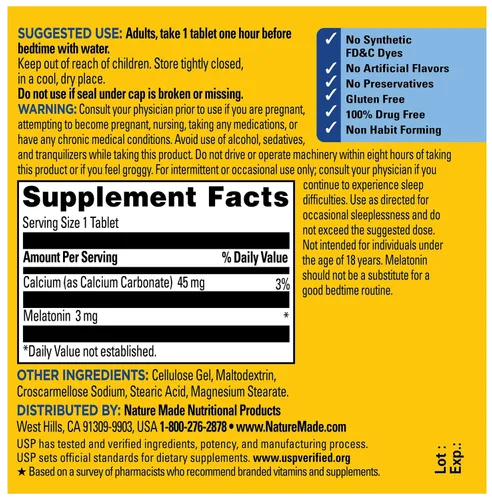
L-Theanine 200 mg · Melatonin 3 mg
| Calories | 5 | |
| L-Theanine | 200 mg | † |
| Melatonin | 3 mg | † |
Other ingredients: Medium Chain Triglycerides, Gelatin, Glycerin, Rapeseed Lecithin, yellow Beeswax, Water, Colors added.
Directions: Suggested use: Adults, take 1 softgel one hour before bedtime with water.
Barcode (UPC) 031604027940 · Label source: NIH label database · Report a label change
Show entire label

More sleep products
Members OnlyThe highest ranked for the same goal
Read more
Our articles on this subject
- Melatonin vs Magnesium for Sleep: What the Studies ShowArticle · Nov 3, 2026
- Best Supplements for Sleep and the Habits That Matter MoreArticle · Jun 15, 2026
Graded November 6, 2026 by the Reverse Age Lab evidence engine, from human studies, real reviews and our biohacker panel. How we grade. Is this medical advice? No. Rala organizes the published evidence; go over any change with your doctor, especially if you take meds.
Privacy policyConsumer health dataAffiliate disclosureTermsDo Not Sell or Share My Personal InformationCookie settings