
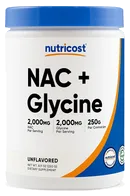
Nutricost NAC + Glycine Review
The Nutricost NAC + Glycine Powder presents a high-quality dietary supplement, meticulously formulated to combine two crucial amino acids: N-Acetyl L-Cysteine (NAC) and L-Glycine. This unflavored powder is designed to support overall wellness, providing a substantial 2,000mg of NAC and 2,000mg of Glycine in each serving. This precise dosage ensures that users receive a potent and effective amount of these beneficial compounds with every use. The product is packaged in a 250-gram container, which translates to an impressive 62 individual servings, making it an economical and long-lasting option for consistent daily supplementation. This generous serving count is ideal for individuals committed to integrating NAC and Glycine into their long-term health regimen. Nutricost prioritizes consumer health and dietary preferences, offering a formula that is proudly vegan-friendly, non-GMO, and entirely gluten-free. This commitment ensures that a broad spectrum of individuals, including those with specific dietary restrictions or ethical considerations, can safely and confidently use the product. The powder form is engineered for maximum convenience and versatility, allowing for easy mixing into a variety of beverages or protein shakes. While the powder is unflavored, it is important to note that NAC naturally possesses a distinct taste. Therefore, for an optimal consumption experience, it is highly recommended to blend the supplement with a drink that has a strong flavor profile, effectively masking any inherent taste of the NAC. Quality assurance is a cornerstone of Nutricost's manufacturing process. This NAC + Glycine powder is produced in an NSF Certified, GMP Compliant, and FDA Registered Facility, adhering to the highest industry standards for purity, potency, and safety. All Nutricost products are manufactured in the USA, utilizing carefully selected ingredients sourced globally to ensure premium quality. Furthermore, the product undergoes rigorous third-party testing, a critical step that verifies its quality and safety standards, providing an additional layer of trust and transparency for consumers. Both N-Acetyl L-Cysteine and L-Glycine are naturally occurring amino acids within the human body, playing integral roles in numerous biological functions, including the synthesis of glutathione, a powerful antioxidant. Their combined presence in this supplement is intended to offer synergistic benefits for maintaining and enhancing general wellness. For optimal results, the recommended daily intake is one scoop, mixed thoroughly with 6-10 ounces of water, or as otherwise directed by a qualified healthcare professional. This supplement is specifically formulated for healthy adults aged 18 years and older. It is crucial for individuals who are pregnant, nursing, currently taking medication, or have any pre-existing medical conditions to consult with their healthcare provider before initiating use. The product is presented in a durable bottle, measuring 2.75 x 2.75 x 4.13 inches and weighing 10.6 ounces. The UPC for this item is 810139576679, and its manufacturer part number is NTC-10684. It is important to remember that statements regarding dietary supplements have not been evaluated by the Food and Drug Administration and are not intended to diagnose, treat, cure, or prevent any disease or health condition.
We don’t sell supplements. We help you make decisions and get the best price.
Lowest prices
We may earn a commission from some store links. How we choose.
Lowest cost per month first, in stock, at 1 serving a day. Checked Nov 5.
- TargetLowest$21.95 a bottle$10.62/moBuy at Target (opens in a new tab)
- Vitacost$39.90 a bottle$19.31/moBuy at Vitacost (opens in a new tab)
- AmazonPrice at AmazonCheck price at Amazon (opens in a new tab)
Also at: Nutricost. Some links earn us a commission; price comes first, and a commission only decides the order of prices within 2%. As an Amazon Associate we earn from qualifying purchases.
Study, Trial or Testing Result Summary
Members Only48 human studies · 27 improved
6 of these 48 human studies gave the ingredient by drip, not by mouth.
N-acetylcysteine is at a full dose here, well above the 400 milligrams that worked in studies. No study measured biological age directly, but several trials found it improves oxidative stress. In 120 men, 600 milligrams daily for 3 months raised antioxidant capacity and lowered oxidative stress [1]. In 171 lead-exposed workers, 400 or 800 milligrams daily for 12 weeks lowered fat damage, more so at the higher dose [2]. In 140 adults with tuberculosis, a higher dose for 4 months raised glutathione and lowered an inflammatory signal [3]. Not every trial agreed: studies in surgery patients and in women with Sjögren's disease found no change in oxidative stress [4][5]. Glycine is below the studied dose. This product has 2 grams, while the strongest glycine trial used 15 grams a day and lowered a marker of oxidative damage by 25 percent [6]. In 24 older adults, glycine taken with N-acetylcysteine for 16 weeks improved glutathione, mitochondrial function, inflammation and physical function [7]. A large review found the studies in healthy people were small and said slowing or reversing aging remains unproven [8]. Animal and cell studies are never counted.
See all 48 studies →Hide the studies
- A review of 52 studies in healthy and diseased adults giving glycine for up to 14 days or 4 months found the most benefit for the nervous system, such as psychiatric symptoms and sleep, but the healthy-population studies were small and at high risk of bias, so effects on slowing or reversing aging remain unproven.The effect of glycine administration on the characteristics of physiological systems in human adults: A systematic revie…
- In 171 male lead-exposed workers, 12 weeks of N-acetylcysteine at 400 mg and 800 mg lowered lipid peroxidation in a dose-dependent way and raised vitamin E levels compared with untreated workers.Effect of treatment with N-acetylcysteine on non-enzymatic antioxidant reserves and lipid peroxidation in workers expose…
- In 154 patients having major chest surgery, adding intravenous N-acetylcysteine to amiodarone for 48 hours did not reduce atrial fibrillation or change inflammation and oxidative stress markers compared with placebo.Amiodarone with or without N-Acetylcysteine for the Prevention of Atrial Fibrillation after Thoracic Surgery: A Double-b…
- In 140 adults with pulmonary tuberculosis, N-acetylcysteine 1200 mg twice daily for 4 months raised glutathione and lowered an inflammatory signal (TNF-alpha), but slowed clearance of the bacteria from sputum.N-acetylcysteine modulates markers of oxidation, inflammation and infection in tuberculosis.
- In 120 men with unexplained infertility, 600 mg of N-acetylcysteine daily for 3 months raised antioxidant capacity and lowered blood oxidative stress compared with placebo, and improved semen volume and motility.Effects of N-acetylcysteine on semen parameters and oxidative/antioxidant status.
- In 82 middle-aged men, 1.8 g of N-acetylcysteine daily for 4 weeks lowered blood homocysteine by about 12% and lowered blood pressure compared with placebo, regardless of cholesterol or smoking status.Oral N-acetylcysteine reduces plasma homocysteine concentrations regardless of lipid or smoking status.
- In 81 people with HIV and low glutathione, 8 weeks of oral N-acetylcysteine raised whole blood and T cell glutathione compared with placebo, with minimal side effects.N-acetylcysteine replenishes glutathione in HIV infection.
- In 75 children with transfusion-dependent beta-thalassemia, N-acetylcysteine at 10 mg per kg daily for 3 months lowered oxidative stress and DNA damage and raised antioxidant capacity and pre-transfusion hemoglobin.N-Acetylcysteine supplementation reduces oxidative stress and DNA damage in children with β-thalassemia.
- In 75 breast cancer patients on paclitaxel, 12 weeks of N-acetylcysteine (1200 mg once or twice daily) reduced nerve damage symptoms and lowered the oxidative stress marker MDA compared with no supplement.Evaluation of the effect of N-acetylcysteine on the prevention and amelioration of paclitaxel-induced peripheral neuropa…
- In 63 people with early psychosis, 2700 mg of N-acetylcysteine daily for 6 months did not improve symptoms but improved processing speed and raised brain glutathione by 23% and blood cell glutathione by 19%.N-acetylcysteine in a Double-Blind Randomized Placebo-Controlled Trial: Toward Biomarker-Guided Treatment in Early Psych…
- In 62 people with transfusion-dependent thalassemia, 600 mg of N-acetylcysteine daily for 6 months shifted 29 blood fat features back toward healthy levels and improved heart rate variability.Correlation of plasma lipidomic profiles with cardiometabolic disease in transfusion-dependent thalassemia patients with…
- In 60 women with Sjögren's disease, 1,200 mg of N-acetylcysteine daily for 90 days did not improve dryness symptoms or change oxidative stress markers compared with placebo.Efficacy of N-acetylcysteine for treating dryness symptoms of Sjögren's disease: randomised placebo-controlled double-bl…
- In 60 people with metabolic syndrome, 15 g of glycine a day for 3 months lowered a blood marker of oxidative damage by 25% compared with placebo.Oral supplementation with glycine reduces oxidative stress in patients with metabolic syndrome, improving their systolic…
- In 53 inpatients with alcohol use disorder, N-acetylcysteine for 9 weeks did not improve treatment adherence, time to relapse or clinical outcomes compared with placebo.A randomized, double-blind, placebo-controlled trial of N-acetylcysteine as an adjuvant treatment for alcohol use disord…
- In 46 dialysis patients getting a med amikacin, N-acetylcysteine better protected hearing in higher frequencies than placebo at 4 weeks.Preventing amikacin related ototoxicity with N-acetylcysteine in patients undergoing peritoneal dialysis.
- In 45 patients with a med overdose, a shorter 12-hour N-acetylcysteine regimen raised antioxidant levels at 12 hours more than the standard regimen, but other markers did not differ between the two.Read the study on PubMed (33742775) →
- In 42 healthy adults aged 40 to 76, a glycine, glutamine and niacin mixture (5 g twice daily for 3 weeks) raised growth hormone by about 70% versus placebo, but did not change IGF-I, mood or memory.Effects of an oral mixture containing glycine, glutamine and niacin on memory, GH and IGF-I secretion in middle-aged and…
- In 40 people with schizophrenia or schizoaffective disorder taking 2400 mg daily of N-acetylcysteine for eight weeks, brain glutathione rose compared with placebo, glutamate showed only a trend toward lower levels, and no effects on symptoms or cognition were seen.N-Acetylcysteine effects on glutathione and glutamate in schizophrenia: A preliminary MRS study.
- In 35 bypass surgery patients, adding N-acetylcysteine to the heart-protecting solution preserved heart glutathione, lowered an inflammatory enzyme, and reduced white cells entering the heart during reperfusion compared with the solution alone.N-acetylcysteine as an additive to crystalloid cardioplegia increased oxidative stress capacity in CABG patients.
- In 33 patients having major abdominal surgery, N-acetylcysteine given from two days before surgery to five days after lowered a marker of oxidative damage and improved the balance of antioxidant to oxidized glutathione compared with control.Improved oxidative status in major abdominal surgery patients after N-acetyl cystein supplementation.
- In 33 adults with RYR1-related myopathy taking 2700 mg daily of N-acetylcysteine for six months, oxidative stress measured by urine isoprostane and six-minute walk distance did not improve compared with placebo.Randomized controlled trial of N-acetylcysteine therapy for RYR1-related myopathies.
- In 32 people doing aerobic training for 8 weeks, glycine propionyl-L-carnitine lowered a resting oxidative damage marker (MDA) but had little effect on exercise-induced oxidative stress.Oxidative stress in response to aerobic and anaerobic power testing: influence of exercise training and carnitine supple…
- In 30 smokers with mild to moderate COPD, 10 days of 600 mg N-acetylcysteine twice daily lowered reactive oxygen species in the blood but produced only a short-lived improvement in airway response to salbutamol.Erdosteine enhances airway response to salbutamol in patients with mild-to-moderate COPD.
- In 30 patients with organophosphate pesticide poisoning, 600 mg of N-acetylcysteine three times daily for 3 days lowered malondialdehyde, raised reduced glutathione, and reduced atropine requirements compared with usual care alone.N-acetylcysteine in Acute Organophosphorus Pesticide Poisoning: A Randomized, Clinical Trial.
- In 24 older adults, 16 weeks of GlyNAC, compared with an alanine placebo, corrected glutathione deficiency and oxidative stress, improved mitochondrial function and inflammation, and improved physical function and insulin resistance.Supplementing Glycine and N-Acetylcysteine (GlyNAC) in Older Adults Improves Glutathione Deficiency, Oxidative Stress, M…
- In 20 people with paranoid schizophrenia, 2000 mg of NAC daily for 60 days, compared with placebo, reduced negative and general symptom scores and improved working memory.[The double-blind randomized placebo-controlled trial of N-acetylcysteine use in schizophrenia: preliminary results].
- In 20 recreationally trained women, a single dose of N-acetylcysteine before exercise raised blood antioxidant thiols and blunted the exercise-induced rise in malondialdehyde only in women not using oral contraceptives, with no effect on cycling performance.Blood oxidative stress biomarkers in women: influence of oral contraception, exercise, and N-acetylcysteine.
- In 20 premature infants, amino acids given from birth raised glutathione production and levels but did not lower oxidative stress markers versus dextrose alone.Glutathione synthesis rates after amino acid administration directly after birth in preterm infants.
- In 18 healthy adults, a single 90-minute infusion of an antioxidant combination containing N-acetylcysteine was safe and raised the blood's antioxidant capacity compared with saline.Safety and Pharmacokinetics of a Combined Antioxidant Therapy against Myocardial Reperfusion Injury: A Phase 1 Randomize…
- In a placebo-controlled trial of 15 climbers at high altitude, a daily antioxidant mix including N-acetylcysteine did not change endothelial microparticle levels or oxidative stress compared with placebo.Increased endothelial microparticles and oxidative stress at extreme altitude.
- In 13 people with mild COPD taking 1800 mg daily of N-acetylcysteine for four days in a crossover trial, blood glutathione rose but exercise tolerance did not improve compared with placebo.Oral N-acetylcysteine and exercise tolerance in mild chronic obstructive pulmonary disease.
- In 13 children with fatty liver disease and obesity, 600 or 1200 mg of NAC daily for 16 weeks, compared with placebo, lowered inflammation and oxidative stress markers, improved insulin resistance, and reduced liver enzymes and liver fat.Effect of N-acetyl cysteine in children with metabolic dysfunction-associated steatotic liver disease-A pilot study.
- In women with severe preeclampsia or HELLP syndrome, oral NAC compared with placebo did not change the time to delivery or maternal and neonatal outcomes, though it lowered plasma homocysteine.Oral N-acetylcysteine administration does not stabilise the process of established severe preeclampsia.
- In a placebo-controlled trial of adults undergoing lung resection, a preoperative N-acetylcysteine infusion raised plasma thiols but did not reduce inflammation or oxidative damage compared with placebo.Systemic inflammation and oxidative stress post-lung resection: Effect of pretreatment with N-acetylcysteine.
- In placebo-controlled trials of people with mild to moderate COVID-19, a mixture containing N-acetylcysteine with other metabolic activators shortened time to full recovery and improved blood markers of inflammation and antioxidant metabolism.Combined Metabolic Activators Accelerates Recovery in Mild-to-Moderate COVID-19.
- In a placebo-controlled trial of Alzheimer's patients over 12 weeks, a daily supplement combining N-acetyl-L-cysteine with three other compounds improved thinking and memory scores more than placebo.Combined metabolic activators improve cognitive functions in Alzheimer's disease patients: a randomised, double-blinded,…
- In an open-label randomized trial of people poisoned by aluminum phosphide, those given N-acetylcysteine infusion had lower blood markers of lipid peroxidation, shorter hospital stays, and fewer intubations than controls, though mortality was not significantly different.Protective effects of N-acetylcysteine on aluminum phosphide-induced oxidative stress in acute human poisoning.
- In 28 advanced cancer patients, 10 days of intravenous N-acetylcysteine at 1800 mg per day reduced reactive oxygen levels and lowered the inflammatory markers IL-6 and TNF.Reactive oxygen species, antioxidant mechanisms and serum cytokine levels in cancer patients: impact of an antioxidant t…
- In 20 people with chronic kidney disease receiving intravenous iron, NAC reduced the acute rise in oxidative stress but did not prevent transient kidney tubular injury or proteinuria.Oxidative stress and renal injury with intravenous iron in patients with chronic kidney disease.
- In 13 adults with type 2 diabetes, two 2-week courses of oral N-acetylcysteine at two doses did not improve blood sugar control, insulin response or oxidative status.The antioxidant N-Acetylcysteine does not improve glucose tolerance or β-cell function in type 2 diabetes.
- In 11 people with sickle cell disease, 6 weeks of oral N-acetylcysteine at 1200 or 2400 mg daily raised whole blood glutathione and lowered markers of cell damage and advanced glycation end-products.N-acetylcysteine reduces oxidative stress in sickle cell patients.
- In 8 older adults taking GlyNAC for 24 weeks without a placebo group, glutathione deficiency, oxidative stress, mitochondrial dysfunction and inflammation improved, along with insulin resistance, cognition and strength; benefits declined after stopping for 12 weeks.Glycine and N-acetylcysteine (GlyNAC) supplementation in older adults improves glutathione deficiency, oxidative stress,…
- In 8 elderly adults, 2 weeks of cysteine plus glycine supplements restored their glutathione synthesis to younger-adult levels and lowered blood oxidative stress and fat-damage markers.Deficient synthesis of glutathione underlies oxidative stress in aging and can be corrected by dietary cysteine and glyc…
- In 8 older men with HIV, 14 days of cysteine plus glycine raised their glutathione levels and improved how well their mitochondria burned fat and sugar, with better insulin sensitivity and muscle strength.Effect of increasing glutathione with cysteine and glycine supplementation on mitochondrial fuel oxidation, insulin sens…
- In boys with childhood cerebral adrenoleukodystrophy receiving high-dose NAC (280 mg/kg/day) with transplant, antioxidant markers HO-1 and ferritin rose compared with baseline, but this was an uncontrolled study.Mechanisms of Antioxidant Induction with High-Dose N-Acetylcysteine in Childhood Cerebral Adrenoleukodystrophy.
- In people with idiopathic pulmonary fibrosis, those with short telomeres had worse outcomes when treated with immunosuppressive drugs, including a regimen that contained N-acetylcysteine, so this does not show that N-acetylcysteine itself helps.Telomere Length and Use of Immunosuppressive Medications in Idiopathic Pulmonary Fibrosis.
- In 16 healthy young adults, changing dietary protein intake changed glutathione synthesis, with the best level near 1.0 g per kg per day, but oxidative stress markers did not change.Protein intake affects erythrocyte glutathione synthesis in young healthy adults in a repeated-measures trial.
- In a small uncontrolled pilot of 10 patients with prolonged low platelets after stem cell transplant, N-acetylcysteine produced an overall response in 7 of 10, and in laboratory tests it improved the function of bone marrow stem cells from these patients.N-acetyl-L-cysteine improves mesenchymal stem cell function in prolonged isolated thrombocytopenia post-allotransplant.
Review Totals and Summary
Members Only73 reviews · 88% positive
"Nutricost NAC + Glycine" has received about 73 ratings across various stores, with a strong majority of customers, 88% of those giving star ratings, awarding it 4 or 5 stars. This indicates a generally positive reception, though some specific aspects draw strong opinions. **What buyers say it did for them:** Many users report significant positive effects on their health and energy levels. Customers describe experiencing an "undeniable and significant difference in my overall well-being" and feeling "more pep in their step." For some, the product has been a "real game-changer," with users noting that "it works pretty good." The combined powder form is also seen as more convenient than taking separate supplements. **What they complain about:** The overwhelming complaint from customers is the product's taste. Many describe it as "really bad," "a little rough," or even "brutal!" One reviewer found the taste "absolutely terrible," making their morning drink "nearly undrinkable" and leaving an "after taste still hits like a ton of bricks." This strong, unpleasant taste is consistently highlighted as the product's main drawback. **Taste, smell, and form:** The product is a powder, and its taste is the most frequently discussed characteristic. Reviewers consistently note the "kooky flavor" and "taste a little crazy," attributing the unpleasantness primarily to the NAC component. To mitigate the strong taste, customers have found various solutions. Suggestions include mixing it with "Crystal Lite Lemonade" in cool water or blending it into a smoothie, with one user explicitly recommending "definitely not in coffee." Some suggest that if the taste is intolerable, consumers might consider buying glycine powder and NAC in capsules separately. **Value for money:** Customers generally find this product to be a good economic choice. One reviewer specifically mentioned it as "economical" and convenient, especially when compared to purchasing individual supplements. This suggests that the combined powder offers a cost-effective way to get both NAC and Glycine. **Who it seems to suit and who it did not:** This product appears to suit individuals seeking an economical and convenient way to boost their overall well-being and energy, provided they are prepared to deal with a strong, unpleasant taste. It is ideal for those willing to experiment with different mixing methods to mask the flavor. However, it is not suitable for those with a low tolerance for bad tastes, even if they believe they can handle it. Reviewers strongly advise, "Do not ignore the previous warnings about the taste," as some found it far worse than anticipated.
Biohacker Summary
Members Only9 of 10 recommend it
For N-acetyl cysteine, the main ingredient, eight of the ten panelists spoke, and opinion is mixed but leans toward use. Four of them take or recommend it to help the body make glutathione and support the liver and detox, and one of those also mentioned it for hangover nausea and weakness, while another said it helped lower his mercury levels. Two were neutral, with one noting it is not a complete answer for people with poor detox genetics, and two warned: one said taking it after exercise may blunt muscle growth and other gains from training, and the other cautioned against mixing it up with a similarly named compound sold for cataracts. No doses were given for it, and one panelist pairs it with glycine for glutathione. Glycine is a smaller ingredient in this product, and most of the panel takes about 2 grams before bed for sleep, though one cautioned that very high daily amounts can be a problem.
See all 10 biohackers →Hide the biohackers
Dr. Eric Berg · N-Acetyl Cysteine · warns
- Warns against confusing N-acetyl cysteine with N-acetyl carnosine when looking for a cataract remedy, as it is the wrong type of NAC for this purpose.
- Recommends Glycine as a cofactor, especially for collagen.
- Glycine is classified as a non-essential amino acid because the body can make it, but many people are still deficient. It plays a critical role in red blood cell health, DNA and RNA production, bile salts, and glutathione, and is vital for the immune system and quality sleep.
- States that glycine is a powerful anti-aging secret that most people don't know about, and that many people are deficient despite it being a non-essential amino acid.
- Explains that glycine is essential for bile production, glutathione production, and immune function, and that consuming high-quality collagen can help increase glycine intake rather than taking a separate supplement.
- Dr. Berg states that a chronic deficiency in glycine could be the cause of joint aches, difficulty sleeping, and gut health issues, as it is essential for building collagen.
- Dr. Berg states that most glycine in the diet comes from collagen.
- Used to take 3 grams of glycine before bed as a remedy to help with sleep, but now prefers magnesium glycinate to get both benefits.
- Explains that glycine is a non-essential amino acid that many people are deficient in, playing a critical role in red blood cell health, DNA and RNA production, bile salts, glutathione, immune system, and quality sleep, and that low levels can contribute to visible aging.
- States that 95% of adults are chronically short on glycine and that the body needs about 15 grams per day, but most people only get 1.5 to 2 grams from their diet.
- States that glycine is vital for sleep, gut health, detoxification, hair health, blood sugar, and is beneficial for preventing gout and kidney stones, and supports gum health.
- States that NAC (n-acetyl carnosine) eye drops are one of the best remedies for cataracts, citing experiments where 1% concentration NAC eye drops reached inner parts of the eye and showed significant reduction of clouding, improvement in vision, and sensitivity to glare in human volunteers.
- Lists NAC drops (N-acetylcarnosine) as another natural remedy for cataracts.
- Recommends N-acetyl cysteine (NAC) as very effective for the mania part of bipolar disorder because it helps regulate glutamate.
Andrew Huberman · N-Acetyl Cysteine · uses
- Supplemented with NAC (N-acetylcysteine) to support glutathione production and detoxification, which contributed to reducing his mercury levels.
- Takes 2 grams of Glycine before bed for sleep.
- Takes 2 grams of Glycine before bed for sleep.
- Takes 2 grams of Double Wood Glycine before bed for sleep.
- He takes 2 grams of Glycine before bed for sleep.
- Takes 2 grams of Glycine before bed for sleep.
- Takes 2 grams of glycine before bed for sleep.
- Takes 2 grams of Glycine before bed for sleep.
- Takes 2 grams of Glycine before bed for sleep.
- He takes 2 grams of Glycine before bed for sleep.
- Takes 2 grams of Glycine before bed for sleep.
- Supplemented with NAC (N-acetylcysteine) to support glutathione production and detoxification, which helped reduce his mercury levels.
- Supplemented with NAC (N-acetylcysteine) to support glutathione production and detoxification, which helped reduce his mercury levels.
- Supplemented with NAC and acetylcysteine to support glutathione production and detoxification, which helped reduce his mercury levels.
Thomas DeLauer · N-Acetyl Cysteine · uses
- States that N-Acetyl Cysteine (NAC) is one of his staples and is highly effective for aiding the liver, especially in producing glutathione and reducing oxidative load.
- States that glycine on its own is one of the most underrated sleep tools, offering benefits like cooling the body and preventing nighttime urination.
- Mentions that glycine could be powerful for helping people sleep through the night due to its calming and cooling effect on the extremities, which can impact restless legs.
- Explains that glycine is critical for collagen synthesis, which supports the intestinal wall, and deficiency can slow down the repair process.
- Explains that the body needs roughly 10g more of glycine per day than a typical modern diet provides, and that this deficit can lead to issues with creatine production, connective tissue repair, and sleep. He recommends increasing glycine intake.
- Shifts towards glycine when cutting to keep their nervous system calm through the deficit.
- Explains that glycine is a critical amino acid for glutathione production, and the body often has a significant shortage of it, with creatine synthesis consuming a large amount of available glycine.
- Recommends glycine, either from supplements or food sources like bone broth, collagen peptides, and chicken skin, to help build up glutathione.
- Recommends taking 2 to 3 grams of glycine tonight to help fall asleep.
- Recommends taking 3 grams of glycine before bed to measurably protect brain function the next day, even when chronically underslept, and to accelerate sleep onset without sedation.
- Recommends 3 grams of glycine before bed to get into the specific sleep stage faster by dropping core body temperature, which is a trigger for testosterone production.
- Takes N-Acetyl Cysteine (NAC) as part of his winter routine for overall respiratory health, especially when there's a lot of sickness floating around.
- Discusses N-Acetyl Cysteine (NAC) as a precursor to glutathione, noting its effectiveness in specific use cases like liver toxicity and its ability to upregulate antioxidant activity.
Dr. Mark Hyman · N-Acetyl Cysteine · recommends
- Recommends taking N-acetyl cysteine (NAC) because it helps the body make glutathione, a master detoxifier, antioxidant, and anti-inflammatory compound, and research suggests low-dose NAC can help with nausea and weakness from hangover symptoms.
- Takes 2 grams of Glycine before bed for sleep.
- Takes 2 grams of Glycine before bed for sleep.
- Takes 2 grams of Glycine before bed for sleep.
- Takes 2 grams of Glycine before bed for sleep.
- Recommends glycine, an amino acid often lacking in modern diets, for its potential role in overall health.
- Recommends supplementing with glycine, an amino acid often not obtained enough, which may have a role in overall health.
- Takes 2 grams of glycine before bed for sleep.
- Takes 2 grams of glycine before bed for sleep.
- Notes that Paleo Valley's bone broth protein is rich in glycine, an amino acid we often don't get enough of, and that glycine may have a role in overall health.
- Recommends glycine, an amino acid, for supporting sleep quality by helping to lower core body temperature and promote deeper, more restorative sleep.
- Recommends N-Acetyl Cysteine (NAC) as a precursor to glutathione that can help reduce oxidative stress and mitochondrial dysfunction.
- Recommends N-Acetyl Cysteine (NAC) as a precursor for glutathione, which is important for liver health and acts as the main antioxidant and anti-inflammatory compound in the body. He notes it's used in emergency rooms for a med overdose to rescue the liver.
- States that making energy in mitochondria requires N-acetyl cysteine and recommends it as a helper in the assembly line to turn food and oxygen into energy.
Ben Greenfield · N-Acetyl Cysteine · neutral
- Mentions N-acetyl cysteine as something one might take for detoxification, but notes it's not a complete solution for those with poor detoxification genetics and implants.
- Mentions Dr. James Di Nicolantonio's claim that glycine, at 5 to 6 grams, can help protect cell membranes against damage from oxidized oils, citing rodent studies.
- Takes 2 grams of Glycine before bed for sleep.
- Takes 2 grams of Glycine before bed for sleep.
- He takes 2 grams of Glycine before bed for sleep.
- Takes 2 grams of Glycine before bed for sleep.
- Takes 2 grams of Glycine before bed for sleep.
- He takes 2 grams of Glycine before bed for sleep.
- He takes 2 grams of Glycine before bed for sleep.
- Includes Glycine in his Liver Complex Formula for bile production.
- Takes 2 grams of Glycine before bed for sleep.
- States that N-acetyl cysteine, along with carnitine, likely restored mitochondrial function.
- Recommends using antioxidants such as N-acetyl cysteine when going into and coming out of a plant medicine ceremony to combat potential neural inflammation and neurotoxicity.
- Mentions N-Acetyl Cysteine as a nutrient that can help increase the body's own glutathione.
Siim Land · N-Acetyl Cysteine · warns
- Warns that N-Acetyl Cysteine (NAC) taken after exercise has been shown to blunt some of the muscle hypertrophy response and other beneficial adaptations from exercise.
- Suggests that a higher glycine to methionine ratio appears to preferentially target visceral fat and improve insulin sensitivity.
- Recommends pairing NAC with glycine to support antioxidant activity in your sleep.
- Believes glycine is the best longevity supplement and encourages viewers to learn more about its longevity benefits.
- States that Glycine can be a useful addition for some people for sleep.
- Increased his glycine supplementation to 10g a day, noting that it balances methionine and improves blood sugar and glycation.
- Personally uses glycine for its health benefits, including glutathione, blood sugar glycation, and potentially sleep, and notes that it appears to have some autophagy benefits by increasing autophagy through its role in methionine metabolism.
- Notes that glycine is one of the most important building blocks for collagen synthesis, making up 30% of collagen, and that 12g of glycine a day is needed for collagen turnover.
- Increased his glycine intake as part of an experimental amino acid strategy.
- Retweeted a study stating that 3 g of glycine before bed helped people fall asleep faster and reach deep sleep sooner.
- Takes around 3 to 5 grams of glycine before bed, often mixed with chamomile tea, as human trials have found it can improve subjective sleep quality and shorten the time to fall asleep and enter deep sleep.
- Recommends N-Acetyl Cysteine (NAC) for boosting glutathione production, especially when combined with glycine, noting that this combination has been shown to extend lifespan in mice and provides increased antioxidant defense.
Dave Asprey · N-Acetyl Cysteine · uses
- Takes N-acetyl cysteine to help his body make even more glutathione.
- Recommends GlyNAC (glycine and NAC together) as very affordable amino acids that he would bet his coffee on if he had to choose just one thing for longevity, as they help the body make glutathione, the master antioxidant.
- Dave discusses safe upper limits for glycine before it starts working against you, mentioning oxalate crystal and Parkinson's-like risks of overdoing it.
- Dave Asprey warns that taking too much glycine, such as 10-30 grams a day, can lead to the formation of razor-sharp calcium oxalate crystals, similar to eating high-oxalate foods, and can contribute to diseases of aging.
- Recommends taking 2 grams of glycine to level out blood sugar.
- He takes 2 grams of Glycine before bed for sleep.
- Warns that glycine can convert into oxalate via the glyioxilate pathway, contributing to kidney stones, and suggests cutting down to three grams a day or increasing lemon juice intake.
- Recommends pairing L-theanine with the amino acid glycine to strengthen the calming effect with no sedation.
- States that if he had to pick three raw materials that matter most for aging, glycine would be one of them, as it helps make glutathione.
- Warns that mega-dosing glycine could actually be causing more problems than it's solving due to its breakdown into oxalate.
- Recommends taking 1-2 g of glycine before meals to stabilize glucose levels.
- Recommends N-Acetyl Cysteine to support glutathione production and prevent the loss of naturally occurring dopamine.
Dr. Rhonda Patrick · N-Acetyl Cysteine · neutral
- Addressed a question about the risks and benefits of supplementing with N-Acetyl cysteine.
- Rhonda takes 2 grams of Glycine before bed for sleep.
- Recommends glycine as a better option for a sleep-promoting supplement.
- Recommends Glycine as a sleep supplement that promotes relaxation and reduces nighttime awakenings, offering meaningful improvements to sleep quality.
- Notes that glycine seems to promote inhibitory effects and suggests that if someone is taking amino acids at night for recovery, one with extra glycine would be better.
- Uses glycine, taken about 30-60 minutes before bed, as it may improve subjective sleep quality due to its nervous system effects.
- Uses glycine as a supplement to help with sleep.
- Dr. Patrick explains that glycine is very abundant in hydrolyzed collagen powder and is necessary for making collagen, also noting its potential as an anti-inflammatory signaling molecule and inhibitory neurotransmitter.
- His regular sleep supplements are glycine, ashwagandha, magnesium L-threonate, and magnesium oxide.
- She notes that Peter Attia takes 2 grams of glycine from Thorne.
- Dr. Rhonda Patrick notes that glycine, abundant in hydrolyzed collagen powder, is necessary for collagen production and has been shown to be an anti-inflammatory signaling molecule and an inhibitory neurotransmitter in the brain.
Bryan Johnson · Glycine · uses
- Takes 2 grams of Glycine before bed for sleep.
- Takes 2 grams of Glycine before bed for sleep.
- Takes 2 grams of Glycine before bed for sleep.
- He takes 2 g of Glycine before bed for sleep.
- Takes 2 grams of Glycine before bed for sleep.
- Takes 2 grams of Glycine before bed for sleep.
- Takes 2 grams of Glycine before bed for sleep.
- Takes 2 grams of glycine before bed for sleep.
- He takes 2 grams of Glycine before bed for sleep.
- Takes 2 grams of Glycine before bed for sleep.
Peter Attia · Glycine · neutral
- Peter reviews the evidence for select off-label medications and supplements commonly used for sleep, including glycine, magnesium, ashwagandha, and phosphatidylserine.
- Mentions that they also see positive effects of glycine, among other things.
- Mentions that collagen tends to be rich in glycine, among other amino acids.
- Takes 2 grams of Thorne glycine at night.
- Takes 2 grams of glycine at night, using the Thorne brand.
- Notes that the amino acid glycine has equally strong effects in males and females, but the effect is tiny, so it has fallen by the wayside in favor of more effective drugs.
- Mentions studies showing that people get better sleep if they take 3 to 6 grams of glycine before bed at night, likely in powder form.
- Takes 2 grams of Thorne Glycine before bed for sleep.
RAL Summary
Members OnlyTier 1 for Healthy Aging
Human studies of N-Acetylcysteine (NAC) show biological age reversal or rejuvenation, and 88% of 73 reviews are positive.
Where the evidence disagrees: 12 of the 48 human studies found no effect.
More Details
Members OnlyBody systems · Combine with · Possible side effects
Body systems: Immune system, Muscular system, Metabolic system
Combine with: To further enhance cellular repair and anti-aging benefits, consider combining NAC + Glycine with Alpha-lipoic acid, which helps recycle other antioxidants like glutathione. CoQ10 can support mitochondrial function and cellular energy, while NAD+ precursors like NMN or NR can boost NAD+ levels crucial for DNA repair and sirtuin activity. Additionally, a broad-spectrum antioxidant like Vitamin C can provide further protection against oxidative stress, and selenium can support glutathione peroxidase activity.
Possible side effects: In adults with tuberculosis, N-acetylcysteine slowed clearance of the bacteria from sputum. Reviewers widely complain of a very unpleasant taste.
Supplement Facts
N-Acetyl L-Cysteine 2000 mg · L-Glycine 2000 mg
| N-Acetyl L-Cysteine (NAC) | 2,000 mg | † |
| L-Glycine | 2,000 mg | † |
Directions: As a dietary supplement, mix 1 scoop daily with 6-10 oz of water or as directed by your healthcare professional.
Barcode (UPC) 810139576679 · Label source: the brand's label · Report a label change
Show entire label

More healthy aging products
Members OnlyThe highest ranked for the same goal
Read more
Our articles on this subject
- Healthy Aging Tips: A Science-Backed Guide to Living Better for LongerArticle · Mar 17, 2026
- NAD Anti-Aging Supplements: Benefits, Evidence, and How to ChooseArticle · Jun 15, 2026
Graded October 24, 2026 by the Reverse Age Lab evidence engine, from human studies, real reviews and our biohacker panel. How we grade. Is this medical advice? No. Rala organizes the published evidence; go over any change with your doctor, especially if you take meds.
Privacy policyConsumer health dataAffiliate disclosureTermsDo Not Sell or Share My Personal InformationCookie settings