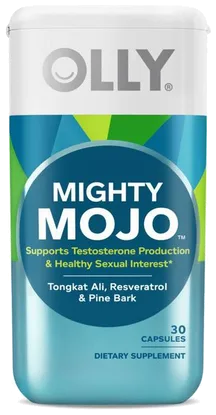
OLLY Mighty Mojo Review
We don’t sell supplements. We help you make decisions and get the best price.
Lowest prices
We may earn a commission from some store links. How we choose.
Finding the lowest prices at the stores now. This takes a few seconds.
Study, Trial or Testing Result Summary
Members Only79 human studies · 52 improved
The main studied ingredient at a full dose is pine bark extract, at 50 mg a day. No study measured biological age directly, but trials show better aging markers. In 155 healthy smokers, 50 mg a day for 8 weeks lowered blood oxidative stress and raised antioxidant capacity compared with placebo, and the effect faded after stopping [1]. At higher doses of 100 to 150 mg a day, trials in older adults found better memory and thinking with lower oxidative stress [2][3]. Other trials found better skin hydration and elasticity [4], lower free radicals and inflammation in peri-menopausal women [5], and better fitness [6]. Reviews of trials in chronic disease judged the overall evidence weak and of low certainty. Resveratrol is here at 30 mg, well below the 150 mg that improved thinking and brain blood flow in postmenopausal women [7]. Resveratrol results are mixed even at higher doses: one trial found no memory benefit [8], and another found no change in oxidative stress [9]. LJ100 is included at 100 mg, but no human studies of it for this goal were found. Animal and cell studies are never counted.
See all 79 studies →Hide the studies
- Across 27 trials with 1641 adults and children with chronic conditions lasting 4 weeks to 6 months, pine bark extract showed some small benefits, but the evidence was very low certainty and no aging markers were assessed.Pine bark (Pinus spp.) extract for treating chronic disorders.
- Across 15 trials with 791 people with chronic conditions, the reviewers concluded the evidence was too weak to support Pycnogenol for any chronic disorder.Pycnogenol(®) for the treatment of chronic disorders.
- Across 15 trials with 791 people with chronic conditions, the reviewers concluded the evidence was too weak to support Pycnogenol for any chronic disorder.Pycnogenol® (extract of French maritime pine bark) for the treatment of chronic disorders.
- A review found only one human trial, in 54 athletes taking 210 mg a day for 9 days, which showed a smaller rise in a muscle damage marker after exercise, but the evidence was very low certainty.Proanthocyanidins and skeletal muscle health: An integrative systematic review of molecular, preclinical, and clinical e…
- A review of 96 trials of micronutrients and plant compounds found proanthocyanidins, among other nutrients, were linked to protection against DNA damage, though pine bark was not studied on its own.Protective Effects of Micronutrient Supplements, Phytochemicals and Phytochemical-Rich Beverages and Foods Against DNA D…
- In 168 people with unhealthy blood fats, 100, 300 or 600 mg of resveratrol a day for 8 weeks did not change blood fats, glucose or oxidative stress markers versus placebo, though uric acid fell at the higher doses.A Randomized Trial on Resveratrol Supplement Affecting Lipid Profile and Other Metabolic Markers in Subjects with Dyslip…
- In 155 healthy smokers, 50 mg a day of Pycnogenol for 8 weeks lowered blood markers of oxidative stress (25% drop after 2 weeks) and raised antioxidant capacity compared with placebo, and the effect faded after stopping.A controlled study shows daily intake of 50 mg of French Pine Bark Extract (Pycnogenol®) lowers plasma reactive oxygen m…
- In 134 healthy women over 40, 8 weeks of oral plus topical resveratrol reduced wrinkle scores versus placebo, but most other skin measures such as moisture and elasticity did not differ.Trans-resveratrol reduces visible signs of skin ageing in healthy adult females over 40: an 8-week randomized placebo-co…
- In 125 postmenopausal women, 150 mg of resveratrol a day for 12 months (in a 24-month crossover) improved overall cognitive performance by 33%, brain blood flow and insulin sensitivity compared with placebo.Long-term effects of resveratrol on cognition, cerebrovascular function and cardio-metabolic markers in postmenopausal w…
- In 97 older adults with type 2 diabetes, 1000 mg of resveratrol a day for six months raised antioxidant capacity and sirtuin 1 levels, while the placebo group's oxidative stress and inflammation marker worsened.Effect of Resveratrol on Markers of Oxidative Stress and Sirtuin 1 in Elderly Adults with Type 2 Diabetes.
- In 90 people with peripheral artery disease, 6 months of nicotinamide riboside improved walking distance, but adding resveratrol gave no extra benefit.Nicotinamide riboside for peripheral artery disease: the NICE randomized clinical trial.
- In 90 postmenopausal women, an 8-week polyphenol mixture including about 133 mg resveratrol lowered oxidized LDL cholesterol but raised total cholesterol, LDL and triglycerides.Polyphenols increase circulating lipids but improve LDL particle quality and reduce LDL oxidation in postmenopausal wome…
- In 76 Chinese outdoor workers, 100 mg a day of pine bark extract for 12 weeks prevented a drop in skin hydration, reduced water loss through the skin and improved skin elasticity compared with placebo.Oral Pycnogenol® Intake Benefits the Skin in Urban Chinese Outdoor Workers: A Randomized, Placebo-Controlled, Double-Bli…
- In 67 critically ill patients with brain injury, 150 mg of French maritime pine bark extract daily for 10 days lowered inflammatory markers and improved clinical scores compared with placebo, with a 15% higher survival rate in the supplement group.The effect of French maritime pine bark extract supplementation on inflammation, nutritional and clinical status in crit…
- In 62 women aged 45 to 73 taking the Evelle supplement, which contains Pycnogenol among other ingredients, skin elasticity rose 9 percent after 6 weeks and skin roughness fell 6 percent after 12 weeks, compared with placebo.Supplementation with Evelle improves skin smoothness and elasticity in a double-blind, placebo-controlled study with 62 …
- In 62 children with autism taking risperidone, 500 mg of resveratrol a day for 10 weeks did not improve irritability compared with placebo, though hyperactivity improved.Resveratrol as adjunctive therapy in treatment of irritability in children with autism: A double-blind and placebo-contr…
- In 60 healthy older adults, 200 mg of resveratrol daily for 26 weeks did not significantly improve verbal memory compared with placebo, and some inflammation markers rose in both groups.Effects of resveratrol on memory performance, hippocampus connectivity and microstructure in older adults - A randomized…
- In 60 people with type 2 diabetes and kidney damage, 500 mg of resveratrol a day for 90 days reduced urine albumin and raised antioxidant enzymes versus placebo, with kidney filtration unchanged.Resveratrol reduces albuminuria in diabetic nephropathy: A randomized double-blind placebo-controlled clinical trial.
- In 60 older adults with physical limitations, 12 weeks of exercise plus 500 or 1000 mg resveratrol daily was safe and showed larger six-minute walk gains than exercise with placebo, though this small pilot was not designed to prove benefit.Resveratrol and exercise combined to treat functional limitations in late life: A pilot randomized controlled trial.
- In 60 patients after heart bypass surgery, resveratrol for 60 days lowered systolic blood pressure, triglycerides, total and LDL cholesterol and improved heart pumping, but oxidative stress markers did not differ from placebo.Resveratrol improves lipid profile and recovers heart function in postoperative CABG patients.
- In 56 non-obese adults, taking 100 mg of resveratrol as part of a 10-supplement daily combination for 24 weeks did not change arterial stiffness, blood vessel function, inflammation, oxidative stress or cardiometabolic risk compared with control.Multiple dietary supplements do not affect metabolic and cardio-vascular health.
- In 56 adults with mild to moderate ulcerative colitis, 500 mg of resveratrol daily for 6 weeks lowered a blood marker of oxidative stress (MDA) and raised antioxidant measures more than placebo, and reduced disease activity.Resveratrol Supplementation and Oxidative/Anti-Oxidative Status in Patients with Ulcerative Colitis: A Randomized, Doubl…
- In 56 women with polycystic ovary syndrome undergoing fertility treatment, 800 mg of resveratrol daily for 60 days reduced oxidative stress in follicular fluid, increased mitochondrial markers and improved egg maturity and embryo quality versus placebo, with no change in pregnancy rates.Resveratrol ameliorates mitochondrial biogenesis and reproductive outcomes in women with polycystic ovary syndrome under…
- In 56 women with polycystic ovary syndrome, 800 mg of resveratrol daily for 60 days reduced oxidative stress markers in follicular fluid and granulosa cells compared with placebo.Beneficial Role of Resveratrol on Oxidative Stress in Women with Polycystic Ovary Syndrome: A Randomized Controlled Tria…
- In 50 healthy smokers, 500 mg of resveratrol daily for 30 days reduced C-reactive protein and triglycerides and raised total antioxidant status compared with placebo.Anti-inflammatory and antioxidant effects of resveratrol in healthy smokers a randomized, double-blind, placebo-controll…
- In 50 women with polycystic ovary syndrome analyzed over 6 months, resveratrol alone improved BMI, ovarian volume, hair growth score and quality of life, and adding a med further reduced fasting glucose and a blood oxidative stress marker (MDA); the dose was not stated.Read the study on PubMed (40888876) →
- In 48 people with diabetic foot ulcers, a dressing with resveratrol microparticles for 4 weeks closed wounds faster than standard care (about 58% versus 27% closure) and lowered some inflammation and oxidative stress markers.Comparative Evaluation of Clinical Efficacy and Safety of Collagen Laminin-Based Dermal Matrix Combined With Resveratrol…
- In 46 overweight adults aged 50 to 75, 200 mg of resveratrol daily for 26 weeks improved word recall compared with placebo, and lowered HbA1c, a blood sugar marker.Effects of resveratrol on memory performance, hippocampal functional connectivity, and glucose metabolism in healthy old…
- In 46 postmenopausal women with insulin resistance, resveratrol alone or with vitamin C lowered markers of oxidative stress such as malondialdehyde, with the resveratrol-only group falling by 26 percent.The Administration of Resveratrol and Vitamin C Reduces Oxidative Stress in Postmenopausal Women-A Pilot Randomized Clin…
- In 43 postmenopausal women with low bone density, 150 mg a day of pine bark extract for 12 weeks improved antioxidant defenses and reduced protein oxidation damage compared with placebo.Oligopin® Supplementation Mitigates Oxidative Stress in Postmenopausal Women with Osteopenia: A Randomized, Double-blind…
- In 40 women with skin ageing taking DermaVite, which contains pine bark extract, for six months, skin thickness, elasticity and wrinkles improved more than with placebo.A randomized, double-blind, placebo-controlled study on the clinical efficacy of oral treatment with DermaVite on ageing…
- In 40 adults with and without high cholesterol, 4 weeks of resveratrol capsules improved antioxidant status, with the effect in people with high cholesterol working mainly by raising vitamin E.Alterations of antioxidant status in asymptomatic hypercholesterolemic individuals after resveratrol intake.
- In 39 women at increased breast cancer risk, 12 weeks of 5 or 50 mg trans-resveratrol twice daily reduced methylation of a cancer-related gene in breast tissue in a dose-related way compared with placebo, though the sample was small.Trans-resveratrol alters mammary promoter hypermethylation in women at increased risk for breast cancer.
- In 37 adults with overweight or obesity, 12 weeks of a daily supplement combining 80 mg resveratrol with a green tea compound did not change overall gut bacteria, and any muscle energy changes depended on baseline gut bacteria and differed by sex.Examination of sex-specific interactions between gut microbiota and host metabolism after 12-week combined polyphenol su…
- In 36 older adults, a supplement of hesperidin, diosmin and proanthocyanidins taken for 8 to 20 weeks improved attention and reduced fall risk compared with a control group.The Effectiveness of Hesperidin, Diosmin and Proanthocyanidins Nutritional Supplementation on Cognitive and Motor Functi…
- In 36 overweight men, a 5-week mix of supplements that included resveratrol raised adiponectin by 7% and left C-reactive protein unchanged, with broader omics changes suggesting effects on inflammation, oxidative stress and metabolism; the resveratrol dose alone was not reported.An antiinflammatory dietary mix modulates inflammation and oxidative and metabolic stress in overweight men: a nutrigeno…
- In 36 prediabetic adults, 50 mg of resveratrol with 1.11 g of leucine daily for 4 weeks reduced insulin resistance by 33% and lowered glucose and insulin responses compared with placebo.Modulation of Energy Sensing by Leucine Synergy with Natural Sirtuin Activators: Effects on Health Span.
- In 32 healthy adults, a grape drink eaten with a high-fat meal lowered a urine marker of oxidative stress compared with placebo, but the effect depended on whether it was taken in the morning or evening; the study used a single meal, not weeks of use.Circadian Modulation of the Antioxidant Effect of Grape Consumption: A Randomized Controlled Trial.
- In 32 adults with obesity and insulin resistance, resveratrol for 2 months improved insulin response and lowered triglycerides compared with placebo, and increased muscle markers of mitochondrial function; the dose was not stated.Supplementation with resveratrol modified gut microbiota improving insulin sensitivity and lipid metabolism in subjects …
- In 30 older adults with impaired glucose control, 6 weeks of 2 to 3 g daily resveratrol improved a measure of blood vessel function and increased mitochondrial number, but did not improve glucose metabolism or insulin sensitivity compared with placebo.Resveratrol Improves Vascular Function and Mitochondrial Number but Not Glucose Metabolism in Older Adults.
- In 30 adults aged 65 to 80 taking 500 mg of resveratrol daily during 12 weeks of exercise, muscle mitochondrial density, muscle fatigue resistance, and muscle strength improved more than with exercise and placebo.Resveratrol Enhances Exercise-Induced Cellular and Functional Adaptations of Skeletal Muscle in Older Men and Women.
- In 27 inactive men aged about 65, taking 250 mg of resveratrol daily during 8 weeks of high-intensity exercise blunted the heart and fitness gains seen with exercise alone, including smaller gains in oxygen uptake and blood pressure drop, and less improvement in blood lipids.Resveratrol blunts the positive effects of exercise training on cardiovascular health in aged men.
- In 26 newly diagnosed breast cancer patients taking a multi-extract capsule containing resveratrol for about 5 days before surgery, the study measured where polyphenol metabolites ended up in tissue; it did not measure any aging outcome.Disposition of Dietary Polyphenols in Breast Cancer Patients' Tumors, and Their Associated Anticancer Activity: The Part…
- In 25 overweight adults, 12 weeks of a green tea extract plus 80 mg resveratrol daily lowered fat tissue gene activity linked to oxidative stress and inflammation but did not change fat cell size compared with placebo.The effects of polyphenol supplementation on adipose tissue morphology and gene expression in overweight and obese human…
- In 23 people with coronary artery disease, 200 mg of Pycnogenol daily for 8 weeks improved blood vessel function compared with placebo and lowered a marker of oxidative stress.Effects of Pycnogenol on endothelial function in patients with stable coronary artery disease: a double-blind, randomize…
- In 21 people with COPD, 150 mg of resveratrol daily for 4 weeks did not improve muscle mitochondrial function or inflammation compared with placebo, and it was linked to a loss of lean body mass.Resveratrol and metabolic health in COPD: A proof-of-concept randomized controlled trial.
- In 20 young healthy men, 800 mg of maritime pine extract daily for 14 days before and 2 days after exercise reduced exercise-related oxidative stress compared with placebo.A Double-Blind, Cross-Over Study to Examine the Effects of Maritime Pine Extract on Exercise Performance and Postexercis…
- In 20 children with attention-deficit hyperactivity disorder, 4 weeks of pine bark extract at 25 or 50 mg reduced inattention and impulsivity and improved antioxidant status compared with placebo.Complementary effects of pine bark extract supplementation on inattention, impulsivity, and antioxidative status in chil…
- In 17 adults with well-controlled type 2 diabetes, 150 mg of resveratrol daily for 30 days did not improve insulin sensitivity, but it did improve mitochondrial function in muscle samples.Resveratrol as Add-on Therapy in Subjects With Well-Controlled Type 2 Diabetes: A Randomized Controlled Trial.
- In 16 healthy young adults, 500 mg of resveratrol with piperine daily for 4 weeks combined with arm training raised forearm muscle mitochondrial capacity by about 40%, versus about 10% with placebo.Influence of exercise training with resveratrol supplementation on skeletal muscle mitochondrial capacity.
- In 14 athletes, a week of resveratrol plus quercetin supplements reduced the rise in a marker of fat-related oxidative damage after exercise compared with placebo, without changing inflammation.Effect of resveratrol and quercetin supplementation on redox status and inflammation after exercise.
- In 13 men who are first-degree relatives of people with type 2 diabetes, 150 mg daily of resveratrol for 30 days improved muscle mitochondrial function but did not improve insulin sensitivity or brown fat activity.Resveratrol improves ex vivo mitochondrial function but does not affect insulin sensitivity or brown adipose tissue in f…
- In 11 obese men, 150 mg daily of resveratrol for 30 days improved muscle mitochondrial respiration and lowered inflammation markers, lowered resting metabolic rate, and produced other calorie-restriction-like changes.Calorie restriction-like effects of 30 days of resveratrol supplementation on energy metabolism and metabolic profile in…
- In children with ADHD, one month of Pycnogenol at 1 mg per kg body weight daily raised the body's main antioxidant (glutathione) and improved its balance compared with placebo.The effect of polyphenolic extract from pine bark, Pycnogenol on the level of glutathione in children suffering from att…
- In children with attention deficit hyperactivity disorder, one month of pine bark extract compared with placebo lowered dopamine and raised the ratio of reduced to oxidized glutathione, a sign of less oxidative stress.Urinary catecholamines in children with attention deficit hyperactivity disorder (ADHD): modulation by a polyphenolic ex…
- In healthy inactive men aged 60 to 72, 250 mg of resveratrol daily for 8 weeks did not improve muscle metabolism, and it blunted some exercise-driven gains in markers of oxidative stress and inflammation.Exercise training, but not resveratrol, improves metabolic and inflammatory status in skeletal muscle of aged men.
- Over 8 weeks, a supplement combining glutathione precursors with polydatin, a precursor of resveratrol, improved the body's antioxidant status and lowered the inflammation marker neopterin more than the glutathione-only supplement.Antioxidant Activity with Increased Endogenous Levels of Vitamin C, E and A Following Dietary Supplementation with a Com…
- In 147 healthy adults (74 took the extract, 73 were controls), 100 mg a day of pine bark extract for 8 weeks improved 2-mile run time, push-ups and sit-ups and lowered oxidative stress more than in controls; a second triathlon group (150 mg a day) also did better.Evaluation of the effects of supplementation with Pycnogenol® on fitness in normal subjects with the Army Physical Fitne…
- In 101 healthy older adults, 150 mg a day of Pycnogenol for 3 months improved working memory and lowered a blood marker of fat oxidation compared with placebo.An examination of the effects of the antioxidant Pycnogenol on cognitive performance, serum lipid profile, endocrinologi…
- In 100 healthy women aged 37 to 45, a combination tablet containing 20 mg pine bark extract taken for 8 weeks raised sexual function scores and lowered oxidative stress more than lifestyle management alone.Lady Prelox® improves sexual function in generally healthy women of reproductive age.
- In 70 women in menopausal transition (38 took the extract, 32 were controls), 100 mg a day of pine bark extract for 8 weeks reduced common menopausal symptoms and lowered oxidative stress, while controls showed no change.Supplementation with Pycnogenol® improves signs and symptoms of menopausal transition.
- In 70 peri-menopausal women, 100 mg of Pycnogenol daily for 8 weeks lowered free radicals by 22 percent and C-reactive protein by 60 percent, compared with a control group.Normalization of cardiovascular risk factors in peri-menopausal women with Pycnogenol®.
- In 60 women starting thyroid hormone medication, 150 mg of Pycnogenol daily for 30 days reduced the number of side effects compared with a control group.Read the study on PubMed (31099529) →
- In 59 healthy professionals aged 35 to 55, taking 150 mg of pine bark extract daily for 12 weeks was linked to better thinking and attention and a 30.4 percent median drop in plasma free radicals, compared with controls.Pycnogenol® improves cognitive function, attention, mental performance and specific professional skills in healthy profe…
- In 44 healthy adults aged 55 to 70 with high oxidative stress, taking 100 mg of pine bark extract daily for 12 months improved cognitive function and lowered oxidative stress by about 28 percent, compared with a reference group.The COFU3 Study. Improvement in cognitive function, attention, mental performance with Pycnogenol® in healthy subjects (…
- In 30 people with Sjogren syndrome in remission, Pycnogenol supplementation lowered inflammation and oxidative stress and improved dry eye and dry mouth symptoms compared with standard treatment alone.Efficacy of Pycnogenol® supplementation in remission phases of Sjögren syndrome.
- In 11 adults with mitochondrial myopathy, 1000 mg of resveratrol daily for 8 weeks did not improve exercise heart rate, maximal oxygen use or fatigue compared with placebo.No effect of resveratrol in patients with mitochondrial myopathy: A cross-over randomized controlled trial.
- A cream containing trans-resveratrol, especially with cyclodextrin, produced visible reductions in skin aging signs in volunteers, with the cyclodextrin cream working better on one side of the face.Enhanced antioxidant effect of trans-resveratrol: potential of binary systems with polyethylene glycol and cyclodextrin.
- In 60 people recovering from coronavirus infection, 150 mg of Pycnogenol daily for 3 months, added to standard recovery care, led to greater improvement in blood vessel function, inflammatory markers, oxidative stress and blood pressure than standard care alone.Preventive effects of Pycnogenol® on cardiovascular risk factors (including endothelial function) and microcirculation i…
- In 50 people with dry mouth, a Pycnogenol mouth spray at 60 mg per day for 2 weeks increased saliva flow and reduced salivary oxidative stress and dry mouth symptoms more than standard management alone.Xerostomia and prevention of dryness with a Pycnogenol® mouth spray: a pilot study.
- In 25 healthy adults, 150 mg of Pycnogenol daily for 6 weeks raised plasma antioxidant capacity and lowered LDL cholesterol, with the antioxidant effect reversing after a 4-week break.Supplementation with a pine bark extract rich in polyphenols increases plasma antioxidant capacity and alters the plasma…
- In an open-label study of 24 people with Friedreich ataxia, the high dose of 5 g resveratrol daily for 12 weeks did not change frataxin levels but improved neurologic scores and lowered a plasma oxidative stress marker (F2-isoprostane); the low dose of 1 g showed no neurologic benefit.An open-label trial in Friedreich ataxia suggests clinical benefit with high-dose resveratrol, without effect on frataxi…
- In 13 people with type 1 diabetes, 500 mg resveratrol taken twice daily for 60 days lowered fasting blood sugar and a long-term blood sugar marker and reduced a marker of oxidative damage, in an uncontrolled trial with no placebo group.Efficacy and Safety of Resveratrol in Type 1 Diabetes Patients: A Two-Month Preliminary Exploratory Trial.
- In 783 adults aged 65 and older followed for about 9 years, resveratrol levels from diet in urine were not linked to risk of death, inflammation, heart disease or cancer.Resveratrol levels and all-cause mortality in older community-dwelling adults.
- In 20 postmenopausal women taking Pycnogenol for 12 weeks, skin hydration and elasticity improved, along with higher gene activity linked to hyaluronic acid and collagen production.Pycnogenol® effects on skin elasticity and hydration coincide with increased gene expressions of collagen type I and hya…
- In 19 breast cancer patients taking a mix of plant extracts including resveratrol for about 6 days before surgery, the study measured how polyphenols and their breakdown products reach breast tissue, without measuring any aging outcome.Metabolic Profiling of Dietary Polyphenols and Methylxanthines in Normal and Malignant Mammary Tissues from Breast Cance…
- In a small pilot of 15 children with Crohn's disease in remission, 10 weeks of Pycnogenol at 2 mg per kg body weight improved several markers of oxidative stress.Effect of natural polyphenols (Pycnogenol) on oxidative stress markers in children suffering from Crohn's disease--a pil…
- In cultured human artery muscle cells, resveratrol delayed the premature aging (senescence) and calcification caused by interleukin-1 beta, though this was a lab study and not a trial in people.Interleukin-1β-Induced Senescence Promotes Osteoblastic Transition of Vascular Smooth Muscle Cells.
- A sunscreen containing nanoencapsulated resveratrol with other antioxidants was well tolerated, improved skin hydration and collagen synthesis, and protected skin against UV and blue light in human explant and clinical testing.Benefits of a Multifunctional Sunscreen Formulation Containing Nanoencapsulated Antioxidants in the Skin Protection Agai…
Review Totals and Summary
Members Only4,300 reviews · 80% positive
Extensive customer reviews and qualitative feedback are currently being aggregated for this product. Check back soon for a detailed sentiment analysis.
Biohacker Summary
Members Only0 of 10 recommend it
Pine bark, the main ingredient, got almost no attention: only one of the ten panelists spoke about it, and he stayed neutral, noting only that pine bark extracts are used to help the body turn nitrate into nitric oxide. Resveratrol is a smaller ingredient in this product, and the panel was split and mostly doubtful. Two of them take it, one at 500 mg daily for longevity and one for detox and inflammation, while a few others like it for energy, fasting or menopause. Most of the panel warned that it is overhyped for anti-aging and lifespan, and two of them stopped using it, one for lack of clear benefit and one because of elbow joint pain. Cautions also included that it may blunt exercise gains and that effects vary by supplier.
See all 10 biohackers →Hide the biohackers
Peter Attia · Pine Bark · neutral
- Mentions that Plasma eight is made from pine bark extracts, which contain an adaptogen that helps catalyze the conversion of nitrate into nitric oxide.
- Uses resveratrol extending mammalian life as an example of something complicated that can be effectively disproved through repeated randomized controlled experiments.
- Is completely convinced that resveratrol has zero benefit whatsoever and is an absolutely useless molecule, calling it a "fiasco" and a "debacle."
- States that it was clear to him by about 2010 that resveratrol was not going to work for aging, and it probably slowed down investor interest in the field.
- States that Resveratrol is 'garbage' and that there's no reason to believe it affects the biology of aging or acts as a longevity drug, citing a famous experiment where it only extended lifespan in mice on a poisonous diet by preventing liver expansion.
- States there is no reason to believe resveratrol affects the biology of aging or is a longevity drug, despite its continued popularity and sales, and recounts a famous experiment where its supposed lifespan extension in mice was due to preventing a bizarre phenomenon caused by a toxic diet.
- States that Resveratrol is "absolute nonsense" and that there is "evidence of absence" for its benefits, particularly for longevity. He explains that early studies were misinterpreted and later rigorous studies showed no difference in lifespan for mice given Resveratrol.
- Expresses frustration when people prioritize supplements like resveratrol over fundamental exercise, calling it 'picking up pennies in front of a steam train' when compared to the magnitude of exercise's effects.
- States that Resveratrol is "absolute nonsense" and that there is evidence of absence for its benefits, especially for longevity in humans, and he does not take it.
- Peter discusses resveratrol as a geroprotective molecule, classifying it based on its level of evidence and relevance for longevity.
- States that Resveratrol was overhyped for many years, with commercial interests promoting it as a longevity agent. He notes that to get enough from red wine, one would need to drink 30 bottles a day, and its status as a sirtuin activator has been questioned. He concludes that it almost certainly doesn't do anything to extend lifespan, at least in mice.
Dr. Eric Berg · Resveratrol · warns
- Warns about resveratrol, explaining that David Sinclair pushed papers claiming it increased a longevity protein, but later research by Pfizer and GlaxoSmithKline could not replicate these findings, leading to the shutdown of research.
- Lists resveratrol as an epigenetic factor that may help with cancer prevention.
- States that resveratrol as an anti-aging pill is pretty much dead and considers it a waste of money.
- Suggests resveratrol as another natural option to help with menopausal symptoms.
- Recommends resveratrol, a polyphenol, to reduce advanced glycated end products (AGEs).
- Recommends resveratrol, known to increase longevity by triggering the FOX3 gene.
- Recommends resveratrol as an epigenetic factor that can help with cancer prevention.
- Recommends resveratrol as a thoroughly researched phytonutrient known to help decrease aging and provide a superhero anti-cancer effect that can protect cells from stress.
- Mentions that there has been some data suggesting resveratrol can help stimulate more mitochondria.
- Notes that resveratrol is one of five specific phytonutrients that have shown strong chemo-preventative factors.
Ben Greenfield · Resveratrol · neutral
- Mentions resveratrol as a known agent for mitochondrial biogenesis.
- Mentions resveratrol as another Nrf2 activator, but notes that sulforaphane outperforms it.
- Lists resveratrol as a compound known to be a mitochondrial biogenesis agent.
- Mentions resveratrol as one of the polyphenols included in the IM8Health formula.
- Mentions resveratrol as one of the compounds included in IM8 Health, which supports cellular repair, gut function, and high-level energy output.
- Notes that the Qualia Life NAD+ formula, which increased NAD+ levels by 67% in a clinical study, uses compounds such as resveratrol.
- Suggests that more resveratrol might help people get along, in the context of a 'Longevity Bros' fight.
- Mentions resveratrol as a known mitochondrial biogenesis agent.
- Discusses resveratrol, a compound in grape skins, noting that studies showed it stimulated a sirtuin pathway leading to greater longevity in yeast and mice, but the jury is still out on whether it translates to humans.
- Ben Greenfield asks about superfoods or supplements for longevity, and Ben Greenfield mentions taking resveratrol sometimes.
Dave Asprey · Resveratrol · recommends
- Recommends Vinia, stating that one capsule has the same piceid resveratrol as 1,000 red grapes, and it supports the activity of sirtuins and works as an antioxidant.
- Dave Asprey warns that resveratrol, despite launching the longevity supplement industry, has never delivered on its mouse data promises, with 20 years of inconsistent human trial results.
- Mentions trans-resveratrol as one of the ingredients in the Ageless Cocktail, which is designed for longevity.
- Recommends Resveralite, a resveratrol product, for increasing the size of the plumbing in the body to get more toxins out more quickly.
- Mentions resveratrol as an ingredient in Wonderfeel's product, noting that it's better to take the isolated constituent than to consume large amounts of red wine for its benefits.
- Mentions resveratrol as an example of a compound that requires an impractical amount of its food source (wine) to get enough, similar to hydroxytyrosol from olive oil.
- Explains that resveratrol, while effective in mice on a high-fat diet, did not work well in humans due to poor bioavailability and difficulty in achieving a high enough dose.
- Mentions resveratrol as a longevity supplement that glutathione can make work better.
- Warns that unfermented resveratrol is pro-aging for the skin because the skin cannot break it down, stressing the skin and body.
- No longer takes resveratrol, despite having included it in his original supplements.
Siim Land · Resveratrol · warns
- Is skeptical about most supplements and states that resveratrol has already been shown to not be effective.
- Warns that Resveratrol hinders exercise adaptations and advises against taking it after or around exercise. He also states there is no evidence it extends lifespan or helps with skin anti-aging.
- Notes that David Sinclair promised 25 years ago that resveratrol would be a longevity and anti-aging drug, but it's clearly not, and GlaxoSmithKline stopped pursuing it.
- States that resveratrol has worked a little bit in their hands, but nothing to write home about in terms of full lifespan extension, calling it a "dirty molecule" with intermittent and hard-to-predict effects depending on the supplier.
- Thinks resveratrol can be overrated, noting it has some effects but won't make you immortal.
- Places Resveratrol in the 'junk tier' for healthy individuals, explaining that while it's known as a longevity supplement, human evidence suggests benefits only for those with metabolic syndrome, diabetes, or obesity, and it can have negative effects like lowering exercise adaptations and testosterone in otherwise healthy people.
- Warns that resveratrol, as a senolytic, can block MAOA, potentially raising adrenaline and causing anxiety or poor sleep in some individuals.
- Reviewed Do Not Age, noting that they sell individual, high-quality, and third-party tested ingredients like creatine, omega-3s, berberine, glycine, and NAC, some of which are very research-backed, while others like sirtuin 6, calcium alpha-ketoglutarate, or resveratrol might have more limited evidence.
- Places Resveratrol in the 'bad tier' for longevity, stating that high-quality animal studies do not suggest it is a life extension molecule except under conditions of metabolic syndrome and obesity, and it might have negative effects on exercise benefits in otherwise healthy individuals.
- Discusses Resveratrol's potential benefits for longevity, mentioning its role in activating sirtuins and its presence in red wine, but notes that studies on humans have been mixed.
Dr. Mark Hyman · Resveratrol · uses
- States he was using resveratrol to stimulate the NRF2 pathway and open up detox.
- Recommends resveratrol as an anti-inflammatory supplement that can be helpful.
- Lists resveratrol as a phytochemical that helps mitochondrial function.
- Mentions resveratrol as a compound that hits the AMPK mitochondrial biogenesis pathway.
- Mentions resveratrol from grapes as an example of a powerful phytochemical that affects the body.
- Warns against drinking red wine for resveratrol to activate sirtuins, as the equivalent dose given to rats would be 1500 bottles, leading to liver failure.
- Recommends resveratrol, found in blueberries, cranberries, and grapes, for metabolic health.
- Mentions resveratrol as a supplement that has been shown to have resilience-boosting effects on the body's ability to process toxic chemicals.
- Mentions resveratrol as one of many phytochemicals that influence the AMPK pathway and have similar benefits to a med.
- Recommends resveratrol as something that can help enhance ACE2 function, which is important for long COVID.
Thomas DeLauer · Resveratrol · warns
- Believes resveratrol is overhyped, stating he hasn't seen strong human trial data to suggest it does much, despite its reputation as an anti-aging compound found in red wine. He doesn't think it's bad but considers it overhyped.
- Recommends resveratrol to boost SIRT1, which regulates mitochondrial repair, comparing it to charging the battery for the cleanup crew.
- Warns that the claim that resveratrol adds years to one's life is overstated, citing a JAMA study that found no impact of resveratrol intake on mortality or inflammatory scores in humans, despite some benefits seen in rodent models.
- Suggests that resveratrol, especially in the presence of fasting or after breaking a fast, could be interesting for amplifying and continuing the benefits of a 36-hour fast.
- Recommends consuming resveratrol during a fast to stimulate autophagy.
- Notes that resveratrol has benefits when it comes to sirtuins and suggests taking it as a supplement.
- Warns that people often chase shiny, expensive longevity supplements like NMN, resveratrol, and spermidine, overlooking more affordable and well-studied options.
- Recommends taking resveratrol to activate C1 and PGC1 alpha, which helps mitochondria learn to use fats again.
- States that initial claims that resveratrol could increase lifespan and delay aging have been largely disproven and are not reproducible in mammals. He emphasizes there is no lifespan benefit from resveratrol and no evidence of a longevity effect in people.
- Discusses a study where Resveratrol increased time to exhaustion and aerobic capacity in mice by improving mitochondrial oxidative phosphorylation and increasing mitochondrial biogenesis, which is relevant to fat loss.
Dr. Rhonda Patrick · Resveratrol · uses
- Rhonda takes 500 mg of Resveratrol daily for longevity.
- States that resveratrol was not only unhelpful but actually blocked some of the benefit of Nicotinamide Riboside in a peripheral artery disease trial, calling it 'science fiction'.
- Notes that while red wine contains beneficial compounds like resveratrol, the quantities are minimal, typically between 0.03 and 1 milligram per glass, which is starkly lower than the 50 to 500 milligrams used in lab studies showing health benefits.
- Discusses Resveratrol, a polyphenol found in red wine, known for its antioxidant and anti-inflammatory properties and its potential to protect neurons.
- Discusses whether resveratrol found in red wine is beneficial.
- Is asked for his rapid-fire thoughts on resveratrol as a caloric restriction or fasting mimetic.
- Mentions that resveratrol, a naturally occurring compound found in red grapes, is a potent sirtuin activating compound and its beneficial effects on healthspan are thought to result from sirtuin activation.
- Still takes about a gram of trans-resveratrol every morning in his yogurt, believing it will not hurt and may help his cardiovascular system, citing animal studies showing pristine organs and clean arteries in mice on resveratrol.
- States that resveratrol enhances the anti-cancer immune response, making chemotherapy more durable.
- Mentions that resveratrol has been explored as a 'fasting mimetic' to clear away damaged cells, but they don't see any effects on pro-inflammatory cytokine secretion or other important senescence-related factors.
Bryan Johnson · Resveratrol · stopped
- Used to take Resveratrol for longevity but stopped due to lack of clear benefits.
- Mentions extra virgin olive oil is better than resveratrol.
- Mentions resveratrol as less powerful than Premium Extra Virgin Olive Oil.
Andrew Huberman · Resveratrol · neutral
- Discusses whether supplementation with resveratrol can indeed extend lifespan.
- Warns that Resveratrol, despite its fame, has not been shown to extend lifespan in most experiments, and the one experiment that showed an effect used bizarre mouse models and extremely high doses, not applicable to humans.
- Huberman discusses resveratrol, noting that while it was once believed to extend lifespan, most of that thinking has been debunked, and there is little direct evidence that it increases lifespan.
- Tested Trans-Resveratrol for potentially increasing endurance but stopped using it due to experiencing joint pain, specifically elbow pain, which he later found to be a common reported side effect.
- States that there is not enough resveratrol in red wine to have any positive health benefit, and the data around resveratrol and health benefits itself is under question.
- Mentions resveratrol when discussing whether there are any positive effects of alcohol.
- Discusses the debate around whether resveratrol is good for health, noting that the amount of red wine needed to get enough resveratrol for health promotion would be so high it would induce other negative effects.
- Discusses supplementation with resveratrol in the context of slowing or reversing aging.
- Takes 1000 milligrams of resveratrol daily, ingesting it with a fatty substance like olive oil or yogurt to improve absorption, and warns that if it's not light gray or white, it should be thrown away.
- Notes that sirtuin activation has been shown to be enhanced by molecules like resveratrol.
RAL Summary
Members OnlyTier 2 for Healthy Aging
Pine bark extract at the full studied dose of 50 mg improved oxidative stress markers in a placebo-controlled trial, with support from many other trials [1]. In addition, 80% of 4300 reviews are positive.
Where the evidence disagrees: 14 of the 79 human studies found no effect.
More Details
Members OnlyBody systems · Combine with · Possible side effects
Body systems: Nervous system, Cardiovascular system, Skin, Muscular system, Immune system
Combine with: Combine with a healthy diet and lifestyle.
Possible side effects: No major side effects reported.
Supplement Facts
LJ100 100 mg · Pine Bark Extract 50 mg · Resveratrol 30 mg
| LJ100 | 100 mg | † |
| Pine Bark Extract | 50 mg | † |
| Resveratrol | 30 mg | † |
Other ingredients: Microcrystalline Cellulose, Hypromellose, Magnesium Stearate, Silica.
Directions: Suggested Use: Take 1 capsule with water daily, up to 2 capsules per day. Swallow whole. Take only as directed.
Barcode (UPC) 840160202452 · Label source: NIH label database · Report a label change
Show entire label
More healthy aging products
Members OnlyThe highest ranked for the same goal
Read more
Our articles on this subject
- Healthy Aging Tips: A Science-Backed Guide to Living Better for LongerArticle · Mar 17, 2026
- NAD Anti-Aging Supplements: Benefits, Evidence, and How to ChooseArticle · Jun 15, 2026
Graded November 14, 2026 by the Reverse Age Lab evidence engine, from human studies, real reviews and our biohacker panel. How we grade. Is this medical advice? No. Rala organizes the published evidence; go over any change with your doctor, especially if you take meds.
Privacy policyConsumer health dataAffiliate disclosureTermsDo Not Sell or Share My Personal InformationCookie settings