Project AD Stampede Untamed Citrus Crush Flavour Review
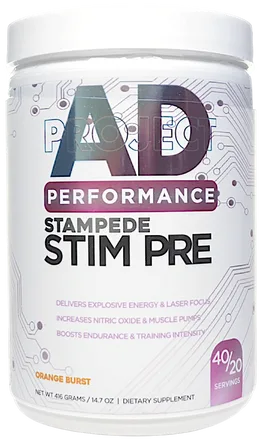
Project AD Stampede Untamed, in Citrus Crush flavour, is a high-stimulant powdered pre-workout from the UK brand Project AD, also sold under the Anabolic Designs name. It is marketed as the follow-up to the fat burner Shredabull Untamed. Retailers describe it as an intense pre-workout that delivers a strong effect even at low and mid-range servings. The tub is a 204 g container with a 3.4 g scoop. Retailers list it as 60 servings, though some UK listings describe a 40 or 20 scoop bottle, so the count varies by listing. Each scoop has about 5 kcal and 1 g of carbohydrate. The product is built around three goals: energy, focus and muscle "pump". 1. Stimulant energy. Retailer copy lists caffeine at about 250 mg per scoop, from a blend of caffeine anhydrous and caffeine citrate. Stack3d reports 200 mg per scoop and 600 mg at the maximum three-scoop serving, so the figures differ by source and label version. Caffeine blocks adenosine receptors in the brain. That reduces perceived fatigue and raises alertness, and it increases catecholamine release. Using two caffeine forms is intended to give a quick onset from the anhydrous form and a somewhat more gradual release from the citrate. 2. Cognitive support. The retailer describes the formula as helping mental focus, concentration and overall cognitive performance. Stack3d's reviewers noted a marked improvement in mental drive and focus once they were warmed up. These effects come from combining stimulants with nootropic-style ingredients. 3. Volumising and pump ingredients. The formula is described as containing ingredients that increase muscle volume and size. Compounds of this kind usually work by supporting nitric oxide production and blood flow, or by drawing water into muscle cells. I could not verify the full ingredient panel and doses from the pages I could access. The label recommends 1 to 2 scoops, which suits beginners through to advanced lifters. Stack3d calls 1.5 to 2 scoops the "Extreme" serving. Because the formula is so heavily stimulated, users are advised to start with a small serving and assess tolerance. MusclePetrol's warnings include possible sleeplessness and nervous conditions. The product is not suitable for people who are sensitive to caffeine, are pregnant, or have cardiovascular conditions. It should not be combined with other caffeine sources. A third-party review site, Supplement Database, gave the product a thumbs-down. It said the formula mixes high- and low-quality ingredients, which suggests moderate effectiveness.
We don’t sell supplements. We help you make decisions and get the best price.
Lowest prices
We may earn a commission from some store links. How we choose.
Finding the lowest prices at the stores now. This takes a few seconds.
Study, Trial or Testing Result Summary
Members Only61 human studies · 25 improved
9 of these 61 human studies gave the ingredient by drip, not by mouth.
Most of each serving is a 1066.5 mg proprietary blend called the Stampede Untamed Matrix. Its contents and amounts are hidden, and no human studies of it were found, so the main part of this product cannot be judged. The vitamin C here, 60 mg, is below the 250 mg that helped in studies. In young adults with low vitamin C, 250 mg daily for 4 weeks improved well-being, and also mood and fatigue in those who stayed low [1]. A follow-up found only marginal mood gains [2]. A 1000 mg dose improved mental vitality [3]. In people who were not low, a long trial using 120 mg daily found no change in vitality [4]. The niacin here, 10 mg, is a small amount. A pooled review of 27 studies found related vitamin B3 compounds did not improve tiredness [5], and a nutrient mix with niacin did not change fatigue in dialysis patients [6]. At high doses, niacin can cause fatigue, stomach upset and flushing [7], and a single 1000 mg dose shortened time to exhaustion during cycling [8]. Overall, the evidence for this product is thin. Animal and cell studies are never counted.
See all 61 studies →Hide the studies
- Across 27 studies of 1,599 adults, NAD+ precursors did not improve perceived fatigue or sleep, but nicotinamide mononucleotide improved endurance and NADH improved cognitive performance.Domain-specific effects of NAD+ precursors on fatigue and functional performance: a systematic review and network meta-a…
- In two placebo-controlled trials of 404 adults with Charcot-Marie-Tooth disease type 1A, ascorbic acid at two doses over 12 to 24 months had little meaningful effect on fatigue.Interventions for fatigue in peripheral neuropathy.
- Across nine studies of 720 people, three of four controlled trials found intravenous vitamin C lowered fatigue scores more than control, and four of five uncontrolled studies saw fatigue fall.Feasibility of Vitamin C in the Treatment of Post Viral Fatigue with Focus on Long COVID, Based on a Systematic Review o…
- In 10 trials of 489 people, NADH was well tolerated and linked to better quality of life, less anxiety and lower heart rate after stress, but fatigue results were not clearly shown.Evaluation of safety and effectiveness of NAD in different clinical conditions: a systematic review.
- A review of 37 studies in cancer patients found intravenous vitamin C may ease fatigue and other symptoms, but the evidence is preliminary and mostly uncontrolled.Intravenous Vitamin C and Cancer: A Systematic Review.
- A review of supplements for football players said vitamin C may improve performance by lowering oxidative stress, but gave no numbers and called for more research.The efficacy of dietary supplements on health status and performance of football players: a systematic review.
- A review of 14 reviews found oral niacin and nicotinamide can cause side effects including fatigue, stomach upset, flushing and liver problems, more often at higher doses and with niacin than nicotinamide.The adverse effects of oral niacin/nicotinamide - an overview of reviews.
- In 8112 healthy French adults, a daily antioxidant capsule containing 120 mg vitamin C for about 6 years did not change quality of life scores, including vitality, compared with placebo.Long-term antioxidant supplementation has no effect on health-related quality of life: the randomized, double-blind, pla…
- In 275 adults with early COVID-19 given a 10-day combination that included vitamin C, less fatigue at day 14 was seen only when famotidine was added, not with the vitamin C combination alone.Read the study on PubMed (41693032) →
- In 271 adults with Charcot-Marie-Tooth disease type 1A, 1.5 g of ascorbic acid daily for 2 years did not differ from placebo on neuropathy or on secondary outcomes including fatigue.Ascorbic acid in Charcot-Marie-Tooth disease type 1A (CMT-TRIAAL and CMT-TRAUK): a double-blind randomised trial.
- In 215 working men aged 30 to 55, a high-dose B vitamin, vitamin C and mineral supplement for 33 days improved vigour, stress and mental health ratings and made them feel less mentally tired than placebo.Effects of high-dose B vitamin complex with vitamin C and minerals on subjective mood and performance in healthy males.
- In 202 hemodialysis patients, a multinutrient supplement containing vitamin C for 12 weeks did not reduce fatigue compared with placebo, though some heart rate variability measures improved.Effects of nutritional supplementation on fatigue, and autonomic and immune dysfunction in patients with end-stage renal…
- In 171 young adults, two extra daily servings of fresh fruit and vegetables for 14 days improved vitality and motivation, but blood vitamin C did not explain these benefits.Let them eat fruit! The effect of fruit and vegetable consumption on psychological well-being in young adults: A randomi…
- In 167 young adults with low vitamin C, a 250 mg vitamin C tablet daily for 4 weeks improved well-being after two weeks, and also mood and fatigue in those with consistently low vitamin C, while placebo showed no change; kiwifruit gave somewhat stronger effects.KiwiC for Vitality: Results of a Randomized Placebo-Controlled Trial Testing the Effects of Kiwifruit or Vitamin C Table…
- In 160 heart bypass surgery patients, vitamin C plus omega-3 fatty acids given from the day before surgery through the first 5 days after reduced post-operative fatigue more than placebo.The combined effect of vitamin C and omega-3 polyunsaturated fatty acids on fatigue following coronary artery bypass gra…
- In 160 heart disease patients over about 38 months, niacin plus a med caused fatigue, nausea or muscle aches in 9% versus 5% on placebo, not a significant difference.Read the study on PubMed (14759379) →
- In 141 healthy office workers, a single 10 gram intravenous vitamin C dose lowered fatigue scores for up to one day compared with saline placebo, especially in those with low starting vitamin C, and also lowered oxidative stress.Intravenous vitamin C administration reduces fatigue in office workers: a double-blind randomized controlled trial.
- In a 3-month double-blind trial of 99 people with severe kidney failure taking 250 mg vitamin C three times weekly, symptoms including fatigue were similar to placebo, and nausea trended worse with vitamin C.Vitamin C supplementation in kidney failure: effect on uraemic symptoms.
- In 58 healthy adults with mild prolonged tiredness, a supplement combining pomegranate extract with B vitamins and vitamin C reduced fatigue scores over 8 weeks compared with placebo, though vitamin C was not tested alone and biochemical markers did not change.Combination of Chemically Characterized Pomegranate Extract and Hydrophilic Vitamins against Prolonged Fatigue: A Monoce…
- In 58 people with long-COVID, 2000 mg of nicotinamide riboside daily raised blood NAD+ about 3-fold but did not significantly improve fatigue, cognition, or sleep versus placebo.Effects of nicotinamide riboside on NAD+ levels, cognition, and symptom recovery in long-COVID: a randomized controlled …
- In 50 people recovering from COVID-19, one month of 1-methylnicotinamide improved 6-minute walk distance in 92% versus 60% without it, and severe fatigue was 20% versus 56%.Use of 1-MNA to Improve Exercise Tolerance and Fatigue in Patients after COVID-19.
- In healthy young adults with low vitamin C levels, 500 mg twice a day for 4 weeks improved attention and work absorption compared with placebo, with a trend toward less fatigue.Vitamin C supplementation promotes mental vitality in healthy young adults: results from a cross-sectional analysis and …
- In a 28-day placebo-controlled trial of 46 adults with long COVID, twice-daily liposomal vitamin C (500 mg) with l-arginine reduced persistent fatigue (2 of 23 still fatigued vs 21 of 23 on placebo) and improved walking distance and handgrip strength.Effects of l-Arginine Plus Vitamin C Supplementation on Physical Performance, Endothelial Function, and Persistent Fatig…
- In 43 adults with sleep complaints, a blend containing a small amount of vitamin B3 taken with the evening meal for 14 days shortened sleep onset time and improved next-morning mood and vigor, but had no effect on cognitive performance.Mulberry leaf extract combined with tryptophan improves sleep and post wake mood in adults with sleep complaints - A ran…
- In 42 healthy adults aged 40-76, a glycine, glutamine and niacin mixture taken for 3 weeks raised growth hormone by about 70% compared with placebo, but did not change IGF-I, mood or memory.Effects of an oral mixture containing glycine, glutamine and niacin on memory, GH and IGF-I secretion in middle-aged and…
- In 40 young adults with low vitamin C, 1000 mg daily for 4 weeks improved mental vitality and reduced inflammation compared with placebo, with gut bacteria changes linked to the gains.Gut microbiota links vitamin C supplementation to enhanced mental vitality in healthy young adults with suboptimal vitam…
- In 36 volunteers, 1 g of vitamin C daily for 30 days improved maximal oxygen uptake and lowered oxidative stress only in those with the lowest vitamin C levels, and it did not reduce fatigue index.Antioxidant supplementation, redox deficiencies and exercise performance: A falsification design.
- In 32 Gulf War veterans with illness, a 4-6 week program of exercise, sauna and nicotinic acid plus other supplements improved physical quality of life by 6.9 points versus waitlist, and 11 of 16 quality of life, pain and fatigue measures improved.A Detoxification Intervention for Gulf War Illness: A Pilot Randomized Controlled Trial.
- In 28 men with marginal vitamin C status, 1000 mg daily for 8 weeks produced a physical activity rise that was not statistically significant compared with placebo, though cold episodes were fewer.Vitamin C supplementation slightly improves physical activity levels and reduces cold incidence in men with marginal vit…
- In 26 overweight middle-aged women doing aerobic training for 3 months, drinking 500 mL of orange juice daily was linked with lower blood lactate, suggesting less muscle fatigue than training alone.Orange juice improved lipid profile and blood lactate of overweight middle-aged women subjected to aerobic training.
- Eating two SunGold kiwifruit daily for 4 weeks improved mood disturbance, wellbeing and vitality compared with usual diet in 26 adults with mild to moderate mood disturbance.SunGold Kiwifruit and Psychological Health (GoKiPH): A Randomised Controlled Crossover Trial.
- In 25 healthy young adults, a single dose of a pre-workout drink containing 500 mg vitamin C along with other ingredients raised self-rated energy and vigour compared with placebo, though adding synephrine gave no extra benefit.Effects of acute ingestion of a pre-workout dietary supplement with and without p-synephrine on resting energy expenditu…
- In 25 breast cancer survivors, 500 mg vitamin C plus vitamin E daily for 10 weeks alongside strength training did not reduce fatigue more than placebo.Effect of strength training and antioxidant supplementation on perceived and performance fatigability in breast cancer s…
- In a double-blind crossover trial of 25 resistance-trained adults, 7 days of a pre-workout drink containing 65 mg niacin (plus caffeine and other ingredients) improved some lower-body strength and endurance measures compared with placebo, but not cycling time-trial performance, with no differences in side effects.Short-Term Effects of a Ready-to-Drink Pre-Workout Beverage on Exercise Performance and Recovery.
- In 25 untrained men, a single 1000 mg dose of niacin before cycling raised the respiratory exchange ratio and shortened time to exhaustion compared with caffeine, suggesting impaired exercise performance.Niacin supplementation impairs exercise performance.
- In 21 untrained men, a caffeine supplement containing 40 mg of niacin taken once did not improve bench press strength, leg extension strength, or time to exhaustion on a bike compared with placebo.Acute effects of a caffeine-containing supplement on bench press and leg extension strength and time to exhaustion durin…
- In 20 obese adults on a calorie-restricted diet, 500 mg of vitamin C daily for 4 weeks lowered self-reported fatigue and reduced heart rate and perceived exertion during exercise compared with placebo.Vitamin C status and perception of effort during exercise in obese adults adhering to a calorie-reduced diet.
- In 18 healthy volunteers, 1000 mg a day of ascorbic acid for 8 days did not reduce physical fatigue during a long cycling task, while a different product did.Effects of Applephenon and ascorbic acid on physical fatigue.
- In 17 people doing hard cycling at high altitude, a 3-week broad antioxidant capsule that included vitamin C did not improve performance; a different supplement combination did better than both this capsule and placebo.Effects of antioxidant supplementation on exercise performance in acute normobaric hypoxia.
- In 14 healthy volunteers, 3000 mg a day of ascorbic acid for 8 days did not change physical fatigue during a long cycling task compared with placebo.Daily oral administration of crocetin attenuates physical fatigue in human subjects.
- In 12 middle-aged triathletes during a 90-minute cycling session, taking vitamin C with glutathione improved energy-related metabolic and heart measures and lowered an oxidative stress marker compared with placebo, though vitamin C was not tested alone and this was a single acute session.Enhancing Supplemental Effects of Acute Natural Antioxidant Derived from Yeast Fermentation and Vitamin C on Sports Perf…
- In a placebo-controlled crossover pilot in healthy middle-aged adults, 7 days of RiaGev (1520 mg twice daily) raised blood NAD+ metabolites and reduced fatigue and improved concentration and motivation compared with baseline, with no clinically relevant side effects.A Combination of Nicotinamide and D-Ribose (RiaGev) Is Safe and Effective to Increase NAD+ Metabolome in Healthy Middle-…
- In 155 young adults with low vitamin C, a 250 mg vitamin C tablet daily for 4 weeks only marginally improved mood until day 12, with effects weaker than kiwifruit, though mood improved in those with low starting vitamin C.Smartphone survey data reveal the timecourse of changes in mood outcomes following vitamin C or kiwifruit intervention i…
- In 70 diabetic fatty liver patients, 1000 mg of nicotinamide daily for 12 weeks improved quality of life including the activity and fatigue scores versus no supplement, in an open-label trial.Nicotinamide supplementation in diabetic nonalcoholic fatty liver disease patients: randomized controlled trial.
- In 61 hemodialysis patients, 100 mg of intravenous vitamin C after each session for 6 months did not improve energy-related quality of life or red blood cell production compared with no vitamin C.Effects of intravenous ascorbic acid on erythropoiesis and quality of life in unselected hemodialysis patients.
- In 8 people with COPD, a single 2 g IV vitamin C dose compared with saline reduced quadriceps neuromuscular fatigue and lowered inflammatory C-reactive protein during exercise, but did not improve breathlessness or exercise tolerance.Ascorbate attenuates cycling exercise-induced neuromuscular fatigue but fails to improve exertional dyspnea and exercise…
- In 7 male triathletes, 6 weeks of a daily antioxidant capsule containing 600 mg ascorbic acid did not change maximal oxygen uptake or muscle fatigue compared with placebo.No effect of antioxidant supplementation in triathletes on maximal oxygen uptake, 31P-NMRS detected muscle energy metabo…
- In 214 outpatients with COVID-19, 8000 mg ascorbic acid for 10 days did not shorten symptoms, including fatigue, compared with usual care.Effect of High-Dose Zinc and Ascorbic Acid Supplementation vs Usual Care on Symptom Length and Reduction Among Ambulator…
- In an open-label trial of 40 head and neck cancer survivors, 100 mg vitamin C tablets daily for 8 weeks gave less fatigue relief than Tualang honey.Effects of Tualang Honey on Cancer Related Fatigue: A Multicenter Open-label Trial of H&N Cancer Patients.
- In 39 advanced cancer patients with cachexia, a 4-month combined treatment including 500 mg daily vitamin C improved fatigue scores and lowered inflammatory markers, but the study had no placebo group.A phase II study with antioxidants, both in the diet and supplemented, pharmaconutritional support, progestagen, and ant…
- In a small uncontrolled pilot of 23 iron-deficient women, a daily food-derived supplement that also contained vitamin C was taken for 8 weeks, and self-reported energy improved, though vitamin C alone was not tested and there was no placebo group.A Food-Derived Dietary Supplement Containing a Low Dose of Iron Improved Markers of Iron Status Among Nonanemic Iron-Def…
- In a survey of complementary medicine practitioners giving IV vitamin C (average 28 g every 4 days), 59 of 9,328 patients with data had lethargy or fatigue as a side effect, and most side effects were minor.Vitamin C: intravenous use by complementary and alternative medicine practitioners and adverse effects.
- In 1,643 Spanish adults aged 65 and over followed for about 3.5 years, low dietary vitamin C intake was linked to a higher risk of frailty, which includes exhaustion, but this link was not statistically significant on its own.Low vitamin intake is associated with risk of frailty in older adults.
- In a 90-day follow-up of 923 Indonesian COVID-19 survivors, vitamin C combined with other micronutrients and favipiravir did not significantly change post-COVID symptoms, including fatigue, which was the most common symptom.Vaccination status, favipiravir, and micronutrient supplementation roles in post-COVID symptoms: A longitudinal study.
- In a survey of 576 people in Syria who had COVID-19, 76.4% reported using vitamin C, but the survey did not measure whether vitamin C improved energy or fatigue, and fatigue was the most reported symptom.COVID-19 infected patients' experiences in Syria, and the role of the pharmacists during their infection.
- In 411 dentists and their wives, people who took little vitamin C reported about double the number of fatigue symptoms compared with those who took more.Daily vitamin C consumption and fatigability.
- In a retrospective German cohort of 125 breast cancer patients, adding intravenous vitamin C of 7.5 g for at least 4 weeks was associated with fewer treatment side effects, including fatigue, than no added vitamin C.Intravenous vitamin C administration improves quality of life in breast cancer patients during chemo-/radiotherapy and a…
- In a retrospective chart review of 86 cancer patients given high-dose IV vitamin C (50 to 150 g per infusion), patients overall reported improved fatigue, pain, and mood, with temporary nausea and injection-site discomfort as the most common side effects.Retrospective Evaluation of Clinical Experience With Intravenous Ascorbic Acid in Patients With Cancer.
- In 67 adults with shingles, about 2 weeks of intravenous vitamin C alongside standard treatment was followed by reduced pain and less general fatigue, but the study had no placebo group.Intravenous vitamin C in the treatment of shingles: results of a multicenter prospective cohort study.
- In hypertensive patients, a nicotinamide mononucleotide supplement lowered blood pressure and improved vascular function, but energy was not measured.NAD+ exhaustion by CD38 upregulation contributes to blood pressure elevation and vascular damage in hypertension.
- In this mostly lab and animal study, nicotinamide with pyridoxine helped muscle stem cells regenerate muscle and improved strength in animals, but energy was not measured.Nicotinamide and pyridoxine stimulate muscle stem cell expansion and enhance regenerative capacity during aging.
Review Totals and Summary
Members Only15 reviews · 83% positive
Buyers are very positive about Project AD Stampede in Untamed Citrus Crush. They describe smooth, focused energy and a strong workout, and none of the reviews include a real complaint. Note that the feedback is thin, and one flavour comment is about a different flavour. **What buyers say it did for them:** The most common praise is for energy and focus. One buyer calls the energy "super smooth and clean — not overwhelming or anxiety-inducing." Another says "Great energy. Great focus." A third says "Focus was unmatched." One reviewer felt "much stronger during my workouts" and had none of the shaky or blackout feeling they get from some other pre-workouts. One person says it "Gives you everything it said it would." **What they complain about:** The reviews raise no complaints. Nobody mentions jitters, a crash, stomach trouble, or a bad taste. The one comparison with other products is favourable: the energy lasts "a couple of hours" and doesn't leave the buyer wired for 5+ hours afterward. Because the reviews are so few and so short, this shows a lack of reported problems, not proof that there are none. **Taste, smell, pill size or form:** Little is said about the Citrus Crush flavour itself. The only flavour comment, "the flavor was superb," comes from a buyer who tried Strawberry Bubble Gum, so it may not carry over to Citrus Crush. The reviews say nothing about smell, mixing, or whether the product is a powder or a pill. **Value for money:** No review mentions price or value, so there's nothing here to go on. **Who it seems to suit and who it did not:** It seems to suit people who have tried many pre-workouts and want energy and focus without feeling overstimulated or anxious. One such buyer ranks it "definitely one of my favorites." Another calls it their "go to" workout product, and a third says "Best pre-workout on the market!" One reviewer bought it from a booth at a fitness event and recommends it. No reviewer says it did not suit them, but nobody describes being sensitive to stimulants or wanting a long-lasting boost, so we can't say how it works for those people. Anyone whose main concern is the Citrus Crush taste will need to look for more flavour-specific feedback. **Bottom line:** The reviews are consistently warm and point to clean energy, sharp focus, and a manageable come-down. Evidence on Citrus Crush taste and on price is missing.
Biohacker Summary
Members Only9 of 10 recommend it
Vitamin C is the main ingredient, and most of the panel recommends or uses it, with a few staying neutral and one who stopped. The most common reasons are collagen support for skin and joints, immune support, and antioxidant benefits, and four of them suggest pairing it with collagen, with one advising taking both about an hour before a workout. Doses mentioned include 250 milligrams a day, an extra gram a day, 500 milligrams to 1 gram for collagen turnover, and 2 to 4 grams for inflammation, while one panelist warns the best dose is unclear and very high amounts might blunt the benefits of exercise. Forms mentioned include a liquid liposomal version, a fizzy drink, and food sources like citrus, guava and sauerkraut, and several also use it on the skin. The one who stopped quit a vitamin C serum because of its smell and noted that applying it to the skin delivers far more than swallowing it, and niacin, also listed as a main ingredient, drew support from two panelists as a way to raise NAD.
See all 10 biohackers →Hide the biohackers
Ben Greenfield · Vitamin C · recommends
- States that vitamin C is extremely important for collagen turnover and cites orthopedic data showing that 500 mg to 1 g of vitamin C can reduce the rate of complex regional pain in total knee replacements and wrist fractures.
- Mentions vitamin C as part of a bare-minimum protocol.
- Notes that while vitamin C has significant value, the optimal dose is a vexed question, and high doses might not always be beneficial, potentially blunting the hormetic effects of exercise.
- States that Nrf2 activators, when combined with something like niacin, may have a good effect on plaque progression.
- Notes that IV vitamin C has been used for decades for cancer patients with almost no standardization and that he receives many questions about its effectiveness and combination with chemo.
- Recommends Vitamin C for skin repair post-tattoo.
- Mentions nicotinamide as an ingredient found in many NAD products and notes that niacinamide and nicotinamide are structurally the same.
- Believes the niacinamide approach, along with the NAMPT/salvage pathway angle, is underrated and deserves more attention.
- Does not agree that ascorbic acid is vitamin C, comparing it to calling chaff wheat, and notes that it is made from genetically modified cornstarch or corn syrup byproducts using solvents.
- Mentions niacin as a natural approach that might be good for plaque regression.
- Warns against ascorbic acid, stating that it does not cure scurvy and that the world has been led astray by the deception around it versus the whole food vitamin C complex.
- Warns against taking 1,000 mg of vitamin C immediately after a workout for individuals under 50, as it can dull the body's natural adaptation signal.
- Warns that using high-dose antioxidants like vitamin C directly before or after a hyperbaric session is not a great idea, as it could impair some of the effects by reducing reactive oxygen species.
- Warns that taking a whole bunch of antioxidants like vitamin C after a workout can suppress the body's inflammatory response, which is necessary for benefits like mitochondrial proliferation and satellite cell generation for new muscle.
Siim Land · Vitamin C · recommends
- Recommends taking vitamin C with collagen to support joint collagen synthesis.
- States that vitamin C is needed for initiating collagen synthesis and that higher vitamin C intake appears to increase vitamin C content in the skin.
- Lists sauerkraut and fruit as sources of Vitamin C.
- Notes that Vitamin C is one of several supplements with human evidence.
- Notes that researchers found vitamin C alleviates ferro-aging, a process of iron overload and lipid peroxidation that drives aging, and that it directly inhibited ACSL4, a protein driving ferro-aging.
- States that Vitamin C has a central role in aging and longevity, and that in monkeys, oral vitamin C slowed ovarian aging during a 3.3-year study.
- States that vitamin C is one of the most important vitamins for staying healthy and aging well, and that intakes of 200 to 400 mg a day from food or supplements largely saturates plasma and neutrophils in most healthy adults. He also recommends spreading out the vitamin C across the day to avoid oversaturation.
- Mentions vitamin C in comparison to topical melatonin for oxidative defense, stating that melatonin would compete but is not as broadly validated clinically.
- Was found to be vitamin C deficient by True Health and Mayo Clinic tests, and now addresses this by eating one extra kiwi fruit daily.
- States that the biggest evidence for multivitamin is that it improves cognition and enhances episodic memory in elderly people, who tend to have worse diets and are more likely to be deficient.
- Suggests that in the mornings, NAD supplements like niacinamide can help kickstart the circadian rhythm.
- Recommends Niacinamide for skin protection, explaining it works partly through NAD metabolism that the body uses against DNA damage and is found in protein sources.
- Mentions that only specific therapies like niacin can meaningfully reduce Lp(a).
- Notes that Niacin notoriously raises HDL cholesterol, but this increase does not lower the risk of heart disease events, and while it can be good in many cases, very high doses can affect liver function.
Dr. Eric Berg · Vitamin C · neutral
- Mentions that lemon is loaded with vitamin C, and when combined with coffee, vitamin C significantly increases the bioavailability of antioxidants in the coffee.
- Dr. Berg states that Vitamin C helps fight biofilms and is essential for making collagen in gums, teeth, and capillaries.
- Recommends Vitamin C as a cofactor, especially for collagen.
- States that high doses of vitamin C, like 2 to 4 grams, can greatly reduce inflammation and support the immune system.
- States that expensive NAD+ supplements only turn into $5 niacin in the body and that research has shown niacin can actually raise NAD levels in the blood 5 to 8 times their baseline levels.
- Highly recommends taking natural food vitamin C, about 500 mg, at the first sign of a cold.
- Recommends cheap flush niacin, stating that it outperforms expensive NAD supplements and even IV drips in raising NAD levels in the blood.
- States that cheap niacin, which creates a flush, ends up more in the blood than expensive NAD versions, suggesting it is more effective for unhealthy individuals.
- Niacin is linked to several areas of physical and mental health. Studies have looked at its effects on cholesterol, the heart, liver health, schizophrenia, depression, and bipolar disorder.
- Recommends consuming foods high in vitamin C to block the effects of grains.
- Recommends ensuring that collagen supplements come with vitamin C.
- Vitamin C works as an antioxidant that supports skin and artery health.
- Recommends pairing collagen with vitamin C to support absorption.
- Mentions that thicker white lines in a different location on nails are usually because of a vitamin B3 (niacin) deficiency.
Thomas DeLauer · Vitamin C · recommends
- Recommends taking vitamin C along with collagen about an hour before a workout for connective tissue benefits.
- Uses vitamin C as part of their immunity duo, stating it is important for boosting the immune system, especially during cold and flu season.
- Recommends consuming vitamin C to aid in NADPH recycling, which is necessary for glutathione to be reused after neutralizing oxidative stress.
- Takes Purity's liquid liposomal vitamin C for immune support and overall wellness, finding it easy to add to water, juice, or take straight up due to its good taste.
- Compares the Vitamin C content of oranges (53mg) to guava (228mg), noting guava has 4x more.
- Uses niacin as part of their detoxification protocol, taking enough to flush about half an hour before a sauna session.
- States that collagen synthesis is vitamin C dependent, in the context of glowing skin.
- Recommends Vitamin C for sleep, noting that intake in the range of 125 to 200 mg per day is associated with a lower risk of sleep disorders and sleep apnea, with the benefit plateauing beyond this range.
- Recommends consuming a little bit of vitamin C, such as a couple of berries or kiwi, along with flavanol-rich cocoa to help the delicate flavanols hold up and prevent oxidation in the gut.
- Explains that vitamin C improves the ability of neutrophils to engulf bacterial infections, and that they have a greater ability to engulf larger infections.
- Recommends using a multivitamin to ensure adequate micronutrient intake, especially when wholesome food is less available.
- Discusses niacin as an essential vitamin involved in NAD production and known for its flushing effect as a vasodilator. He also mentions its role as an agonist for GPR109A receptors, which could potentially block fat mobilization.
- Notes that Niacin or Vitamin B3 can be good, but taking a lot can increase methylation, so it needs to be balanced.
- Warns that taking high doses of Niacin can put a lot of burden on the methylation system.
Dave Asprey · Vitamin C · recommends
- Recommends taking vitamin C for better skin health.
- States that currently, he is only taking vitamin C and vitamin D.
- Dave Asprey reflects on how new research clarifies the mechanism behind IV vitamin C's anti-cancer effect, vindicating a decades-old idea that was dismissed for the wrong reasons.
- Notes that plain Vitamin C isn't enough and that most people never think to check for a specific ingredient that makes it work.
- Recommends niacin, a form of vitamin B3, as one of the two most important raw materials for NAD+ production, found in foods like beef liver, chicken, turkey, and fish, or from supplements.
- Dave Asprey recommends taking maybe a gram of vitamin C a day in divided doses, noting that plasma levels peak around 250 milligrams twice a day.
- Recommends Qualia Vitamin C Plus, highlighting its combination of seven forms of vitamin C with 250 mg of citrus bioflavonoids, which helps with absorption and use for building collagen and a strong immune system.
- Warns that taking too much vitamin C can raise oxalate levels, emphasizing that everything has risk and reward.
- Recommends Vitamin C as the real biological fix for deep focus issues, explaining how the brain hoards it at levels 100 times higher than blood and how to bypass the blood-brain barrier.
- Dave Asprey recommends niacin, a form of vitamin B3, as one of the two most important raw materials for NAD+ production, found in foods like beef liver, chicken, turkey, and fish.
- States that Ensure is like SlimFast but worse, and that its ingredients, including synthetic vitamins, guar gum, maltodextrin, high fructose corn syrup, and seed oils, are disgusting and should not be given to sick or well people.
- Recommends IV Vitamin C, or even oral versions, for helping the body heal and for cells to remain supple and fluid.
- Notes that niacin has been a standard longevity ingredient since the 1990s.
- Dave discusses how niacinamide compares as an NAD precursor.
Dr. Mark Hyman · Vitamin C · recommends
- Recommends vitamin C as a basic supplement during detoxification to help with inflammation and detoxification.
- Dr. Hyman mentions vitamin C as an advanced therapy for skin repair.
- Mentions topical vitamin C as an antioxidant that can help skin with aging.
- Mentions that what they do when a cold comes on is not just vitamin C.
- Recommends ensuring adequate vitamin C intake on a regular basis for immune support, stating it's important for healthy immune function despite mixed data on its effectiveness for colds.
- Mentions that vitamin C was the very first vitamin discovered, isolated, and synthesized in 1932, and its deficiency caused scurvy.
- Explains that pellagra, which killed 100,000 Americans, was a niacin deficiency, a B vitamin.
- Recommends nutrient-dense foods rich in vitamin C, such as guavas and parsley, to reduce inflammation.
- Used intravenous vitamin C cocktails to help him detoxify and recover from chronic fatigue.
- Recommends vitamin C for immune system support and modulation.
- Relies on Big Bold Health's HTB Immune Energy Chews, which deliver 1000mg of sprouted Himalayan tardy buckwheat, along with vitamin C, D, magnesium, and zinc, to support immune balance, resilience, energy, and focus.
- Lists niacin as a B vitamin cofactor that helps mitochondrial function.
- Uses niacinamide as part of a compounded acne cream.
- Notes that 55-year-olds stacking psilocybin with niacin and lion's mane showed faster reaction times in a study.
Dr. Rhonda Patrick · Vitamin C · neutral
- Lutein and zeaxanthin can also be obtained from certain multivitamins.
- Recommends nutrients like vitamin C for men to prioritize sperm mitochondrial health.
- Dr. Rhonda Patrick's daughter chugs an Emergency fizzy drink in the morning to ensure she gets some vitamin C and micronutrients before school.
- Choosing a multivitamin that includes lutein and zeaxanthin ensures you get meaningful amounts every day.
- Notes that ~35% of Americans are low in vitamin C.
- Recommends increasing vitamin C intake if concerned about skin aging, noting it is an essential cofactor for collagen synthesis.
- Suggests avoiding a multivitamin if it contains biotin before a testosterone blood test to prevent confounding results.
- Multiple randomized controlled trials show older adults taking a standard multivitamin (like Centrum Silver) had measurable improvements in processing speed, cognition, and episodic memory.
- Currently takes the Pure Encapsulations O.N.E Multivitamin.
- Rhonda's current supplement routine includes Vitamin C.
- States that NAD can be synthesized from the three forms of niacin, also known as vitamin B3, found in foods like lean meats, legumes, and veggies.
Andrew Huberman · Vitamin C · uses
- Takes a multivitamin every day for longevity.
- Recommends AG1, a vitamin, mineral, and probiotic drink, and notes that for a limited time, a subscription comes with additional supplements.
- Takes an extra gram of vitamin C a day for its effects on immunity and potential synergy with collagen.
- Found the Met RX Big 100 Bar to be 'magic' on the trail because it's a hunk of calories with protein and fortified with vitamins and minerals, despite being something they would never eat in normal life.
- Started taking AG1 in 2012 and still takes it every single day to ensure he meets his quota for daily vitamins and minerals and to support gut health, which is critical for proper brain function, immune system, and neurotransmitter production.
- Has been taking AG1 daily since 2012 because it is the highest quality and most complete foundational nutritional supplement, ensuring he gets all necessary vitamins, minerals, and micronutrients for daily health.
- Has been drinking AG1 since 2012, finding it difficult to get enough vitamins, minerals, micronutrients, and adaptogens from diet alone. He finds that taking AG1 daily improves all aspects of his health, including physical and mental health, performance, recovery from exercise, and immune system strength, and also notices more mental clarity and energy.
- Recommends AG1 as the highest quality and most complete foundational nutritional supplement, containing vitamins, minerals, probiotics, prebiotics, and adaptogens to cover dietary gaps and support a demanding life.
- States that AG1 is the highest quality and most complete foundational nutritional supplement available, containing vitamins, minerals, probiotics, prebiotics, and adaptogens, and that he has been taking it daily since 2012, often twice a day, to bolster his energy, immune system, and gut microbiome.
- Huberman mentions that vitamin C seems to help with the absorption or utilization of collagen protein.
- Reviews data on ingesting or topically applying niacinamide to improve skin's youthfulness and appearance, including reducing wrinkles, sagging, and pore size.
- Recommends niacinamide supplementation, a form of Vitamin B3, at 500 milligrams twice per day for a total of 1 gram daily, to increase ceramide production, improve skin moisture, reduce inflammation, balance oil production, and reduce the appearance of clogged pores and hyperpigmented spots.
Peter Attia · Vitamin C · stopped
- Recommends vitamin C as an important molecule for skin, noting its role as a precursor for collagen synthesis, a powerful antioxidant, and a regulator of complexion for even skin tone.
- Tried a vitamin C serum mixed with ferulic acid but stopped using it because she hated the smell. She notes that topical application of vitamin C far exceeds the levels achievable by ingestion for skin benefits.
- Peter Attia's AVIA Skincare vitamin C serum also contains niacinamide, which is useful to apply to the skin right after washing.
- States that vitamin C deficiency is associated with an elevated risk of cataract, but supplementation to supranormal levels has not been shown to protect against cataract formation.
- Mentions the elimination of scurvy through the work of James Lind and the eventual understanding that it was due to vitamin C, initially thought to be just citrus.
- Used to prescribe niacin to many patients, primarily to raise HDL, lower APO B, triglycerides, LDL, and LP(a), but stopped after clinical trials showed minimal or disappointing effects on reducing cardiovascular events.
- Notes that niacin lowers LP little a but was not shown to have clinical benefit in outcome studies, and they are not currently using it.
- Recalls that a flush from niacin typically occurred with doses of a few grams.
- Explains that niacin does reduce Lp(a) levels, increase HDL, and lower triglycerides, but two large cardiovascular outcome trials have shown no cardiovascular benefits and many side effects, such as flushing. He concludes that the cost-to-benefit ratio does not support its use.
- He dives into data on the possible treatments for lowering Lp(a) such niacin, meds, and PCSK9 inhibitors.
- Notes that while vitamin C deficiency is associated with an elevated risk of cataract, supplementation to supranormal levels has been conclusively shown not to protect against cataract formation.
- Mentions that a survey of doctors showed they recommend Vitamin C for COVID-19, but notes there is no real evidence behind it.
- Expresses skepticism about 'panacea treatments' for cancer, specifically mentioning a 'twenty thousand dollars of vitamin C' treatment, implying it's an example of something he's 'squirrely' about due to cost and unproven claims.
- States that niacin is a dead drug and is not recommended by any guidelines, though some still selectively use it for Lp(a).
Bryan Johnson · Vitamin C · neutral
- Uses Vitamin C as an example of how it would be great if people knew that when they took it, it had a measurable amount and wasn't polluted, which is what Brian ensures with his products.
- Applies vitamin C after showering.
- Takes 250 milligrams of Vitamin C.
- Recommends Vitamin C for skin health, noting it's good to pair with collagen peptides and is included in the Blueprint stack.
- Bryan Johnson takes Vitamin C daily as part of his Longevity Mix, which is an antioxidant-rich essential vitamin that supports immune function and metabolic energy.
- He uses Vitamin C, typically in a serum, in the morning for skin health.
- Recommends Niacinamide as a supplement for skin health, noting it is in the Blueprint stack.
- He uses Niacinamide, found in serums or moisturizers, morning and night, and takes 15 mg in Blueprint Essential Capsules.
RAL Summary
Members OnlyTier 4 for Energy
The ineffective grade rests on small trace amounts of vitamin C and niacin, while the main ingredient, the 1066.5 mg Stampede Untamed Matrix blend, has no studies, and the vitamin C studies are mixed rather than clearly negative. So it is graded Tier 4, as the studies disagree.
- Emerging: not enough evidence to rank higher yet.
Where the evidence disagrees: 24 of the 61 human studies found no effect.
More Details
Members OnlyBody systems · Combine with · Possible side effects
Body systems: Nervous system, Muscular system
Combine with: If the goal is vision, pair or replace this with eye-specific nutrients such as lutein (10 mg) and zeaxanthin (2 mg), as in the AREDS2-style formulas, plus astaxanthin for eye fatigue, omega-3 fish oil (DHA/EPA) for retinal and dry-eye support, zinc and vitamin A or beta-carotene for retinal function, and vitamin C and E as antioxidants. Bilberry or saffron extract may add support for visual function. If you use Stampede for its intended pre-workout purpose, stack it with creatine monohydrate, citrulline malate for pump and blood flow, electrolytes, and adequate hydration. Limit total caffeine to under about 400 mg daily and avoid taking it late in the day to protect sleep.
Possible side effects: At much higher doses than this product contains, niacin can cause flushing, stomach upset, fatigue and liver problems. Buyers reported no side effects.
Supplement Facts
Carbohydrates 1 g · Vitamin C 60 mg · Niacin 10 mg
| Calories | 5 | |
| Carbohydrates | 1 g | † |
| Vitamin C | 60 mg | |
| Niacin | 10 mg | |
| Stampede Untamed Matrix | 1,066.5 mg | † |
Other ingredients: Maltodextrin, Citric Acid, Natural & Artificial flavoring, Sucralose, Silica.
Label source: NIH label database · Report a label change
Show entire label
More energy products
Members OnlyThe highest ranked for the same goal
Read more
Our articles on this subject
Graded November 7, 2026 by the Reverse Age Lab evidence engine, from human studies, real reviews and our biohacker panel. How we grade. Is this medical advice? No. Rala organizes the published evidence; go over any change with your doctor, especially if you take meds.
Privacy policyConsumer health dataAffiliate disclosureTermsDo Not Sell or Share My Personal InformationCookie settings