
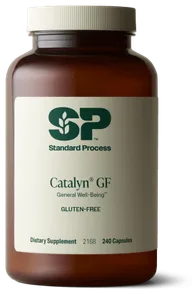
Standard Process Catalyn Review
Dr. Royal Lee's first product, Catalyn, is more than a multivitamin, according to this page. It is presented as a source of complex, foundational nutrition and is described as containing 12 whole food ingredients, including whole food concentrates from the Standard Process Organic Farm. The page states that Catalyn was introduced in 1929. It is listed with the bullet points that it provides multiple vitamin catalysts for overall well-being and energy metabolism, and that it is designed to help bridge nutritional gaps in the diet. The product is listed under the heading Supports overall well-being. The page offers two tablet sizes: 90 Tablets at USD 19.20 (product number 2140) and 360 Tablets at USD 67.20 (product number 2160). The features listed for the 90 tablet bottle include a serving size of 3 tablets, a bottle count of 90, a case quantity of 36, a part content of 90 tablets, and 30 servings per container. The brand is given as Standard Process and the item is shown as In Stock with a listed price of 19.20 dollars each. The page also includes gallery images of the bottle and a Supplement Facts label, along with badges for Non-Dairy Formula and Non-Soy Formula. A large portion of the page is a list of Part Content items and option sizes that relate to other Standard Process products and kits, and a long list of nearby practitioners in Wisconsin and Illinois with options to become a patient or contact them. No written customer reviews, star ratings, or review totals appear in the scraped text. No ingredients list, full description of supplement facts, or barcode is printed in the text provided. The stated servings are 30 per container with a 3 tablet serving, so the 90 tablet bottle provides 30 days of use at that serving size.
We don’t sell supplements. We help you make decisions and get the best price.
Lowest prices
We may earn a commission from some store links. How we choose.
Lowest cost per month first, in stock, at 3 tablets a day. Checked Nov 5.
- Standard ProcessLowest$67.20 a bottle of 360 tablets$16.80/moBuy at Standard Process (opens in a new tab)
Study, Trial or Testing Result Summary
Members Only106 human studies · 35 improved
3 of these 106 human studies gave the ingredient by drip or injection, not by mouth.
Catalyn's vitamins are all at small doses, and its main 765 mg blend of wheat germ, organ tissues, vegetables and mushrooms has no studies here. Vitamin C is only 4 mg, a trace amount. Studies used at least 200 mg daily and found colds were slightly shorter but no less common in most people [1]; another review found it does not prevent colds [2]. Vitamin D is 7.8 mcg, below the 2,000 units studied. Results are mixed: one pooled review found about 12 percent fewer respiratory infections, mostly in very deficient people [3], but a large trial in older adults found no fewer infections [4]. For vitamin A, the largest review found no reduction in illness or death [5]. Thiamin studies used intravenous doses in very sick patients, with no clear change in infections [6], or mixed nutrient products where its own effect cannot be separated [7]. Riboflavin was likewise only tested inside mixtures, and a multivitamin did not change immune signals in older adults [8]. Vitamin B6 evidence is too thin to judge [9][10]. Animal and cell studies are never counted.
See all 106 studies →Hide the studies
- In 14 trials of 25,758 mother and infant pairs, high-dose vitamin A given after birth raised breast milk vitamin A but did not reduce illness or death in mothers or infants compared with placebo or no treatment.Vitamin A supplementation for postpartum women.
- Across 25 trials with 11,321 people of all ages, vitamin D supplements lowered the odds of a sudden respiratory infection by about 12%, with the biggest benefit in very deficient people and those taking daily or weekly doses rather than large single doses.Vitamin D supplementation to prevent acute respiratory infections: individual participant data meta-analysis.
- Across 29 placebo-controlled trials with 11,306 people taking at least 0.2 g of vitamin C daily, colds were not less common in the general public but were about half as common in marathon runners, skiers and soldiers, and colds lasted 8% shorter in adults and 14% shorter in children.Vitamin C for preventing and treating the common cold.
- In 35 trials of 3494 critically ill patients, intravenous thiamine did not clearly change death rates or infection outcomes listed, shortened shock and lowered lactate and organ failure scores, but slightly lengthened intensive care stay.Effect of intravenous thiamine administration on critically ill patients: A systematic review and meta-analysis of rando…
- Across nine studies of 2,367 people, vitamin D deficiency was not overall linked to the immune response to flu vaccination, though protection rates for two strains were lower in deficient people.Does Vitamin D Deficiency Affect the Immunogenic Responses to Influenza Vaccination? A Systematic Review and Meta-Analys…
- A review of eight systematic reviews covering 31 randomized trials concluded that taking vitamin C does not prevent people from catching a common cold.Does vitamin C prevent the common cold?
- In a pooled analysis of randomized trials in adults, vitamin C slightly lowered the risk of respiratory infections by 4% and shortened symptoms by 9%, with a stronger prevention effect in men and in middle-income countries.Effect of micronutrient supplements on influenza and other respiratory tract infections among adults: a systematic revie…
- In 10 placebo-controlled trials of healthy people taking at least 1 g of vitamin C daily, cold severity was 15% lower than with placebo, with a clear benefit on severe symptoms but not on mild ones.Vitamin C reduces the severity of common colds: a meta-analysis.
- Across 22 supplementation studies in people with multiple sclerosis, vitamin D3 did not clearly reduce relapses or disability overall, but high doses did lower the yearly relapse rate while low doses did not.Vitamin D status, supplementation, and multiple sclerosis: a systematic review and meta-analysis.
- A pooled analysis of 28 genetic-based studies found no causal link between blood levels of vitamin D or other micronutrients (including vitamin B6) and COVID-19 outcomes, though a few individual studies reported associations.Micronutrients, Vitamin D, and Inflammatory Biomarkers in COVID-19: A Systematic Review and Meta-analysis of Causal Infe…
- Five small, low-quality trials with 2,655 children and adults gave vitamin C at 125 mg to 2 g daily, and the evidence was too weak to tell whether it prevents or treats pneumonia.Vitamin C supplementation for prevention and treatment of pneumonia.
- A review of 39 randomized trials of eight supplements, including vitamin C, in healthy people under stress found some signs of benefit but too many gaps to draw firm conclusions about immune protection.Select Dietary Supplement Ingredients for Preserving and Protecting the Immune System in Healthy Individuals: A Systemat…
- A review of 13 studies in healthy adults found alternative vitamin C forms often raised white blood cell vitamin C and were better tolerated, with one study showing fewer colds, but more research is needed to confirm immune benefits.Enhanced Vitamin C Delivery: A Systematic Literature Review Assessing the Efficacy and Safety of Alternative Supplement …
- A review of 20 trials in healthy adults (8 on vitamin D) found micronutrients other than vitamin C, including vitamin D, may not prevent colds or reduce symptom severity.Zinc Supplementation Reduces Common Cold Duration among Healthy Adults: A Systematic Review of Randomized Controlled Tri…
- A review of 9 reviews found low vitamin D levels linked to higher risk of COVID-19 infection, but trials are still needed to confirm whether supplements help with severity or death.The role of vitamin D in prevention OF COVID-19 and its severity: an umbrella review.
- A review of the literature suggests vitamin D plays a role in innate immunity and that supplementation may help prevent or treat COVID-19, though this is a hypothesis.Vitamin D in SARS-CoV-2 infection.
- In a review of 14 diet trials in people with lupus, vitamin D was linked to better inflammation markers in most studies but not to better disease activity scores.Diet and Systemic Lupus Erythematosus (SLE): From Supplementation to Intervention.
- A review of 28 systematic reviews on diet and lupus looked at vitamin D among other nutrients but the abstract gives no clear result for vitamin D, and no specific dietary recommendations were established.The Interconnection Between Systemic Lupus Erythematosus and Diet: Unmet Needs, Available Evidence, and Guidance-A Patie…
- A guideline review of evidence made a conditional recommendation against vitamin D supplements for preventing eczema in children.Guidelines of care for the primary prevention of atopic dermatitis and awareness of comorbid conditions in pediatric ato…
- A review of 105 mostly preclinical studies on sepsis found thiamine restores energy enzyme activity and improves lactate clearance, but human data are limited to small trials and no large trial shows a survival benefit.Mitochondrial dysfunction in sepsis: nutritional strategies for restoring bioenergetic homeostasis.
- In 15,804 older adults, 2,000 IU of vitamin D3 daily did not significantly lower the risk of upper respiratory infection at 1 year compared with placebo.Effect of Daily Vitamin D Supplementation on Risk of Upper Respiratory Infection in Older Adults: A Randomized Controlle…
- In 8,851 schoolchildren in Mongolia, 14,000 IU of vitamin D3 weekly for 3 years did not lower tuberculosis infection (3.6% vs 3.3% with placebo), tuberculosis disease, or respiratory infection.Vitamin D Supplements for Prevention of Tuberculosis Infection and Disease.
- In 2157 adults aged 70 or older, 2000 IU of vitamin D3 daily for 3 years did not significantly reduce infection rates or improve blood pressure, physical performance, cognition, or fractures compared with placebo.Effect of Vitamin D Supplementation, Omega-3 Fatty Acid Supplementation, or a Strength-Training Exercise Program on Clin…
- In 1,444 army recruits taking 6,000 mg of vitamin C daily for 30 days, the risk of getting a common cold was 0.80 times that of those taking placebo.Vitamin C supplementation reduces the odds of developing a common cold in Republic of Korea Army recruits: randomised co…
- In 881 pregnant women, 4,400 IU daily of vitamin D started at 10-18 weeks of pregnancy did not lower preeclampsia compared with 400 IU (8.08% vs 8.33%), though women with higher vitamin D blood levels had lower risk.Early pregnancy vitamin D status and risk of preeclampsia.
- In 868 Navajo schoolchildren given vitamin C or placebo, there was no difference in how many got ill (133 vs 129), number of illness episodes, or illness length, though blood vitamin C levels were higher.Vitamin C and acute illness in Navajo schoolchildren.
- In 796 children aged 0-6 with food allergies, a probiotic, zinc and B vitamin product plus hydrolyzed formula for 6 months lowered allergy skin-test size, total IgE and food allergy prevalence compared with formula alone, with benefits lasting 6 months after.Products of compound probiotics combined with zinc and vitamin B ameliorate the risk of food allergy.
- In 740 pregnant women in rural Nepal, a multiple micronutrient supplement reduced vitamin deficiencies including riboflavin but had no effect on subclinical infection.Antenatal supplementation with micronutrients and biochemical indicators of status and subclinical infection in rural Ne…
- In a randomized trial of 688 adult women, 1 gram of vitamin C daily produced a small reduction in chest colds but no effect on simple colds.A randomized controlled trial of vitamin C in the prevention and amelioration of the common cold.
- In 674 marine recruits given 2 grams of vitamin C or placebo daily for eight weeks, colds were no less common or shorter, though the vitamin C group rated their colds as less severe.Vitamin C prophylaxis in marine recruits.
- In 597 Chinese infants revaccinated against tuberculosis, 3 months of daily vitamin A plus 500 IU vitamin D raised positive skin test response to 96.1% versus 89.7% in the control group.Enhancement of vitamin A combined vitamin D supplementation on immune response to Bacille Calmette-Guérin vaccine revacc…
- In 595 critically ill surgical patients, early antioxidant supplementation with vitamin C and vitamin E did not significantly reduce lung complications compared with standard care, but it reduced multiple organ failure and shortened time on the ventilator and in intensive care.Randomized, prospective trial of antioxidant supplementation in critically ill surgical patients.
- In 408 adults with mild to moderate asthma, vitamin D for 28 weeks did not reduce cold severity or frequency compared with placebo, and African American participants had more colds on vitamin D.Vitamin D Supplementation and the Risk of Colds in Patients with Asthma.
- In a 5-year double-blind trial of older Japanese adults, 500 mg of vitamin C daily cut the number of people with three or more colds, compared with 50 mg daily, but did not shorten or lessen the colds.Effect of vitamin C on common cold: randomized controlled trial.
- In 275 people with early COVID-19, a 10-day combination therapy including vitamin C was safe and well tolerated, but the study did not test whether it improved immune health.Read the study on PubMed (41693032) →
- In 254 older adults with COVID-19, a single high dose of 400,000 IU vitamin D3 lowered deaths at 14 days compared with 50,000 IU (6% vs 11%), but the benefit was gone by 28 days.High-dose versus standard-dose vitamin D supplementation in older adults with COVID-19 (COVIT-TRIAL): A multicenter, ope…
- In 247 high school students, 2000 IU of vitamin D3 daily for 2 months did not lower overall influenza A (13.5% vs 12.1% on placebo), though a post hoc look showed fewer cases in the first month only.Effects of vitamin D supplements on influenza A illness during the 2009 H1N1 pandemic: a randomized controlled trial.
- In 245 breastfeeding mothers given 600 IU vitamin D2 plus 1800 IU vitamin A daily for 2 months, infant fever, respiratory infection, diarrhoea and eczema were not lower than with placebo; the effect of vitamin D alone cannot be separated.Impact of Maternal Daily Oral Low-Dose Vitamin A Supplementation on the Mother-Infant Pair: A Randomised Placebo-Control…
- In 228 health care workers, vitamin D2 raised blood vitamin D levels but did not change COVID-19 infection rates (50.5% vs 52.4%), symptoms, or inflammation markers compared with no treatment.Randomized trial of influence of vitamin D on the prevention and improvement of symptomatic COVID-19.
- In 226 preschool children, a seasoning powder with thiamine and other micronutrients for 6 months lowered respiratory and diarrhea illness and shortened respiratory illness compared with vitamin A alone or with iron.Effect of vitamin A, vitamin A plus iron and multiple micronutrient-fortified seasoning powder on infectious morbidity o…
- In 202 dialysis patients given a multinutrient drink including thiamine for 12 weeks, fatigue did not change but herpesvirus 7 levels in saliva fell and heart rate variability improved versus placebo.Effects of nutritional supplementation on fatigue, and autonomic and immune dysfunction in patients with end-stage renal…
- In 311 National Institutes of Health employees taking 3 g of ascorbic acid daily for nine months (with extra doses at cold onset), the vitamin had at best a minor effect on the duration and severity of colds, and the results could be explained by a break in blinding.Ascorbic acid for the common cold. A prophylactic and therapeutic trial.
- In a double-blind study of 95 identical twin pairs over 100 days, vitamin C shortened cold episodes by about 19% but had no other significant effect compared with placebo.Vitamin C and the common cold: using identical twins as controls.
- In 127 Mexican children aged 5 to 15 months, vitamin A lowered norovirus GII infections and norovirus-linked diarrhea compared with placebo, but lengthened how long the virus was shed.Vitamin A supplementation has divergent effects on norovirus infections and clinical symptoms among Mexican children.
- In 120 stroke patients with swallowing difficulty, vitamin C stimulation added to routine swallowing training improved swallowing tests, nutrition markers and antibody levels compared with routine training alone.Effects of vitamin C stimulation on rehabilitation of dysphagia after stroke: a randomized trial.
- In 120 children with acute Kawasaki disease, adding vitamin D to standard treatment brought fever down faster (27 vs 50 hours) and lowered inflammatory markers compared with standard treatment alone.Read the study on PubMed (40996174) →
- In 112 women with repeated implantation failure, vitamin D alone gave a 17.8% pregnancy rate versus 10.7% for control, and only the combination with vaginal probiotics (46.4%) significantly changed immune markers.The effect of vitamin D supplementation and vaginal probiotics on fertility in women with recurrent implantation failure…
- In 98 adults with mild to moderate coronavirus illness, 1000 mg of vitamin C daily for 14 days had no effect on symptom progression or quality of life compared with placebo.A Pilot of a Randomized Control Trial of Melatonin and Vitamin C for Mild-to-Moderate COVID-19.
- In a 6-month trial of 97 healthy older adults, the group taking OPC Synergy plus Catalyn (31 people) showed no clear immune or inflammation benefit versus placebo, with only a small word-fluency gain at 3 months; the immune-marker improvement (epidermal growth factor) occurred only in the Ginkgo plus Choline group.A double-blind, randomized clinical trial of dietary supplementation on cognitive and immune functioning in healthy olde…
- In 91 adults with cystic fibrosis given a large vitamin D3 dose during a lung flare-up then every other week for a year, there was no difference from placebo in time to next flare-up or death, lung function, or an infection-fighting protein.Vitamin D for the Immune System in Cystic Fibrosis (DISC): a double-blind, multicenter, randomized, placebo-controlled c…
- In 91 health care workers given 5000 or 2000 IU of vitamin D3 daily for 3 months, vitamin D intake was not linked to lower COVID-19 illness, though the higher dose group had only asymptomatic cases.Vitamin D Intake May Reduce SARS-CoV-2 Infection Morbidity in Health Care Workers.
- In 87 lung transplant recipients, 100,000 IU of vitamin D monthly for 2 years did not change chronic lung rejection, inflammation or other outcomes compared with placebo.High-dose vitamin D after lung transplantation: A randomized trial.
- In 82 adolescent swimmers, 12 weeks of vitamin D3 versus placebo did not change thymus activity markers, and these were not linked to respiratory infection severity or duration.Thymus Activity, Vitamin D, and Respiratory Infections in Adolescent Swimmers.
- In 80 healthy older adults, an 8-week multivitamin raised several vitamin levels but not thiamin, and did not change immune-related signals interleukin-2, -6, -10 or prostaglandin E2.The effects of a multivitamin/mineral supplement on micronutrient status, antioxidant capacity and cytokine production i…
- In 60 children prone to recurrent respiratory infections, a daily orange juice providing 70 mg of vitamin C was associated with a drop in infection episodes from about 6.75 to 2.62 per child.Beneficial therapeutic effects of vitamin C on recurrent respiratory tract infections in children: preliminary data.
- In 56 children with shigellosis, both groups got a thiamine-containing multivitamin for 2 weeks and the added zinc, not thiamine, raised the lymphocyte response, so thiamine's own effect was not tested.Effect of zinc supplementation on immune and inflammatory responses in pediatric patients with shigellosis.
- In 53 people with multiple sclerosis, 48 weeks of vitamin D3 did not change immune cell CD25 or IL2RA gene activity compared with placebo, though some CD25 measures fell only in the placebo group.Vitamin D3 supplementation and the IL-2/IL-2R pathway in multiple sclerosis: Attenuation of progressive disturbances?
- In 40 adults with active rheumatoid arthritis, adding vitamin D to standard drugs for 3 months raised regulatory immune cell levels more than standard drugs alone, alongside lower disease activity scores.Vitamin D: does it help Tregs in active rheumatoid arthritis patients.
- In 40 postmenopausal women, 2 mcg a day of active vitamin D3 for 2 weeks slightly raised CD3 and CD8 T cell counts while 1 mcg a day changed nothing and CD4 cells were unchanged.The effect of 1,25(OH)2 vitamin D3 on CD4+/CD8+ subsets of T lymphocytes in postmenopausal women.
- In 39 women with early rheumatoid arthritis, a single 300,000 IU dose of vitamin D3 added to standard treatment improved general health over 3 months, but did not change immune cell subtypes or bone-cell precursors.Vitamin D and immunomodulation in early rheumatoid arthritis: A randomized double-blind placebo-controlled study.
- In 38 hemodialysis patients, 12 weeks of vitamin D3 normalized blood vitamin D levels but did not change monocyte counts, T helper cell frequencies, or inflammation markers compared with placebo.Influence of cholecalciferol supplementation in hemodialysis patients on monocyte subsets: a randomized, double-blind, p…
- In 38 people with relapsing multiple sclerosis, high-dose vitamin D3 (20,400 IU every other day) reduced sugar-chain branching on T and natural killer cells but mostly did not change immune cell numbers compared with low-dose.Effect of vitamin D supplementation on N-glycan branching and cellular immunophenotypes in MS.
- In 32 people given 2,000 IU of vitamin D daily for 10 weeks before a tetanus booster shot, antibody response was slightly higher than with placebo, while other immune measures were similar.Efficient tetanus toxoid immunization on vitamin D supplementation.
- In 28 people recovering from COVID-19, a single 1000 mg dose of vitamin C reduced one type of immune-related reactive oxygen species by 45% but did not raise nitric oxide levels.A Plant-Based Dietary Supplement Exhibits Significant Effects on Markers of Oxidative Stress, Inflammation, and Immune R…
- In 28 healthy adults with an induced chemical skin rash, a single 200,000 IU dose of vitamin D3 reduced skin inflammation in all participants, with effects lasting 6 weeks.Vitamin D3 and deconvoluting a rash.
- In 24 patients receiving stem cell transplants for myeloma or lymphoma, high-dose vitamin C (20 g daily for 10 days, then 500 mg twice daily until day 100) was linked to rising natural killer and CD3 immune cell counts from day 30 to day 100 and fewer infections, compared with standard care alone.Effect of vitamin C on immune reconstitution after bone marrow transplantation.
- In 22 hospitalized people with mild COVID-19 and heart disease, 10,000 IU of vitamin D3 daily reduced inflammatory markers and was linked to less severe illness, fewer hospital days, and lower death rate than placebo.Vitamin D3 supplementation in COVID-19 patients with cardiovascular disease and gut dysbiosis.
- In 20 children having surgery, ascorbate before premedication did not change neutrophil mobility during anaesthesia or surgery, and no infections occurred.Neutrophil mobility during anaesthesia in children. A trial of ascorbate premedication.
- In 12 adults who exercised for about two hours in heat, 1500 mg of vitamin C daily for 12 days lowered the stress hormone cortisol after exercise, but did not change salivary antibody levels or cold-like symptoms compared with placebo.Vitamin C supplementation and salivary immune function following exercise-heat stress.
- In healthy adults aged 55 and older, a 12-week multivitamin and mineral supplement raised blood vitamin C and zinc levels but did not change measured immune function compared with placebo.The Effect of a Multivitamin and Mineral Supplement on Immune Function in Healthy Older Adults: A Double-Blind, Randomiz…
- In older adults, a 30-day course of a multi-ingredient supplement that also contained vitamin C lowered inflammatory blood markers and improved lymphocyte levels, though they did not reach the levels seen in younger people; the vitamin C dose was not stated.Use of Nutraceuticals in Elderly to Fight Inflammation and Immuno-Senescence: A Randomized Case-Control Study.
- In a randomized trial of ultramarathon runners and sedentary controls, taking 600 mg of vitamin C daily was linked to fewer upper airway infection symptoms in the two weeks after a race than placebo, with 33% of supplement takers developing symptoms versus 68% of placebo takers among runners.Vitamin C supplementation reduces the incidence of postrace symptoms of upper-respiratory-tract infection in ultramarath…
- In HIV-infected adults in a flu vaccine trial, taking vitamin D supplements did not improve the immune response to the vaccine.Vitamin D supplementation does not increase immunogenicity of seasonal influenza vaccine in HIV-infected adults.
- In a 3-month supplementation study of breastfeeding mothers and infants, higher maternal vitamin D status was linked to lower infant TNF levels and stronger infant immune cell responses to challenge, with some responses tied to the infant's own vitamin D.Maternal Vitamin D Status Correlates to Leukocyte Antigenic Responses in Breastfeeding Infants.
- In two trials of 8-9 year old children (172 and 642) given 1000 mg vitamin C daily, cold duration and severity seemed lower but cold incidence stayed the same or rose, and the total sick days were fewer only in the smaller pilot study.Vitamin C as a preventive medicine against common colds in children.
- In about 210 students (three groups of about 70) taking 1 gram daily for 15 weeks, the D-isoascorbic acid group had 34% fewer colds than the other two groups, which included the L-ascorbic acid group, so regular vitamin C showed no clear benefit.L-Ascorbic acid and D-isoascorbic acid in a common cold survey.
- Among 180 COVID-19 patients, those with vitamin D deficiency were hospitalized more often (41.3% vs 12.5%), and those given vitamin D3 recovered from hospital about 5 days sooner than deficient patients.Importance of Vitamin D3 in COVID-19 Patients.
- In 70 children with cancer or blood diseases, transfusions of red cells treated with riboflavin and UV light worked as well as standard cells and did not cause an excessive immune response.The pathogen-reduced red blood cell suspension: single centre study of clinical safety and efficacy in children with onc…
- In 60 pregnant women, 30 took magnesium citrate with 40 mg of vitamin B6 daily and were compared with 30 who did not; the treated group had fewer cases of respiratory viral infection symptoms and other complications, but the effect of vitamin B6 alone cannot be separated.EFFECTIVENESS OF THE MAGNESIUM APPLICATION IN OBSTETRICAL PRACTICE.
- In 16 people with cystic fibrosis, 3 months of vitamin D2 or D3 was linked to lower T cell activation markers in a dose-dependent way compared with controls.Vitamin D treatment modulates immune activation in cystic fibrosis.
- In a large double-blind trial, 1 g of vitamin C daily gave a small, non-significant reduction in colds, but more people stayed illness-free and vitamin takers had about 30% fewer days of disability from illness than placebo takers.Vitamin C and the common cold: a double-blind trial.
- In older adults, 500 mg of vitamin C injected daily for one month improved T-lymphocyte response and skin test reaction compared with placebo, but did not change antibody levels.Effect of vitamin C supplements on cell-mediated immunity in old people.
- Applying riboflavin solution to the skin before ultraviolet light exposure reduced the immune suppression caused by UVA and UVB in healthy volunteers.Topical riboflavin attenuates ultraviolet B- and ultraviolet A-induced immunosuppression in humans.
- In infertile women with low vitamin D, supplementation (23 tested before and after) lowered the ratio of Th1 to Th2 immune cells, and 11 of 23 (47.8%) reached sufficient vitamin D levels.Vitamin D Regulates Maternal T-Helper Cytokine Production in Infertile Women.
- In a small feasibility study of people with a new common cold, 250 mg of vitamin C daily for 5 days was used only as the comparison arm against a warm humidified air treatment, and the abstract reports no benefit from vitamin C itself.Randomised controlled trial of rhinothermy for treatment of the common cold: a feasibility study.
- In 18 older adults low in vitamin D, taking 6,400 IU of vitamin D3 daily for 14 weeks strengthened the skin immune response to a chickenpox virus antigen and reduced inflammatory cell build-up.Vitamin D3 replacement enhances antigen-specific immunity in older adults.
- In healthy young adults in Cape Town given high-dose vitamin D3 in winter, HIV-1 replication in blood cells fell, circulating white blood cells rose, and winter-associated anemia reversed.High-dose vitamin D3 reduces deficiency caused by low UVB exposure and limits HIV-1 replication in urban Southern Africa…
- In people with inflammatory bowel disease, 12 weeks of vitamin D was linked to lower disease activity and inflammation markers and shifts in immune responses to gut bacteria, with no control group.Multi-omics reveal vitamin D regulation of immune-gut microbiome interactions and tolerogenic pathways in inflammatory b…
- In 250 Nigerian children under five with respiratory infections compared with 250 without, blood vitamin D was slightly lower in those with infections and lowest in those with lower respiratory infections.Vitamin D and Acute Respiratory Infections in Children.
- In a study of 433 women followed for a year, those with the highest dietary vitamin C intake were less likely to have a persistent human papillomavirus infection than those with the lowest intake.Dietary intake and risk of persistent human papillomavirus (HPV) infection: the Ludwig-McGill HPV Natural History Study.
- In 414 severely ill COVID-19 patients, lower vitamin D3 blood levels on admission were linked to higher inflammation markers, longer stays, more ventilator days and death.Cholecalciferol level and its impact on COVID-19 patients.
- In 207 Nigerian children with fever, eating red palm oil, a source of vitamin A precursors, had little effect on malaria severity.Lack of influence of red palm oil on severity of malaria infection in pre-school Nigerian children.
- In 95 patients with septic shock treated with a combined protocol of vitamin C, hydrocortisone and thiamine, two immune response patterns emerged, and the group with higher early inflammation had lower ICU mortality; thiamine's own effect could not be separated from the other treatments.Patterns of inflammatory immune responses in patients with septic shock receiving vitamin C, hydrocortisone, and thiamin…
- After measles, preschool children had low vitamin A levels, frequent infections for about six months, and slower weight gain, although vitamin A therapy improved their eye lesions.Effect of measles on the nutritional status of preschool children.
- In 80 adults with dengue, lower blood vitamin D levels were linked to more severe disease, but no supplement was given.Association of systemic vitamin D on the course of dengue virus infection in adults: a single-centre dengue cohort study…
- In 16 children with vitamin D deficient rickets compared with 15 healthy children, low vitamin D went along with fewer T cells and more frequent infections; no supplement was tested.Lymphocyte subpopulations in children with vitamin D deficient rickets.
- In hospital records of patients with upper respiratory tract infection, adding vitamin C injection to Xiyanping injection did not improve cure rates compared with Xiyanping alone.[Analysis of actual effects of combining xiyanping injection with vitamin C injection in treatment of upper respiratory …
- In a large population study of adults in Catalonia, cholecalciferol was linked to slightly lower COVID-19 infection risk (4.0% vs 4.2%), and both forms were linked to better outcomes only in people reaching blood levels of 30 ng/ml or higher, while calcifediol overall did not reduce infection or death.Vitamin D supplementation and COVID-19 risk: a population-based, cohort study.
- In healthy German adults followed for 24 weeks after COVID-19 vaccination, antibody response did not differ by vitamin D blood level.Relationship between Vitamin D Status and Antibody Response to COVID-19 mRNA Vaccination in Healthy Adults.
- In this study of patients, blood and lymphocyte thiamine levels were higher in those with normal cellular immunity than in those with deficient cellular immunity, but no supplementation was tested.[Effect of some vitamins on activity of immunocompetent cells].
- In a retrospective before-and-after study of septic shock patients with intra-abdominal infection, adding intravenous hydrocortisone, vitamin C and thiamine was linked to better recovery of organ function by day 7 than the control group.Combined hydrocortisone, ascorbic acid, and thiamine therapy for septic shock with complicated intraabdominal infection:…
- In 35 adults with chronic immune thrombocytopenia who had failed meds or splenectomy, the meds all-trans retinoic acid raised platelet counts in 54% of patients, and this drug is not a standard vitamin A supplement.Efficacy of immunomodulatory therapy with all-trans retinoid acid in adult patients with chronic immune thrombocytopenia…
- In 12 healthy volunteers, a nasal dose of 400 IU cholecalciferol did not produce detectable levels of the antimicrobial peptide hBD-2, while bacterial lysates did.Human β-defensin-2 induction in nasal mucosa after administration of bacterial lysates.
- In people with Sjogren's syndrome, 100,000 units of vitamin A daily for two weeks increased some immune cell killing activity but also raised a marker of fat damage in the blood.Effect of vitamin A treatment on immune reactivity and lipid peroxidation in patients with Sjögren's syndrome.
- In laboratory dishes, vitamin D changed activation markers on immune T-cells, but in 10 healthy people blood vitamin D levels were not significantly linked to those markers.Vitamin D modulates the expression of HLA-DR and CD38 after in vitro activation of T-cells.
- Stressed mice had lower serum thiamine and faster tumor growth, and thiamine boosted the activation and tumor-killing ability of CD8 immune cells in lab tests and in patient blood cells after thiamine supplementation.Post-traumatic stress disorder impairs CD8+ T cell-dependent anti-tumor immune responses by downregulating thiamine.
Review Totals and Summary
Members Only2,040 reviews · 96% positive
Standard Process Catalyn has garnered significant positive feedback, with approximately 2040 ratings across various stores. Remarkably, all star ratings given are either 4 or 5, indicating a very high level of customer satisfaction among those who have reviewed it. Customers consistently express trust in the Standard Process brand and its formulations. **What it did for them** Many users report noticeable positive effects on their health, often describing Catalyn as a comprehensive foundational supplement. Customers state, "I really see the difference" when taking this product, attributing benefits to its inclusion of real organs and mushrooms. It's frequently described as a "Perfect base vitamin" that contributes to "Overall health." Users appreciate its gentle nature, noting it is "Gentle on the stomach," unlike some other supplements. Its rich ingredient list leads some to consider it a complete solution, remarking, "This has everything. --like a multivitamin!" **What they complain about** The feedback provided indicates very few complaints, with the primary point of contention being a preference for a specific ingredient form. One reviewer mentioned, "i would have preferred magnesium glycinate form of magnesium," suggesting an area for potential refinement rather than a dissatisfaction with the current formula's effectiveness. **Taste or smell or pill size or form** The provided customer reviews do not offer specific comments regarding the taste, smell, or physical form (size or shape) of the Catalyn pills. This suggests these aspects are either neutral or not significant enough to warrant frequent mention by users. **Value for money** Customer reviews do not explicitly discuss the value for money of Standard Process Catalyn. However, the overwhelmingly positive ratings and consistent repurchase intent implied by phrases like "always trust standard process vitamins" suggest that customers perceive the product's benefits to justify its cost. **Who it seems to suit and who it did not** Catalyn appears to be well-suited for individuals seeking a comprehensive, non-synthetic multivitamin that incorporates whole food ingredients, including bovine organs (adrenal, liver, spleen, kidney) and organic mushrooms (shitake, reishi). Users who prioritize "healthy ingredients" and a formula that is "not synthetic" seem to be particularly satisfied. The product is also favored by those looking for a supplement that is "Gentle on the stomach." There are no indications from the reviews of who the product did not suit, as all feedback was positive.
Biohacker Summary
Members Only9 of 10 recommend it
The product has no single main ingredient in these statements, so the panel's comments center on three smaller ingredients in this product: vitamin D, vitamin C and vitamin A. Vitamin D drew the most attention, with all ten panelists mentioning it and most recommending or using it for brain health, mood, immune function, muscle and general health. Two of them take 5000 IU of vitamin D3 in the morning, one takes it because he limits sun exposure, and one suggests keeping blood levels between 60 and 100 nanograms per milliliter. One panelist cautioned that the daily intake guideline leaves many people short, and another said supplementing matters mainly if you are deficient. Vitamin C was recommended by several for collagen, inflammation and immune support, with one noting the best dose is unclear and high doses may blunt exercise benefits, while vitamin A got only neutral mentions about skin and nutrient levels.
See all 10 biohackers →Hide the biohackers
Dr. Eric Berg · Vitamin D · neutral
- Lists Vitamin D as an ingredient found in sardines.
- Mentions that the body relies on healthy fats to absorb essential vitamins like A, D, E, and K, which help support skin health, moisture, and normal cell function.
- Recommends Vitamin D3 because it's nearly impossible to get enough from food and most people don't get enough sun, advising to aim for blood levels of at least 50 to 80 ng/mL.
- Dr. Berg states that when nutrients like vitamin D are too low, fatigue and weakness can follow.
- Warns against generic multivitamins, stating they are often full of fillers and synthetics.
- Warns against generic multivitamins, stating they are often full of fillers and synthetics.
- Recommends focusing on vitamin D3 to support stronger bones if a neck hump is associated with osteoporosis.
- Recommends a minimum of 10,000 IU of vitamin D per day to support natural killer cells.
- Mentions that bleeding or swollen gums point to vitamin C deficiency, and sugar competes with it directly, reducing absorption.
- Notes that irritability, overthinking, and nightmares can point to low vitamin B1, which is depleted by refined grains and sugar.
- Explains that vitamin B1 is needed to support the autonomic nervous system and metabolize glucose.
- States that cracked corners on the mouth are often a B2 vitamin issue, which is also behind cracked heels and chapped lips.
- Suggests that increasing vitamin D3 may help address the underlying problem of bruxism.
- Suggests that increasing vitamin B1 may help address the underlying problem of bruxism.
Dr. Rhonda Patrick · Vitamin D · neutral
- Notes that vitamin D from sunlight, food, or supplements needs to undergo conversions in the liver and kidneys to become its active hormone form, calcitriol.
- States that Vitamin D supplementation has been associated with a 40% lower dementia risk, and low levels are linked to a 50 to 80% higher risk.
- Recommends getting adequate vitamin D, noting that people taking vitamin D supplements have a 40% lower risk of dementia, while those with lower vitamin D have a 50-80% higher risk.
- Vitamin D supplementation was linked to a 40% lower risk of dementia in an observational study of more than 12,000 older adults.
- Mentions that vitamin D also plays a role in maintaining muscle mass.
- Recommends ensuring adequate vitamin D intake for men's sperm health.
- Vitamin D and strength training alone did not, but adding them strengthened the effect on one clock, with the full combination slowing that measure by ~3.8 months.
- Lutein and zeaxanthin can also be obtained from certain multivitamins.
- Lutein and zeaxanthin can also be obtained from certain multivitamins.
- Lutein and zeaxanthin can also be obtained from certain multivitamins.
- Recommends Vitamin D, noting it regulates over 5% of the genome, including genes involved in immune defense, neurotransmitter synthesis, and longevity, and correcting deficiency may slow epigenetic aging.
- Uses Vitamin D3 as an example of a supplement that an AI model could track to see its impact on other metrics like glucose levels.
- Recommends nutrients like vitamin C for men to prioritize sperm mitochondrial health.
- Dr. Rhonda Patrick's daughter chugs an Emergency fizzy drink in the morning to ensure she gets some vitamin C and micronutrients before school.
Thomas DeLauer · Vitamin C · recommends
- Recommends whole food vitamin C, found in kiwi fruit, citrus, and bell peppers, to help clear uric acid by competing at kidney transporters, preventing reabsorption.
- Recommends taking Vitamin D3 in the morning, between 6:00 and 10:00 a.m., to align with the body's natural metabolic activation phase and sunlight-triggered vitamin D production.
- Recommends taking vitamin C along with collagen about an hour before a workout for connective tissue benefits.
- Uses vitamin C as part of their immunity duo, stating it is important for boosting the immune system, especially during cold and flu season.
- Uses vitamin D3 in the fall and winter months when getting less sun, as it's important to supplement it then.
- Recommends taking a massive amount of vitamin D simultaneously with an early morning massive breakfast to help reset circadian rhythms and address hyperphagia.
- Recommends Vitamin D, stating that it has receptors throughout the brain and deficiency can quickly impact brain and mood.
- Takes supplemental vitamin D because he is skin sensitive and from northern latitudes, limiting his UV exposure.
- Recommends taking vitamin D on non-liver days to ensure both nutrients get proper receptor access.
- Recommends consuming vitamin C to aid in NADPH recycling, which is necessary for glutathione to be reused after neutralizing oxidative stress.
- Takes Purity's liquid liposomal vitamin C for immune support and overall wellness, finding it easy to add to water, juice, or take straight up due to its good taste.
- Takes Purity's liquid vitamin D3 with K2 because she is constantly inside during the day; D3 is for overall wellness and K2 helps the body absorb calcium properly.
- Compares the Vitamin C content of oranges (53mg) to guava (228mg), noting guava has 4x more.
- Recommends getting vitamin D, suggesting it can be obtained while walking.
Dr. Mark Hyman · Vitamin D · uses
- Consumes Zetopia's Atlantic salmon to get Vitamin D, particularly in the winter months, as it is one of the few foods that provides both Omega-3s and Vitamin D.
- Mentions that the body makes vitamin D from sunlight exposure, and a deficiency can hinder calcium absorption, which is crucial for strong bones.
- Recommends Vitamin D for health, stating that amazing things happen when patients' vitamin D statuses reach optimal levels.
- Mentions vitamin D as an existing biomarker that plays a role in mental health, which Function Health includes in their measurements.
- Notes that vitamin D plays a role in immune function.
- Mentions that vitamin A levels can be looked at to get a deep sense of what's happening with nutrient levels.
- Recommends vitamin C as a basic supplement during detoxification to help with inflammation and detoxification.
- Recommends checking vitamin D levels and states that if they had to pick one single intervention for immune health, vitamin D would be it.
- Dr. Hyman discusses vitamin D in relation to sun exposure patterns.
- States that vitamin D supplementation can help with oxidative stress.
- Dr. Hyman mentions vitamin C as an advanced therapy for skin repair.
- Mentions topical vitamin C as an antioxidant that can help skin with aging.
- Mentions that what they do when a cold comes on is not just vitamin C.
- Mentions vitamin D as a key nutrient for supporting immune function.
Dave Asprey · Vitamin C · neutral
- Recounts a doctor telling him in his 20s that vitamin C would kill him.
- Takes Vitamin DAKE from Suppgrade Labs.
- Suggests that vitamin D supports brain health, muscle function, and focus.
- Recommends taking vitamin C for better skin health.
- Host Dave Asprey explains why correcting a vitamin D deficiency still makes sense for male fertility, even though supplementation did not improve overall semen parameters in a randomized trial.
- States that currently, he is only taking vitamin C and vitamin D.
- States that currently, he is only taking vitamin C and vitamin D.
- Recommends vitamin D, noting it's actually a hormone and that most people are deficient, even those who take it, because they don't take enough.
- States that most people on the spectrum are low in vitamin D and need more of it, mentioning his own product, Vitam DAKNE, which contains real vitamin A.
- Recommends real vitamin A for people on the spectrum, noting that many cannot convert plant vitamin A and need the good stuff he includes in his Vitam DAKNE product.
- Dave Asprey recommends Vitamin D3 with K2, explaining D3 is a hormone made from sunlight and K2 directs calcium into bones, not arteries, highlighting its low cost, widespread deficiency, and the ability to test its effectiveness.
- Recommends Vitamin D as one of the most important supplements for overall health.
- Dave Asprey reflects on how new research clarifies the mechanism behind IV vitamin C's anti-cancer effect, vindicating a decades-old idea that was dismissed for the wrong reasons.
- Takes Vitamin DAKE from Suppgrade Labs because D3, A, K2, and E work together.
Siim Land · Vitamin D · recommends
- Advises against taking vitamin D in the morning with other supplements because it is fat soluble and requires dietary fat for better absorption.
- Recommends taking Vitamin D with fat for better absorption.
- Recommends taking vitamin C with collagen to support joint collagen synthesis.
- States that Vitamin D connects biology to light and that UVB reaching the skin enables its production.
- States that vitamin C is needed for initiating collagen synthesis and that higher vitamin C intake appears to increase vitamin C content in the skin.
- Lists sauerkraut and fruit as sources of Vitamin C.
- Lists liver and carrots as sources of Vitamin A.
- Thinks vitamin D has some of the strongest evidence and is worth considering.
- Notes that Vitamin K2 pairs well with vitamin D by regulating calcium and bone mineralization.
- Notes that Vitamin C is one of several supplements with human evidence.
- Recommends taking vitamin D supplements with some fat to maximize its absorption, suggesting with food or a teaspoon of olive oil.
- Notes that taking vitamin D3 with a fat-containing meal resulted in 32% higher peak blood vitamin D levels.
- Recommends taking Vitamin D in the morning or at lunch with fat.
- Notes that Boron improves vitamin D.
Ben Greenfield · Vitamin C · recommends
- States that vitamin C is extremely important for collagen turnover and cites orthopedic data showing that 500 mg to 1 g of vitamin C can reduce the rate of complex regional pain in total knee replacements and wrist fractures.
- Notes that Vitamin D is actually a hormone and recommends patients aim for levels around 40 to 50, or even 60 for fracture healing, for optimal healing, as opposed to just above 20 which is considered normal.
- Notes that Vitamin A is a fat-soluble vitamin that supports healthy skin cell turnover.
- Mentions vitamin C as part of a bare-minimum protocol.
- Mentions vitamin D as part of a bare-minimum protocol.
- Advises getting vitamin D levels between 60 and 100 nanograms per milliliter as a minimum step for overall health and to slow down heart disease.
- Notes that while vitamin C has significant value, the optimal dose is a vexed question, and high doses might not always be beneficial, potentially blunting the hormetic effects of exercise.
- Notes that IV vitamin C has been used for decades for cancer patients with almost no standardization and that he receives many questions about its effectiveness and combination with chemo.
- Has been taking Vitamin D3 K2 for over a decade.
- Notes that sunlight influences more than just vitamin D production.
- Recommends keeping vitamin D levels high, suggesting that a supplement is probably not a bad idea, especially given that many people are deficient due to spending most of their time indoors.
- Recommends getting enough vitamin D for blood pressure management.
- Recommends Vitamin C for skin repair post-tattoo.
- Recommends optimizing vitamin D levels to a serum score of around 50 to 80 nanograms per milliliter, as deficiency is linked to tinnitus volume and can assist with it.
Bryan Johnson · Vitamin D · uses
- Takes 5000 IU of Vitamin D3 in the morning for general health.
- Takes 5000 IU of Vitamin D3 in the morning for general health.
- Mentions that the sunlight assessment claims low vitamin D levels cause the immune system to misfire, and notes that their vitamin D has been measured.
- Takes 5000 IU of Vitamin D3 in the morning for longevity.
- He takes 5000 IU of Vitamin D3 in the morning for general health.
- Takes 5000 IU of Vitamin D3 in the morning for general health.
- Takes 5,000 IU of Vitamin D3 in the morning for longevity.
- Takes 5,000 IU of Vitamin D3 in the morning.
- Takes 5,000 IU of Vitamin D3 in the morning.
- He takes 5000 IU of Vitamin D3 in the morning for general health.
- Uses Vitamin C as an example of how it would be great if people knew that when they took it, it had a measurable amount and wasn't polluted, which is what Brian ensures with his products.
- Applies vitamin C after showering.
- Takes 250 milligrams of Vitamin C.
Andrew Huberman · Vitamin D · neutral
- Notes that most people are probably deficient in vitamin D and benefit from supplementing, but there's no point in doing it unless you're deficient for most things.
- Takes 5,000 IU of Vitamin D3 in the morning for longevity.
- Takes 5000 IU of Vitamin D3 in the morning for general health.
- States that Vitamin D is one of the critical nutrients with the best evidence for cognitive function and reducing the risk of dementia.
- Takes 5000 IU of Vitamin D3 in the morning.
- He takes 5,000 IU of Vitamin D3 in the morning for overall health.
- Takes 5000 IU of Vitamin D3 in the morning.
- Takes 5,000 IU of Vitamin D3 in the morning for general health.
- Takes 5000 IU of Vitamin D3 every day for longevity.
- Takes a multivitamin every day for longevity.
- Takes a multivitamin every day for longevity.
- Takes 5,000 IU of Vitamin D3 in the morning.
- Recommends AG1, a vitamin, mineral, and probiotic drink, and notes that for a limited time, a subscription comes with additional supplements.
- Takes an extra gram of vitamin C a day for its effects on immunity and potential synergy with collagen.
Peter Attia · Vitamin D · uses
- Lists vitamin D as one of her staple supplements.
- Notes that several studies show patients taking vitamin D can reduce TPO levels and prolong the honeymoon period of Hashimoto's disease.
- States that in mouse studies, there was a combined effect of alpha ketoglutarate with vitamin D for both sexes.
- Notes that in mouse studies, there was a combined effect of alpha ketoglutarate with vitamin A for male mice.
- Uses vitamin D as an example of how people might dismiss its efficacy due to failed clinical trials that didn't adjust the dose or measure levels.
- In mouse studies, Peter Attia's team found a combined effect of AKG with Vitamin D for both sexes.
- In mouse studies, Peter Attia's team found a combined effect of AKG with Vitamin A for male mice.
- Suggests that supplementing with lots of vitamin D might help overcome the negative effects of phenytoin on bone health by improving calcium absorption, though he is unaware of studies on this.
- Recommends Vitamin D3 as one of the 'big three' micronutrients for bone health, suggesting a daily intake of 800 to 1,000 IU, which can be obtained through sunlight or supplementation.
- Suggests that supplementing with lots of vitamin D might overcome the negative effects of phenytoin on bone health by counteracting increased catabolism of vitamin D and subsequent decreased calcium absorption.
- Recommends vitamin C as an important molecule for skin, noting its role as a precursor for collagen synthesis, a powerful antioxidant, and a regulator of complexion for even skin tone.
- Tried a vitamin C serum mixed with ferulic acid but stopped using it because she hated the smell. She notes that topical application of vitamin C far exceeds the levels achievable by ingestion for skin benefits.
- Recommends vitamin D for people who tend to be vitamin D deficient, such as those living in Portland, Oregon.
- Mentions that a lot of the profound transformation of a cell into a sperm, specifically the making of a tail, is vitamin A driven.
RAL Summary
Members OnlyTier 4 for Immune Health
The tier rests on thiamin, but the thiamin studies tested intravenous thiamin in critically ill patients or mixed nutrient products rather than thiamin alone by mouth, and this product has only 0.2 mg; every other vitamin is also at a trace or low dose, so no ingredient here has real study support at its dose. So it is graded Tier 4, lower than the rules alone gave.
- Emerging: not enough evidence to rank higher yet.
Where the evidence disagrees: 42 of the 106 human studies found no effect.
More Details
Members OnlyBody systems · Combine with · Possible side effects
Body systems: Immune system, Respiratory system
Combine with: To further enhance immune system support, consider combining Catalyn with a high-quality probiotic to bolster gut health, which is intrinsically linked to immune function. Omega-3 fatty acids can also be beneficial due to their anti-inflammatory properties and role in immune modulation. For more targeted immune boosting, especially during periods of increased need, supplements like elderberry, echinacea, or medicinal mushrooms (e.g., Reishi, Shiitake) could be synergistic. Additionally, adaptogens such as Ashwagandha or Rhodiola may help manage stress, which can positively impact immune resilience.
Possible side effects: No major side effects reported. Contains wheat.
Supplement Facts
Vitamin A 360 mcg RAE · Vitamin C 4 mg · Vitamin D 7.8 mcg
| Total Carbohydrate | 1 g | |
| Vitamin A | 360 mcg RAE | |
| Vitamin C | 4 mg | |
| Vitamin D | 7.8 mcg | |
| Thiamin | 0.2 mg | |
| Riboflavin | 0.2 mg | |
| Vitamin B6 | 1 mg | |
| Proprietary Blend | 765 mg | † |
Other ingredients: Honey, glycerine, acacia fiber, ascorbic acid, calcium stearate, modified corn starch, pyridoxine hydrochloride, vitamin A palmitate, thiamin hydrochloride, riboflavin, cholecalciferol. Contains: Wheat.
Directions: Three tablets per day, or as directed.
Label source: Standardprocess · Report a label change
Show entire label
More immune health products
Members OnlyThe highest ranked for the same goal
Read more
Our articles on this subject
- How to Improve Gut Health Naturally: Fiber, Foods and the Probiotic Strains With Human TrialsArticle · Sep 15, 2026
- How to Build a Longevity Supplement Stack: An Evidence-First ReviewArticle · Sep 7, 2026
Graded October 26, 2026 by the Reverse Age Lab evidence engine, from human studies, real reviews and our biohacker panel. How we grade. Is this medical advice? No. Rala organizes the published evidence; go over any change with your doctor, especially if you take meds.
Privacy policyConsumer health dataAffiliate disclosureTermsDo Not Sell or Share My Personal InformationCookie settings