
Thorne Amino Complex Berry Flavored Review
Thorne Amino Complex (Berry) is a powdered essential amino acid (EAA) drink mix. Thorne describes it as a clinically validated EAA and BCAA formula for muscle support and training. It is NSF Certified for Sport®, which means it is independently tested for banned substances. One tub holds about 30 servings of one scoop each. The berry version is sweetened with stevia (Rebaudioside A). The other ingredients are citric acid, natural flavor and fruit and vegetable juice for color. It has no sugar and no artificial sweeteners. Retailer listings differ on some details. One lists "20 amino acids with 9 EAAs", and I could not verify that count against the label. Each scoop is built around the three branched-chain amino acids (BCAAs). Per serving it has 1.25 g of L-leucine, 625 mg of L-isoleucine and 625 mg of L-valine. That is a 2:1:1 ratio, with leucine at twice the amount of the others. The rest of the blend includes L-histidine, L-lysine, L-methionine, L-phenylalanine, L-threonine, L-tryptophan, L-tyrosine and L-cystine. The nine essential amino acids are histidine, isoleucine, leucine, lysine, methionine, phenylalanine, threonine, tryptophan and valine. The body cannot make these, so they must come from food or supplements. The blend is free amino acids, not whole protein. The mechanisms rest on standard amino acid physiology. Free amino acids skip protein digestion. They are absorbed in the small intestine and reach the blood quickly. This raises plasma amino acid levels, especially the EAAs, which limit how fast the body can build new protein. Leucine is the main trigger. It activates the mTORC1 signaling pathway, which starts muscle protein synthesis. Isoleucine and valine support this and help muscle take up glucose and produce energy during exercise. Lysine, threonine, methionine, phenylalanine and the others supply the raw material for new muscle protein, so the signal from leucine can be followed through. Together this shifts the balance of muscle protein toward repair and growth after training. That balance is the basis for the claims about recovery, less soreness and lean mass. Thorne also notes that amino acids are involved in enzyme production, hormone regulation, neurotransmitter balance, metabolism and energy production. Tryptophan and tyrosine, for example, are precursors to neurotransmitters. Histidine and cystine support other body functions. These effects are general amino acid roles and are not specific to this product. It is usually taken around workouts, and one mayo-clinic store listing says it is best taken after exercise. It suits people who train hard and want a low-calorie way to top up amino acids. That includes people on lower-protein diets and athletes who need tested products. Evidence is strongest for EAAs combined with adequate total daily protein. EAAs alone do not replace a full protein intake. People with kidney or metabolic conditions, and those who are pregnant, should check with a clinician first.
We don’t sell supplements. We help you make decisions and get the best price.
Lowest prices
Finding the lowest prices at the stores now. This takes a few seconds.
Study, Trial or Testing Result Summary
Members OnlyHuman studies
This is Thorne Amino Complex, a berry flavored amino acid powder, taken here with the goal of building muscle. The label details we hold list only a serving size of 7.6 grams. They do not name the individual amino acids or how much of each is in a serving. We also have no human studies that test this product, or its ingredients at a known dose, for building muscle. Because of this, we cannot say whether any ingredient reaches the amount used in research, or whether some amounts are hidden in a blend. Only two customer ratings were counted. Both were positive, but no written reviews could be read, so we do not know what buyers said about results, taste or tolerance. Until full label amounts and human studies on muscle building are available, the evidence for this product is thin. Members should treat it as unproven for this goal rather than as shown to work or shown not to work. Animal and cell studies are never counted.
Review Totals and Summary
Members Only2 reviews · 100% positive
Customers' feedback is mostly positive. It centers on ingredient quality, flavor and how the powder mixes. Many iHerb reviewers say they value the product's natural makeup, and especially the lack of artificial sweeteners and the use of stevia. Buyers often say they trust Thorne's reputation for rigorous testing and clean ingredients. Some also like the NSF Certified for Sport label, which matters to athletes who are drug-tested. Reviewers describe it as supporting workouts, muscle recovery and overall health. Some say it helps them keep protein levels up while training or dieting. One reviewer who used it for two months said it worked well. They liked the clean ingredient list and the berry flavor that was easy to mix. Flavor is the most divided topic. The berry flavor is often called delicious, though some find it too sweet or slightly sour. One reviewer found it surprisingly enjoyable. Others found it hard to drink. One said it tastes of berry but also slightly bitter, like medicine. Another noted an amino acid aftertaste. This aftertaste is common in free-form amino acid powders, because the amino acids themselves taste bitter. Reviewers also say the powder mixes well with other drinks and dissolves easily. Many people blend it into other drinks or dilute it more to hide the taste. Price is the main complaint. One reviewer said Thorne products are pricey and that powders like this last only about three weeks. They felt that was too expensive for such a short supply. Some people who like the product still call it costly for what they get. A retailer listing showed it at around $52 for one tub. Even reviewers who like the quality say the cost per serving makes them hesitate to rebuy. A few reviews are less enthusiastic. Some people do not notice an obvious effect, and results vary. A small share of buyers gave low ratings, mostly over taste or value, not over side effects. Overall, customers like the clean formula, the trusted brand and the easy mixing. They are less happy about the occasional bitter or medicinal taste, the sweetness and the price.
Biohacker Summary
Members Only0 of 10 recommend it
The panel's main focus is leucine, which is listed here as a smaller ingredient in this product, and it is the amino acid nearly everyone discussed. Six of the ten panelists have a latest position that recommends it, mainly because it acts as the switch that turns on muscle building, and they say it matters more with age. Doses vary: about 2 to 3 grams per meal, 3 to 5 grams with meals for older people, 1 gram in a capsule with a meal for plant-based eaters, and 8 to 9 grams a day for optimal muscle health, with some pairing it with essential amino acids, whey or carbs. Cautions came from three: one now warns that high levels could raise disease risk, and another warns there is no benefit if you already eat enough high-quality protein, while a third said leucine may speed aging by activating the same growth pathway. Threonine was mentioned only as a gut health amino acid, and lysine and valine each got a single recommendation.
See all 9 biohackers →Hide the biohackers
Ben Greenfield · Leucine · recommends
- Describes leucine as the 'ignition' that turns on the signal for muscle protein synthesis, and that a sufficient dose is needed to hit the dose response and then have other essential amino acids to maintain the signal.
- States that leucine is the primary trigger for muscle protein synthesis and recommends an essential amino acid blend with about 40% leucine for maximum stimulation.
- Recommends pulsing with compounds like leucine for maintaining and building muscle and maximizing muscle protein synthesis.
- Mentions threonine as an amino acid essential for gut health.
- Recommends Dileucine as a next-generation supplement for muscle recovery and protein synthesis, stating it delivers 86% more leucine to muscles and triggers 60% more protein synthesis than regular leucine, especially when paired with exercise.
- Dave Pascoe mixes up a concoction of different protein powders, leucine, and L-citrulline as a pre-workout drink.
- Discusses the role of leucine in boosting muscle protein synthesis on plant-based diets.
- Mixes leucine into a concoction of protein powders before his workout.
- Discusses a study that claimed escalating doses of leucine from animal-based protein could cause issues with monocytes and macrophages, potentially leading to atherosclerosis, but he refutes the generalizability of these findings to humans.
- Warns against using only leucine, as it induces only a short, transient response in muscle protein synthesis, which is not enough for long-term gains in muscle mass and function.
- Suggests that Urolithin A blends well with branched-chain amino acids like leucine and isoleucine, making them top things to stack with.
- Suggests that Urolithin A blends well with branched-chain amino acids like leucine and isoleucine, making them top things to stack with.
- Angie is wondering if taking a broad spectrum amino acid supplement with L-arginine would inhibit the effectiveness of L-lysine for cold sores.
- Recommends Isoleucine, as found in Kion Aminos, stating it is important for blood sugar regulation, muscle development and repair, and energy regulation.
Dr. Eric Berg · L-Lysine · recommends
- Recommends L-lysine because it competes with L-arginine, which the virus needs to reproduce, thus blocking the virus from getting arginine and starving it off.
- The amino acid leucine is important for muscle growth, but getting sufficient protein is just as essential for maintaining muscle mass.
- Mentions that animal protein provides leucine, an amino acid beneficial for muscle building.
- Recommends getting enough leucine, a key amino acid for muscle growth, to help prevent and correct muscle loss.
- Explains that leucine is an essential amino acid that signals muscles to grow, and its requirements increase with age, making it important for maintaining muscle after menopause.
- Mentions that eggs contain all essential amino acids, including leucine, which is a key amino acid for building muscle.
- Notes that the amino acid leucine, found in animal protein, stimulates insulin.
- Notes that red meat contains leucine, an amino acid that triggers the synthesis of muscle.
- Recommends taking an L-lysine supplement or consuming foods high in L-lysine for thicker hair.
- Explains that leucine is essential for muscle growth and that plant-based proteins often lack sufficient amounts of it.
- Notes that leucine is a potent stimulus for muscle production and is often low in plant-based foods.
- Highlights leucine as an essential amino acid that has been found to stimulate muscle growth and prevent muscle loss, making it good for muscle atrophy.
- Recommends L-lysine for shingles.
- Recommends eating foods high in l-lysine or taking l-lysine supplements to put the herpes virus into remission, especially if consuming foods high in arginine. For intense cases, 3000 milligrams is recommended.
Thomas DeLauer · Leucine · recommends
- Identifies leucine as the primary trigger for the mtorc1 pathway, which is the master switch for muscle protein synthesis, and recommends 2 to 3 grams per meal for those under 40, and 3 to 4 grams for those over 40.
- Explains that leucine is important for muscle, with beef, whey, milk, and sardines clearing the 2-3g leucine threshold per meal, and that the threshold increases with age.
- States that leucine is what flips the switch for muscle protein synthesis, and that adding leucine and essential amino acids to a small dose of whey can match the effect of a full 25-gram dose of protein.
- Notes that leucine, an important amino acid for muscle growth, activates mTOR signaling after exercise, triggering the first step in building new muscle, and that leucine plus carbs together have the strongest signaling effect.
- Recommends taking 3 to 5 grams of leucine with meals, especially for older individuals who may struggle to meet minimum protein requirements, as it can help preserve muscle and increase muscle protein synthesis.
- Recommends protein sources that are high in leucine as a '401k of your fat burner' because they lead to more metabolically active lean tissue, especially for people dropping weight.
- Explains that leucine skyrockets mTor and phosphorylates P7S6K, which is exactly what one wants to be activating, especially post-workout but throughout the day if trying to build muscle and recover.
- Mentions that some people believe avoiding isoleucine is key to the sugar diet, potentially increasing FGF-21.
- Notes that leucine, found in whey protein, is highly anabolic and can help add muscle even without significant resistance training, which takes stress off the liver.
- Advises considering the leucine content of proteins and the ileal digestibility to maximize protein absorption for muscle growth.
- Notes that mTor is activated by branch chain amino acids, particularly leucine, and that higher circulating leucine generally leads to higher mTor activity.
- Mentions isoleucine as one of the best amino acids for stimulating GLP-1 and thus hunger suppression.
- Mentions valine as one of the best amino acids for stimulating GLP-1 and thus hunger suppression.
- Notes that increased levels of isoleucine in the blood, observed during fasting, are a strong indicator that fasting could have powerful rejuvenation effects that improve aging by preserving muscle and combating sarcopenia.
Dr. Rhonda Patrick · Leucine · recommends
- Notes that foods high in leucine are going to really support muscle protein synthesis.
- Explains that Leucine is the critical signal driving robust activation of mTOR, which plays key roles in skeletal muscle growth by driving muscle protein synthesis and recovery, but also notes a study suggesting Leucine might activate mTOR in the vascular system, promoting plaque buildup.
- Highlights that leucine is an amino acid with strong signaling properties, stimulating the mTOR pathway and setting off the anabolic cascade for muscle protein synthesis.
- Mentions that leucine, a branched-chain amino acid, and other essential amino acids may be partially protective against declines in muscle mass, but not entirely effective against strength declines.
- Discusses leucine as an amino acid that kick-starts the muscle-growth process, noting that 2 to 3 grams may be important for older individuals to kick-start that process, but does not recommend it as a supplement if consuming high-quality animal-based protein sources.
- Warns that leucine is extraordinarily bitter and requires food science to mask its taste. He also states that leucine supplementation should be a last resort, advocating for a food-first approach.
- Identifies leucine as a major activator of mTORC1, which is critical for muscle protein synthesis.
- Notes that leucine is the highest affinity amino acid sensor for mTORC1, explaining why branched-chain amino acids, particularly leucine, are used to enhance muscle growth or prevent degradation during exercise. He believes 5 grams during a workout is probably not harmful.
Dr. Mark Hyman · Leucine · recommends
- Dr. Mark Hyman, agreeing with the guest, highlights leucine as a primary amino acid important for muscle protein synthesis.
- States that leucine is important for muscle health and is the rate-limiting amino acid for turning on the switch that starts muscle building.
- Recommends leucine, an amino acid, for making muscle.
- Highlights leucine as an essential amino acid that is nearly highest in protein sources and acts as a unique amino acid for metabolic signaling, like a switch that turns on muscle building.
- Mentions threonine as an essential amino acid for mucin production in the gut.
- Recommends pairing high-dose IV vitamin C with L-lysine, an amino acid with an antiviral component, for viral reactivation.
- States that high amounts of leucine, an amino acid mostly found in animal protein, are needed to activate the switch to turn on muscle building, specifically about 2.5 grams per serving.
- Warns that leucine, which is much higher in animal protein, is the rate-limiting step for building muscle, and without 2.5 grams in a protein meal, the switch to build muscle won't be turned on.
- Explains that leucine is very low in plant proteins and is necessary to trigger protein synthesis, which is critical for building muscle.
- Mentions that leucine is important for building muscle and that some plant proteins are 'jacked up' with extra amino acids and leucine, citing an example of a plant protein with 2.5 grams of leucine.
- Recommends supplementing with leucine, an amino acid critical for activating muscle synthesis, especially for those on a vegan diet, as plant proteins are typically low in it.
- Recommends eating for leucine, an amino acid that comes in the right amounts to feed skeletal muscle.
- Notes that Threonine is an amino acid that helps with the enterocytes, the cells in the gut, to produce mucin for gut health.
- Recommends eating for valine, an amino acid that comes in the right amounts to feed skeletal muscle.
Andrew Huberman · Leucine · recommends
- Suggests that adding free leucine, perhaps one gram in a capsule with a normal meal, can significantly boost protein synthetic response, especially for plant-based individuals.
- Suggests that leucine, because it triggers cellular growth by activating the mTOR pathway, is actually pro-aging, similar to growth hormone and testosterone, offering immediate benefits at the expense of long-term health.
- Andrew Huberman explains that leucine is an essential amino acid important for inducing muscle protein synthesis, and it is found in high levels in sources like whey protein, beef, chicken, and eggs.
- Discusses leucine.
- States that leucine is uniquely stimulating to skeletal muscle and recommends consuming closer to 9 grams of leucine per day, which is two to three times the RDA, for optimal muscle health.
- Notes that leucine, isoleucine, and valine, which are branch chain amino acids, make insulin go up.
- Notes that leucine, isoleucine, and valine, which are branch chain amino acids, make insulin go up.
- Notes that leucine, isoleucine, and valine, which are branch chain amino acids, make insulin go up.
- Explains that leucine is almost exclusively responsible for increasing muscle protein synthesis when protein is consumed, but supplementing with leucine does not make people more muscular because muscle building involves both synthesis and degradation.
- Suggests that leucine, by triggering cellular growth through the mTOR pathway, could be pro-aging, and that maximizing muscle growth through such supplements might come at the expense of long-term health.
- Huberman states that the amino acid leucine is vital for cell growth, including muscle growth, due to its relationship with the mTOR pathway, and suggests ingesting it early in the day for maintaining or increasing muscle mass.
- Clarifies that Leucine, an amino acid, is important for muscle building, muscle growth, and strength, distinguishing it from Lutein.
Dave Asprey · Leucine · warns
- States that very low levels of leucine are probably promoting high levels of protection against aging and diseases, but also promoting frailty, and high levels of this amino acid could be a risk for developing a number of diseases.
- Recommends ensuring enough Leucine, specifically two and a half grams, to activate muscle protein synthesis, otherwise consumed protein may not be effective.
- States that 2.5 grams of leucine are needed in a meal to activate mTOR and stimulate muscle synthesis.
- Recommends consuming leucine, which preserves body muscle and is found in higher amounts in animal foods.
Peter Attia · Threonine · neutral
- Mentions that threonine is important for mucin production in the gut.
- States that leucine is critical for muscle protein synthesis and recommends around 8 or 9 grams a day for optimal muscle health.
- Recommends two to three grams of leucine a day for muscle health, with optimal health probably around eight or nine grams.
- Recounts a story where a vegan doctor chastised him for suggesting ingesting five grams of leucine during a workout due to its negative effect on mTOR and potential link to cancer, which Peter Attia found amusing.
- Warns that there is no benefit to supplementing leucine specifically if one is already consuming enough high-quality protein, and notes that leucine tastes horrible.
- Mentions that estimations suggest two to three grams of Leucine in a meal will induce a rapid increase in circulating Leucine, stimulating muscle protein synthesis.
- Highlights that leucine content is an important factor in the anabolic response, and adding free leucine to casein can increase its anabolic effect.
- Recommends tracking amino acids and ensuring 2 to 4 grams per serving of leucine for muscle mass.
- Discusses experiments on Leucine and its effect on muscle protein turnover and fat metabolism.
- Mentions Leucine as one of the four signals that regulate mTOR, which is involved in protein synthesis.
- Explains that leucine binds to a protein called sestrin, which acts as its receptor, and the crystal structure shows how leucine is nestled in a small pocket, making it difficult to mimic its anabolic effects with other molecules.
Siim Land · Isoleucine · neutral
- Notes that his isoleucine levels went down because he is taking leucine, which is a branch chain amino acid.
- Despite high protein and whey intake, Siim Land's leucine levels remain low, hovering around 70, which he attributes to increased muscle mass and the body fighting infection.
- States that leucine is associated with longevity, and most studies indicate that higher levels are important for longevity.
- Suggests supplementing with valine because studies show that higher levels are related to longevity, and his own levels tend to be lower.
- Mentions that leucine, an essential amino acid, acts as a signal for muscle protein synthesis, though not as strong as resistance training.
- Siim Land, agreeing with the guest, states that 2.5 grams of Leucine per meal maximizes anabolic protein synthesis in the muscle, ensuring muscle tissue maintenance.
- Identifies leucine as an essential amino acid that is most responsible for increasing mTOR activation and muscle protein synthesis, linking it to protein intake, aging, and cancer.
- Recommends consuming at least 2.5 grams of leucine to reach the optimal intake for muscle protein synthesis.
- Explains that leucine is a critical amino acid for turning on MTOR and promoting protein synthesis, and while it is pro-growth, its impact on aging is complex.
- Explains that leucine is the most anabolic amino acid responsible for mTOR activation, with a threshold of around 2 to 3 grams.
- States that leucine-rich foods like eggs and dairy are the highest sources of leucine, which activates mTOR.
- States that leucine specifically activates mTOR C1 the most and promotes muscle protein synthesis.
RAL Summary
Members OnlyTier 4 for Muscle and Strength
No human studies on muscle building were provided for its ingredients, and there are only two reviews, so the evidence is thin and it stays at the emerging tier.
- Emerging: not enough evidence to rank higher yet.
- No human studies on this goal for its ingredients.
More Details
Members OnlyBody systems · Combine with · Possible side effects
Body systems: Muscular system
Combine with: For muscle building and recovery, pair it with whey or plant protein to supply all essential amino acids, creatine monohydrate (3-5 g daily) for strength and lean mass, and vitamin D3 with magnesium to support muscle function and recovery. Add omega-3 fish oil for inflammation and recovery and a B-complex for energy metabolism. If the underlying goal is weight management, combine with a high-protein diet and resistance training, and consider evidence-based options like green tea extract (EGCG), soluble fiber such as glucomannan or psyllium for satiety, and berberine or chromium for blood sugar support, after consulting a healthcare provider.
Possible side effects: No major side effects reported.
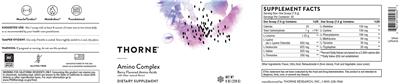
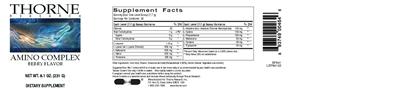
Supplement Facts
Total Carbohydrates 1 g · L-Leucine 1.25 g · L-Lysine 650 mg
| Calories | 25 | |
| Total Carbohydrates | 1 g | |
| L-Leucine | 1.25 g | † |
| L-Lysine | 650 mg | † |
| L-Isoleucine | 625 mg | † |
| L-Valine | 625 mg | † |
| L-Threonine | 350 mg | † |
| L-Histidine | 150 mg | † |
| L-Cystine | 150 mg | † |
| L-Phenylalanine | 100 mg | † |
| L-Methionine | 50 mg | † |
| L-Tyrosine | 30 mg | † |
| L-Tryptophan | 20 mg | † |
Other ingredients: Flavor, Citric Acid, Rebaudioside A, Fruit and Vegetable Juice.
Directions: Suggested use: Mix 1 scoop with at least 8 ounces of water one to two times daily or as recommended by your health-care practitioner.
Barcode (UPC) 693749004646 · Label source: NIH label database · Report a label change
Show entire label

More muscle and strength products
Members OnlyThe highest ranked for the same goal
Read more
Our articles on this subject
Graded November 5, 2026 by the Reverse Age Lab evidence engine, from human studies, real reviews and our biohacker panel. How we grade. Is this medical advice? No. Rala organizes the published evidence; go over any change with your doctor, especially if you take meds.
Privacy policyConsumer health dataTermsDo Not Sell or Share My Personal InformationCookie settings