
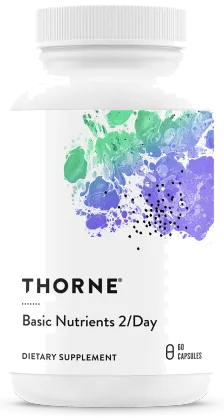
Thorne Basic Nutrients 2/Day - NSF Certified for Sport Review
Basic Nutrients 2/Day is a comprehensive daily supplement from Thorne, formulated for people who want foundational multivitamin and mineral support in fewer capsules. The product is a complete multi-vitamin and mineral formula taken as two capsules per day, which the page presents as a convenient 2-capsule-a-day protocol. The listed serving size is 2 capsules and the container holds 30 servings. The default option on the page is a 60 capsule bottle priced at $40, or $36 with a subscription that saves 10 percent. The page states that the product contains key nutrients for heart, brain, nerve, immune, bone, and skin health. Thorne says it uses the purest and most absorbable forms of vitamins and minerals available, without unnecessary additives and preservatives. Key ingredients named on the page include biotin, boron glycinate, chromium nicotinate glycinate, copper bisglycinate, gamma tocopherol, folate as L-5-MTHF, iodine, lutein from aztec marigold, magnesium bisglycinate, manganese, vitamin A from beta carotene and palmitate, thiamin, vitamin B12 as methylcobalamin, pantothenic acid, niacinamide, pyridoxal 5-phosphate, riboflavin 5-phosphate, vitamin C, vitamin E as d-alpha-tocopheryl acid succinate, zinc bisglycinate, calcium, selenium glycinate, vitamin D3, and vitamin K2 as MK-4 along with vitamin K1. The page lists benefits including eye health from vitamin A, antioxidant support from vitamins C and E and mixed tocopherols, bone and immune support from vitamin D, nerve and blood vessel support from B vitamins, bone and blood vessel health from vitamins K1 and K2, immune and skin support from zinc bisglycinate, and support for healthy blood sugar levels from chromium. The page also explains that few people get all the nutrition they need from diet, citing an analysis of NHANES data that estimates nearly one-third of the U.S. population is at risk of one or more micronutrient deficiencies. It notes that a survey published in JAMA Internal Medicine found 32 percent of U.S. adults take a multivitamin or mineral, and that groups with particular risk include teenagers, athletes, the elderly, people on restrictive diets, people with chronic disease, and people taking certain medications. Thorne describes its product as NSF Certified for Sport, meaning every batch is tested for compliance with label claims and for the absence of nearly 300 substances banned by many major athletic organizations. The warnings section states the product is contraindicated for anyone with a history of hypersensitivity to its ingredients, that iodine may occasionally cause an allergic reaction, that pregnant people should consult a health-care practitioner, that vitamin K can interfere with a med drugs such as a med, and that 5-methyltetrahydrofolate is not recommended alongside a med cancer therapy.
We don’t sell supplements. We help you make decisions and get the best price.
Lowest prices
We may earn a commission from some store links. How we choose.
Finding the lowest prices at the stores now. This takes a few seconds.
Study, Trial or Testing Result Summary
Members Only165 human studies · 75 improved
10 of these 165 human studies gave the ingredient by drip or injection, not by mouth.
The main support for energy comes from vitamin D, which this product gives at a full studied dose. In 46 active men, the same daily amount for 12 weeks lowered fatigue and improved fitness [1]. In 120 tired people low in vitamin D, one large dose cut fatigue, with 72% improving versus 50% on placebo [2]. Deficient women had slightly better vitality after a year [3]. However, 34,157 older women on a lower dose saw no change in energy [4]. Vitamin C at this dose improved well-being and fatigue only in young adults who were low in it [5], and a large trial in people who were not low found no benefit [6]. Thiamin helped older women with a mild shortage [7], but a nutrient mix with thiamin, riboflavin, niacin and vitamin B6 did not ease fatigue in dialysis patients [8]. Vitamin B6 helped tiredness in women with premenstrual symptoms [9], but larger trials found no gain [10]. Vitamin B3 forms did not improve tiredness in a large review [11]. Vitamin A here is far below the dose that reduced fatigue in trials [12], and vitamin E is only a trace amount compared with studied doses [13]. Vitamin K has no supplement trial for energy [14]. Animal and cell studies are never counted.
See all 165 studies →Hide the studies
- Across 16 trials with 6276 people, B12 with or without folic acid and B6 did not improve thinking or depression, and only one trial looked at fatigue so it could not be analyzed.Effects of Vitamin B12 Supplementation on Cognitive Function, Depressive Symptoms, and Fatigue: A Systematic Review, Met…
- In 21 trials of 3177 adults with lupus, vitamin D lowered disease activity scores compared with placebo; twelve studies reported benefits including less fatigue, while nine found no significant effect.A Systematic Review and Meta-Analysis of the Effects of Vitamin D on Systemic Lupus Erythematosus.
- Across 27 studies of 1,599 adults, NAD+ precursors did not improve perceived fatigue or sleep, but nicotinamide mononucleotide improved endurance and NADH improved cognitive performance.Domain-specific effects of NAD+ precursors on fatigue and functional performance: a systematic review and network meta-a…
- In two placebo-controlled trials of 404 adults with Charcot-Marie-Tooth disease type 1A, ascorbic acid at two doses over 12 to 24 months had little meaningful effect on fatigue.Interventions for fatigue in peripheral neuropathy.
- In five trials of 345 people with multiple sclerosis, vitamin D reduced fatigue slightly more than control.Effect of Vitamin D Supplementation on Fatigue in Multiple Sclerosis: A Systematic Review and Meta-Analysis.
- A review of studies in people with chronic fatigue syndrome and fibromyalgia found lower blood vitamin E than in healthy people (not in high-quality studies), and supplement trials did not improve symptoms.Vitamin and mineral status in chronic fatigue syndrome and fibromyalgia syndrome: A systematic review and meta-analysis.
- Across nine studies of 720 people, three of four controlled trials found intravenous vitamin C lowered fatigue scores more than control, and four of five uncontrolled studies saw fatigue fall.Feasibility of Vitamin C in the Treatment of Post Viral Fatigue with Focus on Long COVID, Based on a Systematic Review o…
- In 10 trials of 489 people, NADH was well tolerated and linked to better quality of life, less anxiety and lower heart rate after stress, but fatigue results were not clearly shown.Evaluation of safety and effectiveness of NAD in different clinical conditions: a systematic review.
- In a review of ten studies of 240 children and young people with rheumatic conditions, a placebo-controlled vitamin D study showed less fatigue, but overall evidence for reducing fatigue was insufficient and most studies had high risk of bias.Reducing fatigue in pediatric rheumatic conditions: a systematic review.
- In a review of 13 small trials with 85 people with McArdle disease, vitamin B6 gave no benefit for exercise performance.Pharmacological and nutritional treatment for McArdle disease (Glycogen Storage Disease type V).
- A review of 37 trials in people with multiple sclerosis reported that both trials of vitamin A found improvements in clinical or biological outcomes (such as fatigue) compared with control, but trials were small and few.The effect of emerging nutraceutical interventions for clinical and biological outcomes in multiple sclerosis: A systema…
- A review of 37 studies in cancer patients found intravenous vitamin C may ease fatigue and other symptoms, but the evidence is preliminary and mostly uncontrolled.Intravenous Vitamin C and Cancer: A Systematic Review.
- A review of supplements for football players said vitamin C may improve performance by lowering oxidative stress, but gave no numbers and called for more research.The efficacy of dietary supplements on health status and performance of football players: a systematic review.
- In a review of four lupus trials, three found vitamin D reduced disease activity and improved inflammatory markers, fatigue and blood vessel function, while one found no improvement in disease activity.Effect of vitamin D supplementation on patients with systemic lupus erythematosus: a systematic review.
- In a review of six studies in people with multiple sclerosis, most found vitamin D improved mental health and quality of life, with fatigue assessed only as an additional outcome.Vitamin D Supplementation and Mental Health in Multiple Sclerosis Patients: A Systematic Review.
- In a review of 14 diet trials in lupus, vitamin D improved inflammatory markers but not disease activity in most studies, and fatigue improvement was reported only for a low glycaemic index diet.Diet and Systemic Lupus Erythematosus (SLE): From Supplementation to Intervention.
- In a review of five studies of cancer patients receiving chemotherapy or radiotherapy, vitamin D was described as safe and as easing side effects including fatigue, though the studies were too varied to compare.A Systematic Review of Vitamin D Supplementation in Oncology: Chance of Science or Effectiveness?
- A review of 14 reviews found oral niacin and nicotinamide can cause side effects including fatigue, stomach upset, flushing and liver problems, more often at higher doses and with niacin than nicotinamide.The adverse effects of oral niacin/nicotinamide - an overview of reviews.
- In 34,157 postmenopausal women given 400 IU vitamin D plus 1000 mg calcium daily or placebo for about 5.7 years, energy and fatigue did not differ between groups.Calcium and vitamin D supplementation do not influence menopause-related symptoms: Results of the Women's Health Initiat…
- In 8112 healthy French adults taking a daily antioxidant capsule (including 6 mg beta-carotene) for about 6 years, quality of life, including vitality, did not differ from placebo.Long-term antioxidant supplementation has no effect on health-related quality of life: the randomized, double-blind, pla…
- In 2501 heart disease or stroke survivors given low-dose B vitamins including 3 mg B6 for about 3 years, quality of life was not improved, and activity limits due to emotional problems were slightly worse.B vitamin and/or n-3 fatty acid supplementation and health-related quality of life: ancillary findings from the SU.FOL.O…
- In 1078 HIV-positive pregnant women in Tanzania, vitamin A had no effect on depression or quality of life including vitality, while a B-complex, C and E multivitamin did help.Multivitamin supplementation in HIV-positive pregnant women: impact on depression and quality of life in a resource-poor…
- In adults aged 70 and older with low vitamin D and high fall risk, taking 1,000 IU or more of vitamin D3 daily for up to 24 months did not reduce frailty, including exhaustion, compared with 200 IU daily.The effects of vitamin D supplementation on frailty in older adults at risk for falls.
- In 326 adults with fatigue after an infection, 4 weeks of sulbutiamine (400 or 600 mg a day) did not reduce fatigue more than placebo overall, though women on 600 mg had less fatigue at day 7 only.[Treatment of chronic postinfectious fatigue: randomized double-blind study of two doses of sulbutiamine (400-600 mg/day…
- In 322 healthy adults given high-dose monthly vitamin D3 or placebo for 18 months, reported earthquake-related problems, including fatigue, did not differ between groups.Effect of monthly vitamin D3 supplementation in healthy adults on adverse effects of earthquakes: randomised controlled …
- In 275 adults with early COVID-19 given a 10-day combination that included vitamin C, less fatigue at day 14 was seen only when famotidine was added, not with the vitamin C combination alone.Read the study on PubMed (41693032) →
- In 271 adults with Charcot-Marie-Tooth disease type 1A, 1.5 g of ascorbic acid daily for 2 years did not differ from placebo on neuropathy or on secondary outcomes including fatigue.Ascorbic acid in Charcot-Marie-Tooth disease type 1A (CMT-TRIAAL and CMT-TRAUK): a double-blind randomised trial.
- In 236 women with breast cancer, both groups took 300 IU vitamin E daily for 24 weeks, and adding coenzyme Q10 did not reduce fatigue compared with placebo.A randomized, double-blind, placebo-controlled study of oral coenzyme Q10 to relieve self-reported treatment-related fat…
- In 227 breast cancer survivors over 12 months of a program combining a Mediterranean diet, exercise and vitamin D, fatigue fell significantly, but the program was not tested with vitamin D alone and the dose was not reported.Quality of Life in Women Diagnosed with Breast Cancer after a 12-Month Treatment of Lifestyle Modifications.
- In 215 working men aged 30 to 55, a high-dose B vitamin, vitamin C and mineral supplement for 33 days improved vigour, stress and mental health ratings and made them feel less mentally tired than placebo.Effects of high-dose B vitamin complex with vitamin C and minerals on subjective mood and performance in healthy males.
- In 202 hemodialysis patients, a multinutrient supplement containing vitamin C for 12 weeks did not reduce fatigue compared with placebo, though some heart rate variability measures improved.Effects of nutritional supplementation on fatigue, and autonomic and immune dysfunction in patients with end-stage renal…
- In 192 vitamin D-deficient premenopausal women given vitamin D or placebo for 12 months, vitality scores and mental component scores were slightly but significantly better with vitamin D, while heart and metabolic risk factors did not change.Effect of vitamin D supplementation on cardiometabolic risks and health-related quality of life among urban premenopausa…
- In 182 outpatients with COVID-19, 25,000 IU of vitamin A daily for 10 days added to standard treatment reduced symptoms including weakness and fatigue more than standard treatment alone.Evaluation and comparison of vitamin A supplementation with standard therapies in the treatment of patients with COVID-1…
- In 171 young adults, two extra daily servings of fresh fruit and vegetables for 14 days improved vitality and motivation, but blood vitamin C did not explain these benefits.Let them eat fruit! The effect of fruit and vegetable consumption on psychological well-being in young adults: A randomi…
- In 171 adults with mild insomnia, a blend including vitamin B6 for 2 weeks did not differ from placebo on sleep or physical fatigue, as both groups improved similarly.Exploring the Effect of Lactium™ and Zizyphus Complex on Sleep Quality: A Double-Blind, Randomized Placebo-Controlled Tr…
- In 167 young adults with low vitamin C, a 250 mg vitamin C tablet daily for 4 weeks improved well-being after two weeks, and also mood and fatigue in those with consistently low vitamin C, while placebo showed no change; kiwifruit gave somewhat stronger effects.KiwiC for Vitality: Results of a Randomized Placebo-Controlled Trial Testing the Effects of Kiwifruit or Vitamin C Table…
- In 160 heart bypass surgery patients, vitamin C plus omega-3 fatty acids given from the day before surgery through the first 5 days after reduced post-operative fatigue more than placebo.The combined effect of vitamin C and omega-3 polyunsaturated fatty acids on fatigue following coronary artery bypass gra…
- In 160 women with breast cancer taking letterozole, 30,000 IU of vitamin D3 weekly for 24 weeks did not significantly reduce joint symptom worsening on the main measure (37% vs 51%), and the abstract does not report a fatigue result.Randomized trial of vitamin D3 to prevent worsening of musculoskeletal symptoms in women with breast cancer receiving ad…
- In 160 heart disease patients over about 38 months, niacin plus a med caused fatigue, nausea or muscle aches in 9% versus 5% on placebo, not a significant difference.Read the study on PubMed (14759379) →
- In 158 people with multiple sclerosis and significant fatigue, 1 mcg of alfacalcidol daily for six months reduced fatigue scores more than placebo (41.6% vs 27.4% decrease).Effect of Alfacalcidol on multiple sclerosis-related fatigue: A randomized, double-blind placebo-controlled study.
- In men aged 70 and older with low testosterone and mobility problems, a combined program of strength training, testosterone, and vitamin D, calcium and protein supplements for 20 weeks reduced tiredness compared with no intervention, though the vitamin D effect could not be separated from the other parts of the program.Beneficial effects of exercise, testosterone, vitamin D, calcium and protein in older men-A randomized clinical trial.
- In 148 frail men aged 70 and older with low testosterone, over one year, only the group receiving testosterone plus strength training (which also took vitamin D, calcium and protein supplements) reported less fatigue than controls; vitamin D was not tested on its own.Testosterone and resistance training improved physical performance and reduced fatigue in frail older men: 1 year follow…
- In 141 healthy office workers, a single 10 gram intravenous vitamin C dose lowered fatigue scores for up to one day compared with saline placebo, especially in those with low starting vitamin C, and also lowered oxidative stress.Intravenous vitamin C administration reduces fatigue in office workers: a double-blind randomized controlled trial.
- In a placebo-controlled trial of 130 vitamin D-deficient young women with premenstrual syndrome, 2,000 IU vitamin D every other day for 12 weeks did not reduce fatigue more than placebo, although fatigue fell within the vitamin D group.The Effect of Vitamin D Supplement Consumption on Premenstrual Syndrome in Vitamin D-Deficient Young Girls: A Randomized…
- In 128 stroke patients with fatigue, electroacupuncture with cupping improved energy more than a medication group that took a vitamin E capsule, magnesium and a med for 5 weeks; vitamin E was not tested alone.[Clinical observation on the therapeutic effect of electroacupuncture combined with cupping on post-stroke fatigue].
- In 120 people with fatigue and low vitamin D, a single 100,000-unit oral dose of vitamin D3 reduced fatigue more than placebo over 4 weeks, with 72% of the vitamin D group reporting improved fatigue versus 50% on placebo.Effect of vitamin D3 on self-perceived fatigue: A double-blind randomized placebo-controlled trial.
- In 101 people with relapsing-remitting multiple sclerosis, 25,000 IU daily of retinyl palmitate for 6 months then 10,000 IU for 6 months reduced fatigue and depression more than placebo.Effect of Vitamin A Supplementation on fatigue and depression in Multiple Sclerosis patients: A Double-Blind Placebo-Con…
- In a 3-month double-blind trial of 99 people with severe kidney failure taking 250 mg vitamin C three times weekly, symptoms including fatigue were similar to placebo, and nausea trended worse with vitamin C.Vitamin C supplementation in kidney failure: effect on uraemic symptoms.
- In adults with moderate kidney disease, 8,000 IU of vitamin D a day for 12 weeks did not change fatigue compared with placebo.High doses of cholecalciferol alleviate the progression of hyperparathyroidism in patients with CKD Stages 3-4: results …
- In 91 people with chronic fatigue syndrome after COVID-19 or vaccination and low vitamin D, a 12-week program of 25 mcg daily vitamin D with diet, sun, and exercise guidance reduced symptom counts more than vitamin D alone, with 16 participants no longer meeting diagnostic criteria versus 1 in the control group.Vitamin D in Myalgic Encephalomyelitis/Chronic Fatigue Syndrome After COVID-19 or Vaccination: A Randomized Controlled T…
- In 88 adults with drug-resistant epilepsy and low vitamin D, a placebo-controlled 3-month period showed no fatigue or seizure benefit from vitamin D3, but over a longer open-label period fatigue and quality of life scores improved significantly.Vitamin D deficiency and effect of treatment on seizure frequency and quality of life parameters in patients with drug-r…
- In 80 adults with fatigue or neuropsychiatric symptoms after COVID-19, 60,000 IU of vitamin D given weekly for 8 weeks reduced fatigue more than placebo, along with some anxiety and cognitive test gains.Effects of an 8-week high-dose vitamin D supplementation on fatigue and neuropsychiatric manifestations in post-COVID sy…
- In 80 elderly Irish women with marginal thiamin deficiency, 10 mg of thiamin daily for 6 weeks increased appetite and well-being and decreased fatigue compared with placebo.Influence of thiamin supplementation on the health and general well-being of an elderly Irish population with marginal t…
- In 75 African American adults with type 2 diabetes, taking 4000 IU of vitamin D3 daily for one year did not improve fatigue, mood, or walking ability compared with 600 IU daily.The effect of vitamin D supplementation on mental and functional health outcomes in African Americans with type 2 diabet…
- In 68 people with multiple sclerosis, 20,000 IU of vitamin D3 weekly for 96 weeks produced no significant difference in fatigue compared with placebo.Effect of vitamin D3 supplementation on relapses, disease progression, and measures of function in persons with multiple…
- In 65 people with chronic fatigue syndrome, a daily combination with 1.05 mg B6, beta-glucan, vitamin D3 and zinc for 36 weeks improved cognitive fatigue compared with their own baseline.Yeast Beta-Glucan Supplementation with Multivitamins Attenuates Cognitive Impairments in Individuals with Myalgic Enceph…
- In 63 women with premenstrual symptoms (32 completed), 50 mg of vitamin B6 daily for 3 months in a crossover design improved emotional symptoms including depression, irritability and tiredness compared with placebo.Pyridoxine (vitamin B6) and the premenstrual syndrome: a randomized crossover trial.
- In 60 head and neck cancer patients having radiotherapy, adding pentoxifylline and vitamin E reduced the occurrence of fatigue compared with radiotherapy alone, though the combination was not testing vitamin E alone.Pentoxifylline and vitamin E reduce the severity of radiotherapy-induced oral mucositis and dysphagia in head and neck c…
- In 58 healthy adults with mild prolonged tiredness, a supplement combining pomegranate extract with B vitamins and vitamin C reduced fatigue scores over 8 weeks compared with placebo, though vitamin C was not tested alone and biochemical markers did not change.Combination of Chemically Characterized Pomegranate Extract and Hydrophilic Vitamins against Prolonged Fatigue: A Monoce…
- In 58 people with long-COVID, 2000 mg of nicotinamide riboside daily raised blood NAD+ about 3-fold but did not significantly improve fatigue, cognition, or sleep versus placebo.Effects of nicotinamide riboside on NAD+ levels, cognition, and symptom recovery in long-COVID: a randomized controlled …
- In 54 cancer patients with hand-foot skin reactions from chemotherapy, topical pyridoxine for 6 weeks did not improve the skin reaction grade, but patients reported lower fatigue, better physical function and better quality of life than the placebo group.A pilot randomized double-blind, placebo-controlled study on the effects of the topical application of pyridoxine on pal…
- In 51 Japanese women with premenstrual symptoms, taking 180 mg of γ-tocopherol twice a day for 7 days before their period reduced fatigue compared with placebo.Effect of γ-tocopherol supplementation on premenstrual symptoms and natriuresis: a randomized, double-blind, placebo-con…
- In 50 people with chronic fatigue syndrome, high-dose vitamin D3 given every 2 months for 6 months did not improve fatigue scores compared with placebo.Effect of intermittent vitamin D3 on vascular function and symptoms in chronic fatigue syndrome--a randomised controlled…
- In 50 people recovering from COVID-19, one month of 1-methylnicotinamide improved 6-minute walk distance in 92% versus 60% without it, and severe fatigue was 20% versus 56%.Use of 1-MNA to Improve Exercise Tolerance and Fatigue in Patients after COVID-19.
- In 46 older adults with mild cognitive impairment, a daily omega-3 and omega-6 formula with 0.6 mg vitamin A and vitamin E for 6 months improved fatigue, cognition, walking capacity and sleepiness more than placebo.The Effects of a 6-Month High Dose Omega-3 and Omega-6 Polyunsaturated Fatty Acids and Antioxidant Vitamins Supplementat…
- In healthy young adults with low vitamin C levels, 500 mg twice a day for 4 weeks improved attention and work absorption compared with placebo, with a trend toward less fatigue.Vitamin C supplementation promotes mental vitality in healthy young adults: results from a cross-sectional analysis and …
- In a 28-day placebo-controlled trial of 46 adults with long COVID, twice-daily liposomal vitamin C (500 mg) with l-arginine reduced persistent fatigue (2 of 23 still fatigued vs 21 of 23 on placebo) and improved walking distance and handgrip strength.Effects of l-Arginine Plus Vitamin C Supplementation on Physical Performance, Endothelial Function, and Persistent Fatig…
- In 46 active men, 2000 IU of vitamin D3 daily for 12 weeks lowered fatigue index scores and improved aerobic capacity and power compared with placebo.Effects of vitamin D3 supplementation for 12 weeks on serum levels of anabolic hormones, anaerobic power, and aerobic pe…
- In 45 people with COPD and weight loss, 12 weeks of a nutrition drink containing 10 mcg vitamin D3 and omega-3 fatty acids reduced exercise-induced fatigue more than an isocaloric comparator drink.Targeted medical nutrition for cachexia in chronic obstructive pulmonary disease: a randomized, controlled trial.
- In 44 children with sickle cell disease or who were healthy, daily vitamin D3 at 4,000 or 7,000 IU for 12 weeks significantly reduced fatigue and improved physical performance.Vitamin D Supplementation Improves Health-Related Quality of Life and Physical Performance in Children with Sickle Cell …
- In 43 adults with sleep complaints, a blend containing a small amount of vitamin B3 taken with the evening meal for 14 days shortened sleep onset time and improved next-morning mood and vigor, but had no effect on cognitive performance.Mulberry leaf extract combined with tryptophan improves sleep and post wake mood in adults with sleep complaints - A ran…
- In 42 healthy adults aged 40-76, a glycine, glutamine and niacin mixture taken for 3 weeks raised growth hormone by about 70% compared with placebo, but did not change IGF-I, mood or memory.Effects of an oral mixture containing glycine, glutamine and niacin on memory, GH and IGF-I secretion in middle-aged and…
- In 41 trained cyclists, 4 weeks of a carnitine and alpha-lipoic acid supplement with a small amount of vitamin B1 did not improve performance or fatigue measures compared with placebo.l-Carnitine and Alpha-Lipoic Acid Fail to Improve Anaerobic and Aerobic Performance in Trained Cyclists Despite a Reduct…
- In 40 young adults with low vitamin C, 1000 mg daily for 4 weeks improved mental vitality and reduced inflammation compared with placebo, with gut bacteria changes linked to the gains.Gut microbiota links vitamin C supplementation to enhanced mental vitality in healthy young adults with suboptimal vitam…
- In teenagers and young adults with lupus, 50,000 IU of vitamin D once a week for 24 weeks reduced fatigue related to social life compared with placebo.Vitamin D Supplementation in Adolescents and Young Adults With Juvenile Systemic Lupus Erythematosus for Improvement in …
- In a cluster randomized trial of 40 nursing home residents over 65, being encouraged to spend 20-30 minutes outdoors daily for two months in summer improved self-perceived mental health and vitality compared with before the summer, while the control group showed no change.Sunlight Exposure and Vitamin D Levels in Older People- An Intervention Study in Swedish Nursing Homes.
- In 40 people with quiescent bowel disease and severe fatigue, 4 weeks of high-dose thiamine (600-1800 mg a day) reduced fatigue by 4.5 points versus a 0.75 point increase on placebo, with 55% and 75% of the two groups improving.Randomised clinical trial: high-dose oral thiamine versus placebo for chronic fatigue in patients with quiescent inflamm…
- In healthy older adults, a 12-week multi-ingredient supplement that included vitamin D did not change muscle fatigue measures compared with placebo, though it improved muscle strength and power.Effects of 12 Weeks of Essential Amino Acids (EAA)-Based Multi-Ingredient Nutritional Supplementation on Muscle Mass, Mu…
- In 36 volunteers, 1 g of vitamin C daily for 30 days improved maximal oxygen uptake and lowered oxidative stress only in those with the lowest vitamin C levels, and it did not reduce fatigue index.Antioxidant supplementation, redox deficiencies and exercise performance: A falsification design.
- In 36 patients with primary biliary cholangitis, 4 weeks of high-dose thiamine (600-1800 mg a day) was safe but no better than placebo at reducing fatigue.High-dose oral thiamine versus placebo for chronic fatigue in patients with primary biliary cholangitis: A crossover ran…
- In 32 healthy young adults, 28 days of a B vitamin complex including B1 increased running time to exhaustion 1.26-fold and lowered blood lactate and ammonia compared with placebo.A functional evaluation of anti-fatigue and exercise performance improvement following vitamin B complex supplementation…
- In 32 Gulf War veterans with illness, a 4-6 week program of exercise, sauna and nicotinic acid plus other supplements improved physical quality of life by 6.9 points versus waitlist, and 11 of 16 quality of life, pain and fatigue measures improved.A Detoxification Intervention for Gulf War Illness: A Pilot Randomized Controlled Trial.
- In 30 older patients (average age 76), one year of vitamin E (400 mg a day) plus selenium improved fatigue, mental alertness, motivation and general condition compared with placebo, with no side effects.Vitamin E and selenium supplementation in geriatric patients : A double-blind preliminary clinical trial.
- In 30 young women with premenstrual syndrome, both groups took vitamin B6 and calcium for 3 months; the group that also did treadmill exercise improved fatigue and other symptoms, so the effect is from exercise rather than vitamin B6.Effect of aerobic exercise on premenstrual symptoms, haematological and hormonal parameters in young women.
- In people recovering from knee ligament surgery, 600 mg alpha-tocopherol plus 600 mg gamma-tocopherol and vitamin C for 16 weeks did not change muscle strength or time to exhaustion compared with placebo.Serum cytokines and muscle strength after anterior cruciate ligament surgery are not modulated by high-doses of vitamins…
- In 28 men with marginal vitamin C status, 1000 mg daily for 8 weeks produced a physical activity rise that was not statistically significant compared with placebo, though cold episodes were fewer.Vitamin C supplementation slightly improves physical activity levels and reduces cold incidence in men with marginal vit…
- In 26 overweight middle-aged women doing aerobic training for 3 months, drinking 500 mL of orange juice daily was linked with lower blood lactate, suggesting less muscle fatigue than training alone.Orange juice improved lipid profile and blood lactate of overweight middle-aged women subjected to aerobic training.
- Eating two SunGold kiwifruit daily for 4 weeks improved mood disturbance, wellbeing and vitality compared with usual diet in 26 adults with mild to moderate mood disturbance.SunGold Kiwifruit and Psychological Health (GoKiPH): A Randomised Controlled Crossover Trial.
- In 25 healthy young adults, a single dose of a pre-workout drink containing 500 mg vitamin C along with other ingredients raised self-rated energy and vigour compared with placebo, though adding synephrine gave no extra benefit.Effects of acute ingestion of a pre-workout dietary supplement with and without p-synephrine on resting energy expenditu…
- In 25 breast cancer survivors, 500 mg vitamin C plus vitamin E daily for 10 weeks alongside strength training did not reduce fatigue more than placebo.Effect of strength training and antioxidant supplementation on perceived and performance fatigability in breast cancer s…
- In a double-blind crossover trial of 25 resistance-trained adults, 7 days of a pre-workout drink containing 65 mg niacin (plus caffeine and other ingredients) improved some lower-body strength and endurance measures compared with placebo, but not cycling time-trial performance, with no differences in side effects.Short-Term Effects of a Ready-to-Drink Pre-Workout Beverage on Exercise Performance and Recovery.
- In 25 untrained men, a single 1000 mg dose of niacin before cycling raised the respiratory exchange ratio and shortened time to exhaustion compared with caffeine, suggesting impaired exercise performance.Niacin supplementation impairs exercise performance.
- In 21 young football players, 15 days of vitamin E (400 IU a day) plus vitamin C reduced signs of oxidative stress but did not improve power, agility, muscle soreness or recovery compared with placebo.Antioxidant vitamin supplementation prevents oxidative stress but does not enhance performance in young football athlete…
- In 21 untrained men, a caffeine supplement containing 40 mg of niacin taken once did not improve bench press strength, leg extension strength, or time to exhaustion on a bike compared with placebo.Acute effects of a caffeine-containing supplement on bench press and leg extension strength and time to exhaustion durin…
- In 20 obese adults on a calorie-restricted diet, 500 mg of vitamin C daily for 4 weeks lowered self-reported fatigue and reduced heart rate and perceived exertion during exercise compared with placebo.Vitamin C status and perception of effort during exercise in obese adults adhering to a calorie-reduced diet.
- In 20 male athletic students, 450 mg vitamin E daily for 8 weeks did not change oxidative stress markers or cycling endurance compared with placebo.Effects of vitamin E supplementation on oxidative stress at rest and after exercise to exhaustion in athletic students.
- In 19 adults with sleep apnea, 4,000 IU of vitamin D3 daily for 15 weeks did not change sleepiness, fatigue, or thinking tests compared with placebo, though it lowered some blood inflammation markers.Vitamin D Improves Selected Metabolic Parameters but Not Neuropsychological or Quality of Life Indices in OSA: A Pilot S…
- In 18 healthy volunteers, 1000 mg a day of ascorbic acid for 8 days did not reduce physical fatigue during a long cycling task, while a different product did.Effects of Applephenon and ascorbic acid on physical fatigue.
- In 18 sedentary women taking 300 mg vitamin E daily across two menstrual cycles, supplementation did not change exhaustive muscle performance compared with placebo.Exercise-induced oxidative stress and muscle performance in healthy women: role of vitamin E supplementation and endogen…
- In 17 people, 3 weeks of a broad antioxidant mixture including beta-carotene did not protect cycling performance in low oxygen better than placebo, while a different supplement did.Effects of antioxidant supplementation on exercise performance in acute normobaric hypoxia.
- In 17 adults with relapsing-remitting multiple sclerosis who finished the trial, a modified Paleolithic diet reduced fatigue scores compared with people eating their usual diet and raised vitamin K blood levels, but vitamin K itself was not given as a supplement.Randomized control trial evaluation of a modified Paleolithic dietary intervention in the treatment of relapsing-remitti…
- In 16 male athletes, 100 mg of thiamine daily for 3 days before cycling reduced complaints of fatigue shortly after exercise compared with placebo.Effects of thiamine supplementation on exercise-induced fatigue.
- In 14 young men, 30 mg of beta-carotene daily for 1 month did not change exercise-related DNA oxidative damage in urine in a significant way, and energy or exercise performance was not measured.Effect of a single bout of exercise and beta-carotene supplementation on the urinary excretion of 8-hydroxy-deoxyguanosi…
- In 14 healthy volunteers, 3000 mg a day of ascorbic acid for 8 days did not change physical fatigue during a long cycling task compared with placebo.Daily oral administration of crocetin attenuates physical fatigue in human subjects.
- In 14 people given 1 gram a day of a thiamin derivative or placebo for 4 days in a crossover design, there were no differences in oxygen use, lactate, or 2000-meter cycling time.The effect of a thiamin derivative on exercise performance.
- In 12 middle-aged triathletes during a 90-minute cycling session, taking vitamin C with glutathione improved energy-related metabolic and heart measures and lowered an oxidative stress marker compared with placebo, though vitamin C was not tested alone and this was a single acute session.Enhancing Supplemental Effects of Acute Natural Antioxidant Derived from Yeast Fermentation and Vitamin C on Sports Perf…
- In 11 trained male triathletes, 4 weeks of a combination supplement including vitamin E did not change time to exhaustion compared with placebo (223 vs 215 minutes).Effects of coenzyme athletic performance system as an ergogenic aid on endurance performance to exhaustion.
- In 10 healthy adults who ate few fruits and vegetables, 4 weeks of a combined antioxidant supplement (including 15,000 IU beta-carotene, a vitamin A precursor) raised antioxidant status about 21%, improved airflow, and lowered breathing rate and perceived exertion during exercise compared with placebo.The effects of antioxidant vitamin supplementation on expiratory flow rates at rest and during exercise.
- In 7 well-trained male cyclists, a multinutrient supplement containing pyridoxine-alpha-ketoglutarate for 3 weeks did not extend time to exhaustion during cycling or speed recovery compared with placebo.Tricarboxylic-acid-cycle intermediates and cycle endurance capacity.
- In adults with daily fatigue, a sesame lignan and vitamin E supplement (55 mg alpha-tocopherol) for 8 weeks did not beat placebo overall, though in people aged 40 and over it improved sleep and appearance versus placebo and raised antioxidant capacity.Sesame Lignans and Vitamin E Supplementation Improve Subjective Statuses and Anti-Oxidative Capacity in Healthy Humans W…
- In a blood analysis of people with quiescent inflammatory bowel disease and chronic fatigue, 4 weeks of high-dose oral thiamine did not change most B vitamin levels, though those who reported less fatigue had lower riboflavin afterward.B-vitamins, related vitamers, and metabolites in patients with quiescent inflammatory bowel disease and chronic fatigue …
- In a placebo-controlled crossover pilot in healthy middle-aged adults, 7 days of RiaGev (1520 mg twice daily) raised blood NAD+ metabolites and reduced fatigue and improved concentration and motivation compared with baseline, with no clinically relevant side effects.A Combination of Nicotinamide and D-Ribose (RiaGev) Is Safe and Effective to Increase NAD+ Metabolome in Healthy Middle-…
- In 351 Bangladeshi schoolchildren aged 6-11, daily fortified biscuits raised blood levels of retinol and other nutrients, and children and teachers reported less tiredness and better energy, though energy was not measured directly.Impact of fortified biscuits on micronutrient deficiencies among primary school children in Bangladesh.
- In 155 young adults with low vitamin C, a 250 mg vitamin C tablet daily for 4 weeks only marginally improved mood until day 12, with effects weaker than kiwifruit, though mood improved in those with low starting vitamin C.Smartphone survey data reveal the timecourse of changes in mood outcomes following vitamin C or kiwifruit intervention i…
- In active duty soldiers, a 90-day vitamin D3 supplement improved self-reported fatigue and sleep scores compared with a no-treatment control group.A Prospective Cohort Study of Vitamin D Supplementation in AD Soldiers: Preliminary Findings.
- In 134 patients after cerebral aneurysm embolization, adding glycerol fructose to routine vitamin B6 gave better neurological fatigue scores than B6 alone, so the benefit is from glycerol fructose rather than B6.Glycerol fructose combined with vitamin B6 is beneficial to postoperative recovery of patients with cerebral aneurysm.
- In 70 diabetic fatty liver patients, 1000 mg of nicotinamide daily for 12 weeks improved quality of life including the activity and fatigue scores versus no supplement, in an open-label trial.Nicotinamide supplementation in diabetic nonalcoholic fatty liver disease patients: randomized controlled trial.
- In 61 hemodialysis patients, 100 mg of intravenous vitamin C after each session for 6 months did not improve energy-related quality of life or red blood cell production compared with no vitamin C.Effects of intravenous ascorbic acid on erythropoiesis and quality of life in unselected hemodialysis patients.
- In 10 healthy sedentary men, taking 300 mg of retinol daily for 4 weeks did not change blood lactate or most antioxidant measures after exhaustive exercise, though nitric oxide levels fell.Effect of vitamin A administration on free radicals and lactate levels in individuals exercised to exhaustion.
- In 9 young women in a crossover study, 4 weeks of thiamine tetrahydrofurfuryl disulfide during exercise lowered blood lactate and ammonia compared with placebo and was linked to less exertion-related fatigue.The effects of endurance training and thiamine supplementation on anti-fatigue during exercise.
- In 8 people with COPD, a single 2 g IV vitamin C dose compared with saline reduced quadriceps neuromuscular fatigue and lowered inflammatory C-reactive protein during exercise, but did not improve breathlessness or exercise tolerance.Ascorbate attenuates cycling exercise-induced neuromuscular fatigue but fails to improve exertional dyspnea and exercise…
- In 7 male triathletes, 6 weeks of a daily antioxidant capsule containing 600 mg ascorbic acid did not change maximal oxygen uptake or muscle fatigue compared with placebo.No effect of antioxidant supplementation in triathletes on maximal oxygen uptake, 31P-NMRS detected muscle energy metabo…
- In 6 healthy men, adding 1,000 IU vitamin E to coenzyme Q10 for 2 weeks did not change aerobic power or exercise economy.Muscle and plasma coenzyme Q10 concentration, aerobic power and exercise economy of healthy men in response to four week…
- In patients with muscle symptoms from meds and low vitamin D, six months of vitamin D replacement raised blood vitamin D levels and reduced pain by 63% compared with untreated controls, with better quality of life, but energy and fatigue were not directly measured.Read the study on PubMed (36346279) →
- Construction workers who drank riboflavin-fortified apple juice daily for 28 days reported less fatigue on fatigue questionnaires, along with improved antioxidant markers.Physicochemical properties of and volatile compounds in riboflavin fortified cloudy apple juice; study of its effect on …
- In 214 outpatients with COVID-19, 8000 mg ascorbic acid for 10 days did not shorten symptoms, including fatigue, compared with usual care.Effect of High-Dose Zinc and Ascorbic Acid Supplementation vs Usual Care on Symptom Length and Reduction Among Ambulator…
- In 88 women newly diagnosed with breast cancer, 9 weeks of weekly vitamin D3 plus omega-3 lowered fatigue scores and reduced inflammation markers, but vitamin D alone did not produce significant changes.The effects of Omega-3 fatty acids and vitamin D supplementation on the quality of life and blood inflammation markers i…
- In an open-label pilot of 50 people with Parkinson disease, 100 mg thiamine injections twice weekly were followed by improved motor and non-motor symptoms and less fatigue in six patients who had fatigue, with no placebo group to compare against.Long-Term Treatment with High-Dose Thiamine in Parkinson Disease: An Open-Label Pilot Study.
- In an open-label trial of 40 head and neck cancer survivors, 100 mg vitamin C tablets daily for 8 weeks gave less fatigue relief than Tualang honey.Effects of Tualang Honey on Cancer Related Fatigue: A Multicenter Open-label Trial of H&N Cancer Patients.
- In 39 patients with advanced cancer and weight loss, a 4-month regimen that included 30,000 IU a day of vitamin A along with other antioxidants, supplements, and drugs improved fatigue scores and lowered inflammatory cytokines, but it was an open study with no placebo group and vitamin A's effect could not be separated from the other ingredients.A phase II study with antioxidants, both in the diet and supplemented, pharmaconutritional support, progestagen, and ant…
- In 28 patients with advanced lung cancer and low performance status, a multidrug regimen that included vitamin D was followed by improved fatigue and other general symptoms in most patients; there was no control group.Somatostatin, retinoids, melatonin, vitamin D, bromocriptine, and cyclophosphamide in advanced non-small-cell lung cance…
- In 26 people with multiple sclerosis, 400 mg of sulbutiamine daily for about 2 months significantly reduced fatigue scores, with the clearest benefit in those also taking disease-modifying treatment, and no serious side effects; there was no control group.Sulbutiamine shows promising results in reducing fatigue in patients with multiple sclerosis.
- In a small uncontrolled pilot of 23 iron-deficient women, a daily food-derived supplement that also contained vitamin C was taken for 8 weeks, and self-reported energy improved, though vitamin C alone was not tested and there was no placebo group.A Food-Derived Dietary Supplement Containing a Low Dose of Iron Improved Markers of Iron Status Among Nonanemic Iron-Def…
- In an open-label pilot of 15 retired football players, a daily multi-nutrient supplement that included vitamin D for 6 months was followed by improved vigor at 3 months and better general health ratings, but without a placebo group.The effect of dietary supplements on the quality of life of retired professional football players.
- In 12 symptomatic, severely vitamin D-deficient adults given cholecalciferol, muscle mitochondrial function improved and all participants reported less fatigue; there was no control group and the dose and duration were not stated.Improving the vitamin D status of vitamin D deficient adults is associated with improved mitochondrial oxidative functio…
- In 12 people with ulcerative colitis or Crohn's disease, high-dose oral thiamine (600 to 1500 mg daily by body weight) for 20 days led to complete fatigue relief in 10 people and nearly complete relief in 2 others, with no control group.Thiamine and fatigue in inflammatory bowel diseases: an open-label pilot study.
- In an open-label extension in inflammatory bowel disease, 300 mg per day of oral thiamine for 12 weeks did not reduce fatigue compared with no thiamine, though 66 percent of patients reached normal fatigue levels after six months of unrestricted follow-up.Long-term maintenance treatment with 300 mg thiamine for fatigue in patients with inflammatory bowel disease: results fr…
- In a survey of complementary medicine practitioners giving IV vitamin C (average 28 g every 4 days), 59 of 9,328 patients with data had lethargy or fatigue as a side effect, and most side effects were minor.Vitamin C: intravenous use by complementary and alternative medicine practitioners and adverse effects.
- In a survey of 4091 American adults, higher blood levels of two vitamin A forms, retinyl palmitate and retinyl stearate, were linked to less fatigue, but this link was not seen among the 272 people with a cancer history.Serum carotenoids and cancer-related fatigue: An analysis of the 2005-2006 National Health and Nutrition Examination Sur…
- In 1676 people with colorectal cancer, higher blood levels of active vitamin B6 were linked with less fatigue and better quality of life six months after diagnosis, though this was not a supplement trial.Circulating B-vitamin biomarkers and B-vitamin supplement use in relation to quality of life in patients with colorectal…
- Among 1643 older Spanish adults followed for about 3.5 years, dietary vitamin A intake was not reported as linked to developing frailty, while low intakes of vitamins B6, C, E and folate were.Low vitamin intake is associated with risk of frailty in older adults.
- In a 90-day follow-up of 923 Indonesian COVID-19 survivors, vitamin C combined with other micronutrients and favipiravir did not significantly change post-COVID symptoms, including fatigue, which was the most common symptom.Vaccination status, favipiravir, and micronutrient supplementation roles in post-COVID symptoms: A longitudinal study.
- In a survey of 576 people in Syria who had COVID-19, 76.4% reported using vitamin C, but the survey did not measure whether vitamin C improved energy or fatigue, and fatigue was the most reported symptom.COVID-19 infected patients' experiences in Syria, and the role of the pharmacists during their infection.
- In 530 older postmenopausal women, blood vitamin D levels were not clearly linked to energy or fatigue symptoms after adjustment; this was a measurement of existing levels, not a supplement trial.Vitamin D levels and menopause-related symptoms.
- In 411 dentists and their wives, people who took little vitamin C reported about double the number of fatigue symptoms compared with those who took more.Daily vitamin C consumption and fatigability.
- In a retrospective German cohort of 125 breast cancer patients, adding intravenous vitamin C of 7.5 g for at least 4 weeks was associated with fewer treatment side effects, including fatigue, than no added vitamin C.Intravenous vitamin C administration improves quality of life in breast cancer patients during chemo-/radiotherapy and a…
- In people with irritable bowel syndrome, lower vitamin B6 intake was linked with more fatigue, but this was an observational association within a diet study and not a test of vitamin B6 supplements.Poor intake of vitamins and minerals is associated with symptoms among patients with irritable bowel syndrome.
- In a retrospective chart review of 86 cancer patients given high-dose IV vitamin C (50 to 150 g per infusion), patients overall reported improved fatigue, pain, and mood, with temporary nausea and injection-site discomfort as the most common side effects.Retrospective Evaluation of Clinical Experience With Intravenous Ascorbic Acid in Patients With Cancer.
- In 82 people (41 with rheumatoid arthritis), vitamin D supplementation over about 9 months was linked with better fatigue scores, though the dose was not stated and there was no placebo group.Associations of Vitamin D Levels and Vitamin D Receptor Genotypes with Patient-Reported Outcome/Disease Activity in Pati…
- In 67 adults with shingles, about 2 weeks of intravenous vitamin C alongside standard treatment was followed by reduced pain and less general fatigue, but the study had no placebo group.Intravenous vitamin C in the treatment of shingles: results of a multicenter prospective cohort study.
- In COVID-19 survivors with lingering fatigue, a multi-ingredient supplement containing vitamin B6 improved strength and walking performance over 8 weeks compared with a control group, but vitamin B6 was not tested alone.Effects of a New Multicomponent Nutritional Supplement on Muscle Mass and Physical Performance in Adult and Old Patients…
- In a retrospective review of 58 stroke survivors with fatigue, all who were treated for low vitamin D had significant improvement in fatigue; there was no control group.Does Vitamin D Deficiency Predispose to Post Stroke Fatigue?
- In a Swedish registry of 40 adults with a med-associated multiple acyl-CoA dehydrogenase deficiency, 38 of 39 treated with riboflavin clinically improved, including reduced fatigue and muscle symptoms.Read the study on PubMed (41808636) →
- In a 7-day diary study of 20 adults with hypophosphatasia and 20 matched controls, vitamin B6 intake did not differ significantly between groups, and the study did not measure energy levels directly.Mineral Intake and Clinical Symptoms in Adult Patients with Hypophosphatasia.
- In 25 patients with multiple acyl-CoA dehydrogenase deficiency, those whose condition responded to riboflavin had favorable outcomes, while non-responders had more severe early illness.Determinants of Riboflavin Responsiveness in Multiple Acyl-CoA Dehydrogenase Deficiency.
- In 19 people with multiple sclerosis, those on a less inflammatory diet, which had higher vitamin B6 intake, reported more energy and fewer symptoms than those on a more inflammatory diet.Assessment of Functional Status in Patients with Multiple Sclerosis Based on the Inflammatory Potential of Their Diet.
- In 10 patients with late-onset multiple acyl-CoA dehydrogenase deficiency, high-dose riboflavin at 400 mg daily produced rapid muscle strength improvement, though neuropathic symptoms did not improve.Diagnostic Challenges in Late Onset Multiple Acyl-CoA Dehydrogenase Deficiency: Clinical, Morphological, and Genetic Asp…
- In a case series of 19 adults with a rare bone disorder, four patients given empirical pyridoxine (vitamin B6) did not get symptom relief, including fatigue.Hypophosphatasia in Adults: Clinical Spectrum and Its Association With Genetics and Metabolic Substrates.
- In lymphoma survivors, a higher vitamin B6 breakdown marker was associated with a greater risk of chronic cancer-related fatigue, pointing to low-grade inflammation as a possible cause.Metabolic analysis of amino acids and vitamin B6 pathways in lymphoma survivors with cancer related chronic fatigue.
- In this comparison of 184 young Turkish women with painful periods and 184 without, women with painful periods had lower vitamin D levels, and those with low vitamin D reported more fatigue, depression and irritability. This was an observational association, not a supplement trial.Serum vitamin D concentrations in young Turkish women with primary dysmenorrhea: A randomized controlled study.
- This baseline analysis of 65 adults with self-reported gluten sensitivity on a gluten-free diet found low vitamin D intake and reported tiredness and fatigue among their symptoms, but it did not test vitamin D supplementation or its effect on energy.Dietary and symptom assessment in adults with self-reported non-coeliac gluten sensitivity.
- In a small cross-sectional pilot of 23 people with multiple sclerosis, vitamin D intake from food was only weakly and not clearly linked to physical capacity or fatigue.Is diet associated with physical capacity and fatigue in persons with multiple sclerosis? -Results from a pilot study.
- In a large family with an inherited mitochondrial muscle mutation, riboflavin given to two affected members did not improve their exercise intolerance or fatigue.Benign mitochondrial myopathy with exercise intolerance in a large multigeneration family due to a homoplasmic m.3250T>C…
- In hypertensive patients, a nicotinamide mononucleotide supplement lowered blood pressure and improved vascular function, but energy was not measured.NAD+ exhaustion by CD38 upregulation contributes to blood pressure elevation and vascular damage in hypertension.
- In this mostly lab and animal study, nicotinamide with pyridoxine helped muscle stem cells regenerate muscle and improved strength in animals, but energy was not measured.Nicotinamide and pyridoxine stimulate muscle stem cell expansion and enhance regenerative capacity during aging.
Review Totals and Summary
Members Only15,422 reviews · 82% positive
Buyers are mostly positive about Thorne Basic Nutrients 2/Day capsules, though the written feedback is thin and a few people felt no change. The product carries about 9,219 ratings across the stores, and the one average given, 4.3, comes from the Thorne.com page. **What buyers say it did for them:** Most happy buyers describe a general lift rather than a measured result. One reports "more energy and general feeling of well-being." Another says, "Since I started my regiment.. I feel 💯." A 64-year-old reviewer credits Thorne products with keeping her in "good health." The most specific benefit is in nails, which one buyer says went "from brittle and splitting to thick, strong and shiny." **What they complain about:** The main complaint is that some people notice nothing. One reviewer wrote, "not sure. Feel no differant." The store pages' own summaries also say some customers are dissatisfied with the smell and taste. Those complaints come from the pages' overviews and not from the reviews shown. The one- and two-star ratings suggest a minority of buyers were unhappy, but their reasons are not visible here. **Taste, smell, pill size or form:** The store summaries say some customers dislike the smell and taste. The written reviews give no detail about pill size or how the capsules go down, so there is nothing more to report on those points. Reviews of other forms of the product, if any appeared on these pages, were left out; this summary covers the capsules only. **Value for money:** Nobody in the reviews or store summaries comments on price or value. The summaries mention only that customers praise the product's quality and ease of use. **Tolerability:** One buyer says, "No problems with side effects," which is reassuring for anyone starting a daily multivitamin. This is a single comment, so treat it as one person's experience. **Who it seems to suit and who it did not:** The product seems to suit people who want a daily multivitamin from a brand they trust and who are content with a general sense of wellness. Longtime Thorne users in particular speak well of it. One reviewer put it simply: "Start your day with Thorne Multivitamin!" It did less for people hoping for a clear, noticeable change, since at least one buyer felt no difference. The reviewers who were happy often described their results in general terms, so it is hard to say how it would work for a specific health goal. Anyone sensitive to smell or taste may want to keep the reported complaints in mind. **Overall:** The written feedback is favorable but limited to a handful of short comments, so the 4.3 average from a much larger group of ratings tells you more than the text does. Expect a well-regarded daily multivitamin. Energy, well-being and nail improvements are the benefits people mention, and some buyers notice nothing at all.
Biohacker Summary
Members Only9 of 10 recommend it
This product is a multivitamin, and the panel has no statements about the product as a whole, only about its individual vitamins, all of which are smaller ingredients in this product. Vitamin D drew the most attention, with all ten panelists speaking about it, and most of the panel recommend or use it for immune, brain, mood, muscle and bone health. Doses ranged from 5,000 IU of D3 taken in the morning by two of them to 10,000 IU daily in winter from one, while one said most people only need it if they are deficient, and several advise testing blood levels and taking it with dietary fat. Vitamin C was recommended by about half the panel, often paired with collagen for joints and skin, and vitamin K2 was taken in the morning at 90 to 100 mcg by two panelists. Vitamins A and E got only neutral mentions, and no one said they stopped taking anything.
See all 10 biohackers →Hide the biohackers
Dr. Eric Berg · Vitamin D · warns
- Dr. Berg warns that the recommended daily intake for vitamin D is based on a massive error and that the actual necessary amount is closer to 8,895 IU, with millions remaining deficient.
- Recommends getting vitamin D levels tested to ensure they are between 50 and 70, as vitamin D is intimately involved in regulating prostate size.
- Discusses foods that contain Vitamin K2.
- Recommends taking at least 10,000 IUs of vitamin D3 every single day in the winter, stating it is the most important vitamin to lower cancer risk.
- Recommends vitamin D to support the immune system, aiming for blood levels between 80 to 100 ng per ml.
- Mentions that lemon is loaded with vitamin C, and when combined with coffee, vitamin C significantly increases the bioavailability of antioxidants in the coffee.
- Recommends taking no less than 10,000 IU's of vitamin D3 for osteoporosis, alongside magnesium and K2.
- Recommends increasing vitamin D to restore balance and support healthy blood pressure.
- Recommends taking 40 to 45 milligrams of vitamin K2 daily for osteoporosis, citing a study from Japan with great results.
- Dr. Berg states that Vitamin C helps fight biofilms and is essential for making collagen in gums, teeth, and capillaries.
- States that a lack of vitamin D can potentially cause achy bones or crashing mood.
- Mentions that easy bruising can result from a lack of vitamin K1.
- Recommends Vitamin C as a cofactor, especially for collagen.
- Notes that low vitamin A can lead to dry eyes, dry mouth, and night vision issues.
Dave Asprey · Vitamin D · uses
- Takes Vitamin DAKE from Suppgrade Labs.
- Suggests that vitamin D supports brain health, muscle function, and focus.
- Recommends taking vitamin C for better skin health.
- Host Dave Asprey explains why correcting a vitamin D deficiency still makes sense for male fertility, even though supplementation did not improve overall semen parameters in a randomized trial.
- States that currently, he is only taking vitamin C and vitamin D.
- States that currently, he is only taking vitamin C and vitamin D.
- Dave Asprey's kids get a little bit of vitamin E every day, which helps to stabilize the bad oils they get when eating at restaurants.
- Recommends taking vitamin K2 with vitamin D to keep calcium in the bones, and suggests kids also take it for stronger bones.
- Recommends Vitamin K2, stating it supports healthy calcium metabolism.
- Recommends vitamin D, noting it's actually a hormone and that most people are deficient, even those who take it, because they don't take enough.
- Recommends adding vitamin K2 to vitamin D supplementation.
- States that most people on the spectrum are low in vitamin D and need more of it, mentioning his own product, Vitam DAKNE, which contains real vitamin A.
- Recommends real vitamin A for people on the spectrum, noting that many cannot convert plant vitamin A and need the good stuff he includes in his Vitam DAKNE product.
- Dave Asprey recommends Vitamin D3 with K2, explaining D3 is a hormone made from sunlight and K2 directs calcium into bones, not arteries, highlighting its low cost, widespread deficiency, and the ability to test its effectiveness.
Siim Land · Vitamin D · recommends
- Advises against taking vitamin D in the morning with other supplements because it is fat soluble and requires dietary fat for better absorption.
- Recommends taking Vitamin D with fat for better absorption.
- Recommends taking vitamin C with collagen to support joint collagen synthesis.
- States that Vitamin D connects biology to light and that UVB reaching the skin enables its production.
- States that vitamin C is needed for initiating collagen synthesis and that higher vitamin C intake appears to increase vitamin C content in the skin.
- Notes that Vitamin K2 helps activate proteins involved in bone mineralization and calcium regulation.
- Mentions that prunes contain vitamin K, which is a factor in their ability to help with bone density.
- Recommends Vitamin K2 for bone health and calcium metabolism, based primarily on human research, especially randomized controlled trials showing measurable benefits.
- Lists Vitamin K2 as one of 15 supplements backed by human studies.
- Lists sauerkraut and fruit as sources of Vitamin C.
- Lists leafy greens as a source of Vitamin K1.
- Lists liver and carrots as sources of Vitamin A.
- Thinks vitamin D has some of the strongest evidence and is worth considering.
- Notes that Vitamin K2 pairs well with vitamin D by regulating calcium and bone mineralization.
Ben Greenfield · Vitamin E · neutral
- Mentions a recent study showing no significant increase in bleeding for patients on Vitamin E supplementation during open heart surgery, which was interesting for him to learn.
- States that vitamin C is extremely important for collagen turnover and cites orthopedic data showing that 500 mg to 1 g of vitamin C can reduce the rate of complex regional pain in total knee replacements and wrist fractures.
- Notes that Vitamin D is actually a hormone and recommends patients aim for levels around 40 to 50, or even 60 for fracture healing, for optimal healing, as opposed to just above 20 which is considered normal.
- Notes that Vitamin A is a fat-soluble vitamin that supports healthy skin cell turnover.
- Mentions vitamin C as part of a bare-minimum protocol.
- Mentions vitamin D as part of a bare-minimum protocol.
- Advises getting vitamin D levels between 60 and 100 nanograms per milliliter as a minimum step for overall health and to slow down heart disease.
- Discusses vitamin K2, specifically the menaquinone forms, as crucial for arterial health and notes that it breaks down into MK-4 and MK-7.
- Explains that gut bacteria liberate K from the diet or make the K needed, and that poor absorption of vitamin K due to bacterial imbalances is linked to heart disease.
- Notes that while vitamin C has significant value, the optimal dose is a vexed question, and high doses might not always be beneficial, potentially blunting the hormetic effects of exercise.
- States that Nrf2 activators, when combined with something like niacin, may have a good effect on plaque progression.
- Notes that IV vitamin C has been used for decades for cancer patients with almost no standardization and that he receives many questions about its effectiveness and combination with chemo.
- Has been taking Vitamin D3 K2 for over a decade.
- Notes that sunlight influences more than just vitamin D production.
Dr. Mark Hyman · Vitamin D · recommends
- Recommends Vitamin D for health, stating that amazing things happen when patients' vitamin D statuses reach optimal levels.
- Mentions vitamin D as an existing biomarker that plays a role in mental health, which Function Health includes in their measurements.
- Notes that vitamin D plays a role in immune function.
- Mentions that vitamin A levels can be looked at to get a deep sense of what's happening with nutrient levels.
- Recommends vitamin C as a basic supplement during detoxification to help with inflammation and detoxification.
- Recommends checking vitamin D levels and states that if they had to pick one single intervention for immune health, vitamin D would be it.
- Dr. Hyman discusses vitamin D in relation to sun exposure patterns.
- States that vitamin D supplementation can help with oxidative stress.
- Dr. Hyman mentions vitamin C as an advanced therapy for skin repair.
- Mentions topical vitamin C as an antioxidant that can help skin with aging.
- Mentions that what they do when a cold comes on is not just vitamin C.
- Mentions vitamin D as a key nutrient for supporting immune function.
- States that vitamin D is probably the single most important intervention for immune health, recommending levels of 45 to 70 and emphasizing testing to determine the right dose.
- Recommends taking 50,000 units of vitamin A for three to five days right at the onset of symptoms if one feels they might be getting sick.
Thomas DeLauer · Vitamin C · recommends
- Recommends taking vitamin C along with collagen about an hour before a workout for connective tissue benefits.
- Uses vitamin C as part of their immunity duo, stating it is important for boosting the immune system, especially during cold and flu season.
- Uses vitamin D3 in the fall and winter months when getting less sun, as it's important to supplement it then.
- Recommends taking a massive amount of vitamin D simultaneously with an early morning massive breakfast to help reset circadian rhythms and address hyperphagia.
- Recommends Vitamin D, stating that it has receptors throughout the brain and deficiency can quickly impact brain and mood.
- Takes supplemental vitamin D because he is skin sensitive and from northern latitudes, limiting his UV exposure.
- Recommends taking vitamin D on non-liver days to ensure both nutrients get proper receptor access.
- Recommends consuming vitamin C to aid in NADPH recycling, which is necessary for glutathione to be reused after neutralizing oxidative stress.
- Takes Purity's liquid liposomal vitamin C for immune support and overall wellness, finding it easy to add to water, juice, or take straight up due to its good taste.
- Takes Purity's liquid vitamin D3 with K2 because she is constantly inside during the day; D3 is for overall wellness and K2 helps the body absorb calcium properly.
- Compares the Vitamin C content of oranges (53mg) to guava (228mg), noting guava has 4x more.
- Recommends getting vitamin D, suggesting it can be obtained while walking.
- States that vitamin D is best obtained from the sun, but getting it from food definitely helps, and notes its role as a hormone influencing many cells.
- Uses niacin as part of their detoxification protocol, taking enough to flush about half an hour before a sauna session.
Bryan Johnson · Vitamin K · uses
- Takes 90 mcg of Vitamin K2 in the morning for general health.
- Takes 5000 IU of Vitamin D3 in the morning for general health.
- Takes 5000 IU of Vitamin D3 in the morning for general health.
- Mentions that the sunlight assessment claims low vitamin D levels cause the immune system to misfire, and notes that their vitamin D has been measured.
- Takes 100 mcg of Vitamin K2 in the morning for longevity.
- Takes 5000 IU of Vitamin D3 in the morning for longevity.
- He takes 100 mcg of Vitamin K2 in the morning for general health.
- He takes 5000 IU of Vitamin D3 in the morning for general health.
- Takes 5000 IU of Vitamin D3 in the morning for general health.
- Takes 100 mcg of Vitamin K2 in the morning for longevity.
- Takes 5,000 IU of Vitamin D3 in the morning for longevity.
- Takes 90 mcg of Vitamin K2 in the morning.
- Takes 5,000 IU of Vitamin D3 in the morning.
- Takes 100 mcg of Vitamin K2 in the morning.
Dr. Rhonda Patrick · Vitamin D · neutral
- Vitamin D supplementation was linked to a 40% lower risk of dementia in an observational study of more than 12,000 older adults.
- Mentions that vitamin D also plays a role in maintaining muscle mass.
- Recommends ensuring adequate vitamin D intake for men's sperm health.
- Vitamin D and strength training alone did not, but adding them strengthened the effect on one clock, with the full combination slowing that measure by ~3.8 months.
- Lutein and zeaxanthin can also be obtained from certain multivitamins.
- Lutein and zeaxanthin can also be obtained from certain multivitamins.
- Lutein and zeaxanthin can also be obtained from certain multivitamins.
- Lutein and zeaxanthin can also be obtained from certain multivitamins.
- Lutein and zeaxanthin can also be obtained from certain multivitamins.
- Recommends Vitamin D, noting it regulates over 5% of the genome, including genes involved in immune defense, neurotransmitter synthesis, and longevity, and correcting deficiency may slow epigenetic aging.
- Uses Vitamin D3 as an example of a supplement that an AI model could track to see its impact on other metrics like glucose levels.
- Mentions that kale delivers vitamin K, a micronutrient many diets fall short on.
- Recommends Vitamin D, explaining that it regulates over 5% of the genome, including genes involved in immune defense, neurotransmitter synthesis, and longevity.
- Combining omega-3s with vitamin D and exercise has an additive effect, translating to ~3 months of slowed biological aging.
Andrew Huberman · Vitamin D · neutral
- Notes that most people are probably deficient in vitamin D and benefit from supplementing, but there's no point in doing it unless you're deficient for most things.
- Takes 5,000 IU of Vitamin D3 in the morning for longevity.
- Takes 90 mcg of Vitamin K2 in the morning for longevity.
- Takes 5000 IU of Vitamin D3 in the morning for general health.
- States that Vitamin D is one of the critical nutrients with the best evidence for cognitive function and reducing the risk of dementia.
- Takes 5000 IU of Vitamin D3 in the morning.
- Takes 90 mcg of Vitamin K2 in the morning.
- He takes 5,000 IU of Vitamin D3 in the morning for overall health.
- He takes 90 mcg of Vitamin K2 in the morning for overall health.
- Takes 5000 IU of Vitamin D3 in the morning.
- Takes 100 mcg of Vitamin K2 in the morning.
- Takes 5,000 IU of Vitamin D3 in the morning for general health.
- Takes 90 mcg of Vitamin K2 in the morning for general health.
- Takes 5000 IU of Vitamin D3 every day for longevity.
Peter Attia · Vitamin D · uses
- Lists vitamin D as one of her staple supplements.
- Notes that several studies show patients taking vitamin D can reduce TPO levels and prolong the honeymoon period of Hashimoto's disease.
- States that in mouse studies, there was a combined effect of alpha ketoglutarate with vitamin D for both sexes.
- Notes that in mouse studies, there was a combined effect of alpha ketoglutarate with vitamin A for male mice.
- Uses vitamin D as an example of how people might dismiss its efficacy due to failed clinical trials that didn't adjust the dose or measure levels.
- In mouse studies, Peter Attia's team found a combined effect of AKG with Vitamin D for both sexes.
- In mouse studies, Peter Attia's team found a combined effect of AKG with Vitamin A for male mice.
- Suggests that supplementing with lots of vitamin D might help overcome the negative effects of phenytoin on bone health by improving calcium absorption, though he is unaware of studies on this.
- Recommends Vitamin D3 as one of the 'big three' micronutrients for bone health, suggesting a daily intake of 800 to 1,000 IU, which can be obtained through sunlight or supplementation.
- Suggests that supplementing with lots of vitamin D might overcome the negative effects of phenytoin on bone health by counteracting increased catabolism of vitamin D and subsequent decreased calcium absorption.
- Recommends vitamin C as an important molecule for skin, noting its role as a precursor for collagen synthesis, a powerful antioxidant, and a regulator of complexion for even skin tone.
- Tried a vitamin C serum mixed with ferulic acid but stopped using it because she hated the smell. She notes that topical application of vitamin C far exceeds the levels achievable by ingestion for skin benefits.
- Peter Attia's AVIA Skincare vitamin C serum also contains niacinamide, which is useful to apply to the skin right after washing.
- Recommends vitamin D for people who tend to be vitamin D deficient, such as those living in Portland, Oregon.
RAL Summary
Members OnlyTier 2 for Energy
More Details
Members OnlyBody systems · Combine with · Possible side effects
Body systems: Nervous system, Musculoskeletal system, Immune system, Metabolic system
Combine with: For thyroid support, pair this multivitamin with a targeted selenium source (such as selenomethionine, about 100-200 mcg total daily intake from all sources) to support T4-to-T3 conversion and protect the thyroid from oxidative stress. Add extra vitamin D3 with K2 if blood levels are low, since deficiency is common in autoimmune thyroid conditions. Consider zinc and iron only if lab testing shows a deficiency, as iron and ferritin status affect thyroid hormone production. L-tyrosine or an ashwagandha extract may offer additional support in some people, but ashwagandha can raise thyroid hormone levels, so use it cautiously. Omega-3 fish oil can help manage inflammation. Avoid excess iodine or kelp unless advised, and take meds such as a med separated from calcium, magnesium, and multivitamins by about 4 hours. Always consult a healthcare provider and check TSH, free T3/T4, and antibodies before supplementing.
Possible side effects: Large single doses of niacin have been linked to fatigue, stomach upset and flushing, mostly at doses far above this product. Store summaries mention some dislike of the smell and taste.
Supplement Facts
Vitamin A 1050 mcg · Vitamin C 250 mg · Vitamin D 50 mcg
| Vitamin A | 1,050 mcg | |
| Vitamin C | 250 mg | |
| Vitamin D | 50 mcg | |
| Vitamin E | 16.5 mg | |
| Vitamin K | 200 mcg | |
| Thiamin | 50 mg | |
| Riboflavin | 12 mg | |
| Niacin | 80 mg | |
| Vitamin B6 | 20 mg |
Other ingredients: Hypromellose Capsule, Calcium Laurate, Dicalcium Phosphate.
Directions: Take 2 capsules daily or as recommended by your health-care practitioner.
Label source: Reverseagelab · Report a label change
Show entire label
More energy products
Members OnlyThe highest ranked for the same goal
Read more
Our articles on this subject
- Vitamin D2 vs D3: Which Form Raises Your Vitamin D More?Article · Oct 31, 2026
- Best Vitamins for Fatigue and the Habits That Matter MoreArticle · Jun 15, 2026
Graded November 6, 2026 by the Reverse Age Lab evidence engine, from human studies, real reviews and our biohacker panel. How we grade. Is this medical advice? No. Rala organizes the published evidence; go over any change with your doctor, especially if you take meds.
Privacy policyConsumer health dataAffiliate disclosureTermsDo Not Sell or Share My Personal InformationCookie settings