
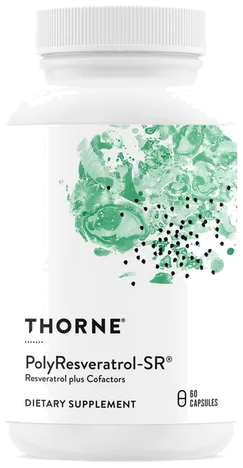
Thorne PolyResveratrol-SR Review
Thorne PolyResveratrol-SR is formulated to support a normal inflammatory response and for healthy aging, according to the product details on this Mayo Clinic Store page. The page states that the supplement contains trans-resveratrol plus plant extracts and pterostilbene, which the text says enhance trans-resveratrol's metabolic, cardioprotective, hepatoprotective, and healthy-aging properties. Some key ingredients named on the page include Green Tea Phytosome, Resveratrol, and Curcumin Phytosome. The benefits listed are: enhance healthy-aging properties; enhance trans-resveratrol's metabolic properties; serving size of 2 capsules; 30 servings per container; and gluten-free, dairy free, and soy free. The warnings section says the product should not be used if you have a history of hypersensitivity to any of the ingredients, and that if you are pregnant or nursing, you should not use this product. The page also gives a manufacturer part number of SB300, a UPC of 693749300014, an HCPCS code of 06001, and states that availability is receive in 3-7 days. The health goal category is listed as Metabolism. The full ingredients list on the page includes Curcumin Phytosome (Meriva), Green Tea Phytosome (decaffeinated), Quercetin Phytosome, Trans-Pterostilbene, Trans-Resveratrol, Calcium Laurate, High and Low Viscosity Hydroxypropyl Methylcellulose, Hypromellose Capsule, Leucine, Magnesium (Citrate), and Silicon Dioxide. The product is sold by Thorne Research, with the price listed as $59.00 and the item shown as in stock with SKU W-693749300014. The page includes a note that Thorne Research products are not intended to diagnose, treat, cure, or prevent disease, and that the availability of any product does not constitute a general endorsement, recommendation, prescription, or approval by Mayo Clinic or its medical staff. It advises consulting a healthcare provider with questions about whether a product is appropriate for individual care needs. The page also lists related Thorne products, such as Thorne ResveraCel, Thorne Berberine 500 Mg, Thorne Creatine, and Thorne NiaCel 400, but these are separate products. Shoppers can add the item to the cart, wish list, or compare list from this page.
We don’t sell supplements. We help you make decisions and get the best price.
Lowest prices
Finding the lowest prices at the stores now. This takes a few seconds.
Products with nearly the same formula (Matched on the main ingredients)
Study, Trial or Testing Result Summary
Members Only124 human studies · 79 improved
1 of these 124 human studies gave the ingredient by drip, not by mouth.
No study of this product exists, and no human study of its ingredients measured biological age reversal directly. Curcumin, at a full daily dose, lowered blood markers of inflammation and improved markers of oxidative stress across 66 randomized trials [1], and a smaller study without a comparison group also found less oxidative damage [2]. Green tea extract lowered a marker of oxidative damage and raised antioxidant capacity across 59 trials [3]. In older women, 500 milligrams of green tea compounds lowered a marker of damage to genetic material [4]. In a diet trial, people who drank more green tea showed slower aging on two aging clocks, though the diet groups did not differ overall [5]. Resveratrol at 150 milligrams improved thinking and brain blood flow in older women [6], and it improved word recall in some trials [7] but not others [8]. One large trial found no change in oxidative stress [9]. Quercetin is far below the studied dose and was only tested together with meds [10]. Pterostilbene was only tested with nicotinamide riboside, which did not help muscle recovery [11]. Animal and cell studies are never counted.
See all 124 studies →Hide the studies
- Across 59 randomized trials with 3802 people, green tea extract lowered a marker of oxidative damage (malondialdehyde) and raised total antioxidant capacity, and also lowered body weight and body fat.The effects of green tea extract supplementation on body composition, obesity-related hormones and oxidative stress mark…
- In 8 studies of 614 people with type 2 diabetes, green tea lowered the inflammation marker C-reactive protein but had no significant effect on malondialdehyde or total antioxidant capacity.The effect of green tea on C-reactive protein and biomarkers of oxidative stress in patients with type 2 diabetes mellit…
- Across 66 randomized trials in adults, turmeric or curcumin lowered inflammation markers (C-reactive protein, tumour necrosis factor alpha, interleukin-6) and improved oxidative stress markers (higher antioxidant capacity and superoxide dismutase, lower malondialdehyde), but did not significantly change interleukin-1 beta.Antioxidant and anti-inflammatory effects of curcumin/turmeric supplementation in adults: A GRADE-assessed systematic re…
- In a review of 11 mostly poor-quality trials of plant extracts for skin aging, green tea did not significantly reduce wrinkling.Botanical extracts as anti-aging preparations for the skin: a systematic review.
- In a review of 13 trials in people with thalassemia, green tea reduced markers of cellular oxidative damage, serum ferritin and liver iron.Advances in Supportive Therapy for Patients With Thalassemia: A Systematic Review.
- In 294 adults followed for 18 months, a green-Mediterranean diet including green tea and Mankai lowered a blood protein linked to faster brain aging (Galectin-9) more than standard healthy diet advice, but the effect of green tea alone could not be separated out.Serum Galectin-9 and Decorin in relation to brain aging and the green-Mediterranean diet: A secondary analysis of the DI…
- In 284 abdominally obese adults, an 18-month high-polyphenol Mediterranean diet including 3-4 cups of green tea daily slowed age-related brain shrinkage more than standard healthy diet advice.The effect of a high-polyphenol Mediterranean diet (Green-MED) combined with physical activity on age-related brain atro…
- In 284 adults followed for 18 months, eating more green tea and Mankai on a green-Mediterranean diet was linked to a more youthful brain age beyond the effect of weight loss, though this was an analysis of diet components rather than green tea alone.Glycemic control contributes to the neuroprotective effects of Mediterranean and green-Mediterranean diets on brain age:…
- In 256 adults over 18 months, the diet groups did not differ in biological age clock changes, but those who ate more green tea and followed the green-Mediterranean diet more closely showed slower biological aging on two DNA methylation clocks.The effect of polyphenols on DNA methylation-assessed biological age attenuation: the DIRECT PLUS randomized controlled …
- In 171 postmenopausal women with osteopenia, 500 mg daily green tea polyphenols for 6 months lowered urinary 8-OHdG, a marker of DNA oxidative damage, compared with placebo, and the effect was additive with Tai Chi.Mitigation of oxidative damage by green tea polyphenols and Tai Chi exercise in postmenopausal women with osteopenia.
- In 168 people with unhealthy blood fats, 100, 300 or 600 mg of resveratrol a day for 8 weeks did not change blood fats, glucose or oxidative stress markers versus placebo, though uric acid fell at the higher doses.A Randomized Trial on Resveratrol Supplement Affecting Lipid Profile and Other Metabolic Markers in Subjects with Dyslip…
- In 138 overweight or mildly obese people on a low-calorie diet, 2 months of EGCG with NOPE lowered oxidized LDL and raised antioxidant capacity more than placebo.N-Oleoyl-Phosphatidyl-Ethanolamine and Epigallo Catechin-3-Gallate Mitigate Oxidative Stress in Overweight and Class I O…
- In 134 healthy women over 40, 8 weeks of oral plus topical resveratrol reduced wrinkle scores versus placebo, but most other skin measures such as moisture and elasticity did not differ.Trans-resveratrol reduces visible signs of skin ageing in healthy adult females over 40: an 8-week randomized placebo-co…
- In 125 postmenopausal women, 150 mg of resveratrol a day for 12 months (in a 24-month crossover) improved overall cognitive performance by 33%, brain blood flow and insulin sensitivity compared with placebo.Long-term effects of resveratrol on cognition, cerebrovascular function and cardio-metabolic markers in postmenopausal w…
- In 114 people with type 2 diabetes, 3 months of a green tea, pomegranate and vitamin C supplement lowered malondialdehyde and raised glutathione and antioxidant capacity compared with placebo.The effects of polyphenol-containing antioxidants on oxidative stress and lipid peroxidation in Type 2 diabetes mellitus…
- In 111 healthy adults, a standardized green tea capsule taken twice a day for 3 weeks lowered a marker of oxidative stress by 11.9% and a marker of chronic inflammation by 42%, and also lowered blood pressure, compared with placebo.Standardized capsule of Camellia sinensis lowers cardiovascular risk factors in a randomized, double-blind, placebo-cont…
- In 97 older adults with type 2 diabetes, 1000 mg of resveratrol a day for six months raised antioxidant capacity and sirtuin 1 levels, while the placebo group's oxidative stress and inflammation marker worsened.Effect of Resveratrol on Markers of Oxidative Stress and Sirtuin 1 in Elderly Adults with Type 2 Diabetes.
- In 90 adults beginning running, 12 weeks of green tea kombucha did not change the main antioxidant measure, though some immune and oxidative markers shifted in small, exploratory ways.Acute and Chronic Effects of Green Tea Kombucha With and Without Grape Skin Extract on Immune and Oxidative Stress Marke…
- In 90 people with peripheral artery disease, 6 months of nicotinamide riboside improved walking distance, but adding resveratrol gave no extra benefit.Nicotinamide riboside for peripheral artery disease: the NICE randomized clinical trial.
- In 90 postmenopausal women, an 8-week polyphenol mixture including about 133 mg resveratrol lowered oxidized LDL cholesterol but raised total cholesterol, LDL and triglycerides.Polyphenols increase circulating lipids but improve LDL particle quality and reduce LDL oxidation in postmenopausal wome…
- Among 78 older adults with self-reported weakness, catechin-enriched green tea plus exercise for 24 weeks did not change physical performance or muscle mass compared with placebo plus exercise, though knee strength improved more in the green tea group.Effects of catechin-enriched green tea combined with exercise on physical performance and muscle mass in community-dwell…
- In 64 women taking a low-estrogen birth control pill, green tea with a set amount of catechins did not reduce oxidative stress, while only the full multi-ingredient product did.Evaluation of oxidative stress after treatment with low estrogen contraceptive either alone or associated with specific …
- In 62 children with autism taking risperidone, 500 mg of resveratrol a day for 10 weeks did not improve irritability compared with placebo, though hyperactivity improved.Resveratrol as adjunctive therapy in treatment of irritability in children with autism: A double-blind and placebo-contr…
- In 61 community-dwelling older adults, 3 grams of matcha powder daily for 12 weeks improved a cognitive screening score in women only, compared with placebo.Effects of Matcha Green Tea Powder on Cognitive Functions of Community-Dwelling Elderly Individuals.
- In 60 postmenopausal women given intermittent a med plus quercetin for 20 weeks, bone breakdown did not differ from control, bone formation rose temporarily at 2 and 4 weeks but not at 20 weeks, and benefits appeared mainly in women with high senescent cell burden.Effects of intermittent senolytic therapy on bone metabolism in postmenopausal women: a phase 2 randomized controlled tr…
- In 60 healthy older adults, 200 mg of resveratrol daily for 26 weeks did not significantly improve verbal memory compared with placebo, and some inflammation markers rose in both groups.Effects of resveratrol on memory performance, hippocampus connectivity and microstructure in older adults - A randomized…
- In 60 people with type 2 diabetes and kidney damage, 500 mg of resveratrol a day for 90 days reduced urine albumin and raised antioxidant enzymes versus placebo, with kidney filtration unchanged.Resveratrol reduces albuminuria in diabetic nephropathy: A randomized double-blind placebo-controlled clinical trial.
- In 60 older adults with physical limitations, 12 weeks of exercise plus 500 or 1000 mg resveratrol daily was safe and showed larger six-minute walk gains than exercise with placebo, though this small pilot was not designed to prove benefit.Resveratrol and exercise combined to treat functional limitations in late life: A pilot randomized controlled trial.
- In 60 patients after heart bypass surgery, resveratrol for 60 days lowered systolic blood pressure, triglycerides, total and LDL cholesterol and improved heart pumping, but oxidative stress markers did not differ from placebo.Resveratrol improves lipid profile and recovers heart function in postoperative CABG patients.
- In adults with excess body weight, 200 ml of green tea kombucha daily for 10 weeks, alongside a calorie-restricted diet, lowered one pro-oxidant marker compared with the diet-only control group, but other oxidative stress and blood vessel markers did not change.Effect of regular green tea (Camellia sinensis) kombucha consumption on oxidative stress and endothelial health in indiv…
- In 56 obese adults with high blood pressure, 379 mg of green tea extract daily for three months lowered blood pressure, inflammatory markers and insulin resistance, and raised total antioxidant status compared with placebo.Green tea extract reduces blood pressure, inflammatory biomarkers, and oxidative stress and improves parameters associat…
- In 56 non-obese adults, taking 100 mg of resveratrol as part of a 10-supplement daily combination for 24 weeks did not change arterial stiffness, blood vessel function, inflammation, oxidative stress or cardiometabolic risk compared with control.Multiple dietary supplements do not affect metabolic and cardio-vascular health.
- In 56 adults with mild to moderate ulcerative colitis, 500 mg of resveratrol daily for 6 weeks lowered a blood marker of oxidative stress (MDA) and raised antioxidant measures more than placebo, and reduced disease activity.Resveratrol Supplementation and Oxidative/Anti-Oxidative Status in Patients with Ulcerative Colitis: A Randomized, Doubl…
- In 56 women with polycystic ovary syndrome undergoing fertility treatment, 800 mg of resveratrol daily for 60 days reduced oxidative stress in follicular fluid, increased mitochondrial markers and improved egg maturity and embryo quality versus placebo, with no change in pregnancy rates.Resveratrol ameliorates mitochondrial biogenesis and reproductive outcomes in women with polycystic ovary syndrome under…
- In 56 women with polycystic ovary syndrome, 800 mg of resveratrol daily for 60 days reduced oxidative stress markers in follicular fluid and granulosa cells compared with placebo.Beneficial Role of Resveratrol on Oxidative Stress in Women with Polycystic Ovary Syndrome: A Randomized Controlled Tria…
- In 54 male soccer players, 450 mg of green tea extract daily for 6 weeks lowered a blood marker of oxidative stress compared with placebo, but did not reduce muscle damage.The Effect of Green Tea and Sour Tea (Hibiscus sabdariffa L.) Supplementation on Oxidative Stress and Muscle Damage in A…
- In 50 healthy smokers, 500 mg of resveratrol daily for 30 days reduced C-reactive protein and triglycerides and raised total antioxidant status compared with placebo.Anti-inflammatory and antioxidant effects of resveratrol in healthy smokers a randomized, double-blind, placebo-controll…
- In 50 women with polycystic ovary syndrome analyzed over 6 months, resveratrol alone improved BMI, ovarian volume, hair growth score and quality of life, and adding a med further reduced fasting glucose and a blood oxidative stress marker (MDA); the dose was not stated.Read the study on PubMed (40888876) →
- In 48 people with diabetic foot ulcers, a dressing with resveratrol microparticles for 4 weeks closed wounds faster than standard care (about 58% versus 27% closure) and lowered some inflammation and oxidative stress markers.Comparative Evaluation of Clinical Efficacy and Safety of Collagen Laminin-Based Dermal Matrix Combined With Resveratrol…
- In 46 overweight adults aged 50 to 75, 200 mg of resveratrol daily for 26 weeks improved word recall compared with placebo, and lowered HbA1c, a blood sugar marker.Effects of resveratrol on memory performance, hippocampal functional connectivity, and glucose metabolism in healthy old…
- In 46 postmenopausal women with insulin resistance, resveratrol alone or with vitamin C lowered markers of oxidative stress such as malondialdehyde, with the resveratrol-only group falling by 26 percent.The Administration of Resveratrol and Vitamin C Reduces Oxidative Stress in Postmenopausal Women-A Pilot Randomized Clin…
- In 44 healthy adults who drank green tea polyphenol with milk twice daily for 6 months in a crossover trial, antioxidant levels rose, fat oxidation damage fell, and skin wrinkles and roughness decreased compared with placebo.Improvement of green tea polyphenol with milk on skin with respect to antioxidation in healthy adults: a double-blind pl…
- In 40 women with sun-damaged skin, 8 weeks of green tea capsules and cream increased elastic tissue in skin biopsies compared with placebo, but visible skin appearance did not measurably change.Double-blinded, placebo-controlled trial of green tea extracts in the clinical and histologic appearance of photoaging s…
- In 40 adults with and without high cholesterol, 4 weeks of resveratrol capsules improved antioxidant status, with the effect in people with high cholesterol working mainly by raising vitamin E.Alterations of antioxidant status in asymptomatic hypercholesterolemic individuals after resveratrol intake.
- In 39 women at increased breast cancer risk, 12 weeks of 5 or 50 mg trans-resveratrol twice daily reduced methylation of a cancer-related gene in breast tissue in a dose-related way compared with placebo, though the sample was small.Trans-resveratrol alters mammary promoter hypermethylation in women at increased risk for breast cancer.
- In 37 adults with overweight or obesity, 12 weeks of a daily supplement combining 80 mg resveratrol with a green tea compound did not change overall gut bacteria, and any muscle energy changes depended on baseline gut bacteria and differed by sex.Examination of sex-specific interactions between gut microbiota and host metabolism after 12-week combined polyphenol su…
- In 36 overweight men, a mix of supplements including green tea extract for 5 weeks raised adiponectin slightly and changed several gene and metabolite profiles, but did not lower C-reactive protein.An antiinflammatory dietary mix modulates inflammation and oxidative and metabolic stress in overweight men: a nutrigeno…
- In 36 cancer patients having pancreatic surgery, a green tea and antioxidant drink taken before surgery raised vitamin C and total antioxidant capacity afterward compared with placebo, but did not lower oxidative stress or inflammation.Oral preoperative antioxidants in pancreatic surgery: a double-blind, randomized, clinical trial.
- In 36 prediabetic adults, 50 mg of resveratrol with 1.11 g of leucine daily for 4 weeks reduced insulin resistance by 33% and lowered glucose and insulin responses compared with placebo.Modulation of Energy Sensing by Leucine Synergy with Natural Sirtuin Activators: Effects on Health Span.
- In 35 adults with obesity and metabolic syndrome, 8 weeks of green tea drinks (4 cups daily) or green tea extract capsules led to greater weight loss than water controls. Green tea drinks also lowered a marker of fat damage from oxidation (MDA and HNE).Green tea supplementation affects body weight, lipids, and lipid peroxidation in obese subjects with metabolic syndrome.
- In 35 untrained men, 640 mg daily polyphenols from green tea extract for 4 weeks raised blood antioxidant status and lowered a marker of oxidative damage compared with placebo during strength training.Green tea extract supplementation gives protection against exercise-induced oxidative damage in healthy men.
- In 33 elderly nursing home residents with cognitive decline, 2 g per day of green tea powder for one year did not change cognitive test scores compared with placebo, but it prevented a rise in a marker of oxidative stress.Effects of green tea consumption on cognitive dysfunction in an elderly population: a randomized placebo-controlled stud…
- In 32 adults, drinking 3 cups of green tea daily for 2 weeks raised the skin's ability to neutralize free radicals by about 28-29% compared with water. Both tea varieties worked similarly.A Randomized Controlled Trial of Green Tea Beverages on the in vivo Radical Scavenging Activity in Human Skin.
- In 32 older adults (55-80 years) given 200 mg pterostilbene plus 1,000 mg nicotinamide riboside daily, starting 2 weeks before a muscle injury, muscle stem cell recruitment and muscle recovery did not differ from placebo, though the supplement was safe.A randomized placebo-controlled trial of nicotinamide riboside and pterostilbene supplementation in experimental muscle …
- In 32 healthy adults, a grape drink eaten with a high-fat meal lowered a urine marker of oxidative stress compared with placebo, but the effect depended on whether it was taken in the morning or evening; the study used a single meal, not weeks of use.Circadian Modulation of the Antioxidant Effect of Grape Consumption: A Randomized Controlled Trial.
- In 32 adults with obesity and insulin resistance, resveratrol for 2 months improved insulin response and lowered triglycerides compared with placebo, and increased muscle markers of mitochondrial function; the dose was not stated.Supplementation with resveratrol modified gut microbiota improving insulin sensitivity and lipid metabolism in subjects …
- In 30 male smokers, a daily high dose of 580 mg green tea catechins for 2 weeks improved blood vessel function and lowered markers of oxidative stress and inflammation compared with a control drink.Green tea catechins improve human forearm endothelial dysfunction and have antiatherosclerotic effects in smokers.
- In 30 older adults with impaired glucose control, 6 weeks of 2 to 3 g daily resveratrol improved a measure of blood vessel function and increased mitochondrial number, but did not improve glucose metabolism or insulin sensitivity compared with placebo.Resveratrol Improves Vascular Function and Mitochondrial Number but Not Glucose Metabolism in Older Adults.
- In 30 adults aged 65 to 80 taking 500 mg of resveratrol daily during 12 weeks of exercise, muscle mitochondrial density, muscle fatigue resistance, and muscle strength improved more than with exercise and placebo.Resveratrol Enhances Exercise-Induced Cellular and Functional Adaptations of Skeletal Muscle in Older Men and Women.
- In 27 inactive men aged about 65, taking 250 mg of resveratrol daily during 8 weeks of high-intensity exercise blunted the heart and fitness gains seen with exercise alone, including smaller gains in oxygen uptake and blood pressure drop, and less improvement in blood lipids.Resveratrol blunts the positive effects of exercise training on cardiovascular health in aged men.
- In 26 newly diagnosed breast cancer patients taking a multi-extract capsule containing resveratrol for about 5 days before surgery, the study measured where polyphenol metabolites ended up in tissue; it did not measure any aging outcome.Disposition of Dietary Polyphenols in Breast Cancer Patients' Tumors, and Their Associated Anticancer Activity: The Part…
- In 25 overweight adults, 12 weeks of a green tea compound plus resveratrol reduced activity of oxidative stress and inflammation genes in fat tissue compared with placebo, but did not change fat cell size.The effects of polyphenol supplementation on adipose tissue morphology and gene expression in overweight and obese human…
- In 24 hospitalized patients with acute kidney injury, pterostilbene plus nicotinamide riboside taken twice daily for 2 days raised whole blood NAD by 37% overall after 48 hours, while NAD fell by 50% on placebo, and the doses were safe and well tolerated.Nicotinamide riboside with pterostilbene (NRPT) increases NAD+ in patients with acute kidney injury (AKI): a randomized,…
- In 22 postmenopausal women, 615 mg of green tea catechins daily for 4 weeks lowered blood sugar after meals and raised the antioxidant thioredoxin, but did not change oxidative stress reactive metabolites.Acute ingestion of catechin-rich green tea improves postprandial glucose status and increases serum thioredoxin concentr…
- In 21 people with COPD, 150 mg of resveratrol daily for 4 weeks did not improve muscle mitochondrial function or inflammation compared with placebo, and it was linked to a loss of lean body mass.Resveratrol and metabolic health in COPD: A proof-of-concept randomized controlled trial.
- In 20 untrained men, 500 mg daily green tea extract for 15 days reduced a blood marker of muscle damage after exercise but did not reduce muscle soreness compared with placebo.Effect of green tea extract supplementation on exercise-induced delayed onset muscle soreness and muscular damage.
- In a placebo-controlled crossover trial of 19 healthy men, a single 1 g dose of green tea extract catechins made LDL cholesterol particles more resistant to oxidation. The catechins were absorbed into those particles.Green tea catechins prevent low-density lipoprotein oxidation via their accumulation in low-density lipoprotein particle…
- In 17 adults with well-controlled type 2 diabetes, 150 mg of resveratrol daily for 30 days did not improve insulin sensitivity, but it did improve mitochondrial function in muscle samples.Resveratrol as Add-on Therapy in Subjects With Well-Controlled Type 2 Diabetes: A Randomized Controlled Trial.
- In 16 sprinters taking 980 mg daily polyphenols from green tea extract for 4 weeks, oxidative stress after sprint tests was reduced compared with placebo, but muscle damage and sprint performance did not improve.The effect of green tea extract supplementation on exercise-induced oxidative stress parameters in male sprinters.
- In 16 trained men, a single 780 mg dose of green tea catechins raised a blood antioxidant measure at rest, but did not change a marker of oxidative damage, and the effects differed depending on whether they exercised.Influence of green tea catechins on oxidative stress metabolites at rest and during exercise in healthy humans.
- In 16 healthy young adults, 500 mg of resveratrol with piperine daily for 4 weeks combined with arm training raised forearm muscle mitochondrial capacity by about 40%, versus about 10% with placebo.Influence of exercise training with resveratrol supplementation on skeletal muscle mitochondrial capacity.
- In 14 healthy adults, a 100 gram serving of ice cream containing green tea extract and cocoa lowered oxidative stress and improved blood vessel function two hours after eating, while plain chocolate ice cream did not.Natural antioxidant ice cream acutely reduces oxidative stress and improves vascular function and physical performance i…
- In 14 athletes, a week of resveratrol plus quercetin supplements reduced the rise in a marker of fat-related oxidative damage after exercise compared with placebo, without changing inflammation.Effect of resveratrol and quercetin supplementation on redox status and inflammation after exercise.
- In 13 men who are first-degree relatives of people with type 2 diabetes, 150 mg daily of resveratrol for 30 days improved muscle mitochondrial function but did not improve insulin sensitivity or brown fat activity.Resveratrol improves ex vivo mitochondrial function but does not affect insulin sensitivity or brown adipose tissue in f…
- In 11 obese men, 150 mg daily of resveratrol for 30 days improved muscle mitochondrial respiration and lowered inflammation markers, lowered resting metabolic rate, and produced other calorie-restriction-like changes.Calorie restriction-like effects of 30 days of resveratrol supplementation on energy metabolism and metabolic profile in…
- In 10 endurance-trained men taking green tea extract with about 160 mg catechins daily for 3 weeks, inflammation and oxidative stress markers did not change versus placebo, though muscle damage marker creatine kinase was lower and HDL cholesterol was higher.Effects of 3-week consumption of green tea extracts on whole-body metabolism during cycling exercise in endurance-traine…
- In heavy smokers, drinking about 4 cups of decaffeinated green tea daily lowered a urinary marker of oxidative DNA damage compared with water. The effect was seen in smokers with one specific gene variant (GSTM1-positive).Green tea consumption is associated with decreased DNA damage among GSTM1-positive smokers regardless of their hOGG1 gen…
- In a secondary analysis of a pilot diet and lifestyle trial, eating more foods grouped as methyl adaptogens, including green tea, was linked to a larger drop in epigenetic age.Dietary associations with reduced epigenetic age: a secondary data analysis of the methylation diet and lifestyle study.
- Using data from the trial of a med plus quercetin in postmenopausal women, this study found that a T-cell p16 variant 5 test and a blood panel of inflammatory markers could identify women who had a bone benefit, but it did not test the treatment's effect against control.Characterization of Human Senescent Cell Biomarkers for Clinical Trials.
- In healthy inactive men aged 60 to 72, 250 mg of resveratrol daily for 8 weeks did not improve muscle metabolism, and it blunted some exercise-driven gains in markers of oxidative stress and inflammation.Exercise training, but not resveratrol, improves metabolic and inflammatory status in skeletal muscle of aged men.
- Over 8 weeks, a supplement combining glutathione precursors with polydatin, a precursor of resveratrol, improved the body's antioxidant status and lowered the inflammation marker neopterin more than the glutathione-only supplement.Antioxidant Activity with Increased Endogenous Levels of Vitamin C, E and A Following Dietary Supplementation with a Com…
- Among 133 heavy smokers, drinking four cups a day of decaffeinated green tea for four months lowered a urine marker of oxidative DNA damage, mainly in people with certain gene variants.Effect of a 4-month tea intervention on oxidative DNA damage among heavy smokers: role of glutathione S-transferase geno…
- In 60 male pump workers over 6 months, drinking 6 cups of green tea daily reduced several markers of benzene-induced oxidative stress compared with those not drinking tea.Green tea attenuates benzene-induced oxidative stress in pump workers.
- In 33 Asian men, a face cream with green tea extract applied daily for 60 days improved skin smoothness and reduced facial wrinkles compared with the untreated side of the face. Combining green tea with lotus extract gave the best results.Combined topical application of lotus and green tea improves facial skin surface parameters.
- In 15 healthy adults, drinking a single serving of green or black tea raised plasma antioxidant capacity for about 30 to 50 minutes compared with controls, but adding milk blocked this effect.In vivo antioxidant effect of green and black tea in man.
- In 14 young men doing weight training, drinking green tea for 7 days (2 g of leaves three times daily) lowered exercise-related oxidative damage markers compared with no tea.Consumption of green tea favorably affects oxidative stress markers in weight-trained men.
- In 11 adults with mitochondrial myopathy, 1000 mg of resveratrol daily for 8 weeks did not improve exercise heart rate, maximal oxygen use or fatigue compared with placebo.No effect of resveratrol in patients with mitochondrial myopathy: A cross-over randomized controlled trial.
- A cream containing trans-resveratrol, especially with cyclodextrin, produced visible reductions in skin aging signs in volunteers, with the cyclodextrin cream working better on one side of the face.Enhanced antioxidant effect of trans-resveratrol: potential of binary systems with polyethylene glycol and cyclodextrin.
- In 31 women aged 43 to 65, a facial serum containing vitamin C, vitamin E and green tea polyphenols applied twice daily for 12 weeks improved photoaged skin without a control group.Novel Vitamin C and E and Green Tea Polyphenols Combination Serum Improves Photoaged Facial Skin.
- In an open-label study of 24 people with Friedreich ataxia, the high dose of 5 g resveratrol daily for 12 weeks did not change frataxin levels but improved neurologic scores and lowered a plasma oxidative stress marker (F2-isoprostane); the low dose of 1 g showed no neurologic benefit.An open-label trial in Friedreich ataxia suggests clinical benefit with high-dose resveratrol, without effect on frataxi…
- In 21 people with beta-thalassemia and hemoglobin E, 500 mg of curcuminoids daily for 12 months improved measures of oxidative damage and antioxidant defenses, and these returned near baseline after stopping for 3 months. There was no placebo group.Improvement in oxidative stress and antioxidant parameters in beta-thalassemia/Hb E patients treated with curcuminoids.
- In 14 adults with pulmonary fibrosis, three weeks of quercetin 1250 mg a day with a med, taken three days a week, improved walking distance, walking speed and chair-stand time in an open-label pilot with no control group.Senolytics in idiopathic pulmonary fibrosis: Results from a first-in-human, open-label, pilot study.
- In 13 people with type 1 diabetes, 500 mg resveratrol taken twice daily for 60 days lowered fasting blood sugar and a long-term blood sugar marker and reduced a marker of oxidative damage, in an uncontrolled trial with no placebo group.Efficacy and Safety of Resveratrol in Type 1 Diabetes Patients: A Two-Month Preliminary Exploratory Trial.
- In five adults with early Alzheimer's disease, a med plus quercetin lowered several inflammatory genes in blood cells but raised some inflammatory markers in blood and spinal fluid, and did not change amyloid or tau levels.Evaluation of exploratory fluid biomarkers from a phase 1 senolytic trial in mild Alzheimer's disease.
- Among about 3,400 Japanese women in Tokyo followed from 1980 to 1988, tea ceremony practitioners who drank green tea had about 45 percent lower death rates than the general population, suggesting a protective effect, though this does not measure reversal of aging.Mortality among female practitioners of Chanoyu (Japanese "tea-ceremony").
- In 783 adults aged 65 and older followed for about 9 years, resveratrol levels from diet in urine were not linked to risk of death, inflammation, heart disease or cancer.Resveratrol levels and all-cause mortality in older community-dwelling adults.
- In 19 breast cancer patients taking a mix of plant extracts including resveratrol for about 6 days before surgery, the study measured how polyphenols and their breakdown products reach breast tissue, without measuring any aging outcome.Metabolic Profiling of Dietary Polyphenols and Methylxanthines in Normal and Malignant Mammary Tissues from Breast Cance…
- A skin cream gel containing 20% green tea extract and rose oil improved skin hydration and barrier function in 10 women. This was a small study applied to the skin, not taken by mouth.Design and in vivo evaluation of emulgel formulations including green tea extract and rose oil.
- In 9 healthy adults, 14 days of decaffeinated green tea extract providing 844 mg of flavonoids daily did not significantly change a urinary marker of fat oxidation.Oral administration of a decaffeinated green tea (Camellia sinensis) extract did not alter urinary 8-epi-prostaglandin F…
- In mice with lung scarring induced by bleomycin, a med plus quercetin improved lung function and physical health, although the scarring itself was not visibly reduced.Cellular senescence mediates fibrotic pulmonary disease.
- In laboratory experiments on skin cells from donors, quercetin eased cellular aging (senescence) in dermal fibroblasts; this was not tested in people.A Single-Cell Transcriptomic Atlas of Human Skin Aging.
- In a mouse model of a brain malformation that causes epilepsy, a med plus quercetin reduced senescent cells and seizure frequency; human brain tissue was used only to show links between abnormal cells and seizure activity.Targeting pathological cells with senolytic drugs reduces seizures in neurodevelopmental mTOR-related epilepsy.
- In mice with chemically induced epilepsy, clearing senescent cells with a med plus quercetin reduced seizures and normalized spatial memory deficits; the abstract also reports more senescent glia in resected brain tissue from people with epilepsy.Senescent Cell Clearance Ameliorates Temporal Lobe Epilepsy and Associated Spatial Memory Deficits in Mice.
- In mice with a knee ligament injury, clearing senescent cells with a med plus quercetin reduced muscle wasting and cartilage damage; the abstract also reports higher senescent cell levels in muscle from injured patients, but gives no treatment data for people.Cellular senescence links muscle atrophy and posttraumatic osteoarthritis after ACL injury.
- In cultured human artery muscle cells, resveratrol delayed the premature aging (senescence) and calcification caused by interleukin-1 beta, though this was a lab study and not a trial in people.Interleukin-1β-Induced Senescence Promotes Osteoblastic Transition of Vascular Smooth Muscle Cells.
- A sunscreen containing nanoencapsulated resveratrol with other antioxidants was well tolerated, improved skin hydration and collagen synthesis, and protected skin against UV and blue light in human explant and clinical testing.Benefits of a Multifunctional Sunscreen Formulation Containing Nanoencapsulated Antioxidants in the Skin Protection Agai…
- In aged and hypercholesterolemic mice, long-term intermittent a med plus quercetin reduced senescent cells in the aortic wall and improved blood vessel function. Plaque fibrosis did not change. This was tested in mice, not people.Chronic senolytic treatment alleviates established vasomotor dysfunction in aged or atherosclerotic mice.
- In aged mice, bone-targeted liposomes delivering quercetin removed senescent bone cells and increased bone formation more than non-targeted quercetin. This was tested in mice, not people.Bone-targeted delivery of senolytics to eliminate senescent cells increases bone formation in senile osteoporosis.
- In mice with D-galactose-induced brain aging, an extract of Alternanthera philoxeroides, which contains quercetin as one of several flavones, improved memory, antioxidant enzyme activity, telomere-related gene expression, and inflammatory markers. Quercetin alone was not tested.Evaluation of the Impact of Alternanthera philoxeroides (Mart.) Griseb. Extract on Memory Impairment in D-Galactose-Indu…
- In mice with kidney injury, a senolytic combination of a med and quercetin removed senescent cells and reduced fibrosis, but a later dose of palbociclib reversed these benefits. This was tested in mice, not people.The deleterious effects of CDK4/6 inhibition on renal recovery post-acute kidney injury.
- In mice and worms with diminished ovarian reserve, quercetin reduced mitochondrial reactive oxygen species, restored mitochondrial function, and improved egg and follicle development. This was tested in animals, not people.Quercetin ameliorates diminished ovarian reserve via modulating intestinal BNIP3/dct-1-mediated mitophagy and subsequent…
- In a diabetic mouse model, a med plus quercetin reduced cells carrying both p16 and p21 senescence markers more than p21-targeted clearance alone, with effects varying by organ. This was tested in mice, not people.Dissecting Spatiotemporal Heterogeneity of Senescence Markers p16/p21 Across Tissues During Type 2 Diabetes Progression.
- In a mouse model of ALS, a senolytic combination of a med and quercetin improved motor behavior and nerve-muscle function and reduced markers of senescent cells in the brain and spinal cord. This was tested in mice, not people.Cellular senescence is an early feature and therapeutic target in amyotrophic lateral sclerosis TDP-43Q331K mice.
- In aged rats fed pterostilbene in their diet, memory and working memory deficits improved and correlated with brain pterostilbene levels; this was animal work, not human.Cellular and behavioral effects of stilbene resveratrol analogues: implications for reducing the deleterious effects of …
- In rats given 50 mg/kg of pterostilbene by mouth for 15 days before a toxic dose of a med, liver function and oxidative stress markers improved; this was animal work, not human.Read the study on PubMed (25201704) →
- In diabetic mice given pterostilbene for 5 weeks, blood sugar and blood fats returned toward normal, and liver antioxidant enzymes and lipid peroxidation improved; this was animal work, not human.Anti-hyperlipidemic and anti-peroxidative role of pterostilbene via Nrf2 signaling in experimental diabetes.
- In diabetic rats given pterostilbene for 8 weeks at 20, 40 or 80 mg/kg daily, blood sugar, insulin resistance, blood fats and inflammatory markers improved; this was animal work, not human.Antidiabetic effects of pterostilbene through PI3K/Akt signal pathway in high fat diet and STZ-induced diabetic rats.
- In mice and heart cells exposed to doxorubicin, pterostilbene reduced heart cell oxidative stress and mitochondrial damage through the AMPK and SIRT1 pathways; this was animal and cell work, not human.PGC1α activation by pterostilbene ameliorates acute doxorubicin cardiotoxicity by reducing oxidative stress via enhancin…
- In diabetic rabbits, pterostilbene reduced oxidative damage to fats and proteins in the retina and restored antioxidant enzyme activity, which may help prevent early eye damage from high blood sugar. These are animal findings, not human results.Pterostilbene Prevents Early Diabetic Retinopathy Alterations in a Rabbit Experimental Model.
- In mice with chemically induced acute liver injury, pterostilbene reduced liver damage, inflammatory cytokines and liver enzymes while boosting protective antioxidant pathways; this was animal work, not human.Pterostilbene Exerts Hepatoprotective Effects through Ameliorating LPS/D-Gal-Induced Acute Liver Injury in Mice.
- In rats with induced arthritis, pterostilbene reduced paw swelling and arthritis scores and lowered inflammation and oxidative stress markers; this was animal work, not human.Pterostilbene exert an anti-arthritic effect by attenuating inflammation, oxidative stress, and alteration of gut microb…
- In mice with a med-induced liver injury, a pterostilbene micelle formulation lowered liver enzyme levels and reduced oxidative stress and inflammatory cytokines more than plain pterostilbene; this was animal work, not human.Read the study on PubMed (36052647) →
- In mice with colitis, a pterostilbene micelle formulation reduced oxidative damage and inflammation in the colon and worked better than plain pterostilbene with low toxicity. These are animal and cell findings, not human results.Self-assembled micelle derived from pterostilbene ameliorate acute inflammatory bowel disease.
- In mice and liver cell experiments, pterostilbene reduced fat buildup in the liver and eased oxidative stress damage, apparently by activating a protective antioxidant pathway and autophagy (the cell's self-cleaning process). These are animal and cell findings, not human results.Pterostilbene alleviated NAFLD via AMPK/mTOR signaling pathways and autophagy by promoting Nrf2.
Review Totals and Summary
Members Only3,257 reviews · 94% positive
Buyers of Thorne PolyResveratrol-SR capsules are largely positive. The product carries about 17 ratings across the stores, and most of the written reviews give 4 or 5 stars. **What buyers say it did for them:** Many describe a general sense of feeling better, though few claim dramatic or measurable results. One wrote, "I seem to recover a little faster from training." Another said, "Three years and loving the feel," and noted that skipping a dose makes the body "remind" them. Others point to specific markers: one reported improved blood work, and another said it "Helps with maintaining my cholesterol." A fitness-tracker user saw average HRV rising over two months with nothing else changed. Another reviewer said it "Reduced pain symptoms throughout." Several wording choices are hedged, such as "Seems effective" and "Seems to work." **What they complain about:** There are very few complaints. The one lukewarm review gave 3 stars after a single month of use, saying the "Jury's Out" and that more time may be needed to see benefits. The store summary notes that no visible review raises problems with taste, size, price, delivery or side effects. One buyer was unsure how well it works because it is meant to be taken with fat, so they rely on their liposomal vitamins and are "hoping those two suffice." **Taste, smell, pill size or form:** Nobody comments on taste, smell or capsule size. The only form-related detail is how people take it: one buyer has it "every morning with yogurt," which fits the point about taking it with fat. Reviews of other forms of this product were left out, and this summary covers the capsules only. **Value for money:** Price is barely discussed. One reviewer said it "Seems worth it," and the same person described a modest but real boost in recovery. No one calls it too expensive or a poor value, but there is little to go on. **Who it seems to suit and who it did not:** It seems to suit people who already like Thorne products or believe in resveratrol, and who are happy to take it daily over a long period. One said, "Love all the health benefits I get from Thorne supplements." Active, training-focused buyers appear in a couple of reviews. The shortest-term user, who wanted gut health and inflammation support, was not convinced after a month. The store summary notes that written reviews are brief and give little detail on how long people took it or what they expected, and that only a small portion of the written reviews was visible. The star split on that page is 15 five-star ratings of 17, one four-star and one three-star. **Bottom line:** Feedback is warm but mostly general. Expect a supplement that long-term users feel good about, with subtle benefits that some notice and others may need more time to judge.
Biohacker Summary
Members Only10 of 10 recommend it
Green tea, the main ingredient here, draws mostly use rather than formal recommendation: four of the ten panelists drink it or use it, mainly for focus and calm energy, for visceral fat loss, and to stimulate a detox pathway. Two of them rotate or pair it with other drinks, and several suggest adding lemon or citrus to get more of its catechins, with one panelist saying to take it with lemon for better absorption. Doses are rare, with one panelist drinking 2 cups a day and another having it for two days, then coffee for two days. One panelist warns that very high doses of green tea extract could harm the liver, and another notes that green tea extract did not extend lifespan in animal studies. Curcumin and resveratrol are smaller ingredients in this product, and the panel is split on resveratrol, with two panelists calling it useless or unproven and one who stopped taking it.
See all 10 biohackers →Hide the biohackers
Siim Land · Green Tea · recommends
- States that green tea is very effective for visceral fat loss due to its polyphenol content.
- Personally drinks 2 cups of green tea a day and made it one of the small changes while reducing his visceral fat.
- Mentions that green tea's EGCG has stimulated autophagy in cultured liver cells and mouse experiments by increasing AMPK.
- Consumed more polyphenol-rich foods, including green tea, to reduce visceral fat.
- Recommends Curcumin for joint pain and inflammation, based primarily on human research, especially randomized controlled trials showing measurable benefits.
- Lists Curcumin as one of 15 supplements backed by human studies.
- Mentions that he drank green tea, which targets visceral fat, as one of the things he did to reduce visceral fat.
- Mentions quercetin as a phytochemical that has been shown to stimulate GLP-1 expression directly, and also increase glucose uptake and insulin sensitivity.
- Drinks 1-3 cups of green tea a day, noting that there are multiple lines of evidence suggesting it improves various health markers and may have longevity benefits.
- States that green tea is one of the healthiest beverages in the world, improving cardiovascular disease risk factors, heart health, metabolic health markers, targeting all hallmarks of aging, reducing visceral fat, and being associated with lower mortality.
- When dropping his visceral fat, Siim Land drank around one to three cups of green tea per day, usually in the morning and before exercise, and believes it contributed to visceral fat loss.
- Thinks curcumin has some of the strongest evidence and is worth considering.
- Is skeptical about most supplements and states that resveratrol has already been shown to not be effective.
- Mentions curcumin as a compound that can increase autophagy, but notes it doesn't come close to exercise in effectiveness.
Thomas DeLauer · Green Tea · uses
- Now rotates green tea with coffee, having green tea for two days, then coffee for two days, to maintain energy and benefit from different antioxidant profiles. He previously focused too much on green tea and neglected coffee.
- Combines MCT oil with matcha green tea in a cognitive cocktail, finding that green tea provides more mental benefits than coffee for focus and calm energy.
- Explains that green tea's catechin benefits often diminish in the intestines, with less than 20% surviving digestion, but adding citrus can reclaim these benefits by about 5x.
- Recommends adding citrus, specifically lemon, to green tea to reclaim the benefits of catechins, as it can leave 80% of them intact.
- Notes that PET scans showed a significant reduction in amyloid plaque build-up in the group taking curcumin, suggesting fewer instances of Alzheimer's and dementia.
- Discusses a UCLA study where curcumin led to a 28% increase in cognitive function and a significant reduction in amyloid plaque buildup, suggesting less instance of Alzheimer's and dementia. He also mentions a study where curcumin helped mood as much as a med.
- Uses Curcumin Gold in their recipe, stating it is amazing because it contains ginger oil, DHA, and curcumin, which work in harmony for the body to operate at its best, helping with inflammation and brain energy.
- Describes quercetin as 'unreal' and notes its high presence in apples and onions, stating it stabilizes mast cells to release less histamine.
- Recommends sipping green tea while walking fasted in the morning to help extend the fat oxidation window.
- Discusses a UCLA study where participants taking 90 milligrams of curcumin daily for 18 months showed a 28% increase in cognitive function and a significant reduction in amyloid plaque buildup.
- Recommends Curcumin, stating that 500-1000mg lowers CRP and IL-6 in trials and has over 2000 studies.
- Recommends one to three small cups of green tea, ideally in the morning, as consistent consumption over two to three weeks increases BDNF due to EGCG.
- States that curcumin plus vitamin D is probably the most powerful brain booster and brain protector, explaining that curcumin helps macrophages enlarge to gobble up more amyloid beta.
- Recommends switching to a good quality green tea first thing in the morning because it is lower in caffeine and contains theanine, which has a cortisol-blunting effect, balancing out the stimulation.
Dr. Eric Berg · Green Tea · neutral
- Suggests pairing green tea with lemon for better absorption.
- Mentions that turmeric contains curcumin, which has been studied for its effects on inflammation, joint discomfort, mood, and blood sugar.
- Notes that Curcumin barely absorbs without black pepper.
- Warns about resveratrol, explaining that David Sinclair pushed papers claiming it increased a longevity protein, but later research by Pfizer and GlaxoSmithKline could not replicate these findings, leading to the shutdown of research.
- Suggests incorporating anti-cancer foods like green tea to help prevent pancreatic cancer.
- Dr. Eric Berg recommends adding more quercetin-rich foods such as red onions, capers, kale, dill, and radishes to your diet for seasonal allergies.
- Recommends replacing coffee with green tea.
- Mentions green tea as an ingredient that can bring something different to the table for liver health.
- Explains that the quercetin in onions decreases DHT, a powerful form of testosterone that is often the reason for hair loss.
- Recommends curcumin, stating it delivers powerful antioxidant and anti-inflammatory effects linked to cardiovascular health and mental well-being.
- Dr. Eric Berg states that curcumin may support blood sugar, but it should not be treated as an equivalent substitute for other treatments.
- Lists curcumin as an epigenetic factor that may help with cancer prevention.
- Lists resveratrol as an epigenetic factor that may help with cancer prevention.
- Lists quercetin as an epigenetic factor that may help with cancer prevention.
Dr. Mark Hyman · Green Tea · neutral
- Mentions that EGCG from green tea activates thermogenesis, contributing to calorie burning.
- States that curcumin is great for immune support and is anti-inflammatory, suggesting making curries.
- Mentions that curcumin has been studied for its anti-inflammatory effects, but emphasizes that no supplement can replace the daily signals created by sleep, nutrition, exercise, stress management, and metabolic health.
- States he was using green tea to stimulate the NRF2 pathway and open up detox.
- States he was using resveratrol to stimulate the NRF2 pathway and open up detox.
- Recommends curcumin as an anti-inflammatory supplement that can be helpful.
- Recommends resveratrol as an anti-inflammatory supplement that can be helpful.
- States that curcumin helps to lower broader inflammatory levels in the body.
- States that he uses Quercetin, a flavonoid and one of the best-studied natural mast cell stabilizers, for allergies and as a longevity compound, noting it pairs well with bromelain for absorption.
- Mentions that HTB Immune Energy Chews contain over 100 immune active polyphenols like quercetin, which are studied for supporting healthy immune balance and longevity.
- Notes that quercetin is one of the immune active polyphenols found in sprouted Himalayan tardy buckwheat, studied for supporting healthy immune balance and longevity.
- Explains that curcumin is the key compound in turmeric, a polyphenol that research shows supports the body against conditions like cancer, cardiovascular stress, and neurogenic diseases like dementia, and can also help with inflammation, metabolic balance, joint comfort, and mood.
- Dr. Mark Hyman, agreeing with the guest, mentions Quercetin as a supplement that can help with modifying the histamine response.
- Mentions that green tea has super beneficial effects on Akkermansia muciniphila, a keystone species that protects the gut lining, prevents leaky gut, reduces inflammation, and helps metabolic health.
Andrew Huberman · Green Tea · uses
- Drinks green tea and believes it has very positive cognitive benefits in terms of focus.
- Uses Athletic Greens AG1 in the morning for gut health.
- Discusses curcumin as a supplement for prenatal care and sperm health.
- Does not recommend high-dose curcumin supplements for general use, suggesting it's only for specific purposes under a doctor's guidance to target excess inflammation.
- Notes that people are excited about the possible health benefits of curcumin, which is found in turmeric.
- Takes a couple of green tea capsules in the morning.
- Discusses whether supplementation with resveratrol can indeed extend lifespan.
- Warns that Resveratrol, despite its fame, has not been shown to extend lifespan in most experiments, and the one experiment that showed an effect used bizarre mouse models and extremely high doses, not applicable to humans.
- Includes green tea in his diet because its EGCG compound has been shown to stimulate GLP-1.
- Includes curcumin in his diet because it has been shown to stimulate GLP-1.
- Warns against taking high doses of curcumin, noting potential negative effects like limiting dihydrotestosterone production, and advises checking sourcing carefully due to lead contamination concerns.
- Huberman discusses resveratrol, noting that while it was once believed to extend lifespan, most of that thinking has been debunked, and there is little direct evidence that it increases lifespan.
- Says he takes Athletic Greens AG1 every morning to cover his foundational nutritional needs.
- Tested Trans-Resveratrol for potentially increasing endurance but stopped using it due to experiencing joint pain, specifically elbow pain, which he later found to be a common reported side effect.
Dave Asprey · Green Tea · warns
- Warns that very high doses of EGCG or green tea extract could cause harm to the liver.
- Says CallaCurcumin is like "mommy's little helper" and he takes it when he knows he's going to eat late at night, around 5:00 or 6:00, to avoid overeating.
- Recommends Tetrahydro Curcuminoids, stating they lower inflammation.
- Host Dave Asprey draws a clear line between promising cell research on pterostilbene and human outcomes, emphasizing that resistance training, walking, muscle mass, and mitochondrial health still have far stronger evidence than taking blueberry extracts to reduce muscle fat.
- Recommends Vinia, stating that one capsule has the same piceid resveratrol as 1,000 red grapes, and it supports the activity of sirtuins and works as an antioxidant.
- Dave Asprey warns that resveratrol, despite launching the longevity supplement industry, has never delivered on its mouse data promises, with 20 years of inconsistent human trial results.
- Recommends quercetin, found in foods like capers and red onions, as a plant compound that directly slows down the demolition crew inside cells, which destroys NAD+.
- Mentions trans-resveratrol as one of the ingredients in the Ageless Cocktail, which is designed for longevity.
- Recommends CurcuLite, a curcumin product, for turning up AMPK, which is foundational to energy, longevity, and detox.
- Recommends Resveralite, a resveratrol product, for increasing the size of the plumbing in the body to get more toxins out more quickly.
- Dave Asprey recommends quercetin, a plant compound found in capers and red onions, as it has been shown to directly slow down the demolition crew inside cells that breaks down NAD+.
- Mentions resveratrol as an ingredient in Wonderfeel's product, noting that it's better to take the isolated constituent than to consume large amounts of red wine for its benefits.
- Believes quercetin is important for addressing mast cell activation.
- Mentions green tea as a source of EGCG but notes it also contains oxalates.
Ben Greenfield · Green Tea · uses
- Drinks green tea in the morning as part of her quiet time.
- Mentions resveratrol as a known agent for mitochondrial biogenesis.
- Mentions resveratrol as another Nrf2 activator, but notes that sulforaphane outperforms it.
- Mentions curcumin as another Nrf2 activator, but notes that sulforaphane outperforms it.
- States that their curcumin product affects the Nrf2 pathway by activating PKC delta, which phosphorylates Nrf2, allowing it to go into the nucleus, and works synergistically with sulforaphane.
- States that quercetin inhibits proteasome, which has an effect on Nrf2 activation.
- Lists resveratrol as a compound known to be a mitochondrial biogenesis agent.
- Ben Greenfield's clinic photoactivates curcumin before use, finding it to be very anti-cancer when photoactivated.
- States that Nuchido Time Plus includes green tea extract for its high level of EGCG, which inhibits the methylating enzyme NNMT, ensuring nicotinamide is recycled rather than excreted.
- Mentions quercetin or other senolytics to clear senescent cells as a recommended intervention on the True Age test.
- Mentions resveratrol as one of the polyphenols included in the IM8Health formula.
- Mentions resveratrol as one of the compounds included in IM8 Health, which supports cellular repair, gut function, and high-level energy output.
- Suggests that one could do a carnivore diet and still have a cup of green tea in the morning to introduce hormetic stressors.
- Says curcumin at low doses, such as sprinkled turmeric onto food, acts as a hormetic stressor, increasing internal defense systems, antioxidants, and repair pathways, leading to overall reductions in inflammation.
Bryan Johnson · Green Tea · uses
- Takes Athletic Greens AG1 in the morning for gut health.
- Used to take Resveratrol for longevity but stopped due to lack of clear benefits.
- Mentions extra virgin olive oil is better than resveratrol.
- Mentions resveratrol as less powerful than Premium Extra Virgin Olive Oil.
- Advises avoiding Curcumin during pregnancy.
Peter Attia · Green Tea · neutral
- Explains that green tea extract was tested due to popular reputation and traditional medicine claims, but it did not extend the lifespan of animals in their studies.
- Uses resveratrol extending mammalian life as an example of something complicated that can be effectively disproved through repeated randomized controlled experiments.
- Is completely convinced that resveratrol has zero benefit whatsoever and is an absolutely useless molecule, calling it a "fiasco" and a "debacle."
- States that it was clear to him by about 2010 that resveratrol was not going to work for aging, and it probably slowed down investor interest in the field.
- Quercetin, a bioactive flavonoid present in red wine, can impair alcohol metabolism.
- States that Resveratrol is 'garbage' and that there's no reason to believe it affects the biology of aging or acts as a longevity drug, citing a famous experiment where it only extended lifespan in mice on a poisonous diet by preventing liver expansion.
- States there is no reason to believe resveratrol affects the biology of aging or is a longevity drug, despite its continued popularity and sales, and recounts a famous experiment where its supposed lifespan extension in mice was due to preventing a bizarre phenomenon caused by a toxic diet.
- States that Resveratrol is "absolute nonsense" and that there is "evidence of absence" for its benefits, particularly for longevity. He explains that early studies were misinterpreted and later rigorous studies showed no difference in lifespan for mice given Resveratrol.
- Expresses frustration when people prioritize supplements like resveratrol over fundamental exercise, calling it 'picking up pennies in front of a steam train' when compared to the magnitude of exercise's effects.
- States that Resveratrol is "absolute nonsense" and that there is evidence of absence for its benefits, especially for longevity in humans, and he does not take it.
- Peter discusses resveratrol as a geroprotective molecule, classifying it based on its level of evidence and relevance for longevity.
- States that Resveratrol was overhyped for many years, with commercial interests promoting it as a longevity agent. He notes that to get enough from red wine, one would need to drink 30 bottles a day, and its status as a sirtuin activator has been questioned. He concludes that it almost certainly doesn't do anything to extend lifespan, at least in mice.
- Notes that Quercetin is often given in combination with a med as an anti-senescent drug.
- Uses a specific nanoparticle version of curcumin at a reasonable dose, which may have anti-TNF alpha effects and help with inflammation.
Dr. Rhonda Patrick · Green Tea · neutral
- Dr. Patrick mentions that catechins and polyphenols are found in things like green tea, dark chocolate, turmeric, blueberries, and other purple pigmented fruits and vegetables, as well as red wine.
- Curcumin may be one of the most powerful naturally occurring dietary compounds for lowering age-related inflammation. The phytosomal form is preferred because standard curcumin is rapidly broken down by the liver, while phytosomal delivery makes it far more bioavailable.
- Asks if curcumin can slow aging.
- Curcumin may be one of the most effective natural compounds for lowering age-related inflammation. The phytosomal form matters because standard curcumin is poorly absorbed and rapidly metabolized, while phytosomal delivery makes it much more bioavailable.
- Takes phytosomal curcumin daily because it is much more bioavailable than standard curcumin and human evidence suggests it is potent for lowering TNF-α, a major inflammatory cytokine linked to biological aging.
- Rhonda takes 500 mg of liposomal Curcumin daily for inflammation.
- Rhonda takes 500 mg of Resveratrol daily for longevity.
- Uses Phytosomal curcumin, stating it is one of the only naturally occurring compounds shown to meaningfully lower TNF-alpha, a master inflammatory cytokine that accelerates aging.
- States that resveratrol was not only unhelpful but actually blocked some of the benefit of Nicotinamide Riboside in a peripheral artery disease trial, calling it 'science fiction'.
- Took Meriva, a phytosomal curcumin, which has been shown to help with DOMS in some small studies.
- Notes that while red wine contains beneficial compounds like resveratrol, the quantities are minimal, typically between 0.03 and 1 milligram per glass, which is starkly lower than the 50 to 500 milligrams used in lab studies showing health benefits.
- Discusses Resveratrol, a polyphenol found in red wine, known for its antioxidant and anti-inflammatory properties and its potential to protect neurons.
- Discusses a hypothesis that quercetin 3-glucuronide, a derivative of quercetin present in red wine, may cause red wine headaches by inhibiting an enzyme responsible for metabolizing acetaldehyde.
- Discusses whether resveratrol found in red wine is beneficial.
RAL Summary
Members OnlyTier 2 for Healthy Aging
The count of 3257 reviews does not match this product, whose own review summary describes only about 17 ratings across the stores, so the count that lifts it past the 100-review mark for its tier is not about this product. Its reviews are set aside, so it is graded on its studies alone. Human studies of Green Tea show improvement in aging markers.
Take 2 servings a day (4 capsules) to match the dose that worked in the studies.
Where the evidence disagrees: 17 of the 124 human studies found no effect.
More Details
Members OnlyBody systems · Combine with · Possible side effects
Body systems: Immune system, Nervous system, Cardiovascular system, Musculoskeletal system, Metabolic system
Combine with: To support cellular and healthy-aging goals, pair it with NAD+ precursors such as nicotinamide riboside or NMN, since resveratrol activates sirtuins that depend on NAD+. Quercetin or pterostilbene can add complementary antioxidant and senolytic-type support. CoQ10 or ubiquinol and PQQ support mitochondrial function, while omega-3 fish oil and magnesium support cardiovascular and metabolic health. Take resveratrol with a meal containing some fat to improve absorption. If weight management is the real goal, consider adding berberine, protein or fiber such as glucomannan, and green tea extract (EGCG) alongside diet and exercise. Check with a healthcare provider first, especially if you take meds or hormone-sensitive medications, because resveratrol can interact with them.
Possible side effects: No major side effects reported. Pterostilbene combinations were well tolerated in trials, and in older men resveratrol blunted the fitness gains from exercise.
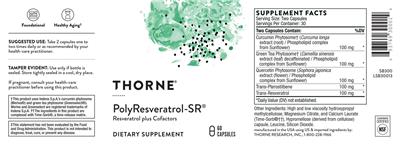
Supplement Facts
Curcumin Phytosome 100 mg · Green Tea Phytosome 100 mg · Quercetin Phytosome 100 mg
| Curcumin Phytosome | 100 mg | † |
| Green Tea Phytosome | 100 mg | † |
| Quercetin Phytosome | 100 mg | † |
| Trans-Pterostilbene | 100 mg | † |
| Trans-Resveratrol | 100 mg | † |
Other ingredients: High and low viscosity Hydroxypropyl Methylcellulose, Magnesium Citrate, Calcium Laurate, Hypromellose, Leucine, Silicon Dioxide.
Directions: Suggested use: Take 2 capsules one to two times daily or as recommended by your health-care practitioner.
Barcode (UPC) 693749300014 · Label source: NIH label database · Report a label change
Show entire label

More healthy aging products
Members OnlyThe highest ranked for the same goal
Read more
Our articles on this subject
- Healthy Aging Tips: A Science-Backed Guide to Living Better for LongerArticle · Mar 17, 2026
- NAD Anti-Aging Supplements: Benefits, Evidence, and How to ChooseArticle · Jun 15, 2026
Graded November 5, 2026 by the Reverse Age Lab evidence engine, from human studies, real reviews and our biohacker panel. How we grade. Is this medical advice? No. Rala organizes the published evidence; go over any change with your doctor, especially if you take meds.
Privacy policyConsumer health dataTermsDo Not Sell or Share My Personal InformationCookie settings