
Tishcon Corp. OmegaGel Review
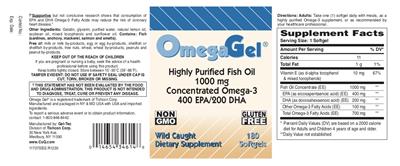
Omega Gel by Tishcon Corp. is a supplement with two active ingredients, supplied in softgel form. The label lists one softgel as the serving, with 180 softgels per container. Each serving contains Vitamin E 10 mg, which is 67% of the Daily Value, and Fish Oil Concentrate 1000 mg. The label also lists Docosahexaenoic Acid Ethyl Ester 400 mg, Other Omega-3 Fatty Acid Ethyl Ester 100 mg, and Total Omega-3 Fatty Acids Ethyl Esters 700 mg, along with 11 calories and 1 g of total fat. The label says it may reduce the risk of coronary heart disease, and describes the product as a highly purified omega-3 supplement with concentrated omega-3 content of 400 EPA and 200 DHA per softgel. The directions on the label say adults should take one softgel daily with meals, or as recommended by a healthcare professional. The label states the product is manufactured and packaged in NY and MD, USA, with USA and imported ingredients, and describes it as non-GMO, gluten free, and wild caught. The fish oil is sourced from sardines, anchovy, mackerel, salmon and smelts, according to the allergen statement. The label states it is free of milk, egg, shellfish, tree nuts, wheat, peanuts and their by-products. Storage guidance says to keep the bottle tightly closed and store between 15 and 30 degrees Celsius. The FDA disclaimer states the product has not been evaluated by the Food and Drug Administration and is not intended to diagnose, treat, cure or prevent any disease. Omega Gel is noted as a registered trademark of Tishcon Corp. The label was entered into the NIH Dietary Supplement Label Database on March 25, 2021, and is listed as on market. The page notes that the product contains fish and soy, and that gelatin is animal-derived. The page also rates the research on its ingredients: vitamin E is rated effective for ataxia with vitamin E deficiency and vitamin E deficiency, and fish oil is rated effective for hypertriglyceridemia. Safety information for the two ingredients is documented, with common side effects including fishy aftertaste, fishy breath or burps, nausea and loose stools, and a rare but serious concern of bleeding.
We don’t sell supplements. We help you make decisions and get the best price.
Lowest prices
We may earn a commission from some store links. How we choose.
Finding the lowest prices at the stores now. This takes a few seconds.
Products with nearly the same formula (Matched on the main ingredients)
Study, Trial or Testing Result Summary
Members Only86 human studies · 38 improved
2 of these 86 human studies gave the ingredient by drip, not by mouth.
The main ingredient here is fish oil, about 1,053 milligrams per softgel. At the three softgels a day members are told to take, this is close to the dose studied. Fish oil mainly lowers triglycerides, a type of blood fat. Across 64 trials, each gram of fish oil omega-3 lowered triglycerides by about 9 points [1]. In 309 adults with diabetes, 4 grams a day for 12 weeks lowered triglycerides more than corn oil [2]. Its effect on cholesterol itself is small and mixed. A large review found small rises in both good and bad cholesterol [3]. A review of 26 trials in people with diabetes found bad cholesterol rose slightly [4]. In kidney transplant patients, fish oil modestly raised good cholesterol [5]. In 190 adults at heart risk, it did not lower bad cholesterol more than placebo [6]. Vitamin E is present only in a trace amount, 15 international units, far below the 200 units that worked in studies. At higher doses, vitamin E lowered bad cholesterol in people with diabetes [7] and in healthy adults [8]. It also improved blood fats in women with polycystic ovary syndrome [9]. This product's small amount is unlikely to match those results. Animal and cell studies are never counted.
See all 86 studies →Hide the studies
- Across 170 trials involving 14,223 people with type 2 diabetes, vitamin E ranked best among vitamin and mineral supplements for reducing low-density lipoprotein cholesterol levels.Comparative effects of vitamin and mineral supplements in the management of type 2 diabetes in primary care: A systemati…
- In 15 small trials of 733 kidney transplant recipients, fish oil taken for more than six months modestly raised HDL (good) cholesterol compared with placebo, and lowered diastolic blood pressure, but the changes were too small to recommend routine use.Fish oil for kidney transplant recipients.
- Across 11 trials of 665 children with fatty liver disease, vitamin E supplementation reduced total cholesterol and improved insulin resistance and liver enzymes, though it did not significantly change low-density lipoprotein, high-density lipoprotein, or triglyceride levels.Effect of vitamin E on cardiometabolic factors in paediatric metabolic dysfunction-associated steatotic liver disease: a…
- In 10 trials totaling 504 women with polycystic ovary syndrome, vitamin E taken alone or with omega-3 or magnesium lowered triglycerides, total cholesterol, and low-density lipoprotein cholesterol compared to placebo.A meta-analysis of effects of vitamin E supplementation alone and in combination with omega-3 or magnesium on polycystic…
- In 8 trials of 483 premature newborns given fish oil lipid emulsions through a vein, blood triglycerides and C-reactive protein did not differ from control emulsions, though omega-3 levels in the blood rose.Safety and efficacy of parenteral fish oil-containing lipid emulsions in premature neonates.
- A meta-analysis of trials in children with fatty liver disease found that vitamin E significantly reduced low-density lipoprotein and total cholesterol levels, but had no significant effect on triglycerides or high-density lipoprotein cholesterol.Vitamin E in paediatric non-alcoholic fatty liver disease: a meta-analysis.
- Across 12 clinical trials in women with polycystic ovary syndrome, vitamin E supplementation significantly improved blood lipid profiles by lowering triglycerides and low-density lipoprotein levels.Effect of vitamin E supplementation on cardiometabolic risk factors, inflammatory and oxidative markers and hormonal fun…
- Across 64 trials, each gram of omega-3 in fish oil lowered triglycerides by about 9 mg/dL, and krill oil and fish oil did not differ in effects on triglycerides, LDL, HDL or total cholesterol.Lipid-modifying effects of krill oil vs fish oil: a network meta-analysis.
- A review of combined trials in women with polycystic ovary syndrome found omega-3 reduced triglycerides with moderate certainty, and fish oil lowered insulin and insulin resistance.Effects of nutrition on metabolic and endocrine outcomes in women with polycystic ovary syndrome: an umbrella review of …
- Across 26 trials in people with diabetes, fish oil lowered triglycerides by about 0.60 mmol/l but slightly raised LDL (bad) cholesterol by 0.18 mmol/l, with no change in long-term blood sugar (HbA1c).Fish oil and glycemic control in diabetes. A meta-analysis.
- A systematic review of 21 studies in women with polycystic ovary syndrome noted that omega-3 supplementation, alone or with vitamin E, decreased total cholesterol and triglycerides while elevating high-density lipoprotein cholesterol.Omega-3 supplementation in the treatment of polycystic ovary syndrome (PCOS) - a review of clinical trials and cohort.
- A systematic review of 16 studies in postmenopausal women found that vitamin E supplementation positively influences blood lipid profile levels alongside menopausal symptoms.The Effect of Vitamin E Supplementation in Postmenopausal Women-A Systematic Review.
- A literature review reported omega-3 fats may lower heart-related death and triglycerides, but can cause a slight rise in LDL (bad) cholesterol.Evidence for the cardioprotective effects of omega-3 Fatty acids.
- A review of many trials found marine oils lowered triglycerides most strongly, with small increases in both HDL (good) and LDL (bad) cholesterol, and no effect on blood pressure.Omega-3 Fatty Acids and Cardiovascular Disease: Summary of the 2016 Agency of Healthcare Research and Quality Evidence R…
- A review of meta-analyses on metabolic syndrome reported that adding 3 to 4 grams of omega-3 fats lowers triglycerides and blood pressure and reduces the share of people with metabolic syndrome.Metabolic Syndrome-Role of Dietary Fat Type and Quantity.
- In 309 Chinese adults with type 2 diabetes and high triglycerides, 4 g of fish oil daily for 12 weeks lowered triglycerides more than corn oil (about 1.51 vs 0.66 mmol/L drop).Impact of omega-3 fatty acids on hypertriglyceridemia, lipidomics, and gut microbiome in patients with type 2 diabetes.
- In 282 people with high cholesterol, a spread with plant sterols plus 0.9 to 1.8 g of fish oil omega-3s for 4 weeks lowered VLDL cholesterol and triglycerides in a dose-dependent way, but did not lower LDL cholesterol beyond plant sterols alone.The effect of plant sterols and different low doses of omega-3 fatty acids from fish oil on lipoprotein subclasses.
- In 259 older adults with memory complaints, DHA-rich fish oil plus cocoa flavanols for 12 months raised the HDL to total cholesterol ratio and lowered triglycerides versus control, but did not improve thinking and slightly worsened some measures.A combined DHA-rich fish oil and cocoa flavanols intervention does not improve cognition or brain structure in older adu…
- In 190 adults at increased heart disease risk, 28 days of fish oil did not lower LDL cholesterol more than placebo, while a med 5 mg lowered it much more.Read the study on PubMed (36351465) →
- In 93 adults with high triglycerides taking 2.4 g a day of algal DHA and EPA oil for 14 weeks, triglycerides fell while LDL cholesterol rose 4.6 percent and HDL cholesterol rose 4.3 percent; fish oil raised LDL 6.8 percent and HDL 6.9 percent, compared with a corn and soy oil control.A new, microalgal DHA- and EPA-containing oil lowers triacylglycerols in adults with mild-to-moderate hypertriglyceridem…
- In a trial of 90 healthy volunteers, vitamin E supplementation improved blood cholesterol by reducing low-density lipoprotein cholesterol levels compared to placebo.Vitamin E ameliorates blood cholesterol level and alters gut microbiota composition: A randomized controlled trial.
- In 86 adults with high triglycerides, MaxEPA fish oil lowered triglycerides compared with placebo over 3 months, but total cholesterol did not change in either group.Triglyceride lowering effect of MaxEPA fish lipid concentrate: a multicentre placebo controlled double blind study.
- In 84 adults at moderate heart disease risk, 1.5 grams a day of omega-3 fish oil for eight weeks did not significantly change blood lipids compared with placebo.Fish-oil supplementation alters numbers of circulating endothelial progenitor cells and microparticles independently of …
- In healthy 9-month-old infants given 5 mL of fish oil daily for 3 months, total and bad (low-density lipoprotein) cholesterol were higher at 12 months than in infants not given fish oil.Fish oil affects blood pressure and the plasma lipid profile in healthy Danish infants.
- In HIV patients on antiretroviral therapy, 3 g of fish oil daily did not change cholesterol or triglycerides compared with soy oil placebo.Effects of fish oil on lipid profile and other metabolic outcomes in HIV-infected patients on antiretroviral therapy: a …
- In 81 chronic hemodialysis patients taking a daily vitamin E tocotrienol-rich fraction of 180 mg tocotrienols and 40 mg tocopherols for 16 weeks, high-density lipoprotein cholesterol increased and triglycerides decreased compared with placebo, though inflammatory and oxidative markers were unchanged.Vitamin E tocotrienol supplementation improves lipid profiles in chronic hemodialysis patients.
- In 80 men with low antioxidant status taking 300 mg of alpha-tocopherol daily alongside vitamin C, beta-carotene, and selenium for 5 months, serum lipid peroxides and platelet aggregation decreased compared with placebo.Effects of antioxidant supplementation on platelet function: a randomized pair-matched, placebo-controlled, double-blind…
- In 80 adults with type 2 diabetes, 10 grams a day of fish oil for six weeks lowered triglycerides but did not change total cholesterol compared with olive oil.Effects of fish oil supplements in NIDDM subjects. Controlled study.
- In 78 volunteers taking 728 mg of alpha-tocopherol daily for 6 months, there was no consistent effect on high-density lipoprotein cholesterol levels compared with placebo.alpha-Tocopherol supplements and high-density-lipoprotein-cholesterol levels.
- In 73 adults with abdominal obesity, 12 weeks of 2 grams a day of DHA-enriched fish oil lowered fasting insulin and insulin resistance compared with corn oil; cholesterol results were not reported in the abstract.DHA-enriched fish oil reduces insulin resistance in overweight and obese adults.
- In 69 patients with type 2 diabetes taking 150 milligrams of vitamin E and 200 milligrams of vitamin C daily for 3 months, high-density lipoprotein cholesterol increased by 24% only when combined with magnesium and zinc, while vitamins alone had no effect on cholesterol.The impact of vitamin and/or mineral supplementation on lipid profiles in type 2 diabetes.
- In 69 patients with high cholesterol taking 500 IU of vitamin E daily for 3 months, high-density lipoprotein cholesterol increased by 13.6 percent and the total cholesterol to high-density lipoprotein cholesterol ratio decreased more than with placebo.Alpha-tocopherol: effect on plasma lipoproteins in hypercholesterolemic patients.
- In 59 healthy adults over 50, 8 weeks of about 2 grams a day of fish oil did not change a blood marker of inflammation linked to heart disease compared with olive oil.Omega-3 fatty acids and lipoprotein associated phospholipase A(2) in healthy older adult males and females.
- In 55 men with an atherogenic lipid pattern, 3 grams a day of EPA and DHA for six weeks lowered fasting triglycerides by 35% and small dense LDL by 26% compared with olive oil, though HDL cholesterol did not change.ApoE polymorphism and fish oil supplementation in subjects with an atherogenic lipoprotein phenotype.
- In 50 patients with cerebrovascular disease and carotid atherosclerosis, taking a gamma-tocotrienol and alpha-tocopherol enriched palm oil fraction over 18 months reduced platelet peroxidation and regressed carotid artery narrowing in 7 of 25 patients, though serum cholesterol and triglyceride levels remained unchanged.Antioxidant effects of tocotrienols in patients with hyperlipidemia and carotid stenosis.
- In 48 participants taking 60 to 1200 IU of alpha-tocopherol daily for 8 weeks, there was no adverse effect on the plasma lipoprotein profile and no significant effect on low-density lipoprotein oxidation at doses up to 200 IU daily.The effect of alpha-tocopherol supplementation on LDL oxidation. A dose-response study.
- In 48 adults given 3.5 to 10.6 grams of omega-3 fatty acids daily for 4 weeks, triglycerides fell in a dose-dependent way, but lipoprotein(a) did not change compared with placebo.Fish oil treatment and apolipoprotein(a).
- In 46 patients with coronary heart disease and high cholesterol followed for 3 months, adding alpha-tocopherol to therapeutic plasmapheresis prolonged the lipid-lowering effects and increased high-density lipoprotein cholesterol.[Therapeutic plasmapheresis and alpha-tocopherol in patients with coronary heart disease].
- In 45 adults, taking 200 mg of alpha-tocopherol along with 18 mg of beta-carotene and 900 mg of vitamin C daily for 6 months significantly lengthened the lag time before low-density lipoprotein cholesterol oxidation compared to taking no supplements.Antioxidant vitamins and low-density-lipoprotein oxidation.
- In 45 patients with cardiovascular disease, taking a daily high-dose combination containing 800 international units of vitamin E, 1,000 milligrams of vitamin C, and 24 milligrams of beta-carotene for 12 weeks significantly reduced the susceptibility of low-density lipoprotein cholesterol to oxidation.Antioxidant nutrient supplementation reduces the susceptibility of low density lipoprotein to oxidation in patients with…
- In 45 healthy men taking 1.5, 3 or 6 g of fish oil omega-3 daily for 12 weeks, triglycerides fell and the larger good cholesterol (HDL2) rose, but bad cholesterol (LDL) did not change; 3 g performed about as well as 6 g.Dose-response effects of fish-oil supplementation in healthy volunteers.
- In 45 people with severe acute pancreatitis, a daily intravenous omega-3 fish oil fat emulsion (0.2 g per kg body weight) for 14 days lowered inflammation markers and shortened time to negative fluid balance compared with standard care alone, but the abstract reports no cholesterol result.[The effects of ω-3 fish oil lipid emulsion on inflammation-immune response and organ function in patients with severe a…
- In 41 adults with insulin-dependent diabetes, 15 g per day of a fish oil supplement raised bad (LDL) cholesterol compared with the control group.Effects of a fish oil supplement on platelet function, haemostatic variables and albuminuria in insulin-dependent diabet…
- In 40 healthy adults, eating one designer egg enriched with vitamin E, lutein, selenium, and docosahexaenoic acid daily for 8 weeks did not change total cholesterol or high-density lipoprotein cholesterol levels compared to eating normal eggs.Designer egg evaluation in a controlled trial.
- In 40 obese women on a 3-week low-calorie diet, adding 790 mg of fish oil via yogurt raised omega-3 levels in serum lipids and limited some unfavorable fatty acid changes; cholesterol was not reported as an outcome.Change in fatty acid composition of serum lipids in obese females after short-term weight-reducing regimen with the addi…
- In 40 adults with cholesterol above 200, taking fish oil with garlic powder for one month lowered total cholesterol by 11%, triglycerides by 34% and LDL cholesterol by 10% compared with placebo.Modulation of lipid profile by fish oil and garlic combination.
- In 19 hemodialysis patients taking 800 IU of vitamin E daily for 12 weeks, low-density lipoprotein resistance to oxidation increased by 19% compared with placebo without changing circulating lipid levels.Effects of hemodialysis and vitamin E supplementation on low-density lipoprotein oxidizability in end-stage renal failur…
- In 32 people with leg claudication, 4 months of fish oil capsules (3 grams EPA and DHA daily) raised HDL cholesterol and lowered triglycerides compared with corn oil, though walking distance did not improve.Fish oil supplementation in patients with stable claudication.
- In women with breast cancer starting chemotherapy, 4 grams of fish oil daily for 60 days kept HDL cholesterol stable and lowered triglycerides, while HDL fell in the control group.Fish Oil Supplementation Enhances Pulmonary Strength and Endurance in Women Undergoing Chemotherapy.
- In 31 healthy men taking a purified fish oil concentrate for 7 weeks, total cholesterol and triglycerides were not changed differently by the ethyl ester or triglyceride forms.Comparative effects of prolonged intake of highly purified fish oils as ethyl ester or triglyceride on lipids, haemostas…
- In 30 adults aged 30 to 60 years, taking 800 international units of vitamin E daily for 16 weeks had no significant effect on high-density lipoprotein cholesterol, total cholesterol, or triglycerides compared with placebo.Effect of vitamin E on lipids.
- In 29 people with type 1 diabetes and kidney disease, a year of fish oil (4.6 grams of omega-3 a day) did not change albumin leakage or a clotting marker compared with olive oil placebo.Lack of effect of fish oil supplementation on coagulation and transcapillary escape rate of albumin in insulin-dependent…
- In 29 people with type 1 diabetes and kidney disease, a year of fish oil (4.6 grams of omega-3 a day) lowered triglycerides and VLDL cholesterol compared with olive oil, but total and LDL cholesterol rose.Fish oil in diabetic nephropathy.
- In 28 healthy postmenopausal women taking 800 IU of vitamin E daily for 6 weeks, the ratio of low-density to high-density lipoprotein cholesterol and lipoprotein(a) increased, although arterial blood vessel dilation improved.Vascular effects of estrogen and vitamin E therapies in postmenopausal women.
- In 13 men with hypertension, 5 grams of fish oil daily for 30 days raised total cholesterol, LDL cholesterol and apolipoprotein B compared with placebo, while normotensive men showed no change.Fish oil produces an atherogenic lipid profile in hypertensive men.
- In 26 people with lupus nephritis, 15 grams of fish oil daily for one year lowered triglycerides and VLDL cholesterol compared with olive oil placebo, with no effect on kidney function.Fish oil in lupus nephritis: clinical findings and methodological implications.
- In 25 healthy men, a single meal containing 9 grams of fish oil improved blood vessel widening four hours after eating compared with a meal using placebo oil, but the study did not measure cholesterol.Fish oil fatty acids improve postprandial vascular reactivity in healthy men.
- In 21 men, three weeks of fish oil lowered triglycerides compared with olive oil, while blood pressure fell in the olive oil group.Fish oil increases peripheral capillary blood cell velocity in humans.
- In 20 overweight adults, 3.7 grams a day of fish oil for six weeks lowered several harmful fat species in the blood, while total cholesterol was not reported as lowered by fish oil, unlike fenofibrate.Comparative Analysis of the Effects of Fish Oil and Fenofibrate on Plasma Metabolomic Profiles in Overweight and Obese I…
- In 16 adults on dialysis, 3.6 g of fish oil omega-3 for 4 weeks produced a non-significant trend toward lower triglycerides compared with olive oil placebo.Effect of n-3 fatty acids from fish oil on hemostasis, blood pressure, and lipid profile of dialysis patients.
- In 15 healthy men on a controlled diet, 20 grams a day of fish oil for five weeks lowered triglycerides by 30% but did not change total or HDL cholesterol.Effects of fish oil on serum lipids in men during a controlled feeding trial.
- In 11 healthy sedentary adults, consuming a 50% fat diet for 3 weeks improved dietary vitamin E intake and maintained higher high-density lipoprotein cholesterol compared to a 19% fat diet, without affecting total or low-density lipoprotein cholesterol.Effect of low and high fat diets on nutrient intakes and selected cardiovascular risk factors in sedentary men and women…
- In 11 healthy women taking fish oil for 30 days, blood fat profiles changed in both directions compared with krill oil, and the study did not report a clear effect on cholesterol.Krill Oil Has Different Effects on the Plasma Lipidome Compared with Fish Oil Following 30 Days of Supplementation in He…
- In 10 adults with mild type 2 diabetes, 10 g of fish oil daily for 3 weeks did not significantly change total, good (high-density lipoprotein) or bad (low-density lipoprotein) cholesterol compared with baseline.Effects of fish oil supplementation on glucose and lipid metabolism in NIDDM.
- In 9 men with high triglycerides, fish oil lowered triglycerides by about half but did not change cholesterol production, while increasing bile acid synthesis.Fish oil increases bile acid synthesis in male patients with hypertriglyceridemia.
- In 8 healthy volunteers, 4 weeks of fish oil lowered after-meal blood fat (chylomicron triglyceride) by about 40% compared with olive oil, without speeding its clearance.Fish oil reduces postprandial triglyceride concentrations without accelerating lipid-emulsion removal rates.
- In five boys with nephrotic syndrome, 4 grams of tuna fish oil for 8 weeks did not change cholesterol or triglycerides compared with placebo.Effects of tuna fish oil on hyperlipidemia and proteinuria in childhood nephrotic syndrome.
- In Chinese women with metabolic syndrome taking 100, 200, or 300 IU of vitamin E daily for 4 months, total cholesterol and oxidative stress decreased in the 200 and 300 IU groups, while high-density lipoprotein cholesterol also decreased and triglycerides remained unchanged.Effects of vitamin E on plasma lipid status and oxidative stress in Chinese women with metabolic syndrome.
- In a 6-week placebo-controlled trial, alpha-tocopherol supplementation made high-density lipoprotein subfractions more susceptible to oxidation and decreased the activity of protective lipoprotein-associated enzymes.α-Tocopherol induces proatherogenic changes to HDL2 & HDL3: an in vitro and ex vivo investigation.
- In heart attack survivors with high triglycerides, 4 g a day of omega-3 ethyl ester for 12 weeks lowered triglycerides 24 percent compared with placebo but raised LDL cholesterol about 7 percent.Omega-3 Ethyl Ester Concentrate Decreases Total Apolipoprotein CIII and Increases Antithrombin III in Postmyocardial Inf…
- In people with combined high cholesterol and high triglycerides, marine oil with or without a med improved triglycerides, non-good cholesterol and good (HDL) cholesterol.Read the study on PubMed (9315596) →
- In 72 volunteers taking about 3.3 grams of EPA plus DHA daily for 2 weeks, absorption differed by form: re-esterified triglycerides were better absorbed than natural fish oil, and ethyl esters were less well absorbed; cholesterol was not reported as an outcome.Bioavailability of marine n-3 fatty acid formulations.
- In seven adults with type 2 diabetes, a 4-week combination of sardine oil, evening primrose oil and vitamin E lowered total cholesterol more than in 11 untreated patients, though the oils were given together.Evening primrose oil and fish oil in non-insulin-dependent-diabetes.
- In Brazilian children and teenagers, multi-micronutrient supplementation containing vitamin E altered phospholipid and cholesterol ester levels and was associated with reduced triglycerides and very-low-density lipoprotein cholesterol.Impact of multi-micronutrient supplementation on lipidemia of children and adolescents.
- In patients with nonalcoholic fatty liver disease, taking 200 IU of vitamin E, 750 mg of silymarin, and 1 gram of l-carnitine daily for 18 weeks did not produce statistically significant reductions in total cholesterol, low-density lipoprotein cholesterol, high-density lipoprotein cholesterol, or triglycerides compared to placebo.The Effects of Vitamin E, Silymarin and Carnitine on the Metabolic Abnormalities Associated with Nonalcoholic Liver Dise…
- In 60 overweight or obese adults following a 6-week weight loss program without vitamin E supplementation, blood alpha-tocopherol levels decreased significantly and were strongly associated with changes in total cholesterol and body fat.Weight loss program is associated with decrease α-tocopherol status in obese adults.
- In 19 stable hemodialysis patients taking 400 IU of alpha-tocopherol daily for 120 days, total cholesterol, low-density lipoprotein cholesterol, and oxidized low-density lipoprotein levels significantly decreased.Alpha-tocopherol supplementation decreases electronegative low-density lipoprotein concentration [LDL(-)] in haemodialys…
- In 18 patients with hyperlipidemia, taking a multivitamin preparation for 12 weeks increased blood vitamin E levels and decreased total cholesterol, low-density lipoprotein cholesterol, and lipid peroxides.[Effect of CRP preparation on serum lipids in patients with hyperlipidemia].
- In 10 young healthy men taking 3 g a day of fish oil for 3 months, triglycerides fell and the HDL cholesterol share of total cholesterol rose, though prostaglandin and thromboxane levels also increased.Fish oil supplementation alters circulating eicosanoid concentrations in young healthy men.
- In over 400,000 UK Biobank participants, people taking fish oil supplements had a lower genetic tendency toward high total cholesterol, LDL cholesterol and triglycerides, and a higher genetic tendency toward HDL cholesterol.Fish oil supplementation modifies the genetic potential for blood lipids.
- In 80 perimenopausal and postmenopausal women, those with obstructive sleep apnea syndrome in postmenopause had higher total cholesterol, low-density lipoprotein cholesterol, and triglycerides alongside lower alpha-tocopherol levels compared to perimenopausal patients.[Lipid status and oxidative stress in menopausal women with obstructive apnea syndrome].
- In 69 children with cystic fibrosis and pancreatic insufficiency taking a median of 224 mg daily of supplemental vitamin E, blood cholesterol levels were lower and alpha-tocopherol-to-cholesterol ratios were higher than in a national reference sample.Vitamin E status in children with cystic fibrosis and pancreatic insufficiency.
- In an observational study of 38 children at risk for cardiovascular disease, the majority had dietary vitamin E intake below the recommended daily allowance, and plasma metabolites were correlated with serum lipid levels.Plasma metabolomics of children with aberrant serum lipids and inadequate micronutrient intake.
- In normal subjects and patients with hyperlipoproteinemia or erythropoietic protoporphyria treated with oral alpha-tocopherol and beta-carotene for 1 year, alpha-tocopherol levels increased rapidly in plasma and red blood cells and distributed in correlation with total lipoprotein lipids.The transport of alpha-tocopherol and beta-carotene in human blood.
- In healthy men taking 3 g a day of MaxEPA fish oil for 30 days, total cholesterol and LDL cholesterol decreased significantly.The effects of dietary marine fish oils (omega-3 fatty acids) on coagulation profiles in men.
- In women taking 3 g a day of marine fish oil for 30 days, triglycerides fell in oral contraceptive users, cholesterol and LDL rose in non-users, and LDL fell in menopausal women on estrogen.Effects of marine fish oil (omega-3 fatty acids) on lipid profiles in women.
Review Totals and Summary
Members Only55 reviews · 98% positive
I couldn't find verifiable customer reviews for Tishcon OmegaGel. My searches turned up no retailer review pages from Amazon, iHerb, Vitacost or similar sites. The only independent listing was SuppCo, which marks the product as unrated and says it has insufficient data for a score. It also notes that no product-specific third-party testing certification is listed. The Knowde page is a manufacturer technical sheet and has no consumer feedback. I can't report praise or complaints, such as taste, burping, capsule size or effectiveness, without inventing them. Any themes I gave you would be fabricated, so I haven't given any. What the available evidence suggests is limited to the product's design. A single daily softgel with 700 mg of omega-3 and added lemon oil is aimed at convenience and tolerability. Buyers should still check the label for allergens (fish, soy, gelatin). To get real user feedback, look at the Tishcon website, practitioner channels where the product is sold, or Amazon listings. I couldn't access any of these.
Biohacker Summary
Members Only7 of 10 recommend it
The only ingredient the panel spoke about here is vitamin E, which is a smaller ingredient in this product, and the panel is split on it. Two of the ten take or give it in some form, one recommends it for hair health, and others back it for protecting skin and cells, for aging, and for eye health, with some preferring mixed tocopherols, tocotrienols or whole food sources over standard supplements. Several voiced cautions: high doses were linked to worse outcomes in one cancer group, one said to avoid it for a week before surgery because it can thin the blood, one warned against the synthetic form for long term use, and others said it can dull the gains from exercise. One panelist said a balanced diet should make a vitamin E supplement unnecessary, and the one dose mentioned was 335 mg, which was warned against right after a workout for people under 50.
See all 10 biohackers →Hide the biohackers
Ben Greenfield · Vitamin E · neutral
- Mentions a recent study showing no significant increase in bleeding for patients on Vitamin E supplementation during open heart surgery, which was interesting for him to learn.
- Notes a new study indicating that vitamin E is a core dietary antioxidant closely associated with a reduced risk of accelerated biological aging.
- Recommends Xtendlife's Tocotrienols Vitamin E for cardiovascular, brain, and healthy aging support, noting that research points to tocotrienols over alpha-tocopherol.
- Recommends whole food vitamin E, explaining that typical supplements only provide alpha-tocopherol, while the whole food complex includes four tocopherols and four tocotrienols, often with selenium at the core.
- Warns against taking 335 mg of vitamin E immediately after a workout for individuals under 50, as it can dull the body's natural adaptation signal.
- Warns that taking a whole bunch of antioxidants like vitamin E after a workout can suppress the body's inflammatory response, which is necessary for benefits like mitochondrial proliferation and satellite cell generation for new muscle.
- Recommends Hiya's best-selling children's vitamin for kids to get the full-body nourishment they need.
- Recommends vitamin E as a powerful antioxidant for pollution, and has tripled his antioxidant intake since arriving in India.
- Explains that vitamin E requires carrier fats for absorption, which is why it's often recommended to take fat-soluble vitamins with food, and 10X Health's microtransporters release vitamin E upon contact with dietary fats.
- Ben Greenfield recommends the tocotrienol form of vitamin E for lung health and air pollution exposure, as it is more effective than tocopherol and difficult to get sufficient levels from food.
Dr. Eric Berg · Vitamin E · neutral
- Mentions that grass-fed liver has vitamin E.
- Dr. Berg states that synthetic vitamin E may be acceptable for short-term use, but long-term use can contribute to oxidative stress.
- Warns against synthetic vitamin E (dl-alpha-tocopherol) for ongoing maintenance, citing a trial where it increased prostate cancer risk and explaining that it can become a free radical and starve out necessary protective forms of vitamin E.
- Recommends taking vitamin E to block the effects of grains.
- Mentions that castor oil contains vitamin E, which is crucial for maintaining skin barrier function.
- Discusses why tocotrienols are better than regular vitamin E.
- Dr. Berg mentions that eggs contain Vitamin E.
- Fat-soluble vitamins like vitamins A, D, E, and K2 are best taken with a meal, making lunchtime an ideal choice.
- Recommends the tocotrienols form of vitamin E for various conditions due to their power, and suggests taking it at lunch with a meal.
- Many one-a-day vitamins are unnecessary. They often contain cheap, synthetic ingredients and fillers that do not benefit your health and may even make matters worse.
Dave Asprey · Vitamin E · uses
- Dave Asprey's kids get a little bit of vitamin E every day, which helps to stabilize the bad oils they get when eating at restaurants.
- Recommends Vitamin E as one of the most important supplements for overall health.
- Takes Vitamin DAKE from Suppgrade Labs because D3, A, K2, and E work together.
- Includes vitamin K2 as a critical ingredient in Vitamin DAKE, stating that the body needs the right fat soluble vitamins for thousands of reactions.
- Mentions Vitamin DAKE from Suppgrade Labs as a product that combines fat-soluble vitamins D, A, K, and E to work together.
- Would have added natural forms of vitamin E after hitting his head.
- Recommends stacking glutathione with vitamin E to help revive oxidized glutathione back to its reduced form.
- Warns against taking 400 IU of synthetic vitamin A (alpha tocopherol) a day, stating it's one of the worst things you can do unless taken with a full spectrum of other tocopherols and tocotrienols.
- Describes a patient whose pain was resolved by taking Vitamin E and ubiquinol.
- Mentions a study where topical vitamin E helped protect against hair loss in mice, and suggests it could be a next step for human trials.
Dr. Mark Hyman · Vitamin E · neutral
- Notes that patients who were very malnourished had extremely low vitamin E.
- Lists Vitamin E as important for cell protection and anti-aging.
- Recommends avoiding Vitamin E for at least a week before surgery because it can thin the blood.
- Notes that Vitamin E levels are low in Parkinson's patients.
- Mentions that people are not getting enough vitamin E, which is found in foods like avocados, nuts, and whole grains.
- Mentions that vitamin E itself is anti-cancer.
- Dr. Hyman reports that 84% of the population is deficient in vitamin E, attributing this to a lack of whole grains in the diet.
- Notes that traditional medicine might give patients with fatty liver disease vitamin E, but often the wrong kind, and many will advise against it.
- States that Vitamin E is important as an antioxidant, helping with skin healing, repair, and moisturization, and his favorite is Metagenics E Complex, which contains a mixture of tocopherols.
- Recommends vitamin E, found in almonds, spinach, olive oil, sunflower seeds, hazelnuts, and avocados, as a great antioxidant.
Dr. Rhonda Patrick · Vitamin E · neutral
- Lutein and zeaxanthin can also be obtained from certain multivitamins.
- Choosing a multivitamin that includes lutein and zeaxanthin ensures you get meaningful amounts every day.
- Notes that ~60% of Americans are low in vitamin E.
- Suggests avoiding a multivitamin if it contains biotin before a testosterone blood test to prevent confounding results.
- Multiple randomized controlled trials show older adults taking a standard multivitamin (like Centrum Silver) had measurable improvements in processing speed, cognition, and episodic memory.
- Currently takes the Pure Encapsulations O.N.E Multivitamin.
- Natural sources of linoleic acid (like nuts, meat, etc.) usually include protective antioxidants (vitamin E) that limit harmful effects.
- Warns that more than 80% of people have low vitamin E levels, unknowingly increasing their risk of heart disease, and even slightly low intake raises oxidized LDL by 8% or more, elevating cardiovascular disease risk.
- Rarely recommends or doses vitamin E due to concerns about its potential to blunt exercise adaptations, especially when combined with vitamin C.
- Reports that alcohol use disorder is associated with a 14-58% greater prevalence of deficiencies in vitamin E.
Thomas DeLauer · Vitamin E · neutral
- Mentions a causal link found between vitamin E and waking up in the middle of the night.
- Recommends using a multivitamin to ensure adequate micronutrient intake, especially when wholesome food is less available.
- Advises checking multivitamins because many contain 100, 200, or 300% of the daily value of selenium, which can contribute to excessive intake.
- Recommends vitamin E for protecting skin cell membranes, reducing oxidative stress, and preventing lipid damage, especially for those with high stress and low dietary intake.
- Recommends taking a multivitamin to ensure adequate intake of important cofactors like B vitamins, magnesium, iron, and zinc, which are essential for the signaling system to be operational.
- Recommends Vitamin E for hair graying, as part of a nutrient-dense diet to combat oxidative stress.
- Mentions vitamin E to a certain degree as a cofactor to support the reversal of hair graying.
- Recommends a multivitamin stack, specifically Fyhealth, for those who are fasting, as it helps ensure adequate nutrition when calorie and food intake are reduced.
- Warns against synthetic multivitamins, arguing that they are an attempt to be smarter than nature by combining isolated nutrients in proportions not found naturally, and that a whole food approach is superior.
- Recommends Hiya multivitamins for kids, describing them as monk fruit sweetened chewable vitamins that provide essential vitamins and minerals children might miss in their diet.
Siim Land · Vitamin E · neutral
- Notes that oral vitamin E and C supplementation has been noted to increase the dose of UVB radiation from the sun needed to cause redness of the skin, suggesting increased resilience against sun damage. He also mentions a trial where a combination of slow-release vitamin C and vitamin E decreased the progression of carotid atherosclerosis in men.
- Mentions vitamin E in comparison to topical melatonin for oxidative defense, stating that melatonin would compete but is not as broadly validated clinically.
- States that the biggest evidence for multivitamin is that it improves cognition and enhances episodic memory in elderly people, who tend to have worse diets and are more likely to be deficient.
- Created Microvitamin, a supplement that bundled all the supplements he was taking, to help fund his a med trial.
- Recommends Vitamin E from vegetables, fruits, nuts, and seeds for skin protection.
- Mentions that years back, a European study revealed risk factors of vitamin E that only showed up with a sufficiently large study.
- Places multivitamins in the 'good' tier, noting that while formulations vary and they don't reduce mortality risk, clinical trials show they can help with cognitive function in elderly people, though generally healthy individuals may not gain much.
- Warns against taking vitamin E around training because it can interfere with muscle growth.
- Warns that taking vitamin E and vitamin C together can eliminate the adaptive benefits of exercise, especially in sedentary individuals doing exercise training, because it blunts the upregulation of mitochondrial biogenesis.
- Mentions that Vitamin E technically lengthens telomeres, but also notes that low vitamin D is linked to cancers, highlighting the complexity of health optimization.
Andrew Huberman · Vitamin E · uses
- Takes a multivitamin every day for longevity.
- Warns that high-dose supplementation of Vitamin E, when given to lung cancer patients, led to worse outcomes than control subjects, highlighting that it's not the same as ingesting it in food.
- Recommends Vitamin E as part of the AREDS2 supplementation for slowing the progression of dry macular degeneration.
- Mentions evidence suggesting that a combination of vitamin C and vitamin E can blunt hypertrophic adaptations because they are anti-inflammatory antioxidants.
- Recommends Vitamin E, especially mixed tocopherols, to help with high prolactin levels.
- Andrew Huberman does not take vitamin E because it spiked his prostate-specific antigen, which he was told is a known effect among urologists.
- Takes a foundational supplement as a source of vitamin A, in addition to food sources.
Peter Attia · Vitamin E · warns
- Notes that there are some downsides to Vitamin E, including cardiovascular longitudinal risk and prostate cancer, and that discussions are needed with patients, especially those with diabetes or cirrhosis, due to studies indicating increased all-cause mortality depending on the dose.
- Peter Attia, involved in the American Urological Association Peyronie's guidelines, stated that vitamin E is not indicated for Peyronie's disease and should not be given.
- States that American Urological Association guidelines advise against giving vitamin E for Peyronie's disease as it is not indicated.
- Suggests that taking vitamin E would almost assuredly not be required if one eats a balanced diet.
- Notes that Vitamin E acetate, generally regarded as safe for ingestion, is not safe when heated to a vapor or steam, linking it to the dangers of vaping.
- Mentions a lung cancer trial where patients taking vitamin E did worse, and this can be recapitulated in mice.
- Notes that vitamin C works better for collagen synthesis when combined with vitamin E.
- Discusses that while observational studies link vitamin E to cognitive health, clinical trials show no effect on dementia risk, suggesting it might act synergistically with other dietary components.
Bryan Johnson · Vitamin E · recommends
- Recommends adequate Vitamin E for hair health, noting it is in the Blueprint stack.
- Uses Vitamin E at 10 IU/ML in his custom topical hair formulation.
RAL Summary
Members OnlyTier 3 for Cholesterol
Tier 3 because 98% of 55 reviews are positive and human studies give some support for fish oil improving blood fats, mainly triglycerides [1]. Its effect on cholesterol itself is mixed [6].
Take 3 servings a day (3 softgels) to match the dose that worked in the studies.
Where the evidence disagrees: 28 of the 86 human studies found no effect.
More Details
Members OnlyBody systems · Combine with · Possible side effects
Body systems: Cardiovascular system, Metabolic system
Combine with: For heart and triglyceride support, OmegaGel pairs well with CoQ10 (ubiquinol) for cardiac energy production, magnesium for healthy blood pressure and vascular tone, and vitamin E (mixed tocopherols/tocotrienols) to protect the omega-3s from oxidation. Soluble fiber such as psyllium, or plant sterols, can complement its lipid-lowering effects. If bone health is the goal, add a dedicated bone formula with calcium, vitamin D3, vitamin K2 (MK-7), and magnesium. Omega-3s can serve as a supportive anti-inflammatory adjunct to that regimen, but should not replace it. Consult a healthcare provider before combining with meds.
Possible side effects: Studies note fish oil can slightly raise bad cholesterol in some people. No other major side effects were reported, and no written reviews were available.
Supplement Facts
Vitamin E 15 IU · Fish Oil Concentrate 1053 mg
| Calories | 11 | |
| Total Fat | 1 g | |
| Cholesterol | 0 mg | |
| Vitamin E | 15 IU | |
| Fish Oil Concentrate | 1,053 mg | † |
Other ingredients: Gelatin, Glycerin, purified Water, natural Lemon Oil, Soybean Oil, Ascorbyl Palmitate.
Directions: Directions: Take one (1) softgel daily with meals, as a high potency Omega-3 supplement, or as directed by your healthcare professional. one softgel daily
Barcode (UPC) 014654346056 · Label source: NIH label database · Report a label change
Show entire label

More cholesterol products
Members OnlyThe highest ranked for the same goal
Read more
Our articles on this subject
- Best Diet for High Cholesterol: What to Eat, What to Cut, and What the Trials ShowArticle · Sep 13, 2026
- How to Lower LDL Cholesterol: A Practical Plan Based on Your Blood WorkArticle · Oct 27, 2026
Graded November 5, 2026 by the Reverse Age Lab evidence engine, from human studies, real reviews and our biohacker panel. How we grade. Is this medical advice? No. Rala organizes the published evidence; go over any change with your doctor, especially if you take meds.
Privacy policyConsumer health dataAffiliate disclosureTermsDo Not Sell or Share My Personal InformationCookie settings