
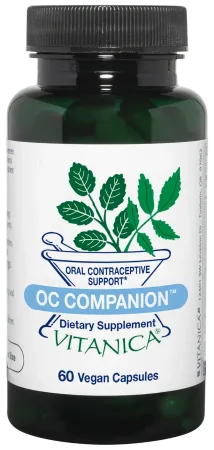
Vitanica HRT Companion Review
We don’t sell supplements. We help you make decisions and get the best price.
Lowest prices
We may earn a commission from some store links. How we choose.
Finding the lowest prices at the stores now. This takes a few seconds.
Study, Trial or Testing Result Summary
Members Only25 human studies · 15 improved
1 of these 25 human studies gave the ingredient by drip, not by mouth.
No study tested this product, or any of its ingredients alone, for fast relief of occasional heartburn. Folate in food was linked to lower odds of reflux in large surveys, but these show only an association, not that a supplement helps [1][2]. A trial of 351 people with reflux found a blend of folic acid, vitamin B6, vitamin B12, melatonin and other nutrients relieved symptoms better than a standard acid drug, but the vitamins' own share is unknown [3]. Vitamin B12 is at a full dose only at two servings a day; a small study without a comparison group found it eased indigestion in people with low B12 and a stomach infection [4]. Vitamin C sprays helped heartburn caused by a stain used in throat screening, not everyday heartburn [5][6], and in one small study vitamin C raised acid reaching the throat [7]. Vitamin B6 findings disagree, and one drink with B6 caused heartburn in some users [8][9]. Vitamin E is present at only a trace of the studied dose [10]. Milk thistle was only studied inside a nine-herb blend [11]. DIM, phosphatidylserine, garlic, flaxseed and green tea have no human studies for this goal. Animal and cell studies are never counted.
See all 25 studies →Hide the studies
- In about 2,965 patients having iodine-stained esophageal screening, a vitamin C spray cut acute side effects, and with the weaker iodine it also reduced heartburn within one week, compared with distilled water; this is heartburn caused by the iodine stain, not everyday heartburn.Effectiveness of Vitamin C Solution in Reducing Adverse Reactions Caused by Painless Lugol Chromoendoscopy: A Multicente…
- In 351 adults with acid reflux disease, a blend containing vitamin B6 plus melatonin and other nutrients led to complete symptom relief in all 176 people after 40 days, versus 65.7% of those taking a med, though the vitamin B6 effect cannot be separated from the other ingredients.Read the study on PubMed (16948779) →
- In 240 patients having iodine-stained esophageal screening, a 20 mL spray of 2% vitamin C lowered acute and late symptom scores versus saline, and caused less acid regurgitation or heartburn than sodium thiosulfate (33% vs 15%); this is irritation from the iodine stain, not everyday heartburn.The safety and efficacy of 2% vitamin C solution spray for relief of mucosal irritation caused by Lugol chromoendoscopy:…
- In 196 people with chronic atrophic gastritis, folic acid was used as the comparison treatment for 6 months and did worse than the herbal Moluodan at easing upper-stomach pain, belching and fullness, so it showed no clear benefit for heartburn-type symptoms.Randomized double-blind clinical trial of Moluodan () for the treatment of chronic atrophic gastritis with dysplasia.
- In 68 adults with fatty liver disease (50 finished), vitamin E at 400 mg twice a day for 60 days, used as the comparison for a turmeric-relative herb, significantly improved dyspepsia (p=0.010), though the herb group did slightly better; heartburn itself was not measured and there was no placebo group."Evaluation of Curcuma zedoaria Rosc. in the management of non-alcoholic fatty liver Disease: A Randomized, single blind…
- In 60 adults with functional dyspepsia, a nine-herb liquid blend that includes milk thistle fruit (and a version without bitter candy tuft) improved digestive symptom scores more than placebo after 2 and 4 weeks, but milk thistle was not tested on its own.[A plant extract and its modified preparation in functional dyspepsia. Results of a double-blind placebo controlled comp…
- In 49 adults with constipation-type irritable bowel syndrome, a drink with 2 mg vitamin B6, inulin and menthol taken for 2 weeks improved bowel symptoms but caused noticeable heartburn in 10 of 25 people who drank it.[Using a multicomponent functional food in IBS patients with constipation a comparative controlled study].
- In 15 healthy people given a meal with an infused solution of nitrous acid plus vitamin C, reflux-related relaxations of the esophageal sphincter increased and acid exposure in the esophagus rose compared with a plain acid control.Nitrogenous chemicals generated from acidification of saliva influence transient lower oesophageal sphincter relaxations…
- In a study of 11,690 people who had endoscopy and diet records, higher dietary vitamin B6 intake was linked to lower odds of non-erosive reflux disease, though this does not prove cause.Gender-specific Effect of Micronutrient on Non-erosive Reflux Disease and Erosive Esophagitis.
- In a case-control study of about 919 people, dietary vitamin E intake was not linked to reflux esophagitis, Barrett's esophagus, or esophageal adenocarcinoma.Dietary antioxidant and mineral intake in humans is associated with reduced risk of esophageal adenocarcinoma but not re…
- In a case-control study of 918 people, higher dietary folate intake was linked to lower risk of reflux esophagitis, an inflamed food pipe, though this is an association and not proof of benefit.Intakes of dietary folate and other B vitamins are associated with risks of esophageal adenocarcinoma, Barrett's esophag…
- In a case-control study of about 913 people, higher dietary vitamin E intake was linked to lower odds of Barrett's esophagus, while antioxidant supplement use made no difference to that risk.Dietary antioxidants, fruits, and vegetables and the risk of Barrett's esophagus.
- In a case-control study of 537 people in China, higher dietary vitamin C intake was linked to lower risk of reflux esophagitis, but this was a food intake association rather than a supplement trial.Dietary intake and risk for reflux esophagitis: a case-control study.
- In a case-control study of 150 women with reflux and 300 controls in Iran, higher dietary vitamin B6 intake was linked to higher odds of reflux disease.Dietary Vitamin B6 Intake and Gastroesophageal Reflux Disease: A Case-Control Study.
- In a case-control study of 431 people, those who ate diets high in vitamin C had lower odds of reflux disease, Barrett esophagus and esophageal cancer, but this was an observational association from diet, not a supplement trial.Obesity and lifestyle risk factors for gastroesophageal reflux disease, Barrett esophagus and esophageal adenocarcinoma.
- In a survey of 382 anemia patients, vitamin C use had mixed outcomes for treatment side effects such as heartburn, and no clear benefit was shown.Impact of Side Effects on Anemia Therapy Compliance.
- In a cross-sectional study of 328 young adults, lower dietary vitamin B6 intake was linked to higher overall gastrointestinal symptom scores, but vitamin B6 intake was not directly linked to reflux status.Health cooking at home: can cooking skills reduce gastrointestinal symptoms, cross sectional study?
- In 200 arthritis patients taking a med with folic acid over about 41 months, heartburn was more common in those with raised red blood cell size, and folic acid did not change the overall side-effect rate.Read the study on PubMed (2068578) →
- In a small study of dyspepsia patients, those with organic dyspepsia ate less vitamin C than matched controls, and functional dyspepsia patients also had lower vitamin C intake, but the study measured diet only and did not test vitamin C for relief.Food and nutrient intakes and eating patterns in functional and organic dyspepsia.
- In 34 people with Helicobacter pylori infection and low vitamin B12, 1000 mcg daily for 3 months shortened stomach emptying time and reduced dyspepsia scores, with no control group.The impact of B(12) treatment on gastric emptying time in patients with Helicobacter pylori infection.
- In 42 female rats with induced food pipe reflux, a single 16 mg/kg dose of vitamin E (alpha-tocopherol) reduced tissue injury and improved oxidative stress markers compared with untreated rats; this was an animal study, not a human trial.Ameliorative effects of Panax quinquefolium on experimentally induced reflux oesophagitis in rats.
- In a rat study of reflux damage to the food pipe, a single dose of vitamin E (alpha-tocopherol) given before the procedure reduced inflammation damage and lowered markers of oxidative stress compared with untreated rats, though this was an animal study, not a human trial.Effect of quercetin, flavonoids and alpha-tocopherol, an antioxidant vitamin, on experimental reflux oesophagitis in rat…
- In a rat study of food pipe reflux, a single 30 mg/kg dose of vitamin E (alpha-tocopherol) given before the procedure reduced tissue damage and oxidative stress compared with untreated rats; this was an animal study, not a human trial.Effect of Lonicerae Flos extracts on reflux esophagitis with antioxidant activity.
- In a rat study of food pipe reflux, a single 30 mg/kg dose of vitamin E (alpha-tocopherol) reduced inflammatory signals such as TNF-alpha and COX2 compared with untreated rats; this was an animal study, not a human trial.Effect of Curculigo orchioides on reflux esophagitis by suppressing proinflammatory cytokines.
- In a rat study of prenatal stress, folic acid reduced stomach hypersensitivity and nerve overactivity by increasing the DNMT1 enzyme and lowering the ASIC1 ion channel, but this was tested only in animals, not people.DNMT1 involved in the analgesic effect of folic acid on gastric hypersensitivity through downregulating ASIC1 in adult o…
Review Totals and Summary
Members Only746 reviews · 88% positive
Extensive customer reviews and qualitative feedback are currently being aggregated for this product. Check back soon for a detailed sentiment analysis.
Biohacker Summary
Members Only0 of 10 recommend it
Folate is the main ingredient, and the panel leans toward it: five of the ten recommend it and the other five are neutral, with no one warning against it or stopping it. Panelists give reasons such as lowering homocysteine, supporting mitochondrial function and brain health, and protecting pregnancy, and they note that some people need extra from a supplement and that birth control pills can deplete it. Two of them favor methylfolate, the active form the body can use directly, and one suggests getting it through a prenatal vitamin when preparing for IVF, but no one gives a dose. Vitamin C, garlic and vitamin B12 are smaller ingredients in this product, and the panel speaks about them mostly in passing, with one panelist warning against generic multivitamins full of fillers.
See all 10 biohackers →Hide the biohackers
Dr. Rhonda Patrick · Folate · neutral
- Mentions folate as one of the micronutrients found in multivitamins that people often don't get enough of from their diets.
- Recommends ensuring adequate methyl folate intake, ideally through a prenatal vitamin, for women preparing for IVF.
- Rhonda's current diet includes a homemade salad dressing made with avocado, garlic, apple cider vinegar, and olive oil.
- Lutein and zeaxanthin can also be obtained from certain multivitamins.
- Lutein and zeaxanthin can also be obtained from certain multivitamins.
- Recommends nutrients like vitamin C for men to prioritize sperm mitochondrial health.
- Rhonda takes 300 mg of Phosphatidylserine before bed for sleep.
- Dr. Rhonda Patrick's daughter chugs an Emergency fizzy drink in the morning to ensure she gets some vitamin C and micronutrients before school.
- Choosing a multivitamin that includes lutein and zeaxanthin ensures you get meaningful amounts every day.
- Choosing a multivitamin that includes lutein and zeaxanthin ensures you get meaningful amounts every day.
- Notes that ~60% of Americans are low in vitamin E.
- Notes that ~35% of Americans are low in vitamin C.
- Recommends increasing vitamin C intake if concerned about skin aging, noting it is an essential cofactor for collagen synthesis.
- Warns that Vitamin B12 enhances light's melatonin-suppressing effects and should be avoided too close to bedtime.
Dr. Mark Hyman · Folate · neutral
- Notes that taking folate can lower homocysteine levels, which has shown health benefits and physical improvements in brain scans in clinical trials.
- Recommends garlic as a fibrous food to heal the gut.
- Notes that some people may need a little bit extra folate with a supplement.
- Recommends ground flaxseed as a wonderful fiber that helps with binding toxins and is rich in omega-3 fats.
- Recommends vitamin C as a basic supplement during detoxification to help with inflammation and detoxification.
- Dr. Hyman mentions vitamin C as an advanced therapy for skin repair.
- Mentions topical vitamin C as an antioxidant that can help skin with aging.
- Mentions that what they do when a cold comes on is not just vitamin C.
- Eats a lot of garlic and includes it in his chicken soup and a special drink because it is an antimicrobial and antiviral.
- Recommends ensuring adequate vitamin C intake on a regular basis for immune support, stating it's important for healthy immune function despite mixed data on its effectiveness for colds.
- Mentions that vitamin C was the very first vitamin discovered, isolated, and synthesized in 1932, and its deficiency caused scurvy.
- Recommends nutrient-dense foods rich in vitamin C, such as guavas and parsley, to reduce inflammation.
- Used intravenous vitamin C cocktails to help him detoxify and recover from chronic fatigue.
- Recommends flaxseeds as particularly good for binding excess estrogen in the gut to help with estrogen dominance.
Dr. Eric Berg · Folate · neutral
- Notes that birth control pills deplete the body of folate, which is needed for the brain to make serotonin.
- Mentions that one can of sardines provides 348% of the daily Vitamin B12.
- Dr. Berg states that when nutrients like vitamin B12 are too low, fatigue and weakness can follow.
- Warns against generic multivitamins, stating they are often full of fillers and synthetics.
- Warns against generic multivitamins, stating they are often full of fillers and synthetics.
- Mentions that bleeding or swollen gums point to vitamin C deficiency, and sugar competes with it directly, reducing absorption.
- Recommends garlic, explaining that crushing it releases allicin, which activates fat burning in the liver and significantly reduces liver enzymes.
- States that vitamin B6 is needed to absorb magnesium.
- Mentions that lemon is loaded with vitamin C, and when combined with coffee, vitamin C significantly increases the bioavailability of antioxidants in the coffee.
- Dr. Berg states that Vitamin C helps fight biofilms and is essential for making collagen in gums, teeth, and capillaries.
- Recommends Vitamin C as a cofactor, especially for collagen.
- States that high doses of vitamin C, like 2 to 4 grams, can greatly reduce inflammation and support the immune system.
- Mentions that grass-fed liver has vitamin E.
- Garlic supports detoxification, contains allicin, is antimicrobial, supports a healthy heart, supports healthy blood pressure, may have anticancer benefits, supports healthy gut microbes, and is a potent anti-inflammatory.
Dave Asprey · Folate · neutral
- States that folate can affect how the body responds to a supplement.
- Recounts a doctor telling him in his 20s that vitamin C would kill him.
- Recommends taking vitamin C for better skin health.
- States that currently, he is only taking vitamin C and vitamin D.
- Dave Asprey's kids get a little bit of vitamin E every day, which helps to stabilize the bad oils they get when eating at restaurants.
- Likes garlic but notices their brain feels less sharp when they eat a lot of it, even tracking the effect with EEG, and advises using it strategically, especially if it affects cognition.
- Host Dave Asprey separates what the human data actually supports regarding raw garlic, modest blood pressure and cholesterol effects, real antimicrobial properties, and a genuine bleeding-risk caution for anyone on meds, from the unproven parasite-cleanse and brain fog claims driving the trend online.
- Recommends Vitamin E as one of the most important supplements for overall health.
- Dave Asprey reflects on how new research clarifies the mechanism behind IV vitamin C's anti-cancer effect, vindicating a decades-old idea that was dismissed for the wrong reasons.
- Takes Vitamin DAKE from Suppgrade Labs because D3, A, K2, and E work together.
- Recommends methylfolate as a better option than folic acid.
- Notes that plain Vitamin C isn't enough and that most people never think to check for a specific ingredient that makes it work.
- Includes vitamin K2 as a critical ingredient in Vitamin DAKE, stating that the body needs the right fat soluble vitamins for thousands of reactions.
- Dave Asprey recommends taking maybe a gram of vitamin C a day in divided doses, noting that plasma levels peak around 250 milligrams twice a day.
Ben Greenfield · Folate · recommends
- Recommends methylfolate as an active form of folate that the body can use directly without conversion.
- Mentions a recent study showing no significant increase in bleeding for patients on Vitamin E supplementation during open heart surgery, which was interesting for him to learn.
- States that vitamin C is extremely important for collagen turnover and cites orthopedic data showing that 500 mg to 1 g of vitamin C can reduce the rate of complex regional pain in total knee replacements and wrist fractures.
- Mentions vitamin C as part of a bare-minimum protocol.
- Notes that while vitamin C has significant value, the optimal dose is a vexed question, and high doses might not always be beneficial, potentially blunting the hormetic effects of exercise.
- Notes that IV vitamin C has been used for decades for cancer patients with almost no standardization and that he receives many questions about its effectiveness and combination with chemo.
- Recommends bioavailable folate, not synthetic folic acid, as folate deficiencies seem to impact hearing health in older individuals.
- Recommends Vitamin C for skin repair post-tattoo.
- Recommends getting vitamin B12 tested and supplementing if deficient, as B12 deficiency can cause damage to the myelin coating around nerves, including cochlear nerves, and improve tinnitus severity scores.
- Notes a new study indicating that vitamin E is a core dietary antioxidant closely associated with a reduced risk of accelerated biological aging.
- Recommends Xtendlife's Tocotrienols Vitamin E for cardiovascular, brain, and healthy aging support, noting that research points to tocotrienols over alpha-tocopherol.
- Recommends root spices like garlic for use on the AIP diet.
- Recommends introducing methylfolate into the diet to address high homocysteine levels.
- Recommends taking a milk thistle supplement standardized to 70-140mg silymarin 30-60 minutes before hot-cold contrast therapy.
Thomas DeLauer · Folate · recommends
- Recommends taking methylfolate as a methylated form of B vitamin for mitochondrial function.
- Recommends whole food vitamin C, found in kiwi fruit, citrus, and bell peppers, to help clear uric acid by competing at kidney transporters, preventing reabsorption.
- Recommends taking vitamin C along with collagen about an hour before a workout for connective tissue benefits.
- Uses vitamin C as part of their immunity duo, stating it is important for boosting the immune system, especially during cold and flu season.
- Recommends Vitamin B12 for mental health and mood, explaining its role in myelination and neurotransmitter production. They specifically recommend a liposomal and micellar form of methylcobalamin B12 for better absorption and to avoid toxicity.
- Notes that Dose Daily contains organic milk thistle, highlighting its significant data supporting liver health benefits.
- Takes Diindolylmethane (DIM) during muscle building phases.
- Recommends consuming vitamin C to aid in NADPH recycling, which is necessary for glutathione to be reused after neutralizing oxidative stress.
- Takes Purity's liquid liposomal vitamin C for immune support and overall wellness, finding it easy to add to water, juice, or take straight up due to its good taste.
- Recommends using garlic along with avocado in the same meal to feed the same microbes and compound the positive effects on gut health.
- Notes that garlic's allicin converts to hydrogen sulfide, which relaxes vessel walls.
- Compares the Vitamin C content of oranges (53mg) to guava (228mg), noting guava has 4x more.
- Says he feels really good when he takes milk thistle, usually for about a week, and notes it is effective.
- Includes garlic in their homemade mineral broth, noting its detoxifying properties as part of a detoxification protocol.
Siim Land · Folate · neutral
- States that Homocysteine levels can often be improved through adequate folate intake.
- Recommends taking vitamin C with collagen to support joint collagen synthesis.
- States that vitamin C is needed for initiating collagen synthesis and that higher vitamin C intake appears to increase vitamin C content in the skin.
- Recommends Aged garlic extract for blood pressure and cholesterol, based primarily on human research, especially randomized controlled trials showing measurable benefits.
- Lists Aged garlic extract as one of 15 supplements backed by human studies.
- Lists sauerkraut and fruit as sources of Vitamin C.
- Says garlic is an old food with health benefits, especially good for lipids and the immune system.
- Says garlic has benefits for the immune system and the cold, and advises crushing or chopping it and letting it sit for 10 minutes before heating or eating it to preserve its health benefits.
- Notes that Vitamin C is one of several supplements with human evidence.
- Mentions aged garlic extract as a compound that can increase autophagy, but notes it doesn't come close to exercise in effectiveness.
- Notes that researchers found vitamin C alleviates ferro-aging, a process of iron overload and lipid peroxidation that drives aging, and that it directly inhibited ACSL4, a protein driving ferro-aging.
- States that Vitamin C has a central role in aging and longevity, and that in monkeys, oral vitamin C slowed ovarian aging during a 3.3-year study.
- States that vitamin C is one of the most important vitamins for staying healthy and aging well, and that intakes of 200 to 400 mg a day from food or supplements largely saturates plasma and neutrophils in most healthy adults. He also recommends spreading out the vitamin C across the day to avoid oversaturation.
- Notes that oral vitamin E and C supplementation has been noted to increase the dose of UVB radiation from the sun needed to cause redness of the skin, suggesting increased resilience against sun damage. He also mentions a trial where a combination of slow-release vitamin C and vitamin E decreased the progression of carotid atherosclerosis in men.
Andrew Huberman · Folate · recommends
- States that B12, folate, and iron are essential to mitochondrial function and if deficient, mitochondria will not function properly, which is consistent with the mitochondrial theory of neuropsychiatric disorders.
- Makes it a point to ingest a 600 milligram capsule of garlic anytime they take Alpha-GPC to offset potential increases in TMAO.
- He suggests taking 600 milligrams of garlic, which contains allicin, to inhibit TMAO production, especially when taking Alpha GPC regularly, and notes that garlic capsules are inexpensive and don't cause bad breath.
- Takes a multivitamin every day for longevity.
- Takes a multivitamin every day for longevity.
- Mentions that Phosphatidylserine can enhance learning and memory, and advises taking it late in or immediately after a learning episode for optimal results.
- Recommends AG1, a vitamin, mineral, and probiotic drink, and notes that for a limited time, a subscription comes with additional supplements.
- States that a deficiency in vitamin B12 can be terrible and lead to chronic fatigue-like syndromes, as many parts of mitochondria require B vitamins.
- He highlights specific nutrients, including phosphatidylserine, and discusses their recommended doses and dietary sources for brain structure, function and long-term cognitive health.
- Mentions Phosphatidylserine in the context of attention effects.
- Takes an extra gram of vitamin C a day for its effects on immunity and potential synergy with collagen.
- Found the Met RX Big 100 Bar to be 'magic' on the trail because it's a hunk of calories with protein and fortified with vitamins and minerals, despite being something they would never eat in normal life.
- Started taking AG1 in 2012 and still takes it every single day to ensure he meets his quota for daily vitamins and minerals and to support gut health, which is critical for proper brain function, immune system, and neurotransmitter production.
- Warns that high-dose supplementation of Vitamin E, when given to lung cancer patients, led to worse outcomes than control subjects, highlighting that it's not the same as ingesting it in food.
Peter Attia · Folate · recommends
- Highlights folate supplementation as a significant practical progress in nutrition science, which has radically reduced spinabifida.
- Peter reviews the evidence for select off-label medications and supplements commonly used for sleep, including glycine, magnesium, ashwagandha, and phosphatidylserine.
- Recommends vitamin C as an important molecule for skin, noting its role as a precursor for collagen synthesis, a powerful antioxidant, and a regulator of complexion for even skin tone.
- Tried a vitamin C serum mixed with ferulic acid but stopped using it because she hated the smell. She notes that topical application of vitamin C far exceeds the levels achievable by ingestion for skin benefits.
- Notes that deficiencies in certain vitamins and minerals, such as B12, can be a cause of hair loss in women.
- States that vitamin C deficiency is associated with an elevated risk of cataract, but supplementation to supranormal levels has not been shown to protect against cataract formation.
- Mentions the elimination of scurvy through the work of James Lind and the eventual understanding that it was due to vitamin C, initially thought to be just citrus.
- Notes that there are some downsides to Vitamin E, including cardiovascular longitudinal risk and prostate cancer, and that discussions are needed with patients, especially those with diabetes or cirrhosis, due to studies indicating increased all-cause mortality depending on the dose.
- Mentions phosphatidylserine as something that can help with sleep in the setting of chronic stress and hypercortisolemia.
- Takes Jarrow methylfolate to keep homocysteine levels below nine, taking the lower of two available strengths once a day.
- Occasionally takes 400 mg of Jarrow's phosphatidylserine gel caps for travel, particularly on long flights to overcome significant time zone changes.
- Takes Jarrow methylfolate, a methylated version, once a day at the lower of two strengths, to keep homocysteine levels below nine.
- Occasionally takes Jarrow's phosphatidylserine gel caps, typically 400 mg, for travel to help overcome significant time zone changes.
- Mentions that in a mouse model for obesity, the amount of folate given to the mother mouse during pregnancy affects the epigenetics of her offspring, leading to changes in coat color and obesity.
Bryan Johnson · Folate · recommends
- Recommends supplementing with folate for brain health for both the mother and the baby during pregnancy.
- Uses garlic as part of their breakfast.
- Uses ground flaxseed as an ingredient in Nutty Pudding.
- Eats garlic for breakfast.
- Uses garlic, noting it has been shown to lower blood pressure and help the immune system.
- States that Blueprint essential capsules and soft gels are packed with key vitamins and minerals needed for strong bone health.
- Uses Vitamin C as an example of how it would be great if people knew that when they took it, it had a measurable amount and wasn't polluted, which is what Brian ensures with his products.
- Applies vitamin C after showering.
- Includes one odor-free garlic pill in his Blueprint stack.
- Adds one peeled clove of garlic to his Super Veggie for heart and immune health.
- Takes 250 milligrams of Vitamin C.
- Includes garlic in his Super Veggie meal, which he eats at 7 AM.
- Includes flaxseed in his Nutty Pudding, which he consumes an hour after his Super Veggie.
- Takes garlic for liver enzymes and cholesterol management, and also eats it daily as part of his super veggie.
RAL Summary
Members OnlyTier 4 for Occasional Heartburn: Fast Relief
The tier 2 grade rests on a diet survey that only linked folate in food to less reflux, and on a combination trial where folate's own effect cannot be separated, so no human study shows a clear improvement in heartburn from this product's ingredients. So it is graded Tier 4, lower than the rules alone gave.
Take 2 servings a day (4 capsules) to match the dose that worked in the studies.
- Emerging: not enough evidence to rank higher yet.
Where the evidence disagrees: 7 of the 25 human studies found no effect.
More Details
Members OnlyBody systems · Combine with · Possible side effects
Body systems: Digestive system
Combine with: Combine with a healthy diet and lifestyle.
Possible side effects: In one study a drink containing vitamin B6 caused heartburn in 10 of 25 people, and vitamin C with stomach nitrous acid increased acid reaching the throat in a small study; no written reviews could be read.
Supplement Facts
Vitamin C 200 mg · Vitamin E 100 IU · Vitamin B6 25 mg
| Vitamin C | 200 mg | |
| Vitamin E | 100 IU | |
| Vitamin B6 | 25 mg | |
| Folate | 800 mcg | |
| Vitamin B12 | 500 mcg | |
| DIM | 50 mg | † |
| Phosphatidylserine | 50 mg | † |
| Garlic Extract | 250 mg | † |
| Flaxseed | 150 mg | † |
| Green tea extract | 100 mg | † |
| Milk thistle seed extract | 80 mg | † |
| Soy protein extract | 50 mg | † |
Directions: Suggested use: Two (2) capsules per day.
Barcode (UPC) 708118022968 · Label source: NIH label database · Report a label change
Show entire label
More occasional heartburn: fast relief products
Members OnlyThe highest ranked for the same goal
Read more
Our articles on this subject
- Folate vs Folic Acid: What the Studies Show About Each FormArticle · Oct 29, 2026
- Supplement Safe Upper Limits: How Much Is Too Much, Nutrient by Nutrient, and How to Check Your StackArticle · Oct 16, 2026
Graded November 14, 2026 by the Reverse Age Lab evidence engine, from human studies, real reviews and our biohacker panel. How we grade. Is this medical advice? No. Rala organizes the published evidence; go over any change with your doctor, especially if you take meds.
Privacy policyConsumer health dataAffiliate disclosureTermsDo Not Sell or Share My Personal InformationCookie settings