
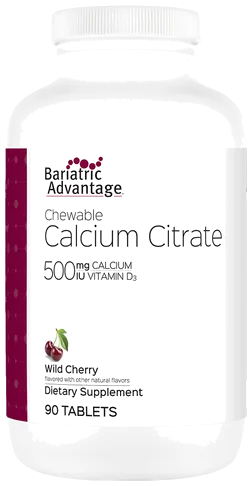
Bariatric Advantage Chewable Calcium Citrate 500 mg Calcium 500 IU Vitamin D3 Wild Cherry Review
We don’t sell supplements. We help you make decisions and get the best price.
Lowest prices
We may earn a commission from some store links. How we choose.
Finding the lowest prices at the stores now. This takes a few seconds.
Products with nearly the same formula (Matched on the main ingredients)
Study, Trial or Testing Result Summary
Members Only131 human studies · 57 improved
6 of these 131 human studies gave the ingredient by drip, not by mouth.
This chewable gives a full studied dose of vitamin D and calcium at three servings a day, plus small amounts of vitamin K and magnesium. In people with type 2 diabetes, two large pooled analyses found that vitamin D modestly lowered fasting blood sugar, the long-term blood sugar marker and insulin resistance, most in people low in vitamin D [1][2]. In adults with prediabetes, vitamin D cut the risk of developing diabetes by 15% over about 3 years [3], and in pregnant women it lowered pregnancy diabetes by about 36% [4]. Not every study agreed: a 5 year trial of 22,220 older adults found no significant drop in diabetes risk [5], and a pooled analysis in prediabetes found no change in fasting blood sugar [6]. Calcium taken with vitamin D lowered fasting insulin and insulin resistance in one trial [7] and fasting blood sugar in pregnant women [8], though calcium's own share is unclear. Vitamin K and magnesium are below the doses that helped in studies, so their reported benefits on blood sugar may not apply here [9][10]. Animal and cell studies are never counted.
See all 131 studies →Hide the studies
- A review of 884 trials with about 883,000 people found magnesium, among other micronutrients, showed moderate- to high-quality evidence for reducing heart disease risk factors.Micronutrient Supplementation to Reduce Cardiovascular Risk.
- In 24 observational studies, people with higher blood magnesium had lower risk of high blood sugar and type 2 diabetes, while the link with prediabetes was weak and uncertain.Serum magnesium and risk of hyperglycemia, type 2 diabetes, and prediabetes: a systematic review and dose-response meta-…
- In a pooled comparison of 170 trials with 14,223 people with type 2 diabetes, vitamin K ranked best for lowering long-term blood sugar (HbA1c) and fasting insulin, though the certainty of evidence ranged from moderate to very low.Comparative effects of vitamin and mineral supplements in the management of type 2 diabetes in primary care: A systemati…
- Across 53 trials of 9,443 pregnant women, vitamin D supplements lowered the risk of gestational diabetes by about 36% and improved blood sugar, blood fat, inflammation and oxidative stress markers.Dietary supplementation for gestational diabetes prevention and management: a meta-analysis of randomized controlled tri…
- In 46 trials of 4,313 people with type 2 diabetes, vitamin D lowered HbA1c by 0.20 points, fasting glucose by 5 mg/dl and insulin resistance, most in people who were deficient and with high doses over a short time.What is the impact of vitamin D supplementation on glycemic control in people with type-2 diabetes: a systematic review …
- In 39 trials of 2,982 people with type 2 diabetes, vitamin D lowered fasting glucose, HbA1c by 0.30 points, insulin resistance and fasting insulin, especially with short-term high doses in deficient or overweight people.Efficacy of vitamin D supplementation on glycaemic control in type 2 diabetes: An updated systematic review and meta-ana…
- In 15 trials of 2,833 pregnant women, two trials of 219 women found no clear difference in gestational diabetes risk between vitamin D and placebo or no treatment, though the evidence was very low quality.Vitamin D supplementation for women during pregnancy.
- In 8 trials with 1,580 people with prediabetes, vitamin D did not change HbA1c, fasting glucose or insulin resistance versus placebo but improved the 2-hour glucose tolerance test result.Association between vitamin D and prediabetes: A PRISMA-compliant meta-analysis.
- Pooling seven studies with 813 people, vitamin K supplements modestly lowered fasting blood sugar and insulin resistance but not fasting insulin, and higher vitamin K was linked to a lower risk of type 2 diabetes in five studies of over 105,000 people.The relationship between vitamin K and T2DM: a systematic review and meta-analysis.
- Pooling five trials with 533 mostly healthy people, vitamin K supplements did not significantly change fasting blood sugar, fasting insulin, insulin resistance, or blood sugar after a glucose drink.Effect of Vitamin K Supplementation on Glycemic Control: A Systematic Review and Meta-Analysis of Clinical Trials.
- Across five trials of 306 pregnant women with gestational diabetes, vitamin D plus calcium lowered fasting blood sugar, insulin and LDL cholesterol, but did not change total cholesterol or triglycerides.Influence of vitamin D-calcium on metabolic profile for gestational diabetes: a meta-analysis of randomized controlled t…
- Across five trials of 266 women with gestational diabetes, magnesium lowered fasting blood sugar and insulin resistance but did not clearly change insulin levels, preterm birth, large babies or BMI.The efficacy of magnesium supplementation for gestational diabetes: A meta-analysis of randomized controlled trials.
- A pooled analysis of Iranian studies found vitamin D improved fasting glucose, HbA1c and insulin resistance in people with type 2 diabetes, while gestational diabetes showed gains only in insulin resistance.The effects of vitamin D supplementation on indices of glycemic control in Iranian diabetics: A systematic review and me…
- In 27 trials in pregnant women, vitamin D above 2000 IU a day lowered the risk of gestational diabetes by 30%, but did not change preterm birth or birth weight, and lower doses were enough to reduce preeclampsia.Vitamin D supplementation higher than 2000 IU/day compared to lower dose on maternal-fetal outcome: Systematic review an…
- In three placebo-controlled trials of adults with prediabetes, vitamin D cut the risk of developing type 2 diabetes by 15% over about 3 years and made a return to normal blood sugar 30% more likely.Vitamin D and Risk for Type 2 Diabetes in People With Prediabetes : A Systematic Review and Meta-analysis of Individual …
- An analysis of 15 meta-analyses of trials in women with polycystic ovary syndrome found vitamin D lowered triglycerides, total and LDL cholesterol, but did not change HDL cholesterol, insulin or body mass index.Effect of vitamin D supplementation on lipid profile, and hormonal functions in polycystic ovary syndrome: An umbrella s…
- A network analysis in people with type 2 diabetes found vitamin D was best of the vitamins for lowering HbA1c, with 4,100 to 7,500 IU a day giving the biggest gain in insulin resistance.Network meta-analysis of the effects of combined exercise and vitamin intervention on insulin resistance and related ind…
- Pooling 13 trials, vitamin K supplements improved CRP (an inflammation marker) and insulin sensitivity, but had no significant effect on fasting glucose, insulin, insulin resistance score, cholesterol, or blood pressure.Effect of Vitamin K Supplementation on Cardiometabolic Risk Factors: A Systematic Review and Meta-Analysis.
- Pooling 17 trials, vitamin K supplements lowered insulin resistance compared with placebo, mainly with vitamin K2, but had no significant effect on blood glucose, inflammation marker CRP, or blood fats.The effect of vitamin K supplementation on cardiovascular risk factors: a systematic review and meta-analysis.
- In double-blind trials, oral magnesium beat placebo at lowering fasting blood sugar in people with diabetes and improved blood sugar and insulin sensitivity in people at high risk of diabetes.Oral Magnesium Supplementation for Treating Glucose Metabolism Parameters in People with or at Risk of Diabetes: A Syste…
- A review of 16 reviews covering 250,569 pregnant women found low vitamin D linked to more gestational diabetes, and supplementation in women who already had gestational diabetes reduced some complications in them and their babies.Effects of vitamin D in pregnancy on maternal and offspring health-related outcomes: An umbrella review of systematic re…
- A review of 8 cohort studies and 11 trials found higher vitamin D status linked to lower type 2 diabetes risk, but supplements did not change blood sugar in people with normal glucose or established diabetes, and improved insulin resistance in two trials of people with glucose intolerance.Vitamin D and type 2 diabetes: a systematic review.
- A systematic review of 76 studies found the evidence on vitamin D in pregnancy too inconsistent and low quality to support firm conclusions about maternal blood pressure or blood sugar outcomes.Vitamin D supplementation in pregnancy: a systematic review.
- In a review of five studies (one trial, four cohorts), vitamin K1 showed no effect on diabetes and heart disease, while vitamin K2 intake was linked to fewer heart events in two cohorts.Is vitamin K consumption associated with cardio-metabolic disorders? A systematic review.
- A review of twenty-eight studies found conflicting results on how vitamin K dependent matrix Gla protein relates to calcium build-up in blood vessels.Is Matrix Gla Protein Associated with Vascular Calcification? A Systematic Review.
- A review of nine studies, mostly in diabetic animals, found vitamin K lowered blood sugar and improved insulin measures, but in people with pre-diabetes there was no clear effect on fasting blood sugar or insulin resistance.A systematic review on the mechanisms of vitamin K effects on the complications of diabetes and pre-diabetes.
- In a review of 13 articles, five of six intervention studies found vitamin K1 or K2 supplements had a positive influence on insulin metabolism, and five of six observational studies linked higher vitamin K to lower type 2 diabetes risk.[Research progress of relationship between vitamin K and type 2 diabetes].
- In a review of 49 trials, five vitamin K trials consistently showed no slowing of calcium buildup in the heart and arteries; blood sugar was not assessed.Interventions to Attenuate Cardiovascular Calcification Progression: A Systematic Review of Randomized Clinical Trials.
- A review found low blood magnesium was linked to post-transplant diabetes and heart risk in kidney transplant recipients, but no studies yet tested whether correcting it helps.Serum Magnesium after Kidney Transplantation: A Systematic Review.
- A review of 60 meta-analyses found that high dietary magnesium intake was linked to a significantly lower risk of type 2 diabetes.Preventive Role of Diet Interventions and Dietary Factors in Type 2 Diabetes Mellitus: An Umbrella Review.
- In 12 studies of kidney and liver transplant recipients, eight linked low blood magnesium to higher risk of post-transplant diabetes, three found no link and one found a positive association with HbA1c.Hypomagnesaemia, an independent risk factor for the development of post-transplant diabetes mellitus in liver and renal …
- In 22,220 older US adults followed for about 5.3 years, 2000 IU of vitamin D3 daily did not significantly reduce type 2 diabetes risk compared with placebo, though pooling with prior trials showed a modest reduction.Vitamin D supplementation vs. placebo and incident type 2 diabetes in an ancillary study of the randomized Vitamin D and…
- In the VITAL trial, baseline blood sugar markers predicted later type 2 diabetes and heart disease, and randomization to vitamin D did not change those associations.Biomarkers of glucose-insulin homeostasis and incident type 2 diabetes and cardiovascular disease: results from the Vita…
- In 430 adults with heart risk factors, 12 weeks of a magnesium-rich diet (about 1,142 mg a day) cut total cholesterol by 10.7%, LDL cholesterol by 10.5% and triglycerides by 10.1%, with no such changes on the usual diet.Can dietary magnesium modulate lipoprotein metabolism?
- In 400 high-risk adults followed for 10 years, a magnesium-rich diet (about 1,142 mg a day) was linked to fewer heart complications (28.6% vs 60.3%) and lower death rates (10.7% vs 18.0%) than the usual diet.Effect of dietary magnesium supplementation in the prevention of coronary heart disease and sudden cardiac death.
- In 355 older adults without diabetes, 500 mcg a day of vitamin K1 for 36 months lowered insulin resistance in men compared with the control group, but not in women.Effect of vitamin K supplementation on insulin resistance in older men and women.
- In 307 infertile men, taking 1400 units of vitamin D3 plus 500 mg calcium daily for 150 days lowered fasting insulin and insulin resistance and raised HDL cholesterol compared with placebo.Vitamin D Supplementation Improves Fasting Insulin Levels and HDL Cholesterol in Infertile Men.
- In 243 people with prediabetes given vitamin D and/or 500 mg calcium daily for 24 weeks, insulin secretion rose, and those low in vitamin D improved pancreatic beta-cell function with vitamin D plus calcium.Effect of Vitamin D and/or Calcium Supplementation on Pancreatic β-Cell Function in Subjects with Prediabetes: A Randomi…
- In 239 Italian adults with type 2 diabetes and low vitamin D, six months of vitamin D3 lowered fasting and after-meal glucose and HbA1c compared with placebo, and some patients needed less meds.Vitamin D3 supplementation improves glycemic control in type 2 diabetic patients: Results from an Italian clinical trial…
- In 180 patients with heart artery disease, 360 mcg a day of vitamin K2 (MK-7) for 2 years slowed the increase in coronary artery calcium compared with placebo.Two Years of Menaquinone-7 Supplementation and Coronary Artery Calcification: A Randomized Clinical Trial.
- In a 12-month placebo-controlled trial of 173 African-American men with prediabetes and low vitamin D, weekly high-dose vitamin D2 raised vitamin D levels but did not improve insulin sensitivity or HbA1c compared with placebo.EFFECT OF HIGH-DOSE VITAMIN D REPLETION ON GLYCEMIC CONTROL IN AFRICAN-AMERICAN MALES WITH PREDIABETES AND HYPOVITAMINOS…
- In 154 adults with diabetes and coronary calcification, 10 mg of vitamin K1 daily for 3 months did not reduce calcification activity in the arteries compared with placebo.The effect of Vitamin-K1 and Colchicine on Vascular Calcification Activity in subjects with Diabetes Mellitus (ViKCoVaC)…
- In a post hoc analysis of 149 adults with diabetes, 10 mg of vitamin K1 daily for 3 months lowered the odds of new calcifying lesions in the coronary arteries and aorta compared with placebo.The effect of vitamin K1 on arterial calcification activity in subjects with diabetes mellitus: a post hoc analysis of a…
- In 148 postmenopausal women, 375 µg of vitamin K2 (menaquinone-7) daily for 12 months raised blood adiponectin but did not change insulin sensitivity compared with placebo.Vitamin K2 (menaquinone-7) increases plasma adiponectin but does not affect insulin sensitivity in postmenopausal women:…
- In 148 people with chronic kidney disease, 12 months of magnesium hydroxide 15 mmol twice daily raised blood magnesium but did not slow artery calcification versus placebo, and caused more stomach side effects and serious adverse events.The Effect of Magnesium Supplementation on Vascular Calcification in CKD: A Randomized Clinical Trial (MAGiCAL-CKD).
- In 130 adults with type 2 diabetes on a med, vitamin D over 6 months improved HbA1c and lowered advanced oxidation protein products at 3 months with higher doses, but did not significantly change insulin resistance.The Effects of Vitamin D Supplementation on Metabolic and Oxidative Stress Markers in Patients With Type 2 Diabetes: A 6…
- In 100 adults with type 2 diabetes, drinking vitamin D-fortified yogurt twice daily for 12 weeks improved fasting glucose, HbA1c, insulin sensitivity index and blood fats compared with plain yogurt, along with markers of blood vessel lining health.Regular consumption of vitamin D-fortified yogurt drink (Doogh) improved endothelial biomarkers in subjects with type 2 …
- In 100 people with type 2 diabetes, a yogurt drink with vitamin D and calcium for 12 weeks lowered inflammation markers compared with the same drink without vitamin D (both had calcium).Improvement of vitamin D status resulted in amelioration of biomarkers of systemic inflammation in the subjects with typ…
- In 82 women with prediabetes, a vitamin K1 softgel taken daily for 4 weeks lowered blood sugar after a glucose drink and insulin levels, and raised insulin sensitivity compared with placebo, though the authors reported no change in overall insulin resistance.The effect of vitamin K1 supplementation on sensitivity and insulin resistance via osteocalcin in prediabetic women: a d…
- In 78 overweight or obese adults, taking 1,000 IU of vitamin D3 daily for 12 weeks, with or without magnesium, did not improve glucose, insulin or insulin resistance compared with placebo.Combined vitamin D and magnesium supplementation does not influence markers of bone turnover or glycemic control: A rand…
- In 78 people with a heart attack, a 48-hour magnesium infusion was followed by 22% less heart failure, 28% fewer irregular heartbeats and 22% lower hospital death than placebo.[Treatment of acute myocardial infarct with magnesium].
- In a randomized trial of adults with metabolic syndrome, eating 2 oz of almonds daily for 12 weeks lowered total and LDL cholesterol compared with crackers and increased magnesium intake from the diet.Beneficial changes in total cholesterol, LDL-C, biomarkers of intestinal inflammation, and vitamin E status in adults wi…
- In a placebo-controlled trial of 75 adults with type 2 diabetes, a daily multi-nutrient pill containing 250 mg magnesium with zinc and vitamins C and E for 4 months did not change blood sugar control or blood flow compared with placebo, although nerve symptoms improved within groups.Improving neuropathy scores in type 2 diabetic patients using micronutrients supplementation.
- In 68 adults with type 2 diabetes and heart disease, 360 mcg of menaquinone-7 daily for 6 months did not reduce artery calcification compared with placebo; a scan marker of active calcification trended upward, though not significantly.The effect of menaquinone-7 supplementation on vascular calcification in patients with diabetes: a randomized, double-bl…
- In 68 adults with type 2 diabetes and heart disease, 360 mcg of vitamin K2 daily for 6 months did not slow the progression of artery calcification or bone density loss compared with placebo.Six months vitamin K treatment does not affect systemic arterial calcification or bone mineral density in diabetes melli…
- In 68 adults with type 2 diabetes, 360 mcg of menaquinone-7 daily (180 mcg twice a day) for 12 weeks lowered fasting blood sugar and average blood sugar over time compared with placebo, though insulin levels did not differ from placebo at the end.Glycemic control improvement in individuals with type 2 diabetes with vitamin K2 supplementation: a randomized controlle…
- In 68 adults with type 2 diabetes, 360 mcg of menaquinone-7 daily for 12 weeks did not meaningfully improve insulin-resistance and heart-risk indexes compared with placebo once baseline values were accounted for.Effects of vitamin K2 supplementation on atherogenic status of individuals with type 2 diabetes: a randomized controlled…
- In 68 people with type 2 diabetes, 360 mcg of menaquinone-7 daily for six months did not change serum calcification propensity time compared with placebo.The effect of six-month oral vitamin K supplementation on calcification propensity time in individuals with type 2 diabe…
- In 68 people at high risk of magnesium deficiency, magnesium treatment lowered blood levels of imidazole propionate, a compound linked to insulin resistance, by 39.9% while placebo raised it by 6.0%.Magnesium and imidazole propionate.
- In 66 adults with type 2 diabetes and heart disease, 90 µg of vitamin K with vitamin D and calcium twice daily for 12 weeks improved insulin measures and reduced inflammation and oxidative stress compared with placebo, and thickening of the carotid artery wall was reduced, though the authors suggest this may be a chance finding.The effects of vitamin D, K and calcium co-supplementation on carotid intima-media thickness and metabolic status in ove…
- In 60 women with gestational diabetes, 1000 mg calcium daily plus vitamin D for 6 weeks lowered caesarean rates (23% vs 63%) and newborn complications compared with placebo.Calcium plus vitamin D supplementation affects pregnancy outcomes in gestational diabetes: randomized, double-blind, pla…
- In 60 women with polycystic ovary syndrome, a combined magnesium, zinc, calcium and vitamin D supplement for 12 weeks lowered insulin, insulin resistance, triglycerides and total cholesterol compared with placebo.A Trial on The Effects of Magnesium-Zinc-Calcium-Vitamin D Co-Supplementation on Glycemic Control and Markers of Cardio-…
- In 60 women with gestational diabetes, a combined magnesium, zinc, calcium and vitamin D supplement for 6 weeks lowered inflammation and oxidative stress markers compared with placebo.The effects of magnesium-zinc-calcium-vitamin D co-supplementation on biomarkers of inflammation, oxidative stress and p…
- In 59 adults, 400 mg of magnesium oxide daily did not change blood sugar or blood pressure compared with placebo, although it raised magnesium levels.A Pilot Randomized Trial of Oral Magnesium Supplementation on Supraventricular Arrhythmias.
- In 55 vitamin D-deficient women with polycystic ovary syndrome, 90 µg of vitamin K with calcium and vitamin D twice daily for 8 weeks lowered insulin, insulin resistance, and triglycerides and improved insulin sensitivity compared with placebo.The Effects of Calcium, Vitamins D and K co-Supplementation on Markers of Insulin Metabolism and Lipid Profiles in Vitam…
- In 54 people on dialysis given magnesium oxide 440 mg three times a week for 6 months, carotid artery wall thickness fell while it rose in the placebo group, but blood vessel function and CRP showed no benefit.Effect of magnesium supplementation on carotid intima-media thickness and flow-mediated dilatation among hemodialysis pa…
- In 27 adults with metabolic syndrome, 400 mg of magnesium daily for 12 weeks significantly lowered systolic and diastolic blood pressure and reduced the inflammation marker interleukin-6, compared with 27 controls who took no magnesium.Positive effects of magnesium supplementation in metabolic syndrome.
- In 50 infants and neonates having heart surgery, a single intravenous magnesium dose did not significantly reduce postoperative heart rhythm problems compared with saline, though there was a trend toward fewer arrhythmias.Role of magnesium in the prevention of postoperative arrhythmias in neonates and infants undergoing arterial switch oper…
- In 50 critically ill ventilated ICU patients, adding intravenous magnesium to midazolam sedation shortened time on the ventilator and time to spontaneous breathing trials, and the group receiving magnesium needed less insulin over 48 hours.Can we use magnesium for sedation in the intensive care unit for critically ill patients: Is it as effective as other se…
- In a double-blind trial of 50 patients having heart bypass surgery, magnesium sulphate given for 5 days after surgery reduced atrial fibrillation, occurring in 1 of 25 patients versus 5 of 25 on placebo.Atrial fibrillation after coronary artery bypass surgery: predictors and the role of MgSO4 replacement.
- In 49 pregnant women at risk for pre-eclampsia, 500 mg of calcium carbonate plus 200 IU of vitamin D3 daily for 9 weeks lowered fasting blood sugar and triglycerides compared with placebo, but did not change total, HDL or LDL cholesterol.Effect of calcium-vitamin D supplementation on metabolic profiles in pregnant women at risk for pre-eclampsia: a randomi…
- In 40 women with polycystic ovary syndrome, 250 mg a day of magnesium oxide for 2 months lowered fasting insulin and insulin resistance and improved cholesterol and fasting blood sugar compared with placebo.The Effect of Magnesium Supplementation on Insulin Resistance and Metabolic Profiles in Women with Polycystic Ovary Synd…
- In a placebo-controlled trial of 36 pregnant women with gestational diabetes, 250 mg of magnesium oxide daily for 6 weeks reduced inflammatory gene activity compared with placebo and lowered newborn hyperbilirubinemia and hospitalization rates.The effects of magnesium supplementation on gene expression related to inflammatory markers, vascular endothelial growth…
- In 30 adults around 62 years old, a 4-week diet high in leafy green vegetables (rich in vitamin K1) did not worsen blood sugar, blood lipids, or blood pressure in those whose bone-related osteocalcin was suppressed.Association between Circulating Osteocalcin and Cardiometabolic Risk Factors following a 4-Week Leafy Green Vitamin K-Ri…
- In 28 adults with type 1 diabetes, 12 months of oral magnesium hydroxide (20-30 mmol daily) did not change kidney function or most blood fats compared with placebo, though triglycerides rose in three treated patients.Magnesium therapy in type 1 diabetes. A double blind study concerning the effects on kidney function and serum lipid lev…
- In 24 adults with metabolic syndrome and normal magnesium levels, 400 mg of magnesium citrate daily for 12 weeks lowered average blood sugar and blood pressure compared with placebo.Magnesium citrate supplementation decreased blood pressure and HbA1c in normomagnesemic subjects with metabolic syndrome…
- In a placebo-controlled trial of 23 competitive triathletes taking magnesium orotate for 4 weeks, race times improved and stress hormone levels were lower, but blood sugar rose more during the race than with placebo.On the significance of magnesium in extreme physical stress.
- In 16 adults with type 2 diabetes and low vitamin D, 12 weeks of vitamin D3 (280 mcg daily for 2 weeks, then 140 mcg daily) raised vitamin D levels but did not improve insulin sensitivity or HbA1c compared with placebo; there were only borderline gains in insulin secretion.Effects of 12 weeks high dose vitamin D3 treatment on insulin sensitivity, beta cell function, and metabolic markers in …
- In 14 adults with type 2 diabetes on an energy-restricted diet, about 1200 mg of calcium daily from fat-free milk and other foods for 12 weeks reduced waist size, blood pressure, total and LDL cholesterol more than a lower-calcium phase.Effect of increased calcium consumption from fat-free milk in an energy-restricted diet on the metabolic syndrome and ca…
- In 12 adults with type 2 diabetes and low magnesium, magnesium supplementation reduced some immune cell activity compared with placebo, but did not change immune cell counts or inflammatory proteins significantly.Magnesium Supplementation Modulates T-cell Function in People with Type 2 Diabetes and Low Serum Magnesium Levels.
- Over 24 months, 4000 IU of vitamin D3 daily did not improve insulin sensitivity or insulin-producing cell function in overweight adults with prediabetes overall, though people starting with very low vitamin D levels (below 12 ng/mL) showed a benefit.Effects of Vitamin D Supplementation on Insulin Sensitivity and Secretion in Prediabetes.
- In a randomized blinded study of women in preterm labor, adding magnesium sulfate infusion to ritodrine did not change potassium, glucose, or other metabolic markers compared with ritodrine plus placebo.Adjunctive magnesium sulfate infusion does not alter metabolic changes associated with ritodrine tocolysis.
- In 100 Tunisian adults with type 2 diabetes and low vitamin D, three months of vitamin D supplementation raised vitamin D levels but did not significantly improve blood sugar control or insulin resistance.Influence of vitamin D supplementation on glycemic control in type 2 diabetics.
- In a small case-control study of 18 people with type 2 diabetes, lower vitamin D was linked to more microvascular complications such as nerve, eye, and kidney damage.Vitamin D levels and microvascular complications in type 2 diabetes.
- In 11 people with diabetes and 11 without, taking 3 g of calcium lactate with a glucose drink raised insulin release only in those with diabetes, while intravenous calcium had no effect.Insulin secretion after oral calcium load.
- In 22 people with vasospastic angina, a single intravenous magnesium sulfate infusion reduced acetylcholine-induced coronary artery spasm in 10 of 14 patients, compared with no change after glucose infusion.The preventive effect of magnesium on coronary spasm in patients with vasospastic angina.
- In 11 people with type 1 diabetes and low magnesium, 10 weeks of intravenous plus oral magnesium raised body magnesium stores but did not normalize magnesium levels, and lipids and blood sugar control were unchanged.Effect of intensive i.v. + oral magnesium supplementation on circulating ion levels, lipid parameters and metabolic cont…
- In 8 adults, a high calcium and vitamin D breakfast did not change blood sugar or insulin responses after a later lunch compared with a low-calcium breakfast.Second meal effects of dietary calcium and vitamin D.
- In 2309 dialysis patients with high phosphate, calcium carbonate binders produced no significant difference in cardiovascular events compared with lanthanum carbonate over a median of about 3 years.Effect of Treating Hyperphosphatemia With Lanthanum Carbonate vs Calcium Carbonate on Cardiovascular Events in Patients …
- In 96 people on hemodialysis, 375 mcg of menaquinone-7 daily for 24 weeks did not significantly improve arterial stiffness compared with standard care overall, but it did improve stiffness in the subgroup with diabetes.Effect of Menaquinone-7 Supplementation on Arterial Stiffness in Chronic Hemodialysis Patients: A Multicenter Randomized…
- In 50 people with Cushing's disease who were low in vitamin D, a single large vitamin D3 dose followed by six weeks of treatment improved insulin sensitivity and raised vitamin D levels, compared with their own starting values.Vitamin D Deficiency in Cushing's Disease: Before and After Its Supplementation.
- In 43 dialysis patients with type 2 diabetes, calcium carbonate binders allowed more aortic calcification over 12 months than lanthanum carbonate, mainly in patients with mild calcification at baseline.Evaluation of aortic calcification with lanthanum carbonate vs. calcium-based phosphate binders in maintenance hemodialy…
- In 35 people with rheumatoid arthritis, taking 300 mg of magnesium sulfate daily for six months on top of usual treatment lowered fasting blood sugar, insulin, and insulin resistance compared with the period before, in an uncontrolled study.Magnesium supplementation and insulin resistance in patients with rheumatoid arthritis.
- In 9 adults with mild type 2 diabetes, 30 days of magnesium-rich salt lake water lowered fasting insulin and blood pressure, in a study without a placebo group.Clinical efficacy of magnesium supplementation in patients with type 2 diabetes.
- A genetic analysis of over 10,000 people in China found no causal link between genetically higher vitamin D levels and type 2 diabetes, prediabetes, or blood sugar measures.Vitamin D, prediabetes and type 2 diabetes: bidirectional Mendelian randomization analysis.
- In a large survey of Hispanic and Latino adults without diabetes, those eating the most vitamin D from food had lower insulin resistance, but their two-hour blood sugar after a glucose drink was higher, and HbA1c showed no link.Vitamin D, Calcium, Magnesium, and Potassium Consumption and Markers of Glucose Metabolism in the Hispanic Community Hea…
- In a national survey of 9939 US adults, those with diabetes ate about 7% more calcium than those without, but overall diets of the two groups did not differ substantially.Dietary intake of adults with and without diabetes: results from NHANES 2013-2016.
- In a Chinese cohort of 5,543 adults followed for about 3.9 years, lower blood vitamin D was not linked to a higher risk of developing type 2 diabetes.25-Hydroxyvitamin D and Incidence of Type 2 Diabetes from a Chinese Cohort Study.
- In a large prospective cohort of pregnant women, those who ate more calcium before and early in pregnancy had a lower risk of gestational diabetes, with women in the top three intake quartiles (about 795 mg per day or more) about 42 percent less likely to develop it than women in the lowest quartile.Risk of gestational diabetes mellitus in relation to maternal dietary calcium intake.
- In 2,160 people in Tehran, higher blood vitamin D levels were linked to lower insulin resistance and better blood sugar measures, though this study did not test supplements.The association of vitamin D levels and insulin resistance.
- In 2,045 American adults with diabetes followed for about six years, those eating 250 mg or less of magnesium daily from food had higher risk of death from all causes, and higher magnesium intake reduced the added risk linked to poor blood sugar control.Association of dietary magnesium intake and glycohemoglobin with mortality risk in diabetic patients.
- In 1,276 Mexican adults, those with the highest blood magnesium had lower odds of type 2 diabetes and of coronary artery calcification (a marker of heart disease) than those with the lowest levels.Serum magnesium is inversely associated with coronary artery calcification in the Genetics of Atherosclerotic Disease (G…
- In older adults at high heart risk followed for about 5.5 years, each additional 100 mcg per day of dietary vitamin K1 was linked to a 17% lower risk of developing type 2 diabetes, and people who increased their intake had a 51% lower risk.Dietary phylloquinone intake and risk of type 2 diabetes in elderly subjects at high risk of cardiovascular disease.
- In 912 people from western India, low vitamin D was not associated with HbA1c or insulin resistance in either people with type 2 diabetes or non-diabetic controls.Does vitamin D play a significant role in type 2 diabetes?
- In a case-control study of 756 people undergoing colonoscopy, those with colorectal adenomas had lower calcium intake than those without, but the study's main finding concerned insulin and glucose levels, not calcium supplementation or blood sugar outcomes.Insulin resistance, apoptosis, and colorectal adenoma risk.
- Among 582 diabetic outpatients and 140 controls, diabetic patients had lower plasma magnesium, and lower magnesium tracked with higher blood glucose, with about a quarter of diabetics falling below nearly all controls.Hypomagnesaemia in diabetes.
- In 373 people with type 2 diabetes, 11 percent had low blood magnesium, which was more common in women and in those with HbA1c of 8 percent or higher, and was linked to diabetic eye disease.Hypomagnesemia and Poor Glycemic Control among Type 2 Diabetic Patients: A Cross-Sectional Study.
- In pregnant South African women, vitamin D levels did not change between visits, while some vitamin D metabolites were linked to blood sugar and insulin measures in mixed directions.Longitudinal changes in vitamin D and its metabolites in pregnant South Africans.
- In 345 Iranian women, higher dietary magnesium intake was linked to better insulin sensitivity, but this link disappeared after accounting for endothelial dysfunction, and other blood sugar measures were not significantly related.Magnesium intake, insulin resistance and markers of endothelial function among women.
- In a cross-sectional study of 329 adults with type 2 diabetes in Oman, low and high magnesium levels were common, and a higher ratio of ionized to total magnesium was linked to poorer blood sugar control and some diabetes complications.Ionized and total magnesium levels and health outcomes in patients with type 2 diabetes mellitus.
- In a cross-sectional study of 285 adults with type 2 diabetes in Saudi Arabia, about 28% had low blood magnesium, and these people had worse blood sugar control than those with normal magnesium levels.Type 2 diabetes control and complications and their relation to serum magnesium level.
- In 235 people with type 2 diabetes, low vitamin D levels were not linked to diabetic eye damage or its severity.Is there any correlation between vitamin D insufficiency and diabetic retinopathy?
- In 234 young Indian military recruits, higher vitamin D was linked to lower fasting blood glucose, but not to insulin resistance, cholesterol, or triglycerides.Vitamin D, body mass composition and metabolic risk factors in healthy young Indians.
- In 227 obese Mexican children and adolescents, those with low vitamin D had higher fasting insulin and insulin resistance than those with sufficient levels.Vitamin D status and its relation to insulin resistance in a Mexican pediatric population.
- In 180 middle-aged adults, low vitamin D was linked to higher odds of type 2 diabetes, but higher vitamin D levels were also associated with higher blood sugar and insulin resistance measures, so the pattern was inconsistent.Association of vitamin D deficiency with insulin resistance in middle-aged type 2 diabetics.
- In 174 adults with prediabetes or normal glucose tolerance, higher levels of vitamin D binding protein were linked to nerve control of the heart and body fat, but this study did not test any vitamin D supplement.Vitamin D binding protein is related to cardiac autonomic function and metabolic status in prediabetes.
- In 170 people with severe obesity awaiting bariatric surgery, calcium intake was not significantly different from recommended levels only in women aged 51 to 70, while many had impaired glucose metabolism, and the study did not test whether calcium improved blood sugar or heart health.Dietary Intakes and Biochemical Parameters of Morbidly Obese Patients Prior to Bariatric Surgery.
- In a cross-sectional study of 147 adults with type 2 diabetes in Brazil, low blood magnesium was linked to a higher chance of elevated HbA1c, a marker of poor blood sugar control.Magnesium Status and Dietary Patterns Associated with Glycemic Control in Individuals with Type 2 Diabetes Mellitus.
- In 127 women with recurrent pregnancy loss, vitamin D levels were not significantly linked to insulin levels or insulin resistance, although women with higher insulin resistance had lower vitamin D.Glucose/insulin metabolism and vitamin D in women with recurrent pregnancy loss.
- In 116 Korean women with prior gestational diabetes, the lowest postpartum blood magnesium was seen in the eight who developed type 2 diabetes, though magnesium was only a possible predictor and did not clearly separate prediabetes from normal glucose tolerance.Serum magnesium level is associated with type 2 diabetes in women with a history of gestational diabetes mellitus: the K…
- Overweight children aged 4 to 14 had lower blood magnesium than normal-weight children despite eating more magnesium, and lower levels were linked to higher body weight, blood pressure, waist size and insulin.Serum magnesium in overweight children.
- In 99 pregnant women in Saudi Arabia, blood magnesium was slightly lower in those who developed gestational diabetes, but the difference was not statistically significant.Modification of Total Magnesium level in pregnant Saudi Women developing gestational diabetes mellitus.
- In 88 adults with type 2 diabetes, lower blood magnesium was linked to poorer blood sugar control and more complications; this study did not test magnesium supplements.Low magnesium level as an indicator of poor glycemic control in type 2 diabetic patients with complications.
- Middle-aged men with newly impaired glucose tolerance had lower serum magnesium than healthy controls, suggesting mineral imbalance may appear early in blood sugar problems.Indices of mineral metabolism in subjects with an impaired glucose tolerance.
- Children newly diagnosed with type 1 diabetes (37 children, compared with 13 controls) excreted more magnesium in urine, which may help explain why they had low magnesium despite normal blood levels.Hypermagnesiuria in children with newly diagnosed insulin-dependent diabetes mellitus.
- A register-based study in Finland found no clear link between magnesium in local well water and type 2 diabetes rates among young adults, though weak signals appeared in young women.The regional association of rising type 2 diabetes incidence with magnesium in drinking water among young adults.
- In a lab study of fat cells, low magnesium reduced insulin-driven sugar uptake by about half, and a cohort of 395 people with type 2 diabetes showed lower magnesium linked to more insulin resistance; magnesium supplementation itself was not tested.Magnesium increases insulin-dependent glucose uptake in adipocytes.
- In 10 healthy volunteers, a single 2.0 g dose of magnesium sulfate raised blood magnesium and lowered the insulin response to a sugar load without changing blood glucose, suggesting better insulin sensitivity.[The effect of a single administration of magnesium sulfate on glucose tolerance and insulinemia in healthy volunteers].
- In rats fed a high-sugar diet, vitamin D3 lowered blood glucose and improved insulin release during a glucose load, and lab work suggests this works by calming inflammation in insulin-producing cells.Vitamin D protects against high glucose-induced pancreatic β-cell dysfunction via AMPK-NLRP3 inflammasome pathway.
- In diabetic mice fed a high-fat diet, vitamin K1 supplementation for 8 weeks reduced weight gain, blood sugar, insulin resistance and inflammatory signals, and lab cell experiments supported this; human blood levels were linked to inflammation but this was not tested as a supplement trial.Prophylactic role of vitamin K supplementation on vascular inflammation in type 2 diabetes by regulating the NF-κB/Nrf2 …
- A cost model based on a trial found that magnesium chloride taken for at least 4 months by adults with prediabetes and low magnesium was estimated to cost less and prevent more complications than placebo over 10 years.Cost-effectiveness analysis of using oral magnesium supplementation in the treatment of prediabetes.
Review Totals and Summary
Members Only5,200 reviews · 93% positive
Extensive customer reviews and qualitative feedback are currently being aggregated for this product. Check back soon for a detailed sentiment analysis.
Biohacker Summary
Members Only0 of 10 recommend it
Vitamin D is the main ingredient, and the panel leans toward it: about half recommend it and several take it, with doses of 5000 IU of D3 each morning from two of them. Panelists take it because most people don't get enough from sun or food, to support calcium use and bone health, and for general health or longevity. Several advise taking it with dietary fat for better absorption, and the morning is the usual time. Three of them pair it with vitamin K2, with two giving 90 mcg, saying K2 steers calcium into bones and away from arteries, and one says there is little point supplementing unless you are low. Magnesium is a smaller ingredient in this product, and panelists mostly take it for sleep, with glycinate or threonate as the preferred forms.
See all 10 biohackers →Hide the biohackers
Dr. Eric Berg · Vitamin D · neutral
- Lists Vitamin D as an ingredient found in sardines.
- States that one can of sardines contains 382 mg of calcium.
- Recommends Vitamin D3 because it's nearly impossible to get enough from food and most people don't get enough sun, advising to aim for blood levels of at least 50 to 80 ng/mL.
- Dr. Berg states that when nutrients like vitamin D are too low, fatigue and weakness can follow.
- Recommends pairing Vitamin D3 with K2, stating that K2 helps keep calcium out of soft tissues.
- Warns against calcium supplements, citing studies that link them to a higher risk of heart attack, especially in postmenopausal women, and suggests getting calcium from dairy instead.
- Recommends Magnesium glycinate, noting its high absorption rate compared to magnesium oxide, and its support for energy, sleep, muscle relaxation, and vitamin D function.
- Dr. Berg states that when nutrients like magnesium are too low, fatigue and weakness can follow.
- Recommends focusing on vitamin D3 to support stronger bones if a neck hump is associated with osteoporosis.
- Recommends a minimum of 10,000 IU of vitamin D per day to support natural killer cells.
- Recommends focusing on vitamin K2 to support stronger bones if a neck hump is associated with osteoporosis.
- Recommends focusing on calcium to support stronger bones if a neck hump is associated with osteoporosis.
- Recommends focusing on magnesium to support stronger bones if a neck hump is associated with osteoporosis.
- Explains that leg and calf cramps are most often caused by low magnesium, with leafy greens being a top source.
Dr. Rhonda Patrick · Vitamin D · neutral
- Notes that vitamin D from sunlight, food, or supplements needs to undergo conversions in the liver and kidneys to become its active hormone form, calcitriol.
- Explains that magnesium helps the body activate and metabolize vitamin D, and that magnesium intake has been associated with lower odds of vitamin D deficiency and insufficiency.
- Mentions that getting too little magnesium may play a role in declining testosterone levels.
- States that Vitamin D supplementation has been associated with a 40% lower dementia risk, and low levels are linked to a 50 to 80% higher risk.
- Recommends getting enough magnesium, around 300–400 mg daily from diet and supplements, as it is an essential cofactor for vitamin D metabolism. Magnesium glycinate is a good form.
- Mentions vitamin K as one of the micronutrients found in multivitamins that people often don't get enough of from their diets.
- Mentions magnesium as one of the micronutrients found in multivitamins that people often don't get enough of from their diets.
- Explains that magnesium helps control blood pressure by boosting the production of substances that relax blood vessels and improve cardiovascular health, citing a meta-analysis that found magnesium supplementation at an average dose of 368 mg per day notably lowers both systolic and diastolic blood pressure.
- Magnesium supplementation has lowered blood pressure in randomized controlled trials. An analysis of 34 trials involving over 2,000 participants found modest reductions in both systolic and diastolic pressure, with a median dose of 368 mg/day.
- Recommends getting adequate vitamin D, noting that people taking vitamin D supplements have a 40% lower risk of dementia, while those with lower vitamin D have a 50-80% higher risk.
- Warns that some magnesium supplements make the dose look much larger than it really is and that labels can fool people.
- Vitamin D supplementation was linked to a 40% lower risk of dementia in an observational study of more than 12,000 older adults.
- Mentions that vitamin D also plays a role in maintaining muscle mass.
- Mentions magnesium as an important nutrient component for testosterone.
Dave Asprey · Vitamin K · recommends
- Explains that Vitamin K2 acts as a traffic cop for calcium, waving it into bones and away from arteries, and that grass-fed butter is one of the only foods with a real amount of K2.
- Looks at magnesium alongside protein to keep muscle for the long run.
- Suggests adding magnesium to help keep potassium in the system longer, as they work hand in hand.
- Takes Vitamin DAKE from Suppgrade Labs.
- Mentions magnesium in the context of sleep but states that it doesn't address the core issue of waking up during the night.
- Suggests that vitamin D supports brain health, muscle function, and focus.
- Suggests that magnesium may help slow aging, support cellular repair, and improve sleep.
- States that magnesium can affect how the body responds to a supplement.
- Host Dave Asprey explains why correcting a vitamin D deficiency still makes sense for male fertility, even though supplementation did not improve overall semen parameters in a randomized trial.
- Recommends taking vitamin K2 with vitamin D to keep calcium in the bones, and suggests kids also take it for stronger bones.
- Recommends Vitamin K2, stating it supports healthy calcium metabolism.
- States that currently, he is only taking vitamin C and vitamin D.
- Recommends fixing sleep with 300mg of Magnesium 101 before bed if diet and exercise aren't melting stubborn belly fat.
- Dave Asprey says his daily routine includes magnesium as part of a carefully developed combination for longevity.
Thomas DeLauer · Vitamin K · recommends
- Recommends taking Vitamin K2 with Vitamin D3 in the morning, along with morning fats, to ensure calcium is directed to the bones and not deposited in arteries or soft tissue.
- Recommends taking Vitamin D3 in the morning, between 6:00 and 10:00 a.m., to align with the body's natural metabolic activation phase and sunlight-triggered vitamin D production.
- Recommends taking magnesium glycinate and threonate at night to act as a brake on the nervous system, block excitatory signaling, help wind down, and support serotonin and melatonin production for better sleep.
- Mentions that magnesium glycinate also helps a lot with sleep.
- Mentions that restless leg syndrome is often treated with magnesium, but states that the sensation is actually coming from three other issues.
- Uses Element's cans which contain 30 milligram magnesium, finding that electrolytes help his workout performance.
- Uses Element's 30 mg magnesium cans first thing in the morning to prime his day and help with workout performance.
- Uses vitamin D3 in the fall and winter months when getting less sun, as it's important to supplement it then.
- Recommends magnesium around the time one would normally break a fast to calm the brain and dull feelings of conditioned hunger.
- Recommends taking a massive amount of vitamin D simultaneously with an early morning massive breakfast to help reset circadian rhythms and address hyperphagia.
- Recommends Vitamin D, stating that it has receptors throughout the brain and deficiency can quickly impact brain and mood.
- Recommends magnesium, noting it is a cofactor for enzymes that build neurotransmitters, and deficiency can affect mood, happiness, and motivation.
- Takes supplemental vitamin D because he is skin sensitive and from northern latitudes, limiting his UV exposure.
- Notes that modern agricultural practices have led to soils depleted of trace minerals like magnesium, resulting in widespread magnesium deficiency.
Dr. Mark Hyman · Vitamin D · uses
- Consumes Zetopia's Atlantic salmon to get Vitamin D, particularly in the winter months, as it is one of the few foods that provides both Omega-3s and Vitamin D.
- Recommends magnesium breakthrough advanced ten from Biooptimizers, which is their most complete magnesium formula with 10 bioavailable forms and 550 milligrams of elemental magnesium, designed to support restful restorative sleep, muscle recovery, stress resilience, and metabolic health.
- Recommends considering magnesium glycinate before bed for nervous system support, deeper sleep quality, and to help the body transition into rest, and states that they take it every night.
- Mentions that the body makes vitamin D from sunlight exposure, and a deficiency can hinder calcium absorption, which is crucial for strong bones.
- Explains that a lack of magnesium can cause muscles and nerves to malfunction, resulting in muscle weakness, twitching, and cramps.
- Recommends Vitamin D for health, stating that amazing things happen when patients' vitamin D statuses reach optimal levels.
- Mentions vitamin D as an existing biomarker that plays a role in mental health, which Function Health includes in their measurements.
- Recommends Magnesium Breakthrough Advanced 10 from Bioptimizers for restful sleep, muscle recovery, stress resilience, and metabolic health, especially during stressful times of the year.
- Notes that vitamin D plays a role in immune function.
- Recommends magnesium because it is involved in over 600 reactions in the body and up to 80% of people may have low levels that never get flagged on a standard blood test.
- Recommends magnesium as a basic supplement during detoxification to support pathways, help with constipation, and provide electrolytes.
- Recommends checking vitamin D levels and states that if they had to pick one single intervention for immune health, vitamin D would be it.
- Dr. Hyman discusses vitamin D in relation to sun exposure patterns.
- States that vitamin D supplementation can help with oxidative stress.
Siim Land · Vitamin D · recommends
- Advises against taking vitamin D in the morning with other supplements because it is fat soluble and requires dietary fat for better absorption.
- Recommends taking Vitamin D with fat for better absorption.
- States that Magnesium can be a useful addition for some people for sleep.
- States that Vitamin D connects biology to light and that UVB reaching the skin enables its production.
- Recommends magnesium for sleep, especially deep sleep, and suggests trying better types like Threonate, Biscinate, or Torate, referencing a study where magnesium supplementation improved deep sleep.
- Notes that Vitamin K2 helps activate proteins involved in bone mineralization and calcium regulation.
- Mentions that prunes contain vitamin K, which is a factor in their ability to help with bone density.
- Recommends Vitamin K2 for bone health and calcium metabolism, based primarily on human research, especially randomized controlled trials showing measurable benefits.
- Recommends Magnesium for blood pressure, migraines and deficiency, based primarily on human research, especially randomized controlled trials showing measurable benefits.
- Lists Vitamin K2 as one of 15 supplements backed by human studies.
- Lists Magnesium as one of 15 supplements backed by human studies.
- Lists leafy greens as a source of Vitamin K1.
- States that magnesium is a fundamental mineral governing over 600 enzymes and metabolic reactions, and recommends that most people need at least 400-500 mg/d for health, with some needing up to 600 mg/d.
- Lists seafood and pumpkin seeds as sources of Magnesium.
Ben Greenfield · Vitamin D · recommends
- Notes that Vitamin D is actually a hormone and recommends patients aim for levels around 40 to 50, or even 60 for fracture healing, for optimal healing, as opposed to just above 20 which is considered normal.
- Uses magnesium during surgery because it is neuroprotective.
- Says he is drinking LMNT, which contains sodium, potassium, and magnesium, and states that he actually drinks this stuff.
- Mentions vitamin D as part of a bare-minimum protocol.
- Advises getting vitamin D levels between 60 and 100 nanograms per milliliter as a minimum step for overall health and to slow down heart disease.
- Discusses vitamin K2, specifically the menaquinone forms, as crucial for arterial health and notes that it breaks down into MK-4 and MK-7.
- Explains that gut bacteria liberate K from the diet or make the K needed, and that poor absorption of vitamin K due to bacterial imbalances is linked to heart disease.
- Mentions magnesium as part of a bare-minimum protocol.
- Advises getting red blood cell magnesium levels to the high end of the range as a minimum step for overall health and to slow down heart disease.
- Recommends supplementing with magnesium threonate if one is low in magnesium, as it crosses the blood-brain barrier and is demonstrated to increase hippocampus plasticity, theoretically making one smarter and improving memories.
- Uses Magnesium Breakthrough from BIOptimizers as part of their daily stack, taking four capsules in the evening to support relaxation, recovery, and a good night of sleep.
- Has been taking Vitamin D3 K2 for over a decade.
- Recommends Celtic Sea Salt's new electrolyte drink "Hydrate" for replacing electrolytes and trace minerals lost through sweat, noting it contains 70 naturally occurring trace minerals, plus magnesium, taurine, and potassium.
- Had heart palpitations when he was really overdoing magnesium, not knowing what he was taking.
Bryan Johnson · Vitamin K · uses
- Takes 90 mcg of Vitamin K2 in the morning for general health.
- Takes 5000 IU of Vitamin D3 in the morning for general health.
- Takes 400 mg of Magnesium Threonate before bed for sleep.
- Takes 5000 IU of Vitamin D3 in the morning for general health.
- Takes 400 mg of Magnesium L-Threonate before bed for sleep.
- Mentions that the sunlight assessment claims low vitamin D levels cause the immune system to misfire, and notes that their vitamin D has been measured.
- Takes 100 mcg of Vitamin K2 in the morning for longevity.
- Takes 5000 IU of Vitamin D3 in the morning for longevity.
- Takes 400 mg of Magnesium Threonate before bed for sleep.
- He takes 100 mcg of Vitamin K2 in the morning for general health.
- He takes 5000 IU of Vitamin D3 in the morning for general health.
- He takes 400 mg of Double Wood Magnesium L-Threonate before bed for sleep.
- Takes 5000 IU of Vitamin D3 in the morning for general health.
- Takes 400 mg of Magnesium L-Threonate before bed for sleep.
Andrew Huberman · Vitamin D · neutral
- Notes that most people are probably deficient in vitamin D and benefit from supplementing, but there's no point in doing it unless you're deficient for most things.
- Notes that Les Spellman's team includes 'Magnesium timed right' as part of their game plan to optimize recovery in unfavorable conditions.
- Discusses Magnesium Threonate as a tool for falling asleep.
- Takes 5,000 IU of Vitamin D3 in the morning for longevity.
- Takes 90 mcg of Vitamin K2 in the morning for longevity.
- Takes 400 mg of Magnesium Threonate before bed for sleep.
- Uses Element, an electrolyte drink with sodium, magnesium, and potassium in correct ratios and no sugar, to ensure adequate hydration and electrolytes, especially when starting days fast or during physical exercise.
- Takes 5000 IU of Vitamin D3 in the morning for general health.
- States that Vitamin D is one of the critical nutrients with the best evidence for cognitive function and reducing the risk of dementia.
- Takes 400 mg of Magnesium L-Threonate before bed for sleep.
- Confirms that magnesium is absolutely important for cognitive function, noting studies show those with lower magnesium intakes tend to perform less well on cognitive function tests, and it's related to brain changes over time and dementia risk.
- Takes 5000 IU of Vitamin D3 in the morning.
- Takes 90 mcg of Vitamin K2 in the morning.
- Takes 400 mg of Double Wood Magnesium L-Threonate before bed for sleep.
Peter Attia · Vitamin D · uses
- Lists vitamin D as one of her staple supplements.
- Peter reviews the evidence for select off-label medications and supplements commonly used for sleep, including glycine, magnesium, ashwagandha, and phosphatidylserine.
- Suggests that zinc and magnesium could potentially help with vasodilation and sleep, particularly for women experiencing severe symptoms in the luteal phase.
- Notes that several studies show patients taking vitamin D can reduce TPO levels and prolong the honeymoon period of Hashimoto's disease.
- Peter discusses electrolytes and fiber and the ketogenic diet, specifically preventing magnesium loss.
- States that in mouse studies, there was a combined effect of alpha ketoglutarate with vitamin D for both sexes.
- Uses vitamin D as an example of how people might dismiss its efficacy due to failed clinical trials that didn't adjust the dose or measure levels.
- In mouse studies, Peter Attia's team found a combined effect of AKG with Vitamin D for both sexes.
- Suggests that supplementing with lots of vitamin D might help overcome the negative effects of phenytoin on bone health by improving calcium absorption, though he is unaware of studies on this.
- Recommends Vitamin D3 as one of the 'big three' micronutrients for bone health, suggesting a daily intake of 800 to 1,000 IU, which can be obtained through sunlight or supplementation.
- Recommends magnesium as one of the 'big three' micronutrients for bone health, suggesting a daily intake of 300 to 500 milligrams as a minimum, and personally aims for about a gram of supplemental magnesium.
- Recommends calcium as one of the 'big three' micronutrients for bone health, suggesting a daily intake of 1,000 to 1,200 milligrams, which can be supplemented with calcium carbonate or calcium citrate.
- Suggests that supplementing with lots of vitamin D might overcome the negative effects of phenytoin on bone health by counteracting increased catabolism of vitamin D and subsequent decreased calcium absorption.
- Recommends magnesium for optimizing bone mineral density, suggesting a daily intake of 300 to 500 milligrams as a minimum, but personally aims for about a gram.
RAL Summary
Members OnlyTier 2 for Blood Sugar
More Details
Members OnlyBody systems · Combine with · Possible side effects
Body systems: Endocrine system, Skeletal system, Cardiovascular system
Combine with: Combine with a healthy diet and lifestyle.
Possible side effects: No major side effects reported.
Supplement Facts
Total Carbohydrates 3 g · Vitamin D 12.5 mcg · Vitamin K 20 mcg
| Calories | 10 | |
| Total Fat | 0.5 g | |
| Total Carbohydrates | 3 g | |
| Vitamin D | 12.5 mcg | |
| Vitamin K | 20 mcg | |
| Calcium | 500 mg | |
| Magnesium | 14 mg |
Other ingredients: Xylitol, Sugar, Stearic Acid, Maltodextrin, Corn Starch, Fructose, Hibiscus Juice, Black Carrot Juice, Natural Flavors, Citric Acid, Magnesium Stearate, Sucralose, Silicon Dioxide.
Directions: Suggested use: Take one tablet three times daily or as directed by your healthcare practitioner. Chew or crush tablets completely before swallowing. Do not swallow tablets whole. Take at least two hours apart from iron.
Barcode (UPC) 755571942791 · Label source: NIH label database · Report a label change
Other sizes and barcodes: 90 Tablet(s), UPC 7 55571 94278 4 (not checked yet); 1 Tablet(s), UPC 7 55571 94280 7 (not checked yet)
Show entire label
More blood sugar products
Members OnlyThe highest ranked for the same goal
Read more
Our articles on this subject
- How to Lower Blood Sugar Naturally: A Comprehensive GuideArticle · Sep 9, 2026
- Vitamin D2 vs D3: Which Form Raises Your Vitamin D More?Article · Oct 31, 2026
Graded November 10, 2026 by the Reverse Age Lab evidence engine, from human studies, real reviews and our biohacker panel. How we grade. Is this medical advice? No. Rala organizes the published evidence; go over any change with your doctor, especially if you take meds.
Privacy policyConsumer health dataAffiliate disclosureTermsDo Not Sell or Share My Personal InformationCookie settings