
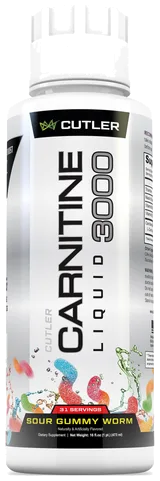
Cutler Nutrition Carnitine Liquid 3000 Sour Gummy Worm Review
Cutler Nutrition Carnitine Liquid 3000 in Sour Gummy Worm is a ready-to-drink liquid L-carnitine supplement from Jay Cutler's brand. Each serving is marketed as providing 3,000 mg of L-carnitine. The label positions it for energy, metabolism and recovery support. It is sold as a stimulant-free alternative to caffeine-based fat-burner and pre-workout products. The brand's own product page and retailer pages list sour candy-style flavors, and this one is meant to taste like a sour gummy worm. Independent analysis was thin. SuppCo gave it an "average" TrustScore of about 6.25 out of 10. It noted that no third-party testing certification was listed for this product. L-carnitine is a conditionally essential, amino-acid-derived compound. The body makes it from lysine and methionine, and it is also found in red meat and dairy. Its best-established job is in mitochondrial fatty acid oxidation. Long-chain fatty acids cannot cross the inner mitochondrial membrane on their own. In the cell they are activated to acyl-CoA. Carnitine palmitoyltransferase I then swaps the CoA for carnitine, forming acylcarnitine. A translocase carries acylcarnitine across the inner membrane. Carnitine palmitoyltransferase II then converts it back to acyl-CoA inside the mitochondrial matrix. There the fatty acid enters beta-oxidation and ultimately produces ATP. Carnitine also buffers the acetyl-CoA pool. It binds excess acetyl groups as acetylcarnitine, which frees up coenzyme A. That helps keep both fat and carbohydrate metabolism running. The liquid form is promoted as absorbing quickly. Dissolved carnitine does not need to be broken down from a capsule or tablet first. Supplementation is a different matter from the body's natural carnitine function. In people who eat normal diets, muscle carnitine stores are already close to saturated. Raising them usually needs weeks to months of dosing, often together with carbohydrate to spike insulin. Studies show modest effects on recovery markers, such as muscle soreness and markers of muscle damage. Evidence for fat loss in healthy people is mixed and generally small. Cutler's own marketing language is hedged. It says the product "may help" support a slim and firm appearance, and it says results vary. The claims are structure/function claims. The FDA has not evaluated them. The product is not a drug. Practical points follow from this. A 3,000 mg dose is higher than most studies use, which is typically 1–3 g a day. Large amounts of carnitine can cause nausea, stomach upset and a fishy body odor. Gut bacteria convert some of it into TMAO, a compound under study for cardiovascular risk. People with kidney disease, seizure disorders or thyroid conditions, and people on meds, should talk to a clinician first. So should anyone who is pregnant. The brand also advertises a money-back guarantee, which it calls the "Jay Cutler Promise.
We don’t sell supplements. We help you make decisions and get the best price.
Lowest prices
We may earn a commission from some store links. How we choose.
Finding the lowest prices at the stores now. This takes a few seconds.
Products with nearly the same formula (Matched on the main ingredients)
Study, Trial or Testing Result Summary
Members Only110 human studies · 39 improved
4 of these 110 human studies gave the ingredient by drip, not by mouth.
The main ingredient, carnitine, is present at a full dose of 3000 milligrams a day, above amounts that worked in studies. A large 2025 review pooling eight earlier reviews covering 16,352 people found that 150 to 4000 milligrams a day for 8 to 30 weeks lowered body weight, body mass index and waist size compared with placebo or control [1]. A pooled analysis of 43 trials in overweight and obese adults found about 1.1 kilograms more weight loss and 1.2 kilograms less fat mass, but no change in body fat percentage or waist size [2]. Another analysis of 37 trials found about 1.2 kilograms more weight loss, with the biggest effect near 2000 milligrams a day [3]. In adults with type 2 diabetes, adding 2 grams a day to meds for one year gave greater weight loss [4]. The weight loss effect seemed to shrink with longer use [5]. The added B vitamins are at small daily amounts. Niacin did not change body weight in a large review [6], and vitamin B12 did not change body mass index or fat mass in a two-year trial [7]. Evidence for thiamine and vitamin B6 on weight is thin or indirect [8][9]. Animal and cell studies are never counted.
See all 110 studies →Hide the studies
- In 32 studies of 18,480 children, those with autism ate less niacin and other vitamins than typically developing children, with no difference in weight or body mass index; niacin was not given as a supplement.Nutritional Status of Children Diagnosed With Autism Spectrum Disorder: A Systematic Review and Meta-Analysis.
- Pooling eight earlier reviews covering 16,352 people, taking 150 to 4000 mg of L-carnitine a day for 8 to 30 weeks lowered body weight, body mass index and waist size compared with placebo or control.The Effect of the L-Carnitine Supplementation on Obesity Indices: An Umbrella Meta-Analysis.
- In a pooled analysis of 79 trials with 5,501 women with polycystic ovary syndrome, carnitine was identified as an effective option for improving obesity measures compared with placebo.The effectiveness of nutritional supplements in improving polycystic ovary syndrome in women: a systematic review and ne…
- Across 22 treatment arms with 5,144 people, nicotinic acid or nicotinamide lowered body mass index slightly and raised adiponectin compared with controls, but did not change body weight or leptin.The effects of NAD+ precursor (nicotinic acid and nicotinamide) supplementation on weight loss and related hormones: a s…
- In a pooled analysis of 41 trials with 2,362 women with polycystic ovary syndrome, carnitine reduced body weight and body mass index compared with placebo and ranked best among the supplements.Comparison of nutritional supplements in improving glycolipid metabolism and endocrine function in polycystic ovary synd…
- In 37 trials with 2,292 people, L-carnitine lowered body weight by about 1.2 kg, body mass index and fat mass, with the biggest weight effect at about 2000 mg a day, but it did not change waist size or body fat percent.Effects of l-carnitine supplementation on weight loss and body composition: A systematic review and meta-analysis of 37 …
- In 21 trials with 2,041 people with type 2 diabetes, each 1 g a day of L-carnitine lowered body mass index by about 0.37, with the largest reduction at 2 g a day, though results varied a lot between trials.The Effects of L-Carnitine Supplementation on Weight Loss, Glycemic Control, and Cardiovascular Risk Factors in Patients…
- In nine trials with 995 women with polycystic ovary syndrome, L-carnitine lowered blood sugar, cholesterol and triglycerides, and low to moderate certainty evidence suggested it improved body mass index.Effects of L-carnitine supplementation for women with polycystic ovary syndrome: a systematic review and meta-analysis.
- In nine trials with 911 adults, people taking carnitine lost about 1.3 kg more weight and had a lower body mass index than controls, though the weight loss effect shrank with longer use.The effect of (L-)carnitine on weight loss in adults: a systematic review and meta-analysis of randomized controlled tri…
- Across 43 randomized trials of overweight and obese adults, l-carnitine lowered body weight by about 1.1 kg, body mass index by 0.36 and fat mass by 1.2 kg compared with controls, but did not change body fat percentage or waist size.Beneficial effects of l-carnitine supplementation for weight management in overweight and obese adults: An updated syste…
- In 10 trials with 1,239 people with type 2 diabetes, L-carnitine reduced body mass, needing about 2 g a day for at least 2 weeks, while acetyl-L-carnitine and propionyl-L-carnitine showed no significant effect.The Effects of L-Carnitine, Acetyl-L-Carnitine, and Propionyl-L-Carnitine on Body Mass in Type 2 Diabetes Mellitus Patie…
- This review looked at how thiamine-dependent enzymes relate to obesity and noted thiamine deficiency is common in people with obesity, but the abstract reports no weight outcome from giving thiamine.The role of thiamine dependent enzymes in obesity and obesity related chronic disease states: A systematic review.
- A review of 51 studies of Nigerian adolescents found low dietary niacin intake among other nutrient shortfalls; niacin was not tested as a supplement for weight.Nutritional status and dietary intake among Nigerian adolescent: a systematic review.
- In a review of 21 studies of supplements for cancer-related weight loss, L-carnitine raised body mass index and survival in people with advanced pancreatic cancer, but the reviewers found too little solid evidence to recommend any supplement.A systematic review on the role of vitamins, minerals, proteins, and other supplements for the treatment of cachexia in …
- In a review of four trials in women with polycystic ovary syndrome, carnitine supplements were linked to better weight loss, blood sugar control and oxidative stress, with no clear effect on sex hormones or blood fats.Potential roles of carnitine in patients with polycystic ovary syndrome: a systematic review.
- In a review of 26 publications on nutrition for cancer-related weight loss, people taking L-carnitine showed an upward trend in body weight, but many trials were negative and no positive recommendation was made.Nutritional Interventions to Improve Cachexia Outcomes in Cancer-A Systematic Review.
- In 2,919 adults aged 65 and older with high homocysteine, two years of daily vitamin B12 (500 mcg) plus folic acid did not change body mass index, fat mass or lean mass compared with placebo.B-vitamins and body composition: integrating observational and experimental evidence from the B-PROOF study.
- In 941 adults (40% men) taking quercetin with vitamin C and niacin for 12 weeks, body mass and body composition did not differ from placebo in men or women.Quercetin with vitamin C and niacin does not affect body mass or composition.
- In 506 gastric bypass patients, a longer bypass limb gave no extra weight loss, but those patients needed more vitamin B12 supplementation; this trial did not test B12 as a weight treatment.Impact of Biliopancreatic Limb Length (70 cm vs 120 cm), with Constant 150 cm Alimentary Limb, on Long-Term Weight Loss,…
- In obese women with polycystic ovary syndrome who were resistant to clomiphene, adding L-carnitine to a med and clomiphene over three months improved pregnancy and some metabolic markers, but did not significantly reduce body mass index compared with placebo. This trial has been retracted.Read the study on PubMed (30806102) →
- In 258 adults with uncontrolled type 2 diabetes, adding 2 g of L-carnitine daily to orlistat for one year led to faster and greater weight loss and better blood sugar control than orlistat alone.Orlistat and L-carnitine compared to orlistat alone on insulin resistance in obese diabetic patients.
- In 258 adults with uncontrolled type 2 diabetes and obesity, adding 2 g of L-carnitine daily to orlistat for one year led to greater weight loss than orlistat alone, with faster improvement in inflammation markers.Comparison between orlistat plus l-carnitine and orlistat alone on inflammation parameters in obese diabetic patients.
- In 254 adults with uncontrolled type 2 diabetes taking sibutramine, adding 2 g of L-carnitine daily for one year led to faster weight loss and better blood sugar and cholesterol control than sibutramine alone.Sibutramine and L-carnitine compared to sibutramine alone on insulin resistance in diabetic patients.
- In 162 women with clomiphene-resistant polycystic ovary syndrome, l-carnitine taken with clomiphene for 3 months did not significantly reduce body mass index, and it performed no better than N-acetylcysteine on pregnancy or ovulation rates. This article was retracted.Randomized controlled trial of N-acetylcysteine versus l-carnitine among women with clomiphene-citrate-resistant polycys…
- In 131 women with overweight or obesity over 7 weeks, time-restricted eating combined with exercise tended to lower thiamine intake from food, and thiamine was not given as a supplement and no weight effect was reported.Impact of Time-Restricted Eating and High-Intensity Exercise on Nutrient Intake in Women with Overweight/Obesity: Second…
- In overweight adults on a one-year weight-loss diet, niacin was only measured as dietary intake (somewhat low on the vegetarian diet) and was not tested as a supplement.Weight reduction on lactovegetarian and mixed diets. Changes in weight, nutrient intake, skinfold thicknesses and blood …
- In 110 adults with obesity on a weight loss diet, three months of synbiotic tablets gave similar weight loss to diet alone; vitamin B12 blood levels rose in the synbiotic group, but B12 itself was not given.The Effect of Prebiotics and Probiotics (Synbiotics) on Weight Loss and Biochemical Parameters in Obese Individuals.
- In 110 women with polycystic ovary syndrome undergoing IVF, 3000 mg of L-carnitine daily for 6 weeks did not improve IVF outcomes but was associated with weight loss and improved blood sugar and cholesterol compared with placebo.Adding L-carnitine to antagonist ovarian stimulation doesn't improve the outcomes of IVF/ ICSI cycle in patients with po…
- In 95 people with amyotrophic lateral sclerosis, 160 mg a day of pyridoxal phosphate given with L-threonine for six months was linked to more weight loss (3.2 kg) than placebo (1.1 kg), so it did not help keep weight on.A controlled trial of amino acid therapy in amyotrophic lateral sclerosis: I. Clinical, functional, and maximum isometri…
- In 80 elderly Irish women with marginal thiamin deficiency, 10 mg daily for 6 weeks increased appetite, energy intake and body weight compared with placebo, which is a weight gain rather than weight loss.Influence of thiamin supplementation on the health and general well-being of an elderly Irish population with marginal t…
- In 76 obese women with knee osteoarthritis on a low-calorie diet, 1000 mg of L-carnitine daily for 12 weeks lowered BMI more than placebo, but had no significant effect on weight, waist size, body fat, or knee symptoms.The effect of L-Carnitine supplementation on clinical symptoms, C-reactive protein and malondialdehyde in obese women wi…
- In 72 adults with advanced pancreatic cancer and weight loss, 4 g of oral L-carnitine daily for 12 weeks increased body mass index by 3.4 percent while placebo decreased it by 1.5 percent, with improved nutritional status.L-Carnitine-supplementation in advanced pancreatic cancer (CARPAN)--a randomized multicentre trial.
- In 70 people with heart risk factors, an 8-week plant-based diet lowered body weight but did not supply enough vitamin B12; B12 was not given as a supplement.Does a Plant-Based Diet Stand Out for Its Favorable Composition for Heart Health? Dietary Intake Data from a Randomized …
- In 69 overweight or obese women with knee arthritis, 750 mg of L-carnitine daily for 8 weeks improved pain but did not change oxidative stress or lipids compared with placebo, and body weight was not reported as an outcome.L-Carnitine supplementation improved clinical status without changing oxidative stress and lipid profile in women with k…
- In 67 young women on mildly reduced-calorie diets for 6 weeks, the group eating more breakfast cereals lost more weight and had higher blood thiamin than the group eating more vegetables.Changes in thiamin intake and blood levels in young, overweight/obese women following hypocaloric diets based on the inc…
- In 62 overweight or obese women with polycystic ovary syndrome, 1000 mg of L-carnitine daily for 12 weeks did not reduce liver fat or improve cardiometabolic markers compared with placebo.Effect of l-carnitine supplementation on liver fat content and cardiometabolic indices in overweight/obese women with po…
- In 60 severely obese patients after weight loss surgery, thiamine levels fell more steeply after duodenal switch than gastric bypass despite multivitamins, so this does not show thiamine aids weight loss.Vitamin status after bariatric surgery: a randomized study of gastric bypass and duodenal switch.
- In 60 healthy women, eating 44 g of pistachios daily for 12 weeks raised thiamin intake from food but did not change body weight or body composition.Daily consumption of pistachios over 12 weeks improves dietary profile without increasing body weight in healthy women: …
- In 60 bipolar patients gaining weight on valproate, L-carnitine at 15 mg/kg daily for 26 weeks with a low-fat diet did not improve weight loss compared with placebo.Carnitine does not improve weight loss outcomes in valproate-treated bipolar patients consuming an energy-restricted, lo…
- In 60 overweight women with polycystic ovary syndrome, 250 mg of carnitine daily for 12 weeks reduced body weight by 2.7 kg and body mass index compared with placebo, along with better blood sugar and insulin resistance.Oral carnitine supplementation reduces body weight and insulin resistance in women with polycystic ovary syndrome: a ran…
- In 58 men and women with type 2 diabetes who had not reached glucose goals on glimepiride, adding 1 gram of carnitine twice daily for 6 months improved blood sugar, insulin resistance and TNF-alpha compared with glimepiride alone, but did not change body mass index.Comparative study to evaluate the effect of l-carnitine plus glimepiride versus glimepiride alone on insulin resistance …
- In 57 overweight or obese women on a mildly reduced-calorie diet for 6 weeks, both the cereal-rich and vegetable-rich diets led to weight loss, but only the cereal-rich diet raised thiamine intake and blood thiamine levels.Increasing consumption of breakfast cereal improves thiamine status in overweight/obese women following a hypocaloric di…
- In 54 overweight women with polycystic ovary syndrome, 1000 mg of carnitine plus chromium daily for 12 weeks produced greater weight loss (3.6 kg vs 1.0 kg) than placebo.Effects of Chromium and Carnitine Co-supplementation on Body Weight and Metabolic Profiles in Overweight and Obese Women…
- In 53 healthy adults, 4 weeks of an unsupplemented vegan diet lowered vitamin B12 status markers compared with a meat-rich diet, and body weight stayed stable in both groups.Vitamin B12 Status Upon Short-Term Intervention with a Vegan Diet-A Randomized Controlled Trial in Healthy Participants.
- In 53 people awaiting liver transplant with muscle loss, L-carnitine given around transplant led to greater gains in muscle mass index, skin-fold thickness and BMI than no L-carnitine, and lower mortality at 6 months after transplant, though the dose and duration were not reported.Impact of L-carnitine supplementation on post-transplant outcomes in liver transplant candidates with sarcopenia: A rand…
- In 50 hemodialysis patients, 1 g of oral L-carnitine daily for 12 weeks did not significantly change body weight or body mass index compared with control.Effects of Oral L-Carnitine Supplementation on Leptin and Adiponectin Levels and Body Weight of Hemodialysis Patients: a…
- In 48 overweight and obese women taking a multi-ingredient supplement including 40 mg niacinamide for 10 weeks, inflammation and oxidative stress blood markers did not change versus placebo; weight was not reported as an outcome.A Mixed Flavonoid-Fish Oil Supplement Induces Immune-Enhancing and Anti-Inflammatory Transcriptomic Changes in Adult Obe…
- In 46 women with obesity, 1000 mg of L-carnitine tartrate daily plus a synbiotic for 8 weeks reduced BMI, body weight, and waist and hip size more than L-carnitine with placebo.Ameliorating effects of L-carnitine and synbiotic co-supplementation on anthropometric measures and cardiometabolic trai…
- In 46 women with obesity, L-carnitine tartrate with a synbiotic for 8 weeks reduced body fat and appetite more than L-carnitine alone.Modulatory Effects of Multi-species/Multi-strain Synbiotic and L-carnitine Concomitant Supplementation on Atherogenic-In…
- In undernourished African children aged 1 to 3, fortified maize meal for 12 months led to more weight gain than unfortified meal (4.6 kg vs 2.0 kg), which is not about weight loss and is not thiamine alone.Fortification of maize meal improved the nutritional status of 1-3-year-old African children.
- In 42 underweight older nursing home patients, a vitamin-enriched liquid supplement taken twice daily for 12 weeks led to 2.2 kg more body weight than placebo and better blood thiamine levels.Study of the effect of a liquid nutrition supplement on the nutritional status of psycho-geriatric nursing home patients…
- In 42 older women in nursing homes, 12 weeks of vitamin-fortified juice raised blood thiamine pyrophosphate and body weight compared with regular juice.Nutritional status of elderly female nursing home residents; the effect of supplementation with a physiological dose of …
- In 42 overweight older adults taking a blend containing nicotinamide for 8 weeks, hunger and appetite improved (91% vs 47% on placebo for mealtime appetite) along with cholesterol and fasting glucose; weight itself was not reported.A novel fasting mimetic (Mimio) creates fasting-like benefits to hunger control, oxidative stress, and cardiometabolic h…
- In 42 chronic hemodialysis patients, intravenous carnitine given after each dialysis session for 6 months lowered C-reactive protein compared with controls, while body mass index rose in the carnitine group, though this was not compared against controls.Effects of L-carnitine infusions on inflammatory and nutritional markers in haemodialysis patients.
- In 40 obese men aged 40-70, 2000 mg a day of nicotinamide riboside for 12 weeks was safe but did not change body composition, energy expenditure, fat breakdown or insulin sensitivity compared with placebo.A randomized placebo-controlled clinical trial of nicotinamide riboside in obese men: safety, insulin-sensitivity, and l…
- In 36 moderately overweight women walking four days a week, 4 grams of L-carnitine daily for 8 weeks did not reduce body weight or fat mass compared with placebo.L-Carnitine supplementation combined with aerobic training does not promote weight loss in moderately obese women.
- In 31 healthy adults with high body fat, drinking tea with thiamin, arginine, caffeine, and citric acid for 12 weeks reduced body fat and abdominal visceral fat more than a control tea.Effects of intake of a mixture of thiamin, arginine, caffeine, and citric acid on adiposity in healthy subjects with hig…
- In 30 healthy French women, eating 56 grams of pistachios as a daily afternoon snack for four weeks raised thiamin intake from food compared with biscuits, but it did not change body weight or body composition.A Randomized Controlled Pilot Study to Assess Effects of a Daily Pistachio (Pistacia Vera) Afternoon Snack on Next-Meal …
- In 30 adults with metabolic syndrome during a 5-day fasting program, 4 grams of intravenous L-carnitine daily led to greater weight loss and less hunger and fatigue than saline placebo.L-carnitine ameliorated fasting-induced fatigue, hunger, and metabolic abnormalities in patients with metabolic syndrome…
- In 28 healthy volunteers, a one-week Garcinia and L-carnitine product reduced hunger and increased fullness compared with placebo, though food intake did not differ.Evaluation of the satiating properties of a nutraceutical product containing Garcinia cambogia and Ascophyllum nodosum e…
- In 27 obese people with fatty liver, 2000 mg a day of extended-release nicotinic acid for 16 weeks lowered blood triglycerides but did not change liver fat and reduced insulin sensitivity.Effect of fenofibrate and niacin on intrahepatic triglyceride content, very low-density lipoprotein kinetics, and insuli…
- In 25 obese women with polycystic ovary syndrome, 12 weeks of niacin/laropiprant improved cholesterol but worsened blood sugar after meals and increased insulin resistance compared with placebo.Postprandial effects of long-term niacin/laropiprant use on glucose and lipid metabolism and on cardiovascular risk in p…
- In 20 overweight African-American women on a modest diet and exercise plan, 600 mcg daily of niacin-bound chromium for 2 months produced greater fat loss and less muscle loss than placebo, though total body weight loss was similar; the study did not include men.Effects of niacin-bound chromium supplementation on body composition in overweight African-American women.
- In 16 adults with type 2 diabetes, guar gum bars over 6 months did not change body weight or energy intake compared with placebo bars, although the bars supplied thiamin.Nutritional risk of high-carbohydrate, guar gum dietary supplementation in non-insulin-dependent diabetes mellitus.
- In 7 sedentary women on a diet and walking program, a topical lotion containing L-carnitine among other ingredients reduced thigh fat and thigh measurements more than placebo over 28 days, but the study was very small and cannot isolate the effect of L-carnitine.Effects of a topical lotion containing aminophylline, caffeine, yohimbe, l-carnitine, and gotu kola on thigh circumferen…
- In adults with type 2 diabetes losing weight, a diet with 1.1 mg thiamine per day lowered red blood cell thiamine levels, while a diet with 2.8 mg per day kept them unchanged.Increased thiamine intake may be required to maintain thiamine status during weight loss in patients with type 2 diabete…
- In overweight adults taking vinegar daily for 4 weeks, depression scores improved and nicotinamide levels rose, but body weight was not measured.Daily Vinegar Ingestion Improves Depression and Enhances Niacin Metabolism in Overweight Adults: A Randomized Controlled…
- In adults with fatty liver inflammation (NASH), a specialized food containing L-carnitine plus a low-calorie diet for 14 days produced a significant weight reduction, while the low-calorie diet alone did not reach significance.[Modification of dietary patterns in patients with non-alcoholic steatohepatitis].
- In head and neck cancer patients having chemoradiotherapy, 500 mg of L-carnitine three times daily reduced and delayed skin, mouth and swallowing side effects, while median weight loss was 5.2% versus 7.4% in the control group.L-Carnitine to Reduce Chemoradiotherapy-Induced Toxicity in Head and Neck Cancer: A Randomized Study.
- In 63 overweight or obese children, a 12-week whole grain program raised thiamin intake from food in the short term but not later, and no weight result was reported.The GReat-Child TrialTM: A Quasi-Experimental Dietary Intervention among Overweight and Obese Children.
- In 20 pairs of twins with different body weights taking nicotinamide riboside for 5 months, muscle mitochondria and gut bacteria improved but body fat and metabolic health did not.Nicotinamide riboside improves muscle mitochondrial biogenesis, satellite cell differentiation, and gut microbiota in a …
- In 36 mildly obese women, 15 weeks of moderate walking exercise lowered calorie intake and also lowered intake of thiamin and other nutrients compared with non-exercisers; thiamin was not given as a supplement.The effects of moderate exercise training on nutrient intake in mildly obese women.
- In 30 people with impaired glucose tolerance, 1000 mg a day of extended-release niacin for 6 months raised HDL cholesterol 24%, lowered triglycerides 12% and shrank fat cell size, but the rise in whole-body insulin sensitivity was not statistically significant.Effects of extended-release niacin on lipid profile and adipocyte biology in patients with impaired glucose tolerance.
- During a single meal, intravenous niacin lowered fat spillover into the blood in lean and obese people, suggesting more dietary fat was stored rather than circulated.Intravenous niacin acutely improves the efficiency of dietary fat storage in lean and obese humans.
- In a 1975 study of people with diet-related obesity who were on a reduced diet, adding pyridoxine (vitamin B6) led to greater drops in body weight and blood fats than diet alone, with a stronger effect in people with high blood lipids.[Effect of pyridoxine on patterns of lipid metabolism in patients with alimentary obesity].
- In people with fatty liver disease and obesity, 90 days of L-carnitine added to a low-calorie diet and a med lowered cholesterol, triglycerides, LDL and insulin resistance more than the control regimen.The efficacy of L-carnitine in patients with nonalcoholic steatohepatitis and concomitant obesity.
- In 20 teenagers with type 1 diabetes, six months of a low-carbohydrate diet lowered BMI and waist measures, but their intake of vitamin B1 (thiamine) fell below recommended levels.The Impact of a Low-Carbohydrate Diet on Micronutrient Intake and Status in Adolescents with Type 1 Diabetes.
- In 12 children with obesity, niacin 500 mg given every hour for four doses lowered free fatty acids and raised growth hormone, but body weight was not measured and side effects included flushing.A pilot study of the effects of niacin administration on free fatty acid and growth hormone concentrations in children w…
- In 2797 pregnant women, a higher pre-pregnancy body weight was linked to lower vitamin B12 levels and more inflammation; no supplement was tested.Impact of Pre-Pregnancy BMI on B Vitamin and Inflammatory Status in Early Pregnancy: An Observational Cohort Study.
- In a large cohort of 2375 adults with knee osteoarthritis followed for 48 months, higher dietary niacin intake was linked to less knee pain and better function, but body weight was not measured as an outcome.Association between niacin intake and knee osteoarthritis pain and function: a longitudinal cohort study.
- In a study of 1945 Colombian children aged 5 to 12, boys with marginal or low vitamin B12 had lower standing long jump scores, and children who were overweight or obese ran slower than normal-weight children; this was not a supplement trial.Micronutrient and anthropometric status indicators are associated with physical fitness in Colombian schoolchildren.
- In a 2010 survey of 1530 women of reproductive age in Vietnam, body weight category was not linked to vitamin B12 deficiency, which was found in 15% of overweight or obese women; this study covered women only, not men.Intra-individual double burden of overweight and micronutrient deficiencies among Vietnamese women.
- In 237 children and 524 parents from Central America and Mexico, higher vitamin B12 was linked to a lower metabolic risk score in children but to more metabolic syndrome in adults; no supplement was given.B-vitamins and metabolic syndrome in Mesoamerican children and their adult parents.
- In a study of 658 Japanese workers, men who ate most of their calories at dinner had lower thiamine intake, while women with this pattern had lower body mass index; thiamine intake was not shown to affect weight.Identification of meal patterns based on energy intake distribution across the day and their associations with diet qual…
- In 537 patients after sleeve gastrectomy, low blood vitamin B12 fell from 30.3 percent before surgery to 16.4 percent at 5 years, while patients were given multivitamins and weight loss was not tied to vitamin B12.Long-term nutritional impact of sleeve gastrectomy.
- Among 477 male bus drivers and field officers with COVID-19 in Istanbul, body mass index and vitamin B12 values differed between those who recovered at home and those treated in hospital, but the abstract does not give the direction of the vitamin B12 difference and this was not a weight management study.Clinical characteristics of bus drivers and field officers infected with COVID-19: A cross-sectional study from Istanbul…
- In 411 Malaysian university students, thiamine intake was linked to lower body mass index in unadjusted results, but after adjusting for sex and race only niacin and riboflavin remained associated, so thiamine showed no independent link to weight.Effect of nutrient intakes on anthropometric profiles among university students from a selected private University in Kl…
- A survey of 334 Mongolian adults found that vitamin B12 intake from food was rarely inadequate, and overweight was common, but the study did not test vitamin B12 for weight management.Diet and Nutrition Status of Mongolian Adults.
- Among hypertensive adults, those who were overweight or obese had lower vitamin B12 and folic acid levels and higher homocysteine than those of normal weight; this was a cross-sectional comparison and did not test supplements.Plasma homocysteine in obese, overweight and normal weight hypertensives and normotensives.
- In a cross-sectional study of 124 children with obesity in Thailand, 42% had low thiamine levels, most without clear symptoms; this study did not test any thiamine intervention for weight.Prevalence of and factors associated with thiamin deficiency in obese Thai children.
- In 100 elderly residents of private care homes in Tehran (37 men and 63 women), vitamin B12 intake was low, and almost half were underweight for their age and sex; no supplement was tested.Food intake and Body Mass Index in the privately institutionalized elderly in Tehran.
- In 92 young Saudi women, vitamin B12 status was linked to gut bacteria patterns, which differed between those with obesity and those of normal weight; no supplement was given and the study did not include men.Vitamin B12 Status and Gut Microbiota among Saudi Females with Obesity.
- In 86 centenarians, higher blood vitamin B12 was linked to higher electrocardiogram voltage, but vitamin B12 was not given and body weight was not a study outcome.ECG low QRS voltage and wide QRS complex predictive of centenarian 360-day mortality.
- In a retrospective review of 84 children and teenagers with phenylketonuria, vitamin B12 was often elevated, and it was not clearly tied to overweight; no vitamin B12 supplement was given.Nutritional and metabolic parameters of children and adolescents with phenylketonuria.
- In a cross-sectional study of 80 children and teenagers with phenylketonuria, high blood levels of vitamin B12 were found in some patients, and weight was not linked to vitamin B12 levels; no vitamin B12 supplement was given.Growth and Nutritional Status of Phenylketonuric Children and Adolescents.
- In a propensity-matched study of 80 people (40 per group) on fasting therapy, those given L-carnitine infusion lost more weight (4.05 kg versus 3.25 kg) and BMI than those without it.L-carnitine ameliorated weight loss in fasting therapy: A propensity score-matched study.
- In 79 pregnant women, blood vitamin B12 did not differ between those with and without gestational diabetes, though lower vitamin B12 went with higher fasting glucose and worse fats in the blood.Serum homocysteine and vitamin B12 levels in women with gestational diabetes mellitus.
- In 70 patients after weight-loss surgery, vitamin B12 levels fell in those who lost at least half of their excess weight, and the authors suggest nutritional supplements may be needed; no supplement was tested.Skin manifestations after bariatric surgery.
- In 59 adults, those with depression had lower blood vitamin B12 and higher waist measurements than controls, but no vitamin B12 supplement was tested.Evaluation of Nutritional Status of Patients with Depression.
- In 35 adults with obesity and 11 healthy controls, whole blood thiamine was higher in the obese group despite lower dietary thiamine intake, and this study did not measure weight change.Thiamine status and genes encoding intestinal thiamine transporters and transcription factors in obese subjects.
- In 30 adolescents getting rapid maxillary expansion, thiamine intake dropped during treatment while body weight and body mass index also fell, and this study did not test thiamine for weight loss.Evaluation of nutrition changes during rapid maxillary expansion in adolescents.
- In a Korean national health survey, peptic ulcer was linked to several nutrients and body measures, but vitamin B1 was associated only in crude analysis and not after adjustment, and the study did not address weight management.Association of gastric and duodenal ulcers with anthropometry and nutrients: Korean National Health and Nutrition Examin…
- In a cross-sectional study of obese women, lower vitamin B12 levels were linked to higher BMI, and obese women were more likely to be B12 deficient (37.6% versus 24.7% in non-obese women); this shows an association, not a supplement effect.Evaluation of serum Vitamin B12 level and related nutritional status among apparently healthy obese female individuals.
- In a retrospective real-world study of 94 people, mostly women, weekly compounded a med with cyanocobalamin (vitamin B12) produced an average weight loss of 4.11 kg (4.57%) over 3 months, with fat mass falling and lean mass rising as a share of total weight; the study had no control group and did not test vitamin B12 on its own.Read the study on PubMed (39776038) →
- In 41 patients after gastric bypass for obesity, most achieved adequate weight loss, but many developed vitamin B12 deficiency; those with milder deficiency responded to 50 micrograms of oral vitamin B12, while severely deficient patients did not.Late effects of gastric bypass for obesity.
- In a retrospective series of 30 mostly female patients after single anastomosis sleeve ileal bypass surgery, mean body mass index fell from 45.6 to 25.8 over 12 months, but 6.6% had vitamin B12 deficiency and malnutrition was common.The Alarming Rate of Malnutrition after Single Anastomosis Sleeve Ileal Bypass. A single Centre Experience.
- Gut-targeted delayed-release niacin shifted gut bacteria and improved insulin sensitivity and inflammation markers without flushing; body weight was not reported as an outcome.Targeted Microbiome Intervention by Microencapsulated Delayed-Release Niacin Beneficially Affects Insulin Sensitivity in…
- In obese mice, vitamin B6 lowered the expression of an inflammation-linked gene in fat tissue, but the abstract does not report any effect on body weight; this was a mouse and cell study, not a human trial.IκB kinase epsilon expression in adipocytes is upregulated by interaction with macrophages.
- In a 28-day study in young male rats, adding wheat bran or cellulose fiber to the diet did not reduce vitamin B6 absorption or status, and vitamin B6 intake affected growth; this was an animal study and did not measure weight management.Bioavailability of vitamin B-6 from rat diets containing wheat bran or cellulose.
- In a rat model of chronic stress, vitamin B6 supplementation during stress reduced weight loss, abnormal behavior, and peripheral and brain inflammation; this was an animal study, not a human trial.Gut dysbiosis-induced vitamin B6 metabolic disorder contributes to chronic stress-related abnormal behaviors in a cortis…
Review Totals and Summary
Members Only3,179 reviews
Customer feedback is dominated by taste, and it is mostly positive. Reviewers on the brand site repeatedly say the sour gummy worm flavor tastes great and call the product "good taste as well as quality results." Several describe it as candy-like. Many people who dislike carnitine capsules or bitter powders say this is the first form they actually look forward to taking. A recurring caveat is the intensity of the sourness. TikTok reviewers describe it as "pretty sour" and "super sour but worth a try." That sourness can be too much for some people. A common workaround is diluting it in water or mixing it into a drink. The second theme is energy and workout benefit. Customers describe a smooth, crash-free lift in daily energy. They say it works as a pre-workout or pre-cardio boost without the jitters of stimulant products. Some call it effective during a cut or fat-loss phase. Others mention better recovery and endurance. Much of this is self-reported and early. Several reviewers say they have only just started and plan to post updates, so long-term results are less well documented. Some cutting-phase users credit it for visible fat loss. That is anecdotal. It can't be separated from their diet and training, and the evidence for carnitine causing fat loss in healthy people is modest. Customer service and the guarantee come up as a smaller positive. At least one verified buyer praises the support team. Buyers also see the money-back promise as a reason to try it. Criticism is relatively scarce, and it is mostly about individual tolerance and whether the product works for them. The brand site shows roughly 1,600 reviews. The great majority are five or four stars, and only a small share are one or two stars. The Vitamin Shoppe's AI-generated review summary points the same way. It says buyers like the flavorful sour-candy profiles and the smooth taste. It also warns that the reviews may include incentivized ones. Low-star reviewers typically report no noticeable effect, which is common with carnitine, since results take time and vary. Some mention stomach upset or an unpleasant aftertaste. Independent analysts are more reserved. SuppCo gave the product an average score because no third-party testing certification is listed. In short, buyers like the taste and the gentle energy, while skeptics say the sourness is strong and the real physiological effects are hard to verify.
Biohacker Summary
Members Only9 of 10 recommend it
Nine of the ten panelists spoke about L-carnitine, the main ingredient, and the panel leans favorable: four recommend it, four are neutral or describe how it works, and one warns. Most recommend it for fertility and sperm quality, with others citing better fat burning during workouts, more efficient mitochondria (the cell's energy producers), and support on a ketogenic diet. One panelist suggests 1 to 3 grams a day for at least 30 days before conception, another mentions oral doses of 500 or 750 milligrams a day, and one takes the acetyl form in the morning. There are cautions: one panelist stopped taking it because it converts to TMAO, a heart disease risk marker, and saw no clear benefit, another has moved to a low-dose injectable form for the same reason, and one warns against injecting it because of contamination risk. Vitamins B12, B1, B6 and niacin are smaller ingredients in this product, and the panel mostly speaks well of them for general nutrient status.
See all 10 biohackers →Hide the biohackers
Ben Greenfield · L-Carnitine · recommends
- Recommends L-carnitine for male fertility, explaining that it helps shuttle fatty acids into mitochondria, assisting with beta-oxidation, and its concentration in sperm correlates with sperm motility.
- He mentions L-carnitine as a supplement with real human data behind it for male fertility.
- Recommends L-carnitine at 1-3 grams per day for at least 30 days pre-conception to improve mitochondrial function tied to sperm quality.
- States that Nrf2 activators, when combined with something like niacin, may have a good effect on plaque progression.
- Recommends getting vitamin B12 tested and supplementing if deficient, as B12 deficiency can cause damage to the myelin coating around nerves, including cochlear nerves, and improve tinnitus severity scores.
- Mentions nicotinamide as an ingredient found in many NAD products and notes that niacinamide and nicotinamide are structurally the same.
- Believes the niacinamide approach, along with the NAMPT/salvage pathway angle, is underrated and deserves more attention.
- Mentions niacin as a natural approach that might be good for plaque regression.
- Recommends MitoQ +Heart, a Mitoquinol-enhanced blend with L-Carnitine, Magnesium, and Vitamin D3 for cardiovascular and energy support.
- States that acetyl L-carnitine is very important as a transport molecule that facilitates the entry of fatty acids into the mitochondrial chain, which can produce 100 ATP per molecule.
- Notes that 10X Health System's methylene blue tablets plus light stack supports energy and recovery at the cellular level by promoting healthy metabolism through niacinamide.
- Uses Niacinamide as a clean building block for NAD+ as part of NAD Regen.
- Recommends priming the skin with niacinamide to reduce hyperpigmentation, noting its effectiveness in reducing hyperpigmentation by 50% in an ex-girlfriend's laser burn.
- Recommends Vitamin B6 for the conversion of tryptophan to serotonin and then melatonin in the pineal gland.
Dr. Rhonda Patrick · L-Carnitine · neutral
- Discusses L-carnitine's role as a transporter for fatty acids into mitochondria for energy, its role in detoxifying metabolites, and its involvement in stabilizing cell membranes and ketone production. They mention studies showing it helps increase muscle mass and improve cognitive function in women, and meta-analyses showing reductions in body weight, waist size, and body fat in overweight and obese individuals.
- Warns that Vitamin B12 enhances light's melatonin-suppressing effects and should be avoided too close to bedtime.
- Explains that alcohol consumption can lead to a deficiency in thiamine (Vitamin B1), which is essential for nerve function and brain health, by impairing its absorption and inhibiting its utilization.
- Takes acetyl-L-carnitine in the morning, believing it is beneficial with the ketogenic diet and can help boost ketosis, as people on a ketogenic diet can be deficient in carnitine.
- Notes that thiamine, a type of B vitamin, was used in combination with intravenous vitamin C and hydrocortisone in a study for sepsis patients, which decreased the risk of organ failure and death.
- Notes that studies suggest intravenous vitamin C alone or in combination with other treatments like thiamine can decrease the risk of organ failure and mortality in patients diagnosed with sepsis.
- States that NAD can be synthesized from the three forms of niacin, also known as vitamin B3, found in foods like lean meats, legumes, and veggies.
- Notes that a med can cause vitamin B12 deficiency, especially as absorption decreases with age, and suggests a sublingual form or B12 injections for older individuals.
- Discusses the origin of Vitamin B12, suggesting it's a microorganism that propagates in the soil and that animals get it from eating dirt, which is why it's less available in modern, sanitized plant foods.
- Dr. Patrick states that people with a specific gene polymorphism in the NPF3 gene, which affects vitamin B6 levels, may need to increase their dietary intake of B6 and/or supplement with vitamin B6.
- Vitamin B6 can suppress the production of Advanced Glycation End products.
- Describes a study where female mice fed a diet high in B vitamins, folic acid, and vitamin B12 three weeks before pregnancy had offspring that no longer had yellow fur and were not predisposed to obesity and cancer.
- L-carnitine is important for transporting fatty acids into the mitochondria for energy and plays a role in detoxifying potentially toxic metabolites. Supplementation in the range of 1 to 4 g a day along with carbohydrates has shown benefits in muscle mass, cognitive function, and reductions in body weight and waist size in overweight and/or obese individuals.
- She thinks it would be useful to add acetyl-L-carnitine to her alpha-lipoic acid for mitochondrial benefits, but it's not high on her list because she eats a lot of meat, which is high in carnitine.
Andrew Huberman · L-Carnitine · recommends
- Andrew Huberman, based on discussions with fertility doctors, recommends L-carnitine for patients trying to increase fertility, egg quality, or sperm quality, noting it can be taken orally in higher dosages like 500 or 750 milligrams a day, or via injectable form.
- He shares science-based tools for modulating aggression, including supplementation with acetyl-L-carnitine.
- Discusses a study showing that acetyl-L-carnitine supplementation significantly improved symptoms of ADHD, including reductions in aggressive behavior, attentional problems, and delinquency.
- Recommends L-carnitine for sperm health.
- Has started experimenting with L-carnitine in an injectable form, taking a much lower milligram count than oral doses, to avoid absorption issues and concerns about increased TMAO from oral intake. They acknowledge its benefits for mitochondrial health.
- States that a deficiency in vitamin B12 can be terrible and lead to chronic fatigue-like syndromes, as many parts of mitochondria require B vitamins.
- Mentions Acetyl-L-carnitine in the context of whole body pain.
- Recommends taking methyl B12 as part of methylated B vitamins to lower homocysteine levels and reduce cardiovascular risk.
- Has been taking AG1 for over 10 years, once and often twice every day, to ensure he gets all necessary vitamins, minerals, probiotics, and adaptogens, considering it a nutritional insurance policy.
- Does not supplement B6 due to evidence that overs-supplementing vitamin B, especially B6, is problematic because of peripheral nerve damage.
- Reviews data on ingesting or topically applying niacinamide to improve skin's youthfulness and appearance, including reducing wrinkles, sagging, and pore size.
- Recommends niacinamide supplementation, a form of Vitamin B3, at 500 milligrams twice per day for a total of 1 gram daily, to increase ceramide production, improve skin moisture, reduce inflammation, balance oil production, and reduce the appearance of clogged pores and hyperpigmented spots.
- Has been taking AG1 since 2012 to ensure he gets enough vitamins, minerals, Prebiotic fiber, and other nutrients typically found in fruits and vegetables, providing nutritional insurance.
- Recommends 1 gram of L-carnitine with 1 gram of vitamin C for male patients with any abnormal sperm parameter as part of a sperm enhancement protocol.
Dave Asprey · L-Carnitine · recommends
- States that L-Carnitine shows changes happening in fertility.
- Recommends niacin, a form of vitamin B3, as one of the two most important raw materials for NAD+ production, found in foods like beef liver, chicken, turkey, and fish, or from supplements.
- States that Vitamin B12 is extremely important for every kind of brain function and recommends ensuring B12 levels are optimal, around 500, not just barely above normal.
- Dave Asprey recommends niacin, a form of vitamin B3, as one of the two most important raw materials for NAD+ production, found in foods like beef liver, chicken, turkey, and fish.
- Notes that niacin has been a standard longevity ingredient since the 1990s.
- Dave discusses how niacinamide compares as an NAD precursor.
- Dave explains that niacinamide is an old-school way to mildly elevate NAD levels, and it was the only way to raise NAD in the very early days.
- Used niacin for a while to address plaque in his arteries and high LP(a), but stopped because it caused high liver values and made him feel unwell, despite dropping his LP(a).
- Mentions Vitamin B6 as playing a role in methylation pathways.
- Mentions that Acetyl-L-Carnitine is usually a good mitochondrial enhancer, but not everyone needs it.
- Recommends taking vitamin B12 if one has a deficiency.
- Uses Acetyl-L-Carnitine on a regular basis as a well-known enhancer of mitochondrial fatty acid oxidation.
- Has included L-carnitine or acetyl-L-carnitine in his cognitive enhancement and longevity stack since his mid-20s, and finds its use for joints to be innovative.
- Dave Asprey mentions acetyl-L-carnitine as a mitochondrial stimulator that is widely available and can be felt right away.
Dr. Mark Hyman · L-Carnitine · neutral
- Mentions that supplementing with L-carnitine can make mitochondria more efficient.
- Explains that pellagra, which killed 100,000 Americans, was a niacin deficiency, a B vitamin.
- Optimized a child's nutrient status with vitamin B6, as the child had low B6 levels.
- States that vitamin B12 is a nutritional deficiency that impacts mental health.
- Recommends vitamin B6 with folate and B12 as supplements with strong evidence for PMS.
- Recommends vitamin B12 with vitamin B6 and folate as supplements with strong evidence for PMS.
- Believes that if functional testing is done to replete deficiencies like vitamin D and B12 before someone stops their medication, withdrawal symptoms can be completely eliminated.
- Mentions that repletion of vitamin B12 can help safely withdraw someone from meds and that simple vitamin B12 deficiencies are important to address in a depression workup.
- Lists Vitamin B12 as important for nerve health and energy.
- Lists niacin as a B vitamin cofactor that helps mitochondrial function.
- Mentions vitamin B12 as a core nutrient required for methylation, noting that deficiencies can lead to various health issues.
- Recommends supplementing with Vitamin B12 for hair follicle health and growth, especially for vegans, as many people are deficient.
- Recommends checking vitamin B12 levels as a first step before taking any supplements.
- Warns that meds (meds) block the absorption of vitamin B12, which requires stomach acid to be absorbed. Long-term B12 deficiency can lead to depression, neurological problems, and dementia.
Thomas DeLauer · L-Carnitine · recommends
- Recommends L-carnitine, especially if working out, to help shuttle fat into the cell better and improve fat oxidation, particularly in a fasted state before a workout.
- Recommends Vitamin B12 for mental health and mood, explaining its role in myelination and neurotransmitter production. They specifically recommend a liposomal and micellar form of methylcobalamin B12 for better absorption and to avoid toxicity.
- Uses niacin as part of their detoxification protocol, taking enough to flush about half an hour before a sauna session.
- Warns against conventional cereal, describing it as extruded, sugared, and then sprayed with vitamins that were destroyed during its making.
- Mentions that a single serving of sardines provides vitamin B12 at something like three to four times the daily needs.
- Recommends taking methylcobalamin as a methylated form of B vitamin for mitochondrial function.
- Discusses niacin as an essential vitamin involved in NAD production and known for its flushing effect as a vasodilator. He also mentions its role as an agonist for GPR109A receptors, which could potentially block fat mobilization.
- Recommends ensuring adequate vitamin B6 intake, as it is a required cofactor for cells to use absorbed magnesium and improves central nervous system relaxation when combined with magnesium.
- Recommends vitamin B6 to support GABA production and find balance for mental clarity.
- Notes that Niacin or Vitamin B3 can be good, but taking a lot can increase methylation, so it needs to be balanced.
- Warns that taking high doses of Niacin can put a lot of burden on the methylation system.
- Mentions B12 as a critical B vitamin for reducing homocysteine.
- Recommends Hiya multivitamins for kids, describing them as monk fruit sweetened chewable vitamins that provide essential vitamins and minerals children might miss in their diet.
- Recommends Haya Kids multivitamins because they are sugar-free, and his own children love them as a treat while getting their nutrients.
Dr. Eric Berg · L-Carnitine · neutral
- Mentions L-carnitine as another nutrient that can be depleted, similar to co-enzyme Q10.
- States that taking Vitamin B1 might help with swollen legs and ankles.
- States that expensive NAD+ supplements only turn into $5 niacin in the body and that research has shown niacin can actually raise NAD levels in the blood 5 to 8 times their baseline levels.
- Dr. Eric Berg states that vitamin B1 supports the nerve function and energy production involved in the brain's response to changes in hearing, which plays a major role in tinnitus.
- Dr. Berg suggests that supporting vitamin B1 intake may help address the stress behind bloating.
- Recommends cheap flush niacin, stating that it outperforms expensive NAD supplements and even IV drips in raising NAD levels in the blood.
- Dr. Berg lists pyridoxine hydrochloride as a synthetic vitamin to avoid.
- Recommends taking the fat-soluble version of vitamin B1, benfotiamine, to support blood flow to the nerves and counter complications of diabetes.
- Notes that Vitamin B1 is intimately involved in the nervous system and may be behind sciatica and carpal tunnel syndrome.
- Recommends taking the active form of vitamin B6, pyridoxal-5-phosphate (P5P), for its benefits to the nervous system, including building the myelin sheath and protecting sensory nerve integrity.
- Notes that Vitamin B6 is intimately involved in the nervous system and may be behind sciatica and carpal tunnel syndrome.
- Recommends taking the natural form of vitamin B12, methylcobalamin, to support nerve regeneration, myelin production, and nerve growth factors.
- Notes that Vitamin B12 is intimately involved in the nervous system and may be behind sciatica and carpal tunnel syndrome.
- Recommends vitamin B1 as a way to lower blood sugar for better sleep.
Peter Attia · L-Carnitine · warns
- Discusses L-carnitine, noting that people inject it for fat loss and to get more out of testosterone input, but warns against injecting it due to potential contamination from homebrewing or even compounding pharmacies, which have had issues leading to deaths.
- Peter Attia's AVIA Skincare vitamin C serum also contains niacinamide, which is useful to apply to the skin right after washing.
- Notes that deficiencies in certain vitamins and minerals, such as B12, can be a cause of hair loss in women.
- Warns that injecting L-carnitine, especially if home-brewed, is a bad idea due to sterilization concerns and potential for contamination, which can lead to serious health issues.
- Derek explores L-carnitine as a fat loss supplement.
- Used to prescribe niacin to many patients, primarily to raise HDL, lower APO B, triglycerides, LDL, and LP(a), but stopped after clinical trials showed minimal or disappointing effects on reducing cardiovascular events.
- Notes that niacin lowers LP little a but was not shown to have clinical benefit in outcome studies, and they are not currently using it.
- Recalls that a flush from niacin typically occurred with doses of a few grams.
- Explains that niacin does reduce Lp(a) levels, increase HDL, and lower triglycerides, but two large cardiovascular outcome trials have shown no cardiovascular benefits and many side effects, such as flushing. He concludes that the cost-to-benefit ratio does not support its use.
- He dives into data on the possible treatments for lowering Lp(a) such niacin, meds, and PCSK9 inhibitors.
- States that niacin is a dead drug and is not recommended by any guidelines, though some still selectively use it for Lp(a).
- Warns against taking high doses of nicotinamide (a form of niacin/vitamin B3) because it is an effective inhibitor of sirtuins, which are enzymes one wants to keep active for the purpose of raising NAD.
- Peter Atia notes that some people still argue niacin makes sense because it lowers LP little-a, but he advises against it, stating that it has a weak lowering effect of about 20% and that he knows many lipidologists who would not use it.
- Warns against niacin, stating that it causes acanthosis nigricans, worsens insulin resistance, and has numerous other side effects, despite lowering apoB. He recounts a patient who experienced a severe pruritic reaction, thinking he was going to die.
Siim Land · L-Carnitine · stopped
- Stopped taking L-Carnitine because it converts to TMAO, a cardiovascular disease risk factor, and he hasn't noticed significant benefits for muscle growth or fat oxidation, preferring not to gamble with the risk given his family history of cardiovascular disease.
- Created Microvitamin, a supplement that bundled all the supplements he was taking, to help fund his a med trial.
- States that vitamin B12 deficiency is the most common reason for premature graying of hair and recommends fixing B12 status if it is deficient, as it gives a greater likelihood of reversing gray hair.
- Suggests that in the mornings, NAD supplements like niacinamide can help kickstart the circadian rhythm.
- Recommends Niacinamide for skin protection, explaining it works partly through NAD metabolism that the body uses against DNA damage and is found in protein sources.
- Mentions that only specific therapies like niacin can meaningfully reduce Lp(a).
- Notes that Niacin notoriously raises HDL cholesterol, but this increase does not lower the risk of heart disease events, and while it can be good in many cases, very high doses can affect liver function.
- Places Thiamine, Vitamin B1, in the 'good' tier for its benefits in blood sugar regulation and energy metabolism, noting that he personally takes bentothiamine occasionally, especially when consuming many carbohydrates.
- Recommends niacin as a much cheaper and equally effective NAD booster compared to NMN and NR.
- Warns that niacin, an NAD precursor, can shorten sleep.
- Recommends taking 100-300 milligrams of niacin before a sauna session, as part of the Hubert protocol, to enhance sweating, vasodilation, and potentially detoxification and cardiovascular benefits.
- Warns that Niacin, especially at high doses like 2000 mg per day, can disrupt sleep by increasing energy levels too high, causing flushing, and reducing deep sleep while increasing shallow non-REM sleep.
- Discusses Niacinamide as a form of vitamin B3 that can increase NAD+ levels, but notes it's not as effective as NMN or NR for longevity and can cause flushing.
- Mentions that Niacin is known to raise HDL cholesterol, but this does not lower the risk of heart disease events. He considers it a good supplement for many cases, noting that very high doses can affect liver function, and its benefits mostly stop at increased HDL cholesterol.
Bryan Johnson · Vitamin B12 · uses
- States that Blueprint essential capsules and soft gels are packed with key vitamins and minerals needed for strong bone health.
- Recommends Niacinamide as a supplement for skin health, noting it is in the Blueprint stack.
- He uses Niacinamide, found in serums or moisturizers, morning and night, and takes 15 mg in Blueprint Essential Capsules.
RAL Summary
Members OnlyTier 4 for Weight and Metabolism for Men
Carnitine at a full dose has consistent but modest support from several pooled analyses, about one kilogram of extra weight loss [2][3]. No reviews were counted, so it cannot rank above emerging.
- Emerging: not enough evidence to rank higher yet.
Where the evidence disagrees: 58 of the 110 human studies found no effect.
More Details
Members OnlyBody systems · Combine with · Possible side effects
Body systems: Metabolic system, Digestive system, Muscular system
Combine with: For its intended purpose of fat metabolism and energy, L-carnitine pairs well with caffeine or green tea extract (EGCG) for thermogenic support, alpha-lipoic acid and chromium for glucose handling, B-complex vitamins (especially B5, B6, B12, and riboflavin) as cofactors for energy metabolism, and CoQ10 for mitochondrial function. Omega-3 fatty acids may support cardiovascular and metabolic health. Taking it with a carbohydrate-containing meal may improve carnitine uptake. For occasional heartburn fast relief, look instead to calcium carbonate or magnesium/aluminum hydroxide antacids, sodium alginate (e.g., Gaviscon-type raft formulas), or famotidine, and consider longer-term support such as DGL licorice, zinc-carnosine, or melatonin. Consult a healthcare provider if heartburn is frequent or persistent.
Possible side effects: Some reviewers mention stomach upset, an unpleasant aftertaste, or sourness that is too strong. The studies on carnitine did not report major side effects.
Supplement Facts
Thiamine 1.2 mg · Niacin 16 mg · Vitamin B6 2 mg
| Thiamine | 1.2 mg | |
| Niacin | 16 mg | |
| Vitamin B6 | 2 mg | |
| Vitamin B12 | 4.8 mcg | |
| Carnitine Blend | 3,000 mg | † |
Label source: NIH label database · Report a label change
Show entire label
More weight and metabolism for men products
Members OnlyThe highest ranked for the same goal
Read more
Our articles on this subject
- How to Build a Longevity Supplement Stack: An Evidence-First ReviewArticle · Sep 7, 2026
Graded November 8, 2026 by the Reverse Age Lab evidence engine, from human studies, real reviews and our biohacker panel. How we grade. Is this medical advice? No. Rala organizes the published evidence; go over any change with your doctor, especially if you take meds.
Privacy policyConsumer health dataAffiliate disclosureTermsDo Not Sell or Share My Personal InformationCookie settings