
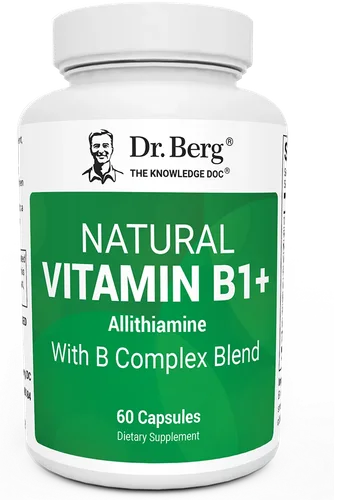
Dr. Berg Natural Vitamin B1+ Allithiamine with B Complex Blend Review
Dr. Berg Natural Vitamin B1 is listed on Amazon as a 60-capsule bottle of allithiamine with a B complex blend. The listing describes the product as highly bioavailable allithiamine, a lipid-soluble form of vitamin B1 derived from vegetables in the onion family, which the listing says enhances bioavailability for superior absorption. The page states that unlike traditional thiamine, allithiamine in the Dr. Berg B Complex formula facilitates rapid absorption, delivering the benefits of this nutrient in a convenient capsule form. The formula is presented as a broad vitamin B complex. The listing names Thiamine, Riboflavin, Niacin, Pantothenic acid, Pyridoxine, Biotin, Folate and Cobalamin, and says the formula also includes magnesium for maximum benefits. The ingredients list on the page also includes vitamin B12, magnesium citrate, microcrystalline cellulose, and a B vitamin complex blend listing broccoli, carrot, spinach, sunflower seed, chlorella and allithiamine, with vegetable capsules and magnesium stearate. Usage is described as one bottle containing 60 capsules, which the listing says provides a two-month supply for daily anytime use. The product is labeled as Adult age range, a Capsule item form, B-Complex and Vitamin B1 primary supplement type, Keto diet type, and unflavored. The container type is listed as a bottle with a unit count of 60 and an item weight of 2.24 ounces. The seller, Dr. Berg Products, sells the item with Amazon fulfillment. The page notes a 30-day money-back guarantee, with refunds processed if requested within 30 days of purchase by sending a message to the seller. The listing also says the item is non-returnable due to food safety reasons, though damaged or defective items may be refunded or replaced through Your Orders with an image of the defect. The page shows a 4.7 out of 5 star rating from 3,990 ratings, and lists the product as a best seller in Vitamin B-Complex Supplements. The page does not show a star breakdown or written customer reviews in the scraped text. Related products from the same brand, including a Vitamin B12 capsule, a benfotiamine capsule, and a vitamin D3 K2 capsule, appear in the recommendations, but they are separate listings.
We don’t sell supplements. We help you make decisions and get the best price.
Lowest prices
We may earn a commission from some store links. How we choose.
Finding the lowest prices at the stores now. This takes a few seconds.
Study, Trial or Testing Result Summary
Members Only104 human studies · 38 improved
6 of these 104 human studies gave the ingredient by injection, not by mouth.
Magnesium is the only ingredient here at a dose that matches the studies, and its results for energy are mixed. Oral magnesium reduced fatigue in adults with metabolic conditions at 80 milligrams a day [1] and improved energy scores in women with polycystic ovary syndrome [2]. A trial of magnesium with B vitamins lowered fatigue in people with bowel disease [3]. In people with fibromyalgia, magnesium did not ease fatigue more than placebo [4][5]. Strong results from a chronic fatigue study came from weekly injections, not pills [6]. Allithiamine, the main ingredient, has no human studies for energy. The thiamin is a trace amount, far below the 10 milligrams that helped older women who were low in it [7]. Riboflavin and vitamin B6 are also well below the doses studied [8][9]. Across the B vitamins, larger trials mostly found no effect on fatigue in people who are not deficient [10][11][12]. Pantothenic acid showed no benefit in small exercise trials, even at much higher doses [13]. Animal and cell studies are never counted.
See all 104 studies →Hide the studies
- Across 16 trials with 6276 people, B12 with or without folic acid and B6 did not improve thinking or depression, and only one trial looked at fatigue so it could not be analyzed.Effects of Vitamin B12 Supplementation on Cognitive Function, Depressive Symptoms, and Fatigue: A Systematic Review, Met…
- Across 27 studies of 1,599 adults, NAD+ precursors did not improve perceived fatigue or sleep, but nicotinamide mononucleotide improved endurance and NADH improved cognitive performance.Domain-specific effects of NAD+ precursors on fatigue and functional performance: a systematic review and network meta-a…
- In 16 studies of 616 people with multiple sclerosis and 655 healthy people, folate and B12 blood levels did not differ, suggesting they are not drivers of worse physical function; this was not a supplement trial.The Relationship of Cobalamin and/or Folate to the Patient-Centred Outcomes in Multiple Sclerosis: A Systematic Review a…
- A review of 26 trials in 3,273 people with chronic fatigue syndrome found most supplements did not help, but magnesium and NADH showed benefit, though the trials were small and at high risk of bias.Complementary and alternative medicine for patients with chronic fatigue syndrome: a systematic review.
- In 10 trials of 489 people, NADH was well tolerated and linked to better quality of life, less anxiety and lower heart rate after stress, but fatigue results were not clearly shown.Evaluation of safety and effectiveness of NAD in different clinical conditions: a systematic review.
- In a review of 13 small trials with 85 people with McArdle disease, vitamin B6 gave no benefit for exercise performance.Pharmacological and nutritional treatment for McArdle disease (Glycogen Storage Disease type V).
- A review of 14 reviews found oral niacin and nicotinamide can cause side effects including fatigue, stomach upset, flushing and liver problems, more often at higher doses and with niacin than nicotinamide.The adverse effects of oral niacin/nicotinamide - an overview of reviews.
- In a review of four diet trials in people with multiple sclerosis lasting 3 to 12 months, two diets supplying enough folate and magnesium reported improved fatigue, but firm conclusions were not possible.Is there an effect of dietary intake on MS-related fatigue? - A systematic literature review.
- In 2501 heart disease or stroke survivors given low-dose B vitamins including 3 mg B6 for about 3 years, quality of life was not improved, and activity limits due to emotional problems were slightly worse.B vitamin and/or n-3 fatty acid supplementation and health-related quality of life: ancillary findings from the SU.FOL.O…
- In 326 adults with fatigue after an infection, 4 weeks of sulbutiamine (400 or 600 mg a day) did not reduce fatigue more than placebo overall, though women on 600 mg had less fatigue at day 7 only.[Treatment of chronic postinfectious fatigue: randomized double-blind study of two doses of sulbutiamine (400-600 mg/day…
- In 311 people receiving a med agonist therapy, a daily fruit smoothie for 16 weeks did not change fatigue, fitness, or folate levels compared with standard treatment alone.Read the study on PubMed (40877839) →
- In 202 dialysis patients, 12 weeks of a multinutrient supplement containing vitamin B1 did not change fatigue or quality of life compared with placebo, though some heart rate and viral measures improved.Effects of nutritional supplementation on fatigue, and autonomic and immune dysfunction in patients with end-stage renal…
- In 171 adults with mild insomnia, a blend including vitamin B6 for 2 weeks did not differ from placebo on sleep or physical fatigue, as both groups improved similarly.Exploring the Effect of Lactium™ and Zizyphus Complex on Sleep Quality: A Double-Blind, Randomized Placebo-Controlled Tr…
- In 162 adults on a weight loss meal replacement program, folate levels improved in both groups, and energy and fatigue improved slightly more with daily calorie restriction alone than with added alternate day fasting; folate was not tested alone.Randomized Trial of a High Protein, Partial Meal Replacement Program with or without Alternate Day Fasting: Similar Effe…
- In 160 heart disease patients over about 38 months, niacin plus a med caused fatigue, nausea or muscle aches in 9% versus 5% on placebo, not a significant difference.Read the study on PubMed (14759379) →
- In 112 women with anemia after childbirth, adding 1 mg a day of folic acid to iron for 4 weeks did not change fatigue scores, hemoglobin or health status compared with iron alone.A randomized controlled trial examining the addition of folic acid to iron supplementation in the treatment of postpartu…
- In 110 people with fibromyalgia, 3 months of a supplement with coenzyme Q10, tryptophan and magnesium did not significantly reduce fatigue (placebo improved significantly), though pain, sleep and overall impact improved.Effects of Coenzyme Q10, Tryptophan, and Magnesium Supplementation on Fatigue in Patients with Fibromyalgia - A Randomiz…
- In 98 adults with inflammatory bowel disease in remission, 4 weeks of magnesium plus B vitamins reduced fatigue more than placebo, and also lowered ulcerative colitis symptom scores but not Crohn's disease scores.Effects of B vitamins and magnesium on fatigue, disease activity and quality of life in inflammatory bowel disease.
- In 80 elderly Irish women with marginal thiamin deficiency, 10 mg of thiamin daily for 6 weeks increased appetite and well-being and decreased fatigue compared with placebo.Influence of thiamin supplementation on the health and general well-being of an elderly Irish population with marginal t…
- In 80 people with advanced chronic kidney disease followed for 6 months, adding folic acid (alone or with pentoxifylline) to usual care reduced fatigue scores and improved kidney blood tests compared with usual care alone.The potential adding therapeutic effect of pentoxifylline and/or folic acid for chronic kidney disease patients: randomi…
- In 65 people with chronic fatigue syndrome, a daily combination with 1.05 mg B6, beta-glucan, vitamin D3 and zinc for 36 weeks improved cognitive fatigue compared with their own baseline.Yeast Beta-Glucan Supplementation with Multivitamins Attenuates Cognitive Impairments in Individuals with Myalgic Enceph…
- In 64 women with polycystic ovary syndrome, 10 weeks of magnesium improved the energy and fatigue score and total quality of life compared with placebo.The effects of magnesium supplementation on abnormal uterine bleeding, alopecia, quality of life, and acne in women with…
- In 63 women with premenstrual symptoms (32 completed), 50 mg of vitamin B6 daily for 3 months in a crossover design improved emotional symptoms including depression, irritability and tiredness compared with placebo.Pyridoxine (vitamin B6) and the premenstrual syndrome: a randomized crossover trial.
- In 58 people with long-COVID, 2000 mg of nicotinamide riboside daily raised blood NAD+ about 3-fold but did not significantly improve fatigue, cognition, or sleep versus placebo.Effects of nicotinamide riboside on NAD+ levels, cognition, and symptom recovery in long-COVID: a randomized controlled …
- In 54 cancer patients with hand-foot skin reactions from chemotherapy, topical pyridoxine for 6 weeks did not improve the skin reaction grade, but patients reported lower fatigue, better physical function and better quality of life than the placebo group.A pilot randomized double-blind, placebo-controlled study on the effects of the topical application of pyridoxine on pal…
- In 50 people recovering from COVID-19, one month of 1-methylnicotinamide improved 6-minute walk distance in 92% versus 60% without it, and severe fatigue was 20% versus 56%.Use of 1-MNA to Improve Exercise Tolerance and Fatigue in Patients after COVID-19.
- In 49 patients after colon surgery, magnesium oxide (1 g every 12 hours) did not change fatigue or bowel recovery compared with placebo.Effect of the laxative magnesium oxide on gastrointestinal functional recovery in fast-track colonic resection: a double…
- In 43 adults with sleep complaints, a blend containing a small amount of vitamin B3 taken with the evening meal for 14 days shortened sleep onset time and improved next-morning mood and vigor, but had no effect on cognitive performance.Mulberry leaf extract combined with tryptophan improves sleep and post wake mood in adults with sleep complaints - A ran…
- In 42 healthy adults aged 40-76, a glycine, glutamine and niacin mixture taken for 3 weeks raised growth hormone by about 70% compared with placebo, but did not change IGF-I, mood or memory.Effects of an oral mixture containing glycine, glutamine and niacin on memory, GH and IGF-I secretion in middle-aged and…
- In 41 trained cyclists, 4 weeks of a carnitine and alpha-lipoic acid supplement with a small amount of vitamin B1 did not improve performance or fatigue measures compared with placebo.l-Carnitine and Alpha-Lipoic Acid Fail to Improve Anaerobic and Aerobic Performance in Trained Cyclists Despite a Reduct…
- In 40 people with quiescent bowel disease and severe fatigue, 4 weeks of high-dose thiamine (600-1800 mg a day) reduced fatigue by 4.5 points versus a 0.75 point increase on placebo, with 55% and 75% of the two groups improving.Randomised clinical trial: high-dose oral thiamine versus placebo for chronic fatigue in patients with quiescent inflamm…
- In 36 patients with primary biliary cholangitis, 4 weeks of high-dose thiamine (600-1800 mg a day) was safe but no better than placebo at reducing fatigue.High-dose oral thiamine versus placebo for chronic fatigue in patients with primary biliary cholangitis: A crossover ran…
- In 33 soldiers during a 12-day tropical training exercise, folate status declined in all groups and those eating combat rations reported more fatigue than those eating fresh food; folate was not given as a separate supplement.The physiological and psychological effects of combat ration feeding during a 12-day training exercise in the tropics.
- In 32 healthy young adults, 28 days of a B vitamin complex including B1 increased running time to exhaustion 1.26-fold and lowered blood lactate and ammonia compared with placebo.A functional evaluation of anti-fatigue and exercise performance improvement following vitamin B complex supplementation…
- In 32 Gulf War veterans with illness, a 4-6 week program of exercise, sauna and nicotinic acid plus other supplements improved physical quality of life by 6.9 points versus waitlist, and 11 of 16 quality of life, pain and fatigue measures improved.A Detoxification Intervention for Gulf War Illness: A Pilot Randomized Controlled Trial.
- In 32 people with chronic fatigue syndrome, weekly magnesium sulphate injections for 6 weeks led 12 of 15 treated patients to report benefit and better energy, versus 3 of 17 on placebo.Red blood cell magnesium and chronic fatigue syndrome.
- In 30 young women with premenstrual syndrome, both groups took vitamin B6 and calcium for 3 months; the group that also did treadmill exercise improved fatigue and other symptoms, so the effect is from exercise rather than vitamin B6.Effect of aerobic exercise on premenstrual symptoms, haematological and hormonal parameters in young women.
- In 30 adults with hypertension, diabetes or high blood fats, drinking water with 80 mg of magnesium daily for 4 weeks improved body mass index, insulin, triglycerides and fatigue compared with placebo water.Effects of deep ocean-derived magnesium-enhanced water on metabolic diseases with microbiome changes.
- In 26 overweight middle-aged women doing aerobic training for 3 months, drinking 500 ml of orange juice daily (raising folate intake 61%) lowered blood lactate more (27% vs 17%), suggesting less muscle fatigue, but folate's effect cannot be separated from the juice.Orange juice improved lipid profile and blood lactate of overweight middle-aged women subjected to aerobic training.
- In 25 healthy active adults, a single dose of a pre-workout blend containing 60 mg niacin raised reported vigor and energy and improved cognitive scores compared with placebo, with no gain in lifting or sprint performance.Effects of acute ingestion of a pre-workout dietary supplement with and without p-synephrine on resting energy expenditu…
- In a double-blind crossover trial of 25 resistance-trained adults, 7 days of a pre-workout drink containing 65 mg niacin (plus caffeine and other ingredients) improved some lower-body strength and endurance measures compared with placebo, but not cycling time-trial performance, with no differences in side effects.Short-Term Effects of a Ready-to-Drink Pre-Workout Beverage on Exercise Performance and Recovery.
- In 25 untrained men, a single 1000 mg dose of niacin before cycling raised the respiratory exchange ratio and shortened time to exhaustion compared with caffeine, suggesting impaired exercise performance.Niacin supplementation impairs exercise performance.
- In 22 college-aged adults taking 350 mg of magnesium daily for 10 days, muscle soreness and perceived recovery improved compared with placebo, but performance gains did not reach statistical significance.Effects of Magnesium Supplementation on Muscle Soreness and Performance.
- In 21 untrained men, a caffeine supplement containing 40 mg of niacin taken once did not improve bench press strength, leg extension strength, or time to exhaustion on a bike compared with placebo.Acute effects of a caffeine-containing supplement on bench press and leg extension strength and time to exhaustion durin…
- In 20 singers with mild vocal symptoms, a single 1000 mcg B12 injection did not improve voice fatigue or singing measures more than a placebo injection.Effect of Vitamin B12 Injection on the Vocal Performance of Professional Singers: A Randomized, Double-blind, Placebo-Co…
- In 20 junior cyclists, a daily multi-nutrient tablet containing magnesium for 4 weeks led to faster fatigue recovery than a plain vitamin product, but magnesium was not tested alone.Studies concerning the ergogenic value of Cantamega-2000 supply in top junior cyclists.
- In 17 people, a 3-week broad antioxidant capsule containing riboflavin did not preserve aerobic exercise performance in low-oxygen conditions better than the other supplement or placebo.Effects of antioxidant supplementation on exercise performance in acute normobaric hypoxia.
- In 16 male athletes, 100 mg of thiamine daily for 3 days before cycling reduced complaints of fatigue shortly after exercise compared with placebo.Effects of thiamine supplementation on exercise-induced fatigue.
- In 16 trained men with two nights of short sleep, zinc magnesium aspartate had no effect on sleep, ratings of fatigue or morning weightlifting performance compared with placebo.Effects of Supplementing Zinc Magnesium Aspartate on Sleep Quality and Submaximal Weightlifting Performance, following T…
- In 15 people with chronic fatigue syndrome, injected liver extract with folic acid and vitamin B12 did not improve fatigue-related function more than placebo, and the placebo response was strong.Liver extract-folic acid-cyanocobalamin vs placebo for chronic fatigue syndrome.
- In 14 people given 1 gram a day of a thiamin derivative or placebo for 4 days in a crossover design, there were no differences in oxygen use, lactate, or 2000-meter cycling time.The effect of a thiamin derivative on exercise performance.
- In 8 healthy young men, one week of 1.5 grams each of pantothenic acid and cysteine daily did not change muscle coenzyme A, fuel use during exercise, or work output compared with placebo.Acute pantothenic acid and cysteine supplementation does not affect muscle coenzyme A content, fuel selection, or exerci…
- In 7 well-trained male cyclists, a multinutrient supplement containing pyridoxine-alpha-ketoglutarate for 3 weeks did not extend time to exhaustion during cycling or speed recovery compared with placebo.Tricarboxylic-acid-cycle intermediates and cycle endurance capacity.
- In a blood analysis of people with quiescent inflammatory bowel disease and chronic fatigue, 4 weeks of high-dose oral thiamine did not change most B vitamin levels, though those who reported less fatigue had lower riboflavin afterward.B-vitamins, related vitamers, and metabolites in patients with quiescent inflammatory bowel disease and chronic fatigue …
- In a placebo-controlled crossover pilot in healthy middle-aged adults, 7 days of RiaGev (1520 mg twice daily) raised blood NAD+ metabolites and reduced fatigue and improved concentration and motivation compared with baseline, with no clinically relevant side effects.A Combination of Nicotinamide and D-Ribose (RiaGev) Is Safe and Effective to Increase NAD+ Metabolome in Healthy Middle-…
- In people with fibromyalgia, 100 mg of magnesium daily for one month did not change fatigue more than placebo.Short-Term Magnesium Therapy Alleviates Moderate Stress in Patients with Fibromyalgia: A Randomized Double-Blind Clinica…
- In 134 patients after cerebral aneurysm embolization, adding glycerol fructose to routine vitamin B6 gave better neurological fatigue scores than B6 alone, so the benefit is from glycerol fructose rather than B6.Glycerol fructose combined with vitamin B6 is beneficial to postoperative recovery of patients with cerebral aneurysm.
- In 73 children and young people with mild thalassemia, 3 months of carnitine with or without 1 mg a day of folic acid reduced bone pain and muscle weakness, but the benefit was attributed to carnitine and fatigue was not reported separately.Determining and surveying the role of carnitine and folic acid to decrease fatigue in β-thalassemia minor subjects.
- In 92 patients with high blood pressure, magnesium at 320 mg a day reduced some complaints such as nervousness and sleep problems but had no effect on mental or physical fatigue.[Level of total and ionized magnesium fraction based on biochemical analysis of blood and hair and effect of supplemente…
- In 70 diabetic fatty liver patients, 1000 mg of nicotinamide daily for 12 weeks improved quality of life including the activity and fatigue scores versus no supplement, in an open-label trial.Nicotinamide supplementation in diabetic nonalcoholic fatty liver disease patients: randomized controlled trial.
- In 14 trained male cyclists, 6 grams of pantothenic acid daily for 16 weeks did not change muscle coenzyme A levels or cycling performance compared with the control group.Chronic pantothenic acid supplementation does not affect muscle coenzyme A content or cycling performance.
- In 9 young women in a crossover study, 4 weeks of thiamine tetrahydrofurfuryl disulfide during exercise lowered blood lactate and ammonia compared with placebo and was linked to less exertion-related fatigue.The effects of endurance training and thiamine supplementation on anti-fatigue during exercise.
- Eight healthy young men taking 6 grams of potassium-magnesium aspartate over 24 hours before a hard cycling test lasted about as long to exhaustion as those given placebo, so no endurance benefit was seen.The effects of oral administration of salts of aspartic acid on the metabolic response to prolonged exhausting exercise …
- Construction workers who drank riboflavin-fortified apple juice daily for 28 days reported less fatigue on fatigue questionnaires, along with improved antioxidant markers.Physicochemical properties of and volatile compounds in riboflavin fortified cloudy apple juice; study of its effect on …
- In an open-label pilot of 50 people with Parkinson disease, 100 mg thiamine injections twice weekly were followed by improved motor and non-motor symptoms and less fatigue in six patients who had fatigue, with no placebo group to compare against.Long-Term Treatment with High-Dose Thiamine in Parkinson Disease: An Open-Label Pilot Study.
- In 26 people with multiple sclerosis, 400 mg of sulbutiamine daily for about 2 months significantly reduced fatigue scores, with the clearest benefit in those also taking disease-modifying treatment, and no serious side effects; there was no control group.Sulbutiamine shows promising results in reducing fatigue in patients with multiple sclerosis.
- In breast cancer patients taking 400 mg of magnesium oxide daily for 4 weeks, fatigue was significantly reduced, though this single-group pilot study had no placebo comparison.A pilot phase II trial of magnesium supplements to reduce menopausal hot flashes in breast cancer patients.
- A once-daily food-derived iron supplement that also contains folate for 8 weeks resolved iron deficiency in 23 nonanemic women, and self-reported fatigue and energy improved, though the study had no control group.A Food-Derived Dietary Supplement Containing a Low Dose of Iron Improved Markers of Iron Status Among Nonanemic Iron-Def…
- In 12 people with ulcerative colitis or Crohn's disease, high-dose oral thiamine (600 to 1500 mg daily by body weight) for 20 days led to complete fatigue relief in 10 people and nearly complete relief in 2 others, with no control group.Thiamine and fatigue in inflammatory bowel diseases: an open-label pilot study.
- In an open-label extension in inflammatory bowel disease, 300 mg per day of oral thiamine for 12 weeks did not reduce fatigue compared with no thiamine, though 66 percent of patients reached normal fatigue levels after six months of unrestricted follow-up.Long-term maintenance treatment with 300 mg thiamine for fatigue in patients with inflammatory bowel disease: results fr…
- In a large cohort of about 81,500 women aged 60 and older followed for a median of 16 years, higher magnesium intake was linked to a lower risk of frailty, with the top fifth of intake showing 12% lower risk than the bottom fifth.Total magnesium intake and risk of frailty in older women.
- In a chart review of 2142 people with fibromyalgia, 42.4% had vitamin B12 deficiency, and deficiency was linked to higher odds of fatigue (odds ratio 1.39) after adjusting for vitamin D.Association of Vitamin B12, Vitamin D, and Thyroid-Stimulating Hormone With Fatigue and Neurologic Symptoms in Patients …
- In 1676 people with colorectal cancer, higher blood levels of active vitamin B6 were linked with less fatigue and better quality of life six months after diagnosis, though this was not a supplement trial.Circulating B-vitamin biomarkers and B-vitamin supplement use in relation to quality of life in patients with colorectal…
- In a 3.5-year study of 1,643 adults aged 65 and older, those with the lowest dietary vitamin B6 intake had about 2.8 times the odds of developing frailty, which includes exhaustion, compared with those with the highest intake. This is an association from diet, not proof that supplements prevent frailty.Low vitamin intake is associated with risk of frailty in older adults.
- In a retrospective study of 689 children without complaints, 23.2% had vitamin B12 deficiency and it was linked to vitamin D deficiency, but no supplement was tested for energy.Is There An Association Between Vitamin B12 Level and Vitamin D Status in Children?
- Older adults with fatigue had higher blood folic acid than those without fatigue, and lower vitamin D tracked with more fatigue; this study did not test folate supplements.Decrease in Serum Vitamin D Level of Older Patients with Fatigue.
- In 335 older adults, vitamin B12 levels were not associated with frailty, and no supplement was tested.Association between serum vitamin B12 level and frailty in older adults.
- In a prospective study of 146 people with fatigue after COVID-19 who took Astenor Energy, a product containing arginine aspartate, vitamin B6, biotin and magnesium, fatigue scores fell over three months of treatment, but there was no placebo group and biotin's effect could not be separated from the other ingredients.The Effects of Arginine-Based Supplements on Fatigue Levels following COVID-19 Infection: A Prospective Study in Romania…
- Women with fibromyalgia had lower vitamin B12 levels than 58 healthy women, and lower levels were linked to more tender points, though this study did not test supplements.Could ferritin, vitamin B12, and vitamin D play a role in the etiopathogenesis of fibromyalgia syndrome?
- In people with irritable bowel syndrome, lower vitamin B6 intake was linked with more fatigue, but this was an observational association within a diet study and not a test of vitamin B6 supplements.Poor intake of vitamins and minerals is associated with symptoms among patients with irritable bowel syndrome.
- In 101 people with relapsing multiple sclerosis, lower dietary folate intake was linked to higher fatigue scores, but this cross-sectional study cannot show cause.Dietary intake of nutrients and its correlation with fatigue in multiple sclerosis patients.
- Red blood cell magnesium was normal in 89 people with chronic fatigue syndrome, and a magnesium loading test in 6 of them found no deficiency, so the authors saw no reason to use magnesium treatment for this condition.Normal red cell magnesium concentrations and magnesium loading tests in patients with chronic fatigue syndrome.
- In COVID-19 survivors with lingering fatigue, a multi-ingredient supplement containing vitamin B6 improved strength and walking performance over 8 weeks compared with a control group, but vitamin B6 was not tested alone.Effects of a New Multicomponent Nutritional Supplement on Muscle Mass and Physical Performance in Adult and Old Patients…
- Half of 60 people with chronic fatigue syndrome had low serum folate levels, but this survey did not test whether folate supplements improve energy.Serum folate and chronic fatigue syndrome.
- Vitamin B12 levels were normal in 55 people with primary fibromyalgia, who reported muscle fatigue as one of their most disabling symptoms.Primary fibromyalgia. A clinical and laboratory study of 55 patients.
- In a Swedish registry of 40 adults with a med-associated multiple acyl-CoA dehydrogenase deficiency, 38 of 39 treated with riboflavin clinically improved, including reduced fatigue and muscle symptoms.Read the study on PubMed (41808636) →
- In a 7-day diary study of 20 adults with hypophosphatasia and 20 matched controls, vitamin B6 intake did not differ significantly between groups, and the study did not measure energy levels directly.Mineral Intake and Clinical Symptoms in Adult Patients with Hypophosphatasia.
- In a survey of 38 people with chronic fatigue syndrome or fibromyalgia, those who rated themselves much improved had taken more vitamin B12 injections and higher daily folic acid for longer, though this was not a controlled test.Response to vitamin B12 and folic acid in myalgic encephalomyelitis and fibromyalgia.
- In a retrospective review of 38 children with neurological symptoms of vitamin B12 deficiency, all recovered within one month of B12 supplementation; fatigue was among the symptoms but was not reported separately.Neurological symptoms of vitamin B12 deficiency: analysis of pediatric patients.
- In a study of 37 adults with pulmonary arterial hypertension, 29% had a functional vitamin B12 deficiency, but no supplement was tested, so the study does not show whether B12 improves energy.Nutritional status in pulmonary arterial hypertension.
- In 25 patients with multiple acyl-CoA dehydrogenase deficiency, those whose condition responded to riboflavin had favorable outcomes, while non-responders had more severe early illness.Determinants of Riboflavin Responsiveness in Multiple Acyl-CoA Dehydrogenase Deficiency.
- In a small case series of 20 infants with vitamin B12 deficiency, who were treated with cyanocobalamin, clinical and lab findings improved overall, though energy was not separately reported and the dose and duration were not stated.Vitamin B12 Deficiency in Infants.
- In 19 people with multiple sclerosis, those on a less inflammatory diet, which had higher vitamin B6 intake, reported more energy and fewer symptoms than those on a more inflammatory diet.Assessment of Functional Status in Patients with Multiple Sclerosis Based on the Inflammatory Potential of Their Diet.
- In 10 patients with late-onset multiple acyl-CoA dehydrogenase deficiency, high-dose riboflavin at 400 mg daily produced rapid muscle strength improvement, though neuropathic symptoms did not improve.Diagnostic Challenges in Late Onset Multiple Acyl-CoA Dehydrogenase Deficiency: Clinical, Morphological, and Genetic Asp…
- All 5 people with ALS who received methylcobalamin injections reported more energy and less fatigue, based on interviews; the dose was not stated.Patients' experiences with methylcobalamin injections in amyotrophic lateral sclerosis.
- In a case series of 19 adults with a rare bone disorder, four patients given empirical pyridoxine (vitamin B6) did not get symptom relief, including fatigue.Hypophosphatasia in Adults: Clinical Spectrum and Its Association With Genetics and Metabolic Substrates.
- In lymphoma survivors, a higher vitamin B6 breakdown marker was associated with a greater risk of chronic cancer-related fatigue, pointing to low-grade inflammation as a possible cause.Metabolic analysis of amino acids and vitamin B6 pathways in lymphoma survivors with cancer related chronic fatigue.
- This survey of hypothetical scenarios found people kept taking B12 for fatigue after a small symptom improvement, showing post hoc bias rather than any real effect of B12 on energy.Post Hoc Bias in Treatment Decisions.
- In a large family with an inherited mitochondrial muscle mutation, riboflavin given to two affected members did not improve their exercise intolerance or fatigue.Benign mitochondrial myopathy with exercise intolerance in a large multigeneration family due to a homoplasmic m.3250T>C…
- In hypertensive patients, a nicotinamide mononucleotide supplement lowered blood pressure and improved vascular function, but energy was not measured.NAD+ exhaustion by CD38 upregulation contributes to blood pressure elevation and vascular damage in hypertension.
- In this mostly lab and animal study, nicotinamide with pyridoxine helped muscle stem cells regenerate muscle and improved strength in animals, but energy was not measured.Nicotinamide and pyridoxine stimulate muscle stem cell expansion and enhance regenerative capacity during aging.
- In mice, biotin deficiency shortened swimming time in a forced-swim test, suggesting fatigue or low mood, and a single biotin injection quickly restored swimming time; this was an animal study with no human data.Experimental study of fatigue provoked by biotin deficiency in mice.
- In exhausted rats, a daily mix of ten nutrients including a small biotin dose (0.1 mg per kg) let them run longer, reduced oxidative damage, and increased mitochondrial proteins in muscle compared with rats given no supplement; this was an animal study and biotin's effect alone was not isolated.Mitochondrial nutrients stimulate performance and mitochondrial biogenesis in exhaustively exercised rats.
- In mice, pantothenate deficiency lowered tissue levels of coenzyme A and glycogen stores and shortened running time to exhaustion compared with supplemented mice.The effect of pantothenate deficiency in mice on their metabolic response to fast and exercise.
Review Totals and Summary
Members Only11,855 reviews · 93% positive
Across the stores that sell it, Dr. Berg Natural Vitamin B1+ Allithiamine with B Complex Blend has about 7,184 ratings, and the picture is strongly positive. Buyers mostly praise the quality and trust the brand, while a few raise concerns about dose, price and delivery. **What buyers say it did for them:** Several report more energy, better concentration, or feeling better overall. One says "for sure I do have energy" after almost two weeks, and another says it "Really helps with my concentration." A long-term user credits the brand's vitamins with helping through hot flashes and keeping them balanced. The Dr. Berg store pages also say an AI overview highlights energy and sleep, though no copied review mentions sleep. **What buyers complain about:** The one low rating says the product has "only 3 miligrams of thiamine vitamin B1" and is extremely expensive. A recurring point of confusion is dosing. The bottle says one capsule a day, so 60 capsules should last two months, yet the monthly subscription sends a bottle every month, and a Dr. Berg video mentions two a day. Shipping also drew a complaint: one buyer in Mexico had a parcel with a missing PO Box number that sat for five weeks. Another buyer, in a remote area, was pleased that the order arrived "like in 2 days." **Taste, smell, pill size and form:** Little is said here. One reviewer calls it "1 pill easy to swallow" in a 60-capsule bottle. The store summaries note that no reviewer discusses taste or capsule size beyond that. Reviews of other forms of this product, such as gummies or powder, were left out. **Value for money:** Price is raised only by the critical reviewer, who calls it extremely expensive and tells shoppers to compare other brands. Another buyer likes that it is "The best blend of Vitamin B that doesn't have super high doses," so the moderate amounts count as a plus for some and a drawback for others. The dosing question above also bears on how long a bottle lasts and what it costs per month. **Who it seems to suit and who it did not:** The product suits people who already trust Dr. Berg and want a clean, vegan, non-synthetic B-complex. One buyer calls it "not synthetic," and another says "Dr. Bergs products are top notch quality." It also suits older adults, such as the buyer who takes it "especially as we get older." Some take it every day in the morning on an empty stomach, alongside other Dr. Berg products. One buyer says they checked with their doctor first because of other medical issues. It was a poorer fit for the reviewer who wanted more thiamine per capsule for the price, and for subscribers unsure whether one or two capsules a day matches the delivery schedule. Several reviews are short and give no detail, such as "All the right ingredients."
Biohacker Summary
Members Only10 of 10 recommend it
Magnesium drew comment from all ten panelists, and most recommend it or take it themselves, mainly for sleep. Others cite blood pressure, muscle function, bone health, mood and brain function, and several say a standard blood test can miss low levels. Preferred forms are glycinate and L-threonate, with three panelists taking 400 mg of threonate before bed, and electrolyte drinks that contain magnesium also come up; other doses range from 300 mg before bed to a minimum of 300 to 500 mg a day, and one panelist aims for about a gram. One panelist says it does not fix waking up during the night, and another warns that some labels list the whole compound weight so the real magnesium dose looks much larger than it is. Folate and vitamin B12 are smaller ingredients in this product, and the few panelists who mention them favor active forms such as methylfolate and methylcobalamin.
See all 10 biohackers →Hide the biohackers
Dr. Mark Hyman · Magnesium · uses
- Recommends considering magnesium glycinate before bed for nervous system support, deeper sleep quality, and to help the body transition into rest, and states that they take it every night.
- Recommends Magnesium Breakthrough Advanced 10 from Bioptimizers for restful sleep, muscle recovery, stress resilience, and metabolic health, especially during stressful times of the year.
- Notes that taking folate can lower homocysteine levels, which has shown health benefits and physical improvements in brain scans in clinical trials.
- Notes that some people may need a little bit extra folate with a supplement.
- Recommends magnesium because it is involved in over 600 reactions in the body and up to 80% of people may have low levels that never get flagged on a standard blood test.
- Recommends magnesium as a basic supplement during detoxification to support pathways, help with constipation, and provide electrolytes.
- Recommends Magnesium Breakthrough Advanced 10 from Biooptimizers, which contains 10 bioavailable forms and 550 mg of elemental magnesium, to support restful sleep, restorative sleep, muscle recovery, stress resilience, and metabolic health.
- Has recommended magnesium breakthrough from bioptimizers for years and now uses Magnesium Breakthrough Advanced 10 as part of his evening routine, especially during periods of travel, training, and higher stress, to support sleep, muscle recovery, and metabolic health.
- Explains that pellagra, which killed 100,000 Americans, was a niacin deficiency, a B vitamin.
- Recommends correcting nutrient deficiencies with magnesium.
- Recommends Magnesium Breakthrough Advance 10 from BiOptimizers, which has 10 bioavailable forms of magnesium and more elemental magnesium, as part of his evening routine for sleep, muscle recovery, and metabolic health.
- Has recommended Magnesium Breakthrough from Bio Optimizers for years and now uses Magnesium Breakthrough Advanced 10 as part of his evening routine, especially during periods of travel, training, and higher stress, to support sleep, muscle recovery, and metabolic health.
- Recommends Magnesium Breakthrough Advance 10 from Bio Optimizers, which contains 10 bioavailable forms of magnesium, as it plays a critical role in sleep recovery, stress regulation, and muscle function, and has become part of his evening routine, especially during periods of travel, training, and higher stress.
- Optimized a child's nutrient status with folate, as the child had low folate levels and was not eating greens.
Dave Asprey · Magnesium · neutral
- Mentions magnesium in the context of sleep but states that it doesn't address the core issue of waking up during the night.
- Suggests that magnesium may help slow aging, support cellular repair, and improve sleep.
- States that magnesium can affect how the body responds to a supplement.
- States that folate can affect how the body responds to a supplement.
- Recommends fixing sleep with 300mg of Magnesium 101 before bed if diet and exercise aren't melting stubborn belly fat.
- Dave Asprey says his daily routine includes magnesium as part of a carefully developed combination for longevity.
- Recommends magnesium glycinate for sleep, stating that trials show it helps people fall asleep about 17 minutes faster and that he finds it incredibly effective.
- Mentions magnesium glycinate as one of the five gut-friendly, extensively researched ingredients in Kill Switch that helps with natural sleep.
- Dave Asprey recommends Magnesium Glycinate for sleep, noting human studies show it helps people fall asleep faster, is safe, and works on a fundamental aspect of health, unlike magnesium oxide which acts as a laxative.
- Dave Asprey recommends adding 300 or 400 mg of magnesium glycinate before bed to improve deep sleep quality, support growth hormone release, and burn visceral fat while asleep.
- Recommends methylfolate as a better option than folic acid.
- Mentions magnesium glycinate as one of the extensively researched ingredients in Kill Switch that helps with natural sleep.
- Recommends niacin, a form of vitamin B3, as one of the two most important raw materials for NAD+ production, found in foods like beef liver, chicken, turkey, and fish, or from supplements.
- States that Vitamin B12 is extremely important for every kind of brain function and recommends ensuring B12 levels are optimal, around 500, not just barely above normal.
Dr. Eric Berg · Magnesium · neutral
- Dr. Eric Berg states that magnesium supports energy, muscle function, and sleep, and that most of it is stored inside cells, making deficiencies harder to detect with a standard blood test.
- Notes that magnesium could also be a factor in preventing muscle cramps.
- Recommends magnesium, specifically magnesium glycinate, stating it is key for D3 and K2 to work and is probably more important than calcium for building bone.
- Recommends increasing magnesium to restore balance and support healthy blood pressure.
- Dr. Eric Berg suggests that magnesium could help support deeper, more restful sleep.
- Recommends Magnesium Glycinate, noting that the combination of magnesium and glycine is helpful for connective tissue, sleep, and reducing stress.
- Recommends taking magnesium 90 minutes to 2 hours before bedtime to support better sleep.
- Suggests that magnesium glycinate can help support the missing 'break pads' on the nervous system, which contribute to constant pain.
- Taking 400 mg of magnesium glycinate daily may also help support brain health during menopause.
- Warns against magnesium oxide because it is poorly absorbed, with only about 4% absorption, and can cause diarrhea, despite being commonly used in research and supplements due to its low cost.
- States that taking Vitamin B1 might help with swollen legs and ankles.
- Notes that birth control pills deplete the body of folate, which is needed for the brain to make serotonin.
- States that expensive NAD+ supplements only turn into $5 niacin in the body and that research has shown niacin can actually raise NAD levels in the blood 5 to 8 times their baseline levels.
- Dr. Eric Berg states that vitamin B1 supports the nerve function and energy production involved in the brain's response to changes in hearing, which plays a major role in tinnitus.
Ben Greenfield · Magnesium · uses
- Uses magnesium during surgery because it is neuroprotective.
- Says he is drinking LMNT, which contains sodium, potassium, and magnesium, and states that he actually drinks this stuff.
- Mentions magnesium as part of a bare-minimum protocol.
- Advises getting red blood cell magnesium levels to the high end of the range as a minimum step for overall health and to slow down heart disease.
- Recommends methylfolate as an active form of folate that the body can use directly without conversion.
- Recommends supplementing with magnesium threonate if one is low in magnesium, as it crosses the blood-brain barrier and is demonstrated to increase hippocampus plasticity, theoretically making one smarter and improving memories.
- States that Nrf2 activators, when combined with something like niacin, may have a good effect on plaque progression.
- Uses Magnesium Breakthrough from BIOptimizers as part of their daily stack, taking four capsules in the evening to support relaxation, recovery, and a good night of sleep.
- Recommends Celtic Sea Salt's new electrolyte drink "Hydrate" for replacing electrolytes and trace minerals lost through sweat, noting it contains 70 naturally occurring trace minerals, plus magnesium, taurine, and potassium.
- Had heart palpitations when he was really overdoing magnesium, not knowing what he was taking.
- Recommends taking magnesium as a co-factor to increase vitamin D absorption.
- Recommends bioavailable folate, not synthetic folic acid, as folate deficiencies seem to impact hearing health in older individuals.
- Recommends getting vitamin B12 tested and supplementing if deficient, as B12 deficiency can cause damage to the myelin coating around nerves, including cochlear nerves, and improve tinnitus severity scores.
- Notes a new study indicating that magnesium is a core dietary antioxidant closely associated with a reduced risk of accelerated biological aging.
Dr. Rhonda Patrick · Magnesium · neutral
- Magnesium supplementation has lowered blood pressure in randomized controlled trials. An analysis of 34 trials involving over 2,000 participants found modest reductions in both systolic and diastolic pressure, with a median dose of 368 mg/day.
- Warns that some magnesium supplements make the dose look much larger than it really is and that labels can fool people.
- Mentions magnesium as an important nutrient component for testosterone.
- Warns that some supplement companies mislead consumers by listing the total compound weight of magnesium citrate as the elemental magnesium dose, when the actual elemental magnesium content is much lower, potentially around 44-66 milligrams.
- Recommends ensuring adequate methyl folate intake, ideally through a prenatal vitamin, for women preparing for IVF.
- States there is not yet strong, consistent evidence that magnesium supplementation reliably improves sleep, noting that while some meta-analyses suggest it can improve sleep quality scores, sleep efficiency, and sleep duration, individual studies are inconsistent and several have found no meaningful effect.
- States that magnesium may help modestly lower blood pressure by playing an important role in regulating vascular tone and influencing calcium signaling, with studies showing a reduction in systolic and diastolic blood pressure by 2 mmHg at a dose of around 370 mg/day for about 3 months.
- Recommends considering magnesium to improve mood.
- Recommends Magnesium, stating that roughly half of Americans don’t get enough and it is a cofactor for over 300 biological processes, including DNA repair and energy production.
- Mentions that kale delivers magnesium, a micronutrient many diets fall short on.
- Recommends Magnesium, stating it is a cofactor for over 300 biological processes, including DNA repair, energy production, and sleep regulation.
- Warns that Vitamin B12 enhances light's melatonin-suppressing effects and should be avoided too close to bedtime.
- Advises avoiding biotin-containing supplements before a testosterone blood test as they can cross-detect with estrogens and confound results.
- Notes that dark leafy greens are a great source of folate.
Thomas DeLauer · Magnesium · uses
- Uses Element's cans which contain 30 milligram magnesium, finding that electrolytes help his workout performance.
- Uses Element's 30 mg magnesium cans first thing in the morning to prime his day and help with workout performance.
- Recommends magnesium around the time one would normally break a fast to calm the brain and dull feelings of conditioned hunger.
- Recommends Vitamin B12 for mental health and mood, explaining its role in myelination and neurotransmitter production. They specifically recommend a liposomal and micellar form of methylcobalamin B12 for better absorption and to avoid toxicity.
- Recommends magnesium, noting it is a cofactor for enzymes that build neurotransmitters, and deficiency can affect mood, happiness, and motivation.
- Notes that modern agricultural practices have led to soils depleted of trace minerals like magnesium, resulting in widespread magnesium deficiency.
- Recommends taking some magnesium glycinate tonight to help calm down and sleep.
- Mentions that magnesium in pumpkin seeds relaxes bronchial smooth muscle.
- Compares magnesium content, stating bananas have 32mg and pumpkin seeds have 156mg per ounce, a 5x difference.
- Uses niacin as part of their detoxification protocol, taking enough to flush about half an hour before a sauna session.
- Recommends Magnesium glycinate, stating that 200-400mg elemental helps with sleep as glycine cools the body and magnesium calms.
- Notes that magnesium sits on the NMDA receptor and regulates excitatory transmission, in the context of feeling stressed.
- Warns against conventional cereal, describing it as extruded, sugared, and then sprayed with vitamins that were destroyed during its making.
- Warns against conventional cereal, describing it as extruded, sugared, and then sprayed with vitamins that were destroyed during its making.
Siim Land · Magnesium · recommends
- States that Magnesium can be a useful addition for some people for sleep.
- Recommends magnesium for sleep, especially deep sleep, and suggests trying better types like Threonate, Biscinate, or Torate, referencing a study where magnesium supplementation improved deep sleep.
- Recommends Magnesium for blood pressure, migraines and deficiency, based primarily on human research, especially randomized controlled trials showing measurable benefits.
- Lists Magnesium as one of 15 supplements backed by human studies.
- States that magnesium is a fundamental mineral governing over 600 enzymes and metabolic reactions, and recommends that most people need at least 400-500 mg/d for health, with some needing up to 600 mg/d.
- Lists seafood and pumpkin seeds as sources of Magnesium.
- Thinks magnesium has some of the strongest evidence and is worth considering.
- Recommends taking magnesium, specifically glycinate and threonate forms, 1 to 2 hours before bed for sleep benefits, noting that glycinate promotes relaxation and threonate crosses the blood-brain barrier for sleep quality and cognitive function.
- Notes that Boron reduces calcium/magnesium loss.
- Notes that magnesium is important for activating thiamine into its more biologically active form, and a magnesium deficiency can impair blood sugar regulation even with adequate thiamine intake.
- Created Microvitamin, a supplement that bundled all the supplements he was taking, to help fund his a med trial.
- States that vitamin B12 deficiency is the most common reason for premature graying of hair and recommends fixing B12 status if it is deficient, as it gives a greater likelihood of reversing gray hair.
- Suggests that in the mornings, NAD supplements like niacinamide can help kickstart the circadian rhythm.
- Recommends Niacinamide for skin protection, explaining it works partly through NAD metabolism that the body uses against DNA damage and is found in protein sources.
Andrew Huberman · Magnesium · neutral
- Discusses Magnesium Threonate as a tool for falling asleep.
- Takes 400 mg of Magnesium Threonate before bed for sleep.
- Uses Element, an electrolyte drink with sodium, magnesium, and potassium in correct ratios and no sugar, to ensure adequate hydration and electrolytes, especially when starting days fast or during physical exercise.
- Takes 400 mg of Magnesium L-Threonate before bed for sleep.
- Confirms that magnesium is absolutely important for cognitive function, noting studies show those with lower magnesium intakes tend to perform less well on cognitive function tests, and it's related to brain changes over time and dementia risk.
- Takes 400 mg of Double Wood Magnesium L-Threonate before bed for sleep.
- He takes 400 mg of Magnesium L-Threonate from Double Wood before bed for sleep.
- Takes 400 mg of Double Wood Magnesium L-Threonate before bed for sleep.
- Takes 400 mg of magnesium L-threonate before bed for sleep.
- Takes 400 mg of Magnesium Threonate before bed for sleep.
- Mentions biotin.
- States that a deficiency in vitamin B12 can be terrible and lead to chronic fatigue-like syndromes, as many parts of mitochondria require B vitamins.
- States that B12, folate, and iron are essential to mitochondrial function and if deficient, mitochondria will not function properly, which is consistent with the mitochondrial theory of neuropsychiatric disorders.
- Recommends taking methyl B12 as part of methylated B vitamins to lower homocysteine levels and reduce cardiovascular risk.
Bryan Johnson · Magnesium · uses
- Takes 400 mg of Magnesium Threonate before bed for sleep.
- Takes 400 mg of Magnesium L-Threonate before bed for sleep.
- Takes 400 mg of Magnesium Threonate before bed for sleep.
- He takes 400 mg of Double Wood Magnesium L-Threonate before bed for sleep.
- Takes 400 mg of Magnesium L-Threonate before bed for sleep.
- Takes 400 mg of Magnesium Threonate before bed for sleep.
- Takes 400 mg of Magnesium L-Threonate before bed for sleep.
- Takes 400 mg of magnesium L-threonate before bed for sleep.
- He takes 400 mg of Magnesium L-Threonate before bed for sleep.
- Takes 400 mg of magnesium threonate before bed for sleep.
- States that Blueprint essential capsules and soft gels are packed with key vitamins and minerals needed for strong bone health.
- Mentions biotin as an example of an ingredient that AG1 lists with a specific dose, but then contrasts it with other ingredients in proprietary blends where doses are not disclosed.
Peter Attia · Magnesium · neutral
- Peter reviews the evidence for select off-label medications and supplements commonly used for sleep, including glycine, magnesium, ashwagandha, and phosphatidylserine.
- Suggests that zinc and magnesium could potentially help with vasodilation and sleep, particularly for women experiencing severe symptoms in the luteal phase.
- Peter discusses electrolytes and fiber and the ketogenic diet, specifically preventing magnesium loss.
- Recommends magnesium as one of the 'big three' micronutrients for bone health, suggesting a daily intake of 300 to 500 milligrams as a minimum, and personally aims for about a gram of supplemental magnesium.
- Recommends magnesium for optimizing bone mineral density, suggesting a daily intake of 300 to 500 milligrams as a minimum, but personally aims for about a gram.
- Peter Attia's AVIA Skincare vitamin C serum also contains niacinamide, which is useful to apply to the skin right after washing.
- Warns that biotin, found in many supplements, can completely obscure findings and render a non-LCMS test for estradiol and testosterone irrelevant due to interference with ELISA-based assays.
- Notes that deficiencies in certain vitamins and minerals, such as B12, can be a cause of hair loss in women.
- Highlights folate supplementation as a significant practical progress in nutrition science, which has radically reduced spinabifida.
- Takes a hardline view that most people do not have adequate or optimal levels of magnesium, and suboptimal levels will impede the metabolism of vitamin D because magnesium is a cofactor in its enzymatic conversion.
- Takes a hardline view that most people do not have adequate or optimal levels of magnesium, and suboptimal levels will impede vitamin D metabolism because magnesium is a co-factor in the enzymatic conversion of vitamin D.
- Takes magnesium as a straightforward supplement.
- Mentions that magnesium intake is often super low and impactful on testosterone levels.
- Advises that if taking a biotin supplement, one should discontinue it for at least a few days, if not a week, before a blood test, as it can dramatically skew thyroid values.
RAL Summary
Members OnlyTier 3 for Energy
The tier rests on an 80 percent improvement figure from a trial of magnesium injections, not oral magnesium; oral magnesium trials are mixed, and the main ingredient, allithiamine, has no human studies. So it is graded Tier 3, lower than the rules alone gave.
Where the evidence disagrees: 50 of the 104 human studies found no effect.
More Details
Members OnlyBody systems · Combine with · Possible side effects
Body systems: Nervous system, Muscular system, Metabolic system
Combine with: For regularity, pair this B complex with products that act on stool bulk and motility. Options include psyllium husk or partially hydrolyzed guar gum for soluble fiber, magnesium citrate or magnesium oxide for gentle osmotic action, and a probiotic such as Bifidobacterium lactis BB-12 or Lactobacillus casei Shirota. Other options are ground flaxseed or prunes/sorbitol-containing foods, plus ample water intake. Dr. Berg's approach would also consider adding apple cider vinegar, taurine or purified bile salts (such as ox bile) for fat digestion, and potassium-rich foods. For the energy purpose of this B complex, it combines well with magnesium, vitamin C, CoQ10 and alpha-lipoic acid, which works with thiamine in carbohydrate metabolism.
Possible side effects: No major side effects reported. Fatigue and stomach upset were noted with niacin only at much higher doses than this product contains.
Supplement Facts
Thiamin 0.3 mg · Riboflavin 0.3 mg · Niacin 4 mg
| Thiamin | 0.3 mg | |
| Riboflavin | 0.3 mg | |
| Niacin | 4 mg | |
| Vitamin B6 | 0.4 mg | |
| Folate | 100 mcg DFE | |
| Vitamin B12 | 0.6 mcg | |
| Biotin | 7.5 mcg | |
| Pantothenic acid | 1 mg | |
| Magnesium | 100 mg | |
| Allithiamine | 50 mg | † |
Other ingredients: Magnesium citrate, vegetable capsule, B vitamin complex blend (broccoli (flower and stem), carrot (root), spinach (leaf), sunflower seed, chlorella), allithiamine, magnesium stearate.
Directions: As a dietary supplement, take 1 capsule per day.
Barcode (UPC) 810110790605 · Label source: Drberg · Report a label change
Show entire label

More energy products
Members OnlyThe highest ranked for the same goal
Read more
Our articles on this subject
- Magnesium Glycinate vs Citrate: What the Studies ShowArticle · Oct 30, 2026
- Magnesium Glycinate vs Threonate: Which Form Is Right for You?Article · Nov 6, 2026
Graded November 9, 2026 by the Reverse Age Lab evidence engine, from human studies, real reviews and our biohacker panel. How we grade. Is this medical advice? No. Rala organizes the published evidence; go over any change with your doctor, especially if you take meds.
Privacy policyConsumer health dataAffiliate disclosureTermsDo Not Sell or Share My Personal InformationCookie settings