
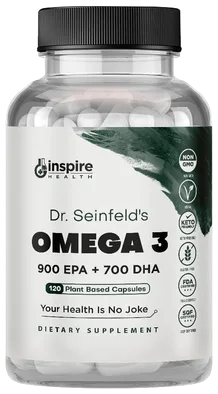
DrSeinfeld Dr. Seinfeld's Omega 3 Review
Inspire Wellness Ultra Omega-3 offers a highly concentrated and pure fish oil supplement designed to support overall health, particularly cardiovascular and brain function. Each softgel delivers 1250 mg of molecularly distilled fish oil concentrate in its natural triglyceride form, providing a potent 1063 mg of total Omega-3 Fatty Acids. This includes 687 mg of EPA (Eicosapentaenoic Acid) and 313 mg of DHA (Docosahexaenoic Acid). The product emphasizes its purity, being molecularly distilled to effectively remove potential contaminants, ensuring it is very clean and pure, free of fish by-products, and notably, leaves no aftertaste. The fish oil is sourced sustainably from wild-caught cold-water fish such as anchovy, sardine, and mackerel. Rigorous testing is conducted to ensure compliance with stringent European and Prop65 standards for heavy metals, PCBs, dioxins, microbials, pesticides, and other unwanted compounds, highlighting a commitment to safety and quality. The benefits of Ultra Omega-3 are extensive and backed by scientific literature. It provides a convenient and easy method to obtain a high dose of omega-3 fatty acids. EPA is particularly noted for its powerful benefits for cardiovascular health, including a beneficial effect on inflammatory processes, support for normal, healthy blood circulation, and assistance in maintaining normal, healthy cholesterol and triglyceride metabolism. DHA is crucial for supporting normal, healthy brain function and vision, and plays a vital role in normal fetal and infant brain development. Furthermore, DHA supports the structural integrity of cell membranes, especially those of nerve cells, which is critical for healthy nervous system function, particularly in the brain. The FAQ section reiterates the well-documented health benefits of high-dose Omega-3 fats from fish oil, emphasizing DHA's importance for brain structure and function, and EPA's role in numerous regulatory functions throughout the body, including supporting a healthy inflammatory response and optimal cardiovascular function, such as maintaining a normal, healthy heartbeat and blood clotting, as well as healthy blood triglyceride levels. For optimal absorption, it is recommended to take 1-2 softgels per day with a meal containing healthy fats like nuts, avocado, or eggs.
We don’t sell supplements. We help you make decisions and get the best price.
Lowest prices
We may earn a commission from some store links. How we choose.
We hold no current store prices for it yet: check the store.
Sold at: DrSeinfeld
Products with nearly the same formula (Matched on the main ingredients)
Study, Trial or Testing Result Summary
Members Only171 human studies · 74 improved
The total omega-3 dose here is a full dose. Large reviews of trials lasting at least a year found omega-3 fats lowered triglycerides, a blood fat, by about 15 percent, with bigger drops at higher doses, but had little effect on other blood fats [1][2]. A review of 90 trials found triglycerides and non-good cholesterol fell, most clearly above 2 grams a day [3]. Some studies found bad cholesterol rose slightly with fish oil [4][5]. Docosahexaenoic acid reaches a full dose at two servings a day; alone, it lowered triglycerides by 23 percent but raised total, bad and good cholesterol [6]. The vitamin D dose is full, but its results are mixed: it lowered cholesterol in women with polycystic ovary syndrome and in people with diabetes [7][8], yet a three-year trial in 2157 older adults found no change [5]. This dose is above the daily recommended limit, so members can take less. Eicosapentaenoic acid is below the studied dose here; at 4 grams a day it lowered leftover cholesterol in triglyceride-rich particles by about 26 to 30 percent [9]. Animal and cell studies are never counted.
See all 171 studies →Hide the studies
- Across 53 placebo-controlled trials of lipid-lowering drugs (171,668 people in all), omega-3 fatty acids lowered the blood inflammation marker CRP by a small amount (0.27 mg/L); this was not a cholesterol result.Effect of lipid-lowering therapies on C-reactive protein levels: a comprehensive meta-analysis of randomized controlled …
- In 86 trials lasting at least a year (162,796 adults), more long-chain omega-3 lowered triglycerides by about 15% in a dose-dependent way, with little or no effect on other blood fats.Omega-3 fatty acids for the primary and secondary prevention of cardiovascular disease.
- In 17 trials with about 141,000 patients, this analysis looked at heart events rather than cholesterol; it reported no cholesterol results, and combined EPA+DHA lowered cardiovascular death compared with usual care.Eicosapentaenoic Acid for Cardiovascular Events Reduction- Systematic Review and Network Meta-Analysis of Randomized Con…
- In 79 trials lasting at least a year (112,059 adults), fish-based omega-3 slightly lowered triglycerides and raised HDL cholesterol, while plant omega-3 probably lowered HDL.Omega-3 fatty acids for the primary and secondary prevention of cardiovascular disease.
- In 79 trials lasting at least a year (112,059 adults), more long-chain omega-3 lowered triglycerides by about 15% in a dose-dependent way but did not change other blood fats.Omega-3 fatty acids for the primary and secondary prevention of cardiovascular disease.
- In 90 trials (72,598 people), omega-3 intake lowered triglycerides and non-HDL cholesterol in a near-linear way, most clearly above 2 grams a day, with J-shaped curves for LDL and HDL cholesterol.Association Between Omega-3 Fatty Acid Intake and Dyslipidemia: A Continuous Dose-Response Meta-Analysis of Randomized C…
- In 46 trials of 4084 people with chronic liver disease, vitamin D lowered triglycerides slightly (about 7.6 mg/dL) and improved liver enzymes and insulin resistance, but did not change survival or liver fat and stiffness measures.Role of Vitamin D Supplementation in Chronic Liver Disease: A Systematic Review and Meta-Analysis of Randomized Controll…
- In 21 trials (about 1,950 adults with metabolic syndrome features), marine omega-3 cut triglycerides substantially, especially above 2,000 mg a day, but LDL cholesterol rose at low doses.Marine-Based Omega-3 Fatty Acids and Metabolic Syndrome: A Systematic Review and Meta-Analysis of Randomized Controlled …
- In a review of 24 trials of 1406 women with polycystic ovary syndrome, vitamin D did not show cholesterol benefit; only fish oil improved cholesterol, and vitamin D had no difference in side effects versus placebo.Nutritional supplements and herbal medicines for women with polycystic ovary syndrome; a systematic review and meta-anal…
- In 30 trials with 1,368 people, diets with a low omega-6 to omega-3 ratio lowered triglycerides and raised HDL cholesterol, with EPA and DHA showing the clearer effects on both.Effect of low-ratio n-6/n-3 PUFA on blood lipid level: a meta-analysis.
- In 23 trials of 1291 women with polycystic ovary syndrome, vitamin D did not improve cholesterol, blood sugar, body weight or male hormone levels compared with placebo.The effectiveness of coenzyme Q10, vitamin E, inositols, and vitamin D in improving the endocrine and metabolic profiles…
- In 18 trials with 1,018 people with rheumatoid arthritis, omega-3 supplements lowered triglycerides and raised blood EPA and DHA levels.Effects of omega-3 supplementation on lipid metabolism, inflammation, and disease activity in rheumatoid arthritis: a me…
- Across 13 trials of 691 women with polycystic ovary syndrome, vitamin D lowered total cholesterol by about 12 mg/dL, LDL cholesterol by about 6 mg/dL and triglycerides by about 11 mg/dL, with no change in HDL cholesterol.The impact of vitamin D supplementation on glycemic control and lipid metabolism in polycystic ovary syndrome: a systema…
- In nine trials of 440 children and teens with overweight or obesity, vitamin D did not improve total cholesterol, LDL cholesterol or triglycerides, and it lowered HDL (good) cholesterol.Can vitamin D supplementation affect cardiometabolic factors in children and adolescence with overweight and obesity? A …
- In 17 placebo-controlled trials in people with type 2 diabetes, vitamin D modestly lowered total cholesterol (about 3.7 mg/dL) and LDL cholesterol (about 2.6 mg/dL), did not significantly change triglycerides, and slightly lowered HDL cholesterol.Effects of vitamin D on serum lipid profile in patients with type 2 diabetes: A meta-analysis of randomized controlled t…
- In nine trials in children and teens, vitamin D did not change HDL, LDL or total cholesterol overall, though triglycerides fell by about 25 mg/dL when total vitamin D given was 200,000 IU or more.Effect of vitamin D supplementation on markers of cardiometabolic risk in children and adolescents: A meta-analysis of r…
- In genetic studies, naturally higher vitamin D levels were linked to lower risk of dyslipidemia (abnormal blood fats), though this was suggestive evidence rather than from supplement trials.Vitamin D and human health: evidence from Mendelian randomization studies.
- In a pooled analysis of trials in people with type 2 diabetes, vitamin D lowered LDL cholesterol and raised HDL cholesterol, along with improving blood sugar control.The Effect of Vitamin D Supplementation on Glycemic Control and Cardiovascular Risk Factors in Type 2 Diabetes: An Updat…
- In 20 studies of people with diabetes or prediabetes, vitamin D supplementation was linked to higher HDL cholesterol and lower LDL cholesterol, total cholesterol, triglycerides and C-reactive protein.Effectiveness of Vitamin D Supplementation on Biochemical, Clinical, and Inflammatory Parameters in Patients with Differ…
- Across 21 trials, fish oil lowered triglycerides by 27 mg/dL and raised HDL by 1.6 mg/dL, but it also raised LDL cholesterol by 6 mg/dL and did not change total cholesterol.Effects of omega-3 fatty acids on serum markers of cardiovascular disease risk: a systematic review.
- A review of 290 cohort studies and 172 trials found low vitamin D linked to worse blood fats in observational studies, but trials of supplementation did not show benefit on disease outcomes.Vitamin D status and ill health: a systematic review.
- In a review of 12 controlled trials of diet changes led by dietitians in people with kidney disease, a diet high in omega-3 fats improved blood fat levels in kidney transplant recipients.Dietary interventions with dietitian involvement in adults with chronic kidney disease: A systematic review.
- A review of 26 studies in adults found vitamin D3 supplementation did not significantly improve blood lipid levels.[Vitamin D3 in prevention of diseases in adults--a systematic review].
- In a review of 14 trials in people with lupus, vitamin D was linked to better inflammation markers but cholesterol benefits were reported only for omega-3 fats, not vitamin D.Diet and Systemic Lupus Erythematosus (SLE): From Supplementation to Intervention.
- In a review of meta-analyses in people with diabetic kidney disease, vitamin D improved urine albumin but no cholesterol improvement was reported for it.Effects of dietary intervention on diabetic nephropathy: an umbrella review of systematic reviews and meta-analyses of r…
- In a review of 21 studies in women with polycystic ovary syndrome, omega-3 supplements lowered total cholesterol and triglycerides and raised HDL cholesterol, with some studies showing lower inflammation at 12 weeks.Omega-3 supplementation in the treatment of polycystic ovary syndrome (PCOS) - a review of clinical trials and cohort.
- An umbrella review of 28 meta-analyses of trials in women with polycystic ovary syndrome found omega-3 lowered triglycerides, with moderate certainty.Effects of nutrition on metabolic and endocrine outcomes in women with polycystic ovary syndrome: an umbrella review of …
- Across 17 trials in people with metabolic syndrome, omega-3 doses above 1 g for at least 3 months lowered triglycerides by 7% to 25%, but doses of 3 g a day or more may raise LDL cholesterol and no clear effects were seen on other markers.The effect of EPA and DHA on metabolic syndrome patients: a systematic review of randomised controlled trials.
- In 61 trials, marine omega-3 oils lowered triglycerides and raised HDL cholesterol but also slightly raised LDL cholesterol, and purified DHA had no effect on LDL cholesterol or blood pressure.Omega-3 Fatty Acids and Cardiovascular Disease: An Updated Systematic Review.
- This broad review of non-a med lipid drugs notes icosapent ethyl is approved as a triglyceride-lowering add-on to meds, but gives no EPA-specific cholesterol numbers.Read the study on PubMed (33836639) →
- In 13,078 a med-treated people at high heart risk, 4 grams a day of omega-3 compared with corn oil did not reduce major heart events (12.0% vs 12.2%) and caused more stomach side effects.Effect of High-Dose Omega-3 Fatty Acids vs Corn Oil on Major Adverse Cardiovascular Events in Patients at High Cardiovas…
- In 8,179 a med-treated people with high triglycerides, 4 grams a day of icosapent ethyl for a median of 4.9 years reduced total heart events by 30% versus placebo; cholesterol changes were not reported.Effects of Icosapent Ethyl on Total Ischemic Events: From REDUCE-IT.
- In 2157 older adults given 2000 IU of vitamin D3 daily for 3 years, vitamin D did not change cholesterol or reduce heart events, while only omega-3 changed blood fats.Effects of vitamin D, omega-3 and a simple strength exercise programme in cardiovascular disease prevention: The DO-HEAL…
- In 1537 pregnant women with low vitamin D, 1600 IU daily for two months gave slightly higher HDL cholesterol and lower inflammation (CRP) than 400 IU daily, with larger benefits in women with gestational diabetes or obesity.Vitamin D supplementation for cardiometabolic risk markers in pregnant women based on the gestational diabetes mellitus …
- In 1,446 people with heart failure, icosapent ethyl lowered triglycerides by a median of 15.4% and inflammation (hs-CRP) by 35.1% compared with placebo over 2 years.Impact of Icosapent Ethyl on Cardiovascular Risk Reduction in Patients With Heart Failure in REDUCE-IT.
- In 881 elderly heart attack survivors given 1.8 g of EPA and DHA daily for 2 years, higher EPA levels were linked to fewer major cardiovascular events but more atrial fibrillation, and rising levels were linked to lower triglycerides and higher HDL cholesterol.Changes in eicosapentaenoic acid and docosahexaenoic acid and risk of cardiovascular events and atrial fibrillation: A s…
- In 604 schoolchildren, taking vitamin D3 for 6 months lowered total and bad (LDL) cholesterol across dose groups and raised good (HDL) cholesterol at the 600-unit dose, with the strongest benefit seen at lower doses.Vitamin D supplementation and cardiometabolic risk factors among diverse schoolchildren: a randomized clinical trial.
- In 520 people with severe high triglycerides, 4 g daily of krill oil omega-3 for 26 weeks lowered triglycerides versus placebo but did not meaningfully change HDL or LDL cholesterol at 12 weeks, and only a small non-HDL cholesterol drop appeared at 26 weeks.Effectiveness of a Novel ω-3 Krill Oil Agent in Patients With Severe Hypertriglyceridemia: A Randomized Clinical Trial.
- In two 12-week trials of adults with high triglycerides, 4 grams a day of icosapent ethyl lowered remnant cholesterol by about 26 to 30% versus placebo.Icosapent ethyl (eicosapentaenoic acid ethyl ester): Effects on remnant-like particle cholesterol from the MARINE and AN…
- In 309 Chinese adults with type 2 diabetes and high triglycerides, 4 g daily of fish oil for 12 weeks lowered triglycerides more than corn oil placebo, with the response varying by gut microbiome profile.Impact of omega-3 fatty acids on hypertriglyceridemia, lipidomics, and gut microbiome in patients with type 2 diabetes.
- In 307 infertile men, vitamin D with calcium for 150 days raised HDL (good) cholesterol versus placebo (1.38 vs 1.32 mmol/L) and lowered fasting insulin.Vitamin D Supplementation Improves Fasting Insulin Levels and HDL Cholesterol in Infertile Men.
- In 289 adults with low vitamin D, taking 4000 units daily for 6 months did not change cholesterol levels compared with 400 units daily, though triglycerides rose in the higher-dose group.Effects of Vitamin D Supplementation on Cardiovascular and Glycemic Biomarkers.
- In 259 older adults with memory complaints, a daily DHA-rich fish oil and cocoa supplement for 12 months lowered triglycerides and raised the HDL-to-total cholesterol ratio compared with placebo, though it did not improve memory.A combined DHA-rich fish oil and cocoa flavanols intervention does not improve cognition or brain structure in older adu…
- In 218 people with coronary artery disease on meds, 3.36 g daily of EPA and DHA for 30 months prevented coronary plaque growth in non-diabetic people who reached a blood omega-3 index of at least 4 percent, but not in diabetic people.Read the study on PubMed (31055222) →
- In 214 patients with carotid narrowing taking a multi-ingredient supplement with fish oil (EPA and DHA) for 30 days before surgery, plaques had less cholesterol and lipid content than with placebo, and fewer neurological symptoms occurred.Aterofisiol(®) in carotid plaque evolution.
- In 190 adults at increased heart risk, fish oil for 28 days did not lower LDL cholesterol more than placebo, while a med did.Read the study on PubMed (36351465) →
- In 163 adults with high blood pressure and low vitamin D, 2800 IU daily for 8 weeks raised total cholesterol, triglycerides and apolipoprotein B compared with placebo, with no significant change in LDL or HDL cholesterol.Vitamin D supplementation and lipoprotein metabolism: A randomized controlled trial.
- In 162 people on dialysis for kidney failure, 1.7 g a day of seafood omega-3 for 3 months, compared with placebo, did not change adiponectin levels, a blood marker linked to heart and metabolic health.n-3 polyunsaturated fatty acids and adiponectin in patients with end-stage renal disease.
- In 160 postmenopausal women, 1000 IU of vitamin D3 daily for 9 months lowered triglycerides by 12.2% and reduced the odds of high triglycerides and metabolic syndrome compared with placebo, with no stated change in other cholesterol measures.Vitamin D supplementation improves the metabolic syndrome risk profile in postmenopausal women.
- In 153 adults with mildly high triglycerides, six weeks of DHA-enriched eggs lowered triglycerides about as much as ordinary eggs but raised LDL cholesterol more.Lipid responses in mildly hypertriglyceridemic men and women to consumption of docosahexaenoic acid-enriched eggs.
- In 124 elderly adults, 1 gram a day of fish oil (120 mg DHA) for 6 months did not significantly change cholesterol levels, though it prevented the triglyceride rise seen in the placebo group.The effects of low dose n-3 fatty acids on serum lipid profiles and insulin resistance of the elderly: a randomized cont…
- In 114 normal-cholesterol vegetarians, 940 mg of algae-derived docosahexaenoic acid daily for 8 weeks lowered triglycerides by 23 percent compared with olive oil placebo, but total, low-density and high-density cholesterol all rose.Microalgal docosahexaenoic acid decreases plasma triacylglycerol in normolipidaemic vegetarians: a randomised trial.
- In children with belly fat, a lifestyle program with a Mediterranean-style diet lowered total cholesterol in both the intensive and usual care groups, and the intensive group got more vitamin D from food, not from supplements.Improved Diet Quality and Nutrient Adequacy in Children and Adolescents with Abdominal Obesity after a Lifestyle Interve…
- In 100 people with type 2 diabetes, drinking vitamin D-fortified yogurt drink (500 IU per serving, twice daily) for 12 weeks improved triglycerides and good cholesterol (HDL) compared with plain yogurt drink.Regular consumption of vitamin D-fortified yogurt drink (Doogh) improved endothelial biomarkers in subjects with type 2 …
- In 100 children with fatty liver disease, 2000 IU of vitamin D daily for 6 months lowered triglycerides and LDL cholesterol and raised HDL cholesterol compared with placebo.Vitamin D and nonalcoholic fatty liver disease in children: a randomized controlled clinical trial.
- In 96 obese Sri Lankan children with vitamin D deficiency, weekly vitamin D2 for 24 weeks improved vitamin D levels, waist measures and ALT, but the abstract reports no cholesterol improvement.Vitamin D supplementation in obese Sri Lankan children: a randomized controlled trial.
- In 96 women with prediabetes given 50,000 IU of vitamin D every two weeks for 12 weeks, HDL (good) cholesterol fell in women with the AT gene type but not the TT type, and other blood fats did not change.The interaction of vitamin D supplementation with Omentin-1 gene polymorphism on metabolic biomarkers, omentin-1 levels …
- In 96 middle-aged women with prediabetes, 50,000 IU of vitamin D every two weeks for 12 weeks did not change cholesterol or other blood fat levels compared with placebo.Effects of vitamin D supplementation on metabolic factors, serum omentin-1, and anthropometric indices in middle-aged wo…
- In 95 older adults, vitamin D3 for 28 weeks did not change the effects of resistance training; the abstract gives no separate cholesterol effect from vitamin D.Vitamin D3 supplementation does not enhance the effects of resistance training in older adults.
- In healthy adults over 65, 4 grams a day of krill oil for six months increased muscle strength and muscle size compared with placebo, but had no effect on other secondary outcomes including blood lipids.The effect of krill oil supplementation on skeletal muscle function and size in older adults: A randomised controlled tr…
- In 93 adults with high triglycerides, 14 weeks of microalgal DHA and EPA oil lowered triglycerides by 18.9% compared with a 3.5% rise on control, but LDL cholesterol rose 4.6% and HDL cholesterol rose 4.3%.A new, microalgal DHA- and EPA-containing oil lowers triacylglycerols in adults with mild-to-moderate hypertriglyceridem…
- In 83 healthy 9-month-old infants, 5 mL of fish oil daily for 3 months raised total and low-density cholesterol compared with no fish oil, although it also lowered systolic blood pressure.Fish oil affects blood pressure and the plasma lipid profile in healthy Danish infants.
- In 79 adults with impaired fasting glucose, eating fatty fish four times a week for 12 weeks did not improve cholesterol compared with the other groups, while camelina oil did.Camelina Sativa Oil, but not Fatty Fish or Lean Fish, Improves Serum Lipid Profile in Subjects with Impaired Glucose Met…
- In 74 healthy adults, 2.3 grams a day of DHA for six weeks raised HDL cholesterol and lowered triglycerides, while total and LDL cholesterol did not change.Dietary alpha-linolenic acid, EPA, and DHA have differential effects on LDL fatty acid composition but similar effects o…
- In 73 adults with abdominal obesity, 2 g a day of DHA-enriched fish oil for 12 weeks lowered fasting insulin and insulin resistance compared with corn oil; the abstract did not report cholesterol results.DHA-enriched fish oil reduces insulin resistance in overweight and obese adults.
- In 68 vitamin D deficient women with polycystic ovary syndrome, 50,000 IU of vitamin D3 weekly for 8 weeks lowered triglycerides compared with placebo.Vitamin D Supplementation Decreases TGF-β1 Bioavailability in PCOS: A Randomized Placebo-Controlled Trial.
- In 60 people on dialysis with diabetes, 50,000 IU of vitamin D3 every two weeks for 12 weeks lowered inflammation and oxidative stress markers compared with placebo but did not change cholesterol levels.Clinical Trial on the Effects of Vitamin D Supplementation on Metabolic Profiles in Diabetic Hemodialysis.
- In 60 adults with chronic schizophrenia, vitamin D3 plus a probiotic for 12 weeks lowered total cholesterol and triglycerides compared with placebo, though the combination was tested together.Clinical and metabolic response to vitamin D plus probiotic in schizophrenia patients.
- In 60 women with endometriosis, 50,000 IU of vitamin D every two weeks for 12 weeks improved the ratio of total to good cholesterol and lowered inflammation marker hs-CRP compared with placebo.The effect of vitamin D supplementation on clinical symptoms and metabolic profiles in patients with endometriosis.
- In 60 women with polycystic ovary syndrome and low vitamin D, taking 2000 units daily for 12 weeks lowered total and bad (low-density) cholesterol compared with the control group.Effects of vitamin D supplementation on metabolic parameters in women with polycystic ovary syndrome: a randomized contr…
- In males with X-linked retinitis pigmentosa, high-dose docosahexaenoic acid for four years did not change blood cholesterol levels compared with placebo, and side effects were mostly mild stomach upset.Safety assessment of docosahexaenoic acid in X-linked retinitis pigmentosa: the 4-year DHAX trial.
- In 55 men with an atherogenic lipid pattern, 3 grams of fish oil daily for 6 weeks cut fasting triglycerides by 35% and a type of small dense low-density cholesterol by 26% versus olive oil placebo, with no change in HDL cholesterol, though total cholesterol rose in carriers of the apoE4 gene variant.ApoE polymorphism and fish oil supplementation in subjects with an atherogenic lipoprotein phenotype.
- In 55 men with mildly high triglycerides, 6 grams of fish oil (3 grams EPA plus DHA) daily for 6 weeks lowered triglycerides and a type of small dense low-density cholesterol, but raised overall low-density cholesterol compared with olive oil placebo.Eicosapentaenoic acid and docosahexaenoic acid from fish oils: differential associations with lipid responses.
- In 53 people with fatty liver disease, 50,000 IU of vitamin D3 every 14 days for four months lowered total and LDL cholesterol in women and lowered inflammation marker hs-CRP in women, but raised total cholesterol in men compared with placebo.Women may respond different from men to vitamin D supplementation regarding cardiometabolic biomarkers.
- In 53 adults with mildly high triglycerides, 3 grams daily of omega-3-enriched yoghurt for 10 weeks lowered triglycerides and raised HDL cholesterol compared with control yoghurt.Randomized placebo-controlled intervention with n-3 LC-PUFA-supplemented yoghurt: effects on circulating eicosanoids and…
- In 50 adults with fatty liver disease from inflammation, taking a flaxseed and fish oil capsule blend for 6 months lowered triglycerides after 3 months compared with baseline, but the blend did not clearly change liver scores compared with placebo, and placebo users also had higher fish fats in their blood.Omega-3 polyunsaturated fatty acids in treating non-alcoholic steatohepatitis: A randomized, double-blind, placebo-contr…
- In 50 patients with plaque in stented arteries, 1800 mg EPA a day plus a med 10 mg for one year lowered LDL cholesterol from 89 to 70 mg/dL, while it did not change on low-dose a med alone, though the effect cannot be separated from the higher a med dose.Read the study on PubMed (31334703) →
- In 48 people, 4 weeks of fish oil at 3.5 to 10.6 grams a day lowered triglycerides in a dose-dependent way versus placebo, but did not lower lipoprotein(a).Fish oil treatment and apolipoprotein(a).
- In 45 healthy men, fish oil ethyl esters at 1.5, 3, or 6 grams daily for 12 weeks lowered blood triglycerides and raised one type of protective cholesterol (HDL2), but did not change total, low-density, or very-low-density cholesterol.Dose-response effects of fish-oil supplementation in healthy volunteers.
- In healthy older adults taking 3.9 grams a day of omega-3 for 6 months, large low-density cholesterol particles fell about 17-18% compared with placebo, while small dense particles rose, and the cholesterol carried in large HDL particles rose 32%.A Randomized Trial of ω-3 Fatty Acid Supplementation and Circulating Lipoprotein Subclasses in Healthy Older Adults.
- In 44 people with high cholesterol on meds, 4 g per day of EPA and DHA for 8 weeks lowered small dense LDL, non-HDL cholesterol, triglycerides and total cholesterol more than olive oil placebo, though LDL cholesterol itself did not differ.Read the study on PubMed (36050695) →
- In people with Chagas heart disease, 1.2 grams a day of docosahexaenoic acid plus 1.8 grams of eicosapentaenoic acid for eight weeks lowered blood triglycerides more than corn oil and improved an anti-inflammatory marker, interleukin 10.Omega-3 supplementation on inflammatory markers in patients with chronic Chagas cardiomyopathy: a randomized clinical st…
- In 40 women with polycystic ovary syndrome, 3200 IU of vitamin D daily for 3 months did not change cholesterol compared with placebo, though it improved some liver markers.A Randomized, Controlled Trial of Vitamin D Supplementation on Cardiovascular Risk Factors, Hormones, and Liver Markers …
- In 40 women with polycystic ovary syndrome taking 1000 mg of fish oil twice daily for 12 weeks, inflammation-related gene activity fell compared with placebo, but LDL receptor gene activity did not change.The effects of fish oil on gene expression in patients with polycystic ovary syndrome.
- In 40 healthy volunteers, 4 grams of docosahexaenoic acid daily for 30 days was less effective than eicosapentaenoic acid at reducing vascular inflammation markers, and the abstract reports no clear benefit for docosahexaenoic acid.Omega-3 fatty acids ameliorate vascular inflammation: A rationale for their atheroprotective effects.
- In 34 middle-aged men with high triglycerides, 3 grams of DHA daily for 90 days lowered fasting triglycerides and small dense low-density particles, but raised overall low-density cholesterol compared with olive oil placebo.Docosahexaenoic acid supplementation improves fasting and postprandial lipid profiles in hypertriglyceridemic men.
- In 34 people with inherited high cholesterol taking meds, 4 g of omega-3 daily for 3 months lowered total cholesterol, LDL cholesterol and triglycerides more than olive oil placebo.Effect of N-3 Polyunsaturated Fatty Acids on Lipid Composition in Familial Hypercholesterolemia: A Randomized Crossover …
- In people with leg pain from poor circulation, 3 grams a day of fish oil for 4 months raised HDL cholesterol and lowered triglycerides more than corn oil did, though walking distance did not improve.Fish oil supplementation in patients with stable claudication.
- In women starting chemotherapy for breast cancer, 4 grams a day of fish oil for 60 days kept HDL cholesterol steady while it fell in the untreated group, and lowered blood triglycerides compared with the control group.Fish Oil Supplementation Enhances Pulmonary Strength and Endurance in Women Undergoing Chemotherapy.
- In 31 people with metabolic syndrome, 4 g daily of prescription omega-3 fatty acids for 16 weeks partly corrected abnormal inflammatory fat signaling molecules carried in VLDL, LDL and HDL cholesterol particles.Abnormal lipoprotein oxylipins in metabolic syndrome and partial correction by omega-3 fatty acids.
- In 31 healthy men, seven weeks of fish oil taken as ethyl ester or triglyceride did not change total cholesterol or triglycerides differently between the two forms.Comparative effects of prolonged intake of highly purified fish oils as ethyl ester or triglyceride on lipids, haemostas…
- In 30 South Asians with dyslipidemia, adding 4 g of omega-3 fatty acids to a med for 8 weeks lowered LDL cholesterol from 116 to 88 mg/dl and triglycerides from 139 to 91 mg/dl.Read the study on PubMed (19337557) →
- In 30 non-diabetic patients with coronary artery disease taking 4 g of omega-3 fatty acids daily for 3 weeks, fasting triglycerides fell from 137 to 112 mg/dl and the post-meal triglyceride peak was reduced.Effects of omega-3 fatty acids on postprandial triglycerides and monocyte activation.
- In 30 elderly bedridden people with type 2 diabetes on a liquid diet, an EPA/DHA-rich diet for 3 months lowered fasting blood sugar, HbA1c and apolipoprotein B compared with a diet lacking these fats.Eicosapentaenoic acid improves glycemic control in elderly bedridden patients with type 2 diabetes.
- In 30 pregnant women, aerobic exercise from mid-pregnancy to delivery lowered blood triglycerides late in pregnancy, while blood omega-3 levels had no measurable effect on cholesterol or triglycerides.The Influence of Maternal Aerobic Exercise, Blood DHA and EPA Concentrations on Maternal Lipid Profiles.
- In 30 active young men, 3150 mg a day of omega-3 (EPA and DHA) plus strength training for 8 weeks lowered LDL and triglycerides and raised HDL more than strength training alone.The Effects of Omega-3 Supplementation Combined with Strength Training on Neuro-Biomarkers, Inflammatory and Antioxidant…
- In 29 people with type 1 diabetes and kidney disease, 4.6 grams a day of fish oil for 1 year lowered triglycerides and VLDL cholesterol versus olive oil placebo, but raised total and LDL cholesterol.Fish oil in diabetic nephropathy.
- In 26 obese African-American adolescents with low vitamin D, taking 1,000 or 5,000 IU of vitamin D3 daily for 3 months did not change cardiometabolic risk markers, including cholesterol, compared with each other.Vitamin D3 supplementation in obese, African-American, vitamin D deficient adolescents.
- In men with high blood pressure, 5 grams a day of fish oil for 30 days raised total cholesterol by 8%, low-density cholesterol by 19%, and apolipoprotein B by 18%, an atherogenic pattern not seen in normotensive men.Fish oil produces an atherogenic lipid profile in hypertensive men.
- In 20 healthy adults taking 5 grams of fish oil daily for 3 weeks, triglycerides fell 18% compared with olive oil placebo, while in 6 patients with high triglycerides taking it for 4 weeks, triglycerides fell 35% but low-density cholesterol rose 25%.Influence of n-3 fatty acid supplementation on the endogenous activities of plasma lipases.
- In 25 teenagers with high triglycerides, about 3360 mg a day of prescription omega-3 capsules for 6 months lowered triglycerides, but the drop was not significantly larger than with placebo.Using high-dose omega-3 fatty acid supplements to lower triglyceride levels in 10- to 19-year-olds.
- In 25 postmenopausal vegetarian women, 2.14 grams of DHA daily for 6 weeks lowered total cholesterol compared with corn oil, with no change in LDL or HDL cholesterol or triglycerides.Effects of docosahexaenoic acid supplementation on blood lipids, estrogen metabolism, and in vivo oxidative stress in po…
- In 24 healthy young adults with normal cholesterol, taking 1.5 to 1.8 grams of fish oil rich in omega-3 fat for 13 weeks did not change total cholesterol, LDL, HDL, or triglycerides compared with a control oil.Docosahexaenoic acid-rich fish oil does not affect serum lipid concentrations of normolipidemic young adults.
- In 24 adults with type 2 diabetes, 1800 mg a day of EPA ethyl ester for 8 weeks raised LDL cholesterol without changing triglycerides; the 900 mg dose showed no cholesterol change.Effects of low-dose EPA-E on glycemic control, lipid profile, lipoprotein(a), platelet aggregation, viscosity, and plate…
- In 21 older adults with low-grade inflammation, 3 g daily of pure EPA or pure DHA for 10 weeks each lowered triglycerides equally and raised HDL cholesterol relative to apolipoprotein B, but only DHA raised LDL cholesterol.Ethyl EPA and ethyl DHA cause similar and differential changes in plasma lipid concentrations and lipid metabolism in su…
- In 20 children with high cholesterol taking 1.2 g of DHA daily for 6 weeks, total cholesterol and LDL and HDL cholesterol rose compared with the diet alone, while blood vessel function improved.Docosahexaenoic acid restores endothelial function in children with hyperlipidemia: results from the EARLY study.
- In children with high cholesterol, 1.2 grams a day of docosahexaenoic acid for six weeks increased large, buoyant cholesterol particles by 91% and lowered small, dense cholesterol particles by 48% compared with placebo.Effect of docosahexaenoic acid on lipoprotein subclasses in hyperlipidemic children (the EARLY study).
- In people with mild high blood pressure, 50 grams a day of marine oil for 6 weeks lowered triglycerides by about 30% and diastolic blood pressure, but total and HDL cholesterol did not change.Effects of n-3 fatty acids in essential hypertension.
- In 10 people with type 2 diabetes, 10 grams of fish oil daily for 3 weeks did not significantly change total, HDL, or low-density cholesterol, and triglycerides were not significantly reduced overall.Effects of fish oil supplementation on glucose and lipid metabolism in NIDDM.
- In hypertensive adults with low vitamin D, cholecalciferol lowered total and LDL cholesterol compared with placebo, while placebo patients showed no significant change.Vitamin D Status, Cardiovascular Risk Profile, and miRNA-21 Levels in Hypertensive Patients: Results of the HYPODD Study…
- About 4.5 grams of omega-3 fats a day from marine oil capsules lowered triglycerides and very-low-density lipoprotein cholesterol, but LDL cholesterol responses varied from a drop to a rise depending on the type of high lipids.Marine oil capsule therapy for the treatment of hyperlipidemia.
- In people with very high triglycerides, omega-3 carboxylic acids for 12 weeks lowered triglycerides and apoCIII, while raising low-density cholesterol that did not carry apoCIII, a form with weak links to heart disease.The effect of omega-3 carboxylic acids on apolipoprotein CIII-containing lipoproteins in severe hypertriglyceridemia.
- In people with high triglycerides, 4 grams a day of omega-3 for 14 days lowered fasting triglycerides, with the MAT9001 form also lowering triglycerides after a fatty meal; cholesterol was not reported.Effects of n-3 fatty acid treatment on monocyte phenotypes in humans with hypertriglyceridemia.
- In overweight postmenopausal women, a docosahexaenoic acid-rich omega-3 supplement for 16 weeks lowered circulating triglycerides and diastolic blood pressure compared with olive oil placebo.Effects of DHA-Rich n-3 Fatty Acid Supplementation and/or Resistance Training on Body Composition and Cardiometabolic Bi…
- In 593 Saudi students and teachers given 1000 IU of vitamin D daily for 6 months, vitamin D levels rose most with supplements, and changes in vitamin D were linked to changes in HDL cholesterol, but total cholesterol effects were not clearly reported.Efficacy of Vitamin D interventional strategies in saudi children and adults.
- In 141 menopausal Japanese women with high cholesterol or triglycerides, 1800 mg of ethyl icosapentate daily added to estriol for 48 weeks lowered triglycerides by 27% and cholesterol more than estriol alone.Eicosapentaenoic acid effect on hyperlipidemia in menopausal Japanese women. The Niigata Epadel Study Group.
- In 80 young adults taking 900 mg eicosapentaenoic acid plus 680 mg docosahexaenoic acid daily for 4 weeks, omega-3 levels in HDL and LDL cholesterol particles did not depend on APOE gene type, though carriers of the E4 variant had a less favorable omega-6 to omega-3 ratio in LDL and docosahexaenoic acid in HDL tracked with HDL cholesterol only in non-carriers.Disrupted fatty acid distribution in HDL and LDL according to apolipoprotein E allele.
- In 60 adults with high triglycerides, 3 g a day of omega-3 fats for 6 weeks lowered triglycerides by 28%, raised HDL cholesterol slightly, lowered small dense LDL cholesterol by 16%, and reduced several markers of oxidative stress compared with placebo.N-3 polyunsaturated fatty acids in the treatment of atherogenic dyslipidemia.
- In adults with high cholesterol, 1 month of fish oil plus garlic powder lowered total cholesterol by 11%, low-density cholesterol by 10%, and triglycerides by 34% compared with placebo.Modulation of lipid profile by fish oil and garlic combination.
- In adults with diabetes and high cholesterol already on a med and fibrate drugs, 3.6 grams a day of omega-3 fats for three months lowered blood triglycerides by 28% compared with the olive oil period.Read the study on PubMed (16214329) →
- In 21 men with coronary disease and high cholesterol, 6 grams a day of omega-3 for 60 days lowered total cholesterol and VLDL but raised LDL, while 4 grams lowered total cholesterol at the cost of HDL and 2 grams had no effect.[Dyslipidemic patients with coronary cardiopathy. Effect of different doses of OMEGA-3 fatty acids on serum lipids and l…
- In 20 men with high triglycerides, 12 grams a day of fish oil (3.6 grams of EPA and DHA combined) for 3 weeks lowered triglycerides and VLDL cholesterol compared with olive oil, but raised LDL and HDL cholesterol.[Influence of fish oil on serum lipoprotein level in endogenous hypertriglyceridemia].
- In 8 men with high triglycerides taking 1800 mg of EPA daily for 3 months, triglycerides fell by 31%, and blood vessel function normalized.Eicosapentaenoic acid improves endothelial function in hypertriglyceridemic subjects despite increased lipid oxidizabili…
- In 15 volunteers, a two-week mackerel-rich diet lowered triglycerides, total cholesterol, and blood pressure compared with baseline, with effects that returned toward starting levels 3 months later; the study had no placebo group.Clinical studies on lipid and blood pressure lowering effect of eicosa-pentaenoic acid-rich diet.
- In 11 stroke or mini-stroke patients, 6 weeks of fish oil capsules significantly lowered triglycerides but did not change total or HDL cholesterol compared with olive oil.A double-blind, placebo-controlled trial of fish oil concentrate (MaxEpa) in stroke patients.
- In 5 patients with kidney failure and high triglycerides, Max-EPA fish oil significantly lowered triglycerides; the dose and duration were not stated.Dyslipidemia in patients with chronic renal failure and in renal transplant patients.
- Over 2 months, 7.5 grams a day of fish oil or a fish-rich diet raised EPA and DHA in blood but did not change cholesterol levels.Diet and fatty acids: can fish substitute for fish oil?
- In Japanese adults with high total cholesterol taking a med, 1800 mg of EPA daily for about 4.6 years reduced major coronary events by 19% compared with a med alone, though LDL cholesterol fell about 25% in both groups.Effects of eicosapentaenoic acid on major coronary events in hypercholesterolaemic patients (JELIS): a randomised open-l…
- In 150 people with high blood cholesterol who could not tolerate meds because of muscle pain, taking vitamin D for about 8 months raised their vitamin D levels, and blood cholesterol fell from a median of 146 to 95 mg/dl, with 87% able to take meds without muscle pain.Read the study on PubMed (21728907) →
- In 100 adults with high triglycerides, a free fatty acid form of eicosapentaenoic acid and docosapentaenoic acid lowered triglycerides about as much as icosapent ethyl over 4-week periods, and it reduced inflammation marker levels while icosapent ethyl raised them, without raising LDL cholesterol.A Head-to-Head Comparison of a Free Fatty Acid Formulation of Omega-3 Pentaenoic Acids Versus Icosapent Ethyl in Adults …
- In 50 patients with Cushing's disease, a single 150000 U cholecalciferol load followed by 6 weeks of monitoring lowered total cholesterol compared with baseline, without a placebo group.Vitamin D Deficiency in Cushing's Disease: Before and After Its Supplementation.
- In an open-label study of 45 adults with high coronary calcium, a combined program of a med, niacin, omega-3 and vitamin D3 lowered total and LDL cholesterol and raised HDL cholesterol over about 18 months, but vitamin D's share cannot be separated out.Effect of a combined therapeutic approach of intensive lipid management, omega-3 fatty acid supplementation, and increas…
- In 30 adults with type 2 diabetes, 4 grams a day of fish oil for 28 days lowered certain fat-signaling molecules in the blood and raised omega-3 fat levels in them; cholesterol was not reported.Read the study on PubMed (24373610) →
- In 30 adults with type 2 diabetes taking a med, 2.6 grams a day of EPA and DHA for 28 days changed HDL cholesterol and apoA-I levels at different times, with effects linked to DHA levels rather than a clear overall improvement.Read the study on PubMed (29031392) →
- In 24 young and older adults taking 3.9 grams a day of omega-3s, including 1.2 grams of DHA, triglycerides and VLDL particles fell and HDL cholesterol rose modestly in an open-label study with no placebo group.Distinct Influence of Omega-3 Fatty Acids on the Plasma Metabolome of Healthy Older Adults.
- In 6 people with high triglycerides, 3 grams a day of fish oil for 2 months lowered VLDL, triglycerides and apoB100 before and after treatment, with no placebo group.Omega 3 Improves Both apoB100-containing Lipoprotein Turnover and their Sphingolipid Profile in Hypertriglyceridemia.
- In over 440,000 UK Biobank participants, fish oil supplement users had reduced genetic tendency toward high total cholesterol, LDL cholesterol and triglycerides, and an increased genetic tendency toward higher HDL cholesterol.Fish oil supplementation modifies the genetic potential for blood lipids.
- In a large group of over 136,000 patients, blood omega-3 levels were not linked to harmful changes in LDL or other blood fats, regardless of APOE gene type.Does APOE genotype modify the relations between serum lipid and erythrocyte omega-3 fatty acid levels?
- In 26,034 healthy women, higher fish intake was linked to lower triglycerides but also to higher total cholesterol and LDL cholesterol, while only higher plant-based omega-3 (ALA) intake was linked to lower LDL cholesterol.Habitual Fish Consumption, n-3 Fatty Acids, and Nuclear Magnetic Resonance Lipoprotein Subfractions in Women.
- In a large claims study of a med users without prior atrial fibrillation, icosapent ethyl was linked to a higher 2-year rate of atrial fibrillation than omega-3 ethyl esters (5.2% vs 4.1%).Read the study on PubMed (40673511) →
- In 2,381 Polish adults, vitamin D intake was linked to higher HDL cholesterol in obese men but also to higher triglycerides in obese women, so the relationship with blood fats was mixed.Vitamin D - dietary intake, supplementation and metabolic status of Polish adults.
- In 1,961 children aged 1 to 5, each 10 nmol/L rise in vitamin D was linked to lower non-HDL cholesterol, total cholesterol and triglycerides, though not to LDL or HDL cholesterol.Association between Vitamin D and Circulating Lipids in Early Childhood.
- In 1637 Iranian adults followed for three years, a dietary pattern high in fructose and certain vitamins was linked to a drop in triglycerides, while vitamin D-containing patterns showed no link to cholesterol.Nutrient patterns and cardiometabolic risk factors among Iranian adults: Tehran lipid and glucose study.
- In 1,471 older women followed for 5 years, low blood vitamin D levels were not linked to worse cholesterol, though this was not a supplement trial.Vitamin D insufficiency and health outcomes over 5 y in older women.
- In 463 postmenopausal women, those with low vitamin D had higher total cholesterol and triglycerides and lower HDL cholesterol, and were more likely to have metabolic syndrome.Vitamin D deficiency is associated with metabolic syndrome in postmenopausal women.
- In 455 adults with type 2 diabetes, higher vitamin D levels were linked to lower total cholesterol, triglycerides and non-HDL cholesterol, and vitamin D deficiency was linked to dyslipidemia, especially in those with poor blood sugar control.Vitamin D deficiency and cardiovascular risk in type 2 diabetes population.
- In 450 retrospectively studied patients with heart attack who had stents placed, those with lower blood vitamin D levels had higher total and LDL cholesterol, and this link held even in patients taking meds.Relationship between vitamin D and cholesterol levels in STEMI patients undergoing primary percutaneous coronary interve…
- In 446 hospitalized adults with type 2 diabetes, higher vitamin D levels were independently linked to lower triglycerides in those who were overweight or obese, and total cholesterol was also lower with higher vitamin D in normal-weight patients.Vitamin D is negatively associated with triglyceride in overweight/obese patients with type 2 diabetes.
- In 420 hemodialysis patients followed for about 5 years, LDL cholesterol and non-HDL cholesterol were not linked to death or heart events, while higher HDL cholesterol predicted fewer new heart events; omega-3 was not shown to change these levels.Association between serum lipids, polyunsaturated fatty acids, and prognosis in maintenance hemodialysis patients.
- In 278 young adults aged 18 to 24, vitamin D levels were negatively linked to total and LDL cholesterol in young men, but positively linked to triglycerides in the whole group, with the pattern differing by sex.[Relationship between vitamin D level and lipid profile in young adults].
- In a retrospective study of 278 pregnant women, those taking omega-3 supplements for 5 weeks had significantly lower triglycerides, total cholesterol and LDL cholesterol, with no clear harm to pregnancy outcomes.Effects of omega-3 fatty acids supplementation on lipids and pregnancy outcomes in pregnant women.
- In 276 adults aged 65 to 95, higher omega-3 index in red blood cells was linked to lower triglycerides and higher HDL cholesterol, while links to LDL cholesterol differed between men and women.Association between omega-3 index and blood lipids in older Australians.
- In a Hong Kong population survey, vegetarians had lower total cholesterol than omnivores but also lower blood levels of eicosapentaenoic acid and other long-chain omega-3 fats.Serum fatty acid, lipid profile and dietary intake of Hong Kong Chinese omnivores and vegetarians.
- In 234 lean young male military recruits, vitamin D levels were not linked to total cholesterol, triglycerides, HDL or LDL cholesterol, although they were inversely linked to fasting blood glucose.Vitamin D, body mass composition and metabolic risk factors in healthy young Indians.
- In 214 Iranian adults with obesity, those with vitamin D deficiency had about 2 to 3 times the odds of high LDL cholesterol or high total cholesterol compared with those with sufficient vitamin D.Vitamin D status is favorably associated with the cardiovascular risk factors in adults with obesity.
- In 200 cardiology patients, those with abnormal vitamin D levels had higher total cholesterol, LDL cholesterol and triglycerides than those with normal levels.Association between vitamin D status and metabolic syndrome risk factors.
- In 170 Brazilian children and adolescents, higher vitamin D levels were linked to lower triglycerides, but vitamin D deficiency was not independently associated with dyslipidemia (abnormal blood fats).Is There an Association between Vitamin D Concentrations and Overweight in Children and Adolescents?
- In a cross-sectional study of 160 infants, formula-fed babies had higher vitamin D levels than breastfed babies, while breastfed babies had higher cholesterol levels than formula-fed babies.Serum vitamin D and lipid profile differences between breastfed and Formula-fed infants.
- In 125 obese hypertensive patients, vitamin D levels were not related to lipid profiles or blood sugar, although they were lower than in non-obese, non-hypertensive people.Evaluation of Vitamin D Fractions in Obese Hypertensive Patients.
- In 120 obese children, those with low vitamin D had higher total and LDL cholesterol, and lower vitamin D correlated with worse cholesterol levels.Vitamin D insufficiency in obese children and relation with lipid profile.
- In 109 healthy term infants aged 3 to 9 months, higher vitamin D was linked to higher total and non-HDL cholesterol only in infants fed breastmilk substitutes, and not linked to artery thickness.Vitamin D and its correlation with blood lipids and intima-media thickness in term infants.
- In 38 children at risk for heart disease, most had vitamin D intake below recommended levels, and blood metabolites correlated with lipids; no vitamin D supplement effect was tested.Plasma metabolomics of children with aberrant serum lipids and inadequate micronutrient intake.
- In 27 hemodialysis patients with severe itching, 1000 mg of fish oil a day for 3 months lowered total cholesterol, LDL cholesterol and triglycerides, raised HDL cholesterol, reduced the inflammatory marker IL-6, and improved skin hydration, although CRP rose.Omega-3 Fatty Acids Improve Chronic Kidney Disease-Associated Pruritus and Inflammation.
- In a small comparison of 11 distance runners and 12 non-running controls, HDL, LDL and total cholesterol did not differ between the groups, although triglycerides were lower in the runners.Lipids and platelet function in runners.
- In Chinese teenagers, higher blood vitamin D was linked to lower total and LDL cholesterol, but the effect of diet on cholesterol depended on vitamin D level.The Interaction between Vitamin D and Diets on Serum Lipids in Chinese Han Adolescents.
- In a nested case-control study in China, docosahexaenoic acid in the blood was associated with heart attack, ischemic stroke and brain bleeding risk, but the abstract does not state the direction of the link.Lipids, Lipoproteins, and Metabolites and Risk of Myocardial Infarction and Stroke.
- In 38 people with normal cholesterol, 28 days of high-dose icosapent ethyl lowered triglycerides, remnant cholesterol, and apoB, and reduced how well apoB particles stick to artery-wall proteoglycans.Icosapent ethyl-induced lipoprotein remodeling and its impact on cardiovascular disease risk markers in normolipidemic i…
- In 12 hemodialysis patients with high cholesterol and triglycerides, fish oil capsules taken daily for 13 weeks significantly lowered triglycerides, total cholesterol and phospholipids.Effects of fish oil rich in eicosapentaenoic acid on serum lipid in hyperlipidemic hemodialysis patients.
- In mice given olanzapine, vitamin D3 supplementation reduced the rise in LDL cholesterol and the drop in HDL cholesterol, and database analysis suggested vitamin D lowers the incidence of olanzapine-induced dyslipidemia in people.Vitamin D supplementation is effective for olanzapine-induced dyslipidemia.
- In a post-hoc analysis of icosapent ethyl trials, higher doses raised EPA levels in blood, and the rise in EPA tracked with greater triglyceride lowering, with 4 g/day reaching the approved effect.Icosapent ethyl: Eicosapentaenoic acid concentration and triglyceride-lowering effects across clinical studies.
- In patients with thrombotic diseases taking 1.8 to 2.7 grams of purified EPA daily for 16 weeks, serum cholesterol and triglycerides fell in those with high cholesterol, though the abstract does not report a control group or participant count.Anti-thrombotic and anti-atherogenic action of eicosapentaenoic acid.
Review Totals and Summary
Members Only129 reviews · 100% positive
The customer feedback section primarily features reviews for other Inspire Wellness products, such as Collagen Protein Powder, Creatine Monohydrate, and various bundles, rather than specific reviews for the Ultra Omega-3 product. Customers frequently praise the collagen products for improving hair, skin, and nails, noting their delicious taste, ease of blending into coffee or smoothies, and lack of clumps or aftertaste. Many express satisfaction with the results over several months of use. Creatine reviews highlight benefits for muscle toning and energy, with users appreciating its easy integration into daily drinks. There is one general review for a "Starter Bundle!" that states "Excellent product!!", but it does not provide specific qualitative feedback on the Omega-3. Therefore, a detailed sentiment summary for the Ultra Omega-3 product based on specific customer experiences cannot be provided from the scraped text, as the reviews are overwhelmingly for different items.
Biohacker Summary
Members Only9 of 10 recommend it
Seven of the ten panelists recommend omega-3 fatty acids, one uses them, and two stay neutral, so the panel leans clearly in favor. They take them for heart and brain health, lower triglycerides, less inflammation, better skin, mood and focus, fertility and sperm health, and slower biological aging. Two panelists give doses of 1 to 3 grams a day of EPA and DHA, one mentions 1 gram a day, and one prefers getting omega-3s from oily fish like sardines, salmon and mackerel. One panelist advises choosing a supplement from a brand with independent third-party testing and a recent certificate of analysis, and another says the research on hard heart disease outcomes is not very strong. Vitamin D is a smaller ingredient in this product, and the panel mostly recommends it for immune health and mood.
See all 10 biohackers →Hide the biohackers
Dr. Eric Berg · Omega-3 Fatty Acids · recommends
- Recommends fatty fish as one of the best foods for liver health.
- Dr. Berg states that Vitamin D helps maintain healthy skin, support cell repair, and protect against oxidative damage.
- Recommends Vitamin D3, especially, for reducing plaque in arteries.
- Recommends Vitamin D3, noting it's a hormonal precursor involved in a med hormones, and suggests a minimum dose of 10,000 IUs, preferably with K2.
- Discusses Vitamin D in relation to prostate health.
- Lists omega-3 fatty acids as a natural cancer remedy.
- Lists Vitamin D as a natural cancer remedy.
- Notes that one can of sardines contains 900 mg of omega-3s (EPA and DHA).
- Lists Vitamin D as an ingredient found in sardines.
- Recommends Omega-3s from fish oil or cod liver oil to improve the omega-6 to omega-3 ratio, which should be around 2:1 or 1:1 but is often 10:1 or 20:1 for most people.
- Recommends Vitamin D3 because it's nearly impossible to get enough from food and most people don't get enough sun, advising to aim for blood levels of at least 50 to 80 ng/mL.
- Dr. Berg states that when nutrients like vitamin D are too low, fatigue and weakness can follow.
- Notes that the meal is loaded with omega-3 fatty acids, which are super anti-inflammatory.
- Suggests that taking cod liver oil can help with flaky skin around the nose or forehead, which usually means too much omega-6 fat relative to omega-3 fat.
Dr. Mark Hyman · Omega-3 Fatty Acids · recommends
- Recommends eating fatty fish like salmon or sardines twice a week for brain-building omega-3s.
- Suggests that if kids' brains are malnourished and they don't have omega-3s, B vitamins, magnesium, or zinc, they won't be able to engage or function properly.
- States that 95% of Americans don't have an omega-3 index over 8%, and lower omega-3 index is a very high risk for cardiovascular disease and other issues like dementia, depression, ADHD, and bipolar disease.
- Explains why omega-3s are important for brain, mood, and healthy aging.
- Eats Zetopia's Atlantic salmon for Omega-3s and Vitamin D, especially in winter, noting that one serving provides as much EPA and DHA as two standard fish oil capsules.
- Consumes Zetopia's Atlantic salmon to get Vitamin D, particularly in the winter months, as it is one of the few foods that provides both Omega-3s and Vitamin D.
- Mentions that the body makes vitamin D from sunlight exposure, and a deficiency can hinder calcium absorption, which is crucial for strong bones.
- Recommends Vitamin D for health, stating that amazing things happen when patients' vitamin D statuses reach optimal levels.
- Mentions omega-3 fats as existing biomarkers that play a role in mental health, which Function Health includes in their measurements.
- Mentions vitamin D as an existing biomarker that plays a role in mental health, which Function Health includes in their measurements.
- Notes that vitamin D plays a role in immune function.
- Mentions that omega-3s are anti-inflammatory and helpful.
- Recommends checking vitamin D levels and states that if they had to pick one single intervention for immune health, vitamin D would be it.
- Tries to supplement with omega-3s for psoriasis and considers them the one clearly clinically effective skin nutrient for skin, hair, and nails.
Dr. Rhonda Patrick · Omega-3 Fatty Acids · recommends
- States that omega-3 polyunsaturated fats, especially longer chain ones from seafood, have the strongest evidence for health benefits, including for heart attacks, and are overwhelmingly beneficial.
- Notes that Omega-3 fatty acids are an important part of cell membranes, neurons, and supporting cells around the brain, and also help regulate and resolve inflammation, which can contribute to memory problems.
- States that people taking vitamin D supplements have a 40% lower risk of dementia, and those with lower vitamin D levels have a 50 to 80% higher risk of dementia.
- Notes that vitamin D from sunlight, food, or supplements needs to undergo conversions in the liver and kidneys to become its active hormone form, calcitriol.
- Mentions that if people eat a lot of sugar and saturated fat and then take in omega-3 fatty acids, it blunts the lipopolysaccharide response.
- Notes that Omega-3s (EPA and DHA) are important for neuronal membranes, brain function, and resolving inflammation, and higher levels are associated with lower dementia risk.
- States that Vitamin D supplementation has been associated with a 40% lower dementia risk, and low levels are linked to a 50 to 80% higher risk.
- Values salmon for its high content of omega-3 fatty acids.
- Highlights omega-3 fatty acids as important for cell membranes, neurons, supporting brain cells, the blood-brain barrier, and regulating inflammation, which can contribute to memory problems.
- Recommends getting adequate vitamin D, noting that people taking vitamin D supplements have a 40% lower risk of dementia, while those with lower vitamin D have a 50-80% higher risk.
- Mentions that EPA is an omega-3 examined in mortality analysis and found primarily in seafood.
- Vitamin D supplementation was linked to a 40% lower risk of dementia in an observational study of more than 12,000 older adults.
- Mentions that vitamin D also plays a role in maintaining muscle mass.
- States that Omega-3 fatty acids are very important for sperm health.
Andrew Huberman · Omega-3 Fatty Acids · recommends
- Mentions that AG1 is offering a free bottle of omega-3 co-enzyme Q10 with the first subscription to AG1 Pro.
- Mentions that AG1 is giving away a free bottle of omega-3 co-enzyme Q10 with the first subscription to AG1 Pro.
- AG1 is giving away a free bottle of omega-3 coenzyme Q10 with your first subscription.
- Mentions that AG1 is giving away a free bottle of Omega-3 co-enzyme Q10 with the first subscription to AG1 Pro.
- Discusses Omega-3 Fatty Acids and EPA.
- Mentions that AG1 is offering a free bottle of Omega-3 co-enzyme Q10 with a first subscription to AG1 Pro.
- Recommends a free bottle of Omega-3 co-enzyme Q10 with the first AG1 Pro subscription.
- Mentions Omega-3s in the context of the microbiome and processed foods.
- Recommends Omega-3 co-enzyme Q10, which is offered as a free bottle with the first AG1 Pro subscription.
- States that getting 1 to 3 grams of EPA essential fatty acid per day can improve mood and cognitive function, supporting focus and concentration.
- Notes that most people are probably deficient in vitamin D and benefit from supplementing, but there's no point in doing it unless you're deficient for most things.
- Takes 5,000 IU of Vitamin D3 in the morning for longevity.
- Takes 5000 IU of Vitamin D3 in the morning for general health.
- States that Vitamin D is one of the critical nutrients with the best evidence for cognitive function and reducing the risk of dementia.
Thomas DeLauer · Omega-3 Fatty Acids · recommends
- Recommends eating more omega-3s to turn over cell membranes more quickly.
- Recommends taking Vitamin D3 in the morning, between 6:00 and 10:00 a.m., to align with the body's natural metabolic activation phase and sunlight-triggered vitamin D production.
- Recommends fish oil supplements as an omega-3 source for gut health, as they help reduce inflammatory signaling while tissue repairs.
- Recommends high-dose omega-3s, specifically 2 to four grams of combined EPA and DHA daily, to lower hepatic fat output and improve chylomicron clearance, which helps with non-fasting triglycerides.
- Uses vitamin D3 in the fall and winter months when getting less sun, as it's important to supplement it then.
- Recommends taking a massive amount of vitamin D simultaneously with an early morning massive breakfast to help reset circadian rhythms and address hyperphagia.
- Recommends omega-3s, specifically 4 grams a day, to boost the muscle building response by making muscle cell membranes work better for the mTor switch to fire, and specifically mentions Pury for their clean, third-party tested omega-3s.
- Recommends Vitamin D, stating that it has receptors throughout the brain and deficiency can quickly impact brain and mood.
- Takes supplemental vitamin D because he is skin sensitive and from northern latitudes, limiting his UV exposure.
- Recommends taking vitamin D on non-liver days to ensure both nutrients get proper receptor access.
- Recommends consuming more omega-3s to help balance the mitochondrial membrane, as it will absorb more omega-3s instead of omega-6s.
- Recommends consuming more omega-3s to drive down inflammation.
- Takes Purity's liquid vitamin D3 with K2 because she is constantly inside during the day; D3 is for overall wellness and K2 helps the body absorb calcium properly.
- Recommends getting vitamin D, suggesting it can be obtained while walking.
Siim Land · Omega-3 Fatty Acids · recommends
- Recommends taking omega-3s, including EPA and DHA, with a fat-containing meal to increase absorption.
- Advises against taking vitamin D in the morning with other supplements because it is fat soluble and requires dietary fat for better absorption.
- Recommends taking Vitamin D with fat for better absorption.
- States that Vitamin D connects biology to light and that UVB reaching the skin enables its production.
- Increased his omega-3 intake to achieve a higher omega-3 index, which is associated with greater insulin sensitivity and better metabolic health markers.
- Increased his omega-3 index to 9.5% and notes that omega-3s have strong evidence for reducing elevated triglycerides.
- Mentions that EPA and DHA Omega-3s support heart and brain function and can lower triglycerides, with a higher omega-3 index associated with lower heart disease, Alzheimer's and mortality risk.
- Recommends Omega-3s for triglycerides and cardiovascular health, based primarily on human research, especially randomized controlled trials showing measurable benefits.
- Recommends choosing an omega-3 supplement from a brand that uses independent third-party testing and publishes a recent certificate of analysis, verifying EPA and DHA amounts, and testing for heavy metals, contaminants, and oxidation markers.
- Lists Omega-3s as one of 15 supplements backed by human studies.
- Explains that omega-3s can alter mitochondrial membranes and have broader cardiometabolic effects, making mitochondria more responsive to cellular signaling and oxidative stress from exercise, but they don't increase maximal mitochondrial respiration.
- Notes that 75% of people aren't meeting the daily recommendation for omega-3s and that Japanese people eat 2-3x more omega-3s per day than Americans or Europeans, which reflects in their higher omega-3 index.
- Thinks omega-3s have some of the strongest evidence and are worth considering.
- Thinks vitamin D has some of the strongest evidence and is worth considering.
Dave Asprey · Omega-3 Fatty Acids · recommends
- Suggests that omega-3s may help slow aging and support cellular repair.
- Warns that guessing one's vitamin D levels from sun exposure is a bad bet, as even after six weeks in Hawaii, their 25(OH)D levels were still low.
- Takes Vitamin DAKE from Suppgrade Labs.
- Suggests that vitamin D supports brain health, muscle function, and focus.
- Host Dave Asprey explains why correcting a vitamin D deficiency still makes sense for male fertility, even though supplementation did not improve overall semen parameters in a randomized trial.
- States that currently, he is only taking vitamin C and vitamin D.
- Recommends omega-3s, noting that 1 gram a day slowed epigenetic aging by up to 4 months in a randomized trial of people over 70.
- Recommends vitamin D, noting it's actually a hormone and that most people are deficient, even those who take it, because they don't take enough.
- States that most people on the spectrum are low in vitamin D and need more of it, mentioning his own product, Vitam DAKNE, which contains real vitamin A.
- Dave Asprey recommends Omega-3, citing a randomized trial showing 1g a day slowed epigenetic aging in older adults, but warns that most people underdose due to low EPA and DHA content in standard capsules.
- Dave Asprey recommends Vitamin D3 with K2, explaining D3 is a hormone made from sunlight and K2 directs calcium into bones, not arteries, highlighting its low cost, widespread deficiency, and the ability to test its effectiveness.
- Recommends Vitamin D as one of the most important supplements for overall health.
- Takes Vitamin DAKE from Suppgrade Labs because D3, A, K2, and E work together.
- A review of 41 human studies testing interventions against newer-generation epigenetic clocks found favorable changes for exercise, caloric restriction, omega-3s, plant-rich diets, multivitamins, a med, pitavastatin, and ketamine.
Ben Greenfield · Omega-3 Fatty Acids · neutral
- Notes that omega-3s have solid research behind them for fertility.
- Notes that Vitamin D is actually a hormone and recommends patients aim for levels around 40 to 50, or even 60 for fracture healing, for optimal healing, as opposed to just above 20 which is considered normal.
- Mentions vitamin D as part of a bare-minimum protocol.
- Advises getting vitamin D levels between 60 and 100 nanograms per milliliter as a minimum step for overall health and to slow down heart disease.
- Recommends omega-3 fatty acids, specifically EPA and DHA, at 1 to 3 grams per day for better sperm morphology and motility, noting that sperm membranes are rich in polyunsaturated fatty acids.
- Recommends getting Omega-3 from oily fish such as sardines, anchovies, mackerel, herring, and salmon with skin.
- Discusses why fatty fish or fish oil may matter more than plant-based omega-3s if seed oils are in one's diet.
- Has been taking Vitamin D3 K2 for over a decade.
- Notes that sunlight influences more than just vitamin D production.
- Recommends keeping vitamin D levels high, suggesting that a supplement is probably not a bad idea, especially given that many people are deficient due to spending most of their time indoors.
- Says that omega-3 fatty acids are a great way to feed the system and help with stress.
- Recommends getting enough vitamin D for blood pressure management.
- Recommends testing for and replenishing omega-3 fatty acids if levels are low, as they can affect the ability to maintain or preserve muscle, especially for those on GLP-1s.
- Recommends optimizing vitamin D levels to a serum score of around 50 to 80 nanograms per milliliter, as deficiency is linked to tinnitus volume and can assist with it.
Peter Attia · Omega-3 Fatty Acids · neutral
- Peter and Michael explore the benefits of omega-3 fatty acids for cardiovascular trials and the challenge of delivering DHA to the brain.
- Mentions that some trials showing a benefit to PUFA were confounded by the inclusion of omega-3s, and argues that the literature on omega-3s is not super strong for decreasing hard cardiovascular disease endpoints.
- Took big doses of omega-3 postpartum to help maintain when she wasn't sitting down to eat full meals.
- Lists vitamin D as one of her staple supplements.
- Mentions consuming fatty fish, specifically sardines, as part of their diet, noting their high fat and protein content.
- Notes that several studies show patients taking vitamin D can reduce TPO levels and prolong the honeymoon period of Hashimoto's disease.
- States that in mouse studies, there was a combined effect of alpha ketoglutarate with vitamin D for both sexes.
- Uses vitamin D as an example of how people might dismiss its efficacy due to failed clinical trials that didn't adjust the dose or measure levels.
- In mouse studies, Peter Attia's team found a combined effect of AKG with Vitamin D for both sexes.
- Suggests that supplementing with lots of vitamin D might help overcome the negative effects of phenytoin on bone health by improving calcium absorption, though he is unaware of studies on this.
- Recommends Vitamin D3 as one of the 'big three' micronutrients for bone health, suggesting a daily intake of 800 to 1,000 IU, which can be obtained through sunlight or supplementation.
- Suggests that supplementing with lots of vitamin D might overcome the negative effects of phenytoin on bone health by counteracting increased catabolism of vitamin D and subsequent decreased calcium absorption.
- Recommends vitamin D for people who tend to be vitamin D deficient, such as those living in Portland, Oregon.
- Peter discusses how omega-3s from fish oil impact inflammation, heart health, and brain function, as well as the strengths and limitations of current research.
Bryan Johnson · Omega-3 Fatty Acids · uses
- Lists Omega-3 as a customer favorite.
- Takes 5000 IU of Vitamin D3 in the morning for longevity.
- Takes 5000 IU of Vitamin D3 in the morning for general health.
- Takes 5000 IU of Vitamin D3 in the morning for general health.
- Mentions that the sunlight assessment claims low vitamin D levels cause the immune system to misfire, and notes that their vitamin D has been measured.
- Takes 5000 IU of Vitamin D3 in the morning for longevity.
- He takes 5000 IU of Vitamin D3 in the morning for general health.
- Takes 5000 IU of Vitamin D3 in the morning for general health.
- Takes 5,000 IU of Vitamin D3 in the morning for longevity.
- Takes 5,000 IU of Vitamin D3 in the morning.
- Takes 5,000 IU of Vitamin D3 in the morning.
- Recommends Omega 3 fatty acids as a supplement for skin health, noting they are in the Blueprint stack.
RAL Summary
Members OnlyTier 2 for Cholesterol
Tier 2 because several large reviews, the largest with over 160,000 people, show total omega-3 at this full dose reliably lowers triglycerides, though it does little for bad cholesterol [1][3].
Take 2 servings a day (6 capsules) to match the dose that worked in the studies.
Where the evidence disagrees: 52 of the 171 human studies found no effect.
More Details
Members OnlyBody systems · Combine with · Possible side effects
Body systems: Cardiovascular system, Metabolic system
Combine with: To synergistically enhance the benefits of Omega-3s, especially for overall cellular health and anti-aging support, consider combining them with antioxidants like CoQ10 and Resveratrol to combat oxidative stress and support mitochondrial function. Adding NMN or NR can further support cellular energy and DNA repair pathways. Vitamin D is also beneficial for broad cellular and immune system health, while magnesium plays a role in numerous enzymatic reactions, including those involved in DNA synthesis and repair. For enhanced anti-inflammatory effects, curcumin can be a valuable addition.
Possible side effects: Some studies found omega-3 raised bad cholesterol slightly, and one trial found higher cholesterol with high-dose vitamin D. The vitamin D dose is above the daily recommended limit.
Supplement Facts
Vitamin D 125 mcg · Omega-3 Fatty Acids 2000 mg · DHA 700 mg
| Calories | 20 | |
| Calories from Fat | 20 | |
| Total Fat | 2 g | 4% |
| Vitamin D (As D3, Cholecalciferol) (From lichen) (VEGADELIGHT*) | 125 mcg | 625% |
| Omega-3 Fatty Acids | 2,000 mg | † |
| DHA (Docosahexaenoic Acid) | 700 mg | † |
| EPA (Eicosapentaenoic Acid) | 900 mg | † |
Other ingredients: OTHER INGREDIENTS: Vegetable Capsules. NO WHEAT, NO SOYBEANS, NO DAIRY, NO EGGS, NO SHELLFISH, NO PEANUT/TREE NUTS.
Directions: SUGGESTED USE: Take three (3) capsules daily, with food or as directed by your qualified health professional.
Label source: Drseinfeld · Report a label change
Show entire label
More cholesterol products
Members OnlyThe highest ranked for the same goal
Read more
Our articles on this subject
- Best Diet for High Cholesterol: What to Eat, What to Cut, and What the Trials ShowArticle · Sep 13, 2026
- How to Lower LDL Cholesterol: A Practical Plan Based on Your Blood WorkArticle · Oct 27, 2026
Graded October 24, 2026 by the Reverse Age Lab evidence engine, from human studies, real reviews and our biohacker panel. How we grade. Is this medical advice? No. Rala organizes the published evidence; go over any change with your doctor, especially if you take meds.
Privacy policyConsumer health dataAffiliate disclosureTermsBrand and legal noticesDo Not Sell or Share My Personal InformationCookie settings