
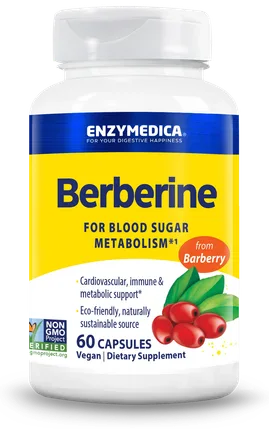
Enzymedica Berberine Review
We don’t sell supplements. We help you make decisions and get the best price.
Lowest prices
We may earn a commission from some store links. How we choose.
We hold no current store prices for it yet: check the store.
- AmazonPrice at AmazonCheck price at Amazon (opens in a new tab)
Also at: Enzymedica · iHerb · Walmart · Vitacost. Some links earn us a commission; price comes first, and a commission only decides the order of prices within 2%. As an Amazon Associate we earn from qualifying purchases.
Study, Trial or Testing Result Summary
Members Only124 human studies · 67 improved
5 of these 124 human studies gave the ingredient by drip, not by mouth.
Berberine, taken here at 1,530 mg a day (above the 600 mg that worked in studies), has strong human evidence for lowering blood sugar. A pooled analysis of 37 trials in 3,048 people with type 2 diabetes found that it lowered fasting blood sugar and long-term blood sugar without raising the risk of low blood sugar [1]. A pooled analysis of 46 trials found similar drops, along with better insulin resistance, lower triglycerides and lower bad cholesterol [2]. In 409 adults newly diagnosed with type 2 diabetes, 12 weeks of berberine lowered long-term blood sugar by about 1.0 point, compared with about 0.6 on placebo, but caused more stomach upset [3]. In 116 people, 1 gram a day for 3 months lowered long-term blood sugar from 7.5% to 6.6% [4]. In 300 adults with newly found high blood sugar, 16 weeks lowered fasting and after-meal sugar more than placebo [5]. Benefits appeared weaker beyond 90 days, above 2 grams a day, or over age 60 [6]. The product also contains 150 mg of leucine a day, far below the 3 to 8 grams used in trials. Even at those doses, leucine did not improve blood sugar control [7][8]. Animal and cell studies are never counted.
See all 124 studies →Hide the studies
- Across 37 trials in 3,048 people with type 2 diabetes, berberine lowered fasting blood sugar by 0.82 mmol/L and HbA1c by 0.63 percentage points without raising the risk of low blood sugar.Glucose-lowering effect of berberine on type 2 diabetes: A systematic review and meta-analysis.
- Across 27 trials with 2,569 people, berberine added to lifestyle changes or medicines tended to lower blood sugar, cholesterol and blood pressure more than those alone, with no serious side effects, though study quality was limited.Meta-analysis of the effect and safety of berberine in the treatment of type 2 diabetes mellitus, hyperlipemia and hyper…
- Across 28 trials in 2,313 people with type 2 diabetes, berberine lowered fasting glucose by 0.54 mmol/L and after-meal glucose by 0.94 mmol/L more than controls, with weaker effects beyond 90 days, above 2 g a day, or over age 60.Effects of berberine on blood glucose in patients with type 2 diabetes mellitus: a systematic literature review and a me…
- Pooling 17 trials with 1,337 adults with type 2 diabetes, berberine lowered blood sugar and improved blood fats, though resveratrol and silymarin ranked higher overall.Clinical Efficacy of Curcumin, Resveratrol, Silymarin, and Berberine on Cardio-Metabolic Risk Factors Among Patients Wit…
- In 22 trials of 1,079 women with polycystic ovary syndrome, other insulin-sensitizing treatments such as inositol and meds were reported as better than a med alone, and the abstract does not report a berberine-specific result.Read the study on PubMed (34407851) →
- Across 16 trials with 999 older adults, leucine supplementation raised body weight, lean mass and body mass index, but the abstract reports no significant effect on the other measures, which included blood sugar markers.Effects of leucine-rich protein supplements on anthropometric parameter and muscle strength in the elderly: a systematic…
- In 10 trials of 811 people with fatty liver disease, berberine improved insulin resistance, liver enzymes, triglycerides, total and LDL cholesterol and body mass index, with only mild stomach side effects.The clinical efficacy and safety of berberine in the treatment of non-alcoholic fatty liver disease: a meta-analysis and…
- Pooling four placebo-controlled trials of 491 adults with high blood fats, a berberine and milk thistle combination taken for about 3 months lowered fasting blood sugar and insulin resistance compared with placebo, as well as LDL and total cholesterol.The Effects of a Fixed Combination of Berberis aristata and Silybum marianum on Dyslipidaemia - A Meta-analysis and Syst…
- A pooled analysis in people with metabolic syndrome found glucose was lower in groups taking Berberis vulgaris or Berberis aristata than in control groups, along with better cholesterol and triglycerides.The effects of Berberis vulgaris L. and Berberis aristata L. in metabolic syndrome patients: a systematic and meta-analy…
- Across 46 trials in people with type 2 diabetes, berberine lowered HbA1c by 0.73 points, fasting glucose by 0.86 mmol/L, insulin resistance, triglycerides and LDL cholesterol, and improved inflammation markers.The Effect of Berberine on Metabolic Profiles in Type 2 Diabetic Patients: A Systematic Review and Meta-Analysis of Rand…
- An umbrella review of randomized trials in adults with metabolic disorders found berberine lowered fasting blood sugar, long-term blood sugar (HbA1c), insulin resistance, insulin and inflammation markers.The Effect of Berberine Supplementation on Glycemic Control and Inflammatory Biomarkers in Metabolic Disorders: An Umbre…
- Pooling eight supplement trials and seven intake studies, oral branched-chain amino acids modestly raised blood leucine, and higher intake was linked to a higher risk of type 2 diabetes but a lower risk of obesity.Dietary branched-chain amino acids intake exhibited a different relationship with type 2 diabetes and obesity risk: a me…
- A pooled analysis of 29 cohort studies in children and teens with type 1 diabetes listed leucine among factors linked to lower long-term blood sugar (HbA1c), but it was an observational association, not a supplement test.Risk predictors of glycaemic control in children and adolescents with type 1 diabetes: A systematic review and meta-anal…
- A review of lab, animal and human studies found berberine affected glucose handling and gut bacteria, with a daily 1.0 g dose in humans linked to less glucose build-up, but it gave no pooled human numbers.The effect of Berberine on weight loss in order to prevent obesity: A systematic review.
- A review of trials in women with polycystic ovary syndrome found berberine reduced insulin resistance and waist-to-hip ratio but did not significantly change body weight.The effect and safety of Berberine on polycystic ovary syndrome: a systematic review.
- An umbrella review of 11 meta-analyses of trials found berberine improved blood sugar, insulin resistance, blood fats and inflammation markers, with common side effects of constipation and diarrhea.Berberine and health outcomes: An umbrella review.
- An overview of 54 systematic reviews found berberine improved 25 of 27 type 2 diabetes outcomes and 25 of 32 heart disease outcomes, but most reviews were of low or very low quality.Berberine and health outcomes: an overview of systematic reviews.
- A review of 35 systematic reviews found berberine and a herbal decoction appeared to improve blood sugar and cholesterol in people with diabetes, though better studies are needed.The effects of Gegen Qinlian decoction and its main constituents on glucolipid metabolic disorders in diabetes: an overv…
- A review of 55 short-term studies found that leucine taken with glucose raised the insulin response and lowered the blood sugar rise compared with glucose alone in healthy adults.The Impact of Amino Acids on Postprandial Glucose and Insulin Kinetics in Humans: A Quantitative Overview.
- A review of three observational studies found that dietary intake of branched-chain amino acids, which include leucine, was inconsistently linked to insulin resistance, with only one study showing a benefit.Food consumption of branched chain amino acids and insulin resistance: A systematic review of observational studies in h…
- A review of 11 trials in people with liver disorders found branched-chain amino acid supplements had no overall effect on blood sugar control, with mixed results on insulin and insulin resistance.The impact of branched-chain amino acid supplementation on measures of glucose homeostasis in individuals with hepatic d…
- In 409 adults with newly diagnosed type 2 diabetes, 12 weeks of berberine lowered HbA1c by about 1.0% versus about 0.6% on placebo, with more stomach side effects.Gut microbiome-related effects of berberine and probiotics on type 2 diabetes (the PREMOTE study).
- In 365 adults with type 2 diabetes, berberine combined with probiotics for 3 months improved after-meal total and LDL cholesterol more than either one alone.Combined berberine and probiotic treatment as an effective regimen for improving postprandial hyperlipidemia in type 2 d…
- In 337 diabetes-free adults with obesity and fatty liver, 1 g of berberine daily for 6 months did not reduce belly fat or liver fat versus placebo and did not improve other secondary outcomes, though it lowered LDL cholesterol and C-reactive protein slightly.Berberine and Adiposity in Diabetes-Free Individuals With Obesity and MASLD: A Randomized Clinical Trial.
- In 300 adults with newly diagnosed high blood sugar, 16 weeks of berberine lowered fasting blood glucose by about 0.5 mmol/L and after-meal glucose more than placebo.Effectiveness and safety of Bifidobacterium and berberine in human hyperglycemia and their regulatory effect on the gut …
- In 184 people with fatty liver disease, berberine plus lifestyle changes for 16 weeks cut liver fat more than lifestyle changes alone (52.7% vs 36.4%) and improved weight, insulin resistance and blood fats, in an open-label trial.Efficacy of Berberine in Patients with Non-Alcoholic Fatty Liver Disease.
- In 175 people with high cholesterol who could not tolerate high-dose meds, six months of a berberine and silymarin combination lowered fasting blood sugar, insulin and insulin resistance compared with placebo.Read the study on PubMed (25765827) →
- In 158 adults with metabolic syndrome, a daily tablet containing 500 mg berberine plus red yeast rice and policosanol for 24 weeks lowered total and LDL cholesterol compared with placebo.Efficacy of a nutraceutical combination on lipid metabolism in patients with metabolic syndrome: a multicenter, double b…
- In 150 women with polycystic ovary syndrome preparing for IVF, 3 months of berberine lowered fasting glucose, insulin and insulin resistance compared with placebo, with fewer stomach side effects than a med.The use of berberine for women with polycystic ovary syndrome undergoing IVF treatment.
- In 143 people at low heart risk, three months of a berberine, silymarin and monacolin combination lowered fasting blood sugar by 12.2% and cut cholesterol and inflammation markers compared with placebo.Effects of a Combination of Berberis aristata, Silybum marianum and Monacolin on Lipid Profile in Subjects at Low Cardio…
- In 137 people who could not tolerate high-dose meds, adding a berberine-plant and milk thistle tablet twice daily for 6 months lowered fasting glucose by 9 mg/dl and insulin resistance compared with placebo, and kept cholesterol from rising.Read the study on PubMed (25577665) →
- In 136 obese adults with type 2 diabetes, 52 weeks of berberine with silymarin improved fasting blood sugar, insulin, insulin resistance, cholesterol and abdominal fat compared with placebo.Bioimpedance analysis, metabolic effects and safety of the association Berberis aristata/Bilybum marianum: a 52-week dou…
- In 132 overweight or obese adults on a reduced-calorie diet, branched-chain amino acids taken for 16 weeks plus 8 weeks of weight maintenance did not change insulin sensitivity or metabolic profile compared with the other groups.Branched-Chain Amino Acid Supplementation Does Not Preserve Lean Mass or Affect Metabolic Profile in Adults with Overwei…
- In 123 older adults with obesity and type 2 diabetes on a 13-week lifestyle program, a whey protein drink enriched with leucine and vitamin D improved insulin sensitivity and increased lean mass compared with an equal-calorie control drink.Effect of an Enriched Protein Drink on Muscle Mass and Glycemic Control during Combined Lifestyle Intervention in Older …
- In 116 people with type 2 diabetes and abnormal blood fats, 1 g of berberine daily for 3 months lowered fasting and after-meal blood sugar and HbA1c (7.5% to 6.6%) significantly more than placebo.Treatment of type 2 diabetes and dyslipidemia with the natural plant alkaloid berberine.
- In 113 people with schizophrenia and metabolic syndrome, 600 mg of berberine daily for 12 weeks reduced weight gain, cholesterol and long-term blood sugar (HbA1c) more than placebo.Adjunctive berberine reduces antipsychotic-associated weight gain and metabolic syndrome in patients with schizophrenia:…
- In 113 adults with type 2 diabetes, berberine ursodeoxycholate at 1000 mg or 2000 mg daily for 12 weeks lowered HbA1c by 0.4% to 0.7% more than placebo and was well tolerated.Berberine Ursodeoxycholate for the Treatment of Type 2 Diabetes: A Randomized Clinical Trial.
- In 105 overweight adults with unhealthy blood fats, a berberine-plant and milk thistle combination taken twice daily for 3 months lowered insulin, insulin resistance, cholesterol and triglycerides compared with placebo, and the effects faded after stopping.Effects of Berberis aristata/Silybum marianum association on metabolic parameters and adipocytokines in overweight dysli…
- In 102 people with abnormal blood fats, a berberine-containing combination (588 mg Berberis aristata extract with 105 mg silymarin twice daily) for two 3-month periods improved cholesterol and insulin secretion with a lower blood sugar rise after a glucagon test than placebo.Berberis aristata/Silybum marianum fixed combination on lipid profile and insulin secretion in dyslipidemic patients.
- In 100 people with fatty liver disease and diabetes, 1000 mg of berberine ursodeoxycholate twice daily for 18 weeks reduced liver fat and improved blood sugar control more than placebo.A phase 2, proof of concept, randomised controlled trial of berberine ursodeoxycholate in patients with presumed non-alc…
- In 97 people with mild high blood fats, berberine 900 mg a day for two 3-month courses lowered triglycerides, total and LDL cholesterol and raised HDL cholesterol compared with placebo; blood sugar results were not reported.[Therapeutic Effects of Berberine Capsule on Patients with Mild Hyperlipidemia].
- In 89 women with polycystic ovary syndrome and insulin resistance, 3 months of berberine lowered fasting blood glucose, fasting insulin, insulin resistance and cholesterol compared with placebo.Read the study on PubMed (22019891) →
- In 85 people with type 1 diabetes, a berberine-plant and milk thistle tablet twice daily for 6 months reduced insulin needs and fasting and after-meal glucose compared with placebo, but long-term blood sugar (HbA1c) did not differ from placebo.The role of a fixed Berberis aristata/Silybum marianum combination in the treatment of type 1 diabetes mellitus.
- In 84 adults with type 2 diabetes, berberine taken for 3 months lowered HbA1c, fasting and after-meal blood sugar, similar to a med in the first study, though 34.5% had temporary stomach side effects in the second.Efficacy of berberine in patients with type 2 diabetes mellitus.
- In 84 postmenopausal women given whey protein or maltodextrin for 18 months, blood branched-chain amino acids and insulin resistance did not change with supplementation.Protein Supplementation, Plasma Branched-Chain Amino Acids, and Insulin Resistance in Postmenopausal Women: An Ancillary…
- In 80 people with fatty liver disease, 16 weeks of berberine changed blood fat profiles more than lifestyle changes alone and lowered ceramides, but blood sugar was not reported.Lipid profiling of the therapeutic effects of berberine in patients with nonalcoholic fatty liver disease.
- In 79 adults with obesity and metabolic syndrome, six months of arginine and leucine supplements did not change blood sugar, blood fat or inflammation markers compared with the control group.Evaluation of a Supervised Adapted Physical Activity Program Associated or Not with Oral Supplementation with Arginine a…
- In 70 adults with fatty liver disease, 1500 mg of berberine daily for 12 weeks lowered a liver enzyme and total cholesterol versus placebo, but showed no significant differences in glucose measures.Does berberine impact anthropometric, hepatic, and metabolic parameters in patients with metabolic dysfunction-associate…
- In 70 overweight or obese adults with fatty liver disease, 1500 mg of berberine daily for 12 weeks raised a blood vessel growth marker and lowered aortic systolic pressure, but arterial stiffness did not differ from placebo.The Influence of Berberine on Vascular Function Parameters, Among Them VEGF, in Individuals with MAFLD: A Double-Blind, …
- In 65 people with schizophrenia, 900 mg of berberine daily for eight weeks lowered cholesterol, fasting insulin and insulin resistance compared with placebo.The effect of berberine adjunctive treatment on glycolipid metabolism in patients with schizophrenia: A randomized, doub…
- In 65 adults with knee osteoarthritis, 12 g a day of leucine-enriched essential amino acids for 8 weeks did not change blood sugar compared with the control group, and it was judged safe.The efficacy and safety of leucine-enriched essential amino acids in knee osteoarthritis patients: A randomized controll…
- In 61 people having stomach or bowel tumor surgery, an infusion of branched-chain amino acids during the operation did not adversely affect blood sugar, while the plain amino acid infusion raised it.Intraoperative infusion of branched-chain amino acids in patients undergoing gastrointestinal tumor surgery.
- In 61 older men on alternate-day fasting for 4 weeks, extra leucine or protein gave no added benefit to body composition or heart and blood sugar markers beyond weight loss itself, apart from small differences in diastolic blood pressure and HDL cholesterol.Effects of Body-Mass-Scaled Protein and Leucine Supplementation on Body Composition and Cardiometabolic Blood Markers Du…
- In 60 people with type 2 diabetes and high blood fats, berberine lowered the levels of 13 circulating fatty acids, 10 of them significantly more than placebo.Effect of traditional Chinese medicine berberine on type 2 diabetes based on comprehensive metabonomics.
- In 60 older adults with type 2 diabetes, 6 g daily of a leucine-rich amino acid supplement with home resistance exercise for 48 weeks added no benefit to muscle strength or mass.Effects of resistance training using elastic bands on muscle strength with or without a leucine supplement for 48 weeks …
- In 54 middle-aged men with prediabetes, about 1000 mg of berberine daily for 8 weeks lowered fasting glucose and insulin resistance from baseline, but adding it to interval exercise gave no extra benefit.Inflammatory markers and noncoding-RNAs responses to low and high compressions of HIIT with or without berberine supplem…
- In 50 adults with high cholesterol, a combination with 500 mg berberine for 6 weeks lowered total and LDL cholesterol and improved blood vessel function versus placebo, and insulin sensitivity improved after a further 4 weeks in those with insulin resistance.Effects of a nutraceutical combination (berberine, red yeast rice and policosanols) on lipid levels and endothelial func…
- In 50 adults with abnormal blood fats, a berberine-containing combination taken for 6 weeks improved cholesterol, but the other combination without berberine gave the significant improvement in blood vessel function.Effects of a New Combination of Medical Food on Endothelial Function and Lipid Profile in Dyslipidemic Subjects: A Pilot…
- In 50 adults with high cholesterol, 2000 mg a day of berberine ursodeoxycholate for 28 days lowered total cholesterol by 8.2% and LDL cholesterol by 10.4% versus placebo; blood sugar was not reported as a result.Pharmacokinetics and pharmacodynamics of HTD1801 (berberine ursodeoxycholate, BUDCA) in patients with hyperlipidemia.
- In 49 adults with fatty liver, six months of a plant extract mix containing Berberis aristata lowered blood sugar, insulin and insulin resistance and reduced liver fat compared with placebo.Berberis aristata, Elaeis guineensis and Coffea canephora Extracts Modulate the Insulin Receptor Expression and Improve …
- In 44 overweight adults with heart and blood sugar risk factors, 13 weeks of diet plus a supplement bundle including berberine lowered weight, cholesterol, triglycerides and inflammation more than diet alone, and cut a 10-year heart risk score by 40%.A 13-week low glycemic load diet and lifestyle modification program combining low glycemic load protein shakes and targe…
- In 43 adults with HIV and metabolic syndrome, 1500 mg of berberine daily for 20 weeks reduced weight, body mass index, insulin resistance and an inflammation marker compared with placebo.Pilot study on the efficacy and safety of berberine in people with metabolic syndrome and human immunodeficiency virus i…
- In 42 overweight and obese women on a calorie-restricted diet for 4 weeks, 6 g daily of branched-chain amino acids with vitamin B6 did not change weight loss more than placebo, though it preserved leg lean mass and waist-to-hip ratio.The Weight Loss Effects of Branched Chain Amino Acids and Vitamin B6: A Randomized Controlled Trial on Obese and Overwei…
- In 40 adults with raised fasting glucose, an 8-week multi-ingredient supplement including berberry lowered fasting insulin by 13.4% and insulin resistance by 25% compared with placebo, and also improved triglycerides and HDL cholesterol.Nutraceutical Effects on Glucose and Lipid Metabolism in Patients with Impaired Fasting Glucose: A Pilot, Double-Blind, …
- In 40 people with high triglycerides taking fenofibrate, 8 weeks of berberine 500 mg with monacolin brought 75% to their LDL cholesterol target and 80% to their triglyceride target, without testing blood sugar.Optimizing Lipid Pattern by Adding a Combined Nutraceutical or Pravastatin to Fenofibrate Treatment in Hypertriglyceride…
- In 37 adults at risk of metabolic syndrome on a calorie-restricted diet, 3 g daily of leucine for 8 weeks preserved lean mass, especially in men, but did not change blood sugar tolerance or insulin sensitivity.The impact of leucine supplementation on body composition and glucose tolerance following energy restriction: an 8-week …
- In 36 adults with mixed high blood fats, berberine 500 mg three times daily for 90 days lowered total cholesterol, but no blood sugar benefit was reported.Effect of Berberine Plus Bezafibrate Administration on the Lipid Profile of Patients with Mixed Dyslipidemia: A Pilot Cl…
- In 36 people with prediabetes, 1.11 g of leucine plus 50 mg of resveratrol daily for 4 weeks cut insulin resistance by 33% compared with placebo, with lower glucose and insulin responses to a sugar drink.Modulation of Energy Sensing by Leucine Synergy with Natural Sirtuin Activators: Effects on Health Span.
- In 36 older adults with type 2 diabetes, 8 g a day of branched-chain amino acids for 24 weeks did not change long-term blood sugar (HbA1c) or insulin resistance compared with soy protein.Effects of Branched-Chain Amino Acids on Skeletal Muscle, Glycemic Control, and Neuropsychological Performance in Elderl…
- In 34 adults with prediabetes, 1500 mg of berberine daily for 12 weeks lowered fasting glucose, HbA1c, insulin resistance and post-glucose-test blood sugar compared with placebo.Efficacy and safety of HIMABERB® Berberine on glycemic control in patients with prediabetes: double-blind, placebo-contr…
- In 32 aerobics athletes, branched-chain amino acids taken during three weeks of endurance training gave mixed blood sugar and muscle damage results; this study has been retracted, so its findings should not be relied on.Protective Effect of Amino Acids on the Muscle Injury of Aerobics Athletes after Endurance Exercise Based on CT Images.
- In 30 healthy elderly men, 7.5 g of leucine a day for 3 months did not improve insulin sensitivity, blood glycated hemoglobin, or blood fats compared with placebo.Long-term leucine supplementation does not increase muscle mass or strength in healthy elderly men.
- In 30 women during an insulin clamp, eating protein reduced how well insulin moved sugar out of the blood, while an amount of leucine matching the protein did not change it.Alterations in 3-Hydroxyisobutyrate and FGF21 Metabolism Are Associated With Protein Ingestion-Induced Insulin Resistanc…
- In 27 men around a single resistance workout, adding branched-chain amino acids to carbohydrate did not increase muscle growth signals beyond carbohydrate alone; blood sugar and insulin rose similarly in both carbohydrate groups.Read the study on PubMed (24655485) →
- In 26 patients having liver surgery, a drink with carbohydrate and branched-chain amino acids (which include leucine) taken before the operation lowered the insulin needed to keep blood sugar normal afterward compared with no supplement.Preoperative oral supplementation with carbohydrate and branched-chain amino acid-enriched nutrient improves insulin res…
- In 24 people with metabolic syndrome, 500 mg of berberine three times daily for three months led to remission in 36%, lower blood sugar and insulin responses, and better insulin sensitivity.Effect of berberine administration on metabolic syndrome, insulin sensitivity, and insulin secretion.
- In 22 women, a single dose of leucine matching the amount in whey protein did not change insulin-mediated glucose disposal, while whey protein itself lowered it.Protein Ingestion Induces Muscle Insulin Resistance Independent of Leucine-Mediated mTOR Activation.
- In 21 adolescents, 15 of whom were obese, a 3-month diet and activity program lowered insulin levels in the obese group but did not change blood glucose, and leucine was used only as a measurement tool rather than as a supplement.Effect of lifestyle changes on whole-body protein turnover in obese adolescents.
- In 19 prefrail and frail older women doing resistance training for 3 months, 7.5 g of leucine daily did not change blood sugar or insulin responses compared with placebo.Leucine Supplementation Does Not Alter Insulin Sensitivity in Prefrail and Frail Older Women following a Resistance Trai…
- In 18 people with well-controlled type 2 diabetes having colorectal surgery, high-dose intravenous amino acids gave a positive protein balance regardless of whether blood sugar was controlled tightly or standardly.High dose amino acid administration achieves an anabolic response in type 2 diabetic patients that is independent of gly…
- In 17 healthy young adults, a 6-hour infusion of branched-chain amino acids did not change how well insulin controlled blood sugar production or uptake compared with no infusion.Effects of acute exposure to increased plasma branched-chain amino acid concentrations on insulin-mediated plasma glucos…
- In 15 healthy men, a single dose of berberine increased insulin secretion during high blood sugar compared with placebo without affecting baseline insulin.Berberine is an insulin secretagogue targeting the KCNH6 potassium channel.
- In 13 healthy adults, leucine taken with 25 g of glucose cut the blood sugar rise by about half compared with glucose alone, and increased the insulin response to glucose.Leucine, when ingested with glucose, synergistically stimulates insulin secretion and lowers blood glucose.
- In 13 resistance-trained men, a branched-chain amino acid drink during one weight-training session did not change blood glucose compared with placebo.Effects of carbohydrate and branched-chain amino acid beverage ingestion during acute upper body resistance exercise on …
- In 12 lean men given a single 90-minute infusion of leucine into the small intestine, blood glucose fell slightly at the higher dose while insulin rose, and the lower dose had no effect on blood sugar.Effects of intraduodenal infusion of the branched-chain amino acid leucine on ad libitum eating, gut motor and hormone f…
- In 12 obese adults with prediabetes, 20 g daily of branched-chain amino acids for 4 weeks did not impair glucose metabolism, showed a non-significant trend toward lower blood sugar, and lowered one inflammation marker compared with a low-branched-chain amino acid control.Effects of branched-chain amino acids on glucose metabolism in obese, prediabetic men and women: a randomized, crossover…
- In 11 active young men taking branched-chain amino acids for three days before endurance exercise, blood insulin was lower after exercise than with placebo, alongside better fat burning and exercise efficiency.Branched-Chain Amino Acid Supplementation Enhances Substrate Metabolism, Exercise Efficiency and Reduces Post-Exercise F…
- In 10 healthy men, drinking 25 grams of leucine before a glucose infusion prevented the drop in blood vessel flexibility seen with glucose alone, with insulin levels rising more after leucine.The Effect of the Oral Administration of Leucine on Endothelial Function, Glucose and Insulin Concentrations in Healthy …
- In 7 volunteers taking branched-chain amino acids for 3 days before an exhausting glycogen-depleting exercise test, blood sugar was higher during exercise than with placebo, which was not shown to be a benefit for blood sugar control.Branched-chain amino acids supplementation enhances exercise capacity and lipid oxidation during endurance exercise afte…
- In five healthy young men, four doses of berberine (500 mg) or dihydroberberine over about a day did not change blood glucose or insulin compared with placebo, though dihydroberberine raised blood berberine levels more.Absorption Kinetics of Berberine and Dihydroberberine and Their Impact on Glycemia: A Randomized, Controlled, Crossover …
- In a crossover trial of adults with high cholesterol, a combination with 531 mg berberine, red yeast rice and mulberry leaf extract taken for 4 weeks lowered LDL cholesterol below 130 mg/dl in 56.5% of patients and also reduced fasting glucose, insulin and glycated hemoglobin.Effects of a new combination of nutraceuticals with Morus alba on lipid profile, insulin sensitivity and endotelial func…
- In adults with type 2 diabetes on a med, adding a berberine, hesperidin and chromium picolinate combination for 12 weeks lowered fasting blood glucose by 11.7% and long-term blood sugar (HbA1c) by 7.5%, with no HbA1c change in a med-only group.Read the study on PubMed (34371883) →
- In people with type 2 diabetes, 1200 mg of berberine plus 600 mg of cinnamon daily for 12 weeks lowered fasting blood sugar, HbA1c and LDL cholesterol more than placebo.The efficacy and safety of berberine in combination with cinnamon supplementation in patients with type 2 diabetes: a ra…
- In patients treated for liver cancer, 12 g daily of branched-chain amino acids for 60 months improved insulin resistance and reduced cancer recurrence only in those with high insulin resistance, with no difference by blood glucose level.Branched-chain amino acids suppress the cumulative recurrence of hepatocellular carcinoma under conditions of insulin-re…
- In people with type 2 diabetes, 4 weeks of a diet lacking branched-chain amino acids left whole-body insulin sensitivity unchanged but lowered meal-related insulin secretion by 28% and raised oral glucose sensitivity by 24%.Short-term dietary reduction of branched-chain amino acids reduces meal-induced insulin secretion and modifies microbiom…
- In healthy people, biscuits enriched with plant branched-chain amino acids raised blood sugar less than a glucose drink and produced a lower insulin rise than a conventional biscuit in a single-visit test.Postprandial Glucose and Gastrointestinal Hormone Responses of Healthy Subjects to Wheat Biscuits Enriched with L-Argini…
- In 131 adults with pre-hypertension and high cholesterol, 3 months of a berberine-containing combination plus diet lowered cholesterol and blood glucose more than diet alone.The Effects of a New Generation of Nutraceutical Compounds on Lipid Profile and Glycaemia in Subjects with Pre-hypertens…
- In 50 adults with obesity given berberine or Gymnema sylvestre for 3 months, berberine lowered body weight and blood pressure, while Gymnema sylvestre was the one that lowered fasting glucose.Comparative Effects of Gymnema sylvestre and Berberine on Adipokines, Body Composition, and Metabolic Parameters in Obes…
- In 30 people with non-insulin dependent diabetes, an herbal formula lowered blood sugar better than berberine, so berberine was the weaker comparator and no berberine benefit was shown.[Clinical study on jiang tang san in treating non-insulin dependent diabetes mellitus patients].
- In 16 healthy young women on 60 days of bed rest, a high-protein diet enriched with branched-chain amino acids (0.15 g per kg daily) prevented the drop in insulin-mediated glucose uptake seen with a conventional diet.High-protein diet with excess leucine prevents inactivity-induced insulin resistance in women.
- In 13 men and women exercising in the heat, a branched-chain amino acid drink kept blood glucose at baseline levels like the placebo drink, though it lengthened time to exhaustion.Branched-chain amino acids prolong exercise during heat stress in men and women.
- In 12 healthy adults, a 7-day diet that cut blood branched-chain amino acids (including leucine) by about half produced only a non-significant trend toward lower insulin resistance compared with a control diet.A Novel Dietary Intervention Reduces Circulatory Branched-Chain Amino Acids by 50%: A Pilot Study of Relevance for Obesi…
- In 11 volunteers given a 2-hour leucine infusion, alone and then combined with glucose, muscle and blood amino acid levels shifted, but the study did not measure heart health or blood sugar benefits.The separate and combined effect of leucine and insulin on muscle free amino acids.
- In 8 people running intermittent high-intensity shuttle exercise, adding 7 grams of branched-chain amino acids to carbohydrate drinks did not lengthen running time beyond carbohydrate drinks alone, though both beat plain water.Effects of branched-chain amino acids and carbohydrate on fatigue during intermittent, high-intensity running.
- In 8 men exercising in heat after a glycogen-depleting regimen, branched-chain amino acid drinks taken before and during cycling did not change blood glucose compared with placebo, and did not improve exercise endurance.The effect of acute branched-chain amino acid supplementation on prolonged exercise capacity in a warm environment.
- In seven heat-acclimated men who were dehydrated, a branched-chain amino acid drink did not change blood glucose compared with a carbohydrate-only drink, and did not improve exercise or thinking performance.Branched-chain amino acid supplementation and human performance when hypohydrated in the heat.
- In people with type 2 diabetes, berberine significantly lowered fasting blood sugar, long-term blood sugar (HbA1c), triglycerides and insulin, with blood sugar effects similar to a med and rosiglitazone.Berberine lowers blood glucose in type 2 diabetes mellitus patients through increasing insulin receptor expression.
- Twelve women with polycystic ovary syndrome took 1100 mg of a bioavailable berberine daily for 60 days with no control group, and insulin resistance, inflammation markers, triglycerides, body fat and testosterone all decreased.Read the study on PubMed (34684666) →
- In 12 people with chronic liver disease taking a branched-chain amino acid supplement for 90 days, insulin resistance improved only in men, with no change overall.Branched-chain amino acid-enriched supplementation improves insulin resistance in patients with chronic liver disease.
- In 6 healthy adults, a single oral dose of amino acids including 5.71 g of leucine lowered blood glucose by 12% over 90 minutes.Effect of branched-chain amino acids on the plasma concentration of uridine does not occur via the action of glucagon or…
- In a case-control study of 4200 adults in Iran, higher dietary leucine was linked to higher type 2 diabetes odds after adjusting for calorie intake, while the overall branched-chain amino acid link reversed depending on the adjustments used.Association between type 2 diabetes and branched chain amino acids (BCAA); a case-control study.
- In 2,247 cardiac prevention patients, higher leucine intake was indirectly linked to lower type 2 diabetes risk through a lower triglyceride-glucose index, though this was an association from baseline data.Insulin resistance mediate the association between leucine intake, dietary glycemic index, and type 2 diabetes in second…
- In 1238 Japanese eighth graders, a higher share of leucine in their diet was linked to slightly lower fasting blood sugar, though this was an observational association.Dietary Amino Acid Composition and Glycemic Biomarkers in Japanese Adolescents.
- In 141 people with bipolar disorder and 141 matched healthy controls, leucine was lower in the bipolar group, and leucine levels were correlated with body weight and blood sugar measures; leucine was not given as a treatment.Branched-chain amino acids are associated with metabolic parameters in bipolar disorder.
- In 94 people, higher blood branched-chain amino acid levels were linked to greater insulin resistance, and in mice with fatty liver elevated branched-chain amino acids failed to boost liver energy pathways.Cross-talk between branched-chain amino acids and hepatic mitochondria is compromised in nonalcoholic fatty liver diseas…
- In 20 people with recent type 1 or type 2 diabetes and matched controls, higher circulating branched-chain amino acids, including leucine, were linked to lower insulin release after meals in type 1 diabetes.Branched-Chain Amino Acids Associate Negatively With Postprandial Insulin Secretion in Recent-Onset Diabetes.
- In people with metabolic problems, low blood levels of indole-3-propionic acid, a gut-bacteria product, were linked to insulin resistance, and this compound was negatively correlated with leucine and related amino acid metabolism; leucine itself was not given as a treatment.Decreased circulating IPA levels identify subjects with metabolic comorbidities: A multi-omics study.
- In 30 patients who had Roux-en-Y gastric bypass surgery, leucine levels fell about 23 percent over 6 months, along with weight and insulin changes; leucine was not given as a supplement.Short-Term Metabolic Changes and Their Physiological Mediators in the Roux-en-Y Gastric Bypass Bariatric Surgery.
- In 8 dialysis patients and 14 controls given insulin clamps, glucose handling was similar between groups, though basal leucine breakdown was lower in the dialysis patients.Effects of insulin and amino acids on glucose and leucine metabolism in CAPD patients.
- After healthy people took branched-chain amino acids, which include leucine, their blood platelets became more active in a lab test, and mice given them formed more arterial clots.Branched-Chain Amino Acid Catabolism Promotes Thrombosis Risk by Enhancing Tropomodulin-3 Propionylation in Platelets.
- In a rat study, adding branched-chain amino acids to a high-fat diet made rats as insulin resistant as high-fat-fed rats, even though they ate less and gained less weight, while the same amino acids added to a standard diet did not cause insulin resistance. The human part only compared metabolite patterns in obese and lean people and did not test supplementation.A branched-chain amino acid-related metabolic signature that differentiates obese and lean humans and contributes to ins…
- In mice, cutting dietary leucine did not change metabolic health, while cutting isoleucine did, so leucine alone did not appear to drive the metabolic effects of these amino acids.The adverse metabolic effects of branched-chain amino acids are mediated by isoleucine and valine.
- Diabetic mice given branched-chain amino acids, which include leucine, had less heart damage, while people with diabetic heart disease had lower levels of these amino acids in their blood.Branched-chain amino acids deficiency promotes diabetic cardiomyopathy by activating autophagy of cardiac fibroblasts.
- In mice with a heart failure model, boosting the body's breakdown of branched-chain amino acids (including leucine) through BCKDK inhibition reduced diastolic dysfunction and heart enlargement; human evidence in this study was observational.BCAA catabolism targeted therapy for heart failure with preserved ejection fraction.
Review Totals and Summary
Members Only2,500 reviews · 93% positive
Extensive customer reviews and qualitative feedback are currently being aggregated for this product. Check back soon for a detailed sentiment analysis.
Biohacker Summary
Members Only0 of 10 recommend it
Berberine is the main ingredient, and most of the panel recommends or uses it, mainly for blood sugar control, insulin sensitivity and cholesterol, with some also pointing to sleep, heart health and fewer cravings. Two of them take 500 mg with meals, and one said he felt fine on up to 750 mg or a gram when taking it with a large, carbohydrate-rich meal. Cautions came up often: taking it on an empty stomach can cause low blood sugar, headaches, dizziness and blurred vision, one panelist said to talk to a doctor first and another advised care when combining it with other glucose-lowering products, one noted poor absorption and a lack of lifespan data, and one skeptic wants stronger evidence. One panelist stopped taking it after he no longer ate a low-carb diet, and one said he would skip it because of headaches and carbohydrate cravings. Leucine is a smaller ingredient in this product, and the panel mostly values it for building muscle, though one said it adds nothing if you already eat enough protein.
See all 9 biohackers →Hide the biohackers
Thomas DeLauer · Berberine · recommends
- Recommends berberine as a metabolic reset, driving up AMPK to improve insulin sensitivity and dialing down fat and fructose processing in the liver that increases uric acid.
- Mentions dihydroberberine as a component that can be used to optimize and support the AMPK pathway, helping to tune it up and have a higher baseline.
- Has found berberine to be very helpful for some of his patients who are night snackers, especially those with a sweet tooth.
- Identifies leucine as the primary trigger for the mtorc1 pathway, which is the master switch for muscle protein synthesis, and recommends 2 to 3 grams per meal for those under 40, and 3 to 4 grams for those over 40.
- Recommends berberine if one is going to have fruit later in the day, as it specifically restores the AMPK-driven fat suppression.
- Recommends Dihydroberberine to improve mitochondrial performance and turn up the AMPK dial.
- Explains that leucine is important for muscle, with beef, whey, milk, and sardines clearing the 2-3g leucine threshold per meal, and that the threshold increases with age.
- States that leucine is what flips the switch for muscle protein synthesis, and that adding leucine and essential amino acids to a small dose of whey can match the effect of a full 25-gram dose of protein.
- Recommends Berberine, stating that 500mg taken three times with meals has shown comparable results to a med in dropping HbA1c and fasting glucose.
- Would start taking berberine because it helps with high glucose.
- Mentions dihydroberberine or berberine as a powerful tool to upregulate activity, especially in the context of optimizing pathways to support key areas of change like hormone health.
- Likes berberine for people who are insulin resistant, noting it helps lower blood glucose spikes when taken with meals. He cautions against taking it on an empty stomach due to potential nausea or hypoglycemia.
- Recommends berberine in occasional doses for general blood sugar regulation, noting it activates AMPK, similar to a med, triggering glucose clearing, and has shown efficacy in reducing HbA1c and improving gut microbiome for glucose uptake.
- Notes that leucine, an important amino acid for muscle growth, activates mTOR signaling after exercise, triggering the first step in building new muscle, and that leucine plus carbs together have the strongest signaling effect.
Dr. Eric Berg · Berberine · recommends
- Recommends adding berberine as another natural remedy to the combination for cancer.
- Dr. Eric Berg states that Berberine combined with a lower-carb diet may help support healthy blood sugar levels and reduce cravings over time.
- The amino acid leucine is important for muscle growth, but getting sufficient protein is just as essential for maintaining muscle mass.
- Notes that some people add berberine, which supports healthy blood glucose and makes one insulin resistant.
- Mentions that animal protein provides leucine, an amino acid beneficial for muscle building.
- Recommends getting enough leucine, a key amino acid for muscle growth, to help prevent and correct muscle loss.
- Recommends taking berberine to block the effects of grains.
- Suggests incorporating anti-cancer foods like berberine to help prevent pancreatic cancer.
- Recommends taking berberine, stating it is very beneficial for type 2 diabetes.
- Dr. Eric Berg states that berberine may support blood sugar, but it should not be treated as an equivalent substitute for other treatments.
- Lists berberine as an epigenetic factor that may help with cancer prevention.
- Recommends berberine as a natural version of a med, citing powerful research that shows it makes the body more sensitive to insulin and has fewer side effects than a med.
- Berberine is often compared to a med because of its potential effects on blood sugar and insulin resistance. More than 50 clinical trials have investigated berberine, with studies reporting improvements in A1C, fasting blood sugar, triglycerides, and LDL cholesterol comparable to those seen with a med.
- Explains that leucine is an essential amino acid that signals muscles to grow, and its requirements increase with age, making it important for maintaining muscle after menopause.
Siim Land · Berberine · recommends
- Recommends berberine as a herbal supplement that increases fat metabolism, lowers mTor and blood sugar, making it a good combination for increased autophagy, and notes that meta-analyses show it reduces blood sugar, promotes weight loss, and decreases cholesterol.
- Recommends Berberine for blood sugar and cholesterol, based primarily on human research, especially randomized controlled trials showing measurable benefits.
- Lists Berberine as one of 15 supplements backed by human studies.
- Advises caution when using berberine with glycine, as it is a glucose-lowering medication.
- Is skeptical about most supplements, including berberine, because he doesn't see any evidence to back up their claims, which are often based on personal testimonials.
- Mentions berberine as a compound that can increase autophagy, but notes it doesn't come close to exercise in effectiveness.
- He takes 500 mg of berberine with meals for blood sugar control.
- Would take berberine for pre-diabetes.
- Advises caution with berberine due to its antibacterial effects and potential to change the microbiome, especially if one doesn't have gut problems.
- States that berberine also showed a lifespan extension in their hands.
- Despite high protein and whey intake, Siim Land's leucine levels remain low, hovering around 70, which he attributes to increased muscle mass and the body fighting infection.
- States that leucine is associated with longevity, and most studies indicate that higher levels are important for longevity.
- Mentions that leucine, an essential amino acid, acts as a signal for muscle protein synthesis, though not as strong as resistance training.
- Siim Land, agreeing with the guest, states that 2.5 grams of Leucine per meal maximizes anabolic protein synthesis in the muscle, ensuring muscle tissue maintenance.
Dr. Rhonda Patrick · Berberine · neutral
- Notes that berberine is a promising compound for cardiovascular health, with potential benefits spanning lipid metabolism, artery health, and the gut microbiome.
- Notes that berberine lowers LDL cholesterol in randomized trials and is interested in its connection to ApoB, artery plaque, and the gut microbiome.
- Notes that foods high in leucine are going to really support muscle protein synthesis.
- Notes that berberine has been on their radar for glucose control for years, and a new study on a biooptimized form of berberine showed reductions in fasting glucose, improved glucose tolerance, and an increase in fasting.
- Recommends berberine for atherosclerosis, noting it has a more compelling evidence base, showing reduction in plaque formation and improvement in LDL, HbA1c, and glucose regulation.
- Recommends Berberine for optimizing blood glucose, noting that meta-analyses show it reduces fasting glucose and HbA1c in people with type 2 diabetes.
- Notes that Berberine may not have the same inhibitory effect on muscular hypertrophy and strength gains as a med, but there are currently no studies to support or refute this.
- Discusses ideal dosing for berberine.
- Notes that berberine is also effective for blood glucose regulation, similar to apple cider vinegar.
- States that berberine is undoubtedly effective for improving insulin sensitivity.
- Explains that Leucine is the critical signal driving robust activation of mTOR, which plays key roles in skeletal muscle growth by driving muscle protein synthesis and recovery, but also notes a study suggesting Leucine might activate mTOR in the vascular system, promoting plaque buildup.
- Highlights that leucine is an amino acid with strong signaling properties, stimulating the mTOR pathway and setting off the anabolic cascade for muscle protein synthesis.
- Discusses berberine, noting it is a mitochondrial toxin and an analog of a med, and mentions a systematic review suggesting it was beneficial in lowering LDL cholesterol and reducing a med myopathy.
- Mentions that leucine, a branched-chain amino acid, and other essential amino acids may be partially protective against declines in muscle mass, but not entirely effective against strength declines.
Dave Asprey · Berberine · recommends
- Recommends berberine as a good alternative to a med for longevity, citing its similar pathway effects without the downsides and its positive impact on the microbiome.
- Dave Asprey discusses berberine as a plant compound that genuinely lowers blood glucose, comparable to a med in some trials, but notes its poor absorption and lack of lifespan data, classifying it as a glucose drug, not a longevity drug.
- Notes that berberine supports sleep optimization, ketosis, and blocks a cancer growth pathway most drugs cannot touch.
- States that very low levels of leucine are probably promoting high levels of protection against aging and diseases, but also promoting frailty, and high levels of this amino acid could be a risk for developing a number of diseases.
- Prefers a med over berberine, stating there is more data for a med, though berberine might be useful for diabetics.
- Dave Asprey and his guests reveal how berberine can improve metabolism, regulate dopamine, and protect the brain, and can rival meds.
- Mentions that GL Perfect contains bioavailable berberine, which is 250 times more bioavailable than normal.
- Takes berberine when he eats carbs to help manage blood sugar levels.
- Notes that Intellx DNA provides information on what doses of berberine, such as two grams, were used in studies to improve blood sugars, emphasizing that a small amount won't have the same effect as a larger dose.
- Mentions needing 72 milligrams of Berberine as part of personalized supplements.
- States that berberine has anti-parasite qualities and he takes it nearly constantly, but warns that it is not without risk, as he experienced abnormally low heart rate and blood pressure on two occasions, which he attributes to berberine.
- Recommends ensuring enough Leucine, specifically two and a half grams, to activate muscle protein synthesis, otherwise consumed protein may not be effective.
- States that 2.5 grams of leucine are needed in a meal to activate mTOR and stimulate muscle synthesis.
- Recommends consuming leucine, which preserves body muscle and is found in higher amounts in animal foods.
Dr. Mark Hyman · Berberine · uses
- Takes 500 mg of Berberine with meals for blood sugar control.
- Dr. Mark Hyman, agreeing with the guest, highlights leucine as a primary amino acid important for muscle protein synthesis.
- States that leucine is important for muscle health and is the rate-limiting amino acid for turning on the switch that starts muscle building.
- Recommends leucine, an amino acid, for making muscle.
- Recommends berberine to help with insulin resistance.
- Highlights leucine as an essential amino acid that is nearly highest in protein sources and acts as a unique amino acid for metabolic signaling, like a switch that turns on muscle building.
- Mentions that berberine may be helpful for people with insulin resistance and that he uses it in his practice.
- States that high amounts of leucine, an amino acid mostly found in animal protein, are needed to activate the switch to turn on muscle building, specifically about 2.5 grams per serving.
- Recommends taking berberine as a natural way to increase GLP-1.
- Used an herbal regimen that included berberine as part of a combination product to treat a patient's dysbiosis and yeast overgrowth.
- Warns that leucine, which is much higher in animal protein, is the rate-limiting step for building muscle, and without 2.5 grams in a protein meal, the switch to build muscle won't be turned on.
- Mentions that berberine can affect certain genes.
- States that berberine helps with blood sugar regulation, insulin resistance, and cardiac health.
- Mentions berberine as one of many phytochemicals that influence the AMPK pathway and have similar benefits to a med.
Andrew Huberman · Berberine · uses
- Takes 500 mg of berberine with meals to help with blood glucose.
- Dr. Huberman states he will skip berberine because it gives him brutal headaches, makes him crave carbohydrates, and drops his blood sugar.
- Suggests that adding free leucine, perhaps one gram in a capsule with a normal meal, can significantly boost protein synthetic response, especially for plant-based individuals.
- Discusses berberine and other potent molecules for regulating blood glucose.
- Warns that berberine is a serious step and one should talk to their doctor about it, as taking it on an empty stomach can cause hypoglycemia, brutal headaches, dizziness, and impaired vision; however, when taken with a large, carbohydrate-rich meal, he felt fine on up to 750 mg or a gram.
- Suggests that leucine, because it triggers cellular growth by activating the mTOR pathway, is actually pro-aging, similar to growth hormone and testosterone, offering immediate benefits at the expense of long-term health.
- Mentions the use of fasting-related supplements, including berberine.
- Huberman warns that if you take berberine without ingesting carbohydrates, many people, including himself, experience a splitting headache due to becoming hypoglycemic, as it is a glucose clearing agent.
- Andrew Huberman explains that leucine is an essential amino acid important for inducing muscle protein synthesis, and it is found in high levels in sources like whey protein, beef, chicken, and eggs.
- Discusses leucine.
- States that berberine can further support fat loss and discusses its impact on insulin.
- Mentions berberine as a compound, derived from a plant, that is in growing use for reducing blood glucose and is very potent at doing so.
- States that leucine is uniquely stimulating to skeletal muscle and recommends consuming closer to 9 grams of leucine per day, which is two to three times the RDA, for optimal muscle health.
- Notes that leucine, isoleucine, and valine, which are branch chain amino acids, make insulin go up.
Ben Greenfield · Berberine · recommends
- States that berberine is great for sleep, upregulating serotonin and dopamine, and that their bioavailable berberine product is taken by 75% of users for sleep, even though it was created for blood glucose management.
- Describes leucine as the 'ignition' that turns on the signal for muscle protein synthesis, and that a sufficient dose is needed to hit the dose response and then have other essential amino acids to maintain the signal.
- States that leucine is the primary trigger for muscle protein synthesis and recommends an essential amino acid blend with about 40% leucine for maximum stimulation.
- Recommends pulsing with compounds like leucine for maintaining and building muscle and maximizing muscle protein synthesis.
- Now uses berberine as a natural strategy instead of a med and as a natural insulin-sensitizer.
- Offers berberine as a natural alternative for better blood sugar control.
- Recommends berberine or dihydroberberine as a powerful insulin sensitizing agent and a good alternative to a med, noting its comparable hemoglobin A1c reductions in some type 2 diabetes trials.
- Berberine was mentioned in a study as a biofilm disruptor that can improve microbial access and affect outcomes in SIBO and methane-dominant cases.
- Uses Dihydroberberine as part of the Neuro Regenerate product to protect mitochondria, stabilize energy, and sustain cognitive output.
- Recommends Dihydroberberine as a powerful antioxidant in Neuro Regenerate to support mitochondria and fuel clean, crash-free mental energy.
- Mentions the report recommends taking 500 mg of berberine to address ETBF activity.
- Mentions berberine as something that can enhance fatty acid oxidation and white adipose to brown fat tissue conversion.
- Recommends the regular use of berberine to help nuke bacterial overgrowth in the gut for those with FODMAP sensitivity.
- Recommends Dileucine as a next-generation supplement for muscle recovery and protein synthesis, stating it delivers 86% more leucine to muscles and triggers 60% more protein synthesis than regular leucine, especially when paired with exercise.
Peter Attia · Berberine · stopped
- Used to take berberine, which he called "poor man's a med," to buffer blood glucose and feel less sick after ingesting large amounts of calories on a cheat day, but stopped when he no longer followed the Slow Carb Diet.
- States that leucine is critical for muscle protein synthesis and recommends around 8 or 9 grams a day for optimal muscle health.
- Recommends two to three grams of leucine a day for muscle health, with optimal health probably around eight or nine grams.
- Recounts a story where a vegan doctor chastised him for suggesting ingesting five grams of leucine during a workout due to its negative effect on mTOR and potential link to cancer, which Peter Attia found amusing.
- Warns that there is no benefit to supplementing leucine specifically if one is already consuming enough high-quality protein, and notes that leucine tastes horrible.
- Mentions that estimations suggest two to three grams of Leucine in a meal will induce a rapid increase in circulating Leucine, stimulating muscle protein synthesis.
- Highlights that leucine content is an important factor in the anabolic response, and adding free leucine to casein can increase its anabolic effect.
- Recommends tracking amino acids and ensuring 2 to 4 grams per serving of leucine for muscle mass.
- Discusses experiments on Leucine and its effect on muscle protein turnover and fat metabolism.
- Mentions Leucine as one of the four signals that regulate mTOR, which is involved in protein synthesis.
- Explains that leucine binds to a protein called sestrin, which acts as its receptor, and the crystal structure shows how leucine is nestled in a small pocket, making it difficult to mimic its anabolic effects with other molecules.
- Uses berberine in clinical practice as a weak inhibitor of the enzyme PCSK9, which can help a subset of patients who overexpress PCSK9 and have high LDL cholesterol.
- Suggests Thorne as the brand for berberine when recommending it to patients.
- Uses berberine in clinical practice as a weak inhibitor of the enzyme PCSK9, which can help lower LDL cholesterol in a subset of people who overexpress PCSK9.
RAL Summary
Members OnlyTier 2 for Blood Sugar
More Details
Members OnlyBody systems · Combine with · Possible side effects
Body systems: Endocrine and metabolic system, Cardiovascular system, Digestive system
Combine with: Combine with a healthy diet and lifestyle.
Possible side effects: Trials reported more stomach upset with berberine than with placebo. It did not raise the risk of low blood sugar.
Supplement Facts
Berberine Hydrochloride 510 mg · Leucine 50 mg
| Berberine Hydrochloride | 510 mg | † |
| Leucine | 50 mg | † |
Other ingredients: Cellulose, Gellan Gum, Water, Rice concentrate, Calcium Laurate.
Directions: Recommended Use: 1 capsule with meals, three times a day.
Barcode (UPC) 670480100851 · Label source: NIH label database · Report a label change
Other sizes and barcodes: 60 Targeted-Delivery Capsule(s), UPC 6 70480 10083 7 (on market)
Show entire label
More blood sugar products
Members OnlyThe highest ranked for the same goal
Read more
Our articles on this subject
- How to Lower Blood Sugar Naturally: A Comprehensive GuideArticle · Sep 9, 2026
- Intermittent Fasting: What the Human Trials Show for Weight, Blood Sugar and AgingArticle · Oct 29, 2026
Graded November 14, 2026 by the Reverse Age Lab evidence engine, from human studies, real reviews and our biohacker panel. How we grade. Is this medical advice? No. Rala organizes the published evidence; go over any change with your doctor, especially if you take meds.
Privacy policyConsumer health dataAffiliate disclosureTermsDo Not Sell or Share My Personal InformationCookie settings