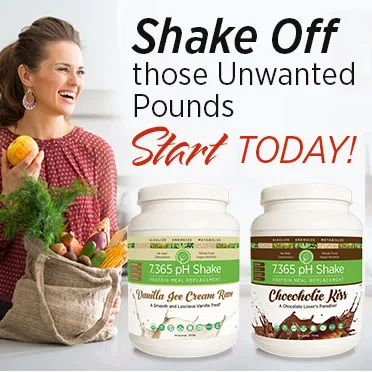
Essante Organics 7.365 pH Shake Vanilla Ice Cream Rave Review
The 7.365 pH Shake Vanilla Ice Cream Rave is a powder dietary supplement from Essante Organics, distributed from Phoenix, AZ, and listed in the NIH Dietary Supplement Label Database as DSLD ID 331456. The product is classified as Botanical with Nutrients and is sold in a 728 gram container with 28 servings. Each 26 gram serving, one scoop mixed in 8 ounces of water, almond milk, or rice milk, provides 105 calories, 16 grams of protein, 3 grams of dietary fiber, 1 gram of sugar, 16 milligrams of calcium, and 100 milligrams of sodium. The label lists a protein blend of 21,000 milligrams including organic pea protein and organic sprouted brown rice protein, a fiber blend of 2,160 milligrams including gum acacia, organic inulin from Jerusalem artichoke, and organic brown flaxseed and alfalfa, plus organic amaranth, millet, and quinoa. Other ingredients are vanilla flavor, stevia leaf extract, guar gum, and xanthan gum. The label describes the shake as a low carb, low glycemic, pH balanced, vegan meal replacement intended to support weight loss or fitness programs, and it states that the protein is intended to help muscles move from a catabolic to an anabolic state. It also refers to branched-chain amino acids for post-workout use, and to omega-6 fatty acids in flaxseed that may support cholecystokinin levels. Marketing claims on the label include no-heat dehydration, alkaline and pH balance, Low Glycemic Index, and a statement that the product is made with organic quinoa and organic flax seed. The label states it is USDA Organic, certified by Oregon Tilth, and carries a Vegan seal. It is labelled gluten free, soy free, free of whey, GMOs, preservatives, artificial ingredients, added sugar, fillers, cholesterol, and gluten. The label also says the product is suitable for adults and children aged four or more and lists a suggested daily use of one scoop. The FDA disclaimer states the statements have not been evaluated by the Food and Drug Administration and that the product is not intended to diagnose, treat, cure or prevent any disease. The page lists the product in the Vegan, Vegetarian, Adult, Organic, Gluten Free, and Dairy Free target groups. No price or customer rating information appears on this page.
We don’t sell supplements. We help you make decisions and get the best price.
Lowest prices
We found no store selling it right now.
Study, Trial or Testing Result Summary
Members OnlyHuman studies
This is a vanilla plant protein shake. Each serving has a 21 gram protein blend of organic pea protein and sprouted brown rice protein, plus a 2.16 gram fiber blend of acacia gum, inulin from Jerusalem artichoke, flaxseed, alfalfa, amaranth, millet and quinoa. It also has small amounts of calcium, iron and phosphorus. The evidence check looked only at those three minerals, which are present in trace amounts, and found no human studies linking them to muscle building at these doses. No study findings were given for the main protein blend, so this summary cannot say how well this shake supports muscle growth. The protein and fiber blends list their total amounts but not how much of each item is inside. No independent reviews were counted. The feedback found comes mostly from company testimonials and sellers, and it centers on weight loss, energy and taste, not muscle gain. Treat the muscle building claim as unproven for this product until its main protein ingredients are reviewed. Animal and cell studies are never counted.
Review Totals and Summary
Members OnlyWhat buyers say
Almost all the feedback I could find comes from the company's own testimonials and distributor or consultant pages. I found no independent review sites with large numbers of reviews, so the feedback is probably skewed toward the positive. Even so, the same themes keep coming up. Customers most often praise weight management. Several describe replacing breakfast or another meal with the shake and feeling supported in losing weight. One testimonial credits it, together with clean eating, exercise and the company's greens and reds powders, with a 50-pound loss. Another says the shake gave their body "a break" after about a month. People also talk about feeling energized and having fewer cravings. That fits the brand's "alkalize, energize, metabolize" pitch. Taste and texture are the other common compliment. Reviewers often call the flavor dessert-like. One happy customer simply announced they had "just got the ice cream flavour." The company's own copy leans heavily on the taste. Buyers also like the clean ingredient list, with no soy, whey, gluten or artificial sweeteners, and the vegan protein. Parents and people with dietary restrictions mention this in particular. The low price per meal comes up as well. Many testimonials describe the shake as one part of a bundle with Super Reds, Earth Greens and Bee Natural tablets. It is hard to tell how much of the reported benefit comes from the shake alone. I found few detailed complaints. The criticisms that can be reasonably inferred are limited. The "pH balancing" and health-cure claims, such as supporting kidney regimens, are not backed by independent evidence. The multi-level-marketing sales model means the praise comes from sellers and may be biased. The product is also sold mainly through distributors, so it is harder to find on mainstream marketplaces. I could not verify any recurring complaints about taste, grittiness or digestion from independent buyers. Pea and rice powders and added inulin commonly cause chalkiness or bloating in other products, so those are things to watch for.
Biohacker Summary
Members Only8 of 10 recommend it
Iron gets the most attention from the panel, and the group is split: three recommend it, four lean neutral or cautious, one warns outright, and one stopped. Those in favor point to low iron hurting energy, muscle, thyroid function and thinking, and say to test levels first and replenish only if low, with menstruating women named as a group to watch. Several prefer iron from red meat or liver over supplements, noting that meat iron absorbs better than plant iron, and one gave it a couple of months to judge. Five panelists warned that too much iron drives inflammation and oxidative stress, linking it to diabetes, heart disease and faster cell aging, and one said low blood counts do not always mean a shortage of iron. One panelist who used it for eleven years found that no form of iron raised his levels and stopped, while another said iron made him less sore in training. Calcium, also a main ingredient, was backed mainly for bone health, with one panelist suggesting 1,000 to 1,200 milligrams a day as calcium carbonate or calcium citrate and others preferring food sources like sardines, and phosphorus came up only briefly as a bone mineral that pairs with calcium.
See all 10 biohackers →Hide the biohackers
Dr. Mark Hyman · Iron · warns
- Says iron isn't the only answer for fatigue and that people shouldn't take iron without testing first. They note the American Society of Hematology raised the ferritin threshold for iron deficiency from 15 to 30, and up to 50 with symptoms or heavy periods.
- States that iron helps red blood cells carry oxygen, and a deficiency can make one feel like they are running on low power mode.
- Mentions iron as an existing biomarker that plays a role in mental health, which Function Health includes in their measurements.
- Notes that a woman patient had very low iron.
- States that they get the whole picture when it comes to iron, looking at ferritin, iron reserves, iron in the blood, iron saturation, and iron binding capacity to spot problems before full-blown anemia.
- Notes that calcium is in bones but is also essential for nerves, muscles, and the heart, and low levels can affect muscle function and heart rhythm.
- States that green leafy vegetables are great sources of calcium.
- Mentions iron as an example of a common nutritional deficiency.
- Notes that many Americans are deficient in iron, which affects mood and brain function.
- Recommends testing Iron as a biomarker before training for fitness.
- States that low iron, specifically a ferritin level less than 45, is a big hidden cause of insomnia, affecting up to half the population.
- Notes that calcium needs are lower than advertised and that stress, soda, and excess sugar can drive calcium loss.
- Mentions that they check iron levels as part of evaluating mental illness biomarkers.
- Does not prescribe calcium supplements at all, teaching people to get it from whole foods instead, because calcium supplements don't work for building bones or preventing fractures, and it's bone quality, not density, that matters.
Dr. Eric Berg · Iron · warns
- Notes that Italian pasta isn't enriched with iron, suggesting that enrichment with iron might be a negative factor.
- Lists phosphorus as an ingredient found in sardines.
- States that one can of sardines contains 382 mg of calcium.
- Warns against iron supplements, suggesting instead to get iron from red meat or liver.
- Dr. Berg states that when nutrients like iron are too low, fatigue and weakness can follow.
- Warns against calcium supplements, citing studies that link them to a higher risk of heart attack, especially in postmenopausal women, and suggests getting calcium from dairy instead.
- Recommends focusing on calcium to support stronger bones if a neck hump is associated with osteoporosis.
- Does not recommend taking iron supplements or cooking in iron skillets because the body has no mechanism of getting rid of iron unless one donates blood or is a menstruating female.
- Mentions calcium as not being the most important mineral.
- Warns against calcium carbonate, calling it limestone and the worst source of calcium, stating it takes 12 steps to be converted in the body and is like eating rocks.
- Identifies iron as the Achilles' heel of cancer, as it is needed for its DNA to replicate.
- Warns that bone loss cannot be fixed with just calcium, as bone is primarily collagen with other essential minerals.
- Mentions that grass-fed liver has heme iron, the most bioavailable form of iron that prevents anemia.
- Dr. Berg warns that too much iron can be damaging to the body and advises focusing on food sources to avoid overconsumption.
Dr. Rhonda Patrick · Iron · warns
- Says heme iron is essential at low levels but at high levels is pro-inflammatory and pro-oxidant, damaging pancreatic beta cells and causing diabetes in animal experiments.
- Mentions that kale delivers calcium, a micronutrient many diets fall short on.
- Recently found out he needed to get on an iron supplement and noticed he gets less sore in his training after taking it.
- Advises that menstruating women should ensure they are getting enough iron.
- Notes additional gaps in calcium.
- Warns that iron is not an innocuous supplement and should not be taken aggressively without proper testing, as it can be complicated and has significant downsides if levels are not understood.
- Reports that alcohol use disorder is associated with a 20-50% greater prevalence of Calcium deficiency.
- Dr. Patrick explains that breast milk is incredibly low in iron, and by six months, infants can develop iron deficiency anemia, so pediatricians recommend introducing iron-rich complementary foods at that time.
- Rhonda discusses Dr. Lithgow's work on how excess dietary iron affects protein homeostasis in worms, noting that increased iron levels in the diet accelerated aging and the accumulation of insoluble proteins.
- Around 38% doesn't meet the requirement for calcium.
- Takes a calcium-magnesium pill because he believes people tend to be short of both and that the body cares about the ratio of these similar molecules.
- Dr. Patrick takes some iron during menstruation.
- Increased iron levels in the brain worsen cognitive test performance by as much as 10% in older adults, a phenomenon linked to brain atrophy and decline in memory and attention.
- Iron plays a central role in health across the lifespan. It forms the core of hemoglobin, the molecule in red blood cells...
Thomas DeLauer · Iron · recommends
- Recommends giving any iron intervention a couple of months before deciding if it works, and suggests increasing heme iron through red meat or liver intake.
- Compares iron content in spinach (2.7mg) and beef (2.6mg), but emphasizes that beef's heme iron absorbs at about 25%, while spinach's non-heme iron absorbs at 2-8%.
- Notes that milk contains 120mg of calcium, while sardines contain 351mg, highlighting a 3x difference.
- Recommends iron from meat, specifically red meat and beef liver, stating that it is a crucial part of the mechanistic triad for thyroid hormone function and is iron-dependent for iodine incorporation into thyroid hormone.
- Recommends getting calcium, along with vitamin D, zinc, and magnesium, from foods like sardines, as they are important for inflammatory pathways in the gut.
- Explains that eating sardines with their soft bones provides a serious hit of calcium, which is a perfect combination for bones and may contribute to satiety.
- Mentions that magnesium and calcium should not be taken together as they cancel each other out.
- Tries to get multivitamins without calcium or with a low amount, as he believes supplemental calcium impacts the absorption of other vitamins and minerals and is not as beneficial as hyped. He cautions against it for most people due to the risk of coronary artery calcification.
- Recommends getting calcium from dairy sources like milk, yogurt, kefir, and cheese in the morning to support neurotransmitter synchronization crucial for deep and REM sleep, noting that low dietary calcium is linked to insomnia.
- Notes that iron is essential for delivering oxygen to muscles and the brain, making it an important cofactor for signals to reach their targets.
- Recommends assessing iron along with selenium and iodine for optimal thyroid function, suggesting red meat as a source of iron.
- Recommends getting heme iron from real food sources like organ meats, red meats, or pumpkin seeds, and warns against iron supplements due to potential oxidation and issues with copper levels.
- Warns that calcium competes with magnesium for the same absorption channels, advising to separate magnesium intake from calcium supplements or dairy by at least an hour or two.
- Recommends providing the body with adequate dietary calcium, not a calcium supplement, to ensure a clean, strong spark for efficient insulin release.
Siim Land · Iron · neutral
- Mentions that iron is a mineral necessary for making collagen.
- Lists dairy and sardines as sources of Calcium.
- States that excess iron promotes oxidative stress and inflammation, which increases heart disease risk.
- Notes that Boron reduces calcium/magnesium loss.
- Notes that iron deficiency is found in children with premature graying of hair and that some people get gray hair due to iron deficiency.
- Recommends a high calcium intake for bone health.
- Recommends ensuring sufficient iron intake, especially during pregnancy and early life, to prevent mental developmental and cognitive issues.
- States his iron level is 103 micrograms per deciliter, which he considers a good result, and advises that men should aim for lower iron levels to reduce the risk of heart disease and aging.
- Places iron in the 'junk tier', warning that high iron levels are associated with heart disease, mortality, and liver disease, and advises caution with supplementation, especially for men with high iron.
- Places calcium supplementation in the 'bad tier' due to its association with increased cardiovascular events, recommending dairy or bones as easier ways to get calcium, though it can be useful for postmenopausal women with low bone density.
- Warns that high iron levels are associated with increased risk of mortality and reduced lifespan, and that iron in excess is bad for maximum longevity. He states that iron levels slightly on the lower end, around 60 to 90 micrograms per deciliter, are associated with the lowest mortality risk, and that iron below 45 and above 145 micrograms per deciliter is associated with increased risk of mortality.
- Mentions that eating enough calcium matters for bone density, but states that it alone won't transform bone density.
- Warns that very high iron levels can cause damage to the endothelium and increase the risk of heart disease, especially in men who accumulate iron more easily.
- Warns that too much iron can damage blood vessels, though people with low iron status are safe.
Andrew Huberman · Iron · recommends
- States that Iron is one of the critical nutrients with the best evidence for cognitive function and reducing the risk of dementia.
- Warns that excess iron will increase the number of senescent cells in the body, which accumulate as people get older and cause inflammation and cancer. He notes that people who are healthy and have a fairly vegetarian diet often have slightly low iron levels but super amounts of energy.
- Notes that about 50% of the population is iron deficient.
- Mentions that the podcast will review the role of iron in treating depression.
- States that B12, folate, and iron are essential to mitochondrial function and if deficient, mitochondria will not function properly, which is consistent with the mitochondrial theory of neuropsychiatric disorders.
- Advises women concerned with low ferritin to take an iron supplement every other day for 10 days, starting on the first day of their bleed, to maximize absorption.
- Discusses the role of iron in hair growth.
- Discusses "hard water" and the role of magnesium and calcium in cardiovascular health.
- Warns that excess iron, especially as a supplement, can accelerate the aging process by increasing senescent cells in the body.
- Agrees with Mark Hyman that iron is a basic supplement, but warns older men against taking too much due to iron toxicity, while menstruating women need more.
- Recommends that women concerned with low ferritin take an iron supplement every other day, starting at the first day of their bleed, for ten days, to allow for better absorption.
- Adequate intake of calcium is vital for bone health.
Ben Greenfield · Iron · recommends
- Recommends testing for and replenishing iron if levels are low, as it can affect the ability to maintain or preserve muscle, especially for those on GLP-1s.
- Notes that one can eat iron-rich foods or supplement with iron, but still feel exhausted if iron is not the missing piece, emphasizing that focusing on a single mineral in isolation can support a number on a lab test rather than the system itself.
- Is considering whether he needs a calcium supplement because lead can displace calcium in bones, affecting bone strength.
- Mentions iron as a common deficiency.
- Mentions calcium as a common deficiency.
- Recommends a nutritious diet including iron, as it is critical for brain development.
- Recommends adequate intake of calcium for bone strength.
- Is using calcium chloride mixed with PRP before injecting for the P-shot.
- Notes that the guidelines mention iron supplementation for infancy and early childhood.
- Started thinking about getting more heme-based iron in his diet after a podcast about reasons people feel fatigue.
- Warns that modern society has flipped the narrative on iron intake, leading people to consume excessive amounts (20-50 mg) through an iron-fortified diet, which the body cannot assimilate, leading to storage in tissues and disrupting iron physiology, contributing to aging.
- Advises people to stop taking calcium supplements as part of the Root Cause Protocol.
- Warns that in high doses, calcium without the right cofactors can raise cardiovascular risk by contributing to arterial calcification instead of bone strength, and may increase the risk of osteoporosis.
- Notes that some people need to supplement with iron, recommending iron biscinate as a form that doesn't irritate the gut.
Bryan Johnson · Iron · stopped
- Has had low iron for 11 years and despite eating meat and trying all forms of iron supplementation at different times and sequences, none of it worked to raise his iron or ferritin levels.
- Had low iron for 11 years, with ferritin averaging 38 ng/mL, and has finally boosted it back to healthy levels.
- Recommends phosphorus as a mineral that, along with calcium, magnesium, and boron, is deposited to fortify the bone structure.
- Recommends calcium as a mineral that, along with phosphorus, magnesium, and boron, is deposited to fortify the bone structure after the collagen scaffold is in place.
- Agrees that a little extra calcium is probably okay, especially for women, to really hit home for bone mineral density.
- Takes 10 milligrams of heme iron to get his iron levels up, as they are borderline.
- Recommends adequate Iron for hair health, noting it is in the Blueprint stack.
- Recommends supplementing with iron for brain health for both the mother and the baby during pregnancy.
- Calcium is described as a mineral that deposits into the collagen scaffolding to harden and strengthen bone. Food sources and supplementation are recommended.
- Bryan Johnson uses Calcium, an essential mineral that supports healthy bones and teeth.
- Recommends calcium at 1,200 mg daily for women during the follicular phase, depending on dietary intake.
- Recommends prioritizing calcium intake for postmenopausal women to help maintain bone density and reduce the risk of osteoporosis.
Dave Asprey · Iron · warns
- Warns that if a doctor diagnoses anemia, one should not assume they just need more iron, as low hemoglobin doesn't always mean low iron and the issue can sometimes be how well the body is using iron.
- Notes that when energy intake is too low for training demand, nutrient intake often falls short, especially for iron, which is associated with impaired recovery.
- Notes that when energy intake is too low for training demand, nutrient intake often falls short, especially for calcium, which is associated with reduced bone health.
- Explains that calcium provides the raw material for bones, but it isn't a standalone input and needs a whole system to be effective.
- Notes that people take calcium for their bones.
- Warns that taking calcium without vitamin D, A, and K2 can lead to calcium going into tissues, causing bone spurs and other issues, and recommends a two-to-one ratio of calcium to magnesium.
- Recommends ensuring iron levels are good as it is a cofactor that can help thyroid function, especially with conversion issues.
- Recommends taking calcium citrate during a high oxalate meal to bind the oxalate in the gut.
- Notes that people often take calcium for bone health.
- Egg yolks, particularly raw egg yolks, fatty cuts of meat, choline sources like that, making sure there's enough iron and a lot of the micro minerals, trace minerals, things like that. Those would be really important for bone marrow because mineral deficiencies are going to block that at the start.
- Believes calcium supplements are overrated, as most people need more vitamin K2 and vitamin D instead.
- Warns that both too much and not enough iron can trash the body, highlighting the complex interactions between iron and copper.
- States that iron really helps in maintaining hair growth.
- States that many vegans don't get enough iron, which slows metabolism and makes it harder to build muscle.
Peter Attia · Calcium · recommends
- Recommends calcium as one of the 'big three' micronutrients for bone health, suggesting a daily intake of 1,000 to 1,200 milligrams, which can be supplemented with calcium carbonate or calcium citrate.
- Explains that bone is 50 to 70% mineral, predominantly calcium, and that virtually all of the body's calcium is contained within bone, making bone important for calcium homeostasis.
- Recommends iron supplements for women of reproductive age who are iron deficient.
- Recommends calcium for bone health, stating that teenagers probably need about 1000 milligrams a day.
- Discusses bone acting as a reservoir for calcium and how resorption and formation release calcium into the blood when needed.
- Notes that deficiencies in certain vitamins and minerals, such as iron, can be a cause of hair loss in women.
- Delves into the crucial yet often overlooked topic of iron and iron deficiency.
- Explains that humans consume about 10 to 20 milligrams of iron per day, absorbing roughly 10% of that, which is 1 to 2 milligrams per day, perfectly offsetting the 1 to 2 milligrams lost daily.
- Peter emphasizes the importance of consuming an adequate amount of iron daily to prevent deficiency.
- Notes that bone is 50 to 70 percent mineral, with calcium being the predominant mineral, and virtually all of the body's calcium is contained within bone.
- Recommends getting about a gram of calcium a day from organic bone meal, which provides calcium hydroxyapatite, the form humans are meant to consume.
- Speculates that lower iron levels in women due to their menstrual cycle may offer a protective benefit against heart disease, citing data that metabolically deranged men benefit from therapeutic phlebotomy.
- Suggests that calcium is one of the other signals involved in regulating mitochondrial number, beyond AMPK activation.
- States that in postmenopausal women not on estrogen, calcium and vitamin D have no protective effect against hip fracture because the problem is not the shell of the bone, which is fed by calcium and vitamin D, but the internal girder network.
RAL Summary
Members OnlyTier 4 for Muscle and Strength
Promising, but human evidence is thin and there are 0 reviews. The final check notes: The grade was built only on the trace minerals (calcium, iron, phosphorus) rather than on the 21 gram pea and brown rice protein blend that is the product's main ingredient, and the record wrongly lists this drinkable shake as applied to the skin.
- Emerging: not enough evidence to rank higher yet.
- No human studies on this goal for its ingredients.
More Details
Members OnlyBody systems · Combine with · Possible side effects
Body systems: Muscular system, Digestive system
Combine with: For blood pressure support, pair this shake with ingredients that have clinical evidence, after consulting a healthcare provider, especially if you take meds. Magnesium (glycinate or citrate, 200-400 mg) helps relax vascular smooth muscle. Potassium from food, such as leafy greens, bananas, and avocado, helps offset sodium. CoQ10 (100-200 mg), omega-3 fish oil (EPA/DHA 1-2 g), and aged garlic extract have modest blood-pressure-lowering evidence. Beet root or nitrate-rich powder supports nitric oxide and vasodilation, and hibiscus extract may also help. If you are using the shake for muscle or nutrition goals, creatine, vitamin D3, and a greens or fiber blend are good additions. Because coconut sugar adds sugar, choose a low-sugar option if you are also managing blood sugar or weight.
Possible side effects: No major side effects reported. The review summary notes that pea and rice protein and added inulin can cause chalkiness or bloating in similar products, but no reviews of this product confirm it.
Supplement Facts
Total Carbohydrates 6 g · Calcium 16 mg · Iron 1.4 mg
| Calories | 105 | |
| Total Fat | 1 g | |
| Total Carbohydrates | 6 g | |
| Protein | 16 g | |
| Calcium | 16 mg | |
| Iron | 1.4 mg | |
| Phosphorus | 42 mg | |
| Sodium | 100 mg | |
| Protein Blend | 21,000 mg | |
| Fiber Blend | 2,160 mg | † |
Other ingredients: Vanilla Flavor, Stevia Leaf Extract, Guar Gum, Xanthan Gum.
Directions: Use it as a low carb, low glycemic, pH balanced, vegan meal replacement to facilitate weight loss or add it to your fitness program to maintain physical excellence. Enjoy perfect pH balance: 7.365, 7 days a week, 365 days a year! Directions: Add 1 scoop in 8 ounces (1 cup) of water, almond milk, or rice milk. Blend or shake well.
Label source: NIH label database · Report a label change
Show entire label
More muscle and strength products
Members OnlyThe highest ranked for the same goal
Read more
Our articles on this subject
- Collagen vs Protein Powder: What the Human Studies ShowArticle · Nov 21, 2026
- Peter Attia's Supplement List: What He Takes and What the Trials SayArticle · Sep 20, 2026
Graded November 23, 2026 by the Reverse Age Lab evidence engine, from human studies, real reviews and our biohacker panel. How we grade. Is this medical advice? No. Rala organizes the published evidence; go over any change with your doctor, especially if you take meds.
Privacy policyConsumer health dataAffiliate disclosureTermsBrand and legal noticesDo Not Sell or Share My Personal InformationCookie settings