
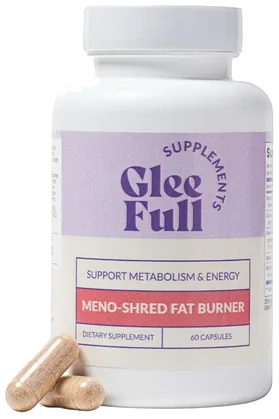
GleeFull Supplements Meno-Shred Fat Burner Review
We don’t sell supplements. We help you make decisions and get the best price.
Lowest prices
We hold no current store prices for it yet: check the store.
- AmazonPrice at AmazonCheck price at Amazon (opens in a new tab)
Some store links earn us a commission.
Study, Trial or Testing Result Summary
Members Only21 human studies · 13 improved
Cissus quadrangularis reaches the studied dose when taken as directed. A review of nine trials with 1108 people found it helped bone pain and fracture healing, though the evidence was low quality, with no serious side effects [1]. In 134 women after menopause with low bone density, Cissus for 24 weeks did not change bone density but lowered bone turnover markers, suggesting slower bone loss [2], and a 60-woman study found the same [3]. A 2025 review found no change in blood calcium, phosphorus or a bone enzyme, with very low certainty [4]. Small jaw studies reported better fracture healing [5] and faster bone formation [6]. Green tea extract also reaches the studied dose when taken as directed. A six-month trial in 171 women after menopause raised a bone-building marker but not a bone breakdown marker [7]. A longer twelve-month trial in 121 women found no change in bone density [8]. Surveys link drinking green tea to lower odds of thin bones, but they cannot show cause and effect [9][10][11]. Garcinia, apple cider vinegar and African mango have no human bone studies. Animal and cell studies are never counted.
See all 21 studies →Hide the studies
- Across nine randomized trials with 1108 patients, Cissus helped with bone pain and bone fractures (low quality evidence), but not hemorrhoids, and no serious side effects were reported.Efficacy and Safety of Cissus quadrangularis L. in Clinical Use: A Systematic Review and Meta-analysis of Randomized Con…
- Across seven randomized trials with 354 people, Cissus raised parathyroid hormone but did not change calcium, phosphorus or alkaline phosphatase, and the certainty of evidence was very low.The effects of Cissus quadrangularis on bone-related biomarkers in humans: a systematic review and meta-analysis.
- In 171 postmenopausal women with low bone density, 500 mg a day of green tea polyphenols for 6 months raised a bone formation marker and improved muscle strength, but did not change a bone breakdown marker or calcium levels.Effect of green tea and Tai Chi on bone health in postmenopausal osteopenic women: a 6-month randomized placebo-controll…
- In 171 postmenopausal women with low bone density, 500 mg a day of green tea polyphenols for 6 months lowered a urinary marker of oxidative DNA damage compared with placebo.Mitigation of oxidative damage by green tea polyphenols and Tai Chi exercise in postmenopausal women with osteopenia.
- In 134 postmenopausal women with low bone density, 1.2 or 1.6 grams a day for 24 weeks did not change bone density versus placebo but reduced bone turnover markers, suggesting slower bone loss.The effect of Cissus quadrangularis L. on delaying bone loss in postmenopausal women with osteopenia: A randomized place…
- In 121 overweight or obese postmenopausal women, a decaffeinated green tea extract with 843 mg of EGCG daily for 12 months did not change bone mineral density compared with placebo.Long-Term Supplementation of Green Tea Extract Does Not Modify Adiposity or Bone Mineral Density in a Randomized Trial o…
- In 24 people with jaw fractures, a Cissus quadrangularis and Dalbergia sissoo tablet for 4 weeks gave early pain relief that was not statistically significant, and radiographic healing did not differ from control by 12 weeks.Comparison of Teriparatide and Combination of Cissus Quadrangularis and Dalbergia Sissoo on Bone Healing Against the Con…
- In 20 patients with gum bone defects, adding Cissus to a bone graft gave a trend toward more bone fill (3.3 vs 2.7 mm) but no significant difference over 6 months.Modulatory effects of Cissus quadrangularis on periodontal regeneration by bovine-derived hydroxyapatite in intrabony de…
- In 20 patients having jaw ridge bone distraction, Cissus gave faster bone formation and higher bone density with less bone loss than placebo.Evaluation of osteogenic potential of Cissus quadrangularis on mandibular alveolar ridge distraction.
- In 20 people having both lower wisdom teeth removed, a green tea and hyaluronic acid gel applied to one side improved bone density on X-rays after 90 days compared with placebo gel on the other side.Green tea and hyaluronic acid gel enhance fibroblast activation and improves the gingival healing post-third molar extra…
- In 60 young adults with jaw fractures, those taking Cissus capsules showed better fracture healing on clinical and X-ray assessment than controls.Osteogenic potential of cissus qudrangularis assessed with osteopontin expression.
- In 20 people with gum disease and bone loss, Cissus quadrangularis placed in bone defects over 6 months did not stand out, while hydroxyapatite and oxidized cellulose membrane gave better pocket reduction and attachment gain.Biomaterials in periodontal osseous defects.
- In a pilot study of 9 jaw fracture patients, taking 500 mg three times daily for 6 weeks after surgery reduced pain, swelling, and fragment movement and seemed to speed healing compared with no supplement.Clinical evaluation of Cissus quadrangularis as osteogenic agent in maxillofacial fracture: A pilot study.
- In a trial of jaw fracture patients, Cissus quadrangularis, Moringa, and Osteoseal reduced pain and swelling and raised serum calcium and phosphorus, while the placebo group saw calcium and phosphorus fall; the sample size was not stated.Clinical evaluation of cissus quadrangularis and moringa oleifera and osteoseal as osteogenic agents in mandibular fract…
- In 50 adults with wrist fractures, adding the CL16019 herbal blend to standard care for 60 days produced better fracture healing scores, less pain, and better wrist function.CL16019, A Combination of Cissus quadrangularis and Boswellia serrata Extracts Promotes the Healing of Distal Radius Fra…
- In 12 people with osteoporosis treated with an Ayurvedic enema plus Cissus quadrangularis capsules, the authors described the results as very encouraging, but no numbers or control group were reported.Effect of Majja Basti (therapeutic enema) and Asthi Shrinkhala (Cissus quadrangularis) in the management of Osteoporosis…
- In a cross-sectional study of 8,490 adults in China, those who drank green tea at least 3 days a week had lower odds of low bone density (osteopenia or osteoporosis) than non-tea drinkers, though the study cannot show cause and effect.Association between varying fermentation levels of tea and bone health in a community-based population.
- In a cross-sectional study of 695 elderly people in Tianjin, drinking green tea was independently linked to lower odds of osteoporosis, though the study cannot show cause and effect.Associated Factors for Osteoporosis and Fracture in Chinese Elderly.
- In a nationwide Korean survey of postmenopausal women, those who drank green tea once a day or more had lower odds of osteopenia in the spine or femur than non-drinkers or light drinkers.Relationship between Regular Green Tea Intake and Osteoporosis in Korean Postmenopausal Women: A Nationwide Study.
- In 120 older adults with rheumatoid arthritis, green tea for 6 months improved disease activity and inflammation and raised bone metabolism markers, but no bone density outcome was reported and the dose was not stated.Green tea and exercise interventions as nondrug remedies in geriatric patients with rheumatoid arthritis.
- In 60 postmenopausal women with low bone density, Cissus for 24 weeks did not change bone density but reduced bone remodeling markers.The Study to Assess the Effectiveness of Cissus Quadrangularis among Postmenopausal Women with Osteopenia.
Review Totals and Summary
Members Only2,700 reviews · 95% positive
Extensive customer reviews and qualitative feedback are currently being aggregated for this product. Check back soon for a detailed sentiment analysis.
Biohacker Summary
Members Only9 of 10 recommend it
Green tea is the main ingredient, and the panel leans toward using it more than praising it: four of the ten use it or drink it regularly, one recommends it, one gives a warning, and the rest are neutral. Those who take it do so for focus and calm energy, for fat loss, and for its EGCG, with one drinking about two cups a day, one taking a couple of capsules in the morning, and one sipping it in the morning or pairing matcha with MCT oil. One panelist adds citrus to help the catechins survive digestion, another rotates it with coffee, and one says an animal study found it did not extend lifespan. The cautions are that very high doses of EGCG or green tea extract could harm the liver, that green tea contains oxalates, and that it may deplete folic acid and may not suit pregnancy. Apple cider vinegar is a smaller ingredient in this product, and most of the panel take it with meals for blood sugar control.
See all 10 biohackers →Hide the biohackers
Dr. Eric Berg · Green Tea · neutral
- Lists green tea as something that can help with balding, which is a sign of high DHT.
- Recommends taking one to two tablespoons of apple cider vinegar before each meal, mixed in a large glass of water and drunk through a straw, starting with one tablespoon. He says its acetic acid helps blunt blood sugar and insulin spikes after eating, which can help with weight loss, though it won't fix everything.
- Recommends drinking a teaspoon of apple cider vinegar in water right after dinner, through a straw, to keep blood sugar even overnight.
- Notes that acetic acid, the main compound in apple cider vinegar, can be used by the body as an alternative cellular fuel source to generate energy, which can help calm the body and support restorative sleep when taken before bed.
- Recommends apple cider vinegar for bloating, acid reflux, and indigestion.
- Recommends adding a tablespoon of apple cider vinegar in 8 oz of water and drinking it through a straw 30 minutes before eating.
- Suggests pairing green tea with lemon for better absorption.
- Dr. Eric Berg recommends mixing 1 tablespoon of apple cider vinegar with a little water and drinking it every single day for the benefit of the digestive system, blood sugar, and microbiome.
- Recommends adding one tablespoon of apple cider vinegar to the mixture for added benefits.
- Recommends adding one tablespoon of apple cider vinegar to water daily to help stabilize blood sugar, reduce appetite, and slow the breakdown of carbohydrates into glucose.
- Mentions adding two tablespoons of apple cider vinegar to bone broth to help break down minerals from the bones.
- Suggests incorporating anti-cancer foods like green tea to help prevent pancreatic cancer.
- Recommends taking one tablespoon of apple cider vinegar mixed in a glass of water before bed to help stabilize blood sugar and prevent fluctuations that can cause night sweats.
- Recommends replacing coffee with green tea.
Dr. Rhonda Patrick · Green Tea · neutral
- Mentions green tea as a source of EGCG.
- Adds a little bit of Bragg's apple cider vinegar to their homemade avocado dressing.
- Rhonda's current diet includes apple cider vinegar mixed into her homemade salad dressing.
- Recommends apple cider vinegar as an underrated tool for blood glucose control, stating that 1-2 tablespoons a day can lower fasting blood glucose and reduce HbA1c, especially when taken before meals.
- Loves apple cider vinegar, noting that its acetic acid reduces hepatic gluconeogenesis to control glucose and stimulates AMPK to move GLUT4, similar to exercise, albeit to a more modest degree. He recommends taking a couple tablespoons before a starchy meal.
- Uses apple cider vinegar plus soap to kill bacteria on broccoli seeds before sprouting.
- Dr. Patrick mentions that catechins and polyphenols are found in things like green tea, dark chocolate, turmeric, blueberries, and other purple pigmented fruits and vegetables, as well as red wine.
- Notes that catechins in green tea have antioxidant, anti-inflammatory, and anticarcinogenic properties, and their bioavailability can be increased by adding vitamin C.
- Notes that a "green" calorie-restricted Mediterranean diet was enriched with polyphenols from green tea and mankai, and greater intake of polyphenol-rich foods like mankai and green tea further enhanced benefits for brain health.
- Mentions plant polyphenols found in green tea as beneficial hormetic stressors that activate the body's stress response mechanisms.
- Notes that green tea, containing EGCG, activates FOXO3, which combats cellular aging.
- Dr. Bikman loves apple cider vinegar and recommends taking a couple tablespoons before a starchy meal to reduce hepatic gluconeogenesis and stimulate AMPK, which helps control blood glucose.
Thomas DeLauer · Green Tea · uses
- Or, I'll just go to something much lower caffeine. Like, I'll sip on green tea. I put a link down below for Peak Matcha. So, Peak Tea is really good quality tea.
- Now rotates green tea with coffee, having green tea for two days, then coffee for two days, to maintain energy and benefit from different antioxidant profiles. He previously focused too much on green tea and neglected coffee.
- Combines MCT oil with matcha green tea in a cognitive cocktail, finding that green tea provides more mental benefits than coffee for focus and calm energy.
- Recommends apple cider vinegar for its potential to lower glucose and improve insulin resistance, suggesting it could be combined with avocado for a double benefit.
- Explains that green tea's catechin benefits often diminish in the intestines, with less than 20% surviving digestion, but adding citrus can reclaim these benefits by about 5x.
- Recommends adding citrus, specifically lemon, to green tea to reclaim the benefits of catechins, as it can leave 80% of them intact.
- Takes a tablespoon or two of apple cider vinegar in the morning, noting its benefits for insulin resistance and how it can be stacked with lemon juice.
- Recommends sipping green tea while walking fasted in the morning to help extend the fat oxidation window.
- Recommends apple cider vinegar, diluted in water, to be taken with or immediately before/after a meal to control blood glucose, as it slows gastric emptying and inhibits sugar-breaking enzymes.
- Recommends one to three small cups of green tea, ideally in the morning, as consistent consumption over two to three weeks increases BDNF due to EGCG.
- Has been taking 1 Tbsp of apple cider vinegar during a fast for years, and now plans to increase the dose to 2 Tbsp due to new research showing it activates energy sensors in the liver, leading to more fat oxidation and thermogenesis.
- Recommends switching to a good quality green tea first thing in the morning because it is lower in caffeine and contains theanine, which has a cortisol-blunting effect, balancing out the stimulation.
- Recommends green tea, mentioning its EGCG content.
- Would want green tea for its EGCG, which is a good antioxidant, especially for managing stress.
Siim Land · Green Tea · recommends
- States that green tea is very effective for visceral fat loss due to its polyphenol content.
- Personally drinks 2 cups of green tea a day and made it one of the small changes while reducing his visceral fat.
- Mentions that green tea's EGCG has stimulated autophagy in cultured liver cells and mouse experiments by increasing AMPK.
- Consumed more polyphenol-rich foods, including green tea, to reduce visceral fat.
- Mentions that he drank green tea, which targets visceral fat, as one of the things he did to reduce visceral fat.
- Drinks 1-3 cups of green tea a day, noting that there are multiple lines of evidence suggesting it improves various health markers and may have longevity benefits.
- States that green tea is one of the healthiest beverages in the world, improving cardiovascular disease risk factors, heart health, metabolic health markers, targeting all hallmarks of aging, reducing visceral fat, and being associated with lower mortality.
- When dropping his visceral fat, Siim Land drank around one to three cups of green tea per day, usually in the morning and before exercise, and believes it contributed to visceral fat loss.
- Drank 2–3 cups of green tea per day to reduce visceral fat.
- Reduced visceral fat by adding 2 cups of green tea per day.
- He takes 1 tablespoon of apple cider vinegar with meals for blood sugar control.
- Warns that apple cider vinegar is high in histamine and can contribute to histamine overload when consumed in the morning, potentially making one feel worse.
- States that apple cider vinegar is a good salad dressing and has benefits for glycemic response and post-prandial lipids.
- Uses raw apple cider vinegar containing acetic acid as an ingredient in Novos Vital for organ health.
Dr. Mark Hyman · Green Tea · neutral
- Mentions that EGCG from green tea activates thermogenesis, contributing to calorie burning.
- States he was using green tea to stimulate the NRF2 pathway and open up detox.
- Takes apple cider vinegar with meals for blood sugar control.
- Includes 1/2 teaspoon apple cider vinegar in a bread recipe.
- Mentions that green tea has super beneficial effects on Akkermansia muciniphila, a keystone species that protects the gut lining, prevents leaky gut, reduces inflammation, and helps metabolic health.
- Lists green tea extract as a phytochemical that helps mitochondrial function.
- Was given green tea as part of a program to rehab his gut and rebuild bacteria.
- Mentions green tea extract as another NRF2 activator.
- Recommends green tea as a source of catechins, which have been shown to reduce the incidence of influenza and common cold symptoms.
- Mentions that green tea can modify the expression of genes, which in turn affects stress response and mental health.
- Recommends green tea to help lower high uric acid levels.
- Takes Green tea as part of his supplement regimen.
- States that their favorite type of vinegar to use for reducing glucose spikes before meals is apple cider vinegar, taking 1 tablespoon diluted in water.
- States she loves apple cider vinegar.
Andrew Huberman · Green Tea · uses
- Drinks green tea and believes it has very positive cognitive benefits in terms of focus.
- Uses Athletic Greens AG1 in the morning for gut health.
- Takes apple cider vinegar with meals to help with blood glucose.
- Takes a couple of green tea capsules in the morning.
- Includes green tea in his diet because its EGCG compound has been shown to stimulate GLP-1.
- Says he takes Athletic Greens AG1 every morning to cover his foundational nutritional needs.
- Has been taking Athletic Greens, now called AG1, since 2012, once or twice a day, for the probiotics it provides for gut health.
- Mentions green tea extract as one of many herbal compounds that people claim can increase hair growth, but notes a lack of robust clinical studies.
- Has been taking Athletic Greens since 2012 and still takes it once or twice a day for probiotics and gut health.
- Recommends Cissus Quadrangularis as a serotonin supplement.
- Thanks Athletic Greens AG1 for sponsoring the episode.
- Explains that apple cider vinegar, or any acidic substance like lemon or lime juice, is well-known to lower blood glucose slightly by altering the absorption of foods in the gut.
- Huberman has been taking Athletic Greens AG1 once or twice a day since 2012 because it covers all his nutritional bases, including probiotics important for the gut-brain axis.
Dave Asprey · Green Tea · warns
- Warns that very high doses of EGCG or green tea extract could cause harm to the liver.
- Recommends apple cider vinegar as part of his 'Keto Cam cocktail' to prevent keto flu.
- Mentions green tea as a source of EGCG but notes it also contains oxalates.
- Warns that green tea depletes folic acid and may not be advisable during pregnancy, or at least should be taken with folic acid.
- Mentions that green tea contains oxalate, though it is lower than black tea and matcha.
- Dave explains that a weight-loss study on Apple Cider Vinegar was retracted, indicating it will not melt fat. He advises against taking shots of it to protect teeth, though it may blunt glucose spikes or ease digestion when diluted in water before carb-heavy meals.
- Warns that green tea is full of oxalate, which clogs kidneys and is a major cause of kidney stones, and also blocks the ability to use folic acid or folate.
- Considers apple cider vinegar gummies to be the most overhyped supplement stack in the biohacking world.
- Notes that green tea contains L-Theanine, but a standard cup only has 20 to 30 mg, which is not enough to feel its true effects.
- Warns that drinking green tea will not lower SHBG, only a pill of EGCG, a rare extract of green tea, will.
- Mentions apple cider vinegar as surprisingly effective for metabolism, though he was focusing on non-dietary hacks.
- Combines green tea with puer tea and blends it with Kerrygold and a small amount of coconut oil or caprylic acid to magnify the effects of the tea, especially when traveling.
- Mentions that green tea extract EGCG will lower SHBG to a certain extent.
- Mentions a polyphenol product from Pendulum, specifically designed as a booster for the Akkermansia strain, containing extracts from pomegranates, green tea, and grape seeds.
Ben Greenfield · Green Tea · uses
- Drinks green tea in the morning as part of her quiet time.
- Uses apple cider vinegar if she eats too late, finding that it helps her sleep like a champ by preventing her blood sugar from going too high.
- States that Nuchido Time Plus includes green tea extract for its high level of EGCG, which inhibits the methylating enzyme NNMT, ensuring nicotinamide is recycled rather than excreted.
- Suggests that one could do a carnivore diet and still have a cup of green tea in the morning to introduce hormetic stressors.
- Now uses apple cider vinegar as a natural strategy instead of a med and as a natural insulin-sensitizer.
- Describes Bubs Naturals' apple cider vinegar gummies as amazing for quelling appetite at night, healthy digestion, and blood sugar management.
- Recommends green tea as part of a morning fat loss strategy to increase fatty acid oxidation when consumed in a fasted state.
- States that healing leaves taste like black tea or green tea.
- Includes green tea extract in their Lumat blue product along with methylene blue, phycocyanin, riboflavin, lutein, and quercetin.
- Mentions apple cider vinegar as a 'blood glucose disposal agent' that acts differently from meds, by triggering the cell surface receptor to allow glucose uptake into muscle, and also theorizes it impacts the gut microbiome.
- Recommends a shot of apple cider vinegar before a meal to lower blood glucose if one doesn't want to supplement.
- Julie Gibson Clark drinks green tea in the morning as part of her quiet time.
- Ben Greenfield uses apple cider vinegar as a blood glucose disposal agent prior to dinner to help his body take up glucose more efficiently.
- Sometimes amps up the clay mask with apple cider vinegar instead of a water-mix solution for an invigorating, but glow-enhancing burn.
Bryan Johnson · Green Tea · uses
- Takes Athletic Greens AG1 in the morning for gut health.
- Adds 1 tablespoon of apple cider vinegar to his Super Veggie for blood sugar and taste.
- Includes apple cider vinegar in his Super Veggie meal, which he eats at 7 AM.
- Uses apple cider vinegar in his Super Veggies.
Peter Attia · Green Tea · neutral
- Explains that green tea extract was tested due to popular reputation and traditional medicine claims, but it did not extend the lifespan of animals in their studies.
RAL Summary
Members OnlyTier 3 for Bone Health
Green tea extract's bone results disagree: one six-month trial raised a bone-building marker, but a longer twelve-month trial found no change in bone density. Cissus has low-quality support for fracture healing and slower bone turnover but no change in bone density, so with strongly positive reviews this is some study support rather than a clear improvement. So it is graded Tier 3, lower than the rules alone gave.
Take 4 servings a day (8 capsules) to match the dose that worked in the studies.
Where the evidence disagrees: 3 of the 21 human studies found no effect.
More Details
Members OnlyBody systems · Combine with · Possible side effects
Body systems: Skeletal system, Endocrine system, Digestive system
Combine with: Combine with a healthy diet and lifestyle.
Possible side effects: No serious side effects were reported with Cissus in a review of nine trials. No other side effects were reported in the studies or reviews given.
Supplement Facts
Garcinia cambogia Fruit Extract 600 mg · Cissus quadrangularis Stem Extract 300 mg · Green Tea Leaf Extract 270 mg
| Garcinia cambogia Fruit Extract | 600 mg | † |
| Cissus quadrangularis Stem Extract | 300 mg | † |
| Green Tea Leaf Extract | 270 mg | † |
| Apple Cider Vinegar, Powder | 250 mg | † |
| African Mango Seed Extract | 100 mg | † |
Other ingredients: Hypromellose, Brown Rice Flour, Olive Oil.
Directions: Suggested use: As a dietary supplement, adults take two (2) capsules daily. For best results, take with 6-8 oz of water or as directed by a healthcare professional. Store in a cool, dry place.
Label source: NIH label database · Report a label change
Show entire label
More bone health products
Members OnlyThe highest ranked for the same goal
Read more
Our articles on this subject
- Fat Loss Supplements: What the Human Trials ShowArticle · Nov 21, 2026
- Peter Attia's Supplement List: What He Takes and What the Trials SayArticle · Sep 20, 2026
Graded November 28, 2026 by the Reverse Age Lab evidence engine, from human studies, real reviews and our biohacker panel. How we grade. Is this medical advice? No. Rala organizes the published evidence; go over any change with your doctor, especially if you take meds.
Privacy policyConsumer health dataAffiliate disclosureTermsBrand and legal noticesDo Not Sell or Share My Personal InformationCookie settings