
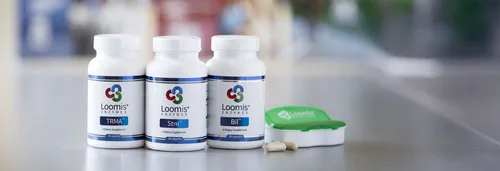
Loomis Enzymes RE-3 Review
Proteolytic enzymes help maintain a balance between tissue breakdown and tissue regeneration in immune and musculoskeletal health. These enzymes contribute to immune system health by influencing the function of immune cells. In musculoskeletal health, they support tissue and joint health by breaking down proteins associated with stiffness and discomfort. RE-3 can be used to support the healthy function of the immune and musculoskeletal systems. The product is a special blend of proteolytic enzymes and calcium. Its allicin, a sulfur-containing compound in garlic, supports the lymphatic system and immune function. It may also be used for occasional overexertion and muscle exhaustion. It is acceptable for vegetarian diets, using microbial versions of pancreatin and trypsin. The label advises consulting a physician prior to use if you are pregnant, nursing, taking medication, or have a medical condition. The bottle size is 120 capsules, with SKU RE-3 120. The listed ingredients are calcium, garlic powder, citrus bioflavonoid complex, protease, microbial pancreatin 10x, amylase, lipase, glucoamylase, microbial trypsin, cellulase, alpha-galactosidase, glucose oxidase, hemicellulase, vegetable capsule, and phytase. The page notes that these statements have not been evaluated by the Food and Drug Administration and that the products are not intended to diagnose, treat, cure, or prevent disease. Supplement facts are shown in an image labeled version C. The page does not display a price, as customers must log in to see price or purchase this item. No customer ratings or written reviews appear on this page, and no star breakdown is shown. The product is offered in a 120 count bottle format with supporting bottle imagery. Shoppers researching this product should review the ingredient list and the cautionary statement about consulting a healthcare professional before use, especially when pregnant, nursing, taking medication, or managing a medical condition. The label language focuses on general support for immune and musculoskeletal health rather than diagnosing or treating any disease.
We don’t sell supplements. We help you make decisions and get the best price.
Lowest prices
We may earn a commission from some store links. How we choose.
Finding the lowest prices at the stores now. This takes a few seconds.
Study, Trial or Testing Result Summary
Members Only48 human studies · 30 improved
Garlic is the main studied ingredient here, at 800 milligrams a day, which matches or exceeds doses that worked in trials. Pooled analyses of many trials found garlic lowered inflammation and a marker of oxidative damage and raised the body's antioxidant capacity [1][2][3]. In people with fatty liver disease, garlic ranked as the strongest option for antioxidant capacity [4], and 1,600 milligrams a day for 12 weeks reduced oxidative damage [5]. A 400 milligram daily tablet lowered inflammation in pregnant women [6]. No study has shown garlic reverses biological age. Citrus bioflavonoids are present at 50 milligrams a day, well below the 500 milligrams that lowered a marker of genetic damage and inflammation in people with diabetes [7][8]. Calcium is at a small dose and has not been tested by itself for aging or cell repair; trials mixed it with other ingredients [9][10]. The enzyme blend is proprietary, its individual amounts are hidden, and it has no human studies for this goal. Animal and cell studies are never counted.
See all 48 studies →Hide the studies
- In a pooled analysis of 106 trials with 7,273 people with fatty liver disease, garlic ranked as the strongest option for improving overall antioxidant capacity.Efficacy of selected dietary supplements and pharmacological agents on metabolic and oxidative stress outcomes in metabo…
- Across 108 trials with 7,137 adults, garlic lowered blood fats, blood sugar, blood pressure, inflammation (C-reactive protein) and a marker of oxidative damage, and raised total antioxidant capacity, but did not change interleukin-6.Effects of Garlic Supplementation on Cardiovascular Risk Factors in Adults: A Comprehensive Updated Systematic Review an…
- Across 47 trials with 3852 people with rheumatoid arthritis, dietary polyphenols (including one trial of hesperidin) improved disease activity, lowered inflammation markers and improved oxidative stress without more side effects.Efficacy and safety of dietary polyphenols in rheumatoid arthritis: A systematic review and meta-analysis of 47 randomiz…
- In 25 studies with 353 people, root plant supplements including garlic lowered muscle damage markers, soreness and early inflammation after exercise, but effects on oxidative stress and muscle performance were unclear.Selected root plant supplementation reduces indices of exercise-induced muscle damage: A systematic review and meta-anal…
- In 7 randomized trials with 317 people, garlic raised total antioxidant capacity and lowered malondialdehyde, a marker of oxidative damage, compared with control.The effects of garlic supplementation on oxidative stress markers: A systematic review and meta-analysis of randomized c…
- In 12 randomized trials using 80 to 4,000 mg of garlic daily for 2 to 24 weeks, garlic raised antioxidant capacity and superoxide dismutase and lowered malondialdehyde, a marker of oxidative damage.Effects of garlic supplementation on oxidative stress and antioxidative capacity biomarkers: A systematic review and met…
- A broad review of nutrients and plant compounds for healthy aging in older adults said they may slow aging but gave no specific citrus bioflavonoid results and called for more clinical research.Nutraceuticals and their role in promoting musculo-skeletal healthy aging.
- In 103 adults with prediabetes, 12 weeks of Eriomin at 200, 400 or 800 mg a day lowered blood sugar, inflammation and lipid peroxidation, and reversed prediabetes in 24% of patients.Effectiveness of Eriomin® in managing hyperglycemia and reversal of prediabetes condition: A double-blind, randomized, c…
- In 96 healthy adults, 8 weeks of a grapefruit, bitter orange and olive extract mix improved blood vessel function, blood pressure, cholesterol, oxidative stress markers and interleukin-6 compared with placebo.Effect of a Combination of Citrus Flavones and Flavanones and Olive Polyphenols for the Reduction of Cardiovascular Dise…
- In 90 people with fatty liver disease, 1,600 mg of garlic powder daily for 12 weeks lowered malondialdehyde and raised superoxide dismutase and total antioxidant capacity compared with placebo, and also improved insulin resistance and body composition.Effects of garlic powder supplementation on insulin resistance, oxidative stress, and body composition in patients with …
- In 70 women with rheumatoid arthritis (62 analyzed), 1,000 mg of garlic daily for 8 weeks raised antioxidant capacity, lowered an oxidative damage marker and reduced pain compared with placebo.A randomized, double-blind, placebo-controlled clinical trial, evaluating the garlic supplement effects on some serum bi…
- In 64 people with type 2 diabetes, 500 mg a day of hesperidin for 6 weeks lowered a DNA damage marker (8-OHDG) and a lipid peroxidation marker (MDA) and raised antioxidant capacity compared with placebo.Hesperidin Supplementation Alleviates Oxidative DNA Damage and Lipid Peroxidation in Type 2 Diabetes: A Randomized Doubl…
- In 64 people with type 2 diabetes, 500 mg a day of hesperidin for 6 weeks lowered blood pressure and inflammation markers (TNF alpha, interleukin-6, CRP) compared with placebo.Blood pressure lowering and anti-inflammatory effects of hesperidin in type 2 diabetes; a randomized double-blind contro…
- In 60 people without symptoms given aged garlic extract plus supplement or placebo for 12 months, changes in oxidative markers and vascular function were linked to artery calcium progression, but the abstract gives no direct treatment comparison.Relation of oxidative biomarkers, vascular dysfunction, and progression of coronary artery calcium.
- In 54 allergic adults, 4 weeks of a combined antioxidant supplement that included 150 mg of garlic daily raised blood vitamin levels but did not change antioxidant capacity, oxidative stress markers or immune responses compared with placebo.Supplementation with vitamins C, E, beta-carotene and selenium has no effect on anti-oxidant status and immune responses…
- In 44 pregnant women at risk for pre-eclampsia, 9 weeks of a daily 400 mg garlic tablet lowered an inflammation marker and raised glutathione compared with placebo, but did not change total antioxidant capacity, lipids or pregnancy outcomes.The favorable effects of garlic intake on metabolic profiles, hs-CRP, biomarkers of oxidative stress and pregnancy outco…
- In 44 obese adults on a low-calorie diet, 200 mL daily of flavonoid-enriched orange juice for 6 weeks raised antioxidant capacity and lowered inflammatory cytokines (TNF-alpha, IFN-gamma) more than placebo juice.Effects of a flavonoid-enriched orange juice on antioxidant capacity, lipid profile, and inflammation in obese patients:…
- In 43 older men with bone and muscle loss, both groups received calcium, vitamin D and whey protein, so the effect of calcium alone was not tested; the exercise group kept bone density and gained muscle versus the control group over 12 months.Effects of High-Intensity Resistance Training on Osteopenia and Sarcopenia Parameters in Older Men with Osteosarcopenia-…
- In 40 women with type 2 diabetes, about 1 g a day of citrus flavonoids for 3 weeks did not change how easily their blood fats oxidized compared with placebo.Short term citrus flavonoid supplementation of type II diabetic women: no effect on lipoprotein oxidation tendencies.
- In 40 severely obese children on a low-calorie diet, 500 ml a day of mandarin juice for 4 weeks lowered oxidative stress markers (malondialdehyde down 9.6%, carbonyl groups down 36.1%) and raised antioxidant levels.Oxidative markers in children with severe obesity following low-calorie diets supplemented with mandarin juice.
- In 36 adults with high blood pressure, 6 weeks of dark chocolate with 650 mg fermented garlic extract daily did not significantly change blood pressure, cholesterol, inflammation or oxidative stress markers compared with placebo.Evaluating the effects of dark chocolate formulated with micro-encapsulated fermented garlic extract on cardio-metabolic…
- In 36 people with hypothyroidism taking a med, a bioflavonoid formula over 30 days lowered blood hydroperoxides (a marker of oxidative stress) compared with placebo, though a proanthocyanidin formula worked better.Read the study on PubMed (22108485) →
- In 36 healthy older adults aged 60-75, four weeks of a citrus and pomegranate supplement improved handgrip strength, self-rated thinking and memory, and lowered a blood marker of oxidative damage compared with placebo, but did not change other fitness tests.The Effect of a Citrus and Pomegranate Complex on Physical Fitness and Mental Well-Being in Healthy Elderly: A Randomize…
- In a retrospective analysis of 32 older men, a multi-ingredient supplement that contained calcium along with protein, creatine, vitamin D and fish oil improved muscle and strength more than a collagen-based drink over 12 weeks, but calcium's own effect could not be separated out.Obesity and Metabolic Disease Impair the Anabolic Response to Protein Supplementation and Resistance Exercise: A Retrosp…
- In 30 male smokers on a 1-month flavonoid-rich diet, most genes for cellular repair tended to rise, with only one repair gene rising significantly, and the results were preliminary.Expression of DNA repair and metabolic genes in response to a flavonoid-rich diet.
- In 28 people with type 1 diabetes, a citrus flavonoid mix of diosmin and hesperidin lowered HbA1c from 8.85% to 8.47% and raised glutathione peroxidase activity and lipoprotein resistance to oxidation, with no change on placebo.The effect of flavonoid treatment on the glycation and antioxidant status in Type 1 diabetic patients.
- In 26 adults with type 2 diabetes at high heart risk, 4 weeks of 1200 mg daily aged garlic extract did not significantly improve blood vessel function, inflammation, oxidative stress or insulin resistance compared with placebo.The effects of garlic extract upon endothelial function, vascular inflammation, oxidative stress and insulin resistance …
- In 25 middle-aged men with high LDL cholesterol, 4 weeks of blond orange juice (600 mL daily) produced a marked antioxidant effect and reduced reactive oxygen species compared with a control drink without citrus phytochemicals.Marked antioxidant effect of orange juice intake and its phytomicronutrients in a preliminary randomized cross-over tria…
- In 24 older adults given a single dose of 3 g calcium HMB with whey protein, muscle protein breakdown fell and muscle building rose in women only, but this tested the HMB compound rather than calcium and not aging markers.The Effect of β-Hydroxy-β-Methyl Butyrate (HMB) upon Acute Fed-State Muscle Protein Turnover in Older Men and Women: A R…
- In 19 adults with type 2 diabetes, a 12-week Mediterranean diet raised blood citrus bioflavonoid levels and lowered the inflammatory marker IL-6 by 49% compared with their usual diet.Twelve-Week Mediterranean Diet Intervention Increases Citrus Bioflavonoid Levels and Reduces Inflammation in People with…
- In 15 men with coronary artery disease, 2 weeks of aged garlic extract improved blood vessel dilation compared with placebo, mainly in men who started with the lowest dilation. Markers of oxidative stress and inflammation did not change.Aged garlic extract improves endothelial function in men with coronary artery disease.
- In 15 professional female futsal players, 750 mg of diosmin daily for 3 days did not significantly improve athletic performance, muscle soreness, or oxidative damage compared with placebo, though some trends favored diosmin.Effects of the Flavonoid Diosmin on Post Exercise Muscle Soreness - A Randomized Controlled Trial.
- In 12 people who cycled hard, a single 2000 mg garlic extract dose taken after exercise, with a carbohydrate meal, raised muscle glycogen refilling over 3 hours compared with placebo. Only two of several mitochondrial activity markers rose, and the sugar transporter protein did not change.Oral post-exercise garlic extract supplementation enhances glycogen replenishment but does not up-regulate mitochondria …
- In an 11-person crossover trial, 4 weeks of 1000 mg daily garlic extract raised blood antioxidant capacity and lowered oxidative stress, tumor necrosis factor alpha and muscle damage markers during a 40-km cycling test, but did not improve cycling time.Garlic supplementation attenuates cycling exercise-induced oxidative inflammation but fails to improve time trial perfor…
- In a triple-blind placebo-controlled trial of adults with grade 1 hypertension on drug treatment, 12 weeks of aged black garlic extract providing 0.25 mg per day of s-allyl-cysteine raised blood antioxidant capacity and nitric oxide compared with placebo, alongside a small blood pressure drop.Antihypertensive Effects of an Optimized Aged Garlic Extract in Subjects with Grade I Hypertension and Antihypertensive …
- In 40 older adults with back and knee pain who took 900 mg of algal calcium plus collagen and glucosamine daily for 4 months, compared with 40 similar-age controls, pain eased, skin impedance (which rises with age) fell, and a bone breakdown marker dropped.The effect of active absorbable algal calcium (AAA Ca) with collagen and other matrix components on back and joint pain …
- In 20 people with partial thickness burns, two weeks of a multi-ingredient antioxidant formula containing 30 mg bioflavonoids did not change blood oxidant or antioxidant levels compared with no supplement.Evaluation of plasma oxidative stress, with or without antioxidant supplementation, in superficial partial thickness bur…
- In 49 men with symptoms of aging, a 6-month course of LEOPIN ROYAL, a product containing aged garlic extract plus five other natural medicines, improved symptom scores more than the traditional Kampo herbal control, and erectile function scores also rose.Improvement of symptoms of aging in males by a preparation LEOPIN ROYAL containing aged garlic extract and other five of…
- In 20 patients with Behcet's disease, 12 weeks of oral allicin without a control group reduced mouth and skin ulcer scores and improved oxidative stress markers, with side effects that resolved after stopping.Therapeutic Hotline. Oral allicin in the treatment of Behcet's disease through attenuating oxidative stress: A pilot stu…
- In 13 elderly adults taking garlic at 0.1 g per kg body weight daily for 1 month, blood markers of oxidative damage fell and some antioxidant enzyme activities rose, with no placebo group for comparison.Effects of garlic consumption on plasma and erythrocyte antioxidant parameters in elderly subjects.
- In volunteers who drank red orange juice daily for 8 weeks, C-reactive protein and LDL cholesterol fell and blood pressure improved in some groups, but abdominal obesity did not change; there was no control group.Red-fleshed sweet orange juice improves the risk factors for metabolic syndrome.
- In a pooled analysis of three cohorts of 2293 middle-aged adults, garlic and onion intake was linked to DNA methylation changes at two sites, but the abstract does not state the direction of the effect.Pooled analysis of epigenome-wide association studies of food consumption in KORA, TwinsUK and LLS.
- In a study of 875 women with breast cancer and 903 controls, the link between flavonoid intake and breast cancer risk depended on genetic variation, but the results were imprecise and did not clearly show a benefit.Genetic variation in multiple biologic pathways, flavonoid intake, and breast cancer.
- In 78 high-risk adults on a polyphenol-rich diet, higher flavanone intake was linked to a lower post-meal blood fat response, while certain polyphenol classes were linked to lower urinary markers of oxidative damage; these were correlations, not proof of cause.Association between different dietary polyphenol subclasses and the improvement in cardiometabolic risk factors: evidenc…
- In a secondary analysis of a pilot diet trial, eating foods grouped as methyl adaptogens, including garlic, was linked to a reduction in epigenetic age, though garlic was not studied alone.Dietary associations with reduced epigenetic age: a secondary data analysis of the methylation diet and lifestyle study.
- In a small study of 22 aging women, a purple tulip extract applied to the skin for 28 days improved skin elasticity, reduced facial sagging, and shortened and shallowed nasolabial wrinkles.Purple tulip extract improves signs of skin aging through dermal structural modulation as shown by genomic, protein expr…
- In male mice, garlic-derived diallyl sulfur compounds that boost hydrogen sulfide extended lifespan and improved blood sugar control, movement and thinking ability; this was tested in mice, not people.Enhanced non-enzymatic H2S generation extends lifespan and healthspan in male mice.
- In aged mice, the garlic compound S1PC increased muscle force and improved frailty measures through a signaling pathway; the abstract also reports that it raised circulating eNAMPT levels in some healthy humans, without giving human outcome numbers.Garlic-derived metabolite activates LKB1, promotes adipose eNAMPT secretion, and improves age-related muscle function vi…
Review Totals and Summary
Members Only10 reviews · 88% positive
I could not find any genuine customer reviews of RE-3. It is sold through practitioner channels, and the price is hidden behind a login. The pages I found were the manufacturer's product listing, category pages and a BBB business profile. None carried user ratings or written testimonials from buyers. I also found no independent professional analysis of this specific formula. Writing themes such as praise for pain relief or complaints about capsule size would mean inventing feedback, so I haven't done that. The only grounded observations are about how the product is positioned. It is aimed at practitioners rather than the general public, and the manufacturer's wording is cautious and structure/function-based. Any customer-facing claims are therefore hard to verify. People wanting real user feedback could ask the prescribing practitioner. They could also look at practitioner forums or at reseller listings that allow reviews, such as Amazon or iHerb, if the product is sold there. Those channels may have reviews that my searches did not surface.
Biohacker Summary
Members Only10 of 10 recommend it
Garlic, the main ingredient, drew mostly favorable comments: about six of the ten panelists recommend it or use it, while one cautions and one said he does not eat it. People take it for blood pressure, cholesterol, immune support, gut health and as an antimicrobial, and one takes a 600 milligram capsule to offset a possible rise in a gut-made compound when taking another supplement. Many prefer it as food, such as in breakfast, salad dressing or soup, and two advise crushing or chopping it and letting it rest for 10 minutes before heating, with avocado and eggs named as pairings. One panelist said eating a lot of it left his brain feeling less sharp and noted a bleeding risk for anyone on meds, so he advises using it strategically. Calcium is a smaller ingredient in this product, and the panel mostly discussed it for bone strength, with one warning that it should not be the only thing relied on for bones.
See all 10 biohackers →Hide the biohackers
Dr. Mark Hyman · Garlic · recommends
- Recommends garlic as a fibrous food to heal the gut.
- Eats a lot of garlic and includes it in his chicken soup and a special drink because it is an antimicrobial and antiviral.
- Notes that calcium is in bones but is also essential for nerves, muscles, and the heart, and low levels can affect muscle function and heart rhythm.
- States that green leafy vegetables are great sources of calcium.
- Notes that crushing garlic and letting it rest for 10 minutes before cooking activates an enzyme that significantly increases its cancer-fighting and heart-protective compounds.
- Explains that crushing garlic with a knife makes allicin, the medicinal component, come out, and also makes it easier to peel.
- Uses garlic, cooking it down in olive oil, as part of the Spanish potato tortilla recipe.
- Recommends avoiding garlic for at least a week before surgery because it can thin the blood.
- Notes that calcium needs are lower than advertised and that stress, soda, and excess sugar can drive calcium loss.
- Recommends garlic as a food that boosts the body's own detox enzymes like glutathione.
- Does not prescribe calcium supplements at all, teaching people to get it from whole foods instead, because calcium supplements don't work for building bones or preventing fractures, and it's bone quality, not density, that matters.
- Warns that acid blockers inhibit calcium absorption.
- Lists calcium as another important nutrient that people can be tested for and measured.
- States that high doses of calcium supplementation in the elderly were not really impacting bone density, as osteopenic patients still became osteoporotic.
Dr. Eric Berg · Garlic · neutral
- Garlic supports detoxification, contains allicin, is antimicrobial, supports a healthy heart, supports healthy blood pressure, may have anticancer benefits, supports healthy gut microbes, and is a potent anti-inflammatory.
- Warns that bone loss cannot be fixed with just calcium, as bone is primarily collagen with other essential minerals.
- Dr. Eric Berg recommends adding garlic to eggs to support satiety, antioxidant potential, cardiovascular, and liver health.
- Recommends mixing one drop of garlic with five drops of povidone iodine for a wart and skin tag remedy, suggesting to crush the garlic.
- Dr. Berg includes calcium carbonate among the synthetic supplements to avoid.
- Recommends garlic for its chelation abilities and its ability to turn up the body's detoxification genes.
- Warns against calcium carbonate, also known as limestone, stating that while it lowered hip fractures in a study, it also increased kidney stones and is not good for arteries, requiring the body to work hard to use it.
- Recommends putting some garlic on skin tags to help them go away quickly.
- Recommends chewing one clove of garlic every single day, noting that it has a unique compound called allicin which is highly antimicrobial and can cause the liver to detoxify poisons, get rid of pathogens, increase nitric oxide, decrease blood pressure, and act as a med.
- Recommends garlic as a top food to help increase nitric oxide.
- Mentions garlic as a research-backed natural remedy for high blood pressure.
- Lists garlic as a common remedy for toenail fungus.
- Notes that tannins in tea bind calcium, blocking its absorption.
- Dr. Eric Berg states that garlic can contribute to supporting liver health.
Siim Land · Garlic · recommends
- Recommends Aged garlic extract for blood pressure and cholesterol, based primarily on human research, especially randomized controlled trials showing measurable benefits.
- Lists Aged garlic extract as one of 15 supplements backed by human studies.
- Lists dairy and sardines as sources of Calcium.
- Says garlic is an old food with health benefits, especially good for lipids and the immune system.
- Says garlic has benefits for the immune system and the cold, and advises crushing or chopping it and letting it sit for 10 minutes before heating or eating it to preserve its health benefits.
- Notes that Boron reduces calcium/magnesium loss.
- Mentions aged garlic extract as a compound that can increase autophagy, but notes it doesn't come close to exercise in effectiveness.
- Recommends citrus fruits for skin health.
- Notes that aged garlic extract has a lot of human clinical trials showing it works for lowering cholesterol and lipids.
- Recommends a high calcium intake for bone health.
- Recommends aged garlic extract for people at high risk of cardiovascular disease, stating that the optimal dose for atherosclerosis is 2400 milligrams a day split into two doses of 1200 milligrams each.
- Places aged garlic extract in the 'god tier', describing it as a multifaceted supplement with benefits for lipids, blood sugar, blood pressure, visceral fat, inflammation, weight loss, and atherosclerotic plaque, making it an all-in-one for metabolic and cardiovascular health.
- Places calcium supplementation in the 'bad tier' due to its association with increased cardiovascular events, recommending dairy or bones as easier ways to get calcium, though it can be useful for postmenopausal women with low bone density.
- Recommends aged garlic extract for metabolic health, noting it lowers lipids, blood sugar, and blood pressure.
Andrew Huberman · Garlic · uses
- Makes it a point to ingest a 600 milligram capsule of garlic anytime they take Alpha-GPC to offset potential increases in TMAO.
- He suggests taking 600 milligrams of garlic, which contains allicin, to inhibit TMAO production, especially when taking Alpha GPC regularly, and notes that garlic capsules are inexpensive and don't cause bad breath.
- Mentions that if one takes Alpha GPC, they would have to take 600 milligrams of garlic to offset the increase in TMAO, if one believes TMAO matters. He prefers to just eat garlic anyway.
- Agrees with a dermatologist's recommendation to ingest garlic because it contains sulfur, which is key for collagen synthesis and repair.
- Mentions that some people chew a raw clove of garlic every day during winter or take fermented garlic for colds or flu, but does not endorse these practices himself.
- Discusses "hard water" and the role of magnesium and calcium in cardiovascular health.
- Notes that there is some data suggesting garlic extract can enhance recovery from injury or tissue damage, but warns that boosting the wrong part of immunity during the wrong phase of recovery with garlic could be detrimental. He also mentions that there isn't enough human data on it yet.
- Suggests taking 600 milligrams a day of garlic extract to offset the increase in TMAO caused by oral L-carnitine, which can cause stiffening of the arteries.
- Continues to take 600 milligrams of garlic every time he takes l-carnitine to offset any negative effects of alpha GPC and l-carnitine by decreasing TMAO conversion.
- Mentions Garlic Supplements in the context of the Arrow Model of Focus.
- States that he and many others take 600 milligrams of a garlic capsule to offset the increase in TMAO that can result from Alpha GPC, noting that garlic has other health benefits.
- Adequate intake of calcium is vital for bone health.
Thomas DeLauer · Garlic · recommends
- Recommends using garlic along with avocado in the same meal to feed the same microbes and compound the positive effects on gut health.
- Notes that garlic's allicin converts to hydrogen sulfide, which relaxes vessel walls.
- Notes that milk contains 120mg of calcium, while sardines contain 351mg, highlighting a 3x difference.
- Includes garlic in their homemade mineral broth, noting its detoxifying properties as part of a detoxification protocol.
- Recommends getting calcium, along with vitamin D, zinc, and magnesium, from foods like sardines, as they are important for inflammatory pathways in the gut.
- Explains that eating sardines with their soft bones provides a serious hit of calcium, which is a perfect combination for bones and may contribute to satiety.
- Mentions that magnesium and calcium should not be taken together as they cancel each other out.
- Tries to get multivitamins without calcium or with a low amount, as he believes supplemental calcium impacts the absorption of other vitamins and minerals and is not as beneficial as hyped. He cautions against it for most people due to the risk of coronary artery calcification.
- Recommends getting calcium from dairy sources like milk, yogurt, kefir, and cheese in the morning to support neurotransmitter synchronization crucial for deep and REM sleep, noting that low dietary calcium is linked to insomnia.
- Garlic is recommended for its inulin content.
- Warns that calcium competes with magnesium for the same absorption channels, advising to separate magnesium intake from calcium supplements or dairy by at least an hour or two.
- Recommends providing the body with adequate dietary calcium, not a calcium supplement, to ensure a clean, strong spark for efficient insulin release.
- Recommends garlic, citing an RCT where 800 mg of garlic for 15 weeks led to improvements in fatty liver on ultrasound for more than half of the participants, due to its organosulfur compounds that downregulate inflammatory pathways and activate antioxidant pathways.
- Warns that calcium and magnesium should not be taken together as they cancel each other out, though some products use delayed absorption to mitigate this.
Dave Asprey · Garlic · warns
- Likes garlic but notices their brain feels less sharp when they eat a lot of it, even tracking the effect with EEG, and advises using it strategically, especially if it affects cognition.
- Host Dave Asprey separates what the human data actually supports regarding raw garlic, modest blood pressure and cholesterol effects, real antimicrobial properties, and a genuine bleeding-risk caution for anyone on meds, from the unproven parasite-cleanse and brain fog claims driving the trend online.
- Recommends Qualia Vitamin C Plus, highlighting its combination of seven forms of vitamin C with 250 mg of citrus bioflavonoids, which helps with absorption and use for building collagen and a strong immune system.
- Notes that when energy intake is too low for training demand, nutrient intake often falls short, especially for calcium, which is associated with reduced bone health.
- Explains that calcium provides the raw material for bones, but it isn't a standalone input and needs a whole system to be effective.
- Notes that people take calcium for their bones.
- Warns that taking calcium without vitamin D, A, and K2 can lead to calcium going into tissues, causing bone spurs and other issues, and recommends a two-to-one ratio of calcium to magnesium.
- Recommends taking calcium citrate during a high oxalate meal to bind the oxalate in the gut.
- Recommends adding small amounts of garlic as prebiotic vegetables to support a healthy gut microbiome, but warns that too much can cause problems.
- Notes that people often take calcium for bone health.
- Takes garlic, which he likes but doesn't eat very much.
- Believes calcium supplements are overrated, as most people need more vitamin K2 and vitamin D instead.
- Believes that eating garlic every day is bad for you, though it can be used therapeutically in Ayurveda.
- States that while he loves raw garlic, eating it makes him feel bad, causing brain fog and headaches, though a little bit is okay.
Dr. Rhonda Patrick · Garlic · uses
- Rhonda's current diet includes a homemade salad dressing made with avocado, garlic, apple cider vinegar, and olive oil.
- Mentions that kale delivers calcium, a micronutrient many diets fall short on.
- Notes additional gaps in calcium.
- Reports that alcohol use disorder is associated with a 20-50% greater prevalence of Calcium deficiency.
- Suggests that if someone is an 'immuno-ager,' they might want to take garlic to help with their immune system.
- Around 38% doesn't meet the requirement for calcium.
- Used a concoction of garlic and grapefruit seed extract, applied both topically and orally, to successfully treat MRSA after meds failed.
- Takes a calcium-magnesium pill because he believes people tend to be short of both and that the body cares about the ratio of these similar molecules.
- Rhonda Patrick points out that garlic is very high in sulfur-containing compounds like beta-mercaptans.
- Rhonda Patrick states that garlic binds mercury, which allows it to be excreted from the body.
- Rhonda states that garlic can be used to treat MRSA (Methicillin-resistant Staphylococcus aureus).
- Rhonda used a concoction of garlic and grapefruit seed extract, applied both topically and orally, to successfully treat MRSA after meds failed.
- States that 1,000 milligrams of calcium per day is the recommended intake for bone density, and supplementation is an option if this requirement is not met.
- Takes a calcium, vitamin K2, and vitamin D combination supplement in the morning, providing about 600 mg of calcium and another 1,000 IUs of vitamin D.
Bryan Johnson · Garlic · uses
- Uses garlic as part of their breakfast.
- Eats garlic for breakfast.
- Uses garlic, noting it has been shown to lower blood pressure and help the immune system.
- Recommends calcium as a mineral that, along with phosphorus, magnesium, and boron, is deposited to fortify the bone structure after the collagen scaffold is in place.
- Agrees that a little extra calcium is probably okay, especially for women, to really hit home for bone mineral density.
- Includes one odor-free garlic pill in his Blueprint stack.
- Adds one peeled clove of garlic to his Super Veggie for heart and immune health.
- Includes garlic in his Super Veggie meal, which he eats at 7 AM.
- Takes garlic for liver enzymes and cholesterol management, and also eats it daily as part of his super veggie.
- Includes garlic in his daily 'Super Veggie' breakfast for its nutrient density.
- Uses chopped garlic in his Super Veggies.
- Recommends prioritizing calcium intake for postmenopausal women to help maintain bone density and reduce the risk of osteoporosis.
- Bryan Johnson takes Calcium daily as part of his Longevity Mix, which supports healthy bones and teeth.
- Recommends continuing with calcium to support bone health during the follicular phase.
Ben Greenfield · Garlic · recommends
- Recommends root spices like garlic for use on the AIP diet.
- Is considering whether he needs a calcium supplement because lead can displace calcium in bones, affecting bone strength.
- Mentions calcium as a common deficiency.
- Recommends adequate intake of calcium for bone strength.
- Is using calcium chloride mixed with PRP before injecting for the P-shot.
- Advises people to stop taking calcium supplements as part of the Root Cause Protocol.
- Warns that in high doses, calcium without the right cofactors can raise cardiovascular risk by contributing to arterial calcification instead of bone strength, and may increase the risk of osteoporosis.
- Explains that 10X separates calcium and zinc into different micro beads, releasing them at different rates and locations in the digestive tract to prevent competition and optimize absorption.
- Recommends anti-inflammatory spices like turmeric, ginger, and garlic, often seen in a Mediterranean approach, to help with inflammation and fat loss.
- Covers calcium as a key supplement for kids.
- Notes that citrus fruits (lemon, orange, mango) are among the fruits most associated with decreased risk of colorectal cancer.
- Avoids garlic because even after following a low FODMAP diet and trying reintroduction, it still causes issues.
- Warns of calcium deficiency on a carnivore diet, as there is not an appreciable amount in meat, and recommends eating fish with bones or taking a calcium supplement or bone mineral matrix.
- Recommends avoiding garlic as one of the major high FODMAP foods that regularly exacerbates symptoms of irritable bowel syndrome.
Peter Attia · Garlic · uses
- States that he does not eat garlic.
- Recommends calcium as one of the 'big three' micronutrients for bone health, suggesting a daily intake of 1,000 to 1,200 milligrams, which can be supplemented with calcium carbonate or calcium citrate.
- Explains that bone is 50 to 70% mineral, predominantly calcium, and that virtually all of the body's calcium is contained within bone, making bone important for calcium homeostasis.
- Recommends calcium for bone health, stating that teenagers probably need about 1000 milligrams a day.
- Discusses bone acting as a reservoir for calcium and how resorption and formation release calcium into the blood when needed.
- Notes that bone is 50 to 70 percent mineral, with calcium being the predominant mineral, and virtually all of the body's calcium is contained within bone.
- Recommends getting about a gram of calcium a day from organic bone meal, which provides calcium hydroxyapatite, the form humans are meant to consume.
- Suggests that calcium is one of the other signals involved in regulating mitochondrial number, beyond AMPK activation.
- States that in postmenopausal women not on estrogen, calcium and vitamin D have no protective effect against hip fracture because the problem is not the shell of the bone, which is fed by calcium and vitamin D, but the internal girder network.
- Notes that compelling evidence links calcium to reduced risk of osteoporosis, which can impact mortality from specific causes.
RAL Summary
Members OnlyTier 4 for Healthy Aging
Tier 2 needs over 100 reviews, but only 10 reviews were counted, and garlic improves aging-related blood markers without any study showing it reverses biological age, so the evidence for this product as a whole is thin. So it is graded Tier 4, lower than the rules alone gave.
- Emerging: not enough evidence to rank higher yet.
Where the evidence disagrees: 8 of the 48 human studies found no effect.
More Details
Members OnlyBody systems · Combine with · Possible side effects
Body systems: Cardiovascular system, Immune system, Digestive system, Metabolic system
Combine with: For blood pressure support, pair this with ingredients that have clinical evidence: magnesium (glycinate or taurate), potassium-rich foods or a doctor-approved potassium source, CoQ10 or ubiquinol, omega-3 fish oil (EPA/DHA), aged garlic extract, and L-citrulline or beetroot nitrate for nitric oxide support. For the cellular support role, it may be combined with a B-complex, NAD+ precursors such as NMN or NR, and antioxidants such as vitamin C and alpha-lipoic acid. Anyone with hypertension or on meds should consult a clinician before adding supplements and should keep monitoring their blood pressure.
Possible side effects: No major side effects reported.
Supplement Facts
Calcium 26 mg · Garlic, Powder 400 mg · Citrus Bioflavonoid Complex 25 mg
| Calcium | 26 mg | |
| Garlic, Powder | 400 mg | † |
| Citrus Bioflavonoid Complex | 25 mg | † |
| Proprietary Enzyme Blend | 328 mg | † |
Other ingredients: Cellulose, Water, Phytase.
Directions: Directions for use: Take 2 capsules, 2 times daily at anytime, or as directed.
Barcode (UPC) 697706051001 · Label source: NIH label database · Report a label change
Show entire label

More healthy aging products
Members OnlyThe highest ranked for the same goal
Read more
Our articles on this subject
- Healthy Aging Tips: A Science-Backed Guide to Living Better for LongerArticle · Mar 17, 2026
- NAD Anti-Aging Supplements: Benefits, Evidence, and How to ChooseArticle · Jun 15, 2026
Graded November 6, 2026 by the Reverse Age Lab evidence engine, from human studies, real reviews and our biohacker panel. How we grade. Is this medical advice? No. Rala organizes the published evidence; go over any change with your doctor, especially if you take meds.
Privacy policyConsumer health dataAffiliate disclosureTermsDo Not Sell or Share My Personal InformationCookie settings