MyVitalC Review
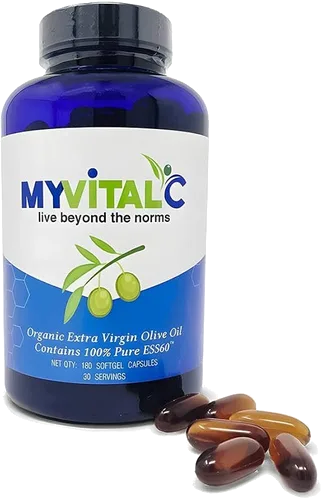
MyVitalC is a premium dietary supplement featuring ESS60, a meticulously processed and purified form of Carbon 60 (C60), also known as fullerene. This groundbreaking molecule, recognized with a Nobel Prize in Chemistry in 1996 for its discovery in 1985, consists of 60 carbon atoms arranged in a unique hollow spherical structure, often likened to a soccer ball. MyVitalC specifically utilizes ESS60, which stands for "Elemental Safe Spheres 60 atoms," distinguishing it from industrial-grade C60 and emphasizing its suitability for human and pet consumption through a specialized purification process. The ESS60 is typically dissolved in organic extra virgin olive oil, enhancing its bioavailability as it breaks down the crystalline powder into individual molecules for better absorption within the body. The primary mechanism of action for MyVitalC's ESS60 lies in its extraordinary antioxidant capabilities. Unlike conventional antioxidants that neutralize free radicals on a one-to-one basis and become inert, ESS60 possesses a unique cage-like structure that allows it to repeatedly absorb and neutralize multiple free radicals without depleting its structural integrity. This makes it an exceptionally potent "nano antioxidant," reportedly over 170 times more effective than Vitamin C. This potent free-radical scavenging property is crucial in combating oxidative stress, a major contributor to cellular damage, inflammation, aging, and various chronic diseases. At a cellular level, ESS60 is believed to interact with mitochondria, the powerhouses of cells, where it participates in ATP processes, the basis of cellular energy transfer. The "Buffering Oxidative Stress System" (BOSS) theory suggests that ESS60 can hold onto up to six negatively charged reactive oxygen species, preventing them from causing damage until the mitochondria can replenish their natural antioxidant defenses like glutathione and melatonin. This action helps to protect neural cells, improve energy production, and support overall cognitive function. Furthermore, ESS60's anti-inflammatory properties are thought to reduce inflammation by fighting off harmful substances that cause swelling and irritation, which can alleviate pain and stiffness associated with conditions like arthritis. It also supports gut health by neutralizing free radicals directly within the gastrointestinal lumen, protecting the intestinal mucosal barrier, and reducing inflammatory signaling pathways, thereby contributing to a balanced gut microbiome and potentially influencing the gut-brain axis. The brand also highlights its potential to enhance immune system function by increasing the production of white blood cells and cytokines, and even showing some probiotic properties.
We don’t sell supplements. We help you make decisions and get the best price.
Lowest prices
We may earn a commission from some store links. How we choose.
Lowest cost per month first, in stock, at 1 serving a day. Checked Nov 4.
- MyVitalCLowest$43.99 a bottle$54.99/moBuy at MyVitalC (opens in a new tab)
- AmazonPrice at AmazonCheck price at Amazon (opens in a new tab)
Some links earn us a commission; price comes first, and a commission only decides the order of prices within 2%. As an Amazon Associate we earn from qualifying purchases.
Study, Trial or Testing Result Summary
Members Only81 human studies · 49 improved
7 of these 81 human studies gave the ingredient by drip, not by mouth.
None of the four studied ingredients in this product has a stated amount; each is hidden in a blend, so we cannot tell whether any reaches the dose used in studies. The main ingredient, fullerene, has never been tested in people for aging or cell repair. In animals, a modified form extended lifespan in mice lacking an antioxidant enzyme [1], a water-soluble form reduced brain damage after a stroke-like blockage in gerbils [2], and a water-soluble form partly protected rat kidneys [3]. Vitamin D has the strongest human evidence. Two thousand units daily for four years slowed shortening of the protective caps on chromosomes in older adults [4], and a small trial found it raised the enzyme that maintains those caps [5]. Vitamin C improved some skin and oxidative stress markers in trials, often alongside other ingredients [6][7], but one small trial in dialysis patients suggested harm. Vitamin E results are mixed. It lowered oxidative damage in an uncontrolled study [8], but it did not change DNA damage in older men [9] and increased oxidative damage in triathletes [10]. Animal and cell studies are never counted.
See all 81 studies →Hide the studies
- In 26,018 adults aged 50 to 79 followed in eight cohort studies, those with the lowest blood vitamin D had about 57% higher risk of death from any cause than those with the highest, but no supplement was given so this shows an association only.Vitamin D and mortality: meta-analysis of individual participant data from a large consortium of cohort studies from Eur…
- Across twelve trials of 1337 older adults with muscle loss or malnutrition, vitamin D combined with branched-chain amino acids improved muscle mass and strength in six of nine trials and improved mitochondrial function in one trial.The Role of Nutrition in the Treatment of Sarcopenia in Old Patients: From Restoration of Mitochondrial Activity to Impr…
- A review of seven reviews of drug and supplement trials in adults aged 65 and over found vitamin D improved muscle strength and physical performance, especially in women with low starting vitamin D levels, with few side effects.Pharmacological Interventions to Improve Muscle Mass, Muscle Strength and Physical Performance in Older People: An Umbre…
- A review of studies in adults aged 65 and over found lower vitamin D levels were linked to a higher chance of frailty, but no vitamin D was given so this shows an association only.Risk factors for frailty in older adults.
- A review of 33 studies in adults aged 65 and over found vitamin D, probiotics and omega-3 fats would most likely reduce cognitive decline or dementia, though the studies differed too much to compare directly.Supplementation and Mitigating Cognitive Decline in Older Adults With or Without Mild Cognitive Impairment or Dementia: …
- A review of 20 studies on treating and preventing wrinkles listed topical vitamin C or E among many options, but the summary gives no results for vitamin C alone.Wrinkles.
- In 1144 men given vitamin E, those whose blood vitamin E rose more over 3 years had a slower decline in lung function, though the effect was absent in former smokers.Change in plasma α-tocopherol associations with attenuated pulmonary function decline and with CYP4F2 missense variation…
- In 1031 adults aged 50 and older, 2000 IU of vitamin D3 daily for 4 years reduced telomere shortening by 0.14 kilo base pairs compared with placebo.Vitamin D3 and marine ω-3 fatty acids supplementation and leukocyte telomere length: 4-year findings from the VITamin D …
- In 777 older adults over 3 years, omega-3 slowed several biological aging clocks, while vitamin D at 2000 IU daily showed benefit mainly as an additive effect with omega-3 and exercise on one clock.Individual and additive effects of vitamin D, omega-3 and exercise on DNA methylation clocks of biological aging in olde…
- In 332 heart surgery patients given intravenous vitamin C for five days after surgery, kidney injury was not significantly lower than in the control group (20.9% vs 28.4%).Effect of Ascorbic Acid on Cardiac Surgery-Associated Acute Kidney Injury Incidence.
- In 203 heart surgery patients, omega-3 fats plus vitamins C and E cut atrial fibrillation after surgery to 9.7% versus 32% with placebo and reduced oxidative stress and inflammation markers.A randomized controlled trial to prevent post-operative atrial fibrillation by antioxidant reinforcement.
- In 178 people with type 2 diabetes, 400 IU of vitamin D daily for 90 days roughly doubled glutathione and lowered the inflammatory markers MCP-1 and IL-8.Effect of vitamin D on oxidative stress and serum inflammatory factors in the patients with type 2 diabetes.
- In 130 people with type 2 diabetes on a med, vitamin D for 6 months improved long-term blood sugar and lowered one oxidative stress marker at higher doses at 3 months, but malondialdehyde and other markers did not change significantly.The Effects of Vitamin D Supplementation on Metabolic and Oxidative Stress Markers in Patients With Type 2 Diabetes: A 6…
- In 102 postmenopausal women with low vitamin D, supplementation did not increase telomere length more than placebo; telomere length rose more in the placebo group, likely due to season.Leukocyte telomere length as a compensatory mechanism in vitamin D metabolism.
- In 87 women aged 40-65 taking collagen with 80 mg vitamin C daily for 16 weeks, skin density, texture and wrinkles improved versus placebo, but elasticity and hydration did not.The Effects of Dietary Supplementation with Collagen and Vitamin C and Their Combination with Hyaluronic Acid on Skin De…
- In 80 critically ill patients with transfusion-related lung injury, 4 days of high-dose intravenous vitamin C lowered oxidative stress and most inflammation markers compared with placebo.Role of ascorbic acid infusion in critically ill patients with transfusion-related acute lung injury.
- In Marines doing strenuous work at moderate altitude, 500 mg vitamin C daily for 4 weeks did not effectively control the rise in oxidative stress markers.Oxidative stress in humans during work at moderate altitude.
- In 75 children with thalassemia, 3 months of vitamin E lowered oxidative stress and raised hemoglobin, but unlike N-acetylcysteine it did not reduce DNA damage.N-Acetylcysteine supplementation reduces oxidative stress and DNA damage in children with β-thalassemia.
- In 72 women aged 35 or older, a daily collagen drink containing vitamin C improved skin hydration, elasticity, roughness and density over 12 weeks compared with placebo.A Collagen Supplement Improves Skin Hydration, Elasticity, Roughness, and Density: Results of a Randomized, Placebo-Cont…
- In 67 critically ill patients with respiratory failure, 10 days of vitamin D (5000 IU) plus vitamin C lowered inflammation and oxidative stress markers and shortened ICU stay versus placebo, but did not change 90-day survival.Clinical randomized trial of vitamin D and C supplementation in critically ill patients with respiratory failure.
- In 66 healthy women, a 10% vitamin C serum applied to skin for 12 weeks reduced glycation products by 17.65%, protein damage by 49.22% and an inflammation marker by 58.73%, and improved skin color.Study on the Multiple Efficacies of Vitamin C Serum in Anti-Glycation, Anti-Carbonylation, Antioxidation, and Anti-Infla…
- In 63 dialysis patients enrolled (57 finished), gamma tocopherol 308 mg plus DHA 800 mg lowered some inflammation markers (IL-6, white blood cell count) but did not change CRP or oxidative stress markers.Gamma-tocopherol and docosahexaenoic acid decrease inflammation in dialysis patients.
- In 62 people with mild to moderate kidney disease, 12 months of vitamin E plus pravastatin lowered oxidized cholesterol but did not change blood levels of the anti-aging protein Klotho.Reduction of Oxidative Stress in Chronic Kidney Disease Does Not Increase Circulating α-Klotho Concentrations.
- In 60 diabetic dialysis patients, 50,000 IU of vitamin D3 every 2 weeks for 12 weeks lowered insulin resistance, C-reactive protein and malondialdehyde and raised antioxidant capacity versus placebo.Clinical Trial on the Effects of Vitamin D Supplementation on Metabolic Profiles in Diabetic Hemodialysis.
- In 60 older women with muscle loss doing resistance training, 1000 mg vitamin C plus vitamin E daily for 12 weeks gave greater gains in muscle mass and strength and lower oxidative stress and inflammation than placebo.Effects of vitamins C and E supplementation combined with 12-week resistance training in older women with sarcopenia: A …
- In 60 elderly people with atrophic gastritis, 6 months of vitamin E at 300 mg daily normalized stomach lining markers of oxidative damage, but unlike the papaya preparation it did not significantly lower a DNA damage marker.The aging/precancerous gastric mucosa: a pilot nutraceutical trial.
- In 60 women with endometriosis, 800 IU of vitamin E plus 1000 mg of vitamin C daily for 8 weeks lowered oxidative stress markers (MDA and ROS) and pelvic pain compared with placebo.The Effect of Combined Vitamin C and Vitamin E Supplementation on Oxidative Stress Markers in Women with Endometriosis: …
- In 60 men aged 50 to 70, 16 weeks of vitamin E raised blood levels by up to 89% but did not change DNA damage in white blood cells.Vitamin-E supplements and their effect on vitamin-E status in blood and genetic damage rate in peripheral blood lymphocy…
- In 59 adults with type 2 diabetes and low vitamin D, 6 months of vitamin D3 lowered several blood inflammation markers and platelet activation compared with baseline, but did not improve blood sugar control.Vitamin D Supplementation Modulates Platelet-Mediated Inflammation in Subjects With Type 2 Diabetes: A Randomized, Doubl…
- In 56 people with advanced heart failure, 12 weeks of vitamin E raised blood vitamin E levels but did not significantly change oxidative stress markers, heart failure markers or quality of life.A controlled clinical trial of vitamin E supplementation in patients with congestive heart failure.
- In 47 men with advanced prostate cancer, intravenous vitamin C added to chemotherapy did not improve PSA response, survival, quality of life or oxidative stress markers compared with placebo, and the trial was stopped early for futility.High-Dose Intravenous Vitamin C Combined with Docetaxel in Men with Metastatic Castration-Resistant Prostate Cancer: A R…
- In 46 people with Parkinson's disease, 12 weeks of a combined probiotic and vitamin D supplement lowered inflammation and oxidative stress markers and reduced disease severity and anxiety compared with placebo.Co-administration of probiotics and vitamin D reduced disease severity and complications in patients with Parkinson's di…
- In 46 postmenopausal women with insulin resistance, vitamin C alone or with resveratrol lowered oxidative damage markers (malondialdehyde down 26-38%) and raised total antioxidant capacity by about 28-30% in the vitamin C groups.The Administration of Resveratrol and Vitamin C Reduces Oxidative Stress in Postmenopausal Women-A Pilot Randomized Clin…
- In 41 kidney failure patients starting dialysis, 1000 mg of vitamin C daily for one year did not significantly change lipid profile, but it lessened the rise in LDL oxidation (TBARS) compared with placebo, while HDL oxidation difference was not significant.Lipoperoxidation and hemodialysis.
- In triathletes, 800 IU daily of vitamin E for 2 months before a race increased lipid peroxidation and inflammation during exercise compared with placebo.Vitamin E and immunity after the Kona Triathlon World Championship.
- In 37 overweight African American adults, 16 weeks of vitamin D3 (about 2,000 IU daily) raised telomerase activity in blood cells by 19.2%, while the placebo group did not change.Increased telomerase activity and vitamin D supplementation in overweight African Americans.
- In 31 adults with neck aging, applying a vitamin C, vitamin E and ferulic acid serum after microneedle radiofrequency treatments for 12 weeks reduced wrinkles more than treatment alone, increased elasticity, and lowered skin aging markers in tissue samples.Fractional microneedle radiofrequency with the application of vitamin C, E, and ferulic acid serum for neck skin rejuven…
- In 30 heart surgery patients, a single intravenous dose of vitamin C during rewarming reduced the rise in reactive oxygen species after bypass compared with placebo and improved red blood cell flexibility.Vitamin C supplementation attenuates oxidative stress and improves erythrocyte deformability in cardiac surgery with car…
- In 22 dialysis patients, 250 mg of vitamin C taken after each session for 8 weeks lowered reduced glutathione, suggesting a pro-oxidant effect.Vitamin C decreases reduced glutathione in chronic haemodialysis patients: a pilot, randomised, double-blind trial.
- In 21 young football players, 500 mg of vitamin C plus vitamin E daily for 15 days reduced markers of oxidative stress after hard exercise but did not reduce muscle soreness or improve athletic performance.Antioxidant vitamin supplementation prevents oxidative stress but does not enhance performance in young football athlete…
- In 20 men with low baseline vitamin C, 30 days of vitamin C supplementation lowered markers of oxidative stress more than in men with high baseline levels, and may modestly raise exercise performance only in those with low levels.Low vitamin C values are linked with decreased physical performance and increased oxidative stress: reversal by vitamin …
- In 20 young men, 6 weeks of an antioxidant mixture containing 592 mg vitamin E equivalents lowered resting and after-exercise markers of lipid peroxidation, though it did not prevent the exercise-caused rise.Effects of an antioxidant vitamin mixture on lipid peroxidation at rest and postexercise.
- In 18 active men given a multi-nutrient pill containing 400 IU of vitamin E for about five weeks, oxidative stress did not decrease compared with placebo, even during high altitude stay.Antioxidant supplementation does not attenuate oxidative stress at high altitude.
- In 17 healthy volunteers, a 20% vitamin C serum delivered by microneedle mesotherapy improved skin firmness, elasticity, hydration and tone more than no-needle delivery across four treatments.Preliminary randomized controlled trial of antiaging effects of l-ascorbic acid applied in combination with no-needle an…
- In 16 hemodialysis patients over one month, a vitamin E-coated dialyzer produced less oxidative stress during dialysis than a standard dialyzer, although blood vitamin E levels did not change.Vitamin E-coated dialyzer reduces oxidative stress in hemodialysis patients.
- In 15 male soccer players, a pea protein capsule of vitamin C kept blood vitamin C levels up longer and, after a single intermittent running test, showed signs of less oxidative stress and muscle damage than placebo.Pea protein-based ascorbic acid microcapsules reduce oxidative damage in soccer players: a randomised controlled trial.
- During a high altitude expedition, a daily antioxidant mix including vitamin E did not change endothelial microparticle levels or oxidative stress compared with placebo.Increased endothelial microparticles and oxidative stress at extreme altitude.
- In 14 overweight men, a single 3 g intravenous dose of ascorbic acid reduced protein damage and other oxidative stress signs during mental stress compared with saline.Ascorbic acid inhibits vascular remodeling induced by mental stress in overweight/obese men.
- In a small pilot randomized trial, pregnant women taking 3,800 IU of vitamin D3 daily showed both gains and losses of DNA methylation marks compared with women taking 400 IU, with effects in mothers and breastfed infants at 4-6 weeks after birth.Effects of Maternal Vitamin D Supplementation on the Maternal and Infant Epigenome.
- In 11 healthy young men, vitamin C plus 400 IU vitamin E for 8 weeks did not reduce muscle oxidative stress after exercise and blunted some training-related muscle gains compared with placebo, while mitochondrial markers were unchanged.Vitamin C and E supplementation prevents some of the cellular adaptations to endurance-training in humans.
- Applying a 5% vitamin C cream daily for 6 months to sun-damaged skin reduced deep furrows and improved skin texture compared with the cream without vitamin C, and was well tolerated.Topical ascorbic acid on photoaged skin. Clinical, topographical and ultrastructural evaluation: double-blind study vs. …
- In post-menopausal women, a daily drink with vitamin C, lycopene, soy isoflavones and vitamin E plus fish oil significantly reduced facial wrinkle depth compared with placebo over long-term use, with more new collagen seen in the skin.Wrinkle reduction in post-menopausal women consuming a novel oral supplement: a double-blind placebo-controlled randomiz…
- In a randomized trial of pregnant smokers, vitamin C brought many DNA methylation changes in their offspring back toward levels seen in babies of nonsmokers; the abstract does not give the dose or number of people.Vitamin C Prevents Offspring DNA Methylation Changes Associated with Maternal Smoking in Pregnancy.
- In heat-exposed workers over 40 days, a daily vitamin C tablet with a hawthorn drink lowered blood pressure and a urine marker of oxidative stress compared with a control drink; the vitamin C effect was not tested alone.Effect of vitamin C and hawthorn beverage formula on blood pressure and oxidative stress in heat-exposed workers: a clus…
- In people with arsenic-related skin lesions, vitamin E and selenium for 6 months did not significantly lower plasma protein carbonyls (a marker of protein damage) compared with placebo.Effect of selenium and vitamin e supplementation on plasma protein carbonyl levels in patients with arsenic-related skin…
- In schizophrenia patients taking haloperidol, vitamin E over 4 months lowered a marker of oxidized glutathione and reduced motor slowing compared with placebo, but did not change overall symptom severity.Vitamin E and essential polyunsaturated fatty acids supplementation in schizophrenia patients treated with haloperidol.
- In children with fatty liver disease, hydroxytyrosol plus vitamin E over 4 months lowered a DNA damage marker and raised an anti-inflammatory marker, with the DNA damage decrease linked to less liver fat.Antioxidant activity of Hydroxytyrosol and Vitamin E reduces systemic inflammation in children with paediatric NAFLD.
- In 50 women aged 30-65, a serum with vitamin C, vitamin E and raspberry leaf extract applied to one side of the face for 8 weeks improved skin color, elasticity, radiance, smoothness and wrinkles compared with the untreated side.Anti-aging and brightening effects of a topical treatment containing vitamin C, vitamin E, and raspberry leaf cell cultu…
- In 39 healthy young men, taking 400 IU vitamin E with 1000 mg vitamin C daily blocked the insulin sensitivity gains that exercise produced over 4 weeks.Antioxidants prevent health-promoting effects of physical exercise in humans.
- In 18 hemodialysis patients, dialysis with vitamin E-loaded dialyzers lowered an inflammation-linked enzyme activity and nitric oxide levels compared with two other dialysis methods.Vitamin e-loaded membrane dialyzers reduce hemodialysis inflammaging.
- In 14 healthy volunteers, a one-week formula containing 30 mg vitamin C with citrus bioflavonoids, coenzyme Q10 and vitamin B6 did not change oxidative stress.Bioavailability and antioxidant activity of some food supplements in men and women using the D-Roms test as a marker of …
- Taking 5,000 units of cholecalciferol daily for 90 days lowered markers of oxidative stress in healthy controls but not in people with multiple sclerosis.Metabolic alterations in multiple sclerosis and the impact of vitamin D supplementation.
- In older adults, 30 days of a multi-ingredient supplement that included vitamin D lowered inflammation markers (IL-6 and CRP). The vitamin D dose was not stated, and the supplement was not tested alone.Use of Nutraceuticals in Elderly to Fight Inflammation and Immuno-Senescence: A Randomized Case-Control Study.
- In older people, 500 mg a day of vitamin C by injection for one month improved T-cell response and skin test immunity compared with placebo, but did not change antibody levels or the other immune measures.Effect of vitamin C supplements on cell-mediated immunity in old people.
- In a small group of subjects, 1 g of vitamin C daily for 2 weeks lowered exercise-induced oxidative stress compared with placebo.Exercise-induced oxidative stress before and after vitamin C supplementation.
- In 100 healthy adults aged 20 to 75, taking 800 IU of vitamin E daily for two months reduced fat breakdown and oxidative DNA damage, though there was no control group.Effects of vitamin E depletion/repletion on biomarkers of oxidative stress in healthy aging.
- In 66 healthy women aged 35 to 55, 12 weeks of a multi-nutrient complex containing 30 mcg of cholecalciferol daily increased plasma antioxidant capacity and erythrocyte superoxide dismutase activity. The study had no placebo group, and the vitamin D effect cannot be separated from the other ingredients.Enhanced antioxidant capacity and anti-ageing biomarkers after diet micronutrient supplementation.
- In 44 women with mild to moderate hyperpigmentation and sun damage, a 30% vitamin C moisturizer used with a retinol product for 12 weeks significantly improved skin appearance scores by weeks 8 and 12, with dryness rising early and then easing.An Open Label Clinical Trial to Evaluate the Efficacy and Tolerance of a Retinol and Vitamin C Facial Regimen in Women W…
- In 35 adults with multiple sclerosis, 8 weeks of weekly vitamin D3 lowered an inflammatory protein (CHI3L1) and markers of oxidative stress while raising antioxidant activity, in a single-group study without a control group.Vitamin D3 Supplementation Modulates Inflammatory Protein CHI3L1/YKL-40 and Oxidative Stress Status in Multiple Sclerosi…
- In 19 kidney dialysis patients taking 400 IU of vitamin E daily for 120 days, a harmful oxidized fat particle in the blood fell substantially, though there was no control group.Alpha-tocopherol supplementation decreases electronegative low-density lipoprotein concentration [LDL(-)] in haemodialys…
- In people with relapsing multiple sclerosis, two months of vitamin D supplementation changed the activity of several DNA repair genes, and the authors concluded that repair efficiency improved, though the study had no placebo group.Vitamin D changes expression of DNA repair genes in the patients with multiple sclerosis.
- In a large US national survey, people with higher blood vitamin D levels had lower odds of accelerated phenotypic age, with the strongest benefit when combined with regular physical activity.Synergistic impact of 25-hydroxyvitamin D concentrations and physical activity on delaying aging.
- In 2796 French adults, a more inflammatory diet at midlife was linked to less healthy aging 13 years later; vitamin C was only given as part of a combined antioxidant supplement and was not tested on its own.The Inflammatory Potential of the Diet at Midlife Is Associated with Later Healthy Aging in French Adults.
- Vitamin D-deficient older adults who started vitamin D supplements had about 2.6 years lower epigenetic age acceleration on the 7-CpG clock over about 7 years than deficient adults who did not start supplements.Vitamin D supplementation is associated with slower epigenetic aging.
- In 203 healthy children, vitamin D supplementation did not reverse the thiol and disulfide imbalance and protein oxidation seen with severe vitamin D deficiency.Vitamin D supplementation does not improve plasma thiol/disulfide homeostasis.
- In a cohort of 169 mother-newborn pairs, vitamin D3 and other antioxidant nutrients did not change the link between toxic metal exposure and telomere length.Exploring telomere length in mother-newborn pairs in relation to exposure to multiple toxic metals and potential modifyi…
- In a cohort of 108 mother-child pairs, higher maternal vitamin D intake during the first trimester of pregnancy was linked to longer telomeres in newborns' cord blood.Maternal Vitamin D and Newborn Telomere Length.
- In 58 healthy men, a single vitamin C infusion improved blood vessel widening only in middle-aged and older men with low testosterone, and had no effect in younger men or older men with normal testosterone.Oxidative Stress and Inflammation Are Associated With Age-Related Endothelial Dysfunction in Men With Low Testosterone.
- In 33 patients with idiopathic pulmonary fibrosis, 12 weeks of combined vitamin D (50000 IU weekly), vitamin C and vitamin E improved lung function measures and lowered inflammation and oxidative stress markers, though this uncontrolled study had no placebo group.Effects of supplementation of vitamins D, C and E on Idiopathic Pulmonary Fibrosis (IPF): A clinical trial.
- A genetic analysis of population data found that vitamin D levels were not an independent predictor of telomere length, while higher copper levels were linked to longer telomeres.The effect of micronutrient levels on leukocyte telomere length: A Mendelian randomization study.
- In healthy older adults, 200 mg vitamin E with 500 mg vitamin C daily for 3 months improved several immune function measures, and the gains lasted 6 months after stopping.Vitamin C and vitamin C plus E improve the immune function in the elderly.
Review Totals and Summary
Members Only2 reviews
Customer feedback for MyVitalC consistently highlights several qualitative themes, painting a picture of a supplement that users perceive as having a broad range of positive impacts on their well-being. A frequently praised benefit is a significant improvement in sleep quality. Many customers report experiencing deeper, more restful sleep, leading to feelings of being refreshed upon waking and increased energy levels throughout the day. This enhanced sleep is often linked to a subsequent boost in daytime energy and vitality, with users noting they feel more energetic and can sustain activity for longer periods. Another prominent theme revolves around cognitive enhancement. Users frequently mention improved mental clarity, focus, and acuity, making it easier to concentrate on tasks and maintain productivity. Some individuals even describe feeling like they have regained the mental sharpness of their younger years. The anti-inflammatory properties of MyVitalC also receive considerable positive attention, with customers reporting noticeable relief from pain and stiffness, particularly those suffering from conditions like arthritis. One testimonial specifically details the return of usability to hands previously swollen with arthritis. Beyond these core benefits, customers often express a general sense of improved overall well-being and a feeling of "feeling better" after incorporating MyVitalC into their routine. Some users have observed positive changes in their physical appearance, such as improved skin quality and even the disappearance of gray hairs or enhanced hair growth. The product's perceived impact on longevity is also a strong motivator for many, with the 2012 rat study often cited as a reason for their belief in its long-term benefits. Furthermore, the product's use of organic extra virgin olive oil as a carrier is generally well-received, and the ease of consumption, often taken as small shots, is appreciated. While the price point is acknowledged as an investment, many customers deem it worthwhile due to the perceived benefits. There are also instances of users reporting positive effects on their pets, such as improved energy and health in older animals. Some customers specifically commend MyVitalC for being the original formulation from SES Research Inc., emphasizing their trust in the company's manufacturing background and the quality of their ESS60.
Biohacker Summary
Members Only10 of 10 recommend it
The panel leans toward recommending or using vitamin D, with seven or eight of the ten speaking about it, and several also speak about vitamin C, so the product's two main ingredients get mixed but mostly positive reviews. For vitamin D, people take it for immune support, mood, brain health, bone health, muscle, and male fertility, and three of them say they take 5,000 IU of the D3 form each morning for general health or longevity. One panelist said most people are deficient and another said it only makes sense if you are deficient, one pairs it with K2 for calcium handling, and one warns against the synthetic ergocalciferol form. For vitamin C, two recommend it, one for detox and inflammation support and one to help the body reuse glutathione, while others point to its role in collagen and skin, and one says the best dose is unclear and very high doses might blunt some of the benefits of exercise. One panelist takes only vitamin C and vitamin D, and no one said they stopped taking either.
See all 10 biohackers →Hide the biohackers
Dr. Eric Berg · Vitamin D · neutral
- Lists Vitamin D as an ingredient found in sardines.
- Recommends Vitamin D3 because it's nearly impossible to get enough from food and most people don't get enough sun, advising to aim for blood levels of at least 50 to 80 ng/mL.
- Dr. Berg states that when nutrients like vitamin D are too low, fatigue and weakness can follow.
- Warns against generic multivitamins, stating they are often full of fillers and synthetics.
- Warns against generic multivitamins, stating they are often full of fillers and synthetics.
- Recommends focusing on vitamin D3 to support stronger bones if a neck hump is associated with osteoporosis.
- Recommends a minimum of 10,000 IU of vitamin D per day to support natural killer cells.
- Mentions that bleeding or swollen gums point to vitamin C deficiency, and sugar competes with it directly, reducing absorption.
- Suggests that increasing vitamin D3 may help address the underlying problem of bruxism.
- Dr. Berg warns that the recommended daily intake for vitamin D is based on a massive error and that the actual necessary amount is closer to 8,895 IU, with millions remaining deficient.
- States that magnesium is needed to absorb vitamin D.
- Recommends getting vitamin D levels tested to ensure they are between 50 and 70, as vitamin D is intimately involved in regulating prostate size.
- Recommends taking at least 10,000 IUs of vitamin D3 every single day in the winter, stating it is the most important vitamin to lower cancer risk.
- Mentions that lemon is loaded with vitamin C, and when combined with coffee, vitamin C significantly increases the bioavailability of antioxidants in the coffee.
Dr. Rhonda Patrick · Vitamin D · neutral
- Notes that vitamin D from sunlight, food, or supplements needs to undergo conversions in the liver and kidneys to become its active hormone form, calcitriol.
- States that Vitamin D supplementation has been associated with a 40% lower dementia risk, and low levels are linked to a 50 to 80% higher risk.
- Recommends getting adequate vitamin D, noting that people taking vitamin D supplements have a 40% lower risk of dementia, while those with lower vitamin D have a 50-80% higher risk.
- Vitamin D supplementation was linked to a 40% lower risk of dementia in an observational study of more than 12,000 older adults.
- Mentions that vitamin D also plays a role in maintaining muscle mass.
- Recommends ensuring adequate vitamin D intake for men's sperm health.
- Vitamin D and strength training alone did not, but adding them strengthened the effect on one clock, with the full combination slowing that measure by ~3.8 months.
- Lutein and zeaxanthin can also be obtained from certain multivitamins.
- Lutein and zeaxanthin can also be obtained from certain multivitamins.
- Lutein and zeaxanthin can also be obtained from certain multivitamins.
- Recommends Vitamin D, noting it regulates over 5% of the genome, including genes involved in immune defense, neurotransmitter synthesis, and longevity, and correcting deficiency may slow epigenetic aging.
- Uses Vitamin D3 as an example of a supplement that an AI model could track to see its impact on other metrics like glucose levels.
- Recommends nutrients like vitamin C for men to prioritize sperm mitochondrial health.
- Dr. Rhonda Patrick's daughter chugs an Emergency fizzy drink in the morning to ensure she gets some vitamin C and micronutrients before school.
Thomas DeLauer · Vitamin C · recommends
- Recommends whole food vitamin C, found in kiwi fruit, citrus, and bell peppers, to help clear uric acid by competing at kidney transporters, preventing reabsorption.
- Recommends taking Vitamin D3 in the morning, between 6:00 and 10:00 a.m., to align with the body's natural metabolic activation phase and sunlight-triggered vitamin D production.
- Recommends taking vitamin C along with collagen about an hour before a workout for connective tissue benefits.
- Uses vitamin C as part of their immunity duo, stating it is important for boosting the immune system, especially during cold and flu season.
- Uses vitamin D3 in the fall and winter months when getting less sun, as it's important to supplement it then.
- Recommends taking a massive amount of vitamin D simultaneously with an early morning massive breakfast to help reset circadian rhythms and address hyperphagia.
- Recommends Vitamin D, stating that it has receptors throughout the brain and deficiency can quickly impact brain and mood.
- Takes supplemental vitamin D because he is skin sensitive and from northern latitudes, limiting his UV exposure.
- Recommends taking vitamin D on non-liver days to ensure both nutrients get proper receptor access.
- Recommends consuming vitamin C to aid in NADPH recycling, which is necessary for glutathione to be reused after neutralizing oxidative stress.
- Takes Purity's liquid liposomal vitamin C for immune support and overall wellness, finding it easy to add to water, juice, or take straight up due to its good taste.
- Takes Purity's liquid vitamin D3 with K2 because she is constantly inside during the day; D3 is for overall wellness and K2 helps the body absorb calcium properly.
- Compares the Vitamin C content of oranges (53mg) to guava (228mg), noting guava has 4x more.
- Recommends getting vitamin D, suggesting it can be obtained while walking.
Dr. Mark Hyman · Vitamin D · uses
- Consumes Zetopia's Atlantic salmon to get Vitamin D, particularly in the winter months, as it is one of the few foods that provides both Omega-3s and Vitamin D.
- Mentions that the body makes vitamin D from sunlight exposure, and a deficiency can hinder calcium absorption, which is crucial for strong bones.
- Recommends Vitamin D for health, stating that amazing things happen when patients' vitamin D statuses reach optimal levels.
- Mentions vitamin D as an existing biomarker that plays a role in mental health, which Function Health includes in their measurements.
- Notes that vitamin D plays a role in immune function.
- Recommends vitamin C as a basic supplement during detoxification to help with inflammation and detoxification.
- Recommends checking vitamin D levels and states that if they had to pick one single intervention for immune health, vitamin D would be it.
- Dr. Hyman discusses vitamin D in relation to sun exposure patterns.
- States that vitamin D supplementation can help with oxidative stress.
- Dr. Hyman mentions vitamin C as an advanced therapy for skin repair.
- Mentions topical vitamin C as an antioxidant that can help skin with aging.
- Mentions that what they do when a cold comes on is not just vitamin C.
- Mentions vitamin D as a key nutrient for supporting immune function.
- States that vitamin D is probably the single most important intervention for immune health, recommending levels of 45 to 70 and emphasizing testing to determine the right dose.
Dave Asprey · Vitamin C · neutral
- Recounts a doctor telling him in his 20s that vitamin C would kill him.
- Takes Vitamin DAKE from Suppgrade Labs.
- Suggests that vitamin D supports brain health, muscle function, and focus.
- Recommends taking vitamin C for better skin health.
- Host Dave Asprey explains why correcting a vitamin D deficiency still makes sense for male fertility, even though supplementation did not improve overall semen parameters in a randomized trial.
- States that currently, he is only taking vitamin C and vitamin D.
- States that currently, he is only taking vitamin C and vitamin D.
- Dave Asprey's kids get a little bit of vitamin E every day, which helps to stabilize the bad oils they get when eating at restaurants.
- Recommends vitamin D, noting it's actually a hormone and that most people are deficient, even those who take it, because they don't take enough.
- States that most people on the spectrum are low in vitamin D and need more of it, mentioning his own product, Vitam DAKNE, which contains real vitamin A.
- Dave Asprey recommends Vitamin D3 with K2, explaining D3 is a hormone made from sunlight and K2 directs calcium into bones, not arteries, highlighting its low cost, widespread deficiency, and the ability to test its effectiveness.
- Recommends ESS60, a purified form of C60 suspended in olive oil, as an antioxidant that continuously neutralizes free radicals.
- Recommends Vitamin D as one of the most important supplements for overall health.
- Recommends Vitamin E as one of the most important supplements for overall health.
Siim Land · Vitamin D · recommends
- Advises against taking vitamin D in the morning with other supplements because it is fat soluble and requires dietary fat for better absorption.
- Recommends taking Vitamin D with fat for better absorption.
- Recommends taking vitamin C with collagen to support joint collagen synthesis.
- States that Vitamin D connects biology to light and that UVB reaching the skin enables its production.
- States that vitamin C is needed for initiating collagen synthesis and that higher vitamin C intake appears to increase vitamin C content in the skin.
- Lists sauerkraut and fruit as sources of Vitamin C.
- Thinks vitamin D has some of the strongest evidence and is worth considering.
- Notes that Vitamin K2 pairs well with vitamin D by regulating calcium and bone mineralization.
- Notes that Vitamin C is one of several supplements with human evidence.
- Recommends taking vitamin D supplements with some fat to maximize its absorption, suggesting with food or a teaspoon of olive oil.
- Notes that taking vitamin D3 with a fat-containing meal resulted in 32% higher peak blood vitamin D levels.
- Recommends taking Vitamin D in the morning or at lunch with fat.
- Notes that Boron improves vitamin D.
- Recommends Vitamin D because microglia contain Vitamin D receptors, and Vitamin D helps keep the immune system properly regulated, with low levels associated with greater neuroinflammation and a higher risk of autoimmune conditions.
Ben Greenfield · Vitamin E · neutral
- Mentions a recent study showing no significant increase in bleeding for patients on Vitamin E supplementation during open heart surgery, which was interesting for him to learn.
- States that vitamin C is extremely important for collagen turnover and cites orthopedic data showing that 500 mg to 1 g of vitamin C can reduce the rate of complex regional pain in total knee replacements and wrist fractures.
- Notes that Vitamin D is actually a hormone and recommends patients aim for levels around 40 to 50, or even 60 for fracture healing, for optimal healing, as opposed to just above 20 which is considered normal.
- Mentions vitamin C as part of a bare-minimum protocol.
- Mentions vitamin D as part of a bare-minimum protocol.
- Advises getting vitamin D levels between 60 and 100 nanograms per milliliter as a minimum step for overall health and to slow down heart disease.
- Notes that while vitamin C has significant value, the optimal dose is a vexed question, and high doses might not always be beneficial, potentially blunting the hormetic effects of exercise.
- Notes that IV vitamin C has been used for decades for cancer patients with almost no standardization and that he receives many questions about its effectiveness and combination with chemo.
- Has been taking Vitamin D3 K2 for over a decade.
- Notes that sunlight influences more than just vitamin D production.
- Recommends keeping vitamin D levels high, suggesting that a supplement is probably not a bad idea, especially given that many people are deficient due to spending most of their time indoors.
- Recommends getting enough vitamin D for blood pressure management.
- Recommends Vitamin C for skin repair post-tattoo.
- Recommends optimizing vitamin D levels to a serum score of around 50 to 80 nanograms per milliliter, as deficiency is linked to tinnitus volume and can assist with it.
Bryan Johnson · Vitamin D · uses
- Takes 5000 IU of Vitamin D3 in the morning for general health.
- Takes 5000 IU of Vitamin D3 in the morning for general health.
- Mentions that the sunlight assessment claims low vitamin D levels cause the immune system to misfire, and notes that their vitamin D has been measured.
- Takes 5000 IU of Vitamin D3 in the morning for longevity.
- He takes 5000 IU of Vitamin D3 in the morning for general health.
- Takes 5000 IU of Vitamin D3 in the morning for general health.
- Takes 5,000 IU of Vitamin D3 in the morning for longevity.
- Takes 5,000 IU of Vitamin D3 in the morning.
- Takes 5,000 IU of Vitamin D3 in the morning.
- He takes 5000 IU of Vitamin D3 in the morning for general health.
- Uses Vitamin C as an example of how it would be great if people knew that when they took it, it had a measurable amount and wasn't polluted, which is what Brian ensures with his products.
- Applies vitamin C after showering.
- Takes 250 milligrams of Vitamin C.
Andrew Huberman · Vitamin D · neutral
- Notes that most people are probably deficient in vitamin D and benefit from supplementing, but there's no point in doing it unless you're deficient for most things.
- Takes 5,000 IU of Vitamin D3 in the morning for longevity.
- Takes 5000 IU of Vitamin D3 in the morning for general health.
- States that Vitamin D is one of the critical nutrients with the best evidence for cognitive function and reducing the risk of dementia.
- Takes 5000 IU of Vitamin D3 in the morning.
- He takes 5,000 IU of Vitamin D3 in the morning for overall health.
- Takes 5000 IU of Vitamin D3 in the morning.
- Takes 5,000 IU of Vitamin D3 in the morning for general health.
- Takes 5000 IU of Vitamin D3 every day for longevity.
- Takes a multivitamin every day for longevity.
- Takes a multivitamin every day for longevity.
- Takes 5,000 IU of Vitamin D3 in the morning.
- Recommends AG1, a vitamin, mineral, and probiotic drink, and notes that for a limited time, a subscription comes with additional supplements.
- Takes an extra gram of vitamin C a day for its effects on immunity and potential synergy with collagen.
Peter Attia · Vitamin D · uses
- Lists vitamin D as one of her staple supplements.
- Notes that several studies show patients taking vitamin D can reduce TPO levels and prolong the honeymoon period of Hashimoto's disease.
- States that in mouse studies, there was a combined effect of alpha ketoglutarate with vitamin D for both sexes.
- Uses vitamin D as an example of how people might dismiss its efficacy due to failed clinical trials that didn't adjust the dose or measure levels.
- In mouse studies, Peter Attia's team found a combined effect of AKG with Vitamin D for both sexes.
- Suggests that supplementing with lots of vitamin D might help overcome the negative effects of phenytoin on bone health by improving calcium absorption, though he is unaware of studies on this.
- Recommends Vitamin D3 as one of the 'big three' micronutrients for bone health, suggesting a daily intake of 800 to 1,000 IU, which can be obtained through sunlight or supplementation.
- Suggests that supplementing with lots of vitamin D might overcome the negative effects of phenytoin on bone health by counteracting increased catabolism of vitamin D and subsequent decreased calcium absorption.
- Recommends vitamin C as an important molecule for skin, noting its role as a precursor for collagen synthesis, a powerful antioxidant, and a regulator of complexion for even skin tone.
- Tried a vitamin C serum mixed with ferulic acid but stopped using it because she hated the smell. She notes that topical application of vitamin C far exceeds the levels achievable by ingestion for skin benefits.
- Recommends vitamin D for people who tend to be vitamin D deficient, such as those living in Portland, Oregon.
- Discusses evaluating vitamin D, understanding deficiency, and optimal levels.
- States that vitamin C deficiency is associated with an elevated risk of cataract, but supplementation to supranormal levels has not been shown to protect against cataract formation.
- Mentions the elimination of scurvy through the work of James Lind and the eventual understanding that it was due to vitamin C, initially thought to be just citrus.
RAL Summary
Members OnlyTier 4 for Healthy Aging
Emerging tier because every studied ingredient is hidden in a blend with no stated amount, and the main ingredient, fullerene, has only animal and laboratory evidence [1]. Vitamin D has good human trials for aging markers, but at doses that cannot be confirmed here [4].
- Emerging: not enough evidence to rank higher yet.
- C60 (fullerene): amount hidden in a blend
- Vitamin D: amount hidden in a blend
- Vitamin C: amount hidden in a blend
- Vitamin E: amount hidden in a blend
Where the evidence disagrees: 18 of the 81 human studies found no effect.
More Details
Members OnlyBody systems · Combine with · Possible side effects
Body systems: Cellular and DNA health, Skin, Musculoskeletal system, Nervous system
Combine with: To enhance the anti-aging and cellular repair benefits of C60, consider combining it with other potent antioxidants and compounds that support cellular health and longevity pathways. Alpha-lipoic acid and CoQ10 can further bolster mitochondrial function and antioxidant defenses. NAD+ precursors like NMN or NR are excellent for supporting cellular energy and DNA repair mechanisms. Resveratrol or Fisetin can activate sirtuins, which are crucial for cellular longevity. Additionally, Omega-3 fatty acids can support overall cellular membrane integrity and reduce inflammation, complementing C60's protective effects.
Possible side effects: High-dose vitamin E increased oxidative damage and inflammation during exercise in athletes, and vitamin E with vitamin C blocked insulin sensitivity gains from exercise. One small trial suggested vitamin C may cause harm in dialysis patients.
Supplement Facts
Sugar 0 g · ESS60 ~ 80mg/100ml 0 · Vitamin D 0
| Calories | 40 | |
| Calories from Fat | 40 | |
| Total Fat | 4.6 g | 7.3% |
| Saturated Fat | 890 mg | 4% |
| Trans Fat | 0 g | |
| Cholesterol | 0 mg | |
| Sodium | 0 mg | |
| Total Carbohydrate | 0 g | |
| Dietary Fiber | 0 g | |
| Sugar | 0 g | † |
| Protein | 0 g | |
| ESS60 (C60) ~ 80mg/100ml | † | |
| Vitamin D | 0 | |
| Vitamin C | 0 | |
| Vitamin E | 0 |
Other ingredients: Extra Virgin Olive Oil, ESS60™.
Label source: Amazon · Report a label change
Show entire label
More healthy aging products
Members OnlyThe highest ranked for the same goal
Read more
Our articles on this subject
- Healthy Aging Tips: A Science-Backed Guide to Living Better for LongerArticle · Mar 17, 2026
- NAD Anti-Aging Supplements: Benefits, Evidence, and How to ChooseArticle · Jun 15, 2026
Graded October 24, 2026 by the Reverse Age Lab evidence engine, from human studies, real reviews and our biohacker panel. How we grade. Is this medical advice? No. Rala organizes the published evidence; go over any change with your doctor, especially if you take meds.
Privacy policyConsumer health dataAffiliate disclosureTermsDo Not Sell or Share My Personal InformationCookie settings