
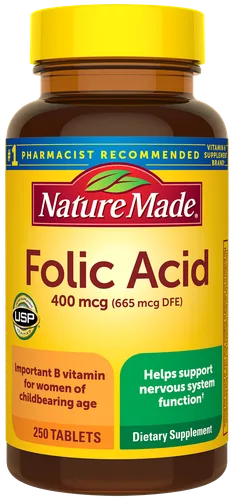
Nature Made Folic Acid 400 mcg Review
We don’t sell supplements. We help you make decisions and get the best price.
Lowest prices
We may earn a commission from some store links. How we choose.
Finding the lowest prices at the stores now. This takes a few seconds.
Products with nearly the same formula (Matched on the main ingredients)
Study, Trial or Testing Result Summary
Members Only26 human studies · 9 improved
No good human study has tested folic acid on its own for constipation. A national survey of about 13,900 United States adults found that people eating the most folate had lower odds of constipation, but a survey cannot show that folate caused this [1]. Hong Kong preschool children with constipation ate less folate, and also less fiber and fewer plant foods [2]. A small 10-day pilot in 40 women found that a kombucha drink with folic acid, the fiber inulin and other vitamins improved bowel movements, so the benefit cannot be credited to folate [3]. In pregnancy and after childbirth, iron and folate tablets often caused constipation, likely from the iron [4][5][6]. This product has 70 milligrams of calcium, far below the studied doses. Large trials using 1 to 1.2 grams of calcium a day found more constipation than placebo [7][8]. A trial in men found no difference from placebo [9]. Small trials using 500 milligrams a day found no change in stool frequency [10][11]. Benefit appeared only with calcium polycarbophil, a bulk-forming fiber, which is not the plain calcium in this product [12]. Animal and cell studies are never counted.
See all 26 studies →Hide the studies
- In 1471 healthy older women given 1 g a day of calcium citrate for 5 years, constipation was more common than with placebo.Randomized controlled trial of calcium in healthy older women.
- In 1460 women over 70 given 1200 mg a day of calcium carbonate for 5 years, constipation was the only side effect that rose (13.4% with calcium versus 9.1% with placebo).Effects of calcium supplementation on clinical fracture and bone structure: results of a 5-year, double-blind, placebo-c…
- In 323 healthy men given 600 or 1200 mg of calcium a day for 2 years, constipation was no different from placebo.Randomized controlled trial of calcium supplementation in healthy, nonosteoporotic, older men.
- In 130 pregnant women with iron deficiency anaemia given one iron and folate tablet daily for four weeks, it worked about the same as an iron and zinc tablet, and constipation was a common side effect (29.2% of cases overall).Comparison between Iberet Folic® and Zincofer® in treatment of iron deficiency anaemia in pregnancy.
- In 112 women with anaemia after childbirth, adding 1 mg of folic acid daily to iron for four weeks made no difference to blood levels or health status, and constipation from the iron was linked to not keeping up with treatment.A randomized controlled trial examining the addition of folic acid to iron supplementation in the treatment of postpartu…
- In 103 healthy pregnant women comparing four iron supplements, vomiting and constipation were more frequent with the lower iron dose products, and no effect of folate on constipation relief was shown.A comparative trial of haematinic supplements in pregnancy.
- In 100 people with functional constipation, 1 litre a day of sulfate-rich mineral water increased bowel movements more than tap water at 3 weeks, but the difference was gone by 6 weeks.Effects of Sulfate-Rich Mineral Water on Functional Constipation: A Double-Blind, Randomized, Placebo-Controlled Study.
- In 28 constipated children given calcium polycarbophil for 1 month, constipation resolved in 43% and improved in another 21%.The intestinal ecosystem in chronic functional constipation.
- In two small crossover studies of 15 and 17 healthy young adults, 500 mg a day of elemental calcium as carbonate or phosphate for two weeks did not change stool frequency.Calcium phosphate supplementation increases faecal Lactobacillus spp. in a randomised trial of young adults.
- In 27 healthy women taking 500 mg a day of calcium as carbonate or phosphate for 2 weeks each, stool frequency and form did not change.Calcium Supplementation Does Not Contribute to Constipation in Healthy Women.
- In 24 adults with low parathyroid function, calcium citrate caused less constipation than calcium carbonate over 1 month of each.Calcium Citrate Versus Calcium Carbonate in the Management of Chronic Hypoparathyroidism: A Randomized, Double-Blind, Cr…
- In 23 people with irritable bowel syndrome, 6 grams a day of calcium polycarbophil for six months was preferred over placebo by 15 of 21 (71%) who expressed a preference, and it improved ease of stool passage, including in 79% of those with constipation.Calcium polycarbophil compared with placebo in irritable bowel syndrome.
- In 21 people with an ileal pouch after ulcerative colitis surgery, 3 grams a day of calcium polycarbophil for six months did not change stool frequency or consistency versus control, but nighttime soiling improved, and two people had stools too firm with difficulty passing them.Effect of calcium polycarbophil on bowel function after restorative proctocolectomy for ulcerative colitis: a randomized…
- In 16 people with an ileoanal pouch, 1.5 grams a day of calcium for two months reduced daytime and nighttime stool frequency compared with placebo and reduced use of antidiarrhoea medicine (4 vs 9 patients).Influence of dietary calcium supplements on ileoanal pouch function and cytokinetics.
- In 8 people, 6 g a day of calcium carbonate for 3 weeks did not change intestinal transit time but increased daily stool output.Effect of calcium carbonate and aluminum hydroxide on human intestinal function.
- In 57 adults with long-term constipation, calcium polycarbophil softened stools and eased passing them compared with placebo over 4 weeks of treatment, and doctors rated it very good or good in 91% of cases.[Calcium polycarbophil in clinical practice. The therapy of constipation].
- In institutionalized older and chronically ill patients, 81% of those taking dioctyl calcium sulfosuccinate improved on constipation, a significant gain over placebo, while the sodium form (Colace) did not beat placebo.Treatment of constipation in geriatric and chronically ill patients: a comparison.
- In a small 10-day randomized pilot in 40 women with constipation-predominant bowel symptoms, a kombucha drink containing folic acid and inulin raised stool frequency and improved stool form compared with water.Evaluation of the Efficacy of Kombucha-Based Drink Enriched with Inulin and Vitamins for the Management of Constipation-…
- In overweight or obese adults taking meds that loosens stools, 1 g of calcium carbonate over 3 days did not change stool frequency or consistency compared with no supplement.Investigation and Management of Stool Frequency and Consistency Associated With SGLT1 Inhibition by Reducing Dietary Car…
- Over one year, children with Angelman syndrome taking a supplement mix that included metafolin, betaine, creatine, and vitamin B12 showed no significant change in development compared with a prior control group, and constipation was among the side effects that led some families to withdraw.A therapeutic trial of pro-methylation dietary supplements in Angelman syndrome.
- In a national survey of about 13,900 US adults, those with the highest dietary folate intake had lower odds of constipation than those with the lowest intake.Evaluating the link between the dietary intake of vitamin B and constipation: a population-based study.
- In 1,991 children and adolescents with disabilities, folate intake was often inadequate, and folate was not directly tested against constipation.Mediterranean diet is associated with better gastrointestinal health and quality of life, and less nutrient deficiency i…
- In 368 Hong Kong preschool children, those with constipation had lower dietary folate intake than children without it, alongside lower fiber and plant food intake.Increased prevalence of constipation in pre-school children is attributable to under-consumption of plant foods: A commu…
- In a survey of 277 rural Kenyan mothers taking daily iron and folic acid during pregnancy, about 28.5 percent reported constipation as a side effect, and side effects were linked to shorter supplement use.The Influence of Antenatal Oral Iron and Folic Acid Side Effects on Supplementation Duration in Low-Resource Rural Kenya…
- In a Hungarian registry study, anemic pregnant women taking iron supplements had a higher rate of constipation-related hemorrhoids, while folic acid use was linked to fewer congenital abnormalities.Iron deficiency anemia: pregnancy outcomes with or without iron supplementation.
- In a survey of pregnant women in Sharjah, UAE, constipation was the most frequently reported side effect of over-the-counter medicines, with folic acid among the commonly used supplements, but the survey did not test any folate treatment for constipation.Use of Over-the-Counter Medication among Pregnant Women in Sharjah, United Arab Emirates.
Review Totals and Summary
Members OnlyWhat buyers say
No written reviews read yet.
Biohacker Summary
Members Only0 of 10 recommend it
The product is folic acid, and the panel spoke about folate (the natural form) more than the supplement itself, with most of them backing it or treating it as useful. Four of the ten recommend folate, mostly for lowering homocysteine, and also for mitochondrial function, hearing health in older people, and IVF preparation, while one more likes it as a way to correct a low level and one credits folate supplementation with sharply reducing spina bifida. The clear preference is methylfolate, the active form the body can use directly, and two of them say it is better than synthetic folic acid; one suggests getting it through a prenatal vitamin, and dark leafy greens are named as a food source. Cautions are limited: two note that birth control pills or a med can deplete folate, and no one said they stopped taking it. Calcium, listed as a smaller ingredient in this product, drew mixed views, with several backing it for bones and others warning about calcium carbonate and supplements.
See all 10 biohackers →Hide the biohackers
Dr. Eric Berg · Calcium · warns
- Warns that bone loss cannot be fixed with just calcium, as bone is primarily collagen with other essential minerals.
- Notes that birth control pills deplete the body of folate, which is needed for the brain to make serotonin.
- Dr. Berg includes calcium carbonate among the synthetic supplements to avoid.
- Warns against calcium carbonate, also known as limestone, stating that while it lowered hip fractures in a study, it also increased kidney stones and is not good for arteries, requiring the body to work hard to use it.
- Notes that tannins in tea bind calcium, blocking its absorption.
- Indicates that horizontal thin white lines near the base of the nails are indicative of low calcium.
- Warns that calcium carbonate can build up in the arteries and kidneys and increase the risk of a heart attack.
- Dr. Berg mentions that fermented dairy contains vital nutrients, including calcium.
- States that calcium and magnesium are intrinsically linked and work in combination with vitamin D to support the body's calcium balance.
- Dr. Berg mentions that fermented dairy contains vital nutrients, including folate.
- Explains that calcium triggers muscle contraction, while magnesium is needed to relax the muscles afterward.
- Warns that too much calcium can cause high blood pressure by causing arterial contraction.
- States that folate is a co-factor or nutrient involved in making melatonin.
- States that if one is deficient in folate, cells cannot repair, and recommends dark leafy green vegetables, liver, and avocados as good sources.
Dr. Mark Hyman · Folate · neutral
- Notes that taking folate can lower homocysteine levels, which has shown health benefits and physical improvements in brain scans in clinical trials.
- Notes that some people may need a little bit extra folate with a supplement.
- Optimized a child's nutrient status with folate, as the child had low folate levels and was not eating greens.
- Notes that calcium is in bones but is also essential for nerves, muscles, and the heart, and low levels can affect muscle function and heart rhythm.
- Notes that a med depletes folate.
- States that folate is a nutritional deficiency that impacts mental health.
- Recounts giving a patient with MCI high-dose methylfolate, along with B12 shots and B6, which completely cured her MCI.
- Recommends folate with vitamin B6 and B12 as supplements with strong evidence for PMS.
- States that green leafy vegetables are great sources of calcium.
- Explains that folate metabolism is very involved in neurotransmitter function and mood, and that folate can be a treatment for some cases of depression, especially for those with MTHFR genetic variants.
- Explains why methylated folate matters and differentiates it from folic acid in the context of prenatal vitamins.
- Recommends folate for male fertility, stating it targets cellular damage.
- Notes that calcium needs are lower than advertised and that stress, soda, and excess sugar can drive calcium loss.
- Does not prescribe calcium supplements at all, teaching people to get it from whole foods instead, because calcium supplements don't work for building bones or preventing fractures, and it's bone quality, not density, that matters.
Dave Asprey · Folate · neutral
- States that folate can affect how the body responds to a supplement.
- Recommends methylfolate as a better option than folic acid.
- Notes that when energy intake is too low for training demand, nutrient intake often falls short, especially for calcium, which is associated with reduced bone health.
- Explains that calcium provides the raw material for bones, but it isn't a standalone input and needs a whole system to be effective.
- Notes that people take calcium for their bones.
- Dave Asprey notes that 80% of their clients have a problem absorbing certain forms of folate, and when the exact form of folate or folinic acid is dialed in, clients experience shifts, with the brain waking up as one of the first improvements.
- Warns that taking calcium without vitamin D, A, and K2 can lead to calcium going into tissues, causing bone spurs and other issues, and recommends a two-to-one ratio of calcium to magnesium.
- Dave breaks down why a daily stack of taurine, B6, folate, and B12 works for motivation when either ingredient alone doesn't.
- Warns that many people who take methylfolate experience muscle tension and anxiety from it, suggesting it's not always the right form for methylation issues.
- Recommends taking calcium citrate during a high oxalate meal to bind the oxalate in the gut.
- Notes that people often take calcium for bone health.
- Notes that not everyone can metabolize methylfolate.
- Warns against taking methyl folate, stating that it causes muscle cramping throughout the body and that overmethylating is a nasty sensation.
- Believes calcium supplements are overrated, as most people need more vitamin K2 and vitamin D instead.
Ben Greenfield · Folate · recommends
- Recommends methylfolate as an active form of folate that the body can use directly without conversion.
- Recommends bioavailable folate, not synthetic folic acid, as folate deficiencies seem to impact hearing health in older individuals.
- Is considering whether he needs a calcium supplement because lead can displace calcium in bones, affecting bone strength.
- Mentions calcium as a common deficiency.
- Recommends introducing methylfolate into the diet to address high homocysteine levels.
- Recommends adequate intake of calcium for bone strength.
- Is using calcium chloride mixed with PRP before injecting for the P-shot.
- Would refine the guidelines to include clearer distinctions between synthetic folic acid and natural folate.
- Advises people to stop taking calcium supplements as part of the Root Cause Protocol.
- Notes that some people do better on certain forms of B12, B complexes, SAM E, and methylated folates, specifically five methyl folates, for methylation.
- Warns that in high doses, calcium without the right cofactors can raise cardiovascular risk by contributing to arterial calcification instead of bone strength, and may increase the risk of osteoporosis.
- Explains that 10X separates calcium and zinc into different micro beads, releasing them at different rates and locations in the digestive tract to prevent competition and optimize absorption.
- Covers calcium as a key supplement for kids.
- Notes that magnesium requires co-factors like B12 and folate to work, and BiOptimizers has considered these nutrients to help lower homocysteine levels and protect against DNA damage, promoting better health and longevity.
Siim Land · Calcium · neutral
- Lists dairy and sardines as sources of Calcium.
- Notes that Boron reduces calcium/magnesium loss.
- Recommends a high calcium intake for bone health.
- States that Homocysteine levels can often be improved through adequate folate intake.
- Places calcium supplementation in the 'bad tier' due to its association with increased cardiovascular events, recommending dairy or bones as easier ways to get calcium, though it can be useful for postmenopausal women with low bone density.
- Mentions that eating enough calcium matters for bone density, but states that it alone won't transform bone density.
- Warns that calcium is linked to a higher risk of heart disease, though people with low calcium status and intake can take it safely.
- Warns that calcium supplements increase the risk of heart disease by raising blood calcium levels too high, leading to hypercalcemia and more calcium being stored in the arteries, and also increase the risk of arrhythmias.
- Notes that Brian's folate levels are over 20, which is too high and above the reference range, possibly due to supplementation.
- Warns against calcium supplementation for most people due to its association with increased cardiovascular events, but notes it can be useful for postmenopausal women with low bone density who don't consume dairy.
- Discusses Calcium as a supplement.
- Recommends consuming calcium from dairy, tofu, leafy greens, and bones, as it is a key nutrient required for ATP synthase in mitochondrial energy production.
- Warns that many people are overdosing on methyl folate, which can contribute to overstimulation when combined with creatine.
- Notes that folate resulted in negative effects on epigenetic age, meaning it increased epigenetic age.
Dr. Rhonda Patrick · Folate · recommends
- Recommends ensuring adequate methyl folate intake, ideally through a prenatal vitamin, for women preparing for IVF.
- Mentions that kale delivers calcium, a micronutrient many diets fall short on.
- Notes additional gaps in calcium.
- Notes that dark leafy greens are a great source of folate.
- Reports that alcohol use disorder is associated with a 20-50% greater prevalence of Calcium deficiency.
- States that for his mother, who is homozygous for MTHFR, methyl folate along with a high dose B supplement is necessary to prevent her homocysteine and blood pressure from going high.
- Dr. Patrick mentions that her smoothie is rich in folate, which is required for producing thymine and prevents DNA strand breaks.
- Around 38% doesn't meet the requirement for calcium.
- Has experimented with L-methylfolate in the past to lower homocysteine, as he is a poor methylator.
- Dr. Patrick states that studies have shown supplementing with 5-methyltetrahydrofolate can successfully circumvent some shortcomings of MTHFR gene polymorphisms and lower homocysteine levels.
- Takes a calcium-magnesium pill because he believes people tend to be short of both and that the body cares about the ratio of these similar molecules.
- Dr. Patrick states that her smoothie, containing spinach, has around 480 micrograms of folate, which is essential for the incorporation of thymine into DNA and is very important in regulating epigenetics.
- Dr. Patrick states that adequate levels of folate have been shown to prevent cancer, and conversely, inadequate levels can damage DNA, which is known to cause cancer.
- Dr. Rhonda Patrick discusses folic acid vs. folate.
Thomas DeLauer · Calcium · neutral
- Notes that milk contains 120mg of calcium, while sardines contain 351mg, highlighting a 3x difference.
- Recommends getting calcium, along with vitamin D, zinc, and magnesium, from foods like sardines, as they are important for inflammatory pathways in the gut.
- Explains that eating sardines with their soft bones provides a serious hit of calcium, which is a perfect combination for bones and may contribute to satiety.
- Recommends taking methylfolate as a methylated form of B vitamin for mitochondrial function.
- Mentions that magnesium and calcium should not be taken together as they cancel each other out.
- Tries to get multivitamins without calcium or with a low amount, as he believes supplemental calcium impacts the absorption of other vitamins and minerals and is not as beneficial as hyped. He cautions against it for most people due to the risk of coronary artery calcification.
- Recommends getting calcium from dairy sources like milk, yogurt, kefir, and cheese in the morning to support neurotransmitter synchronization crucial for deep and REM sleep, noting that low dietary calcium is linked to insomnia.
- Recommends methylfolate as a runner-up for insulin resistance, especially for individuals with the MTHFR variant, as it directly enters the methylation cycle without conversion.
- Warns that calcium competes with magnesium for the same absorption channels, advising to separate magnesium intake from calcium supplements or dairy by at least an hour or two.
- Recommends providing the body with adequate dietary calcium, not a calcium supplement, to ensure a clean, strong spark for efficient insulin release.
- Warns that calcium and magnesium should not be taken together as they cancel each other out, though some products use delayed absorption to mitigate this.
- Warns that most people consume too much calcium relative to magnesium, which can disrupt the balance needed for proper bodily function, comparing it to an electrical circuit.
- Mentions folate as a critical B vitamin for reducing homocysteine.
- Lists folate as a metal donor found in green leafy vegetables, liver, and legumes, especially sprouted legumes.
Peter Attia · Calcium · recommends
- Recommends calcium as one of the 'big three' micronutrients for bone health, suggesting a daily intake of 1,000 to 1,200 milligrams, which can be supplemented with calcium carbonate or calcium citrate.
- Explains that bone is 50 to 70% mineral, predominantly calcium, and that virtually all of the body's calcium is contained within bone, making bone important for calcium homeostasis.
- Recommends calcium for bone health, stating that teenagers probably need about 1000 milligrams a day.
- Discusses bone acting as a reservoir for calcium and how resorption and formation release calcium into the blood when needed.
- Highlights folate supplementation as a significant practical progress in nutrition science, which has radically reduced spinabifida.
- Takes Jarrow methylfolate to keep homocysteine levels below nine, taking the lower of two available strengths once a day.
- Takes Jarrow methylfolate, a methylated version, once a day at the lower of two strengths, to keep homocysteine levels below nine.
- Mentions that in a mouse model for obesity, the amount of folate given to the mother mouse during pregnancy affects the epigenetics of her offspring, leading to changes in coat color and obesity.
- Personally takes methylfolate to help get homocysteine into the desired zone and prefers the Jarrow brand.
- Notes that bone is 50 to 70 percent mineral, with calcium being the predominant mineral, and virtually all of the body's calcium is contained within bone.
- Recommends getting about a gram of calcium a day from organic bone meal, which provides calcium hydroxyapatite, the form humans are meant to consume.
- Takes methyl folate as a supplement.
- Suggests that calcium is one of the other signals involved in regulating mitochondrial number, beyond AMPK activation.
- States that in postmenopausal women not on estrogen, calcium and vitamin D have no protective effect against hip fracture because the problem is not the shell of the bone, which is fed by calcium and vitamin D, but the internal girder network.
Bryan Johnson · Calcium · recommends
- Recommends calcium as a mineral that, along with phosphorus, magnesium, and boron, is deposited to fortify the bone structure after the collagen scaffold is in place.
- Agrees that a little extra calcium is probably okay, especially for women, to really hit home for bone mineral density.
- Recommends prioritizing calcium intake for postmenopausal women to help maintain bone density and reduce the risk of osteoporosis.
- Bryan Johnson takes Calcium daily as part of his Longevity Mix, which supports healthy bones and teeth.
- Recommends continuing with calcium to support bone health during the follicular phase.
- Recommends supplementing with folate for brain health for both the mother and the baby during pregnancy.
Andrew Huberman · Folate · recommends
- States that B12, folate, and iron are essential to mitochondrial function and if deficient, mitochondria will not function properly, which is consistent with the mitochondrial theory of neuropsychiatric disorders.
- Recommends taking methyl folate as part of methylated B vitamins to lower homocysteine levels and reduce cardiovascular risk.
- Takes methyl folate because elevated levels of homocysteine are associated with negative outcomes, and taking methyl folate is known to lower homocysteine. This might lower ADMA and SDMA and raise nitric oxide synthesis, potentially impacting vascular disease.
- Discusses "hard water" and the role of magnesium and calcium in cardiovascular health.
- Discusses folate as a potential factor in mitigating cancer risk, particularly in relation to alcohol consumption.
- Recommends the consumption of folate and other B vitamins, especially B12, as it has been shown to partially decrease cancer risk in people who ingest alcohol, though it does not completely offset it.
- Discusses L-5-Methyltetrahydrofolate as a novel pain relief compound and mentions it in the context of a protocol for pain.
- Explains that 5-methyltetrahydrofolate (5-MTHF) is now being used as a strategy to increase endogenous SAMe levels, as it is a precursor molecule necessary for its conversion.
- Recommends Methylfolate as part of methylated B vitamins to lower homocysteine and reduce cardiovascular risk.
- Adequate intake of calcium is vital for bone health.
RAL Summary
Members OnlyTier 4 for Regularity: Long-Term Relief
The folate evidence for constipation comes from surveys and a mixed-ingredient drink, not trials of folate alone, and there are no reviews, so the evidence is thin [1][3]. The small calcium dose is well below doses that were studied, which did not help [8].
- Emerging: not enough evidence to rank higher yet.
Where the evidence disagrees: 14 of the 26 human studies found no effect.
More Details
Members OnlyBody systems · Combine with · Possible side effects
Body systems: Digestive system
Possible side effects: No major side effects reported for folic acid alone in these studies. Constipation was seen with iron and folate tablets, likely from the iron, and with high-dose calcium far above this product's 70 milligrams.
Supplement Facts
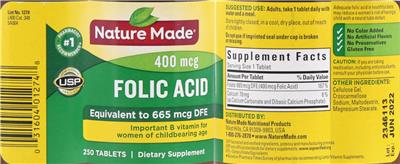
Folate 665 mcg DFE · Calcium 70 mg
| Folate | 665 mcg DFE | |
| Calcium | 70 mg |
Other ingredients: Cellulose Gel, Croscarmellose Sodium, Maltodextrin, Magnesium Stearate.
Directions: Suggested use: Adults take 1 tablet daily with water and a meal.
Barcode (UPC) 031604012748 · Label source: NIH label database · Report a label change
Show entire label

More regularity: long-term relief products
Members OnlyThe highest ranked for the same goal
Read more
Our articles on this subject
- Folate vs Folic Acid: What the Studies Show About Each FormArticle · Oct 29, 2026
- Magnesium Glycinate vs Citrate: What the Studies ShowArticle · Oct 30, 2026
Graded November 6, 2026 by the Reverse Age Lab evidence engine, from human studies, real reviews and our biohacker panel. How we grade. Is this medical advice? No. Rala organizes the published evidence; go over any change with your doctor, especially if you take meds.
Privacy policyConsumer health dataAffiliate disclosureTermsDo Not Sell or Share My Personal InformationCookie settings