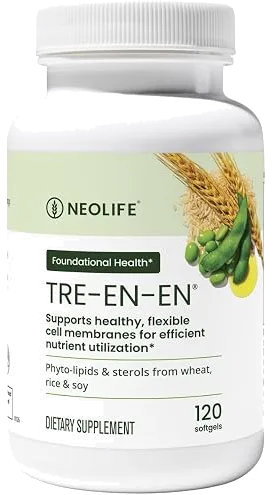
NeoLife Nutritionals Tre-En-En Review
We don’t sell supplements. We help you make decisions and get the best price.
Lowest prices
We may earn a commission from some store links. How we choose.
Finding the lowest prices at the stores now. This takes a few seconds.
Products with nearly the same formula (Matched on the main ingredients)
Study, Trial or Testing Result Summary
Members OnlyHuman studies
No ingredient study findings were given for NeoLife Nutritionals Tre-En-En and bone health, so there is no research to summarize for this goal. The label and the store listing both name only the product itself, Tre-En-En, and neither breaks it down into individual ingredients with doses. Because of that, we cannot say which ingredients are in each serving, how much of each there is, or whether any of them match the amounts used in studies. Our research found no human studies on bone health for the ingredients in this product. There are also no customer reviews counted, and no written reviews could be read, so nothing is known about what buyers have experienced. No biohacker statements were available either. For now this product sits in the emerging group: it may or may not help bone health, but there is not enough evidence in either direction to judge it. Members who care about bone health may want to look at products whose labels list their ingredients and doses clearly and whose ingredients have been tested in people for bone strength or bone density. Animal and cell studies are never counted.
Review Totals and Summary
Members OnlyWhat buyers say
Extensive customer reviews and qualitative feedback are currently being aggregated for this product. Check back soon for a detailed sentiment analysis.
Biohacker Summary
Members Only0 of 10 recommend it
Vitamin E is a smaller ingredient in this product, yet all ten panelists spoke about it, and their views are mixed. Several recommend or use it: one gives it to his kids daily, another takes a multivitamin every day, and others cite skin protection, cell protection, eye health, hair health, and low intakes in many people. On forms, one panelist prefers whole food vitamin E with mixed tocopherols and tocotrienols over alpha-tocopherol alone, while another warns that synthetic vitamin E is fine short term but a concern long term. Cautions are common: panelists warn about high doses, prostate cancer and heart risks, blood thinning before surgery, and dulled workout gains, with one giving a dose of 335 mg after a workout as the one to avoid. One says a balanced diet makes a supplement almost unnecessary, and some pair it with vitamin C, selenium, or the fat-soluble vitamins D, A, and K.
See all 10 biohackers →Hide the biohackers
Dr. Eric Berg · Vitamin E · warns
- Warns against generic multivitamins, stating they are often full of fillers and synthetics.
- Mentions that grass-fed liver has vitamin E.
- Dr. Berg states that synthetic vitamin E may be acceptable for short-term use, but long-term use can contribute to oxidative stress.
- Warns against synthetic vitamin E (dl-alpha-tocopherol) for ongoing maintenance, citing a trial where it increased prostate cancer risk and explaining that it can become a free radical and starve out necessary protective forms of vitamin E.
- Recommends taking vitamin E to block the effects of grains.
- Mentions that castor oil contains vitamin E, which is crucial for maintaining skin barrier function.
- Discusses why tocotrienols are better than regular vitamin E.
- Dr. Berg mentions that eggs contain Vitamin E.
- Fat-soluble vitamins like vitamins A, D, E, and K2 are best taken with a meal, making lunchtime an ideal choice.
- Recommends the tocotrienols form of vitamin E for various conditions due to their power, and suggests taking it at lunch with a meal.
Ben Greenfield · Vitamin E · neutral
- Mentions a recent study showing no significant increase in bleeding for patients on Vitamin E supplementation during open heart surgery, which was interesting for him to learn.
- Notes a new study indicating that vitamin E is a core dietary antioxidant closely associated with a reduced risk of accelerated biological aging.
- Recommends Xtendlife's Tocotrienols Vitamin E for cardiovascular, brain, and healthy aging support, noting that research points to tocotrienols over alpha-tocopherol.
- Recommends whole food vitamin E, explaining that typical supplements only provide alpha-tocopherol, while the whole food complex includes four tocopherols and four tocotrienols, often with selenium at the core.
- Warns against taking 335 mg of vitamin E immediately after a workout for individuals under 50, as it can dull the body's natural adaptation signal.
- Warns that taking a whole bunch of antioxidants like vitamin E after a workout can suppress the body's inflammatory response, which is necessary for benefits like mitochondrial proliferation and satellite cell generation for new muscle.
- Recommends Hiya's best-selling children's vitamin for kids to get the full-body nourishment they need.
- Recommends vitamin E as a powerful antioxidant for pollution, and has tripled his antioxidant intake since arriving in India.
- Explains that vitamin E requires carrier fats for absorption, which is why it's often recommended to take fat-soluble vitamins with food, and 10X Health's microtransporters release vitamin E upon contact with dietary fats.
- Ben Greenfield recommends the tocotrienol form of vitamin E for lung health and air pollution exposure, as it is more effective than tocopherol and difficult to get sufficient levels from food.
Dave Asprey · Vitamin E · uses
- Dave Asprey's kids get a little bit of vitamin E every day, which helps to stabilize the bad oils they get when eating at restaurants.
- Recommends Vitamin E as one of the most important supplements for overall health.
- Takes Vitamin DAKE from Suppgrade Labs because D3, A, K2, and E work together.
- Includes vitamin K2 as a critical ingredient in Vitamin DAKE, stating that the body needs the right fat soluble vitamins for thousands of reactions.
- Mentions Vitamin DAKE from Suppgrade Labs as a product that combines fat-soluble vitamins D, A, K, and E to work together.
- Would have added natural forms of vitamin E after hitting his head.
- Recommends stacking glutathione with vitamin E to help revive oxidized glutathione back to its reduced form.
- Warns against taking 400 IU of synthetic vitamin A (alpha tocopherol) a day, stating it's one of the worst things you can do unless taken with a full spectrum of other tocopherols and tocotrienols.
- Describes a patient whose pain was resolved by taking Vitamin E and ubiquinol.
- Mentions a study where topical vitamin E helped protect against hair loss in mice, and suggests it could be a next step for human trials.
Dr. Mark Hyman · Vitamin E · neutral
- Notes that patients who were very malnourished had extremely low vitamin E.
- Lists Vitamin E as important for cell protection and anti-aging.
- Recommends avoiding Vitamin E for at least a week before surgery because it can thin the blood.
- Notes that Vitamin E levels are low in Parkinson's patients.
- Mentions that people are not getting enough vitamin E, which is found in foods like avocados, nuts, and whole grains.
- Mentions that vitamin E itself is anti-cancer.
- Dr. Hyman reports that 84% of the population is deficient in vitamin E, attributing this to a lack of whole grains in the diet.
- Notes that traditional medicine might give patients with fatty liver disease vitamin E, but often the wrong kind, and many will advise against it.
- States that Vitamin E is important as an antioxidant, helping with skin healing, repair, and moisturization, and his favorite is Metagenics E Complex, which contains a mixture of tocopherols.
- Recommends vitamin E, found in almonds, spinach, olive oil, sunflower seeds, hazelnuts, and avocados, as a great antioxidant.
Dr. Rhonda Patrick · Vitamin E · neutral
- Lutein and zeaxanthin can also be obtained from certain multivitamins.
- Choosing a multivitamin that includes lutein and zeaxanthin ensures you get meaningful amounts every day.
- Notes that ~60% of Americans are low in vitamin E.
- Suggests avoiding a multivitamin if it contains biotin before a testosterone blood test to prevent confounding results.
- Multiple randomized controlled trials show older adults taking a standard multivitamin (like Centrum Silver) had measurable improvements in processing speed, cognition, and episodic memory.
- Currently takes the Pure Encapsulations O.N.E Multivitamin.
- Natural sources of linoleic acid (like nuts, meat, etc.) usually include protective antioxidants (vitamin E) that limit harmful effects.
- Warns that more than 80% of people have low vitamin E levels, unknowingly increasing their risk of heart disease, and even slightly low intake raises oxidized LDL by 8% or more, elevating cardiovascular disease risk.
- Rarely recommends or doses vitamin E due to concerns about its potential to blunt exercise adaptations, especially when combined with vitamin C.
- Reports that alcohol use disorder is associated with a 14-58% greater prevalence of deficiencies in vitamin E.
Thomas DeLauer · Vitamin E · neutral
- Mentions a causal link found between vitamin E and waking up in the middle of the night.
- Recommends using a multivitamin to ensure adequate micronutrient intake, especially when wholesome food is less available.
- Advises checking multivitamins because many contain 100, 200, or 300% of the daily value of selenium, which can contribute to excessive intake.
- Recommends vitamin E for protecting skin cell membranes, reducing oxidative stress, and preventing lipid damage, especially for those with high stress and low dietary intake.
- Recommends taking a multivitamin to ensure adequate intake of important cofactors like B vitamins, magnesium, iron, and zinc, which are essential for the signaling system to be operational.
- Recommends Vitamin E for hair graying, as part of a nutrient-dense diet to combat oxidative stress.
- Mentions vitamin E to a certain degree as a cofactor to support the reversal of hair graying.
- Recommends a multivitamin stack, specifically Fyhealth, for those who are fasting, as it helps ensure adequate nutrition when calorie and food intake are reduced.
- Warns against synthetic multivitamins, arguing that they are an attempt to be smarter than nature by combining isolated nutrients in proportions not found naturally, and that a whole food approach is superior.
- Recommends Hiya multivitamins for kids, describing them as monk fruit sweetened chewable vitamins that provide essential vitamins and minerals children might miss in their diet.
Siim Land · Vitamin E · neutral
- Notes that oral vitamin E and C supplementation has been noted to increase the dose of UVB radiation from the sun needed to cause redness of the skin, suggesting increased resilience against sun damage. He also mentions a trial where a combination of slow-release vitamin C and vitamin E decreased the progression of carotid atherosclerosis in men.
- Mentions vitamin E in comparison to topical melatonin for oxidative defense, stating that melatonin would compete but is not as broadly validated clinically.
- States that the biggest evidence for multivitamin is that it improves cognition and enhances episodic memory in elderly people, who tend to have worse diets and are more likely to be deficient.
- Created Microvitamin, a supplement that bundled all the supplements he was taking, to help fund his a med trial.
- Recommends Vitamin E from vegetables, fruits, nuts, and seeds for skin protection.
- Mentions that years back, a European study revealed risk factors of vitamin E that only showed up with a sufficiently large study.
- Places multivitamins in the 'good' tier, noting that while formulations vary and they don't reduce mortality risk, clinical trials show they can help with cognitive function in elderly people, though generally healthy individuals may not gain much.
- Warns against taking vitamin E around training because it can interfere with muscle growth.
- Warns that taking vitamin E and vitamin C together can eliminate the adaptive benefits of exercise, especially in sedentary individuals doing exercise training, because it blunts the upregulation of mitochondrial biogenesis.
- Mentions that Vitamin E technically lengthens telomeres, but also notes that low vitamin D is linked to cancers, highlighting the complexity of health optimization.
Andrew Huberman · Vitamin E · uses
- Takes a multivitamin every day for longevity.
- Warns that high-dose supplementation of Vitamin E, when given to lung cancer patients, led to worse outcomes than control subjects, highlighting that it's not the same as ingesting it in food.
- Recommends Vitamin E as part of the AREDS2 supplementation for slowing the progression of dry macular degeneration.
- Mentions evidence suggesting that a combination of vitamin C and vitamin E can blunt hypertrophic adaptations because they are anti-inflammatory antioxidants.
- Recommends Vitamin E, especially mixed tocopherols, to help with high prolactin levels.
- Andrew Huberman does not take vitamin E because it spiked his prostate-specific antigen, which he was told is a known effect among urologists.
- Takes a foundational supplement as a source of vitamin A, in addition to food sources.
Peter Attia · Vitamin E · warns
- Notes that there are some downsides to Vitamin E, including cardiovascular longitudinal risk and prostate cancer, and that discussions are needed with patients, especially those with diabetes or cirrhosis, due to studies indicating increased all-cause mortality depending on the dose.
- Peter Attia, involved in the American Urological Association Peyronie's guidelines, stated that vitamin E is not indicated for Peyronie's disease and should not be given.
- States that American Urological Association guidelines advise against giving vitamin E for Peyronie's disease as it is not indicated.
- Suggests that taking vitamin E would almost assuredly not be required if one eats a balanced diet.
- Notes that Vitamin E acetate, generally regarded as safe for ingestion, is not safe when heated to a vapor or steam, linking it to the dangers of vaping.
- Mentions a lung cancer trial where patients taking vitamin E did worse, and this can be recapitulated in mice.
- Notes that vitamin C works better for collagen synthesis when combined with vitamin E.
- Discusses that while observational studies link vitamin E to cognitive health, clinical trials show no effect on dementia risk, suggesting it might act synergistically with other dietary components.
Bryan Johnson · Vitamin E · recommends
- Recommends adequate Vitamin E for hair health, noting it is in the Blueprint stack.
- Uses Vitamin E at 10 IU/ML in his custom topical hair formulation.
RAL Summary
Members OnlyTier 4 for Bone Health
Tier 4 fits because no human studies on bone health were found for this product's ingredients and there are no reviews, so the evidence is thin.
- Emerging: not enough evidence to rank higher yet.
- No human studies on this goal for its ingredients.
More Details
Members OnlyBody systems · Combine with · Possible side effects
Body systems: Skeletal system
Combine with: Combine with a healthy diet and lifestyle.
Possible side effects: No major side effects reported.
Supplement Facts
Vitamin E 1.7 mg · Tre-En-En Grain Concentrate Blend 2025 mg
| Calories | 25 | |
| Total Fat | 2.5 g | |
| Vitamin E | 1.7 mg | |
| Tre-En-En Grain Concentrate Blend | 2,025 mg | † |
Other ingredients: Gelatin, Glycerin, Yellow Beeswax, Water, Rice Bran, Powder, Wheat Germ, Powder, Titanium Dioxide, Natural Colors, Mixed non-Alpha-Tocopherols.
Directions: Suggested Use: 1 to 3 softgels daily with meals.
Label source: NIH label database · Report a label change
Show entire label
More bone health products
Members OnlyThe highest ranked for the same goal
Read more
Our articles on this subject
- Peter Attia's Supplement List: What He Takes and What the Trials SayArticle · Sep 20, 2026
Graded November 14, 2026 by the Reverse Age Lab evidence engine, from human studies, real reviews and our biohacker panel. How we grade. Is this medical advice? No. Rala organizes the published evidence; go over any change with your doctor, especially if you take meds.
Privacy policyConsumer health dataAffiliate disclosureTermsDo Not Sell or Share My Personal InformationCookie settings