
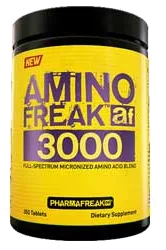
PharmaFreak Amino Freak AF Review
Amino Freak AF Blue Raspberry Flavour by PharmaFreak is a supplement listed on this page in powder form. The label presents it as a hybrid amino acid formula, described as a super concentrated amino acid powder with 45 servings per container. The label says it is made in the USA and is intended for muscle growth, recovery and breakdown prevention. The page states it contains ten active ingredients in each serving of 4.2565 g, with 45 servings per container. The product facts on the page show a net content of 192 g, a barcode (UPC) of 855504001233, and a label entered into the NIH Dietary Supplement Label Database on February 25, 2013, with the market status shown as on market. The active ingredients include the Amino Freak Formula, an anabolic hormone amino acid complex, an anabolic and anti-catabolic amino acid complex, a 45:30:25 clinically validated BCAA ratio, an anti-cortisol amino acid complex, and a patented amino acid absorption enhancer. Individually listed components include calcium, CarniFlex L-carnitine L-tartrate, L-leucine, L-valine, L-isoleucine, L-glutamine, calcium carbonate, L-theanine and Astragin. The page notes that nine of the ten active ingredients have an exact amount on the label, while the BCAA ratio has one total amount. Other ingredients listed are citric acid, maltodextrin, natural and artificial flavors, acesulfame potassium, sucralose and silicon dioxide. The label directions say to take one scoop with 150 ml of cold water, twice daily, with an alternative of two scoops with 300 ml of cold water once daily, and on training days to take at least one serving before or during a workout. The label carries the statement that it is a dietary supplement and that the claims have not been evaluated by the Food and Drug Administration. The page also notes that the label text carries no allergen statement and that none of the ingredient names point to a major food allergen among those checked. On this page, the product is linked to drug interaction information. It reports 672 drugs with a documented interaction, with the most serious rated major, and it names calcium, L-carnitine, glutamine and theanine as the ingredients with interactions on record. The page advises that people with kidney or liver disease, a history of seizures, or who take HIV medicines, meds, meds or heart medicines should talk with a doctor or pharmacist first, and that pregnant or breastfeeding people should ask their provider. The page does not show a price, a store rating, or customer reviews, so no review statistics are reported here. Readers should check the physical label on their own bottle, since the page describes its data as drawn from a label dated February 2013.
We don’t sell supplements. We help you make decisions and get the best price.
Lowest prices
Finding the lowest prices at the stores now. This takes a few seconds.
Study, Trial or Testing Result Summary
Members Only150 human studies · 68 improved
9 of these 150 human studies gave the ingredient by drip, not by mouth.
The main amino blend gives about 1,000 mg of leucine, 667 mg of valine, 556 mg of isoleucine and 1,000 mg of glutamine at two servings a day. That leucine amount is below the roughly 2.5 grams that worked in studies. In older adults with muscle loss, leucine beat placebo for grip strength, muscle mass and walking speed, though the evidence was rated low quality [1]. Branched-chain amino acids modestly raised muscle mass in people with liver scarring [2]. Results were weaker in people who exercise. Supplements added nothing beyond resistance training in frail older adults [3] and did not help trained young men. The findings given for the other blends do not test what the listing says they contain. The carnitine blend was graded on leucine studies [4]. The calming blend, which is theanine, was graded on glutamine and beta-hydroxy-beta-methylbutyrate studies, and glutamine did not change lean mass in athletes [5]. The absorption enhancer was graded on other plant extracts and a probiotic [6]. Calcium on its own showed no muscle benefit [7][8]. Animal and cell studies are never counted.
See all 150 studies →Hide the studies
- Across ten randomized trials and one prospective study of 1,133 older adults with sarcopenia, leucine beat placebo for handgrip, muscle mass relative to height and walking speed, though the authors rated the evidence low quality.Effects of Leucine Supplementation in Older Adults with Sarcopenia: A Meta-Analysis.
- In 16 trials of 910 dialysis patients, a macronutrient mixture and 48 weeks of supplements raised lean body mass, but supplements did not improve muscle strength or physical performance.The effect of oral nutritional supplement on muscle fitness of patients undergoing dialysis: A systematic review and met…
- In 19 studies of 903 joint replacement patients followed about 55 days, essential amino acids reduced thigh muscle loss, but quadriceps and handgrip strength did not improve significantly.Peri-operative protein or amino acid supplementation for total joint arthroplasty: a systematic review and meta-analysis…
- In three trials of 637 people with sarcopenia, whey protein, leucine and vitamin D increased limb muscle mass, and improved grip strength and physical performance only when combined with an exercise program.Effects of Whey Protein, Leucine, and Vitamin D Supplementation in Patients with Sarcopenia: A Systematic Review and Met…
- Across seven trials of 349 older people with weak bones and low muscle, strength training raised muscle mass, grip strength and protein intake, but calcium intake did not change significantly.Effects of Strength Training on Body Composition, Physical Performance, and Protein or Calcium Intake in Older People wi…
- Across 13 trials of 258 patients with short bowel syndrome, growth hormone plus glutamine and a modified diet increased lean body mass by about 2 kg and body weight, but did not change fat mass.Clinical evidence of growth hormone, glutamine and a modified diet for short bowel syndrome: meta-analysis of clinical t…
- In 8 trials, branched-chain amino acids lowered a blood marker of muscle damage (creatine kinase) after hard exercise versus placebo, but muscle soreness did not change significantly.Branched-chain amino acid supplementation and exercise-induced muscle damage in exercise recovery: A meta-analysis of ra…
- In 20 trials of people with liver cirrhosis, branched-chain amino acids slightly increased muscle mass compared with other treatments, with no effect on fat mass.Efficacy of branched chain amino acids supplementation in liver cirrhosis: A systematic review and meta-analysis.
- Pooling 25 trials in athletes, glutamine did not change lean body mass, body fat or aerobic performance, though it was linked to slightly greater weight loss.The effect of glutamine supplementation on athletic performance, body composition, and immune function: A systematic rev…
- In a review of nine reviews covering 128 studies, calcium supplements had only modest effects on bone mineral content and no muscle benefit was reported for calcium itself, though cheese and yogurt were linked to better grip strength.Nutrients and food supplements for the prevention of musculoskeletal diseases: an umbrella review.
- In 30 trials of 1976 critically ill adults, only six measured muscle: one found less muscle wasting with an amino acid combination, one found more wasting with HMB, and three found no effect.A systematic review to assess the impact of amino acids or their derivatives on skeletal muscle wasting in critically il…
- In trials of people with motor neuron disease, branched-chain amino acids or threonine did not improve survival, muscle strength, or function.Amino acids for amyotrophic lateral sclerosis / motor neuron disease.
- A review of trials in people with motor neuron disease found no benefit of branched-chain amino acids or threonine on survival, muscle strength or physical function.WITHDRAWN: Amino acids for amyotrophic lateral sclerosis / motor neuron disease.
- In 37 trials of adults 60 and older, exercise improved muscle, but added nutrition supplements, including amino acids, helped in only about a quarter of trials.Nutrition and physical activity in the prevention and treatment of sarcopenia: systematic review.
- In 11 studies, branched-chain amino acids helped limit muscle damage from exercise when damage was low to moderate, with high daily intake over 10 days, especially if taken before exercise.Is Branched-Chain Amino Acids Supplementation an Efficient Nutritional Strategy to Alleviate Skeletal Muscle Damage? A S…
- A review of 15 reviews in adults 65 and older found leucine increased muscle mass in people with sarcopenia, and protein with resistance training raised muscle mass and strength, though evidence quality was low to moderate.Nutritional interventions to improve muscle mass, muscle strength, and physical performance in older people: an umbrella…
- A review of 27 small studies in adults with cirrhosis found the largest muscle and fat improvements came from combined high-protein diet and exercise, and benefits were also seen with branched-chain amino acid supplements.The Effect of Diet and Exercise Interventions on Body Composition in Liver Cirrhosis: A Systematic Review.
- In a review of 45 mostly cross-sectional studies in older adults, no link was found between calcium and muscle mass, strength, physical performance or sarcopenia.Minerals and Sarcopenia in Older Adults: An Updated Systematic Review.
- In adults 50 and older with sarcopenia, essential amino acid supplements containing about 2.5 grams of leucine showed some improvement in muscle mass and function, but nutrition study results overall were equivocal.Prevalence of and interventions for sarcopenia in ageing adults: a systematic review. Report of the International Sarcop…
- In cancer patients with wasting, a combination of HMB, arginine and glutamine raised lean body mass after 4 weeks in one study but not after 8 weeks in a larger one, and overall evidence was insufficient.A systematic review on the role of vitamins, minerals, proteins, and other supplements for the treatment of cachexia in …
- In 23 studies of older people with sarcopenia, 1.2 to 6 grams of leucine daily was well tolerated and mainly improved lean muscle mass, while strength results were mixed.Beneficial Effects of Leucine Supplementation on Criteria for Sarcopenia: A Systematic Review.
- A review of trials in older adults with sarcopenia found leucine-enriched whey protein plus resistance training increased lean muscle mass, strength and physical performance.Enhancing Muscle Quality: Exploring Leucine and Whey Protein in Sarcopenic Individuals.
- In five trials of adults with short bowel syndrome, growth hormone with or without glutamine raised weight and lean body mass by about 2 kg, but the effects were short-lived and evidence was judged inconclusive.Human growth hormone and glutamine for patients with short bowel syndrome.
- Across six studies in adults doing strength exercise, glutamine alone did not change muscle strength between groups while glutamine with other nutrients showed favorable results, leaving the data insufficient.[GLUTAMINE AS AN AID IN THE RECOVERY OF MUSCLE STRENGTH: SYSTEMATIC REVIEW OF LITERATURE].
- In nine trials of hip and knee replacement patients, amino acid supplements were reported to reduce muscle loss and speed return of mobility, but the overall evidence was limited.What Is the Role of Nutritional Supplements in Support of Total Hip Replacement and Total Knee Replacement Surgeries? A …
- In 1434 children aged 6 to 9, two years of an after-school program with 380 mg daily calcium-rich snacks and exercise raised bone stiffness in one group but did not change muscle strength or vertical jump.Beat osteoporosis - nourish and exercise skeletons (BONES): a group randomized controlled trial in children.
- In 472 advanced cancer patients taking the mixture or a control twice daily for 8 weeks, lean body mass did not differ significantly between groups, though only 37% finished treatment.A randomized, double-blind, placebo-controlled trial of a beta-hydroxyl beta-methyl butyrate, glutamine, and arginine mi…
- In 380 older adults with low muscle mass, taking a vitamin D and leucine-enriched whey protein supplement twice daily for 13 weeks led to more muscle mass gained (0.17 kg more) and better chair-stand times than the control product, though handgrip strength did not differ between groups.Effects of a vitamin D and leucine-enriched whey protein nutritional supplement on measures of sarcopenia in older adult…
- In 200 pre-frail and frail older adults doing resistance training for 16 weeks, leucine, whey, soy or creatine did not add to the muscle mass and function gains from training alone.Supplement-based nutritional strategies to tackle frailty: A multifactorial, double-blind, randomized placebo-controlled…
- In 156 older women with low muscle mass, 1500 mg daily of calcium-HMB for 12 weeks did not add to the effects of resistance training on muscle quality compared with placebo.β-Hydroxy-β-Methylbutyrate Supplementation May Not Enhance Additional Effects of Exercise on Muscle Quality in Older Wom…
- In 150 people with cirrhosis and weak muscles, 30 g a day of branched-chain amino acids for 12 months did not improve grip strength or arm lean mass compared with whey protein, with 57% reaching the goal versus 61% on whey.Branched-chain amino acid supplementation does not improve measures of sarcopenia in cirrhosis: results of a randomised …
- In 150 people with Parkinson disease or parkinsonism during 30 days of intensive rehabilitation, a whey protein formula enriched with leucine and vitamin D improved distance walked and walking speed and preserved muscle mass compared with a standard hospital diet.Muscle-targeted nutritional support for rehabilitation in patients with parkinsonian syndrome.
- In 148 men aged 70 and over with low testosterone, 20 weeks of calcium, vitamin D and protein with resistance training and testosterone improved chair stand performance versus no intervention, but calcium's own effect could not be separated.Beneficial effects of exercise, testosterone, vitamin D, calcium and protein in older men-A randomized clinical trial.
- In 140 older adults with low muscle mass in hospital rehabilitation, a leucine and vitamin D enriched whey protein formula twice daily for 4 to 8 weeks improved walking speed, muscle mass and physical function more than a control formula.Improving rehabilitation in sarcopenia: a randomized-controlled trial utilizing a muscle-targeted food for special medic…
- In 130 elderly people with muscle loss who also exercised, 12 weeks of whey protein, essential amino acids and vitamin D increased fat-free mass by 1.7 kg and handgrip strength more than placebo, and lowered C-reactive protein.Whey protein, amino acids, and vitamin D supplementation with physical activity increases fat-free mass and strength, fu…
- In 105 older outpatients at risk of malnutrition, a nutrient-rich drink for 12 weeks raised calcium intake and increased muscle mass in women, but muscle strength and physical performance did not differ from standard care.The effect of 12-weeks Nutritional supplementation on Nutritional Intake and Status among Indonesian Older Outpatients w…
- In 93 adults recovering from critical illness, an essential amino acid and glutamine drink twice daily for 3 months combined with 6 weeks of physiotherapy gave the biggest gains in 6-minute walking distance and reduced anxiety and depression.Improving rehabilitation after critical illness through outpatient physiotherapy classes and essential amino acid supple…
- In people with severe chronic obstructive lung disease, twelve weeks of essential amino acids increased daily walking, quality of life, fat-free mass, muscle strength and thinking ability compared with placebo.Essential amino acid supplementation in patients with severe COPD: a step towards home rehabilitation.
- In 81 COPD patients with low muscle mass, a leucine, vitamin D and omega-3 supplement taken for 4 months alongside high-intensity exercise raised body mass, vitamin D and omega-3 levels and steps per day more than placebo, but both groups gained similar muscle mass and strength.A randomized clinical trial investigating the efficacy of targeted nutrition as adjunct to exercise training in COPD.
- In older adults with sarcopenia, whey protein with leucine taken after resistance training for 24 weeks did not differ from training alone at the end, but after 24 weeks without training, muscle mass and grip strength were higher in the supplement plus training group.De-Training Effects Following Leucine-Enriched Whey Protein Supplementation and Resistance Training in Older Adults with…
- In 68 people with AIDS-related weight loss (43 finished), 8 weeks of a daily mix of HMB, glutamine and arginine gave about 2.6 kg lean mass gain versus a 0.7 kg loss on placebo.Nutritional treatment for acquired immunodeficiency virus-associated wasting using beta-hydroxy beta-methylbutyrate, glu…
- In 66 overweight adults, 3.6 grams of essential amino acids twice daily for 8 weeks increased protein turnover, while thigh lean mass gains were reported with high-intensity interval training with or without the amino acids.High-intensity interval training and essential amino acid supplementation: Effects on muscle characteristics and whole-b…
- In 66 older adults over 6 weeks of training, arginine and beetroot extract did not change strength or endurance overall, though beetroot improved sprint time in men and lowered a muscle-stress blood marker in women.l-Arginine and Beetroot Extract Supplementation in the Prevention of Sarcopenia.
- In 63 untrained adults doing nine months of supervised resistance training, daily whey protein gained more lean body mass (3.3 kg) than soy protein (1.8 kg) or a carbohydrate control (2.3 kg).Whey protein supplementation during resistance training augments lean body mass.
- In 61 older adults at risk of sarcopenia, nitric oxide boosters given with a 6-week exercise program raised vitamin D levels, but the link to physical fitness was inconsistent.Nitric-Oxide-Inducing Factors on Vitamin D Changes in Older People Susceptible to Suffer from Sarcopenia.
- In 61 patients having abdominal cancer surgery, a daily HMB, arginine and glutamine drink for 3 days before and 7 days after surgery did not change muscle mass, handgrip strength or wound complications versus placebo.Perioperative Nutritional Support With Beta-hydroxy-beta-methylbutyrate, Arginine, and Glutamine in Surgery for Abdomina…
- In a 4-week double-blind trial of 60 people with COPD, adding branched chain amino acids to pulmonary rehabilitation was no more beneficial than rehabilitation with placebo.Does branched-chain amino acid supplementation improve pulmonary rehabilitation effect in COPD?
- In 60 people with cirrhosis and muscle loss, 12 g of branched-chain amino acids daily for 6 months plus exercise did not increase muscle mass compared with placebo.Randomised clinical trial: effect of adding branched chain amino acids to exercise and standard-of-care on muscle mass i…
- In 60 adults aged 60 and older, a seaweed-derived fucoidan supplement over 12 weeks improved grip strength and walking distance compared with placebo, but did not change muscle mass.The effects of Oligo-Fucoidan on muscle function in community-dwelling older adults: A double-blind, randomized, placebo…
- In 60 older adults with type 2 diabetes, 6 g of a leucine-rich amino acid supplement daily for 48 weeks added no significant benefit to strength gains from home elastic-band exercise, and muscle mass did not change.Effects of resistance training using elastic bands on muscle strength with or without a leucine supplement for 48 weeks …
- In 60 sarcopenic older adults over 2 months, a food containing 2.5 g leucine, omega-3 fatty acids and a probiotic increased appendicular lean mass, Tinetti and SPPB scores, and handgrip strength compared with placebo.Effectiveness of a Novel Food Composed of Leucine, Omega-3 Fatty Acids and Probiotic Lactobacillus paracasei PS23 for th…
- In 60 stroke patients in rehabilitation, a leucine-enriched amino acid jelly over about 3 months increased body mass index and preserved bone mass, but did not produce greater gains in grip or leg strength than rehabilitation alone.Effects of Nutritional Support with a Leucine-Enriched Essential Amino Acid Supplement on Body Composition, Muscle Stren…
- In 58 adults with mild to moderate inflammatory bowel disease (51 finished), 10 mg of piperine plus 1000 mg of curcumin daily for 12 weeks reduced muscle depletion and improved fat-free mass and phase angle compared with placebo.Curcumin plus piperine improve body composition in patients with inflammatory bowel disease: a randomized, double-blind,…
- In 55 older adults with chronic kidney disease, 12 weeks of leucine-enriched branched-chain amino acids increased lean muscle mass by 0.4 kg compared with a 0.2 kg loss on placebo, with no change in strength or walking capacity.Anti-sarcopenic effect of leucine-enriched branched-chain amino acid supplementation among elderly chronic kidney diseas…
- In 54 frail adults with compensated cirrhosis, branched-chain amino acid supplements for 16 weeks improved frailty and raised skeletal muscle index compared with a control group, with frailty reversed in 36% of the supplement group versus 0% of controls.Branched-chain amino acids supplementation improves liver frailty index in frail compensated cirrhotic patients: a rando…
- In 50 older adults in care facilities, 6 g of leucine daily for 13 weeks improved walking time, lean mass index, and maximum expiratory breathing force compared with placebo.Effects of Leucine Administration in Sarcopenia: A Randomized and Placebo-controlled Clinical Trial.
- In 50 nursing home residents aged 65 and over, 6 g of leucine daily for 13 weeks did not change frailty index scores compared with placebo.Can Leucine Supplementation Improve Frailty Index Scores?
- In 50 boys with Duchenne muscular dystrophy, 6 months of glutamine or creatine did not significantly change muscle strength compared with placebo.CINRG randomized controlled trial of creatine and glutamine in Duchenne muscular dystrophy.
- In 49 adults aged 70 or older with mild trauma, HMB complex supplementation for 2 weeks did not change thigh muscle size, grip strength or daily function compared with glutamine alone.Urinary Titin N-Fragment Evaluation in a Randomized Controlled Trial of Beta-Hydroxy-Beta-Methylbutyrate for Acute Mild …
- In 48 patients recovering from tonsillectomy, branched-chain amino acids helped maintain muscle mass during the first three weeks after surgery, while the control group lost muscle.Effects of branched-chain amino acids on changes in body composition during the recovery period following tonsillectomy.
- In older adults with obesity and weak grip, five months of a moderate calorie-restricted diet plus resistance training improved strength and body composition, and adding essential amino acids gave no extra benefit.Effects of a Hypocaloric Diet Plus Resistance Training with and Without Amino Acids in Older Participants with Dynapenic…
- In 48 trained young men over 6 weeks, adding L-arginine to high-intensity interval training lowered interleukin-6 inflammation levels more than training alone, but neither training nor L-arginine changed body composition.High intensity interval training and L-Arginine supplementation decrease interleukin-6 levels in adult trained males.
- In 47 adults with polymyositis or dermatomyositis, branched chain amino acids for 12 weeks did not improve manual muscle test scores compared with placebo but did improve shoulder movement endurance.Branched chain amino acids in the treatment of polymyositis and dermatomyositis: a phase II/III, multi-centre, randomize…
- In 44 patients after head and neck cancer surgery, enteral glutamine given for up to four weeks improved fat-free mass, serum albumin and quality of life compared with the control group.Enteral glutamine supplementation in surgical patients with head and neck malignancy: A randomized controlled trial.
- In 44 elderly women taking oral L-glutamine or placebo for 30 days, glutamine improved knee muscle strength and power and glycemia control, with greater gains when combined with exercise.L-Glutamine Supplementation Enhances Strength and Power of Knee Muscles and Improves Glycemia Control and Plasma Redox B…
- In 44 older adults having cardiac surgery, taking beta-hydroxy-beta-methylbutyrate (1200 mg daily) plus glutamine and arginine for at least 2 weeks before surgery improved walking distance, strength and physical performance and shortened hospital stays, but did not change muscle mass.Effects of preoperative beta-hydroxy-beta-methylbutyrate, arginine, and glutamine supplementation on cardiac surgery: A …
- In 43 malnourished people with liver cirrhosis, 3 g a day of calcium HMB for 12 weeks did not change fat-free mass compared with the supplement without it, though handgrip strength trended upward.Randomized Clinical Trial: Effects of β-Hydroxy-β-Methylbutyrate (HMB)-Enriched vs. HMB-Free Oral Nutritional Supplement…
- In 42 long-term immobilized intensive care patients fed 1.8 or 1.2 grams of protein per kilogram daily for 4 weeks, the mix of amino acids in their nutrition was not significantly linked to how much leg muscle they lost.Is the amino acid pattern in medical nutrition therapy crucial for successfully attenuating muscle mass loss in adult IC…
- In 40 young men doing 8 weeks of resistance training, calcium HMB did not improve muscle thickness, strength or power more than placebo.Leucine Metabolites Do Not Enhance Training-induced Performance or Muscle Thickness.
- In 40 resistance-trained young men over 8 weeks of training, calcium HMB did not reduce training-related inflammation or change muscle thickness or strength compared with placebo.Leucine metabolites do not attenuate training-induced inflammation in young resistance trained men.
- In 40 young adults doing 12 weeks of strength training, 40 g daily of milk protein or native whey protein produced similar gains in muscle mass and strength with no difference between the two.No Difference between Spray Dried Milk and Native Whey Supplementation with Strength Training.
- In 40 people with rheumatoid arthritis and muscle wasting, 12 weeks of beta-hydroxy-beta-methylbutyrate, glutamine and arginine was not more effective than a placebo amino acid mix, though it caused fewer stomach complaints.Dietary treatment of rheumatoid cachexia with beta-hydroxy-beta-methylbutyrate, glutamine and arginine: a randomised con…
- In 38 patients with advanced lung cancer, beta-hydroxy-beta-methylbutyrate, arginine and glutamine showed no benefit for preserving lean body mass over 12 weeks, and the trial was stopped early due to slow recruitment.Beta-hydroxy beta-methylbutyrate/arginine/glutamine (HMB/Arg/Gln) supplementation to improve the management of cachexia …
- In people on dialysis with poor nutrition, 14 grams per day of branched-chain amino acids for four months did not improve lean body mass and lowered fat-free mass index compared with glycine.Glycine increases fat-free mass in malnourished haemodialysis patients: a randomized double-blind crossover trial.
- In 36 older adults with type 2 diabetes, 8 g of branched-chain amino acids daily for 24 weeks did not change skeletal muscle mass or blood sugar control compared with soy protein, though depressive symptoms improved.Effects of Branched-Chain Amino Acids on Skeletal Muscle, Glycemic Control, and Neuropsychological Performance in Elderl…
- In 36 untrained women aged midlife and older, 5 g of leucine daily during 10 weeks of resistance training did not add gains in fat-free mass, strength, or anabolic hormones compared with placebo, though strength rose in both groups.Efficacy of L-leucine Supplementation Coupled With Resistance Training in Untrained Midlife Women.
- In 36 resistance-trained men over 10 weeks of training, whey plus casein gained the most fat-free mass (about 1.9 kg), while whey with branched-chain amino acids and glutamine (5 g per day) did not gain fat-free mass (about minus 0.1 kg); both groups improved strength.The effects of protein and amino acid supplementation on performance and training adaptations during ten weeks of resist…
- In 35 patients after surgery, five days of branched chain amino acid infusion kept nitrogen balance near equilibrium, while dextrose alone produced a negative nitrogen balance and muscle loss.Infusion of the branched chain amino acids in postoperative patients. Anticatabolic properties.
- In 35 men over 10 days, creatine with arginine alpha-ketoglutarate improved bench press endurance and peak power, creatine alone improved endurance but increased body mass without lean mass changes, and the placebo group showed no change.Creatine, arginine alpha-ketoglutarate, amino acids, and medium-chain triglycerides and endurance and performance.
- In 34 young men over four weeks, essential amino acids alone lowered myostatin, irisin and TNF-alpha but did not increase lean mass; lean mass rose only when essential amino acids were combined with resistance exercise.Effects of Resistance Exercise and Essential Amino Acid Intake on Muscle Quality, Myokine, and Inflammation Factors in Y…
- In 32 elderly people with severe COPD and muscle wasting, 4 grams twice daily of essential amino acids for 12 weeks increased body weight, fat-free mass, physical activity and cognitive scores compared with placebo.Comprehensive effects of supplemented essential amino acids in patients with severe COPD and sarcopenia.
- In 31 men on 28 days of bed rest with calorie restriction, essential amino acids alone did not prevent muscle and strength loss, while adding resistance training attenuated these losses.Resistance training and timed essential amino acids protect against the loss of muscle mass and strength during 28 days …
- In 31 healthy older men, 10 days of fast-digesting soluble milk protein meals increased muscle protein synthesis after eating, especially in mitochondrial proteins and myosin, compared with casein.Fast-digestive protein supplement for ten days overcomes muscle anabolic resistance in healthy elderly men.
- In 31 young adults doing six weeks of resistance training, glutamine supplementation dosed by lean body mass did not improve strength, muscle size or muscle protein breakdown compared with placebo.Effect of glutamine supplementation combined with resistance training in young adults.
- In 31 people with chronic heart failure, 3 months of 8 g daily alanyl-glutamine plus fish oil increased lean body mass and quality of life compared with placebo, though exercise performance did not improve.Supplementation of l-Alanyl-l-Glutamine and Fish Oil Improves Body Composition and Quality of Life in Patients With Chro…
- In 31 healthy adults aged 65 to 89 taking beta-hydroxy-beta-methylbutyrate, arginine and glutamine daily for six months, total lean body mass increased compared with placebo and a timed stair climb improved, though thigh muscle volume on imaging did not change.Oral Supplementation with Beta-Hydroxy-Beta-Methylbutyrate, Arginine, and Glutamine Improves Lean Body Mass in Healthy O…
- In 30 adults over 70 on dialysis, a 5.4 g amino acid mixture taken on non-dialysis days for three months improved protein intake, some immune measures and hemoglobin, but the abstract reports no muscle mass result.Replacement of the massive amino acid losses induced by hemodialysis: A new treatment option proposal for a largely unde…
- In 30 trauma patients in prolonged intensive care, alanyl-glutamine (0.3 g/kg per day) with growth hormone improved nitrogen balance, a sign of protein sparing, but worsened insulin sensitivity over about 2 weeks.Frequent intravenous pulses of growth hormone together with glutamine supplementation in prolonged critical illness afte…
- In 30 ambulant boys with Duchenne muscular dystrophy, 4 months of oral glutamine (0.5 g/kg per day) did not improve walking speed or muscle function compared with placebo, and fat-free mass rose less on glutamine.Lack of functional benefit with glutamine versus placebo in Duchenne muscular dystrophy: a randomized crossover trial.
- In 30 adults after gastric bypass surgery, a supplement of HMB, glutamine and arginine (24 g twice daily for 8 weeks) did not change lean body mass or resting metabolic rate compared with no supplement.Nutritional effect of oral supplement enriched in beta-hydroxy-beta-methylbutyrate, glutamine and arginine on resting me…
- In 30 recreationally trained men and women doing resistance training for 6 weeks, a supplement containing piperine with amino acids and creatine did not improve strength or body composition more than placebo.The Effects of a Multi-Ingredient Performance Supplement Combined with Resistance Training on Exercise Volume, Muscular …
- In 30 healthy adults of different ages taking whey protein with resistance training for 4 weeks, the saponin extract increased amino acid absorption and grip strength (+5.2% vs +2.4% on placebo) with a small gain in muscle mass (+0.85% vs +0.68%).Effects of Astragalus membranaceus and Panax notoginseng Saponins Extract on the Pharmacokinetics of Whey Protein Absorp…
- In 29 college track athletes, 8 weeks of creatine with 4 g daily glutamine increased body mass and lean mass more than placebo and improved early power production.The effects of 8 weeks of creatine monohydrate and glutamine supplementation on body composition and performance measure…
- In malnourished elderly dialysis patients, 12 g per day of branched-chain amino acids for 6 months, compared with placebo in a crossover design, raised body weight indices and albumin and reduced anorexia.Oral supplementation of branched-chain amino acid improves nutritional status in elderly patients on chronic haemodialys…
- In older adults having knee replacement surgery, taking 20 grams of essential amino acids twice daily before and after surgery reduced thigh muscle loss and sped recovery of walking and mobility compared with placebo over six weeks.Essential amino acid supplementation in patients following total knee arthroplasty.
- In 28 resistance-trained men, 8 weeks of effervescent creatine, ribose and glutamine with training did not improve strength, muscular endurance or body composition more than the control group.Effects of effervescent creatine, ribose, and glutamine supplementation on muscular strength, muscular endurance, and bo…
- In 26 healthy young adults doing 10 weeks of resistance training, a supplement with whey protein, leucine, creatine, calcium citrate and vitamin D twice daily increased lean body mass more than placebo (+4.1 vs +2.8 kg), but calcium's own effect cannot be separated.The Effect of a Multi-ingredient Supplement on Resistance Training-induced Adaptations.
- Over 10 weeks of resistance training, a multi-ingredient supplement containing calcium citrate increased the size of fast muscle fibers more than a collagen control, though calcium's effect could not be separated from the other ingredients.The Effect of Multi-Ingredient Protein versus Collagen Supplementation on Satellite Cell Properties in Males and Females…
- In 26 resistance-trained young men over 12 weeks, beta-hydroxy-beta-methylbutyrate (1.5 g twice daily) added to whey protein produced muscle and strength gains no greater than leucine added to whey protein.Equivalent Hypertrophy and Strength Gains in β-Hydroxy-β-Methylbutyrate- or Leucine-supplemented Men.
- In 25 resistance-trained young men, 10 g of leucine per day during 12 weeks of resistance training did not increase muscle strength or muscle size more than alanine placebo.Leucine Supplementation Has No Further Effect on Training-induced Muscle Adaptations.
- In 24 dialysis patients, 10 grams a day of a branched chain amino acid, HMB and zinc blend for 12 weeks increased thigh muscle thickness and fat-free mass and lowered inflammation and oxidative stress markers compared with placebo.The Combined Use of Hydroxymethylbutyrate and Branched-Chain Amino Acids to Counteract Uremic Sarcopenia.
- In 24 older adults, a single dose of 3 g calcium beta-hydroxy-beta-methylbutyrate added to 40 g whey boosted muscle protein synthesis in older women and reduced muscle protein breakdown, but the effect was not seen in men.The Effect of β-Hydroxy-β-Methyl Butyrate (HMB) upon Acute Fed-State Muscle Protein Turnover in Older Men and Women: A R…
- After a single leg workout, drinking 20 g of casein or whey protein increased net muscle protein uptake compared with a placebo drink, with both proteins producing similar muscle protein gains.Ingestion of casein and whey proteins result in muscle anabolism after resistance exercise.
- In 23 liver transplant patients, an HMB-enriched formula taken from day 1 to day 30 after surgery with rehabilitation raised grip strength and muscle mass index at 2 months and shortened hospital stays compared with the control group.Effect of administration of β-hydroxy-β-methyl butyrate-enriched formula after liver transplantation: A pilot randomized…
- In 23 older adults having knee replacement surgery, taking a combination of HMB, arginine and glutamine for 5 days before and 28 days after surgery helped prevent the loss of thigh muscle strength seen in the control group over 6 weeks.Effects of supplementation with a combination of β-hydroxy-β-methyl butyrate, L-arginine, and L-glutamine on postoperati…
- In 22 people doing 12 weeks of resistance training, a high-leucine whey protein drink increased quadriceps muscle size by 7.3% versus 3.4% with placebo and increased patellar tendon size more than placebo.Whey protein hydrolysate augments tendon and muscle hypertrophy independent of resistance exercise contraction mode.
- In 20 resistance-trained adults, adding leucine (45 mg per kg body weight per day) to carbohydrate drinks before and after squat training did not reduce muscle damage markers or muscle soreness, and did not change squat performance over 72 hours.The effects of adding leucine to pre and postexercise carbohydrate beverages on acute muscle recovery from resistance tr…
- In 20 healthy older adults, leucine added to meals during 7 days of bed rest reduced the loss of leg lean mass compared with an alanine control, though strength and endurance were not preserved.Countering disuse atrophy in older adults with low-volume leucine supplementation.
- In a small open-label trial of 20 patients with liver cancer taking lenvatinib, a beta-hydroxy-beta-methylbutyrate, arginine and glutamine drink with training did not reduce skin side effects, and its trend toward preserved muscle mass was not statistically significant.An open-label, randomized, controlled trial on the benefit of β-hydroxy-β-methyl butyrate, l-arginine, l-glutamine combi…
- In 19 middle-aged adults on 14 days of bed rest, leucine partly protected muscle strength, endurance, and lean mass compared with an alanine control, but the lean mass benefit was seen only at 7 days and muscle protein synthesis did not differ between groups.Leucine partially protects muscle mass and function during bed rest in middle-aged adults.
- In 19 mechanically ventilated critically ill adults, glutamine-supplemented feeding (0.4 g/kg per day) with growth hormone and IGF-I for 3 days produced a net protein gain, while feeding alone left patients in negative protein balance.Combined growth hormone/insulin-like growth factor I in addition to glutamine-supplemented TPN results in net protein an…
- In 18 people with rheumatic disease taking prednisolone, adding branched-chain amino acids for 12 weeks lessened the drop in plasma amino acids and reduced urinary 3-methylhistidine, and higher plasma branched-chain amino acid levels tracked with less thigh muscle loss.Amino Acid Profile in 18 Patients with Rheumatic Diseases Treated with Glucocorticoids and BCAAs.
- In healthy young men doing twelve weeks of resistance training, an essential amino acid formula with HMB produced greater gains in lean body mass, strength and power than a placebo drink and reduced a marker of muscle damage.Effects of amino acids supplement on physiological adaptations to resistance training.
- In 17 professional water polo players, 5 g of L-arginine daily for 4 weeks did not change muscle strength or sprint speed but lowered the lactate-to-speed ratio, a sign of better oxidative metabolism during exercise.Effects of Chronic Supplementation of L-Arginine on Physical Fitness in Water Polo Players.
- In 16 middle-aged and older adults with type 2 diabetes, 6 g of citrulline daily for 4 weeks improved calf muscle strength and blood vessel function compared with placebo.Citrulline Supplementation Improves Microvascular Function and Muscle Strength in Middle-Aged and Older Adults with Type…
- In 16 healthy young adults given L-glutamine daily for 72 hours after leg exercise that causes soreness, leg strength recovered faster and muscle soreness was lower than with a placebo.The Influence of Oral L-Glutamine Supplementation on Muscle Strength Recovery and Soreness Following Unilateral Knee Ext…
- In 12 young adults taking a single dileucine-containing essential amino acid drink after one resistance workout, leucine retention for whole-body anabolism matched the branched-chain amino acid drink and was higher than collagen, though muscle protein breakdown markers and the muscle protein synthesis difference versus branched-chain amino acids were not significant.Dileucine-supplemented essential amino acids support whole-body anabolism after resistance exercise and serum-stimulated…
- In 12 older adults doing resistance training for 12 weeks, eating 1.6 g/kg of protein daily versus 0.8 g/kg did not change body composition differently between the two diets.Effects of resistance training and dietary protein intake on protein metabolism in older adults.
- In 12 sedentary adolescents with type 1 diabetes, three months of short exercise bursts with or without glutamine drink led to a 2.2 percent loss of body fat across both groups, while lean mass change was not significant and blood sugar control was unchanged.Can Short Bouts of Exercise ("Exercise Snacks") Improve Body Composition in Adolescents with Type 1 Diabetes? A Feasibil…
- In a small randomized trial of 8 resistance-trained men, high branched chain amino acid supplementation for 4 weeks during intense training raised testosterone and lowered cortisol and creatine kinase compared with placebo.Amino acid supplements and recovery from high-intensity resistance training.
- In a feasibility study of 8 critically ill ventilated trauma patients given 5 g of leucine-enriched essential amino acids five times daily for up to 14 days, the supplement was practical to give, but muscle mass and daily function measures did not change and the study could not show a benefit.Leucine-enriched essential amino acid supplementation in mechanically ventilated trauma patients: a feasibility study.
- In 8 people with short bowel syndrome, 3 weeks of growth hormone, glutamine and a diet plan increased body weight and lean mass compared with placebo, though all participants developed fluid swelling and the gains reversed after stopping.Effect of growth hormone, glutamine, and diet on body composition in short bowel syndrome: a randomized, controlled stud…
- In 6 children on long-term intravenous feeding, higher amino acid intakes increased protein synthesis and leucine balance, suggesting a net protein gain at the higher intake.Leucine metabolism at graded amino acid intakes in children receiving parenteral nutrition.
- During 28 days of bed rest, a supplement of essential amino acids and carbohydrate kept lean leg mass stable and reduced strength loss compared with a control diet.Essential amino acid and carbohydrate supplementation ameliorates muscle protein loss in humans during 28 days bedrest.
- In resistance-trained men taking whey protein, a probiotic over 60 days raised blood levels of branched-chain amino acids and improved leg press strength and jump power compared with placebo.The effect of Bacillus coagulans Unique IS-2 supplementation on plasma amino acid levels and muscle strength in resistan…
- In stomach cancer patients who had their stomach removed, five days of early branched-chain amino acid enriched nutrition through a vein reduced lean body mass loss at one month after surgery but not at three months.Early administration of postoperative BCAA-enriched PPN may improve lean body mass loss in gastric cancer patients under…
- In 70 men who did resistance training for 6 months, 5 g of arginine daily before workouts lowered blood pressure and gained a small amount of muscle (0.62%) compared with the control group, while body fat dropped by 1%.Oral Arginine Supplementation in Healthy Individuals Performing Regular Resistance Training.
- In 66 adolescent girls, about 1300 mg daily calcium from milk for 12 weeks did not change body composition or muscle performance, though resistance training did improve them and milk with training improved bone density.Resistance Training and Milk-Substitution Enhance Body Composition and Bone Health in Adolescent Girls.
- In 57 older adults with sarcopenia, 12 weeks of resistance exercise with branched-chain amino acids, calcium, and vitamin D3 improved grip strength and muscle mass index and lowered inflammatory markers.Enhanced serum levels of tumor necrosis factor-α, interleukin-1β, and -6 in sarcopenia: alleviation through exercise and…
- In 54 stroke patients over one month, adding branched-chain amino acid powder to intensive rehabilitation produced greater gains in skeletal muscle index and daily function than rehabilitation alone.The Effect of Branched Chain Amino Acid Supplementation on Stroke-Related Sarcopenia.
- In 35 frail adults aged 75 and older, exercise combined with branched-chain amino acids over 40 weeks lowered a pro-inflammatory marker, improved albumin and cognition, and improved lower-limb strength.Effect of Training-Detraining Phases of Multicomponent Exercises and BCAA Supplementation on Inflammatory Markers and Al…
- In 32 adults with cirrhosis and muscle loss, branched-chain amino acids plus a nutrition and activity program over 12 weeks raised muscle mass in the amino acid group, though the difference from placebo was not statistically significant.Adding Branched-Chain Amino Acids to an Enhanced Standard-of-Care Treatment Improves Muscle Mass of Cirrhotic Patients W…
- In 32 men and women doing resistance training for 28 days, adding the TWK10 probiotic to pea protein increased muscle thickness, bench press strength, power and amino acid absorption more than pea protein alone.Gut microbiota modulation and amino acid absorption by Lactiplantibacillus plantarum TWK10 in pea protein ingestion: TWK…
- In 28 people with severe chronic kidney failure, a very low-protein diet supplemented with essential amino acids and ketoacids did not change muscle strength or muscle tests compared with a conventional low-protein diet.Skeletal muscle and nutritional assessment in chronic renal failure patients on a protein-restricted diet.
- In 20 men in their 20s doing weight training for 8 weeks, 2,000 mg of arginine daily lowered systolic blood pressure and triglycerides compared with placebo, with no muscle gain reported.Effects of arginine intake during weight training on blood variables.
- In healthy young women on 60 days of bed rest, a high-protein diet enriched with branched-chain amino acids prevented the loss of insulin sensitivity seen with a standard diet, but both groups lost a similar amount of lean body mass.High-protein diet with excess leucine prevents inactivity-induced insulin resistance in women.
- In nine healthy young adults, 14 days of bed rest reduced the muscle protein synthesis response to an amino acid infusion, leaving 8% less net protein deposition than during normal walking.Short-term bed rest impairs amino acid-induced protein anabolism in humans.
- In eight people with kidney failure on a very-low-protein diet, adding either ketoacids or essential amino acids kept nitrogen balance neutral and protein turnover unchanged, with no difference between the two, and these effects held during more than a year of outpatient follow-up.How is lean body mass conserved with the very-low protein diet regimen?
- In 8 short bowel patients over 4 weeks, growth hormone with oral glutamine (28 g per day) did not change body weight or lean body mass compared with placebo.Effect of high-dose growth hormone and glutamine on body composition, urine creatinine excretion, fatty acid absorption,…
- In 155 malnourished older adults over two months, a branched-chain amino acid mixture improved mental test scores, mitochondrial energy production and oxidative stress more than diet advice alone, though both groups gained muscle and strength.From mitochondria to healthy aging: The role of branched-chain amino acids treatment: MATeR a randomized study.
- In older adults with sarcopenia, both a higher-protein diet and a whey protein supplement enriched with leucine and vitamin D increased muscle mass over 12 weeks, with no difference between groups in muscle mass or grip strength, though the supplement group improved walking speed more, especially those under 75.Effects of adequate dietary protein with whey protein, leucine, and vitamin D supplementation on sarcopenia in older adu…
- In 44 sedentary adults over 65 taking 12 g a day of an amino acid mixture for three months without a control group, walking distance and hand grip strength improved.The effects of oral amino acid intake on ambulatory capacity in elderly subjects.
- In 33 adults with pre-sarcopenia or sarcopenia, taking 3.6 g of enriched branched-chain amino acid powder twice daily for 5 weeks improved muscle index, gait speed and grip strength, but these gains faded after 12 weeks off the supplement.Effects of enriched branched-chain amino acid supplementation on sarcopenia.
- In 12 people with short bowel syndrome, 4 weeks of oral glutamine (30 grams daily) with growth hormone and tube feeding improved intestinal absorption and increased lean body mass, with no control group.Effect of growth hormone, glutamine, and enteral nutrition on intestinal adaptation in patients with short bowel syndrom…
- In 4,336 older Chinese adults, higher dietary branched-chain amino acid intake was linked to better grip strength, faster walking and better chair-rise performance, and lower odds of low muscle strength and low physical performance.Association between Branched-Chain Amino Acid Intake and Physical Function among Chinese Community-Dwelling Elderly Resi…
- In 53 Chinese men and women aged 18 to 35, calcium intake was similar across age and sex groups, and the study found only correlations between bone, body composition, and muscle strength, with no intervention tested.Muscle-Bone Interactions in Chinese Men and Women Aged 18-35 Years.
- In a cross-sectional study of 36 adolescents with phenylketonuria, muscle mass rose after puberty, and higher phenylalanine intake was linked to more muscle mass; this study did not test a supplement against a control group.Body Composition in Adolescent PKU Patients: Beyond Fat Mass.
- In 29 patients on home intravenous feeding, only nutrition mixtures with more than 0.25 g per kg body weight of branched-chain amino acids were linked to a rise in muscle mass; the rest did not improve it.Essential Amino Acid Profile in Parenteral Nutrition Mixtures: Does It Meet Needs?
- A review of amino acid mixture studies found faster recovery from muscle fatigue and better blood oxygen-carrying capacity in athletes given 7.2 g daily for 90 days.Amino acid mixture improves training efficiency in athletes.
- A cost analysis in Italy found a whey, leucine and vitamin D formula for hospitalized older adults with sarcopenia was cheaper than a protein-free formula, with faster rehabilitation and shorter stays.Budget impact analysis of a muscle-targeted nutritional intervention for sarcopenia.
Review Totals and Summary
Members OnlyWhat buyers say
Feedback I could find is thin and mostly old. It covers the original watermelon Amino Freak, not the 2025 AF reformulation. Retailer reviews come mostly from Amazon US, with a few from other retailers. I found no substantial customer feedback on the newer energy version. The themes below should be read with that in mind. Taste is the most common theme. Reviewers on Amazon call the watermelon flavor clean and refreshing, and one says it tastes amazing. Mixability is the next most common point. Buyers say the powder dissolves easily and avoids the clumping and grittiness they have seen in other amino products. Several reviewers say they use it post-workout or in-session as a go-to BCAA, and they rank it above cheaper competitors they had tried. On results, users describe less muscle soreness, faster recovery and the ability to train harder. These are subjective accounts. None of them offers measured data, and no reviewer reports a dramatic or unusual effect. Some buyers also like the price and the brand, and describe PharmaFreak as a company they trust. Complaints are almost absent in what I found. That is partly because the sample is tiny, with only a handful of reviews, all positive and all from 2013–2014. It is also a limitation of the evidence. Reviewers did not discuss side effects, stimulant jitters or digestive issues, and they did not compare the old and new formulas. Professional coverage is more neutral. Muscle Insider presents the original as a refreshing intra-workout drink with strong absorption. Stack3d presents the 2025 version mainly as a low-cost hybrid with a modest amino dose and 125 mg of caffeine. The reviews do not say whether the energy is clean or whether the amino doses are enough to matter. Overall, buyers like the flavor, the mixability and the sense of better recovery. The main unknowns are how the current stimulant-containing formula performs, and whether the lower per-ingredient doses justify the claims.
Biohacker Summary
Members Only8 of 10 recommend it
The product's main ingredient is not covered by any panelist, so there is nothing to report on it. The most discussed ingredients are both smaller ingredients in this product: calcium and branched-chain amino acids. On calcium, the panel is split: several recommend it for bone health, with one citing 1,000 to 1,200 milligrams a day as calcium carbonate or calcium citrate and one using calcium citrate with high oxalate meals, while others warn against supplements for heart and artery risk or kidney stones and prefer food such as sardines, dairy and leafy greens. On branched-chain amino acids, opinions are mixed, with two recommending them for muscle soreness or lower protein meals, and others calling them weak or warning against taking them alone because of insulin and liver concerns.
See all 10 biohackers →Hide the biohackers
Dr. Eric Berg · Calcium · warns
- Warns that bone loss cannot be fixed with just calcium, as bone is primarily collagen with other essential minerals.
- Dr. Berg includes calcium carbonate among the synthetic supplements to avoid.
- Warns against calcium carbonate, also known as limestone, stating that while it lowered hip fractures in a study, it also increased kidney stones and is not good for arteries, requiring the body to work hard to use it.
- Notes that tannins in tea bind calcium, blocking its absorption.
- Indicates that horizontal thin white lines near the base of the nails are indicative of low calcium.
- Warns that calcium carbonate can build up in the arteries and kidneys and increase the risk of a heart attack.
- Dr. Berg mentions that fermented dairy contains vital nutrients, including calcium.
- States that calcium and magnesium are intrinsically linked and work in combination with vitamin D to support the body's calcium balance.
- Explains that calcium triggers muscle contraction, while magnesium is needed to relax the muscles afterward.
- Warns that too much calcium can cause high blood pressure by causing arterial contraction.
- Warns against Branch chain amino acids during fasting, stating that they are a protein powder that can definitely spike sugar and block fasting benefits more than bone broth.
- Warns against taking branch chain amino acids during fasting because they will inhibit autophagy, a powerful process that provides huge benefits.
- Warns against branched-chain amino acids, stating they are not good for fasting as they are proteins that will bump one out of ketosis, fat burning, and autophagy.
- Warns that branched-chain amino acids have only a 1% utilization rate for muscle repair and are not a complete protein, mostly benefiting as fuel.
Siim Land · Calcium · neutral
- Lists dairy and sardines as sources of Calcium.
- Notes that Boron reduces calcium/magnesium loss.
- States that essential amino acids and branched-chain amino acids reduce muscle soreness for regular people.
- Recommends a high calcium intake for bone health.
- Places calcium supplementation in the 'bad tier' due to its association with increased cardiovascular events, recommending dairy or bones as easier ways to get calcium, though it can be useful for postmenopausal women with low bone density.
- Places BCAAs in the 'junk tier', explaining that taking them alone can lead to greater muscle catabolism because they only provide three essential amino acids, and the body will break down its own tissue to get the others.
- Mentions that eating enough calcium matters for bone density, but states that it alone won't transform bone density.
- Warns that calcium is linked to a higher risk of heart disease, though people with low calcium status and intake can take it safely.
- Warns that calcium supplements increase the risk of heart disease by raising blood calcium levels too high, leading to hypercalcemia and more calcium being stored in the arteries, and also increase the risk of arrhythmias.
- Warns that BCAAs may increase muscle breakdown if taken alone, as all other essential amino acids are needed.
- Warns against calcium supplementation for most people due to its association with increased cardiovascular events, but notes it can be useful for postmenopausal women with low bone density who don't consume dairy.
- Discusses Calcium as a supplement.
- Recommends consuming calcium from dairy, tofu, leafy greens, and bones, as it is a key nutrient required for ATP synthase in mitochondrial energy production.
- Warns that BCAAs, essential amino acids, and all other proteins will break a fast and stop autophagy, affecting nutrient signaling and making one more prone to muscle catabolism during dieting.
Thomas DeLauer · Calcium · neutral
- Notes that milk contains 120mg of calcium, while sardines contain 351mg, highlighting a 3x difference.
- Recommends getting calcium, along with vitamin D, zinc, and magnesium, from foods like sardines, as they are important for inflammatory pathways in the gut.
- Explains that eating sardines with their soft bones provides a serious hit of calcium, which is a perfect combination for bones and may contribute to satiety.
- Mentions that magnesium and calcium should not be taken together as they cancel each other out.
- Tries to get multivitamins without calcium or with a low amount, as he believes supplemental calcium impacts the absorption of other vitamins and minerals and is not as beneficial as hyped. He cautions against it for most people due to the risk of coronary artery calcification.
- Would 'leave' BCAAs, stating they were overhyped in the bodybuilding community and that essential amino acids (EAAs) are a broader and better option, especially for those not meeting protein goals, as EAAs cover all bases and provide leucine for muscle building.
- Recommends getting calcium from dairy sources like milk, yogurt, kefir, and cheese in the morning to support neurotransmitter synchronization crucial for deep and REM sleep, noting that low dietary calcium is linked to insomnia.
- Was one of the first people to use powdered branched-chain amino acids in the early '90s.
- Warns that calcium competes with magnesium for the same absorption channels, advising to separate magnesium intake from calcium supplements or dairy by at least an hour or two.
- Recommends providing the body with adequate dietary calcium, not a calcium supplement, to ensure a clean, strong spark for efficient insulin release.
- Warns that calcium and magnesium should not be taken together as they cancel each other out, though some products use delayed absorption to mitigate this.
- Warns that most people consume too much calcium relative to magnesium, which can disrupt the balance needed for proper bodily function, comparing it to an electrical circuit.
- Recommends branched-chain amino acids, especially for older individuals trying to maintain muscle, suggesting that 3 to 5 grams with meals could make the difference for adequate muscle protein synthesis.
- States that branched-chain amino acids have been proven to serve no purpose and seem to be a dying breed, rating them as "unlikely" to be effective.
Dr. Mark Hyman · Calcium · recommends
- Notes that calcium is in bones but is also essential for nerves, muscles, and the heart, and low levels can affect muscle function and heart rhythm.
- States that green leafy vegetables are great sources of calcium.
- Notes that calcium needs are lower than advertised and that stress, soda, and excess sugar can drive calcium loss.
- Does not prescribe calcium supplements at all, teaching people to get it from whole foods instead, because calcium supplements don't work for building bones or preventing fractures, and it's bone quality, not density, that matters.
- Warns that acid blockers inhibit calcium absorption.
- Lists calcium as another important nutrient that people can be tested for and measured.
- States that high doses of calcium supplementation in the elderly were not really impacting bone density, as osteopenic patients still became osteoporotic.
- Warns that meds (meds) impair the absorption of calcium, which increases the risk of hip fractures and osteoporosis.
- Recommends calcium citrate, about 600 milligrams a day, for bone health, noting that much can also be obtained from diet through leafy greens, sesame seeds, tahini, and chia seeds.
- Dr. Hyman notes that while calcium deficiency is not common in terms of blood levels, insufficient intake can lead to osteoporosis as the body pulls calcium from bones. He advises caution with calcium supplementation due to potential heart issues.
- Mentions that branched-chain amino acids are something they use, or an amino acid complex, which is great for building muscle.
- Recommends eating for branch chain amino acids, specifically leucine, isoleucine, and valine, which come in the right amounts to feed skeletal muscle.
- Notes that plant proteins are typically low in leucine and other branched-chain amino acids, which are crucial for muscle protein synthesis.
- Highlights that high-quality protein contains the right amount of muscle-stimulating amino acids, particularly branched-chain amino acids like leucine, which are often low in plant proteins.
Peter Attia · Branched-Chain Amino Acids · neutral
- Explains that higher branched-chain amino acids are related to insulin resistance and can improve the LPIR score.
- Recommends calcium as one of the 'big three' micronutrients for bone health, suggesting a daily intake of 1,000 to 1,200 milligrams, which can be supplemented with calcium carbonate or calcium citrate.
- Explains that bone is 50 to 70% mineral, predominantly calcium, and that virtually all of the body's calcium is contained within bone, making bone important for calcium homeostasis.
- Recommends calcium for bone health, stating that teenagers probably need about 1000 milligrams a day.
- Discusses bone acting as a reservoir for calcium and how resorption and formation release calcium into the blood when needed.
- Explains that branched-chain amino acids, particularly leucine, drive an anabolic signaling response and stimulate muscle protein synthesis for up to two hours.
- Explains that while approximately 50% of protein is degraded before reaching the blood, almost 75-80% of branch chain amino acids (leucine, isoleucine, valine) get into the blood, which muscle senses as a signal for meal quality to trigger protein synthesis.
- Used to be a big advocate for supplemental branched-chain amino acids for in-workout and post-workout recovery, even selling a product with them, but no longer includes them in his current supplement company's products due to strong evidence suggesting they are not better than regular protein.
- Used to be a big advocate for supplemental Branch Chain Amino Acids, even selling a product with them, but no longer includes them in his current supplement company's products because the evidence suggests they are not better than protein for muscle protein synthesis, and the cost and taste are drawbacks.
- Layne has changed his views on branched-chain amino acid supplementation.
- Discusses that free amino acids, like BCAAs, are short-lived in their ability to turn on mTOR, making it difficult to achieve persistent increases in mTOR simply from taking a BCAA supplement, though it might have some effect on muscle building right after a workout.
- Notes that bone is 50 to 70 percent mineral, with calcium being the predominant mineral, and virtually all of the body's calcium is contained within bone.
- Has changed his mind on branched-chain amino acids, stating he can no longer support their use if one is getting enough total protein, except possibly for reducing muscle soreness or for vegans who cannot get high-quality protein.
- Recommends getting about a gram of calcium a day from organic bone meal, which provides calcium hydroxyapatite, the form humans are meant to consume.
Andrew Huberman · Branched-Chain Amino Acids · recommends
- Notes that while high doses of branch chain amino acids may impair sleep outside of TBI, two studies suggest improvements in sleep with high doses, up to 60 grams spread across the day, in TBI patients.
- Recommends supplementing with branch chain amino acids or essential amino acids if an individual is having a lower protein meal that is not enough to reach the threshold for muscle health.
- Advises getting rid of branch chain amino acids to achieve low insulin, noting that excess consumption can lead to hypertriglyceridemia, fatty liver disease, and insulin resistance.
- Discusses "hard water" and the role of magnesium and calcium in cardiovascular health.
- Generally considers BCAAs 'meh' if total protein intake is sufficient, suggesting essential amino acids as a first step if protein intake is not adequate.
- The study also looked at the effects of supplementing so-called BCAAs, branched-chain amino acids, which is popular in bodybuilding circles and in strength training circles.
- Adequate intake of calcium is vital for bone health.
Ben Greenfield · Branched-Chain Amino Acids · warns
- Warns against taking only BCAAs for muscle protein synthesis, explaining that it's like trying to build a car with only three components instead of the necessary nine essential amino acids.
- Is considering whether he needs a calcium supplement because lead can displace calcium in bones, affecting bone strength.
- Mentions calcium as a common deficiency.
- Recommends adequate intake of calcium for bone strength.
- Is using calcium chloride mixed with PRP before injecting for the P-shot.
- Advises people to stop taking calcium supplements as part of the Root Cause Protocol.
- Warns that in high doses, calcium without the right cofactors can raise cardiovascular risk by contributing to arterial calcification instead of bone strength, and may increase the risk of osteoporosis.
- Refers to branch chain amino acids as 'fancy overpriced flavored water' and emphasizes the importance of essential amino acids instead.
- Warns that branch chain amino acids are not very good, calling them an expensive flavored water that spikes blood glucose a little.
- Explains that 10X separates calcium and zinc into different micro beads, releasing them at different rates and locations in the digestive tract to prevent competition and optimize absorption.
- Covers calcium as a key supplement for kids.
- Warns of calcium deficiency on a carnivore diet, as there is not an appreciable amount in meat, and recommends eating fish with bones or taking a calcium supplement or bone mineral matrix.
- Warns against branched-chain amino acids (BCAAs), calling them 'expensive flavored water' that do not provide all nine essential amino acids for muscle building and recovery.
- Used to experiment with branched-chain amino acids (BCAAs) for muscle protein synthesis but later switched to essential amino acids.
Dr. Rhonda Patrick · Calcium · neutral
- Mentions that kale delivers calcium, a micronutrient many diets fall short on.
- Notes additional gaps in calcium.
- States that branched-chain amino acids in general could be good for recovery, especially after training, if taken at night.
- Reports that alcohol use disorder is associated with a 20-50% greater prevalence of Calcium deficiency.
- States that branched-chain amino acid supplements are largely closer to the useless end of the spectrum, as only leucine among the three is the important one for muscle protein synthesis.
- Around 38% doesn't meet the requirement for calcium.
- Takes a calcium-magnesium pill because he believes people tend to be short of both and that the body cares about the ratio of these similar molecules.
- States that 1,000 milligrams of calcium per day is the recommended intake for bone density, and supplementation is an option if this requirement is not met.
- Takes a calcium, vitamin K2, and vitamin D combination supplement in the morning, providing about 600 mg of calcium and another 1,000 IUs of vitamin D.
- Dr. Rhonda Patrick discusses calcium needs.
- Emphasis on specific amino acids within protein, particularly the branched-chain amino acids, is important for muscle growth and maintenance.
- Rhonda Patrick notes that consumption of branched-chain amino acids can deplete tryptophan in the brain as much as methamphetamine can.
- Discusses that branched-chain amino acids, specifically leucine, isoleucine, and valine, are taken during exercise to enhance muscle growth and prevent muscle degradation, with leucine being the most relevant.
Dave Asprey · Calcium · neutral
- Notes that when energy intake is too low for training demand, nutrient intake often falls short, especially for calcium, which is associated with reduced bone health.
- Explains that calcium provides the raw material for bones, but it isn't a standalone input and needs a whole system to be effective.
- Notes that people take calcium for their bones.
- Warns that taking calcium without vitamin D, A, and K2 can lead to calcium going into tissues, causing bone spurs and other issues, and recommends a two-to-one ratio of calcium to magnesium.
- Recommends taking calcium citrate during a high oxalate meal to bind the oxalate in the gut.
- Notes that people often take calcium for bone health.
- Believes calcium supplements are overrated, as most people need more vitamin K2 and vitamin D instead.
- Advises taking iron and calcium separately because they will bind together.
- Takes extra calcium to help deal with the burden when eating chocolate or anything with higher levels of oxalates.
- Discusses calcium citrate as a counter to oxalate crystals, specifically when consumed through dairy, but questions if it's the primary form of calcium in dairy.
- Warns that excess branched-chain amino acids can overwhelm the liver's capacity to metabolize them, leading to fat accumulation.
- Warns that excess branched-chain amino acids can overwhelm the liver's capacity to metabolize them, leading to fat accumulation.
- Warns that branched-chain amino acids should not be taken during the fasting phase, but are acceptable after a workout.
Bryan Johnson · Calcium · recommends
- Recommends calcium as a mineral that, along with phosphorus, magnesium, and boron, is deposited to fortify the bone structure after the collagen scaffold is in place.
- Agrees that a little extra calcium is probably okay, especially for women, to really hit home for bone mineral density.
- Recommends prioritizing calcium intake for postmenopausal women to help maintain bone density and reduce the risk of osteoporosis.
- Bryan Johnson takes Calcium daily as part of his Longevity Mix, which supports healthy bones and teeth.
- Recommends continuing with calcium to support bone health during the follicular phase.
RAL Summary
Members OnlyTier 4 for Muscle and Strength
The written review themes describe the original 2013 to 2014 watermelon Amino Freak and press coverage of a caffeinated 2025 energy version, not this caffeine-free Amino Freak AF formula, so they are set aside. Its reviews are set aside, so it is graded on its studies alone. Human studies support Anabolic/Anti-Catabolic Amino Acid Complex (24 of 51 human studies showed an improvement), but there are not yet enough reviews to confirm it (0).
Take 2 servings a day (6 tablets) to match the dose that worked in the studies.
- Emerging: not enough evidence to rank higher yet.
Where the evidence disagrees: 51 of the 150 human studies found no effect.
More Details
Members OnlyBody systems · Combine with · Possible side effects
Body systems: Musculoskeletal system, Digestive system
Combine with: For muscle building, pair this product with L-Valine to complete the BCAA trio, plus creatine monohydrate for strength and power, whey or plant protein to reach daily protein targets, and citrulline malate or beta-alanine for pump and endurance. Magnesium and vitamin D3 support muscle function and recovery, and electrolytes help hydration during training. If blood pressure support is also a concern, use separate evidence-based options such as magnesium glycinate, potassium (from food or under medical guidance), CoQ10, omega-3 fish oil, hibiscus extract, or beet root/nitrate. Anyone on meds should consult a healthcare provider before adding these.
Possible side effects: No major side effects reported.
Supplement Facts
AMINO FREAK FORMULA 0 · Calcium 188 mg · ANABOLIC HORMONE AMINO ACID COMPLEX 735 mg
| AMINO FREAK FORMULA | 0 | † |
| Calcium | 188 mg | |
| ANABOLIC HORMONE AMINO ACID COMPLEX | 735 mg | † |
| Anabolic/Anti-Catabolic Amino Acid Complex | 1,611.5 mg | † |
| ANTI-CORTISOL AMINO ACID COMPLEX | 25 mg | † |
| PATENTED AMINO ACID ABSORBPTION ENHANCER | 2.5 mg | † |
Other ingredients: Microcrystalline Cellulose, DiCalcium Phosphate, Stearic Acid, Croscarmellose Sodium, Magnesium Stearate, Silicon Dioxide.
Directions: DIRECTIONS: As a dietary supplement, take 3 tablets twice daily to activate anabolic hormone receptors, support muscle growth, prevent muscle breakdown and enhance muscle recovery. Alternative dosing option: Take all 6 tablets once daily.
Barcode (UPC) 855504001226 · Label source: NIH label database · Report a label change
Show entire label

More muscle and strength products
Members OnlyThe highest ranked for the same goal
Read more
Our articles on this subject
Graded November 4, 2026 by the Reverse Age Lab evidence engine, from human studies, real reviews and our biohacker panel. How we grade. Is this medical advice? No. Rala organizes the published evidence; go over any change with your doctor, especially if you take meds.
Privacy policyConsumer health dataTermsDo Not Sell or Share My Personal InformationCookie settings