

Provida Labs 5-Way Metabolic Fat Fighter Review
Provida Labs 5-Way Metabolic Fat Fighter is an oral dietary supplement sold in tablets, usually as a 120-count bottle with a serving of 2 tablets. It was a companion product to the Provida Life Sciences "Food Lovers Fat Loss System." The company was founded in 2000 and sells education-based in-home fitness and weight-loss programs. The trademark was filed in 2004 and covers "vitamin and food supplements." That trademark is now cancelled, and the product appears to be discontinued. It survives mainly through resale listings and old forum threads. One reseller listing describes it as accelerating the body's natural fat-burning process "5 different ways." The marketing claims are the only source for the "five ways." I could not find an official retailer page that lists all five. The pitch fits the Food Lovers program's idea of keeping blood sugar steady so the body burns fat rather than stores it. In general, formulas of this type claim to work through five routes: 1. Supporting carbohydrate and glucose handling. 2. Supplying cofactors for energy metabolism. 3. Mildly raising thermogenesis or energy expenditure. 4. Suppressing appetite. 5. Providing antioxidant support. The label data I could find supports only part of this. Nutrition databases list per 2 tablets 300 mg calcium, 50 mg magnesium, 15 mg zinc, 1.5 mg thiamin, 1.7 mg riboflavin, 20 mg niacin, 2 mg vitamin B6 and 4 mcg vitamin B12. The B vitamins act as cofactors in converting food to cellular energy. Magnesium and zinc take part in insulin signalling and enzyme reactions. Calcium has been proposed to play a small role in fat metabolism. Another database describes the formula as containing "antioxidant-rich herbs and spices." A forum user also reported that the tablets contain caffeine, which would explain the appetite-suppressing, mildly thermogenic effect (see the Summary). This is not a drug. It has no proven fat-loss mechanism of its own, and the likely effects are modest. The vitamins and minerals correct small gaps in micronutrient intake. Any stimulant ingredient raises alertness and suppresses appetite. Carb databases list it at 0 calories, 0 g carbs, 0 g fat and 0 g protein per serving. I could not confirm the full ingredient list, the doses of the active botanicals or any clinical trial of the finished product. Any results would most likely come from the accompanying diet and exercise plan, not from the tablets. Anyone sensitive to stimulants, or taking medication, should check the label and talk to a clinician first.
We don’t sell supplements. We help you make decisions and get the best price.
Lowest prices
We may earn a commission from some store links. How we choose.
Finding the lowest prices at the stores now. This takes a few seconds.
Study, Trial or Testing Result Summary
Members Only283 human studies · 90 improved
1 of these 283 human studies gave the ingredient by injection, not by mouth.
Green tea extract, the main ingredient, reaches a studied dose at two servings a day. A review of 59 trials found it lowered body weight, body fat percentage and body mass index [1]. In 102 women with belly fat it gave a small weight loss over 12 weeks [2], and it added to the weight and fat loss from exercise in 30 overweight women [3]. Not all studies agree: a trial in 78 obese women found no benefit [4]. Chromium, also at a full dose at two servings, did no better than a dummy pill in dieting women [5] and did not lower weight in women with polycystic ovary syndrome [6]. Zinc at a full dose gave mixed results [7][8]. Guarana is well below the studied dose and was only tested inside herb blends [9]. Magnesium is also below the studied dose [10]. Calcium made little or no difference to weight [11]. The B vitamins have no good evidence for weight loss; vitamin B6 in a vitamin mix did not change weight loss in dieting women [12], and vitamin B12 did not change body fat [13]. Animal and cell studies are never counted.
See all 283 studies →Hide the studies
- Across 59 studies of 48,626 children, vegetarian and vegan children ate less zinc than meat-eating children and were leaner, but this was a diet comparison, not a zinc supplement test.Lacto-ovo-vegetarian and vegan diets in children and adolescents: a systematic review and meta-analysis of nutritional a…
- Across 16 studies of 20,043 Mexican children and adolescents, those with overweight or obesity were more likely to be low in vitamin D (pooled analysis), with some evidence of low vitamin B6, zinc and iron too; this was not a test of taking vitamin B6.Obesity and Its Association With Micronutrient Deficiency Among Mexican Children and Adolescents: A Systematic Review an…
- Across 32 studies of 18,480 children, those with autism ate less thiamine and some other vitamins than typically developing children, but their weight and body mass index did not differ.Nutritional Status of Children Diagnosed With Autism Spectrum Disorder: A Systematic Review and Meta-Analysis.
- In 79 trials of 5,501 women with polycystic ovary syndrome, carnitine was the best option for obesity while chromium helped lipid levels, follicle-stimulating hormone and antioxidant capacity rather than weight.The effectiveness of nutritional supplements in improving polycystic ovary syndrome in women: a systematic review and ne…
- Across 22 treatment arms with 5,144 people, niacin-family supplements slightly lowered body mass index and raised adiponectin compared with controls, but did not change body weight or leptin; nicotinic acid lowered body mass index more than nicotinamide.The effects of NAD+ precursor (nicotinic acid and nicotinamide) supplementation on weight loss and related hormones: a s…
- Across 33 studies of 4733 people, calcium supplements did not change weight overall, but weight dropped in premenopausal and older women (over 60) along with men, children and people of normal weight, and not in postmenopausal women or in people with overweight or obesity.Effects of calcium supplementation on body weight: a meta-analysis.
- Across 59 randomised trials with 3802 people, green tea extract lowered body weight, body fat percentage and body mass index, and reduced an oxidative stress marker, but did not change fat mass.The effects of green tea extract supplementation on body composition, obesity-related hormones and oxidative stress mark…
- In a network analysis of 37 trials of 2509 people with fatty liver disease, high-dose catechins lowered body mass index more than placebo.Effects of different natural products in patients with non-alcoholic fatty liver disease-A network meta-analysis of rand…
- In 41 trials of 2,362 women with polycystic ovary syndrome, chromium did not reduce body weight or BMI (carnitine, inositol and probiotics did), though chromium did lower fasting insulin and triglycerides.Comparison of nutritional supplements in improving glycolipid metabolism and endocrine function in polycystic ovary synd…
- In 18 trials of 1873 people with overweight or obesity, mostly women, taking 0.162 to 1.5 g of calcium daily for 8 weeks to 24 months made little or no difference to body weight but slightly lowered body mass index and waist size.Calcium supplementation for people with overweight or obesity.
- In trials lasting 12 to 13 weeks in overweight or obese adults, green tea caused a small, statistically non-significant weight loss unlikely to matter clinically, and did not help maintain weight.Green tea for weight loss and weight maintenance in overweight or obese adults.
- In 21 trials of 1,316 people with overweight or obesity, chromium led to a small average loss of 0.75 kg and 0.68% body fat, mainly in studies of 12 weeks or less and doses of 400 mcg a day or less; clinical importance is uncertain.A meta-analysis of the effect of chromium supplementation on anthropometric indices of subjects with overweight or obesi…
- In nine trials of 622 overweight or obese adults, chromium picolinate (200 to 1000 mcg) cut body weight by about 1.1 kg after 12 to 16 weeks, but the evidence was low quality and the authors found no reliable basis to recommend it.Chromium picolinate supplementation for overweight or obese adults.
- In ten placebo-controlled trials (489 people), chromium picolinate led to about 1.1 kg more weight loss than placebo, but the effect depended on one trial and its clinical relevance is debatable.Chromium picolinate for reducing body weight: meta-analysis of randomized trials.
- Across five trials of 266 pregnant women with gestational diabetes, magnesium supplements lowered fasting blood sugar and insulin resistance but did not change body mass index compared with controls.The efficacy of magnesium supplementation for gestational diabetes: A meta-analysis of randomized controlled trials.
- In four placebo-controlled trials of 169 women with polycystic ovary syndrome, green tea lowered body weight by about 2.8 kg compared with placebo, though the evidence was very low quality.Green tea promotes weight loss in women with polycystic ovary syndrome: Systematic review and meta-analysis.
- In healthy people, more calcium from supplements or dairy increased the fat lost in stool, by roughly 2 g a day, which may help prevent weight regain, though long-term studies are still needed.Effect of calcium from dairy and dietary supplements on faecal fat excretion: a meta-analysis of randomized controlled t…
- Across 32 trials of adults taking 48 to 450 mg of magnesium daily for 6 to 24 weeks, body mass index fell slightly and body weight, waist size and body fat did not change overall, though weight and waist improved in some subgroups including women.The effects of magnesium supplementation on obesity measures in adults: a systematic review and dose-response meta-analy…
- Across 11 trials in overweight and obese people, chromium led to 0.5 kg more weight loss than placebo, a small effect of uncertain clinical importance with highly varied results.Chromium supplementation in overweight and obesity: a systematic review and meta-analysis of randomized clinical trials.
- Across 7 randomized trials in women with polycystic ovary syndrome, chromium supplementation lowered body mass index, fasting insulin (in larger studies) and free testosterone, but did not change total testosterone, hair growth score or other hormones.Chromium supplementation and polycystic ovary syndrome: A systematic review and meta-analysis.
- In 15 trials in people with type 2 diabetes, chromium at 200 to 1000 mcg a day did not significantly change BMI, though it lowered diastolic blood pressure and an oxidative stress marker.Effects of chromium supplementation on blood pressure, body mass index, liver function enzymes and malondialdehyde in pa…
- In 14 trials in people with type 2 diabetes, chromium did not significantly change body weight, BMI, waist size or fat mass.Effects of chromium supplementation on body composition in patients with type 2 diabetes: A dose-response systematic rev…
- Pooling 11 studies, catechins lowered body weight by about 1.3 kg and helped maintain weight after weight loss, with a smaller effect in people with high caffeine intake.The effects of green tea on weight loss and weight maintenance: a meta-analysis.
- In a review of 54 placebo-controlled trials in overweight adults, green tea alone produced no significant weight loss compared with placebo.Effectiveness of herbal medicines for weight loss: A systematic review and meta-analysis of randomized controlled trials…
- In a review of 32 studies of 13,263 people after weight-loss surgery, higher zinc intake was linked to less weight regain, though this was an association and not a supplement trial.Factors associated with weight regain post-bariatric surgery: a systematic review.
- A review of 51 studies of Nigerian adolescents found low intake of several nutrients including thiamin, with overweight ranging from 0.8 to 31%, but it did not test thiamine for weight management.Nutritional status and dietary intake among Nigerian adolescent: a systematic review.
- In a review of 9 observational studies of adults with a skin condition, weight loss and diet changes were linked to milder disease, and riboflavin suppressed skin lesions in a single study, but weight was not the outcome for riboflavin.Weight Loss and Dietary Interventions for Hidradenitis Suppurativa: A Systematic Review.
- This broad review found that trials consistently showed no significant effect of higher calcium intake on body weight.Vitamin D and calcium: a systematic review of health outcomes.
- A review of randomized double-blind trials of weight-loss supplements, including chromium picolinate, found some encouraging data but no convincing proof that any supplement reduces body weight.Dietary supplements for body-weight reduction: a systematic review.
- In a review of 6 trials in women with polycystic ovary syndrome, two studies found chromium had no effect on weight or body mass index and one found weight loss, so overall effects on weight, glucose, lipids and hormones were limited.Chromium supplementation does not improve weight loss or metabolic and hormonal variables in patients with polycystic ov…
- A review of 19 randomized trials of polyphenols in overweight or obese people found nine showed weight loss averaging about 1.5 kg, but the evidence was not strong enough to support polyphenols for weight loss.Polyphenols and Their Role in Obesity Management: A Systematic Review of Randomized Clinical Trials.
- In 15 studies, daily green tea with 100 to 460 mg of EGCG reduced body fat and weight over 12 weeks or more, especially in people with low usual caffeine intake.[Effects of green tea and its epigallocatechin (EGCG) content on body weight and fat mass in humans: a systematic review…
- A review of human studies found results consistent with catechins activating brown fat, but weak study designs mean this cannot be confirmed.Activation of Human Brown Adipose Tissue by Capsinoids, Catechins, Ephedrine, and Other Dietary Components: A Systematic…
- In a review of 32 studies in overweight adults, green tea and other plant extracts showed no consistent effect on hunger or fullness.Appetite-Suppressing and Satiety-Increasing Bioactive Phytochemicals: A Systematic Review.
- A review of four human studies in women with polycystic ovary syndrome found green tea extract led to weight loss in all of them, along with lower testosterone and better blood sugar and insulin, though more research is needed.A comprehensive insight into effects of green tea extract in polycystic ovary syndrome: a systematic review.
- In 2919 adults aged 65 and over with raised homocysteine, two years of vitamin B12 (500 mcg) plus folic acid (400 mcg) did not change body mass index, fat mass or lean mass compared with placebo.B-vitamins and body composition: integrating observational and experimental evidence from the B-PROOF study.
- In 941 adults (60% women) taking quercetin with vitamin C and niacin for 12 weeks, body mass and body composition did not differ from placebo in women or men.Quercetin with vitamin C and niacin does not affect body mass or composition.
- In 506 obese patients after gastric bypass surgery, a longer bypassed intestine limb (120 cm vs 70 cm) gave no extra weight loss over 5 years but required more vitamin B12 supplementation.Impact of Biliopancreatic Limb Length (70 cm vs 120 cm), with Constant 150 cm Alimentary Limb, on Long-Term Weight Loss,…
- In 457 women with weight data, taking 500 mg of calcium daily before and during early pregnancy led to a slightly smaller weight gain (1.1 kg vs 1.5 kg) than placebo, but the difference was not statistically significant.The Effect of Calcium Supplementation on Body Weight Before and During Pregnancy in Women Enrolled in the WHO Calcium an…
- In 328 Ecuadorian schoolchildren given 480 mL of fortified or plain milk daily for 23 weeks, blood zinc rose in both groups with no difference between them, and the weight benefit was seen only with plain milk.Impact of milk based micronutrient supplementation in school children in Quito-Ecuador.
- In 323 healthy older men, taking 600 or 1200 mg of calcium daily for 2 years did not change weight, fat mass or cholesterol compared with placebo (a men-only study).Effects of calcium supplementation on lipids, blood pressure, and body composition in healthy older men: a randomized co…
- This trial of 293 adults on commercial weight-loss diets for 8 weeks did not test calcium supplements; it found the diets met nutrient needs, with some people possibly needing extra calcium.Commercial weight loss diets meet nutrient requirements in free living adults over 8 weeks: a randomised controlled weig…
- In 275 young children in Burkina Faso given nutrient supplements with 0, 5 or 10 mg zinc from 9 to 18 months, added zinc did not change lean mass or body fat percentage.Small-quantity lipid-based nutrient supplements, with or without added zinc, do not cause excessive fat deposition in Bu…
- In 240 Japanese men and women with belly-fat obesity, 12 weeks of green tea with 583 mg of catechins a day cut body weight, body fat, waist size and LDL cholesterol more than a 96 mg catechin drink, with no side effects.A green tea extract high in catechins reduces body fat and cardiovascular risks in humans.
- In 204 older adults, drinking 3 more cups of milk daily for 12 weeks raised weight by 0.6 kg more than controls and tended to reduce thiamin inadequacy in women, but thiamine was not given on its own.Effects of increased consumption of fluid milk on energy and nutrient intake, body weight, and cardiovascular risk facto…
- In 190 malnourished Bangladeshi children with long-lasting diarrhoea, 20 mg zinc daily for 2 weeks shortened recovery and prevented the body weight loss seen in the control group.Impact of zinc supplementation on persistent diarrhoea in malnourished Bangladeshi children.
- In 182 moderately overweight Chinese adults, two servings daily of green tea with 886 mg catechins for 90 days cut belly fat area by 5.6 cm2, waist by 1.9 cm and weight by 1.2 kg compared with the control drink.Effects of catechin enriched green tea on body composition.
- In 166 men and women with metabolic syndrome risk factors doing diet and exercise for 12 weeks, chromium with Phyllanthus emblica and shilajit gave some improvements in body composition, insulin sensitivity, strength and fitness compared with placebo, mostly at 6 weeks and more with the higher dose.Effects of 12 Weeks of Chromium, Phyllanthus emblica Fruit Extract, and Shilajit Supplementation on Markers of Cardiomet…
- In elderly Japanese women with sarcopenic obesity, exercise plus a catechin tea and amino acid supplement for 3 months reduced total body fat compared with a health education control group, but the tea was not tested alone.Exercise and Nutritional Supplementation on Community-Dwelling Elderly Japanese Women With Sarcopenic Obesity: A Randomi…
- In 135 overweight or obese early-postmenopausal women on a 6-month weight-loss diet, calcium plus vitamin D supplements gave better bone outcomes than placebo, while low-fat dairy gave the better fat loss and lean tissue preservation.Role of Calcium and Low-Fat Dairy Foods in Weight-Loss Outcomes Revisited: Results from the Randomized Trial of Effects …
- In 132 overweight and obese adults doing supervised exercise for 12 weeks, a daily beverage with about 625 mg of catechins produced greater loss of abdominal fat and triglycerides than a caffeine-only control drink, though the difference in overall weight loss was only a trend.Green tea catechin consumption enhances exercise-induced abdominal fat loss in overweight and obese adults.
- In 131 women with overweight or obesity, 7 weeks of eating within a 10-hour window combined with high-intensity exercise showed a non-significant drop in thiamine intake compared with the control group; thiamine was not given as a supplement.Impact of Time-Restricted Eating and High-Intensity Exercise on Nutrient Intake in Women with Overweight/Obesity: Second…
- In 120 women with type 2 diabetes and obesity on a low-calorie diet for 3 weeks, adding a vitamin-mineral complex with B6 did not change weight loss (about 4.2 kg versus 4.4 kg) but lowered blood sugar more and raised blood vitamin levels.[Assessment of efficiency of dietotherapy with addition of a vitamin-mineral complex in patients with diabetes mellitus …
- In 113 adults with atypical depression, 600 mcg of chromium picolinate daily for 8 weeks did not improve overall depression scores more than placebo, but it reduced carbohydrate cravings and increased eating and appetite more than placebo.A double-blind, placebo-controlled, exploratory trial of chromium picolinate in atypical depression: effect on carbohydr…
- In a 12-week placebo-controlled trial of 105 overweight adults, a botanical tablet formula containing chromium yeast did not change body weight versus placebo but produced greater body fat loss and a better body composition score, though chromium's own contribution cannot be separated from the other ingredients.Efficacy of 12 weeks supplementation of a botanical extract-based weight loss formula on body weight, body composition a…
- In 104 overweight adults regaining weight after a very-low-calorie diet, green tea with 573 mg catechins daily for 13 weeks did not prevent weight regain compared with placebo.Effects of green tea on weight maintenance after body-weight loss.
- In 102 healthy men over 6 weeks, replacing some red meat with legumes lowered weight and BMI but also lowered vitamin B12 intake and status; B12 was not given as a supplement and the study did not include women.Nutritional and health benefits of a partial substitution of red and processed meat with non-soy legumes: a 6-week rando…
- In 102 women with central obesity, 856.8 mg per day of green tea extract for 12 weeks produced a small but significant weight loss, from 76.8 kg to 75.7 kg, with no side effects reported.Therapeutic effect of high-dose green tea extract on weight reduction: A randomized, double-blind, placebo-controlled cl…
- In 100 infertile women with polycystic ovary syndrome, adding 1000 mg of calcium a day plus monthly vitamin D to a med for 6 months lowered body mass index only borderline (not statistically significant) compared with a med alone.Therapeutic effects of calcium & vitamin D supplementation in women with PCOS.
- In 98 adults with pre-diabetes, 30 mg zinc daily for a year did not change blood sugar, body weight or waist size compared with placebo.The effect of zinc supplementation on glucose homeostasis: a randomised double-blind placebo-controlled trial.
- In 96 cancer patients having chemotherapy, rinsing with zinc chloride mouthwash twice daily for 3 weeks reduced mouth sores and led to less weight loss than placebo mouthwash.Effectiveness of zinc chloride mouthwashes on oral mucositis and weight of patients with cancer undergoing chemotherapy.
- In 91 overweight adults on a calorie-restricted diet, a blend containing green tea extract lost about 2.3 kg over 12 weeks versus about 0.6 kg with placebo, with greater reductions in body fat and waist size.IQP-GC-101 reduces body weight and body fat mass: a randomized, double-blind, placebo-controlled study.
- In 85 cancer patients having chemotherapy, a protein, leucine and zinc supplement for 4 weeks raised protein and calorie intake, but the abstract reports no significant difference in body weight in the comparison group and does not show a weight benefit.Oral Nutritional Supplementation in Cancer Patients Who Were Receiving Chemo/Chemoradiation Therapy: A Multicenter, Rand…
- In 85 women with polycystic ovary syndrome, taking 1000 mcg of chromium picolinate daily for 6 months was associated with a significant drop in body mass index compared with the start of the study, along with improved ovulation and regular periods.Chromium picolinate reduces insulin resistance in polycystic ovary syndrome: Randomized controlled trial.
- In 83 nursing students with premenstrual syndrome, a one-hour nutrition education session lowered body weight by 1.2 kg over 4 months while dietary vitamin B2 rose 0.3 mg a day, and controls did not change.The effect of nutrition education on premenstrual syndrome: Randomized controlled study.
- In 83 women on a controlled diet, 200 mcg of chromium picolinate daily for 12 weeks did not change body weight, body fat or iron status beyond what placebo produced, though all groups lost some weight and fat.Chromium picolinate supplementation in women: effects on body weight, composition, and iron status.
- In 80 elderly Irish women with marginal thiamin deficiency, 10 mg of thiamin daily for 6 weeks increased appetite, energy intake, body weight and well-being and decreased fatigue compared with placebo.Influence of thiamin supplementation on the health and general well-being of an elderly Irish population with marginal t…
- In 80 overweight adults, 1000 mcg of chromium picolinate daily for 24 weeks did not produce more weight loss than placebo, with or without nutrition education.A pilot study of chromium picolinate for weight loss.
- In 78 obese women, 400 mg green tea extract three times daily for 12 weeks did not reduce weight, BMI or waist size more than placebo.Effect of green tea extract on obese women: a randomized, double-blind, placebo-controlled clinical trial.
- In young adults with Down syndrome, EGCG from green tea was linked to a modest weight benefit over 12 months versus placebo, mainly in males, where weight and body fat were lower.Effect of epigallocatechin gallate on the body composition and lipid profile of down syndrome individuals: Implications …
- In 76 moderately overweight adults, a daily green tea and caffeine mixture during 3 months of weight maintenance after dieting helped people who usually consumed little caffeine keep weight off compared with placebo, but had no effect in people who already consumed a lot of caffeine.Body weight loss and weight maintenance in relation to habitual caffeine intake and green tea supplementation.
- In 74 middle-aged overweight women, 250 mg of magnesium oxide daily for 8 weeks improved fat mass and lean mass from the starting point but not significantly more than placebo.Does magnesium supplementation improve body composition and muscle strength in middle-aged overweight women? A double-bl…
- In 69 adults with obesity, eating 57 g of almonds daily for 6 weeks lowered inflammation markers but did not change body weight compared with a cookie snack; zinc intake rose as part of the almonds but was not tested alone.Almond Consumption Improves Inflammatory Profiles Independent of Weight Change: A 6-Week Randomized Controlled Trial in …
- In 68 older adults with new dentures, a dietary advice program improved BMI over 3 months, but vitamin B12 intake did not differ significantly from the control group.Effectiveness of dietary intervention in geriatric patients receiving new complete dentures: A randomized controlled tri…
- In 67 young women with overweight or obesity on a slightly lower-calorie diet for 6 weeks, those eating more breakfast cereals lost more weight and had higher blood thiamin than those eating more vegetables.Changes in thiamin intake and blood levels in young, overweight/obese women following hypocaloric diets based on the inc…
- In 67 women with severe obesity who had gastric bypass surgery, zinc status and absorption fell after surgery despite zinc supplements, and the type of supplement made no difference over 18 months.Zinc absorption and zinc status are reduced after Roux-en-Y gastric bypass: a randomized study using 2 supplements.
- In 67 overweight men and women taking a Ma Huang and guarana supplement for 8 weeks, weight loss averaged 4.0 kg versus 0.8 kg with placebo, though 23% of the active group withdrew due to possible side effects.An herbal supplement containing Ma Huang-Guarana for weight loss: a randomized, double-blind trial.
- In 66 adults with borderline diabetes or diabetes taking about 544 mg of green tea polyphenols daily for 2 months, weight and blood sugar fell within the group, but the change did not differ from the control group.Randomized controlled trial for an effect of green tea consumption on insulin resistance and inflammation markers.
- In 64 adults with type 2 diabetes and heart disease, 200 mcg of chromium daily for 12 weeks lowered body weight and inflammation and improved antioxidant measures compared with placebo.The Influences of Chromium Supplementation on Metabolic Status in Patients with Type 2 Diabetes Mellitus and Coronary He…
- In 63 African American adults with overweight or obesity, the vegetarian diet group raised riboflavin intake by 0.38 mg a day more than the healthy US diet group over 12 weeks, but diet quality scores did not differ between groups.Similar changes in diet quality indices, but not nutrients, among African American participants randomized to follow one…
- In 63 obese adults without diabetes who had metabolic syndrome, 1000 mcg daily of chromium picolinate for 16 weeks did not change body weight, insulin sensitivity, cholesterol, or markers of inflammation and oxidative stress compared with placebo.Chromium picolinate does not improve key features of metabolic syndrome in obese nondiabetic adults.
- In 62 adults with fatty liver disease, eating 400 g of oranges daily for 4 weeks raised thiamine intake but body weight and waist size did not change.Daily Orange Consumption Reduces Hepatic Steatosis Prevalence in Patients with Metabolic Dysfunction-Associated Steatoti…
- In 62 patients with oral cancer after surgery, nutrition supplements, a protein-rich high-fiber diet and nutritionist care over at least six months led to less weight loss than standard care alone; zinc was not tested on its own.A prospective randomized comparative trial evaluating postoperative nutritional intervention in patients with oral cance…
- In a placebo-controlled trial of 62 overweight or obese adults with pre-diabetes, 4 months of a supplement with cinnamon, chromium and carnosine did not change body weight compared with placebo, though it increased fat-free mass.A Dietary Supplement Containing Cinnamon, Chromium and Carnosine Decreases Fasting Plasma Glucose and Increases Lean Mas…
- In 62 girls aged 6 to 10 with obesity, 400 mg per day of decaffeinated green tea polyphenols for 12 weeks reduced body fat percentage more than placebo, with no side effects reported.Effect of Decaffeinated Green Tea Polyphenols on Body Fat and Precocious Puberty in Obese Girls: A Randomized Controlled…
- In undernourished African children aged 1-3 (not women), fortified maize meal for 12 months led to more weight gain than unfortified maize meal (4.6 kg vs 2.0 kg); thiamine was one of several added vitamins.Fortification of maize meal improved the nutritional status of 1-3-year-old African children.
- In 60 healthy French women, a daily 56 g pistachio snack for 4 weeks raised thiamin intake but did not change body weight, body composition or next-meal intake compared with biscuits.A Randomized Controlled Pilot Study to Assess Effects of a Daily Pistachio (Pistacia Vera) Afternoon Snack on Next-Meal …
- In 60 healthy women, eating 44 g of pistachios daily for 12 weeks raised thiamin intake but did not change body weight or body composition compared with usual eating.Daily consumption of pistachios over 12 weeks improves dietary profile without increasing body weight in healthy women: …
- In 60 postmenopausal women, drinking 400 ml of high-calcium milk daily for 16 weeks prevented the weight, body mass index and waist and hip increases seen in women given a placebo drink.High-calcium milk prevents overweight and obesity among postmenopausal women.
- In 60 women with polycystic ovary syndrome, 250 mg of magnesium oxide daily for 8 weeks lowered body mass index and prevented waist size from increasing compared with placebo.Clinical and Metabolic Responses to Magnesium Supplementation in Women with Polycystic Ovary Syndrome.
- In healthy adults with high cholesterol, an 8-week multi-ingredient pill containing zinc, compared with placebo, reduced waist circumference and cholesterol and lowered inflammation markers, though the zinc dose is not stated.Effect of Dietary Supplementation with Eufortyn® Colesterolo Plus on Serum Lipids, Endothelial Reactivity, Indexes of No…
- In 60 moderately obese adults, a formula containing 4 mg niacin-bound chromium, hydroxycitric acid, and Gymnema extract reduced body weight and BMI by 5 to 6% over 8 weeks alongside a 2,000 calorie diet and walking, while placebo showed little effect; chromium's share of this result cannot be separated from the other ingredients.Effects of a natural extract of (-)-hydroxycitric acid (HCA-SX) and a combination of HCA-SX plus niacin-bound chromium a…
- In 60 adults with borderline diabetes, a daily green tea extract powder for 2 months lowered a blood sugar marker but did not change body weight, body mass index, or body fat compared with the control period.Randomized controlled trial for an effect of green tea-extract powder supplementation on glucose abnormalities.
- In 60 healthy Japanese adults, a green tea drink with 146 mg EGCG and citrus polyphenol prevented weight gain and lowered BMI over 12 weeks compared with placebo, with a stronger effect under age 50.The combined effect of green tea and α-glucosyl hesperidin in preventing obesity: a randomized placebo-controlled clinic…
- In 60 head and neck cancer patients having chemoradiotherapy, guarana at 100 mg a day worsened quality of life and weight loss after treatment compared with placebo, so it was not considered beneficial.Placebo-Controlled, Double-Blind, Randomized Study of a Dry Guarana Extract in Patients with Head and Neck Tumors Underg…
- In 59 overweight postmenopausal women, a low-fat vegan diet raised thiamin intake more than a Step II diet over 14 weeks, but the abstract reports no weight outcome linked to thiamin.Effects of a low-fat vegan diet and a Step II diet on macro- and micronutrient intakes in overweight postmenopausal wome…
- In 59 adults with depression, riboflavin intake was lower than in controls, while body weight and waist size were higher in the depression group.Evaluation of Nutritional Status of Patients with Depression.
- In 59 college students in a 12-week weight training program, 200 mcg daily of chromium picolinate caused women to gain more body weight than placebo, while it had no effect on strength or body measurements in men.Effects of chromium picolinate on beginning weight training students.
- In 58 adults with mild high blood pressure, a 6-week vegetarian diet lowered vitamin B12 intake and caused no consistent change in body weight.Vegetarian diet in mild hypertension: a randomised controlled trial.
- In a 12-week placebo-controlled trial of 58 men and women, green tea capsules did not change gut bacteria and did not change body composition compared with placebo.Long-Term Green Tea Supplementation Does Not Change the Human Gut Microbiota.
- In 58 normal to slightly overweight women, a single dose of the guarana-containing herb tablets before a meal cut lunch energy intake by about 17% compared with no tablets.Acute effects of a herb extract formulation and inulin fibre on appetite, energy intake and food choice.
- In 57 Spanish overweight women over 6 weeks, both a vegetable-focused and a cereal-focused slightly calorie-restricted diet caused weight loss, but only the cereal diet raised thiamin intake and blood thiamin levels.Increasing consumption of breakfast cereal improves thiamine status in overweight/obese women following a hypocaloric di…
- In 57 overweight adults, a multifaceted program combining diet advice with fibre, probiotic and chromium supplements lowered body weight by about 5 kg and body fat within 4 weeks, while the placebo group showed no notable change; the chromium dose was not separated from the fibre effects.A multifaceted lifestyle program for weight loss in overweight adults: evidence from a randomised clinical trial.
- In 56 pregnant adolescents, 600 mg of calcium plus vitamin D daily from 26 weeks of pregnancy until birth led to lower total body mass and less trunk and belly fat over the year after delivery than placebo.Calcium plus vitamin D supplementation during pregnancy reduces postpartum fat mass in adolescents: A randomized trial.
- In malnourished children with shigella diarrhea, 20 mg of zinc daily for 2 weeks sped recovery and produced greater weight gain than the control syrup without zinc.Zinc supplementation in the management of shigellosis in malnourished children in Bangladesh.
- In a 90-day placebo-controlled trial of 56 adults with type 2 diabetes, 50 or 200 mcg of chromium nicotinate daily did not change body fat percentage or lean mass compared with placebo.Effect of chromium supplementation on the glucose homeostasis and anthropometry of type 2 diabetic patients: Double blin…
- In 55 adults who had lost weight, green tea extract rye bread for 12 weeks did not significantly help keep weight off compared with control bread, though it gave a small waist and blood pressure advantage.Effects of rye bread enriched with green tea extract on weight maintenance and the characteristics of metabolic syndrome…
- In a 12-week placebo-controlled trial of 55 overweight adults, a multi-ingredient supplement containing 500 mg green tea extract (along with other ingredients) lowered body weight and fat mass more than placebo; the green tea dose alone cannot be separated out.Novel Multi-Ingredient Supplement Facilitates Weight Loss and Improves Body Composition in Overweight and Obese Individu…
- In 54 overweight women with polycystic ovary syndrome, 200 mcg of chromium picolinate plus 1000 mg carnitine daily for 12 weeks lowered body weight more than placebo.Effects of Chromium and Carnitine Co-supplementation on Body Weight and Metabolic Profiles in Overweight and Obese Women…
- In 53 healthy adults, 4 weeks of an unsupplemented vegan diet lowered vitamin B12 status compared with a meat-rich diet, and body weight stayed stable in both groups.Vitamin B12 Status Upon Short-Term Intervention with a Vegan Diet-A Randomized Controlled Trial in Healthy Participants.
- In a 4-month pilot in people with multiple sclerosis, 800 mg EGCG plus coconut oil daily lowered body fat percentage and IL-6 inflammation, while the placebo group showed only the IL-6 drop.Possible Role of Butyrylcholinesterase in Fat Loss and Decreases in Inflammatory Levels in Patients with Multiple Sclero…
- In 50 overweight or obese adults with fatty liver disease, 30 mg of zinc daily for 8 weeks lowered body weight and BMI more than placebo.The effects of zinc supplementation on the metabolic factors in patients with non-alcoholic fatty liver disease: a rando…
- In 50 teenagers with obesity and insulin resistance, 3 months of myo-inositol with 5 mg zinc gluconate daily improved HDL cholesterol versus placebo but did not improve the main insulin resistance score.Efficacy of myo-inositol and zinc on insulin resistance in a paediatric population with obesity.
- In 48 children with overweight or obesity, a combined supplement including zinc improved blood vessel function over 6 months compared with placebo, though weight was not reported as an outcome.Supportive treatment of vascular dysfunction in pediatric subjects with obesity: the OBELIX study.
- In 48 adolescents with obesity over 6 months, green tea reduced body mass index by 2.3% compared with a 0.76% rise in the herbal tea placebo group, while coffee produced a larger reduction of 9.2%.Effect of Coffee and Tea Consumption on Adolescent Weight Control: An Interventional Pilot Study.
- In 47 frail older nursing home residents, milk powder twice daily for seven weeks raised riboflavin and other nutrient intake, but the weight gain trend was not statistically significant compared with no supplement.Does low lactose milk powder improve the nutritional intake and nutritional status of frail older Chinese people living …
- In 47 overweight patients taking three herbal capsules containing guarana before meals for 45 days, weight fell 5.1 kg versus 0.3 kg with placebo, and stomach emptying was slower in a small group of seven healthy volunteers.Weight loss and delayed gastric emptying following a South American herbal preparation in overweight patients.
- In zinc-deficient diabetic dialysis patients, 8 weeks of zinc sulfate (50 mg elemental zinc daily) compared with placebo lowered inflammation (hs-CRP) and changed body weight and BMI, but insulin resistance did not change.The Effects of Zinc Sulfate Supplementation on Serum Copeptin, C-Reactive Protein and Metabolic Markers in Zinc-Deficien…
- In 46 obese adults with poorly controlled insulin-treated type 2 diabetes, 500 or 1,000 mcg of chromium picolinate daily for 6 months lowered blood sugar control markers by the same amount as placebo, with no effect on BMI.Chromium treatment has no effect in patients with poorly controlled, insulin-treated type 2 diabetes in an obese Western…
- In 46 adults with fatty liver disease, 400 mcg of chromium picolinate daily for 12 weeks produced greater body weight and body fat reductions than placebo, along with better antioxidant measures.Chromium picolinate balances the metabolic and clinical markers in nonalcoholic fatty liver disease: a randomized, doubl…
- In 45 elderly adults with metabolic syndrome drinking three cups of green tea daily for 60 days, body weight, BMI and waist size decreased, while the no-intervention group showed much smaller changes.Effect of green tea (Camellia sinensis) consumption on the components of metabolic syndrome in elderly.
- In overweight middle-aged men, 500 mg daily green tea extract taken during 8 weeks of endurance training lowered inflammation markers and body fat more than training with placebo.Effects of green tea extract supplementation and endurance training on irisin, pro-inflammatory cytokines, and adiponect…
- In 44 moderately obese women doing a 12-week exercise program, 400 mcg of chromium picolinate daily did not significantly change body composition or resting metabolic rate compared with placebo.Effect of chromium supplementation and exercise on body composition, resting metabolic rate and selected biochemical par…
- In 43 adults with type 2 diabetes drinking green tea with 583 mg catechins daily for 12 weeks, waist size shrank more than in the low-catechin control group.A catechin-rich beverage improves obesity and blood glucose control in patients with type 2 diabetes.
- In 42 psycho-geriatric nursing home patients over 12 weeks, a double-blind placebo-controlled micronutrient liquid supplement improved body weight by 2.2 kg compared with placebo and raised blood thiamin levels.Study of the effect of a liquid nutrition supplement on the nutritional status of psycho-geriatric nursing home patients…
- In 42 elderly women in nursing homes, 12 weeks of fruit juice fortified with water-soluble vitamins raised thiamine levels and increased body weight compared with plain juice.Nutritional status of elderly female nursing home residents; the effect of supplementation with a physiological dose of …
- In 42 overweight older adults (about half women) taking a multi-ingredient blend containing nicotinamide for 8 weeks, hunger and appetite improved more than with placebo (91% vs 47% improved mealtime appetite) along with cholesterol and fasting glucose; weight was not reported.A novel fasting mimetic (Mimio) creates fasting-like benefits to hunger control, oxidative stress, and cardiometabolic h…
- In 42 overweight and obese women on a calorie-reduced diet for 4 weeks, branched chain amino acids with 40 mg vitamin B6 did not change weight loss versus placebo (2.43 kg versus 1.64 kg) but improved waist-to-hip ratio and preserved leg lean mass.The Weight Loss Effects of Branched Chain Amino Acids and Vitamin B6: A Randomized Controlled Trial on Obese and Overwei…
- In 42 overweight women with carbohydrate cravings, 8 weeks of chromium picolinate reduced food intake, hunger and fat cravings more than placebo, but the trend toward lower body weight was not statistically significant.Effects of chromium picolinate on food intake and satiety.
- In 40 obese men taking 2000 mg of nicotinamide riboside daily for 12 weeks, body composition, energy expenditure and insulin sensitivity did not differ from placebo.A randomized placebo-controlled clinical trial of nicotinamide riboside in obese men: safety, insulin-sensitivity, and l…
- In 40 overweight adults on a calorie-restricted diet, a blend containing chromium nicotinate along with several other ingredients raised resting energy burn compared with placebo during each 7-day treatment period, though the chromium dose itself was not reported and the effect cannot be attributed to chromium alone.HUM5007, a novel combination of thermogenic compounds, and 3-acetyl-7-oxo-dehydroepiandrosterone: each increases the res…
- In 38 football players during spring training, 200 mcg of chromium picolinate daily for 9 weeks did not change body composition or strength compared with placebo.Effects of chromium picolinate supplementation on body composition, strength, and urinary chromium loss in football play…
- In 38 overweight postmenopausal women walking three times a week for 12 weeks, EGCG capsules did not reduce body fat or abdominal fat more than placebo, though both groups lost fat; EGCG did lower resting heart rate and glucose in women with impaired glucose tolerance.Can EGCG reduce abdominal fat in obese subjects?
- In 37 people with heart risk factors, an 8-week plant-based diet lowered weight and BMI but left vitamin B12 intake below recommendations; B12 was not given as a supplement.Does a Plant-Based Diet Stand Out for Its Favorable Composition for Heart Health? Dietary Intake Data from a Randomized …
- In 37 adults with type 2 diabetes taking a med drug, 1000 mcg of chromium picolinate daily for 6 months attenuated body weight gain and visceral fat gain compared with placebo, and improved blood sugar control.Chromium picolinate supplementation attenuates body weight gain and increases insulin sensitivity in subjects with type …
- In a 12-week placebo-controlled trial of 37 adults with overweight or obesity (19 women), a daily polyphenol supplement with green tea catechin EGCG and resveratrol did not change gut microbiota composition, and it did not change fat oxidation or muscle mitochondrial function in women.Examination of sex-specific interactions between gut microbiota and host metabolism after 12-week combined polyphenol su…
- In 36 obese adults on a very-low-calorie diet followed by maintenance, 200 mcg of chromium picolinate daily for 26 weeks produced weight loss similar to the other groups and increased lean body mass compared with the other groups, while chromium yeast did not.[Effect of chromium yeast and chromium picolinate on body composition of obese, non-diabetic patients during and after a…
- Young women who added about 770 mg of calcium per day from calcium citrate or skim milk for 45 days had no significant change in body weight or body fat compared with a low-calcium control group.Urate-lowering effect of calcium supplementation: Analyses of a randomized controlled trial.
- In 35 women with anorexia nervosa, 100 mg of zinc gluconate daily until BMI rose 10% increased BMI about twice as fast as placebo.Controlled trial of zinc supplementation in anorexia nervosa.
- In 35 overweight women on a calorie-restricted diet and exercise, 400 mcg of chromium picolinate with conjugated linoleic acid for 12 weeks did not change weight, fat mass, or metabolic health markers compared with placebo.Chromium picolinate and conjugated linoleic acid do not synergistically influence diet- and exercise-induced changes in …
- In 35 obese adults with metabolic syndrome, 8 weeks of either green tea drinks or green tea extract capsules produced greater weight and BMI loss than water-drinking controls, and green tea drinks also lowered a marker of fat damage (MDA and HNE).Green tea supplementation affects body weight, lipids, and lipid peroxidation in obese subjects with metabolic syndrome.
- In 35 obese adults with metabolic syndrome, green tea drink or extract for 8 weeks did not change weight-related health markers, though it lowered one inflammation marker, serum amyloid alpha, compared with no treatment.Green tea minimally affects biomarkers of inflammation in obese subjects with metabolic syndrome.
- In malnourished children, a 4-week energy-dense supplement raised weight and BMI compared with placebo, but blood zinc levels did not change significantly.Micronutrient status and energy intake in moderate acute malnourished children after intake of high Energy nutritional s…
- In 33 severely malnourished children given 40 mg zinc daily or placebo during rehabilitation, zinc raised blood zinc levels but did not change weight gain compared with placebo.Role of zinc supplementation in the rehabilitation of severely malnourished children.
- In 33 women with obesity who had lost weight, 200 mcg of chromium picolinate daily over 16 months did not prevent weight regain or change body composition compared with controls.The effectiveness of long-term supplementation of carbohydrate, chromium, fibre and caffeine on weight maintenance.
- In a small subgroup of older overweight men, a multi-ingredient supplement including calcium taken with resistance exercise for three months improved lean mass, strength and performance more than a collagen-based comparison, so the effect of calcium alone cannot be separated.Obesity and Metabolic Disease Impair the Anabolic Response to Protein Supplementation and Resistance Exercise: A Retrosp…
- In a placebo-controlled trial of 32 adults with metabolic syndrome, 24 weeks of chromium with magnesium and zinc did not change metabolic risk factors compared with placebo, but it lowered C-reactive protein, a marker of inflammation.Effects of zinc, magnesium, and chromium supplementation on cardiometabolic risk in adults with metabolic syndrome: A do…
- In 31 healthy adults with high body fat who drank a tea containing 1.1 mg thiamin with arginine, caffeine, and citric acid daily for 12 weeks, body fat fell more than with a control tea, with a larger drop in abdominal visceral fat in the obese subjects.Effects of intake of a mixture of thiamin, arginine, caffeine, and citric acid on adiposity in healthy subjects with hig…
- In 30 overweight women, adding 500 mg a day of green tea extract to an 8-week endurance training program produced greater reductions in weight, body mass index, waist-to-hip ratio and body fat than training with a placebo, and lowered a inflammation marker (hs-CRP) more.Does green tea extract enhance the anti-inflammatory effects of exercise on fat loss?
- In 28 overweight postmenopausal women, green tea leaf extract over 60 days lowered waist size, insulin and CRP compared with placebo and increased fat burning.A 60-Day Green Tea Extract Supplementation Counteracts the Dysfunction of Adipose Tissue in Overweight Post-Menopausal a…
- In 27 overweight women given a daily caffeine and green tea catechin drink for 10 weeks, those who also exercised gained more muscle mass and peak oxygen uptake than placebo-drink users who exercised, and total cholesterol fell in the drink groups; the abstract does not report a fat loss result.Physiological effects of caffeine, epigallocatechin-3-gallate, and exercise in overweight and obese women.
- In 27 overweight, physically active adults over 8 weeks, a decaffeinated green tea extract with added quercetin and alpha-lipoic acid improved fat burning during exercise and lowered LDL cholesterol versus placebo, while body composition and other heart-health markers did not change.The Impact of Decaffeinated Green Tea Extract on Fat Oxidation, Body Composition and Cardio-Metabolic Health in Overweig…
- In 26 women, two weeks of dried plum snacks twice daily raised riboflavin intake compared with low-fat cookies but did not change energy intake or body weight.Snack selection influences nutrient intake, triglycerides, and bowel habits of adult women: a pilot study.
- In 26 middle-aged men and women, 2 weeks of a tea catechin drink (611 mg catechins with caffeine) raised energy burned after drinking compared with placebo, but resting metabolic rate did not change.Effect of tea catechins with caffeine on energy expenditure in middle-aged men and women: a randomized, double-blind, pl…
- In a 6-week placebo-controlled trial of 25 overweight children aged 9 to 12, 400 mcg of chromium chloride daily with lifestyle changes improved body fat percentage and lean mass compared with placebo, but did not change body mass index.Effects of short-term chromium supplementation on insulin sensitivity and body composition in overweight children: rando…
- In 25 overweight or obese adults (10 women), 12 weeks of green tea catechin EGCG 282 mg daily plus resveratrol 80 mg daily did not change fat cell size compared with placebo, though gene activity related to fat cell growth and inflammation was lowered.The effects of polyphenol supplementation on adipose tissue morphology and gene expression in overweight and obese human…
- In 24 overweight adults with binge eating disorder, chromium picolinate for about 6 months (600 or 1,000 mcg daily) significantly lowered fasting glucose compared with placebo, while weight loss was numerically greater but not statistically significant.A double-blind, randomized pilot trial of chromium picolinate for binge eating disorder: results of the Binge Eating and…
- In 23 healthy men taking a single day of green tea extract, fat burned during moderate exercise rose about 17 percent compared with placebo, though this was a short acute test rather than weight loss.Green tea extract ingestion, fat oxidation, and glucose tolerance in healthy humans.
- In 21 people with Crohn's disease, two months of probiotics was linked to higher body weight and higher dietary riboflavin intake than controls, but riboflavin itself was not the tested supplement and weight gain was not a weight-loss benefit.Evaluating the Efficacy of Probiotics on Disease Progression, Quality of Life, and Nutritional Status Among Patients wit…
- In 20 overweight African-American women dieting and exercising, 600 mcg daily niacin-bound chromium for 2 months caused more fat loss than placebo in one group but less in the other group, with weight loss similar overall.Effects of niacin-bound chromium supplementation on body composition in overweight African-American women.
- In 20 overweight or obese adults, a blend of 2.25 g leucine and 30 mg vitamin B6 taken three times daily for 4 weeks increased fat burning, lowered markers of inflammation and oxidative stress, and improved insulin sensitivity compared with placebo.Effects of a leucine and pyridoxine-containing nutraceutical on fat oxidation, and oxidative and inflammatory stress in …
- In 20 wrestlers over 14 weeks of training, 200 mcg daily of chromium picolinate did not change body composition or strength and endurance beyond the gains from training alone.Chromium picolinate effects on body composition and muscular performance in wrestlers.
- In 19 healthy older adults aged 63 to 77, 1,000 mcg of chromium picolinate daily for 8 weeks did not change body composition compared with placebo.Effects of chromium picolinate supplementation on insulin sensitivity, serum lipids, and body composition in healthy, no…
- In a crossover placebo-controlled study of 19 healthy young men, 28 days of decaffeinated green tea extract did not increase fat burning during moderate exercise compared with placebo; no women were studied.Variable duration of decaffeinated green tea extract ingestion on exercise metabolism.
- In 18 older men doing resistance training, 924 mcg of chromium picolinate daily for 12 weeks did not change body weight, muscle mass, or body fat compared with placebo.Effects of resistance training and chromium picolinate on body composition and skeletal muscle in older men.
- In 17 older women doing resistance training, 924 mcg of chromium picolinate daily for 12 weeks did not change body fat, lean mass, or muscle size compared with placebo.Effects of resistive training and chromium picolinate on body composition and skeletal muscle size in older women.
- In 16 untrained men, 200 mcg of chromium daily alongside 12 weeks of resistance training did not change body weight or body fat compared with placebo.Effects of chromium and resistive training on muscle strength and body composition.
- In 16 adults taking 405 mg per day of an epigallocatechin gallate supplement for 48 hours, resting metabolism and the energy cost of digesting a meal did not rise compared with placebo.Influence of short-term consumption of the caffeine-free, epigallocatechin-3-gallate supplement, Teavigo, on resting met…
- In 16 healthy adults, a single supplement containing 442 mg guarana extract and 600 mg black tea extract raised resting metabolic rate and blood pressure compared with placebo over two hours.The effect of an herbal supplement containing black tea and caffeine on metabolic parameters in humans.
- In 15 adults with metabolic syndrome on a Mediterranean diet, three months of a combination supplement that included vitamin B6 lowered blood fats and glucose more than diet alone, and weight loss occurred in both groups.Effect of MetioNac® in patients with metabolic syndrome who are at risk of metabolic dysfunction associated fatty liver …
- In 15 women softball players doing resistance training, 500 mcg of chromium picolinate daily for 6 weeks did not change body weight or body composition compared with placebo.The effect of chromium picolinate on muscular strength and body composition in women athletes.
- In 13 overweight or obese men and women, 1000 mg daily nicotinamide riboside for 6 weeks slightly raised fat-free mass percentage and sleeping metabolic rate versus placebo, but had no effect on insulin sensitivity or other metabolic measures.Nicotinamide riboside supplementation alters body composition and skeletal muscle acetylcarnitine concentrations in heal…
- In 13 women, matcha green tea drinks increased fat burning during a 30-minute brisk walk compared with control, but weight was not measured and the authors cautioned against overstating this effect for weight loss.Matcha Green Tea Drinks Enhance Fat Oxidation During Brisk Walking in Females.
- In 12 weight-reducing overweight women, riboflavin at 1.16 mg per 1000 kcal was adequate with or without exercise, while 0.96 mg per 1000 kcal was not; weight loss did not differ between groups.Effects of exercise on riboflavin requirements: biological validation in weight reducing women.
- In 12 non-obese men, 2 weeks of oolong tea raised fat burning by about 20% over 24 hours without changing total energy expenditure compared with placebo.Subacute Ingestion of Caffeine and Oolong Tea Increases Fat Oxidation without Affecting Energy Expenditure and Sleep Arc…
- In 12 recreationally active adults, a single dose of a multi-ingredient product with guarana increased fat burning during exercise and lowered perceived exertion, but mood and hunger did not differ significantly from placebo.Acute effectiveness of a "fat-loss" product on substrate utilization, perception of hunger, mood state and rate of perce…
- In 10 overweight men, 3 days of 300 mg of green tea's main catechin raised fat burning after a meal compared with placebo, while a 600 mg dose did not; no effect on energy expenditure was seen.Epigallocatechin-3-gallate and postprandial fat oxidation in overweight/obese male volunteers: a pilot study.
- In overweight men, a single dose of a bitter orange, green tea and guarana formula did not change total energy use at rest or during 60 minutes of walking, although it shifted fuel use toward carbohydrate burning.Metabolic and physiological effects of ingesting extracts of bitter orange, green tea and guarana at rest and during tre…
- In 8 healthy men exposed to mild cold for 3 hours, 1600 mg EGCG plus 600 mg caffeine reduced shivering and raised energy burn compared with placebo.Effects of green tea extracts on non-shivering thermogenesis during mild cold exposure in young men.
- In 8 healthy young men taking 500 mg a day of green tea extract for 8 weeks in a crossover placebo-controlled trial, the body burned more fat after exercise, but muscle glycogen refilling was not improved; no body weight was reported.Effect of green tea extract supplementation on glycogen replenishment in exercised human skeletal muscle.
- In a small crossover study of 6 overweight men given 300 mg of green tea epigallocatechin gallate per day for 2 days, resting energy use did not change, but a lower breathing exchange ratio after meals suggested more fat burning than placebo.The effects of epigallocatechin-3-gallate on thermogenesis and fat oxidation in obese men: a pilot study.
- In adults with type 2 diabetes losing weight, a thiamine intake of 1.1 mg a day let red blood cell thiamine levels fall, while 2.8 mg a day kept them steady.Increased thiamine intake may be required to maintain thiamine status during weight loss in patients with type 2 diabete…
- In school children aged 7 to 10, a fortified milk drink over five months raised vitamin B2 levels but did not change body weight compared with an unfortified drink.The effects of regular consumption of a multiple micronutrient fortified milk beverage on the micronutrient status of sc…
- In overweight breastfeeding women taking 2 mg of vitamin B6 daily for 10 weeks, cutting calories and exercising led to more weight loss (4.4 vs 0.9 kg) without harming vitamin B6 status or infant growth.Effect of energy restriction and exercise on vitamin B-6 status of women during lactation.
- In a 6-month placebo-controlled trial of adults with type 2 diabetes taking oral medicines, 400 mcg of chromium daily from chromium yeast did not improve blood sugar control, lipids, body weight or body fat compared with placebo.Chromium treatment has no effect in patients with type 2 diabetes in a Western population: a randomized, double-blind, p…
- In obese adults, 8 weeks of EGCG lowered triglycerides and blood pressure but did not reduce body weight, BMI, waist or body fat compared with baseline.Epigallocatechin gallate decreases plasma triglyceride, blood pressure, and serum kisspeptin in obese human subjects.
- In about 300 Chinese women given fortified flour for 3 years, blood zinc, vitamin A and iron status improved versus the control village, but the abstract reports no weight outcome result.Effectiveness of fortified flour for enhancement of vitamin and mineral intakes and nutrition status in northwest Chines…
- In 110 young rural Gambian children given 70 mg zinc twice weekly for 1.25 years, body weight did not differ from placebo, with only a very small 2% gain in arm circumference.A trial of zinc supplementation in young rural Gambian children.
- In a case-control study of 108 women, those with obesity had lower magnesium in plasma and red blood cells and higher magnesium in urine than controls, with higher leptin levels.Leptin and its relationship with magnesium biomarkers in women with obesity.
- In 95 Navy personnel who completed a 16-week exercise program (79 men and 16 women), 400 mcg of chromium picolinate daily did not reduce body fat or body weight more than placebo.Effects of chromium picolinate on body composition.
- In 63 overweight or obese children, a 12-week whole grain program raised thiamin intake at 3 months compared with the control school, but the effect was not kept at 9 months, and weight outcomes were not reported.The GReat-Child TrialTM: A Quasi-Experimental Dietary Intervention among Overweight and Obese Children.
- In 49 overweight or obese women on a mildly low-calorie diet for 6 weeks, both diets reduced weight and fat, and blood vitamin B6 rose only with the cereal-rich diet, where bigger rises were linked to more lean mass kept.Vitamin B6 status improves in overweight/obese women following a hypocaloric diet rich in breakfast cereals, and may hel…
- In 39 adults with type 2 diabetes, a 15-week exercise program reduced body fat and raised fitness, but riboflavin was not given as a supplement and only dietary intake was loosely linked to blood sugar levels.The effect of exercise conditioning, diet, and drug therapy on glycosylated hemoglobin levels in type 2 (NIDDM) diabetic…
- In 36 obese women, a single drink of orange juice with added potassium and magnesium phosphates increased calorie burn for 30 minutes, though this was a one-time test rather than a long-term weight study.Increased metabolic rate in obese women after ingestion of potassium, magnesium- and phosphate-enriched orange juice or …
- In a 12-week trial of 30 adults with type 2 diabetes, eating chromium-enriched whole wheat bread daily was associated with a significant reduction in body weight, blood sugar and systolic blood pressure, compared with before the trial.Controlling type-2 diabetes by inclusion of Cr-enriched yeast bread in the daily dietary pattern: a randomized clinical …
- In 26 girls and boys with childhood anorexia, 50 mg daily zinc sulphate for 6 weeks versus placebo was not shown to speed weight gain, and only 3 of 7 supplement trials were completed.Zinc deficiency and childhood-onset anorexia nervosa.
- In 18 women after stomach-stapling surgery for severe obesity, riboflavin at 0.6 or 1.2 mg daily for up to a year was compared with placebo, and the abstract reports riboflavin status and intake but no weight outcome.Riboflavin intakes and status of morbidly obese females during the first postoperative year following gastroplasty.
- In 15 severely obese women after stomach reduction surgery given 0.4 to 3 mg of vitamin B6 daily, blood vitamin B6 rose briefly after surgery and returned to baseline by 6 to 8 weeks, and it did not track with supplement intake.Plasma pyridoxal phosphate as indicator of vitamin B6 status in morbidly obese women after gastric restriction surgery.
- In 4 men on a zinc-restricted diet for several weeks, all lost weight, showing that low zinc intake can cause weight loss.Experimental zinc deficiency in humans.
- In moderately overweight young women on a 1200 calorie diet, riboflavin status worsened during both non-exercise and dance exercise periods, and exercise increased the depletion.Effects of aerobic exercise and weight loss on riboflavin requirements of moderately obese, marginally deficient young w…
- In patients with alimentary obesity on a reduced diet, adding pyridoxine (vitamin B6) led to a larger drop in body weight and blood lipids than the diet alone; the number of participants, dose and duration were not stated in the abstract.[Effect of pyridoxine on patterns of lipid metabolism in patients with alimentary obesity].
- In children aged 7 to 15 with constitutional-exogenous overweight, adding therapeutic doses of pyridoxine (vitamin B6) to diet, exercise, hydrotherapy and massage reduced adrenaline and noradrenaline excretion toward normal; the abstract does not report body weight change.[Daily catecholamine excretion in children suffering from constitutional, exogenous obesity].
- In a controlled trial of growth-delayed teenagers with sickle cell anemia, zinc supplementation significantly improved growth in height and body weight.Zinc in sickle cell disease.
- In teenagers with sickle cell anemia whose growth was delayed, zinc supplementation significantly improved growth and body weight compared with the control group.Zinc deficiency in sickle cell disease.
- In adult men with sickle cell anemia, taking oral zinc raised serum testosterone compared with placebo, and body weight also rose in the zinc group.Effect of zinc supplementation on serum testosterone level in adult male sickle cell anemia subjects.
- In 102 overweight or obese adults on a diet, drinking 8 grams of oolong tea a day for 6 weeks was associated with weight loss and lower triglycerides and cholesterol in those who had high lipids, but the study had no control group.Beneficial effects of oolong tea consumption on diet-induced overweight and obese subjects.
- In 20 pairs of identical twins with different body weights, taking nicotinamide riboside at escalating doses of 250 to 1000 mg a day for about 5 months raised NAD levels and muscle mitochondria but did not reduce body fat or improve metabolic health.Nicotinamide riboside improves muscle mitochondrial biogenesis, satellite cell differentiation, and gut microbiota in a …
- In 39 older African American women, riboflavin-fortified wheat bran for 5 to 6 weeks raised urinary riboflavin but did not change plasma nutrient levels; higher body mass index was linked to lower carotenoids, not to riboflavin.Plasma carotenoid and vitamins a and e concentrations in older African American women after wheat bran supplementation: …
- In a single-group pilot of 32 healthy women, drinking white tea raised resting energy burn by 8.7% three hours later and increased maximal oxygen uptake, but this was a one-time test with no placebo group.Acute change in resting energy expenditure and vital signs in response to white tea consumption in females: a pilot stud…
- In a pilot open-label study of 30 people with advanced cancer and weight loss, 100 mg of guarana extract daily for 4 weeks was well tolerated, and 2 of 18 completers gained more than 5% of body weight while 6 of 18 reported a clear improvement in appetite.Guarana (Paullinia cupana) Improves Anorexia in Patients with Advanced Cancer.
- In a 6-month study of 20 adolescents with type 1 diabetes on a low-carbohydrate diet, BMI z-score and waist percentile fell, but median vitamin B1 intake dropped below recommended levels.The Impact of a Low-Carbohydrate Diet on Micronutrient Intake and Status in Adolescents with Type 1 Diabetes.
- In an open study of 20 females with anorexia nervosa taking 45 to 90 mg of zinc sulfate daily, 17 gained more than 15% of their body weight over 8 to 56 months.Oral zinc supplementation in anorexia nervosa.
- In a small open-label crossover study of 12 adults with type 2 diabetes, 40 days of honey formulated with cinnamon, chromium and magnesium was associated with a 2.2 kg weight reduction, but it did not improve blood sugar control compared with plain honey.The effect of a cinnamon-, chromium- and magnesium-formulated honey on glycaemic control, weight loss and lipid paramete…
- In a small open-label 8-week study of children with bipolar spectrum disorder, a multinutrient supplement raised blood vitamin B6 levels, but body mass index did not change.Nutritional and safety outcomes from an open-label micronutrient intervention for pediatric bipolar spectrum disorders.
- In a small uncontrolled pilot of 8 obese adults over three months, a daily green tea extract bread did not change body weight, BMI, waist or body fat, although it reduced how much fat the body absorbed from a test meal.Green tea influences intestinal assimilation of lipids in humans: a pilot study.
- In an open study of moderately obese adults taking green tea extract AR25 for 3 months, body weight fell by 4.6% and waist size fell by 4.48%, with no placebo group for comparison.Recent findings of green tea extract AR25 (Exolise) and its activity for the treatment of obesity.
- In a national survey of 72,231 Chinese adults, vitamin B2 had the highest rate of inadequate intake at about 96 percent, and this shortfall was not linked to weight status.[Distribution of usual vitamin intake and prevalence of inadequate intake among Chinese adults in 2015].
- In a cross-sectional study of 16,921 children, higher vitamin B2 levels were linked to lower risk of neurological disorders but higher risk of growth disorders.The influence of multivitamins on neurological and growth disorders: a cross-sectional study.
- In over 5,600 adults, riboflavin status was studied for its link to vitamin B-6 levels, and body mass index was only weakly associated with vitamin B-6 status rather than with riboflavin itself.Vitamin B-6 and riboflavin, their metabolic interaction, and relationship with MTHFR genotype in adults aged 18-102 year…
- In a large Korean national survey, elderly people living alone had significantly lower vitamin B2 intake and higher obesity rates than those living with family.Comparison of Health Status and Nutrient Intake by Household Type in the Elderly Population.
- In a retrospective review of 1,793 weight-loss surgery patients followed for 5 years, blood vitamin B2 levels did not change significantly compared with before surgery. No riboflavin supplement was given.Evaluation of Nutritional Status Post Laparoscopic Sleeve Gastrectomy-5-Year Outcomes.
- In 1751 older Israeli adults, calcium intake was one of the nutrients that predicted frailty risk in obese men, but obesity itself was a weaker predictor of nutritional inadequacy than frailty, low income, and low education.Nutritional profiling of frail and obese, community dwelling older subjects: Results from a national survey.
- Adults who kept off a large weight loss for years in a commercial program were about three times more likely to meet vitamin B6 intake recommendations than weight-stable adults with obesity.Diet Quality and Micronutrient Intake among Long-Term Weight Loss Maintainers.
- In a cohort of 1,052 pregnant women in Ireland, riboflavin intake was lower among those who most closely followed a plant-based diet pattern, and this diet was not linked to adverse childhood weight outcomes.Maternal adherence to the EAT-Lancet diet recommendations among pregnant women in Ireland and associations with offsprin…
- In a cross-sectional study of 850 Iranian adults, higher overall nutrient adequacy, including magnesium, was linked to larger waist circumference.Positive Association Between Nutrient Adequacy and Waist Circumference: Results of a Cross-Sectional Study.
- In a cross-sectional study of Mesoamerican children and adults, higher blood levels of vitamin B6 were linked to lower odds of metabolic syndrome in adults, but this study cannot show cause and effect.B-vitamins and metabolic syndrome in Mesoamerican children and their adult parents.
- In a cross-sectional study of 681 healthy adults aged 30 to 65, body weight status was not associated with low blood magnesium, while high blood sugar was.Obesity and hypomagnesemia.
- In a study of 637 elderly people in the Amazon, those who habitually drank guarana had lower rates of high blood pressure, obesity and metabolic syndrome than non-drinkers, though this cross-sectional design cannot prove cause.Habitual intake of guaraná and metabolic morbidities: an epidemiological study of an elderly Amazonian population.
- In 496 pregnant women, those with obesity had lower median plasma vitamin B12 than women with normal BMI, and B12 fell as BMI rose.Folate and vitamin B12 levels in early pregnancy and maternal obesity.
- In a case-control study of 304 non-diabetic obese patients and 150 normal-weight controls, vitamin B12 levels were lower in obese patients, were negatively correlated with BMI and insulin resistance, and 13.5% of obese patients were B12 deficient.VITAMIN DEFICIENCY AND INSULIN RESISTANCE IN NONDIABETIC OBESE PATIENTS.
- In a cross-sectional study of 411 Malaysian university students, thiamine intake was inversely associated with BMI and body fat in unadjusted analyses, but after adjustment only niacin and riboflavin remained significantly linked.Effect of nutrient intakes on anthropometric profiles among university students from a selected private University in Kl…
- In 334 Mongolian adults (167 men and 167 women), vitamin B12 inadequacy was low, while overweight and obesity were common (61 percent of men and 51 percent of women); the urban diet pattern, not vitamin B12, was linked to higher body mass index.Diet and Nutrition Status of Mongolian Adults.
- In 317 control adults, urinary calcium was lower in overweight people, and dietary calcium intake explained little of the variation in urinary calcium.24 hours calciuria: normal values, regulations: about a cohort of 317 control subjects.
- In a cross-sectional study of 247 adults with obesity, higher magnesium intake was associated with being metabolically healthy despite obesity.Magnesium intake is associated with the metabolically healthy obese phenotype.
- In a survey of 246 Thai young adults, higher usual riboflavin intake was linked to lower body mass index in men only, and no weight association was reported for women.Usual intake of one-carbon metabolism nutrients in a young adult population aged 19-30 years: a cross-sectional study.
- In a cross-sectional study of 225 kidney transplant recipients, 14 percent had low vitamin B12 levels, and in women low vitamin B12 was linked to higher body fat and waist size; this was an association, not a supplement test.Vitamin B12 status in kidney transplant recipients: association with dietary intake, body adiposity and immunosuppressio…
- In 195 overweight premenopausal women, a history of weight cycling was not linked to lower bone mineral density after adjusting for calcium and magnesium intake.Impact of weight-cycling history on bone density in obese women.
- In a cross-sectional study of 193 Japanese working women, a meal pattern with most energy eaten at dinner was linked to better diet quality and lower BMI, while thiamine intake was not reported as tied to weight in women.Identification of meal patterns based on energy intake distribution across the day and their associations with diet qual…
- In 186 African-American adolescents at risk for overweight, girls with the lowest calcium intake (under 314 mg a day) had a higher percent body fat than girls with the highest intake (634 mg a day or more).Calcium intake and body composition in African-American children and adolescents at risk for overweight and obesity.
- In 184 adults who kept 3-day diet records, smokers reported lower riboflavin intake than nonsmokers, but body weight did not differ between the two groups.Smokers report lower intake of key nutrients than nonsmokers, yet both fall short of meeting recommended intakes.
- Adults over 50 who followed a long periodic vegetarian-type religious fasting diet had lower vitamin B2 intake than non-fasters, and fasters also had lower metabolic syndrome prevalence, though the difference was only marginally significant.Does Religious Fasting Have a Protective Role against Metabolic Syndrome in Individuals Aged >50 Years?
- In 170 people with severe obesity awaiting bariatric surgery, calcium intake was not significantly different from recommended levels only in women aged 51 to 70, while most other nutrient intakes fell short of recommendations.Dietary Intakes and Biochemical Parameters of Morbidly Obese Patients Prior to Bariatric Surgery.
- In healthy young adults, riboflavin intake was one of several dietary factors associated with higher adiponectin levels, a hormone linked to insulin sensitivity, with the association depending on gender and physical activity.[Not Available].
- Most patients with irritable bowel syndrome, who were often overweight, had riboflavin intake below recommended levels, along with low fiber intake.Intake of fiber and micronutrients in patients with IBS.
- Toddlers with atopic dermatitis who restricted foods had significantly lower riboflavin intake and lower weight-for-age scores than children who did not restrict foods.Food restriction, nutrition status, and growth in toddlers with atopic dermatitis.
- In 143 long-term liver transplant survivors, a lower calcium intake was one of several independent risk factors for being overweight, obese, or having abdominal obesity.Body composition and overweight of liver transplant recipients.
- In 142 postmenopausal women, higher vitamin B12 intake from food was linked to higher bone mineral density, and body weight was tied to bone density, but B12 was not studied as a weight-management measure.Diet, weight, cytokines and bone health in postmenopausal women.
- In 141 haemodialysis patients, vitamin B12 intake was higher than recommended, while energy, protein, and fibre intakes were too low, and the study found that body weight status alone is not a good guide to nutrient needs.Analysis of nutrition and nutritional status of haemodialysis patients.
- About half of 136 healthy young Korean children had calcium intake below the recommended average, and the study did not show a weight benefit from calcium.Anthropometric indices and selected nutrient intakes of young children in Kwangju, Korea.
- In a cross-sectional study of 125 women aged 20 to 50, average dietary magnesium intake (about 160 to 170 mg a day) was similar in women with obesity and healthy-weight controls, and magnesium intake was not significantly linked to body fat measures.No Difference in Magnesium Intake between Obese Women and Healthy Controls.
- In a cross-sectional study of 124 obese Thai children aged 7 to 15, 42% had low thiamin (vitamin B1) levels, and the deficient group tended to have higher rates of severe obesity and larger waist measurements; this study did not test thiamin as a weight loss treatment and did not include women.Prevalence of and factors associated with thiamin deficiency in obese Thai children.
- In 123 adolescent boys, higher dietary calcium intake was linked to lower body fat, and boys in the lowest calcium tertile had 3.2 to 4.4 times higher odds of being in the highest fat mass group.Association between Dietary Calcium Intake and Adiposity in Male Adolescents.
- In 116 pre- and post-menopausal obese women, daily calcium and vitamin D intake was low, and osteoporosis was less common among obese women than non-obese women; no weight outcome was linked to calcium.Dietary Pattern and Bone Health in Pre and Post-menopausal Obese Women.
- In 115 adults with type 2 diabetes, a higher dietary calcium-to-magnesium ratio was linked to higher insulin resistance and lower insulin sensitivity, but body weight was not reported as an outcome.The dietary calcium-to-magnesium ratio and its association with glycemic control in type 2 diabetes: a cross-sectional s…
- In a study of 108 children aged 4 to 14, overweight children had lower serum magnesium than normal-weight children despite eating more magnesium, and magnesium levels fell as body mass index rose.Serum magnesium in overweight children.
- In 100 privately institutionalized elderly adults in Tehran (63 women), cobalamin (vitamin B12) intake was below recommended levels, and almost half had body mass index under the 5th percentile, indicating chronic energy malnutrition.Food intake and Body Mass Index in the privately institutionalized elderly in Tehran.
- In 100 older adults in Iranian long-term care, calcium intake was well below recommendations, and many had low body mass index, with no weight-management intervention tested.A nutritional status survey of older adults in long-term care in the Yazd province of Iran.
- In 98 Japanese elementary schoolchildren, higher body mass index was linked to less magnesium excreted in morning urine and to more salt intake.Analysis of spot urine biomarkers and association with body weight in Japanese elementary schoolchildren.
- In a retrospective real-world study of 94 adults (mostly women) on weekly a med combined with vitamin B12 injections, average weight fell by about 4.1 kg over 3 months with loss of fat mass, but the study cannot separate the effect of vitamin B12 from a med.Read the study on PubMed (39776038) →
- In 92 young Saudi women, with 44 obese and 48 of normal weight, vitamin B12 levels were linked to differences in gut bacteria, and dietary vitamin B12 intake was correlated with certain bacterial species differently in obese and total participants.Vitamin B12 Status and Gut Microbiota among Saudi Females with Obesity.
- In 80 female nurses in Delhi, riboflavin was one of the few nutrients with inadequate intake, while about 70 percent were overweight or obese, with no weight link to riboflavin reported.Dietary Practices and Nutritional Profile of Female Nurses from Government Hospitals in Delhi, India.
- In 61 overweight women, those with polycystic ovary syndrome had lower thiamine intake than women without it.Nutritional and Metabolic Characteristics of Overweight Women with Polycystic Ovary Syndrome (PCOS): A Case-Control Stud…
- Elite female rhythmic gymnasts with iron deficiency had significantly lower vitamin B2 intake, and those in weight-loss periods were at higher risk, mainly due to low protein intake.Relationship Between Dietary Factors and Bodily Iron Status Among Japanese Collegiate Elite Female Rhythmic Gymnasts.
- In premenopausal African American women who were lactose maldigesting, lower calcium intake was linked to higher body mass index, though this was an observational association and not a trial of calcium.Dietary calcium intake in lactose maldigesting intolerant and tolerant African-American women.
- In a one-week food diary study of 48 obese women on a 1500 calorie diet, 60% had niacin intake below the recommended norm; the study did not test niacin or measure weight change.[Assessment of realization of a reducing diet by obese women during treatment of excessive body mass].
- In 45 women, vegetarians had lower riboflavin intake than nonvegetarians and were leaner, but the study did not show riboflavin itself affecting weight.Nutrient intakes and eating behavior scores of vegetarian and nonvegetarian women.
- In 41 people who had stomach bypass surgery for weight loss, most lost weight adequately, but many became deficient in iron and vitamin B12; severely deficient people did not respond to 50 micrograms of oral vitamin B12 tablets, while those with milder deficiency usually did.Late effects of gastric bypass for obesity.
- In 33 bodybuilders, calcium intake was higher in men than women, and diets were judged inappropriate in both morning and night training groups.Relationship between body mass index with dietary fiber intake and skinfolds--differences among bodybuilders who train d…
- In 30 adolescents getting a palate-widening appliance, thiamine intake dropped during the first weeks of treatment while body weight also fell over 12 weeks.Evaluation of nutrition changes during rapid maxillary expansion in adolescents.
- In a cross-sectional study of 25 children with cerebral palsy, vitamin B2 intake was significantly low, and the abstract does not report any weight outcome.Beyond BMI: functional-level based nutritional and body composition assessment in children with cerebral palsy.
- In 17 people with treatment-resistant schizophrenia, a 7-day food record showed thiamine intake below recommended levels, and most participants were overweight or obese.Diet quality in patients with treatment-resistant schizophrenia: time for improving nutritional recommendations.
- Among 13 children born to mothers after gastric bypass, 61.5% had calcium intake below recommendations, and the study did not link calcium to their weight.Nutritional Status of Children from Women with Previously Bariatric Surgery.
- In a large Korean national survey, vitamin B2 intake was linked to stomach ulcers only before adjustment for other factors, and the link disappeared after adjustment; age was the main risk factor.Association of gastric and duodenal ulcers with anthropometry and nutrients: Korean National Health and Nutrition Examin…
- In a cross-sectional study of obese women, serum vitamin B12 was lower than in non-obese women, and obese women were more likely to be deficient, with B12 levels also negatively correlated with body mass index.Evaluation of serum Vitamin B12 level and related nutritional status among apparently healthy obese female individuals.
- In a gut microbiome study of Chinese obese adults, vitamin B12 was among the blood measures linked to gut bacteria patterns across obesity severity levels, but the abstract does not report a B12 effect on weight.Gut Microbiota Signature of Obese Adults Across Different Classifications.
- In overweight and obese Australian adults, higher body mass index was linked to lower blood levels of magnesium, along with vitamin D, folate and potassium.Overweight & obese Australian adults and micronutrient deficiency.
- In a reanalysis of five studies of women, higher calcium intake was linked to lower body weight, and calcium-treated women lost weight compared with placebo over nearly 4 years.Calcium intake and body weight.
- A gut-targeted, delayed-release form of niacin increased gut bacteria linked to metabolic health and improved insulin sensitivity and inflammation markers in people, but weight change was not reported.Targeted Microbiome Intervention by Microencapsulated Delayed-Release Niacin Beneficially Affects Insulin Sensitivity in…
- In adults with obesity and related conditions, extra pyridoxine (vitamin B6) given alongside diet had a favorable effect on catecholamine and DOPA excretion; the abstract does not report body weight change or the number of people, doses or duration.[Excretion of catecholamines and DOPA in lipid metabolism disorders].
- Mice given a multi-ingredient supplement containing guarana, ephedra and caffeine for up to 12 months ate more food but were leaner and more active than controls, and showed no heart damage.Short-term and long-term in vivo exposure to an ephedra- and caffeine-containing metabolic nutrition system does not ind…
- In mice fed a high-fat diet, daily guarana by gavage at 1 g per kg body weight led to lower body weight and fat pad weights, higher energy expenditure, and increased markers of mitochondrial biogenesis in muscle and brown fat, compared with high-fat diet alone.Guarana (Paullinia cupana) Stimulates Mitochondrial Biogenesis in Mice Fed High-Fat Diet.
- In mice whose mothers were fed a high-fat diet, guarana at 1 g per kg body weight given early or late in life increased energy expenditure, reduced fat pad size, and lowered inflammatory markers such as leptin, IL-6, TNF-alpha and MCP-1 in adulthood.The effect of Guarana (Paullinia cupana) on metabolic and inflammatory parameters in adult male mice programmed by mater…
- In obese rats fed a high-fat diet, guarana reduced body weight, white fat, liver weight, and liver fat, and improved blood lipids compared with the untreated obese group.[Effect of guarana on lipid metabolism in obese rats: a study based on lipidomics].
Review Totals and Summary
Members Only1 reviews · 100% positive
Customer feedback on this product is sparse, dated and often tied to the Food Lovers diet it was bundled with. It is not a large pool of verified reviews. The most consistent complaint is about billing, not the tablets. One Ripoff Report author ordered the Food Lovers Diet from a TV commercial and found a bottle of 120 capsules in the package. That customer was then charged $59.95 for an automatic shipment they say they never agreed to. The same customer was angry that the "true price" was only $14.95 for 120 capsules. They also said the company agreed to cancel future shipments only after a partial refund. Related complaints describe the company continuing to ship after customers refused the upsell, and several call the practice deceptive. Reviews of the product itself are mixed and mostly lukewarm. In one forum thread, a user said the pills contain caffeine and curb her hunger. She found that unhelpful because the diet plan requires eating regularly, and she said her coffee already did that job. Other posters were sceptical and dropped the supplement. One said she opted out after reading reviews on WebMD and complained that past supplements had only cost her money. Several said they got what they needed from food, a multivitamin and vitamin D, and felt more active from following the meal plan alone. Broader commentary on the program is similar. A diet-review site says online reports suggest the diet does not work for most people. It adds that people who paired it with another Provida product reported initial weight loss followed by regain once they stopped. The same site notes that the company has many negative reviews, and some reviewers call it a scam. There is little praise for the tablets. Nobody I found reports dramatic fat loss, and there are no recurring comments on taste, pill size or digestive effects. Resale listings are mostly expired stock offered at deep discounts. One seller listed a bottle at $10 and said it retails for $50. A label-quality rating site gave it 83, but that score reflects ingredient disclosure, not efficacy or customer experience. Overall, buyers appreciate the idea of a simple add-on to a meal plan. They are disappointed by the lack of noticeable results, annoyed by the stimulant-driven appetite suppression and angry about aggressive auto-ship billing.
Biohacker Summary
Members Only10 of 10 recommend it
The panel's statements cover only smaller ingredients in this product, and magnesium drew the most attention, with all ten panelists speaking on it or on zinc. Most of the panel recommends or uses magnesium, mainly for sleep, and also for blood pressure, muscle recovery, stress and workout performance. Preferred forms are glycinate and threonate, with doses of 300 mg, 400 mg, and 400 to 500 mg a day mentioned, and one panelist warned that labels can overstate how much real magnesium is in a supplement, while another said it does not fix waking at night. Magnesium was paired with vitamin D3 and K2 and with electrolytes. Zinc, a smaller ingredient in this product, was recommended or used by several panelists for testosterone, gut lining, immune support with vitamin C, and wound healing, with one taking 15 mg in the morning.
See all 10 biohackers →Hide the biohackers
Dr. Mark Hyman · Magnesium · uses
- Recommends considering magnesium glycinate before bed for nervous system support, deeper sleep quality, and to help the body transition into rest, and states that they take it every night.
- Recommends Magnesium Breakthrough Advanced 10 from Bioptimizers for restful sleep, muscle recovery, stress resilience, and metabolic health, especially during stressful times of the year.
- Recommends magnesium because it is involved in over 600 reactions in the body and up to 80% of people may have low levels that never get flagged on a standard blood test.
- Recommends magnesium as a basic supplement during detoxification to support pathways, help with constipation, and provide electrolytes.
- Recommends Magnesium Breakthrough Advanced 10 from Biooptimizers, which contains 10 bioavailable forms and 550 mg of elemental magnesium, to support restful sleep, restorative sleep, muscle recovery, stress resilience, and metabolic health.
- Gave a patient with psoriatic arthritis a little zinc, which contributed to significant improvement in her condition.
- Recommends ensuring adequate zinc intake on a regular basis for immune support, noting some data on zinc lozenges for early cold.
- Has recommended magnesium breakthrough from bioptimizers for years and now uses Magnesium Breakthrough Advanced 10 as part of his evening routine, especially during periods of travel, training, and higher stress, to support sleep, muscle recovery, and metabolic health.
- Explains that pellagra, which killed 100,000 Americans, was a niacin deficiency, a B vitamin.
- Recommends correcting nutrient deficiencies with magnesium.
- Recommends correcting nutrient deficiencies with zinc.
- Recommends Magnesium Breakthrough Advance 10 from BiOptimizers, which has 10 bioavailable forms of magnesium and more elemental magnesium, as part of his evening routine for sleep, muscle recovery, and metabolic health.
- Recommends nutrient-dense foods rich in zinc, such as pumpkin seeds and oysters, to reduce inflammation.
- Has recommended Magnesium Breakthrough from Bio Optimizers for years and now uses Magnesium Breakthrough Advanced 10 as part of his evening routine, especially during periods of travel, training, and higher stress, to support sleep, muscle recovery, and metabolic health.
Dave Asprey · Magnesium · neutral
- Mentions magnesium in the context of sleep but states that it doesn't address the core issue of waking up during the night.
- Suggests that magnesium may help slow aging, support cellular repair, and improve sleep.
- States that magnesium can affect how the body responds to a supplement.
- Developed a nonnano zinc sunscreen over five years, stating her skin is probably better now than it's ever been.
- Recommends fixing sleep with 300mg of Magnesium 101 before bed if diet and exercise aren't melting stubborn belly fat.
- Dave Asprey says his daily routine includes magnesium as part of a carefully developed combination for longevity.
- Recommends magnesium glycinate for sleep, stating that trials show it helps people fall asleep about 17 minutes faster and that he finds it incredibly effective.
- Mentions magnesium glycinate as one of the five gut-friendly, extensively researched ingredients in Kill Switch that helps with natural sleep.
- Emphasizes the importance of having enough zinc before trying advanced longevity strategies like peptides.
- Suggests that zinc has better safety and protective data than meds for reducing cardio respiratory risk.
- Dave Asprey recommends Magnesium Glycinate for sleep, noting human studies show it helps people fall asleep faster, is safe, and works on a fundamental aspect of health, unlike magnesium oxide which acts as a laxative.
- Dave Asprey recommends adding 300 or 400 mg of magnesium glycinate before bed to improve deep sleep quality, support growth hormone release, and burn visceral fat while asleep.
- Mentions magnesium glycinate as one of the extensively researched ingredients in Kill Switch that helps with natural sleep.
- Recommends niacin, a form of vitamin B3, as one of the two most important raw materials for NAD+ production, found in foods like beef liver, chicken, turkey, and fish, or from supplements.
Dr. Eric Berg · Zinc · recommends
- Recommends ensuring sufficient zinc intake because the prostate needs enough zinc for the conversion from testosterone to DHT to be smooth and optimized.
- Dr. Eric Berg states that magnesium supports energy, muscle function, and sleep, and that most of it is stored inside cells, making deficiencies harder to detect with a standard blood test.
- Notes that magnesium could also be a factor in preventing muscle cramps.
- Recommends magnesium, specifically magnesium glycinate, stating it is key for D3 and K2 to work and is probably more important than calcium for building bone.
- Recommends increasing magnesium to restore balance and support healthy blood pressure.
- Warns that bone loss cannot be fixed with just calcium, as bone is primarily collagen with other essential minerals.
- Recommends taking zinc carnosine for an ulcer or some type of gastric problem.
- Dr. Eric Berg suggests that magnesium could help support deeper, more restful sleep.
- Recommends Magnesium Glycinate, noting that the combination of magnesium and glycine is helpful for connective tissue, sleep, and reducing stress.
- Emphasizes the importance of zinc for decreasing viral replication and recommends taking 40 to 60 mg every single day.
- Recommends taking magnesium 90 minutes to 2 hours before bedtime to support better sleep.
- Suggests that magnesium glycinate can help support the missing 'break pads' on the nervous system, which contribute to constant pain.
- Taking 400 mg of magnesium glycinate daily may also help support brain health during menopause.
- Warns against magnesium oxide because it is poorly absorbed, with only about 4% absorption, and can cause diarrhea, despite being commonly used in research and supplements due to its low cost.
Andrew Huberman · Zinc · uses
- Zinc carnosine to support and improve the lining of your gut.
- Notes that AG1 Pro contains zinc carnosine to support and improve the lining of the gut.
- Discusses Magnesium Threonate as a tool for falling asleep.
- States that AG1 Pro contains zinc carnosine to support and improve the lining of the gut.
- Uses AG1 Pro, which contains zinc carnosine to support and improve the lining of the gut.
- States that AG1 Pro contains zinc carnosine to support and improve the lining of the gut, and he was already taking some of these ingredients separately.
- States that AG1 Pro includes zinc carnosine, which he was already taking separately, to support and improve the lining of the gut.
- Personally takes zinc carnosine, which is included in AG1 Pro to support and improve the lining of the gut.
- AG1 Pro has zinc carnosine to support and improve the lining of your gut. Some of these ingredients I personally was already taking separate from the AG1 formula.
- States that AG1 Pro contains zinc carnosine to support and improve the lining of your gut.
- Uses AG1 Pro, which contains zinc carnosine to support and improve the lining of the gut.
- Takes 400 mg of Magnesium Threonate before bed for sleep.
- Uses Element, an electrolyte drink with sodium, magnesium, and potassium in correct ratios and no sugar, to ensure adequate hydration and electrolytes, especially when starting days fast or during physical exercise.
- Takes 400 mg of Magnesium L-Threonate before bed for sleep.
Ben Greenfield · Magnesium · uses
- Uses magnesium during surgery because it is neuroprotective.
- Ben Greenfield's formulation includes 30 grams of zinc a day, taken for one week before surgery and two weeks after, as it is an important cofactor for wound healing.
- Says he is drinking LMNT, which contains sodium, potassium, and magnesium, and states that he actually drinks this stuff.
- Mentions magnesium as part of a bare-minimum protocol.
- Advises getting red blood cell magnesium levels to the high end of the range as a minimum step for overall health and to slow down heart disease.
- Mentions chromium as a secondary ingredient in blood sugar control products, along with vanadium and bittermelon extract.
- Emphasizes that zinc sufficiency is crucial for immunity because the thymus-derived peptide thymulin, which trains lymphocytes, requires zinc to be active.
- Recommends adding zinc into one's stack because it is a co-factor for enzymes involved in testosterone synthesis and sperm maturation, and zinc deficiency is a reproducible cause of low sperm count.
- He mentions zinc as a supplement with real human data behind it for male fertility.
- Zinc may support both testosterone and sperm count.
- Recommends supplementing with magnesium threonate if one is low in magnesium, as it crosses the blood-brain barrier and is demonstrated to increase hippocampus plasticity, theoretically making one smarter and improving memories.
- States that Nrf2 activators, when combined with something like niacin, may have a good effect on plaque progression.
- Uses Magnesium Breakthrough from BIOptimizers as part of their daily stack, taking four capsules in the evening to support relaxation, recovery, and a good night of sleep.
- Recommends Celtic Sea Salt's new electrolyte drink "Hydrate" for replacing electrolytes and trace minerals lost through sweat, noting it contains 70 naturally occurring trace minerals, plus magnesium, taurine, and potassium.
Dr. Rhonda Patrick · Magnesium · neutral
- Magnesium supplementation has lowered blood pressure in randomized controlled trials. An analysis of 34 trials involving over 2,000 participants found modest reductions in both systolic and diastolic pressure, with a median dose of 368 mg/day.
- Warns that some magnesium supplements make the dose look much larger than it really is and that labels can fool people.
- Mentions magnesium as an important nutrient component for testosterone.
- Notes that not getting enough zinc can affect testosterone, as zinc is very important for testosterone synthesis.
- Warns that some supplement companies mislead consumers by listing the total compound weight of magnesium citrate as the elemental magnesium dose, when the actual elemental magnesium content is much lower, potentially around 44-66 milligrams.
- Recommends men take a 30 milligram zinc supplement for sperm health when preparing for IVF.
- States there is not yet strong, consistent evidence that magnesium supplementation reliably improves sleep, noting that while some meta-analyses suggest it can improve sleep quality scores, sleep efficiency, and sleep duration, individual studies are inconsistent and several have found no meaningful effect.
- Discusses findings from a meta-analysis on zinc supplementation, noting it improved insulin resistance, inflammation, and oxidative stress in people with diabetes or prediabetes, and explains its biological role in the pancreas.
- States that magnesium may help modestly lower blood pressure by playing an important role in regulating vascular tone and influencing calcium signaling, with studies showing a reduction in systolic and diastolic blood pressure by 2 mmHg at a dose of around 370 mg/day for about 3 months.
- Recommends considering magnesium to improve mood.
- Recommends Magnesium, stating that roughly half of Americans don’t get enough and it is a cofactor for over 300 biological processes, including DNA repair and energy production.
- Mentions that kale delivers magnesium, a micronutrient many diets fall short on.
- Mentions that kale delivers calcium, a micronutrient many diets fall short on.
- Recommends Magnesium, stating it is a cofactor for over 300 biological processes, including DNA repair, energy production, and sleep regulation.
Thomas DeLauer · Magnesium · uses
- Uses Element's cans which contain 30 milligram magnesium, finding that electrolytes help his workout performance.
- Uses Element's 30 mg magnesium cans first thing in the morning to prime his day and help with workout performance.
- Recommends magnesium around the time one would normally break a fast to calm the brain and dull feelings of conditioned hunger.
- Adds zinc to their immunity duo because it helps them absorb vitamin C, considering the two together a fantastic combination for fall and winter.
- Recommends Vitamin B12 for mental health and mood, explaining its role in myelination and neurotransmitter production. They specifically recommend a liposomal and micellar form of methylcobalamin B12 for better absorption and to avoid toxicity.
- Recommends magnesium, noting it is a cofactor for enzymes that build neurotransmitters, and deficiency can affect mood, happiness, and motivation.
- Recommends zinc, noting it is a cofactor for enzymes that build neurotransmitters, and deficiency can affect mood, happiness, and motivation.
- Notes that modern agricultural practices have led to soils depleted of trace minerals like magnesium, resulting in widespread magnesium deficiency.
- Mentions that more zinc could be beneficial for testosterone, but it's not working on the axis that most people need help with.
- Recommends taking some magnesium glycinate tonight to help calm down and sleep.
- Mentions that magnesium in pumpkin seeds relaxes bronchial smooth muscle.
- Compares magnesium content, stating bananas have 32mg and pumpkin seeds have 156mg per ounce, a 5x difference.
- Compares zinc content, noting salmon has under 1mg while oysters have 74mg per 100g, a 70x difference.
- Notes that milk contains 120mg of calcium, while sardines contain 351mg, highlighting a 3x difference.
Siim Land · Magnesium · recommends
- States that Magnesium can be a useful addition for some people for sleep.
- Recommends magnesium for sleep, especially deep sleep, and suggests trying better types like Threonate, Biscinate, or Torate, referencing a study where magnesium supplementation improved deep sleep.
- Recommends Magnesium for blood pressure, migraines and deficiency, based primarily on human research, especially randomized controlled trials showing measurable benefits.
- Lists Magnesium as one of 15 supplements backed by human studies.
- States that magnesium is a fundamental mineral governing over 600 enzymes and metabolic reactions, and recommends that most people need at least 400-500 mg/d for health, with some needing up to 600 mg/d.
- Lists seafood and pumpkin seeds as sources of Magnesium.
- Lists dairy and sardines as sources of Calcium.
- Thinks magnesium has some of the strongest evidence and is worth considering.
- Recommends taking magnesium, specifically glycinate and threonate forms, 1 to 2 hours before bed for sleep benefits, noting that glycinate promotes relaxation and threonate crosses the blood-brain barrier for sleep quality and cognitive function.
- Notes that Boron reduces calcium/magnesium loss.
- Notes that Boron reduces calcium/magnesium loss.
- Notes that magnesium is important for activating thiamine into its more biologically active form, and a magnesium deficiency can impair blood sugar regulation even with adequate thiamine intake.
- States that deficiencies in nutrients such as zinc can impair normal immune regulation.
- Recommends chromium as a mineral that can lead to better body composition.
Bryan Johnson · Magnesium · uses
- Takes 400 mg of Magnesium Threonate before bed for sleep.
- Takes 400 mg of Magnesium L-Threonate before bed for sleep.
- Takes 400 mg of Magnesium Threonate before bed for sleep.
- Takes 15 mg of Zinc in the morning for longevity.
- He takes 400 mg of Double Wood Magnesium L-Threonate before bed for sleep.
- Takes 400 mg of Magnesium L-Threonate before bed for sleep.
- Takes 400 mg of Magnesium Threonate before bed for sleep.
- Takes 400 mg of Magnesium L-Threonate before bed for sleep.
- Takes 15 mg of Zinc in the morning.
- Takes 400 mg of magnesium L-threonate before bed for sleep.
- He takes 400 mg of Magnesium L-Threonate before bed for sleep.
- Takes 400 mg of magnesium threonate before bed for sleep.
- Takes 15 mg of Zinc in the morning for longevity.
- States that Blueprint essential capsules and soft gels are packed with key vitamins and minerals needed for strong bone health.
Peter Attia · Magnesium · neutral
- Peter reviews the evidence for select off-label medications and supplements commonly used for sleep, including glycine, magnesium, ashwagandha, and phosphatidylserine.
- Suggests that zinc and magnesium could potentially help with vasodilation and sleep, particularly for women experiencing severe symptoms in the luteal phase.
- Suggests that zinc and magnesium could potentially help with vasodilation and sleep, particularly for women experiencing severe symptoms in the luteal phase.
- Peter discusses electrolytes and fiber and the ketogenic diet, specifically preventing magnesium loss.
- Recommends magnesium as one of the 'big three' micronutrients for bone health, suggesting a daily intake of 300 to 500 milligrams as a minimum, and personally aims for about a gram of supplemental magnesium.
- Recommends calcium as one of the 'big three' micronutrients for bone health, suggesting a daily intake of 1,000 to 1,200 milligrams, which can be supplemented with calcium carbonate or calcium citrate.
- Recommends magnesium for optimizing bone mineral density, suggesting a daily intake of 300 to 500 milligrams as a minimum, but personally aims for about a gram.
- Explains that bone is 50 to 70% mineral, predominantly calcium, and that virtually all of the body's calcium is contained within bone, making bone important for calcium homeostasis.
- Peter Attia's AVIA Skincare vitamin C serum also contains niacinamide, which is useful to apply to the skin right after washing.
- Recommends calcium for bone health, stating that teenagers probably need about 1000 milligrams a day.
- Discusses bone acting as a reservoir for calcium and how resorption and formation release calcium into the blood when needed.
- Notes that deficiencies in certain vitamins and minerals, such as B12, can be a cause of hair loss in women.
- Discusses the AREDS formula, which initially included C and beta-carotene with zinc and copper, and later replaced beta-carotene with lutein and zeaxanthin, showing it could delay or reduce the conversion of mild to severe macular degeneration.
- Takes a hardline view that most people do not have adequate or optimal levels of magnesium, and suboptimal levels will impede the metabolism of vitamin D because magnesium is a cofactor in its enzymatic conversion.
RAL Summary
Members OnlyTier 4 for Weight and Metabolism for Women
Human studies support Vitamin B6 (10 of 19 human studies showed an improvement), but there are not yet enough reviews to confirm it (1). The final check notes: The tier rests on vitamin B6, a trace nutrient at 2 mg whose positive studies are mostly weight gain in underweight people or much higher doses, rather than the main ingredient, green tea extract; with only one review the evidence still supports tier 4.
Take 2 servings a day (4 tablets) to match the dose that worked in the studies.
- Emerging: not enough evidence to rank higher yet.
Where the evidence disagrees: 143 of the 283 human studies found no effect.
More Details
Members OnlyBody systems · Combine with · Possible side effects
Body systems: Metabolic system, Digestive system, Nervous system, Cardiovascular system
Combine with: For its actual weight management purpose, pair it with fiber such as glucomannan or psyllium for satiety, magnesium for energy metabolism and blood sugar support, and omega-3 fish oil for metabolic health. Berberine or chromium may help support healthy glucose handling. Take it with food and stay hydrated to limit stomach irritation. For fast heartburn relief, use a separate dedicated option such as calcium carbonate antacid, alginate (sodium alginate) raft formulas, or magnesium hydroxide, taken apart from the fat burner. Consult a healthcare provider if heartburn is frequent or persistent.
Possible side effects: The caffeine from green tea and guarana can curb appetite, and guarana raised blood pressure in one study. In a trial of a guarana and ephedra product, 23% of users quit, possibly from side effects.
Supplement Facts
Vitamin B1 1.5 mg · Vitamin B2 1.7 mg · Niacin 20 mg
| Vitamin B1 | 1.5 mg | |
| Vitamin B2 | 1.7 mg | |
| Niacin | 20 mg | |
| Vitamin B6 | 2 mg | |
| Vitamin B12 | 4 mcg | |
| Calcium | 300 mg | |
| Magnesium | 50 mg | |
| Zinc | 15 mg | |
| Chromium | 100 mcg | |
| Green Tea extract | 204 mg | † |
| Guarana extract | 63.75 mg | † |
Label source: NIH label database · Report a label change
Show entire label
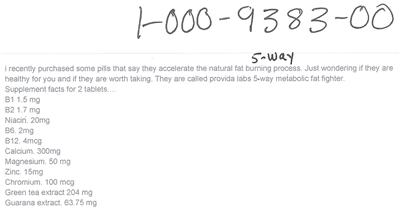
More weight and metabolism for women products
Members OnlyThe highest ranked for the same goal
Read more
Our articles on this subject
Graded November 6, 2026 by the Reverse Age Lab evidence engine, from human studies, real reviews and our biohacker panel. How we grade. Is this medical advice? No. Rala organizes the published evidence; go over any change with your doctor, especially if you take meds.
Privacy policyConsumer health dataAffiliate disclosureTermsDo Not Sell or Share My Personal InformationCookie settings