

PureMax Labs YummyVite 15 Day Colon Dleanse Review
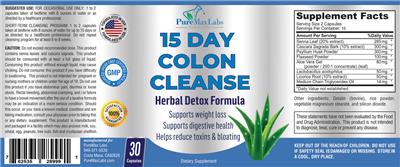
PureMax Labs YummyVite 15 Day Colon Cleanse and Detox is an over-the-counter herbal dietary supplement. It is sold as a 30-capsule, 15-day supply, and the Amazon listing gives the manufacturer reference YV-CLEANSE30A. The listing says it is made in the USA in a GMP-certified, FDA-inspected facility with no artificial ingredients or preservatives. It is marketed as a "gentle" natural laxative cleanse that relieves occasional constipation and bloating, supports gut health, and helps with weight management goals. The listing says it can be used for a single day to relieve digestive issues, or for up to 15 days as a fuller cleanse. The listed ingredients are senna leaf, cascara sagrada bark, psyllium husk powder, flaxseed powder, aloe vera gel, Lactobacillus acidophilus, licorice root, and medium chain triglyceride (MCT) oil. Several of these work in different ways. Senna and cascara sagrada are stimulant laxatives. Their anthraquinone compounds (sennosides and cascarosides) pass through the upper gut largely intact. Colonic bacteria then convert them into active metabolites. These metabolites irritate the colon lining and stimulate the muscles that move stool along (peristalsis). They also reduce water absorption from the colon and promote fluid and electrolyte secretion, which softens stool and speeds transit. This is the main source of the "cleansing" effect, and it usually works within roughly 6 to 12 hours. Psyllium husk and flaxseed are soluble and mucilaginous fibers. They absorb water, add bulk and soften stool, and they act as prebiotic substrate for gut bacteria. Aloe vera and licorice root are included as soothing botanicals, and aloe also has a mild laxative action. Lactobacillus acidophilus is a probiotic meant to support gut flora during the cleanse. MCT oil is a medium-chain fat that is readily absorbed, and it may act as a mild lubricant. The supplement removes accumulated stool and does not remove "toxins" in any clinically proven sense. The weight change users notice is mostly stool and water, not fat loss. Stimulant laxatives are intended for short-term use. Prolonged use can cause dependence, dehydration, electrolyte imbalance, and cramping. Other products sold with this same formula carry cautions for adults only, not for pregnant or nursing women, and consulting a physician if you take medication or have a medical condition. The statements on these products have not been evaluated by the FDA. Users should drink plenty of water and not exceed the labeled dose.
We don’t sell supplements. We help you make decisions and get the best price.
Lowest prices
We may earn a commission from some store links. How we choose.
Finding the lowest prices at the stores now. This takes a few seconds.
Products with nearly the same formula (Matched on the main ingredients)
Study, Trial or Testing Result Summary
Members Only156 human studies · 92 improved
Senna, the main laxative here, is at a full dose. In a trial of 291 adults, 15 mg a day for 8 weeks increased complete bowel movements in 57.7% of people versus 33.0% on placebo [1]. Another trial found 1 gram a day for 4 weeks improved symptoms in 69.2% versus 11.7% on placebo [2]. Reviews rate senna a good first-choice laxative with no serious side effects [3][4], though one pooled analysis was not statistically clear [5]. Lactobacillus acidophilus is near the studied amount but was tested mostly in strain blends, with mixed results [6][7]. Cascara has no tested dose and was only studied in combinations [8]. Psyllium, aloe and licorice are far below studied doses, and the flaxseed dose is unclear. Psyllium works best above 10 grams a day [9], aloe was studied at 520 mg twice daily [10], and licorice was studied only in herbal mixtures [11]. Most studies ran for weeks, so they do not show immediate relief. Animal and cell studies are never counted.
See all 156 studies →Hide the studies
- Across 81 trials with 9253 adults with irritable bowel syndrome, several probiotics beat placebo for symptom severity, and Lactobacillus acidophilus DDS-1 ranked first for improving overall symptom severity.Outcome-Specific Efficacy of Different Probiotic Strains and Mixtures in Irritable Bowel Syndrome: A Systematic Review a…
- In 29 trials with 3122 children treated for Helicobacter pylori, adding probiotics raised eradication rates and cut side effects, but constipation as a side effect was best reduced by a multi-strain mix that did not include Lactobacillus acidophilus.Efficacy and safety of probiotic-supplemented triple therapy for eradication of Helicobacter pylori in children: a syste…
- In adults with chronic constipation, fruits (especially kiwifruit) gave slightly more bowel movements per week than psyllium, while prunes were no different from psyllium.Systematic review and meta-analysis: Foods, drinks and diets and their effect on chronic constipation in adults.
- In 1251 adults with chronic constipation across 16 trials, fiber (psyllium and pectin in particular) raised response to treatment (66% vs 41% with control) and stool frequency, working best at over 10 g a day for at least 4 weeks.The Effect of Fiber Supplementation on Chronic Constipation in Adults: An Updated Systematic Review and Meta-Analysis of…
- In a pooled analysis of two trials of senna in adults with chronic constipation, 61% responded to senna and 28% to control, but the difference was not statistically significant.The effect of food, vitamin, or mineral supplements on chronic constipation in adults: A systematic review and meta-anal…
- In seven trials of 616 palliative care patients, the studies comparing laxatives including senna were inconclusive, so no laxative was shown to work better than another.Laxatives or methylnaltrexone for the management of constipation in palliative care patients.
- In 399 people with constipation across seven trials, kiwifruit gave softer stools than psyllium and possibly slightly more bowel movements, though the bowel movement difference was not clearly significant.Kiwifruit and Kiwifruit Extracts for Treatment of Constipation: A Systematic Review and Meta-Analysis.
- In cancer patients with a med-induced constipation, one trial found polyethylene glycol was significantly more effective than sennosides, and no meta-analysis of senna was possible.Read the study on PubMed (38452708) →
- Across five randomized trials, dietary fiber increased stool frequency in people with constipation versus placebo but did not clearly improve stool consistency, treatment success, laxative use or painful defecation.Effect of dietary fiber on constipation: a meta analysis.
- In seven trials of 444 long-term care patients, senna was found to be superior to or as effective as other laxatives, though the trials were short and long-term results are not conclusive.Efficacy and safety of laxatives for chronic constipation in long-term care settings: A systematic review.
- A review of trials of laxatives in older people with long-term constipation, including cascara, covered 367 people in placebo-controlled trials, but the abstract does not give cascara-specific results.Systematic review of the effectiveness of laxatives in the elderly.
- Across four trials of 280 palliative care patients, all laxatives including senna worked only to a limited degree and many needed extra laxatives; lactulose plus senna beat danthron with poloxamer, but the evidence overall was insufficient.Laxatives for the management of constipation in palliative care patients.
- A review of randomized trials for long-term constipation found too few good-quality trials of senna to judge it, while polyethylene glycol, psyllium and lactulose had stronger support.Efficacy and safety of traditional medical therapies for chronic constipation: systematic review.
- This review of adult chronic constipation treatments listed senna among many options, but the abstract gives no results specific to senna.Constipation in adults.
- This review of adult chronic constipation treatments included senna among many options, but the abstract gives no results specific to senna.Constipation in adults.
- A review of treatments for a med-related constipation listed senna among the laxatives assessed, but the abstract reports no specific results for senna.Read the study on PubMed (21718572) →
- This review found no trials that met its criteria comparing sennosides with polyethylene glycol for constipation caused by a med painkillers, so no conclusion on senna could be drawn.Read the study on PubMed (24428006) →
- In five small trials in palliative care including senna, laxatives had similar effectiveness and no laxative was shown to be better than others.Laxatives for the management of constipation in people receiving palliative care.
- A review of economic studies reported that senna-fibre combination, compared with lactulose, was judged cost effective for chronic constipation, although this review does not measure how well senna works on its own.Cost Effectiveness of Treatments for Chronic Constipation: A Systematic Review.
- A review of 41 trials of at least 4 weeks in people with long-term constipation found good evidence for senna, alongside polyethylene glycol, as a first-choice laxative, with no serious side effects reported.Efficacy and Safety of Over-the-Counter Therapies for Chronic Constipation: An Updated Systematic Review.
- A review of 41 trials lasting at least 4 weeks found good-grade evidence supporting senna, along with polyethylene glycol, as a first-line over-the-counter laxative for chronic constipation.Evidence-based treatment recommendations for OTC management of chronic constipation.
- In one small trial in people with Parkinson's disease, psyllium increased how often they had bowel movements but did not change how fast food moved through the colon.Management of faecal incontinence and constipation in adults with central neurological diseases.
- In 17 trials in people with irritable bowel syndrome, soluble fibre such as psyllium improved overall symptoms and helped those with constipation, while insoluble fibre did not beat placebo.Systematic review: the role of different types of fibre in the treatment of irritable bowel syndrome.
- One small, low-quality trial in people with Parkinson's disease found that psyllium increased stool frequency but did not change colon transit time.Management of faecal incontinence and constipation in adults with central neurological diseases.
- In one trial in people with constipation, 3 weeks of psyllium at 22 grams a day produced fewer complete bowel movements per week (2.8) and harder stools than 100 grams of prunes a day (3.5).Systematic review: the effect of prunes on gastrointestinal function.
- A review of 58 pooled analyses (175 trials) in adults with irritable bowel syndrome found aloe vera improved overall symptoms, but effects were small and the certainty of evidence was low to very low.Nutritional Interventions in Adult Patients With Irritable Bowel Syndrome: An Umbrella Review of Systematic Reviews and …
- In 570 ventilated ICU patients, starting a senna-and-coloxyl laxative regimen on day 1, day 3 or day 6 did not change how often rectal tubes were needed or the rate of constipation or diarrhea complications.The hospital-based evaluation of laxative prophylaxis in ICU (HELP-ICU): A pilot cluster-crossover randomized clinical t…
- In 390 adults with functional constipation, 5 g of Plantain and Senna Granule once daily for 4 weeks improved defecation cycle, stool property and symptoms, with the added acupuncture group doing better still.[Acupuncture combined with Chinese herbal medicine Plantain and Senna Granule in treatment of functional constipation: a…
- In a placebo-controlled trial of 291 adults with functional constipation, 15 mg of senna daily for 8 weeks increased complete bowel movements per week in 57.7% of people, compared with 33.0% on placebo.Efficacy of MaZiRenWan, a Chinese Herbal Medicine, in Patients With Functional Constipation in a Randomized Controlled T…
- In 271 people having bowel cleansing before colonoscopy, a cascara laxative plus Golytely worked about as well as senna with an enema or Golytely alone, with 12% of the cascara group having inadequate preparation.Effectiveness and acceptability of three bowel cleansing regimens.
- In 250 adults with functional constipation over 4 weeks, psyllium husk did not change bowel movement frequency compared with placebo, but it made stools firmer.Effects of dietary fibers or probiotics on functional constipation symptoms and roles of gut microbiota: a double-blinde…
- In 200 adults with irritable bowel syndrome without constipation, a blend of Lactobacillus acidophilus LA-5 and Bifidobacterium lactis BB-12 for 84 days gave more overall improvement than placebo (19.3% vs 8.9% at day 28), with earlier gains in stool frequency and urgency.Probiotic Blend of Lactobacillus acidophilus LA-5 and Bifidobacterium animalis ssp. Lactis BB-12 in Non-constipated Irri…
- In a crossover trial of 184 adults, 7.5 g of psyllium daily for 4 weeks was compared with two green kiwifruits daily, and the abstract does not report a psyllium result, only the kiwifruit gains.Consumption of 2 Green Kiwifruits Daily Improves Constipation and Abdominal Comfort-Results of an International Multicen…
- In 172 adults with functional constipation, 3.5 g daily of psyllium for 4 weeks increased bowel movements by 2.9 per period, which was not different from placebo (3.7).Influence of Lactitol and Psyllium on Bowel Function in Constipated Indian Volunteers: A Randomized, Controlled Trial.
- In 170 patients after colorectal surgery, adding oral senna with macrogol laxatives to standard recovery care shortened the time to bowel function recovery by about 1 day and lowered the rate of prolonged ileus from 38 to 22 percent.Impact of STIMUlant and osmotic LAXatives (STIMULAX trial) on gastrointestinal recovery after colorectal surgery: random…
- In adults with chronic idiopathic constipation, 5.1 g of psyllium twice daily for 2 weeks softened stools and increased stool output and bowel movements more than docusate sodium, a common stool softener.Psyllium is superior to docusate sodium for treatment of chronic constipation.
- In 164 people with chronic constipation, irritant laxatives containing senna, anthraquinones or bisacodyl produced normal stools by day 7 in 42%, versus 58% of those taking lactulose, which was more effective.Comparison of "Duphalac" and "irritant" laxatives during and after treatment of chronic constipation: a preliminary stud…
- In 156 constipated adults, a two-week probiotic blend containing Lactobacillus acidophilus NCFM did not beat placebo for bloating or bowel measures, though a post-hoc analysis showed less flatulence.The effect of a probiotic blend on gastrointestinal symptoms in constipated patients: a double blind, randomised, placeb…
- After childbirth with a sphincter tear, adding ispaghula husk (psyllium) to lactulose for 10 days did not reduce pain compared with lactulose alone and made incontinence more frequent (32.9% vs 18.2%).Randomised clinical trial of a laxative alone versus a laxative and a bulking agent after primary repair of obstetric an…
- In 113 people with irritable bowel syndrome, a three-strain Lactobacillus blend taken for 12 weeks improved stool frequency, stool consistency and quality of life versus placebo in some subgroups, with the largest effects in diarrhea-type and female participants.Lactobacillus acidophilus CL1285, Lactobacillus casei LBC80R and Lactobacillus rhamnosus CLR2 improve quality-of-life an…
- In 109 people with irritable bowel syndrome, a coated multi-strain probiotic taken for 4 weeks gave more overall symptom relief than placebo, especially in women and those with constipation-predominant disease.Efficacy of Quadruple-coated Probiotics in Patients With Irritable Bowel Syndrome: A Randomized, Double-blind, Placebo-c…
- In 107 patients after rotator cuff repair, senna glycoside did not reduce constipation rates or improve symptom or quality-of-life scores compared with no treatment over 6 weeks.The efficacy of docusate sodium and senna glycoside for the treatment of constipation after rotator cuff repair: A rando…
- In 100 children with chronic constipation, 16.8 g a day of a fiber mix containing psyllium for 8 weeks improved symptoms in about 78% of children, about the same as a standard laxative (polyethylene glycol) that improved symptoms in 83%.A randomized, prospective, comparison study of a mixture of acacia fiber, psyllium fiber, and fructose vs polyethylene g…
- In 96 women after pelvic reconstructive surgery, senna 8.6 mg with docusate 50 mg produced a first bowel movement about 1 day sooner than placebo (3.0 vs 4.05 days) and reduced the need for magnesium citrate (7 vs 43.6 percent).The use of senna with docusate for postoperative constipation after pelvic reconstructive surgery: a randomized, double-…
- In 94 adults with functional constipation, a four-strain probiotic including Lactobacillus acidophilus DDS-1 for 4 weeks did not beat placebo on symptom scores but normalized stool frequency and consistency sooner, within about 1 week.Impact of a probiotic product on bowel habits and microbial profile in participants with functional constipation: A rand…
- In 91 terminal cancer patients on meds over 27 days, senna and lactulose gave similar defecation frequency, and senna was recommended because it costs less.Read the study on PubMed (9436336) →
- In a placebo-controlled trial of 90 adults with chronic constipation, 1.0 g of senna daily for 28 days improved overall symptoms in 69.2% of people, compared with 11.7% on placebo.Senna Versus Magnesium Oxide for the Treatment of Chronic Constipation: A Randomized, Placebo-Controlled Trial.
- In 90 adults with functional constipation, 50 g a day of flaxseed flour for 4 weeks cut constipation scores (14 to 6.5) and raised weekly bowel movements (2 to 7), somewhat more than lactulose.Effects of flaxseed supplementation on functional constipation and quality of life in a Chinese population: A randomized…
- In 81 adults with irritable bowel syndrome, a 4-week multi-species probiotic mixture did not significantly improve overall symptoms or constipation scores versus placebo, though diarrhea scores improved.Effect of administering a multi-species probiotic mixture on the changes in fecal microbiota and symptoms of irritable b…
- In a placebo-controlled trial of 80 people with irritable bowel syndrome, 82% of those taking ispaghula husk rated their treatment satisfactory versus 53% on placebo, and constipation and bowel transit time improved more than on placebo.Double blind study of ispaghula in irritable bowel syndrome.
- In 79 adults with chronic constipation, 12 g of psyllium daily for 4 weeks significantly increased complete bowel movements and eased straining, with results similar to kiwifruit and prunes.Exploratory Comparative Effectiveness Trial of Green Kiwifruit, Psyllium, or Prunes in US Patients With Chronic Constipa…
- In 79 adults with functional constipation, 5 g of psyllium plus maltodextrin daily for 8 weeks led to a complete bowel movement in about 69% of people, similar to agave fructans.Agave tequilana Fructans Versus Psyllium plantago for Functional Constipation : Randomized Double-blind Clinical Trial.
- In 77 long-stay elderly patients with chronic constipation, 10 ml daily of a senna-fibre combination for two 14-day periods produced more daily bowel movements and better stool consistency than lactulose, at lower cost.Chronic constipation in long stay elderly patients: a comparison of lactulose and a senna-fibre combination.
- In a double-blind crossover trial of 77 elderly long-stay patients with chronic constipation, the fibre and senna pod product Agiolax gave more daily bowel movements and better stool consistency than lactulose.A comparison of Agiolax and lactulose in elderly patients with chronic constipation.
- In 77 adults with type 2 diabetes and constipation, 10 grams of psyllium in cookies twice a day for 12 weeks improved constipation symptoms, stool consistency, weight, blood sugar and cholesterol compared with placebo cookies.Effect of flaxseed or psyllium vs. placebo on management of constipation, weight, glycemia, and lipids: A randomized tri…
- In 74 hospice patients over 10 days, adding docusate to sennosides did not improve stool frequency, volume, consistency or ease of evacuation compared with placebo plus sennosides.Randomized, double-blind, placebo-controlled trial of oral docusate in the management of constipation in hospice patient…
- In 74 people with Parkinson's disease and constipation, a 12-week four-strain probiotic enriched helpful gut bacteria, lowered an inflammation marker and eased non-motor symptoms versus placebo, but constipation itself was not reported as a measured result.Effects of a Four-Strain Probiotic on Gut Microbiota, Inflammation, and Symptoms in Parkinson's Disease: A Randomized Cl…
- In 72 adults with chronic constipation, psyllium taken as 5 g twice daily for 4 weeks increased complete bowel movements per week, and 75% of the psyllium group responded, about the same as the mixed fibre group.Randomised clinical trial: mixed soluble/insoluble fibre vs. psyllium for chronic constipation.
- In 72 people with Parkinson's disease and constipation, 6 weeks of a multi-strain probiotic raised weekly bowel movements by 3.41 versus 0.44 with placebo and improved constipation-related quality of life.The effect of probiotic supplementation on constipation in patients with Parkinson's disease: A randomized controlled tr…
- In 71 women undergoing prolapse surgery, 3.4 g psyllium twice daily for 1 week before surgery did not shorten time to first bowel movement afterward.The Effect of Preoperative Fiber on Postoperative Bowel Function After Pelvic Reconstructive Surgery: A Randomized Contr…
- In a randomized trial of 70 intensive care patients given 500 mg daily of senalin for 3 days, stool frequency was lower on day 2 than with bisacodyl, stool consistency did not differ, and complications were fewer.Comparing the Efficacy of Two Drugs Senalin and Bisacodyl in Treatment of Constipation in Intensive Care Units' Patients…
- In a crossover trial of 70 cancer patients with a med-induced constipation, polyethylene glycol showed only weak evidence of being better than sennosides, with the confidence range including no difference.Read the study on PubMed (31321524) →
- In 70 heart attack patients in intensive care, 18 g a day of flaxseed powder for four days gave bowel movement frequency and stool consistency similar to magnesium hydroxide, and the first bowel movement came later.Flaxseed powder and magnesium hydroxide syrup on the intestinal function of patients with acute myocardial infarction in…
- In 65 patients after stapled rectal surgery for obstructed defecation, 3.5 g daily of psyllium fiber reduced residual constipation and urgency compared with placebo over 6 months.Psyllium fiber vs. placebo in early treatment after STARR for obstructed defecation: a randomized double-blind clinical …
- In 61 patients with constipation after surgery for hip or leg fractures, a herbal capsule blend containing aloe (520 mg twice daily for one week) reduced constipation severity and improved stool consistency more than placebo.Efficacy of an Iranian herbal medicine formula for postoperative constipation in trauma patients with hip and lower limb…
- In 60 tube-fed hospital patients, 7 g of psyllium twice daily for 7 days did not significantly reduce diarrhea overall, although those who received it had fewer liquid stools and more normal stools, and it sometimes blocked feeding tubes.The effects of psyllium hydrophilic mucilloid on diarrhea in enterally fed patients.
- In 60 haemodialysis patients with constipation, 60 days of a synbiotic improved constipation symptoms and constipation-related quality of life versus placebo, though it did not lower a kidney-related toxin.The effects of synbiotics on indoxyl sulphate level, constipation, and quality of life associated with constipation in c…
- In 60 elderly nursing home residents with functional constipation, a multistrain probiotic for 12 weeks produced a non-significant rise in stool frequency overall, becoming significant after day 71 when laxative use was excluded.The effect of multistrain probiotics on functional constipation in the elderly: a randomized controlled trial.
- In 56 hospitalized post-surgery adults with a med-related constipation over 6 days, senna improved bowel symptoms about as much as lubiprostone, though senna gave greater improvement in bowel completeness and less abdominal pain.Read the study on PubMed (25473191) →
- In 56 adults with constipation or healthy controls, 7.5 g daily of psyllium for 4 weeks reduced constipation symptoms and increased weekly bowel movements, matching two gold kiwifruit daily.Two Gold Kiwifruit Daily for Effective Treatment of Constipation in Adults-A Randomized Clinical Trial.
- In women of reproductive age with chronic constipation, psyllium husk relieved symptoms compared with placebo and shifted gut bacteria composition.The effects of psyllium husk on gut microbiota composition and function in chronically constipated women of reproductive…
- In a double-blind crossover trial of 53 people with haemorrhoids, ispaghula husk improved symptoms and bowel habit compared with placebo.The use of bulk evacuant in patients with haemorrhoids.
- In 53 constipated people with type 2 diabetes, 10 g of flaxseed in cookies twice daily for 12 weeks improved constipation symptom scores more than placebo cookies.A randomized trial of the effects of flaxseed to manage constipation, weight, glycemia, and lipids in constipated patien…
- In 51 adults with type 2 diabetes and chronic constipation, 10 g of psyllium twice daily in cookies for 12 weeks improved constipation symptoms, lowered body weight and HbA1c, and reduced cholesterol compared with placebo cookies.Effects of psyllium vs. placebo on constipation, weight, glycemia, and lipids: A randomized trial in patients with type …
- In 50 constipated hemodialysis patients, flaxseed oil starting at 4 mL a day for 4 weeks improved constipation scores (9.6 to 6.0) about as well as mineral oil, though only stool frequency and consistency improved.The short-term effects of olive oil and flaxseed oil for the treatment of constipation in hemodialysis patients.
- In 50 thyroid cancer patients withdrawn from thyroid hormone before radioiodine therapy, a multi-strain probiotic compared with placebo reduced constipation along with fatigue, weight gain, dry mouth and blood lipids.Randomized Clinical Trial: Probiotics Alleviated Oral-Gut Microbiota Dysbiosis and Thyroid Hormone Withdrawal-Related Co…
- In 49 adults with irritable bowel syndrome, taking a multispecies probiotic that included Lactobacillus acidophilus twice daily for 4 weeks relieved symptoms in 68% of people, compared with 37.5% taking placebo.Effect of multispecies probiotics on irritable bowel syndrome: a randomized, double-blind, placebo-controlled trial.
- In 49 community-dwelling elders taking a synbiotic containing Lactobacillus acidophilus for 24 weeks, blood inflammation markers did not change significantly compared with placebo, though bowel function and stool form showed some small improvements.EFFECTS OF SYNBIOTIC SUPPLEMENTATION ON GUT FUNCTIONING AND SYSTEMIC INFLAMMATION OF COMMUNITY-DWELLING ELDERS - SECONDA…
- In 48 young adults with chronic constipation, a four-herb powder including licorice taken on alternate days for 4 weeks raised weekly bowel movements from 1.8 to 4.8, versus 1.7 to 2.2 with placebo, and eased straining more than placebo.Efficacy of an Iranian herbal preparation (Lax-Asab) in treating functional constipation: A randomized, placebo-controll…
- In 43 healthy adults with unsatisfactory bowel habits, 12 g daily of psyllium for 3 months improved stool frequency, though stool consistency improved less than with starch-entrapped microsphere fibers.Starch-entrapped microsphere fibers improve bowel habit but do not exhibit prebiotic capacity in those with unsatisfacto…
- In 43 elderly people with mild constipation, yogurt with linseed (6 g), prunes and galacto-oligosaccharides for 3 weeks increased bowel movements (8.0 vs 7.1 per week) and eased defecation compared with plain yogurt.Yoghurt containing galacto-oligosaccharides, prunes and linseed reduces the severity of mild constipation in elderly sub…
- In 42 constipated adults, psyllium with 1.5 g daily senna produced more bowel movements and heavier stools than psyllium alone, with 63 percent of the psyllium-plus-senna group reaching objective laxation.Comparative laxation of psyllium with and without senna in an ambulatory constipated population.
- In 40 children with functional constipation, adding botulinum toxin injection to a bowel program with senna-based laxatives did not improve defecation scores more than the program alone over 6 months.Can botulinum toxin help in managing children with functional constipation and obstructed defecation?
- In adults with chronic constipation, psyllium alone gave less symptom relief than the rectal laxative Eductyl, and adding psyllium to Eductyl did not add any benefit.Effect of an oral bulking agent and a rectal laxative administered alone or in combination for the treatment of constipa…
- In 40 adults with chronic constipation, 22 grams of psyllium a day for 3 weeks produced fewer complete bowel movements and firmer stool scores than the same fiber amount from prunes, though straining and overall constipation symptoms did not differ, and both were well tolerated.Randomised clinical trial: dried plums (prunes) vs. psyllium for constipation.
- In 40 older adults with Parkinson's disease and mild-to-moderate constipation, a probiotic tablet taken twice daily for 3 months did not significantly improve incomplete bowel emptying, while the comparison drug trimebutine did better on that symptom.Nonmotor gastrointestinal disorders in older patients with Parkinson's disease: is there hope?
- In 37 children with chronic functional constipation, senna concentrate controlled symptoms less well than mineral oil, and more children relapsed on senna over follow-up beyond 6 months.Lubricant versus laxative in the treatment of chronic functional constipation of children: a comparative study.
- In 36 premenopausal women taking senna for two menstrual cycles, whole gut transit time shortened, while oxidative status markers did not change.Lack of influence of intestinal transit on oxidative status in premenopausal women.
- In 36 healthy adults, a daily synbiotic product for 6 weeks improved self-reported stomach symptoms and bowel habits more than placebo.Beneficial effects of a synbiotic supplement on self-perceived gastrointestinal well-being and immunoinflammatory status…
- In 35 adults with chronic constipation, a capsule combining celandin, aloe vera and psyllium for 4 weeks made bowel movements more frequent and stools softer, while placebo produced no change.A double-blind trial of a celandin, aloevera and psyllium laxative preparation in adult patients with constipation.
- In 34 people with long-term constipation, ear mushroom fiber with additives including cascara sagrada improved bowel movements, straining, stool consistency and relief compared with placebo, but it may cause abdominal discomfort or pain.[Effect of ear mushroom (Auricularia) on functional constipation].
- In 30 elderly long-stay patients with chronic constipation, a bulk laxative containing senna produced more frequent bowel movements than lactulose, and both were judged safe.Safety and efficacy of a bulk laxative containing senna versus lactulose in the treatment of chronic constipation in ger…
- In 6 days of 7 g psyllium three times daily, colon contents became wetter and colon volume rose in both healthy adults and adults with constipation, and stool frequency tracked with these changes in people with constipation.Demonstration of differences in colonic volumes, transit, chyme consistency, and response to psyllium between healthy an…
- In 27 adults with high cholesterol taking cholestyramine, 10.2 grams of psyllium a day for 6 weeks significantly reduced how often and how severely they were constipated compared with placebo.Psyllium for the reduction of cholestyramine-associated gastrointestinal symptoms in the treatment of primary hyperchole…
- In 25 people with chronic diarrhoea, ispaghula husk with calcium halved stool frequency like loperamide and gave better stool consistency and less urgency than loperamide.Treatment of chronic diarrhoea: loperamide versus ispaghula husk and calcium.
- In 25 patients with pelvic floor dyssynergia, adding psyllium to biofeedback over 2 to 3 months gave no significant extra benefit over biofeedback alone.Biofeedback, biofeedback plus fiber laxative, and biofeedback plus osmotic laxative regimens to treat constipation in pa…
- In 16 constipated adults and 8 healthy adults given psyllium for 7 days, stool water increased compared with placebo, along with shifts in gut bacteria.The Effect of Psyllium Husk on Intestinal Microbiota in Constipated Patients and Healthy Controls.
- In overweight or obese adults taking the meds licogliflozin, adding 6 g of psyllium for 3 days did not change stool frequency or consistency compared with no psyllium.Investigation and Management of Stool Frequency and Consistency Associated With SGLT1 Inhibition by Reducing Dietary Car…
- In elderly long-term patients who had used a senna-containing bulk laxative for about 13 months, switching to bulk laxative or magnesium hydroxide showed no carry-over effect on bowel habit.The carry-over effect on the bowel habit in elderly long-term patients of long-term bulk-forming products containing sti…
- In 23 healthy adults, a psyllium-containing breakfast cereal providing about 25 to 29 g of fiber a day for 3 weeks increased stool weight, sped intestinal transit, and produced more frequent bowel movements than a low-fiber control, with good comfort.Using cereal to increase dietary fiber intake to the recommended level and the effect of fiber on bowel function in heal…
- In adults with idiopathic constipation, 5 g of psyllium twice daily for 8 weeks raised weekly stool frequency from about 2.9 to 3.8, increased stool weight, and improved stool consistency and pain on defecation compared with placebo.Effects of psyllium therapy on stool characteristics, colon transit and anorectal function in chronic idiopathic constip…
- In 21 constipated children over a 3-week crossover trial, senna produced fewer days with normal stools and far more side effects than lactulose.Constipation in childhood: a controlled comparison between lactulose and standardized senna.
- In a small crossover trial of 20 elderly hospital patients with severe constipation, 15 mg of senna glucosides taken daily for 2 weeks worked well with no side effects, similar to another bulk laxative.A crossover comparative study with two bulk laxatives.
- In a randomized, double-blind trial of 20 adults with chronic constipation, all 10 people taking Plantago ovata improved after one month, compared with one of 10 on placebo; stool frequency rose from about 2.5 to 8 per week, and stools were softer.[The efficacy of Plantago ovata as a regulator of intestinal transit. A double-blind study compared to placebo].
- In 20 adults with irritable bowel syndrome, ispaghula husk improved overall well-being and satisfying bowel movements compared with placebo, though it did not change abdominal pain or gas.Ispaghula therapy in irritable bowel syndrome: improvement in overall well-being is related to reduction in bowel dissat…
- In 20 adults with functional constipation, psyllium and agave fructans gave similar clinical responses and stool consistency changes, though neither changed whole gut or regional transit time.The effect of fiber supplementation with agave fructans or psyllium plantago in symptoms of constipation and its relatio…
- In a small pilot of 20 people on peritoneal dialysis, psyllium husk for 4 weeks was feasible and well tolerated, and participants reported better gut symptoms and quality of life than the control group on their usual laxative.Pilot randomised controlled trial evaluating feasibility, safety and adherence to psyllium husk in peritoneal dialysis: …
- In 18 healthy volunteers, 6 days of senna shortened whole gut transit time and changed stool and bile acid profiles, with effects reverting to baseline within 16 days.Changing Gastrointestinal Transit Time Alters Microbiome Composition and Bile Acid Metabolism: A Cross-Over Study in Hea…
- In 15 children with a repaired anorectal malformation, sennosides, magnesium hydroxide and PEG for 21-day periods did not differ significantly in bowel clearance, though users preferred sennosides.Sennosides vs magnesium hydroxide vs polyethylene glycol as a treatment for constipation in anorectal malformation: a ra…
- In 14 healthy adults, 7.5 g of psyllium taken before a meal increased water content in the colon on MRI scans but did not produce the same gas and fermentation changes seen with other fibers, so its effect on bowel function was unclear.Contrasting effects of viscous and particulate fibers on colonic fermentation in vitro and in vivo, and their impact on …
- In 10 older adults with chronic constipation, 24 g of psyllium daily shortened total gut transit from about 54 to 30 hours and clinically helped, but did not significantly change stool weight or consistency.Mechanisms of constipation in older persons and effects of fiber compared with placebo.
- In 9 healthy adults with drug-induced diarrhea, psyllium firmed stools and increased their thickness, while wheat bran and calcium polycarbophil had no effect, and higher psyllium doses produced a near-linear increase in stool thickness.Effect of psyllium, calcium polycarbophil, and wheat bran on secretory diarrhea induced by phenolphthalein.
- In 8 people taking lactulose, adding 3.5 g of psyllium three times daily slowed stomach emptying and delayed movement through the colon, so it did not speed bowel movement.Moderation of lactulose-induced diarrhea by psyllium: effects on motility and fermentation.
- In children with repaired anorectal malformations and constipation, senna at up to 38.7 mg of sennosides a day worked better than polyethylene glycol in a crossover trial that was stopped early, with no side effects reported.Effectiveness of senna vs polyethylene glycol as laxative therapy in children with constipation related to anorectal mal…
- In a trial of women with constipation after childbirth, 93% of White patients taking standardized senna tablets were successfully treated, compared with 51% of White patients given placebo.Standardized senna in the management of constipation in the puerperium: A clinical trial.
- In adults with mild constipation taking a prebiotic blend with aloe vera gel for 4 weeks, digestive symptoms did not differ significantly from placebo, though the prebiotic group lowered a blood marker of gut-related endotoxin.Prebiotic UG1601 mitigates constipation-related events in association with gut microbiota: A randomized placebo-controll…
- In healthy older adults, taking Lactobacillus acidophilus NCFM with lactitol twice daily for 2 weeks produced higher stool frequency than a sugar placebo.Influence of a combination of Lactobacillus acidophilus NCFM and lactitol on healthy elderly: intestinal and immune para…
- In people with chronic constipation, eating yogurt with Lactobacillus acidophilus NCFM, polydextrose and another probiotic every morning for 14 days shortened colon transit time compared with plain yogurt, and symptom scores improved in both groups.Effect of yogurt containing polydextrose, Lactobacillus acidophilus NCFM and Bifidobacterium lactis HN019: a randomized,…
- In adults with functional constipation, two probiotic sachets taken daily for 30 days improved bowel symptoms, but neither formulation differed significantly from the other groups on stool frequency or stool quality.The effect of probiotics on functional constipation in adults: A randomized, double-blind controlled trial.
- In 1200 patients, cascara given with other bowel-cleansing agents was tested for colon cleansing before a scan, not for constipation relief; cleansing was good in 52% to 80% of patients with a saline purge and 96% with an added tap water enema.Colon cleansing regimens. A clinical study in 1200 patients.
- In 120 children with influenza B, a multi-herb prescription containing 4 g roasted licorice taken for 7 days led to fewer children with constipation than ribavirin (11 vs 14 cases), though this was a secondary outcome and the formula was not licorice alone.[Observation of the therapeutic effect and prognosis analysis of Yiqijiebiao prescription for the treatment of children …
- In 112 patients with cancer taking meds, prophylactic laxatives including senna 6.8 mg twice daily, bisacodyl and lactulose significantly reduced constipation severity and improved quality of life at eight weeks compared with no laxatives.Constipation Severity and Quality of Life among Patients with Cancer Who Received Prophylactic Laxatives: Quasi-Experime…
- In 110 adults with chronic constipation plus obesity, hypertension and type 2 diabetes, psyllium increased bowel movement frequency and normalized stool consistency, and also lowered total and LDL cholesterol.[Chronic constipation in the practice of a therapist: Features of therapy for comorbidity].
- In 92 children aged 4 to 12 with functional constipation, a chewable probiotic tablet with Lactobacillus acidophilus DDS-1 for 4 weeks normalized stool frequency faster than placebo, and hard stools fell from 43% to 14%.Impact of a probiotic chewable tablet on stool habits and microbial profile in children with functional constipation: A …
- In 82 patients with chemotherapy-induced constipation, senna extract at 40 mg/kg relieved constipation in 92.68% of courses, compared with 10.93% on a crude fiber diet.[A crossover control study of prophylactic treatment of chemotherapy-induced constipation by senna extract].
- In 80 patients with functional constipation, 5 g daily of compound plantain-senna granules for 2 weeks increased bowel movement frequency, improved stool consistency and shortened gut transit time, compared with starch granules.[Clinical observation on treatment of functional constipation with compound plantain-senna granules].
- In 59 chronically constipated people, 3.4 g of psyllium daily significantly increased stool frequency, stool water, and solid content, though it did not increase the weight of each stool.Clinical evaluation of methylcellulose as a bulk laxative.
- In 45 healthy adults, yogurts with coffee-cascara extract and 3% inulin caused similar gut tolerance to the no-inulin version, while 7% and 13% inulin caused more bloating and gas; stool frequency was measured but the abstract reports no result for it.Sensory Acceptance, Appetite Control and Gastrointestinal Tolerance of Yogurts Containing Coffee-Cascara Extract and Inu…
- In 30 healthy volunteers with loperamide-induced constipation, senna restored normal bowel function but caused more abdominal pain than lactulose or a combination laxative.Read the study on PubMed (8935140) →
- In people with irritable bowel syndrome, 20 g a day of ispaghula husk (psyllium) relieved constipation and abdominal pain more than 10 g, with 20 g and 30 g working about equally well, and stool weight rose with the dose.Optimum dosage of ispaghula husk in patients with irritable bowel syndrome: correlation of symptom relief with whole gut…
- In people with Parkinson's disease and confirmed constipation, psyllium increased stool frequency and stool weight, though it did not change colon transit or anorectal function.Constipation in Parkinson's disease: objective assessment and response to psyllium.
- In a palliative care unit in India, a senna tablet and an Ayurvedic liquid relieved a med-caused constipation in patients with advanced cancer about equally well.Managing morphine-induced constipation: a controlled comparison of an Ayurvedic formulation and senna.
- In elderly long-care patients, daily bulk-forming laxatives including bruised linseed worked about as well as lactulose and cost about 35 percent less.[Bulk-forming agents as laxatives in geriatric patients].
- In 1000 adults in Pakistan taking the herbal product Nucarb, which contains calcium sennosides, for 14 days, constipation severity fell by 80.7 percent, with no adverse events reported, though there was no control group.Efficacy of Natural Formulation Containing Activated Charcoal, Calcium Sennosides, Peppermint Oil, Fennel Oil, Rhubarb E…
- In 381 people with simple constipation treated in general practice for up to four weeks, ispaghula husk was rated more effective than lactulose and other laxatives, producing more well-formed stools and fewer hard stools.A multi-centre, general practice comparison of ispaghula husk with lactulose and other laxatives in the treatment of sim…
- In 194 hospitalised children with acute watery diarrhoea, adding a three-strain probiotic that included Lactobacillus acidophilus to standard rehydration treatment led to more children improving within 24 to 48 hours (96.9% versus 79.6% without probiotics), shorter diarrhoea and shorter hospital stays, and fewer children with constipation afterward (3.1% versus 13.3%).A combination of three probiotic strains for treatment of acute diarrhoea in hospitalised children: an open label, rando…
- In people with constipation-type irritable bowel syndrome, a daily cultured milk drink for 30 days improved constipation symptoms, transit time and inflammatory signals in the blood, but the study had no placebo group.Clinical assessment and cytokines level in constipation-predominant irritable bowel syndrome participants treated with L…
- In 69 healthy volunteers, ispaghula husk (a psyllium fiber) taken for 28 days increased how often they had bowel movements and reduced straining and the feeling of incomplete emptying, with a benefit lasting after stopping.The influence of ispaghula husk on bowel habit.
- In 46 patients with diverticular disease, a symbiotic mixture taken for 6 months without a control group left 68 percent of patients symptom free and rated as effective in over 78 percent, with fewer recurrences of constipation-related abdominal pain.Probiotics in diverticular disease of the colon: an open label study.
- In 45 Chinese adults with psoriasis, an 8-week multi-strain probiotic reduced bowel problems such as constipation and diarrhea and improved quality of life, in a study without a placebo group.A Novel Multi-Strain E3 Probiotic Formula Improved the Gastrointestinal Symptoms and Quality of Life in Chinese Psoriasi…
- In 43 Australian adults with digestive disorders, a multi-herb formula that included aloe vera (5 grams per day, then 10 grams per day) for 16 weeks improved constipation, diarrhea, and other gut symptoms by 60% to 80% in an uncontrolled pre-post study; the aloe dose itself was not reported.Herbal formula improves upper and lower gastrointestinal symptoms and gut health in Australian adults with digestive dis…
- In an open-label pilot of 31 people with irritable bowel syndrome, a multi-herb formula containing licorice root, given to 10 people with constipation-predominant symptoms, increased bowel movement frequency by 20% and reduced straining and stomach pain. Licorice was not tested alone, and there was no control group.Effects of two natural medicine formulations on irritable bowel syndrome symptoms: a pilot study.
- In 30 people with irritable bowel syndrome and constipation, 3.25 g of psyllium seeds taken three times daily for two weeks at a time improved stool frequency and consistency, and worked better than wheat bran for stool frequency and bloating.[Effectiveness of plantago seed husks in comparison with wheat brain on stool frequency and manifestations of irritable …
- In 14 constipated adults taking standardised senna tablets for six weeks, whole gut transit time fell from 134 to 54 hours, and the share of deoxycholic acid in bile dropped.Intestinal transit, deoxycholic acid and the cholesterol saturation of bile--three inter-related factors.
- Among hospitalised children with solid tumours receiving chemotherapy, senna was given to 13% of those receiving constipation medicines; the study measured how often it was used, not how well it worked.Constipation and GI diagnoses in children with solid tumours: prevalence and management.
- In a large review of critically ill sepsis patients, senna was the comparison laxative, and docusate was linked to lower 28-day death rates and better bowel recovery than senna.Laxative use and 28-day mortality in critically ill sepsis patients: a retrospective cohort study using MIMIC-IV (v3.1).
- In 599 adults who had colonoscopy, a supplement with butyrate and probiotics was linked to fewer stomach symptoms over 4 weeks, including constipation and bloating, compared with controls.Management of Post-Colonoscopy Syndrome with a Nutraceutical Intervention Based on Hericium erinaceus: A Retrospective T…
- In 178 adults with symptomatic diverticular disease treated in primary care for 3 months, adding psyllium fiber to other treatment was linked to more bowel movements per week.A Primary-Care Interventional Model on the Diverticular Disease: Searching for the Optimal Therapeutic Schedule.
- In a retrospective review of 80 children with chronic idiopathic constipation, 96% had successful outcomes in a radiologically supervised bowel program that used senna and enemas.Radiologically supervised bowel management program outcome in patients with chronic idiopathic constipation.
- In 43 patients with ulcerative colitis whose bowel symptoms persisted, a probiotic capsule taken three times daily for 4 weeks improved bowel symptoms, stool frequency and quality of life, without a placebo group.Clinical Efficacy of Probiotic Therapy on Bowel-Related Symptoms in Patients with Ulcerative Colitis during Endoscopic R…
- In a single-clinic study of 35 people with a colostomy and constipation, diet changes alone relieved symptoms in 60% after 3 months; the psyllium-based agent was given only to the 14 who did not respond, and its separate effect was not reported.Conservative Measures for Managing Constipation in Patients Living With a Colostomy.
- In a pilot of 16 children with functional constipation who started on a median senna dose of 71.3 mg, 9 (56.3%) were able to stop all laxatives after a median of 3.7 months of gradual dose reduction.Laxative Weaning Protocol for Patients With Functional Constipation: A Pilot Study.
- In a small retrospective review of 6 children with constipation who failed laxatives, surgery plus flushes left 5 of 6 completely clean over a median of about 7 weeks; their earlier senna dose was a median of 30 mg, and the study did not test senna itself.Surgical Management of Functional Constipation: Preliminary Report of a New Approach Using a Laparoscopic Sigmoid Resect…
- In a scan-based study of colon water content, eating psyllium fiber before a meal was linked to colon water readings at or above the normal range, a lab marker rather than a measure of constipation relief.Assessing Water Content of the Human Colonic Chyme Using the MRI Parameter T1: A Key Biomarker of Colonic Function.
- In 47 breastfed infants, giving a multi-strain probiotic directly to the infant raised bifidobacteria faster than giving it through the mother, though stools were less frequent in the direct group.Seeding the Infant Gut in Early Life-Effects of Maternal and Infant Seeding with Probiotics on Strain Transfer, Microbio…
- In a review of docusate for constipation in older people, psyllium was more effective than docusate for constipation relief.The Role of Docusate for Constipation in Older People.
Review Totals and Summary
Members OnlyWhat buyers say
The Amazon listing for this product is rated 4.4 out of 5 from 362 ratings, but I could not retrieve the review text itself. The themes below come from reviews of products with essentially the same senna, cascara, psyllium and probiotic formula, so they are indicative and not specific to YummyVite. Satisfied customers describe relief from constipation and bloating, a lighter and less sluggish feeling, and a modest rise in energy by the end of the 15-day course. Some people note that results take a few days to appear and that the first days can bring mild bloating before the benefit shows. A common complaint is that the product is not as "gentle" as advertised. Reviewers report cramping, nausea and urgent bowel movements, especially in the first week, though some say this eased with continued use. Others accept the cramping as a fair trade for the relief. A smaller group of dissatisfied buyers say they followed the directions and saw no change, or that it did not "clean them out". Some are disappointed that the effect on the waistline is less dramatic than the marketing suggests. Overall, buyers value it as a short-term aid for occasional constipation. They are most critical when the effects are stronger than they expected or weaker than the weight-loss and detox claims led them to hope.
Biohacker Summary
Members Only10 of 10 recommend it
Lactobacillus acidophilus, the main ingredient, was discussed by four of the ten panelists and they are split: two recommend it, one is neutral, and one warns against it. One recommender points to it as a researched probiotic strain found in fermented foods like yogurt and kefir, and the other links it to vaginal and urinary health, while the warning says its fast growth crowds out other good bacteria and can make digestion and weight loss harder. The neutral panelist only noted it as a probiotic in a meal replacement, and no one gave a dose or a preferred form beyond food sources. Psyllium, a smaller ingredient in this product, drew the most comments from the rest of the panel, with most using or recommending it for gut health and cholesterol, while two cautioned about irritation or bloating. Licorice also drew a caution, as two panelists said it raises cortisol and can raise blood pressure or clash with meds, though others recommended it.
See all 10 biohackers →Hide the biohackers
Siim Land · Lactobacillus acidophilus · recommends
- Lists Lactobacillus acidophilus as a researched probiotic strain that can degrade microplastics, found in yogurt, kefir, sauerkraut, and kombucha.
- Recommends Psyllium husk for LDL, blood sugar and gut health, based primarily on human research, especially randomized controlled trials showing measurable benefits.
- Lists Psyllium husk as one of 15 supplements backed by human studies.
- Notes that kiwis were as effective as psyllium matched for fiber in improving constipation symptoms.
- Takes 10 grams of psyllium husk mixed with yogurt.
- Considers psyllium husk 'god tier' as a high source of fiber that helps with cholesterol and digestion, calling it one of the easiest ways to lower cholesterol.
- Mentions aloe vera as a natural agent with an SPF of 7, which can be used as a complementary ingredient in sunscreens but is insufficient as a primary sunscreen.
- Includes 1 tbsp of psyllium husk in their first meal of the day.
- Recommends Psyllium Husk as a food powder that is a high source of fiber, helps with cholesterol, and aids digestion.
- Suggests consuming ground flaxseed as it contains lignans and polyphenols, which are beneficial for liver health, and are a better alternative than milk thistle.
- Warns that licorice root, often found in thyroid supplements, can raise adrenaline levels, leading to overstimulation and anxiety.
- Gives Apollo psyllium husk mixed with his food to support daily bowel movements.
- Adds psyllium husk to his protein shake to make it thicker.
- Took psyllium husk as a food additive, which he believes contributed to lowering his LDL.
Thomas DeLauer · Lactobacillus acidophilus · warns
- Warns against Lactobacillus acidophilus, stating that its rapid growth crowds out other good bacteria, creates a monopoly, and can make it harder to lose weight, digest food, and go to the bathroom, while also being pro-inflammatory.
- Recommends psyllium husk as a powerful source of soluble fiber to aid in detoxification by binding to bile acids and speeding up gut transit time.
- Recommends psyllium fiber as one of the things that support the gut.
- Suggests using psyllium as an alternative to oatmeal for lowering cholesterol, implying it works through the same mechanism of binding to bile salts.
- Uses 5g of psyllium husk pre meals because the viscous gel it forms slows gastric emptying.
- Recommends Psyllium, stating that it can help move ingested microplastics through the gut, as studies show microplastics in feces.
- Recommends adding psyllium husk to carbs to slow down how fast they hit the bloodstream, thereby preventing visceral fat accumulation.
- Recommends psyllium as a good fiber supplement choice, noting it has a strong research track record, forms a gel to slow glucose, curbs appetite, and shifts gut bacteria to increase butyrate producers.
- Recommends taking 5 to 10 grams of psyllium husk mixed with water, allowing it to form a gel, 5 to 10 minutes before a carb-heavy meal to create a physical barrier in the gut that slows glucose absorption.
- Suggests using psyllium husk as a prebiotic fiber to pair with collagen.
- If someone needs to bring on fiber, Thomas DeLauer recommends starting with a small amount of psyllium and gradually increasing it.
- Recommends drinking organic aloe vera juice without added sugars or preservatives to coat the esophagus and provide relief from heartburn.
- Recommends DGL (deglycyrrhizinated licorice), especially when combined with aloe vera gel and slippery elm, to be taken any time for symptoms of acid reflux.
- Has been taking aloe vera juice for the first time ever as of this morning, hoping it starts working for digestion.
Ben Greenfield · Lactobacillus acidophilus · neutral
- Ben Greenfield mentions lactobacillus acidophilus as a probiotic included in Ample meal replacement.
- Notes that psyllium husk has been shown to slow glucose absorption and improve hemoglobin A1c at 10g a day, but he doesn't like it because it can irritate the digestive tract and cause gastric inflammation at those doses.
- Recommends topical aloe vera for hair growth, noting that dermarolling can enhance its absorption.
- Recommends using aloe vera after sun exposure to maintain overall skin health.
- Mentions that his teachers never taught him what to do if constipated beyond just taking a bunch of psyllium husk.
- Ben Greenfield mentions psyllium husk extract as a potential solution for constipation.
- Warns that taking psyllium powder or fiber without water could result in an intestinal obstruction and constipation.
- Mentions that a report for a client with high gut inflammation suggested using DGL, a form of licorice acid.
- Recommends aloe vera for H. pylori issues in the gut.
- Recommends some forms of DGL licorice for H. pylori issues in the gut.
- Recommends licorice root to delay the conversion of cortisol to cortisone, but warns against high doses found in many supplements, suggesting a very low dose of about 20 milligrams.
- Notes that psyllium fiber showed decent certainty of evidence for weight loss in a meta-analysis, attributing its effect to being fiber-based and promoting fullness.
- Mentions YumEarth licorice as a healthier alternative to Twizzlers.
- Recommends flaxseeds for wound healing by stimulating collagen synthesis and for their anti-inflammatory properties, noting their effect on epithelial tissues and potential for cancer inhibition.
Dr. Eric Berg · Lactobacillus acidophilus · recommends
- Dr. Berg states that Lactobacillus acidophilus, found in yogurt, sauerkraut, aged cheeses, and buttermilk, supports vaginal health by maintaining a balanced microbiome within the urinary tract and may help reduce the risk of infections.
- Recommends using psyllium husk powder as an ingredient for making healthy bread.
- Recommends Licorice root, noting it has traditionally been used to soothe the throat and respiratory tract.
- Recommends Licorice root, noting its traditional use to soothe the throat and respiratory tract during chest infections.
- Recommends licorice root as an ancient remedy that is great for sore throats, viral-related issues, lung infections, coughing, and asthma attacks, suggesting it be taken orally as a supplement.
- Advises avoiding flaxseed due to its estrogenic effects.
- Suggests psyllium husk as a fiber that can bind to bile salt to help with excess bile and prevent diarrhea.
- Uses ¼ cup of psyllium husk powder in their healthy bread recipe.
- Dr. Berg uses ¼ cup of psyllium husk powder as an ingredient in his healthy bread recipe.
- Includes psyllium husk powder as an ingredient in their recommended healthy bread recipe.
- Lists flaxseed as a type of fiber that can help increase short-chain fatty acids and activate GLP-1, suggesting it can be put in a shake with kefir.
- Dr. Berg warns that consuming too much licorice, even chronic low doses like 100 mg of licorice candy daily for 2 weeks or two cups of licorice tea per day, can cause sodium retention, potassium flushing, muscle cramps, and heart arrhythmias, especially for older individuals, those with high blood pressure, or those on certain medications.
- Dr. Berg used to recommend flaxseed as superfoods for the heart, but now he advises against them because they don't provide essential nutrients like protein and can lead to bloating and low energy. He also notes that flaxseed has ALA, a precursor to DHA and EPA, but the conversion is not great.
- Recommends aloe vera juice because it potently affects the cells that make insulin.
Dr. Mark Hyman · Flaxseed · recommends
- Recommends ground flaxseed as a wonderful fiber that helps with binding toxins and is rich in omega-3 fats.
- Recommends flaxseeds as particularly good for binding excess estrogen in the gut to help with estrogen dominance.
- States that psyllium is good if used strategically and if it's tolerated.
- Recommends licorice to help repair the gut lining.
- Includes 1/4 cup ground golden flaxseeds in a bread recipe.
- Recommends licorice root, marshmallow root, and slippery elm bark as herbs that can help soothe the gut lining, reduce inflammation, and promote healing, especially when taken in powdered form or as a tea before or after meals or before bed.
- Includes licorice in herbal antimicrobial regimens.
- Mentions psyllium as helpful for gut health.
- Recommends licorice root as a gut-healing nutrient.
- Recommends flaxseed as a great source of healthy fats.
- Uses aloe vera for increased intestinal permeability, which they commonly observe in patients, including professional athletes.
- Uses 1 tablespoon of whole flaxseed or chia seed in their cold brew shake.
- Recommends DGL (deglycerized licorice) as a supplement for reflux, suggesting chewing two or three tablets before eating and before bed.
- Recommends adding ground flaxseed to the diet as it is a great source of fiber and omega-3 fats that can improve cholesterol profile.
Andrew Huberman · Psyllium · uses
- Mentions that he recently started supplementing with powdered psyllium husk and found that it made post-meal sensations feel good, which he did not expect.
- Mentions that some family members take a small amount of psyllium husk to increase fiber, which is inexpensive and can benefit colon health and reduce inflammation for most people.
- Mentions that doctors are now telling many people to take a little bit of psyllium husk for supplemental fiber, noting it's ground into a powder.
- Mentions that a component of licorice root can significantly increase cortisol but warns that it can be contraindicated with many medications.
- Warns that licorice root potently increases cortisol and should be avoided at night and approached with caution, as it can raise blood pressure and is contraindicated with some medications.
- States that licorice root is a potent elevator of cortisol and can be used early in the day, but advises caution due to potential medication interactions, and mentions personally using it in the morning.
- Recommends black licorice as a nutritional strategy to increase morning cortisol.
- Mentions evidence that licorice root can be of benefit for rosacea, typically found in a topical ointment.
- States that flaxseeds are a high plant source of ALA.
- Warns that licorice increases cortisol and blood pressure, and reduces testosterone due to glycyrrhizin.
- Licorice, specifically black licorice, contains glycyrrhizin, which increases cortisol and can decrease estrogen and testosterone, and also increases blood pressure, making it a bad idea if you're trying to optimize testosterone and estrogen or during periods of chronic stress.
Dr. Rhonda Patrick · Psyllium · uses
- If Dr. Rhonda Patrick needs fuel before training, they will have a homemade muffin made with psyllium husk.
- Rhonda's current diet includes a homemade blueberry, whey protein, and psyllium husk muffin as a pre-workout.
- Recommends soluble fibers like psyllium husk, stating they form a viscous gel that can limit microplastic absorption.
- States that arabinoxylan, which is found in psyllium husk, will actually drop cholesterol.
- Dr. Patrick adds about one tall shot glass full of flaxseed to her smoothie, noting it's a great source of soluble fiber and alpha-linoleic acid, a plant omega-3 fatty acid.
- Dr. Rhonda Patrick discusses beta-glucan versus psyllium for lowering LDL.
Dave Asprey · Psyllium · warns
- States that psyllium husk does not have a prebiotic effect and can cause rapid fermentation and bloating, which is counterintuitive to gut health. He also mentions that in high doses, it can be abrasive and not nourishing to the microbiome.
- Recommends licorice root extract (not DGL) as an effective way to increase cortisol, especially for those with chronic fatigue syndrome, but advises caution for individuals with high blood pressure.
- States that a lot of natural foods, such as flaxseed, are not good for you.
- Recommends aloe vera juice or liquids to strengthen the entire digestive tract.
- Says he takes herbs like licorice root to support his body's ability to have a healthy stress response during global public speaking trips.
- Started using licorice root to support adrenal function and recovery from adrenal fatigue.
- Mentions that flaxseed feeds the beta line, which is the good estrogen you want in your breast.
- Mentions licorice root as a way to keep blood pressure up if needed.
- Mentions taking licorice root extract as part of a protocol for adrenal fatigue.
- Uses aloe vera as a beautiful ingredient in their products.
- Dave Asprey highlights activated psyllium as the star ingredient in Uprising Food, detailing its benefits as a prebiotic fiber and bio-active polysaccharide.
- Recommends deglycerated licorice (DGL) to help protect the gut, emphasizing that it must be deglycerinated to avoid raising blood pressure.
- Mentions licorice root as a way to keep blood pressure up if needed.
Bryan Johnson · Flaxseed · uses
- Uses ground flaxseed as an ingredient in Nutty Pudding.
- Includes flaxseed in his Nutty Pudding, which he consumes an hour after his Super Veggie.
- Bryan Johnson uses 1 tsp of ground flaxseeds in his Nutty Pudding.
Peter Attia · Psyllium · neutral
- Identifies psyllium husk as a common soluble fiber supplement.
- Says that patients can use an aloe vera plant if they have it for skin reactions from radiation.
- Recommends licorice root as a potent ingredient in adrenal support supplements to help increase cortisol levels in patients with low free cortisol, citing an anecdote about its strong effect.
- States that psyllium husk is soluble fiber, and while the food industry adds it to products like Fiber One bars, it doesn't make a difference because both soluble and insoluble fiber are needed for functional fiber.
- Takes 30 grams of psyllium fiber twice a day for cholesterol.
RAL Summary
Members OnlyTier 4 for Regularity: Fast Relief
The review themes come from other products with a similar formula rather than from this product, and none of this product's own reviews were read, so they are set aside. Its reviews are set aside, so it is graded on its studies alone. Human studies support Lactobacillus acidophilus (18 of 28 human studies showed an improvement), but there are not yet enough reviews to confirm it (0).
- Emerging: not enough evidence to rank higher yet.
Where the evidence disagrees: 35 of the 156 human studies found no effect.
More Details
Members OnlyBody systems · Combine with · Possible side effects
Body systems: Digestive system
Combine with: For regularity with this kind of formula, take it short-term only and drink plenty of water with the psyllium. Magnesium citrate or glycinate can support gentle stool softening, and a bit of electrolyte support helps offset fluid loss. For a sensitive gut, better options than a stimulant cleanse include peppermint oil (enteric-coated) for spasm, gas, and bloating, ginger for motility and comfort, a well-studied probiotic such as Bifidobacterium infantis 35624 or Lactobacillus plantarum 299v, and partially hydrolyzed guar gum as a gentler fiber. Digestive enzymes may help with post-meal gas, and L-glutamine or aloe/DGL can support gut lining comfort. Avoid combining with other laxatives, and separate from medications by 2 hours since psyllium can reduce absorption. Check with a doctor if symptoms persist.
Possible side effects: A combination containing cascara may cause stomach discomfort or pain. Reviews found senna had no serious side effects.
Supplement Facts
Senna Leaf Extract 285 mg · Cascara Sagrada bark extract 300 mg · Psyllium Husk, Powder 300 mg
| Senna Leaf Extract | 285 mg | † |
| Cascara Sagrada bark extract | 300 mg | † |
| Psyllium Husk, Powder | 300 mg | † |
| Flaxseed, Powder | 100 mg | † |
| Aloe vera Leaf Gel Concentrate, Powder | 80 mg | † |
| Lactobacillus acidophilus | 50 mg | † |
| Licorice Root Extract | 50 mg | † |
| Medium Chain Triglyceride Oil | 14 mg | † |
Other ingredients: Bovine Gelatin, Rice, Powder, Magnesium Stearate, Silicon Dioxide.
Directions: Suggested Use: For occasional use only: 1 to 2 capsules taken at bedtime with 8 ounces of water or as directed by a healthcare professional. Short-term cleansing program: 1 to 2 capsules taken at bedtime with 8 ounces of water for up to 15 days or as directed by a healthcare professional. Do not repeat cleansing program for at least 6 to 8 weeks.
Barcode (UPC) 762535289991 · Label source: NIH label database · Report a label change
Show entire label
More regularity: fast relief products
Members OnlyThe highest ranked for the same goal
Read more
Our articles on this subject
- Best Probiotic for Bloating: The Strains With Human Trials, and How to Choose OneArticle · Oct 27, 2026
Graded November 5, 2026 by the Reverse Age Lab evidence engine, from human studies, real reviews and our biohacker panel. How we grade. Is this medical advice? No. Rala organizes the published evidence; go over any change with your doctor, especially if you take meds.
Privacy policyConsumer health dataAffiliate disclosureTermsDo Not Sell or Share My Personal InformationCookie settings