Thorne Red Yeast Rice + CoQ10 Review
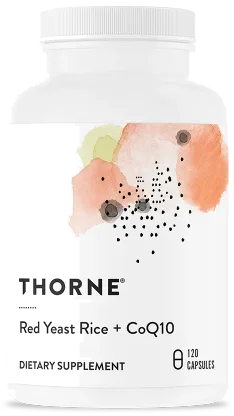
Thorne's Red Yeast Rice + CoQ10 is a capsule supplement positioned to help maintain healthy cholesterol levels already within the normal range and to support cardiovascular health. The page explains that the formula combines red yeast rice, Monascus purpureus, a red-pigmented yeast naturally produced on fermented rice, with naturally occurring compounds such as phytosterols and isoflavones that help maintain healthy lipid particle size and number. Antioxidant support is added through CoQ10. The page states that numerous studies in both China and the U.S. show red yeast rice supports cholesterol levels within the normal range. The page notes that maintaining healthy LDL cholesterol is important for heart health and that effective cholesterol management should include diet and lifestyle changes, such as a whole-foods diet tailored to individual needs and regular aerobic exercise. Thorne presents this supplement as extra support alongside those measures. The formula contains an optimized amount of CoQ10 in each capsule. The page explains that cholesterol and CoQ10 share similar synthesis pathways, so the CoQ10 is included to help maintain normal levels in the body. Each capsule provides 15 mg of CoQ10 and 600 mg of red yeast rice. The serving size is one capsule, with 120 servings per container. The summary section says to take 1-2 capsules daily. Other ingredients are leucine and a hypromellose capsule derived from cellulose. Thorne states that the red yeast rice is produced by a carefully controlled fermentation method that results in less than 0.05 parts per million of citrinin, a mycotoxin that can form during rice fermentation, far below the industry standard of 1 part per million. The product is described as gluten-free, dairy-free, and third-party tested for purity, potency, and compliance with strict GMP standards, with testing intended to verify that the package matches the label and contains no unsafe levels of heavy metals, pesticides, or microorganisms. The warnings section lists a contraindication for individuals with a history of hypersensitivity to any ingredient and notes the product contains an ingredient derived from soy. It advises that if pregnant, nursing, or trying to conceive, the product should not be used. The page states there are no known adverse interactions at publication date, and lists reported adverse events for red yeast rice-containing products including gastritis, abdominal discomfort, elevated liver enzymes, and muscle pain. It also notes that a temporary and harmless red coloring of the stool may occur. The product is offered as a one-time purchase at $46 for 120 capsules, or with a subscription at a 10 percent discount, with delivery options from every two weeks to every four months. HSA and FSA eligibility is mentioned.
We don’t sell supplements. We help you make decisions and get the best price.
Lowest prices
We may earn a commission from some store links. How we choose.
Finding the lowest prices at the stores now. This takes a few seconds.
Products with nearly the same formula (Matched on the main ingredients)
This is a prescription product: ask your doctor before switching.
Study, Trial or Testing Result Summary
Members Only107 human studies · 80 improved
Red yeast rice, at a full dose in this product, has strong human evidence for lowering cholesterol. A pooled analysis of 131 trials with 13,062 adults ranked it among the two most effective supplements, lowering total cholesterol by about 36 mg per deciliter [1]. In 14 double-blind trials, bad cholesterol fell by about 36 mg per deciliter without frequent or threatening side effects [2]. Another pooled analysis found lower total cholesterol, bad cholesterol and triglycerides, with a small rise in good cholesterol [3]. In heart attack survivors, 1,200 mg a day lowered bad cholesterol and reduced repeat heart attacks [4], and a trial of nearly 5,000 heart attack patients over about 4.5 years found fewer heart events and deaths [5]. Not every pooled result agreed fully: one did not find a significant rise in good cholesterol [6]. Coenzyme Q10 is included at 15 mg, well below the 120 mg used in studies. At those higher doses it lowered triglycerides and bad cholesterol [7], with the biggest drop at 400 to 500 mg a day [8], so the small amount here probably adds little for cholesterol. Animal and cell studies are never counted.
See all 107 studies →Hide the studies
- Across 131 trials with 13,062 adults, red yeast rice was among the two most effective supplements for lowering total cholesterol (about 36 mg/dL) and bad (LDL) cholesterol compared with placebo or no treatment.A network meta-analysis on the comparative effect of nutraceuticals on lipid profile in adults.
- In seven studies of 10,699 heart attack survivors with borderline high cholesterol, 1,200 mg a day of red yeast rice lowered LDL cholesterol by about 21 mg/dL and reduced repeat heart attacks, revascularization and sudden death.Efficacy of red yeast rice extract on myocardial infarction patients with borderline hypercholesterolemia: A meta-analys…
- In 47 trials with 4,824 people with high blood fats, Xuezhikang, a red yeast rice product, ranked most likely to be best at lowering total and LDL cholesterol, and Zhibituo ranked best for triglycerides and HDL cholesterol.Comparing the effectiveness of Chinese patent medicines containing red yeast rice on hyperlipidaemia: A network meta-ana…
- Across 50 randomized trials with 2,794 adults, coenzyme Q10 lowered total cholesterol, LDL cholesterol and triglycerides and slightly raised HDL cholesterol, with the biggest cholesterol drop at 400 to 500 mg a day.Effects of Coenzyme Q10 Supplementation on Lipid Profiles in Adults: A Meta-analysis of Randomized Controlled Trials.
- In a pooled analysis of 41 trials of 2,362 women with polycystic ovary syndrome, coenzyme Q10 ranked best among supplements for lowering triglycerides, total cholesterol and LDL cholesterol.Comparison of nutritional supplements in improving glycolipid metabolism and endocrine function in polycystic ovary synd…
- In a pooled analysis of 23 trials with 1,291 women with polycystic ovary syndrome, coenzyme Q10 did not significantly improve blood fats compared with placebo.The effectiveness of coenzyme Q10, vitamin E, inositols, and vitamin D in improving the endocrine and metabolic profiles…
- In 9 trials with 1,021 women with polycystic ovary syndrome, coenzyme Q10 lowered triglycerides, total cholesterol and LDL cholesterol and raised HDL cholesterol.Efficacy and Safety of Coenzyme Q10 Supplementation in the Treatment of Polycystic Ovary Syndrome: a Systematic Review a…
- In 13 placebo-controlled trials with 804 people with abnormal blood fats, red yeast rice lowered total cholesterol, LDL cholesterol and triglycerides compared with placebo but did not significantly raise HDL cholesterol, with no serious side effects.A meta-analysis of red yeast rice: an effective and relatively safe alternative approach for dyslipidemia.
- Across seven placebo-controlled trials of 356 people with diabetes lasting at least 12 weeks, coenzyme Q10 did not change LDL or HDL cholesterol but lowered triglycerides, and with fenofibrate also lowered total cholesterol.Effects of coenzyme Q10 supplementation on metabolic profile in diabetes: a systematic review and meta-analysis.
- Pooling randomized trials, red yeast rice lowered total cholesterol by about 33 mg/dL, LDL cholesterol by about 29 mg/dL and triglycerides by about 23 mg/dL, and raised HDL cholesterol by about 2.5 mg/dL in adults.Impact of red yeast rice supplementation on lipid profile: a systematic review and meta-analysis of randomized-controlle…
- In 14 double-blind trials lasting 4 to 24 weeks, red yeast rice extract lowered total cholesterol by about 37 mg/dL and LDL cholesterol by about 36 mg/dL in people with high cholesterol, without frequent or threatening side effects.Safety and Efficacy of the Consumption of the Nutraceutical "Red Yeast Rice Extract" for the Reduction of Hypercholester…
- In a pooled analysis of 4 trials and 4 experimental studies in diabetic kidney disease, coenzyme Q10 with standard medicine improved total cholesterol, HDL cholesterol and triglycerides but not LDL cholesterol compared with controls.Effects of coenzyme Q10 intervention on diabetic kidney disease: A systematic review and meta-analysis.
- In a review of 22 trials of Gynostemma for abnormal blood fats, red yeast rice was used as a comparator and lowered total cholesterol and triglycerides more and raised HDL more than Gynostemma, based on low certainty evidence.Gynostemma pentaphyllum for dyslipidemia: A systematic review of randomized controlled trials.
- A review of 13 studies with 1,246 adults with abnormal cholesterol found red yeast rice lowered LDL and total cholesterol in all trials without significant changes in liver or kidney function.Original Research: The Effects of Red Yeast Rice Supplementation on Cholesterol Levels in Adults.
- In ten trials of 905 Chinese adults with abnormal blood fats, red yeast rice lowered cholesterol about as well as a med, with no statistically significant difference in any outcome.Read the study on PubMed (26956355) →
- In 12 trials of 769 adults with high cholesterol, 2 to 10 mg per day of monacolin K for up to 12 weeks lowered LDL and total cholesterol in all studies, though 3 studies reported side effects.Monacolin K supplementation in patients with hypercholesterolemia: A systematic review of clinical trials.
- A review of 25 randomized trials of herbal products found red yeast rice, among others, lowered total cholesterol by 10% to 33%, though many trials were of limited quality.Herbs for serum cholesterol reduction: a systematic view.
- This review of diet products found red yeast rice may raise HDL cholesterol in people with abnormal blood fats, but the effect seemed limited to people who had a previous heart attack.MediterrAsian Diet Products That Could Raise HDL-Cholesterol: A Systematic Review.
- A review of recent trials in coronary heart disease found coenzyme Q10 had less impressive effects on risk factors such as blood pressure and blood fats, and does not support routine use.Recent Developments in the Role of Coenzyme Q10 for Coronary Heart Disease: a Systematic Review.
- A review of nutraceuticals for fatty liver disease, including coenzyme Q10, concluded that well-dosed, medium-to-long-term use with lifestyle changes could help liver-related measures, but it gave no cholesterol-specific results for coenzyme Q10.Nutraceutical Approach to Non-Alcoholic Fatty Liver Disease (NAFLD): The Available Clinical Evidence.
- In a review of 12 studies in people with chronic kidney disease, coenzyme Q10 had no effect on total, LDL or HDL cholesterol or triglycerides, though it reduced oxidative stress and inflammation markers.A systematic review for the efficacy of coenzyme Q10 in patients with chronic kidney disease.
- In nearly 5000 Chinese patients with a previous heart attack, Xuezhikang taken for about 4.5 years reduced major coronary events and deaths compared with placebo, lowered total cholesterol and triglycerides, raised good cholesterol, and was well tolerated.Effect of Xuezhikang, an extract from red yeast Chinese rice, on coronary events in a Chinese population with previous m…
- In a randomized trial of 190 adults at increased heart risk, red yeast rice for 28 days did not lower cholesterol more than placebo, while a med 5 mg did.Read the study on PubMed (36351465) →
- In 187 people who could not take meds, red yeast rice at 1800 mg twice daily lowered LDL cholesterol, total cholesterol and triglycerides over one year, but adding phytosterol tablets gave no extra LDL reduction, while a 12-week lifestyle program gave greater LDL reductions than usual care.Read the study on PubMed (23816039) →
- In 158 adults with mild to moderate high cholesterol, a daily supplement containing red yeast rice for 4 weeks lowered bad cholesterol by about 26% more than placebo and was about as well tolerated as placebo, with mild side effects.Effect of a food supplement containing berberine, monacolin K, hydroxytyrosol and coenzyme Q10 on lipid levels: a random…
- In 158 adults with metabolic syndrome and an enlarged heart muscle, a combination of berberine, red yeast rice and policosanol for 24 weeks reduced heart muscle mass more than placebo, and 57 percent of the combination group showed a reduction.A nutraceutical combination reduces left ventricular mass in subjects with metabolic syndrome and left ventricular hyper…
- In 144 patients after a heart attack, 120 mg of coenzyme Q10 daily for 1 year raised HDL cholesterol and lowered oxidative stress markers and heart events compared with a control group; total and LDL cholesterol fell in both groups.Effect of coenzyme Q10 on risk of atherosclerosis in patients with recent myocardial infarction.
- In 142 adults with high cholesterol not on meds, 3 mg of monacolin K from red yeast rice daily for 12 weeks lowered low-density lipoprotein cholesterol by about 15 percent versus placebo, and 51 percent of those taking it reached the recommended target.Low daily dose of 3 mg monacolin K from RYR reduces the concentration of LDL-C in a randomized, placebo-controlled inter…
- In 117 adults with dyslipidemia, a low dose of monacolin K red yeast rice plus lifestyle changes for 60 days lowered LDL cholesterol by about 16% and total cholesterol by about 15% compared with lifestyle changes alone, with no severe side effects.Effectiveness and safety of red yeast rice predominated by monacolin K β-hydroxy acid form for hyperlipidemia treatment …
- In 116 adults with dyslipidemia, Xuezhikang at 1200 or 2400 mg daily for 12 weeks lowered LDL cholesterol by about 27% and non-HDL cholesterol by about 24% compared with placebo, and was well tolerated.Effects of Xuezhikang in patients with dyslipidemia: a multicenter, randomized, placebo-controlled study.
- In a 4-month placebo-controlled trial of 113 adults with high cholesterol, a nattokinase and Monascus supplement lowered total and bad cholesterol more than placebo, without adverse events.The Effect of Nattokinase-Monascus Supplements on Dyslipidemia: A Four-Month Randomized, Double-Blind, Placebo-Controlle…
- In 105 people with combined dyslipidemia on meds, adding 200 mg a day of coenzyme Q10 to omega-3 for 3 months lowered total cholesterol, LDL, and inflammation markers more than a med plus omega-3 alone.Read the study on PubMed (28541926) →
- In 105 people with mild high cholesterol, an 8-week supplement blend containing coenzyme Q10 and monacolin K lowered LDL cholesterol by about 17% (3 mg monacolin) to 26% (10 mg), though the effect of coenzyme Q10 alone was not separated.Low Dose Monacolin K Combined with Coenzyme Q10, Grape Seed, and Olive Leaf Extracts Lowers LDL Cholesterol in Patients …
- In 104 adults with metabolic syndrome, a daily red yeast rice and coenzyme Q10 supplement added to diet for 2 months lowered LDL cholesterol by about 22% and total cholesterol by about 17% more than diet alone.Effect of Monacolin K and COQ10 supplementation in hypertensive and hypercholesterolemic subjects with metabolic syndrom…
- In 102 adults with moderately high cholesterol, a multi-ingredient supplement containing red yeast rice lowered low-density lipoprotein cholesterol by about 7 percent compared with placebo over 12 weeks, with good tolerance.Effects of poly-bioactive compounds on lipid profile and body weight in a moderately hypercholesterolemic population wit…
- In 101 people with abnormal blood fats, 120 mg of coenzyme Q10 daily for 24 weeks lowered triglycerides and LDL cholesterol and raised ApoA-I compared with placebo.Treatment of coenzyme Q10 for 24 weeks improves lipid and glycemic profile in dyslipidemic individuals.
- In 101 adults with abnormal blood fats, 120 mg of coenzyme Q10 daily for 24 weeks raised adiponectin and lowered resistin compared with placebo, and the adiponectin rise was linked to lower LDL cholesterol and triglycerides.Coenzyme Q10 supplementation improves adipokine profile in dyslipidemic individuals: a randomized controlled trial.
- In 101 Chinese adults with abnormal blood fats, 120 mg of coenzyme Q10 daily for 24 weeks improved HDL cholesterol removal capacity and HDL anti-inflammatory function compared with placebo, but did not change HDL oxidation.Coenzyme Q10 supplementation improves cholesterol efflux capacity and antiinflammatory properties of high-density lipopr…
- In 100 adults with moderately high untreated cholesterol, a supplement with red yeast rice, policosanols and artichoke leaf lowered low-density lipoprotein cholesterol by about 14 percent compared with placebo over 16 weeks, without harming safety markers.A combined natural supplement lowers LDL cholesterol in subjects with moderate untreated hypercholesterolemia: a randomi…
- In 100 heart patients who could not tolerate high-dose meds, adding Armolipid Plus containing red yeast rice to a low-dose a med for 3 months lowered cholesterol more than a med alone, and 70% of the combination group reached the target.Read the study on PubMed (28781026) →
- In 100 a med-intolerant heart patients, adding Armolipid Plus containing red yeast rice to a low-dose a med helped about 62% reach the LDL cholesterol target at 3 months, similar to adding a med, with no major side effects.Read the study on PubMed (30420184) →
- In 88 moderately high cholesterol adults, the LEVELIP DUO combination containing 5 mg of red yeast rice monacolins taken for 8 weeks lowered bad cholesterol by about 20% compared with a 2% change on placebo, and was well tolerated.A Randomized, Double-Blinded, Placebo-Controlled, Clinical Study of the Effects of a Nutraceutical Combination (LEVELIP …
- In 88 adults with metabolic syndrome, coenzyme Q10 alone for 12 weeks did not change cholesterol, triglycerides, or other metabolic markers compared with placebo.Effects of curcumin and/or coenzyme Q10 supplementation on metabolic control in subjects with metabolic syndrome: a rand…
- In 86 women with polycystic ovary syndrome, coenzyme Q10 alone did not change total cholesterol over 8 weeks, but taking it with vitamin E lowered total and bad cholesterol and raised good cholesterol compared with placebo.Independent and Additive Effects of Coenzyme Q10 and Vitamin E on Cardiometabolic Outcomes and Visceral Adiposity in Wom…
- In 83 adults with high cholesterol, 2.4 grams a day of a red yeast rice supplement for 12 weeks lowered total cholesterol, LDL cholesterol and triglycerides more than placebo, while following a heart-healthy diet.Cholesterol-lowering effects of a proprietary Chinese red-yeast-rice dietary supplement.
- In 80 elderly adults who could not tolerate meds, a combination pill containing 200 mg red yeast rice for 12 months lowered total cholesterol by about 20 percent and bad cholesterol by about 31 percent compared with placebo.Long-term effects of nutraceuticals (berberine, red yeast rice, policosanol) in elderly hypercholesterolemic patients.
- In 80 adults with moderately high cholesterol, a supplement containing Monascus purpureus with omega-3 and other ingredients, plus diet and exercise, lowered total and bad cholesterol more than diet and exercise alone.Effects of a dietary supplement on cholesterol in subjects with moderate hypercholesterolemia.
- In 80 low-risk adults with abnormal cholesterol, a daily combination containing fermented red rice for 3 months lowered total cholesterol, triglycerides and bad cholesterol more than placebo, and also improved blood vessel lining markers.Effects on oral fat load of a nutraceutical combination of fermented red rice, sterol esters and stanols, curcumin, and …
- In 80 mildly high-cholesterol adults, 8 weeks of a daily pill containing 98 mg red yeast rice extract with berberine, milk thistle and guggul lowered LDL cholesterol by about 18% and reduced a inflammation marker more than placebo.Effect of dietary supplementation with a new nutraceutical formulation on cardiometabolic risk factors: a double-blind, …
- In 80 adults with type 2 diabetes and abnormal blood fats, 200 mg of coenzyme Q10 daily for 12 weeks alone did not change blood fats or blood vessel function; only the combination with fenofibrate improved vessel function.Combined effect of coenzyme Q10 and fenofibrate on forearm microcirculatory function in type 2 diabetes.
- In 79 adults with hyperlipidemia, 600 mg of red yeast rice taken twice daily for 8 weeks lowered LDL cholesterol by 28% and total cholesterol by 22% compared with placebo, and was well tolerated.Efficacy and safety of Monascus purpureus Went rice in subjects with hyperlipidemia.
- In 79 adults with high cholesterol, 600 mg of red yeast rice twice daily for 8 weeks lowered LDL cholesterol and several cholesterol ratios more than placebo.Efficacy of Monascus purpureus Went rice on lowering lipid ratios in hypercholesterolemic patients.
- In an open-label trial of 74 adults with high cholesterol, a program of lifestyle changes, red yeast rice and fish oil lowered LDL cholesterol by about 42% over 12 weeks, a drop similar to a med 40 mg daily.Read the study on PubMed (18613992) →
- In 72 people with kidney-related high cholesterol, 600 mg of red yeast rice twice daily significantly reduced cholesterol after six months and was well tolerated, with no significant side effects reported.Efficacy and safety of Monascus purpureus Went rice in subjects with secondary hyperlipidemia.
- In 72 children and young adults with kidney-related high cholesterol, red yeast rice lowered cholesterol by about a third over one year, similar to fluvastatin, and was well tolerated, though the control group received no cholesterol treatment.Efficacy and safety of Monascus purpureus Went rice in children and young adults with secondary hyperlipidemia: a prelim…
- In a 90-day trial of 70 adults, supplement plans chosen by an AI tool lowered bad cholesterol and triglycerides more than plans set by physicians, and side effects were minimal.Efficacy of AI-Guided (GenAISTM) Dietary Supplement Prescriptions versus Traditional Methods for Lowering LDL Cholestero…
- In 64 adults with metabolic syndrome, a supplement combining red yeast rice, berberine and policosanol for 18 weeks lowered LDL cholesterol more than placebo, though the amount of red yeast rice was not stated.A nutraceutical combination improves insulin sensitivity in patients with metabolic syndrome.
- In 64 adults with type 2 diabetes, 200 mg of coenzyme Q10 daily for 12 weeks lowered total and low-density cholesterol more than placebo but did not change triglycerides or high-density (good) cholesterol.The effect of coenzyme Q10 supplementation on metabolic status of type 2 diabetic patients.
- In 62 adults who could not tolerate meds, 1800 mg of red yeast rice twice daily for 24 weeks lowered bad cholesterol more than placebo, without raising muscle damage markers or pain.Read the study on PubMed (19528562) →
- In 60 adults with high cholesterol, adding Lactobacillus casei to red yeast rice for 8 weeks gave no extra cholesterol lowering beyond red yeast rice with placebo, though both groups lowered cholesterol from baseline.No additional cholesterol-lowering effect observed in the combined treatment of red yeast rice and Lactobacillus casei i…
- In 60 adults with dyslipidemia, red yeast rice for 4 weeks caused less muscle fatigue than a med, while cholesterol lowering was similar between the two.Read the study on PubMed (28521773) →
- In 60 adults who could not tolerate meds, 100 mg of liquid coenzyme Q10 daily for 3 months reduced muscle pain and tiredness scores more than placebo; the abstract does not report cholesterol results.Read the study on PubMed (31695332) →
- In a placebo-controlled trial of 52 physicians and spouses with high cholesterol, red yeast rice extract for 8 weeks lowered LDL cholesterol by 36 mg/dL (22%) and total cholesterol significantly more than placebo.Red yeast rice lowers cholesterol in physicians - a double blind, placebo controlled randomized trial.
- In 50 people with metabolic syndrome, a red yeast rice and olive extract supplement lowered low-density lipoprotein cholesterol by 24 percent versus a 1 percent rise on placebo over 8 weeks, and also lowered oxidized cholesterol particles.Can red yeast rice and olive extract improve lipid profile and cardiovascular risk in metabolic syndrome?: A double blin…
- In 50 adults with metabolic syndrome, a red yeast rice and olive extract supplement for 8 weeks reduced an inflammation-linked enzyme and oxidised cholesterol particles more than placebo, but did not change two other oxidative stress markers.A red yeast rice-olive extract supplement reduces biomarkers of oxidative stress, OxLDL and Lp-PLA2, in subjects with me…
- In 50 people with dyslipidemia not on meds, a blend containing 100 mg of red yeast rice (5 mg monacolins) with bergamot, omega-3 and chromium improved cholesterol profiles over 6 weeks.Effects of a New Combination of Medical Food on Endothelial Function and Lipid Profile in Dyslipidemic Subjects: A Pilot…
- In a 3-month double-blind trial of 50 adults with high cholesterol, monacolin K-rich red yeast rice lowered total and bad cholesterol more than placebo.A Randomized Clinical Efficacy Trial of Red Yeast Rice (Monascus pilosus) Against Hyperlipidemia.
- In 50 a med users with muscle pain, 50 mg of coenzyme Q10 twice daily for 30 days eased muscle symptoms compared with placebo, but cholesterol values did not change.Read the study on PubMed (25375075) →
- In 49 adults with high cholesterol, two NC120 capsules twice daily for 28 days lowered total cholesterol and LDL cholesterol compared with placebo, with minor side effects similar to placebo but no change in triglycerides.Safety and Efficacy of NC120 for Improving Lipid Profile: A Double Blind Randomized Controlled Trial.
- In 49 people with high cholesterol taking a med, adding 100 mg of coenzyme Q10 daily for 16 weeks raised blood coenzyme Q10 levels and gave a larger rise in HDL (good) cholesterol, but LDL (bad) cholesterol fell by 43% with it versus 49% with placebo.Read the study on PubMed (17681347) →
- In 49 children with type 1 diabetes, 100 mg of coenzyme Q10 daily for 3 months was well tolerated but did not change lipid profile, blood sugar control, or other metabolic markers compared with standard treatment alone.Coenzyme Q10 administration has no effect on sICAM-1 and metabolic parameters of pediatrics with type 1 diabetes mellitu…
- In 43 adults who had stopped meds due to muscle pain, 4800 mg daily of red yeast rice for 12 weeks was tolerated as well as pravastatin and lowered bad cholesterol by about 30%, similar to pravastatin's 27%.Read the study on PubMed (20102918) →
- In 42 adults with high cholesterol, HypoCol red yeast rice capsules for 16 weeks lowered bad cholesterol by about 23 percent and total cholesterol by about 15 percent compared with placebo.HypoCol (red yeast rice) lowers plasma cholesterol - a randomized placebo controlled study.
- In 40 moderately high cholesterol adults, 10 mg of monacolins plus 30 mg coenzyme Q10 daily for 6 months lowered low-density lipoprotein cholesterol by 26 percent versus a 3 percent rise on placebo, and improved blood vessel function and stiffness.Middle-Term Dietary Supplementation with Red Yeast Rice Plus Coenzyme Q10 Improves Lipid Pattern, Endothelial Reactivity…
- In a placebo-controlled trial of 40 adults with borderline high cholesterol, 500 mg daily of a Monascus extract for 4 weeks lowered total cholesterol by 11.9% and LDL cholesterol by 19.0%.A randomized, double-blind clinical study of the effects of Ankascin 568 plus on blood lipid regulation.
- In 40 adults with moderately high cholesterol, the Aquilea Colesterol combination containing 10 mg of monacolin K from red yeast rice for 3 months lowered total cholesterol by about 14% and bad cholesterol by about 20% compared with placebo, and reduced a marker of inflammation.Effects of a Novel Nutraceutical Combination (Aquilea Colesterol®) on the Lipid Profile and Inflammatory Biomarkers: A R…
- In 39 adults with moderate high cholesterol, a supplement combining red yeast rice, policosanols and artichoke leaf extract for 16 weeks lowered LDL cholesterol by about 21% and total cholesterol by about 14% compared with placebo.LDL-cholesterol-lowering effect of a dietary supplement with plant extracts in subjects with moderate hypercholesterolem…
- In 39 adults with mildly raised blood sugar, a Monascus-fermented product taken for 12 weeks lowered total cholesterol by about 7.5% and bad cholesterol by about 10% compared with baseline, and did more than placebo.A randomized, double-blind clinical study to determine the effect of ANKASCIN 568 plus on blood glucose regulation.
- In 39 adults with high total cholesterol, 10 mg of monacolin K from red yeast rice plus probiotic strains taken daily for 12 weeks lowered bad cholesterol and total cholesterol more than placebo, and caused no side effects.A Combination of Lactoplantibacillus plantarum Strains CECT7527, CECT7528, and CECT7529 Plus Monacolin K Reduces Blood C…
- In 35 adults taking a med, 400 mg of coenzyme Q10 daily for 8 weeks did not change cholesterol or inflammation markers compared with placebo.Read the study on PubMed (30389229) →
- In 34 adults with high cholesterol, adding 100 mg of coenzyme Q10 daily to a med for 6 months kept plasma coenzyme Q10 higher but did not change the cholesterol-lowering effect of a med.Exogenous CoQ10 supplementation prevents plasma ubiquinone reduction induced by HMG-CoA reductase inhibitors.
- In 33 adults with low heart risk, a combination containing 10 mg monacolin K from red yeast rice and a probiotic for 12 weeks lowered total cholesterol by about 17 percent and bad cholesterol by about 26 percent compared with placebo.Nutraceutical approach for the management of cardiovascular risk - a combination containing the probiotic Bifidobacteriu…
- In 33 adults with moderately high cholesterol, a combination with 10 mg monacolin K from red yeast rice lowered the oxysterol 27-OHC by about 10 percent compared with placebo, with no harmful changes in other oxysterols.Interactions of Oxysterols with Atherosclerosis Biomarkers in Subjects with Moderate Hypercholesterolemia and Effects of…
- In 30 people with high cholesterol taking 600 mg of red yeast rice twice daily for 8 weeks, total cholesterol fell by about 45 mg/dl and low-density lipoprotein cholesterol fell by about 38 mg/dl compared with baseline.Relationship between adiponectin and leptin, and blood lipids in hyperlipidemia patients treated with red yeast rice.
- In 30 adults with moderately high cholesterol, a combined nutraceutical containing red yeast rice for 6 weeks lowered total cholesterol, bad cholesterol and triglycerides more than placebo, and also reduced an inflammation marker.Effects of a Combined Nutraceutical on Lipid Pattern, Glucose Metabolism and Inflammatory Parameters in Moderately Hyper…
- In 25 mildly high-cholesterol adults, 10 mg of red yeast rice monacolins taken for 4 weeks lowered total cholesterol, bad cholesterol and the inflammation marker hs-CRP compared with placebo.Red yeast rice improves lipid pattern, high-sensitivity C-reactive protein, and vascular remodeling parameters in modera…
- In a randomized crossover trial of 25 adults with chronic kidney disease, 1200 mg of coenzyme Q10 daily for 6 weeks improved blood lipid profiles, including lower complex triglycerides, compared with placebo, but did not improve exercise capacity.Randomized crossover clinical trial of coenzyme Q10 and nicotinamide riboside in chronic kidney disease.
- In 18 Japanese adults with mild high cholesterol, 200 mg of red yeast rice daily for 8 weeks lowered cholesterol more than diet alone.Low dose red yeast rice with monacolin K lowers LDL cholesterol and blood pressure in Japanese with mild dyslipidemia: A…
- In 11 healthy volunteers, a 2400 mg dose of Chinese red yeast rice produced much lower blood levels of lovastatin than a 20 mg lovastatin dose in a crossover comparison; this pharmacokinetic study did not measure cholesterol change.Plasma clearance of lovastatin versus chinese red yeast rice in healthy volunteers.
- In a crossover trial of people with high cholesterol not taking meds, a combination supplement containing red yeast rice (3 mg monacolin K) plus berberine and other ingredients lowered LDL cholesterol, total cholesterol and triglycerides over 4 weeks, with a stronger effect from a version with a higher monacolin K content and added mulberry leaf extract.Effects of a new combination of nutraceuticals with Morus alba on lipid profile, insulin sensitivity and endotelial func…
- In a placebo-controlled trial of adults with mild to moderate high blood pressure, 1000 mg daily of a fermented Monascus product for 8 weeks lowered blood pressure and improved blood fats, including total and bad cholesterol, compared with placebo.A Randomized, Double-Blind Clinical Study on Blood Pressure Reduction and Blood Lipid Profile Amelioration on Treatment …
- In a placebo-controlled trial of people with borderline high cholesterol, the NutraforChol combination taken for 8 weeks lowered total cholesterol and bad cholesterol compared with placebo, with no change in kidney or liver tests.Efficacy and tolerability of a nutraceutical combination of red yeast rice, guggulipid, and chromium picolinate evaluate…
- In people with fatty liver disease (NASH), a multi-ingredient food that included coenzyme Q10 plus a low-calorie diet lowered total and low-density cholesterol over 14 days, more than the diet alone.[Modification of dietary patterns in patients with non-alcoholic steatohepatitis].
- In 131 adults with pre-hypertension, a daily nutraceutical containing red yeast rice for 3 months, added to diet, lowered total and bad cholesterol more than diet alone.The Effects of a New Generation of Nutraceutical Compounds on Lipid Profile and Glycaemia in Subjects with Pre-hypertens…
- In a pilot study of 111 adults at low heart risk with moderately high cholesterol, a Monascus purpureus (red yeast rice) supplement with octacosanols and niacin lowered total cholesterol, LDL cholesterol and triglycerides, with LDL falling about 20%, similar to a low dose of pravastatin in a smaller comparison group, and without clear liver or muscle toxicity.Antihyperlipidaemic effect of a Monascus purpureus brand dietary supplement on a large sample of subjects at low risk fo…
- In 66 adults with high blood pressure and high cholesterol, one daily tablet containing red yeast rice and other ingredients for 6 months lowered total cholesterol by 19% and LDL cholesterol by 17% compared with a diet-only group.Nutraceuticals for Serum Lipid and Blood Pressure Control in Hypertensive and Hypercholesterolemic Subjects at Low Cardi…
- In 12 healthy adults, 300 mg of coenzyme Q10 daily for 7 days raised blood levels of coenzyme Q10 in both preparations but did not change any blood fats.Similar therapeutic serum levels attained with emulsified and oil-based preparations of coenzyme Q10.
- In an 8-week registry study of adults with high cholesterol, the Antilip supplement combined with diet and exercise lowered total cholesterol, while the comparison group showed almost no change.Antilip®: treatment of subjects with high total cholesterol tolerability and efficacy in a short-term registry study.
- In adults with moderately high cholesterol, a tablet containing 50 mg coenzyme Q10 with monacolin K and berberine for 6 months lowered LDL cholesterol by about 26 mg/dL compared with placebo, which rose slightly.Effects of treatment with monacolin K, berberine and coenzyme Q10 on lipid metabolism in patients with moderate cardiova…
- In 30 HIV-infected adults on antiretroviral therapy, three months of a red yeast rice and berberine supplement lowered total cholesterol by 14% and LDL cholesterol by 19% compared with no treatment, and reduced a subclinical inflammation marker.NUtraceutical TReatment for hYpercholesterolemia in HIV-infected patients: The NU-TRY(HIV) randomized cross-over trial.
- In 26 adults with high blood pressure, 100 mg of coenzyme Q10 daily for 10 weeks lowered total cholesterol slightly and raised HDL cholesterol from 41.1 to 43.1 mg/dl, without a control group.Coenzyme Q10 in essential hypertension.
- In 15 people with kidney disease, adding coenzyme Q10 for 2 months raised blood levels of the nutrient but did not change blood lipid levels.[Effect of coenzyme Q10 in patients with kidney diseases].
- In a non-randomized study of 642 people with high cholesterol, one daily Cholesfytol tablet (red yeast rice with olive extract) for about 2 months lowered total cholesterol by about 17.5% and bad cholesterol by about 23%, without causing new muscle symptoms.Read the study on PubMed (29154060) →
- In 276 healthy adults, smoking did not change coenzyme Q10 levels after adjusting for LDL cholesterol; no supplement was given.Smoking habits and coenzyme Q10 status in healthy European adults.
- In 49 adults with warts and 40 healthy adults, blood coenzyme Q10 levels did not differ significantly, and HDL cholesterol was higher in the wart group; no supplement was given.Coenzyme Q10, Zinc and MDA levels in verruca vulgaris.
- This observational study measured coenzyme Q10 levels in 245 healthy people and 133 people with heart artery disease and found lower coenzyme Q10 in the heart disease group, but no dosing was given and no cholesterol improvement from coenzyme Q10 was tested.Coenzyme Q10 and coronary artery disease.
- In a case series of 18 adults with high cholesterol despite diet and exercise, a red yeast rice and phytosterol powder for 6 weeks lowered total cholesterol by 19% and LDL cholesterol by 33%, with no control group.Powdered red yeast rice and plant stanols and sterols to lower cholesterol.
Review Totals and Summary
Members Only2,548 reviews · 91% positive
Thorne Red Yeast Rice + CoQ10 is well regarded overall, with about 2548 ratings across the stores and most of them positive. A minority of buyers saw no cholesterol benefit, and a few raised questions about price and dose transparency. **What buyers say it did for them:** Many report better cholesterol numbers. One wrote, "Red Yeast Rice supplementation dropped LDL to 71 and APO B to 72." Another said, "my entire lipid profile numbers improved dramatically." Store summaries describe larger drops, such as total cholesterol falling from 280 to 190 over about a year, and from 398 to 160 in six weeks. One of those reviewers also changed diet and drank teas, so the supplement may not explain the whole result. One buyer likes the included CoQ10 and said it gives "a little boost of energy for the day." A Vitacost reviewer says it lowers LDL without reducing HDL, and values the added CoQ10 for people who want to avoid a med drugs. **What buyers complain about:** The main complaint is that it did not work for everyone. One buyer reported, "my LDL actually went up instead of down" after more than four months. Another took it for about nine months, saw cholesterol rise by a few points, and expects to need a prescribed a med. One reviewer was allergic to red yeast rice, though they still saw an LDL drop of 10 points in 30 days taking it every other day. Another is concerned about dose: Thorne would not say how much lovastatin a capsule contains, and the reviewer wants independent testing by ConsumerLab. That reviewer also wonders if the label dose of one capsule a day is enough. A further review is headlined "Do Not Waste Your Money!!!" but the details were not shown. **Taste, smell, pill size or form:** The reviews say nothing about taste, smell or pill size. Several buyers say it is tolerated well, with "no noticeable side effects" mentioned by one. The store summaries also note no side-effect complaints on the Vitacost page. Reviews of other forms of this product were left out; this summary covers the capsules only. **Value for money:** Price is mentioned rarely. One three-star buyer likes the combination but says "the price point is too high compared to what I can get elsewhere." A Vitacost reviewer says the product their naturopath recommends cost less through iHerb. The store summaries mention no other price views. **Who it seems to suit and who it did not:** It seems to suit people who want a quality-controlled red yeast rice supplement alongside healthy eating and exercise. One buyer said, "going with Thorne is the way to go" because of quality and ingredient control. Another praised it as "a clean supplement I did not have to worry about for being authentic." Buyers who prefer a lower CoQ10 dose may like the 15 mg amount, since "larger amounts don't work for me." It did not suit the buyers whose LDL rose or stayed flat, including one vegan with what they believe is genetic high cholesterol, nor the person allergic to red yeast rice. Several reviewers were still early in use and said it was too soon to tell, so some of the positive feedback is still developing.
Biohacker Summary
Members Only7 of 10 recommend it
Red yeast rice is the main ingredient, and the panel is mostly cautious: one recommends it, one includes a single pill in his daily stack, and the rest stay neutral or warn. Several note it works for lowering cholesterol, but others point out it acts much like a med at high doses, that unregulated products can be unsafe or unreliable, and that it should be avoided in pregnancy. One panelist stopped using it because follow-up scans showed it did not work for plaque, and a few say it can drain the body's coenzyme Q10, which is why it is often paired with that nutrient, sometimes with niacin or berberine. Coenzyme Q10 is a smaller ingredient in this product, and panelists who spoke on it mostly recommend it for mitochondria and energy, with some favoring the ubiquinol form and one giving doses of 100 to 400 mg a day with a fatty meal.
See all 10 biohackers →Hide the biohackers
Dave Asprey · Red Yeast Rice · recommends
- Recommends Red Yeast Rice as part of the Biopurify formula.
- States he takes 300 mg of Coenzyme Q10 every day for 20 years because it is necessary for mitochondria to function and is important for longevity, noting that meds lower it.
- Recommends coenzyme Q10 (CoQ10) to support mitochondria, as it helps generate energy and fights oxidative stress.
- Mentions that there are methylation genes for Coenzyme Q10 that convert it to ubiquinol.
- Suggests taking Coenzyme Q10 to optimize mitochondria.
- Mentions Coenzyme Q10 as something that can change blood viscosity, alongside sunlight and earthing.
- Includes Coenzyme Q10 as a helpful addition to a med protocol.
- Used to give his dog coenzyme Q10 for mitochondrial function.
- Dave Asprey mentions Coenzyme Q10 as something one might take to boost ATP production.
- Dave Asprey mentions that Coenzyme Q10 is a big deal for a lot of people regarding energy.
- Mentions Coenzyme Q10 as one of the micronutrients that can help protect the glycocalyx.
Dr. Eric Berg · Red Yeast Rice · neutral
- Notes that red yeast rice, when combined with berberine, can reduce LDL by 35%.
- Mentions that grass-fed liver has coenzyme Q10.
- Recommends that anyone with a med prescription should also take coenzyme Q10, specifically the ubiquinol form, to support heart and muscle function.
- Notes that Merck filed a patent for a med combined with coenzyme Q10, but never added it back into the formula, and that major heart organizations do not recommend taking coenzyme Q10 alongside meds.
- Recommends taking coenzyme Q10, specifically ubiquinol, to prevent the side effects of meds, especially for those experiencing muscle weakness, pain, fatigue, or exercise intolerance. He suggests a dose of 200 to 400 mg, or even up to 1200 mg a day for some individuals.
- Mentions that red yeast rice can help lower LDL.
- Mentions that coenzyme Q10 supports the heart and mitochondria as a powerful antioxidant, and meds deplete its production.
- States that coenzyme Q10 has been known to help people with fibromyalgia feel better.
- Recommends Coenzyme Q10, especially for those on meds, as it's a key nutrient for energy in the mitochondria and works with vitamin E and selenium, and suggests taking it at lunch with a meal.
- Recommends coenzyme Q10 as a remedy for long COVID.
- Mentions that meds block coenzyme Q10 and refers to another video where he discusses it.
- Dr. Berg highlights coenzyme Q10 as a key essential nutrient for mitochondria in the heart, and recommends taking it if on meds, as meds deplete this nutrient.
- States that red yeast rice worked better than meds for cardiovascular risk reduction, showing a 45% reduction compared to 30% for meds, with less than half the side effects.
- States that red yeast rice, a common supplement for lowering cholesterol, can also help reduce the effects of vitamin A toxicity.
Ben Greenfield · Red Yeast Rice · neutral
- Mentions red yeast rice extract as a natural approach that might be good for plaque regression, referring to it as "nature's a med."
- Discusses Coenzyme Q10 as an ingredient that MitoQ uses in a mitochondria-directed form, noting that standard CoQ10 rarely achieves movement past the cell membrane and into mitochondria.
- Discusses Coenzyme Q10 (CoQ10) in the context of MitoQ Pure being an upgraded form of it.
- Ben Greenfield suggests red yeast rice extract with niacin and CoQ10, vitamin E, and vitamin K as natural alternatives for heart disease risk and plaque management.
- Used red yeast rice extract for a while as a natural alternative for plaque accumulation but stopped because it did not work, as shown by follow-up scans.
- Is currently using CoQ10 because any type of a med, including natural ones like red yeast rice extract, can deplete the body's coenzyme Q10 levels, affecting mitochondrial health.
- Is a big proponent of crystal-free coenzyme Q10, explaining that most CoQ10 products have poor absorption due to crystallization, and recommends Pharma Nord's patented process for keeping CoQ10 in solution, which achieves three to ten times higher plasma levels.
- Has been experimenting with red yeast rice extract.
- Recommends coenzyme Q10 for lung repair, highlighting its importance for mitochondrial and cardiopulmonary function, especially for those exposed to pollution or who have smoked.
- Due to a high genetic risk for heart disease and an elevated plaque score, Ben Greenfield supplements with red yeast rice extract, which is like nature's a med, at night because the body does a lot of its cholesterol metabolism at night.
- Takes coenzyme Q10 in the morning for heart disease.
- Is comparing red yeast rice extract to low-dose meds to determine which is better for him to take for life for heart health.
- Is currently using CoQ10 because meds, whether prescription or natural like red yeast rice extract, can strip the body of coenzyme Q10 levels.
- Suggests it is smart to include Coenzyme Q10 for reducing fatigue, referencing a systematic review and meta-analysis.
Siim Land · Red Yeast Rice · neutral
- States that red yeast rice extract is effective for lowering cholesterol, but due to its similarity to meds and potential CoQ10 depletion, it's an 'okay tier' option, with easier alternatives available.
- Notes that Red Yeast Rice Extract is effective for lowering cholesterol due to its a med-like chemical ingredient, but advises awareness of potential health effects and the need to supplement CoQ10.
- Discusses Red Yeast Rice, mentioning its use for cholesterol management and that Bryan Johnson takes it.
- Red yeast rice extract is a commonly used supplement for high cholesterol, and a 2022 meta-analysis found that doses of 200 to 4800 mg a day improved lipids, especially triglycerides.
- Describes Coenzyme Q10 as a mitochondrial supportive supplement that may increase energy production, but notes there isn't actual lifespan or longevity evidence for it.
- Takes 300 milligrams of Coenzyme Q10 daily as a supplement, noting it helps with energy production, fat oxidization, heart health, and longevity.
Peter Attia · Red Yeast Rice · warns
- Warns that a very high dose of red yeast rice is effectively a modest dose of pravastatin and advises against getting ideologically wrapped up in the idea of over-the-counter supplements versus pharmaceutical agents.
- Notes there isn't good data that Coenzyme Q10 prevents a med Associated muscle symptoms, but doesn't object if patients want to take it because it makes them feel better about taking a med.
Bryan Johnson · Red Yeast Rice · uses
- Includes one red yeast rice pill in his Blueprint stack.
- Advises avoiding Red Yeast Rice during pregnancy.
Dr. Mark Hyman · Red Yeast Rice · neutral
- Notes that 80 milligrams of Pravastatin is comparable to about 2400 milligrams of red yeast rice, which can work well in some patients.
- Mentions that coenzyme Q10 is important in mitochondrial function and can be a factor in migraines.
- Tried coenzyme Q10 as part of a meticulous effort to address energy and metabolism issues, but implies they no longer use it as they were looking for an easier solution.
- Included coenzyme Q10 in a mitochondrial rejuvenation program to support mitochondrial function.
- States that mitochondria need coenzyme Q10 and that PQQ has been shown to work very well with it.
- States that coenzyme Q10 can be very helpful if fatigue is a significant problem, and is a mitochondrial support for energy recovery.
- Recommends Coenzyme Q10 for better mitochondrial function, lower inflammation, improved insulin sensitivity, and blood sugar, especially for those taking meds or experiencing age-related decline in CoQ10 production.
- Takes Coenzyme Q10, believing it affects the mitochondria and the aging process, even without full scientific confirmation.
- Mentions that coenzyme Q10 was part of the mitochondrial therapy that helped a child with autism improve, and later states it is a key component of mitochondrial supplementation.
- Recommends coenzyme Q10 for mitochondrial repair, stating that high doses of 200 to 400 milligrams a day are needed, spread out with food.
- Recommends Coenzyme Q10 for mitochondrial function, especially for fatigue and heart problems, at doses of 200 to 400 milligrams a day, spread out as 100 milligrams three or four times a day with food, noting its safety and effectiveness for conditions like migraine headaches.
- Lists Red Yeast Rice + CoQ10 as a product available.
Dr. Rhonda Patrick · Red Yeast Rice · neutral
- Dr. Rhonda Patrick explores red yeast rice for cholesterol.
- Discusses how red yeast rice compares to meds in lowering LDL and ApoB, but also highlights the dangers of unregulated red yeast rice supplements and why they may be unsafe and unreliable.
- A daily dose of coenzyme Q10 reduces blood pressure by about 4mmHg systolic and 3mmHg diastolic in people with type 2 diabetes, potentially lowering cardiovascular risk.
Andrew Huberman · Coenzyme Q10 · uses
- Personally takes Omega-3 and Coenzyme Q10 every day, noting they are known to support cardiovascular health, cellular health and energy, and brain health.
- Personally takes coenzyme Q10 every day, noting it supports cardiovascular health, cellular health, energy, and brain health.
- Discusses a study where probiotics, magnesium orotate, and coenzyme Q10 showed a short-term improvement in symptoms of major depression.
- Discusses Coenzyme Q10 as a fertility supplement.
- Recommends Coenzyme Q10 at 100 to 400 milligrams per day, taken with a meal containing fat, ideally dinner, to improve sperm quality by supporting mitochondrial health, which is vital for sperm formation and fertilization.
- States that coenzyme Q10 should be taken with food.
- Mentions Coenzyme Q10 as a tool for fertility.
- Andrew Huberman says he personally takes AG1's new Omega-3 Coenzyme Q10 product every day, noting that Omega-3 and Coenzyme Q10 are known to support cardiovascular health, cellular health, energy, and brain health.
- Andrew Huberman notes that some papers suggest coenzyme Q10 might be beneficial for egg quality.
Thomas DeLauer · Coenzyme Q10 · uses
- States that coenzyme Q10 is one of his favorite compounds for the mitochondria, and it is found in sardines.
- Recommends getting coenzyme Q10 from good quality red meat and organ meat, or through supplementation, to act as an electron catcher in the mitochondria, optimizing energy production and reducing oxidative stress.
- Recommends utilizing coenzyme Q10 to support mitochondrial function and the electron transport chain, making hydration more effective.
- Recommends coenzyme Q10 as a runner-up for energy and mitochondrial function, explaining it's an electron carrier in the mitochondrial chain that focuses on the last complex, creating a bigger net to catch electrons and reduce oxidative stress.
- Recommends Coenzyme Q10 for fatigue, stating it's essential for electron transport, ATP regeneration, and reducing oxidative stress, and can be found in organ meats, fatty fish, pistachios, and sesame seeds.
- Mentions Coenzyme Q10 as a micronutrient essential for the complex biological workings of metabolism in the mitochondria.
- Recommends 300-600mg of Coenzyme Q10 for those intermittent fasting or on low carb, to help utilize fuel better, support heart health, and strengthen mitochondrial function by improving the proton gradient.
- Recommends Coenzyme Q10 for people who are fasting or on a ketogenic diet, explaining that it helps fuel the electron transport chain, leading to more efficient energy processing and increased energy during OMAD and the eating period.
- Recommends 300 to 600 milligrams of Coenzyme Q10 during the eating period to help the electron transport chain and utilize food for energy.
- Notes that Coenzyme Q10 is good for mitochondrial health and energy, and there's growing evidence linking it to nitric oxide production, suggesting a supplement if one doesn't get enough from meat.
RAL Summary
Members OnlyTier 3 for Cholesterol
91% of its 2556 reviews are positive and human studies support Red Yeast Rice (66 of 73 human studies showed an improvement). The final check notes: The facts given meet tier 2, not tier 3: red yeast rice is at a full dose with clear cholesterol improvement in human studies (66 of 73), and the product has 2556 reviews with 91 percent positive.
Where the evidence disagrees: 18 of the 107 human studies found no effect.
More Details
Members OnlyBody systems · Combine with · Possible side effects
Body systems: Cardiovascular system, Metabolic system
Combine with: Red yeast rice contains monacolin K (chemically identical to lovastatin), which inhibits HMG-CoA reductase to lower LDL cholesterol. The added CoQ10 is a sensible pairing because a med-like compounds can reduce endogenous CoQ10 synthesis. To build on this, consider omega-3 fish oil (EPA/DHA) for triglyceride support, soluble fiber such as psyllium or beta-glucan to reduce cholesterol absorption, plant sterols/stanols (about 2 g/day) to block intestinal cholesterol uptake, and bergamot extract for additional LDL and lipid support. Niacin, magnesium, and vitamin K2 may help broader cardiovascular health. Avoid combining with prescription meds, fibrates, or high-dose niacin without medical supervision because of the added risk of muscle and liver side effects. Avoid grapefruit juice and heavy alcohol use. Pregnant or nursing women should not use it. Periodic liver enzyme and lipid monitoring is advisable.
Possible side effects: Studies found red yeast rice well tolerated without frequent or threatening side effects. No major side effects reported from reviews.
Supplement Facts
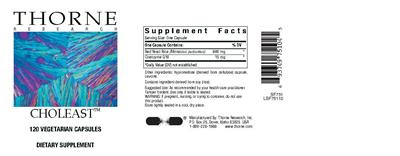
Red Yeast Rice 600 mg · Coenzyme Q10 15 mg
| Red Yeast Rice | 600 mg | † |
| Coenzyme Q10 | 15 mg | † |
Other ingredients: Hypromellose, Leucine.
Directions: Suggested use: Take 1-2 capsules daily or as recommended by your health-care practitioner.
Barcode (UPC) 693749751045 · Label source: NIH label database · Report a label change
Show entire label

More cholesterol products
Members OnlyThe highest ranked for the same goal
Read more
Our articles on this subject
- Best Diet for High Cholesterol: What to Eat, What to Cut, and What the Trials ShowArticle · Sep 13, 2026
- How to Lower LDL Cholesterol: A Practical Plan Based on Your Blood WorkArticle · Oct 27, 2026
Graded November 5, 2026 by the Reverse Age Lab evidence engine, from human studies, real reviews and our biohacker panel. How we grade. Is this medical advice? No. Rala organizes the published evidence; go over any change with your doctor, especially if you take meds.
Privacy policyConsumer health dataAffiliate disclosureTermsDo Not Sell or Share My Personal InformationCookie settings