
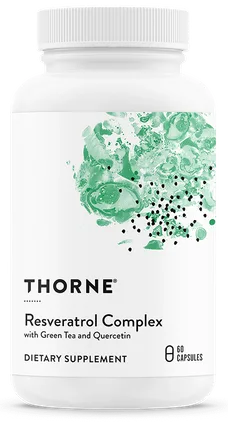
Thorne Resveratrol Complex Review
We don’t sell supplements. We help you make decisions and get the best price.
Lowest prices
We may earn a commission from some store links. How we choose.
Finding the lowest prices at the stores now. This takes a few seconds.
Products with nearly the same formula (Matched on the main ingredients)
Study, Trial or Testing Result Summary
Members Only164 human studies · 75 improved
Curcumin has the strongest support here. A review of 103 placebo-controlled trials found it lowered body weight with high certainty [1], and a review of 111 trials found about 0.8 kilograms more weight loss than placebo [2]. In women with polycystic ovary syndrome it slightly lowered body mass index [3], and 35 women with a large waist lost body mass on 500 milligrams daily [4]. Green tea gave a small weight loss in pooled trials, though certainty was low [2], and lowered weight and body fat in another review [5]. Trials in women that worked used 500 milligrams or more [6][7], more than the 200 milligrams a day here, and some trials in women found no benefit [8][9]. Resveratrol lowered weight only at 500 milligrams a day or more, or after 12 weeks or longer [10]. This product gives 200 milligrams, and other pooled trials found no consistent weight change [11]. For pterostilbene, 200 milligrams a day did not change weight compared with placebo [12]. The only human quercetin study found no clear change in waist size [13]. Animal and cell studies are never counted.
See all 164 studies →Hide the studies
- Across 103 placebo-controlled trials with 7216 people, curcumin lowered body weight (high-certainty evidence), along with blood sugar, inflammation and fats in the blood.Curcumin on Human Health: A Comprehensive Systematic Review and Meta-Analysis of 103 Randomized Controlled Trials.
- Across 111 trials with 6171 adults with overweight or obesity, green tea supplements led to a small weight loss of about 1.25 kg versus controls, though the certainty of evidence was low.Comparative effects of nutraceuticals on body weight in adults with overweight or obesity: A systematic review and netwo…
- In 79 trials of women with polycystic ovary syndrome, curcumin was best at improving LDL and HDL cholesterol, but carnitine, not curcumin, was named as the best option for obesity.The effectiveness of nutritional supplements in improving polycystic ovary syndrome in women: a systematic review and ne…
- Pooling 81 trials with 4088 people, resveratrol lowered body mass index, waist circumference and inflammation markers versus control, but body weight fell only in trials lasting 12 weeks or more or using 500 mg a day or more.Effects of resveratrol on the anthropometric indices and inflammatory markers: an umbrella meta-analysis.
- In 59 trials with 3802 people, green tea extract lowered body weight, BMI, body fat percentage and an oxidative stress marker, and raised adiponectin and antioxidant capacity, but did not change fat mass, leptin or ghrelin.The effects of green tea extract supplementation on body composition, obesity-related hormones and oxidative stress mark…
- In a review of 21 studies with 2875 people, green tea (three studies) showed no significant effect on keeping weight off, unlike higher protein intake.Dietary Strategies for Weight Loss Maintenance.
- In 40 trials with 2551 adults with obesity-related conditions, resveratrol improved insulin resistance, cholesterol, blood pressure and inflammation markers but did not consistently change body weight, body mass index, fat mass or waist size.Resveratrol Supplementation and its Potential Benefits in Obesity-related Non-communicable Diseases.
- In a network analysis of 37 trials with 2509 people with fatty liver, resveratrol was not singled out for benefit on weight or body mass index, while high-dose catechins reduced body mass index and artichoke extract and naringenin did best overall.Effects of different natural products in patients with non-alcoholic fatty liver disease-A network meta-analysis of rand…
- In a review of trials of eight polyphenols in 2173 people with fatty liver, resveratrol showed no clear benefit on body mass index and the authors said more trials are needed.Efficacy and safety of dietary polyphenol supplementation in the treatment of non-alcoholic fatty liver disease: A syste…
- In 15 trials with 1818 overweight and obese women, green tea lowered total cholesterol by about 4.5 mg/dl and LDL cholesterol by about 4.5 mg/dl, with larger triglyceride drops in women with high baseline levels.Effects of green tea on lipid profile in overweight and obese women.
- Across 25 trials with 1171 people, resveratrol significantly lowered waist circumference, long-term blood sugar and LDL cholesterol compared with placebo.Efficacy of Resveratrol Supplementation on Glucose and Lipid Metabolism: A Meta-Analysis and Systematic Review.
- In 11 trials with 876 people (53% women), curcumin lowered body weight by about 1.1 kg and BMI by about 0.5, but did not significantly change waist size overall.The effects of curcumin supplementation on body weight, body mass index and waist circumference: a systematic review and…
- In seven trials with 447 women with polycystic ovary syndrome, curcumin slightly lowered body mass index and also improved blood sugar, insulin resistance, cholesterol and inflammation, without more side effects.Therapeutic effect and safety of curcumin in women with PCOS: A systematic review and meta-analysis.
- Pooling four trials with 158 people with fatty liver, resveratrol did not significantly change body weight or body mass index compared with control.Resveratrol Supplementation in Patients with Non-Alcoholic Fatty Liver Disease: Systematic Review and Meta-analysis.
- A pooled analysis of randomized trials found green tea lowered body weight by about 1.8 kg and BMI by 0.65 kg/m2, with waist reductions at 800 mg a day or more.The effect of green tea supplementation on obesity: A systematic review and dose-response meta-analysis of randomized co…
- A network analysis of 36 trials in people with overweight or obesity ranked catechin-rich green tea plus inulin among the better diet treatments for weight loss in one of nine networks.Diet Therapeutics Interventions for Obesity: A Systematic Review and Network Meta-Analysis.
- In 10 randomized trials in people with overweight or obesity, green tea added to exercise gave a small extra reduction in weight, BMI and fat versus exercise alone, with no extra benefit on blood fats.Does green tea catechin enhance weight-loss effect of exercise training in overweight and obese individuals? a systemati…
- In pooled human studies, resveratrol lowered waist circumference and blood glucose compared with control, especially at doses above 500 mg and for 10 weeks or longer.Effect of resveratrol on metabolic syndrome components: A systematic review and meta-analysis.
- Across 19 studies, resveratrol did not significantly change weight or body mass index, only a small effect on waist circumference was found, and the authors concluded it has no anti-obesity effect.What is the effect of resveratrol on obesity? A systematic review and meta-analysis.
- Across 50 trials, curcumin reduced body weight by about 0.6 kg, BMI and waist size, with larger reductions (about 0.8 kg) for bioavailability-enhanced forms.The effect of curcumin supplementation on weight loss and anthropometric indices: an umbrella review and updated meta-an…
- In seven placebo-controlled trials in people with fatty liver disease, phytosomal curcumin reduced weight by about 2 kg, body fat by about 2 percentage points, BMI and waist size.Influence of phytosomal curcumin on anthropometric indices for nonalcoholic fatty liver disease: A meta-analysis.
- In 34 trials of 2580 people having cancer treatment, curcumin gave mixed results on weight change and body composition, with some reduction in weight loss but high risk of bias.Curcumin as a complementary treatment in oncological therapy: a systematic review.
- A review of 32 studies found no consistent effect of green tea or other plant extracts on reducing hunger or increasing fullness in adults with overweight or obesity.Appetite-Suppressing and Satiety-Increasing Bioactive Phytochemicals: A Systematic Review.
- A review of 29 animal and human studies found green tea lowered cholesterol and blood fats in obese animals, but was not shown to be effective for controlling blood fats in obese people.Potential therapeutic effects of green tea on obese lipid profile - a systematic review.
- A review of seven randomized trials found resveratrol raised a longevity-related protein (SIRT-1) in four of them and improved insulin sensitivity, blood fats and fat accumulation, but the authors could not confirm the effect for excess weight.Can resveratrol modulate sirtuins in obesity and related diseases? A systematic review of randomized controlled trials.
- A review of 18 pooled analyses of trials found resveratrol gave small reductions in body weight (0.18 kg), body mass index, waist size (0.43 cm) and body fat (0.3 kg) versus control, with significant effects only at doses above 400 mg a day and durations over 12 weeks.The effect of resveratrol supplementation on obesity indices: a critical umbrella review of interventional meta-analyses…
- Across eight randomized trials in adults, five using regular curcumin over short periods showed no effect on body measures, while three using a more absorbable form or longer duration showed benefit on weight.Effect of Curcumin on Anthropometric Measures: A Systematic Review on Randomized Clinical Trials.
- In five trials of women with polycystic ovary syndrome, curcumin supplements improved blood fats, blood sugar, body mass index and lowered male hormone levels.Complementary administration of curcumin in PCOS: a systematic review.
- In 294 adults with abdominal obesity, a green-Mediterranean diet that included green tea, walnuts and a plant shake for 18 months cut liver fat nearly twice as much as other healthy diets.Effect of green-Mediterranean diet on intrahepatic fat: the DIRECT PLUS randomised controlled trial.
- Over 18 months, a Mediterranean diet with green tea and a Mankai plant shake raised fasting ghrelin more than a healthy diet, and in men this rise was linked to less visceral fat, but the green tea effect was not separated out.Diet-induced Fasting Ghrelin Elevation Reflects the Recovery of Insulin Sensitivity and Visceral Adiposity Regression.
- In a randomized trial of 294 adults with abdominal obesity or high cholesterol, a Mediterranean-style diet that included daily green tea, along with Mankai plant and walnuts, produced stepwise improvements in body weight, though the green tea effect cannot be separated from the rest of the diet and the daily tea amount and study length were not stated.The effects of the Green-Mediterranean diet on cardiometabolic health are linked to gut microbiome modifications: a rand…
- In 294 adults, a green-Mediterranean diet including green tea for 18 months roughly doubled visceral belly fat loss compared with other healthy diets, with similar modest weight loss.The effect of high-polyphenol Mediterranean diet on visceral adiposity: the DIRECT PLUS randomized controlled trial.
- In an 18-month trial of 284 adults with abdominal obesity, a Mediterranean diet with green tea (3-4 cups daily), a green shake and walnuts slowed age-related brain shrinkage in people 50 and older compared with healthy dietary guidelines.The effect of a high-polyphenol Mediterranean diet (Green-MED) combined with physical activity on age-related brain atro…
- In a post-hoc analysis of an 18-month diet trial, people whose blood sugar control improved had a smaller rise in brain-age markers, and higher green tea and Mankai intake was linked to a more youthful brain age beyond weight loss.Glycemic control contributes to the neuroprotective effects of Mediterranean and green-Mediterranean diets on brain age:…
- In 272 people with type 2 diabetes, 1500 mg of curcumin daily for 12 months lowered body mass index and leptin compared with placebo, along with better blood sugar and insulin function.Curcumin extract improves beta cell functions in obese patients with type 2 diabetes: a randomized controlled trial.
- In 240 Japanese women and men with belly-fat obesity, 12 weeks of green tea with 583 mg catechins a day reduced body weight, body fat, waist size and LDL cholesterol more than a 96 mg catechin control drink.A green tea extract high in catechins reduces body fat and cardiovascular risks in humans.
- In 200 women with polycystic ovary syndrome, nanocurcumin at 80 mg three times daily for 12 weeks, combined with a med, improved body weight and BMI more than placebo or either drug alone.Read the study on PubMed (39461199) →
- In 182 moderately overweight Chinese adults, 90 days of green tea with 886 mg catechins a day cut waist size by 1.9 cm, body weight by 1.2 kg and belly fat area compared with a control drink.Effects of catechin enriched green tea on body composition.
- In 161 adults with obesity on a reduced-calorie diet for 6 months, resveratrol alone did not cause significantly more weight loss than placebo (-4.7 kg vs -3.5 kg), while the orlistat-resveratrol combination did (-6.8 kg).Efficacy of an orlistat-resveratrol combination for weight loss in subjects with obesity: A randomized controlled trial.
- In 132 overweight and obese adults who exercised, 12 weeks of a drink with about 625 mg catechins a day reduced abdominal fat and triglycerides more than control, but body weight and total fat mass did not differ significantly.Green tea catechin consumption enhances exercise-induced abdominal fat loss in overweight and obese adults.
- In 110 obese women with polycystic ovary syndrome, 12 weeks of resveratrol plus myoinositol twice daily reduced weight, body mass index and waist-hip ratio more than a med-pioglitazone combination, and also improved hormones and stress scores.Treatment with combined resveratrol and myoinositol ameliorates endocrine, metabolic alterations and perceived stress re…
- In 104 overweight adults who had lost 5 to 10 percent of body weight, green tea containing 573 mg of catechins daily for 13 weeks did not reduce weight regain compared with placebo, and high habitual caffeine intake was linked to more regain on green tea.Effects of green tea on weight maintenance after body-weight loss.
- In 103 overweight or obese women over 12 weeks, a mixed flavonoid supplement containing green tea leaf extract raised urine plant-compound levels but did not change inflammation or oxidative stress markers, and weight was not reported as an outcome.Influence of Ingesting a Flavonoid-Rich Supplement on the Metabolome and Concentration of Urine Phenolics in Overweight/…
- In 102 women with central obesity, 856.8 mg a day of green tea extract for 12 weeks produced significant weight loss and smaller waist size, with lower total cholesterol and LDL cholesterol, compared with placebo.Therapeutic effect of high-dose green tea extract on weight reduction: A randomized, double-blind, placebo-controlled cl…
- In adults with fatty liver disease, 1000 mg daily phytosomal curcumin for 8 weeks lowered BMI and waist size more than placebo.Efficacy and Safety of Phytosomal Curcumin in Non-Alcoholic Fatty Liver Disease: A Randomized Controlled Trial.
- In 92 adults with fatty liver disease, 3 grams of turmeric daily for 12 weeks, alone or with chicory seed, reduced body mass index and waist size compared with placebo.Turmeric and chicory seed have beneficial effects on obesity markers and lipid profile in non-alcoholic fatty liver dise…
- In 91 overweight adults over 12 weeks, a blend containing green tea extract plus a calorie-restricted diet produced 2.26 kg weight loss versus 0.56 kg with placebo, along with greater fat mass and waist reductions.IQP-GC-101 reduces body weight and body fat mass: a randomized, double-blind, placebo-controlled study.
- In 90 adults after weight loss, autologous fecal microbiota transplantation reduced weight regain only in the group following a green-Mediterranean diet that included green tea, with no significant difference across all groups.Effects of Diet-Modulated Autologous Fecal Microbiota Transplantation on Weight Regain.
- In 90 overweight adults aged 50 to 69, a turmeric extract taken for 12 weeks lowered body weight and BMI compared with placebo and reduced inflammation markers.Curcuma longa extract improves serum inflammatory markers and mental health in healthy participants who are overweight: …
- In 88 adults with metabolic syndrome, curcumin for 12 weeks lowered cholesterol and triglycerides but did not change body weight, body mass index, or waist size compared with placebo.Effects of curcumin and/or coenzyme Q10 supplementation on metabolic control in subjects with metabolic syndrome: a rand…
- In 84 adults with prediabetes and overweight, 500 mg of curcumin daily for 90 days did not significantly change weight compared with placebo, while adding zinc with curcumin lowered body mass index compared with placebo.The effect of curcumin and zinc co-supplementation on glycemic parameters in overweight or obese prediabetic subjects: A…
- In 82 people with metabolic syndrome, 24 weeks of a resveratrol and tocotrienol mix twice daily reduced waist size, blood pressure, blood sugar, triglycerides and markers of inflammation and oxidative stress compared with placebo.δ-Tocotrienol in Combination with Resveratrol Improves the Cardiometabolic Risk Factors and Biomarkers in Patients with …
- In 82 adults with metabolic syndrome, 24 weeks of resveratrol (300 mg a day) with delta-tocotrienol raised microRNAs linked to central obesity and insulin resistance compared with placebo, and participants whose metabolic syndrome reverted had larger changes; body weight was not reported.Role of δ-tocotrienol and resveratrol supplementation in the regulation of micro RNAs in patients with metabolic syndrom…
- In 80 adults with high cholesterol given pterostilbene (up to 250 mg a day) or placebo for 6 to 8 weeks, those not on meds lost a small amount of weight, but LDL cholesterol rose and blood pressure fell.Pterostilbene on metabolic parameters: a randomized, double-blind, and placebo-controlled trial.
- In 80 adults with metabolic syndrome, 1000 mg daily of curcumin for 6 weeks did not change weight, body mass index, or waist size compared with placebo.Effect of Curcumin on Serum Cathepsin D in Patients with Metabolic Syndrome.
- In 80 adults with type 2 diabetes and low vitamin D, 500 mg daily of curcuminoids for 12 weeks did not produce significant differences from placebo in body measurements, though body fat measures fell within the curcumin groups.The effects of vitamin D and curcuminoids supplementation on anthropometric measurements and blood pressure in type 2 di…
- In 80 adults with fatty liver disease, 250 mg of phospholipid curcumin daily for 2 months reduced liver fat but did not produce a difference in anthropometric measures compared with placebo.The Effect of Curcumin Phytosome on the Treatment of Patients with Non-alcoholic Fatty Liver Disease: A Double-Blind, Ra…
- In 80 adults with fatty liver, 500 mg daily curcumin for 24 weeks reduced weight by about 2.6 kg and BMI more than placebo.Curcumin supplementation alleviates hepatic fat content associated with modulation of gut microbiota-dependent bile acid…
- In 78 obese women over 12 weeks, green tea extract taken three times daily did not reduce body weight, body mass index or waist size more than placebo.Effect of green tea extract on obese women: a randomized, double-blind, placebo-controlled clinical trial.
- In 78 adults with type 2 diabetes and fatty liver disease, 1500 mg daily of curcumin for 12 months reduced total body fat and BMI more than placebo, along with lower inflammation and oxidative stress.Curcumin for Inflammation Control in Individuals with Type 2 Diabetes Mellitus and Metabolic Dysfunction-Associated Stea…
- In 77 young adults with Down syndrome over 12 months, the green tea compound epigallocatechin gallate prevented the weight gain seen with placebo and modestly reduced weight and body fat in males.Effect of epigallocatechin gallate on the body composition and lipid profile of down syndrome individuals: Implications …
- In 71 adults with type 2 diabetes and overweight, 1000 mg of resveratrol daily for 8 weeks did not change fat-related indices more than placebo.Effect of resveratrol supplementation on hepatic steatosis and cardiovascular indices in overweight subjects with type 2…
- In 74 middle-aged men with metabolic syndrome, 1000 mg of resveratrol daily for 16 weeks did not change body composition or inflammation compared with placebo.No Beneficial Effects of Resveratrol on the Metabolic Syndrome: A Randomized Placebo-Controlled Clinical Trial.
- In 72 adults with diabetes and heart disease risk, curcumin taken with usual care did not change body mass index, though it lowered blood pressure, TNF-alpha and MDA compared with control.Curcumin supplementation improves the clinical outcomes of patients with diabetes and atherosclerotic cardiovascular ris…
- In 66 adults with metabolic syndrome, 500 mg of curcumin daily for 12 weeks led to significant body weight loss compared with placebo, alongside improved arterial stiffness.The Effect of Curcumin Supplementation on Pulse Wave Velocity in Patients with Metabolic Syndrome: A Randomized, Double-…
- In 66 stroke patients, 500 mg daily curcumin with piperine for 12 weeks lowered weight and waist size more than placebo, along with inflammation markers.The effects of curcumin-piperine supplementation on inflammatory, oxidative stress and metabolic indices in patients wit…
- In 65 adults with fatty liver disease, eight weeks of phytosomal curcumin raised adiponectin and lowered leptin compared with placebo; the abstract does not report a weight change.Effect of Phytosomal Curcumin on Circulating Levels of Adiponectin and Leptin in Patients with Non-Alcoholic Fatty Liver…
- In 62 girls aged 6 to 10 with obesity, 400 mg daily of decaffeinated green tea polyphenols for 12 weeks caused no adverse effects and no significant differences in most blood measures compared with placebo, though uric acid decreased.Decaffeinated green tea polyphenols supplementation had no adverse health effects in girls with obesity: a randomized co…
- In a randomized trial of 60 obese Thai adults on a set 3-meal diet for 12 weeks, green tea led to greater weight loss than placebo at weeks 8 and 12, with higher energy burn at rest and changes in fat burning.Effectiveness of green tea on weight reduction in obese Thais: A randomized, controlled trial.
- In 60 healthy Japanese adults over 12 weeks, a green tea and citrus polyphenol supplement containing 146 mg EGCG prevented weight gain and reduced body mass index compared with placebo, with the effect stronger in people under 50.The combined effect of green tea and α-glucosyl hesperidin in preventing obesity: a randomized placebo-controlled clinic…
- In 60 healthy adults given 200 mg a day of a pterostilbene-rich extract or placebo for two months, body weight and body mass index did not differ from placebo and no serious side effects occurred.A Short-Term Safety Evaluation of Silbinol®- an Extract from Pterocarpus marsupium in Healthy Adults- a Randomized, Doub…
- In 60 older adults, 200 mg of resveratrol daily for 26 weeks did not improve memory, and body fat rose in both groups, partly more after resveratrol.Effects of resveratrol on memory performance, hippocampus connectivity and microstructure in older adults - A randomized…
- In 60 overweight or obese adolescent girls, 500 mg daily of turmeric extract for 10 weeks showed some improvement in body mass index and waist size, but the difference from placebo was not statistically significant overall.Effects of curcumin on cardiovascular risk factors in obese and overweight adolescent girls: a randomized clinical trial…
- In 60 oral cancer patients receiving radiation and chemotherapy, a turmeric capsule taken for 6 weeks led to less weight loss than placebo, along with fewer severe mouth sores and swallowing problems.A Randomized, Placebo-Controlled Study to Evaluate the Effect of Bio-Enhanced Turmeric Formulation on Radiation-Induced …
- In 60 adults with type 2 diabetes taking glimepiride, 1100 mg daily of curcumin for 3 months did not change body weight compared with placebo, though it lowered inflammatory marker CRP.Effect of adding fenofibrate versus curcumin to glimepiride in patients with type 2 diabetes: a randomized controlled tr…
- In 59 adults with excess weight, 200 mL of green tea kombucha daily for 10 weeks with calorie restriction did not add to weight loss, but it lowered some inflammation markers.Green Tea Kombucha Impacts Inflammation and Salivary Microbiota in Individuals with Excess Body Weight: A Randomized Con…
- In a 12-week placebo-controlled trial of 58 adults, green tea capsules with more than 0.56 g EGCG daily did not change body composition or gut bacteria compared with placebo.Long-Term Green Tea Supplementation Does Not Change the Human Gut Microbiota.
- In 58 adults with mild to moderate inflammatory bowel disease, 1000 mg daily of curcumin plus piperine for 12 weeks increased fat-free mass and reduced muscle depletion compared with placebo.Curcumin plus piperine improve body composition in patients with inflammatory bowel disease: a randomized, double-blind,…
- In 57 overweight young men over 6 weeks, green tea consumption alone lowered body mass index, body fat, total cholesterol and bad cholesterol, though combining it with aerobic exercise gave the best results.The Effect of Six-Week Aerobic Exercise Combined with ease max Incr2Green Tea Consumption on PON1 and VOand Apelin, Bloo…
- In 57 people with Hashimoto's thyroiditis, adding 1320 mg daily of curcumin to an anti-inflammatory diet for 12 weeks produced waist reductions that were not significantly different from placebo plus the same diet.The Combined Effects of an Anti-Inflammatory Diet and Curcumin Supplementation on Thyroid Function and Lipid Profile in …
- In 56 non-obese men and women, a daily 10-supplement blend containing 100 mg of resveratrol for 24 weeks did not change body fat or cardiometabolic markers compared with control.Multiple dietary supplements do not affect metabolic and cardio-vascular health.
- In a 12-week placebo-controlled trial of 55 overweight young adults, a multi-ingredient supplement containing 500 mg green tea extract lowered body weight and fat mass more than placebo, though the green tea effect cannot be separated from the other ingredients.Novel Multi-Ingredient Supplement Facilitates Weight Loss and Improves Body Composition in Overweight and Obese Individu…
- In 52 adults with fatty liver disease, 1500 mg daily of curcumin for 12 weeks plus lifestyle advice reduced body measurements, but the change was no greater than lifestyle advice with placebo.The effects of curcumin supplementation on liver enzymes, lipid profile, glucose homeostasis, and hepatic steatosis and …
- In 52 adults with fatty liver disease following a lifestyle program, 1.5 grams of curcumin daily for 12 weeks did not change body mass index compared with placebo.Curcumin Offers No Additional Benefit to Lifestyle Intervention on Cardiometabolic Status in Patients with Non-Alcoholic…
- In 50 adults with fatty liver disease, 500 mg of resveratrol daily for 12 weeks lowered inflammatory markers more than placebo, while weight dropped in both groups by similar amounts.Resveratrol supplementation improves inflammatory biomarkers in patients with nonalcoholic fatty liver disease.
- In 50 adults with type 2 diabetes, 100 mg of resveratrol daily for 12 weeks lowered oxidative stress more than placebo, while body weight fell only slightly and not significantly.Resveratrol Ameliorates Arterial Stiffness Assessed by Cardio-Ankle Vascular Index in Patients With Type 2 Diabetes Mell…
- In 50 adults with fatty liver disease, 600 mg of resveratrol daily for 12 weeks reduced body weight and BMI more than placebo, though blood lipids did not change.No beneficial effects of resveratrol supplementation on atherogenic risk factors in patients with nonalcoholic fatty liv…
- In 48 adolescents with obesity, green tea (3 cups daily) for 6 months did not clearly change BMI compared with herbal tea placebo, while coffee produced the largest BMI drop.Effect of Coffee and Tea Consumption on Adolescent Weight Control: An Interventional Pilot Study.
- In 48 healthy, slightly overweight adults given 500 mg of resveratrol or a 1000-calorie diet for 30 days, waist size fell only in the diet group, while resveratrol raised total cholesterol, apolipoprotein B and insulin resistance.Gene Expression of Sirtuin-1 and Endogenous Secretory Receptor for Advanced Glycation End Products in Healthy and Slight…
- In 48 healthy adults, 30 days of resveratrol did not improve cardiometabolic risk factors, sympathetic nervous activity, or blood vessel function, and it raised total cholesterol, while energy restriction reduced waist size.Comparison of Resveratrol Supplementation and Energy Restriction Effects on Sympathetic Nervous System Activity and Vasc…
- In a randomized trial of 48 children aged 6 to 17 with overweight or obesity, a supplement combining curcumin with resveratrol, zinc, magnesium, selenium and vitamin D improved blood vessel function over 6 months, though the study did not measure weight and curcumin was not tested alone.Supportive treatment of vascular dysfunction in pediatric subjects with obesity: the OBELIX study.
- In 48 women with rheumatoid arthritis, 500 mg of curcumin daily for 8 weeks lowered body weight, body mass index and waist size compared with placebo.Effects of curcumin supplementation on metabolic parameters, inflammatory factors and obesity values in women with rheum…
- In 46 women on a low-calorie diet for 12 weeks, green tea extract did not improve blood markers compared with placebo, and early blood gains were reversed by the end even as weight kept falling.Metabolic effects of green tea and of phases of weight loss.
- In 46 overweight older adults (18 women), 200 mg of resveratrol daily for 26 weeks reduced body fat compared with placebo and improved word recall.Effects of resveratrol on memory performance, hippocampal functional connectivity, and glucose metabolism in healthy old…
- In 45 overweight middle-aged men over 8 weeks, 500 mg daily of green tea extract combined with endurance training lowered weight, body fat and inflammation more than training with placebo.Effects of green tea extract supplementation and endurance training on irisin, pro-inflammatory cytokines, and adiponect…
- In 45 adults with fatty liver disease, 250 mg daily of phytosomal curcumin for 8 weeks reduced body weight, waist size, and body mass index more than placebo, and lowered a marker of DNA damage.Efficacy of phytosomal curcumin among patients with non-alcoholic fatty liver disease.
- In 44 women with migraine, 1000 mg daily curcumin for 8 weeks did not change weight or BMI compared with placebo, though it lowered inflammation markers and headache severity.Effects of Curcumin Supplementation on Clinical Features and Inflammation, in Migraine Patients: A Double-Blind Controll…
- In 41 overweight men and women, 150 mg of resveratrol daily for 6 months did not change body composition compared with placebo, although HbA1c was lower.No effect of resveratrol supplementation after 6 months on insulin sensitivity in overweight adults: a randomized trial.
- In 40 hemodialysis patients with kidney disease, 500 mg of resveratrol plus 500 mg of curcumin daily for 12 weeks produced significant differences from placebo in body mass index, fat percentage, and muscle and bone mass.Recovery Of Bone And Muscle Mass In Patients With Chronic Kidney Disease And Iron Overload On Hemodialysis And Taking Co…
- In 38 postmenopausal women walking three times a week, 150 mg EGCG twice daily for 12 weeks cut waist size and body fat about as much as placebo, though it lowered resting heart rate and blood glucose in women with impaired glucose tolerance.Can EGCG reduce abdominal fat in obese subjects?
- In a 12-week placebo-controlled trial of adults with overweight, 282 mg EGCG plus 80 mg resveratrol daily did not change overall gut bacteria, and fat burning measured by indirect calorimetry was not linked to gut bacteria changes.Examination of sex-specific interactions between gut microbiota and host metabolism after 12-week combined polyphenol su…
- In 37 overweight men and women, 80 mg of resveratrol combined with 282 mg EGCG daily for 12 weeks changed gut bacteria and fat burning in men only; the abstract does not report a weight change.Gut microbiota composition in relation to the metabolic response to 12-week combined polyphenol supplementation in overw…
- In 37 obese adults, 200 mg of lecithin-formulated curcumin twice daily for 6 weeks did not significantly change liver fat compared with placebo.The effect of curcumin on hepatic fat content in individuals with obesity.
- In 36 overweight men, a supplement mix containing resveratrol for 5 weeks raised adiponectin by 7 percent and changed many markers in blood and fat tissue, but C-reactive protein did not change.An antiinflammatory dietary mix modulates inflammation and oxidative and metabolic stress in overweight men: a nutrigeno…
- In 35 obese adults with metabolic syndrome, 8 weeks of green tea drink or extract did not change metabolic syndrome features, though it lowered one inflammation marker, serum amyloid alpha, compared with no treatment.Green tea minimally affects biomarkers of inflammation in obese subjects with metabolic syndrome.
- In 35 Brazilian women with high waist circumference, 500 mg of curcumin daily for 90 days reduced body mass compared with placebo, though other body composition measures did not change.Curcumin supplementation reduces blood glucose and serum lipids of Brazilian women with high waist circumference: a rand…
- In 33 adults with impaired glucose tolerance or type 2 diabetes, 180 mg daily of highly absorbable curcumin for six months did not significantly change body mass index compared with placebo, but it prevented a rise in oxidized LDL.Effects of Highly Absorbable Curcumin in Patients with Impaired Glucose Tolerance and Non-Insulin-Dependent Diabetes Mel…
- In 33 cancer patients with wasting syndrome, 800 mg of curcumin twice daily for 8 weeks did not produce significantly different weight or body composition changes compared with placebo.A Double-Blind, Placebo-Controlled Randomized Phase IIa Study: Evaluating the Effect of Curcumin for Treatment of Cancer…
- In 32 overweight older adults, 300 mg or 1000 mg of resveratrol daily for 90 days lowered glucose compared with placebo, was well tolerated, and weight change was not reported as a finding.Safety and metabolic outcomes of resveratrol supplementation in older adults: results of a twelve-week, placebo-controll…
- In adults with obesity and insulin resistance, resveratrol for two months lowered insulin and triglycerides and improved insulin sensitivity compared with placebo, though the abstract does not report a fat loss effect, and it increased muscle mitochondrial markers.Supplementation with resveratrol modified gut microbiota improving insulin sensitivity and lipid metabolism in subjects …
- In a placebo-controlled pilot trial of 31 women with severe obesity having bariatric surgery, 1500 mg of curcumin daily for 13 weeks reduced overall gastrointestinal symptom scores more than placebo, with gains in belching and constipation, and also lowered BMI and neck size.Curcumin Supplementation Improves Gastrointestinal Symptoms in Women with Severe Obesity: A Double-Blind, Randomized, Pl…
- In 30 overweight women doing 8 weeks of endurance training, 500 mg daily green tea extract produced greater drops in weight, BMI, waist-to-hip ratio and body fat than training with placebo, along with a larger fall in the inflammation marker hs-CRP.Does green tea extract enhance the anti-inflammatory effects of exercise on fat loss?
- In an 8-week placebo-controlled trial of 30 obese adults, 150 mg of green tea EGCG twice daily lowered blood pressure, though the abstract does not report a weight change.Epigallocatechin gallate enhances sympathetic heart rate variability and decreases blood pressure in obese subjects: a r…
- In 30 obese adults, 1 g daily of curcuminoids for 30 days lowered triglycerides but did not change weight, BMI or body fat compared with placebo.Effects of supplementation with curcuminoids on dyslipidemia in obese patients: a randomized crossover trial.
- In a 60-day placebo-controlled trial of 28 overweight postmenopausal women, green tea extract increased fat burning and resting energy use, and reduced waist size, insulin and CRP compared with placebo.A 60-Day Green Tea Extract Supplementation Counteracts the Dysfunction of Adipose Tissue in Overweight Post-Menopausal a…
- In 28 older adults with prediabetes, 80 mg daily of curcumin for 12 weeks lowered HbA1c blood sugar but did not change body weight or body mass index compared with placebo.Twelve-Week Curcumin Supplementation Improves Glucose Homeostasis and Gut Health in Prediabetic Older Adults: A Pilot, D…
- In 27 overweight women, a daily caffeine and green tea catechin drink combined with a 10-week exercise program improved muscle mass, peak oxygen use and strength compared with placebo and exercise alone.Physiological effects of caffeine, epigallocatechin-3-gallate, and exercise in overweight and obese women.
- In 27 overweight adults exercising regularly for 8 weeks, 400 mg daily of decaffeinated green tea extract with added quercetin and alpha-lipoic acid improved fat burning during exercise and lowered bad cholesterol, while body composition was largely unchanged.The Impact of Decaffeinated Green Tea Extract on Fat Oxidation, Body Composition and Cardio-Metabolic Health in Overweig…
- In 25 overweight or obese adults (10 women), 12 weeks of resveratrol (80 mg a day) combined with green tea extract had no effect on fat cell size compared with placebo, though fat tissue gene activity related to inflammation and oxidative stress was lower.The effects of polyphenol supplementation on adipose tissue morphology and gene expression in overweight and obese human…
- In 25 adults with obesity following a diet and exercise program, 250 mg of resveratrol daily for 3 months improved total cholesterol, HDL cholesterol and VLDL cholesterol compared with placebo.Oral resveratrol supplementation improves Metabolic Syndrome features in obese patients submitted to a lifestyle-changin…
- In 24 adults with metabolic syndrome, taking 500 mg trans-resveratrol three times daily for 90 days led to significant reductions in body weight, body mass index, fat mass and waist size compared with placebo.Effect of resveratrol administration on metabolic syndrome, insulin sensitivity, and insulin secretion.
- In 21 adults with COPD, 150 mg of resveratrol daily for 4 weeks did not improve muscle mitochondrial function or inflammation compared with placebo, and body weight fell mainly because of a loss of lean mass.Resveratrol and metabolic health in COPD: A proof-of-concept randomized controlled trial.
- In 20 men with fatty liver disease, 3,000 mg of resveratrol daily for 8 weeks did not improve insulin resistance, liver fat or abdominal fat compared with placebo, and it raised liver enzymes.Resveratrol does not benefit patients with nonalcoholic fatty liver disease.
- In 19 active men, 28 days of decaffeinated green tea extract did not change fat burning during moderate exercise on day 1, day 7 or day 28 compared with placebo.Variable duration of decaffeinated green tea extract ingestion on exercise metabolism.
- In 19 men with schizophrenia, 200 mg of resveratrol daily for 4 weeks produced no difference in body weight or waist circumference compared with placebo.Resveratrol Supplementation in Schizophrenia Patients: A Randomized Clinical Trial Evaluating Serum Glucose and Cardiova…
- In 18 adults in a single test session, green tea capsules raised calorie burn after a meal compared with placebo, but adding milk protein to the meal cancelled this effect.Consumption of milk-protein combined with green tea modulates diet-induced thermogenesis.
- In 16 obese men with fatty liver disease, 500 mg of resveratrol three times daily for 6 months did not change body composition or liver fat compared with placebo.No effect of resveratrol on VLDL-TG kinetics and insulin sensitivity in obese men with nonalcoholic fatty liver disease.
- In 14 adults with type 2 diabetes, 1,000 mg of resveratrol daily (500 mg twice daily) for 5 weeks did not change blood sugar, HbA1c, appetite hormone GLP-1, stomach emptying or body weight compared with placebo.Administration of resveratrol for 5 wk has no effect on glucagon-like peptide 1 secretion, gastric emptying, or glycemic…
- In 13 women, drinking matcha green tea (1 g per drink) before a 30-minute brisk walk increased the fat burned during exercise compared with control.Matcha Green Tea Drinks Enhance Fat Oxidation During Brisk Walking in Females.
- In 13 men with a family history of type 2 diabetes, 150 mg of resveratrol daily for 30 days improved muscle mitochondrial function but did not change insulin sensitivity, fat stores, or energy metabolism.Resveratrol improves ex vivo mitochondrial function but does not affect insulin sensitivity or brown adipose tissue in f…
- In a crossover trial of 12 healthy men, one day of green tea extract capsules (366 mg EGCG total) raised fat burning during moderate exercise by about 17% compared with placebo.Green tea extract ingestion, fat oxidation, and glucose tolerance in healthy humans.
- In 12 women taking 3 grams of Matcha green tea powder daily for 3 weeks, fat burning during a 30-minute moderate walk rose compared with placebo, while energy expenditure stayed the same.Three Weeks Daily Intake of Matcha Green Tea Powder Affects Substrate Oxidation during Moderate-Intensity Exercise in Fe…
- In a small crossover trial of 11 obese men, 150 mg of resveratrol daily for 30 days lowered resting energy burn, blood sugar, triglycerides and inflammation markers and improved muscle mitochondrial respiration compared with placebo.Calorie restriction-like effects of 30 days of resveratrol supplementation on energy metabolism and metabolic profile in…
- In 10 overweight men, 300 mg of epigallocatechin-3-gallate taken for 3 days increased fat burning after a meal to a similar extent as 200 mg caffeine, while 600 mg did not, and energy expenditure was unchanged.Epigallocatechin-3-gallate and postprandial fat oxidation in overweight/obese male volunteers: a pilot study.
- In 10 adults with type 2 diabetes, 3 grams of resveratrol daily for 12 weeks raised muscle SIRT1 and calculated resting energy burn compared with placebo, but reduced daily activity and step counts, and body weight was not reported as improved.Effects of resveratrol in patients with type 2 diabetes mellitus on skeletal muscle SIRT1 expression and energy expendit…
- In 8 healthy young men during a 3-hour mild cold exposure, a green tea extract with 1600 mg EGCG and 600 mg caffeine reduced shivering and raised energy expenditure compared with placebo.Effects of green tea extracts on non-shivering thermogenesis during mild cold exposure in young men.
- In 8 healthy young men, 8 weeks of 500 mg daily green tea extract increased fat burning after exercise compared with placebo, though it did not improve muscle glycogen refilling.Effect of green tea extract supplementation on glycogen replenishment in exercised human skeletal muscle.
- In a 2-day crossover study of 6 overweight men, 300 mg per day of green tea EGCG lowered the breathing ratio after a meal, a sign of more fat burning, but resting energy use did not change.The effects of epigallocatechin-3-gallate on thermogenesis and fat oxidation in obese men: a pilot study.
- Short-term green tea and cocoa flavanol drinks did not lower fasting trimethylamine N-oxide levels in obese adults.Impact of short-term flavanol supplementation on fasting plasma trimethylamine N-oxide concentrations in obese adults.
- In obese adults, EGCG supplements for 4 to 8 weeks lowered triglycerides and blood pressure but did not reduce body weight, BMI, waist or hip size, or body fat.Epigallocatechin gallate decreases plasma triglyceride, blood pressure, and serum kisspeptin in obese human subjects.
- In adults with type 2 diabetes, 500 mg of resveratrol daily for 6 months raised SIRT-1 levels, and people in the highest SIRT-1 change group had lower body fat percentage.Impact of sirtuin-1 expression on H3K56 acetylation and oxidative stress: a double-blind randomized controlled trial wit…
- In men with obesity, 30 days of resveratrol supplementation lowered the virus entry receptor ACE2 and leptin in fat tissue but did not change other renin-angiotensin components, and weight was not reported as changed.Resveratrol supplementation reduces ACE2 expression in human adipose tissue.
- In adults with obesity, 500 mg of resveratrol with or without zinc for 60 days changed leptin and blood sugar in some groups, but body weight was not reported as an outcome.[Effects of zinc and resveratrol as modulators of leptin response in adults with obesity].
- In patients with colorectal cancer, curcumin lowered serum TNF-alpha and increased body weight, so the weight result was not a reduction.Upregulation of p53 expression in patients with colorectal cancer by administration of curcumin.
- In 60 adults with borderline high blood glucose, a daily green tea extract powder providing 456 mg of catechins for 2 months lowered hemoglobin A1c but did not change weight or body mass index.Randomized controlled trial for an effect of green tea-extract powder supplementation on glucose abnormalities.
- In 50 healthy smokers in a crossover trial, 30 days of resveratrol (500 mg a day) lowered C-reactive protein and triglycerides and raised total antioxidant status compared with placebo, but weight and waist circumference did not change.Anti-inflammatory and antioxidant effects of resveratrol in healthy smokers a randomized, double-blind, placebo-controll…
- In 45 elderly adults with metabolic syndrome, drinking three cups of green tea daily for 60 days produced weight loss, lower body mass index and smaller waist size, while the no-intervention group did not lose weight.Effect of green tea (Camellia sinensis) consumption on the components of metabolic syndrome in elderly.
- In a small pilot of 40 people with ALS, a Mediterranean diet plus pterostilbene and nicotinamide riboside increased muscle mass percentage and reduced fat mass percentage compared with the control group.Effect of the Mediterranean diet supplemented with nicotinamide riboside and pterostilbene and/or coconut oil on anthrop…
- In 38 adults with type 2 diabetes (20 took quercetin, 18 did not), 500 mg of quercetin daily for 12 weeks lowered waist size by 1.5% versus 0.7% in the comparison group, a difference that was not statistically significant, though anxiety and quality of life scores improved.The Impact of Three-Month Quercetin Intake on Quality of Life and Anxiety in Patients With Type II Diabetes Mellitus: An…
- In 78 adults with metabolic syndrome, a multi-herb product containing turmeric taken for 4 months reduced body weight by about 1.7 kg and waist size by about 3 cm, though there was no placebo group.Effect of a Natural Supplement Containing Curcuma Longa, Guggul, and Chlorogenic Acid in Patients With Metabolic Syndrom…
- In 62 adults with type 2 diabetes, 250 mg of resveratrol daily for 3 months did not significantly change body weight, though it improved blood sugar and blood pressure.Resveratrol supplementation improves glycemic control in type 2 diabetes mellitus.
- In a small uncontrolled pilot of 8 obese adults with metabolic syndrome, eating green tea extract bread daily for three months did not change body weight, BMI, waist, or body fat, though fat absorption measured by a breath test fell.Green tea influences intestinal assimilation of lipids in humans: a pilot study.
- This was a cell study, not a study in people, and it did not measure body weight. The supplement changed gene activity linked to oxidative stress, inflammation and aging in lab-grown cells.Glyoxalase 1 Inducer, trans-Resveratrol and Hesperetin-Dietary Supplement with Multi-Modal Health Benefits.
- In people with cystic fibrosis, eight weeks of curcumin with genistein showed no clear effect on body mass index.Clinical effects of the three CFTR potentiator treatments curcumin, genistein and ivacaftor in patients with the CFTR-S1…
- In rats fed an obesogenic diet for 6 weeks, pterostilbene at 30 mg per kg daily reduced subcutaneous fat weight and prevented a drop in a fat-related water channel.Resveratrol and Pterostilbene, Two Analogue Phenolic Compounds, Affect Aquaglyceroporin Expression in a Different Manner…
- In obese Zucker rats given 15 or 30 mg per kg of body weight daily for 6 weeks, pterostilbene increased the heat-producing and energy-burning capacity of brown fat.Effects of pterostilbene in brown adipose tissue from obese rats.
- In obese Zucker rats given 15 mg per kg of body weight daily for 6 weeks, pterostilbene reduced obesity, improved insulin sensitivity, and shifted gut bacteria toward a healthier mix.Pterostilbene-induced changes in gut microbiota composition in relation to obesity.
- In obese OLETF rats fed a 0.5% pterostilbene diet for 4 weeks, abdominal fat accumulation was markedly reduced and energy use was higher.Pterostilbene, a dimethylated analog of resveratrol, promotes energy metabolism in obese rats.
- In mice fed a high-fat diet for 30 weeks, daily pterostilbene counteracted weight gain, more so in males than in females, and showed a trend toward browning of white fat.Browning Effects of a Chronic Pterostilbene Supplementation in Mice Fed a High-Fat Diet.
- In mice fed a western diet for 16 weeks, pterostilbene and its metabolite pinostilbene reduced obesity, liver fat, and inflammation, and protected the gut lining.The Anti-Obesity and Anti-Inflammatory Capabilities of Pterostilbene and its Colonic Metabolite Pinostilbene Protect aga…
- In rats with diet-induced obesity, oral pterostilbene packaged in chitosan nanoparticles produced improved anti-obesity effects and sustained weight loss compared with free pterostilbene.Improved oral nutraceutical-based intervention for the management of obesity: pterostilbene-loaded chitosan nanoparticle…
- In rats given pterostilbene daily for 2 weeks, body weight gain was lower and several metabolic pathways were modulated.Exploration of Nutraceutical Potentials of Isorhapontigenin, Oxyresveratrol and Pterostilbene: A Metabolomic Approach.
- In mice with colon cancer, a daily antioxidant mix containing quercetin speeded weight loss and shortened survival, and did not prevent muscle wasting; this was an animal study with no human participants.Antioxidant supplementation accelerates cachexia development by promoting tumor growth in C26 tumor-bearing mice.
- In a mouse study, a combination of a med and quercetin cleared fat-cell populations linked to insulin resistance and eased insulin resistance; the study did not test quercetin alone, did not measure body weight, and involved no human participants.Targeting p21Cip1 highly expressing cells in adipose tissue alleviates insulin resistance in obesity.
Review Totals and Summary
Members OnlyWhat buyers say
No written reviews read yet.
Biohacker Summary
Members Only0 of 10 recommend it
The panel treats green tea and curcumin as the two main ingredients, and both draw mostly positive use. On green tea, five of the ten drink it or use it, mainly for focus, calm energy and visceral fat loss, and two of them suggest adding lemon so more of its catechins survive digestion, while one cautions that very high doses of green tea extract could harm the liver and another found it did not extend life in animal studies. On curcumin, the panel is split between those who take or recommend it for inflammation, joint pain and immune support and those who are neutral, with one who takes 500 mg daily in a phytosomal or liposomal form that absorbs better, one who notes it barely absorbs without black pepper, one who advises it only for specific purposes with a doctor, and one who advises avoiding it in pregnancy. Resveratrol is a smaller ingredient in this product, and the panel is mostly doubtful, with one who stopped taking it for lack of clear benefit and another who calls it useless, though two others have used or recommended it.
See all 10 biohackers →Hide the biohackers
Siim Land · Green Tea · recommends
- States that green tea is very effective for visceral fat loss due to its polyphenol content.
- Personally drinks 2 cups of green tea a day and made it one of the small changes while reducing his visceral fat.
- Mentions that green tea's EGCG has stimulated autophagy in cultured liver cells and mouse experiments by increasing AMPK.
- Consumed more polyphenol-rich foods, including green tea, to reduce visceral fat.
- Recommends Curcumin for joint pain and inflammation, based primarily on human research, especially randomized controlled trials showing measurable benefits.
- Lists Curcumin as one of 15 supplements backed by human studies.
- Mentions that he drank green tea, which targets visceral fat, as one of the things he did to reduce visceral fat.
- Mentions quercetin as a phytochemical that has been shown to stimulate GLP-1 expression directly, and also increase glucose uptake and insulin sensitivity.
- Drinks 1-3 cups of green tea a day, noting that there are multiple lines of evidence suggesting it improves various health markers and may have longevity benefits.
- States that green tea is one of the healthiest beverages in the world, improving cardiovascular disease risk factors, heart health, metabolic health markers, targeting all hallmarks of aging, reducing visceral fat, and being associated with lower mortality.
- When dropping his visceral fat, Siim Land drank around one to three cups of green tea per day, usually in the morning and before exercise, and believes it contributed to visceral fat loss.
- Thinks curcumin has some of the strongest evidence and is worth considering.
- Is skeptical about most supplements and states that resveratrol has already been shown to not be effective.
- Mentions curcumin as a compound that can increase autophagy, but notes it doesn't come close to exercise in effectiveness.
Thomas DeLauer · Green Tea · uses
- Now rotates green tea with coffee, having green tea for two days, then coffee for two days, to maintain energy and benefit from different antioxidant profiles. He previously focused too much on green tea and neglected coffee.
- Combines MCT oil with matcha green tea in a cognitive cocktail, finding that green tea provides more mental benefits than coffee for focus and calm energy.
- Explains that green tea's catechin benefits often diminish in the intestines, with less than 20% surviving digestion, but adding citrus can reclaim these benefits by about 5x.
- Recommends adding citrus, specifically lemon, to green tea to reclaim the benefits of catechins, as it can leave 80% of them intact.
- Notes that PET scans showed a significant reduction in amyloid plaque build-up in the group taking curcumin, suggesting fewer instances of Alzheimer's and dementia.
- Discusses a UCLA study where curcumin led to a 28% increase in cognitive function and a significant reduction in amyloid plaque buildup, suggesting less instance of Alzheimer's and dementia. He also mentions a study where curcumin helped mood as much as a med.
- Uses Curcumin Gold in their recipe, stating it is amazing because it contains ginger oil, DHA, and curcumin, which work in harmony for the body to operate at its best, helping with inflammation and brain energy.
- Describes quercetin as 'unreal' and notes its high presence in apples and onions, stating it stabilizes mast cells to release less histamine.
- Recommends sipping green tea while walking fasted in the morning to help extend the fat oxidation window.
- Discusses a UCLA study where participants taking 90 milligrams of curcumin daily for 18 months showed a 28% increase in cognitive function and a significant reduction in amyloid plaque buildup.
- Recommends Curcumin, stating that 500-1000mg lowers CRP and IL-6 in trials and has over 2000 studies.
- Recommends one to three small cups of green tea, ideally in the morning, as consistent consumption over two to three weeks increases BDNF due to EGCG.
- States that curcumin plus vitamin D is probably the most powerful brain booster and brain protector, explaining that curcumin helps macrophages enlarge to gobble up more amyloid beta.
- Recommends switching to a good quality green tea first thing in the morning because it is lower in caffeine and contains theanine, which has a cortisol-blunting effect, balancing out the stimulation.
Dave Asprey · Curcumin · uses
- Says CallaCurcumin is like "mommy's little helper" and he takes it when he knows he's going to eat late at night, around 5:00 or 6:00, to avoid overeating.
- Recommends Tetrahydro Curcuminoids, stating they lower inflammation.
- Host Dave Asprey draws a clear line between promising cell research on pterostilbene and human outcomes, emphasizing that resistance training, walking, muscle mass, and mitochondrial health still have far stronger evidence than taking blueberry extracts to reduce muscle fat.
- Warns that very high doses of EGCG or green tea extract could cause harm to the liver.
- Recommends Vinia, stating that one capsule has the same piceid resveratrol as 1,000 red grapes, and it supports the activity of sirtuins and works as an antioxidant.
- Dave Asprey warns that resveratrol, despite launching the longevity supplement industry, has never delivered on its mouse data promises, with 20 years of inconsistent human trial results.
- Recommends quercetin, found in foods like capers and red onions, as a plant compound that directly slows down the demolition crew inside cells, which destroys NAD+.
- Mentions trans-resveratrol as one of the ingredients in the Ageless Cocktail, which is designed for longevity.
- Recommends CurcuLite, a curcumin product, for turning up AMPK, which is foundational to energy, longevity, and detox.
- Recommends Resveralite, a resveratrol product, for increasing the size of the plumbing in the body to get more toxins out more quickly.
- Dave Asprey recommends quercetin, a plant compound found in capers and red onions, as it has been shown to directly slow down the demolition crew inside cells that breaks down NAD+.
- Mentions resveratrol as an ingredient in Wonderfeel's product, noting that it's better to take the isolated constituent than to consume large amounts of red wine for its benefits.
- Believes quercetin is important for addressing mast cell activation.
- Takes curcumin, an extract of turmeric, to bypass the oxalate content while still getting the benefits.
Dr. Eric Berg · Curcumin · neutral
- Mentions that turmeric contains curcumin, which has been studied for its effects on inflammation, joint discomfort, mood, and blood sugar.
- Notes that Curcumin barely absorbs without black pepper.
- Suggests pairing green tea with lemon for better absorption.
- Warns about resveratrol, explaining that David Sinclair pushed papers claiming it increased a longevity protein, but later research by Pfizer and GlaxoSmithKline could not replicate these findings, leading to the shutdown of research.
- Suggests incorporating anti-cancer foods like green tea to help prevent pancreatic cancer.
- Dr. Eric Berg recommends adding more quercetin-rich foods such as red onions, capers, kale, dill, and radishes to your diet for seasonal allergies.
- Recommends replacing coffee with green tea.
- Mentions green tea as an ingredient that can bring something different to the table for liver health.
- Explains that the quercetin in onions decreases DHT, a powerful form of testosterone that is often the reason for hair loss.
- Recommends curcumin, stating it delivers powerful antioxidant and anti-inflammatory effects linked to cardiovascular health and mental well-being.
- Dr. Eric Berg states that curcumin may support blood sugar, but it should not be treated as an equivalent substitute for other treatments.
- Lists curcumin as an epigenetic factor that may help with cancer prevention.
- Lists resveratrol as an epigenetic factor that may help with cancer prevention.
- Lists quercetin as an epigenetic factor that may help with cancer prevention.
Dr. Mark Hyman · Curcumin · recommends
- States that curcumin is great for immune support and is anti-inflammatory, suggesting making curries.
- Mentions that EGCG from green tea activates thermogenesis, contributing to calorie burning.
- Mentions that curcumin has been studied for its anti-inflammatory effects, but emphasizes that no supplement can replace the daily signals created by sleep, nutrition, exercise, stress management, and metabolic health.
- States he was using green tea to stimulate the NRF2 pathway and open up detox.
- States he was using resveratrol to stimulate the NRF2 pathway and open up detox.
- Recommends curcumin as an anti-inflammatory supplement that can be helpful.
- Recommends resveratrol as an anti-inflammatory supplement that can be helpful.
- States that curcumin helps to lower broader inflammatory levels in the body.
- States that he uses Quercetin, a flavonoid and one of the best-studied natural mast cell stabilizers, for allergies and as a longevity compound, noting it pairs well with bromelain for absorption.
- Mentions that HTB Immune Energy Chews contain over 100 immune active polyphenols like quercetin, which are studied for supporting healthy immune balance and longevity.
- Notes that quercetin is one of the immune active polyphenols found in sprouted Himalayan tardy buckwheat, studied for supporting healthy immune balance and longevity.
- Explains that curcumin is the key compound in turmeric, a polyphenol that research shows supports the body against conditions like cancer, cardiovascular stress, and neurogenic diseases like dementia, and can also help with inflammation, metabolic balance, joint comfort, and mood.
- Dr. Mark Hyman, agreeing with the guest, mentions Quercetin as a supplement that can help with modifying the histamine response.
- Mentions that green tea has super beneficial effects on Akkermansia muciniphila, a keystone species that protects the gut lining, prevents leaky gut, reduces inflammation, and helps metabolic health.
Andrew Huberman · Green Tea · uses
- Drinks green tea and believes it has very positive cognitive benefits in terms of focus.
- Uses Athletic Greens AG1 in the morning for gut health.
- Discusses curcumin as a supplement for prenatal care and sperm health.
- Does not recommend high-dose curcumin supplements for general use, suggesting it's only for specific purposes under a doctor's guidance to target excess inflammation.
- Notes that people are excited about the possible health benefits of curcumin, which is found in turmeric.
- Takes a couple of green tea capsules in the morning.
- Discusses whether supplementation with resveratrol can indeed extend lifespan.
- Warns that Resveratrol, despite its fame, has not been shown to extend lifespan in most experiments, and the one experiment that showed an effect used bizarre mouse models and extremely high doses, not applicable to humans.
- Includes green tea in his diet because its EGCG compound has been shown to stimulate GLP-1.
- Includes curcumin in his diet because it has been shown to stimulate GLP-1.
- Warns against taking high doses of curcumin, noting potential negative effects like limiting dihydrotestosterone production, and advises checking sourcing carefully due to lead contamination concerns.
- Huberman discusses resveratrol, noting that while it was once believed to extend lifespan, most of that thinking has been debunked, and there is little direct evidence that it increases lifespan.
- Says he takes Athletic Greens AG1 every morning to cover his foundational nutritional needs.
- Tested Trans-Resveratrol for potentially increasing endurance but stopped using it due to experiencing joint pain, specifically elbow pain, which he later found to be a common reported side effect.
Ben Greenfield · Green Tea · uses
- Drinks green tea in the morning as part of her quiet time.
- Mentions resveratrol as a known agent for mitochondrial biogenesis.
- Mentions curcumin as another Nrf2 activator, but notes that sulforaphane outperforms it.
- States that their curcumin product affects the Nrf2 pathway by activating PKC delta, which phosphorylates Nrf2, allowing it to go into the nucleus, and works synergistically with sulforaphane.
- Mentions resveratrol as another Nrf2 activator, but notes that sulforaphane outperforms it.
- States that quercetin inhibits proteasome, which has an effect on Nrf2 activation.
- Lists resveratrol as a compound known to be a mitochondrial biogenesis agent.
- Ben Greenfield's clinic photoactivates curcumin before use, finding it to be very anti-cancer when photoactivated.
- States that Nuchido Time Plus includes green tea extract for its high level of EGCG, which inhibits the methylating enzyme NNMT, ensuring nicotinamide is recycled rather than excreted.
- Mentions quercetin or other senolytics to clear senescent cells as a recommended intervention on the True Age test.
- Mentions resveratrol as one of the polyphenols included in the IM8Health formula.
- Mentions resveratrol as one of the compounds included in IM8 Health, which supports cellular repair, gut function, and high-level energy output.
- Suggests that one could do a carnivore diet and still have a cup of green tea in the morning to introduce hormetic stressors.
- Says curcumin at low doses, such as sprinkled turmeric onto food, acts as a hormetic stressor, increasing internal defense systems, antioxidants, and repair pathways, leading to overall reductions in inflammation.
Dr. Rhonda Patrick · Curcumin · neutral
- Curcumin may be one of the most powerful naturally occurring dietary compounds for lowering age-related inflammation. The phytosomal form is preferred because standard curcumin is rapidly broken down by the liver, while phytosomal delivery makes it far more bioavailable.
- Asks if curcumin can slow aging.
- Curcumin may be one of the most effective natural compounds for lowering age-related inflammation. The phytosomal form matters because standard curcumin is poorly absorbed and rapidly metabolized, while phytosomal delivery makes it much more bioavailable.
- Takes phytosomal curcumin daily because it is much more bioavailable than standard curcumin and human evidence suggests it is potent for lowering TNF-α, a major inflammatory cytokine linked to biological aging.
- Rhonda takes 500 mg of liposomal Curcumin daily for inflammation.
- Rhonda takes 500 mg of Resveratrol daily for longevity.
- Uses Phytosomal curcumin, stating it is one of the only naturally occurring compounds shown to meaningfully lower TNF-alpha, a master inflammatory cytokine that accelerates aging.
- States that resveratrol was not only unhelpful but actually blocked some of the benefit of Nicotinamide Riboside in a peripheral artery disease trial, calling it 'science fiction'.
- Took Meriva, a phytosomal curcumin, which has been shown to help with DOMS in some small studies.
- Notes that while red wine contains beneficial compounds like resveratrol, the quantities are minimal, typically between 0.03 and 1 milligram per glass, which is starkly lower than the 50 to 500 milligrams used in lab studies showing health benefits.
- Discusses Resveratrol, a polyphenol found in red wine, known for its antioxidant and anti-inflammatory properties and its potential to protect neurons.
- Discusses a hypothesis that quercetin 3-glucuronide, a derivative of quercetin present in red wine, may cause red wine headaches by inhibiting an enzyme responsible for metabolizing acetaldehyde.
- Discusses whether resveratrol found in red wine is beneficial.
- States that curcumin, found in turmeric root, also activates antioxidant defenses.
Bryan Johnson · Green Tea · uses
- Takes Athletic Greens AG1 in the morning for gut health.
- Used to take Resveratrol for longevity but stopped due to lack of clear benefits.
- Mentions extra virgin olive oil is better than resveratrol.
- Mentions resveratrol as less powerful than Premium Extra Virgin Olive Oil.
- Advises avoiding Curcumin during pregnancy.
Peter Attia · Green Tea · neutral
- Explains that green tea extract was tested due to popular reputation and traditional medicine claims, but it did not extend the lifespan of animals in their studies.
- Uses resveratrol extending mammalian life as an example of something complicated that can be effectively disproved through repeated randomized controlled experiments.
- Is completely convinced that resveratrol has zero benefit whatsoever and is an absolutely useless molecule, calling it a "fiasco" and a "debacle."
- States that it was clear to him by about 2010 that resveratrol was not going to work for aging, and it probably slowed down investor interest in the field.
- Quercetin, a bioactive flavonoid present in red wine, can impair alcohol metabolism.
- States that Resveratrol is 'garbage' and that there's no reason to believe it affects the biology of aging or acts as a longevity drug, citing a famous experiment where it only extended lifespan in mice on a poisonous diet by preventing liver expansion.
- States there is no reason to believe resveratrol affects the biology of aging or is a longevity drug, despite its continued popularity and sales, and recounts a famous experiment where its supposed lifespan extension in mice was due to preventing a bizarre phenomenon caused by a toxic diet.
- States that Resveratrol is "absolute nonsense" and that there is "evidence of absence" for its benefits, particularly for longevity. He explains that early studies were misinterpreted and later rigorous studies showed no difference in lifespan for mice given Resveratrol.
- Expresses frustration when people prioritize supplements like resveratrol over fundamental exercise, calling it 'picking up pennies in front of a steam train' when compared to the magnitude of exercise's effects.
- States that Resveratrol is "absolute nonsense" and that there is evidence of absence for its benefits, especially for longevity in humans, and he does not take it.
- Peter discusses resveratrol as a geroprotective molecule, classifying it based on its level of evidence and relevance for longevity.
- States that Resveratrol was overhyped for many years, with commercial interests promoting it as a longevity agent. He notes that to get enough from red wine, one would need to drink 30 bottles a day, and its status as a sirtuin activator has been questioned. He concludes that it almost certainly doesn't do anything to extend lifespan, at least in mice.
- Notes that Quercetin is often given in combination with a med as an anti-senescent drug.
- Uses a specific nanoparticle version of curcumin at a reasonable dose, which may have anti-TNF alpha effects and help with inflammation.
RAL Summary
Members OnlyTier 4 for Weight and Metabolism for Women
Curcumin and green tea have human study support for small weight loss, but no reviews have been counted, so the product stays at emerging (tier 4) [1][2].
Take 2 servings a day (4 capsules) to match the dose that worked in the studies.
- Emerging: not enough evidence to rank higher yet.
Where the evidence disagrees: 64 of the 164 human studies found no effect.
More Details
Members OnlyBody systems · Combine with · Possible side effects
Body systems: Metabolic system, Digestive system, Cardiovascular system
Possible side effects: In one pterostilbene trial bad cholesterol rose and blood pressure fell; another pterostilbene trial and curcumin trials reported no serious side effects.
Supplement Facts
Green Tea Phytosome 100 mg · Trans-Pterostilbene 100 mg · Trans-Resveratrol 100 mg
| Green Tea Phytosome | 100 mg | † |
| Trans-Pterostilbene | 100 mg | † |
| Trans-Resveratrol | 100 mg | † |
| Curcumin Phytosome | 100 mg | † |
| Quercetin Phytosome | 100 mg | † |
Other ingredients: Leucine, Magnesium (Citrate), Silicon Dioxide, High and Low Viscosity Hydroxypropyl Methylcellulose, Calcium Laurate, Hypromellose (derived from cellulose) capsule.
Directions: Take 2 capsules one to two times daily or as recommended by your health-care practitioner.
Label source: Reverseagelab · Report a label change
Show entire label
More weight and metabolism for women products
Members OnlyThe highest ranked for the same goal
Read more
Our articles on this subject
Graded November 5, 2026 by the Reverse Age Lab evidence engine, from human studies, real reviews and our biohacker panel. How we grade. Is this medical advice? No. Rala organizes the published evidence; go over any change with your doctor, especially if you take meds.
Privacy policyConsumer health dataAffiliate disclosureTermsDo Not Sell or Share My Personal InformationCookie settings